
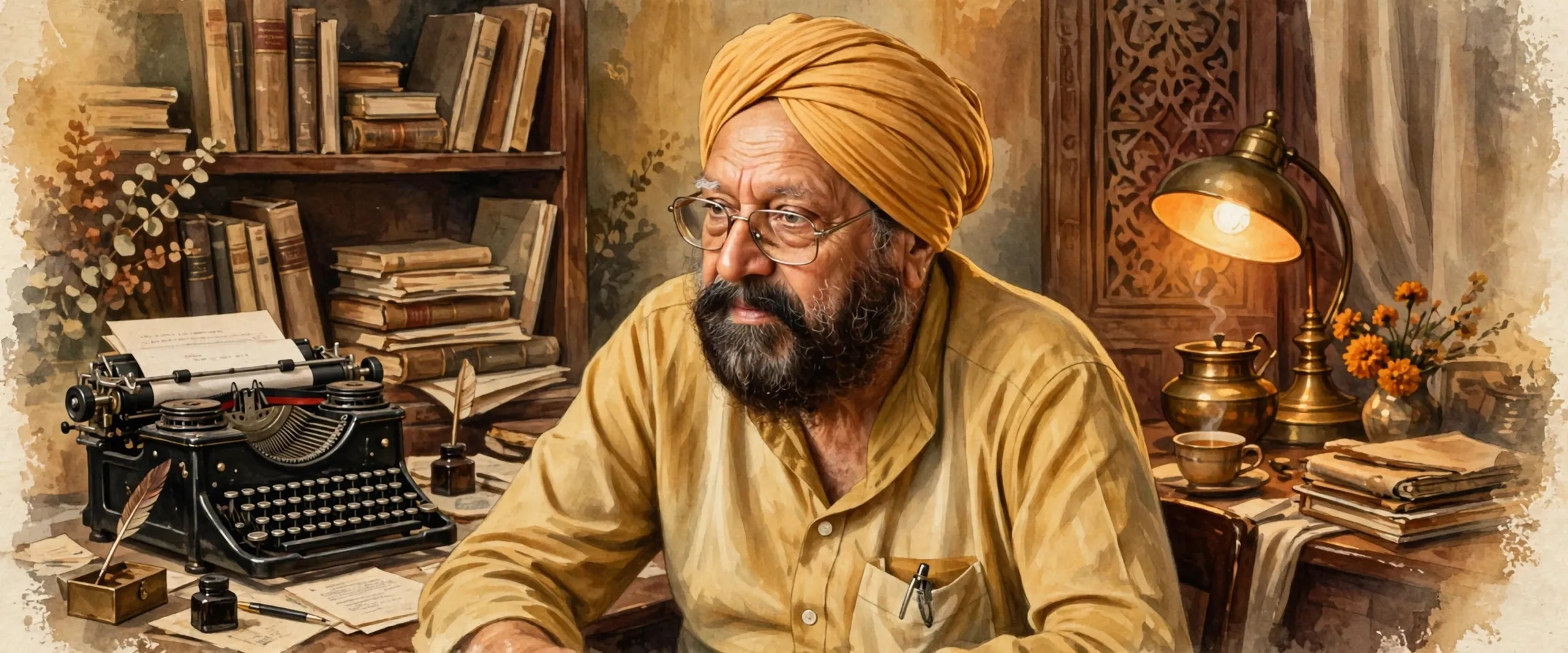
ਦ ਮਾਰਕ ਆਫ਼ ਵਿਸ਼ਨੂੰ ਐਂਡ ਅਦਰ ਸਟੋਰੀਜ਼ ਖੁਸ਼ਵੰਤ ਸਿੰਘ ਦੀ ਪਹਿਲੀ ਕਿਤਾਬ ਹੈ, ਜੋ 1950 ਵਿੱਚ ਲੰਡਨ ਵਿੱਚ ਸੈਟਰਨ ਪ੍ਰੈੱਸ ਵੱਲੋਂ ਛਪੀ। ਇਹ ਅੰਗਰੇਜ਼ੀ ਵਿੱਚ ਛੋਟੀਆਂ ਕਹਾਣੀਆਂ ਦਾ ਸੰਗ੍ਰਹਿ ਹੈ, ਅਤੇ ਇਸ ਦੀ ਸਭ ਤੋਂ ਜਾਣੀ ਕਹਾਣੀ, 'ਦ ਮਾਰਕ ਆਫ਼ ਵਿਸ਼ਨੂੰ', ਗੁੰਗਾ ਰਾਮ ਬਾਰੇ ਹੈ, ਇੱਕ ਭਗਤ ਨੌਕਰ ਜੋ ਹਰ ਰੋਜ਼ ਇੱਕ ਕਾਲੇ ਨਾਗ ਨੂੰ ਦੁੱਧ ਪਿਲਾਉਂਦਾ ਹੈ ਅਤੇ ਸਕੂਲੀ ਮੁੰਡਿਆਂ ਵੱਲੋਂ ਨਾਗ ਨੂੰ ਜ਼ਖ਼ਮੀ ਕਰਨ ਤੋਂ ਬਾਅਦ ਸੱਪ ਹੱਥੋਂ ਮਾਰਿਆ ਜਾਂਦਾ ਹੈ। ਇਸ ਕਿਤਾਬ ਨੇ ਸਿੰਘ ਦਾ ਨਾਂ ਛੋਟੀ ਕਹਾਣੀ ਦੇ ਲੇਖਕ ਵਜੋਂ ਬਣਾਇਆ, ਉਸ ਦੇ ਮਸ਼ਹੂਰ ਨਾਵਲ ਟ੍ਰੇਨ ਟੂ ਪਾਕਿਸਤਾਨ ਤੋਂ ਛੇ ਸਾਲ ਪਹਿਲਾਂ।
ਅੰਗਰੇਜ਼ੀ- ਲੇਖਕ
- ਖੁਸ਼ਵੰਤ ਸਿੰਘ (1915 ਤੋਂ 2014)
- ਪਹਿਲੀ ਵਾਰ ਛਪੀ
- 1950, ਸੈਟਰਨ ਪ੍ਰੈੱਸ, ਲੰਡਨ
- ਰੂਪ
- ਛੋਟੀਆਂ ਕਹਾਣੀਆਂ ਦਾ ਸੰਗ੍ਰਹਿ, ਲੇਖਕ ਦੀ ਪਹਿਲੀ ਕਿਤਾਬ
- ਭਾਸ਼ਾ
- ਅੰਗਰੇਜ਼ੀ
- ਸਭ ਤੋਂ ਜਾਣੀ ਕਹਾਣੀ
- 'ਦ ਮਾਰਕ ਆਫ਼ ਵਿਸ਼ਨੂੰ'
- ਉਸ ਤੋਂ ਬਾਅਦ
- ਟ੍ਰੇਨ ਟੂ ਪਾਕਿਸਤਾਨ (1956); ਦ ਵੌਇਸ ਆਫ਼ ਗੌਡ ਐਂਡ ਅਦਰ ਸਟੋਰੀਜ਼ (1957)
- ਪਿਛੋਕੜ
- ਲੇਖਕ ਦੇ ਬਚਪਨ ਦਾ ਪੰਜਾਬ
ਪਾਤਰ
About the book
The Mark of Vishnu and Other Stories is the first book by Khushwant Singh, published in London in 1950. It is a collection of short stories in English, and it announced a writer who would become one of India's best known: funny, unsentimental, and sharp about the clash between old belief and new science in the Punjab of his childhood.
Singh was 35 when the book appeared, a lawyer who had turned to diplomacy and journalism. The stories draw on the world he grew up in: the village of Hadali in Punjab where he was born, school in Delhi and Lahore, and the servants, schoolboys and small town characters of that India. The title story is the best known of them, and it has been anthologised again and again.
The stories are short, plot driven and built on irony, the qualities Britannica picks out as the mark of Singh's short fiction. Their subjects are ordinary people caught between two Indias: one that feeds milk to a cobra out of faith, and one that wants to dissect the cobra in the name of science.
What happens in "The Mark of Vishnu"?
The story is told by one of four schoolboy brothers. Their household servant is Gunga Ram, an illiterate Brahmin who believes all life is sacred, even the life of a serpent or a scorpion or a centipede. Every morning he smears a V mark of sandalwood paste on his forehead to honour Vishnu, the preserver, and every day he pours milk into a saucer for Kala Nag, a six foot black cobra that lives in a hole by the wall of the house.
The boys laugh at his faith. One rainy morning they find the cobra, stone it until it is a pulp of black and white jelly, lift it on a bamboo stick and shut it in a tin box. The next day they carry the box to school, meaning to present it to their science teacher. As soon as the lid comes off, the cobra bursts out, its hood undamaged, and lunges at the teacher, who topples backwards off his chair.
At that moment Gunga Ram appears at the classroom door, saucer and jug of milk in his hands. He kneels, pours the milk, and bows his head to the ground, begging forgiveness for the injury the boys did to the snake. The cobra, in desperate fury, bites him all over the head. The poison blinds him at once and he turns pale, and within minutes he collapses and dies. The teacher wipes the little drops of blood from his forehead, and underneath is the V mark, where the cobra dug its fangs.
The prank at the heart of the story came from Singh's own schooldays. Britannica records that he and his brothers once presented a cobra to their chemistry teacher, and the incident came to be recorded in this story. The story is fiction, but its sting comes from a memory.
Faith, superstition and the modern classroom
The story refuses to choose a side cleanly, and that is its power. Gunga Ram's faith is gentle: he tends wasps the boys have battered with badminton rackets, and he will not let a creature be killed. The boys' science is cruel: they stone a living animal for a joke and carry it to school as a trophy. Yet the faith kills Gunga Ram and the science tortures the snake, so both the believer and the rationalists stand condemned.
The same argument runs through the collection: superstition against reason, tradition against modernity, the village against the English educated town. Singh's sympathies are with ordinary people, but he never flatters them. His servants are pious and foolish at once, his schoolboys clever and heartless at once, and the comedy of the stories comes from watching those certainties collide.
ਲੇਖਕ
Khushwant Singh (1915 to 2014) was born in Hadali, a village in Punjab that is now in Pakistan, the second son of the builder Sobha Singh. He studied law in Lahore and at King's College London, practised at the Lahore High Court, and served as an Indian diplomat before turning to journalism. In 1969 he took over The Illustrated Weekly of India and raised its circulation from 80,000 to 410,000. He was awarded the Padma Bhushan in 1975 and returned it in 1984 in protest against Operation Blue Star. His full story is in his Kosh entry.
After this first book came the work that made him famous: Train to Pakistan in 1956, The Voice of God and Other Stories in 1957, I Shall Not Hear the Nightingale in 1959, and the two volume A History of the Sikhs, published in 1963 and 1984. But the short story remained his first love, and this collection is where it began.
Reception and legacy
The book was well received in Britain and in India, and the title story became Singh's most anthologised short story, a set text in Indian schools and colleges. It is still the story readers meet first when they meet Khushwant Singh, and it is still argued over: was Gunga Ram a fool, a saint, or simply a man whose kindness had no sense of danger?
The collection set the pattern for all of Singh's short fiction: short, plot driven, ironic, and crowded with village and small town characters. Some critics rate him higher as a short story writer than as a novelist. Read it beside Train to Pakistan and The Voice of God and Other Stories, both in this Kosh, to see the writer of the Partition novel learning his trade.
ਕਿਤਾਬ ਬਾਰੇ
ਦ ਮਾਰਕ ਆਫ਼ ਵਿਸ਼ਨੂੰ ਐਂਡ ਅਦਰ ਸਟੋਰੀਜ਼ ਖੁਸ਼ਵੰਤ ਸਿੰਘ ਦੀ ਪਹਿਲੀ ਕਿਤਾਬ ਹੈ, ਜੋ 1950 ਵਿੱਚ ਲੰਡਨ ਵਿੱਚ ਛਪੀ। ਇਹ ਅੰਗਰੇਜ਼ੀ ਵਿੱਚ ਛੋਟੀਆਂ ਕਹਾਣੀਆਂ ਦਾ ਸੰਗ੍ਰਹਿ ਹੈ, ਅਤੇ ਇਸ ਨੇ ਇੱਕ ਅਜਿਹੇ ਲੇਖਕ ਦਾ ਐਲਾਨ ਕੀਤਾ ਜੋ ਭਾਰਤ ਦੇ ਸਭ ਤੋਂ ਜਾਣੇ ਪਛਾਣੇ ਲੇਖਕਾਂ ਵਿੱਚੋਂ ਇੱਕ ਬਣਿਆ: ਹਾਸੇ ਵਾਲਾ, ਬੇਰਹਿਮ ਸੱਚ ਬੋਲਣ ਵਾਲਾ, ਅਤੇ ਆਪਣੇ ਬਚਪਨ ਦੇ ਪੰਜਾਬ ਵਿੱਚ ਪੁਰਾਣੇ ਵਿਸ਼ਵਾਸ ਅਤੇ ਨਵੇਂ ਵਿਗਿਆਨ ਦੀ ਟੱਕਰ ਉੱਤੇ ਤਿੱਖੀ ਨਜ਼ਰ ਰੱਖਣ ਵਾਲਾ।
ਜਦੋਂ ਇਹ ਕਿਤਾਬ ਆਈ ਤਾਂ ਸਿੰਘ 35 ਸਾਲ ਦਾ ਸੀ, ਇੱਕ ਵਕੀਲ ਜੋ ਕੂਟਨੀਤੀ ਅਤੇ ਪੱਤਰਕਾਰੀ ਵੱਲ ਮੁੜਿਆ ਸੀ। ਕਹਾਣੀਆਂ ਉਸ ਦੁਨੀਆ ਤੋਂ ਆਉਂਦੀਆਂ ਹਨ ਜਿਸ ਵਿੱਚ ਉਹ ਵੱਡਾ ਹੋਇਆ: ਹਦਾਲੀ ਪਿੰਡ ਜਿੱਥੇ ਉਹ ਜੰਮਿਆ, ਦਿੱਲੀ ਅਤੇ ਲਾਹੌਰ ਦੇ ਸਕੂਲ, ਅਤੇ ਉਸ ਭਾਰਤ ਦੇ ਨੌਕਰ, ਸਕੂਲੀ ਮੁੰਡੇ ਅਤੇ ਛੋਟੇ ਸ਼ਹਿਰਾਂ ਦੇ ਪਾਤਰ। ਸਿਰਲੇਖ ਕਹਾਣੀ ਇਨ੍ਹਾਂ ਵਿੱਚੋਂ ਸਭ ਤੋਂ ਜਾਣੀ ਪਛਾਣੀ ਹੈ, ਅਤੇ ਇਹ ਵਾਰ ਵਾਰ ਸੰਗ੍ਰਹਿਆਂ ਵਿੱਚ ਛਪਦੀ ਰਹੀ ਹੈ।
ਕਹਾਣੀਆਂ ਛੋਟੀਆਂ ਹਨ, ਕਥਾ ਉੱਤੇ ਚੱਲਦੀਆਂ ਹਨ ਅਤੇ ਵਿਅੰਗ ਉੱਤੇ ਬਣੀਆਂ ਹਨ, ਇਹੀ ਉਹ ਗੁਣ ਹਨ ਜੋ ਬ੍ਰਿਟੈਨਿਕਾ ਸਿੰਘ ਦੀ ਛੋਟੀ ਕਹਾਣੀ ਦੀ ਪਛਾਣ ਦੱਸਦੀ ਹੈ। ਇਨ੍ਹਾਂ ਦੇ ਵਿਸ਼ੇ ਆਮ ਲੋਕ ਹਨ ਜੋ ਦੋ ਭਾਰਤਾਂ ਵਿਚਕਾਰ ਫਸੇ ਹਨ: ਇੱਕ ਉਹ ਜੋ ਵਿਸ਼ਵਾਸ ਨਾਲ ਨਾਗ ਨੂੰ ਦੁੱਧ ਪਿਲਾਉਂਦਾ ਹੈ, ਅਤੇ ਦੂਜਾ ਉਹ ਜੋ ਵਿਗਿਆਨ ਦੇ ਨਾਂ ਉੱਤੇ ਨਾਗ ਨੂੰ ਚੀਰਨਾ ਚਾਹੁੰਦਾ ਹੈ।
‘ਦ ਮਾਰਕ ਆਫ਼ ਵਿਸ਼ਨੂੰ’ ਵਿੱਚ ਕੀ ਹੁੰਦਾ ਹੈ?
ਕਹਾਣੀ ਚਾਰ ਸਕੂਲੀ ਭਰਾਵਾਂ ਵਿੱਚੋਂ ਇੱਕ ਸੁਣਾਉਂਦਾ ਹੈ। ਉਨ੍ਹਾਂ ਦੇ ਘਰ ਦਾ ਨੌਕਰ ਗੁੰਗਾ ਰਾਮ ਹੈ, ਇੱਕ ਅਨਪੜ੍ਹ ਬ੍ਰਾਹਮਣ ਜੋ ਮੰਨਦਾ ਹੈ ਕਿ ਹਰ ਜੀਵ ਪਵਿੱਤਰ ਹੈ, ਭਾਵੇਂ ਉਹ ਸੱਪ ਹੋਵੇ ਜਾਂ ਬਿੱਛੂ ਜਾਂ ਕਨਖਜੂਰਾ। ਹਰ ਸਵੇਰ ਉਹ ਆਪਣੇ ਮੱਥੇ ਉੱਤੇ ਚੰਦਨ ਨਾਲ V ਦਾ ਨਿਸ਼ਾਨ ਲਾਉਂਦਾ ਹੈ ਤਾਂ ਜੋ ਵਿਸ਼ਨੂੰ, ਪਾਲਣਹਾਰ, ਦਾ ਸਨਮਾਨ ਕਰੇ, ਅਤੇ ਹਰ ਰੋਜ਼ ਉਹ ਕਾਲਾ ਨਾਗ ਲਈ ਕਟੋਰੀ ਵਿੱਚ ਦੁੱਧ ਰੱਖਦਾ ਹੈ, ਇੱਕ ਛੇ ਫੁੱਟ ਲੰਮਾ ਕਾਲਾ ਨਾਗ ਜੋ ਘਰ ਦੀ ਕੰਧ ਕੋਲ ਮੋਰੀ ਵਿੱਚ ਰਹਿੰਦਾ ਹੈ।
ਮੁੰਡੇ ਉਸ ਦੇ ਵਿਸ਼ਵਾਸ ਉੱਤੇ ਹੱਸਦੇ ਹਨ। ਇੱਕ ਬਰਸਾਤੀ ਸਵੇਰ ਉਹ ਨਾਗ ਨੂੰ ਲੱਭ ਲੈਂਦੇ ਹਨ, ਉਸ ਨੂੰ ਪੱਥਰ ਮਾਰਦੇ ਹਨ ਜਦੋਂ ਤੱਕ ਉਹ ਕਾਲੇ ਚਿੱਟੇ ਲੁਬ ਦਾ ਢੇਰ ਨਹੀਂ ਬਣ ਜਾਂਦਾ, ਉਸ ਨੂੰ ਬਾਂਸ ਉੱਤੇ ਚੁੱਕ ਕੇ ਟੀਨ ਦੇ ਡੱਬੇ ਵਿੱਚ ਬੰਦ ਕਰ ਦਿੰਦੇ ਹਨ। ਅਗਲੇ ਦਿਨ ਉਹ ਡੱਬਾ ਸਕੂਲ ਲੈ ਜਾਂਦੇ ਹਨ ਤਾਂ ਜੋ ਆਪਣੇ ਵਿਗਿਆਨ ਅਧਿਆਪਕ ਨੂੰ ਦਿਖਾਉਣ। ਜਿਵੇਂ ਹੀ ਢੱਕਣ ਖੁੱਲ੍ਹਦਾ ਹੈ, ਨਾਗ ਬਾਹਰ ਨਿਕਲਦਾ ਹੈ, ਉਸ ਦਾ ਫਨ ਸਾਬਤ ਹੈ, ਅਤੇ ਉਹ ਅਧਿਆਪਕ ਵੱਲ ਝਪਟਦਾ ਹੈ, ਜੋ ਕੁਰਸੀ ਤੋਂ ਪਿੱਛੇ ਡਿੱਗ ਪੈਂਦਾ ਹੈ।
ਉਸੇ ਵੇਲੇ ਗੁੰਗਾ ਰਾਮ ਜਮਾਤ ਦੇ ਦਰਵਾਜ਼ੇ ਉੱਤੇ ਆ ਜਾਂਦਾ ਹੈ, ਹੱਥਾਂ ਵਿੱਚ ਦੁੱਧ ਦੀ ਕਟੋਰੀ ਅਤੇ ਜੱਗ। ਉਹ ਗੋਡਿਆਂ ਭਾਰ ਬੈਠਦਾ ਹੈ, ਦੁੱਧ ਪਾਉਂਦਾ ਹੈ, ਅਤੇ ਸਿਰ ਜ਼ਮੀਨ ਉੱਤੇ ਝੁਕਾ ਕੇ ਮੁੰਡਿਆਂ ਵੱਲੋਂ ਨਾਗ ਨੂੰ ਪਹੁੰਚਾਈ ਸੱਟ ਲਈ ਮੁਆਫ਼ੀ ਮੰਗਦਾ ਹੈ। ਨਾਗ, ਗੁੱਸੇ ਵਿੱਚ, ਉਸ ਦੇ ਸਿਰ ਉੱਤੇ ਵਾਰ ਵਾਰ ਡੰਗ ਮਾਰਦਾ ਹੈ। ਜ਼ਹਿਰ ਉਸ ਨੂੰ ਤੁਰੰਤ ਅੰਨ੍ਹਾ ਕਰ ਦਿੰਦਾ ਹੈ ਅਤੇ ਉਹ ਪੀਲਾ ਪੈ ਜਾਂਦਾ ਹੈ, ਅਤੇ ਕੁਝ ਮਿੰਟਾਂ ਵਿੱਚ ਉਹ ਢਹਿ ਪੈਂਦਾ ਹੈ। ਅਧਿਆਪਕ ਉਸ ਦੇ ਮੱਥੇ ਤੋਂ ਖੂਨ ਦੀਆਂ ਛੋਟੀਆਂ ਬੂੰਦਾਂ ਪੂੰਝਦਾ ਹੈ, ਅਤੇ ਹੇਠਾਂ V ਦਾ ਨਿਸ਼ਾਨ ਦਿਸਦਾ ਹੈ, ਜਿੱਥੇ ਨਾਗ ਨੇ ਆਪਣੇ ਦੰਦ ਗੱਡੇ ਸਨ।
ਕਹਾਣੀ ਦੇ ਦਿਲ ਵਿੱਚ ਜੋ ਸ਼ਰਾਰਤ ਹੈ, ਉਹ ਸਿੰਘ ਦੇ ਆਪਣੇ ਸਕੂਲੀ ਦਿਨਾਂ ਤੋਂ ਆਈ ਹੈ। ਬ੍ਰਿਟੈਨਿਕਾ ਦਰਜ ਕਰਦੀ ਹੈ ਕਿ ਉਸ ਨੇ ਅਤੇ ਉਸ ਦੇ ਭਰਾਵਾਂ ਨੇ ਇੱਕ ਵਾਰ ਆਪਣੇ ਰਸਾਇਣ ਅਧਿਆਪਕ ਨੂੰ ਨਾਗ ਪੇਸ਼ ਕੀਤਾ ਸੀ, ਅਤੇ ਉਹ ਘਟਨਾ ਇਸ ਕਹਾਣੀ ਵਿੱਚ ਦਰਜ ਹੋ ਗਈ। ਕਹਾਣੀ ਗਲਪ ਹੈ, ਪਰ ਇਸ ਦੀ ਚੁਭਣ ਉਸ ਯਾਦ ਤੋਂ ਆਉਂਦੀ ਹੈ।
ਵਿਸ਼ਵਾਸ, ਅੰਧਵਿਸ਼ਵਾਸ ਅਤੇ ਆਧੁਨਿਕ ਜਮਾਤ
ਕਹਾਣੀ ਸਾਫ਼ ਤੌਰ ਉੱਤੇ ਕਿਸੇ ਇੱਕ ਪਾਸੇ ਨਹੀਂ ਖੜ੍ਹਦੀ, ਅਤੇ ਇਹੀ ਇਸ ਦੀ ਤਾਕਤ ਹੈ। ਗੁੰਗਾ ਰਾਮ ਦਾ ਵਿਸ਼ਵਾਸ ਨਰਮ ਹੈ: ਉਹ ਉਨ੍ਹਾਂ ਭਰਿੰਡਾਂ ਦੀ ਦੇਖਭਾਲ ਕਰਦਾ ਹੈ ਜਿਨ੍ਹਾਂ ਨੂੰ ਮੁੰਡਿਆਂ ਨੇ ਬੈਡਮਿੰਟਨ ਰੈਕਟਾਂ ਨਾਲ ਜ਼ਖ਼ਮੀ ਕੀਤਾ ਹੈ, ਅਤੇ ਉਹ ਕਿਸੇ ਜੀਵ ਨੂੰ ਮਾਰਨ ਨਹੀਂ ਦਿੰਦਾ। ਮੁੰਡਿਆਂ ਦਾ ਵਿਗਿਆਨ ਬੇਰਹਿਮ ਹੈ: ਉਹ ਇੱਕ ਜਿਉਂਦੇ ਜਾਨਵਰ ਨੂੰ ਮਜ਼ਾਕ ਲਈ ਪੱਥਰ ਮਾਰਦੇ ਹਨ ਅਤੇ ਉਸ ਨੂੰ ਸਕੂਲ ਵਿੱਚ ਇਨਾਮ ਵਾਂਗ ਲੈ ਜਾਂਦੇ ਹਨ। ਫਿਰ ਵੀ ਵਿਸ਼ਵਾਸ ਗੁੰਗਾ ਰਾਮ ਨੂੰ ਮਾਰ ਦਿੰਦਾ ਹੈ ਅਤੇ ਵਿਗਿਆਨ ਨਾਗ ਨੂੰ ਤੜਫਾਉਂਦਾ ਹੈ, ਇਸ ਲਈ ਵਿਸ਼ਵਾਸੀ ਅਤੇ ਤਰਕਵਾਦੀ ਦੋਵੇਂ ਦੋਸ਼ੀ ਖੜ੍ਹਦੇ ਹਨ।
ਇਹੀ ਦਲੀਲ ਸੰਗ੍ਰਹਿ ਵਿੱਚ ਚੱਲਦੀ ਹੈ: ਅੰਧਵਿਸ਼ਵਾਸ ਦੇ ਵਿਰੁੱਧ ਤਰਕ, ਪਰੰਪਰਾ ਦੇ ਵਿਰੁੱਧ ਆਧੁਨਿਕਤਾ, ਪਿੰਡ ਦੇ ਵਿਰੁੱਧ ਅੰਗਰੇਜ਼ੀ ਪੜ੍ਹਿਆ ਸ਼ਹਿਰ। ਸਿੰਘ ਦੀ ਹਮਦਰਦੀ ਆਮ ਲੋਕਾਂ ਨਾਲ ਹੈ, ਪਰ ਉਹ ਉਨ੍ਹਾਂ ਨੂੰ ਕਦੇ ਚਾਪਲੂਸੀ ਨਹੀਂ ਕਰਦਾ। ਉਸ ਦੇ ਨੌਕਰ ਇੱਕੋ ਵੇਲੇ ਧਾਰਮਿਕ ਅਤੇ ਮੂਰਖ ਹਨ, ਉਸ ਦੇ ਸਕੂਲੀ ਮੁੰਡੇ ਇੱਕੋ ਵੇਲੇ ਹੁਸ਼ਿਆਰ ਅਤੇ ਬੇਰਹਿਮ ਹਨ, ਅਤੇ ਕਹਾਣੀਆਂ ਦਾ ਹਾਸਾ ਉਨ੍ਹਾਂ ਯਕੀਨਾਂ ਦੀ ਟੱਕਰ ਤੋਂ ਆਉਂਦਾ ਹੈ।
ਲੇਖਕ
ਖੁਸ਼ਵੰਤ ਸਿੰਘ (1915 ਤੋਂ 2014) ਹਦਾਲੀ ਵਿੱਚ ਜੰ�ਿਆ, ਪੰਜਾਬ ਦਾ ਇੱਕ ਪਿੰਡ ਜੋ ਹੁਣ ਪਾਕਿਸਤਾਨ ਵਿੱਚ ਹੈ, ਉਸਾਰੀ ਕਰਨ ਵਾਲੇ ਸੋਭਾ ਸਿੰਘ ਦਾ ਦੂਜਾ ਪੁੱਤਰ। ਉਸ ਨੇ ਲਾਹੌਰ ਅਤੇ ਲੰਡਨ ਦੇ ਕਿੰਗਜ਼ ਕਾਲਜ ਵਿੱਚ ਕਾਨੂੰਨ ਪੜ੍ਹਿਆ, ਲਾਹੌਰ ਹਾਈ ਕੋਰਟ ਵਿੱਚ ਵਕਾਲਤ ਕੀਤੀ, ਅਤੇ ਭਾਰਤੀ ਕੂਟਨੀਤਕ ਵਜੋਂ ਸੇਵਾ ਕਰਨ ਤੋਂ ਬਾਅਦ ਪੱਤਰਕਾਰੀ ਵੱਲ ਮੁੜਿਆ। 1969 ਵਿੱਚ ਉਸ ਨੇ ਦ ਇਲਸਟਰੇਟਡ ਵੀਕਲੀ ਆਫ਼ ਇੰਡੀਆ ਸੰਭਾਲਿਆ ਅਤੇ ਇਸ ਦਾ ਪ੍ਰਸਾਰ 80,000 ਤੋਂ ਵਧਾ ਕੇ 410,000 ਕਰ ਦਿੱਤਾ। ਉਸ ਨੂੰ 1975 ਵਿੱਚ ਪਦਮ ਭੂਸ਼ਣ ਮਿਲਿਆ ਅਤੇ ਉਸ ਨੇ ਇਸ ਨੂੰ 1984 ਵਿੱਚ ਆਪਰੇਸ਼ਨ ਬਲੂ ਸਟਾਰ ਦੇ ਵਿਰੋਧ ਵਿੱਚ ਵਾਪਸ ਕਰ ਦਿੱਤਾ। ਉਸ ਦੀ ਪੂਰੀ ਕਹਾਣੀ ਉਸ ਦੀ ਕੋਸ਼ ਐਂਟਰੀ ਵਿੱਚ ਹੈ।
ਇਸ ਪਹਿਲੀ ਕਿਤਾਬ ਤੋਂ ਬਾਅਦ ਉਹ ਕੰਮ ਆਇਆ ਜਿਸ ਨੇ ਉਸ ਨੂੰ ਮਸ਼ਹੂਰ ਕੀਤਾ: 1956 ਵਿੱਚ ਟ੍ਰੇਨ ਟੂ ਪਾਕਿਸਤਾਨ, 1957 ਵਿੱਚ ਦ ਵੌਇਸ ਆਫ਼ ਗੌਡ ਐਂਡ ਅਦਰ ਸਟੋਰੀਜ਼, 1959 ਵਿੱਚ ਆਈ ਸ਼ੈਲ ਨਾਟ ਹੀਅਰ ਦ ਨਾਈਟਿੰਗੇਲ, ਅਤੇ ਦੋ ਭਾਗਾਂ ਵਿੱਚ ਅ ਹਿਸਟਰੀ ਆਫ਼ ਦ ਸਿੱਖਸ, ਜੋ 1963 ਅਤੇ 1984 ਵਿੱਚ ਛਪੀ। ਪਰ ਛੋਟੀ ਕਹਾਣੀ ਉਸ ਦਾ ਪਹਿਲਾ ਪਿਆਰ ਰਹੀ, ਅਤੇ ਇਹ ਸੰਗ੍ਰਹਿ ਉਹ ਥਾਂ ਹੈ ਜਿੱਥੋਂ ਇਸ ਦੀ ਸ਼ੁਰੂਆਤ ਹੋਈ।
ਸਵਾਗਤ ਅਤੇ ਵਿਰਸਾ
ਕਿਤਾਬ ਦਾ ਬਰਤਾਨੀਆ ਅਤੇ ਭਾਰਤ ਵਿੱਚ ਚੰਗਾ ਸਵਾਗਤ ਹੋਇਆ, ਅਤੇ ਸਿਰਲੇਖ ਕਹਾਣੀ ਸਿੰਘ ਦੀ ਸਭ ਤੋਂ ਵੱਧ ਸੰਗ੍ਰਹਿਆਂ ਵਿੱਚ ਛਪਣ ਵਾਲੀ ਛੋਟੀ ਕਹਾਣੀ ਬਣ ਗਈ, ਜੋ ਭਾਰਤੀ ਸਕੂਲਾਂ ਅਤੇ ਕਾਲਜਾਂ ਵਿੱਚ ਪੜ੍ਹਾਈ ਜਾਂਦੀ ਹੈ। ਇਹ ਅੱਜ ਵੀ ਉਹ ਕਹਾਣੀ ਹੈ ਜੋ ਪਾਠਕ ਸਭ ਤੋਂ ਪਹਿਲਾਂ ਮਿਲਦੇ ਹਨ ਜਦੋਂ ਉਹ ਖੁਸ਼ਵੰਤ ਸਿੰਘ ਨੂੰ ਮਿਲਦੇ ਹਨ, ਅਤੇ ਇਸ ਉੱਤੇ ਅੱਜ ਵੀ ਬਹਿਸ ਹੁੰਦੀ ਹੈ: ਕੀ ਗੁੰਗਾ ਰਾਮ ਮੂਰਖ ਸੀ, ਸੰਤ ਸੀ, ਜਾਂ ਸਿਰਫ਼ ਇੱਕ ਅਜਿਹਾ ਆਦਮੀ ਸੀ ਜਿਸ ਦੀ ਦਿਆਲਤਾ ਵਿੱਚ ਖ਼ਤਰੇ ਦੀ ਸਮਝ ਨਹੀਂ ਸੀ?
ਸੰਗ੍ਰਹਿ ਨੇ ਸਿੰਘ ਦੀ ਸਾਰੀ ਛੋਟੀ ਕਹਾਣੀ ਦਾ ਨਮੂਨਾ ਤੈਅ ਕੀਤਾ: ਛੋਟੀ, ਕਥਾ ਉੱਤੇ ਚੱਲਦੀ, ਵਿਅੰਗ ਵਾਲੀ, ਅਤੇ ਪਿੰਡਾਂ ਅਤੇ ਛੋਟੇ ਸ਼ਹਿਰਾਂ ਦੇ ਪਾਤਰਾਂ ਨਾਲ ਭਰੀ। ਕੁਝ ਆਲੋਚਕ ਉਸ ਨੂੰ ਨਾਵਲਕਾਰ ਨਾਲੋਂ ਛੋਟੀ ਕਹਾਣੀ ਦਾ ਲੇਖਕ ਵੱਡਾ ਮੰਨਦੇ ਹਨ। ਇਸ ਨੂੰ ਟ੍ਰੇਨ ਟੂ ਪਾਕਿਸਤਾਨ ਅਤੇ ਦ ਵੌਇਸ ਆਫ਼ ਗੌਡ ਐਂਡ ਅਦਰ ਸਟੋਰੀਜ਼ ਦੇ ਨਾਲ ਪੜ੍ਹੋ, ਦੋਵੇਂ ਇਸ ਕੋਸ਼ ਵਿੱਚ ਹਨ, ਤਾਂ ਜੋ ਵੇਖਿਆ ਜਾ ਸਕੇ ਕਿ ਵੰਡ ਦੇ ਨਾਵਲ ਦਾ ਲੇਖਕ ਆਪਣਾ ਹੁਨਰ ਕਿਵੇਂ ਸਿੱਖ ਰਿਹਾ ਸੀ।
ਐਡੀਸ਼ਨ ਅਤੇ ਅਨੁਵਾਦ
- The Mark of Vishnu and Other StoriesEnglish · Saturn Press, London, 1950Edition
- The Mark of Vishnu and Other StoriesEnglish · reprinted in later collections and anthologiesEdition
ਲੇਖਕ

ਜੁੜੇ ਹੋਏ
ਹੋਰ ਪੜ੍ਹੋ
ਸਰੋਤ (3)
ਜੁਗਤੀ ਮੁਫ਼ਤ ਅਤੇ ਸੁਤੰਤਰ ਹੈ। ਪਾਠਕਾਂ ਦਾ ਸਹਿਯੋਗ ਕੋਸ਼ ਨੂੰ ਵਧਾਉਂਦਾ ਹੈ।
ਸਹਿਯੋਗ