
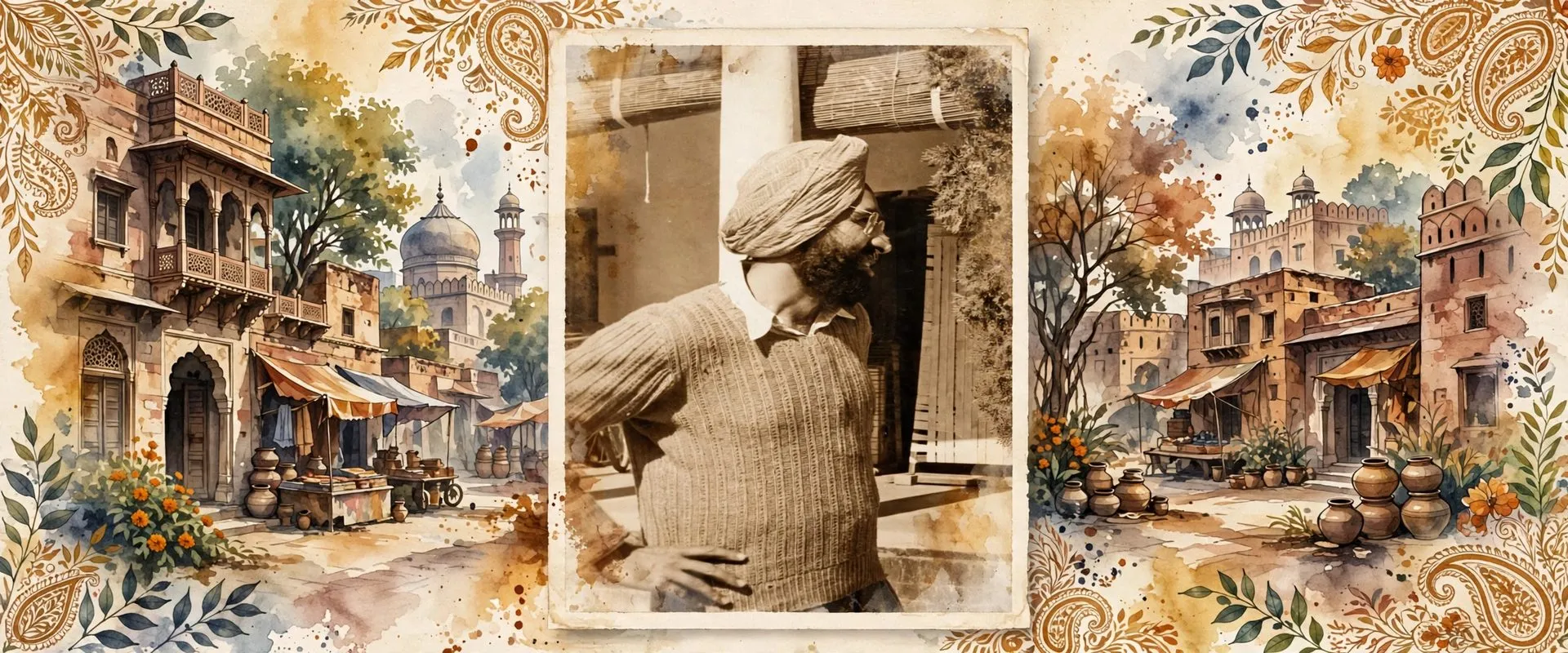
The End of India ਖੁਸ਼ਵੰਤ ਸਿੰਘ ਦੇ ਲੇਖਾਂ ਦੀ 2003 ਦੀ ਕਿਤਾਬ ਹੈ, ਜੋ ਪੈਂਗੁਇਨ ਬੁਕਸ ਇੰਡੀਆ ਨੇ ਛਾਪੀ। ਵੰਡ ਵਿੱਚ ਜੋ ਉਸ ਨੇ ਆਪਣੀਆਂ ਅੱਖਾਂ ਨਾਲ ਦੇਖਿਆ, ਉਸ ਤੋਂ ਲੈ ਕੇ ਸਿੰਘ ਦਲੀਲ ਦਿੰਦਾ ਹੈ ਕਿ ਫਿਰਕੂ ਹਿੰਸਾ ਅਤੇ ਉਸ ਉੱਤੇ ਬਣੀ ਸਿਆਸਤ ਭਾਰਤ ਨੂੰ ਤੋੜ ਰਹੀ ਹੈ, ਅਤੇ ਉਹ 2002 ਦੀ ਗੁਜਰਾਤ ਹਿੰਸਾ, 1984 ਦੇ ਸਿੱਖ-ਵਿਰੋਧੀ ਦੰਗਿਆਂ ਅਤੇ ਗ੍ਰਾਹਮ ਸਟੇਨਜ਼ ਤੇ ਉਸ ਦੇ ਬੱਚਿਆਂ ਦੇ ਕਤਲ ਦੀ ਜਾਂਚ ਕਰਦਾ ਹੈ।
ਅੰਗਰੇਜ਼ੀ- ਲੇਖਕ
- ਖੁਸ਼ਵੰਤ ਸਿੰਘ (1915 ਤੋਂ 2014)
- ਪ੍ਰਕਾਸ਼ਿਤ
- 2003 (ਪੈਂਗੁਇਨ ਬੁਕਸ ਇੰਡੀਆ)
- ਭਾਸ਼ਾ
- ਅੰਗਰੇਜ਼ੀ
- ਰੂਪ
- ਲੇਖ
- ਪੰਨੇ
- 163
- ਆਈਐੱਸਬੀਐੱਨ
- 9780143029946
The End of India is a book of essays by Khushwant Singh, published by Penguin Books India in 2003. Written after the Gujarat violence of 2002, it argues that communal politics, not religion itself, is the force pulling India apart, and it warns that the country could come undone.
About the book
The book runs to 163 pages. Its starting point is personal: Singh was a witness to the violence of Partition in 1947, and he writes that he thought then that he had seen the worst India could do to herself. The Gujarat carnage of 2002 convinced him the worst might still be to come.
The argument is stated plainly in the publisher's description of the book: fundamentalism has less to do with religion than with politics, and communal politics is only the most visible of the demons India has nurtured and let loose upon itself. Singh's evidence runs from insurgencies in Kashmir and the north-east, through caste wars in Bihar and scattered Naxalite movements, to the ghettoisation of minorities in Indian cities.
What does Singh argue?
Singh's case is that India is being undone from within by its own obsessions: caste, region, religion and race. The publisher's summary of his argument puts it bluntly: Singh forces the reader to confront what it calls the absolute corruption of religion, a corruption that has made Indians among the most brutal people on earth.
What makes the book more than a lament is its history. Singh does not treat 2002 as a sudden break. He traces the communalisation of Gujarat back through the decades, and he sets the Gujarat violence beside Partition, the anti-Sikh riots of 1984 and the killing of the missionary Graham Staines and his children, as chapters of one story rather than separate tragedies.
The case of Gujarat
The heart of the book is the long essay on Gujarat, part of which the magazine The Caravan later republished. Singh describes the attack on the train at Godhra as pre-planned, and the revenge that followed as pre-planned too: within hours, he writes, armed mobs were out with detailed lists of Muslim homes and establishments, and several hundred Muslims were hacked to death or burnt alive, women raped, homes and shops looted and burnt down.
His charge is against the state itself. The police, he writes, stood by like spectators; when the army arrived it was not deployed; orders to shoot at sight came only after many lives had been lost; and officers who tried to do their duty were transferred out. A year after the rioting, he writes, many Muslim victims were still homeless, and those who had returned had been forced to withdraw their complaints.
To show that none of this was new, Singh reaches back to a report from another time: Judge Madon's summing up after the Bhiwandi and Jalgaon riots of 1970, a journey, the judge wrote, through a land of hatred and violence, of prejudice and perjury. Singh had visited Ahmedabad himself in 1970, five months after its riots, and he quotes his own report from that visit. The 1969 Ahmedabad riots, he argues, were the first triumph of the RSS in Gujarat, and the divisions he saw then were never allowed to heal.
Partition, 1984 and the pattern Singh saw
Singh's authority in the book comes from having seen it before. He writes, 'I have seen it before with my own eyes in 1947 and 1984.' Singh was born in Hadali, in the Punjab that became Pakistan in 1947, and the anti-Sikh riots of 1984 showed him the same pattern in the capital: mobs, a police force that looked away, and a state unwilling to stop them.
The burning of the missionary Graham Staines and his children belongs in the same list for Singh: violence against Christians as well as Muslims, and the targeted killings by terrorists in Punjab and Kashmir complete a picture of a country where no community is safe from the politics of hatred.
ਲੇਖਕ
Khushwant Singh was born on 2 February 1915 in the village of Hadali, in what is now the Punjab province of Pakistan. He was educated at St Stephen's College in Delhi, Government College in Lahore and King's College London, worked for India's ministry of external affairs, and served as press officer in Ottawa and London. From 1980 to 1986 he was a member of the upper house of the Indian parliament.
He was one of India's most widely read writers: the author of Train to Pakistan, I Shall Not Hear the Nightingale, Delhi: A Novel, The Company of Women and The Sunset Club, a two-volume History of the Sikhs, and the autobiography Truth, Love and a Little Malice. His newspaper column, With Malice Towards One and All, was syndicated across India. He died on 20 March 2014, at the age of 99.
Reception and legacy
The publisher calls The End of India a brave and passionate book, a wake-up call for every citizen concerned about his or her own future, if not the nation's. The Caravan's republication of the Gujarat essay more than a decade later shows how the book stayed in argument long after its publication.
The book is Singh's angriest work, and its title is a provocation rather than a prediction: a warning that a country can be lost not to invasion but to the hatreds its own politics feeds. In the Kosh it stands beside Train to Pakistan, Delhi and The Company of Women as the record of a writer who watched India for almost a century and refused to look away.
The End of India ਖੁਸ਼ਵੰਤ ਸਿੰਘ ਦੇ ਲੇਖਾਂ ਦੀ ਕਿਤਾਬ ਹੈ, ਜੋ ਪੈਂਗੁਇਨ ਬੁਕਸ ਇੰਡੀਆ ਨੇ 2003 ਵਿੱਚ ਛਾਪੀ। ਗੁਜਰਾਤ ਵਿੱਚ 2002 ਦੀ ਹਿੰਸਾ ਤੋਂ ਬਾਅਦ ਲਿਖੀ ਗਈ ਇਹ ਕਿਤਾਬ ਦਲੀਲ ਦਿੰਦੀ ਹੈ ਕਿ ਫਿਰਕੂ ਸਿਆਸਤ, ਨਾ ਕਿ ਧਰਮ, ਉਹ ਤਾਕਤ ਹੈ ਜੋ ਭਾਰਤ ਨੂੰ ਤੋੜ ਰਹੀ ਹੈ, ਅਤੇ ਇਹ ਚੇਤਾਵਨੀ ਦਿੰਦੀ ਹੈ ਕਿ ਦੇਸ਼ ਟੁੱਟ ਸਕਦਾ ਹੈ।
ਕਿਤਾਬ ਬਾਰੇ
ਇਹ ਕਿਤਾਬ 163 ਪੰਨਿਆਂ ਦੀ ਹੈ। ਇਸ ਦਾ ਸ਼ੁਰੂਆਤੀ ਬਿੰਦੂ ਨਿੱਜੀ ਹੈ: ਸਿੰਘ 1947 ਦੀ ਵੰਡ ਦੀ ਹਿੰਸਾ ਦਾ ਗਵਾਹ ਸੀ, ਅਤੇ ਉਹ ਲਿਖਦਾ ਹੈ ਕਿ ਉਦੋਂ ਉਸ ਨੇ ਸੋਚਿਆ ਸੀ ਕਿ ਉਸ ਨੇ ਭਾਰਤ ਦੀ ਸਭ ਤੋਂ ਭੈੜੀ ਹਾਲਤ ਦੇਖ ਲਈ ਹੈ। ਗੁਜਰਾਤ ਵਿੱਚ 2002 ਦੇ ਕਤਲੇਆਮ ਨੇ ਉਸ ਨੂੰ ਯਕੀਨ ਦਿਵਾਇਆ ਕਿ ਸਭ ਤੋਂ ਭੈੜਾ ਅਜੇ ਆਉਣਾ ਬਾਕੀ ਹੋ ਸਕਦਾ ਹੈ।
ਪ੍ਰਕਾਸ਼ਕ ਵੱਲੋਂ ਕਿਤਾਬ ਬਾਰੇ ਦਿੱਤੀ ਗਈ ਜਾਣਕਾਰੀ ਵਿੱਚ ਦਲੀਲ ਸਾਫ਼ ਲਿਖੀ ਹੈ: ਕੱਟੜਤਾ ਦਾ ਧਰਮ ਨਾਲੋਂ ਸਿਆਸਤ ਨਾਲ ਵੱਧ ਸਬੰਧ ਹੈ, ਅਤੇ ਫਿਰਕੂ ਸਿਆਸਤ ਉਨ੍ਹਾਂ ਦੈਂਤਾਂ ਵਿੱਚੋਂ ਸਭ ਤੋਂ ਵੱਧ ਦਿਖਾਈ ਦੇਣ ਵਾਲੀ ਹੈ ਜਿਨ੍ਹਾਂ ਨੂੰ ਭਾਰਤ ਨੇ ਪਾਲਿਆ ਹੈ ਅਤੇ ਆਪਣੇ ਉੱਤੇ ਛੱਡ ਦਿੱਤਾ ਹੈ। ਸਿੰਘ ਦੇ ਸਬੂਤ ਕਸ਼ਮੀਰ ਅਤੇ ਉੱਤਰ-ਪੂਰਬ ਵਿੱਚ ਵਿਦਰੋਹ, ਬਿਹਾਰ ਵਿੱਚ ਜਾਤੀ ਲੜਾਈਆਂ ਅਤੇ ਖਿੰਡੇ ਹੋਏ ਨਕਸਲੀ ਅੰਦੋਲਨਾਂ ਤੋਂ ਲੈ ਕੇ ਭਾਰਤੀ ਸ਼ਹਿਰਾਂ ਵਿੱਚ ਘੱਟ-ਗਿਣਤੀਆਂ ਨੂੰ ਘੇਰੇ ਜਾਣ ਤੱਕ ਜਾਂਦੇ ਹਨ।
ਸਿੰਘ ਕੀ ਦਲੀਲ ਦਿੰਦਾ ਹੈ?
ਸਿੰਘ ਦਾ ਮਾਮਲਾ ਇਹ ਹੈ ਕਿ ਭਾਰਤ ਅੰਦਰੋਂ ਹੀ ਟੁੱਟ ਰਿਹਾ ਹੈ, ਆਪਣੀਆਂ ਹੀ ਜਕੜਾਂ ਕਰ ਕੇ: ਜਾਤ, ਇਲਾਕਾ, ਧਰਮ ਅਤੇ ਨਸਲ। ਪ੍ਰਕਾਸ਼ਕ ਵੱਲੋਂ ਉਸ ਦੀ ਦਲੀਲ ਦਾ ਸਾਰ ਸਖ਼ਤ ਸ਼ਬਦਾਂ ਵਿੱਚ ਦਿੱਤਾ ਗਿਆ ਹੈ: ਸਿੰਘ ਪਾਠਕ ਨੂੰ ਧਰਮ ਦੇ ਉਸ ਭ੍ਰਿਸ਼ਟਾਚਾਰ ਦਾ ਸਾਹਮਣਾ ਕਰਵਾਉਂਦਾ ਹੈ ਜਿਸ ਨੇ ਭਾਰਤੀਆਂ ਨੂੰ ਧਰਤੀ ਦੇ ਸਭ ਤੋਂ ਬੇਰਹਿਮ ਲੋਕਾਂ ਵਿੱਚੋਂ ਇੱਕ ਬਣਾ ਦਿੱਤਾ ਹੈ।
ਇਸ ਕਿਤਾਬ ਨੂੰ ਸਿਰਫ਼ ਸੋਗ ਤੋਂ ਵੱਧ ਬਣਾਉਣ ਵਾਲੀ ਗੱਲ ਇਸ ਦਾ ਇਤਿਹਾਸ ਹੈ। ਸਿੰਘ 2002 ਨੂੰ ਅਚਾਨਕ ਟੁੱਟਣ ਵਜੋਂ ਨਹੀਂ ਦੇਖਦਾ। ਉਹ ਗੁਜਰਾਤ ਦੇ ਫਿਰਕੂ ਹੋਣ ਦੀ ਜੜ੍ਹ ਦਹਾਕਿਆਂ ਪਿੱਛੇ ਤੱਕ ਲੱਭਦਾ ਹੈ, ਅਤੇ ਗੁਜਰਾਤ ਦੀ ਹਿੰਸਾ ਨੂੰ ਵੰਡ, 1984 ਦੇ ਸਿੱਖ-ਵਿਰੋਧੀ ਦੰਗਿਆਂ ਅਤੇ ਗ੍ਰਾਹਮ ਸਟੇਨਜ਼ ਅਤੇ ਉਸ ਦੇ ਬੱਚਿਆਂ ਦੇ ਕਤਲ ਦੇ ਨਾਲ, ਵੱਖਰੀਆਂ ਤ੍ਰਾਸਦੀਆਂ ਵਜੋਂ ਨਹੀਂ, ਸਗੋਂ ਇੱਕ ਹੀ ਕਹਾਣੀ ਦੇ ਅਧਿਆਇਆਂ ਵਜੋਂ ਰੱਖਦਾ ਹੈ।
ਗੁਜਰਾਤ ਦਾ ਮਾਮਲਾ
ਕਿਤਾਬ ਦਾ ਦਿਲ ਗੁਜਰਾਤ ਬਾਰੇ ਲੰਮਾ ਲੇਖ ਹੈ, ਜਿਸ ਦਾ ਇੱਕ ਹਿੱਸਾ The Caravan ਪੱਤਰਕਾ ਨੇ ਬਾਅਦ ਵਿੱਚ ਮੁੜ ਛਾਪਿਆ। ਸਿੰਘ ਲਿਖਦਾ ਹੈ ਕਿ ਗੋਧਰਾ ਵਿੱਚ ਰੇਲਗੱਡੀ ਉੱਤੇ ਹਮਲਾ ਪਹਿਲਾਂ ਤੋਂ ਤੈਅ ਸੀ, ਅਤੇ ਉਸ ਤੋਂ ਬਾਅਦ ਦਾ ਬਦਲਾ ਵੀ ਪਹਿਲਾਂ ਤੋਂ ਤੈਅ ਸੀ: ਕੁਝ ਘੰਟਿਆਂ ਵਿੱਚ ਹੀ ਹਥਿਆਰਬੰਦ ਭੀੜਾਂ ਮੁਸਲਮਾਨਾਂ ਦੇ ਘਰਾਂ ਅਤੇ ਦੁਕਾਨਾਂ ਦੀਆਂ ਵਿਸਥਾਰ ਵਾਲੀਆਂ ਸੂਚੀਆਂ ਲੈ ਕੇ ਬਾਹਰ ਆ ਗਈਆਂ, ਅਤੇ ਕਈ ਸੌ ਮੁਸਲਮਾਨਾਂ ਨੂੰ ਕੱਟ ਕੇ ਮਾਰਿਆ ਗਿਆ ਜਾਂ ਜਿਉਂਦਿਆਂ ਸਾੜਿਆ ਗਿਆ, ਔਰਤਾਂ ਨਾਲ ਬਲਾਤਕਾਰ ਹੋਇਆ, ਘਰ ਅਤੇ ਦੁਕਾਨਾਂ ਲੁੱਟੀਆਂ ਅਤੇ ਸਾੜੀਆਂ ਗਈਆਂ।
ਉਸ ਦਾ ਦੋਸ਼ ਸਰਕਾਰ ਉੱਤੇ ਹੈ। ਪੁਲਿਸ, ਉਹ ਲਿਖਦਾ ਹੈ, ਤਮਾਸ਼ਬੀਨ ਵਾਂਗ ਖੜ੍ਹੀ ਦੇਖਦੀ ਰਹੀ; ਜਦੋਂ ਫ਼ੌਜ ਆਈ ਤਾਂ ਉਸ ਨੂੰ ਤਾਇਨਾਤ ਨਹੀਂ ਕੀਤਾ ਗਿਆ; ਦੇਖਦੇ ਹੀ ਗੋਲੀ ਮਾਰਨ ਦੇ ਹੁਕਮ ਕਈ ਜਾਨਾਂ ਜਾਣ ਤੋਂ ਬਾਅਦ ਹੀ ਆਏ; ਅਤੇ ਜਿਨ੍ਹਾਂ ਅਫ਼ਸਰਾਂ ਨੇ ਆਪਣਾ ਫ਼ਰਜ਼ ਨਿਭਾਉਣ ਦੀ ਕੋਸ਼ਿਸ਼ ਕੀਤੀ, ਉਨ੍ਹਾਂ ਦਾ ਤਬਾਦਲਾ ਕਰ ਦਿੱਤਾ ਗਿਆ। ਦੰਗਿਆਂ ਤੋਂ ਇੱਕ ਸਾਲ ਬਾਅਦ ਵੀ, ਉਹ ਲਿਖਦਾ ਹੈ, ਕਈ ਮੁਸਲਮਾਨ ਪੀੜਤ ਅਜੇ ਬੇਘਰ ਸਨ, ਅਤੇ ਜੋ ਆਪਣੇ ਘਰਾਂ ਨੂੰ ਪਰਤੇ ਸਨ, ਉਨ੍ਹਾਂ ਨੂੰ ਪੁਲਿਸ ਕੋਲ ਦਰਜ ਸ਼ਿਕਾਇਤਾਂ ਵਾਪਸ ਲੈਣ ਲਈ ਮਜਬੂਰ ਕੀਤਾ ਗਿਆ ਸੀ।
ਇਹ ਸਭ ਕੁਝ ਨਵਾਂ ਨਹੀਂ ਸੀ, ਇਹ ਦਿਖਾਉਣ ਲਈ ਸਿੰਘ ਇੱਕ ਹੋਰ ਸਮੇਂ ਦੀ ਰਿਪੋਰਟ ਵੱਲ ਜਾਂਦਾ ਹੈ: 1970 ਵਿੱਚ ਭਿਵੰਡੀ ਅਤੇ ਜਲਗਾਓਂ ਦੇ ਦੰਗਿਆਂ ਤੋਂ ਬਾਅਦ ਮਹਾਰਾਸ਼ਟਰ ਸਰਕਾਰ ਲਈ ਜੱਜ ਮਦਨ ਦੀ ਰਿਪੋਰਟ, ਇੱਕ ਸਫ਼ਰ, ਜੱਜ ਨੇ ਲਿਖਿਆ, ਨਫ਼ਰਤ ਅਤੇ ਹਿੰਸਾ, ਪੱਖਪਾਤ ਅਤੇ ਝੂਠ ਦੀ ਧਰਤੀ ਵਿੱਚੋਂ। ਸਿੰਘ ਖ਼ੁਦ 1970 ਵਿੱਚ ਅਹਿਮਦਾਬਾਦ ਗਿਆ ਸੀ, ਉੱਥੋਂ ਦੇ ਦੰਗਿਆਂ ਤੋਂ ਪੰਜ ਮਹੀਨੇ ਬਾਅਦ, ਅਤੇ ਉਹ ਉਸ ਯਾਤਰਾ ਤੋਂ ਬਾਅਦ ਲਿਖੀ ਆਪਣੀ ਰਿਪੋਰਟ ਨੂੰ ਹਵਾਲਾ ਦਿੰਦਾ ਹੈ। 1969 ਦੇ ਅਹਿਮਦਾਬਾਦ ਦੰਗੇ, ਉਸ ਦੀ ਦਲੀਲ ਹੈ, ਗੁਜਰਾਤ ਵਿੱਚ ਆਰਐੱਸਐੱਸ ਦੀ ਪਹਿਲੀ ਜਿੱਤ ਸਨ, ਅਤੇ ਉਦੋਂ ਉਸ ਨੇ ਜੋ ਵੰਡੀਆਂ ਦੇਖੀਆਂ ਸਨ, ਉਨ੍ਹਾਂ ਨੂੰ ਕਦੇ ਭਰਨ ਨਹੀਂ ਦਿੱਤਾ ਗਿਆ।
ਵੰਡ, 1984 ਅਤੇ ਉਹ ਪੈਟਰਨ ਜੋ ਸਿੰਘ ਨੇ ਦੇਖਿਆ
ਇਸ ਕਿਤਾਬ ਵਿੱਚ ਸਿੰਘ ਦੀ ਗੱਲ ਦਾ ਭਾਰ ਇਸ ਤੋਂ ਆਉਂਦਾ ਹੈ ਕਿ ਉਸ ਨੇ ਇਹ ਸਭ ਪਹਿਲਾਂ ਦੇਖਿਆ ਸੀ। ਉਹ ਲਿਖਦਾ ਹੈ, 'ਮੈਂ ਇਹ 1947 ਅਤੇ 1984 ਵਿੱਚ ਆਪਣੀਆਂ ਅੱਖਾਂ ਨਾਲ ਪਹਿਲਾਂ ਦੇਖਿਆ ਹੈ।' ਸਿੰਘ ਦਾ ਜਨਮ ਹਦਾਲੀ ਵਿੱਚ ਹੋਇਆ ਸੀ, ਉਸ ਪੰਜਾਬ ਵਿੱਚ ਜੋ 1947 ਵਿੱਚ ਪਾਕਿਸਤਾਨ ਬਣ ਗਿਆ, ਅਤੇ 1984 ਦੇ ਸਿੱਖ-ਵਿਰੋਧੀ ਦੰਗਿਆਂ ਨੇ ਉਸ ਨੂੰ ਰਾਜਧਾਨੀ ਵਿੱਚ ਵੀ ਉਹੀ ਪੈਟਰਨ ਦਿਖਾਇਆ: ਭੀੜਾਂ, ਇੱਕ ਪੁਲਿਸ ਜੋ ਪਾਸੇ ਦੇਖਦੀ ਰਹੀ, ਅਤੇ ਇੱਕ ਸਰਕਾਰ ਜੋ ਉਨ੍ਹਾਂ ਨੂੰ ਰੋਕਣਾ ਨਹੀਂ ਚਾਹੁੰਦੀ ਸੀ।
ਮਿਸ਼ਨਰੀ ਗ੍ਰਾਹਮ ਸਟੇਨਜ਼ ਅਤੇ ਉਸ ਦੇ ਬੱਚਿਆਂ ਨੂੰ ਸਾੜਨਾ ਵੀ ਸਿੰਘ ਲਈ ਉਸੇ ਸੂਚੀ ਵਿੱਚ ਹੈ: ਮੁਸਲਮਾਨਾਂ ਦੇ ਨਾਲ-ਨਾਲ ਈਸਾਈਆਂ ਵਿਰੁੱਧ ਹਿੰਸਾ, ਅਤੇ ਪੰਜਾਬ ਤੇ ਕਸ਼ਮੀਰ ਵਿੱਚ ਅੱਤਵਾਦੀਆਂ ਵੱਲੋਂ ਨਿਸ਼ਾਨਾ ਬਣਾ ਕੇ ਕੀਤੀਆਂ ਗਈਆਂ ਹੱਤਿਆਵਾਂ ਇੱਕ ਅਜਿਹੇ ਦੇਸ਼ ਦੀ ਤਸਵੀਰ ਪੂਰੀ ਕਰਦੀਆਂ ਹਨ ਜਿੱਥੇ ਨਫ਼ਰਤ ਦੀ ਸਿਆਸਤ ਤੋਂ ਕੋਈ ਭਾਈਚਾਰਾ ਸੁਰੱਖਿਅਤ ਨਹੀਂ ਹੈ।
ਲੇਖਕ
ਖੁਸ਼ਵੰਤ ਸਿੰਘ ਦਾ ਜਨਮ 2 ਫਰਵਰੀ 1915 ਨੂੰ ਹਦਾਲੀ ਪਿੰਡ ਵਿੱਚ ਹੋਇਆ, ਜੋ ਹੁਣ ਪਾਕਿਸਤਾਨ ਦੇ ਪੰਜਾਬ ਸੂਬੇ ਵਿੱਚ ਹੈ। ਉਸ ਨੇ ਦਿੱਲੀ ਦੇ ਸੇਂਟ ਸਟੀਫ਼ਨਜ਼ ਕਾਲਜ, ਲਾਹੌਰ ਦੇ ਸਰਕਾਰੀ ਕਾਲਜ ਅਤੇ ਲੰਡਨ ਦੇ ਕਿੰਗਜ਼ ਕਾਲਜ ਵਿੱਚ ਪੜ੍ਹਾਈ ਕੀਤੀ, ਭਾਰਤ ਦੇ ਵਿਦੇਸ਼ ਮੰਤਰਾਲੇ ਵਿੱਚ ਕੰਮ ਕੀਤਾ, ਅਤੇ ਓਟਾਵਾ ਤੇ ਲੰਡਨ ਵਿੱਚ ਪ੍ਰੈਸ ਅਫ਼ਸਰ ਰਿਹਾ। 1980 ਤੋਂ 1986 ਤੱਕ ਉਹ ਭਾਰਤੀ ਸੰਸਦ ਦੇ ਉੱਪਰਲੇ ਸਦਨ ਦਾ ਮੈਂਬਰ ਰਿਹਾ।
ਉਹ ਭਾਰਤ ਦੇ ਸਭ ਤੋਂ ਵੱਧ ਪੜ੍ਹੇ ਜਾਣ ਵਾਲੇ ਲੇਖਕਾਂ ਵਿੱਚੋਂ ਇੱਕ ਸੀ: Train to Pakistan, I Shall Not Hear the Nightingale, Delhi: A Novel, The Company of Women ਅਤੇ The Sunset Club ਦਾ ਲੇਖਕ, ਸਿੱਖਾਂ ਦੇ ਦੋ-ਜਿਲਦੀ ਇਤਿਹਾਸ ਅਤੇ ਸਵੈ-ਜੀਵਨੀ Truth, Love and a Little Malice ਦਾ ਲੇਖਕ। ਉਸ ਦਾ ਅਖ਼ਬਾਰੀ ਕਾਲਮ, With Malice Towards One and All, ਪੂਰੇ ਭਾਰਤ ਵਿੱਚ ਛਪਦਾ ਸੀ। ਉਸ ਦੀ ਮੌਤ 20 ਮਾਰਚ 2014 ਨੂੰ 99 ਸਾਲ ਦੀ ਉਮਰ ਵਿੱਚ ਹੋਈ।
ਸਵਾਗਤ ਅਤੇ ਵਿਰਾਸਤ
ਪ੍ਰਕਾਸ਼ਕ The End of India ਨੂੰ ਇੱਕ ਬਹਾਦਰ ਅਤੇ ਜੋਸ਼ੀਲੀ ਕਿਤਾਬ ਕਹਿੰਦਾ ਹੈ, ਹਰ ਉਸ ਨਾਗਰਿਕ ਲਈ ਇੱਕ ਚੇਤਾਵਨੀ ਜੋ ਆਪਣੇ ਭਵਿੱਖ, ਜੇ ਦੇਸ਼ ਦੇ ਨਹੀਂ ਤਾਂ, ਬਾਰੇ ਚਿੰਤਤ ਹੈ। The Caravan ਵੱਲੋਂ ਇੱਕ ਦਹਾਕੇ ਤੋਂ ਵੱਧ ਸਮੇਂ ਬਾਅਦ ਗੁਜਰਾਤ ਵਾਲੇ ਲੇਖ ਨੂੰ ਮੁੜ ਛਾਪਣਾ ਦਿਖਾਉਂਦਾ ਹੈ ਕਿ ਇਹ ਕਿਤਾਬ ਆਪਣੇ ਛਪਣ ਤੋਂ ਲੰਮਾ ਸਮਾਂ ਬਾਅਦ ਵੀ ਬਹਿਸ ਵਿੱਚ ਰਹੀ।
ਇਹ ਕਿਤਾਬ ਸਿੰਘ ਦਾ ਸਭ ਤੋਂ ਗੁੱਸੇ ਵਾਲਾ ਕੰਮ ਹੈ, ਅਤੇ ਇਸ ਦਾ ਸਿਰਲੇਖ ਭਵਿੱਖਬਾਣੀ ਨਾਲੋਂ ਚੇਤਾਵਨੀ ਵੱਧ ਹੈ: ਇੱਕ ਦੇਸ਼ ਹਮਲੇ ਨਾਲ ਨਹੀਂ, ਸਗੋਂ ਉਸ ਨਫ਼ਰਤ ਨਾਲ ਖਤਮ ਹੋ ਸਕਦਾ ਹੈ ਜਿਸ ਨੂੰ ਉਸ ਦੀ ਆਪਣੀ ਸਿਆਸਤ ਪਾਲਦੀ ਹੈ। ਕੋਸ਼ ਵਿੱਚ ਇਹ Train to Pakistan, Delhi ਅਤੇ The Company of Women ਦੇ ਨਾਲ ਹੈ, ਇੱਕ ਅਜਿਹੇ ਲੇਖਕ ਦੇ ਰਿਕਾਰਡ ਵਜੋਂ ਜਿਸ ਨੇ ਲਗਭਗ ਇੱਕ ਸਦੀ ਤੱਕ ਭਾਰਤ ਨੂੰ ਦੇਖਿਆ ਅਤੇ ਕਦੇ ਅੱਖਾਂ ਨਹੀਂ ਫੇਰੀਆਂ।
ਐਡੀਸ਼ਨ ਅਤੇ ਅਨੁਵਾਦ
- The End of IndiaEnglish · original · Penguin Books India, 2003 · 163 pages · ISBN 9780143029946ਮੂਲ
ਲੇਖਕ

ਜੁੜੇ ਹੋਏ
ਹੋਰ ਪੜ੍ਹੋ
ਸਰੋਤ (2)
ਜੁਗਤੀ ਮੁਫ਼ਤ ਅਤੇ ਸੁਤੰਤਰ ਹੈ। ਪਾਠਕਾਂ ਦਾ ਸਹਿਯੋਗ ਕੋਸ਼ ਨੂੰ ਵਧਾਉਂਦਾ ਹੈ।
ਸਹਿਯੋਗ