
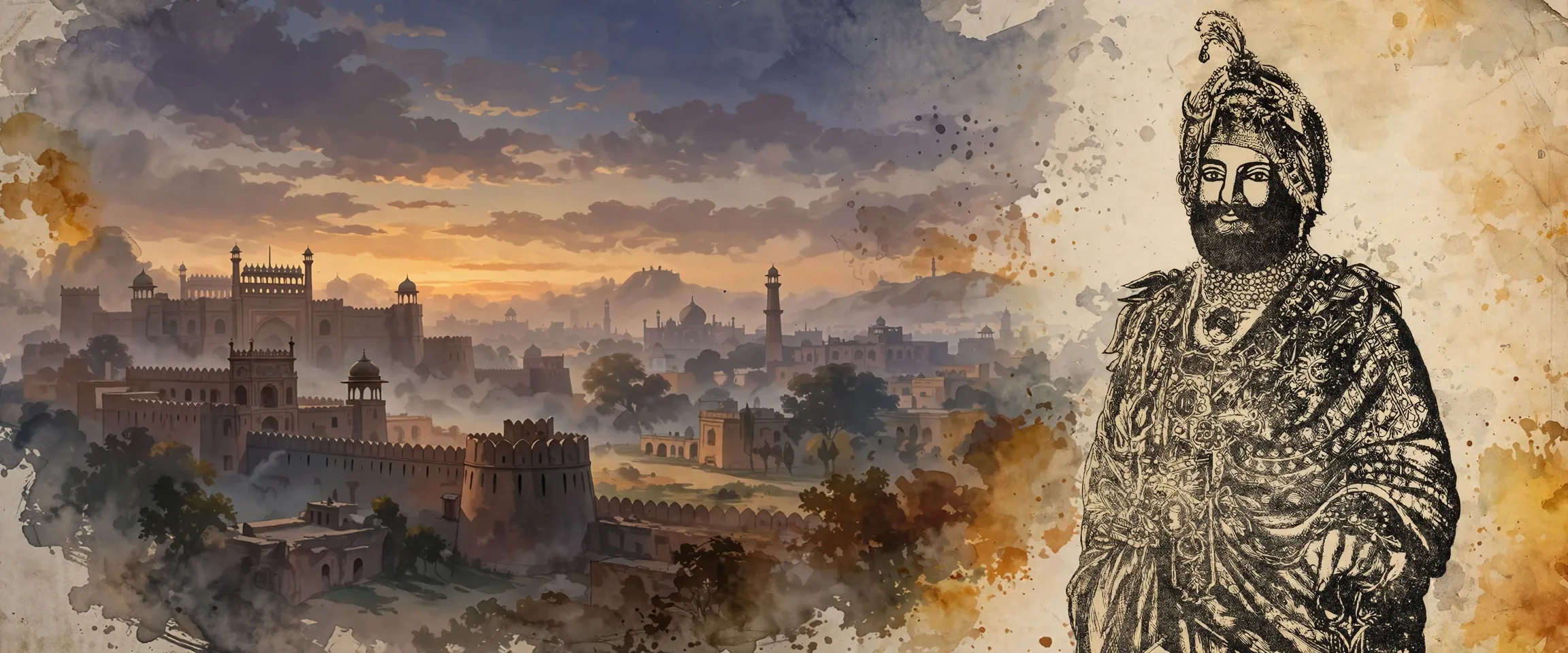
ਦ ਫਾਲ ਆਫ਼ ਦ ਕਿੰਗਡਮ ਆਫ਼ ਦ ਪੰਜਾਬ (1962) ਖੁਸ਼ਵੰਤ ਸਿੰਘ ਦਾ 1839 ਵਿੱਚ ਮਹਾਰਾਜਾ ਰਣਜੀਤ ਸਿੰਘ ਦੀ ਮੌਤ ਤੋਂ ਬਾਅਦ ਦੇ ਦਹਾਕੇ ਦਾ ਸੰਖੇਪ ਇਤਿਹਾਸ ਹੈ। ਵਾਰਸੀ ਕਤਲਾਂ, ਦਰਬਾਰੀ ਧੜਿਆਂ ਅਤੇ ਅੰਗਰੇਜ਼ਾਂ ਨਾਲ ਦੋ ਜੰਗਾਂ ਵਿਚੋਂ ਇਹ ਵਿਖਾਉਂਦਾ ਹੈ ਕਿ 1849 ਵਿੱਚ ਲਾਹੌਰ ਦੀ ਬਾਦਸ਼ਾਹੀ ਕਿਵੇਂ ਰਾਜ ਵਿੱਚ ਮਿਲਾਈ ਗਈ ਅਤੇ ਬਾਲਕ ਮਹਾਰਾਜਾ ਦਲੀਪ ਸਿੰਘ ਆਪਣਾ ਤਖ਼ਤ ਕਿਵੇਂ ਗੁਆ ਬੈਠਾ।
ਅੰਗਰੇਜ਼ੀ- ਲੇਖਕ
- ਖ਼ੁਸ਼ਵੰਤ ਸਿੰਘ
- ਪ੍ਰਕਾਸ਼ਿਤ
- 1962, ਓਰੀਐਂਟ ਲੌਂਗਮੈਨ
- ਭਾਸ਼ਾ
- ਅੰਗਰੇਜ਼ੀ
- ਰੂਪ
- ਇਤਿਹਾਸ
- ਸਮਾਂ
- 1839 ਤੋਂ 1849, ਮਹਾਰਾਜਾ ਰਣਜੀਤ ਸਿੰਘ ਦੀ ਮੌਤ ਤੋਂ ਪੰਜਾਬ ਦੇ ਰਾਜ ਵਿੱਚ ਮਿਲਾਏ ਜਾਣ ਤੱਕ
- ਆਧਾਰ
- ਸਿੱਖ ਇਤਿਹਾਸ ਵਿੱਚ ਤਿੰਨ ਸਾਲ ਦੀ ਖੋਜ; ਅ ਹਿਸਟਰੀ ਆਫ਼ ਦ ਸਿੱਖਸ ਦੇ ਨਾਲ ਨਾਲ ਬਣੀ
- ਮੁੜ ਛਪਾਈ
- ਵਾਈਕਿੰਗ, ਪੈਂਗੁਇਨ ਬੁੱਕਸ ਇੰਡੀਆ, 2014
ਪਾਤਰ
About the book
The Fall of the Kingdom of the Punjab is a history book by Khushwant Singh, first published by Orient Longman in 1962. In a compact narrative it tells how the strongest kingdom in India, the Punjab of Maharaja Ranjit Singh, was destroyed and annexed by the British within ten years of its founder's death. Singh wrote it as a by-product of three years spent researching Sikh history, the work that also produced his two volume A History of the Sikhs, and he states in his author's note that every character and incident in the book is based on contemporary historical records. It opens with the famous anecdote of Ranjit Singh shown a map of India coloured red for British possessions, remarking that one day it would all turn red, and it closes a decade later with the kingdom itself gone.
What does The Fall of the Kingdom of the Punjab cover?
The book covers the ten years from the death of Maharaja Ranjit Singh on 27 June 1839 to the laying down of arms by the Punjabi armies on 14 March 1849. Its eleven chapters move through the succession struggles of Kharak Singh and Nao Nihal Singh, who died under a falling gateway on the day of his father's funeral, the brief rule of Maharani Chand Kaur, the reign and assassination of Sher Singh, the power of the Dogra brothers at court, British plans to annex the Punjab, the first Anglo-Sikh war, the protectorate that followed, the banishment of Maharani Jindan, and the final fall in 1849, when the ten year old Maharaja Duleep Singh signed away his kingdom and the Koh-i-Noor passed to the British Crown under the Treaty of Lahore settlement at the end of March 1849.
A decade of decline, 1839 to 1849
Singh's central argument is that the kingdom was lost at court before it was lost on the battlefield. Ranjit Singh left seven sons and no trained successor, and power fell to factions: the Dogra brothers Gulab Singh, Dhyan Singh and Suchet Singh against the Sikh nobility of the Sandhawalias, Attariwalas and Majithias. Claimants were murdered in sequence, Kharak Singh, Nao Nihal Singh, Chand Kaur, Sher Singh and the child Pertap Singh among them, while the great Khalsa army, kept in arrears of pay and increasingly ruling itself through its panchayats, became a power no minister could control. When war with the British came in 1845, the army fought, in Singh's account, with a bravery its leaders betrayed: Lal Singh and Tej Singh, the Durbar's own commanders, were in league with the enemy, and some ten thousand Punjabi soldiers died at Sobraon. The Treaty of Lahore of 8 March 1846 took half the kingdom, including Kashmir, sold to Gulab Singh. The second war followed in 1848 and 1849, and after Chillianwala and Gujrat the end came quickly.
Khushwant Singh's approach
Singh writes as a storyteller working from the record, not as an academic guarding every claim with footnotes. The chapters carry titles like Nightmare in Dreamland and Death beneath the Gateway, and the pace is that of his fiction: courts, funerals, assassinations and battles follow each other without pause. Reviewers have noted that the prose can feel encyclopaedic, a by-product of research compressed into a short book, and that it assumes a reader who knows Punjab's clans and court vocabulary. That density is also the book's strength. In about 180 pages it gives the whole arc of the collapse, with the moral judgement Singh never hides: the soldiers of the Khalsa deserved better than the rulers and ministers who spent them.
ਲੇਖਕ
Khushwant Singh (1915 to 2014), born in Hadali in what is now Pakistan, was a lawyer, diplomat, journalist and one of India's best known writers in English. His Partition novel Train to Pakistan (1956) had already made his name when this book appeared, and his research into Sikh history, supported by the Rockefeller Foundation, made him the most widely read historian of the Sikhs of his generation. He wrote the Punjab's fall twice over, in the scholarly A History of the Sikhs and in this shorter, sharper telling meant for the general reader.
Reception and legacy
The book has stayed in print for more than sixty years and was reissued by Viking, Penguin Books India, in 2014, the edition through which most readers now meet it. Later writers on the Lahore Durbar continue to lean on it: a widely read history of the Sikh rulers of Lahore in the Friday Times, written around the reprint, follows Singh's account of the succession murders and of British policy across the Sutlej. For Punjabi readers it remains the shortest complete account in English of how their kingdom ended, and the natural companion to Train to Pakistan: the novel shows what Partition did to a village, this book shows what annexation did to a state, a century earlier and by many of the same methods.
ਕਿਤਾਬ ਬਾਰੇ
ਦ ਫਾਲ ਆਫ਼ ਦ ਕਿੰਗਡਮ ਆਫ਼ ਦ ਪੰਜਾਬ ਖੁਸ਼ਵੰਤ ਸਿੰਘ ਦੀ ਇਤਿਹਾਸ ਦੀ ਕਿਤਾਬ ਹੈ, ਜੋ ਪਹਿਲੀ ਵਾਰ 1962 ਵਿੱਚ ਓਰੀਐਂਟ ਲੌਂਗਮੈਨ ਨੇ ਛਾਪੀ। ਸੰਖੇਪ ਬਿਰਤਾਂਤ ਵਿੱਚ ਇਹ ਦੱਸਦੀ ਹੈ ਕਿ ਭਾਰਤ ਦੀ ਸਭ ਤੋਂ ਤਾਕਤਵਰ ਬਾਦਸ਼ਾਹੀ, ਮਹਾਰਾਜਾ ਰਣਜੀਤ ਸਿੰਘ ਦਾ ਪੰਜਾਬ, ਉਸ ਦੇ ਬਾਨੀ ਦੀ ਮੌਤ ਤੋਂ ਦਸ ਸਾਲ ਦੇ ਅੰਦਰ ਕਿਵੇਂ ਤਬਾਹ ਹੋਇਆ ਅਤੇ ਅੰਗਰੇਜ਼ਾਂ ਨੇ ਉਸ ਨੂੰ ਆਪਣੇ ਰਾਜ ਵਿੱਚ ਮਿਲਾ ਲਿਆ। ਸਿੰਘ ਨੇ ਇਹ ਉਸ ਤਿੰਨ ਸਾਲ ਦੀ ਸਿੱਖ ਇਤਿਹਾਸ ਦੀ ਖੋਜ ਦੇ ਨਾਲ ਨਾਲ ਲਿਖੀ, ਜਿਸ ਖੋਜ ਤੋਂ ਉਸ ਦੀ ਦੋ ਜਿਲਦਾਂ ਵਾਲੀ ਅ ਹਿਸਟਰੀ ਆਫ਼ ਦ ਸਿੱਖਸ ਵੀ ਬਣੀ, ਅਤੇ ਉਹ ਆਪਣੀ ਭੂਮਿਕਾ ਵਿੱਚ ਕਹਿੰਦਾ ਹੈ ਕਿ ਕਿਤਾਬ ਦਾ ਹਰ ਪਾਤਰ ਅਤੇ ਹਰ ਘਟਨਾ ਉਸ ਸਮੇਂ ਦੇ ਇਤਿਹਾਸਕ ਰਿਕਾਰਡ ਉੱਤੇ ਆਧਾਰਿਤ ਹੈ। ਇਹ ਰਣਜੀਤ ਸਿੰਘ ਦੀ ਉਸ ਪ੍ਰਸਿੱਧ ਕਹਾਣੀ ਨਾਲ ਖੁੱਲ੍ਹਦੀ ਹੈ ਜਿਸ ਵਿੱਚ ਉਸ ਨੂੰ ਅੰਗਰੇਜ਼ੀ ਰਾਜ ਲਈ ਲਾਲ ਰੰਗ ਵਾਲਾ ਭਾਰਤ ਦਾ ਨਕਸ਼ਾ ਵਿਖਾਇਆ ਜਾਂਦਾ ਹੈ ਅਤੇ ਉਹ ਕਹਿੰਦਾ ਹੈ ਕਿ ਇੱਕ ਦਿਨ ਸਭ ਲਾਲ ਹੋ ਜਾਵੇਗਾ, ਅਤੇ ਇਹ ਇੱਕ ਦਹਾਕੇ ਬਾਅਦ ਉਸੇ ਬਾਦਸ਼ਾਹੀ ਦੇ ਖ਼ਤਮ ਹੋਣ ਉੱਤੇ ਮੁੱਕਦੀ ਹੈ।
ਦ ਫਾਲ ਆਫ਼ ਦ ਕਿੰਗਡਮ ਆਫ਼ ਦ ਪੰਜਾਬ ਵਿੱਚ ਕੀ ਹੈ?
ਕਿਤਾਬ 27 ਜੂਨ 1839 ਨੂੰ ਮਹਾਰਾਜਾ ਰਣਜੀਤ ਸਿੰਘ ਦੀ ਮੌਤ ਤੋਂ ਲੈ ਕੇ 14 ਮਾਰਚ 1849 ਨੂੰ ਪੰਜਾਬੀ ਫ਼ੌਜਾਂ ਦੇ ਹਥਿਆਰ ਸੁੱਟਣ ਤੱਕ ਦੇ ਦਸ ਸਾਲ ਘੇਰਦੀ ਹੈ। ਇਸ ਦੇ ਗਿਆਰਾਂ ਅਧਿਆਇ ਖੜਕ ਸਿੰਘ ਅਤੇ ਨੌਨਿਹਾਲ ਸਿੰਘ ਦੇ ਵਾਰਸੀ ਝਗੜਿਆਂ ਵਿਚੋਂ ਲੰਘਦੇ ਹਨ, ਨੌਨਿਹਾਲ ਸਿੰਘ ਜੋ ਆਪਣੇ ਪਿਤਾ ਦੇ ਸਸਕਾਰ ਵਾਲੇ ਦਿਨ ਡਿੱਗਦੇ ਦਰਵਾਜ਼ੇ ਹੇਠ ਮਰਿਆ, ਮਹਾਰਾਣੀ ਚੰਦ ਕੌਰ ਦਾ ਥੋੜ੍ਹਾ ਰਾਜ, ਸ਼ੇਰ ਸਿੰਘ ਦਾ ਰਾਜ ਅਤੇ ਕਤਲ, ਦਰਬਾਰ ਵਿੱਚ ਡੋਗਰਾ ਭਰਾਵਾਂ ਦੀ ਤਾਕਤ, ਪੰਜਾਬ ਨੂੰ ਮਿਲਾਉਣ ਦੀਆਂ ਅੰਗਰੇਜ਼ੀ ਯੋਜਨਾਵਾਂ, ਪਹਿਲੀ ਐਂਗਲੋ ਸਿੱਖ ਜੰਗ, ਇਸ ਤੋਂ ਬਾਅਦ ਦਾ ਸਰਪ੍ਰਸਤੀ ਵਾਲਾ ਦੌਰ, ਮਹਾਰਾਣੀ ਜਿੰਦਾਂ ਦੀ ਜਲਾਵਤਨੀ, ਅਤੇ 1849 ਦੀ ਅੰਤਿਮ ਹਾਰ, ਜਦੋਂ ਦਸ ਸਾਲ ਦੇ ਮਹਾਰਾਜਾ ਦਲੀਪ ਸਿੰਘ ਨੇ ਆਪਣੀ ਬਾਦਸ਼ਾਹੀ ਛੱਡ ਦਿੱਤੀ ਅਤੇ ਮਾਰਚ 1849 ਦੇ ਅੰਤ ਵਿੱਚ ਲਾਹੌਰ ਸਮਝੌਤੇ ਤਹਿਤ ਕੋਹਿਨੂਰ ਅੰਗਰੇਜ਼ੀ ਤਾਜ ਕੋਲ ਚਲਾ ਗਿਆ।
ਪਤਨ ਦਾ ਦਹਾਕਾ, 1839 ਤੋਂ 1849
ਸਿੰਘ ਦੀ ਕੇਂਦਰੀ ਦਲੀਲ ਇਹ ਹੈ ਕਿ ਬਾਦਸ਼ਾਹੀ ਜੰਗ ਦੇ ਮੈਦਾਨ ਤੋਂ ਪਹਿਲਾਂ ਦਰਬਾਰ ਵਿੱਚ ਹਾਰੀ। ਰਣਜੀਤ ਸਿੰਘ ਸੱਤ ਪੁੱਤਰ ਛੱਡ ਗਿਆ ਅਤੇ ਕੋਈ ਸਿੱਖਿਆ ਵਾਰਸ ਨਹੀਂ, ਅਤੇ ਤਾਕਤ ਧੜਿਆਂ ਕੋਲ ਚਲੀ ਗਈ: ਡੋਗਰਾ ਭਰਾ ਗੁਲਾਬ ਸਿੰਘ, ਧਿਆਨ ਸਿੰਘ ਅਤੇ ਸੁਚੇਤ ਸਿੰਘ, ਉਨ੍ਹਾਂ ਦੇ ਸਾਹਮਣੇ ਸੰਧਾਵਾਲੀਆਂ, ਅਟਾਰੀਵਾਲਿਆਂ ਅਤੇ ਮਜੀਠੀਆਂ ਦੀ ਸਿੱਖ ਸਰਦਾਰੀ। ਦਾਅਵੇਦਾਰ ਇੱਕ ਇੱਕ ਕਰਕੇ ਕਤਲ ਹੁੰਦੇ ਗਏ, ਉਨ੍ਹਾਂ ਵਿੱਚ ਖੜਕ ਸਿੰਘ, ਨੌਨਿਹਾਲ ਸਿੰਘ, ਚੰਦ ਕੌਰ, ਸ਼ੇਰ ਸਿੰਘ ਅਤੇ ਬਾਲਕ ਪਰਤਾਪ ਸਿੰਘ ਸਨ, ਜਦਕਿ ਮਹਾਨ ਖ਼ਾਲਸਾ ਫ਼ੌਜ, ਜਿਸ ਦੀ ਤਨਖ਼ਾਹ ਬਕਾਇਆ ਰੱਖੀ ਜਾਂਦੀ ਸੀ ਅਤੇ ਜੋ ਆਪਣੀਆਂ ਪੰਚਾਇਤਾਂ ਰਾਹੀਂ ਵੱਧ ਆਪਣੇ ਆਪ ਨੂੰ ਚਲਾਉਣ ਲੱਗੀ ਸੀ, ਅਜਿਹੀ ਤਾਕਤ ਬਣ ਗਈ ਜਿਸ ਨੂੰ ਕੋਈ ਮੰਤਰੀ ਕਾਬੂ ਨਹੀਂ ਕਰ ਸਕਦਾ ਸੀ। ਜਦੋਂ 1845 ਵਿੱਚ ਅੰਗਰੇਜ਼ਾਂ ਨਾਲ ਜੰਗ ਆਈ, ਤਾਂ ਸਿੰਘ ਦੇ ਬਿਰਤਾਂਤ ਅਨੁਸਾਰ ਫ਼ੌਜ ਉਸ ਬਹਾਦਰੀ ਨਾਲ ਲੜੀ ਜਿਸ ਨਾਲ ਉਸ ਦੇ ਆਗੂਆਂ ਨੇ ਧੋਖਾ ਕੀਤਾ: ਦਰਬਾਰ ਦੇ ਆਪਣੇ ਸੈਨਾਪਤੀ ਲਾਲ ਸਿੰਘ ਅਤੇ ਤੇਜ ਸਿੰਘ ਦੁਸ਼ਮਣ ਨਾਲ ਮਿਲੇ ਹੋਏ ਸਨ, ਅਤੇ ਸਬਰਾਓਂ ਵਿੱਚ ਕੋਈ ਦਸ ਹਜ਼ਾਰ ਪੰਜਾਬੀ ਸਿਪਾਹੀ ਮਾਰੇ ਗਏ। 8 ਮਾਰਚ 1846 ਦੇ ਲਾਹੌਰ ਸਮਝੌਤੇ ਨੇ ਅੱਧੀ ਬਾਦਸ਼ਾਹੀ ਲੈ ਲਈ, ਜਿਸ ਵਿੱਚ ਕਸ਼ਮੀਰ ਵੀ ਸੀ, ਜੋ ਗੁਲਾਬ ਸਿੰਘ ਨੂੰ ਵੇਚ ਦਿੱਤਾ ਗਿਆ। ਦੂਜੀ ਜੰਗ 1848 ਅਤੇ 1849 ਵਿੱਚ ਹੋਈ, ਅਤੇ ਚੇਲੀਆਂਵਾਲਾ ਅਤੇ ਗੁਜਰਾਤ ਤੋਂ ਬਾਅਦ ਅੰਤ ਛੇਤੀ ਆ ਗਿਆ।
ਖੁਸ਼ਵੰਤ ਸਿੰਘ ਦਾ ਢੰਗ
ਸਿੰਘ ਹਰ ਦਾਅਵੇ ਨੂੰ ਹਵਾਲਿਆਂ ਨਾਲ ਬੰਨ੍ਹਣ ਵਾਲੇ ਵਿਦਵਾਨ ਵਜੋਂ ਨਹੀਂ, ਰਿਕਾਰਡ ਤੋਂ ਕੰਮ ਲੈਣ ਵਾਲੇ ਕਹਾਣੀਕਾਰ ਵਜੋਂ ਲਿਖਦਾ ਹੈ। ਅਧਿਆਇਆਂ ਦੇ ਸਿਰਲੇਖ ਨਾਈਟਮੇਅਰ ਇਨ ਡਰੀਮਲੈਂਡ ਅਤੇ ਡੈੱਥ ਬਿਨੀਥ ਦ ਗੇਟਵੇ ਵਰਗੇ ਹਨ, ਅਤੇ ਰਫ਼ਤਾਰ ਉਸ ਦੀ ਗਲਪ ਵਰਗੀ ਹੈ: ਦਰਬਾਰ, ਸਸਕਾਰ, ਕਤਲ ਅਤੇ ਜੰਗਾਂ ਇੱਕ ਦੂਜੇ ਪਿੱਛੇ ਬਿਨਾਂ ਰੁਕੇ ਆਉਂਦੇ ਹਨ। ਸਮੀਖਿਅਕਾਂ ਨੇ ਨੋਟ ਕੀਤਾ ਹੈ ਕਿ ਲਿਖਤ ਕਈ ਥਾਂ ਵਿਸ਼ਵਕੋਸ਼ ਵਰਗੀ ਲੱਗ ਸਕਦੀ ਹੈ, ਇੱਕ ਛੋਟੀ ਕਿਤਾਬ ਵਿੱਚ ਸਮੇਟੀ ਖੋਜ ਦਾ ਨਤੀਜਾ, ਅਤੇ ਇਹ ਮੰਨ ਕੇ ਚੱਲਦੀ ਹੈ ਕਿ ਪਾਠਕ ਪੰਜਾਬ ਦੇ ਗੋਤਾਂ ਅਤੇ ਦਰਬਾਰੀ ਸ਼ਬਦਾਵਲੀ ਨੂੰ ਜਾਣਦਾ ਹੈ। ਇਹ ਸੰਘਣਾਪਣ ਕਿਤਾਬ ਦੀ ਤਾਕਤ ਵੀ ਹੈ। ਕੋਈ 180 ਸਫ਼ਿਆਂ ਵਿੱਚ ਇਹ ਪਤਨ ਦਾ ਸਾਰਾ ਚੱਕਰ ਦੇ ਦਿੰਦੀ ਹੈ, ਉਸ ਨੈਤਿਕ ਫ਼ੈਸਲੇ ਸਮੇਤ ਜੋ ਸਿੰਘ ਕਦੇ ਨਹੀਂ ਲੁਕਾਉਂਦਾ: ਖ਼ਾਲਸੇ ਦੇ ਸਿਪਾਹੀ ਉਨ੍ਹਾਂ ਹਾਕਮਾਂ ਅਤੇ ਮੰਤਰੀਆਂ ਤੋਂ ਬਿਹਤਰ ਦੇ ਹੱਕਦਾਰ ਸਨ ਜਿਨ੍ਹਾਂ ਨੇ ਉਨ੍ਹਾਂ ਨੂੰ ਖ਼ਰਚ ਕੀਤਾ।
ਲੇਖਕ
ਖੁਸ਼ਵੰਤ ਸਿੰਘ (1915 ਤੋਂ 2014), ਜਿਸ ਦਾ ਜਨਮ ਹਡਾਲੀ ਵਿੱਚ ਹੋਇਆ, ਜੋ ਹੁਣ ਪਾਕਿਸਤਾਨ ਵਿੱਚ ਹੈ, ਵਕੀਲ, ਰਾਜਦੂਤ, ਪੱਤਰਕਾਰ ਅਤੇ ਅੰਗਰੇਜ਼ੀ ਵਿੱਚ ਭਾਰਤ ਦੇ ਸਭ ਤੋਂ ਜਾਣੇ ਜਾਂਦੇ ਲੇਖਕਾਂ ਵਿੱਚੋਂ ਇੱਕ ਸੀ। ਜਦੋਂ ਇਹ ਕਿਤਾਬ ਆਈ, ਉਸ ਦਾ ਵੰਡ ਨਾਵਲ ਟ੍ਰੇਨ ਟੂ ਪਾਕਿਸਤਾਨ (1956) ਉਸ ਦਾ ਨਾਂ ਪਹਿਲਾਂ ਹੀ ਬਣਾ ਚੁੱਕਾ ਸੀ, ਅਤੇ ਰੌਕਫ਼ੈਲਰ ਫ਼ਾਊਂਡੇਸ਼ਨ ਦੇ ਸਹਿਯੋਗ ਨਾਲ ਸਿੱਖ ਇਤਿਹਾਸ ਵਿੱਚ ਉਸ ਦੀ ਖੋਜ ਨੇ ਉਸ ਨੂੰ ਆਪਣੀ ਪੀੜ੍ਹੀ ਦਾ ਸਿੱਖਾਂ ਦਾ ਸਭ ਤੋਂ ਵੱਧ ਪੜ੍ਹਿਆ ਜਾਣ ਵਾਲਾ ਇਤਿਹਾਸਕਾਰ ਬਣਾ ਦਿੱਤਾ। ਉਸ ਨੇ ਪੰਜਾਬ ਦਾ ਪਤਨ ਦੋ ਵਾਰ ਲਿਖਿਆ, ਵਿਦਵਤਾਪੂਰਨ ਅ ਹਿਸਟਰੀ ਆਫ਼ ਦ ਸਿੱਖਸ ਵਿੱਚ ਅਤੇ ਇਸ ਛੋਟੀ, ਤਿੱਖੀ ਕਹਾਣੀ ਵਿੱਚ, ਜੋ ਆਮ ਪਾਠਕ ਲਈ ਸੀ।
ਪੜਚੋਲ ਅਤੇ ਵਿਰਾਸਤ
ਕਿਤਾਬ ਸੱਠ ਸਾਲ ਤੋਂ ਵੱਧ ਸਮੇਂ ਤੋਂ ਛਪਦੀ ਆ ਰਹੀ ਹੈ ਅਤੇ 2014 ਵਿੱਚ ਵਾਈਕਿੰਗ, ਪੈਂਗੁਇਨ ਬੁੱਕਸ ਇੰਡੀਆ, ਨੇ ਇਸ ਨੂੰ ਮੁੜ ਛਾਪਿਆ, ਉਹੀ ਐਡੀਸ਼ਨ ਜਿਸ ਰਾਹੀਂ ਅੱਜ ਬਹੁਤੇ ਪਾਠਕ ਇਸ ਨੂੰ ਮਿਲਦੇ ਹਨ। ਲਾਹੌਰ ਦਰਬਾਰ ਬਾਰੇ ਬਾਅਦ ਦੇ ਲੇਖਕ ਇਸ ਉੱਤੇ ਨਿਰਭਰ ਕਰਦੇ ਆ ਰਹੇ ਹਨ: ਮੁੜ ਛਪਣ ਦੇ ਸਮੇਂ ਦੇ ਆਸ ਪਾਸ ਫ਼ਰਾਈਡੇ ਟਾਈਮਜ਼ ਵਿੱਚ ਛਪਿਆ ਲਾਹੌਰ ਦੇ ਸਿੱਖ ਹਾਕਮਾਂ ਦਾ ਵਿਆਪਕ ਪੜ੍ਹਿਆ ਜਾਣ ਵਾਲਾ ਇਤਿਹਾਸ ਵਾਰਸੀ ਕਤਲਾਂ ਅਤੇ ਸਤਲੁਜ ਤੋਂ ਪਾਰ ਅੰਗਰੇਜ਼ੀ ਨੀਤੀ ਬਾਰੇ ਸਿੰਘ ਦੇ ਬਿਰਤਾਂਤ ਦੀ ਪੈੜ ਚੱਲਦਾ ਹੈ। ਪੰਜਾਬੀ ਪਾਠਕਾਂ ਲਈ ਇਹ ਅੰਗਰੇਜ਼ੀ ਵਿੱਚ ਉਨ੍ਹਾਂ ਦੀ ਬਾਦਸ਼ਾਹੀ ਦੇ ਅੰਤ ਦਾ ਸਭ ਤੋਂ ਛੋਟਾ ਪੂਰਾ ਬਿਰਤਾਂਤ ਬਣਿਆ ਹੋਇਆ ਹੈ, ਅਤੇ ਟ੍ਰੇਨ ਟੂ ਪਾਕਿਸਤਾਨ ਦਾ ਕੁਦਰਤੀ ਸਾਥੀ: ਨਾਵਲ ਵਿਖਾਉਂਦਾ ਹੈ ਕਿ ਵੰਡ ਨੇ ਇੱਕ ਪਿੰਡ ਨਾਲ ਕੀ ਕੀਤਾ, ਇਹ ਕਿਤਾਬ ਵਿਖਾਉਂਦੀ ਹੈ ਕਿ ਰਾਜ ਵਿੱਚ ਮਿਲਾਏ ਜਾਣ ਨੇ ਇੱਕ ਸਦੀ ਪਹਿਲਾਂ, ਕਈ ਉਹੀ ਢੰਗਾਂ ਨਾਲ, ਇੱਕ ਰਿਆਸਤ ਨਾਲ ਕੀ ਕੀਤਾ।
ਐਡੀਸ਼ਨ ਅਤੇ ਅਨੁਵਾਦ
- The Fall of the Kingdom of the PunjabEnglish, original, Orient Longman, 1962ਮੂਲ
- The Fall of the Kingdom of the PunjabEnglish, Viking, Penguin Books India, 2014Edition
ਲੇਖਕ

ਜੁੜੇ ਹੋਏ
ਹੋਰ ਪੜ੍ਹੋ
ਸਰੋਤ (3)
ਜੁਗਤੀ ਮੁਫ਼ਤ ਅਤੇ ਸੁਤੰਤਰ ਹੈ। ਪਾਠਕਾਂ ਦਾ ਸਹਿਯੋਗ ਕੋਸ਼ ਨੂੰ ਵਧਾਉਂਦਾ ਹੈ।
ਸਹਿਯੋਗ