
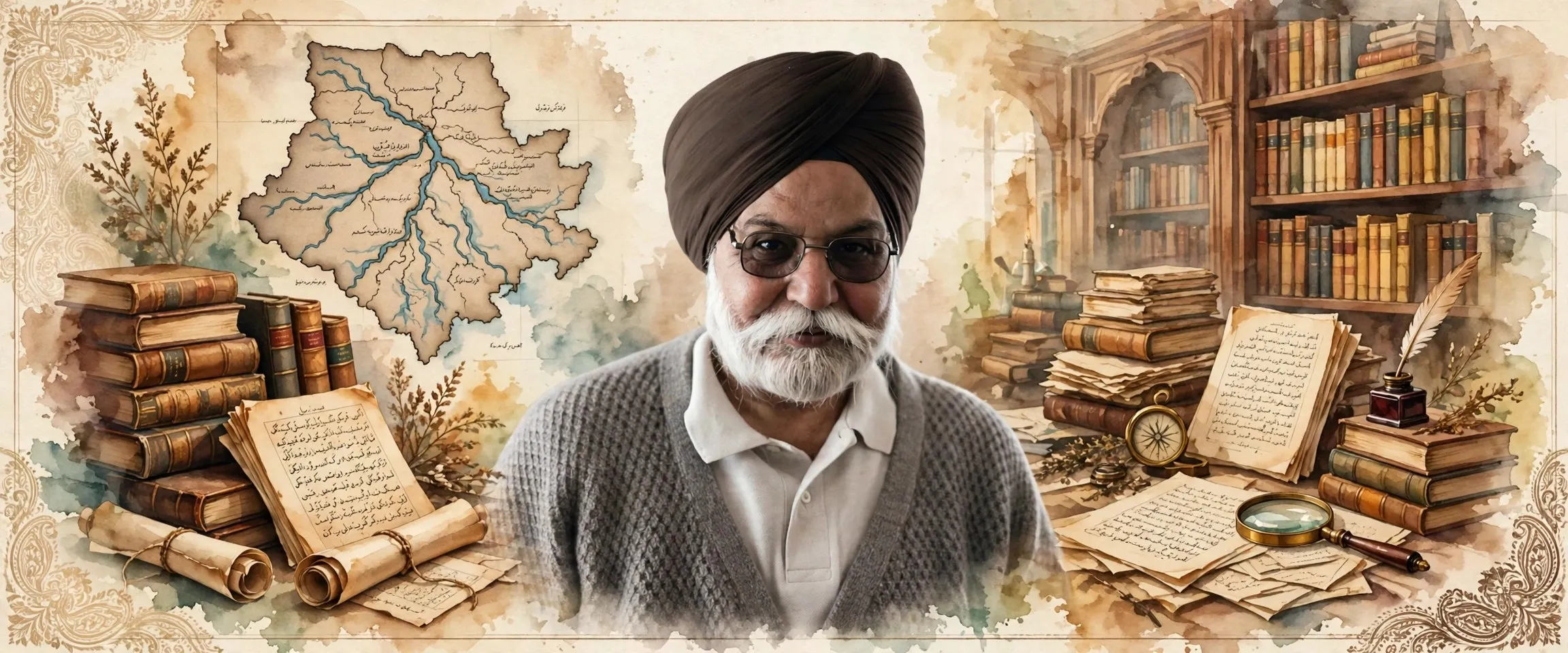
ਜੇ. ਐੱਸ. ਗਰੇਵਾਲ (ਜਗਤਾਰ ਸਿੰਘ ਗਰੇਵਾਲ, 1927 ਤੋਂ 2022) ਪੰਜਾਬੀ ਇਤਿਹਾਸਕਾਰ ਸਨ, ਜਿਨ੍ਹਾਂ ਨੇ ਗੁਰੂ ਨਾਨਕ ਇਨ ਹਿਸਟਰੀ (1969) ਅਤੇ ਦ ਸਿੱਖਸ ਆਫ ਦ ਪੰਜਾਬ (1990) ਵਰਗੀਆਂ ਕਿਤਾਬਾਂ ਰਾਹੀਂ ਸਿੱਖ ਅਧਿਐਨ ਨੂੰ ਆਪਣਾ ਵੱਖਰਾ ਖੇਤਰ ਬਣਾਉਣ ਵਿੱਚ ਮਦਦ ਕੀਤੀ। ਲਾਇਲਪੁਰ ਦੇ ਨਹਿਰੀ ਕਲੋਨੀ ਪਿੰਡ ਵਿੱਚ ਜੰਮੇ, ਉਹ ਗੁਰੂ ਨਾਨਕ ਦੇਵ ਯੂਨੀਵਰਸਿਟੀ ਦੇ ਵਾਈਸ-ਚਾਂਸਲਰ ਬਣੇ, ਇੰਡੀਅਨ ਇੰਸਟੀਚਿਊਟ ਆਫ ਐਡਵਾਂਸਡ ਸਟੱਡੀ ਦੇ ਡਾਇਰੈਕਟਰ ਰਹੇ, ਅਤੇ 2005 ਵਿੱਚ ਉਨ੍ਹਾਂ ਨੂੰ ਪਦਮ ਸ਼੍ਰੀ ਮਿਲਿਆ।
ਜੀਵਨ ਇੱਕ ਨਜ਼ਰ ਵਿੱਚ
- 1927ਜਨਮ Chak No. 46 JB, Lyallpur district, Punjab
- 1969Key book Guru Nanak in History
- 1990Key book The Sikhs of the Punjab
- 2017Key book Master Tara Singh in Indian History
- 2022ਦੇਹਾਂਤ Chandigarh, aged 95
- ਪੰਜਾਬੀ ਨਾਂ
- ਜੇ. ਐੱਸ. ਗਰੇਵਾਲ
- ਜਨਮ
- 1927, ਚੱਕ ਨੰਬਰ 46 ਜੇ. ਬੀ., ਲਾਇਲਪੁਰ ਜ਼ਿਲ੍ਹਾ, ਪੰਜਾਬ (ਅੱਜ ਪਾਕਿਸਤਾਨ)
- ਦੇਹਾਂਤ
- 11 ਅਗਸਤ 2022, ਚੰਡੀਗੜ੍ਹ, ਉਮਰ 95 ਸਾਲ
- ਘਰ ਦਾ ਪਿੰਡ
- ਚੱਕ ਨੰਬਰ 46 ਜੇ. ਬੀ., ਲਾਇਲਪੁਰ, ਪੱਛਮੀ ਪੰਜਾਬ
- ਸਿੱਖਿਆ
- ਗੌਰਮਿੰਟ ਕਾਲਜ, ਲੁਧਿਆਣਾ; ਪੀਐਚ. ਡੀ., ਲੰਡਨ ਯੂਨੀਵਰਸਿਟੀ, 1963; ਡੀ. ਲਿਟ., 1971
- ਅਹੁਦੇ
- ਪ੍ਰੋਫੈਸਰ, ਪੰਜਾਬ ਯੂਨੀਵਰਸਿਟੀ; ਸੰਸਥਾਪਕ ਮੈਂਬਰ, ਇਤਿਹਾਸ ਵਿਭਾਗ, ਗੁਰੂ ਨਾਨਕ ਦੇਵ ਯੂਨੀਵਰਸਿਟੀ; ਵਾਈਸ-ਚਾਂਸਲਰ, ਗੁਰੂ ਨਾਨਕ ਦੇਵ ਯੂਨੀਵਰਸਿਟੀ; ਡਾਇਰੈਕਟਰ, ਇੰਡੀਅਨ ਇੰਸਟੀਚਿਊਟ ਆਫ ਐਡਵਾਂਸਡ ਸਟੱਡੀ, ਸ਼ਿਮਲਾ
All 10 facts
- ਖੇਤਰ
- ਪੰਜਾਬ ਅਤੇ ਸਿੱਖਾਂ ਦਾ ਇਤਿਹਾਸ
- ਮੁੱਖ ਕਿਤਾਬਾਂ
- ਗੁਰੂ ਨਾਨਕ ਇਨ ਹਿਸਟਰੀ (1969); ਦ ਸਿੱਖਸ ਆਫ ਦ ਪੰਜਾਬ (1990); ਮਾਸਟਰ ਤਾਰਾ ਸਿੰਘ ਇਨ ਇੰਡੀਅਨ ਹਿਸਟਰੀ (2017)
- ਰਚਨਾਵਾਂ
- ਆਪਣੀਆਂ 40 ਕਿਤਾਬਾਂ, 8 ਸਾਂਝੀਆਂ ਕਿਤਾਬਾਂ, 17 ਸੰਪਾਦਿਤ ਕਿਤਾਬਾਂ, 100 ਤੋਂ ਵੱਧ ਖੋਜ ਪੱਤਰ
- ਸਨਮਾਨ
- ਪਦਮ ਸ਼੍ਰੀ, 2005; ਖ਼ੁਦਾ ਬਖ਼ਸ਼ ਪੁਰਸਕਾਰ, 2005; ਗਿਆਨ ਰਤਨ, ਪੰਜਾਬ ਯੂਨੀਵਰਸਿਟੀ, 2016
A canal colony childhood in Lyallpur
Jagtar Singh Grewal was born in 1927 at Chak No. 46 JB, a Sikh canal colony village in Lyallpur district in western Punjab, now in Pakistan. He was the youngest of five children. His family were settlers from Ludhiana district, and the village around him was a layered world that stayed with him for life: Sikh landowners, a few Muslim families, visiting dhadi singers and kavishars who narrated the old Punjabi tales, and a devout father who knew the Guru Granth Sahib by heart and expounded it to neighbours gathered in the family mango grove.
The boy absorbed all of it. He learned Gurmukhi at the village gurdwara, read the kissas of Heer Ranjha and Sohni Mahiwal against his father's wishes, and found he had a photographic memory for one subject above all others: history. He matriculated at Lyallpur in a high first division, studied Persian and Urdu, and went on to Government College, Lyallpur and then Forman Christian College, Lahore, where he had won a place to read physics and mathematics, and where he played football as hard as he studied.
Partition cut that education in half. After the March 1947 riots closed the colleges in Lahore, he returned to his village, helped organise its defence as tension rose, and finally flew to India at his father's urging, travelling on from Delhi to Ludhiana on a train roof. Everything the family owned was left behind, and his father told him plainly that he could expect nothing more from them. The historian's long road began again from nothing.
From audit trainee to historian
Near Ludhiana, at Government College, he took master's degrees in English and then in geography, cycled twelve kilometres to classes, and learned to debate and speak in public to cure his shyness in English. He qualified in the written papers of the competitive examinations again and again, was placed on the list for the police service without being called, and was selected instead for the Audit and Accounts Service. Training at Nagpur bored and restless, spending his leave among the monuments of Sanchi, Ajanta and Ellora, he understood that accounts would never hold him.
He resigned a secure government career to study history, took his M.A. in history in 1956 as a private candidate while teaching at Ferozepur, and read his way through Toynbee and Spengler before sailing for England. At Durham and then at the School of Oriental and African Studies in London he turned to a question nobody had asked in quite that way: not what happened in medieval India, but how British historians had written about it. His London PhD of 1963, on British historical writing on medieval India, was the first thesis on historiography by an Indian scholar, and it became his first landmark book, Muslim Rule in India: The Assessments of British Historians (1970).
What is J. S. Grewal known for?
J. S. Grewal is known for rebuilding the study of Punjab and Sikh history on primary sources, and above all for Guru Nanak in History (1969), the book that placed Guru Nanak inside the political, social and religious world of his own time. He joined the faculty of Panjab University in 1964, and the university published the book for the quincentenary of Guru Nanak's birth in 1969. Instead of retelling tradition alone, Grewal analysed the milieu Guru Nanak lived in and his responses to it, a method that changed how the first Guru could be studied. The work earned him his D.Litt. in 1971.
The books kept coming for sixty years. In the By-Lanes of History (1975) rebuilt a medieval Punjabi town, Batala, out of 150 Persian legal documents from its qazi's court. Invited by Cambridge University Press, he wrote The Sikhs of the Punjab (1990) for the New Cambridge History of India, still the standard single-volume history of the Sikhs. Around them stand Maharaja Ranjit Singh: Polity, Economy and Society, Social and Cultural History of the Punjab, Sikh Ideology, Polity and Social Order, Contesting Interpretations of the Sikh Tradition, Historical Writings on the Sikhs (1784 to 2011), a six-year labour on Master Tara Singh in Indian History (2017), and, at ninety-two, Guru Gobind Singh (1666 to 1708): Master of the White Hawk (2019). In all he authored forty single-authored volumes, eight joint volumes and seventeen edited volumes, besides more than a hundred research papers.
The institution builder
Grewal built the rooms in which Punjab's history would be studied, as well as writing it. At Guru Nanak Dev University in Amritsar he was a founding member of the Department of History, became the university's first Dean of Academic Affairs, and rose to be its Vice-Chancellor. In 1984 he was elected General President of the Indian History Congress, the profession's own verdict on its leading figures. After retiring from the university in 1987 he directed the Indian Institute of Advanced Study at Shimla, and later chaired its governing body.
Age did not retire him. The Indian Council of Historical Research made him a National Fellow. Punjabi University, Patiala made him a Life Fellow in 2004 and then its Professor of Eminence from 2010 to 2016, years he spent on the Master Tara Singh biography. He headed the Institute of Punjab Studies in Chandigarh, sat on the Religious Advisory Council of the Tony Blair Faith Foundation, and was still working at the end of July 2022, weeks before his death, returning once more to the subject of Guru Nanak. He used to say he would stop writing the day he ceased to learn.
Honours and later life
In 2005 the President of India awarded him the Padma Shri for his intellectual and academic contributions, and the same year brought the Khuda Bakhsh Award for his studies of Sufism. The Asiatic Society in Kolkata gave him its Hemchandra Roychaudhuri Birth Centenary Gold Medal in 2007 for his conspicuously important contribution to Indian history, the Asiatic Society of Bihar and the Khuda Bakhsh Library conferred the title Itihas Ratna in 2012, and in 2016 Panjab University gave him its first Gian Ratna Award.
J. S. Grewal died in Chandigarh on 11 August 2022, aged 95. The history department of the university where he had begun teaching fifty-eight years earlier gathered to mourn a world-renowned historian, and scholars who had argued with him for decades wrote of his rigour, his meticulousness and his sense of social responsibility.
Why his work still matters
Before Grewal's generation, Sikh history was too often written either as devotion or as an annex of somebody else's empire. He and the scholars who followed his method made it a field of its own, argued from Persian documents, Punjabi literature, inscriptions and the Guru Granth Sahib itself, with the social order always in view: who held land, who served, who was shut out of the gurdwara hall. A boy from a canal colony who learned his first history from balladeers and his father's expositions ended by teaching two Punjabs, and the world beyond them, how their past should be read.
ਲਾਇਲਪੁਰ ਵਿੱਚ ਨਹਿਰੀ ਕਲੋਨੀ ਦਾ ਬਚਪਨ
ਜਗਤਾਰ ਸਿੰਘ ਗਰੇਵਾਲ ਦਾ ਜਨਮ 1927 ਵਿੱਚ ਚੱਕ ਨੰਬਰ 46 ਜੇ. ਬੀ. ਵਿੱਚ ਹੋਇਆ। ਇਹ ਲਾਇਲਪੁਰ ਜ਼ਿਲ੍ਹੇ ਦਾ ਸਿੱਖ ਨਹਿਰੀ ਕਲੋਨੀ ਪਿੰਡ ਸੀ, ਜੋ ਪੱਛਮੀ ਪੰਜਾਬ ਵਿੱਚ ਸੀ ਅਤੇ ਅੱਜ ਪਾਕਿਸਤਾਨ ਵਿੱਚ ਪੈਂਦਾ ਹੈ। ਉਹ ਪੰਜ ਬੱਚਿਆਂ ਵਿੱਚੋਂ ਸਭ ਤੋਂ ਛੋਟਾ ਸੀ। ਉਸ ਦਾ ਪਰਿਵਾਰ ਲੁਧਿਆਣਾ ਜ਼ਿਲ੍ਹੇ ਤੋਂ ਆ ਕੇ ਵੱਸਿਆ ਸੀ, ਅਤੇ ਉਸ ਦੇ ਆਲੇ-ਦੁਆਲੇ ਦਾ ਪਿੰਡ ਇੱਕ ਪਰਤਦਾਰ ਦੁਨੀਆ ਸੀ ਜੋ ਸਾਰੀ ਉਮਰ ਉਸ ਨਾਲ ਰਹੀ: ਸਿੱਖ ਜ਼ਿਮੀਂਦਾਰ, ਕੁਝ ਮੁਸਲਮਾਨ ਪਰਿਵਾਰ, ਆਉਂਦੇ-ਜਾਂਦੇ ਢਾਡੀ ਅਤੇ ਕਵੀਸ਼ਰ ਜੋ ਪੁਰਾਣੇ ਪੰਜਾਬੀ ਕਿੱਸੇ ਸੁਣਾਉਂਦੇ ਸਨ, ਅਤੇ ਇੱਕ ਧਾਰਮਿਕ ਪਿਤਾ ਜਿਸ ਨੂੰ ਗੁਰੂ ਗ੍ਰੰਥ ਸਾਹਿਬ ਮੂੰਹ-ਜ਼ਬਾਨੀ ਯਾਦ ਸੀ ਅਤੇ ਜੋ ਪਰਿਵਾਰ ਦੇ ਅੰਬਾਂ ਦੇ ਬਾਗ਼ ਵਿੱਚ ਇਕੱਠੇ ਹੋਏ ਗੁਆਂਢੀਆਂ ਨੂੰ ਇਸ ਦੀ ਵਿਆਖਿਆ ਸੁਣਾਉਂਦਾ ਸੀ।
ਮੁੰਡੇ ਨੇ ਇਹ ਸਭ ਆਪਣੇ ਅੰਦਰ ਸਮੋ ਲਿਆ। ਉਸ ਨੇ ਪਿੰਡ ਦੇ ਗੁਰਦੁਆਰੇ ਵਿੱਚ ਗੁਰਮੁਖੀ ਸਿੱਖੀ, ਪਿਤਾ ਦੀ ਮਰਜ਼ੀ ਦੇ ਉਲਟ ਹੀਰ ਰਾਂਝਾ ਅਤੇ ਸੋਹਣੀ ਮਹੀਵਾਲ ਦੇ ਕਿੱਸੇ ਪੜ੍ਹੇ, ਅਤੇ ਉਸ ਨੂੰ ਪਤਾ ਲੱਗਾ ਕਿ ਇੱਕ ਵਿਸ਼ੇ ਲਈ ਉਸ ਦੀ ਯਾਦ ਤਸਵੀਰ ਵਾਂਗ ਸਾਫ਼ ਹੈ: ਇਤਿਹਾਸ। ਉਸ ਨੇ ਲਾਇਲਪੁਰ ਤੋਂ ਉੱਚੇ ਪਹਿਲੇ ਦਰਜੇ ਵਿੱਚ ਮੈਟ੍ਰਿਕ ਕੀਤੀ, ਫ਼ਾਰਸੀ ਅਤੇ ਉਰਦੂ ਪੜ੍ਹੀ, ਅਤੇ ਫਿਰ ਗੌਰਮਿੰਟ ਕਾਲਜ ਲਾਇਲਪੁਰ ਅਤੇ ਉਸ ਤੋਂ ਬਾਅਦ ਲਾਹੌਰ ਦੇ ਫੋਰਮੈਨ ਕ੍ਰਿਸਚੀਅਨ ਕਾਲਜ ਵਿੱਚ ਗਿਆ, ਜਿੱਥੇ ਉਸ ਨੂੰ ਭੌਤਿਕ ਵਿਗਿਆਨ ਅਤੇ ਗਣਿਤ ਪੜ੍ਹਨ ਲਈ ਥਾਂ ਮਿਲੀ ਸੀ, ਅਤੇ ਜਿੱਥੇ ਉਹ ਪੜ੍ਹਾਈ ਜਿੰਨੀ ਮਿਹਨਤ ਨਾਲ ਫੁੱਟਬਾਲ ਖੇਡਦਾ ਸੀ।
ਵੰਡ ਨੇ ਉਹ ਪੜ੍ਹਾਈ ਅੱਧ ਵਿਚਕਾਰ ਕੱਟ ਦਿੱਤੀ। ਮਾਰਚ 1947 ਦੇ ਦੰਗਿਆਂ ਤੋਂ ਬਾਅਦ ਲਾਹੌਰ ਦੇ ਕਾਲਜ ਬੰਦ ਹੋ ਗਏ ਤਾਂ ਉਹ ਆਪਣੇ ਪਿੰਡ ਪਰਤ ਆਇਆ, ਤਣਾਅ ਵੱਧਣ ਉੱਤੇ ਪਿੰਡ ਦੀ ਰਾਖੀ ਦੀ ਤਿਆਰੀ ਵਿੱਚ ਹੱਥ ਵੰਡਾਇਆ, ਅਤੇ ਅੰਤ ਵਿੱਚ ਪਿਤਾ ਦੇ ਕਹਿਣ ਉੱਤੇ ਜਹਾਜ਼ ਰਾਹੀਂ ਭਾਰਤ ਆ ਗਿਆ। ਦਿੱਲੀ ਤੋਂ ਅੱਗੇ ਲੁਧਿਆਣੇ ਤੱਕ ਉਸ ਨੇ ਰੇਲ ਦੀ ਛੱਤ ਉੱਤੇ ਸਫ਼ਰ ਕੀਤਾ। ਪਰਿਵਾਰ ਦੀ ਸਾਰੀ ਜਾਇਦਾਦ ਪਿੱਛੇ ਰਹਿ ਗਈ ਸੀ, ਅਤੇ ਪਿਤਾ ਨੇ ਸਾਫ਼ ਕਹਿ ਦਿੱਤਾ ਸੀ ਕਿ ਹੁਣ ਉਹ ਉਸ ਤੋਂ ਹੋਰ ਕੋਈ ਉਮੀਦ ਨਾ ਰੱਖੇ। ਇਤਿਹਾਸਕਾਰ ਦਾ ਲੰਮਾ ਰਾਹ ਮੁੜ ਸਿਫ਼ਰ ਤੋਂ ਸ਼ੁਰੂ ਹੋਇਆ।
ਆਡਿਟ ਸਿਖਿਆਰਥੀ ਤੋਂ ਇਤਿਹਾਸਕਾਰ ਤੱਕ
ਲੁਧਿਆਣੇ ਕੋਲ, ਗੌਰਮਿੰਟ ਕਾਲਜ ਵਿੱਚ, ਉਸ ਨੇ ਪਹਿਲਾਂ ਅੰਗਰੇਜ਼ੀ ਅਤੇ ਫਿਰ ਭੂਗੋਲ ਵਿੱਚ ਮਾਸਟਰ ਡਿਗਰੀਆਂ ਕੀਤੀਆਂ, ਬਾਰਾਂ ਕਿਲੋਮੀਟਰ ਸਾਈਕਲ ਚਲਾ ਕੇ ਕਲਾਸਾਂ ਵਿੱਚ ਜਾਂਦਾ ਰਿਹਾ, ਅਤੇ ਅੰਗਰੇਜ਼ੀ ਵਿੱਚ ਝਿਜਕ ਦੂਰ ਕਰਨ ਲਈ ਬਹਿਸਾਂ ਅਤੇ ਭਾਸ਼ਣਾਂ ਵਿੱਚ ਹਿੱਸਾ ਲੈਣਾ ਸਿੱਖਿਆ। ਉਹ ਮੁਕਾਬਲੇ ਦੀਆਂ ਪ੍ਰੀਖਿਆਵਾਂ ਦੇ ਲਿਖਤੀ ਪਰਚਿਆਂ ਵਿੱਚ ਵਾਰ ਵਾਰ ਪਾਸ ਹੁੰਦਾ ਰਿਹਾ, ਪੁਲਿਸ ਸੇਵਾ ਦੀ ਸੂਚੀ ਵਿੱਚ ਆਇਆ ਪਰ ਬੁਲਾਇਆ ਨਾ ਗਿਆ, ਅਤੇ ਇਸ ਦੀ ਥਾਂ ਆਡਿਟ ਅਤੇ ਅਕਾਊਂਟਸ ਸੇਵਾ ਲਈ ਚੁਣਿਆ ਗਿਆ। ਨਾਗਪੁਰ ਦੀ ਸਿਖਲਾਈ ਵਿੱਚ ਬੇਚੈਨ ਅਤੇ ਅੱਕਿਆ ਹੋਇਆ, ਛੁੱਟੀਆਂ ਵਿੱਚ ਸਾਂਚੀ, ਅਜੰਤਾ ਅਤੇ ਐਲੋਰਾ ਦੇ ਸਮਾਰਕ ਵੇਖਦਾ ਹੋਇਆ, ਉਹ ਸਮਝ ਗਿਆ ਕਿ ਹਿਸਾਬ-ਕਿਤਾਬ ਉਸ ਨੂੰ ਕਦੀ ਬੰਨ੍ਹ ਨਹੀਂ ਸਕੇਗਾ।
ਉਸ ਨੇ ਪੱਕੀ ਸਰਕਾਰੀ ਨੌਕਰੀ ਛੱਡ ਕੇ ਇਤਿਹਾਸ ਪੜ੍ਹਿਆ, ਫਿਰੋਜ਼ਪੁਰ ਵਿੱਚ ਪੜ੍ਹਾਉਂਦੇ ਹੋਏ ਪ੍ਰਾਈਵੇਟ ਉਮੀਦਵਾਰ ਵਜੋਂ 1956 ਵਿੱਚ ਇਤਿਹਾਸ ਵਿੱਚ ਐੱਮ. ਏ. ਕੀਤੀ, ਅਤੇ ਇੰਗਲੈਂਡ ਜਾਣ ਤੋਂ ਪਹਿਲਾਂ ਟੌਇਨਬੀ ਅਤੇ ਸਪੈਂਗਲਰ ਨੂੰ ਪੂਰਾ ਪੜ੍ਹਿਆ। ਡਰਹਮ ਅਤੇ ਫਿਰ ਲੰਡਨ ਦੇ ਸਕੂਲ ਆਫ ਓਰੀਐਂਟਲ ਐਂਡ ਅਫਰੀਕਨ ਸਟੱਡੀਜ਼ ਵਿੱਚ ਉਹ ਇੱਕ ਅਜਿਹੇ ਸਵਾਲ ਵੱਲ ਮੁੜਿਆ ਜੋ ਕਿਸੇ ਨੇ ਉਸ ਤਰ੍ਹਾਂ ਪੁੱਛਿਆ ਹੀ ਨਹੀਂ ਸੀ: ਇਹ ਨਹੀਂ ਕਿ ਮੱਧਕਾਲੀ ਭਾਰਤ ਵਿੱਚ ਕੀ ਹੋਇਆ, ਸਗੋਂ ਇਹ ਕਿ ਬਰਤਾਨਵੀ ਇਤਿਹਾਸਕਾਰਾਂ ਨੇ ਇਸ ਬਾਰੇ ਲਿਖਿਆ ਕਿਵੇਂ। ਮੱਧਕਾਲੀ ਭਾਰਤ ਬਾਰੇ ਬਰਤਾਨਵੀ ਇਤਿਹਾਸ-ਲੇਖਣੀ ਉੱਤੇ ਉਸ ਦੀ 1963 ਦੀ ਲੰਡਨ ਪੀਐਚ. ਡੀ. ਕਿਸੇ ਭਾਰਤੀ ਵਿਦਵਾਨ ਦੀ ਇਤਿਹਾਸ-ਲੇਖਣੀ ਉੱਤੇ ਪਹਿਲੀ ਥੀਸਿਸ ਸੀ, ਅਤੇ ਇਹ ਉਸ ਦੀ ਪਹਿਲੀ ਮੀਲ-ਪੱਥਰ ਕਿਤਾਬ ਬਣੀ: ਮੁਸਲਿਮ ਰੂਲ ਇਨ ਇੰਡੀਆ: ਦ ਅਸੈੱਸਮੈਂਟਸ ਆਫ ਬ੍ਰਿਟਿਸ਼ ਹਿਸਟੋਰੀਅਨਜ਼ (1970)।
ਜੇ. ਐੱਸ. ਗਰੇਵਾਲ ਕਿਸ ਲਈ ਜਾਣੇ ਜਾਂਦੇ ਹਨ?
ਜੇ. ਐੱਸ. ਗਰੇਵਾਲ ਪੰਜਾਬ ਅਤੇ ਸਿੱਖ ਇਤਿਹਾਸ ਦੇ ਅਧਿਐਨ ਨੂੰ ਮੂਲ ਸਰੋਤਾਂ ਉੱਤੇ ਮੁੜ ਖੜ੍ਹਾ ਕਰਨ ਲਈ ਜਾਣੇ ਜਾਂਦੇ ਹਨ, ਅਤੇ ਸਭ ਤੋਂ ਵੱਧ ਗੁਰੂ ਨਾਨਕ ਇਨ ਹਿਸਟਰੀ (1969) ਲਈ, ਉਹ ਕਿਤਾਬ ਜਿਸ ਨੇ ਗੁਰੂ ਨਾਨਕ ਨੂੰ ਉਨ੍ਹਾਂ ਦੇ ਆਪਣੇ ਸਮੇਂ ਦੀ ਸਿਆਸੀ, ਸਮਾਜਿਕ ਅਤੇ ਧਾਰਮਿਕ ਦੁਨੀਆ ਦੇ ਅੰਦਰ ਰੱਖਿਆ। ਉਹ 1964 ਵਿੱਚ ਪੰਜਾਬ ਯੂਨੀਵਰਸਿਟੀ ਦੇ ਅਧਿਆਪਕ ਬਣੇ, ਅਤੇ ਯੂਨੀਵਰਸਿਟੀ ਨੇ 1969 ਵਿੱਚ ਗੁਰੂ ਨਾਨਕ ਦੇ ਪੰਜ ਸੌ ਸਾਲਾ ਜਨਮ ਦਿਹਾੜੇ ਲਈ ਇਹ ਕਿਤਾਬ ਛਾਪੀ। ਸਿਰਫ਼ ਪਰੰਪਰਾ ਦੁਹਰਾਉਣ ਦੀ ਥਾਂ, ਗਰੇਵਾਲ ਨੇ ਉਸ ਮਾਹੌਲ ਦਾ ਵਿਸ਼ਲੇਸ਼ਣ ਕੀਤਾ ਜਿਸ ਵਿੱਚ ਗੁਰੂ ਨਾਨਕ ਰਹੇ ਅਤੇ ਉਸ ਪ੍ਰਤੀ ਉਨ੍ਹਾਂ ਦੇ ਪ੍ਰਤੀਕਰਮਾਂ ਦਾ, ਉਹ ਵਿਧੀ ਜਿਸ ਨੇ ਪਹਿਲੇ ਗੁਰੂ ਦੇ ਅਧਿਐਨ ਦਾ ਤਰੀਕਾ ਹੀ ਬਦਲ ਦਿੱਤਾ। ਇਸ ਕੰਮ ਨੇ ਉਨ੍ਹਾਂ ਨੂੰ 1971 ਵਿੱਚ ਡੀ. ਲਿਟ. ਦਿਵਾਈ।
ਕਿਤਾਬਾਂ ਸੱਠ ਸਾਲ ਆਉਂਦੀਆਂ ਰਹੀਆਂ। ਇਨ ਦ ਬਾਈ-ਲੇਨਜ਼ ਆਫ ਹਿਸਟਰੀ (1975) ਨੇ ਬਟਾਲਾ ਨਾਂ ਦੇ ਮੱਧਕਾਲੀ ਪੰਜਾਬੀ ਕਸਬੇ ਨੂੰ ਉਸ ਦੇ ਕਾਜ਼ੀ ਦੀ ਕਚਹਿਰੀ ਦੇ 150 ਫ਼ਾਰਸੀ ਕਾਨੂੰਨੀ ਦਸਤਾਵੇਜ਼ਾਂ ਵਿੱਚੋਂ ਮੁੜ ਖੜ੍ਹਾ ਕੀਤਾ। ਕੈਂਬਰਿਜ ਯੂਨੀਵਰਸਿਟੀ ਪ੍ਰੈੱਸ ਦੇ ਸੱਦੇ ਉੱਤੇ ਉਨ੍ਹਾਂ ਨੇ ਨਿਊ ਕੈਂਬਰਿਜ ਹਿਸਟਰੀ ਆਫ ਇੰਡੀਆ ਲਈ ਦ ਸਿੱਖਸ ਆਫ ਦ ਪੰਜਾਬ (1990) ਲਿਖੀ, ਜੋ ਅੱਜ ਵੀ ਸਿੱਖਾਂ ਦਾ ਮਿਆਰੀ ਇੱਕੋ-ਖੰਡ ਇਤਿਹਾਸ ਹੈ। ਇਨ੍ਹਾਂ ਦੇ ਆਲੇ-ਦੁਆਲੇ ਖੜ੍ਹੀਆਂ ਹਨ: ਮਹਾਰਾਜਾ ਰਣਜੀਤ ਸਿੰਘ: ਪਾਲਿਟੀ, ਇਕਾਨਮੀ ਐਂਡ ਸੁਸਾਇਟੀ, ਸੋਸ਼ਲ ਐਂਡ ਕਲਚਰਲ ਹਿਸਟਰੀ ਆਫ ਦ ਪੰਜਾਬ, ਸਿੱਖ ਆਈਡਿਆਲਜੀ, ਪਾਲਿਟੀ ਐਂਡ ਸੋਸ਼ਲ ਆਰਡਰ, ਕੰਟੈਸਟਿੰਗ ਇੰਟਰਪ੍ਰੀਟੇਸ਼ਨਜ਼ ਆਫ ਦ ਸਿੱਖ ਟ੍ਰੈਡੀਸ਼ਨ, ਹਿਸਟੋਰੀਕਲ ਰਾਈਟਿੰਗਜ਼ ਆਨ ਦ ਸਿੱਖਸ (1784 ਤੋਂ 2011), ਛੇ ਸਾਲ ਦੀ ਮਿਹਨਤ ਮਾਸਟਰ ਤਾਰਾ ਸਿੰਘ ਇਨ ਇੰਡੀਅਨ ਹਿਸਟਰੀ (2017), ਅਤੇ 92 ਸਾਲ ਦੀ ਉਮਰ ਵਿੱਚ ਗੁਰੂ ਗੋਬਿੰਦ ਸਿੰਘ (1666 ਤੋਂ 1708): ਮਾਸਟਰ ਆਫ ਦ ਵਾਈਟ ਹਾਕ (2019)। ਕੁੱਲ ਮਿਲਾ ਕੇ ਉਨ੍ਹਾਂ ਨੇ ਆਪਣੀਆਂ 40 ਕਿਤਾਬਾਂ, 8 ਸਾਂਝੀਆਂ ਕਿਤਾਬਾਂ ਅਤੇ 17 ਸੰਪਾਦਿਤ ਕਿਤਾਬਾਂ ਲਿਖੀਆਂ, ਸੌ ਤੋਂ ਵੱਧ ਖੋਜ ਪੱਤਰਾਂ ਤੋਂ ਇਲਾਵਾ।
ਸੰਸਥਾਵਾਂ ਖੜ੍ਹੀਆਂ ਕਰਨ ਵਾਲਾ
ਗਰੇਵਾਲ ਨੇ ਉਹ ਕਮਰੇ ਵੀ ਬਣਾਏ ਜਿਨ੍ਹਾਂ ਵਿੱਚ ਪੰਜਾਬ ਦਾ ਇਤਿਹਾਸ ਪੜ੍ਹਿਆ ਜਾਣਾ ਸੀ, ਅਤੇ ਉਹ ਇਤਿਹਾਸ ਲਿਖਿਆ ਵੀ। ਅੰਮ੍ਰਿਤਸਰ ਦੀ ਗੁਰੂ ਨਾਨਕ ਦੇਵ ਯੂਨੀਵਰਸਿਟੀ ਵਿੱਚ ਉਹ ਇਤਿਹਾਸ ਵਿਭਾਗ ਦੇ ਸੰਸਥਾਪਕ ਮੈਂਬਰਾਂ ਵਿੱਚੋਂ ਸਨ, ਯੂਨੀਵਰਸਿਟੀ ਦੇ ਪਹਿਲੇ ਡੀਨ ਅਕਾਦਮਿਕ ਮਾਮਲੇ ਬਣੇ, ਅਤੇ ਇਸ ਦੇ ਵਾਈਸ-ਚਾਂਸਲਰ ਤੱਕ ਪਹੁੰਚੇ। 1984 ਵਿੱਚ ਉਹ ਇੰਡੀਅਨ ਹਿਸਟਰੀ ਕਾਂਗਰਸ ਦੇ ਜਨਰਲ ਪ੍ਰਧਾਨ ਚੁਣੇ ਗਏ, ਜੋ ਕਿੱਤੇ ਦਾ ਆਪਣੇ ਮੋਹਰੀ ਲੋਕਾਂ ਬਾਰੇ ਆਪਣਾ ਫ਼ੈਸਲਾ ਹੁੰਦਾ ਹੈ। 1987 ਵਿੱਚ ਯੂਨੀਵਰਸਿਟੀ ਤੋਂ ਸੇਵਾਮੁਕਤ ਹੋਣ ਤੋਂ ਬਾਅਦ ਉਨ੍ਹਾਂ ਨੇ ਸ਼ਿਮਲਾ ਦੇ ਇੰਡੀਅਨ ਇੰਸਟੀਚਿਊਟ ਆਫ ਐਡਵਾਂਸਡ ਸਟੱਡੀ ਦੀ ਡਾਇਰੈਕਟਰੀ ਸੰਭਾਲੀ, ਅਤੇ ਬਾਅਦ ਵਿੱਚ ਇਸ ਦੀ ਗਵਰਨਿੰਗ ਬਾਡੀ ਦੇ ਚੇਅਰਮੈਨ ਰਹੇ।
ਉਮਰ ਨੇ ਉਨ੍ਹਾਂ ਨੂੰ ਸੇਵਾਮੁਕਤ ਨਾ ਕੀਤਾ। ਇੰਡੀਅਨ ਕੌਂਸਲ ਆਫ ਹਿਸਟੋਰੀਕਲ ਰਿਸਰਚ ਨੇ ਉਨ੍ਹਾਂ ਨੂੰ ਨੈਸ਼ਨਲ ਫੈਲੋ ਬਣਾਇਆ। ਪੰਜਾਬੀ ਯੂਨੀਵਰਸਿਟੀ ਪਟਿਆਲਾ ਨੇ 2004 ਵਿੱਚ ਉਨ੍ਹਾਂ ਨੂੰ ਲਾਈਫ ਫੈਲੋ ਬਣਾਇਆ ਅਤੇ ਫਿਰ 2010 ਤੋਂ 2016 ਤੱਕ ਪ੍ਰੋਫੈਸਰ ਆਫ ਐਮੀਨੈਂਸ, ਜਿਨ੍ਹਾਂ ਸਾਲਾਂ ਵਿੱਚ ਉਨ੍ਹਾਂ ਨੇ ਮਾਸਟਰ ਤਾਰਾ ਸਿੰਘ ਦੀ ਜੀਵਨੀ ਲਿਖੀ। ਉਹ ਚੰਡੀਗੜ੍ਹ ਦੇ ਇੰਸਟੀਚਿਊਟ ਆਫ ਪੰਜਾਬ ਸਟੱਡੀਜ਼ ਦੇ ਮੁਖੀ ਰਹੇ, ਟੋਨੀ ਬਲੇਅਰ ਫੇਥ ਫਾਊਂਡੇਸ਼ਨ ਦੀ ਰਿਲੀਜਸ ਐਡਵਾਈਜ਼ਰੀ ਕੌਂਸਲ ਵਿੱਚ ਬੈਠੇ, ਅਤੇ ਜੁਲਾਈ 2022 ਦੇ ਅੰਤ ਤੱਕ, ਆਪਣੀ ਮੌਤ ਤੋਂ ਕੁਝ ਹਫ਼ਤੇ ਪਹਿਲਾਂ, ਗੁਰੂ ਨਾਨਕ ਦੇ ਵਿਸ਼ੇ ਵੱਲ ਮੁੜ ਕੇ ਕੰਮ ਕਰਦੇ ਰਹੇ। ਉਹ ਕਿਹਾ ਕਰਦੇ ਸਨ ਕਿ ਜਿਸ ਦਿਨ ਸਿੱਖਣਾ ਛੱਡ ਦਿੱਤਾ, ਉਸ ਦਿਨ ਲਿਖਣਾ ਛੱਡ ਦੇਣਗੇ।
ਸਨਮਾਨ ਅਤੇ ਮਗਰਲਾ ਜੀਵਨ
2005 ਵਿੱਚ ਭਾਰਤ ਦੇ ਰਾਸ਼ਟਰਪਤੀ ਨੇ ਉਨ੍ਹਾਂ ਦੀਆਂ ਬੌਧਿਕ ਅਤੇ ਅਕਾਦਮਿਕ ਸੇਵਾਵਾਂ ਲਈ ਉਨ੍ਹਾਂ ਨੂੰ ਪਦਮ ਸ਼੍ਰੀ ਦਿੱਤਾ, ਅਤੇ ਉਸੇ ਸਾਲ ਸੂਫ਼ੀਵਾਦ ਦੇ ਅਧਿਐਨ ਲਈ ਖ਼ੁਦਾ ਬਖ਼ਸ਼ ਪੁਰਸਕਾਰ ਵੀ ਮਿਲਿਆ। ਕੋਲਕਾਤਾ ਦੀ ਏਸ਼ੀਆਟਿਕ ਸੁਸਾਇਟੀ ਨੇ 2007 ਵਿੱਚ ਭਾਰਤੀ ਇਤਿਹਾਸ ਵਿੱਚ ਉਨ੍ਹਾਂ ਦੇ ਸਪੱਸ਼ਟ ਤੌਰ ਉੱਤੇ ਮਹੱਤਵਪੂਰਨ ਯੋਗਦਾਨ ਲਈ ਹੈਮਚੰਦਰ ਰਾਏਚੌਧਰੀ ਜਨਮ ਸ਼ਤਾਬਦੀ ਸੋਨ ਤਗਮਾ ਦਿੱਤਾ, ਬਿਹਾਰ ਦੀ ਏਸ਼ੀਆਟਿਕ ਸੁਸਾਇਟੀ ਅਤੇ ਖ਼ੁਦਾ ਬਖ਼ਸ਼ ਲਾਇਬ੍ਰੇਰੀ ਨੇ 2012 ਵਿੱਚ ਇਤਿਹਾਸ ਰਤਨ ਦੀ ਉਪਾਧੀ ਦਿੱਤੀ, ਅਤੇ 2016 ਵਿੱਚ ਪੰਜਾਬ ਯੂਨੀਵਰਸਿਟੀ ਨੇ ਉਨ੍ਹਾਂ ਨੂੰ ਆਪਣਾ ਪਹਿਲਾ ਗਿਆਨ ਰਤਨ ਪੁਰਸਕਾਰ ਦਿੱਤਾ।
ਜੇ. ਐੱਸ. ਗਰੇਵਾਲ ਦੀ ਮੌਤ 11 ਅਗਸਤ 2022 ਨੂੰ ਚੰਡੀਗੜ੍ਹ ਵਿੱਚ 95 ਸਾਲ ਦੀ ਉਮਰ ਵਿੱਚ ਹੋਈ। ਜਿਸ ਯੂਨੀਵਰਸਿਟੀ ਵਿੱਚ ਉਨ੍ਹਾਂ ਨੇ 58 ਸਾਲ ਪਹਿਲਾਂ ਪੜ੍ਹਾਉਣਾ ਸ਼ੁਰੂ ਕੀਤਾ ਸੀ, ਉਸ ਦੇ ਇਤਿਹਾਸ ਵਿਭਾਗ ਨੇ ਇਕੱਠੇ ਹੋ ਕੇ ਵਿਸ਼ਵ-ਪ੍ਰਸਿੱਧ ਇਤਿਹਾਸਕਾਰ ਦਾ ਸੋਗ ਮਨਾਇਆ, ਅਤੇ ਜਿਨ੍ਹਾਂ ਵਿਦਵਾਨਾਂ ਨੇ ਦਹਾਕਿਆਂ ਤੱਕ ਉਨ੍ਹਾਂ ਨਾਲ ਬਹਿਸ ਕੀਤੀ ਸੀ, ਉਨ੍ਹਾਂ ਨੇ ਉਨ੍ਹਾਂ ਦੀ ਸਖ਼ਤੀ, ਬਾਰੀਕਬੀਨੀ ਅਤੇ ਸਮਾਜਿਕ ਜ਼ਿੰਮੇਵਾਰੀ ਦੀ ਭਾਵਨਾ ਬਾਰੇ ਲਿਖਿਆ।
ਉਨ੍ਹਾਂ ਦਾ ਕੰਮ ਅੱਜ ਵੀ ਕਿਉਂ ਮਾਇਨੇ ਰੱਖਦਾ ਹੈ
ਗਰੇਵਾਲ ਦੀ ਪੀੜ੍ਹੀ ਤੋਂ ਪਹਿਲਾਂ, ਸਿੱਖ ਇਤਿਹਾਸ ਅਕਸਰ ਜਾਂ ਸ਼ਰਧਾ ਵਜੋਂ ਲਿਖਿਆ ਜਾਂਦਾ ਸੀ ਜਾਂ ਕਿਸੇ ਹੋਰ ਦੇ ਰਾਜ ਦੇ ਹਾਸ਼ੀਏ ਵਜੋਂ। ਉਨ੍ਹਾਂ ਨੇ ਅਤੇ ਉਨ੍ਹਾਂ ਦੀ ਵਿਧੀ ਉੱਤੇ ਚੱਲਣ ਵਾਲੇ ਵਿਦਵਾਨਾਂ ਨੇ ਇਸ ਨੂੰ ਆਪਣਾ ਵੱਖਰਾ ਖੇਤਰ ਬਣਾਇਆ, ਜਿਸ ਦੀ ਦਲੀਲ ਫ਼ਾਰਸੀ ਦਸਤਾਵੇਜ਼ਾਂ, ਪੰਜਾਬੀ ਸਾਹਿਤ, ਸ਼ਿਲਾਲੇਖਾਂ ਅਤੇ ਖ਼ੁਦ ਗੁਰੂ ਗ੍ਰੰਥ ਸਾਹਿਬ ਤੋਂ ਆਉਂਦੀ ਸੀ, ਅਤੇ ਜਿਸ ਵਿੱਚ ਸਮਾਜਿਕ ਢਾਂਚਾ ਹਮੇਸ਼ਾ ਸਾਹਮਣੇ ਰਹਿੰਦਾ ਸੀ: ਜ਼ਮੀਨ ਕਿਸ ਕੋਲ ਸੀ, ਸੇਵਾ ਕੌਣ ਕਰਦਾ ਸੀ, ਗੁਰਦੁਆਰੇ ਦੇ ਹਾਲ ਵਿੱਚੋਂ ਕੌਣ ਬਾਹਰ ਰੱਖਿਆ ਜਾਂਦਾ ਸੀ। ਨਹਿਰੀ ਕਲੋਨੀ ਦਾ ਉਹ ਮੁੰਡਾ ਜਿਸ ਨੇ ਆਪਣਾ ਪਹਿਲਾ ਇਤਿਹਾਸ ਢਾਡੀਆਂ ਅਤੇ ਪਿਤਾ ਦੀਆਂ ਵਿਆਖਿਆਵਾਂ ਤੋਂ ਸਿੱਖਿਆ ਸੀ, ਅੰਤ ਵਿੱਚ ਦੋਵਾਂ ਪੰਜਾਬਾਂ ਨੂੰ, ਅਤੇ ਉਨ੍ਹਾਂ ਤੋਂ ਅੱਗੇ ਦੁਨੀਆ ਨੂੰ, ਸਿਖਾ ਗਿਆ ਕਿ ਉਨ੍ਹਾਂ ਦਾ ਅਤੀਤ ਕਿਵੇਂ ਪੜ੍ਹਨਾ ਹੈ।
ਲੋਕ

ਥਾਵਾਂ

ਹੋਰ ਲੇਖਕ ਅਤੇ ਕਵੀ
ਸਾਰੇ ਵੇਖੋ

ਸਰੋਤ (7)
- J. S. Grewal, Wikipedia
- A Journey through History: J.S. Grewal on Finding a Vocation (1947-64), Sahapedia
- A Journey through History: J.S. Grewal on the Pre-Partition Years (1927-47), Sahapedia
- A Journey through History: J.S. Grewal on Works, Fellow Historians and Accolades, Sahapedia
- Condolence Message for Prof J.S. Grewal, Department of History, Panjab University
- Indu Banga, J.S. Grewal: A Historian's Journey, Journal of Sikh and Punjab Studies
- Jagtar Singh Grewal at UCSB, 2001, photograph by Amarjit Chandan, Wikimedia Commons (CC BY 4.0)
ਜੁਗਤੀ ਮੁਫ਼ਤ ਅਤੇ ਸੁਤੰਤਰ ਹੈ। ਪਾਠਕਾਂ ਦਾ ਸਹਿਯੋਗ ਕੋਸ਼ ਨੂੰ ਵਧਾਉਂਦਾ ਹੈ।
ਸਹਿਯੋਗ