
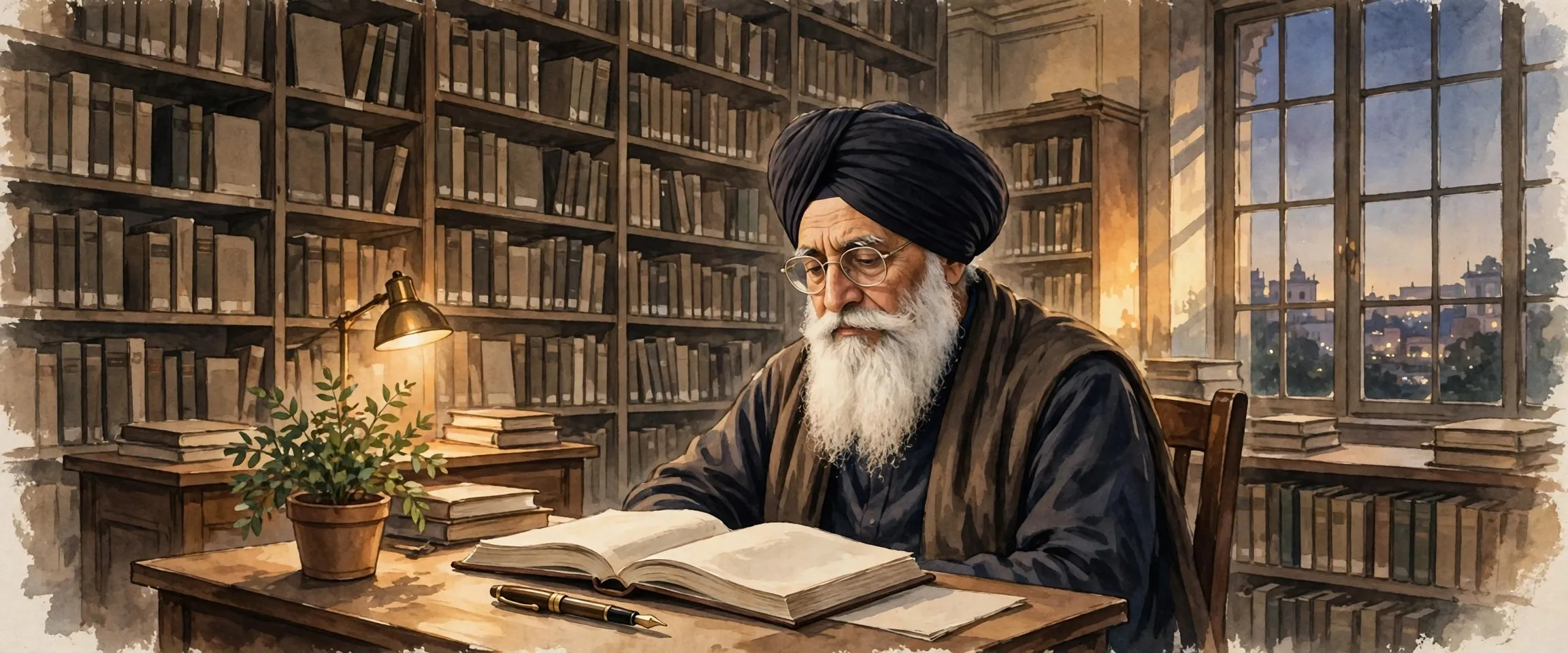
ਡਾ. ਹਰਭਜਨ ਸਿੰਘ (1920 ਤੋਂ 2002) ਪੰਜਾਬੀ ਸ਼ਾਇਰ, ਆਲੋਚਕ ਅਤੇ ਅਨੁਵਾਦਕ ਸਨ, ਜੋ ਅਸਾਮ ਦੇ ਲਮਡਿੰਗ ਵਿੱਚ ਜੰਮੇ ਅਤੇ ਛੋਟੀ ਉਮਰੇ ਯਤੀਮ ਹੋਣ ਤੋਂ ਬਾਅਦ ਲਾਹੌਰ ਵਿੱਚ ਵੱਡੇ ਹੋਏ। ਉਹ ਦਿੱਲੀ ਯੂਨੀਵਰਸਿਟੀ ਵਿੱਚ ਪੰਜਾਬੀ ਦੇ ਪ੍ਰੋਫੈਸਰ ਬਣੇ, ਨਾ ਧੁੱਪੇ ਨਾ ਛਾਵੇਂ (1967) ਸਮੇਤ ਸਤਾਰਾਂ ਸੰਗ੍ਰਹਿ ਛਪਵਾਏ, ਅਤੇ ਉਨ੍ਹਾਂ ਨੂੰ ਸਾਹਿਤ ਅਕਾਡਮੀ ਪੁਰਸਕਾਰ ਅਤੇ ਸਾਹਿਤ ਅਕਾਡਮੀ ਫੈਲੋਸ਼ਿਪ ਮਿਲੀ।
ਜੀਵਨ ਇੱਕ ਨਜ਼ਰ ਵਿੱਚ
- 1920ਜਨਮ Lumding, Assam (exact day differs between sources)
- 1962Key work Adh Raini
- 1967Key work Na Dhuppe Na Chhaven
- 1984Key work Alvida Ton Pehlan
- 2002ਦੇਹਾਂਤ aged 82 (exact day differs between sources)
- ਪੰਜਾਬੀ ਨਾਂ
- ਹਰਭਜਨ ਸਿੰਘ
- ਜਨਮ
- 1920, ਲਮਡਿੰਗ, ਅਸਾਮ (ਪੱਕੇ ਦਿਨ ਬਾਰੇ ਸਰੋਤ ਵੱਖ ਵੱਖ ਹਨ)
- ਪਰਵਰਿਸ਼
- ਇਛੜਾ, ਲਾਹੌਰ, ਮਾਸੀ ਕੋਲ, ਯਤੀਮ ਹੋਣ ਤੋਂ ਬਾਅਦ
- ਘਰ ਦਾ ਸ਼ਹਿਰ
- ਲਾਹੌਰ
- ਜ਼ਿਲ੍ਹਾ
- ਲਾਹੌਰ
- ਇਲਾਕਾ
- ਪੱਛਮੀ ਪੰਜਾਬ
All 12 facts
- ਸਿੱਖਿਆ
- ਅੰਗਰੇਜ਼ੀ ਅਤੇ ਹਿੰਦੀ ਵਿੱਚ ਡਿਗਰੀਆਂ, ਦਿੱਲੀ ਯੂਨੀਵਰਸਿਟੀ; ਗੁਰਮੁਖੀ ਲਿਪੀ ਵਿੱਚ ਸੁਰੱਖਿਅਤ ਮੱਧਕਾਲੀ ਹਿੰਦੀ ਸ਼ਾਇਰੀ ਉੱਤੇ ਪੀਐਚ. ਡੀ.
- ਅਹੁਦੇ
- ਹਿੰਦੀ ਵਿਭਾਗ ਦੇ ਮੁਖੀ, ਗੁਰੂ ਤੇਗ ਬਹਾਦਰ ਖਾਲਸਾ ਕਾਲਜ, ਦਿੱਲੀ, 1951 ਤੋਂ 1967; ਪੰਜਾਬੀ ਦੇ ਪ੍ਰੋਫੈਸਰ, ਦਿੱਲੀ ਯੂਨੀਵਰਸਿਟੀ, 1968 ਤੋਂ 1984
- ਮੁੱਖ ਰਚਨਾਵਾਂ
- ਨਾ ਧੁੱਪੇ ਨਾ ਛਾਵੇਂ (1967); ਅੱਧ ਰੈਣੀ (1962); ਅਲਵਿਦਾ ਤੋਂ ਪਹਿਲਾਂ (1984)
- ਰਚਨਾਵਾਂ
- 17 ਕਾਵਿ ਸੰਗ੍ਰਹਿ, ਸਾਹਿਤਕ ਇਤਿਹਾਸ ਅਤੇ ਆਲੋਚਨਾ ਦੀਆਂ 19 ਕਿਤਾਬਾਂ, 14 ਅਨੁਵਾਦ
- ਸਨਮਾਨ
- ਸਾਹਿਤ ਅਕਾਡਮੀ ਪੁਰਸਕਾਰ, 1969; ਕਬੀਰ ਸਨਮਾਨ, 1987; ਸਰਸਵਤੀ ਸਨਮਾਨ; ਸਾਹਿਤ ਅਕਾਡਮੀ ਫੈਲੋਸ਼ਿਪ, 1994
- ਦੇਹਾਂਤ
- 2002, ਉਮਰ 82 ਸਾਲ (ਪੱਕੇ ਦਿਨ ਬਾਰੇ ਸਰੋਤ ਵੱਖ ਵੱਖ ਹਨ)
Dr Harbhajan Singh (1920 to 2002) was a Punjabi poet, critic and translator who, along with Amrita Pritam, is credited with revolutionising the style of modern Punjabi poetry. Orphaned as a small child in Lahore, he educated himself through odd jobs, became professor of Punjabi at the University of Delhi, published seventeen collections of poems, and received the Sahitya Akademi Award, the Saraswati Samman and the Sahitya Akademi Fellowship.
Which Harbhajan Singh was the Punjabi poet?
The Punjabi poet Harbhajan Singh is not the cricketer of the same name. He was born in 1920, a generation earlier, in Lumding in Assam, and he spent his life in Lahore and Delhi as a teacher, scholar and poet. Search his name and the two lives cross constantly, which is why this page keeps his dates at the front: poet, critic and translator, 1920 to 2002, author of Na Dhuppe Na Chhaven and professor of Punjabi at the University of Delhi until 1984.
An orphaned childhood in Lahore
Harbhajan Singh was born in Lumding, Assam, in 1920, to Ganga Devi and Ganda Singh. His father was ill with tuberculosis and died before the boy was one year old. The family had moved to Lahore, where they had bought two houses in Gawalmandi, but death kept coming: his mother and his two sisters also died, leaving him without a direct family by the time he was four. Sources differ on the exact days of his birth and death, so this page gives the years, on which they all agree.
He was brought up in Ichhra, Lahore, by his mother's younger sister, and he was educated at the local DAV School, where he was a top student from the start and ranked among the top three in Punjab. Money, not ability, stopped his studies. He took odd jobs instead: sales boy at a homeopathic chemist's shop in Lahore, lower division clerk with the Government of India in New Delhi, and assistant librarian at Khalsa School in New Delhi.
Education earned the hard way
Singh completed his higher education largely without regular college, taking two degrees in English and Hindi literature from the University of Delhi. The Sikh Encyclopedia adds an MA in English and Hindi, a Gyani, and a PhD on medieval Hindi poetry preserved in Gurmukhi script. That thesis topic is a clue to the man: from the beginning he worked where languages meet, Hindi poetry in a Punjabi script, and he never stopped crossing those borders.
He began teaching English, moved to Hindi, and finally to Punjabi. The Sikh Encyclopedia traces the climb precisely: senior lecturer and head of the Hindi department at Guru Tegh Bahadur Khalsa College in Delhi from 1951 to 1967, then professor of Punjabi in the Department of Modern Indian Languages at the University of Delhi from 1968 to 1984. He retired as professor emeritus in 1984, lectured at universities across India, and supervised a generation of Punjabi scholars, among them Attar Singh, Tirlok Singh Kanwar, Atamjit Singh, Mohinder Kaur Gill and Satinder Singh. His son Madan Gopal Singh became a well known singer and scholar.
The poetry: a new voice for Punjabi
Literary histories place Harbhajan Singh at the front of the New Poetry in Punjabi literature, the movement that brought the loneliness and isolation of the individual in the machine age into Punjabi verse, a condition he had lived himself as a young man. His poetry argues for the freedom of the individual, with undertones of mysticism in the tradition of Guru Nanak and Waris Shah, and the English Romantics and Iqbal among its influences. Scholars describe the mix as lyrical, humanist and modernist at once: folk song simplicity on the surface, a searching, unsettled mind underneath.
He published seventeen collections of poems. The early landmarks include the verse play Tar Tupka in 1957 and Adh Raini, or Midnight, in 1962. Na Dhuppe Na Chhaven, Neither Sun Nor Shade, in 1967 won him the Sahitya Akademi Award for 1969 and remains his best known book. Sarak De Safe Utte and Main Jo Bit Gaya followed in 1970, Alaf Dupehar in 1972, and the late collection Alvida Ton Pehlan, Before Bidding Goodbye, in 1984 summed up a long career. After retirement he also helped edit the monthly Akas.
Critic and translator between worlds
The poet was also one of Punjabi's busiest scholars. He wrote nineteen works of literary history and criticism, among them Mul Te Mulyankan in 1972, Sahitya Shastra in 1973, Sahitya Siddhant in 1974 and Sahitya Adhyan in 1981, books that taught Punjabi readers how to argue about literature itself. The poets he rated highest tell his map of the world: Guru Nanak and Guru Arjan, Shah Hussain, Waris Shah and Bulleh Shah, Mir Taqi Mir, Lorca, Rabindranath Tagore, Noon Meem Rashid and Puran Singh.
As a translator he carried fourteen works into Punjabi, including Aristotle's Poetics, rendered as Arastu Da Kavya Shastra in 1964, selections from the Rig Veda as Rigbani in 1963, Gorky's My Universities in 1961, Longinus on the sublime in 1970, and work by Sophocles and Tagore. Translation, for him, was not a side activity: it was how a small literature stays in conversation with the whole world.
Honours and later life
The honours came steadily. After the Sahitya Akademi Award of 1969 he received awards from the Delhi Administration in 1974 and the Punjab Government in 1976, and the Soviet Land Nehru Award in 1980. The Kabir Samman, one of India's highest literary honours, given by the Madhya Pradesh Government, followed in 1987. In the 1990s came the Saraswati Samman and, in 1994, the Sahitya Akademi Fellowship, the academy's highest honour: at that time only one other Punjabi writer, Gurbaksh Singh Preetlari, had received it. In 2002, the last year of his life, the Punjabi Sahitya Akademi at Ludhiana gave him its Dhaliwal Sanmaan.
Legacy
Harbhajan Singh died in 2002, aged 82. He left three kinds of work behind him, and each kind still works. The poems gave modern Punjabi poetry a voice for the solitary city dweller. The criticism gave Punjabi scholarship its working vocabulary. The translations gave Punjabi readers Aristotle, the Rig Veda and Gorky in their own language. An orphan from Gawalmandi who once shelved books in a school library for a living ended by stocking the shelves of Punjabi literature itself.
ਡਾ. ਹਰਭਜਨ ਸਿੰਘ (1920 ਤੋਂ 2002) ਪੰਜਾਬੀ ਸ਼ਾਇਰ, ਆਲੋਚਕ ਅਤੇ ਅਨੁਵਾਦਕ ਸਨ, ਜਿਨ੍ਹਾਂ ਨੂੰ ਅੰਮ੍ਰਿਤਾ ਪ੍ਰੀਤਮ ਦੇ ਨਾਲ ਆਧੁਨਿਕ ਪੰਜਾਬੀ ਸ਼ਾਇਰੀ ਦੀ ਸ਼ੈਲੀ ਵਿੱਚ ਇਨਕਲਾਬ ਲਿਆਉਣ ਦਾ ਸਿਹਰਾ ਦਿੱਤਾ ਜਾਂਦਾ ਹੈ। ਲਾਹੌਰ ਵਿੱਚ ਛੋਟੀ ਉਮਰੇ ਯਤੀਮ ਹੋਏ, ਉਨ੍ਹਾਂ ਨੇ ਛੋਟੇ ਮੋਟੇ ਕੰਮ ਕਰਦਿਆਂ ਆਪਣੇ ਆਪ ਨੂੰ ਪੜ੍ਹਾਇਆ, ਦਿੱਲੀ ਯੂਨੀਵਰਸਿਟੀ ਵਿੱਚ ਪੰਜਾਬੀ ਦੇ ਪ੍ਰੋਫੈਸਰ ਬਣੇ, ਸਤਾਰਾਂ ਕਾਵਿ ਸੰਗ੍ਰਹਿ ਛਪਵਾਏ, ਅਤੇ ਸਾਹਿਤ ਅਕਾਡਮੀ ਪੁਰਸਕਾਰ, ਸਰਸਵਤੀ ਸਨਮਾਨ ਅਤੇ ਸਾਹਿਤ ਅਕਾਡਮੀ ਫੈਲੋਸ਼ਿਪ ਹਾਸਲ ਕੀਤੀ।
ਕਿਹੜਾ ਹਰਭਜਨ ਸਿੰਘ ਪੰਜਾਬੀ ਸ਼ਾਇਰ ਸੀ?
ਪੰਜਾਬੀ ਸ਼ਾਇਰ ਹਰਭਜਨ ਸਿੰਘ ਉਸੇ ਨਾਂ ਵਾਲੇ ਕ੍ਰਿਕਟਰ ਨਹੀਂ ਹਨ। ਉਹ ਇੱਕ ਪੀੜ੍ਹੀ ਪਹਿਲਾਂ, 1920 ਵਿੱਚ, ਅਸਾਮ ਦੇ ਲਮਡਿੰਗ ਵਿੱਚ ਪੈਦਾ ਹੋਏ, ਅਤੇ ਉਨ੍ਹਾਂ ਨੇ ਆਪਣੀ ਜ਼ਿੰਦਗੀ ਲਾਹੌਰ ਅਤੇ ਦਿੱਲੀ ਵਿੱਚ ਅਧਿਆਪਕ, ਵਿਦਵਾਨ ਅਤੇ ਸ਼ਾਇਰ ਵਜੋਂ ਬਿਤਾਈ। ਉਨ੍ਹਾਂ ਦਾ ਨਾਂ ਲੱਭੋ ਤਾਂ ਦੋਵੇਂ ਜ਼ਿੰਦਗੀਆਂ ਵਾਰ ਵਾਰ ਆਹਮੋ ਸਾਹਮਣੇ ਆਉਂਦੀਆਂ ਹਨ, ਇਸ ਲਈ ਇਹ ਸਫ਼ਾ ਉਨ੍ਹਾਂ ਦੀਆਂ ਤਰੀਕਾਂ ਸਭ ਤੋਂ ਅੱਗੇ ਰੱਖਦਾ ਹੈ: ਸ਼ਾਇਰ, ਆਲੋਚਕ ਅਤੇ ਅਨੁਵਾਦਕ, 1920 ਤੋਂ 2002, ਨਾ ਧੁੱਪੇ ਨਾ ਛਾਵੇਂ ਦੇ ਲੇਖਕ ਅਤੇ 1984 ਤੱਕ ਦਿੱਲੀ ਯੂਨੀਵਰਸਿਟੀ ਵਿੱਚ ਪੰਜਾਬੀ ਦੇ ਪ੍ਰੋਫੈਸਰ।
ਲਾਹੌਰ ਵਿੱਚ ਯਤੀਮ ਬਚਪਨ
ਹਰਭਜਨ ਸਿੰਘ ਦਾ ਜਨਮ 1920 ਵਿੱਚ ਅਸਾਮ ਦੇ ਲਮਡਿੰਗ ਵਿੱਚ ਹੋਇਆ। ਉਨ੍ਹਾਂ ਦੇ ਮਾਤਾ ਦਾ ਨਾਂ ਗੰਗਾ ਦੇਵੀ ਅਤੇ ਪਿਤਾ ਦਾ ਨਾਂ ਗੰਡਾ ਸਿੰਘ ਸੀ। ਪਿਤਾ ਤਪਦਿਕ ਨਾਲ ਬਿਮਾਰ ਸਨ ਅਤੇ ਮੁੰਡੇ ਦੇ ਇੱਕ ਸਾਲ ਦਾ ਹੋਣ ਤੋਂ ਪਹਿਲਾਂ ਹੀ ਚਲਾਣਾ ਕਰ ਗਏ। ਪਰਿਵਾਰ ਲਾਹੌਰ ਆ ਗਿਆ ਸੀ, ਜਿੱਥੇ ਉਨ੍ਹਾਂ ਨੇ ਗਵਾਲਮੰਡੀ ਵਿੱਚ ਦੋ ਘਰ ਖਰੀਦੇ ਸਨ, ਪਰ ਮੌਤ ਪਿੱਛਾ ਨਾ ਛੱਡਿਆ: ਮਾਤਾ ਅਤੇ ਦੋਵੇਂ ਭੈਣਾਂ ਵੀ ਚਲਾਣਾ ਕਰ ਗਈਆਂ, ਅਤੇ ਚਾਰ ਸਾਲ ਦੀ ਉਮਰ ਤੱਕ ਉਹ ਬਿਨਾਂ ਸਿੱਧੇ ਪਰਿਵਾਰ ਦੇ ਰਹਿ ਗਏ। ਉਨ੍ਹਾਂ ਦੇ ਜਨਮ ਅਤੇ ਮੌਤ ਦੇ ਪੱਕੇ ਦਿਨਾਂ ਬਾਰੇ ਸਰੋਤ ਵੱਖ ਵੱਖ ਗੱਲ ਕਹਿੰਦੇ ਹਨ, ਇਸ ਲਈ ਇਹ ਸਫ਼ਾ ਉਹੀ ਸਾਲ ਦਿੰਦਾ ਹੈ ਜਿਨ੍ਹਾਂ ਉੱਤੇ ਸਾਰੇ ਸਹਿਮਤ ਹਨ।
ਉਨ੍ਹਾਂ ਦੀ ਪਰਵਰਿਸ਼ ਲਾਹੌਰ ਦੇ ਇਛੜਾ ਵਿੱਚ ਉਨ੍ਹਾਂ ਦੀ ਮਾਸੀ, ਮਾਤਾ ਦੀ ਛੋਟੀ ਭੈਣ, ਨੇ ਕੀਤੀ, ਅਤੇ ਉਹ ਸਥਾਨਕ ਡੀ. ਏ. ਵੀ. ਸਕੂਲ ਵਿੱਚ ਪੜ੍ਹੇ, ਜਿੱਥੇ ਉਹ ਸ਼ੁਰੂ ਤੋਂ ਹੀ ਸਭ ਤੋਂ ਅੱਗੇ ਰਹੇ ਅਤੇ ਪੰਜਾਬ ਭਰ ਵਿੱਚ ਪਹਿਲੇ ਤਿੰਨਾਂ ਵਿੱਚ ਆਏ। ਪੜ੍ਹਾਈ ਯੋਗਤਾ ਨੇ ਨਹੀਂ, ਪੈਸੇ ਦੀ ਘਾਟ ਨੇ ਰੋਕੀ। ਉਸ ਦੀ ਥਾਂ ਉਨ੍ਹਾਂ ਨੇ ਛੋਟੇ ਕੰਮ ਕੀਤੇ: ਲਾਹੌਰ ਵਿੱਚ ਹੋਮਿਓਪੈਥਿਕ ਦਵਾਈਆਂ ਦੀ ਦੁਕਾਨ ਉੱਤੇ ਸੇਲਜ਼ ਬੁਆਏ, ਨਵੀਂ ਦਿੱਲੀ ਵਿੱਚ ਭਾਰਤ ਸਰਕਾਰ ਕੋਲ ਲੋਅਰ ਡਿਵੀਜ਼ਨ ਕਲਰਕ, ਅਤੇ ਨਵੀਂ ਦਿੱਲੀ ਦੇ ਖਾਲਸਾ ਸਕੂਲ ਵਿੱਚ ਸਹਾਇਕ ਲਾਇਬ੍ਰੇਰੀਅਨ।
ਮੁਸ਼ਕਲ ਨਾਲ ਹਾਸਲ ਕੀਤੀ ਪੜ੍ਹਾਈ
ਸਿੰਘ ਨੇ ਆਪਣੀ ਉੱਚ ਪੜ੍ਹਾਈ ਬਹੁਤੀ ਰਸਮੀ ਕਾਲਜ ਤੋਂ ਬਿਨਾਂ ਪੂਰੀ ਕੀਤੀ, ਅਤੇ ਦਿੱਲੀ ਯੂਨੀਵਰਸਿਟੀ ਤੋਂ ਅੰਗਰੇਜ਼ੀ ਅਤੇ ਹਿੰਦੀ ਸਾਹਿਤ ਵਿੱਚ ਦੋ ਡਿਗਰੀਆਂ ਲਈਆਂ। ਸਿੱਖ ਐਨਸਾਈਕਲੋਪੀਡੀਆ ਇਸ ਵਿੱਚ ਅੰਗਰੇਜ਼ੀ ਅਤੇ ਹਿੰਦੀ ਵਿੱਚ ਐਮ. ਏ., ਗਿਆਨੀ, ਅਤੇ ਗੁਰਮੁਖੀ ਲਿਪੀ ਵਿੱਚ ਸੁਰੱਖਿਅਤ ਮੱਧਕਾਲੀ ਹਿੰਦੀ ਸ਼ਾਇਰੀ ਉੱਤੇ ਪੀਐਚ. ਡੀ. ਜੋੜਦਾ ਹੈ। ਉਸ ਖੋਜ ਦਾ ਵਿਸ਼ਾ ਹੀ ਉਸ ਮਨੁੱਖ ਦੀ ਨਿਸ਼ਾਨੀ ਹੈ: ਸ਼ੁਰੂ ਤੋਂ ਹੀ ਉਨ੍ਹਾਂ ਨੇ ਉੱਥੇ ਕੰਮ ਕੀਤਾ ਜਿੱਥੇ ਭਾਸ਼ਾਵਾਂ ਮਿਲਦੀਆਂ ਹਨ, ਪੰਜਾਬੀ ਲਿਪੀ ਵਿੱਚ ਹਿੰਦੀ ਸ਼ਾਇਰੀ, ਅਤੇ ਉਹ ਸਰਹੱਦਾਂ ਪਾਰ ਕਰਨੀਆਂ ਕਦੀ ਨਾ ਛੱਡੀਆਂ।
ਉਨ੍ਹਾਂ ਨੇ ਪਹਿਲਾਂ ਅੰਗਰੇਜ਼ੀ ਪੜ੍ਹਾਈ, ਫਿਰ ਹਿੰਦੀ ਵੱਲ ਆਏ, ਅਤੇ ਅੰਤ ਵਿੱਚ ਪੰਜਾਬੀ ਵੱਲ। ਸਿੱਖ ਐਨਸਾਈਕਲੋਪੀਡੀਆ ਇਹ ਚੜ੍ਹਾਈ ਪੱਕੇ ਤੌਰ ਉੱਤੇ ਦਿੰਦਾ ਹੈ: 1951 ਤੋਂ 1967 ਤੱਕ ਦਿੱਲੀ ਦੇ ਗੁਰੂ ਤੇਗ ਬਹਾਦਰ ਖਾਲਸਾ ਕਾਲਜ ਵਿੱਚ ਸੀਨੀਅਰ ਲੈਕਚਰਾਰ ਅਤੇ ਹਿੰਦੀ ਵਿਭਾਗ ਦੇ ਮੁਖੀ, ਫਿਰ 1968 ਤੋਂ 1984 ਤੱਕ ਦਿੱਲੀ ਯੂਨੀਵਰਸਿਟੀ ਦੇ ਆਧੁਨਿਕ ਭਾਰਤੀ ਭਾਸ਼ਾਵਾਂ ਵਿਭਾਗ ਵਿੱਚ ਪੰਜਾਬੀ ਦੇ ਪ੍ਰੋਫੈਸਰ। ਉਹ 1984 ਵਿੱਚ ਪ੍ਰੋਫੈਸਰ ਐਮੇਰੀਟਸ ਵਜੋਂ ਸੇਵਾ ਮੁਕਤ ਹੋਏ, ਭਾਰਤ ਭਰ ਦੀਆਂ ਯੂਨੀਵਰਸਿਟੀਆਂ ਵਿੱਚ ਭਾਸ਼ਣ ਦਿੱਤੇ, ਅਤੇ ਪੰਜਾਬੀ ਵਿਦਵਾਨਾਂ ਦੀ ਇੱਕ ਪੀੜ੍ਹੀ ਦੀ ਪੀਐਚ. ਡੀ. ਦੀ ਨਿਗਰਾਨੀ ਕੀਤੀ, ਜਿਨ੍ਹਾਂ ਵਿੱਚ ਅਤਰ ਸਿੰਘ, ਤਿਰਲੋਕ ਸਿੰਘ ਕੰਵਰ, ਅਤਮਜੀਤ ਸਿੰਘ, ਮਹਿੰਦਰ ਕੌਰ ਗਿੱਲ ਅਤੇ ਸਤਿੰਦਰ ਸਿੰਘ ਸ਼ਾਮਲ ਹਨ। ਉਨ੍ਹਾਂ ਦੇ ਪੁੱਤਰ ਮਦਨ ਗੋਪਾਲ ਸਿੰਘ ਜਾਣੇ ਪਛਾਣੇ ਗਾਇਕ ਅਤੇ ਵਿਦਵਾਨ ਬਣੇ।
ਸ਼ਾਇਰੀ: ਪੰਜਾਬੀ ਲਈ ਨਵੀਂ ਆਵਾਜ਼
ਸਾਹਿਤਕ ਇਤਿਹਾਸ ਹਰਭਜਨ ਸਿੰਘ ਨੂੰ ਪੰਜਾਬੀ ਸਾਹਿਤ ਦੀ ਨਵੀਂ ਸ਼ਾਇਰੀ ਦੇ ਮੋਹਰੀਆਂ ਵਿੱਚ ਰੱਖਦੇ ਹਨ, ਉਸ ਲਹਿਰ ਦੇ ਜਿਸ ਨੇ ਮਸ਼ੀਨੀ ਯੁੱਗ ਵਿੱਚ ਮਨੁੱਖ ਦੀ ਇਕੱਲਤਾ ਅਤੇ ਵੱਖਰੇਵਾਂ ਪੰਜਾਬੀ ਕਵਿਤਾ ਵਿੱਚ ਲਿਆਂਦਾ, ਉਹ ਹਾਲਤ ਜੋ ਉਨ੍ਹਾਂ ਨੇ ਨੌਜਵਾਨੀ ਵਿੱਚ ਆਪ ਜੀਵੀ ਸੀ। ਉਨ੍ਹਾਂ ਦੀ ਸ਼ਾਇਰੀ ਮਨੁੱਖ ਦੀ ਆਜ਼ਾਦੀ ਦੀ ਗੱਲ ਕਰਦੀ ਹੈ, ਜਿਸ ਵਿੱਚ ਗੁਰੂ ਨਾਨਕ ਅਤੇ ਵਾਰਿਸ ਸ਼ਾਹ ਦੀ ਰਹੱਸਵਾਦੀ ਪਰੰਪਰਾ ਦੀਆਂ ਝਲਕੀਆਂ ਹਨ, ਅਤੇ ਅੰਗਰੇਜ਼ੀ ਰੋਮਾਂਟਿਕ ਸ਼ਾਇਰਾਂ ਅਤੇ ਇਕਬਾਲ ਦਾ ਅਸਰ ਵੀ। ਵਿਦਵਾਨ ਇਸ ਮੇਲ ਨੂੰ ਇੱਕੋ ਸਮੇਂ ਗੀਤਕਾਰੀ, ਮਾਨਵਤਾਵਾਦੀ ਅਤੇ ਆਧੁਨਿਕ ਦੱਸਦੇ ਹਨ: ਸਤਹ ਉੱਤੇ ਲੋਕ ਗੀਤ ਵਰਗੀ ਸਾਦਗੀ, ਹੇਠਾਂ ਖੋਜਦਾ, ਬੇਚੈਨ ਮਨ।
ਉਨ੍ਹਾਂ ਦੇ ਸਤਾਰਾਂ ਕਾਵਿ ਸੰਗ੍ਰਹਿ ਛਪੇ। ਮੁੱਢਲੀਆਂ ਨਿਸ਼ਾਨੀਆਂ ਵਿੱਚ 1957 ਦਾ ਕਾਵਿ ਨਾਟਕ ਤਾਰ ਟੁਪਕਾ ਅਤੇ 1962 ਦਾ ਅੱਧ ਰੈਣੀ ਸ਼ਾਮਲ ਹਨ। 1967 ਦੇ ਨਾ ਧੁੱਪੇ ਨਾ ਛਾਵੇਂ ਨੇ ਉਨ੍ਹਾਂ ਨੂੰ 1969 ਦਾ ਸਾਹਿਤ ਅਕਾਡਮੀ ਪੁਰਸਕਾਰ ਦਿਵਾਇਆ ਅਤੇ ਇਹ ਅੱਜ ਵੀ ਉਨ੍ਹਾਂ ਦੀ ਸਭ ਤੋਂ ਜਾਣੀ ਜਾਂਦੀ ਕਿਤਾਬ ਹੈ। 1970 ਵਿੱਚ ਸੜਕ ਦੇ ਸਫ਼ੇ ਉੱਤੇ ਅਤੇ ਮੈਂ ਜੋ ਬੀਤ ਗਿਆ ਆਏ, 1972 ਵਿੱਚ ਅਲਫ਼ ਦੁਪਹਿਰ, ਅਤੇ 1984 ਦੇ ਮਗਰਲੇ ਸੰਗ੍ਰਹਿ ਅਲਵਿਦਾ ਤੋਂ ਪਹਿਲਾਂ ਨੇ ਲੰਮੇ ਸਫ਼ਰ ਦਾ ਹਿਸਾਬ ਪੇਸ਼ ਕੀਤਾ। ਸੇਵਾ ਮੁਕਤੀ ਤੋਂ ਬਾਅਦ ਉਨ੍ਹਾਂ ਨੇ ਮਾਸਿਕ ਅਕਾਸ ਦੇ ਸੰਪਾਦਨ ਵਿੱਚ ਵੀ ਹਿੱਸਾ ਪਾਇਆ।
ਦੁਨੀਆਂ ਵਿਚਕਾਰ ਆਲੋਚਕ ਅਤੇ ਅਨੁਵਾਦਕ
ਇਹ ਸ਼ਾਇਰ ਪੰਜਾਬੀ ਦੇ ਸਭ ਤੋਂ ਰੁੱਝੇ ਵਿਦਵਾਨਾਂ ਵਿੱਚੋਂ ਵੀ ਇੱਕ ਸੀ। ਉਨ੍ਹਾਂ ਨੇ ਸਾਹਿਤਕ ਇਤਿਹਾਸ ਅਤੇ ਆਲੋਚਨਾ ਦੀਆਂ ਉੱਨੀ ਕਿਤਾਬਾਂ ਲਿਖੀਆਂ, ਜਿਨ੍ਹਾਂ ਵਿੱਚ 1972 ਦਾ ਮੁੱਲ ਤੇ ਮੁਲਾਂਕਣ, 1973 ਦਾ ਸਾਹਿਤ ਸ਼ਾਸਤਰ, 1974 ਦਾ ਸਾਹਿਤ ਸਿਧਾਂਤ ਅਤੇ 1981 ਦਾ ਸਾਹਿਤ ਅਧਿਐਨ ਸ਼ਾਮਲ ਹਨ, ਉਹ ਕਿਤਾਬਾਂ ਜਿਨ੍ਹਾਂ ਨੇ ਪੰਜਾਬੀ ਪਾਠਕਾਂ ਨੂੰ ਸਾਹਿਤ ਬਾਰੇ ਬਹਿਸ ਕਰਨੀ ਸਿਖਾਈ। ਜਿਨ੍ਹਾਂ ਸ਼ਾਇਰਾਂ ਨੂੰ ਉਨ੍ਹਾਂ ਨੇ ਸਭ ਤੋਂ ਉੱਚਾ ਮੰਨਿਆ, ਉਹ ਉਨ੍ਹਾਂ ਦੀ ਦੁਨੀਆ ਦਾ ਨਕਸ਼ਾ ਦੱਸਦੇ ਹਨ: ਗੁਰੂ ਨਾਨਕ ਅਤੇ ਗੁਰੂ ਅਰਜਨ, ਸ਼ਾਹ ਹੁਸੈਨ, ਵਾਰਿਸ ਸ਼ਾਹ ਅਤੇ ਬੁੱਲ੍ਹੇ ਸ਼ਾਹ, ਮੀਰ ਤਕੀ ਮੀਰ, ਲੋਰਕਾ, ਰਬਿੰਦਰਨਾਥ ਟੈਗੋਰ, ਨੂਨ ਮੀਮ ਰਾਸ਼ਿਦ ਅਤੇ ਪੂਰਨ ਸਿੰਘ।
ਅਨੁਵਾਦਕ ਵਜੋਂ ਉਨ੍ਹਾਂ ਨੇ ਚੌਦਾਂ ਰਚਨਾਵਾਂ ਪੰਜਾਬੀ ਵਿੱਚ ਲਿਆਂਦੀਆਂ, ਜਿਨ੍ਹਾਂ ਵਿੱਚ 1964 ਵਿੱਚ ਅਰਸਤੂ ਦੀ ਪੋਏਟਿਕਸ ਦਾ ਅਨੁਵਾਦ ਅਰਸਤੂ ਦਾ ਕਾਵਿ ਸ਼ਾਸਤਰ, 1963 ਵਿੱਚ ਰਿਗਬਾਣੀ ਵਜੋਂ ਰਿਗਵੇਦ ਦੀਆਂ ਚੋਣਵੀਆਂ ਰਚਨਾਵਾਂ, 1961 ਵਿੱਚ ਗੋਰਕੀ ਦੀ ਮੇਰੇ ਵਿਸ਼ਵ ਵਿਦਿਆਲੇ, ਅਤੇ 1970 ਵਿੱਚ ਲੋਂਜਾਈਨਸ ਦੀ ਉਦਾਤ ਬਾਰੇ ਕਿਤਾਬ ਸ਼ਾਮਲ ਹਨ, ਅਤੇ ਸੋਫੋਕਲੀਜ਼ ਅਤੇ ਟੈਗੋਰ ਦੀ ਰਚਨਾ ਵੀ। ਉਨ੍ਹਾਂ ਲਈ ਅਨੁਵਾਦ ਕੋਈ ਪਾਸੇ ਦਾ ਕੰਮ ਨਹੀਂ ਸੀ: ਇਹ ਉਹ ਰਾਹ ਸੀ ਜਿਸ ਨਾਲ ਇੱਕ ਛੋਟਾ ਸਾਹਿਤ ਸਾਰੀ ਦੁਨੀਆ ਨਾਲ ਗੱਲਬਾਤ ਵਿੱਚ ਰਹਿੰਦਾ ਹੈ।
ਸਨਮਾਨ ਅਤੇ ਮਗਰਲੀ ਜ਼ਿੰਦਗੀ
ਸਨਮਾਨ ਲਗਾਤਾਰ ਆਉਂਦੇ ਰਹੇ। 1969 ਦੇ ਸਾਹਿਤ ਅਕਾਡਮੀ ਪੁਰਸਕਾਰ ਤੋਂ ਬਾਅਦ ਉਨ੍ਹਾਂ ਨੂੰ 1974 ਵਿੱਚ ਦਿੱਲੀ ਪ੍ਰਸ਼ਾਸਨ ਅਤੇ 1976 ਵਿੱਚ ਪੰਜਾਬ ਸਰਕਾਰ ਵੱਲੋਂ ਪੁਰਸਕਾਰ ਮਿਲੇ, ਅਤੇ 1980 ਵਿੱਚ ਸੋਵੀਅਤ ਲੈਂਡ ਨਹਿਰੂ ਪੁਰਸਕਾਰ ਮਿਲਿਆ। ਭਾਰਤ ਦੇ ਸਭ ਤੋਂ ਵੱਡੇ ਸਾਹਿਤਕ ਸਨਮਾਨਾਂ ਵਿੱਚੋਂ ਇੱਕ, ਮੱਧ ਪ੍ਰਦੇਸ਼ ਸਰਕਾਰ ਵੱਲੋਂ ਦਿੱਤਾ ਜਾਂਦਾ ਕਬੀਰ ਸਨਮਾਨ, 1987 ਵਿੱਚ ਆਇਆ। 1990ਵਿਆਂ ਵਿੱਚ ਸਰਸਵਤੀ ਸਨਮਾਨ ਆਇਆ ਅਤੇ 1994 ਵਿੱਚ ਸਾਹਿਤ ਅਕਾਡਮੀ ਫੈਲੋਸ਼ਿਪ, ਅਕਾਡਮੀ ਦਾ ਸਭ ਤੋਂ ਵੱਡਾ ਸਨਮਾਨ: ਉਸ ਸਮੇਂ ਇਹ ਸਿਰਫ਼ ਇੱਕ ਹੋਰ ਪੰਜਾਬੀ ਲੇਖਕ, ਗੁਰਬਖਸ਼ ਸਿੰਘ ਪ੍ਰੀਤਲੜੀ, ਨੂੰ ਹੀ ਮਿਲਿਆ ਸੀ। 2002 ਵਿੱਚ, ਉਨ੍ਹਾਂ ਦੀ ਜ਼ਿੰਦਗੀ ਦੇ ਆਖਰੀ ਸਾਲ ਵਿੱਚ, ਲੁਧਿਆਣੇ ਦੀ ਪੰਜਾਬੀ ਸਾਹਿਤ ਅਕਾਡਮੀ ਨੇ ਉਨ੍ਹਾਂ ਨੂੰ ਆਪਣਾ ਢਾਲੀਵਾਲ ਸਨਮਾਨ ਦਿੱਤਾ।
ਵਿਰਾਸਤ
ਹਰਭਜਨ ਸਿੰਘ ਦੀ ਮੌਤ 2002 ਵਿੱਚ 82 ਸਾਲ ਦੀ ਉਮਰ ਵਿੱਚ ਹੋਈ। ਉਹ ਆਪਣੇ ਪਿੱਛੇ ਤਿੰਨ ਤਰ੍ਹਾਂ ਦਾ ਕੰਮ ਛੱਡ ਗਏ, ਅਤੇ ਹਰ ਤਰ੍ਹਾਂ ਅੱਜ ਵੀ ਕੰਮ ਕਰਦੀ ਹੈ। ਕਵਿਤਾਵਾਂ ਨੇ ਆਧੁਨਿਕ ਪੰਜਾਬੀ ਸ਼ਾਇਰੀ ਨੂੰ ਇਕੱਲੇ ਸ਼ਹਿਰ ਵਾਸੀ ਦੀ ਆਵਾਜ਼ ਦਿੱਤੀ। ਆਲੋਚਨਾ ਨੇ ਪੰਜਾਬੀ ਵਿਦਵਤਾ ਨੂੰ ਉਸ ਦੀ ਕੰਮਕਾਜੀ ਸ਼ਬਦਾਵਲੀ ਦਿੱਤੀ। ਅਨੁਵਾਦਾਂ ਨੇ ਪੰਜਾਬੀ ਪਾਠਕਾਂ ਨੂੰ ਅਰਸਤੂ, ਰਿਗਵੇਦ ਅਤੇ ਗੋਰਕੀ ਉਨ੍ਹਾਂ ਦੀ ਆਪਣੀ ਭਾਸ਼ਾ ਵਿੱਚ ਦਿੱਤੇ। ਗਵਾਲਮੰਡੀ ਦਾ ਇੱਕ ਯਤੀਮ, ਜੋ ਕਦੀ ਰੋਜ਼ੀ ਲਈ ਸਕੂਲ ਲਾਇਬ੍ਰੇਰੀ ਵਿੱਚ ਕਿਤਾਬਾਂ ਰੱਖਦਾ ਸੀ, ਅੰਤ ਵਿੱਚ ਪੰਜਾਬੀ ਸਾਹਿਤ ਦੀਆਂ ਅਲਮਾਰੀਆਂ ਆਪ ਭਰ ਗਿਆ।
ਲੋਕ


ਥਾਵਾਂ

Harbhajan Singh ਖ਼ਬਰਾਂ ਵਿੱਚ
ਹੋਰ ਲੇਖਕ ਅਤੇ ਕਵੀ
ਸਾਰੇ ਵੇਖੋ

ਸਰੋਤ (3)
ਜੁਗਤੀ ਮੁਫ਼ਤ ਅਤੇ ਸੁਤੰਤਰ ਹੈ। ਪਾਠਕਾਂ ਦਾ ਸਹਿਯੋਗ ਕੋਸ਼ ਨੂੰ ਵਧਾਉਂਦਾ ਹੈ।
ਸਹਿਯੋਗ