
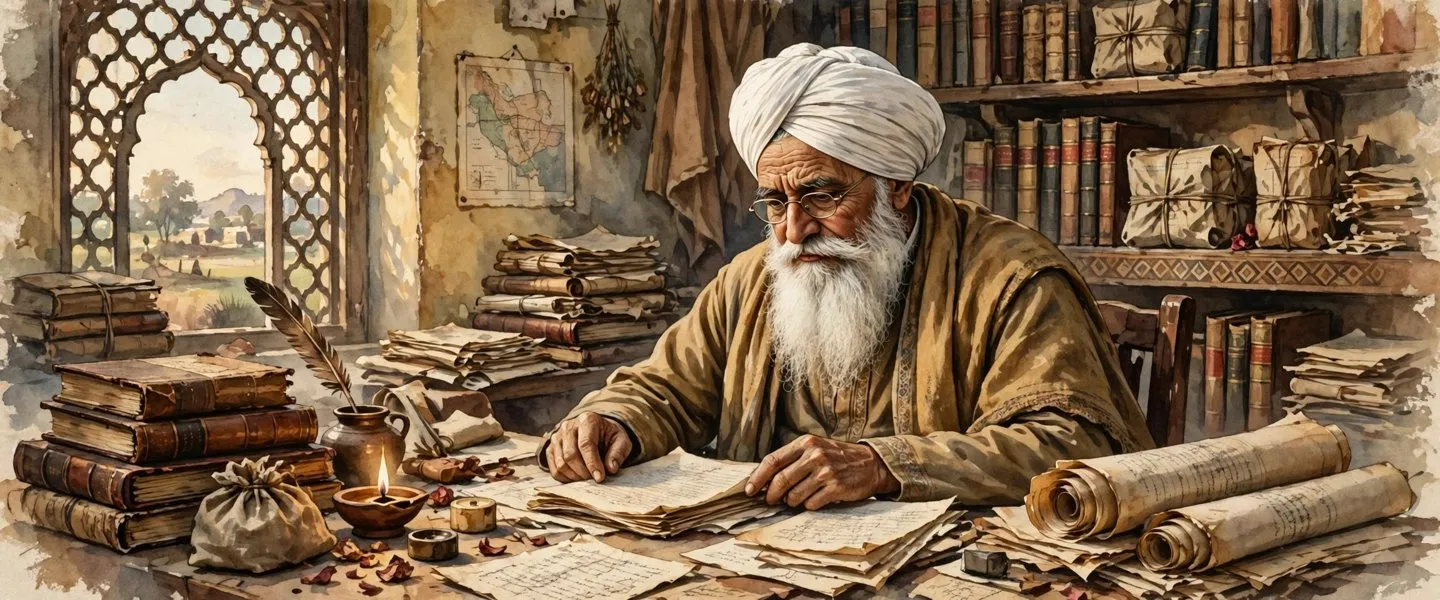
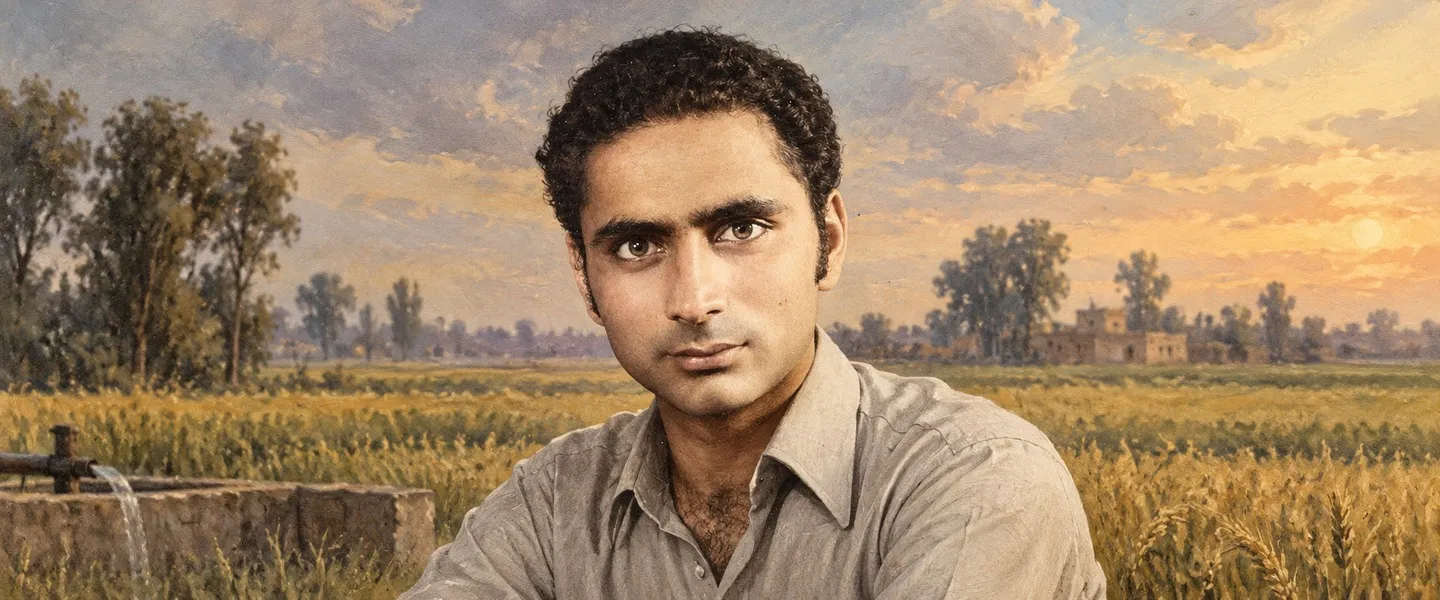
ਗੰਡਾ ਸਿੰਘ (1900 ਤੋਂ 1987) ਹੋਸ਼ਿਆਰਪੁਰ ਜ਼ਿਲ੍ਹੇ ਦੇ ਹਰਿਆਣਾ ਤੋਂ ਇੱਕ ਪੰਜਾਬੀ ਇਤਿਹਾਸਕਾਰ ਸਨ, ਜਿਨ੍ਹਾਂ ਨੇ ਆਧੁਨਿਕ ਸਿੱਖ ਇਤਿਹਾਸ ਖੋਜ ਦੀ ਨੀਂਹ ਰੱਖੀ। ਉਹ ਖਾਲਸਾ ਕਾਲਜ, ਅੰਮ੍ਰਿਤਸਰ ਵਿੱਚ ਸਿੱਖ ਇਤਿਹਾਸ ਖੋਜ ਵਿਭਾਗ ਦੇ ਮੁਖੀ ਰਹੇ, ਪਟਿਆਲਾ ਵਿੱਚ ਪੁਰਾਲੇਖਾਂ ਦੇ ਪਹਿਲੇ ਨਿਰਦੇਸ਼ਕ ਬਣੇ ਅਤੇ ਮੂਲ ਫਾਰਸੀ ਅਤੇ ਪੰਜਾਬੀ ਰਿਕਾਰਡਾਂ ਤੋਂ ਦੋ ਦਰਜਨ ਤੋਂ ਵੱਧ ਕਿਤਾਬਾਂ ਲਿਖੀਆਂ।
- ਪੰਜਾਬੀ ਨਾਂ
- ਗੰਡਾ ਸਿੰਘ
- ਜਨਮ
- 15 ਨਵੰਬਰ 1900, ਹਰਿਆਣਾ, ਹੋਸ਼ਿਆਰਪੁਰ ਜ਼ਿਲ੍ਹਾ
- ਘਰ ਦਾ ਸ਼ਹਿਰ
- ਹਰਿਆਣਾ
- ਜ਼ਿਲ੍ਹਾ
- ਹੁਸ਼ਿਆਰਪੁਰ
- ਤਹਿਸੀਲ
- ਹੁਸ਼ਿਆਰਪੁਰ
- ਇਲਾਕਾ
- ਦੋਆਬਾ
All 10 facts
- ਦੇਹਾਂਤ
- 27 ਦਸੰਬਰ 1987, ਪਟਿਆਲਾ
- ਖੇਤਰ
- ਪੰਜਾਬ ਅਤੇ ਸਿੱਖ ਇਤਿਹਾਸ ਦੇ ਇਤਿਹਾਸਕਾਰ
- ਅਹੁਦੇ
- ਮੁਖੀ, ਸਿੱਖ ਇਤਿਹਾਸ ਖੋਜ ਵਿਭਾਗ, ਖਾਲਸਾ ਕਾਲਜ ਅੰਮ੍ਰਿਤਸਰ (1931 ਤੋਂ 1949); ਪੁਰਾਲੇਖ ਨਿਰਦੇਸ਼ਕ, ਪੈਪਸੂ (1949 ਤੋਂ)
- ਸਨਮਾਨ
- ਪਦਮ ਭੂਸ਼ਣ (ਅਪਰੇਸ਼ਨ ਬਲੂ ਸਟਾਰ ਤੋਂ ਬਾਅਦ ਵਿਰੋਧ ਵਿੱਚ ਵਾਪਸ ਕੀਤਾ); ਪੰਜਾਬ ਸਰਕਾਰ ਸਾਹਿਤ ਪੁਰਸਕਾਰ, 1963
Ganda Singh (15 November 1900 to 27 December 1987) was a Punjabi historian from Hariana in Hoshiarpur district who reshaped the study of Sikh and Punjab history. Working from original Persian, Urdu and Punjabi records that many scholars could not read, he published more than two dozen books, led Sikh history research at Khalsa College, Amritsar, and became the founding Director of Archives for the Patiala state government.
ਮੁੱਢਲਾ ਜੀਵਨ
Ganda Singh was born on 15 November 1900 at Hariana, an old town close to Hoshiarpur in the Punjab, the son of Jawala Singh and Hukam Devi. He began his schooling locally, passed his middle examination from the D.A.V. Middle School at Hoshiarpur and matriculated from Government High School in the same town. He then joined Forman Christian College at Lahore, but left his studies unfinished to enlist in the army in 1919. Stories of the Sikh heroes of the eighteenth century, read during the religious debates that filled Punjab in those years, had already turned his mind towards Sikh history.
How did Ganda Singh become a historian?
His road to scholarship ran through soldiering and an oil company. He served with the Supply and Transport Corps at Rawalpindi and Peshawar, then with the Mesopotamia Expeditionary Force at Basra in 1920 and the British Royal Army Pay Corps in 1921. At Basra a bullet tore through his thigh. He was hospitalised, and through an error he was reported dead to his family. When he reached home late one evening and knocked, his family, believing him gone, at first took him for a spirit and would not open the door. He slept the night outside and was recognised with joy in the morning.
After recovering, he went back to the region and joined the Anglo-Persian Oil Company at Abadan in Iran as an accounts officer, working there from 1921 to 1930. At Abadan he assisted the company manager Arnold Wilson, a noted scholar, who was preparing a bibliography of Persia. The work gave Ganda Singh his model: he resolved to prepare a bibliography of his own Punjab. Returning home towards the end of 1930, he joined the editorial board of the Phulwari, a Punjabi monthly published from Lahore.
Building Sikh history research at Amritsar
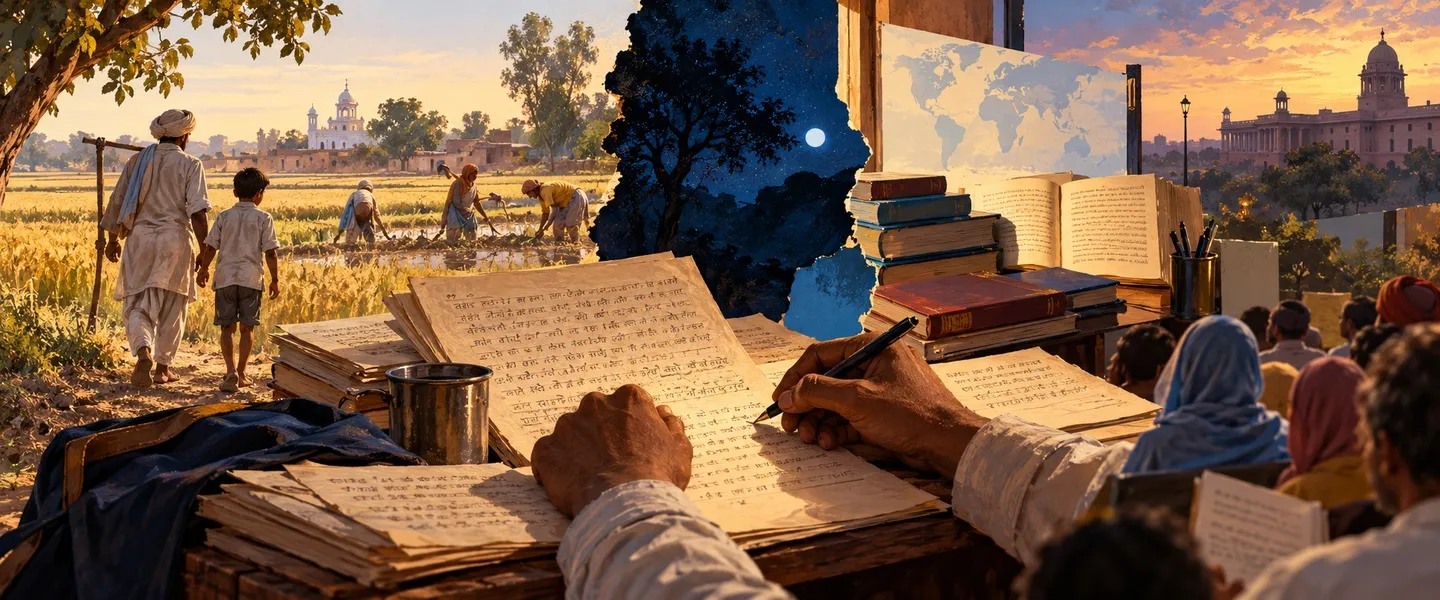
In October 1931 Khalsa College, Amritsar placed him in charge of its newly created Sikh History Research Department, a post he held until 1949. Those eighteen years made his reputation. He travelled across India searching public libraries, archives and private collections for material on Sikh history, visiting collections at Rampur, Bankipur, Patna, Kolkata and Delhi, and brought rare books and manuscripts back to enrich the department library at Amritsar. His command of Persian let him open sources that had stayed closed to most scholars of Sikhism, and the books and articles that followed were built on that original material.
Archives, a doctorate and the Punjab History Conference
In 1949 he moved to Patiala as Director of Archives and Curator of Museum under the Government of Patiala and East Punjab States Union, collecting and organising the records of eight princely states. In 1950 he took the additional charge of Director of the Punjabi Department. His thesis on the Afghan ruler Ahmad Shah Durrani earned him a PhD from Panjab University, Chandigarh, in 1954. After serving as principal of Khalsa College, Patiala, he was invited by Punjabi University, Patiala, to organise its Department of Punjab Historical Studies. There he set up the Punjab History Conference in 1965 and in 1967 launched the university journal The Panjab Past and Present, which he edited. In 1974 he presided over the 35th session of the Indian History Congress at Jadavpur.
What did Ganda Singh write?
Alongside scores of research papers, booklets and pamphlets, he published over two dozen full-length volumes in English and Punjabi, and edited Persian texts. His Life of Banda Singh Bahadur and his History of Gurdwara Shahidganj, Lahore both appeared in 1935 and were compiled from contemporary and original records. With Teja Singh he wrote A Short History of the Sikhs in 1950. His Ahmad Shah Durrani, published in 1959, grew out of his doctoral thesis. Later works included a bibliography of the Punjab in 1966, the Maharaja Duleep Singh Correspondence in 1977, and A Diary of the Partition Days 1947, his day by day record of the division of Punjab. Few historians of Punjab have left so much of the raw record, collected, edited and printed, for those who came after them.
Honours and later life
The Punjab Government gave him its Award for Literature on 31 March 1963, and the Shiromani Gurdwara Parbandhak Committee commended him on 28 March 1964. Aligarh Muslim University awarded him an honorary Doctor of Letters on 19 December 1964, and Punjabi University did the same on 25 February 1978. The Government of India honoured him with the Padma Bhushan, an award he returned in protest against the government action during Operation Blue Star. In November 1987 the Indian History Congress, meeting at Panaji, honoured him as one of the five distinguished historians of India. He died at Patiala on 27 December 1987.
Legacy
Ganda Singh donated his entire personal collection of rare books, maps, documents and manuscripts, which filled several rooms of his modest home on the Lower Mall at Patiala, to Punjabi University, Patiala. His lasting change to the field was method as much as fact: go to the original record, in whatever language it survives, and build the bibliography so others can follow. Students of Sikh and Punjab history, in Punjab and across the diaspora, still begin with the sources he gathered and the volumes he wrote from them.
ਸ਼ੁਰੂਆਤੀ ਜੀਵਨ
ਗੰਡਾ ਸਿੰਘ ਦਾ ਜਨਮ 15 ਨਵੰਬਰ 1900 ਨੂੰ ਪੰਜਾਬ ਵਿੱਚ ਹੋਸ਼ਿਆਰਪੁਰ ਨੇੜੇ ਪੁਰਾਣੇ ਕਸਬੇ ਹਰਿਆਣਾ ਵਿੱਚ ਹੋਇਆ। ਉਹ ਜਵਾਲਾ ਸਿੰਘ ਅਤੇ ਹੁਕਮ ਦੇਵੀ ਦੇ ਪੁੱਤਰ ਸਨ। ਉਨ੍ਹਾਂ ਨੇ ਪੜ੍ਹਾਈ ਆਪਣੇ ਇਲਾਕੇ ਤੋਂ ਸ਼ੁਰੂ ਕੀਤੀ, ਹੋਸ਼ਿਆਰਪੁਰ ਦੇ ਡੀ ਏ ਵੀ ਮਿਡਲ ਸਕੂਲ ਤੋਂ ਮਿਡਲ ਪਾਸ ਕੀਤਾ ਅਤੇ ਉਸੇ ਸ਼ਹਿਰ ਦੇ ਸਰਕਾਰੀ ਹਾਈ ਸਕੂਲ ਤੋਂ ਮੈਟ੍ਰਿਕ ਕੀਤੀ। ਫਿਰ ਉਹ ਲਾਹੌਰ ਦੇ ਫੋਰਮੈਨ ਕ੍ਰਿਸਚੀਅਨ ਕਾਲਜ ਵਿੱਚ ਦਾਖਲ ਹੋਏ, ਪਰ 1919 ਵਿੱਚ ਪੜ੍ਹਾਈ ਅਧੂਰੀ ਛੱਡ ਕੇ ਫੌਜ ਵਿੱਚ ਭਰਤੀ ਹੋ ਗਏ। ਉਨ੍ਹਾਂ ਸਾਲਾਂ ਵਿੱਚ ਪੰਜਾਬ ਵਿੱਚ ਚੱਲਦੀਆਂ ਧਾਰਮਿਕ ਬਹਿਸਾਂ ਦੌਰਾਨ ਪੜ੍ਹੀਆਂ ਅਠਾਰਵੀਂ ਸਦੀ ਦੇ ਸਿੱਖ ਯੋਧਿਆਂ ਦੀਆਂ ਕਹਾਣੀਆਂ ਨੇ ਉਨ੍ਹਾਂ ਦਾ ਮਨ ਪਹਿਲਾਂ ਹੀ ਸਿੱਖ ਇਤਿਹਾਸ ਵੱਲ ਮੋੜ ਦਿੱਤਾ ਸੀ।
ਗੰਡਾ ਸਿੰਘ ਇਤਿਹਾਸਕਾਰ ਕਿਵੇਂ ਬਣੇ?
ਵਿਦਵਤਾ ਦਾ ਉਨ੍ਹਾਂ ਦਾ ਰਾਹ ਫੌਜ ਅਤੇ ਇੱਕ ਤੇਲ ਕੰਪਨੀ ਵਿੱਚੋਂ ਹੋ ਕੇ ਗਿਆ। ਉਨ੍ਹਾਂ ਨੇ ਰਾਵਲਪਿੰਡੀ ਅਤੇ ਪੇਸ਼ਾਵਰ ਵਿੱਚ ਸਪਲਾਈ ਅਤੇ ਟਰਾਂਸਪੋਰਟ ਕੋਰ ਵਿੱਚ ਸੇਵਾ ਕੀਤੀ, ਫਿਰ 1920 ਵਿੱਚ ਬਸਰਾ ਵਿੱਚ ਮੈਸੋਪੋਟਾਮੀਆ ਮੁਹਿੰਮ ਫੌਜ ਨਾਲ ਅਤੇ 1921 ਵਿੱਚ ਬ੍ਰਿਟਿਸ਼ ਰਾਇਲ ਆਰਮੀ ਪੇ ਕੋਰ ਨਾਲ ਰਹੇ। ਬਸਰਾ ਵਿੱਚ ਗੋਲੀ ਉਨ੍ਹਾਂ ਦੀ ਲੱਤ ਵਿੱਚੋਂ ਲੰਘ ਗਈ। ਉਹ ਹਸਪਤਾਲ ਵਿੱਚ ਰਹੇ, ਅਤੇ ਇੱਕ ਗਲਤੀ ਕਰਕੇ ਘਰ ਉਨ੍ਹਾਂ ਦੇ ਮਰਨ ਦੀ ਖਬਰ ਪਹੁੰਚ ਗਈ। ਜਦੋਂ ਉਹ ਇੱਕ ਸ਼ਾਮ ਘਰ ਪਹੁੰਚੇ ਅਤੇ ਦਰਵਾਜ਼ਾ ਖੜਕਾਇਆ, ਤਾਂ ਪਰਿਵਾਰ ਨੇ, ਉਨ੍ਹਾਂ ਨੂੰ ਗਿਆ ਸਮਝ ਕੇ, ਪਹਿਲਾਂ ਉਨ੍ਹਾਂ ਨੂੰ ਕੋਈ ਰੂਹ ਸਮਝਿਆ ਅਤੇ ਦਰਵਾਜ਼ਾ ਨਾ ਖੋਲ੍ਹਿਆ। ਉਹ ਰਾਤ ਬਾਹਰ ਸੁੱਤੇ ਅਤੇ ਸਵੇਰੇ ਖੁਸ਼ੀ ਨਾਲ ਪਛਾਣੇ ਗਏ।
ਠੀਕ ਹੋਣ ਤੋਂ ਬਾਅਦ ਉਹ ਫਿਰ ਉਸੇ ਇਲਾਕੇ ਵਿੱਚ ਗਏ ਅਤੇ ਈਰਾਨ ਦੇ ਆਬਾਦਾਨ ਵਿੱਚ ਐਂਗਲੋ ਪਰਸ਼ੀਅਨ ਆਇਲ ਕੰਪਨੀ ਵਿੱਚ ਖਾਤਾ ਅਫਸਰ ਲੱਗ ਗਏ, ਜਿੱਥੇ ਉਹ 1921 ਤੋਂ 1930 ਤੱਕ ਰਹੇ। ਆਬਾਦਾਨ ਵਿੱਚ ਉਨ੍ਹਾਂ ਨੇ ਕੰਪਨੀ ਦੇ ਮੈਨੇਜਰ ਆਰਨੋਲਡ ਵਿਲਸਨ ਦੀ ਮਦਦ ਕੀਤੀ, ਜੋ ਇੱਕ ਨਾਮੀ ਵਿਦਵਾਨ ਸਨ ਅਤੇ ਈਰਾਨ ਬਾਰੇ ਗ੍ਰੰਥ ਸੂਚੀ ਤਿਆਰ ਕਰ ਰਹੇ ਸਨ। ਇਸ ਕੰਮ ਨੇ ਗੰਡਾ ਸਿੰਘ ਨੂੰ ਆਪਣਾ ਨਮੂਨਾ ਦਿੱਤਾ: ਉਨ੍ਹਾਂ ਨੇ ਆਪਣੇ ਪੰਜਾਬ ਦੀ ਗ੍ਰੰਥ ਸੂਚੀ ਤਿਆਰ ਕਰਨ ਦਾ ਮਨ ਬਣਾਇਆ। 1930 ਦੇ ਅੰਤ ਵਿੱਚ ਘਰ ਪਰਤ ਕੇ ਉਹ ਲਾਹੌਰ ਤੋਂ ਛਪਦੇ ਪੰਜਾਬੀ ਮਾਸਿਕ ਫੁਲਵਾੜੀ ਦੇ ਸੰਪਾਦਕੀ ਮੰਡਲ ਵਿੱਚ ਸ਼ਾਮਲ ਹੋ ਗਏ।
ਅੰਮ੍ਰਿਤਸਰ ਵਿੱਚ ਸਿੱਖ ਇਤਿਹਾਸ ਖੋਜ ਦੀ ਨੀਂਹ
ਅਕਤੂਬਰ 1931 ਵਿੱਚ ਖਾਲਸਾ ਕਾਲਜ, ਅੰਮ੍ਰਿਤਸਰ ਨੇ ਉਨ੍ਹਾਂ ਨੂੰ ਆਪਣੇ ਨਵੇਂ ਬਣੇ ਸਿੱਖ ਇਤਿਹਾਸ ਖੋਜ ਵਿਭਾਗ ਦਾ ਮੁਖੀ ਲਾਇਆ, ਜਿਸ ਅਹੁਦੇ ਉੱਤੇ ਉਹ 1949 ਤੱਕ ਰਹੇ। ਉਨ੍ਹਾਂ ਅਠਾਰਾਂ ਸਾਲਾਂ ਨੇ ਉਨ੍ਹਾਂ ਦੀ ਪਛਾਣ ਬਣਾਈ। ਉਨ੍ਹਾਂ ਨੇ ਸਿੱਖ ਇਤਿਹਾਸ ਦੀ ਸਮੱਗਰੀ ਦੀ ਭਾਲ ਵਿੱਚ ਸਾਰੇ ਭਾਰਤ ਦੀਆਂ ਜਨਤਕ ਲਾਇਬ੍ਰੇਰੀਆਂ, ਪੁਰਾਲੇਖਾਂ ਅਤੇ ਨਿੱਜੀ ਸੰਗ੍ਰਹਿਆਂ ਦਾ ਦੌਰਾ ਕੀਤਾ, ਰਾਮਪੁਰ, ਬਾਂਕੀਪੁਰ, ਪਟਨਾ, ਕੋਲਕਾਤਾ ਅਤੇ ਦਿੱਲੀ ਦੇ ਸੰਗ੍ਰਹਿ ਵੇਖੇ, ਅਤੇ ਦੁਰਲੱਭ ਕਿਤਾਬਾਂ ਅਤੇ ਹੱਥ ਲਿਖਤਾਂ ਅੰਮ੍ਰਿਤਸਰ ਦੇ ਵਿਭਾਗ ਦੀ ਲਾਇਬ੍ਰੇਰੀ ਲਈ ਲਿਆਂਦੀਆਂ। ਫਾਰਸੀ ਉੱਤੇ ਉਨ੍ਹਾਂ ਦੀ ਪਕੜ ਨੇ ਉਹ ਸਰੋਤ ਖੋਲ੍ਹੇ ਜੋ ਸਿੱਖੀ ਦੇ ਬਹੁਤੇ ਵਿਦਵਾਨਾਂ ਲਈ ਬੰਦ ਰਹੇ ਸਨ, ਅਤੇ ਬਾਅਦ ਵਿੱਚ ਆਈਆਂ ਕਿਤਾਬਾਂ ਅਤੇ ਲੇਖ ਉਸੇ ਮੂਲ ਸਮੱਗਰੀ ਉੱਤੇ ਖੜ੍ਹੇ ਸਨ।
ਪੁਰਾਲੇਖ, ਡਾਕਟਰੇਟ ਅਤੇ ਪੰਜਾਬ ਹਿਸਟਰੀ ਕਾਨਫਰੰਸ
1949 ਵਿੱਚ ਉਹ ਪਟਿਆਲਾ ਆ ਗਏ ਅਤੇ ਪਟਿਆਲਾ ਅਤੇ ਪੂਰਬੀ ਪੰਜਾਬ ਰਿਆਸਤਾਂ ਸੰਘ ਦੀ ਸਰਕਾਰ ਅਧੀਨ ਪੁਰਾਲੇਖ ਨਿਰਦੇਸ਼ਕ ਅਤੇ ਅਜਾਇਬ ਘਰ ਸੰਭਾਲਕ ਬਣੇ, ਜਿੱਥੇ ਉਨ੍ਹਾਂ ਨੇ ਅੱਠ ਰਿਆਸਤਾਂ ਦੇ ਰਿਕਾਰਡ ਇਕੱਠੇ ਕੀਤੇ ਅਤੇ ਸਾਂਭੇ। 1950 ਵਿੱਚ ਉਨ੍ਹਾਂ ਨੂੰ ਪੰਜਾਬੀ ਵਿਭਾਗ ਦੇ ਨਿਰਦੇਸ਼ਕ ਦਾ ਵਾਧੂ ਕੰਮ ਵੀ ਮਿਲਿਆ। ਅਫਗਾਨ ਹਾਕਮ ਅਹਿਮਦ ਸ਼ਾਹ ਦੁਰਾਨੀ ਉੱਤੇ ਉਨ੍ਹਾਂ ਦੇ ਖੋਜ ਨਿਬੰਧ ਨੇ 1954 ਵਿੱਚ ਪੰਜਾਬ ਯੂਨੀਵਰਸਿਟੀ, ਚੰਡੀਗੜ੍ਹ ਤੋਂ ਪੀ ਐੱਚ ਡੀ ਦਿਵਾਈ। ਖਾਲਸਾ ਕਾਲਜ, ਪਟਿਆਲਾ ਦੇ ਪ੍ਰਿੰਸੀਪਲ ਰਹਿਣ ਤੋਂ ਬਾਅਦ ਪੰਜਾਬੀ ਯੂਨੀਵਰਸਿਟੀ, ਪਟਿਆਲਾ ਨੇ ਉਨ੍ਹਾਂ ਨੂੰ ਆਪਣਾ ਪੰਜਾਬ ਇਤਿਹਾਸ ਅਧਿਐਨ ਵਿਭਾਗ ਖੜ੍ਹਾ ਕਰਨ ਲਈ ਸੱਦਿਆ। ਉੱਥੇ ਉਨ੍ਹਾਂ ਨੇ 1965 ਵਿੱਚ ਪੰਜਾਬ ਹਿਸਟਰੀ ਕਾਨਫਰੰਸ ਸਥਾਪਿਤ ਕੀਤੀ ਅਤੇ 1967 ਵਿੱਚ ਯੂਨੀਵਰਸਿਟੀ ਦਾ ਰਸਾਲਾ ਦ ਪੰਜਾਬ ਪਾਸਟ ਐਂਡ ਪ੍ਰੈਜ਼ੈਂਟ ਸ਼ੁਰੂ ਕੀਤਾ, ਜਿਸ ਦੇ ਉਹ ਸੰਪਾਦਕ ਰਹੇ। 1974 ਵਿੱਚ ਉਨ੍ਹਾਂ ਨੇ ਜਾਦਵਪੁਰ ਵਿੱਚ ਭਾਰਤੀ ਇਤਿਹਾਸ ਕਾਂਗਰਸ ਦੇ 35ਵੇਂ ਸਮਾਗਮ ਦੀ ਪ੍ਰਧਾਨਗੀ ਕੀਤੀ।
ਗੰਡਾ ਸਿੰਘ ਨੇ ਕੀ ਲਿਖਿਆ?
ਦਰਜਨਾਂ ਖੋਜ ਪੱਤਰਾਂ, ਕਿਤਾਬਚਿਆਂ ਅਤੇ ਪੈਂਫਲਿਟਾਂ ਦੇ ਨਾਲ ਨਾਲ ਉਨ੍ਹਾਂ ਨੇ ਅੰਗਰੇਜ਼ੀ ਅਤੇ ਪੰਜਾਬੀ ਵਿੱਚ ਦੋ ਦਰਜਨ ਤੋਂ ਵੱਧ ਪੂਰੀਆਂ ਕਿਤਾਬਾਂ ਛਾਪੀਆਂ ਅਤੇ ਫਾਰਸੀ ਪਾਠ ਸੰਪਾਦਿਤ ਕੀਤੇ। ਉਨ੍ਹਾਂ ਦੀ ਲਾਈਫ ਆਫ ਬੰਦਾ ਸਿੰਘ ਬਹਾਦਰ ਅਤੇ ਹਿਸਟਰੀ ਆਫ ਗੁਰਦੁਆਰਾ ਸ਼ਹੀਦਗੰਜ, ਲਾਹੌਰ ਦੋਵੇਂ 1935 ਵਿੱਚ ਆਈਆਂ ਅਤੇ ਸਮਕਾਲੀ ਅਤੇ ਮੂਲ ਰਿਕਾਰਡਾਂ ਤੋਂ ਤਿਆਰ ਕੀਤੀਆਂ ਗਈਆਂ ਸਨ। ਤੇਜਾ ਸਿੰਘ ਨਾਲ ਮਿਲ ਕੇ ਉਨ੍ਹਾਂ ਨੇ 1950 ਵਿੱਚ ਅ ਸ਼ਾਰਟ ਹਿਸਟਰੀ ਆਫ ਦ ਸਿੱਖਸ ਲਿਖੀ। 1959 ਵਿੱਚ ਛਪੀ ਅਹਿਮਦ ਸ਼ਾਹ ਦੁਰਾਨੀ ਉਨ੍ਹਾਂ ਦੇ ਡਾਕਟਰੇਟ ਖੋਜ ਨਿਬੰਧ ਵਿੱਚੋਂ ਨਿਕਲੀ। ਬਾਅਦ ਦੀਆਂ ਰਚਨਾਵਾਂ ਵਿੱਚ 1966 ਵਿੱਚ ਪੰਜਾਬ ਦੀ ਗ੍ਰੰਥ ਸੂਚੀ, 1977 ਵਿੱਚ ਮਹਾਰਾਜਾ ਦਲੀਪ ਸਿੰਘ ਪੱਤਰ ਵਿਹਾਰ, ਅਤੇ ਅ ਡਾਇਰੀ ਆਫ ਦ ਪਾਰਟੀਸ਼ਨ ਡੇਜ਼ 1947 ਸ਼ਾਮਲ ਹਨ, ਜੋ ਪੰਜਾਬ ਦੀ ਵੰਡ ਦਾ ਉਨ੍ਹਾਂ ਦਾ ਰੋਜ਼ਾਨਾ ਰਿਕਾਰਡ ਹੈ। ਪੰਜਾਬ ਦੇ ਘੱਟ ਹੀ ਇਤਿਹਾਸਕਾਰਾਂ ਨੇ ਆਪਣੇ ਪਿੱਛੇ ਆਉਣ ਵਾਲਿਆਂ ਲਈ ਇੰਨਾ ਮੂਲ ਰਿਕਾਰਡ ਇਕੱਠਾ, ਸੰਪਾਦਿਤ ਅਤੇ ਛਾਪਿਆ ਛੱਡਿਆ ਹੈ।
ਸਨਮਾਨ ਅਤੇ ਪਿਛਲੀ ਜ਼ਿੰਦਗੀ
ਪੰਜਾਬ ਸਰਕਾਰ ਨੇ 31 ਮਾਰਚ 1963 ਨੂੰ ਉਨ੍ਹਾਂ ਨੂੰ ਸਾਹਿਤ ਪੁਰਸਕਾਰ ਦਿੱਤਾ, ਅਤੇ ਸ਼੍ਰੋਮਣੀ ਗੁਰਦੁਆਰਾ ਪ੍ਰਬੰਧਕ ਕਮੇਟੀ ਨੇ 28 ਮਾਰਚ 1964 ਨੂੰ ਉਨ੍ਹਾਂ ਦਾ ਸਨਮਾਨ ਕੀਤਾ। ਅਲੀਗੜ੍ਹ ਮੁਸਲਿਮ ਯੂਨੀਵਰਸਿਟੀ ਨੇ 19 ਦਸੰਬਰ 1964 ਨੂੰ ਅਤੇ ਪੰਜਾਬੀ ਯੂਨੀਵਰਸਿਟੀ ਨੇ 25 ਫਰਵਰੀ 1978 ਨੂੰ ਉਨ੍ਹਾਂ ਨੂੰ ਆਨਰੇਰੀ ਡਾਕਟਰ ਆਫ ਲੈਟਰਜ਼ ਦਿੱਤੀ। ਭਾਰਤ ਸਰਕਾਰ ਨੇ ਉਨ੍ਹਾਂ ਨੂੰ ਪਦਮ ਭੂਸ਼ਣ ਨਾਲ ਸਨਮਾਨਿਤ ਕੀਤਾ, ਜੋ ਪੁਰਸਕਾਰ ਉਨ੍ਹਾਂ ਨੇ ਅਪਰੇਸ਼ਨ ਬਲੂ ਸਟਾਰ ਦੌਰਾਨ ਸਰਕਾਰੀ ਕਾਰਵਾਈ ਦੇ ਵਿਰੋਧ ਵਿੱਚ ਵਾਪਸ ਕਰ ਦਿੱਤਾ। ਨਵੰਬਰ 1987 ਵਿੱਚ ਪਣਜੀ ਵਿਖੇ ਭਾਰਤੀ ਇਤਿਹਾਸ ਕਾਂਗਰਸ ਨੇ ਉਨ੍ਹਾਂ ਨੂੰ ਭਾਰਤ ਦੇ ਪੰਜ ਪ੍ਰਸਿੱਧ ਇਤਿਹਾਸਕਾਰਾਂ ਵਿੱਚੋਂ ਇੱਕ ਵਜੋਂ ਸਨਮਾਨਿਤ ਕੀਤਾ। ਉਨ੍ਹਾਂ ਦਾ ਦੇਹਾਂਤ 27 ਦਸੰਬਰ 1987 ਨੂੰ ਪਟਿਆਲਾ ਵਿੱਚ ਹੋਇਆ।
ਵਿਰਾਸਤ
ਗੰਡਾ ਸਿੰਘ ਨੇ ਆਪਣਾ ਸਾਰਾ ਨਿੱਜੀ ਸੰਗ੍ਰਹਿ, ਦੁਰਲੱਭ ਕਿਤਾਬਾਂ, ਨਕਸ਼ੇ, ਦਸਤਾਵੇਜ਼ ਅਤੇ ਹੱਥ ਲਿਖਤਾਂ, ਜੋ ਪਟਿਆਲਾ ਵਿੱਚ ਲੋਅਰ ਮਾਲ ਉੱਤੇ ਉਨ੍ਹਾਂ ਦੇ ਸਾਦੇ ਘਰ ਦੇ ਕਈ ਕਮਰਿਆਂ ਵਿੱਚ ਭਰਿਆ ਸੀ, ਪੰਜਾਬੀ ਯੂਨੀਵਰਸਿਟੀ, ਪਟਿਆਲਾ ਨੂੰ ਦਾਨ ਕਰ ਦਿੱਤਾ। ਖੇਤਰ ਵਿੱਚ ਉਨ੍ਹਾਂ ਦੀ ਸਦੀਵੀ ਤਬਦੀਲੀ ਤੱਥਾਂ ਜਿੰਨੀ ਹੀ ਵਿਧੀ ਦੀ ਸੀ: ਮੂਲ ਰਿਕਾਰਡ ਕੋਲ ਜਾਓ, ਉਹ ਕਿਸੇ ਵੀ ਭਾਸ਼ਾ ਵਿੱਚ ਬਚਿਆ ਹੋਵੇ, ਅਤੇ ਗ੍ਰੰਥ ਸੂਚੀ ਬਣਾਓ ਤਾਂ ਜੋ ਹੋਰ ਵੀ ਉਸ ਰਾਹ ਜਾ ਸਕਣ। ਪੰਜਾਬ ਅਤੇ ਦੁਨੀਆ ਭਰ ਵਿੱਚ ਫੈਲੇ ਪੰਜਾਬੀਆਂ ਵਿੱਚ ਸਿੱਖ ਅਤੇ ਪੰਜਾਬ ਇਤਿਹਾਸ ਦੇ ਵਿਦਿਆਰਥੀ ਅਜੇ ਵੀ ਉਨ੍ਹਾਂ ਇਕੱਠੇ ਕੀਤੇ ਸਰੋਤਾਂ ਅਤੇ ਉਨ੍ਹਾਂ ਤੋਂ ਲਿਖੀਆਂ ਕਿਤਾਬਾਂ ਤੋਂ ਸ਼ੁਰੂ ਕਰਦੇ ਹਨ।
ਲੋਕ


ਥਾਵਾਂ


ਹੋਰ ਲੇਖਕ ਅਤੇ ਕਵੀ
ਸਾਰੇ ਵੇਖੋ


ਸਰੋਤ (3)
ਜੁਗਤੀ ਮੁਫ਼ਤ ਅਤੇ ਸੁਤੰਤਰ ਹੈ। ਪਾਠਕਾਂ ਦਾ ਸਹਿਯੋਗ ਕੋਸ਼ ਨੂੰ ਵਧਾਉਂਦਾ ਹੈ।
ਸਹਿਯੋਗ