

Hoshiarpur is a city in the Doaba, Punjab, the headquarters of Hoshiarpur district at the foot of the Shivalik hills, about 40 km from Jalandhar. It is known for its 300-year-old wood inlay craft, its orchards and colleges, and the Bhrigu Samhita manuscripts kept here by tradition. The 2011 census counted 168,653 residents.
- ਪੰਜਾਬੀ ਨਾਂ
- ਹੁਸ਼ਿਆਰਪੁਰ
- ਕਿਸਮ
- ਸ਼ਹਿਰ
- ਜ਼ਿਲ੍ਹਾ
- Hoshiarpur (district headquarters)
- ਇਲਾਕਾ
- Doaba, Punjab (India)
- ਆਬਾਦੀ
- 168,653 (2011 census)
- Literacy
- 88.14% (2011 census)
All 14 facts
- Elevation
- 296 m
- PIN
- 146001
- Nearest city
- Jalandhar, about 40 km
- ਭਾਸ਼ਾ
- ਪੰਜਾਬੀ
- ਪ੍ਰਸਿੱਧੀ
- Wood inlay work; litchi and mango orchards; colleges; Bhrigu Samhita tradition
- Railway
- Hoshiarpur station (HSX), terminus of the Jalandhar branch line
- ਇਤਿਹਾਸ
- Occupied by Maharaja Ranjit Singh in 1809; the Doab passed to the British in 1846
- Tehsil
- ਹੁਸ਼ਿਆਰਪੁਰ
ਇਤਿਹਾਸ ਇੱਕ ਨਜ਼ਰ ਵਿੱਚ
Hoshiarpur is a city in the Doaba region of Punjab, India, the headquarters of Hoshiarpur district where the plains meet the Shivalik foothills, about 40 kilometres north east of Jalandhar. It is known for its centuries-old wood inlay craft, its orchards, its colleges, and the Bhrigu Samhita manuscripts kept here.
Where is Hoshiarpur?
Hoshiarpur stands on upland ground just south west of the Siwalik Range, at 296 metres above sea level, in the north east of Punjab with the hills of Himachal Pradesh close beyond the district border. It lies in the Bist Doaba, the country between the Beas and the Sutlej, in the belt called the Kandi, where seasonal streams known as choes cut down from the foothills. Jalandhar is about 40 kilometres to the south west. The city's PIN code is 146001, and it is the administrative headquarters of Hoshiarpur district.
History: a Katoch town between empires
Hoshiarpur is one of the older towns of the Doaba: the 1911 Encyclopaedia Britannica records the tradition that it was founded in the early fourteenth century. The country around it formed part of the old Katoch kingdom centred on Jalandhar, and in later centuries it was divided between the rajas of Datarpur and Jaswan. The district's own official history recounts older associations with Rajput ruling houses, drawn from travellers' accounts and inscriptions, as tradition rather than settled record.
In 1809 Maharaja Ranjit Singh occupied the town. His forces kept a cantonment a mile to the south east, he absorbed the Jaswan territories in 1815 and Datarpur in 1818, and by the end of 1818 the whole country between the Sutlej and the Beas was under the Lahore government. After the First Anglo-Sikh War the Jalandhar Doab passed to the British in 1846, with John Lawrence as its first Commissioner; the British kept the cantonment up for several years, and in 1848 the revolt of the Jaswan, Datarpur and Kangra rajas ended with their estates confiscated. Under British rule Hoshiarpur became a district headquarters and a centre of education and reform movements. At Partition in 1947, the district history records, large-scale migration took place on both sides of the new border.
Geography and people
The municipal council is divided into 31 wards and administers 36,627 houses. The 2011 census counted 168,653 residents: 88,304 men and 80,349 women, a sex ratio of 910 women per 1,000 men. Children under seven numbered 17,337, about a tenth of the city. Scheduled Castes formed 26.85 per cent of the population. Hindus were 75.67 per cent of residents and Sikhs 21.45 per cent, with small Jain, Muslim and Christian communities. Literacy stood at 88.14 per cent, 90.54 per cent for men and 85.52 per cent for women, among the highest rates in Punjab, and 60,882 people were recorded as workers.
Punjabi is the language of daily life. The country around the city is fruit country: Britannica lists kinnow, mangoes, guavas and lychees among its produce, and a Punjab Agricultural University study recorded 430 hectares of litchi in Hoshiarpur district in 2018-19, 14.90 per cent of the state's litchi area, producing 6,883 tonnes. Proximity to the hills gives the city a cooler, more humid climate than the central Punjab plains, and the forested Kandi belt begins at its edge.
What is Hoshiarpur known for?
Above all, Hoshiarpur is known for its wood inlay work, a craft practised here for around 300 years. Artisans inlay shisham wood with fine patterns, originally in ivory; after ivory was banned they turned to acrylic, and bone, shell and metal are also used. The bazaars and workshops turn out inlaid tables, chairs, screens, chess boards, jewellery boxes and trays, and the craft is still practised in localities such as Bassi Gulam Hussain and Boothgarh. A government count reported only 100 to 150 practising artisans in recent years, with the scarcity of shisham threatening the trade, so each surviving workshop carries an old tradition. The 1911 Britannica already listed Hoshiarpur's manufactures as inlaid woodwork and lacquered ware, alongside cotton goods, shoes and copper vessels.
The city is also known, in a very different way, for the Bhrigu Samhita. Local tradition holds that manuscripts of this astrological treatise, attributed to the sage Bhrigu and said to record the lives of millions of people, are kept in Hoshiarpur, and visitors come from across India and abroad seeking readings. No complete manuscript is known to exist; the Hoshiarpur leaves are kept in bundles by astrologer families, among them the family of the late Pandit Des Raj, known for the Prashna method of reading. A documented visit in 1978, recorded in the Encyclopedia.com entry on the Bhrigu Samhita, describes two astrologers in a back street of the city finding a visitor's leaf by the time of his arrival. Whether read as belief or as folklore, the tradition is part of the city's identity.
Places of interest
The Sheesh Mahal, built in 1911 by Lala Hans Raj Jain, is the city's own palace of glass: its interior walls and ceilings are worked in glass, paintings on the first floor depict the coronation of King George V, and statues of gods and goddesses stand on the ground floor. At Bajwara, now part of the city's edge, the Bajwara Fort spreads over six to seven acres. Its builder is unknown, the Ain-i-Akbari lists Bajwara among its mahals, local tradition links its name to the singer Baiju Bawra, Maharaja Ranjit Singh captured it in 1825, and the British imprisoned mutineers there in 1857; today it stands largely in ruins. The old city's bazaars, where the inlay workshops still trade, and the Vishveshvaranand Vedic Research Institute, noted by Britannica, complete a walk through the town.
Beyond the city, the Takhni-Rehmapur Wildlife Sanctuary protects 382 hectares of Shivalik forest about 20 kilometres away, declared a sanctuary in 1999 and home to leopards, deer, wild boar, jackals and pangolins; visitors need prior Forest Department permission. The Kamahi Devi temple at Beh Nangal, about 40 kilometres away, is dedicated to the goddess Kamakshi, and tradition says the Pandavas built it. Gurdwara Garna Sahib at Bodal village, about 39 kilometres away, remembers the visit of Guru Hargobind, who is said to have rested under a garna tree there.
Notable people
The poet Habib Jalib was born on 24 March 1928 in a village near Hoshiarpur. He migrated to Pakistan at Partition and became one of Urdu's best loved people's poets, dying in Lahore on 13 March 1993. The actress Monica Bedi was born in Chabbewal village in Hoshiarpur district, before her family moved to Norway. Hoshiarpur's most famous student was Dr Manmohan Singh, the future prime minister, who studied economics and worked as a research scholar here when Government College Hoshiarpur served as Panjab University's University College. Beyond individuals, the city's name is carried by its teachers, its inlay artisans and the soldiers the district has long sent to the armed forces.
Getting there, and Hoshiarpur today
Hoshiarpur railway station (code HSX), built in 1905, is the terminus of the branch line from Jalandhar. The city is also a major road junction: National Highway 503A runs from Amritsar through Sri Hargobindpur and Tanda to Hoshiarpur and on to Una, and NH 344B links it with Phagwara, 38 kilometres of highway. Buses leave from the Bhagwan Valmiki Interstate Bus Terminal. The closest airport is Adampur, about 25 kilometres to the south west, and the nearest major international airport is at Amritsar, about 125 kilometres away.
Education is the city's second industry. DAV College Hoshiarpur was established in 1926 and marks its centenary in 2026. Government College Hoshiarpur began in 1927 as an intermediate college and became a degree college in 1943; in 1949 its building was placed at the disposal of the post-Partition Panjab University as its University College, and parts of the university worked from Hoshiarpur until the move to Chandigarh began in 1958. With its colleges, its silk weaving and oilseed pressing, its orchards and its workshops, Hoshiarpur today is a busy foothill city that still runs at the pace of a district town.
ਹੁਸ਼ਿਆਰਪੁਰ ਭਾਰਤ ਦੇ ਪੰਜਾਬ ਸੂਬੇ ਦੇ ਦੋਆਬਾ ਇਲਾਕੇ ਦਾ ਇੱਕ ਸ਼ਹਿਰ ਹੈ, ਹੁਸ਼ਿਆਰਪੁਰ ਜ਼ਿਲ੍ਹੇ ਦਾ ਮੁੱਖ ਦਫ਼ਤਰ, ਜਿੱਥੇ ਮੈਦਾਨ ਸ਼ਿਵਾਲਿਕ ਦੀਆਂ ਤਲਹੱਟੀਆਂ ਨੂੰ ਮਿਲਦੇ ਹਨ, ਜਲੰਧਰ ਤੋਂ ਲਗਭਗ 40 ਕਿਲੋਮੀਟਰ ਉੱਤਰ ਪੂਰਬ ਵਿੱਚ। ਇਹ ਆਪਣੀ ਸਦੀਆਂ ਪੁਰਾਣੀ ਲੱਕੜੀ ਦੀ ਜੜਤ ਕਲਾ, ਆਪਣੇ ਬਾਗ਼ਾਂ, ਆਪਣੇ ਕਾਲਜਾਂ ਅਤੇ ਇੱਥੇ ਰੱਖੀਆਂ ਭ੍ਰਿਗੂ ਸੰਘਿਤਾ ਦੀਆਂ ਪੋਥੀਆਂ ਲਈ ਜਾਣਿਆ ਜਾਂਦਾ ਹੈ।
ਹੁਸ਼ਿਆਰਪੁਰ ਕਿੱਥੇ ਹੈ?
ਹੁਸ਼ਿਆਰਪੁਰ ਸ਼ਿਵਾਲਿਕ ਲੜੀ ਦੇ ਥੋੜ੍ਹਾ ਦੱਖਣ ਪੱਛਮ ਵਿੱਚ ਉੱਚੀ ਧਰਤੀ ਉੱਤੇ ਹੈ, ਸਮੁੰਦਰ ਤਲ ਤੋਂ 296 ਮੀਟਰ ਉੱਚਾ, ਪੰਜਾਬ ਦੇ ਉੱਤਰ ਪੂਰਬ ਵਿੱਚ, ਜ਼ਿਲ੍ਹੇ ਦੀ ਸਰਹੱਦ ਤੋਂ ਪਾਰ ਹਿਮਾਚਲ ਪ੍ਰਦੇਸ਼ ਦੀਆਂ ਪਹਾੜੀਆਂ ਨੇੜੇ ਹਨ। ਇਹ ਬਿਸਤ ਦੋਆਬ ਵਿੱਚ ਹੈ, ਬਿਆਸ ਅਤੇ ਸਤਲੁਜ ਵਿਚਕਾਰਲੀ ਧਰਤੀ ਵਿੱਚ, ਉਸ ਪੱਟੀ ਵਿੱਚ ਜਿਸਨੂੰ ਕੰਢੀ ਕਹਿੰਦੇ ਹਨ, ਜਿੱਥੇ ਮੌਸਮੀ ਨਾਲੇ, ਜਿਨ੍ਹਾਂ ਨੂੰ ਚੋਏ ਕਹਿੰਦੇ ਹਨ, ਤਲਹੱਟੀਆਂ ਤੋਂ ਉੱਤਰਦੇ ਹਨ। ਜਲੰਧਰ ਦੱਖਣ ਪੱਛਮ ਵੱਲ ਲਗਭਗ 40 ਕਿਲੋਮੀਟਰ ਹੈ। ਸ਼ਹਿਰ ਦਾ ਪਿਨ ਕੋਡ 146001 ਹੈ, ਅਤੇ ਇਹ ਹੁਸ਼ਿਆਰਪੁਰ ਜ਼ਿਲ੍ਹੇ ਦਾ ਪ੍ਰਬੰਧਕੀ ਮੁੱਖ ਦਫ਼ਤਰ ਹੈ।
ਇਤਿਹਾਸ: ਸਾਮਰਾਜਾਂ ਵਿਚਕਾਰ ਇੱਕ ਕਟੋਚ ਨਗਰ
ਹੁਸ਼ਿਆਰਪੁਰ ਦੋਆਬੇ ਦੇ ਪੁਰਾਣੇ ਨਗਰਾਂ ਵਿੱਚੋਂ ਇੱਕ ਹੈ: 1911 ਦੇ ਐਨਸਾਈਕਲੋਪੀਡੀਆ ਬ੍ਰਿਟੈਨਿਕਾ ਵਿੱਚ ਉਹ ਪਰੰਪਰਾ ਦਰਜ ਹੈ ਕਿ ਇਸਦੀ ਨੀਂਹ ਚੌਦ੍ਹਵੀਂ ਸਦੀ ਦੇ ਸ਼ੁਰੂ ਵਿੱਚ ਰੱਖੀ ਗਈ। ਇਸਦੇ ਆਲੇ-ਦੁਆਲੇ ਦਾ ਇਲਾਕਾ ਜਲੰਧਰ ਨੂੰ ਕੇਂਦਰ ਮੰਨਣ ਵਾਲੇ ਪੁਰਾਣੇ ਕਟੋਚ ਰਾਜ ਦਾ ਹਿੱਸਾ ਸੀ, ਅਤੇ ਬਾਅਦ ਦੀਆਂ ਸਦੀਆਂ ਵਿੱਚ ਇਹ ਦਾਤਾਰਪੁਰ ਅਤੇ ਜਸਵਾਂ ਦੇ ਰਾਜਿਆਂ ਵਿਚਕਾਰ ਵੰਡਿਆ ਰਿਹਾ। ਜ਼ਿਲ੍ਹੇ ਦਾ ਆਪਣਾ ਸਰਕਾਰੀ ਇਤਿਹਾਸ ਪੁਰਾਣੀਆਂ ਸਾਂਝਾਂ ਨੂੰ ਰਾਜਪੂਤ ਸ਼ਾਹੀ ਘਰਾਣਿਆਂ ਨਾਲ ਜੋੜਦਾ ਹੈ, ਜੋ ਯਾਤਰੀਆਂ ਦੇ ਵਰਣਨਾਂ ਅਤੇ ਸ਼ਿਲਾਲੇਖਾਂ ਤੋਂ ਲਈਆਂ ਗਈਆਂ ਹਨ, ਪੱਕੇ ਰਿਕਾਰਡ ਦੀ ਥਾਂ ਪਰੰਪਰਾ ਵਜੋਂ।
1809 ਵਿੱਚ ਮਹਾਰਾਜਾ ਰਣਜੀਤ ਸਿੰਘ ਨੇ ਨਗਰ ਉੱਤੇ ਕਬਜ਼ਾ ਕੀਤਾ। ਉਸਦੀਆਂ ਫ਼ੌਜਾਂ ਨੇ ਇੱਕ ਮੀਲ ਦੱਖਣ ਪੂਰਬ ਵਿੱਚ ਛਾਉਣੀ ਰੱਖੀ, ਉਸ ਨੇ 1815 ਵਿੱਚ ਜਸਵਾਂ ਦੇ ਇਲਾਕੇ ਅਤੇ 1818 ਵਿੱਚ ਦਾਤਾਰਪੁਰ ਆਪਣੇ ਨਾਲ ਮਿਲਾਏ, ਅਤੇ 1818 ਦੇ ਅੰਤ ਤੱਕ ਸਤਲੁਜ ਅਤੇ ਬਿਆਸ ਵਿਚਕਾਰਲਾ ਸਾਰਾ ਇਲਾਕਾ ਲਾਹੌਰ ਸਰਕਾਰ ਹੇਠ ਸੀ। ਪਹਿਲੀ ਐਂਗਲੋ-ਸਿੱਖ ਜੰਗ ਤੋਂ ਬਾਅਦ ਜਲੰਧਰ ਦੋਆਬ 1846 ਵਿੱਚ ਅੰਗਰੇਜ਼ਾਂ ਕੋਲ ਚਲਾ ਗਿਆ, ਜੌਨ ਲਾਰੈਂਸ ਇਸਦਾ ਪਹਿਲਾ ਕਮਿਸ਼ਨਰ ਬਣਿਆ; ਅੰਗਰੇਜ਼ਾਂ ਨੇ ਕੁਝ ਸਾਲ ਛਾਉਣੀ ਕਾਇਮ ਰੱਖੀ, ਅਤੇ 1848 ਵਿੱਚ ਜਸਵਾਂ, ਦਾਤਾਰਪੁਰ ਅਤੇ ਕਾਂਗੜਾ ਦੇ ਰਾਜਿਆਂ ਦੀ ਬਗ਼ਾਵਤ ਉਨ੍ਹਾਂ ਦੀਆਂ ਜਾਗੀਰਾਂ ਜ਼ਬਤ ਹੋਣ ਨਾਲ ਖ਼ਤਮ ਹੋਈ। ਅੰਗਰੇਜ਼ੀ ਰਾਜ ਵਿੱਚ ਹੁਸ਼ਿਆਰਪੁਰ ਜ਼ਿਲ੍ਹਾ ਮੁੱਖ ਦਫ਼ਤਰ ਅਤੇ ਸਿੱਖਿਆ ਅਤੇ ਸੁਧਾਰ ਲਹਿਰਾਂ ਦਾ ਕੇਂਦਰ ਬਣਿਆ। 1947 ਦੀ ਵੰਡ ਵੇਲੇ, ਜ਼ਿਲ੍ਹੇ ਦਾ ਇਤਿਹਾਸ ਦਰਜ ਕਰਦਾ ਹੈ, ਨਵੀਂ ਸਰਹੱਦ ਦੇ ਦੋਵੇਂ ਪਾਸੇ ਵੱਡੇ ਪੈਮਾਨੇ ਉੱਤੇ ਆਬਾਦੀ ਦੀ ਆਵਾਜਾਈ ਹੋਈ।
ਭੂਗੋਲ ਅਤੇ ਲੋਕ
ਨਗਰ ਕੌਂਸਲ 31 ਵਾਰਡਾਂ ਵਿੱਚ ਵੰਡੀ ਹੈ ਅਤੇ 36,627 ਘਰਾਂ ਦਾ ਪ੍ਰਬੰਧ ਕਰਦੀ ਹੈ। 2011 ਦੀ ਜਨਗਣਨਾ ਨੇ 168,653 ਵਾਸੀ ਗਿਣੇ: 88,304 ਮਰਦ ਅਤੇ 80,349 ਔਰਤਾਂ, ਹਰ 1,000 ਮਰਦਾਂ ਪਿੱਛੇ 910 ਔਰਤਾਂ ਦਾ ਲਿੰਗ ਅਨੁਪਾਤ। ਸੱਤ ਸਾਲ ਤੋਂ ਘੱਟ ਉਮਰ ਦੇ ਬੱਚੇ 17,337 ਸਨ, ਸ਼ਹਿਰ ਦਾ ਲਗਭਗ ਦਸਵਾਂ ਹਿੱਸਾ। ਅਨੁਸੂਚਿਤ ਜਾਤੀਆਂ ਆਬਾਦੀ ਦਾ 26.85 ਫ਼ੀਸਦੀ ਸਨ। ਹਿੰਦੂ ਵਾਸੀਆਂ ਦਾ 75.67 ਫ਼ੀਸਦੀ ਅਤੇ ਸਿੱਖ 21.45 ਫ਼ੀਸਦੀ ਸਨ, ਨਾਲ ਛੋਟੇ ਜੈਨ, ਮੁਸਲਿਮ ਅਤੇ ਈਸਾਈ ਭਾਈਚਾਰੇ। ਸਾਖਰਤਾ 88.14 ਫ਼ੀਸਦੀ ਸੀ, ਮਰਦਾਂ ਵਿੱਚ 90.54 ਫ਼ੀਸਦੀ ਅਤੇ ਔਰਤਾਂ ਵਿੱਚ 85.52 ਫ਼ੀਸਦੀ, ਪੰਜਾਬ ਦੀਆਂ ਸਭ ਤੋਂ ਉੱਚੀਆਂ ਦਰਾਂ ਵਿੱਚੋਂ ਇੱਕ, ਅਤੇ 60,882 ਲੋਕ ਕੰਮ ਕਰਨ ਵਾਲੇ ਦਰਜ ਹੋਏ।
ਪੰਜਾਬੀ ਰੋਜ਼ਾਨਾ ਜੀਵਨ ਦੀ ਭਾਸ਼ਾ ਹੈ। ਸ਼ਹਿਰ ਦੇ ਆਲੇ-ਦੁਆਲੇ ਦਾ ਇਲਾਕਾ ਫਲਾਂ ਦਾ ਇਲਾਕਾ ਹੈ: ਬ੍ਰਿਟੈਨਿਕਾ ਇਸਦੀ ਉਪਜ ਵਿੱਚ ਕਿੰਨੂ, ਅੰਬ, ਅਮਰੂਦ ਅਤੇ ਲੀਚੀ ਗਿਣਦਾ ਹੈ, ਅਤੇ ਪੰਜਾਬ ਖੇਤੀਬਾੜੀ ਯੂਨੀਵਰਸਿਟੀ ਦੇ ਇੱਕ ਅਧਿਐਨ ਨੇ 2018-19 ਵਿੱਚ ਹੁਸ਼ਿਆਰਪੁਰ ਜ਼ਿਲ੍ਹੇ ਵਿੱਚ 430 ਹੈਕਟੇਅਰ ਲੀਚੀ ਦਰਜ ਕੀਤੀ, ਸੂਬੇ ਦੇ ਲੀਚੀ ਖੇਤਰ ਦਾ 14.90 ਫ਼ੀਸਦੀ, ਜਿਸ ਤੋਂ 6,883 ਟਨ ਉਤਪਾਦਨ ਹੋਇਆ। ਪਹਾੜੀਆਂ ਦੀ ਨੇੜਤਾ ਸ਼ਹਿਰ ਨੂੰ ਮੱਧ ਪੰਜਾਬ ਦੇ ਮੈਦਾਨਾਂ ਨਾਲੋਂ ਠੰਡਾ ਅਤੇ ਵੱਧ ਨਮ ਮੌਸਮ ਦਿੰਦੀ ਹੈ, ਅਤੇ ਜੰਗਲੀ ਕੰਢੀ ਪੱਟੀ ਇਸਦੇ ਕਿਨਾਰੇ ਤੋਂ ਸ਼ੁਰੂ ਹੁੰਦੀ ਹੈ।
ਹੁਸ਼ਿਆਰਪੁਰ ਕਿਸ ਲਈ ਜਾਣਿਆ ਜਾਂਦਾ ਹੈ?
ਸਭ ਤੋਂ ਵੱਧ, ਹੁਸ਼ਿਆਰਪੁਰ ਆਪਣੀ ਲੱਕੜੀ ਦੀ ਜੜਤ ਕਲਾ ਲਈ ਜਾਣਿਆ ਜਾਂਦਾ ਹੈ, ਜੋ ਇੱਥੇ ਲਗਭਗ 300 ਸਾਲਾਂ ਤੋਂ ਚੱਲ ਰਹੀ ਹੈ। ਕਾਰੀਗਰ ਸ਼ੀਸ਼ਮ ਦੀ ਲੱਕੜੀ ਵਿੱਚ ਬਾਰੀਕ ਨਮੂਨੇ ਜੜਦੇ ਹਨ, ਪਹਿਲਾਂ ਹਾਥੀ ਦੰਦ ਨਾਲ; ਹਾਥੀ ਦੰਦ ਉੱਤੇ ਪਾਬੰਦੀ ਤੋਂ ਬਾਅਦ ਉਹ ਐਕ੍ਰੀਲਿਕ ਵੱਲ ਹੋਏ, ਅਤੇ ਹੱਡੀ, ਸਿੱਪੀ ਅਤੇ ਧਾਤ ਵੀ ਵਰਤੀ ਜਾਂਦੀ ਹੈ। ਬਾਜ਼ਾਰਾਂ ਅਤੇ ਵਰਕਸ਼ਾਪਾਂ ਵਿੱਚ ਜੜਤ ਵਾਲੇ ਮੇਜ਼, ਕੁਰਸੀਆਂ, ਪਰਦੇ, ਸ਼ਤਰੰਜ ਬੋਰਡ, ਗਹਿਣਿਆਂ ਦੇ ਡੱਬੇ ਅਤੇ ਟਰੇਆਂ ਬਣਦੀਆਂ ਹਨ, ਅਤੇ ਇਹ ਕਲਾ ਬਸੀ ਗੁਲਾਮ ਹੁਸੈਨ ਅਤੇ ਬੂਥਗੜ੍ਹ ਵਰਗੇ ਇਲਾਕਿਆਂ ਵਿੱਚ ਅੱਜ ਵੀ ਚੱਲ ਰਹੀ ਹੈ। ਇੱਕ ਸਰਕਾਰੀ ਗਿਣਤੀ ਅਨੁਸਾਰ ਹਾਲ ਦੇ ਸਾਲਾਂ ਵਿੱਚ ਸਿਰਫ਼ 100 ਤੋਂ 150 ਕਾਰੀਗਰ ਹੀ ਰਹਿ ਗਏ ਹਨ, ਅਤੇ ਸ਼ੀਸ਼ਮ ਦੀ ਘਾਟ ਇਸ ਧੰਦੇ ਲਈ ਖ਼ਤਰਾ ਹੈ, ਇਸ ਲਈ ਹਰ ਬਚੀ ਵਰਕਸ਼ਾਪ ਇੱਕ ਪੁਰਾਣੀ ਪਰੰਪਰਾ ਨੂੰ ਸਾਂਭਦੀ ਹੈ। 1911 ਦੇ ਬ੍ਰਿਟੈਨਿਕਾ ਨੇ ਹੁਸ਼ਿਆਰਪੁਰ ਦੀਆਂ ਬਣੀਆਂ ਚੀਜ਼ਾਂ ਵਿੱਚ ਜੜਤ ਲੱਕੜੀ ਅਤੇ ਲੱਖ ਦਾ ਸਮਾਨ, ਨਾਲ ਸੂਤੀ ਸਮਾਨ, ਜੁੱਤੀਆਂ ਅਤੇ ਤਾਂਬੇ ਦੇ ਭਾਂਡੇ, ਪਹਿਲਾਂ ਹੀ ਦਰਜ ਕੀਤੇ ਸਨ।
ਸ਼ਹਿਰ ਇੱਕ ਬਿਲਕੁਲ ਵੱਖਰੇ ਤਰੀਕੇ ਨਾਲ ਭ੍ਰਿਗੂ ਸੰਘਿਤਾ ਲਈ ਵੀ ਜਾਣਿਆ ਜਾਂਦਾ ਹੈ। ਸਥਾਨਕ ਪਰੰਪਰਾ ਅਨੁਸਾਰ ਇਸ ਜੋਤਿਸ਼ ਗ੍ਰੰਥ ਦੀਆਂ ਪੋਥੀਆਂ, ਜੋ ਰਿਸ਼ੀ ਭ੍ਰਿਗੂ ਨਾਲ ਜੋੜੀਆਂ ਜਾਂਦੀਆਂ ਹਨ ਅਤੇ ਜਿਨ੍ਹਾਂ ਬਾਰੇ ਕਿਹਾ ਜਾਂਦਾ ਹੈ ਕਿ ਉਨ੍ਹਾਂ ਵਿੱਚ ਲੱਖਾਂ ਲੋਕਾਂ ਦੇ ਜੀਵਨ ਦਰਜ ਹਨ, ਹੁਸ਼ਿਆਰਪੁਰ ਵਿੱਚ ਰੱਖੀਆਂ ਹਨ, ਅਤੇ ਸਾਰੇ ਭਾਰਤ ਅਤੇ ਵਿਦੇਸ਼ਾਂ ਤੋਂ ਲੋਕ ਪੜ੍ਹਤ ਕਰਵਾਉਣ ਆਉਂਦੇ ਹਨ। ਪੂਰੀ ਪੋਥੀ ਕਿਸੇ ਕੋਲ ਮੌਜੂਦ ਹੋਣ ਦਾ ਪਤਾ ਨਹੀਂ; ਹੁਸ਼ਿਆਰਪੁਰ ਦੇ ਪੱਤਰੇ ਜੋਤਸ਼ੀ ਪਰਿਵਾਰਾਂ ਕੋਲ ਗੰਢਾਂ ਵਿੱਚ ਰੱਖੇ ਹਨ, ਜਿਨ੍ਹਾਂ ਵਿੱਚ ਸਵਰਗੀ ਪੰਡਿਤ ਦੇਸ ਰਾਜ ਦਾ ਪਰਿਵਾਰ ਵੀ ਹੈ, ਜੋ ਪੜ੍ਹਤ ਦੀ ਪ੍ਰਸ਼ਨ ਵਿਧੀ ਲਈ ਜਾਣੇ ਜਾਂਦੇ ਸਨ। 1978 ਦੀ ਇੱਕ ਦਰਜ ਮੁਲਾਕਾਤ, ਜੋ ਭ੍ਰਿਗੂ ਸੰਘਿਤਾ ਬਾਰੇ ਐਨਸਾਈਕਲੋਪੀਡੀਆ ਡਾਟ ਕਾਮ ਦੀ ਐਂਟਰੀ ਵਿੱਚ ਹੈ, ਸ਼ਹਿਰ ਦੀ ਇੱਕ ਪਿਛਲੀ ਗਲੀ ਵਿੱਚ ਦੋ ਜੋਤਸ਼ੀਆਂ ਵੱਲੋਂ ਆਉਣ ਵਾਲੇ ਦੇ ਪਹੁੰਚਣ ਦੇ ਸਮੇਂ ਤੋਂ ਉਸਦਾ ਪੱਤਰਾ ਲੱਭਣ ਦਾ ਵਰਣਨ ਕਰਦੀ ਹੈ। ਇਸਨੂੰ ਵਿਸ਼ਵਾਸ ਮੰਨੋ ਜਾਂ ਲੋਕ ਕਥਾ, ਇਹ ਪਰੰਪਰਾ ਸ਼ਹਿਰ ਦੀ ਪਛਾਣ ਦਾ ਹਿੱਸਾ ਹੈ।
ਦੇਖਣਯੋਗ ਥਾਵਾਂ
ਸ਼ੀਸ਼ ਮਹਿਲ, ਜੋ 1911 ਵਿੱਚ ਲਾਲਾ ਹੰਸ ਰਾਜ ਜੈਨ ਨੇ ਬਣਵਾਇਆ, ਸ਼ਹਿਰ ਦਾ ਆਪਣਾ ਸ਼ੀਸ਼ੇ ਦਾ ਮਹਿਲ ਹੈ: ਇਸਦੀਆਂ ਅੰਦਰਲੀਆਂ ਕੰਧਾਂ ਅਤੇ ਛੱਤਾਂ ਸ਼ੀਸ਼ੇ ਨਾਲ ਜੜੀਆਂ ਹਨ, ਪਹਿਲੀ ਮੰਜ਼ਿਲ ਉੱਤੇ ਤਸਵੀਰਾਂ ਰਾਜਾ ਜਾਰਜ ਪੰਜਵੇਂ ਦੀ ਤਾਜਪੋਸ਼ੀ ਦਿਖਾਉਂਦੀਆਂ ਹਨ, ਅਤੇ ਹੇਠਲੀ ਮੰਜ਼ਿਲ ਉੱਤੇ ਦੇਵੀ-ਦੇਵਤਿਆਂ ਦੀਆਂ ਮੂਰਤੀਆਂ ਹਨ। ਬਾਜਵਾੜਾ ਵਿਖੇ, ਜੋ ਹੁਣ ਸ਼ਹਿਰ ਦੇ ਕਿਨਾਰੇ ਹੈ, ਬਾਜਵਾੜਾ ਕਿਲ੍ਹਾ ਛੇ ਤੋਂ ਸੱਤ ਏਕੜ ਵਿੱਚ ਫੈਲਿਆ ਹੈ। ਇਸਦਾ ਬਣਾਉਣ ਵਾਲਾ ਅਣਜਾਣ ਹੈ, ਆਈਨ-ਏ-ਅਕਬਰੀ ਬਾਜਵਾੜੇ ਨੂੰ ਆਪਣੇ ਮਹਿਲਾਂ ਵਿੱਚ ਗਿਣਦੀ ਹੈ, ਸਥਾਨਕ ਪਰੰਪਰਾ ਇਸਦਾ ਨਾਮ ਗਾਇਕ ਬੈਜੂ ਬਾਵਰਾ ਨਾਲ ਜੋੜਦੀ ਹੈ, ਮਹਾਰਾਜਾ ਰਣਜੀਤ ਸਿੰਘ ਨੇ 1825 ਵਿੱਚ ਇਸ ਉੱਤੇ ਕਬਜ਼ਾ ਕੀਤਾ, ਅਤੇ ਅੰਗਰੇਜ਼ਾਂ ਨੇ 1857 ਵਿੱਚ ਇੱਥੇ ਬਾਗ਼ੀਆਂ ਨੂੰ ਕੈਦ ਰੱਖਿਆ; ਅੱਜ ਇਹ ਬਹੁਤਾ ਖੰਡਰ ਹੈ। ਪੁਰਾਣੇ ਸ਼ਹਿਰ ਦੇ ਬਾਜ਼ਾਰ, ਜਿੱਥੇ ਜੜਤ ਵਾਲੀਆਂ ਵਰਕਸ਼ਾਪਾਂ ਅੱਜ ਵੀ ਵਪਾਰ ਕਰਦੀਆਂ ਹਨ, ਅਤੇ ਵਿਸ਼ਵੇਸ਼ਵਰਾਨੰਦ ਵੈਦਿਕ ਖੋਜ ਸੰਸਥਾਨ, ਜਿਸਦਾ ਜ਼ਿਕਰ ਬ੍ਰਿਟੈਨਿਕਾ ਕਰਦਾ ਹੈ, ਨਗਰ ਦੀ ਸੈਰ ਪੂਰੀ ਕਰਦੇ ਹਨ।
ਸ਼ਹਿਰ ਤੋਂ ਬਾਹਰ, ਤਖਣੀ-ਰਹਿਮਾਪੁਰ ਜੰਗਲੀ ਜੀਵ ਰੱਖ ਲਗਭਗ 20 ਕਿਲੋਮੀਟਰ ਦੂਰ ਸ਼ਿਵਾਲਿਕ ਜੰਗਲ ਦੇ 382 ਹੈਕਟੇਅਰ ਦੀ ਰਾਖੀ ਕਰਦੀ ਹੈ, ਜੋ 1999 ਵਿੱਚ ਰੱਖ ਘੋਸ਼ਿਤ ਹੋਈ ਅਤੇ ਚੀਤਿਆਂ, ਹਿਰਨਾਂ, ਜੰਗਲੀ ਸੂਰਾਂ, ਗਿੱਦੜਾਂ ਅਤੇ ਪੈਂਗੋਲਿਨਾਂ ਦਾ ਘਰ ਹੈ; ਸੈਲਾਨੀਆਂ ਨੂੰ ਜੰਗਲਾਤ ਵਿਭਾਗ ਦੀ ਪਹਿਲਾਂ ਮਨਜ਼ੂਰੀ ਚਾਹੀਦੀ ਹੈ। ਬੇਹ ਨੰਗਲ ਵਿਖੇ ਕਮਾਹੀ ਦੇਵੀ ਮੰਦਰ, ਲਗਭਗ 40 ਕਿਲੋਮੀਟਰ ਦੂਰ, ਦੇਵੀ ਕਾਮਾਕਸ਼ੀ ਨੂੰ ਸਮਰਪਿਤ ਹੈ, ਅਤੇ ਪਰੰਪਰਾ ਕਹਿੰਦੀ ਹੈ ਕਿ ਪਾਂਡਵਾਂ ਨੇ ਇਸਨੂੰ ਬਣਾਇਆ। ਬੋਦਲ ਪਿੰਡ ਵਿਖੇ ਗੁਰਦੁਆਰਾ ਗਰਨਾ ਸਾਹਿਬ, ਲਗਭਗ 39 ਕਿਲੋਮੀਟਰ ਦੂਰ, ਗੁਰੂ ਹਰਗੋਬਿੰਦ ਸਾਹਿਬ ਜੀ ਦੀ ਫੇਰੀ ਦੀ ਯਾਦ ਮਨਾਉਂਦਾ ਹੈ, ਜਿਨ੍ਹਾਂ ਬਾਰੇ ਕਿਹਾ ਜਾਂਦਾ ਹੈ ਕਿ ਉਹ ਉੱਥੇ ਗਰਨੇ ਦੇ ਰੁੱਖ ਹੇਠ ਠਹਿਰੇ ਸਨ।
ਪ੍ਰਸਿੱਧ ਲੋਕ
ਸ਼ਾਇਰ ਹਬੀਬ ਜਾਲਿਬ ਦਾ ਜਨਮ 24 ਮਾਰਚ 1928 ਨੂੰ ਹੁਸ਼ਿਆਰਪੁਰ ਨੇੜਲੇ ਇੱਕ ਪਿੰਡ ਵਿੱਚ ਹੋਇਆ। ਉਹ ਵੰਡ ਵੇਲੇ ਪਾਕਿਸਤਾਨ ਚਲੇ ਗਏ ਅਤੇ ਉਰਦੂ ਦੇ ਸਭ ਤੋਂ ਪਿਆਰੇ ਲੋਕ ਸ਼ਾਇਰਾਂ ਵਿੱਚੋਂ ਇੱਕ ਬਣੇ, 13 ਮਾਰਚ 1993 ਨੂੰ ਲਾਹੌਰ ਵਿੱਚ ਚਲਾਣਾ ਕੀਤਾ। ਅਦਾਕਾਰਾ ਮੋਨਿਕਾ ਬੇਦੀ ਦਾ ਜਨਮ ਹੁਸ਼ਿਆਰਪੁਰ ਜ਼ਿਲ੍ਹੇ ਦੇ ਚੱਬੇਵਾਲ ਪਿੰਡ ਵਿੱਚ ਹੋਇਆ, ਇਸ ਤੋਂ ਪਹਿਲਾਂ ਕਿ ਉਸਦਾ ਪਰਿਵਾਰ ਨਾਰਵੇ ਚਲਾ ਗਿਆ। ਹੁਸ਼ਿਆਰਪੁਰ ਦਾ ਸਭ ਤੋਂ ਮਸ਼ਹੂਰ ਵਿਦਿਆਰਥੀ ਡਾ. ਮਨਮੋਹਨ ਸਿੰਘ ਸੀ, ਭਵਿੱਖ ਦਾ ਪ੍ਰਧਾਨ ਮੰਤਰੀ, ਜਿਸ ਨੇ ਇੱਥੇ ਅਰਥ ਸ਼ਾਸਤਰ ਪੜ੍ਹਿਆ ਅਤੇ ਖੋਜ ਵਿਦਿਆਰਥੀ ਵਜੋਂ ਕੰਮ ਕੀਤਾ, ਜਦੋਂ ਸਰਕਾਰੀ ਕਾਲਜ ਹੁਸ਼ਿਆਰਪੁਰ ਪੰਜਾਬ ਯੂਨੀਵਰਸਿਟੀ ਦਾ ਯੂਨੀਵਰਸਿਟੀ ਕਾਲਜ ਸੀ। ਵਿਅਕਤੀਆਂ ਤੋਂ ਪਾਰ, ਸ਼ਹਿਰ ਦਾ ਨਾਮ ਇਸਦੇ ਅਧਿਆਪਕ, ਇਸਦੇ ਜੜਤ ਕਾਰੀਗਰ ਅਤੇ ਉਹ ਫ਼ੌਜੀ ਲੈ ਜਾਂਦੇ ਹਨ, ਜਿਨ੍ਹਾਂ ਨੂੰ ਜ਼ਿਲ੍ਹਾ ਲੰਬੇ ਸਮੇਂ ਤੋਂ ਹਥਿਆਰਬੰਦ ਸੈਨਾਵਾਂ ਵਿੱਚ ਭੇਜਦਾ ਆਇਆ ਹੈ।
ਪਹੁੰਚਣ ਦੇ ਸਾਧਨ, ਅਤੇ ਅੱਜ ਦਾ ਹੁਸ਼ਿਆਰਪੁਰ
ਹੁਸ਼ਿਆਰਪੁਰ ਰੇਲਵੇ ਸਟੇਸ਼ਨ (ਕੋਡ ਐਚ.ਐਸ.ਐਕਸ.), ਜੋ 1905 ਵਿੱਚ ਬਣਿਆ, ਜਲੰਧਰ ਤੋਂ ਆਉਂਦੀ ਸ਼ਾਖਾ ਲਾਈਨ ਦਾ ਆਖ਼ਰੀ ਸਟੇਸ਼ਨ ਹੈ। ਸ਼ਹਿਰ ਸੜਕਾਂ ਦਾ ਵੱਡਾ ਮੋੜ ਵੀ ਹੈ: ਕੌਮੀ ਸ਼ਾਹਰਾਹ 503ਏ ਅੰਮ੍ਰਿਤਸਰ ਤੋਂ ਸ੍ਰੀ ਹਰਗੋਬਿੰਦਪੁਰ ਅਤੇ ਟਾਂਡਾ ਰਾਹੀਂ ਹੁਸ਼ਿਆਰਪੁਰ ਆਉਂਦਾ ਹੈ ਅਤੇ ਅੱਗੇ ਊਨਾ ਵੱਲ ਜਾਂਦਾ ਹੈ, ਅਤੇ ਐਨ.ਐਚ. 344ਬੀ ਇਸਨੂੰ ਫਗਵਾੜੇ ਨਾਲ ਜੋੜਦਾ ਹੈ, 38 ਕਿਲੋਮੀਟਰ ਸ਼ਾਹਰਾਹ। ਬੱਸਾਂ ਭਗਵਾਨ ਵਾਲਮੀਕਿ ਅੰਤਰਰਾਜੀ ਬੱਸ ਟਰਮੀਨਲ ਤੋਂ ਚੱਲਦੀਆਂ ਹਨ। ਸਭ ਤੋਂ ਨੇੜਲਾ ਹਵਾਈ ਅੱਡਾ ਅਦਮਪੁਰ ਹੈ, ਲਗਭਗ 25 ਕਿਲੋਮੀਟਰ ਦੱਖਣ ਪੱਛਮ ਵਿੱਚ, ਅਤੇ ਸਭ ਤੋਂ ਨੇੜਲਾ ਵੱਡਾ ਕੌਮਾਂਤਰੀ ਹਵਾਈ ਅੱਡਾ ਅੰਮ੍ਰਿਤਸਰ ਵਿਖੇ ਹੈ, ਲਗਭਗ 125 ਕਿਲੋਮੀਟਰ ਦੂਰ।
ਸਿੱਖਿਆ ਸ਼ਹਿਰ ਦਾ ਦੂਜਾ ਉਦਯੋਗ ਹੈ। ਡੀ.ਏ.ਵੀ. ਕਾਲਜ ਹੁਸ਼ਿਆਰਪੁਰ 1926 ਵਿੱਚ ਸਥਾਪਿਤ ਹੋਇਆ ਅਤੇ 2026 ਵਿੱਚ ਆਪਣੀ ਸ਼ਤਾਬਦੀ ਮਨਾ ਰਿਹਾ ਹੈ। ਸਰਕਾਰੀ ਕਾਲਜ ਹੁਸ਼ਿਆਰਪੁਰ 1927 ਵਿੱਚ ਇੱਕ ਇੰਟਰਮੀਡੀਏਟ ਕਾਲਜ ਵਜੋਂ ਸ਼ੁਰੂ ਹੋਇਆ ਅਤੇ 1943 ਵਿੱਚ ਡਿਗਰੀ ਕਾਲਜ ਬਣਿਆ; 1949 ਵਿੱਚ ਇਸਦੀ ਇਮਾਰਤ ਵੰਡ ਤੋਂ ਬਾਅਦ ਦੀ ਪੰਜਾਬ ਯੂਨੀਵਰਸਿਟੀ ਨੂੰ ਇਸਦੇ ਯੂਨੀਵਰਸਿਟੀ ਕਾਲਜ ਵਜੋਂ ਦਿੱਤੀ ਗਈ, ਅਤੇ ਯੂਨੀਵਰਸਿਟੀ ਦੇ ਹਿੱਸੇ 1958 ਵਿੱਚ ਚੰਡੀਗੜ੍ਹ ਜਾਣਾ ਸ਼ੁਰੂ ਹੋਣ ਤੱਕ ਹੁਸ਼ਿਆਰਪੁਰ ਤੋਂ ਕੰਮ ਕਰਦੇ ਰਹੇ। ਆਪਣੇ ਕਾਲਜਾਂ, ਆਪਣੀ ਰੇਸ਼ਮ ਬੁਣਾਈ ਅਤੇ ਸਰ੍ਹੋਂ ਦੇ ਤੇਲ ਦੇ ਕੋਹਲੂਆਂ, ਆਪਣੇ ਬਾਗ਼ਾਂ ਅਤੇ ਆਪਣੀਆਂ ਵਰਕਸ਼ਾਪਾਂ ਨਾਲ, ਹੁਸ਼ਿਆਰਪੁਰ ਅੱਜ ਇੱਕ ਰੌਣਕੀ ਤਲਹੱਟੀ ਸ਼ਹਿਰ ਹੈ, ਜੋ ਅੱਜ ਵੀ ਇੱਕ ਜ਼ਿਲ੍ਹਾ ਨਗਰ ਦੀ ਰਫ਼ਤਾਰ ਨਾਲ ਚੱਲਦਾ ਹੈ।
People from Hoshiarpur




Nearby
 ਜਲੰਧਰCity, Doaba
 ਗੜ੍ਹਸ਼ੰਕਰਕਸਬਾ, ਦੋਆਬਾ
 ਟਾਂਡਾ ਉੜਮੁੜਕਸਬਾ, ਦੋਆਬਾ
 ਮੁਕੇਰੀਆਂਕਸਬਾ, ਦੋਆਬਾ
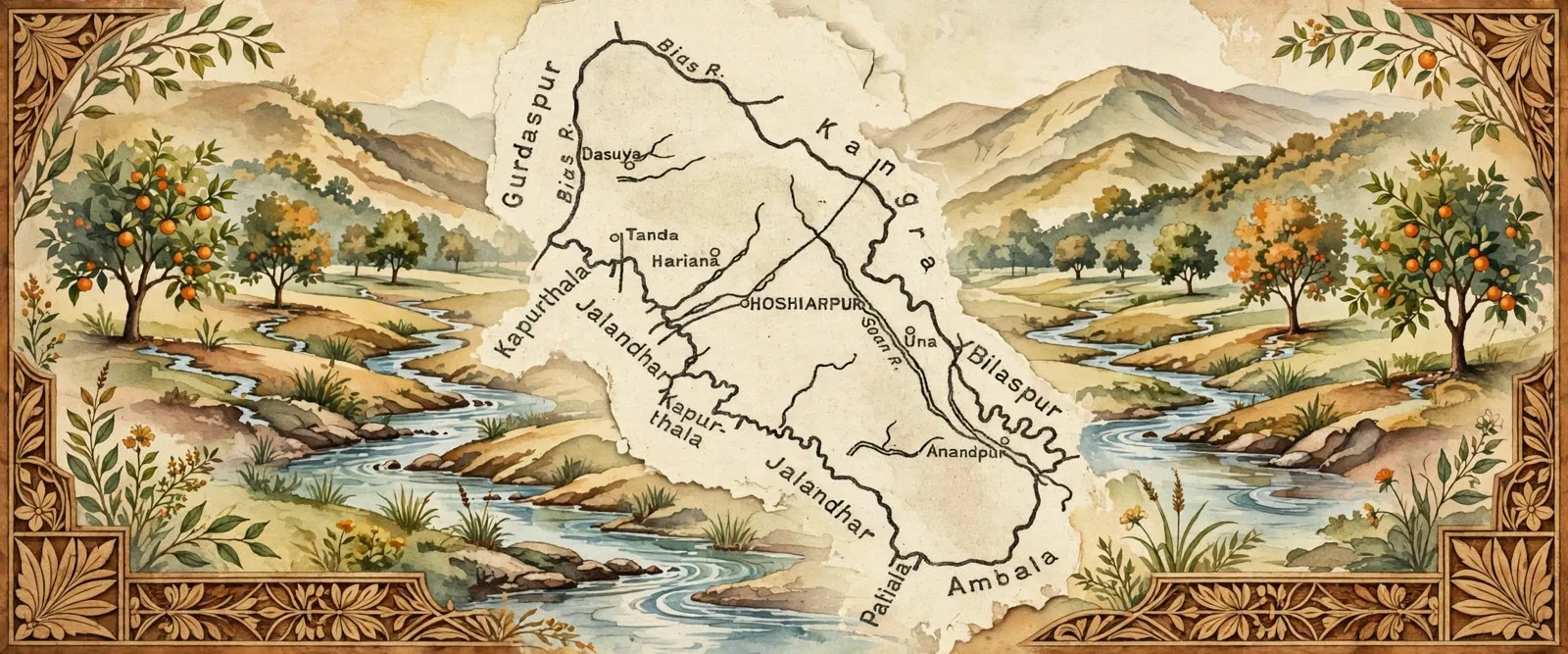 ਹੁਸ਼ਿਆਰਪੁਰDistrict, Doaba
Hoshiarpur ਖ਼ਬਰਾਂ ਵਿੱਚ
ਸਾਰੀਆਂ ਖ਼ਬਰਾਂ ਮਾਨ ਨੇ 154 ਨਵੇਂ ਆਮ ਆਦਮੀ ਕਲੀਨਿਕ ਸਮਰਪਿਤ ਕੀਤੇ, ਪੰਜਾਬ ਵਿੱਚ ਗਿਣਤੀ 1,245 ਹੋਈਮਾਨ ਨੇ 154 ਨਵੇਂ ਆਮ ਆਦਮੀ ਕਲੀਨਿਕ ਸਮਰਪਿਤ ਕੀਤੇ, ਪੰਜਾਬ ਵਿੱਚ ਗਿਣਤੀ 1,245 ਹੋਈ
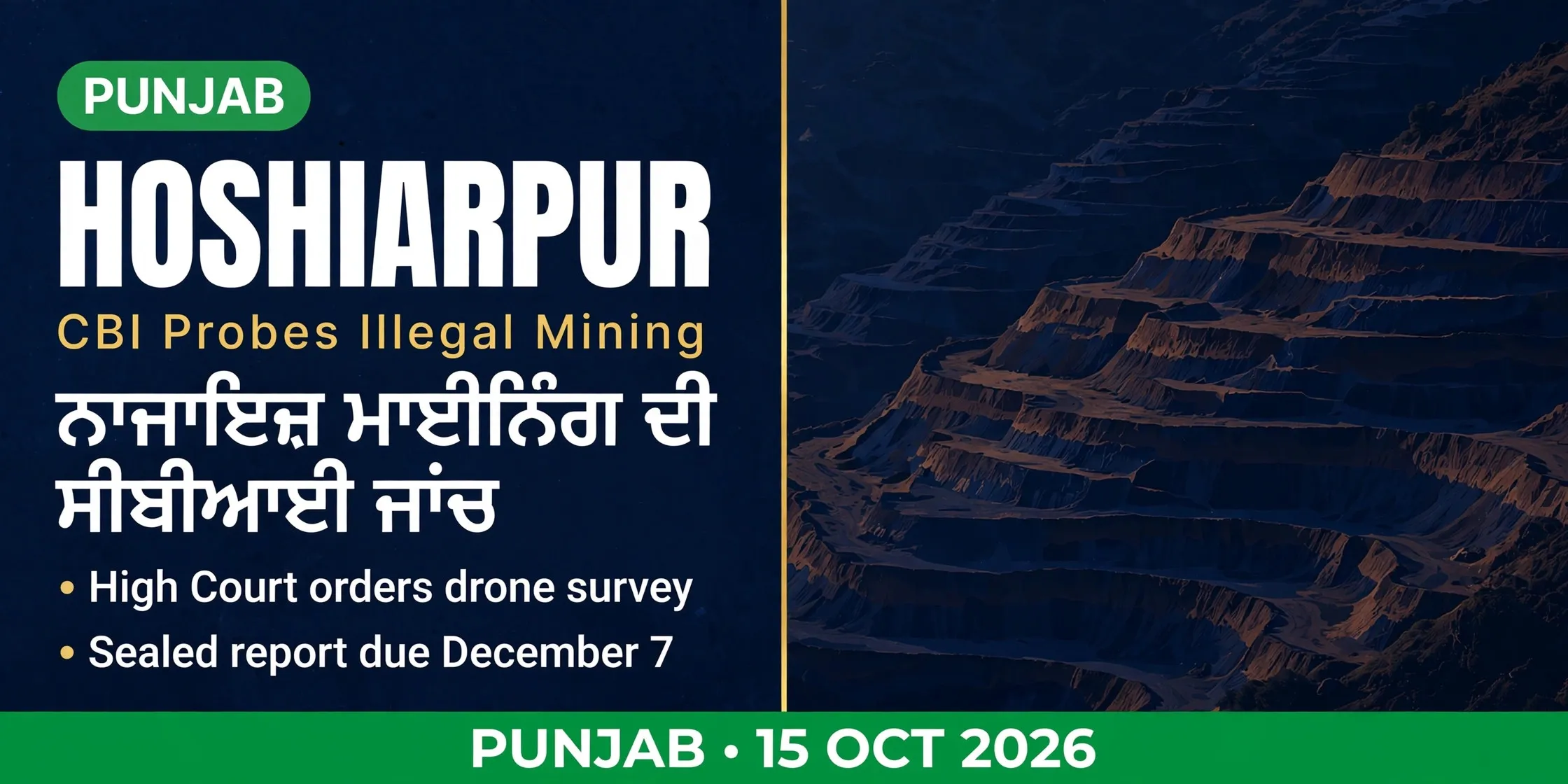 ਹੁਸ਼ਿਆਰਪੁਰ ਵਿੱਚ ਨਾਜਾਇਜ਼ ਮਾਈਨਿੰਗ ਦੀ ਸੀਬੀਆਈ ਜਾਂਚ ਸ਼ੁਰੂਹੁਸ਼ਿਆਰਪੁਰ ਵਿੱਚ ਨਾਜਾਇਜ਼ ਮਾਈਨਿੰਗ ਦੀ ਸੀਬੀਆਈ ਜਾਂਚ ਸ਼ੁਰੂ, ਹਾਈ ਕੋਰਟ ਨੇ ਅਧਿਕਾਰੀਆਂ ਨੂੰ ਝਾੜ ਪਾਈ
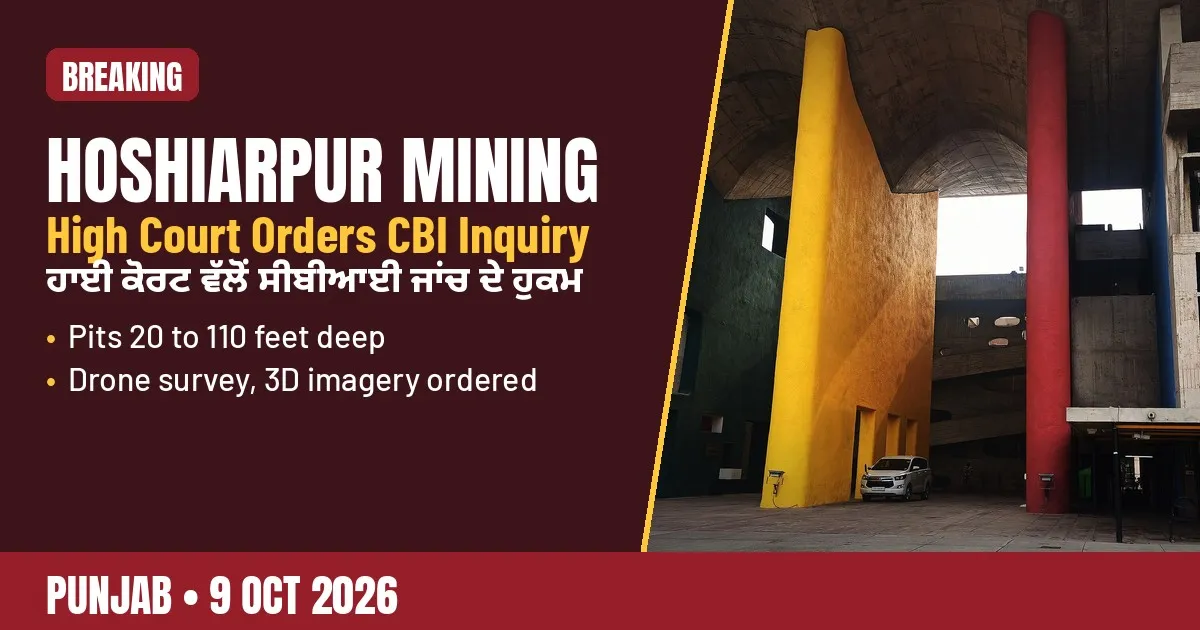 ਹਾਈ ਕੋਰਟ ਵੱਲੋਂ ਹੁਸ਼ਿਆਰਪੁਰ ਦੀ ਨਾਜਾਇਜ਼ ਮਾਈਨਿੰਗ ਦੀ ਸੀਬੀਆਈ ਜਾਂਚ ਦੇ ਹੁਕਮਹਾਈ ਕੋਰਟ ਵੱਲੋਂ ਹੁਸ਼ਿਆਰਪੁਰ ਦੀ ਨਾਜਾਇਜ਼ ਮਾਈਨਿੰਗ ਦੀ ਸੀਬੀਆਈ ਜਾਂਚ ਦੇ ਹੁਕਮ, 110 ਫੁੱਟ ਡੂੰਘੇ ਟੋਏ
ਸਰੋਤ (13)
- Hoshiarpur City Population, Census 2011
- Hoshiarpur Municipal Council: Census 2011 data
- Hoshiarpur: population statistics, City Population
- Hoshiarpur, Encyclopaedia Britannica
- Hoshiarpur, 1911 Encyclopaedia Britannica
- History, District Hoshiarpur portal
- Takhni Rehmapur Wildlife Sanctuary, District Hoshiarpur portal
- Sheesh Mahal Hoshiarpur, District Hoshiarpur portal
- Hoshiarpur, Wikipedia
- Wood Inlay of Punjab, Craffi
- Bhrigu-Samhita, Encyclopedia.com
- Panjab University: the heroic days, Rajesh Kochhar
- Habib Jalib, Wikipedia
ਜੁਗਤੀ ਮੁਫ਼ਤ ਅਤੇ ਸੁਤੰਤਰ ਹੈ। ਪਾਠਕਾਂ ਦਾ ਸਹਿਯੋਗ ਕੋਸ਼ ਨੂੰ ਵਧਾਉਂਦਾ ਹੈ।
ਸਹਿਯੋਗ