
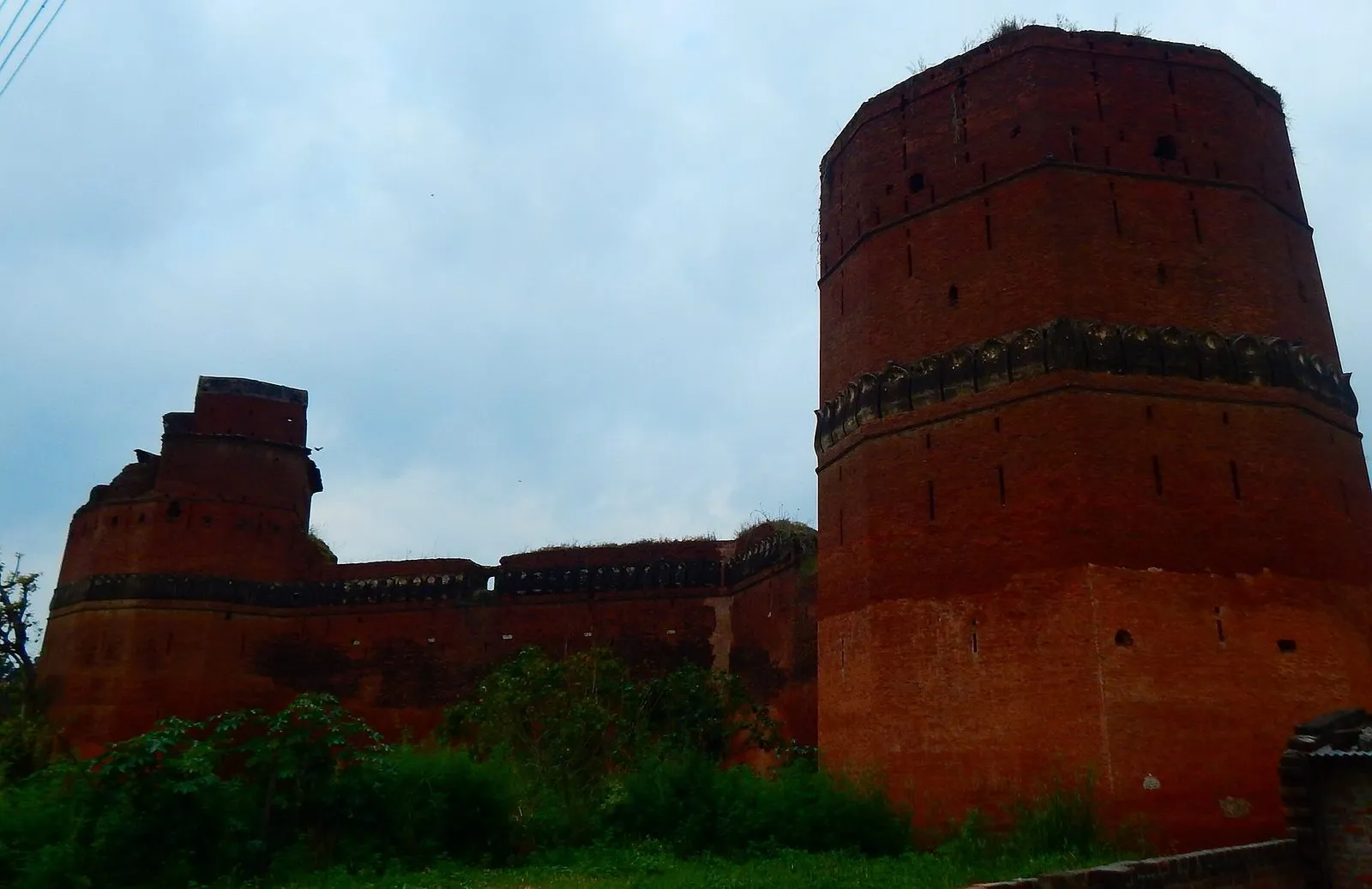
Hoshiarpur is the headquarters city of its district in the Doaba, set where the Punjab plains meet the Shivalik foothills. Tradition traces its founding to the early fourteenth century; Maharaja Ranjit Singh occupied it in 1809 and the British kept a cantonment here after 1849. Today it is known for inlaid woodwork, lychee orchards, and old educational institutions — and, by popular account, as the keeper of the Bhrigu Samhita's astrological manuscripts. The 2011 census counted 168,653 residents.
- Facts
- Type
- City
- District
- Hoshiarpur (district headquarters)
- Region
- Doaba, Punjab (India)
- Population
- 168,653 (2011 census)
- Known for
- Inlaid woodwork, lychee orchards, old colleges
- Epithet
- Land of Saints; keeper of the Bhrigu Samhita tradition
- History
- Occupied by Ranjit Singh 1809; British cantonment after 1849
History
Hoshiarpur is one of the older towns of the Doaba. Tradition links its founding to the early fourteenth century and a local chief whose name the town is said to carry. The surrounding country was part of the old Katoch kingdom of Trigarta, and Chinese pilgrim accounts and later Rajput chiefs fill its medieval record. In 1809 Maharaja Ranjit Singh occupied the town, and his successors kept a considerable cantonment just outside it; after the British annexation of Punjab in 1849, the new rulers kept the cantonment up for several years.
Under the British, Hoshiarpur became a district headquarters and a centre of the Arya Samaj and educational reform movements — its Government College once served as a campus of Panjab University. The town's nineteenth-century manufactures were already famous: inlaid woodwork, lacquered ware, cotton goods and copper vessels, crafts that survive in the bazaars today.
Geography & people
The city stands at about 300 metres above sea level at the edge of the Shivalik hills, which give its northern skyline a blue ridge missing from the rest of the Doaba. The municipal council counted 168,653 people in 2011, making it the Doaba's second city after Jalandhar. Punjabi dominates, with Hindi and Dogri heard in the bazaars; the population is Hindu-majority with a large Sikh minority.
Hoshiarpur is sometimes called the 'Land of Saints' for its many deras and spiritual centres, and it is equally known for its lychee and mango orchards and for the Bhrigu Samhita tradition — old astrological manuscripts that draw visitors from across the world seeking readings of their past and future.
Places of interest
The old city's bazaars still sell the inlaid woodwork and lacquerware that made Hoshiarpur's name, and the colonial-era college buildings are worth a walk. The Takhni-Rehmapur wildlife sanctuary lies in the nearby Shivaliks, and the Kandi belt's forested country begins at the town's edge. Sheesh Mahal and the town's old temples and gurdwaras round out a day's sightseeing.
Notable people
Hoshiarpur's distinction is institutional and artisanal rather than personal: its colleges educated generations of the Doaba's professionals, its craftsmen carried the town's woodwork across India, and its astrologers' manuscripts gave it a peculiar global fame. The town belongs, in the end, to its teachers, artisans and the soldiers it has sent to the army in large numbers.
ਇਤਿਹਾਸ
ਹੁਸ਼ਿਆਰਪੁਰ ਦੋਆਬੇ ਦੇ ਪੁਰਾਣੇ ਸ਼ਹਿਰਾਂ ਵਿੱਚੋਂ ਇੱਕ ਹੈ। ਪਰੰਪਰਾ ਅਨੁਸਾਰ ਇਸ ਦੀ ਨੀਂਹ ਚੌਦ੍ਹਵੀਂ ਸਦੀ ਦੇ ਸ਼ੁਰੂ ਵਿੱਚ ਰੱਖੀ ਗਈ। ਆਲੇ-ਦੁਆਲੇ ਦਾ ਇਲਾਕਾ ਤ੍ਰਿਗਰਤ ਦੇ ਕਟੋਚ ਰਾਜ ਦਾ ਹਿੱਸਾ ਸੀ। 1809 ਵਿੱਚ ਮਹਾਰਾਜਾ ਰਣਜੀਤ ਸਿੰਘ ਨੇ ਸ਼ਹਿਰ ਉੱਤੇ ਕਬਜ਼ਾ ਕੀਤਾ, ਅਤੇ 1849 ਵਿੱਚ ਪੰਜਾਬ ਦੇ ਅੰਗਰੇਜ਼ੀ ਕਬਜ਼ੇ ਤੋਂ ਬਾਅਦ ਅੰਗਰੇਜ਼ਾਂ ਨੇ ਇੱਥੇ ਛਾਉਣੀ ਕਾਇਮ ਰੱਖੀ।
ਅੰਗਰੇਜ਼ੀ ਦੌਰ ਵਿੱਚ ਹੁਸ਼ਿਆਰਪੁਰ ਜ਼ਿਲ੍ਹਾ ਸਦਰ ਮੁਕਾਮ ਅਤੇ ਸਿੱਖਿਆ-ਸੁਧਾਰ ਲਹਿਰਾਂ ਦਾ ਕੇਂਦਰ ਬਣਿਆ। ਇਸ ਦੀ ਜੜਤ ਲੱਕੜੀ ਦਾ ਕੰਮ, ਲੱਖ ਦਾ ਸਮਾਨ ਅਤੇ ਤਾਂਬੇ ਦੇ ਭਾਂਡੇ ਪਹਿਲਾਂ ਹੀ ਮਸ਼ਹੂਰ ਸਨ।
ਭੂਗੋਲ ਅਤੇ ਲੋਕ
ਸ਼ਹਿਰ ਸਮੁੰਦਰ ਤਲ ਤੋਂ ਲਗਭਗ 300 ਮੀਟਰ ਦੀ ਉਚਾਈ ਉੱਤੇ ਸ਼ਿਵਾਲਕ ਦੀਆਂ ਤਲਹਟੀਆਂ ਵਿੱਚ ਸਥਿਤ ਹੈ। 2011 ਵਿੱਚ ਨਗਰ ਕੌਂਸਲ ਦੀ ਆਬਾਦੀ 168,653 ਸੀ — ਜਲੰਧਰ ਤੋਂ ਬਾਅਦ ਦੋਆਬੇ ਦਾ ਦੂਜਾ ਵੱਡਾ ਸ਼ਹਿਰ। ਇਸ ਨੂੰ 'ਸੰਤਾਂ ਦੀ ਧਰਤੀ' ਵੀ ਕਿਹਾ ਜਾਂਦਾ ਹੈ, ਅਤੇ ਇਹ ਲੀਚੀ ਦੇ ਬਾਗ਼ਾਂ ਲਈ ਮਸ਼ਹੂਰ ਹੈ।
ਦੇਖਣਯੋਗ ਥਾਵਾਂ
ਪੁਰਾਣੇ ਸ਼ਹਿਰ ਦੇ ਬਾਜ਼ਾਰਾਂ ਵਿੱਚ ਅੱਜ ਵੀ ਜੜਤ ਲੱਕੜੀ ਦਾ ਸਮਾਨ ਮਿਲਦਾ ਹੈ। ਨੇੜਲੇ ਸ਼ਿਵਾਲਕ ਵਿੱਚ ਤਖਣੀ-ਰਹਿਮਾਪੁਰ ਜੰਗਲੀ ਜੀਵ ਰੱਖ ਹੈ, ਅਤੇ ਸ਼ੀਸ਼ ਮਹਿਲ ਦੇਖਣਯੋਗ ਹੈ।
ਪ੍ਰਸਿੱਧ ਲੋਕ
ਹੁਸ਼ਿਆਰਪੁਰ ਦੀ ਪਛਾਣ ਇਸ ਦੇ ਕਾਲਜਾਂ, ਕਾਰੀਗਰਾਂ ਅਤੇ ਜੋਤਸ਼ੀਆਂ ਨਾਲ ਹੈ — ਅਧਿਆਪਕਾਂ, ਦਸਤਕਾਰਾਂ ਅਤੇ ਫ਼ੌਜੀਆਂ ਦੀਆਂ ਪੀੜ੍ਹੀਆਂ ਨੇ ਇਸ ਦਾ ਨਾਂ ਰੌਸ਼ਨ ਕੀਤਾ ਹੈ।
Timeline
- 1809Maharaja Ranjit Singh occupies Hoshiarpur.
- 1849After annexation, the British maintain the Hoshiarpur cantonment.
- 2011Census records a population of 168,653.
Hoshiarpur in the news
No stories link to this entry yet.