
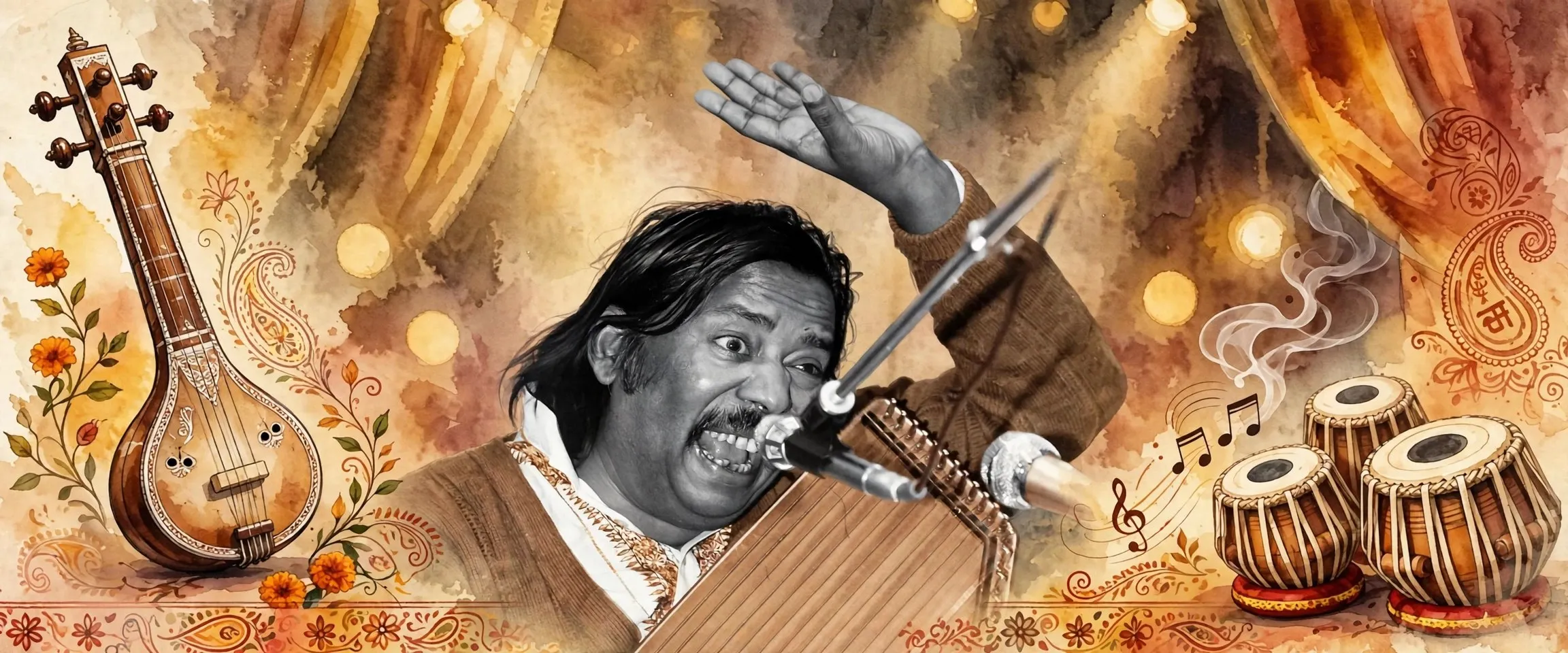
Salamat Ali Khan was a Hindustani classical vocalist from Sham Chaurasi in Hoshiarpur district, Punjab, best known as the younger half of the Ali Brothers duet with his elder brother Nazakat Ali Khan. Trained by their father Vilayat Ali Khan, he took Sham Chaurasi khayal to the world, then sang solo with his sons until his death in Lahore in 2001.
Life at a glance
- 1932Born in one major profile and 1934 in most others, so the year is not settled
- 1977Honour Pride of Performance
- 1996Honour Sitara-i-Imtiaz
- 2001Died Lahore, Pakistan; anniversary observed on 11 July, one account gives 10 July
- Punjabi name
- ਸਲਾਮਤ ਅਲੀ ਖ਼ਾਨ
- Full name
- Ustad Salamat Ali Khan
- Born
- 12 December, Sham Chaurasi, Hoshiarpur district, Punjab; year given as 1932 in one major profile and 1934 in most others, so the year is not settled
- Home town
- Sham Chaurasi (Shamchaurasi), Hoshiarpur district
- District
- Hoshiarpur
- Tehsil
- Hoshiarpur
All 16 facts
- Region
- Doaba
- Occupation
- Hindustani classical vocalist
- Gharana
- Sham Chaurasi (Sham Chaurasia) gharana
- Father and teacher
- Ustad Vilayat Ali Khan
- Brother and duet partner
- Ustad Nazakat Ali Khan, elder brother, as the Ali Brothers
- Genres
- Khayal, tarana, thumri, kafi
- Also played
- Swarmandal
- Sons and students on stage
- Sharafat Ali Khan and Shafqat Ali Khan, trained by him
- Honours
- Pride of Performance (1977); Sitara-i-Imtiaz (1996), Pakistan
- Died
- July 2001, Lahore, Pakistan; anniversary observed on 11 July, one account gives 10 July
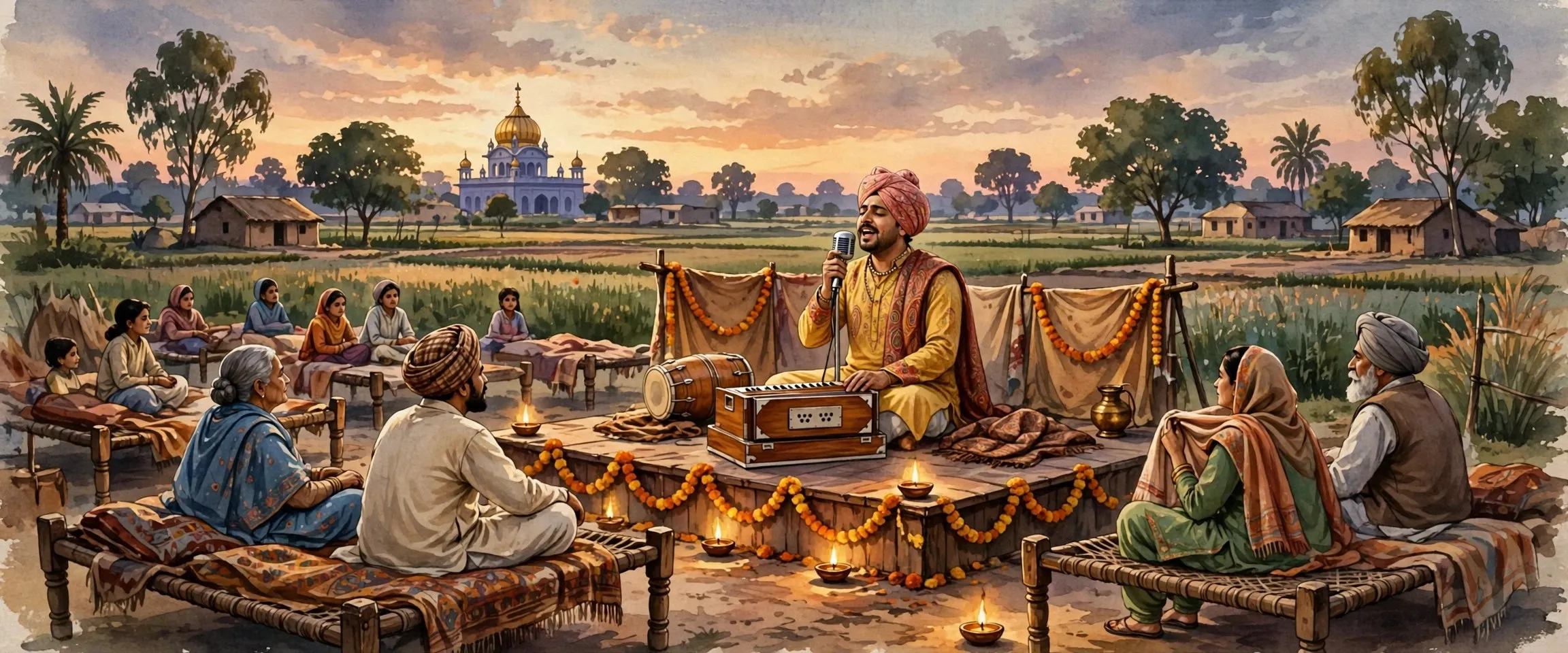
Salamat Ali Khan was a Hindustani classical vocalist from Sham Chaurasi in Hoshiarpur district, Punjab, and the younger voice in the celebrated Ali Brothers duet with his elder brother Nazakat Ali Khan. Trained by their father Vilayat Ali Khan in the Sham Chaurasi gharana, he brought khayal singing shaped by older dhrupad discipline to concert stages across the world.
Early life in Sham Chaurasi
Salamat Ali Khan was born on 12 December at Sham Chaurasi, the town in Hoshiarpur district that gives his gharana its name. Sources do not agree on his birth year: one major profile gives 12 December 1932, while most Pakistani profiles and anniversary reports give 12 December 1934, so this page records the day and the disagreement rather than choosing a year the sources cannot settle. What every account agrees on is the setting. He was born into a family of hereditary musicians, the son of Ustad Vilayat Ali Khan, a noted dhrupad singer of the Sham Chaurasi gharana.
That gharana is one of the oldest vocal lineages of Punjab. It is believed to have been founded in the 16th century by Chand Khan and Suraj Khan, contemporaries of Tansen at the court of the Mughal emperor Akbar, and its home ground was a cluster of 84 villages around Sham Chaurasi, from which the name, sham linked to the Sufi saint Shami Shah and chaurasi meaning 84, is explained. For generations its singers specialised in dhrupad and in jugalbandi, the art of two vocalists performing together as a duet.
How did Nazakat and Salamat become the Ali Brothers?
Vilayat Ali Khan began teaching his sons when they were small children. Salamat started training at about the age of five, and his father, seeing a gift for khayal, steered him toward that form while keeping the grounding in dhrupad. At about seven, the young Salamat sang raga Mian ki Todi at a festival in Jalandhar, where senior masters including Bade Ghulam Ali Khan and Rajab Ali Khan encouraged him. He later studied further with Bade Ghulam Ali Khan, among others.
The brothers appeared at the Harballabh Sangeet Sammelan in 1941 and made their debut on All India Radio in 1942, when Salamat was still a child. A remembered concert in Amritsar, at the Durgiana Temple, became part of their early legend: listeners recalled being astonished that two boys could hold an audience, and then stun it in the fast section with rapid taans, sargams and layakari, the play of rhythm inside the raga. Singing together as the Ali Brothers, Nazakat and Salamat built a partnership that lasted into the early 1970s and made them, for many listeners, the defining classical duet of post Partition Punjab.
A khayal style built on dhrupad
The credit most often given to the brothers is that they brought khayal to the front of a gharana that had been known mainly for dhrupad. Their khayal kept a dhrupad weight: a long, slow alaap that unfolded the raga patiently, followed by singing celebrated for layakari, for ornate turns of phrase and for taan patterns, including the fast sapat and chhoot taans that listeners singled out as Salamat's special strength. He played the swarmandal as he sang, and his voice carried the bandish, the composed song at the heart of a khayal performance, with unusual clarity.
Salamat was also a composer. Working under the pen name Man Rang in some accounts of his work, he created new ragas, among them Ropavati, Kaliyan and Kanwal Bhairon as listed in his Pakistan music profile, and he helped revive older and fading forms such as Sadhra, Lakshan Geet and Tappa. His recorded repertoire ranged across khayal, tarana, thumri and kafi, and he also sang for films, including Mousiqar in 1962 and Geet Kahin Sangeet Kahin in 1969, as listed by the Pakistan Film Magazine.
Partition, Lahore and the solo years
Partition in 1947 changed the family's home but not its music. The family migrated to Pakistan, first to Multan and then, in 1955 in one account, to Lahore, which became Salamat's base for the rest of his life. From there the brothers kept returning to India for major concerts while travel was possible: a 1953 visit included a concert attended by Jawaharlal Nehru, India's first prime minister, and Salamat appeared repeatedly at the All India Music Conference in Calcutta through the 1950s and 1960s. In 1969 he performed at the Edinburgh Festival, the appearance that carried his name to a wide international audience.
In the early 1970s the brothers parted. Sources give 1973 and 1974 for the end of the partnership and describe personal and financial differences behind it, so this page does not fix a single year. Nazakat, who largely withdrew from singing, died in 1984. Salamat rebuilt his stage life as a soloist, touring England, the United States, Holland, Scotland, Germany, Italy, Switzerland, Afghanistan, Nepal and Singapore, and increasingly sang with his sons Sharafat Ali Khan and Shafqat Ali Khan, whom he had trained himself.
Honours, recordings and teaching
Pakistan honoured him at the highest level for a performing artist. He received the Pride of Performance in 1977 and the Sitara-i-Imtiaz, the Star of Excellence, in 1996. Indian recognition had come earlier and in a different form: after a Calcutta concert in 1956, leading musicians of India were reported to have declared him the outstanding vocalist of the subcontinent, and singer Lata Mangeshkar was once reported to have called him its greatest classical vocalist.
His recordings keep the arc of that career. They include A Tribute to Hazrat Amir Khusrau for EMI in 1975, a Nimbus Records album in 1991, Salamat Remembers Nazakat in 1992, Raga Darbari Kanarra in 1995 and Voices of Spheres in 1997, with further volumes issued after his death. Teaching mattered as much to him as performing: one profile credits him with passing the art to more than a thousand disciples, and his named students include Hussain Baksh Gullo, B. S. Narang and Abida Parveen, alongside his own sons and his son Shafqat in particular.
Legacy
Salamat Ali Khan died in Lahore in July 2001, ending a performing career of almost six decades that had begun with a child singing at Harballabh. His death anniversary is observed on 11 July, although one obituary based account gives 10 July for the day of his death. He was buried in Lahore, in the Charagh Shah Wali shrine, where members of his family also rest.
His legacy works on two levels. For listeners, the Ali Brothers recordings preserve a duet style that may never be matched in quite the same form: two brothers answering, chasing and lifting each other inside a raga. For the gharana, the line continues in public, through his sons Sharafat, Shafqat and Sukhawat and through students who carry his compositions and his way of unfolding a raga. A singer from a small Hoshiarpur town of 84 villages became, by common consent of musicians on both sides of the Punjab border, one of the great khayal voices of the twentieth century.
ਸਲਾਮਤ ਅਲੀ ਖ਼ਾਨ ਹੁਸ਼ਿਆਰਪੁਰ ਜ਼ਿਲ੍ਹੇ, ਪੰਜਾਬ ਦੇ ਸ਼ਾਮ ਚੌਰਾਸੀ ਤੋਂ ਇੱਕ ਹਿੰਦੁਸਤਾਨੀ ਸ਼ਾਸਤਰੀ ਗਾਇਕ ਸਨ, ਅਤੇ ਆਪਣੇ ਵੱਡੇ ਭਰਾ ਨਜ਼ਾਕਤ ਅਲੀ ਖ਼ਾਨ ਨਾਲ ਮਸ਼ਹੂਰ ਅਲੀ ਭਰਾਵਾਂ ਦੀ ਜੋੜੀ ਵਿੱਚ ਛੋਟੀ ਆਵਾਜ਼ ਸਨ। ਸ਼ਾਮ ਚੌਰਾਸੀ ਘਰਾਣੇ ਵਿੱਚ ਆਪਣੇ ਪਿਤਾ ਵਿਲਾਇਤ ਅਲੀ ਖ਼ਾਨ ਤੋਂ ਸਿਖਲਾਈ ਪ੍ਰਾਪਤ, ਉਨ੍ਹਾਂ ਨੇ ਪੁਰਾਣੀ ਧਰੁਪਦ ਸਾਧਨਾ ਤੋਂ ਘੜੀ ਖ਼ਿਆਲ ਗਾਇਕੀ ਨੂੰ ਦੁਨੀਆ ਭਰ ਦੇ ਸਟੇਜਾਂ ਤੱਕ ਪਹੁੰਚਾਇਆ।
ਸ਼ਾਮ ਚੌਰਾਸੀ ਵਿੱਚ ਮੁੱਢਲਾ ਜੀਵਨ
ਸਲਾਮਤ ਅਲੀ ਖ਼ਾਨ ਦਾ ਜਨਮ 12 ਦਸੰਬਰ ਨੂੰ ਸ਼ਾਮ ਚੌਰਾਸੀ ਵਿੱਚ ਹੋਇਆ, ਹੁਸ਼ਿਆਰਪੁਰ ਜ਼ਿਲ੍ਹੇ ਦਾ ਉਹ ਕਸਬਾ, ਜਿਸ ਤੋਂ ਉਨ੍ਹਾਂ ਦੇ ਘਰਾਣੇ ਨੂੰ ਆਪਣਾ ਨਾਂ ਮਿਲਦਾ ਹੈ। ਸਰੋਤ ਉਨ੍ਹਾਂ ਦੇ ਜਨਮ ਸਾਲ ਬਾਰੇ ਸਹਿਮਤ ਨਹੀਂ ਹਨ: ਇੱਕ ਵੱਡਾ ਵੇਰਵਾ 12 ਦਸੰਬਰ 1932 ਦਿੰਦਾ ਹੈ, ਜਦੋਂ ਕਿ ਬਹੁਤੇ ਪਾਕਿਸਤਾਨੀ ਵੇਰਵੇ ਅਤੇ ਬਰਸੀ ਰਿਪੋਰਟਾਂ 12 ਦਸੰਬਰ 1934 ਦਿੰਦੀਆਂ ਹਨ, ਇਸ ਲਈ ਇਹ ਪੰਨਾ ਉਹ ਸਾਲ ਚੁਣਨ ਦੀ ਬਜਾਏ ਦਿਨ ਅਤੇ ਇਹ ਮਤਭੇਦ ਦਰਜ ਕਰਦਾ ਹੈ, ਜਿਸ ਨੂੰ ਸਰੋਤ ਸੁਲਝਾ ਨਹੀਂ ਸਕਦੇ। ਜਿਸ ਗੱਲ ਉੱਤੇ ਹਰ ਵੇਰਵਾ ਸਹਿਮਤ ਹੈ, ਉਹ ਹੈ ਮਾਹੌਲ। ਉਨ੍ਹਾਂ ਦਾ ਜਨਮ ਵੰਸ਼ ਪਰੰਪਰਾਗਤ ਸੰਗੀਤਕਾਰਾਂ ਦੇ ਪਰਿਵਾਰ ਵਿੱਚ ਹੋਇਆ, ਉਸਤਾਦ ਵਿਲਾਇਤ ਅਲੀ ਖ਼ਾਨ ਦੇ ਪੁੱਤਰ ਵਜੋਂ, ਜੋ ਸ਼ਾਮ ਚੌਰਾਸੀ ਘਰਾਣੇ ਦੇ ਨਾਮੀ ਧਰੁਪਦ ਗਾਇਕ ਸਨ।
ਉਹ ਘਰਾਣਾ ਪੰਜਾਬ ਦੀਆਂ ਸਭ ਤੋਂ ਪੁਰਾਣੀਆਂ ਗਾਇਕ ਪਰੰਪਰਾਵਾਂ ਵਿੱਚੋਂ ਇੱਕ ਹੈ। ਮੰਨਿਆ ਜਾਂਦਾ ਹੈ ਕਿ ਇਸ ਦੀ ਨੀਂਹ 16ਵੀਂ ਸਦੀ ਵਿੱਚ ਚੰਦ ਖ਼ਾਨ ਅਤੇ ਸੂਰਜ ਖ਼ਾਨ ਨੇ ਰੱਖੀ, ਜੋ ਮੁਗ਼ਲ ਬਾਦਸ਼ਾਹ ਅਕਬਰ ਦੇ ਦਰਬਾਰ ਵਿੱਚ ਤਾਨਸੇਨ ਦੇ ਸਮਕਾਲੀ ਸਨ, ਅਤੇ ਇਸ ਦਾ ਘਰ ਸ਼ਾਮ ਚੌਰਾਸੀ ਦੇ ਆਲੇ ਦੁਆਲੇ 84 ਪਿੰਡਾਂ ਦਾ ਸਮੂਹ ਸੀ, ਜਿਸ ਤੋਂ ਨਾਂ ਦੀ ਵਿਆਖਿਆ ਕੀਤੀ ਜਾਂਦੀ ਹੈ, ਸ਼ਾਮ ਸੂਫ਼ੀ ਸੰਤ ਸ਼ਾਮੀ ਸ਼ਾਹ ਨਾਲ ਜੁੜਿਆ ਅਤੇ ਚੌਰਾਸੀ ਦਾ ਅਰਥ 84। ਪੀੜ੍ਹੀਆਂ ਤੱਕ ਇਸ ਦੇ ਗਾਇਕ ਧਰੁਪਦ ਵਿੱਚ ਅਤੇ ਜੁਗਲਬੰਦੀ ਵਿੱਚ ਮੁਹਾਰਤ ਰੱਖਦੇ ਰਹੇ, ਦੋ ਗਾਇਕਾਂ ਦੇ ਇਕੱਠੇ ਜੁਗਲ ਰੂਪ ਵਿੱਚ ਗਾਉਣ ਦੀ ਕਲਾ।
ਨਜ਼ਾਕਤ ਅਤੇ ਸਲਾਮਤ ਅਲੀ ਭਰਾ ਕਿਵੇਂ ਬਣੇ?
ਵਿਲਾਇਤ ਅਲੀ ਖ਼ਾਨ ਨੇ ਆਪਣੇ ਪੁੱਤਰਾਂ ਨੂੰ ਉਦੋਂ ਸਿਖਾਉਣਾ ਸ਼ੁਰੂ ਕੀਤਾ, ਜਦੋਂ ਉਹ ਛੋਟੇ ਬੱਚੇ ਸਨ। ਸਲਾਮਤ ਨੇ ਲਗਭਗ ਪੰਜ ਸਾਲ ਦੀ ਉਮਰ ਵਿੱਚ ਸਿਖਲਾਈ ਸ਼ੁਰੂ ਕੀਤੀ, ਅਤੇ ਉਨ੍ਹਾਂ ਦੇ ਪਿਤਾ ਨੇ, ਖ਼ਿਆਲ ਲਈ ਰੁਝਾਨ ਵੇਖ ਕੇ, ਧਰੁਪਦ ਦੀ ਨੀਂਹ ਕਾਇਮ ਰੱਖਦਿਆਂ ਉਨ੍ਹਾਂ ਨੂੰ ਉਸ ਰੂਪ ਵੱਲ ਮੋੜਿਆ। ਲਗਭਗ ਸੱਤ ਸਾਲ ਦੀ ਉਮਰ ਵਿੱਚ, ਨੌਜਵਾਨ ਸਲਾਮਤ ਨੇ ਜਲੰਧਰ ਵਿੱਚ ਇੱਕ ਮੇਲੇ ਵਿੱਚ ਰਾਗ ਮੀਆਂ ਕੀ ਤੋੜੀ ਗਾਇਆ, ਜਿੱਥੇ ਬੜੇ ਗ਼ੁਲਾਮ ਅਲੀ ਖ਼ਾਨ ਅਤੇ ਰਜਬ ਅਲੀ ਖ਼ਾਨ ਸਮੇਤ ਸੀਨੀਅਰ ਉਸਤਾਦਾਂ ਨੇ ਉਨ੍ਹਾਂ ਨੂੰ ਹੌਸਲਾ ਦਿੱਤਾ। ਬਾਅਦ ਵਿੱਚ ਉਨ੍ਹਾਂ ਨੇ ਹੋਰਨਾਂ ਸਮੇਤ ਬੜੇ ਗ਼ੁਲਾਮ ਅਲੀ ਖ਼ਾਨ ਤੋਂ ਵੀ ਅੱਗੇ ਸਿੱਖਿਆ।
ਇਹ ਭਰਾ 1941 ਵਿੱਚ ਹਰਬੱਲਭ ਸੰਗੀਤ ਸੰਮੇਲਨ ਵਿੱਚ ਪੇਸ਼ ਹੋਏ ਅਤੇ 1942 ਵਿੱਚ ਆਲ ਇੰਡੀਆ ਰੇਡੀਓ ਉੱਤੇ ਆਪਣੀ ਪਹਿਲੀ ਪੇਸ਼ਕਾਰੀ ਦਿੱਤੀ, ਜਦੋਂ ਸਲਾਮਤ ਅਜੇ ਬੱਚੇ ਹੀ ਸਨ। ਅੰਮ੍ਰਿਤਸਰ ਵਿੱਚ ਦੁਰਗਿਆਨਾ ਮੰਦਰ ਵਿਖੇ ਇੱਕ ਯਾਦਗਾਰ ਪ੍ਰੋਗਰਾਮ ਉਨ੍ਹਾਂ ਦੀ ਮੁੱਢਲੀ ਪ੍ਰਸਿੱਧੀ ਦਾ ਹਿੱਸਾ ਬਣ ਗਿਆ: ਸਰੋਤਿਆਂ ਨੂੰ ਯਾਦ ਸੀ ਕਿ ਉਹ ਇਹ ਵੇਖ ਕੇ ਹੈਰਾਨ ਸਨ ਕਿ ਦੋ ਮੁੰਡੇ ਸਰੋਤਿਆਂ ਨੂੰ ਬੰਨ੍ਹ ਸਕਦੇ ਹਨ, ਅਤੇ ਫਿਰ ਤੇਜ਼ ਹਿੱਸੇ ਵਿੱਚ ਤੇਜ਼ ਤਾਨਾਂ, ਸਰਗਮਾਂ ਅਤੇ ਲੈਕਾਰੀ, ਰਾਗ ਦੇ ਅੰਦਰ ਤਾਲ ਨਾਲ ਖੇਡ, ਨਾਲ ਉਨ੍ਹਾਂ ਨੂੰ ਹੈਰਾਨ ਕਰ ਸਕਦੇ ਹਨ। ਨਜ਼ਾਕਤ ਅਤੇ ਸਲਾਮਤ ਨੇ ਅਲੀ ਭਰਾਵਾਂ ਵਜੋਂ ਇਕੱਠੇ ਗਾਉਂਦਿਆਂ ਇੱਕ ਸਾਂਝ ਬਣਾਈ, ਜੋ 1970ਵਿਆਂ ਦੇ ਸ਼ੁਰੂ ਤੱਕ ਚੱਲੀ ਅਤੇ ਬਹੁਤੇ ਸਰੋਤਿਆਂ ਲਈ ਉਨ੍ਹਾਂ ਨੂੰ ਵੰਡ ਤੋਂ ਬਾਅਦ ਦੇ ਪੰਜਾਬ ਦੀ ਸਭ ਤੋਂ ਵੱਡੀ ਸ਼ਾਸਤਰੀ ਜੋੜੀ ਬਣਾ ਦਿੱਤਾ।
ਧਰੁਪਦ ਉੱਤੇ ਬਣੀ ਖ਼ਿਆਲ ਸ਼ੈਲੀ
ਇਨ੍ਹਾਂ ਭਰਾਵਾਂ ਨੂੰ ਸਭ ਤੋਂ ਵੱਧ ਜੋ ਸਿਹਰਾ ਦਿੱਤਾ ਜਾਂਦਾ ਹੈ, ਉਹ ਇਹ ਹੈ ਕਿ ਉਨ੍ਹਾਂ ਨੇ ਖ਼ਿਆਲ ਨੂੰ ਉਸ ਘਰਾਣੇ ਦੇ ਅੱਗੇ ਲਿਆਂਦਾ, ਜੋ ਮੁੱਖ ਤੌਰ ਉੱਤੇ ਧਰੁਪਦ ਲਈ ਜਾਣਿਆ ਜਾਂਦਾ ਸੀ। ਉਨ੍ਹਾਂ ਦੇ ਖ਼ਿਆਲ ਵਿੱਚ ਧਰੁਪਦ ਦਾ ਭਾਰ ਕਾਇਮ ਰਿਹਾ: ਇੱਕ ਲੰਮਾ, ਠਹਿਰਿਆ ਆਲਾਪ, ਜੋ ਰਾਗ ਨੂੰ ਧੀਰਜ ਨਾਲ ਖੋਲ੍ਹਦਾ ਸੀ, ਉਸ ਤੋਂ ਬਾਅਦ ਲੈਕਾਰੀ ਲਈ ਮਸ਼ਹੂਰ ਗਾਇਕੀ, ਵਾਕਾਂਸ਼ਾਂ ਦੇ ਸਜਾਵਟੀ ਮੋੜ ਅਤੇ ਤਾਨ ਨਮੂਨੇ, ਜਿਨ੍ਹਾਂ ਵਿੱਚ ਤੇਜ਼ ਸਪਟ ਅਤੇ ਛੂਟ ਤਾਨਾਂ ਵੀ ਸਨ, ਜਿਨ੍ਹਾਂ ਨੂੰ ਸਰੋਤਿਆਂ ਨੇ ਸਲਾਮਤ ਦੀ ਖ਼ਾਸ ਤਾਕਤ ਵਜੋਂ ਚੁਣਿਆ। ਉਹ ਗਾਉਂਦਿਆਂ ਸੁਰਮੰਡਲ ਵਜਾਉਂਦੇ ਸਨ, ਅਤੇ ਉਨ੍ਹਾਂ ਦੀ ਆਵਾਜ਼ ਬੰਦਿਸ਼ ਨੂੰ, ਖ਼ਿਆਲ ਪੇਸ਼ਕਾਰੀ ਦੇ ਦਿਲ ਵਿੱਚ ਰਚੀ ਰਚਨਾ ਨੂੰ, ਅਸਾਧਾਰਨ ਸਪੱਸ਼ਟਤਾ ਨਾਲ ਲੈ ਕੇ ਜਾਂਦੀ ਸੀ।
ਸਲਾਮਤ ਇੱਕ ਸੰਗੀਤਕਾਰ ਵੀ ਸਨ। ਉਨ੍ਹਾਂ ਦੇ ਕੰਮ ਦੇ ਕੁਝ ਵੇਰਵਿਆਂ ਵਿੱਚ ਮਨ ਰੰਗ ਨਾਂ ਹੇਠ ਕੰਮ ਕਰਦਿਆਂ, ਉਨ੍ਹਾਂ ਨੇ ਨਵੇਂ ਰਾਗ ਬਣਾਏ, ਜਿਨ੍ਹਾਂ ਵਿੱਚ ਉਨ੍ਹਾਂ ਦੇ ਪਾਕਿਸਤਾਨ ਸੰਗੀਤ ਵੇਰਵੇ ਵਿੱਚ ਦਰਜ ਰੂਪਾਵਤੀ, ਕਲਿਆਨ ਅਤੇ ਕੰਵਲ ਭੈਰੋਂ ਵੀ ਸਨ, ਅਤੇ ਉਨ੍ਹਾਂ ਨੇ ਸਾਧਰਾ, ਲਕਸ਼ਣ ਗੀਤ ਅਤੇ ਟੱਪਾ ਵਰਗੇ ਪੁਰਾਣੇ ਅਤੇ ਫਿੱਕੇ ਪੈ ਰਹੇ ਰੂਪਾਂ ਨੂੰ ਮੁੜ ਸੁਰਜੀਤ ਕਰਨ ਵਿੱਚ ਮਦਦ ਕੀਤੀ। ਉਨ੍ਹਾਂ ਦੇ ਰਿਕਾਰਡ ਕੀਤੇ ਭੰਡਾਰ ਵਿੱਚ ਖ਼ਿਆਲ, ਤਰਾਨਾ, ਠੁਮਰੀ ਅਤੇ ਕਾਫ਼ੀ ਸਭ ਸਨ, ਅਤੇ ਉਨ੍ਹਾਂ ਨੇ ਫ਼ਿਲਮਾਂ ਲਈ ਵੀ ਗਾਇਆ, ਜਿਨ੍ਹਾਂ ਵਿੱਚ ਪਾਕਿਸਤਾਨ ਫ਼ਿਲਮ ਮੈਗਜ਼ੀਨ ਅਨੁਸਾਰ 1962 ਵਿੱਚ ਮੌਸੀਕਾਰ ਅਤੇ 1969 ਵਿੱਚ ਗੀਤ ਕਹੀਂ ਸੰਗੀਤ ਕਹੀਂ ਵੀ ਸਨ।
ਵੰਡ, ਲਾਹੌਰ ਅਤੇ ਇਕੱਲੇ ਸਾਲ
1947 ਦੀ ਵੰਡ ਨੇ ਪਰਿਵਾਰ ਦਾ ਘਰ ਬਦਲ ਦਿੱਤਾ, ਪਰ ਇਸ ਦਾ ਸੰਗੀਤ ਨਹੀਂ। ਪਰਿਵਾਰ ਪਾਕਿਸਤਾਨ ਚਲਾ ਗਿਆ, ਪਹਿਲਾਂ ਮੁਲਤਾਨ ਅਤੇ ਫਿਰ, ਇੱਕ ਵੇਰਵੇ ਅਨੁਸਾਰ 1955 ਵਿੱਚ, ਲਾਹੌਰ, ਜੋ ਸਲਾਮਤ ਦਾ ਬਾਕੀ ਜੀਵਨ ਲਈ ਟਿਕਾਣਾ ਬਣ ਗਿਆ। ਉੱਥੋਂ ਇਹ ਭਰਾ, ਜਦੋਂ ਤੱਕ ਸਫ਼ਰ ਸੰਭਵ ਸੀ, ਵੱਡੇ ਪ੍ਰੋਗਰਾਮਾਂ ਲਈ ਭਾਰਤ ਪਰਤਦੇ ਰਹੇ: 1953 ਦੀ ਇੱਕ ਫੇਰੀ ਵਿੱਚ ਇੱਕ ਪ੍ਰੋਗਰਾਮ ਵੀ ਸੀ, ਜਿਸ ਵਿੱਚ ਭਾਰਤ ਦੇ ਪਹਿਲੇ ਪ੍ਰਧਾਨ ਮੰਤਰੀ ਜਵਾਹਰ ਲਾਲ ਨਹਿਰੂ ਹਾਜ਼ਰ ਸਨ, ਅਤੇ ਸਲਾਮਤ 1950ਵਿਆਂ ਅਤੇ 1960ਵਿਆਂ ਦੌਰਾਨ ਕਲਕੱਤਾ ਵਿੱਚ ਆਲ ਇੰਡੀਆ ਸੰਗੀਤ ਕਾਨਫ਼ਰੰਸ ਵਿੱਚ ਵਾਰ ਵਾਰ ਪੇਸ਼ ਹੋਏ। 1969 ਵਿੱਚ ਉਨ੍ਹਾਂ ਨੇ ਐਡਿਨਬਰਗ ਫੈਸਟੀਵਲ ਵਿੱਚ ਪੇਸ਼ਕਾਰੀ ਦਿੱਤੀ, ਉਹ ਪੇਸ਼ਕਾਰੀ, ਜਿਸ ਨੇ ਉਨ੍ਹਾਂ ਦਾ ਨਾਂ ਵਿਆਪਕ ਅੰਤਰਰਾਸ਼ਟਰੀ ਸਰੋਤਿਆਂ ਤੱਕ ਪਹੁੰਚਾਇਆ।
1970ਵਿਆਂ ਦੇ ਸ਼ੁਰੂ ਵਿੱਚ ਇਹ ਭਰਾ ਵੱਖ ਹੋ ਗਏ। ਸਰੋਤ ਸਾਂਝ ਦੇ ਅੰਤ ਲਈ 1973 ਅਤੇ 1974 ਦਿੰਦੇ ਹਨ ਅਤੇ ਇਸ ਦੇ ਪਿੱਛੇ ਨਿੱਜੀ ਅਤੇ ਵਿੱਤੀ ਮਤਭੇਦ ਦੱਸਦੇ ਹਨ, ਇਸ ਲਈ ਇਹ ਪੰਨਾ ਇੱਕੋ ਸਾਲ ਪੱਕਾ ਨਹੀਂ ਕਰਦਾ। ਨਜ਼ਾਕਤ, ਜਿਨ੍ਹਾਂ ਨੇ ਵੱਡੇ ਪੱਧਰ ਉੱਤੇ ਗਾਉਣਾ ਛੱਡ ਦਿੱਤਾ ਸੀ, 1984 ਵਿੱਚ ਚਲਾਣਾ ਕਰ ਗਏ। ਸਲਾਮਤ ਨੇ ਇੱਕਲੇ ਗਾਇਕ ਵਜੋਂ ਆਪਣਾ ਸਟੇਜ ਜੀਵਨ ਮੁੜ ਬਣਾਇਆ, ਇੰਗਲੈਂਡ, ਸੰਯੁਕਤ ਰਾਜ, ਹਾਲੈਂਡ, ਸਕਾਟਲੈਂਡ, ਜਰਮਨੀ, ਇਟਲੀ, ਸਵਿਟਜ਼ਰਲੈਂਡ, ਅਫ਼ਗ਼ਾਨਿਸਤਾਨ, ਨੇਪਾਲ ਅਤੇ ਸਿੰਗਾਪੁਰ ਦੇ ਦੌਰੇ ਕੀਤੇ, ਅਤੇ ਵੱਧਦੀ ਗਿਣਤੀ ਵਿੱਚ ਆਪਣੇ ਪੁੱਤਰਾਂ ਸ਼ਰਾਫ਼ਤ ਅਲੀ ਖ਼ਾਨ ਅਤੇ ਸ਼ਫ਼ਕਤ ਅਲੀ ਖ਼ਾਨ ਨਾਲ ਗਾਇਆ, ਜਿਨ੍ਹਾਂ ਨੂੰ ਉਨ੍ਹਾਂ ਨੇ ਖ਼ੁਦ ਸਿਖਲਾਈ ਦਿੱਤੀ ਸੀ।
ਸਨਮਾਨ, ਰਿਕਾਰਡਿੰਗਾਂ ਅਤੇ ਸਿੱਖਿਆ
ਪਾਕਿਸਤਾਨ ਨੇ ਉਨ੍ਹਾਂ ਨੂੰ ਇੱਕ ਪ੍ਰਦਰਸ਼ਨ ਕਲਾਕਾਰ ਲਈ ਸਭ ਤੋਂ ਉੱਚੇ ਪੱਧਰ ਉੱਤੇ ਸਨਮਾਨਿਤ ਕੀਤਾ। ਉਨ੍ਹਾਂ ਨੂੰ 1977 ਵਿੱਚ ਪ੍ਰਾਈਡ ਆਫ਼ ਪਰਫ਼ਾਰਮੈਂਸ ਅਤੇ 1996 ਵਿੱਚ ਸਿਤਾਰਾ-ਏ-ਇਮਤਿਆਜ਼, ਉੱਤਮਤਾ ਦਾ ਸਿਤਾਰਾ, ਮਿਲਿਆ। ਭਾਰਤੀ ਮਾਨਤਾ ਪਹਿਲਾਂ ਅਤੇ ਇੱਕ ਵੱਖਰੇ ਰੂਪ ਵਿੱਚ ਆਈ ਸੀ: 1956 ਵਿੱਚ ਕਲਕੱਤਾ ਦੇ ਇੱਕ ਪ੍ਰੋਗਰਾਮ ਤੋਂ ਬਾਅਦ, ਭਾਰਤ ਦੇ ਮੋਹਰੀ ਸੰਗੀਤਕਾਰਾਂ ਨੇ ਕਥਿਤ ਤੌਰ ਉੱਤੇ ਉਨ੍ਹਾਂ ਨੂੰ ਉਪਮਹਾਂਦੀਪ ਦਾ ਸਭ ਤੋਂ ਵਧੀਆ ਗਾਇਕ ਐਲਾਨਿਆ ਸੀ, ਅਤੇ ਗਾਇਕਾ ਲਤਾ ਮੰਗੇਸ਼ਕਰ ਬਾਰੇ ਇੱਕ ਵਾਰ ਕਥਿਤ ਤੌਰ ਉੱਤੇ ਕਿਹਾ ਗਿਆ ਸੀ ਕਿ ਉਨ੍ਹਾਂ ਨੇ ਉਨ੍ਹਾਂ ਨੂੰ ਇਸ ਦਾ ਸਭ ਤੋਂ ਮਹਾਨ ਸ਼ਾਸਤਰੀ ਗਾਇਕ ਕਿਹਾ ਸੀ।
ਉਨ੍ਹਾਂ ਦੀਆਂ ਰਿਕਾਰਡਿੰਗਾਂ ਉਸ ਕੰਮਕਾਜ ਦਾ ਰਾਹ ਕਾਇਮ ਰੱਖਦੀਆਂ ਹਨ। ਉਨ੍ਹਾਂ ਵਿੱਚ 1975 ਵਿੱਚ ਈ.ਐਮ.ਆਈ. ਲਈ ਏ ਟ੍ਰਿਬਿਊਟ ਟੂ ਹਜ਼ਰਤ ਅਮੀਰ ਖ਼ੁਸਰੋ, 1991 ਵਿੱਚ ਇੱਕ ਨਿੰਬਸ ਰਿਕਾਰਡਜ਼ ਐਲਬਮ, 1992 ਵਿੱਚ ਸਲਾਮਤ ਰਿਮੈਂਬਰਜ਼ ਨਜ਼ਾਕਤ, 1995 ਵਿੱਚ ਰਾਗ ਦਰਬਾਰੀ ਕਾਨੜਾ ਅਤੇ 1997 ਵਿੱਚ ਵੌਇਸਿਜ਼ ਆਫ਼ ਸਫ਼ੀਅਰਜ਼ ਸ਼ਾਮਲ ਹਨ, ਉਨ੍ਹਾਂ ਦੀ ਮੌਤ ਤੋਂ ਬਾਅਦ ਹੋਰ ਭਾਗ ਵੀ ਜਾਰੀ ਹੋਏ। ਸਿੱਖਿਆ ਉਨ੍ਹਾਂ ਲਈ ਪੇਸ਼ਕਾਰੀ ਜਿੰਨੀ ਹੀ ਮਹੱਤਵਪੂਰਨ ਸੀ: ਇੱਕ ਵੇਰਵਾ ਉਨ੍ਹਾਂ ਨੂੰ ਇੱਕ ਹਜ਼ਾਰ ਤੋਂ ਵੱਧ ਸ਼ਾਗਿਰਦਾਂ ਤੱਕ ਕਲਾ ਪਹੁੰਚਾਉਣ ਦਾ ਸਿਹਰਾ ਦਿੰਦਾ ਹੈ, ਅਤੇ ਉਨ੍ਹਾਂ ਦੇ ਨਾਮੀ ਵਿਦਿਆਰਥੀਆਂ ਵਿੱਚ ਹੁਸੈਨ ਬਖ਼ਸ਼ ਗੁੱਲੋ, ਬੀ. ਐਸ. ਨਾਰੰਗ ਅਤੇ ਆਬਿਦਾ ਪਰਵੀਨ ਸ਼ਾਮਲ ਹਨ, ਆਪਣੇ ਪੁੱਤਰਾਂ ਅਤੇ ਖ਼ਾਸ ਤੌਰ ਉੱਤੇ ਆਪਣੇ ਪੁੱਤਰ ਸ਼ਫ਼ਕਤ ਦੇ ਨਾਲ।
ਵਿਰਾਸਤ
ਸਲਾਮਤ ਅਲੀ ਖ਼ਾਨ ਜੁਲਾਈ 2001 ਵਿੱਚ ਲਾਹੌਰ ਵਿੱਚ ਚਲਾਣਾ ਕਰ ਗਏ, ਲਗਭਗ ਛੇ ਦਹਾਕਿਆਂ ਦੇ ਉਸ ਪ੍ਰਦਰਸ਼ਨ ਕੰਮਕਾਜ ਦਾ ਅੰਤ, ਜੋ ਹਰਬੱਲਭ ਵਿੱਚ ਗਾਉਂਦੇ ਇੱਕ ਬੱਚੇ ਨਾਲ ਸ਼ੁਰੂ ਹੋਇਆ ਸੀ। ਉਨ੍ਹਾਂ ਦੀ ਬਰਸੀ 11 ਜੁਲਾਈ ਨੂੰ ਮਨਾਈ ਜਾਂਦੀ ਹੈ, ਹਾਲਾਂਕਿ ਇੱਕ ਸ਼ੋਕ ਸੰਦੇਸ਼ ਆਧਾਰਿਤ ਵੇਰਵਾ ਉਨ੍ਹਾਂ ਦੀ ਮੌਤ ਦਾ ਦਿਨ 10 ਜੁਲਾਈ ਦਿੰਦਾ ਹੈ। ਉਨ੍ਹਾਂ ਨੂੰ ਲਾਹੌਰ ਵਿੱਚ, ਚਰਾਗ਼ ਸ਼ਾਹ ਵਲੀ ਦੇ ਮਜ਼ਾਰ ਵਿੱਚ ਦਫ਼ਨਾਇਆ ਗਿਆ, ਜਿੱਥੇ ਉਨ੍ਹਾਂ ਦੇ ਪਰਿਵਾਰ ਦੇ ਮੈਂਬਰ ਵੀ ਆਰਾਮ ਕਰਦੇ ਹਨ।
ਉਨ੍ਹਾਂ ਦੀ ਵਿਰਾਸਤ ਦੋ ਪੱਧਰਾਂ ਉੱਤੇ ਕੰਮ ਕਰਦੀ ਹੈ। ਸਰੋਤਿਆਂ ਲਈ, ਅਲੀ ਭਰਾਵਾਂ ਦੀਆਂ ਰਿਕਾਰਡਿੰਗਾਂ ਇੱਕ ਜੁਗਲ ਸ਼ੈਲੀ ਨੂੰ ਸਾਂਭਦੀਆਂ ਹਨ, ਜੋ ਸ਼ਾਇਦ ਉਸੇ ਰੂਪ ਵਿੱਚ ਫਿਰ ਕਦੇ ਨਾ ਮਿਲੇ: ਦੋ ਭਰਾ, ਇੱਕ ਰਾਗ ਦੇ ਅੰਦਰ ਇੱਕ ਦੂਜੇ ਨੂੰ ਜਵਾਬ ਦਿੰਦੇ, ਪਿੱਛਾ ਕਰਦੇ ਅਤੇ ਉਠਾਉਂਦੇ। ਘਰਾਣੇ ਲਈ, ਇਹ ਲੜੀ ਜਨਤਕ ਤੌਰ ਉੱਤੇ ਜਾਰੀ ਹੈ, ਉਨ੍ਹਾਂ ਦੇ ਪੁੱਤਰਾਂ ਸ਼ਰਾਫ਼ਤ, ਸ਼ਫ਼ਕਤ ਅਤੇ ਸੁਖਾਵਤ ਰਾਹੀਂ ਅਤੇ ਉਨ੍ਹਾਂ ਵਿਦਿਆਰਥੀਆਂ ਰਾਹੀਂ, ਜੋ ਉਨ੍ਹਾਂ ਦੀਆਂ ਰਚਨਾਵਾਂ ਅਤੇ ਰਾਗ ਖੋਲ੍ਹਣ ਦੇ ਉਨ੍ਹਾਂ ਦੇ ਤਰੀਕੇ ਨੂੰ ਅੱਗੇ ਲੈ ਜਾਂਦੇ ਹਨ। 84 ਪਿੰਡਾਂ ਦੇ ਇੱਕ ਛੋਟੇ ਹੁਸ਼ਿਆਰਪੁਰ ਕਸਬੇ ਦਾ ਇੱਕ ਗਾਇਕ, ਪੰਜਾਬ ਸਰਹੱਦ ਦੇ ਦੋਹਾਂ ਪਾਸਿਆਂ ਦੇ ਸੰਗੀਤਕਾਰਾਂ ਦੀ ਸਾਂਝੀ ਸਹਿਮਤੀ ਨਾਲ, ਵੀਹਵੀਂ ਸਦੀ ਦੀਆਂ ਮਹਾਨ ਖ਼ਿਆਲ ਆਵਾਜ਼ਾਂ ਵਿੱਚੋਂ ਇੱਕ ਬਣ ਗਿਆ।
People


Places

More music
See all


Sources (7)
- Salamat Ali Khan, Wikipedia
- Sham Chaurasia gharana, Wikipedia
- Ustad Salamat Ali Khan, History of Music in Pakistan, travel-culture.com
- Death anniversary of Ustad Salamat Ali Khan observed, Daily Balochistan Times
- Artist Profiles: Salamat Ali Khan, World Music Central
- Ustad Salamat Ali Khan, Pakistan Film Magazine
- Shamchaurasi, Wikipedia
Jugti is free and independent. Reader support keeps the Kosh growing.
Support