
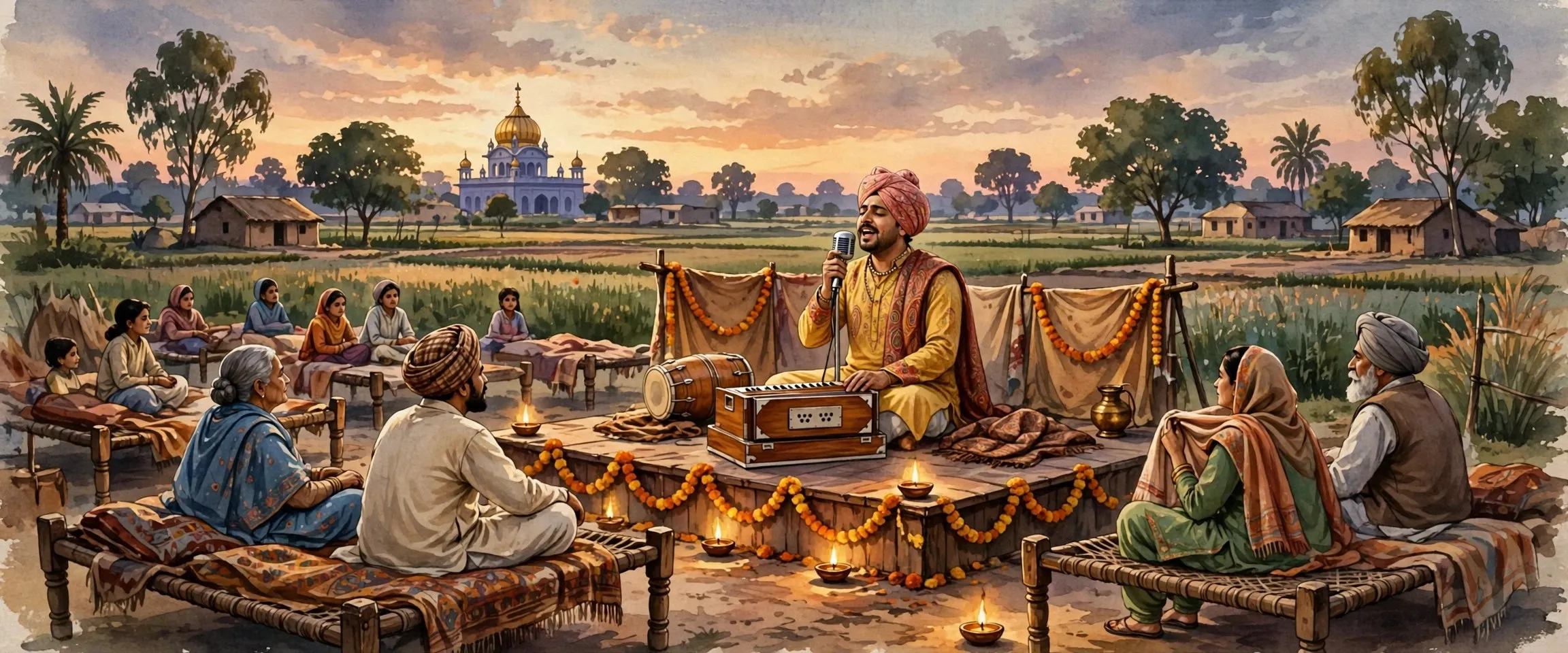
Nachhattar Gill (born 15 November 1968) is a singer songwriter from Akaalgarh village near Garhshankar, in Hoshiarpur district, known for his deep, sorrowful voice and sad songs such as Dil Ditta Nahin Si. The son of a kirtani, he has recorded over twenty albums, most with music director Gurmeet Singh, alongside religious albums and Punjabi film work.
Life at a glance
- 1968Born Akaalgarh village, Garhshankar tehsil, Hoshiarpur district, Punjab
- 2001Debut album Dass Tere Picche Kyon Mariye
- 2006Religious album Sahib Jinah Diyan Mane
- 2010Religious album Ardaas Karaan
- 2012Film Gal Sun Ho Gaya
- 2012Film Kabaddi Once Again
Show 2 more
- 2014Film Control Bhaji Control
- 2015Film Jugaadi Dot Com
- Punjabi name
- ਨਛੱਤਰ ਗਿੱਲ
- Born
- 15 November 1968, Akaalgarh village, Garhshankar tehsil, Hoshiarpur district, Punjab
- Birth name
- Nachhatar Singh Gill
- Home village
- Akaalgarh, near Badesron
- District
- Hoshiarpur
- Tehsil
- Garhshankar
All 13 facts
- Region
- Doaba
- Father
- A kirtani (hymn singer) at the village gurdwara
- Debut album
- Dass Tere Picche Kyon Mariye (2001)
- Breakthrough
- Dil Ditta Nahin Si
- Music director
- Gurmeet Singh, on most of his albums
- Religious albums
- Sahib Jinah Diyan Mane (2006); Ardaas Karaan (2010)
- Films
- Gal Sun Ho Gaya (2012); Kabaddi Once Again (2012); Control Bhaji Control (2014); Jugaadi Dot Com (2015)
Nachhattar Gill (born Nachhatar Singh Gill, 15 November 1968) is a Punjabi singer songwriter from Akaalgarh village near Garhshankar, in Hoshiarpur district, whose deep, aching voice has carried some of the most durable sad songs in modern Punjabi music. Raised on his father's kirtan, he broke through in the early 2000s with Dil Ditta Nahin Si, built a run of more than twenty albums with music director Gurmeet Singh, and later stepped into Punjabi films as an actor and playback singer.
A kirtani's son in Akaalgarh
Gill was born into a Sikh family at Akaalgarh, a village near Badesron in Garhshankar tehsil. His father was a kirtani, a hymn singer at the Sikh temple, and the boy's first stage was the village gurdwara: he sang along with his father at its annual programme and grew up inside devotional music before he ever faced a studio microphone. That formation is audible in everything he has recorded since. Where many Punjabi singers of his generation chased volume and speed, Gill's strength was always weight: a low, grave delivery in which a line about loss lands like something remembered rather than performed.
The Doaba countryside around Garhshankar, with its gurdwaras, melas and wedding bands, gave him his first audiences. By the time he began recording, he was already a seasoned live singer, and the recording career that followed was built album by album rather than on a single overnight hit.
Dil Ditta Nahin Si and the Gurmeet Singh years
His debut album, Dass Tere Picche Kyon Mariye, arrived in 2001 on Goyal Music, and fame followed in the early 2000s with the solo song Dil Ditta Nahin Si, the heartbreak ballad that remains his signature. Almost all of his albums were made with one music director, Gurmeet Singh, a partnership as steady as any in Punjabi music: Ishq Jagaave (2002), Pyar Ho Jauuga (2003), Addi Tappa and Thaggian (2004), Saadi Gall and Sun Ve Rabba (2005), Naam (2007), Chad Ke Na Ja (2009), Akhiyan Ch Paani (2011) and Branded Heeran (2012), among many more.
The titles tell the story of the repertoire: songs of separation, betrayal and endurance, sung without decoration. Collections of his sad hits, the Gal Dil Te Laggi Ae series, ran to several volumes, and duets with singers including Jaspinder Narula spread his voice across the cassette and CD compilations that defined Punjabi listening in those years. Singles kept coming long after the album era faded: Singh and Lecture La Ke (2014), Khushboo, Kaum Sardar and Tere Na Di Mehndi (2015), Khabi Khan and Vaade Daave (2016), and a duet single with Sippy Gill, Putt Sardara De, in 2017. His biggest later hit came with Ishqan De Lekhe in 2016.
The devotional shelf
Alongside the love songs stands a second body of work that returns to where he began. His religious albums Sahib Jinah Diyan Mane (2006) and Ardaas Karaan (2010) are sung with the same gravity as his ballads, and for many listeners they are inseparable from them: the kirtani's son never really left the gurdwara, he simply carried its manner into the recording studio. Devotional singles and shabad recordings have continued through his career, including Teriyaan Jotaan Maa (2010).
On screen
Gill's film career began with Gal Sun Ho Gaya in 2012, the same year he played Ranjit in Kabaddi Once Again. Control Bhaji Control followed in 2014 and the comedy Jugaadi Dot Com in 2015. As a playback singer he has sung for Punjabi films including the title track of Nanka Mel (2019) and Pe Geya Puaada for Puaada (2021), bringing the same unhurried, wounded delivery to film songs that made his albums last.
Why do Nachhattar Gill's sad songs last?
Part of the answer is the voice itself, low and unforced, which suits the Punjabi tradition of the sad song, the geet of separation that runs from folk lament to the modern ballad. Part of it is the material: working with one composer for two decades, Gill recorded songs that were written for his register and his pace, rather than chasing each season's fashion. And part of it is where he comes from. A singer who began beside his father in a village gurdwara sings about loss the way his first audiences understood it, as something to be borne with dignity. In a fast changing Punjabi music industry, that steadiness has kept him in work and in affection for over twenty years, with new singles still arriving.
ਨਛੱਤਰ ਗਿੱਲ (ਜਨਮ ਨਛੱਤਰ ਸਿੰਘ ਗਿੱਲ, 15 ਨਵੰਬਰ 1968) ਹੁਸ਼ਿਆਰਪੁਰ ਜ਼ਿਲ੍ਹੇ ਦੇ ਗੜ੍ਹਸ਼ੰਕਰ ਨੇੜੇ ਅਕਾਲਗੜ੍ਹ ਪਿੰਡ ਤੋਂ ਪੰਜਾਬੀ ਗਾਇਕ ਗੀਤਕਾਰ ਹਨ, ਜਿਨ੍ਹਾਂ ਦੀ ਡੂੰਘੀ, ਦਰਦ ਭਰੀ ਆਵਾਜ਼ ਨੇ ਆਧੁਨਿਕ ਪੰਜਾਬੀ ਸੰਗੀਤ ਦੇ ਕੁਝ ਸਭ ਤੋਂ ਟਿਕਾਊ ਉਦਾਸ ਗੀਤ ਗਾਏ ਹਨ। ਆਪਣੇ ਪਿਤਾ ਦੇ ਕੀਰਤਨ ਉੱਤੇ ਪਲੇ ਗਿੱਲ ਨੂੰ 2000 ਦੇ ਦਹਾਕੇ ਦੀ ਸ਼ੁਰੂਆਤ ਵਿੱਚ ਦਿਲ ਦਿੱਤਾ ਨਹੀਂ ਸੀ ਨਾਲ ਪਛਾਣ ਮਿਲੀ, ਸੰਗੀਤ ਨਿਰਦੇਸ਼ਕ ਗੁਰਮੀਤ ਸਿੰਘ ਨਾਲ ਵੀਹ ਤੋਂ ਵੱਧ ਐਲਬਮਾਂ ਦੀ ਲੜੀ ਬਣਾਈ, ਅਤੇ ਬਾਅਦ ਵਿੱਚ ਪੰਜਾਬੀ ਫ਼ਿਲਮਾਂ ਵਿੱਚ ਅਦਾਕਾਰ ਅਤੇ ਪਿਠਭੂਮੀ ਗਾਇਕ ਵਜੋਂ ਵੀ ਆਏ।
ਅਕਾਲਗੜ੍ਹ ਵਿੱਚ ਕੀਰਤਨੀਏ ਦਾ ਪੁੱਤਰ
ਗਿੱਲ ਦਾ ਜਨਮ ਗੜ੍ਹਸ਼ੰਕਰ ਤਹਿਸੀਲ ਵਿੱਚ ਬਡੇਸਰੋਂ ਨੇੜੇ ਅਕਾਲਗੜ੍ਹ ਪਿੰਡ ਵਿੱਚ ਇੱਕ ਸਿੱਖ ਪਰਿਵਾਰ ਵਿੱਚ ਹੋਇਆ। ਉਨ੍ਹਾਂ ਦੇ ਪਿਤਾ ਕੀਰਤਨੀਏ ਸਨ, ਸਿੱਖ ਮੰਦਰ ਵਿੱਚ ਸ਼ਬਦ ਗਾਉਣ ਵਾਲੇ, ਅਤੇ ਮੁੰਡੇ ਦਾ ਪਹਿਲਾ ਮੰਚ ਪਿੰਡ ਦਾ ਗੁਰਦੁਆਰਾ ਸੀ: ਉਹ ਸਾਲਾਨਾ ਪ੍ਰੋਗਰਾਮ ਵਿੱਚ ਆਪਣੇ ਪਿਤਾ ਨਾਲ ਗਾਉਂਦੇ ਸਨ ਅਤੇ ਸਟੂਡੀਓ ਮਾਈਕ ਸਾਹਮਣੇ ਆਉਣ ਤੋਂ ਪਹਿਲਾਂ ਭਗਤੀ ਸੰਗੀਤ ਵਿੱਚ ਹੀ ਵੱਡੇ ਹੋਏ। ਇਹ ਨੀਂਹ ਉਨ੍ਹਾਂ ਦੀ ਹਰ ਰਿਕਾਰਡਿੰਗ ਵਿੱਚ ਸੁਣਾਈ ਦਿੰਦੀ ਹੈ। ਜਿੱਥੇ ਉਨ੍ਹਾਂ ਦੀ ਪੀੜ੍ਹੀ ਦੇ ਕਈ ਪੰਜਾਬੀ ਗਾਇਕਾਂ ਨੇ ਰੌਲੇ ਅਤੇ ਰਫ਼ਤਾਰ ਦਾ ਪਿੱਛਾ ਕੀਤਾ, ਗਿੱਲ ਦੀ ਤਾਕਤ ਹਮੇਸ਼ਾ ਭਾਰ ਸੀ: ਇੱਕ ਨੀਵੀਂ, ਗੰਭੀਰ ਪੇਸ਼ਕਾਰੀ ਜਿਸ ਵਿੱਚ ਵਿਛੋੜੇ ਦੀ ਸਤਰ ਅਭਿਨੈ ਦੀ ਥਾਂ ਯਾਦ ਵਾਂਗ ਉੱਤਰਦੀ ਹੈ।
ਗੜ੍ਹਸ਼ੰਕਰ ਦੁਆਲੇ ਦੇ ਦੁਆਬੇ ਦੇ ਪਿੰਡਾਂ ਨੇ, ਆਪਣੇ ਗੁਰਦੁਆਰਿਆਂ, ਮੇਲਿਆਂ ਅਤੇ ਵਿਆਹ ਬੈਂਡਾਂ ਸਮੇਤ, ਉਨ੍ਹਾਂ ਨੂੰ ਪਹਿਲੇ ਸਰੋਤੇ ਦਿੱਤੇ। ਜਦੋਂ ਉਨ੍ਹਾਂ ਨੇ ਰਿਕਾਰਡਿੰਗ ਸ਼ੁਰੂ ਕੀਤੀ, ਉਹ ਪਹਿਲਾਂ ਹੀ ਪੱਕੇ ਲਾਈਵ ਗਾਇਕ ਸਨ, ਅਤੇ ਇਸ ਤੋਂ ਬਾਅਦ ਦਾ ਰਿਕਾਰਡਿੰਗ ਸਫ਼ਰ ਇੱਕੋ ਰਾਤ ਦੀ ਹਿੱਟ ਦੀ ਥਾਂ ਐਲਬਮ ਦਰ ਐਲਬਮ ਬਣਿਆ।
ਦਿਲ ਦਿੱਤਾ ਨਹੀਂ ਸੀ ਅਤੇ ਗੁਰਮੀਤ ਸਿੰਘ ਵਾਲੇ ਸਾਲ
ਉਨ੍ਹਾਂ ਦੀ ਪਹਿਲੀ ਐਲਬਮ ਦੱਸ ਤੇਰੇ ਪਿੱਛੇ ਕਿਉਂ ਮਰੀਏ 2001 ਵਿੱਚ ਗੋਇਲ ਮਿਊਜ਼ਿਕ ਉੱਤੇ ਆਈ, ਅਤੇ 2000 ਦੇ ਦਹਾਕੇ ਦੀ ਸ਼ੁਰੂਆਤ ਵਿੱਚ ਇਕੱਲੇ ਗੀਤ ਦਿਲ ਦਿੱਤਾ ਨਹੀਂ ਸੀ ਨਾਲ ਮਸ਼ਹੂਰੀ ਮਿਲੀ, ਉਹ ਦਿਲ ਟੁੱਟਣ ਵਾਲਾ ਗੀਤ ਜੋ ਅੱਜ ਵੀ ਉਨ੍ਹਾਂ ਦੀ ਪਛਾਣ ਹੈ। ਉਨ੍ਹਾਂ ਦੀਆਂ ਲਗਭਗ ਸਾਰੀਆਂ ਐਲਬਮਾਂ ਇੱਕੋ ਸੰਗੀਤ ਨਿਰਦੇਸ਼ਕ ਗੁਰਮੀਤ ਸਿੰਘ ਨਾਲ ਬਣੀਆਂ, ਪੰਜਾਬੀ ਸੰਗੀਤ ਦੀਆਂ ਸਭ ਤੋਂ ਪੱਕੀਆਂ ਸਾਂਝਾਂ ਵਿੱਚੋਂ ਇੱਕ: ਇਸ਼ਕ ਜਗਾਵੇ (2002), ਪਿਆਰ ਹੋ ਜਾਊਗਾ (2003), ਅੱਡੀ ਟੱਪਾ ਅਤੇ ਠੱਗੀਆਂ (2004), ਸਾਡੀ ਗੱਲ ਅਤੇ ਸੁਣ ਵੇ ਰੱਬਾ (2005), ਨਾਮ (2007), ਚੱਡ ਕੇ ਨਾ ਜਾ (2009), ਅੱਖੀਆਂ'ਚ ਪਾਣੀ (2011) ਅਤੇ ਬਰੈਂਡਡ ਹੀਰਾਂ (2012), ਅਤੇ ਹੋਰ ਕਈ।
ਸਿਰਲੇਖ ਹੀ ਸੰਗ੍ਰਹਿ ਦੀ ਕਹਾਣੀ ਦੱਸਦੇ ਹਨ: ਵਿਛੋੜੇ, ਧੋਖੇ ਅਤੇ ਸਹਿਣਸ਼ੀਲਤਾ ਦੇ ਗੀਤ, ਬਿਨਾਂ ਸਜਾਵਟ ਗਾਏ ਹੋਏ। ਉਨ੍ਹਾਂ ਦੇ ਉਦਾਸ ਹਿੱਟਾਂ ਦੇ ਸੰਗ੍ਰਹਿ, ਗੱਲ ਦਿਲ ਤੇ ਲੱਗੀ ਏ ਲੜੀ, ਕਈ ਖੰਡਾਂ ਤੱਕ ਗਈ, ਅਤੇ ਜਸਪਿੰਦਰ ਨਰੂਲਾ ਸਮੇਤ ਗਾਇਕਾਂ ਨਾਲ ਜੁਗਲਬੰਦੀਆਂ ਨੇ ਉਨ੍ਹਾਂ ਦੀ ਆਵਾਜ਼ ਉਨ੍ਹਾਂ ਸਾਲਾਂ ਦੀਆਂ ਕੈਸੇਟ ਅਤੇ ਸੀ. ਡੀ. ਸੰਗ੍ਰਹਿਆਂ ਵਿੱਚ ਫੈਲਾਈ ਜੋ ਪੰਜਾਬੀ ਸੁਣਨ ਨੂੰ ਤੈਅ ਕਰਦੇ ਸਨ। ਐਲਬਮ ਯੁੱਗ ਮੱਧਮ ਪੈਣ ਤੋਂ ਬਾਅਦ ਵੀ ਸਿੰਗਲ ਆਉਂਦੇ ਰਹੇ: ਸਿੰਘ ਅਤੇ ਲੈਕਚਰ ਲਾ ਕੇ (2014), ਖੁਸ਼ਬੂ, ਕੌਮ ਸਰਦਾਰ ਅਤੇ ਤੇਰੇ ਨਾਂ ਦੀ ਮਹਿੰਦੀ (2015), ਖੱਬੀ ਖਾਨ ਅਤੇ ਵਾਅਦੇ ਦਾਅਵੇ (2016), ਅਤੇ 2017 ਵਿੱਚ ਸਿੱਪੀ ਗਿੱਲ ਨਾਲ ਜੁਗਲ ਸਿੰਗਲ ਪੁੱਤ ਸਰਦਾਰਾਂ ਦੇ। ਉਨ੍ਹਾਂ ਦੀ ਬਾਅਦ ਵਾਲੀ ਸਭ ਤੋਂ ਵੱਡੀ ਹਿੱਟ 2016 ਵਿੱਚ ਇਸ਼ਕਾਂ ਦੇ ਲੇਖੇ ਨਾਲ ਆਈ।
ਧਾਰਮਿਕ ਪੱਖ
ਪ੍ਰੇਮ ਗੀਤਾਂ ਦੇ ਨਾਲ ਇੱਕ ਦੂਜਾ ਕੰਮ ਖੜ੍ਹਾ ਹੈ ਜੋ ਉੱਥੇ ਮੁੜਦਾ ਹੈ ਜਿੱਥੋਂ ਉਹ ਸ਼ੁਰੂ ਹੋਏ ਸਨ। ਉਨ੍ਹਾਂ ਦੀਆਂ ਧਾਰਮਿਕ ਐਲਬਮਾਂ ਸਾਹਿਬ ਜਿਨ੍ਹਾਂ ਦੀਆਂ ਮੰਨੇ (2006) ਅਤੇ ਅਰਦਾਸ ਕਰਾਂ (2010) ਉਸੇ ਗੰਭੀਰਤਾ ਨਾਲ ਗਾਈਆਂ ਗਈਆਂ ਹਨ ਜਿੰਨੀ ਨਾਲ ਉਨ੍ਹਾਂ ਦੇ ਦੁਖਦਾਈ ਗੀਤ, ਅਤੇ ਕਈ ਸਰੋਤਿਆਂ ਲਈ ਇਹ ਦੋਵੇਂ ਇੱਕ ਦੂਜੇ ਤੋਂ ਵੱਖ ਨਹੀਂ ਹਨ: ਕੀਰਤਨੀਏ ਦਾ ਪੁੱਤਰ ਅਸਲ ਵਿੱਚ ਗੁਰਦੁਆਰੇ ਤੋਂ ਕਦੇ ਗਿਆ ਹੀ ਨਹੀਂ, ਉਸ ਨੇ ਸਿਰਫ਼ ਇਸ ਦਾ ਢੰਗ ਰਿਕਾਰਡਿੰਗ ਸਟੂਡੀਓ ਵਿੱਚ ਲੈ ਆਂਦਾ। ਧਾਰਮਿਕ ਸਿੰਗਲ ਅਤੇ ਸ਼ਬਦ ਰਿਕਾਰਡਿੰਗਾਂ ਉਨ੍ਹਾਂ ਦੇ ਸਫ਼ਰ ਵਿੱਚ ਜਾਰੀ ਰਹੀਆਂ ਹਨ, ਜਿਨ੍ਹਾਂ ਵਿੱਚ ਤੇਰੀਆਂ ਜੋਤਾਂ ਮਾਂ (2010) ਵੀ ਹੈ।
ਪਰਦੇ ਉੱਤੇ
ਗਿੱਲ ਦਾ ਫ਼ਿਲਮੀ ਸਫ਼ਰ 2012 ਵਿੱਚ ਗੱਲ ਸੁਣ ਹੋ ਗਇਆ ਨਾਲ ਸ਼ੁਰੂ ਹੋਇਆ, ਉਸੇ ਸਾਲ ਉਨ੍ਹਾਂ ਨੇ ਕਬੱਡੀ ਵਨਸ ਅਗੇਨ ਵਿੱਚ ਰਣਜੀਤ ਦਾ ਕਿਰਦਾਰ ਨਿਭਾਇਆ। 2014 ਵਿੱਚ ਕੰਟਰੋਲ ਭਾਜੀ ਕੰਟਰੋਲ ਅਤੇ 2015 ਵਿੱਚ ਹਾਸਰਸ ਫ਼ਿਲਮ ਜੁਗਾਡੀ ਡਾਟ ਕਾਮ ਆਈ। ਪਿਠਭੂਮੀ ਗਾਇਕ ਵਜੋਂ ਉਨ੍ਹਾਂ ਨੇ ਨਾਨਕਾ ਮੇਲ (2019) ਦਾ ਸਿਰਲੇਖ ਗੀਤ ਅਤੇ ਪੁਆੜਾ (2021) ਲਈ ਪੈ ਗਿਆ ਪੁਆੜਾ ਸਮੇਤ ਪੰਜਾਬੀ ਫ਼ਿਲਮਾਂ ਲਈ ਗਾਇਆ, ਫ਼ਿਲਮੀ ਗੀਤਾਂ ਵਿੱਚ ਉਹੀ ਠਹਿਰੀ, ਦੁਖੀ ਪੇਸ਼ਕਾਰੀ ਲਿਆਉਂਦਿਆਂ ਜਿਸ ਨੇ ਉਨ੍ਹਾਂ ਦੀਆਂ ਐਲਬਮਾਂ ਨੂੰ ਟਿਕਾਊ ਬਣਾਇਆ।
ਨਛੱਤਰ ਗਿੱਲ ਦੇ ਉਦਾਸ ਗੀਤ ਕਿਉਂ ਟਿਕਦੇ ਹਨ?
ਜਵਾਬ ਦਾ ਇੱਕ ਹਿੱਸਾ ਖੁਦ ਆਵਾਜ਼ ਹੈ, ਨੀਵੀਂ ਅਤੇ ਬਿਨਾਂ ਜ਼ੋਰ ਲਾਇਆ, ਜੋ ਉਦਾਸ ਗੀਤ ਦੀ ਪੰਜਾਬੀ ਪਰੰਪਰਾ ਨੂੰ ਸੂਟ ਕਰਦੀ ਹੈ, ਵਿਛੋੜੇ ਦਾ ਉਹ ਗੀਤ ਜੋ ਲੋਕ ਵਿਰਲਾਪ ਤੋਂ ਆਧੁਨਿਕ ਦੁਖਦਾਈ ਗੀਤ ਤੱਕ ਚੱਲਦਾ ਹੈ। ਇੱਕ ਹਿੱਸਾ ਸਮੱਗਰੀ ਹੈ: ਦੋ ਦਹਾਕੇ ਇੱਕੋ ਸੰਗੀਤਕਾਰ ਨਾਲ ਕੰਮ ਕਰਦਿਆਂ, ਗਿੱਲ ਨੇ ਅਜਿਹੇ ਗੀਤ ਰਿਕਾਰਡ ਕੀਤੇ ਜੋ ਉਨ੍ਹਾਂ ਦੀ ਆਵਾਜ਼ ਦੀ ਹੱਦ ਅਤੇ ਉਨ੍ਹਾਂ ਦੀ ਰਫ਼ਤਾਰ ਲਈ ਲਿਖੇ ਗਏ ਸਨ, ਹਰ ਮੌਸਮ ਦੇ ਫੈਸ਼ਨ ਦਾ ਪਿੱਛਾ ਕਰਨ ਦੀ ਥਾਂ। ਅਤੇ ਇੱਕ ਹਿੱਸਾ ਇਹ ਹੈ ਕਿ ਉਹ ਆਉਂਦੇ ਕਿੱਥੋਂ ਹਨ। ਜੋ ਗਾਇਕ ਪਿੰਡ ਦੇ ਗੁਰਦੁਆਰੇ ਵਿੱਚ ਆਪਣੇ ਪਿਤਾ ਦੇ ਨਾਲ ਬੈਠ ਕੇ ਸ਼ੁਰੂ ਹੋਇਆ ਹੋਵੇ, ਉਹ ਘਾਟੇ ਬਾਰੇ ਉਸੇ ਤਰ੍ਹਾਂ ਗਾਉਂਦਾ ਹੈ ਜਿਵੇਂ ਉਨ੍ਹਾਂ ਦੇ ਪਹਿਲੇ ਸਰੋਤੇ ਇਸ ਨੂੰ ਸਮਝਦੇ ਸਨ, ਸ਼ਾਨ ਨਾਲ ਸਹਿਣ ਵਾਲੀ ਗੱਲ ਵਾਂਗ। ਤੇਜ਼ੀ ਨਾਲ ਬਦਲਦੇ ਪੰਜਾਬੀ ਸੰਗੀਤ ਉਦਯੋਗ ਵਿੱਚ, ਇਸ ਸਥਿਰਤਾ ਨੇ ਉਨ੍ਹਾਂ ਨੂੰ ਵੀਹ ਸਾਲਾਂ ਤੋਂ ਵੱਧ ਸਮੇਂ ਤੋਂ ਕੰਮ ਅਤੇ ਪਿਆਰ ਵਿੱਚ ਰੱਖਿਆ ਹੈ, ਅਤੇ ਨਵੇਂ ਸਿੰਗਲ ਅੱਜ ਵੀ ਆ ਰਹੇ ਹਨ।
Places


More music
See all

Sources (3)
Jugti is free and independent. Reader support keeps the Kosh growing.
Support