

ਰੰਗਮੰਚ ਬਲਵੰਤ ਗਾਰਗੀ ਦੀ ਰੰਗਮੰਚ ਬਾਰੇ ਪੰਜਾਬੀ ਕਿਤਾਬ ਹੈ, ਜੋ 1962 ਵਿੱਚ ਪ੍ਰਕਾਸ਼ਿਤ ਹੋਈ। ਮੰਚ ਦੇ ਇਤਿਹਾਸ, ਤਕਨੀਕਾਂ ਅਤੇ ਸੱਭਿਆਚਾਰਕ ਮਹੱਤਤਾ ਉੱਤੇ ਇਹ ਗ੍ਰੰਥ, ਪੰਜਾਬ ਦੇ ਮੋਹਰੀ ਨਾਟਕਕਾਰ ਦਾ ਲਿਖਿਆ ਹੋਇਆ, 1962 ਵਿੱਚ ਪੰਜਾਬੀ ਲਈ ਸਾਹਿਤ ਅਕਾਦਮੀ ਇਨਾਮ ਜਿੱਤਿਆ, ਜਿੱਥੇ ਇਸ ਨੂੰ ਭਾਰਤੀ ਰੰਗਮੰਚ ਦਾ ਇਤਿਹਾਸ ਅਤੇ ਵਿਕਾਸ ਦੱਸਿਆ ਗਿਆ ਹੈ।
ਪੰਜਾਬੀ, ਗੁਰਮੁਖੀ- ਪੰਜਾਬੀ ਨਾਂ
- ਰੰਗਮੰਚ
- ਲੇਖਕ
- ਬਲਵੰਤ ਗਾਰਗੀ (1916 ਤੋਂ 2003)
- ਪ੍ਰਕਾਸ਼ਿਤ
- 1962
- ਭਾਸ਼ਾ
- ਪੰਜਾਬੀ (ਗੁਰਮੁਖੀ)
- ਰੂਪ
- ਰੰਗਮੰਚ ਆਲੋਚਨਾ ਅਤੇ ਇਤਿਹਾਸ
- ਇਨਾਮ
- ਪੰਜਾਬੀ ਲਈ ਸਾਹਿਤ ਅਕਾਦਮੀ ਇਨਾਮ, 1962
- ਅੰਗਰੇਜ਼ੀ ਸਾਥੀ ਕਿਤਾਬ
- Theatre in India (Theatre Arts Books, 1962, 245 ਸਫ਼ੇ)
Rangmanch, which means The Stage, is a Punjabi book on theatre by Balwant Gargi (1916 to 2003), published in 1962. It is a treatise on the art of theatre: its history, its techniques and its cultural significance, written by a working playwright and director rather than a distant scholar. The Sahitya Akademi, India's national academy of letters, gave Gargi its award for Punjabi in 1962 for this book, and its official winners list describes the work as a history and development of Indian theatre. It remains the best known work of theatre criticism in Punjabi.
About the book
Rangmanch was written in Punjabi and published in 1962, with the Punjab University Publication Bureau at Chandigarh named as its publisher in modern listings of the work. Its subject is the whole life of the stage. Sections of the book trace the evolution of drama, the role of the playwright, the dynamics of performance, and the meeting of tradition and modernity in Indian theatre, and it also deals with practical stagecraft: stage design, actor training and the engagement of the audience. In the same year, 1962, Gargi's English volume Theatre in India appeared from Theatre Arts Books, a book of 245 pages whose contents begin with the birth of theatre, Greek and Hindu theatre, and the two epics. Together the two books carried one argument in two languages: Indian theatre had a long, serious history, and it deserved serious study.
What does Rangmanch cover?
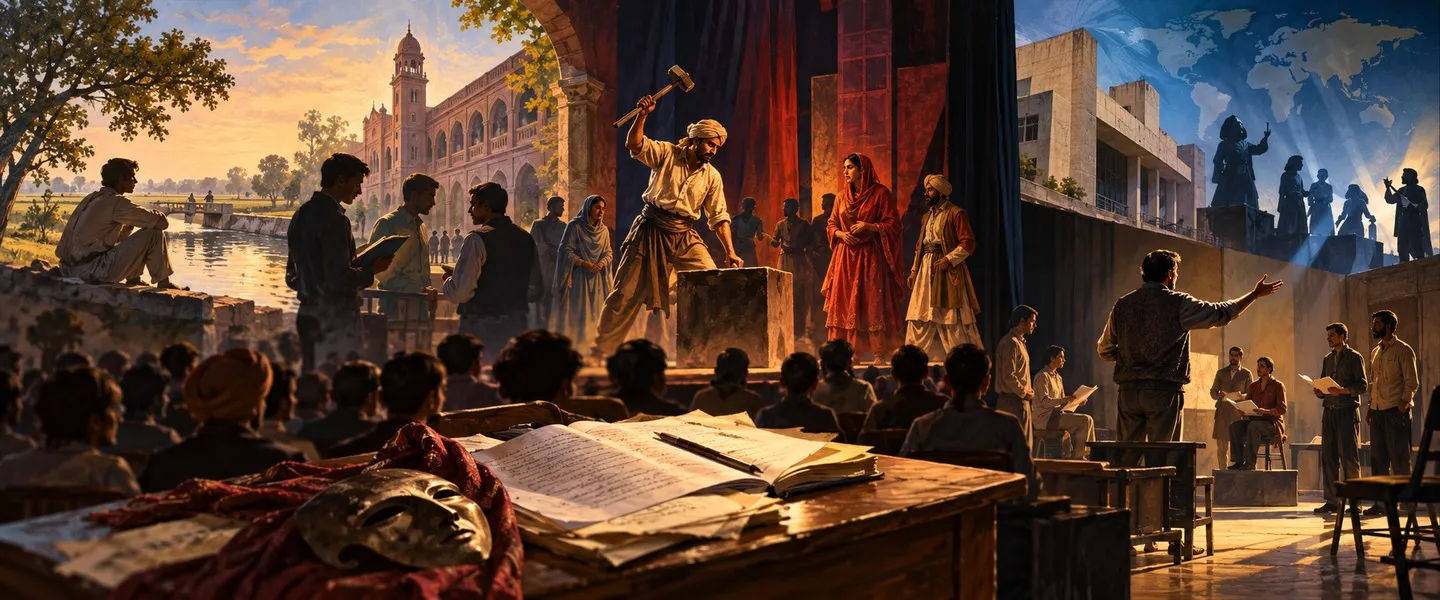
Rangmanch covers theatre from its classical and folk roots to the modern stage. On one side stands the classical Sanskrit drama and the Punjabi folk forms, the open air performance traditions of the countryside that Gargi had chronicled since his youth. On the other side stand the modern masters whose methods Gargi used in his own plays: the Sanskrit classics beside Lorca's poetic drama, Brecht's epic theatre and Artaud's theatre of cruelty, with the realistic stagecraft of Stanislavski in the same conversation. The book's claim, as later reviewers have put it, is that Indian theatre is at its most alive when music, dance and dialogue meet in a single performance, and that a modern Indian theatre should grow out of its own folk and classical ground rather than copy the West.
That argument mattered because of who was making it. When Rangmanch appeared, Gargi had already been writing plays for almost twenty years. His first play, Loha Kutt (The Blacksmith) of 1944, also in this Kosh, had caused controversy for its stark picture of the Punjab countryside. By 1962 he had written on poverty, illiteracy and village life, and on mythology, history and folklore, moving between the realistic and the mythic as his subjects demanded. Rangmanch is the theory that stands behind that practice.
ਰੰਗਮੰਚ ਬਲਵੰਤ ਗਾਰਗੀ (1916 ਤੋਂ 2003) ਦੀ ਰੰਗਮੰਚ ਬਾਰੇ ਪੰਜਾਬੀ ਕਿਤਾਬ ਹੈ, ਜੋ 1962 ਵਿੱਚ ਪ੍ਰਕਾਸ਼ਿਤ ਹੋਈ। ਇਹ ਰੰਗਮੰਚ ਦੀ ਕਲਾ ਉੱਤੇ ਇੱਕ ਗ੍ਰੰਥ ਹੈ: ਇਸ ਦਾ ਇਤਿਹਾਸ, ਇਸ ਦੀਆਂ ਤਕਨੀਕਾਂ ਅਤੇ ਇਸ ਦੀ ਸੱਭਿਆਚਾਰਕ ਮਹੱਤਤਾ, ਕਿਸੇ ਦੂਰ ਬੈਠੇ ਵਿਦਵਾਨ ਦੀ ਨਹੀਂ, ਇੱਕ ਕੰਮ ਕਰਦੇ ਨਾਟਕਕਾਰ ਅਤੇ ਨਿਰਦੇਸ਼ਕ ਦੀ ਲਿਖੀ ਹੋਈ। ਭਾਰਤ ਦੀ ਰਾਸ਼ਟਰੀ ਸਾਹਿਤ ਅਕਾਦਮੀ, ਸਾਹਿਤ ਅਕਾਦਮੀ, ਨੇ 1962 ਵਿੱਚ ਗਾਰਗੀ ਨੂੰ ਇਸ ਕਿਤਾਬ ਲਈ ਪੰਜਾਬੀ ਦਾ ਇਨਾਮ ਦਿੱਤਾ, ਅਤੇ ਇਸ ਦੀ ਅਧਿਕਾਰਤ ਜੇਤੂ ਸੂਚੀ ਇਸ ਰਚਨਾ ਨੂੰ ਭਾਰਤੀ ਰੰਗਮੰਚ ਦਾ ਇਤਿਹਾਸ ਅਤੇ ਵਿਕਾਸ ਦੱਸਦੀ ਹੈ। ਇਹ ਪੰਜਾਬੀ ਵਿੱਚ ਰੰਗਮੰਚ ਆਲੋਚਨਾ ਦੀ ਸਭ ਤੋਂ ਵੱਧ ਜਾਣੀ ਜਾਂਦੀ ਕਿਤਾਬ ਬਣੀ ਹੋਈ ਹੈ।
ਕਿਤਾਬ ਬਾਰੇ
ਰੰਗਮੰਚ ਪੰਜਾਬੀ ਵਿੱਚ ਲਿਖੀ ਗਈ ਅਤੇ 1962 ਵਿੱਚ ਪ੍ਰਕਾਸ਼ਿਤ ਹੋਈ, ਅਤੇ ਇਸ ਰਚਨਾ ਦੀਆਂ ਆਧੁਨਿਕ ਸੂਚੀਆਂ ਵਿੱਚ ਇਸ ਦਾ ਪ੍ਰਕਾਸ਼ਕ ਚੰਡੀਗੜ੍ਹ ਦਾ ਪੰਜਾਬ ਯੂਨੀਵਰਸਿਟੀ ਪ੍ਰਕਾਸ਼ਨ ਬਿਊਰੋ ਦੱਸਿਆ ਜਾਂਦਾ ਹੈ। ਇਸ ਦਾ ਵਿਸ਼ਾ ਮੰਚ ਦੀ ਸਾਰੀ ਜ਼ਿੰਦਗੀ ਹੈ। ਕਿਤਾਬ ਦੇ ਹਿੱਸੇ ਨਾਟਕ ਦੇ ਵਿਕਾਸ, ਨਾਟਕਕਾਰ ਦੀ ਭੂਮਿਕਾ, ਪੇਸ਼ਕਾਰੀ ਦੀ ਗਤੀਸ਼ੀਲਤਾ, ਅਤੇ ਭਾਰਤੀ ਰੰਗਮੰਚ ਵਿੱਚ ਪਰੰਪਰਾ ਅਤੇ ਆਧੁਨਿਕਤਾ ਦੀ ਮੁਲਾਕਾਤ ਦਾ ਪਤਾ ਲਾਉਂਦੇ ਹਨ, ਅਤੇ ਇਹ ਵਿਹਾਰਕ ਮੰਚ ਕਲਾ ਨਾਲ ਵੀ ਨਜਿੱਠਦੀ ਹੈ: ਮੰਚ ਸਜਾਵਟ, ਅਦਾਕਾਰ ਸਿਖਲਾਈ ਅਤੇ ਦਰਸ਼ਕਾਂ ਦੀ ਸ਼ਮੂਲੀਅਤ। ਉਸੇ ਸਾਲ, 1962 ਵਿੱਚ, ਗਾਰਗੀ ਦੀ ਅੰਗਰੇਜ਼ੀ ਕਿਤਾਬ Theatre in India ਥੀਏਟਰ ਆਰਟਸ ਬੁੱਕਸ ਤੋਂ ਆਈ, 245 ਸਫ਼ਿਆਂ ਦੀ ਕਿਤਾਬ ਜਿਸ ਦੀ ਸਮੱਗਰੀ ਰੰਗਮੰਚ ਦੇ ਜਨਮ, ਯੂਨਾਨੀ ਅਤੇ ਹਿੰਦੂ ਰੰਗਮੰਚ, ਅਤੇ ਦੋ ਮਹਾਂਕਾਵਾਂ ਨਾਲ ਸ਼ੁਰੂ ਹੁੰਦੀ ਹੈ। ਦੋਵਾਂ ਕਿਤਾਬਾਂ ਨੇ ਮਿਲ ਕੇ ਇੱਕੋ ਦਲੀਲ ਦੋ ਭਾਸ਼ਾਵਾਂ ਵਿੱਚ ਪੇਸ਼ ਕੀਤੀ: ਭਾਰਤੀ ਰੰਗਮੰਚ ਦਾ ਇੱਕ ਲੰਮਾ, ਗੰਭੀਰ ਇਤਿਹਾਸ ਸੀ, ਅਤੇ ਇਹ ਗੰਭੀਰ ਅਧਿਐਨ ਦਾ ਹੱਕਦਾਰ ਸੀ।
ਰੰਗਮੰਚ ਵਿੱਚ ਕੀ ਕੀ ਹੈ?
ਰੰਗਮੰਚ ਰੰਗਮੰਚ ਨੂੰ ਇਸ ਦੀਆਂ ਸ਼ਾਸਤਰੀ ਅਤੇ ਲੋਕ ਜੜ੍ਹਾਂ ਤੋਂ ਆਧੁਨਿਕ ਮੰਚ ਤੱਕ ਕਵਰ ਕਰਦਾ ਹੈ। ਇੱਕ ਪਾਸੇ ਸ਼ਾਸਤਰੀ ਸੰਸਕ੍ਰਿਤ ਨਾਟਕ ਅਤੇ ਪੰਜਾਬੀ ਲੋਕ ਰੂਪ ਖੜ੍ਹੇ ਹਨ, ਪਿੰਡਾਂ ਦੀਆਂ ਖੁੱਲ੍ਹੀਆਂ ਪੇਸ਼ਕਾਰੀ ਪਰੰਪਰਾਵਾਂ ਜਿਨ੍ਹਾਂ ਦਾ ਵਰਣਨ ਗਾਰਗੀ ਜਵਾਨੀ ਤੋਂ ਕਰਦਾ ਆਇਆ ਸੀ। ਦੂਜੇ ਪਾਸੇ ਉਹ ਆਧੁਨਿਕ ਮਾਸਟਰ ਖੜ੍ਹੇ ਹਨ ਜਿਨ੍ਹਾਂ ਦੇ ਤਰੀਕੇ ਗਾਰਗੀ ਨੇ ਆਪਣੇ ਨਾਟਕਾਂ ਵਿੱਚ ਵਰਤੇ: ਸੰਸਕ੍ਰਿਤ ਸ਼ਾਸਤਰੀ ਰਚਨਾਵਾਂ ਦੇ ਨਾਲ ਲੋਰਕਾ ਦਾ ਕਾਵਿ ਨਾਟਕ, ਬ੍ਰੈਖ਼ਤ ਦਾ ਮਹਾਂਕਾਵਿ ਰੰਗਮੰਚ ਅਤੇ ਆਰਤੋ ਦਾ ਕਰੂਰਤਾ ਦਾ ਰੰਗਮੰਚ, ਅਤੇ ਉਸੇ ਗੱਲਬਾਤ ਵਿੱਚ ਸਤਾਨਿਸਲਾਵਸਕੀ ਦੀ ਯਥਾਰਥਵਾਦੀ ਮੰਚ ਕਲਾ। ਕਿਤਾਬ ਦਾ ਦਾਅਵਾ, ਜਿਵੇਂ ਬਾਅਦ ਦੇ ਸਮੀਖਿਅਕਾਂ ਨੇ ਕਿਹਾ ਹੈ, ਇਹ ਹੈ ਕਿ ਭਾਰਤੀ ਰੰਗਮੰਚ ਸਭ ਤੋਂ ਵੱਧ ਜੀਵੰਤ ਉਦੋਂ ਹੁੰਦਾ ਹੈ ਜਦੋਂ ਸੰਗੀਤ, ਨਾਚ ਅਤੇ ਸੰਵਾਦ ਇੱਕੋ ਪੇਸ਼ਕਾਰੀ ਵਿੱਚ ਮਿਲਦੇ ਹਨ, ਅਤੇ ਆਧੁਨਿਕ ਭਾਰਤੀ ਰੰਗਮੰਚ ਨੂੰ ਪੱਛਮ ਦੀ ਨਕਲ ਦੀ ਥਾਂ ਆਪਣੀ ਲੋਕ ਅਤੇ ਸ਼ਾਸਤਰੀ ਧਰਤੀ ਵਿੱਚੋਂ ਉੱਗਣਾ ਚਾਹੀਦਾ ਹੈ।
ਇਹ ਦਲੀਲ ਇਸ ਲਈ ਮਾਇਨੇ ਰੱਖਦੀ ਸੀ ਕਿ ਇਹ ਕਿਸ ਦੀ ਦਿੱਤੀ ਹੋਈ ਸੀ। ਜਦੋਂ ਰੰਗਮੰਚ ਆਈ, ਗਾਰਗੀ ਲਗਭਗ ਵੀਹ ਸਾਲਾਂ ਤੋਂ ਨਾਟਕ ਲਿਖ ਰਿਹਾ ਸੀ। ਉਸ ਦਾ ਪਹਿਲਾ ਨਾਟਕ ਲੋਹਾ ਕੁੱਟ (1944), ਜੋ ਇਸ ਕੋਸ਼ ਵਿੱਚ ਵੀ ਹੈ, ਪੰਜਾਬ ਦੇ ਪੇਂਡੂ ਇਲਾਕੇ ਦੀ ਆਪਣੀ ਕਠੋਰ ਤਸਵੀਰ ਕਰਕੇ ਵਿਵਾਦ ਵਿੱਚ ਪਿਆ ਸੀ। 1962 ਤੱਕ ਉਹ ਗਰੀਬੀ, ਅਨਪੜ੍ਹਤਾ ਅਤੇ ਪੇਂਡੂ ਜੀਵਨ ਬਾਰੇ, ਅਤੇ ਮਿਥਿਹਾਸ, ਇਤਿਹਾਸ ਅਤੇ ਲੋਕ ਕਥਾਵਾਂ ਬਾਰੇ ਲਿਖ ਚੁੱਕਾ ਸੀ, ਆਪਣੇ ਵਿਸ਼ਿਆਂ ਦੀ ਮੰਗ ਅਨੁਸਾਰ ਯਥਾਰਥਵਾਦੀ ਅਤੇ ਮਿਥਿਹਾਸਕ ਢੰਗਾਂ ਵਿਚਕਾਰ ਚੱਲਦਾ ਹੋਇਆ। ਰੰਗਮੰਚ ਉਹ ਸਿਧਾਂਤ ਹੈ ਜੋ ਉਸ ਅਭਿਆਸ ਦੇ ਪਿੱਛੇ ਖੜ੍ਹਾ ਹੈ।
Themes: tradition, folk forms and a modern stage
Three themes run through the book. The first is continuity: Greek and Hindu theatre, the two great epics, Sanskrit drama and Punjabi folk performance are treated as one long stage history, not as separate worlds. The second is the folk: for Gargi, the folk forms of Punjab were not decoration on theatre but its living root, a judgement he later carried into English in Folk Theatre of India, published in New York. The third is modernity. A playwright who relied as much on Brecht and Artaud as on the Sanskrit classics was arguing, in Punjabi, that a Punjabi stage could be both rooted and new at once. That is the position the Sahitya Akademi chose to honour.
ਲੇਖਕ
Balwant Gargi was born on 4 December 1916 and studied at Government College, Lahore, taking master's degrees in English and in political science from FC College, Lahore. He learned theatre with Norah Richards at her school in the Kangra Valley, the training ground of modern Punjabi drama. He wrote a dozen full length plays and five collections of one act plays, among them Loha Kutt, Kanak Di Bali, Sohni Mahiwal, Sultan Razia, Mirza Sahiban and Dhooni Di Agg, and his plays were translated into 12 languages and performed in Moscow, London, New Delhi and across the United States. He taught for two years at the University of Washington, and in 1972 he became the founder professor and director of the Department of Indian Theatre at Panjab University, Chandigarh, whose open air theatre now carries his name. He died in Mumbai in April 2003. His novels and plays in this Kosh include Loha Kutt, Kanak Di Bali and Nangi Dhup.
Reception and legacy
The Sahitya Akademi Award of 1962 made Rangmanch a landmark: a work of criticism, not a poem or a novel, honoured as the Punjabi book of its year. Gargi went on to receive the Padma Shri in 1972 and the Sangeet Natak Akademi Award for Punjabi playwriting in 1998, becoming one of the few artists to hold both Akademi awards, and in 2017 India Post honoured him with a stamp in its Eminent Writers series, which names Rang Manch first among the reasons. For students, the book's legacy is practical as much as literary. The department Gargi founded at Chandigarh still trains actors and directors, and Rangmanch still stands at the head of Punjabi writing about the stage: the book in which Punjab's leading playwright explained, in Punjabi, what theatre is and where it came from.
ਵਿਸ਼ੇ: ਪਰੰਪਰਾ, ਲੋਕ ਰੂਪ ਅਤੇ ਆਧੁਨਿਕ ਮੰਚ
ਕਿਤਾਬ ਵਿੱਚ ਤਿੰਨ ਵਿਸ਼ੇ ਚੱਲਦੇ ਹਨ। ਪਹਿਲਾ ਹੈ ਨਿਰੰਤਰਤਾ: ਯੂਨਾਨੀ ਅਤੇ ਹਿੰਦੂ ਰੰਗਮੰਚ, ਦੋ ਮਹਾਨ ਮਹਾਂਕਾਵਿ, ਸੰਸਕ੍ਰਿਤ ਨਾਟਕ ਅਤੇ ਪੰਜਾਬੀ ਲੋਕ ਪੇਸ਼ਕਾਰੀ ਨੂੰ ਵੱਖ ਵੱਖ ਸੰਸਾਰਾਂ ਦੀ ਥਾਂ ਇੱਕੋ ਲੰਮੇ ਮੰਚ ਇਤਿਹਾਸ ਵਜੋਂ ਵੇਖਿਆ ਗਿਆ ਹੈ। ਦੂਜਾ ਹੈ ਲੋਕ: ਗਾਰਗੀ ਲਈ ਪੰਜਾਬ ਦੇ ਲੋਕ ਰੂਪ ਰੰਗਮੰਚ ਉੱਤੇ ਸਜਾਵਟ ਨਹੀਂ, ਇਸ ਦੀ ਜੀਵੰਤ ਜੜ੍ਹ ਸਨ, ਇੱਕ ਨਿਰਣਾ ਜੋ ਉਸ ਨੇ ਬਾਅਦ ਵਿੱਚ ਨਿਊਯਾਰਕ ਤੋਂ ਪ੍ਰਕਾਸ਼ਿਤ Folk Theatre of India ਵਿੱਚ ਅੰਗਰੇਜ਼ੀ ਵਿੱਚ ਅੱਗੇ ਤੋਰਿਆ। ਤੀਜਾ ਹੈ ਆਧੁਨਿਕਤਾ। ਇੱਕ ਨਾਟਕਕਾਰ ਜੋ ਸੰਸਕ੍ਰਿਤ ਸ਼ਾਸਤਰੀ ਰਚਨਾਵਾਂ ਜਿੰਨਾ ਹੀ ਬ੍ਰੈਖ਼ਤ ਅਤੇ ਆਰਤੋ ਉੱਤੇ ਟਿਕਿਆ ਸੀ, ਪੰਜਾਬੀ ਵਿੱਚ ਇਹ ਦਲੀਲ ਦੇ ਰਿਹਾ ਸੀ ਕਿ ਪੰਜਾਬੀ ਮੰਚ ਇੱਕੋ ਵੇਲੇ ਜੜ੍ਹਾਂ ਵਾਲਾ ਅਤੇ ਨਵਾਂ ਵੀ ਹੋ ਸਕਦਾ ਹੈ। ਇਹੀ ਉਹ ਸਥਿਤੀ ਹੈ ਜਿਸ ਨੂੰ ਸਾਹਿਤ ਅਕਾਦਮੀ ਨੇ ਸਨਮਾਨਿਤ ਕਰਨਾ ਚੁਣਿਆ।
ਲੇਖਕ
ਬਲਵੰਤ ਗਾਰਗੀ ਦਾ ਜਨਮ 4 ਦਸੰਬਰ 1916 ਨੂੰ ਹੋਇਆ ਅਤੇ ਉਹ ਗਵਰਨਮੈਂਟ ਕਾਲਜ, ਲਾਹੌਰ ਵਿੱਚ ਪੜ੍ਹਿਆ, ਐਫ. ਸੀ. ਕਾਲਜ, ਲਾਹੌਰ ਤੋਂ ਅੰਗਰੇਜ਼ੀ ਅਤੇ ਰਾਜਨੀਤੀ ਵਿਗਿਆਨ ਵਿੱਚ ਮਾਸਟਰ ਦੀਆਂ ਡਿਗਰੀਆਂ ਲਈਆਂ। ਉਸ ਨੇ ਕਾਂਗੜਾ ਵਾਦੀ ਵਿੱਚ ਨੋਰਾ ਰਿਚਰਡਜ਼ ਦੇ ਸਕੂਲ ਵਿੱਚ ਰੰਗਮੰਚ ਸਿੱਖਿਆ, ਜੋ ਆਧੁਨਿਕ ਪੰਜਾਬੀ ਨਾਟਕ ਦਾ ਸਿਖਲਾਈ ਮੈਦਾਨ ਸੀ। ਉਸ ਨੇ ਬਾਰਾਂ ਪੂਰੇ ਨਾਟਕ ਅਤੇ ਇੱਕਾਂਗੀ ਨਾਟਕਾਂ ਦੇ ਪੰਜ ਸੰਗ੍ਰਹਿ ਲਿਖੇ, ਜਿਨ੍ਹਾਂ ਵਿੱਚ ਲੋਹਾ ਕੁੱਟ, ਕਣਕ ਦੀ ਬਾਲੀ, ਸੋਹਣੀ ਮਹੀਵਾਲ, ਸੁਲਤਾਨ ਰਜ਼ੀਆ, ਮਿਰਜ਼ਾ ਸਾਹਿਬਾਂ ਅਤੇ ਧੂਣੀ ਦੀ ਅੱਗ ਸ਼ਾਮਲ ਹਨ, ਅਤੇ ਉਸ ਦੇ ਨਾਟਕ 12 ਭਾਸ਼ਾਵਾਂ ਵਿੱਚ ਅਨੁਵਾਦ ਹੋਏ ਅਤੇ ਮਾਸਕੋ, ਲੰਡਨ, ਨਵੀਂ ਦਿੱਲੀ ਅਤੇ ਸਾਰੇ ਅਮਰੀਕਾ ਵਿੱਚ ਖੇਡੇ ਗਏ। ਉਸ ਨੇ ਵਾਸ਼ਿੰਗਟਨ ਯੂਨੀਵਰਸਿਟੀ ਵਿੱਚ ਦੋ ਸਾਲ ਪੜ੍ਹਾਇਆ, ਅਤੇ 1972 ਵਿੱਚ ਉਹ ਪੰਜਾਬ ਯੂਨੀਵਰਸਿਟੀ, ਚੰਡੀਗੜ੍ਹ ਦੇ ਭਾਰਤੀ ਰੰਗਮੰਚ ਵਿਭਾਗ ਦਾ ਬਾਨੀ ਪ੍ਰੋਫੈਸਰ ਅਤੇ ਨਿਰਦੇਸ਼ਕ ਬਣਿਆ, ਜਿਸ ਦੇ ਖੁੱਲ੍ਹੇ ਮੰਚ ਦਾ ਨਾਂ ਹੁਣ ਉਸ ਦੇ ਨਾਂ ਉੱਤੇ ਹੈ। ਉਸ ਦੀ ਮੌਤ ਅਪ੍ਰੈਲ 2003 ਵਿੱਚ ਮੁੰਬਈ ਵਿੱਚ ਹੋਈ। ਇਸ ਕੋਸ਼ ਵਿੱਚ ਉਸ ਦੇ ਨਾਵਲਾਂ ਅਤੇ ਨਾਟਕਾਂ ਵਿੱਚ ਲੋਹਾ ਕੁੱਟ, ਕਣਕ ਦੀ ਬਾਲੀ ਅਤੇ ਨੰਗੀ ਧੁੱਪ ਸ਼ਾਮਲ ਹਨ।
ਸਵਾਗਤ ਅਤੇ ਵਿਰਾਸਤ
1962 ਦੇ ਸਾਹਿਤ ਅਕਾਦਮੀ ਇਨਾਮ ਨੇ ਰੰਗਮੰਚ ਨੂੰ ਮੀਲ ਪੱਥਰ ਬਣਾ ਦਿੱਤਾ: ਇੱਕ ਆਲੋਚਨਾ ਦੀ ਰਚਨਾ, ਨਾ ਕਵਿਤਾ ਨਾ ਨਾਵਲ, ਆਪਣੇ ਸਾਲ ਦੀ ਪੰਜਾਬੀ ਕਿਤਾਬ ਵਜੋਂ ਸਨਮਾਨਿਤ ਹੋਈ। ਗਾਰਗੀ ਨੂੰ ਅੱਗੇ 1972 ਵਿੱਚ ਪਦਮ ਸ਼੍ਰੀ ਅਤੇ 1998 ਵਿੱਚ ਪੰਜਾਬੀ ਨਾਟਕ ਲੇਖਣੀ ਲਈ ਸੰਗੀਤ ਨਾਟਕ ਅਕਾਦਮੀ ਇਨਾਮ ਮਿਲਿਆ, ਉਹ ਦੋਵੇਂ ਅਕਾਦਮੀ ਇਨਾਮ ਰੱਖਣ ਵਾਲੇ ਗਿਣਤੀ ਦੇ ਕਲਾਕਾਰਾਂ ਵਿੱਚੋਂ ਇੱਕ ਬਣਿਆ, ਅਤੇ 2017 ਵਿੱਚ ਇੰਡੀਆ ਪੋਸਟ ਨੇ ਆਪਣੀ ਪ੍ਰਸਿੱਧ ਲੇਖਕ ਲੜੀ ਵਿੱਚ ਉਸ ਉੱਤੇ ਡਾਕ ਟਿਕਟ ਕੱਢੀ, ਜਿਸ ਵਿੱਚ ਕਾਰਨਾਂ ਵਿੱਚ ਸਭ ਤੋਂ ਪਹਿਲਾਂ ਰੰਗ ਮੰਚ ਦਾ ਨਾਂ ਆਉਂਦਾ ਹੈ। ਵਿਦਿਆਰਥੀਆਂ ਲਈ ਇਸ ਕਿਤਾਬ ਦੀ ਵਿਰਾਸਤ ਸਾਹਿਤਕ ਜਿੰਨੀ ਹੀ ਵਿਹਾਰਕ ਹੈ। ਚੰਡੀਗੜ੍ਹ ਵਿੱਚ ਗਾਰਗੀ ਦਾ ਸਥਾਪਿਆ ਵਿਭਾਗ ਅੱਜ ਵੀ ਅਦਾਕਾਰਾਂ ਅਤੇ ਨਿਰਦੇਸ਼ਕਾਂ ਨੂੰ ਸਿਖਲਾਈ ਦਿੰਦਾ ਹੈ, ਅਤੇ ਰੰਗਮੰਚ ਅੱਜ ਵੀ ਮੰਚ ਬਾਰੇ ਪੰਜਾਬੀ ਲੇਖਣੀ ਦੇ ਸਿਰ ਤੇ ਖੜ੍ਹੀ ਹੈ: ਉਹ ਕਿਤਾਬ ਜਿਸ ਵਿੱਚ ਪੰਜਾਬ ਦੇ ਮੋਹਰੀ ਨਾਟਕਕਾਰ ਨੇ ਪੰਜਾਬੀ ਵਿੱਚ ਸਮਝਾਇਆ ਕਿ ਰੰਗਮੰਚ ਕੀ ਹੈ ਅਤੇ ਇਹ ਕਿੱਥੋਂ ਆਇਆ।
ਐਡੀਸ਼ਨ ਅਤੇ ਅਨੁਵਾਦ
- ਰੰਗਮੰਚPunjabi · Gurmukhi · original, 1962 · Gurmukhi title: ਰੰਗਮੰਚਮੂਲ
- Theatre in IndiaEnglish · Theatre Arts Books, 1962 · 245 pages · Gargi's English volume on Indian theatre of the same yearEdition
ਲੇਖਕ
ਜੁੜੇ ਹੋਏ
ਹੋਰ ਪੜ੍ਹੋ
ਸਰੋਤ (5)
- List of Sahitya Akademi Award winners for Punjabi, Wikipedia
- Balwant Gargi, Wikipedia
- Prof. Balwant Gargi, Eminent Writers stamp 2017, iStampGallery (India Post)
- Theatre in India by Balwant Gargi, Google Books record (Theatre Arts Books, 1962, 245 pages)
- Rangmanch by Balwant Gargi (1962), review, Chaifry
ਜੁਗਤੀ ਮੁਫ਼ਤ ਅਤੇ ਸੁਤੰਤਰ ਹੈ। ਪਾਠਕਾਂ ਦਾ ਸਹਿਯੋਗ ਕੋਸ਼ ਨੂੰ ਵਧਾਉਂਦਾ ਹੈ।
ਸਹਿਯੋਗ