

ਸਾਡੇ ਸਮਿਆਂ ਵਿਚ (1978) ਪਾਸ਼ ਦਾ ਤੀਜਾ ਕਵਿਤਾ ਸੰਗ੍ਰਹਿ ਹੈ। ਪਾਸ਼, ਅਵਤਾਰ ਸਿੰਘ ਸੰਧੂ (1950 ਤੋਂ 1988) ਦਾ ਕਲਮੀ ਨਾਂ, ਪੰਜਾਬ ਦਾ ਇਨਕਲਾਬੀ ਕਵੀ ਸੀ। ਉੱਡੇ ਬਾਜ਼ਾਂ ਮਗਰ (1973) ਅਤੇ ਮਰਨ ਉਪਰੰਤ ਛਪੇ ਖਿਲਰੇ ਹੋਏ ਵਰਕੇ (1989) ਦੇ ਵਿਚਕਾਰ ਛਪੀ ਇਹ ਕਿਤਾਬ ਉਸ ਦੇ ਜੀਵਨ ਵਿਚ ਛਪੀ ਕਵਿਤਾਵਾਂ ਦੀ ਆਖ਼ਰੀ ਕਿਤਾਬ ਹੈ, ਜੋ ਗ੍ਰਿਫ਼ਤਾਰੀਆਂ, ਹੜਤਾਲਾਂ ਅਤੇ ਐਮਰਜੈਂਸੀ ਦੇ ਦਹਾਕੇ ਵਿਚੋਂ ਲਿਖੀ ਗਈ।
ਪੰਜਾਬੀ, ਗੁਰਮੁਖੀ- ਪੰਜਾਬੀ ਨਾਂ
- ਸਾਡੇ ਸਮਿਆਂ ਵਿਚ
- ਲੇਖਕ
- ਪਾਸ਼ (ਅਵਤਾਰ ਸਿੰਘ ਸੰਧੂ, 1950 ਤੋਂ 1988)
- ਪ੍ਰਕਾਸ਼ਿਤ
- 1978
- ਭਾਸ਼ਾ
- ਪੰਜਾਬੀ, ਗੁਰਮੁਖੀ
- ਰੂਪ
- ਕਵਿਤਾ
- ਸਿਰਲੇਖ ਦਾ ਅਰਥ
- ਆਪਣੇ ਸਮੇਂ ਵਿਚ
All 8 facts
- ਲੜੀ
- ਤੀਜਾ ਸੰਗ੍ਰਹਿ, ਲੋਹ-ਕਥਾ (1970) ਅਤੇ ਉੱਡੇ ਬਾਜ਼ਾਂ ਮਗਰ (1973) ਤੋਂ ਬਾਅਦ
- ਅਗਲੀ ਕਿਤਾਬ
- ਖਿਲਰੇ ਹੋਏ ਵਰਕੇ, ਮਰਨ ਉਪਰੰਤ, 1989
About the book
Sade Samian Vich, In Our Times, is a Punjabi poetry collection by Pash, published in 1978. Pash was the pen name of Avtar Singh Sandhu (9 September 1950 to 23 March 1988) of Talwandi Salem in Jalandhar district, the most influential political poet in modern Punjabi and a major voice of the Naxalite movement in the Punjab of the 1970s. This is his third collection, and the last book of poems he published in his lifetime.
The book stands in a short, fierce row. Loh-Katha, Iron Tale, came in 1970, when the poet was about twenty, and its militant tone brought a murder charge, nearly two years in jail and then acquittal. Udde Baajan Magar, Following the Flying Hawks, followed in 1973. Sade Samian Vich came five years later, in 1978, and after it Pash published no further collection in his lifetime: Khilre Hoey Varkey, Scattered Pages, appeared posthumously in 1989, a year after his assassination.
What does Sade Samian Vich mean?
Sade Samian Vich means In Our Times. The title is a claim about the poems: they do not escape into legend or into a golden past. They report on the time the poet and his readers were actually living through, the Punjab and India of the 1970s, with its landlords and moneylenders, its police stations and prisons, its strikes and its silences.
That present tense is the book's method. Again and again Pash tests ordinary life against the promises made to it, and finds the gap between the two to be the true subject. A poem of the same year, Taithon Bina, Without You, turns the test on the poet himself: without you, he writes, Avtar Singh Sandhu is Pash, and that is nothing else besides. The man and the pen name, the poem insists, are one witness.
Themes: a decade speaking in the poems
The years behind the 1978 collection were years of arrest. After the first arrest of May 1970 came arrest again during student unrest in 1972, during the countrywide railway strike of 1974, and for an unspecified time during the Emergency. Tejwant Singh Gill, whose Sahitya Akademi monograph Pash appeared in 1999, wrote that any strike announced or agitation launched signalled his arrest. His poem Haath, Hands, written in 1973, gave those years their answer: hands remain hands, inside or outside pockets, in handcuffs or on the trigger of a rifle.
The targets stay consistent across the world of these poems: state oppression, religious fundamentalism, feudalism and landlordism, and the industrialists, traders and politicians who profited from all four. Against them the poems set the labourer, the peasant and the young, and a stubborn refusal to accept that two and two make three, the bitter joke of an earlier Pash poem in which accepting official lies is the only arithmetic the powerful require.
ਲੇਖਕ
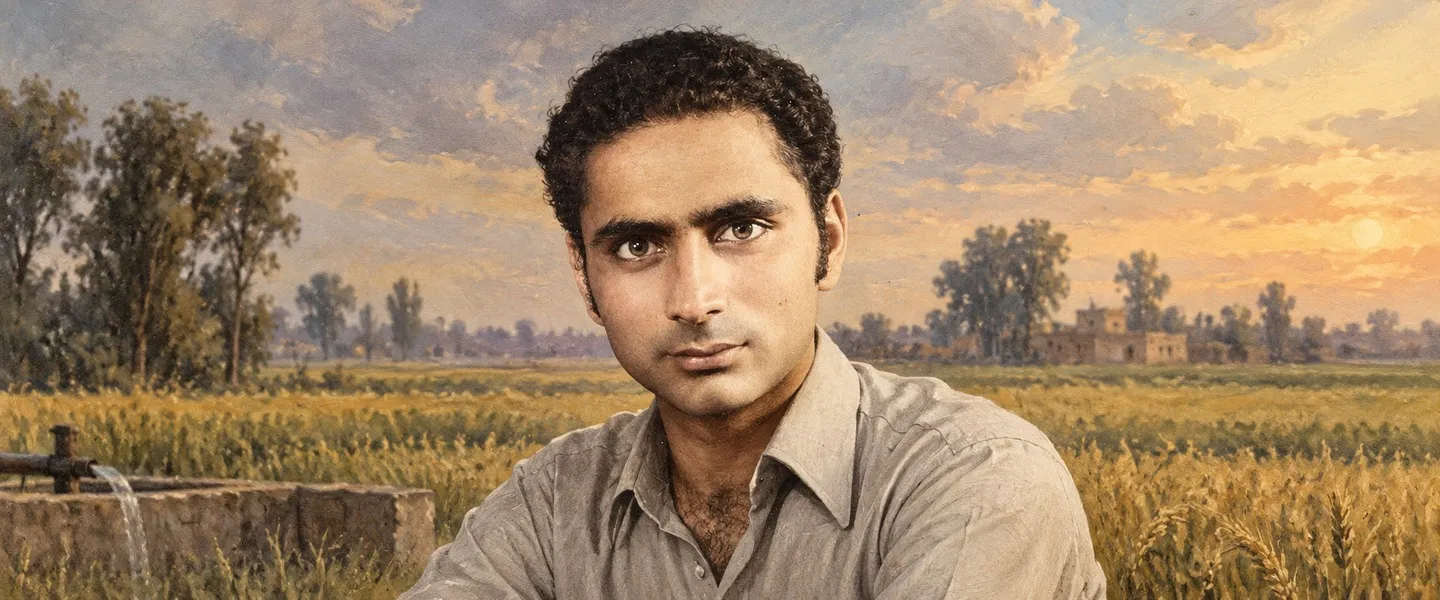
Pash was born in Talwandi Salem, a village in Jalandhar district, into a middle class farming family. His father, Sohan Singh Sandhu, was a soldier in the Indian Army who also composed poetry as a hobby, so verse was in the house before the revolution was. Pash grew up amid the Naxalite movement and the Green Revolution, which eased the fear of famine in Punjab while deepening other inequalities, and his poetry took its side early and never changed it.
After his acquittal he edited the literary magazine Siarh, The Plow Line, and in 1973 founded the Punjabi Sahit Te Sabhiachar Manch, a forum for Punjabi literature and culture. A fellowship at the Punjabi Academy of Letters came in 1985, then tours of the United Kingdom and the United States in 1986, where he joined the Anti-47 Front against Sikh extremist violence. In March 1988, in Punjab to renew his visa, he was gunned down with his friend Hans Raj at the well in Talwandi Salem on 23 March 1988, a day before he was to leave for Delhi.
Reception and legacy
Pash's poems have been translated into many languages, including other Indian languages, Nepali and English. His most cited poem, Sab Ton Khatarnak, The Most Dangerous Thing, entered the NCERT Hindi textbook for Class 11 in 2005, taking a Punjabi revolutionary's warning about the death of dreams into classrooms across India. Recitations of his poems are still held in Punjab and beyond, especially around the weekend nearest his death anniversary.
Scholarship followed the recitations. Tejwant Singh Gill's Pash, published by the Sahitya Akademi in its Makers of Indian Literature series in 1999, is the standard short study of the poet. After his death, Khilre Hoey Varkey was followed by his journals and letters, completing the record of a writing life that lasted less than two decades and produced four collections.
Why does Sade Samian Vich still matter?
Because it is the mature middle of a short shelf. Loh-Katha is the young man's thunderclap and Khilre Hoey Varkey the scattered pages gathered after a murder, but Sade Samian Vich is the working poet in his own times, measuring a decade of prisons, strikes and Emergency against the people who had to live through it. Anyone who wants to understand why Pash is still recited at protests in Punjab, and far beyond it, will find the reasons gathered here, in the book that named its own moment.
ਕਿਤਾਬ ਬਾਰੇ
ਸਾਡੇ ਸਮਿਆਂ ਵਿਚ, ਪਾਸ਼ ਦਾ ਪੰਜਾਬੀ ਕਵਿਤਾ ਸੰਗ੍ਰਹਿ ਹੈ, ਜੋ 1978 ਵਿਚ ਪ੍ਰਕਾਸ਼ਿਤ ਹੋਇਆ। ਪਾਸ਼, ਜਲੰਧਰ ਜ਼ਿਲ੍ਹੇ ਦੇ ਤਲਵੰਡੀ ਸਾਲੇਮ ਦੇ ਅਵਤਾਰ ਸਿੰਘ ਸੰਧੂ (9 ਸਤੰਬਰ 1950 ਤੋਂ 23 ਮਾਰਚ 1988) ਦਾ ਕਲਮੀ ਨਾਂ ਸੀ, ਆਧੁਨਿਕ ਪੰਜਾਬੀ ਦਾ ਸਭ ਤੋਂ ਪ੍ਰਭਾਵਸ਼ਾਲੀ ਸਿਆਸੀ ਕਵੀ ਅਤੇ 1970 ਦੇ ਦਹਾਕੇ ਦੇ ਪੰਜਾਬ ਵਿਚ ਨਕਸਲੀ ਲਹਿਰ ਦੀ ਵੱਡੀ ਆਵਾਜ਼। ਇਹ ਉਸ ਦਾ ਤੀਜਾ ਸੰਗ੍ਰਹਿ ਹੈ, ਅਤੇ ਉਸ ਦੇ ਜੀਵਨ ਵਿਚ ਛਪੀ ਕਵਿਤਾਵਾਂ ਦੀ ਆਖ਼ਰੀ ਕਿਤਾਬ।
ਇਹ ਕਿਤਾਬ ਇਕ ਛੋਟੀ ਅਤੇ ਤਿੱਖੀ ਲੜੀ ਵਿਚ ਖੜ੍ਹੀ ਹੈ। ਲੋਹ-ਕਥਾ 1970 ਵਿਚ ਆਈ, ਜਦੋਂ ਕਵੀ ਲਗਭਗ ਵੀਹ ਸਾਲ ਦਾ ਸੀ, ਅਤੇ ਉਸ ਦੇ ਬਾਗ਼ੀ ਸੁਰ ਨੇ ਉਸ ਉੱਤੇ ਕਤਲ ਦਾ ਮੁਕੱਦਮਾ, ਲਗਭਗ ਦੋ ਸਾਲ ਦੀ ਜੇਲ੍ਹ ਅਤੇ ਫਿਰ ਬਰੀ ਹੋਣਾ ਲਿਆਂਦਾ। ਉੱਡੇ ਬਾਜ਼ਾਂ ਮਗਰ 1973 ਵਿਚ ਆਇਆ। ਸਾਡੇ ਸਮਿਆਂ ਵਿਚ ਪੰਜ ਸਾਲ ਬਾਅਦ, 1978 ਵਿਚ ਆਇਆ, ਅਤੇ ਇਸ ਤੋਂ ਬਾਅਦ ਪਾਸ਼ ਦਾ ਕੋਈ ਹੋਰ ਸੰਗ੍ਰਹਿ ਉਸ ਦੇ ਜੀਵਨ ਵਿਚ ਨਹੀਂ ਛਪਿਆ: ਖਿਲਰੇ ਹੋਏ ਵਰਕੇ ਉਸ ਦੀ ਹੱਤਿਆ ਤੋਂ ਇਕ ਸਾਲ ਬਾਅਦ, 1989 ਵਿਚ, ਮਰਨ ਉਪਰੰਤ ਛਪਿਆ।
ਸਾਡੇ ਸਮਿਆਂ ਵਿਚ ਨਾਂ ਦਾ ਕੀ ਮਤਲਬ ਹੈ?
ਸਾਡੇ ਸਮਿਆਂ ਵਿਚ ਦਾ ਮਤਲਬ ਹੈ ਆਪਣੇ ਸਮੇਂ ਵਿਚ। ਇਹ ਨਾਂ ਕਵਿਤਾਵਾਂ ਬਾਰੇ ਇਕ ਦਾਅਵਾ ਹੈ: ਉਹ ਨਾ ਕਥਾਵਾਂ ਵਿਚ ਭੱਜਦੀਆਂ ਹਨ, ਨਾ ਸੁਨਹਿਰੀ ਅਤੀਤ ਵਿਚ। ਉਹ ਉਸ ਸਮੇਂ ਦੀ ਰਿਪੋਰਟ ਦਿੰਦੀਆਂ ਹਨ ਜਿਸ ਵਿਚ ਕਵੀ ਅਤੇ ਉਸ ਦੇ ਪਾਠਕ ਸੱਚਮੁੱਚ ਜੀ ਰਹੇ ਸਨ, 1970 ਦੇ ਦਹਾਕੇ ਦਾ ਪੰਜਾਬ ਅਤੇ ਭਾਰਤ, ਆਪਣੇ ਜ਼ਿਮੀਂਦਾਰਾਂ ਅਤੇ ਸ਼ਾਹੂਕਾਰਾਂ ਨਾਲ, ਆਪਣੇ ਥਾਣਿਆਂ ਅਤੇ ਜੇਲ੍ਹਾਂ ਨਾਲ, ਆਪਣੀਆਂ ਹੜਤਾਲਾਂ ਅਤੇ ਚੁੱਪਾਂ ਨਾਲ।
ਇਹ ਵਰਤਮਾਨ ਕਾਲ ਹੀ ਕਿਤਾਬ ਦਾ ਢੰਗ ਹੈ। ਪਾਸ਼ ਵਾਰ ਵਾਰ ਆਮ ਜ਼ਿੰਦਗੀ ਨੂੰ ਉਸ ਨਾਲ ਕੀਤੇ ਵਾਅਦਿਆਂ ਨਾਲ ਪਰਖਦਾ ਹੈ, ਅਤੇ ਦੋਵਾਂ ਵਿਚਲੇ ਫ਼ਾਸਲੇ ਨੂੰ ਹੀ ਅਸਲ ਵਿਸ਼ਾ ਪਾਉਂਦਾ ਹੈ। ਉਸੇ ਸਾਲ ਦੀ ਇਕ ਕਵਿਤਾ, ਤੈਥੋਂ ਬਿਨਾ, ਇਹ ਪਰਖ ਕਵੀ ਉੱਤੇ ਹੀ ਲਾਉਂਦੀ ਹੈ: ਤੈਥੋਂ ਬਿਨਾ, ਉਹ ਲਿਖਦਾ ਹੈ, ਅਵਤਾਰ ਸਿੰਘ ਸੰਧੂ ਪਾਸ਼ ਹੈ, ਅਤੇ ਇਸ ਤੋਂ ਇਲਾਵਾ ਕੁਝ ਨਹੀਂ। ਮਨੁੱਖ ਅਤੇ ਕਲਮੀ ਨਾਂ, ਕਵਿਤਾ ਜ਼ੋਰ ਦਿੰਦੀ ਹੈ, ਇਕੋ ਗਵਾਹ ਹਨ।
ਵਿਸ਼ੇ: ਕਵਿਤਾਵਾਂ ਵਿਚ ਬੋਲਦਾ ਇਕ ਦਹਾਕਾ
1978 ਦੇ ਸੰਗ੍ਰਹਿ ਦੇ ਪਿੱਛੇ ਵਾਲੇ ਸਾਲ ਗ੍ਰਿਫ਼ਤਾਰੀਆਂ ਦੇ ਸਾਲ ਸਨ। ਮਈ 1970 ਦੀ ਪਹਿਲੀ ਗ੍ਰਿਫ਼ਤਾਰੀ ਤੋਂ ਬਾਅਦ 1972 ਵਿਚ ਵਿਦਿਆਰਥੀ ਅਸ਼ਾਂਤੀ ਦੌਰਾਨ, 1974 ਵਿਚ ਦੇਸ਼ ਵਿਆਪੀ ਰੇਲ ਹੜਤਾਲ ਦੌਰਾਨ, ਅਤੇ ਐਮਰਜੈਂਸੀ ਦੌਰਾਨ ਕੁਝ ਅਣਦੱਸੇ ਸਮੇਂ ਲਈ ਫਿਰ ਗ੍ਰਿਫ਼ਤਾਰੀ ਹੋਈ। ਤੇਜਵੰਤ ਸਿੰਘ ਗਿੱਲ, ਜਿਨ੍ਹਾਂ ਦੀ ਸਾਹਿਤ ਅਕਾਦਮੀ ਮੋਨੋਗ੍ਰਾਫ਼ ਪਾਸ਼ 1999 ਵਿਚ ਆਈ, ਨੇ ਲਿਖਿਆ ਕਿ ਕਿਸੇ ਹੜਤਾਲ ਜਾਂ ਅੰਦੋਲਨ ਦਾ ਐਲਾਨ ਹੀ ਉਸ ਦੀ ਗ੍ਰਿਫ਼ਤਾਰੀ ਦਾ ਸੰਕੇਤ ਹੁੰਦਾ ਸੀ। 1973 ਵਿਚ ਲਿਖੀ ਉਸ ਦੀ ਕਵਿਤਾ ਹੱਥ ਨੇ ਉਨ੍ਹਾਂ ਸਾਲਾਂ ਨੂੰ ਜਵਾਬ ਦਿੱਤਾ: ਹੱਥ ਹੱਥ ਹੀ ਰਹਿੰਦੇ ਹਨ, ਜੇਬਾਂ ਦੇ ਅੰਦਰ ਜਾਂ ਬਾਹਰ, ਹੱਥਕੜੀਆਂ ਵਿਚ ਜਾਂ ਰਾਈਫ਼ਲ ਦੇ ਘੋੜੇ ਉੱਤੇ।
ਇਨ੍ਹਾਂ ਕਵਿਤਾਵਾਂ ਦੇ ਸੰਸਾਰ ਵਿਚ ਨਿਸ਼ਾਨੇ ਸਥਿਰ ਰਹਿੰਦੇ ਹਨ: ਰਾਜ ਦਾ ਜ਼ੁਲਮ, ਧਾਰਮਿਕ ਕੱਟੜਤਾ, ਜਾਗੀਰਦਾਰੀ ਅਤੇ ਜ਼ਿਮੀਂਦਾਰੀ, ਅਤੇ ਉਹ ਉਦਯੋਗਪਤੀ, ਵਪਾਰੀ ਅਤੇ ਸਿਆਸਤਦਾਨ ਜਿਨ੍ਹਾਂ ਨੇ ਚਾਰਾਂ ਤੋਂ ਫ਼ਾਇਦਾ ਲਿਆ। ਉਨ੍ਹਾਂ ਦੇ ਸਾਹਮਣੇ ਕਵਿਤਾਵਾਂ ਕਿਰਤੀ, ਕਿਸਾਨ ਅਤੇ ਨੌਜਵਾਨ ਨੂੰ ਖੜ੍ਹਾ ਕਰਦੀਆਂ ਹਨ, ਅਤੇ ਇਹ ਮੰਨਣ ਤੋਂ ਸਖ਼ਤ ਇਨਕਾਰ ਕਰਦੀਆਂ ਹਨ ਕਿ ਦੋ ਤੇ ਦੋ ਤਿੰਨ ਹੁੰਦੇ ਹਨ, ਪਾਸ਼ ਦੀ ਪਹਿਲੀ ਕਵਿਤਾ ਦਾ ਉਹ ਕੌੜਾ ਮਜ਼ਾਕ ਜਿਸ ਵਿਚ ਸਰਕਾਰੀ ਝੂਠ ਮੰਨ ਲੈਣਾ ਹੀ ਉਹ ਇਕੋ ਹਿਸਾਬ ਹੈ ਜੋ ਤਾਕਤਵਰ ਮੰਗਦੇ ਹਨ।
ਲੇਖਕ
ਪਾਸ਼ ਜਲੰਧਰ ਜ਼ਿਲ੍ਹੇ ਦੇ ਪਿੰਡ ਤਲਵੰਡੀ ਸਾਲੇਮ ਵਿਚ ਇਕ ਮੱਧ ਵਰਗੀ ਕਿਸਾਨ ਪਰਿਵਾਰ ਵਿਚ ਜੰਮਿਆ। ਉਸ ਦੇ ਪਿਤਾ, ਸੋਹਣ ਸਿੰਘ ਸੰਧੂ, ਭਾਰਤੀ ਫ਼ੌਜ ਵਿਚ ਸਿਪਾਹੀ ਸਨ ਅਤੇ ਸ਼ੌਕ ਵਜੋਂ ਕਵਿਤਾ ਵੀ ਲਿਖਦੇ ਸਨ, ਇਸ ਲਈ ਇਨਕਲਾਬ ਤੋਂ ਪਹਿਲਾਂ ਘਰ ਵਿਚ ਕਵਿਤਾ ਮੌਜੂਦ ਸੀ। ਪਾਸ਼ ਨਕਸਲੀ ਲਹਿਰ ਅਤੇ ਹਰੀ ਕ੍ਰਾਂਤੀ ਦੇ ਵਿਚਕਾਰ ਵੱਡਾ ਹੋਇਆ, ਜਿਸ ਨੇ ਪੰਜਾਬ ਵਿਚ ਅਕਾਲ ਦਾ ਡਰ ਘਟਾਇਆ ਪਰ ਹੋਰ ਅਸਮਾਨਤਾਵਾਂ ਡੂੰਘੀਆਂ ਕੀਤੀਆਂ, ਅਤੇ ਉਸ ਦੀ ਕਵਿਤਾ ਨੇ ਆਪਣਾ ਪੱਖ ਮੁੱਢ ਤੋਂ ਲਿਆ ਅਤੇ ਕਦੇ ਨਹੀਂ ਬਦਲਿਆ।
ਬਰੀ ਹੋਣ ਤੋਂ ਬਾਅਦ ਉਸ ਨੇ ਸਾਹਿਤਕ ਰਸਾਲੇ ਸਿਆੜ੍ਹ ਦਾ ਸੰਪਾਦਨ ਕੀਤਾ, ਅਤੇ 1973 ਵਿਚ ਪੰਜਾਬੀ ਸਾਹਿਤ ਤੇ ਸੱਭਿਆਚਾਰ ਮੰਚ ਦੀ ਸਥਾਪਨਾ ਕੀਤੀ। 1985 ਵਿਚ ਪੰਜਾਬੀ ਸਾਹਿਤ ਅਕਾਦਮੀ ਦੀ ਫ਼ੈਲੋਸ਼ਿਪ ਮਿਲੀ, ਫਿਰ 1986 ਵਿਚ ਬਰਤਾਨੀਆ ਅਤੇ ਅਮਰੀਕਾ ਦੇ ਦੌਰੇ ਹੋਏ, ਜਿੱਥੇ ਉਹ ਸਿੱਖ ਕੱਟੜਪੰਥੀ ਹਿੰਸਾ ਵਿਰੁੱਧ ਐਂਟੀ-47 ਮੋਰਚੇ ਨਾਲ ਜੁੜਿਆ। ਮਾਰਚ 1988 ਵਿਚ, ਵੀਜ਼ਾ ਨਵਾਂ ਕਰਵਾਉਣ ਪੰਜਾਬ ਆਏ ਪਾਸ਼ ਨੂੰ, ਦਿੱਲੀ ਜਾਣ ਤੋਂ ਇਕ ਦਿਨ ਪਹਿਲਾਂ, 23 ਮਾਰਚ 1988 ਨੂੰ ਤਲਵੰਡੀ ਸਾਲੇਮ ਦੇ ਖੂਹ ਉੱਤੇ ਉਸ ਦੇ ਦੋਸਤ ਹੰਸ ਰਾਜ ਸਮੇਤ ਗੋਲੀਆਂ ਮਾਰ ਕੇ ਸ਼ਹੀਦ ਕਰ ਦਿੱਤਾ ਗਿਆ।
ਪ੍ਰਤੀਕਿਰਿਆ ਅਤੇ ਵਿਰਾਸਤ
ਪਾਸ਼ ਦੀਆਂ ਕਵਿਤਾਵਾਂ ਦਾ ਅਨੁਵਾਦ ਹੋਰ ਭਾਰਤੀ ਭਾਸ਼ਾਵਾਂ, ਨੇਪਾਲੀ ਅਤੇ ਅੰਗਰੇਜ਼ੀ ਸਮੇਤ ਕਈ ਭਾਸ਼ਾਵਾਂ ਵਿਚ ਹੋਇਆ ਹੈ। ਉਸ ਦੀ ਸਭ ਤੋਂ ਵੱਧ ਹਵਾਲਾ ਦਿੱਤੀ ਜਾਣ ਵਾਲੀ ਕਵਿਤਾ, ਸਭ ਤੋਂ ਖ਼ਤਰਨਾਕ, 2005 ਵਿਚ ਐਨ.ਸੀ.ਈ.ਆਰ.ਟੀ. ਦੀ ਗਿਆਰਹਵੀਂ ਜਮਾਤ ਦੀ ਹਿੰਦੀ ਪਾਠ ਪੁਸਤਕ ਵਿਚ ਸ਼ਾਮਲ ਹੋਈ, ਜਿਸ ਨੇ ਸੁਪਨਿਆਂ ਦੀ ਮੌਤ ਬਾਰੇ ਇਕ ਪੰਜਾਬੀ ਇਨਕਲਾਬੀ ਦੀ ਚੇਤਾਵਨੀ ਨੂੰ ਸਾਰੇ ਭਾਰਤ ਦੀਆਂ ਜਮਾਤਾਂ ਤੱਕ ਪਹੁੰਚਾਇਆ। ਉਸ ਦੀਆਂ ਕਵਿਤਾਵਾਂ ਦੇ ਪਾਠ ਅੱਜ ਵੀ ਪੰਜਾਬ ਵਿਚ ਅਤੇ ਬਾਹਰ ਹੁੰਦੇ ਹਨ, ਖ਼ਾਸ ਕਰਕੇ ਉਸ ਦੀ ਸ਼ਹੀਦੀ ਵਰ੍ਹੇਗੰਢ ਦੇ ਨੇੜਲੇ ਹਫ਼ਤੇ ਦੇ ਅੰਤ ਵਿਚ।
ਪਾਠਾਂ ਦੇ ਪਿੱਛੇ ਅਧਿਐਨ ਆਇਆ। ਤੇਜਵੰਤ ਸਿੰਘ ਗਿੱਲ ਦੀ ਪਾਸ਼, ਜੋ ਸਾਹਿਤ ਅਕਾਦਮੀ ਨੇ ਆਪਣੀ ਮੇਕਰਜ਼ ਆਫ਼ ਇੰਡੀਅਨ ਲਿਟਰੇਚਰ ਲੜੀ ਵਿਚ 1999 ਵਿਚ ਛਾਪੀ, ਕਵੀ ਦਾ ਮਿਆਰੀ ਛੋਟਾ ਅਧਿਐਨ ਹੈ। ਉਸ ਦੀ ਮੌਤ ਤੋਂ ਬਾਅਦ, ਖਿਲਰੇ ਹੋਏ ਵਰਕੇ ਤੋਂ ਬਾਅਦ ਉਸ ਦੀਆਂ ਡਾਇਰੀਆਂ ਅਤੇ ਚਿੱਠੀਆਂ ਛਪੀਆਂ, ਜਿਨ੍ਹਾਂ ਨੇ ਦੋ ਦਹਾਕਿਆਂ ਤੋਂ ਵੀ ਘੱਟ ਚੱਲੇ ਅਤੇ ਚਾਰ ਸੰਗ੍ਰਹਿ ਦੇਣ ਵਾਲੇ ਲੇਖਕ ਜੀਵਨ ਦਾ ਰਿਕਾਰਡ ਪੂਰਾ ਕੀਤਾ।
ਸਾਡੇ ਸਮਿਆਂ ਵਿਚ ਅੱਜ ਵੀ ਕਿਉਂ ਮਹੱਤਵਪੂਰਨ ਹੈ?
ਕਿਉਂਕਿ ਇਹ ਇਕ ਛੋਟੀ ਸ਼ੈਲਫ਼ ਦਾ ਪੱਕਾ ਵਿਚਕਾਰਲਾ ਹਿੱਸਾ ਹੈ। ਲੋਹ-ਕਥਾ ਨੌਜਵਾਨ ਦੀ ਗਰਜ ਹੈ ਅਤੇ ਖਿਲਰੇ ਹੋਏ ਵਰਕੇ ਕਤਲ ਤੋਂ ਬਾਅਦ ਇਕੱਠੇ ਕੀਤੇ ਖਿਲਰੇ ਪੰਨੇ, ਪਰ ਸਾਡੇ ਸਮਿਆਂ ਵਿਚ ਆਪਣੇ ਸਮੇਂ ਵਿਚ ਖੜ੍ਹਾ ਕੰਮ ਕਰਦਾ ਕਵੀ ਹੈ, ਜੋ ਜੇਲ੍ਹਾਂ, ਹੜਤਾਲਾਂ ਅਤੇ ਐਮਰਜੈਂਸੀ ਦੇ ਦਹਾਕੇ ਨੂੰ ਉਨ੍ਹਾਂ ਲੋਕਾਂ ਨਾਲ ਤੋਲਦਾ ਹੈ ਜਿਨ੍ਹਾਂ ਨੂੰ ਇਹ ਜੀਣਾ ਪਿਆ। ਜੋ ਕੋਈ ਸਮਝਣਾ ਚਾਹੁੰਦਾ ਹੈ ਕਿ ਪਾਸ਼ ਅੱਜ ਵੀ ਪੰਜਾਬ ਵਿਚ, ਅਤੇ ਉਸ ਤੋਂ ਕਿਤੇ ਪਰੇ, ਰੋਸ ਪ੍ਰਦਰਸ਼ਨਾਂ ਵਿਚ ਕਿਉਂ ਪੜ੍ਹਿਆ ਜਾਂਦਾ ਹੈ, ਉਸ ਨੂੰ ਕਾਰਨ ਇੱਥੇ ਇਕੱਠੇ ਮਿਲਣਗੇ, ਉਸ ਕਿਤਾਬ ਵਿਚ ਜਿਸ ਨੇ ਆਪਣੇ ਪਲ ਦਾ ਨਾਂ ਆਪ ਰੱਖਿਆ।
ਐਡੀਸ਼ਨ ਅਤੇ ਅਨੁਵਾਦ
- ਸਾਡੇ ਸਮਿਆਂ ਵਿਚਪੰਜਾਬੀ · ਗੁਰਮੁਖੀ · ਮੂਲ, 1978ਮੂਲ
ਲੇਖਕ
ਜੁੜੇ ਹੋਏ
ਹੋਰ ਪੜ੍ਹੋ
ਜੁਗਤੀ ਮੁਫ਼ਤ ਅਤੇ ਸੁਤੰਤਰ ਹੈ। ਪਾਠਕਾਂ ਦਾ ਸਹਿਯੋਗ ਕੋਸ਼ ਨੂੰ ਵਧਾਉਂਦਾ ਹੈ।
ਸਹਿਯੋਗ