

ਦ ਲਾਸਟ ਵ੍ਹਾਈਟ ਮੈਨ (2022) ਮੋਹਸਿਨ ਹਾਮਿਦ ਦਾ ਛੋਟਾ ਜਾਦੂਈ ਯਥਾਰਥਵਾਦੀ ਨਾਵਲ ਹੈ, ਜਿਸ ਵਿੱਚ ਐਂਡਰਸ, ਇੱਕ ਗੋਰਾ ਜਿਮ ਟ੍ਰੇਨਰ, ਇੱਕ ਸਵੇਰੇ ਭੂਰੀ ਚਮੜੀ ਨਾਲ ਜਾਗਦਾ ਹੈ ਅਤੇ ਵੇਖਦਾ ਹੈ ਕਿ ਉਸ ਦਾ ਸਾਰਾ ਕਸਬਾ ਉਸ ਦੇ ਨਾਲ ਬਦਲ ਰਿਹਾ ਹੈ। ਐਂਡਰਸ, ਉਸ ਦੀ ਪ੍ਰੇਮਿਕਾ ਊਨਾ ਅਤੇ ਉਨ੍ਹਾਂ ਦੇ ਪਰਿਵਾਰਾਂ ਰਾਹੀਂ ਇਹ ਪੁੱਛਦਾ ਹੈ ਕਿ ਗੋਰਾਪਨ ਅਸਲ ਵਿੱਚ ਕੀ ਹੈ, ਜਦੋਂ ਇਸ ਨਾਲ ਜੁੜੇ ਫ਼ਾਇਦੇ ਖਤਮ ਹੋ ਜਾਂਦੇ ਹਨ। ਇਹ ਨਾਵਲ ਨਿਊਯਾਰਕ ਟਾਈਮਜ਼ ਬੈਸਟਸੈਲਰ ਰਿਹਾ, 2023 ਐਸਪਨ ਵਰਡਜ਼ ਸਾਹਿਤਕ ਪੁਰਸਕਾਰ ਲਈ ਲੰਬੀ ਸੂਚੀ ਵਿੱਚ ਆਇਆ ਅਤੇ 2024 ਵਿੱਚ ਕੇਐਲਐਫ਼ ਗੈਟਜ਼ ਫ਼ਾਰਮਾ ਫ਼ਿਕਸ਼ਨ ਪੁਰਸਕਾਰ ਜਿੱਤਿਆ।
ਅੰਗਰੇਜ਼ੀ- ਲੇਖਕ
- ਮੋਹਸਿਨ ਹਾਮਿਦ (ਜਨਮ 1971)
- ਪ੍ਰਕਾਸ਼ਿਤ
- 2 ਅਗਸਤ 2022
- ਪ੍ਰਕਾਸ਼ਕ
- ਰਿਵਰਹੈੱਡ ਬੁੱਕਸ (ਪੈਂਗੁਇਨ ਪਬਲਿਸ਼ਿੰਗ ਗਰੁੱਪ)
- ਭਾਸ਼ਾ
- ਅੰਗਰੇਜ਼ੀ
- ਰੂਪ
- ਨਾਵਲ
- ਸਥਾਨ
- ਇੱਕ ਅਣਜਾਣ ਕਸਬਾ, ਇੱਕ ਅਣਜਾਣ ਦੇਸ਼
All 8 facts
- ਪੰਨੇ
- 192 (ਅਮਰੀਕੀ ਜਿਲਦਬੰਦ ਐਡੀਸ਼ਨ)
- ਸਨਮਾਨ
- ਨਿਊਯਾਰਕ ਟਾਈਮਜ਼ ਬੈਸਟਸੈਲਰ; 2023 ਐਸਪਨ ਵਰਡਜ਼ ਸਾਹਿਤਕ ਪੁਰਸਕਾਰ ਲਈ ਲੰਬੀ ਸੂਚੀ; 2024 ਕੇਐਲਐਫ਼ ਗੈਟਜ਼ ਫ਼ਾਰਮਾ ਫ਼ਿਕਸ਼ਨ ਪੁਰਸਕਾਰ ਜੇਤੂ
ਪਾਤਰ
About the book
The Last White Man is Mohsin Hamid's 2022 novel, a short work of magical realism in which a white gym trainer wakes one morning to find his skin has turned brown, and his whole town follows him. It is Hamid's fifth novel, 192 pages in the US hardcover, built on a single premise with no explanation offered for the change at its centre.
The book was published on 2 August 2022 by Riverhead Books, part of the Penguin Publishing Group. It became a New York Times bestseller and was named a best book of the year by The New Yorker, Vogue and NPR. It was longlisted for the 2023 Aspen Words Literary Prize, and in 2024 it won the KLF Getz Pharma Fiction Prize. The Guardian called it a hypnotic race fable.
What happens in The Last White Man?
Anders, a white man who works as a trainer in a gym, wakes one morning to find his skin has turned an undeniable brown. His first reaction is rage: he punches his reflection, stays inside for days, and when he goes out he hides under a hoodie, calling in sick to work in the hope the change will pass. He first tells Oona, a yoga instructor and former girlfriend who becomes his lover again. She is grieving her brother, who died of a drug overdose, and lives with her mother, a woman who spends her days online among white supremacist and conspiracy ideas.
Soon other white people wake with dark skin too. The small privileges Anders took for granted are gone: easy greetings in shops, unchallenged movement in public. His boss at the gym says he would have killed himself if he had changed. Fear spreads, phones and the internet fail at times, and racist violence follows: riots, militias and mobs. Three white rioters threaten to kill Anders if he does not leave town, and he flees to the house of his father, who is dying and gives him a rifle for protection. Father and son were never close, but they grow closer as Anders cares for him.
Oona tries makeup to imagine what she will look like, and then she changes too. Her mother is revolted when she finds Oona in bed with Anders, and later she changes as well, as does almost everyone else. The town calms. Anders wonders whether people who were always dark can tell themselves apart from people who changed. They cannot. His father dies still white: he is the last white man, and Anders wants to dig the grave himself. Anders and Oona marry, and years later they live in the father's house with their daughter, and the grandmother tells the girl how the family used to be white, though the girl is uninterested. The book ends with the teenage girl climbing into bed with her parents, and Anders placing his brown hand on her brown face.
ਕਿਤਾਬ ਬਾਰੇ
ਦ ਲਾਸਟ ਵ੍ਹਾਈਟ ਮੈਨ ਮੋਹਸਿਨ ਹਾਮਿਦ ਦਾ 2022 ਦਾ ਨਾਵਲ ਹੈ, ਇੱਕ ਛੋਟੀ ਜਿਹੀ ਜਾਦੂਈ ਯਥਾਰਥਵਾਦੀ ਕਹਾਣੀ ਜਿਸ ਵਿੱਚ ਇੱਕ ਗੋਰਾ ਜਿਮ ਟ੍ਰੇਨਰ ਇੱਕ ਸਵੇਰੇ ਜਾਗਦਾ ਹੈ ਅਤੇ ਉਸ ਦੀ ਚਮੜੀ ਭੂਰੀ ਹੋ ਚੁੱਕੀ ਹੁੰਦੀ ਹੈ, ਅਤੇ ਉਸ ਦਾ ਸਾਰਾ ਕਸਬਾ ਉਸ ਦੇ ਪਿੱਛੇ ਬਦਲ ਜਾਂਦਾ ਹੈ। ਇਹ ਹਾਮਿਦ ਦਾ ਪੰਜਵਾਂ ਨਾਵਲ ਹੈ, ਅਮਰੀਕੀ ਜਿਲਦਬੰਦ ਐਡੀਸ਼ਨ ਵਿੱਚ 192 ਸਫ਼ੇ, ਇੱਕੋ ਵਿਚਾਰ 'ਤੇ ਬਣਿਆ ਹੋਇਆ, ਅਤੇ ਇਸ ਤਬਦੀਲੀ ਦਾ ਕੋਈ ਕਾਰਨ ਨਹੀਂ ਦੱਸਿਆ ਗਿਆ।
ਇਹ ਕਿਤਾਬ 2 ਅਗਸਤ 2022 ਨੂੰ ਰਿਵਰਹੈੱਡ ਬੁੱਕਸ ਤੋਂ ਪ੍ਰਕਾਸ਼ਿਤ ਹੋਈ, ਜੋ ਪੈਂਗੁਇਨ ਪਬਲਿਸ਼ਿੰਗ ਗਰੁੱਪ ਦਾ ਹਿੱਸਾ ਹੈ। ਇਹ ਨਿਊਯਾਰਕ ਟਾਈਮਜ਼ ਬੈਸਟਸੈਲਰ ਬਣੀ ਅਤੇ ਦ ਨਿਊਯਾਰਕਰ, ਵੋਗ ਅਤੇ ਐਨਪੀਆਰ ਨੇ ਇਸ ਨੂੰ ਸਾਲ ਦੀਆਂ ਸਭ ਤੋਂ ਵਧੀਆ ਕਿਤਾਬਾਂ ਵਿੱਚ ਗਿਣਿਆ। ਇਸ ਨੂੰ 2023 ਐਸਪਨ ਵਰਡਜ਼ ਸਾਹਿਤਕ ਪੁਰਸਕਾਰ ਲਈ ਲੰਬੀ ਸੂਚੀ ਵਿੱਚ ਰੱਖਿਆ ਗਿਆ, ਅਤੇ 2024 ਵਿੱਚ ਇਸ ਨੇ ਕੇਐਲਐਫ਼ ਗੈਟਜ਼ ਫ਼ਾਰਮਾ ਫ਼ਿਕਸ਼ਨ ਪੁਰਸਕਾਰ ਜਿੱਤਿਆ। ਦ ਗਾਰਡੀਅਨ ਨੇ ਇਸ ਨੂੰ ਇੱਕ ਸੁਪਨਮਈ ਨਸਲੀ ਕਹਾਣੀ ਕਿਹਾ।
ਦ ਲਾਸਟ ਵ੍ਹਾਈਟ ਮੈਨ ਵਿੱਚ ਕੀ ਹੁੰਦਾ ਹੈ?
ਐਂਡਰਸ, ਇੱਕ ਗੋਰਾ ਆਦਮੀ ਜੋ ਜਿਮ ਵਿੱਚ ਟ੍ਰੇਨਰ ਹੈ, ਇੱਕ ਸਵੇਰੇ ਜਾਗਦਾ ਹੈ ਅਤੇ ਉਸ ਦੀ ਚਮੜੀ ਭੂਰੀ ਹੋ ਚੁੱਕੀ ਹੁੰਦੀ ਹੈ। ਉਸ ਦੀ ਪਹਿਲੀ ਪ੍ਰਤੀਕਿਰਿਆ ਗੁੱਸਾ ਹੈ: ਉਹ ਆਪਣਾ ਅਕਸ ਮੁੱਕਾ ਮਾਰਦਾ ਹੈ, ਕਈ ਦਿਨ ਅੰਦਰ ਰਹਿੰਦਾ ਹੈ, ਅਤੇ ਜਦੋਂ ਬਾਹਰ ਜਾਂਦਾ ਹੈ ਤਾਂ ਹੁੱਡੀ ਹੇਠ ਲੁਕਦਾ ਹੈ, ਕੰਮ 'ਤੇ ਬਿਮਾਰੀ ਦੀ ਛੁੱਟੀ ਲੈ ਕੇ ਇਸ ਉਮੀਦ ਵਿੱਚ ਕਿ ਤਬਦੀਲੀ ਲੰਘ ਜਾਵੇਗੀ। ਉਹ ਸਭ ਤੋਂ ਪਹਿਲਾਂ ਊਨਾ ਨੂੰ ਦੱਸਦਾ ਹੈ, ਇੱਕ ਯੋਗਾ ਇੰਸਟ੍ਰਕਟਰ ਅਤੇ ਪੁਰਾਣੀ ਪ੍ਰੇਮਿਕਾ, ਜੋ ਦੁਬਾਰਾ ਉਸ ਦੀ ਪ੍ਰੇਮਿਕਾ ਬਣ ਜਾਂਦੀ ਹੈ। ਉਹ ਆਪਣੇ ਭਰਾ ਦੇ ਗਮ ਵਿੱਚ ਹੈ, ਜੋ ਨਸ਼ੇ ਦੀ ਓਵਰਡੋਜ਼ ਨਾਲ ਮਰ ਗਿਆ ਸੀ, ਅਤੇ ਆਪਣੀ ਮਾਂ ਨਾਲ ਰਹਿੰਦੀ ਹੈ, ਇੱਕ ਅਜਿਹੀ ਔਰਤ ਜੋ ਦਿਨ ਭਰ ਔਨਲਾਈਨ ਗੋਰੇ ਸਰਵਉੱਚਤਾਵਾਦੀ ਅਤੇ ਸਾਜ਼ਿਸ਼ੀ ਵਿਚਾਰਾਂ ਵਿੱਚ ਗੁੰਮ ਰਹਿੰਦੀ ਹੈ।
ਜਲਦੀ ਹੀ ਹੋਰ ਗੋਰੇ ਲੋਕ ਵੀ ਭੂਰੀ ਚਮੜੀ ਨਾਲ ਜਾਗਣ ਲੱਗਦੇ ਹਨ। ਛੋਟੀਆਂ ਸਹੂਲਤਾਂ ਜਿਨ੍ਹਾਂ ਨੂੰ ਐਂਡਰਸ ਮੰਨਦਾ ਸੀ, ਖਤਮ ਹੋ ਜਾਂਦੀਆਂ ਹਨ: ਦੁਕਾਨਾਂ ਵਿੱਚ ਆਸਾਨ ਸਲਾਮ, ਜਨਤਕ ਥਾਵਾਂ 'ਤੇ ਬਿਨਾਂ ਰੋਕ-ਟੋਕ ਘੁੰਮਣਾ। ਜਿਮ ਵਿੱਚ ਉਸ ਦਾ ਬੌਸ ਕਹਿੰਦਾ ਹੈ ਕਿ ਜੇ ਉਹ ਬਦਲ ਜਾਂਦਾ ਤਾਂ ਉਹ ਆਪਣੀ ਜਾਨ ਲੈ ਲੈਂਦਾ। ਡਰ ਫੈਲਦਾ ਹੈ, ਫ਼ੋਨ ਅਤੇ ਇੰਟਰਨੈੱਟ ਕਈ ਵਾਰ ਬੰਦ ਹੋ ਜਾਂਦੇ ਹਨ, ਅਤੇ ਨਸਲੀ ਹਿੰਸਾ ਸ਼ੁਰੂ ਹੋ ਜਾਂਦੀ ਹੈ: ਦੰਗੇ, ਮਿਲੀਸ਼ੀਆ ਅਤੇ ਭੀੜ। ਤਿੰਨ ਗੋਰੇ ਦੰਗਾਕਾਰੀ ਐਂਡਰਸ ਨੂੰ ਧਮਕਾਉਂਦੇ ਹਨ ਕਿ ਜੇ ਉਹ ਕਸਬਾ ਨਾ ਛੱਡਿਆ ਤਾਂ ਉਸ ਨੂੰ ਮਾਰ ਦਿੱਤਾ ਜਾਵੇਗਾ, ਅਤੇ ਉਹ ਆਪਣੇ ਪਿਤਾ ਦੇ ਘਰ ਭੱਜ ਜਾਂਦਾ ਹੈ, ਜੋ ਮਰ ਰਿਹਾ ਹੈ ਅਤੇ ਉਸ ਨੂੰ ਸੁਰੱਖਿਆ ਲਈ ਇੱਕ ਰਾਈਫ਼ਲ ਦਿੰਦਾ ਹੈ। ਪਿਤਾ ਅਤੇ ਪੁੱਤਰ ਕਦੇ ਨੇੜੇ ਨਹੀਂ ਸਨ, ਪਰ ਜਿਵੇਂ ਐਂਡਰਸ ਉਸ ਦੀ ਦੇਖਭਾਲ ਕਰਦਾ ਹੈ, ਉਹ ਨੇੜੇ ਆਉਂਦੇ ਜਾਂਦੇ ਹਨ।
ਊਨਾ ਮੇਕਅਪ ਲਗਾ ਕੇ ਵੇਖਦੀ ਹੈ ਕਿ ਉਹ ਕਿਹੋ ਜਿਹੀ ਦਿਸੇਗੀ, ਅਤੇ ਫਿਰ ਉਹ ਵੀ ਬਦਲ ਜਾਂਦੀ ਹੈ। ਉਸ ਦੀ ਮਾਂ ਨੂੰ ਘਿਣ ਆਉਂਦੀ ਹੈ ਜਦੋਂ ਉਹ ਊਨਾ ਨੂੰ ਐਂਡਰਸ ਨਾਲ ਬਿਸਤਰੇ ਵਿੱਚ ਵੇਖਦੀ ਹੈ, ਅਤੇ ਬਾਅਦ ਵਿੱਚ ਉਹ ਵੀ ਬਦਲ ਜਾਂਦੀ ਹੈ, ਜਿਵੇਂ ਲਗਭਗ ਹਰ ਕੋਈ। ਕਸਬਾ ਸ਼ਾਂਤ ਹੋ ਜਾਂਦਾ ਹੈ। ਐਂਡਰਸ ਸੋਚਦਾ ਹੈ ਕਿ ਕੀ ਉਹ ਲੋਕ ਜੋ ਹਮੇਸ਼ਾ ਭੂਰੇ ਸਨ, ਆਪਣੇ ਆਪ ਨੂੰ ਉਨ੍ਹਾਂ ਤੋਂ ਵੱਖ ਕਰ ਸਕਦੇ ਹਨ ਜੋ ਬਦਲੇ ਹਨ। ਉਹ ਨਹੀਂ ਕਰ ਸਕਦੇ। ਉਸ ਦਾ ਪਿਤਾ ਗੋਰਾ ਹੀ ਮਰਦਾ ਹੈ: ਉਹੀ ਆਖਰੀ ਗੋਰਾ ਆਦਮੀ ਹੈ, ਅਤੇ ਐਂਡਰਸ ਖੁਦ ਕਬਰ ਖੋਦਣਾ ਚਾਹੁੰਦਾ ਹੈ। ਐਂਡਰਸ ਅਤੇ ਊਨਾ ਦਾ ਵਿਆਹ ਹੁੰਦਾ ਹੈ, ਅਤੇ ਸਾਲਾਂ ਬਾਅਦ ਉਹ ਪਿਤਾ ਦੇ ਘਰ ਵਿੱਚ ਆਪਣੀ ਧੀ ਨਾਲ ਰਹਿੰਦੇ ਹਨ, ਅਤੇ ਦਾਦੀ ਕੁੜੀ ਨੂੰ ਦੱਸਦੀ ਹੈ ਕਿ ਪਰਿਵਾਰ ਪਹਿਲਾਂ ਗੋਰਾ ਕਿਵੇਂ ਹੁੰਦਾ ਸੀ, ਹਾਲਾਂਕਿ ਕੁੜੀ ਨੂੰ ਕੋਈ ਦਿਲਚਸਪੀ ਨਹੀਂ। ਕਿਤਾਬ ਦਾ ਅੰਤ ਕੁੜੀ ਦੇ, ਹੁਣ ਇੱਕ ਕਿਸ਼ੋਰ, ਆਪਣੇ ਮਾਪਿਆਂ ਨਾਲ ਬਿਸਤਰੇ ਵਿੱਚ ਚੜ੍ਹਨ ਨਾਲ ਹੁੰਦਾ ਹੈ, ਅਤੇ ਐਂਡਰਸ ਆਪਣਾ ਭੂਰਾ ਹੱਥ ਉਸ ਦੇ ਭੂਰੇ ਚਿਹਰੇ 'ਤੇ ਰੱਖਦਾ ਹੈ।
Anders and Oona
Anders carries the novel. He begins in rage and denial, hiding from a world that now looks at him differently, and ends in a quiet acceptance, caring for his father and building a family in the house where he once hid. His journey is the book's argument: whiteness was never a fact of his body but a way the world treated him, and when that treatment changes, the man underneath has to be remade.
Oona adapts more smoothly than Anders, and her story carries the book's grief. She mourns a brother lost to an overdose and watches her mother, once the family's anchor, slide into online conspiracy and open racism. Her mother is the novel's most difficult character: revolted by her own daughter's changed skin, then changed herself, and finally the one who keeps the old stories alive, telling her granddaughter how the family used to be white. Anders's father, distant and dying, gives his son sanctuary and a rifle, and dies as the last white man, the title's meaning made literal.
What the novel is about
The novel's subject is race as something imagined and then enforced. Hamid's premise is deliberately simple: no cause is given, no town or country is named, and the magic is stated as a fact in the first sentence. What follows is an investigation of what whiteness actually is: not a colour but a set of small, daily advantages, and when those advantages vanish, the identity built on them collapses.
The book grew from Hamid's own experience after the attacks of 11 September 2001. He has written that something changed that day, and that he came to realise he had lost his whiteness: his education and social class had given him some of the benefits of whiteness, and suddenly those privileges disappeared. The novel turns that experience into a fable, and its most quoted image, Anders's brown hand on his daughter's brown face, is its answer: a family remade on the other side of race.
Fear and the internet run through the book as well. Oona's mother finds her beliefs online, conspiracy theories spread faster than the change itself, and the town's breakdown follows the same pattern as a panic: rumour, then violence, then a new calm.
ਲੇਖਕ
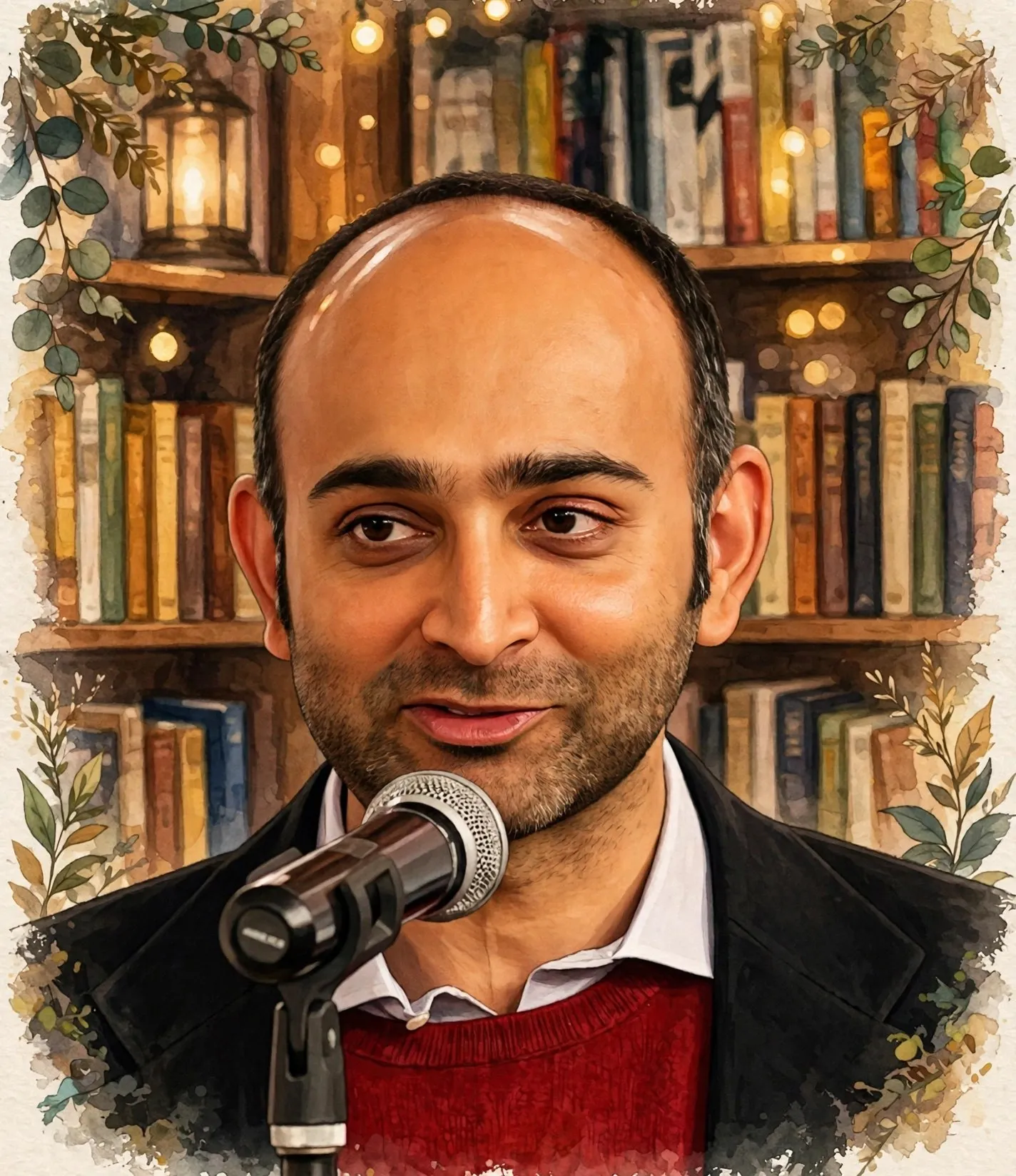
Mohsin Hamid was born in Lahore on 23 July 1971, to a family of Punjabi and Kashmiri descent. He spent part of his childhood in the United States, from the age of three to nine, while his father studied for a PhD at Stanford, then returned to Lahore and attended the Lahore American School. He graduated summa cum laude from Princeton in 1993, then attended Harvard Law School, graduating in 1997. He worked as a management consultant in New York before writing full time.
The Last White Man is his fifth novel, after Moth Smoke (2000), The Reluctant Fundamentalist (2007), How to Get Filthy Rich in Rising Asia (2013) and Exit West (2017). The Reluctant Fundamentalist and Exit West were both shortlisted for the Booker Prize; Exit West won the 2018 Aspen Words Literary Prize and the LA Times Book Prize, and The Reluctant Fundamentalist was made into a film in 2012, directed by Mira Nair. His earlier novels are in the Kosh, with their own entries.
Reception and legacy
The book was widely admired for its premise and prose. The Guardian called it a hypnotic race fable, and several reviewers reached for Kafka's The Metamorphosis as the comparison. It became a New York Times bestseller and was named a best book of the year by The New Yorker, Vogue and NPR. The awards followed more slowly: a longlisting for the 2023 Aspen Words Literary Prize, a shortlisting for the 2023 Visionary Honours Book of the Year, and the KLF Getz Pharma Fiction Prize in 2024.
Not every reviewer was convinced. Some found the long, single-sentence paragraphs hard to follow, and some found the narrow focus less rich than Exit West. The novel has no film or television adaptation. Hamid also published a short story on the same theme, The Face in the Mirror, in The New Yorker on 16 May 2022, shortly before the novel appeared.
ਐਂਡਰਸ ਅਤੇ ਊਨਾ
ਐਂਡਰਸ ਨਾਵਲ ਨੂੰ ਆਪਣੇ ਮੋਢਿਆਂ 'ਤੇ ਚੁੱਕਦਾ ਹੈ। ਉਹ ਗੁੱਸੇ ਅਤੇ ਇਨਕਾਰ ਤੋਂ ਸ਼ੁਰੂ ਹੁੰਦਾ ਹੈ, ਇੱਕ ਅਜਿਹੀ ਦੁਨੀਆ ਤੋਂ ਲੁਕਦਾ ਹੈ ਜੋ ਹੁਣ ਉਸ ਨੂੰ ਵੱਖਰੀ ਨਜ਼ਰ ਨਾਲ ਵੇਖਦੀ ਹੈ, ਅਤੇ ਚੁੱਪ ਸਵੀਕਾਰਤਾ 'ਤੇ ਖਤਮ ਹੁੰਦਾ ਹੈ, ਆਪਣੇ ਪਿਤਾ ਦੀ ਦੇਖਭਾਲ ਕਰਦਾ ਹੈ ਅਤੇ ਉਸ ਘਰ ਵਿੱਚ ਪਰਿਵਾਰ ਬਣਾਉਂਦਾ ਹੈ ਜਿੱਥੇ ਉਹ ਕਦੇ ਲੁਕਦਾ ਸੀ। ਉਸ ਦੀ ਯਾਤਰਾ ਹੀ ਕਿਤਾਬ ਦੀ ਦਲੀਲ ਹੈ: ਗੋਰਾਪਨ ਉਸ ਦੇ ਸਰੀਰ ਦਾ ਤੱਥ ਕਦੇ ਨਹੀਂ ਸੀ, ਸਗੋਂ ਦੁਨੀਆ ਦੇ ਉਸ ਨਾਲ ਵਰਤਾਓ ਦਾ ਤਰੀਕਾ ਸੀ, ਅਤੇ ਜਦੋਂ ਉਹ ਵਰਤਾਓ ਬਦਲ ਜਾਂਦਾ ਹੈ, ਤਾਂ ਅੰਦਰਲੇ ਮਨੁੱਖ ਨੂੰ ਦੁਬਾਰਾ ਬਣਾਉਣਾ ਪੈਂਦਾ ਹੈ।
ਊਨਾ ਐਂਡਰਸ ਨਾਲੋਂ ਸੌਖਾ ਢਲ ਜਾਂਦੀ ਹੈ, ਅਤੇ ਉਸ ਦੀ ਕਹਾਣੀ ਕਿਤਾਬ ਦਾ ਗਮ ਚੁੱਕਦੀ ਹੈ। ਉਹ ਓਵਰਡੋਜ਼ ਨਾਲ ਮਰੇ ਭਰਾ ਨੂੰ ਯਾਦ ਕਰਦੀ ਹੈ ਅਤੇ ਆਪਣੀ ਮਾਂ ਨੂੰ ਵੇਖਦੀ ਹੈ, ਜੋ ਪਹਿਲਾਂ ਪਰਿਵਾਰ ਦੀ ਧੁਰੀ ਸੀ ਅਤੇ ਹੁਣ ਔਨਲਾਈਨ ਸਾਜ਼ਿਸ਼ਾਂ ਅਤੇ ਖੁੱਲ੍ਹੀ ਨਸਲਵਾਦ ਵਿੱਚ ਡੁੱਬ ਗਈ ਹੈ। ਉਸ ਦੀ ਮਾਂ ਨਾਵਲ ਦਾ ਸਭ ਤੋਂ ਮੁਸ਼ਕਲ ਪਾਤਰ ਹੈ: ਆਪਣੀ ਹੀ ਧੀ ਦੀ ਬਦਲੀ ਚਮੜੀ ਤੋਂ ਘਿਣ, ਫਿਰ ਖੁਦ ਬਦਲ ਜਾਣਾ, ਅਤੇ ਅੰਤ ਵਿੱਚ ਉਹੀ ਜੋ ਪੁਰਾਣੀਆਂ ਕਹਾਣੀਆਂ ਜਿਉਂਦੀਆਂ ਰੱਖਦੀ ਹੈ, ਆਪਣੀ ਪੋਤੀ ਨੂੰ ਦੱਸਦੀ ਹੈ ਕਿ ਪਰਿਵਾਰ ਪਹਿਲਾਂ ਗੋਰਾ ਕਿਵੇਂ ਹੁੰਦਾ ਸੀ। ਐਂਡਰਸ ਦਾ ਪਿਤਾ, ਦੂਰ ਅਤੇ ਮਰ ਰਿਹਾ, ਆਪਣੇ ਪੁੱਤਰ ਨੂੰ ਪਨਾਹ ਅਤੇ ਰਾਈਫ਼ਲ ਦਿੰਦਾ ਹੈ, ਅਤੇ ਆਖਰੀ ਗੋਰੇ ਆਦਮੀ ਵਜੋਂ ਮਰਦਾ ਹੈ, ਸਿਰਲੇਖ ਦਾ ਅਰਥ ਸ਼ਾਬਦਿਕ ਬਣਾ ਦਿੰਦਾ ਹੈ।
ਨਾਵਲ ਕਿਸ ਬਾਰੇ ਹੈ
ਨਾਵਲ ਦਾ ਵਿਸ਼ਾ ਨਸਲ ਹੈ, ਜਿਸ ਨੂੰ ਪਹਿਲਾਂ ਕਲਪਿਆ ਜਾਂਦਾ ਹੈ ਅਤੇ ਫਿਰ ਲਾਗੂ ਕੀਤਾ ਜਾਂਦਾ ਹੈ। ਹਾਮਿਦ ਦਾ ਵਿਚਾਰ ਜਾਣਬੁੱਝ ਕੇ ਸਧਾਰਨ ਹੈ: ਕੋਈ ਕਾਰਨ ਨਹੀਂ ਦਿੱਤਾ ਗਿਆ, ਕੋਈ ਕਸਬਾ ਜਾਂ ਦੇਸ਼ ਨਹੀਂ ਦੱਸਿਆ ਗਿਆ, ਅਤੇ ਜਾਦੂ ਪਹਿਲੀ ਹੀ ਸਤਰ ਵਿੱਚ ਤੱਥ ਵਜੋਂ ਕਿਹਾ ਗਿਆ ਹੈ। ਉਸ ਤੋਂ ਬਾਅਦ ਜੋ ਹੁੰਦਾ ਹੈ ਉਹ ਇਸ ਦੀ ਜਾਂਚ ਹੈ ਕਿ ਗੋਰਾਪਨ ਅਸਲ ਵਿੱਚ ਕੀ ਹੈ: ਕੋਈ ਰੰਗ ਨਹੀਂ, ਸਗੋਂ ਛੋਟੇ-ਛੋਟੇ ਰੋਜ਼ਾਨਾ ਫ਼ਾਇਦਿਆਂ ਦਾ ਸਮੂਹ, ਅਤੇ ਜਦੋਂ ਉਹ ਫ਼ਾਇਦੇ ਖਤਮ ਹੋ ਜਾਂਦੇ ਹਨ, ਤਾਂ ਉਨ੍ਹਾਂ 'ਤੇ ਬਣੀ ਪਛਾਣ ਢਹਿ ਜਾਂਦੀ ਹੈ।
ਇਹ ਕਿਤਾਬ 11 ਸਤੰਬਰ 2001 ਦੇ ਹਮਲਿਆਂ ਤੋਂ ਬਾਅਦ ਹਾਮਿਦ ਦੇ ਆਪਣੇ ਤਜਰਬੇ ਤੋਂ ਉੱਗੀ। ਉਨ੍ਹਾਂ ਨੇ ਲਿਖਿਆ ਹੈ ਕਿ ਉਸ ਦਿਨ ਕੁਝ ਬਦਲ ਗਿਆ ਸੀ, ਅਤੇ ਉਨ੍ਹਾਂ ਨੂੰ ਅਹਿਸਾਸ ਹੋਇਆ ਕਿ ਉਨ੍ਹਾਂ ਨੇ ਆਪਣਾ ਗੋਰਾਪਨ ਗੁਆ ਦਿੱਤਾ ਹੈ: ਉਨ੍ਹਾਂ ਦੀ ਸਿੱਖਿਆ ਅਤੇ ਸਮਾਜਿਕ ਵਰਗ ਨੇ ਉਨ੍ਹਾਂ ਨੂੰ ਗੋਰਾਪਨ ਦੇ ਕੁਝ ਫ਼ਾਇਦੇ ਦਿੱਤੇ ਸਨ, ਅਤੇ ਅਚਾਨਕ ਉਹ ਫ਼ਾਇਦੇ ਖਤਮ ਹੋ ਗਏ। ਨਾਵਲ ਉਸ ਤਜਰਬੇ ਨੂੰ ਇੱਕ ਕਹਾਣੀ ਵਿੱਚ ਬਦਲ ਦਿੰਦਾ ਹੈ, ਅਤੇ ਇਸ ਦੀ ਸਭ ਤੋਂ ਮਸ਼ਹੂਰ ਤਸਵੀਰ, ਐਂਡਰਸ ਦਾ ਭੂਰਾ ਹੱਥ ਆਪਣੀ ਧੀ ਦੇ ਭੂਰੇ ਚਿਹਰੇ 'ਤੇ, ਹੀ ਇਸ ਦਾ ਜਵਾਬ ਹੈ: ਨਸਲ ਦੇ ਦੂਜੇ ਪਾਸੇ ਦੁਬਾਰਾ ਬਣਿਆ ਪਰਿਵਾਰ।
ਡਰ ਅਤੇ ਇੰਟਰਨੈੱਟ ਵੀ ਕਿਤਾਬ ਵਿੱਚ ਵਗਦੇ ਹਨ। ਊਨਾ ਦੀ ਮਾਂ ਆਪਣੇ ਵਿਚਾਰ ਔਨਲਾਈਨ ਲੱਭਦੀ ਹੈ, ਸਾਜ਼ਿਸ਼ੀ ਸਿਧਾਂਤ ਤਬਦੀਲੀ ਤੋਂ ਤੇਜ਼ ਫੈਲਦੇ ਹਨ, ਅਤੇ ਕਸਬੇ ਦਾ ਟੁੱਟਣਾ ਇੱਕ ਘਬਰਾਹਟ ਦੇ ਪੈਟਰਨ 'ਤੇ ਚੱਲਦਾ ਹੈ: ਅਫ਼ਵਾਹ, ਫਿਰ ਹਿੰਸਾ, ਫਿਰ ਨਵੀਂ ਸ਼ਾਂਤੀ।
ਲੇਖਕ ਬਾਰੇ
ਮੋਹਸਿਨ ਹਾਮਿਦ ਦਾ ਜਨਮ 23 ਜੁਲਾਈ 1971 ਨੂੰ ਲਾਹੌਰ ਵਿੱਚ ਹੋਇਆ, ਇੱਕ ਪੰਜਾਬੀ ਅਤੇ ਕਸ਼ਮੀਰੀ ਪਰਿਵਾਰ ਵਿੱਚ। ਉਨ੍ਹਾਂ ਨੇ ਆਪਣੇ ਬਚਪਨ ਦਾ ਕੁਝ ਹਿੱਸਾ ਅਮਰੀਕਾ ਵਿੱਚ ਬਿਤਾਇਆ, ਤਿੰਨ ਤੋਂ ਨੌਂ ਸਾਲ ਦੀ ਉਮਰ ਤੱਕ, ਜਦੋਂ ਉਨ੍ਹਾਂ ਦੇ ਪਿਤਾ ਸਟੈਨਫ਼ੋਰਡ ਵਿੱਚ ਪੀਐਚਡੀ ਕਰ ਰਹੇ ਸਨ, ਫਿਰ ਲਾਹੌਰ ਪਰਤੇ ਅਤੇ ਲਾਹੌਰ ਅਮੈਰੀਕਨ ਸਕੂਲ ਵਿੱਚ ਪੜ੍ਹੇ। ਉਨ੍ਹਾਂ ਨੇ 1993 ਵਿੱਚ ਪ੍ਰਿੰਸਟਨ ਤੋਂ ਸੁਮਾ ਕਮ ਲਾਡੇ ਨਾਲ ਗ੍ਰੈਜੂਏਸ਼ਨ ਕੀਤੀ ਅਤੇ ਫਿਰ ਹਾਰਵਰਡ ਲਾਅ ਸਕੂਲ ਤੋਂ 1997 ਵਿੱਚ ਗ੍ਰੈਜੂਏਸ਼ਨ ਕੀਤੀ। ਉਨ੍ਹਾਂ ਨੇ ਪੂਰਾ ਸਮਾਂ ਲਿਖਣ ਤੋਂ ਪਹਿਲਾਂ ਨਿਊਯਾਰਕ ਵਿੱਚ ਪ੍ਰਬੰਧਨ ਸਲਾਹਕਾਰ ਵਜੋਂ ਕੰਮ ਕੀਤਾ।
ਦ ਲਾਸਟ ਵ੍ਹਾਈਟ ਮੈਨ ਉਨ੍ਹਾਂ ਦਾ ਪੰਜਵਾਂ ਨਾਵਲ ਹੈ, ਮੌਥ ਸਮੋਕ (2000), ਦ ਰਿਲਕਟੈਂਟ ਫ਼ੰਡਾਮੈਂਟਲਿਸਟ (2007), ਹਾਉ ਟੂ ਗੈੱਟ ਫ਼ਿਲਥੀ ਰਿਚ ਇਨ ਰਾਈਜ਼ਿੰਗ ਏਸ਼ੀਆ (2013) ਅਤੇ ਐਗਜ਼ਿਟ ਵੈਸਟ (2017) ਤੋਂ ਬਾਅਦ। ਦ ਰਿਲਕਟੈਂਟ ਫ਼ੰਡਾਮੈਂਟਲਿਸਟ ਅਤੇ ਐਗਜ਼ਿਟ ਵੈਸਟ ਦੋਹਾਂ ਨੂੰ ਬੁੱਕਰ ਪੁਰਸਕਾਰ ਲਈ ਛੋਟੀ ਸੂਚੀ ਵਿੱਚ ਰੱਖਿਆ ਗਿਆ ਸੀ; ਐਗਜ਼ਿਟ ਵੈਸਟ ਨੇ 2018 ਐਸਪਨ ਵਰਡਜ਼ ਸਾਹਿਤਕ ਪੁਰਸਕਾਰ ਅਤੇ ਐਲਏ ਟਾਈਮਜ਼ ਬੁੱਕ ਪੁਰਸਕਾਰ ਜਿੱਤੇ, ਅਤੇ ਦ ਰਿਲਕਟੈਂਟ ਫ਼ੰਡਾਮੈਂਟਲਿਸਟ 'ਤੇ 2012 ਵਿੱਚ ਮੀਰਾ ਨਾਇਰ ਦੀ ਨਿਰਦੇਸ਼ਨਾ ਵਿੱਚ ਫ਼ਿਲਮ ਬਣੀ। ਉਨ੍ਹਾਂ ਦੇ ਪਹਿਲੇ ਨਾਵਲ ਕੋਸ਼ ਵਿੱਚ ਆਪਣੀਆਂ ਐਂਟਰੀਆਂ ਨਾਲ ਮੌਜੂਦ ਹਨ।
ਸਵਾਗਤ ਅਤੇ ਵਿਰਸਾ
ਕਿਤਾਬ ਦੀ ਵਿਆਪਕ ਤਾਰੀਫ਼ ਹੋਈ, ਖਾਸ ਕਰਕੇ ਇਸ ਦੇ ਵਿਚਾਰ ਅਤੇ ਗਦ ਲਈ। ਦ ਗਾਰਡੀਅਨ ਨੇ ਇਸ ਨੂੰ ਇੱਕ ਸੁਪਨਮਈ ਨਸਲੀ ਕਹਾਣੀ ਕਿਹਾ, ਅਤੇ ਕਈ ਆਲੋਚਕਾਂ ਨੇ ਕਾਫ਼ਕਾ ਦੇ ਦ ਮੈਟਾਮੌਰਫ਼ੋਸਿਸ ਨਾਲ ਤੁਲਨਾ ਕੀਤੀ। ਇਹ ਨਿਊਯਾਰਕ ਟਾਈਮਜ਼ ਬੈਸਟਸੈਲਰ ਬਣੀ ਅਤੇ ਦ ਨਿਊਯਾਰਕਰ, ਵੋਗ ਅਤੇ ਐਨਪੀਆਰ ਨੇ ਇਸ ਨੂੰ ਸਾਲ ਦੀਆਂ ਸਭ ਤੋਂ ਵਧੀਆ ਕਿਤਾਬਾਂ ਵਿੱਚ ਗਿਣਿਆ। ਪੁਰਸਕਾਰ ਹੌਲੀ-ਹੌਲੀ ਆਏ: 2023 ਐਸਪਨ ਵਰਡਜ਼ ਸਾਹਿਤਕ ਪੁਰਸਕਾਰ ਲਈ ਲੰਬੀ ਸੂਚੀ, 2023 ਵਿਜ਼ਨਰੀ ਆਨਰਜ਼ ਬੁੱਕ ਆਫ਼ ਦ ਯੀਅਰ ਲਈ ਛੋਟੀ ਸੂਚੀ, ਅਤੇ 2024 ਵਿੱਚ ਕੇਐਲਐਫ਼ ਗੈਟਜ਼ ਫ਼ਾਰਮਾ ਫ਼ਿਕਸ਼ਨ ਪੁਰਸਕਾਰ।
ਹਰ ਆਲੋਚਕ ਸਹਿਮਤ ਨਹੀਂ ਸੀ। ਕੁਝ ਨੂੰ ਲੰਬੇ, ਇੱਕੋ ਸਤਰ ਵਾਲੇ ਪੈਰੇ ਮੁਸ਼ਕਲ ਲੱਗੇ, ਅਤੇ ਕੁਝ ਨੂੰ ਇਸ ਦਾ ਤੰਗ ਧਿਆਨ ਐਗਜ਼ਿਟ ਵੈਸਟ ਨਾਲੋਂ ਘੱਟ ਅਮੀਰ ਲੱਗਿਆ। ਇਸ ਨਾਵਲ ਦਾ ਕੋਈ ਫ਼ਿਲਮ ਜਾਂ ਟੈਲੀਵਿਜ਼ਨ ਰੂਪਾਂਤਰ ਨਹੀਂ ਹੈ। ਹਾਮਿਦ ਨੇ ਇਸੇ ਵਿਸ਼ੇ 'ਤੇ ਇੱਕ ਛੋਟੀ ਕਹਾਣੀ, ਦ ਫ਼ੇਸ ਇਨ ਦ ਮਿਰਰ, ਵੀ ਲਿਖੀ, ਜੋ 16 ਮਈ 2022 ਨੂੰ ਦ ਨਿਊਯਾਰਕਰ ਵਿੱਚ ਛਪੀ, ਨਾਵਲ ਦੇ ਆਉਣ ਤੋਂ ਥੋੜ੍ਹਾ ਪਹਿਲਾਂ।
ਐਡੀਸ਼ਨ ਅਤੇ ਅਨੁਵਾਦ
- The Last White ManEnglish · original, Riverhead Books, 2022ਮੂਲ
- The Last White ManEnglish · UK edition, Penguin, 2022Edition
ਲੇਖਕ
ਜੁੜੇ ਹੋਏ
ਹੋਰ ਪੜ੍ਹੋ
ਸਰੋਤ (6)
ਜੁਗਤੀ ਮੁਫ਼ਤ ਅਤੇ ਸੁਤੰਤਰ ਹੈ। ਪਾਠਕਾਂ ਦਾ ਸਹਿਯੋਗ ਕੋਸ਼ ਨੂੰ ਵਧਾਉਂਦਾ ਹੈ।
ਸਹਿਯੋਗ