
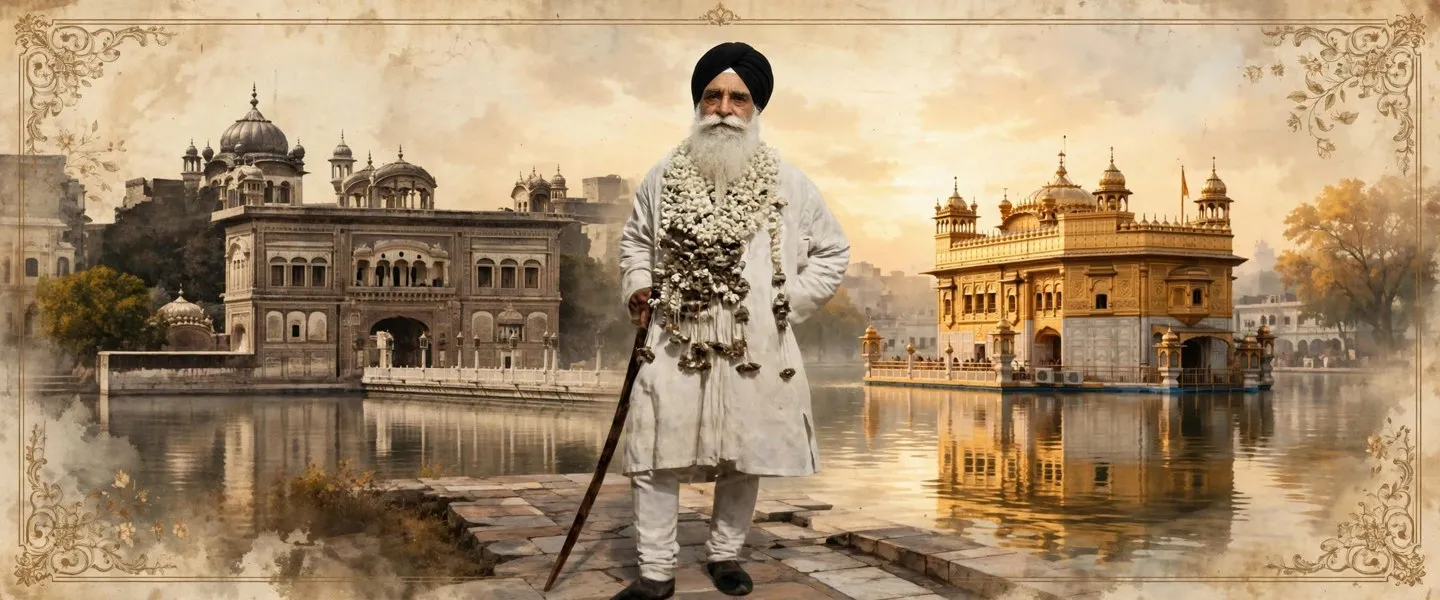
ਬਾਬਾ ਖੜਕ ਸਿੰਘ (6 ਜੂਨ 1868 ਤੋਂ 6 ਅਕਤੂਬਰ 1963) ਸਿਆਲਕੋਟ ਦੇ ਇੱਕ ਸਿੱਖ ਨੇਤਾ ਸਨ, ਜੋ ਸ਼੍ਰੋਮਣੀ ਗੁਰਦੁਆਰਾ ਪ੍ਰਬੰਧਕ ਕਮੇਟੀ ਦੇ ਅਮਲ ਵਿੱਚ ਪਹਿਲੇ ਪ੍ਰਧਾਨ ਬਣੇ ਅਤੇ ਅਕਾਲੀ ਅਤੇ ਕੌਮੀ ਆਜ਼ਾਦੀ ਲਹਿਰਾਂ ਦੀ ਮੋਹਰੀ ਸ਼ਖਸੀਅਤ ਰਹੇ। ਉਨ੍ਹਾਂ ਨੇ 1921 ਤੋਂ 1922 ਦੇ ਸਫਲ ਚਾਬੀਆਂ ਦੇ ਮੋਰਚੇ ਦੀ ਅਗਵਾਈ ਕੀਤੀ, ਪੰਜਾਬ ਪ੍ਰਾਂਤਕ ਕਾਂਗਰਸ ਕਮੇਟੀ ਦੇ ਪ੍ਰਧਾਨ ਰਹੇ, ਅਤੇ ਅੰਗਰੇਜ਼ਾਂ ਦੀਆਂ ਜੇਲ੍ਹਾਂ ਵਿੱਚ ਸਾਲ ਕੱਟੇ, ਡੇਰਾ ਗਾਜ਼ੀ ਖਾਨ ਵਿੱਚ ਸਿਰਫ਼ ਕਛਿਹਰਾ ਪਾ ਕੇ ਰੋਸ ਕਰਨ ਲਈ ਮਸ਼ਹੂਰ ਹੋਏ।
ਜੀਵਨ ਇੱਕ ਨਜ਼ਰ ਵਿੱਚ
- 1868ਜਨਮ ਸਿਆਲਕੋਟ
- 1889ਸਿੱਖਿਆ ਲਾਹੌਰ
- 1922ਹੋਰ ਵੀ (fragment, see Reply) Punjab Provincial Congress Committee
- 1963ਦੇਹਾਂਤ Delhi (aged 95)
- ਪੰਜਾਬੀ ਨਾਂ
- ਬਾਬਾ ਖੜਕ ਸਿੰਘ
- ਜਨਮ
- 6 ਜੂਨ 1868, ਸਿਆਲਕੋਟ (ਹੁਣ ਪਾਕਿਸਤਾਨ ਵਿੱਚ)
- ਦੇਹਾਂਤ
- 6 ਅਕਤੂਬਰ 1963, ਦਿੱਲੀ (ਉਮਰ 95)
- ਜਨਮ ਸਥਾਨ
- ਸਿਆਲਕੋਟ
- ਜ਼ਿਲ੍ਹਾ
- ਸਿਆਲਕੋਟ
- ਇਲਾਕਾ
- ਪੱਛਮੀ ਪੰਜਾਬ
All 10 facts
- ਸਿੱਖਿਆ
- ਮਿਸ਼ਨ ਹਾਈ ਸਕੂਲ ਅਤੇ ਮਰੇ ਕਾਲਜ, ਸਿਆਲਕੋਟ; ਪੰਜਾਬ ਯੂਨੀਵਰਸਿਟੀ, ਲਾਹੌਰ (1889)
- ਸ਼੍ਰੋਮਣੀ ਗੁਰਦੁਆਰਾ ਪ੍ਰਬੰਧਕ ਕਮੇਟੀ
- ਪ੍ਰਧਾਨ 1921 ਤੋਂ 1922 ਅਤੇ 1926 ਤੋਂ 1930
- ਹੋਰ ਵੀ (fragment, see Reply)
- ਪ੍ਰਧਾਨ, ਪੰਜਾਬ ਪ੍ਰਾਂਤਕ ਕਾਂਗਰਸ ਕਮੇਟੀ (1922)
- ਯਾਦ
- ਬਾਬਾ ਖੜਕ ਸਿੰਘ ਮਾਰਗ, ਨਵੀਂ ਦਿੱਲੀ; 1988 ਡਾਕ ਟਿਕਟ
Early life and education in Sialkot
Baba Kharak Singh was born on 6 June 1868 at Sialkot, in what is now Pakistan, into a Sikh Ahluwalia family. His father, Rai Bahadur Sardar Hari Singh, was a wealthy contractor and industrialist, and the family was prosperous enough for education to come first. Kharak Singh passed his matriculation from Mission High School in Sialkot and his intermediate from Murray College in the same city, then went to Lahore, where he graduated in 1889 among the first batch of graduates of the newly established University of the Punjab. He went on to join the Law College at Allahabad, but the deaths of his father and his elder brother in quick succession forced him to abandon the law and return to Sialkot to manage the family property. He served for a time as secretary of the Municipal Committee of Sialkot and then gave up the post. The young man who returned to run an estate was, by the standards of colonial Punjab, made for a comfortable life of local standing. He spent the rest of his long life working against the system that offered it.
From Sikh conferences to the Central Sikh League
His public life is conventionally dated from 1912, when he chaired the reception committee of the fifth session of the Sikh Educational Conference at Sialkot. Three years later, presiding over the conference session at Tarn Taran in 1915, he walked to the venue instead of arriving in the stately carriage drawn by six horses that custom expected, and he refused permission for a resolution wishing victory to the British in the First World War. The Jallianwala Bagh massacre of 1919 turned a reforming public figure into a political leader. Disgusted by the pro British slant of the Chief Khalsa Diwan, he helped build an alternative, the Central Sikh League, formed in 1919. He presided over the League's historic Lahore session in 1920, attended by Mahatma Gandhi, the Ali brothers and Saifuddin Kitchlew, where under his direction the Sikhs resolved to join Gandhi's Non-Cooperation Movement and to throw in their lot with the national struggle.
The SGPC and the Akali movement
In November 1920 a Sarbat Khalsa at the Akal Takht constituted the Shiromani Gurdwara Parbandhak Committee, a 175 member body created to take the management of historic gurdwaras out of the hands of government backed mahants, and the Shiromani Akali Dal was formed the following month as its volunteer task force. Kharak Singh has been described as the moving spirit behind both bodies. He became the SGPC's president in August 1921, succeeding Sundar Singh Majithia, and he is remembered as virtually its first president, the man who gave the new committee its direction before its legal form was settled. He served a first term until February 1922. After the Sikh Gurdwaras Act of 1925 created a statutory board, he was elected its president unanimously and in absentia while he was still in prison, and he held a second presidency from October 1926 to October 1930. The Akali movement's later campaigns at Guru ka Bagh and Jaito were fought while Kharak Singh himself was behind bars, which is its own measure of how much of the movement's early direction had been set in its first years.
What was the Keys Morcha, and why did Gandhi call it a first decisive battle?
The Keys Morcha, or Chabian da Morcha, began on 7 November 1921, when the Deputy Commissioner of Amritsar seized the keys of the Toshakhana, the treasury of the Golden Temple, from the house of its manager. For the Sikhs, a colonial official holding the keys of Darbar Sahib was a symbol of exactly the control the SGPC had been created to end. Kharak Singh addressed the protest meeting at Bagh Akalian in Amritsar on 12 November, and on 26 November he was arrested at Ajnala, where SGPC leaders had gone to continue a diwan. On 2 December he was sentenced to six months in prison for an anti government speech. The government, facing a widening agitation, gave way: it announced the return of the keys and then the unconditional release of the detained Sikhs. The Akalis refused to go and fetch the keys, so an official had to deliver them, wrapped in red silk, to Kharak Singh at a diwan at the Akal Takht. He was released on 17 January 1922. Gandhi's telegram became the morcha's epitaph: First decisive battle for India's freedom won. Congratulations. Within weeks, in February 1922, Kharak Singh was chosen president of the Punjab Provincial Congress Committee in place of the imprisoned Lala Lajpat Rai, an appointment Gandhi praised in Young India as an excellent choice.
Why did he spend years in jail wearing only a kachera?
His freedom after the Keys victory lasted weeks. On 4 April 1922 he was sentenced to one year in jail for running a factory that manufactured kirpans, with a further three years added for seditious speeches, and he was sent to the distant jail at Dera Ghazi Khan. There, when the authorities forcibly removed the turbans of Sikh prisoners and the Gandhi caps of non Sikh political prisoners, Kharak Singh discarded all his clothing except his kachera, the Sikh undergarment, and refused to dress again in protest. According to Hazara Singh's account, it was in this protest that fellow prisoners began addressing him as Baba Ji, the name that stayed with him for life. His sentence was twice extended for disobedience, and he remained bare backed through the harsh seasons until his release on 4 June 1927, walking out of jail still wearing only the kachera, to processions in Amritsar and Lahore. Khan Abdul Ghaffar Khan, who shared that imprisonment, later wrote of him: Kharak Singh was a powerful man, firm and immoveable like a mountain. Nobody could order him. In spite of all the suffering, he never lost his courage. The jail terms did not end in 1927: he was jailed again for six months in 1931, served another nineteen months from 1932, was taken into custody in 1935 for his scathing criticism of the Communal Award, and was jailed once more for individual satyagraha in 1940, in his seventies, being released in January 1942.
Simon, the Nehru Report and the flag question
Released in 1927, Kharak Singh returned at once to the front rank. In 1928 he organised a mammoth demonstration at Lahore against the Simon Commission. Through 1928 and 1929 he opposed the Nehru Committee Report, which offered Dominion Status with no safeguards for the Sikhs, until Congress shelved the report and undertook to seek Sikh concurrence in future constitutional proposals. Presiding over the All India Sikh Conference at Lahore in December 1929, he told his audience that a disciple of the Gurus must face the bullet in the chest and not in the back. He also pressed a demand that caused real friction with Congress: that the national flag carry a distinct Sikh colour. When Gandhi launched the Civil Disobedience Movement in March 1930, Kharak Singh, as SGPC president, refused to bring the Sikhs in unless the Sikh colour was included in the flag. He remained a key Akali figure until about 1935, when Master Tara Singh eclipsed him, and in 1947 he travelled across Punjab opposing the planned partition of India, having opposed both the Muslim League's demand for Pakistan and the Akali proposal for an Azad Punjab.
Retirement in Delhi, death and legacy
After Partition, Kharak Singh settled in Delhi and lived in virtual retirement, an elder statesman who took no office in free India. In the early 1950s a commemoration volume in his honour, the Baba Kharak Singh Abhinandan Granth, was presented to him by the President of India, Rajendra Prasad. He died in Delhi on 6 October 1963, aged 95. Nehru's tribute, quoted in accounts of his life, praised a passion for freedom and courage and fearlessness. He is remembered as the uncrowned king of the Sikhs and as the Grand Old Man of Punjab, titles that capture what he was: not simply the holder of a list of offices, but the man whose personal defiance, in the Keys Morcha and in Dera Ghazi Khan jail, set the moral tone of the Akali movement. A radial road from Connaught Place towards Gurdwara Bangla Sahib in New Delhi carries his name, Baba Kharak Singh Marg, and in 1988 India issued a postage stamp depicting him. The Tribune observed in 2018 that his legacy had been largely forgotten by the parties that inherited his politics, a judgement that says more about them than about the man who once received the keys of the Toshakhana at the Akal Takht.
ਸਿਆਲਕੋਟ ਵਿੱਚ ਸ਼ੁਰੂਆਤੀ ਜੀਵਨ ਅਤੇ ਸਿੱਖਿਆ
ਬਾਬਾ ਖੜਕ ਸਿੰਘ ਦਾ ਜਨਮ 6 ਜੂਨ 1868 ਨੂੰ ਸਿਆਲਕੋਟ ਵਿੱਚ ਹੋਇਆ, ਜੋ ਹੁਣ ਪਾਕਿਸਤਾਨ ਵਿੱਚ ਹੈ, ਇੱਕ ਸਿੱਖ ਆਹਲੂਵਾਲੀਆ ਪਰਿਵਾਰ ਵਿੱਚ। ਉਨ੍ਹਾਂ ਦੇ ਪਿਤਾ, ਰਾਏ ਬਹਾਦਰ ਸਰਦਾਰ ਹਰੀ ਸਿੰਘ, ਇੱਕ ਅਮੀਰ ਠੇਕੇਦਾਰ ਅਤੇ ਉਦਯੋਗਪਤੀ ਸਨ, ਅਤੇ ਪਰਿਵਾਰ ਇੰਨਾ ਖਾਂਦਾ ਪੀਂਦਾ ਸੀ ਕਿ ਸਿੱਖਿਆ ਨੂੰ ਪਹਿਲ ਮਿਲਦੀ ਸੀ। ਖੜਕ ਸਿੰਘ ਨੇ ਸਿਆਲਕੋਟ ਦੇ ਮਿਸ਼ਨ ਹਾਈ ਸਕੂਲ ਤੋਂ ਦਸਵੀਂ ਅਤੇ ਉਸੇ ਸ਼ਹਿਰ ਦੇ ਮਰੇ ਕਾਲਜ ਤੋਂ ਇੰਟਰਮੀਡੀਏਟ ਪਾਸ ਕੀਤੀ, ਫਿਰ ਲਾਹੌਰ ਗਏ, ਜਿੱਥੇ ਉਨ੍ਹਾਂ ਨੇ 1889 ਵਿੱਚ ਨਵੀਂ ਬਣੀ ਪੰਜਾਬ ਯੂਨੀਵਰਸਿਟੀ ਦੇ ਗ੍ਰੈਜੂਏਟਾਂ ਦੇ ਪਹਿਲੇ ਜਥੇ ਵਿੱਚ ਗ੍ਰੈਜੂਏਸ਼ਨ ਕੀਤੀ। ਅੱਗੇ ਉਹ ਅਲਾਹਾਬਾਦ ਦੇ ਲਾਅ ਕਾਲਜ ਵਿੱਚ ਦਾਖਲ ਹੋਏ, ਪਰ ਪਿਤਾ ਅਤੇ ਵੱਡੇ ਭਰਾ ਦੀ ਥੋੜ੍ਹੇ ਸਮੇਂ ਵਿੱਚ ਇੱਕ ਤੋਂ ਬਾਅਦ ਦੂਜੀ ਮੌਤ ਨੇ ਉਨ੍ਹਾਂ ਨੂੰ ਕਾਨੂੰਨ ਦੀ ਪੜ੍ਹਾਈ ਛੱਡ ਕੇ ਸਿਆਲਕੋਟ ਵਾਪਸ ਆਉਣ ਅਤੇ ਪਰਿਵਾਰ ਦੀ ਜਾਇਦਾਦ ਸੰਭਾਲਣ ਲਈ ਮਜਬੂਰ ਕੀਤਾ। ਉਹ ਕੁਝ ਸਮਾਂ ਸਿਆਲਕੋਟ ਦੀ ਮਿਊਂਸਪਲ ਕਮੇਟੀ ਦੇ ਸਕੱਤਰ ਰਹੇ ਅਤੇ ਫਿਰ ਉਹ ਅਹੁਦਾ ਛੱਡ ਦਿੱਤਾ। ਜੋ ਨੌਜਵਾਨ ਜਾਇਦਾਦ ਸੰਭਾਲਣ ਵਾਪਸ ਆਇਆ ਸੀ, ਉਹ ਬਸਤੀਵਾਦੀ ਪੰਜਾਬ ਦੇ ਮਾਪਦੰਡਾਂ ਅਨੁਸਾਰ ਸਥਾਨਕ ਰੁਤਬੇ ਵਾਲੀ ਆਰਾਮਦਾਇਕ ਜ਼ਿੰਦਗੀ ਲਈ ਬਣਿਆ ਸੀ। ਉਨ੍ਹਾਂ ਨੇ ਆਪਣੀ ਬਾਕੀ ਲੰਮੀ ਜ਼ਿੰਦਗੀ ਉਸੇ ਪ੍ਰਣਾਲੀ ਵਿਰੁੱਧ ਕੰਮ ਕਰਦਿਆਂ ਬਿਤਾਈ, ਜੋ ਉਨ੍ਹਾਂ ਨੂੰ ਇਹ ਆਰਾਮ ਦੇਣ ਲਈ ਤਿਆਰ ਸੀ।
ਸਿੱਖ ਕਾਨਫ਼ਰੰਸਾਂ ਤੋਂ ਕੇਂਦਰੀ ਸਿੱਖ ਲੀਗ ਤੱਕ
ਉਨ੍ਹਾਂ ਦੀ ਜਨਤਕ ਜ਼ਿੰਦਗੀ ਆਮ ਤੌਰ ਉੱਤੇ 1912 ਤੋਂ ਮੰਨੀ ਜਾਂਦੀ ਹੈ, ਜਦੋਂ ਉਹ ਸਿਆਲਕੋਟ ਵਿੱਚ ਸਿੱਖ ਐਜੂਕੇਸ਼ਨਲ ਕਾਨਫ਼ਰੰਸ ਦੇ ਪੰਜਵੇਂ ਸੈਸ਼ਨ ਦੀ ਸਵਾਗਤ ਕਮੇਟੀ ਦੇ ਚੇਅਰਮੈਨ ਬਣੇ। ਤਿੰਨ ਸਾਲ ਬਾਅਦ, 1915 ਵਿੱਚ ਤਰਨ ਤਾਰਨ ਵਿਖੇ ਕਾਨਫ਼ਰੰਸ ਦੇ ਸੈਸ਼ਨ ਦੀ ਪ੍ਰਧਾਨਗੀ ਕਰਦਿਆਂ, ਉਹ ਛੇ ਘੋੜਿਆਂ ਵਾਲੀ ਸ਼ਾਹੀ ਬੱਗੀ ਵਿੱਚ ਆਉਣ ਦੀ ਰਸਮ ਦੀ ਥਾਂ ਪੈਦਲ ਤੁਰ ਕੇ ਸਥਾਨ ਉੱਤੇ ਪਹੁੰਚੇ, ਅਤੇ ਉਨ੍ਹਾਂ ਨੇ ਪਹਿਲੇ ਵਿਸ਼ਵ ਯੁੱਧ ਵਿੱਚ ਅੰਗਰੇਜ਼ਾਂ ਦੀ ਜਿੱਤ ਦੀ ਕਾਮਨਾ ਵਾਲੇ ਮਤੇ ਨੂੰ ਪੇਸ਼ ਕਰਨ ਦੀ ਇਜਾਜ਼ਤ ਦੇਣ ਤੋਂ ਇਨਕਾਰ ਕਰ ਦਿੱਤਾ। 1919 ਦੇ ਜੱਲਿਆਂਵਾਲਾ ਬਾਗ ਕਤਲੇਆਮ ਨੇ ਇੱਕ ਸੁਧਾਰਕ ਜਨਤਕ ਸ਼ਖਸੀਅਤ ਨੂੰ ਸਿਆਸੀ ਨੇਤਾ ਬਣਾ ਦਿੱਤਾ। ਚੀਫ਼ ਖਾਲਸਾ ਦੀਵਾਨ ਦੇ ਅੰਗਰੇਜ਼ ਪੱਖੀ ਝੁਕਾਅ ਤੋਂ ਨਾਰਾਜ਼ ਹੋ ਕੇ ਉਨ੍ਹਾਂ ਨੇ ਇੱਕ ਬਦਲ ਬਣਾਉਣ ਵਿੱਚ ਮਦਦ ਕੀਤੀ, ਕੇਂਦਰੀ ਸਿੱਖ ਲੀਗ, ਜੋ 1919 ਵਿੱਚ ਬਣੀ। ਉਨ੍ਹਾਂ ਨੇ 1920 ਵਿੱਚ ਲੀਗ ਦੇ ਇਤਿਹਾਸਕ ਲਾਹੌਰ ਸੈਸ਼ਨ ਦੀ ਪ੍ਰਧਾਨਗੀ ਕੀਤੀ, ਜਿਸ ਵਿੱਚ ਮਹਾਤਮਾ ਗਾਂਧੀ, ਅਲੀ ਭਰਾ ਅਤੇ ਸੈਫ਼ੁਦੀਨ ਕਿਚਲੂ ਸ਼ਾਮਲ ਹੋਏ, ਅਤੇ ਜਿੱਥੇ ਉਨ੍ਹਾਂ ਦੀ ਅਗਵਾਈ ਹੇਠ ਸਿੱਖਾਂ ਨੇ ਗਾਂਧੀ ਦੀ ਨਾ ਮਿਲਵਰਤਣ ਲਹਿਰ ਵਿੱਚ ਸ਼ਾਮਲ ਹੋਣ ਅਤੇ ਆਪਣੀ ਕਿਸਮਤ ਕੌਮੀ ਸੰਘਰਸ਼ ਨਾਲ ਜੋੜਨ ਦਾ ਫ਼ੈਸਲਾ ਕੀਤਾ।
ਸ਼੍ਰੋਮਣੀ ਗੁਰਦੁਆਰਾ ਪ੍ਰਬੰਧਕ ਕਮੇਟੀ ਅਤੇ ਅਕਾਲੀ ਲਹਿਰ
ਨਵੰਬਰ 1920 ਵਿੱਚ ਅਕਾਲ ਤਖ਼ਤ ਉੱਤੇ ਹੋਏ ਸਰਬੱਤ ਖਾਲਸਾ ਨੇ ਸ਼੍ਰੋਮਣੀ ਗੁਰਦੁਆਰਾ ਪ੍ਰਬੰਧਕ ਕਮੇਟੀ ਬਣਾਈ, ਇੱਕ 175 ਮੈਂਬਰੀ ਸੰਸਥਾ, ਜੋ ਇਤਿਹਾਸਕ ਗੁਰਦੁਆਰਿਆਂ ਦਾ ਪ੍ਰਬੰਧ ਸਰਕਾਰ ਪੱਖੀ ਮਹੰਤਾਂ ਦੇ ਹੱਥੋਂ ਕੱਢਣ ਲਈ ਬਣਾਈ ਗਈ ਸੀ, ਅਤੇ ਅਗਲੇ ਮਹੀਨੇ ਸ਼੍ਰੋਮਣੀ ਅਕਾਲੀ ਦਲ ਇਸ ਦੀ ਵਲੰਟੀਅਰ ਟੁਕੜੀ ਵਜੋਂ ਬਣਿਆ। ਖੜਕ ਸਿੰਘ ਨੂੰ ਦੋਵਾਂ ਸੰਸਥਾਵਾਂ ਪਿੱਛੇ ਚਾਲਕ ਸ਼ਕਤੀ ਦੱਸਿਆ ਗਿਆ ਹੈ। ਉਹ ਅਗਸਤ 1921 ਵਿੱਚ ਕਮੇਟੀ ਦੇ ਪ੍ਰਧਾਨ ਬਣੇ, ਸੁੰਦਰ ਸਿੰਘ ਮਜੀਠੀਆ ਤੋਂ ਬਾਅਦ, ਅਤੇ ਉਨ੍ਹਾਂ ਨੂੰ ਅਮਲ ਵਿੱਚ ਇਸ ਦਾ ਪਹਿਲਾ ਪ੍ਰਧਾਨ ਯਾਦ ਕੀਤਾ ਜਾਂਦਾ ਹੈ, ਉਹ ਆਦਮੀ ਜਿਸ ਨੇ ਨਵੀਂ ਕਮੇਟੀ ਨੂੰ ਇਸ ਦਾ ਕਾਨੂੰਨੀ ਰੂਪ ਤੈਅ ਹੋਣ ਤੋਂ ਪਹਿਲਾਂ ਦਿਸ਼ਾ ਦਿੱਤੀ। ਉਹ ਫਰਵਰੀ 1922 ਤੱਕ ਪਹਿਲੀ ਮਿਆਦ ਰਹੇ। 1925 ਦੇ ਸਿੱਖ ਗੁਰਦੁਆਰਾ ਐਕਟ ਨੇ ਇੱਕ ਕਾਨੂੰਨੀ ਬੋਰਡ ਬਣਾਉਣ ਤੋਂ ਬਾਅਦ, ਉਹ ਜੇਲ੍ਹ ਵਿੱਚ ਹੁੰਦਿਆਂ ਹੀ ਗੈਰਹਾਜ਼ਰੀ ਵਿੱਚ ਸਰਬਸੰਮਤੀ ਨਾਲ ਇਸ ਦੇ ਪ੍ਰਧਾਨ ਚੁਣੇ ਗਏ, ਅਤੇ ਅਕਤੂਬਰ 1926 ਤੋਂ ਅਕਤੂਬਰ 1930 ਤੱਕ ਦੂਜੀ ਵਾਰ ਪ੍ਰਧਾਨ ਰਹੇ। ਅਕਾਲੀ ਲਹਿਰ ਦੀਆਂ ਬਾਅਦ ਦੀਆਂ ਮੁਹਿੰਮਾਂ, ਗੁਰੂ ਕਾ ਬਾਗ ਅਤੇ ਜੈਤੋ, ਉਸ ਸਮੇਂ ਲੜੀਆਂ ਗਈਆਂ ਜਦੋਂ ਖੜਕ ਸਿੰਘ ਖੁਦ ਸਲਾਖਾਂ ਪਿੱਛੇ ਸਨ, ਜੋ ਆਪਣੇ ਆਪ ਵਿੱਚ ਇਸ ਗੱਲ ਦਾ ਮਾਪ ਹੈ ਕਿ ਲਹਿਰ ਦੀ ਸ਼ੁਰੂਆਤੀ ਦਿਸ਼ਾ ਇਸ ਦੇ ਪਹਿਲੇ ਸਾਲਾਂ ਵਿੱਚ ਕਿੰਨੀ ਤੈਅ ਹੋ ਚੁੱਕੀ ਸੀ।
ਚਾਬੀਆਂ ਦਾ ਮੋਰਚਾ ਕੀ ਸੀ, ਅਤੇ ਗਾਂਧੀ ਨੇ ਇਸ ਨੂੰ ਪਹਿਲੀ ਫ਼ੈਸਲਾਕੁੰਨ ਲੜਾਈ ਕਿਉਂ ਕਿਹਾ?
ਚਾਬੀਆਂ ਦਾ ਮੋਰਚਾ 7 ਨਵੰਬਰ 1921 ਨੂੰ ਸ਼ੁਰੂ ਹੋਇਆ, ਜਦੋਂ ਅੰਮ੍ਰਿਤਸਰ ਦੇ ਡਿਪਟੀ ਕਮਿਸ਼ਨਰ ਨੇ ਸ੍ਰੀ ਹਰਿਮੰਦਰ ਸਾਹਿਬ ਦੇ ਖਜ਼ਾਨੇ, ਤੋਸ਼ਾਖਾਨੇ, ਦੀਆਂ ਚਾਬੀਆਂ ਇਸ ਦੇ ਪ੍ਰਬੰਧਕ ਦੇ ਘਰੋਂ ਜ਼ਬਤ ਕਰ ਲਈਆਂ। ਸਿੱਖਾਂ ਲਈ, ਇੱਕ ਬਸਤੀਵਾਦੀ ਅਧਿਕਾਰੀ ਕੋਲ ਦਰਬਾਰ ਸਾਹਿਬ ਦੀਆਂ ਚਾਬੀਆਂ ਹੋਣਾ ਉਸੇ ਕਬਜ਼ੇ ਦੀ ਨਿਸ਼ਾਨੀ ਸੀ, ਜਿਸ ਨੂੰ ਖਤਮ ਕਰਨ ਲਈ ਕਮੇਟੀ ਬਣਾਈ ਗਈ ਸੀ। ਖੜਕ ਸਿੰਘ ਨੇ 12 ਨਵੰਬਰ ਨੂੰ ਅੰਮ੍ਰਿਤਸਰ ਦੇ ਬਾਗ ਅਕਾਲੀਆਂ ਵਿੱਚ ਰੋਸ ਸਭਾ ਨੂੰ ਸੰਬੋਧਨ ਕੀਤਾ, ਅਤੇ 26 ਨਵੰਬਰ ਨੂੰ ਉਨ੍ਹਾਂ ਨੂੰ ਅਜਨਾਲਾ ਵਿਖੇ ਗ੍ਰਿਫ਼ਤਾਰ ਕਰ ਲਿਆ ਗਿਆ, ਜਿੱਥੇ ਕਮੇਟੀ ਦੇ ਨੇਤਾ ਦੀਵਾਨ ਜਾਰੀ ਰੱਖਣ ਗਏ ਸਨ। 2 ਦਸੰਬਰ ਨੂੰ ਉਨ੍ਹਾਂ ਨੂੰ ਸਰਕਾਰ ਵਿਰੋਧੀ ਭਾਸ਼ਣ ਲਈ ਛੇ ਮਹੀਨੇ ਦੀ ਸਜ਼ਾ ਸੁਣਾਈ ਗਈ। ਫੈਲਦੀ ਲਹਿਰ ਸਾਹਮਣੇ ਸਰਕਾਰ ਨੂੰ ਝੁਕਣਾ ਪਿਆ: ਉਸ ਨੇ ਚਾਬੀਆਂ ਵਾਪਸ ਕਰਨ ਦਾ, ਅਤੇ ਫਿਰ ਗ੍ਰਿਫ਼ਤਾਰ ਸਿੱਖਾਂ ਨੂੰ ਬਿਨਾਂ ਸ਼ਰਤ ਰਿਹਾਅ ਕਰਨ ਦਾ ਐਲਾਨ ਕੀਤਾ। ਅਕਾਲੀਆਂ ਨੇ ਚਾਬੀਆਂ ਲੈਣ ਜਾਣ ਤੋਂ ਇਨਕਾਰ ਕਰ ਦਿੱਤਾ, ਇਸ ਲਈ ਇੱਕ ਅਧਿਕਾਰੀ ਨੂੰ ਚਾਬੀਆਂ, ਲਾਲ ਰੇਸ਼ਮ ਵਿੱਚ ਲਪੇਟ ਕੇ, ਅਕਾਲ ਤਖ਼ਤ ਉੱਤੇ ਇੱਕ ਦੀਵਾਨ ਵਿੱਚ ਖੜਕ ਸਿੰਘ ਨੂੰ ਸੌਂਪਣੀਆਂ ਪਈਆਂ। ਉਹ 17 ਜਨਵਰੀ 1922 ਨੂੰ ਰਿਹਾਅ ਹੋਏ। ਗਾਂਧੀ ਦਾ ਤਾਰ ਇਸ ਮੋਰਚੇ ਦੀ ਪਛਾਣ ਬਣ ਗਿਆ: ਭਾਰਤ ਦੀ ਆਜ਼ਾਦੀ ਲਈ ਪਹਿਲੀ ਫ਼ੈਸਲਾਕੁੰਨ ਲੜਾਈ ਜਿੱਤੀ ਗਈ। ਵਧਾਈਆਂ। ਹਫ਼ਤਿਆਂ ਦੇ ਅੰਦਰ, ਫਰਵਰੀ 1922 ਵਿੱਚ, ਖੜਕ ਸਿੰਘ ਨੂੰ ਜੇਲ੍ਹ ਵਿੱਚ ਬੰਦ ਲਾਲਾ ਲਾਜਪਤ ਰਾਏ ਦੀ ਥਾਂ ਪੰਜਾਬ ਪ੍ਰਾਂਤਕ ਕਾਂਗਰਸ ਕਮੇਟੀ ਦਾ ਪ੍ਰਧਾਨ ਚੁਣਿਆ ਗਿਆ, ਇੱਕ ਨਿਯੁਕਤੀ ਜਿਸ ਨੂੰ ਗਾਂਧੀ ਨੇ ਯੰਗ ਇੰਡੀਆ ਵਿੱਚ ਇੱਕ ਵਧੀਆ ਚੋਣ ਕਿਹਾ।
ਉਨ੍ਹਾਂ ਨੇ ਸਾਲਾਂ ਬੱਧੀ ਜੇਲ੍ਹ ਵਿੱਚ ਸਿਰਫ਼ ਕਛਿਹਰਾ ਪਾ ਕੇ ਕਿਉਂ ਕੱਟੇ?
ਚਾਬੀਆਂ ਦੀ ਜਿੱਤ ਤੋਂ ਬਾਅਦ ਉਨ੍ਹਾਂ ਦੀ ਆਜ਼ਾਦੀ ਹਫ਼ਤੇ ਹੀ ਰਹੀ। 4 ਅਪ੍ਰੈਲ 1922 ਨੂੰ ਉਨ੍ਹਾਂ ਨੂੰ ਕਿਰਪਾਨਾਂ ਬਣਾਉਣ ਵਾਲੀ ਇੱਕ ਫ਼ੈਕਟਰੀ ਚਲਾਉਣ ਲਈ ਇੱਕ ਸਾਲ ਦੀ ਸਜ਼ਾ ਸੁਣਾਈ ਗਈ, ਜਿਸ ਵਿੱਚ ਬਗਾਵਤ ਵਾਲੇ ਭਾਸ਼ਣਾਂ ਲਈ ਹੋਰ ਤਿੰਨ ਸਾਲ ਜੋੜ ਦਿੱਤੇ ਗਏ, ਅਤੇ ਉਨ੍ਹਾਂ ਨੂੰ ਡੇਰਾ ਗਾਜ਼ੀ ਖਾਨ ਦੀ ਦੂਰ ਦੁਰਾਡੀ ਜੇਲ੍ਹ ਵਿੱਚ ਭੇਜਿਆ ਗਿਆ। ਉੱਥੇ, ਜਦੋਂ ਅਧਿਕਾਰੀਆਂ ਨੇ ਸਿੱਖ ਕੈਦੀਆਂ ਦੀਆਂ ਦਸਤਾਰਾਂ ਅਤੇ ਗੈਰ ਸਿੱਖ ਸਿਆਸੀ ਕੈਦੀਆਂ ਦੀਆਂ ਗਾਂਧੀ ਟੋਪੀਆਂ ਜ਼ਬਰਦਸਤੀ ਲਾਹ ਦਿੱਤੀਆਂ, ਖੜਕ ਸਿੰਘ ਨੇ ਆਪਣੇ ਕਛਿਹਰੇ ਤੋਂ ਬਿਨਾਂ ਸਾਰੇ ਕੱਪੜੇ ਲਾਹ ਦਿੱਤੇ, ਅਤੇ ਰੋਸ ਵਜੋਂ ਫਿਰ ਕੱਪੜੇ ਪਾਉਣ ਤੋਂ ਇਨਕਾਰ ਕਰ ਦਿੱਤਾ। ਹਜ਼ਾਰਾ ਸਿੰਘ ਦੇ ਬਿਰਤਾਂਤ ਅਨੁਸਾਰ, ਇਸੇ ਰੋਸ ਦੌਰਾਨ ਸਾਥੀ ਕੈਦੀਆਂ ਨੇ ਉਨ੍ਹਾਂ ਨੂੰ ਬਾਬਾ ਜੀ ਕਹਿਣਾ ਸ਼ੁਰੂ ਕੀਤਾ, ਉਹ ਨਾਂ ਜੋ ਸਾਰੀ ਜ਼ਿੰਦਗੀ ਉਨ੍ਹਾਂ ਨਾਲ ਰਿਹਾ। ਹੁਕਮ ਨਾ ਮੰਨਣ ਉੱਤੇ ਉਨ੍ਹਾਂ ਦੀ ਸਜ਼ਾ ਦੋ ਵਾਰ ਵਧਾਈ ਗਈ, ਅਤੇ ਉਹ 4 ਜੂਨ 1927 ਨੂੰ ਰਿਹਾਈ ਤੱਕ, ਕਠੋਰ ਮੌਸਮਾਂ ਵਿੱਚ, ਨੰਗੀ ਪਿੱਠ ਰਹੇ, ਜੇਲ੍ਹੋਂ ਬਾਹਰ ਅਜੇ ਵੀ ਸਿਰਫ਼ ਕਛਿਹਰਾ ਪਾ ਕੇ ਆਏ, ਅੰਮ੍ਰਿਤਸਰ ਅਤੇ ਲਾਹੌਰ ਵਿੱਚ ਜਲੂਸਾਂ ਵਿੱਚ। ਖਾਨ ਅਬਦੁਲ ਗੱਫ਼ਾਰ ਖਾਨ, ਜੋ ਉਸੇ ਕੈਦ ਵਿੱਚ ਸਾਥੀ ਸਨ, ਨੇ ਬਾਅਦ ਵਿੱਚ ਉਨ੍ਹਾਂ ਬਾਰੇ ਲਿਖਿਆ: ਖੜਕ ਸਿੰਘ ਇੱਕ ਤਾਕਤਵਰ ਆਦਮੀ ਸਨ, ਪਹਾੜ ਵਾਂਗ ਪੱਕੇ ਅਤੇ ਅਡੋਲ। ਕੋਈ ਉਨ੍ਹਾਂ ਨੂੰ ਹੁਕਮ ਨਹੀਂ ਦੇ ਸਕਦਾ ਸੀ। ਸਾਰੀਆਂ ਤਕਲੀਫ਼ਾਂ ਦੇ ਬਾਵਜੂਦ, ਉਨ੍ਹਾਂ ਨੇ ਕਦੇ ਹੌਂਸਲਾ ਨਹੀਂ ਹਾਰਿਆ। ਜੇਲ੍ਹ ਦੀਆਂ ਮਿਆਦਾਂ 1927 ਵਿੱਚ ਨਹੀਂ ਮੁੱਕੀਆਂ: ਉਹ 1931 ਵਿੱਚ ਫਿਰ ਛੇ ਮਹੀਨੇ ਜੇਲ੍ਹ ਗਏ, 1932 ਤੋਂ ਹੋਰ ਉੱਨੀ ਮਹੀਨੇ ਕੱਟੇ, 1935 ਵਿੱਚ ਫਿਰਕੂ ਅਵਾਰਡ ਦੀ ਤਿੱਖੀ ਆਲੋਚਨਾ ਲਈ ਹਿਰਾਸਤ ਵਿੱਚ ਲਏ ਗਏ, ਅਤੇ 1940 ਵਿੱਚ, ਸੱਤਰਵਿਆਂ ਵਿੱਚ, ਵਿਅਕਤੀਗਤ ਸੱਤਿਆਗ੍ਰਹਿ ਲਈ ਇੱਕ ਵਾਰ ਫਿਰ ਜੇਲ੍ਹ ਗਏ, ਜਨਵਰੀ 1942 ਵਿੱਚ ਰਿਹਾਅ ਹੋਏ।
ਸਾਈਮਨ, ਨਹਿਰੂ ਰਿਪੋਰਟ ਅਤੇ ਝੰਡੇ ਦਾ ਸਵਾਲ
1927 ਵਿੱਚ ਰਿਹਾਅ ਹੋ ਕੇ ਖੜਕ ਸਿੰਘ ਤੁਰੰਤ ਮੋਹਰੀ ਕਤਾਰ ਵਿੱਚ ਵਾਪਸ ਆ ਗਏ। 1928 ਵਿੱਚ ਉਨ੍ਹਾਂ ਨੇ ਸਾਈਮਨ ਕਮਿਸ਼ਨ ਵਿਰੁੱਧ ਲਾਹੌਰ ਵਿੱਚ ਇੱਕ ਵਿਸ਼ਾਲ ਪ੍ਰਦਰਸ਼ਨ ਜਥੇਬੰਦ ਕੀਤਾ। 1928 ਅਤੇ 1929 ਵਿੱਚ ਉਨ੍ਹਾਂ ਨੇ ਨਹਿਰੂ ਕਮੇਟੀ ਰਿਪੋਰਟ ਦਾ ਵਿਰੋਧ ਕੀਤਾ, ਜੋ ਸਿੱਖਾਂ ਲਈ ਕੋਈ ਸੁਰੱਖਿਆ ਗਾਰੰਟੀ ਤੋਂ ਬਿਨਾਂ ਡੋਮੀਨੀਅਨ ਸਟੇਟਸ ਦਿੰਦੀ ਸੀ, ਜਦੋਂ ਤੱਕ ਕਾਂਗਰਸ ਨੇ ਰਿਪੋਰਟ ਮੁਲਤਵੀ ਨਹੀਂ ਕਰ ਦਿੱਤੀ ਅਤੇ ਭਵਿੱਖ ਦੇ ਸੰਵਿਧਾਨਕ ਪ੍ਰਸਤਾਵਾਂ ਵਿੱਚ ਸਿੱਖਾਂ ਦੀ ਸਹਿਮਤੀ ਲੈਣ ਦਾ ਵਾਅਦਾ ਨਹੀਂ ਕੀਤਾ। ਦਸੰਬਰ 1929 ਵਿੱਚ ਲਾਹੌਰ ਵਿੱਚ ਆਲ ਇੰਡੀਆ ਸਿੱਖ ਕਾਨਫ਼ਰੰਸ ਦੀ ਪ੍ਰਧਾਨਗੀ ਕਰਦਿਆਂ ਉਨ੍ਹਾਂ ਨੇ ਸਰੋਤਿਆਂ ਨੂੰ ਕਿਹਾ ਕਿ ਗੁਰੂਆਂ ਦੇ ਸਿੱਖ ਨੂੰ ਗੋਲੀ ਛਾਤੀ ਵਿੱਚ ਖਾਣੀ ਚਾਹੀਦੀ ਹੈ, ਪਿੱਠ ਵਿੱਚ ਨਹੀਂ। ਉਨ੍ਹਾਂ ਨੇ ਇੱਕ ਅਜਿਹੀ ਮੰਗ ਵੀ ਰੱਖੀ, ਜਿਸ ਨਾਲ ਕਾਂਗਰਸ ਨਾਲ ਅਸਲੀ ਖਿੱਚੋਤਾਣ ਪੈਦਾ ਹੋਈ: ਕਿ ਕੌਮੀ ਝੰਡੇ ਵਿੱਚ ਇੱਕ ਵੱਖਰਾ ਸਿੱਖ ਰੰਗ ਹੋਵੇ। ਜਦੋਂ ਗਾਂਧੀ ਨੇ ਮਾਰਚ 1930 ਵਿੱਚ ਸਿਵਲ ਨਾ ਫਰਮਾਨੀ ਲਹਿਰ ਸ਼ੁਰੂ ਕੀਤੀ, ਖੜਕ ਸਿੰਘ ਨੇ, ਕਮੇਟੀ ਦੇ ਪ੍ਰਧਾਨ ਵਜੋਂ, ਸਿੱਖਾਂ ਨੂੰ ਇਸ ਵਿੱਚ ਸ਼ਾਮਲ ਕਰਨ ਤੋਂ ਇਨਕਾਰ ਕਰ ਦਿੱਤਾ, ਜਦੋਂ ਤੱਕ ਸਿੱਖ ਰੰਗ ਝੰਡੇ ਵਿੱਚ ਸ਼ਾਮਲ ਨਹੀਂ ਕੀਤਾ ਜਾਂਦਾ। ਉਹ ਲਗਭਗ 1935 ਤੱਕ ਇੱਕ ਮੁੱਖ ਅਕਾਲੀ ਸ਼ਖਸੀਅਤ ਰਹੇ, ਜਦੋਂ ਮਾਸਟਰ ਤਾਰਾ ਸਿੰਘ ਉਨ੍ਹਾਂ ਤੋਂ ਅੱਗੇ ਨਿਕਲ ਗਏ, ਅਤੇ 1947 ਵਿੱਚ ਉਨ੍ਹਾਂ ਨੇ ਭਾਰਤ ਦੀ ਯੋਜਨਾਬੱਧ ਵੰਡ ਦਾ ਵਿਰੋਧ ਕਰਦਿਆਂ ਪੰਜਾਬ ਭਰ ਦੀ ਯਾਤਰਾ ਕੀਤੀ, ਕਿਉਂਕਿ ਉਨ੍ਹਾਂ ਨੇ ਮੁਸਲਿਮ ਲੀਗ ਦੀ ਪਾਕਿਸਤਾਨ ਦੀ ਮੰਗ ਅਤੇ ਅਕਾਲੀਆਂ ਦੇ ਆਜ਼ਾਦ ਪੰਜਾਬ ਦੇ ਪ੍ਰਸਤਾਵ, ਦੋਵਾਂ ਦਾ ਵਿਰੋਧ ਕੀਤਾ ਸੀ।
ਦਿੱਲੀ ਵਿੱਚ ਸੰਨਿਆਸ, ਮੌਤ ਅਤੇ ਵਿਰਸਾ
ਵੰਡ ਤੋਂ ਬਾਅਦ ਖੜਕ ਸਿੰਘ ਦਿੱਲੀ ਵਿੱਚ ਵਸ ਗਏ ਅਤੇ ਅਮਲ ਵਿੱਚ ਸੰਨਿਆਸ ਵਾਲੀ ਜ਼ਿੰਦਗੀ ਜੀਏ, ਇੱਕ ਬਜ਼ੁਰਗ ਸਿਆਸਤਦਾਨ ਜਿਨ੍ਹਾਂ ਨੇ ਆਜ਼ਾਦ ਭਾਰਤ ਵਿੱਚ ਕੋਈ ਅਹੁਦਾ ਨਹੀਂ ਲਿਆ। 1950ਵਿਆਂ ਦੇ ਸ਼ੁਰੂ ਵਿੱਚ ਉਨ੍ਹਾਂ ਦੇ ਸਨਮਾਨ ਵਿੱਚ ਇੱਕ ਯਾਦਗਾਰੀ ਗ੍ਰੰਥ, ਬਾਬਾ ਖੜਕ ਸਿੰਘ ਅਭਿਨੰਦਨ ਗ੍ਰੰਥ, ਭਾਰਤ ਦੇ ਰਾਸ਼ਟਰਪਤੀ, ਰਾਜੇਂਦਰ ਪ੍ਰਸਾਦ, ਨੇ ਉਨ੍ਹਾਂ ਨੂੰ ਭੇਂਟ ਕੀਤਾ। ਉਨ੍ਹਾਂ ਦੀ ਮੌਤ 6 ਅਕਤੂਬਰ 1963 ਨੂੰ ਦਿੱਲੀ ਵਿੱਚ ਹੋਈ, 95 ਸਾਲ ਦੀ ਉਮਰ ਵਿੱਚ। ਨਹਿਰੂ ਦੀ ਸ਼ਰਧਾਂਜਲੀ, ਜੋ ਉਨ੍ਹਾਂ ਦੀ ਜ਼ਿੰਦਗੀ ਦੇ ਬਿਰਤਾਂਤਾਂ ਵਿੱਚ ਦਰਜ ਹੈ, ਨੇ ਆਜ਼ਾਦੀ ਲਈ ਜਨੂੰਨ ਅਤੇ ਹੌਂਸਲੇ ਅਤੇ ਨਿਡਰਤਾ ਦੀ ਸਲਾਘਾ ਕੀਤੀ। ਉਨ੍ਹਾਂ ਨੂੰ ਸਿੱਖਾਂ ਦੇ ਬੇਤਾਜ ਬਾਦਸ਼ਾਹ ਅਤੇ ਪੰਜਾਬ ਦੇ ਗ੍ਰੈਂਡ ਓਲਡ ਮੈਨ ਵਜੋਂ ਯਾਦ ਕੀਤਾ ਜਾਂਦਾ ਹੈ, ਉਹ ਖਿਤਾਬ ਜੋ ਦੱਸਦੇ ਹਨ ਕਿ ਉਹ ਕੀ ਸਨ: ਸਿਰਫ਼ ਅਹੁਦਿਆਂ ਦੀ ਸੂਚੀ ਦੇ ਧਾਰਕ ਨਹੀਂ, ਸਗੋਂ ਉਹ ਆਦਮੀ ਜਿਨ੍ਹਾਂ ਦੀ ਨਿੱਜੀ ਦਲੇਰੀ ਨੇ, ਚਾਬੀਆਂ ਦੇ ਮੋਰਚੇ ਵਿੱਚ ਅਤੇ ਡੇਰਾ ਗਾਜ਼ੀ ਖਾਨ ਜੇਲ੍ਹ ਵਿੱਚ, ਅਕਾਲੀ ਲਹਿਰ ਦਾ ਨੈਤਿਕ ਸੁਰ ਤੈਅ ਕੀਤਾ। ਨਵੀਂ ਦਿੱਲੀ ਵਿੱਚ ਕਨਾਟ ਪਲੇਸ ਤੋਂ ਗੁਰਦੁਆਰਾ ਬੰਗਲਾ ਸਾਹਿਬ ਵੱਲ ਜਾਂਦੀ ਇੱਕ ਸੜਕ ਉਨ੍ਹਾਂ ਦਾ ਨਾਂ ਰੱਖਦੀ ਹੈ, ਬਾਬਾ ਖੜਕ ਸਿੰਘ ਮਾਰਗ, ਅਤੇ 1988 ਵਿੱਚ ਭਾਰਤ ਨੇ ਉਨ੍ਹਾਂ ਦੀ ਤਸਵੀਰ ਵਾਲੀ ਇੱਕ ਡਾਕ ਟਿਕਟ ਜਾਰੀ ਕੀਤੀ। ਦਾ ਟ੍ਰਿਬਿਊਨ ਨੇ 2018 ਵਿੱਚ ਲਿਖਿਆ ਕਿ ਉਨ੍ਹਾਂ ਦੀ ਵਿਰਾਸਤ ਨੂੰ ਉਨ੍ਹਾਂ ਦੀ ਸਿਆਸਤ ਦੀਆਂ ਵਾਰਸ ਪਾਰਟੀਆਂ ਨੇ ਕਾਫ਼ੀ ਹੱਦ ਤੱਕ ਭੁਲਾ ਦਿੱਤਾ ਹੈ, ਇੱਕ ਟਿੱਪਣੀ ਜੋ ਉਨ੍ਹਾਂ ਬਾਰੇ ਘੱਟ ਅਤੇ ਉਸ ਆਦਮੀ ਬਾਰੇ ਵੱਧ ਕਹਿੰਦੀ ਹੈ, ਜਿਸ ਨੇ ਕਦੇ ਅਕਾਲ ਤਖ਼ਤ ਉੱਤੇ ਤੋਸ਼ਾਖਾਨੇ ਦੀਆਂ ਚਾਬੀਆਂ ਪ੍ਰਾਪਤ ਕੀਤੀਆਂ ਸਨ।
ਲੋਕ

ਥਾਵਾਂ


More freedom struggle
ਸਾਰੇ ਵੇਖੋ


ਸਰੋਤ (5)
ਜੁਗਤੀ ਮੁਫ਼ਤ ਅਤੇ ਸੁਤੰਤਰ ਹੈ। ਪਾਠਕਾਂ ਦਾ ਸਹਿਯੋਗ ਕੋਸ਼ ਨੂੰ ਵਧਾਉਂਦਾ ਹੈ।
ਸਹਿਯੋਗ