
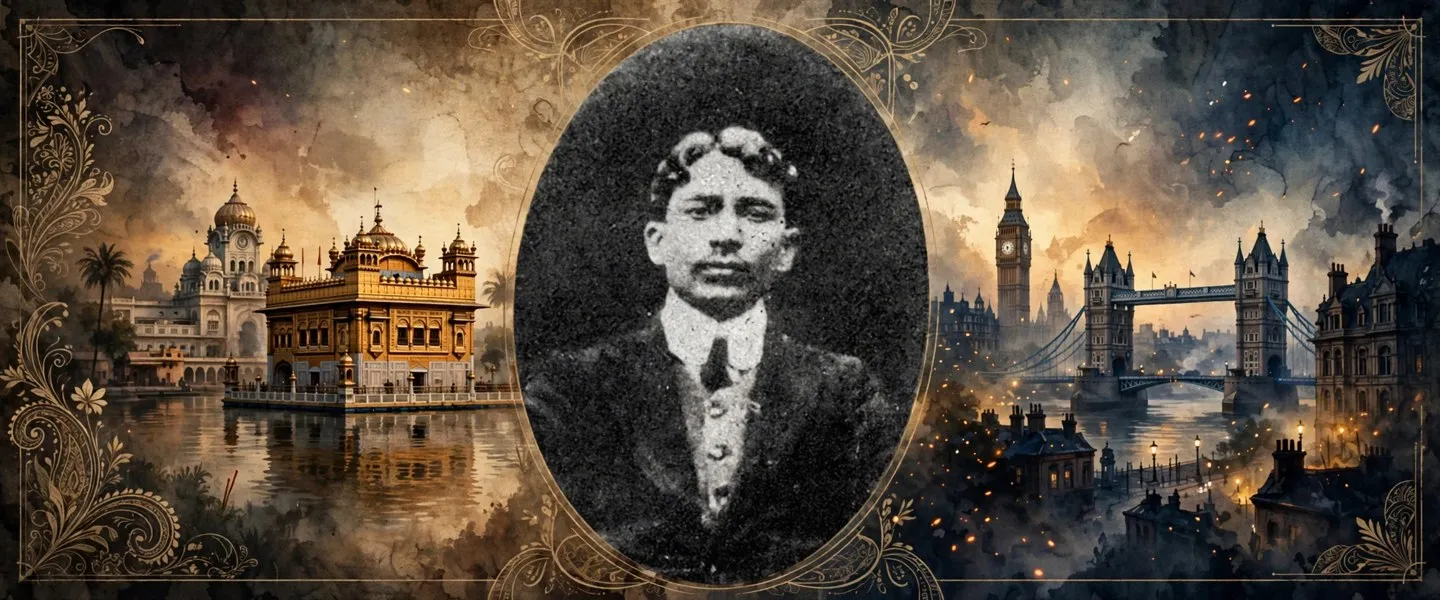
ਮਦਨ ਲਾਲ ਢੀਂਗਰਾ (18 ਸਤੰਬਰ 1883 ਤੋਂ 17 ਅਗਸਤ 1909) ਅੰਮ੍ਰਿਤਸਰ ਦੇ ਇੱਕ ਪੰਜਾਬੀ ਇਨਕਲਾਬੀ ਸਨ, ਜਿਨ੍ਹਾਂ ਨੇ ਲੰਡਨ ਵਿੱਚ ਇੰਜੀਨੀਅਰਿੰਗ ਪੜ੍ਹਦਿਆਂ 1 ਜੁਲਾਈ 1909 ਨੂੰ ਇੰਪੀਰੀਅਲ ਇੰਸਟੀਚਿਊਟ ਵਿਖੇ ਭਾਰਤ ਦੇ ਸੈਕਰੇਟਰੀ ਆਫ਼ ਸਟੇਟ ਦੇ ਸਿਆਸੀ ਏ ਡੀ ਸੀ, ਸਰ ਵਿਲੀਅਮ ਹੱਟ ਕਰਜ਼ਨ ਵਾਇਲੀ, ਨੂੰ ਗੋਲੀ ਮਾਰ ਕੇ ਮਾਰ ਦਿੱਤਾ। ਓਲਡ ਬੇਲੀ ਵਿੱਚ ਮੁਕੱਦਮਾ ਚੱਲਿਆ, ਉਨ੍ਹਾਂ ਨੇ ਆਪਣਾ ਬਚਾਅ ਕਰਨ ਤੋਂ ਇਨਕਾਰ ਕੀਤਾ, ਉਨ੍ਹਾਂ ਨੂੰ ਪੈਂਟਨਵਿਲ ਜੇਲ੍ਹ ਵਿੱਚ ਫ਼ਾਂਸੀ ਦਿੱਤੀ ਗਈ, ਅਤੇ ਭਾਰਤ ਵਿੱਚ ਉਨ੍ਹਾਂ ਨੂੰ ਵਿਦੇਸ਼ ਵਿੱਚ ਆਜ਼ਾਦੀ ਸੰਘਰਸ਼ ਦੇ ਸਭ ਤੋਂ ਸ਼ੁਰੂਆਤੀ ਸ਼ਹੀਦਾਂ ਵਿੱਚੋਂ ਇੱਕ ਵਜੋਂ ਯਾਦ ਕੀਤਾ ਜਾਂਦਾ ਹੈ।
- ਪੰਜਾਬੀ ਨਾਂ
- ਮਦਨ ਲਾਲ ਢੀਂਗਰਾ
- ਜਨਮ
- 18 ਸਤੰਬਰ 1883, ਅੰਮ੍ਰਿਤਸਰ, ਪੰਜਾਬ
- ਦੇਹਾਂਤ
- 17 ਅਗਸਤ 1909, ਪੈਂਟਨਵਿਲ ਜੇਲ੍ਹ, ਲੰਡਨ (ਉਮਰ 25)
- ਜਨਮ ਸਥਾਨ
- ਅੰਮ੍ਰਿਤਸਰ, ਪੰਜਾਬ
- ਜ਼ਿਲ੍ਹਾ
- ਅੰਮ੍ਰਿਤਸਰ
- ਇਲਾਕਾ
- ਮਾਝਾ
All 9 facts
- ਪਿਤਾ
- ਡਾ. ਦਿੱਤਾ ਮਲ ਢੀਂਗਰਾ, ਸਿਵਲ ਸਰਜਨ
- ਸਿੱਖਿਆ
- ਐੱਮ ਬੀ ਇੰਟਰਮੀਡੀਏਟ ਕਾਲਜ, ਅੰਮ੍ਰਿਤਸਰ; ਸਰਕਾਰੀ ਕਾਲਜ, ਲਾਹੌਰ; ਯੂਨੀਵਰਸਿਟੀ ਕਾਲਜ ਲੰਡਨ
- ਮੁਕੱਦਮਾ
- ਓਲਡ ਬੇਲੀ, ਲੰਡਨ, 23 ਜੁਲਾਈ 1909
Early life in Amritsar and Lahore
Madan Lal Dhingra was born on 18 September 1883 in Amritsar, Punjab, into an educated and prosperous Hindu Punjabi Khatri family. His father, Dr Ditta Mal Dhingra, was a civil surgeon who rose to be chief medical officer in Amritsar and kept close ties with British officials. Madan Lal was one of eight children, seven sons and a daughter, and all seven sons were sent abroad for their studies, a mark of the family's standing and ambition. He was schooled in Amritsar, at MB Intermediate College until about 1900, and then went to Government College in Lahore. There, in a city alive with debate about poverty, famine and India's future, the young student was drawn to the nationalist movement of the day, which then sought Home Rule rather than full independence, and to the ideas of Swaraj and Swadeshi. Later biographies recount that in 1904, while in the Master of Arts programme, he led a protest against an order that the college blazer be made from cloth imported from Britain, and was expelled after refusing his father's urging to apologise. The episode appears in later accounts rather than contemporary documents, but the pattern it describes, defiance on a point of national pride at personal cost, is the one his whole short life followed.
Work, dismissal and the decision to study in England
Expelled from college, Dhingra spent about two years in jobs far below his family's station. He worked as a clerk at Kalka, at the foot of the Shimla hills, for a firm that ran a tanga carriage service to Shimla, and was dismissed for insubordination. He then worked as a factory labourer, tried to organise a union, and was sacked for that too. A period of low level work in Bombay followed. For a loyalist family that had sent every son abroad, a son drifting through clerkships and factory floors was a problem to be solved, and his elder brother, Dr Bihari Lal, pressed him to go to Britain for higher education. In 1906 Dhingra sailed for London and enrolled at University College London to study mechanical engineering. His father, who disapproved of his politics, later disowned him for his activities, going so far as to publish the decision in newspaper advertisements. The engineering degree was meant to make him respectable. London made him something else entirely.
India House, Savarkar and the revolutionary circle
Dhingra arrived in London a year after Shyamji Krishna Varma had founded India House in Highgate, a hostel and meeting place for Indian students that had become a centre of revolutionary politics in the capital. There he came into contact with Vinayak Damodar Savarkar, the young leader of the circle, and with Varma himself, and he joined Abhinav Bharat Mandal, the secret society Savarkar had founded with his brother Ganesh. The Partition of Bengal in 1905, and the repression that followed in India, had filled the India House circle with anger, and its members talked openly of armed resistance. Dhingra later distanced himself from India House itself, but he remained within its world: he was known to practise regularly at a shooting range on Tottenham Court Road. Exactly who supplied his weapon and training has never been proved from the trial record, and the accounts differ. What is not in doubt is where the road from Highgate led on the first evening of July 1909.
What happened at the Imperial Institute on 1 July 1909?
On the evening of 1 July 1909, the National Indian Association held its annual At Home function at the Imperial Institute in London. Among the guests was Sir William Hutt Curzon Wyllie, a former Indian Army officer and Indian Political Department official who had served since 1901 as political aide de camp to the Secretary of State for India, a role in which he also kept watch over Indian students in London, and who was said to have been a close friend of Dhingra's father. As Curzon Wyllie was leaving the hall with his wife, Dhingra fired five shots at his face at close range, four of which struck him. Dr Cawas Lalcaca, a Parsi doctor who stepped in to shield or aid him, was killed by Dhingra's sixth and seventh bullets. Dhingra was arrested on the spot and made no attempt to escape. He later stated that he had not intended to kill Lalcaca. The assassination, carried out at an official function in front of London society, sent shock through Britain and India alike, and it had been carried out by a 25 year old engineering student from Amritsar.
Trial at the Old Bailey and death at Pentonville
Dhingra was tried at the Old Bailey on 23 July 1909 before the Lord Chief Justice, Lord Alverstone. He refused counsel, declined to recognise the authority of the court, and used his one statement to justify the deed rather than defend himself against the charge. The Old Bailey record has him open with the words I do not want to say anything in defence of myself, but simply to prove the justice of my deed, and argue that no English court had authority over him and that English rule was responsible for the deaths and impoverishment of Indians. Those figures were his courtroom claims, made to justify his act, and historians treat them as rhetoric rather than statistics. After the death sentence was passed he is reported to have said: I am proud to have the honour of laying down my life for my country. But remember, we shall have our time in the days to come. A longer written statement attributed to him, beginning I believe that a nation held down by foreign bayonets is in a perpetual state of war, circulated in the nationalist press after the trial and became famous for its line that the only lesson India needed was to learn how to die, and the only way to teach it was by dying. Because it does not appear in the official trial record and its wording varies between versions, it is best read as a statement attributed to Dhingra rather than a verbatim transcript. He was hanged at Pentonville Prison on 17 August 1909, aged 25. The authorities buried him in an unmarked grave inside the prison and denied him Hindu rites, and his family, which had disowned him, did not receive the body.
How did India react, and how is he remembered today?
Reaction in 1909 was divided, and an honest account has to carry both sides. At a public meeting at Caxton Hall on 5 July, chaired by the Aga Khan, Indian leaders moved a resolution condemning the murder; Savarkar objected, arguing the resolution could not pass as unanimous and that Dhingra deserved a fair hearing first. Writing in The Indian Opinion on 14 August 1909, Gandhi rejected the act and its reasoning while aiming his sharpest criticism at those who had incited Dhingra: India can gain nothing from the rule of murderers, no matter whether they are black or white. The Times, by contrast, dwelt on the prisoner's composure, noting that he walked smiling from the dock. Wilfrid Scawen Blunt's diary later reported that Winston Churchill had privately called Dhingra's court statement the finest ever made in the name of patriotism, a second hand report that has been repeated ever since. In India today Dhingra is widely honoured as an early martyr of the freedom movement, and his defiance is said to have inspired the next revolutionary generation, including Bhagat Singh and Chandrashekhar Azad. His coffin, found during the search for the remains of Udham Singh, was brought back to India on 13 December 1976, though accounts differ on where his remains finally rest. A memorial with his statue now stands at Golbagh in his home city of Amritsar, inaugurated in 2023, and India issued a postage stamp in his honour in 1992.
ਅੰਮ੍ਰਿਤਸਰ ਅਤੇ ਲਾਹੌਰ ਵਿੱਚ ਸ਼ੁਰੂਆਤੀ ਜੀਵਨ
ਮਦਨ ਲਾਲ ਢੀਂਗਰਾ ਦਾ ਜਨਮ 18 ਸਤੰਬਰ 1883 ਨੂੰ ਪੰਜਾਬ ਦੇ ਅੰਮ੍ਰਿਤਸਰ ਵਿੱਚ ਇੱਕ ਪੜ੍ਹੇ ਲਿਖੇ ਅਤੇ ਖਾਂਦੇ ਪੀਂਦੇ ਹਿੰਦੂ ਪੰਜਾਬੀ ਖੱਤਰੀ ਪਰਿਵਾਰ ਵਿੱਚ ਹੋਇਆ। ਉਨ੍ਹਾਂ ਦੇ ਪਿਤਾ, ਡਾ. ਦਿੱਤਾ ਮਲ ਢੀਂਗਰਾ, ਇੱਕ ਸਿਵਲ ਸਰਜਨ ਸਨ, ਜੋ ਅੰਮ੍ਰਿਤਸਰ ਵਿੱਚ ਮੁੱਖ ਮੈਡੀਕਲ ਅਧਿਕਾਰੀ ਦੇ ਅਹੁਦੇ ਤੱਕ ਪਹੁੰਚੇ ਅਤੇ ਅੰਗਰੇਜ਼ ਅਧਿਕਾਰੀਆਂ ਨਾਲ ਨੇੜਲੇ ਸੰਬੰਧ ਰੱਖਦੇ ਸਨ। ਮਦਨ ਲਾਲ ਅੱਠ ਬੱਚਿਆਂ ਵਿੱਚੋਂ ਇੱਕ ਸਨ, ਸੱਤ ਪੁੱਤਰ ਅਤੇ ਇੱਕ ਧੀ, ਅਤੇ ਸੱਤੇ ਪੁੱਤਰ ਪੜ੍ਹਾਈ ਲਈ ਵਿਦੇਸ਼ ਭੇਜੇ ਗਏ, ਜੋ ਪਰਿਵਾਰ ਦੀ ਹੈਸੀਅਤ ਅਤੇ ਇੱਛਾ ਦੀ ਨਿਸ਼ਾਨੀ ਸੀ। ਉਨ੍ਹਾਂ ਨੇ ਅੰਮ੍ਰਿਤਸਰ ਵਿੱਚ ਪੜ੍ਹਾਈ ਕੀਤੀ, ਲਗਭਗ 1900 ਤੱਕ ਐੱਮ ਬੀ ਇੰਟਰਮੀਡੀਏਟ ਕਾਲਜ ਵਿੱਚ, ਅਤੇ ਫਿਰ ਲਾਹੌਰ ਦੇ ਸਰਕਾਰੀ ਕਾਲਜ ਵਿੱਚ ਦਾਖਲ ਹੋਏ। ਉੱਥੇ, ਗਰੀਬੀ, ਅਕਾਲ ਅਤੇ ਭਾਰਤ ਦੇ ਭਵਿੱਖ ਬਾਰੇ ਬਹਿਸਾਂ ਨਾਲ ਜਿਉਂਦੇ ਸ਼ਹਿਰ ਵਿੱਚ, ਨੌਜਵਾਨ ਵਿਦਿਆਰਥੀ ਉਸ ਸਮੇਂ ਦੀ ਕੌਮਵਾਦੀ ਲਹਿਰ ਵੱਲ ਖਿੱਚਿਆ ਗਿਆ, ਜੋ ਉਦੋਂ ਪੂਰੀ ਆਜ਼ਾਦੀ ਦੀ ਥਾਂ ਹੋਮ ਰੂਲ ਮੰਗਦੀ ਸੀ, ਅਤੇ ਸਵਰਾਜ ਅਤੇ ਸਵਦੇਸ਼ੀ ਦੇ ਵਿਚਾਰਾਂ ਵੱਲ। ਬਾਅਦ ਦੀਆਂ ਜੀਵਨੀਆਂ ਦੱਸਦੀਆਂ ਹਨ ਕਿ 1904 ਵਿੱਚ, ਐੱਮ ਏ ਪ੍ਰੋਗਰਾਮ ਵਿੱਚ ਹੁੰਦਿਆਂ, ਉਨ੍ਹਾਂ ਨੇ ਕਾਲਜ ਦੇ ਬਲੇਜ਼ਰ ਲਈ ਬਰਤਾਨੀਆ ਤੋਂ ਆਇਆ ਕੱਪੜਾ ਵਰਤਣ ਦੇ ਹੁਕਮ ਵਿਰੁੱਧ ਰੋਸ ਦੀ ਅਗਵਾਈ ਕੀਤੀ, ਅਤੇ ਪਿਤਾ ਦੇ ਮਾਫ਼ੀ ਮੰਗਣ ਦੇ ਕਹਿਣ ਤੋਂ ਇਨਕਾਰ ਕਰਨ ਉੱਤੇ ਉਨ੍ਹਾਂ ਨੂੰ ਕਾਲਜੋਂ ਕੱਢ ਦਿੱਤਾ ਗਿਆ। ਇਹ ਘਟਨਾ ਉਸ ਸਮੇਂ ਦੇ ਦਸਤਾਵੇਜ਼ਾਂ ਦੀ ਥਾਂ ਬਾਅਦ ਦੇ ਬਿਰਤਾਂਤਾਂ ਵਿੱਚ ਆਉਂਦੀ ਹੈ, ਪਰ ਜੋ ਸੁਭਾਅ ਇਹ ਦੱਸਦੀ ਹੈ, ਨਿੱਜੀ ਕੀਮਤ ਉੱਤੇ ਕੌਮੀ ਮਾਣ ਲਈ ਅੜੇ ਰਹਿਣਾ, ਉਹੀ ਉਨ੍ਹਾਂ ਦੀ ਸਾਰੀ ਛੋਟੀ ਜ਼ਿੰਦਗੀ ਵਿੱਚ ਚੱਲਿਆ।
ਕੰਮ, ਨੌਕਰੀ ਤੋਂ ਕੱਢਿਆ ਜਾਣਾ ਅਤੇ ਇੰਗਲੈਂਡ ਜਾਣ ਦਾ ਫ਼ੈਸਲਾ
ਕਾਲਜੋਂ ਕੱਢੇ ਜਾਣ ਤੋਂ ਬਾਅਦ ਢੀਂਗਰਾ ਨੇ ਲਗਭਗ ਦੋ ਸਾਲ ਆਪਣੇ ਪਰਿਵਾਰ ਦੀ ਹੈਸੀਅਤ ਤੋਂ ਬਹੁਤ ਹੇਠਲੀਆਂ ਨੌਕਰੀਆਂ ਵਿੱਚ ਬਿਤਾਏ। ਉਨ੍ਹਾਂ ਨੇ ਸ਼ਿਮਲਾ ਦੀਆਂ ਪਹਾੜੀਆਂ ਦੇ ਪੈਰਾਂ ਵਿੱਚ ਕਾਲਕਾ ਵਿਖੇ ਇੱਕ ਫਰਮ ਵਿੱਚ ਕਲਰਕ ਵਜੋਂ ਕੰਮ ਕੀਤਾ, ਜੋ ਸ਼ਿਮਲਾ ਲਈ ਟਾਂਗਾ ਸੇਵਾ ਚਲਾਉਂਦੀ ਸੀ, ਅਤੇ ਹੁਕਮ ਨਾ ਮੰਨਣ ਉੱਤੇ ਉਨ੍ਹਾਂ ਨੂੰ ਕੱਢ ਦਿੱਤਾ ਗਿਆ। ਫਿਰ ਉਨ੍ਹਾਂ ਨੇ ਇੱਕ ਫ਼ੈਕਟਰੀ ਵਿੱਚ ਮਜ਼ਦੂਰ ਵਜੋਂ ਕੰਮ ਕੀਤਾ, ਯੂਨੀਅਨ ਬਣਾਉਣ ਦੀ ਕੋਸ਼ਿਸ਼ ਕੀਤੀ, ਅਤੇ ਇਸੇ ਲਈ ਉਨ੍ਹਾਂ ਨੂੰ ਉੱਥੋਂ ਵੀ ਕੱਢ ਦਿੱਤਾ ਗਿਆ। ਇਸ ਤੋਂ ਬਾਅਦ ਬੰਬਈ ਵਿੱਚ ਹੇਠਲੇ ਪੱਧਰ ਦੇ ਕੰਮਾਂ ਦਾ ਸਮਾਂ ਆਇਆ। ਇੱਕ ਵਫ਼ਾਦਾਰ ਪਰਿਵਾਰ ਲਈ, ਜਿਸ ਨੇ ਹਰ ਪੁੱਤਰ ਨੂੰ ਵਿਦੇਸ਼ ਭੇਜਿਆ ਸੀ, ਕਲਰਕੀਆਂ ਅਤੇ ਫ਼ੈਕਟਰੀ ਦੇ ਕੰਮਾਂ ਵਿੱਚ ਭਟਕਦਾ ਪੁੱਤਰ ਇੱਕ ਹੱਲ ਮੰਗਦੀ ਸਮੱਸਿਆ ਸੀ, ਅਤੇ ਉਨ੍ਹਾਂ ਦੇ ਵੱਡੇ ਭਰਾ, ਡਾ. ਬਿਹਾਰੀ ਲਾਲ, ਨੇ ਉਨ੍ਹਾਂ ਨੂੰ ਉੱਚ ਸਿੱਖਿਆ ਲਈ ਬਰਤਾਨੀਆ ਜਾਣ ਲਈ ਦਬਾਅ ਪਾਇਆ। 1906 ਵਿੱਚ ਢੀਂਗਰਾ ਲੰਡਨ ਗਏ ਅਤੇ ਮਕੈਨੀਕਲ ਇੰਜੀਨੀਅਰਿੰਗ ਪੜ੍ਹਨ ਲਈ ਯੂਨੀਵਰਸਿਟੀ ਕਾਲਜ ਲੰਡਨ ਵਿੱਚ ਦਾਖਲ ਹੋਏ। ਉਨ੍ਹਾਂ ਦੇ ਪਿਤਾ, ਜੋ ਉਨ੍ਹਾਂ ਦੀ ਸਿਆਸਤ ਨੂੰ ਨਾਪਸੰਦ ਕਰਦੇ ਸਨ, ਨੇ ਬਾਅਦ ਵਿੱਚ ਉਨ੍ਹਾਂ ਦੀਆਂ ਸਰਗਰਮੀਆਂ ਕਰਕੇ ਉਨ੍ਹਾਂ ਨੂੰ ਬੇਦਖਲ ਕਰ ਦਿੱਤਾ, ਇੱਥੋਂ ਤੱਕ ਕਿ ਇਹ ਫ਼ੈਸਲਾ ਅਖਬਾਰਾਂ ਵਿੱਚ ਇਸ਼ਤਿਹਾਰ ਦੇ ਕੇ ਛਾਪਿਆ। ਇੰਜੀਨੀਅਰਿੰਗ ਦੀ ਡਿਗਰੀ ਉਨ੍ਹਾਂ ਨੂੰ ਸਤਿਕਾਰਯੋਗ ਬਣਾਉਣ ਲਈ ਸੀ। ਲੰਡਨ ਨੇ ਉਨ੍ਹਾਂ ਨੂੰ ਕੁਝ ਹੋਰ ਹੀ ਬਣਾ ਦਿੱਤਾ।
ਇੰਡੀਆ ਹਾਊਸ, ਸਾਵਰਕਰ ਅਤੇ ਇਨਕਲਾਬੀ ਘੇਰਾ
ਢੀਂਗਰਾ ਲੰਡਨ ਉਸ ਤੋਂ ਇੱਕ ਸਾਲ ਬਾਅਦ ਪਹੁੰਚੇ, ਜਦੋਂ ਸ਼ਿਆਮਜੀ ਕ੍ਰਿਸ਼ਨ ਵਰਮਾ ਨੇ ਹਾਈਗੇਟ ਵਿੱਚ ਇੰਡੀਆ ਹਾਊਸ ਬਣਾਇਆ ਸੀ, ਭਾਰਤੀ ਵਿਦਿਆਰਥੀਆਂ ਲਈ ਇੱਕ ਹੋਸਟਲ ਅਤੇ ਮਿਲਣ ਦੀ ਥਾਂ, ਜੋ ਰਾਜਧਾਨੀ ਵਿੱਚ ਇਨਕਲਾਬੀ ਸਿਆਸਤ ਦਾ ਕੇਂਦਰ ਬਣ ਗਿਆ ਸੀ। ਉੱਥੇ ਉਨ੍ਹਾਂ ਦਾ ਸੰਪਰਕ ਵਿਨਾਇਕ ਦਾਮੋਦਰ ਸਾਵਰਕਰ, ਉਸ ਘੇਰੇ ਦੇ ਨੌਜਵਾਨ ਨੇਤਾ, ਅਤੇ ਖੁਦ ਵਰਮਾ ਨਾਲ ਹੋਇਆ, ਅਤੇ ਉਹ ਅਭਿਨਵ ਭਾਰਤ ਮੰਡਲ ਵਿੱਚ ਸ਼ਾਮਲ ਹੋ ਗਏ, ਉਹ ਗੁਪਤ ਸਭਾ ਜੋ ਸਾਵਰਕਰ ਨੇ ਆਪਣੇ ਭਰਾ ਗਣੇਸ਼ ਨਾਲ ਬਣਾਈ ਸੀ। 1905 ਵਿੱਚ ਬੰਗਾਲ ਦੀ ਵੰਡ, ਅਤੇ ਭਾਰਤ ਵਿੱਚ ਇਸ ਤੋਂ ਬਾਅਦ ਆਏ ਜ਼ੁਲਮ, ਨੇ ਇੰਡੀਆ ਹਾਊਸ ਦੇ ਘੇਰੇ ਨੂੰ ਗੁੱਸੇ ਨਾਲ ਭਰ ਦਿੱਤਾ ਸੀ, ਅਤੇ ਇਸ ਦੇ ਮੈਂਬਰ ਹਥਿਆਰਬੰਦ ਵਿਰੋਧ ਦੀ ਖੁੱਲ੍ਹ ਕੇ ਗੱਲ ਕਰਦੇ ਸਨ। ਢੀਂਗਰਾ ਬਾਅਦ ਵਿੱਚ ਖੁਦ ਇੰਡੀਆ ਹਾਊਸ ਤੋਂ ਦੂਰ ਹੋ ਗਏ, ਪਰ ਉਹ ਇਸੇ ਦੁਨੀਆ ਵਿੱਚ ਰਹੇ: ਉਹ ਟੋਟਨਹੈਮ ਕੋਰਟ ਰੋਡ ਉੱਤੇ ਇੱਕ ਨਿਸ਼ਾਨੇਬਾਜ਼ੀ ਰੇਂਜ ਵਿੱਚ ਨਿਯਮਤ ਅਭਿਆਸ ਕਰਨ ਲਈ ਜਾਣੇ ਜਾਂਦੇ ਸਨ। ਉਨ੍ਹਾਂ ਦਾ ਹਥਿਆਰ ਅਤੇ ਸਿਖਲਾਈ ਅਸਲ ਵਿੱਚ ਕਿਸ ਨੇ ਦਿੱਤੀ, ਇਹ ਮੁਕੱਦਮੇ ਦੇ ਰਿਕਾਰਡ ਤੋਂ ਕਦੇ ਸਾਬਤ ਨਹੀਂ ਹੋਇਆ, ਅਤੇ ਬਿਰਤਾਂਤ ਵੱਖ ਵੱਖ ਹਨ। ਜਿਸ ਗੱਲ ਵਿੱਚ ਕੋਈ ਸ਼ੱਕ ਨਹੀਂ, ਉਹ ਇਹ ਹੈ ਕਿ ਹਾਈਗੇਟ ਤੋਂ ਸ਼ੁਰੂ ਹੋਇਆ ਰਾਹ 1909 ਦੀ ਜੁਲਾਈ ਦੀ ਪਹਿਲੀ ਸ਼ਾਮ ਨੂੰ ਕਿੱਥੇ ਜਾ ਪਹੁੰਚਿਆ।
1 ਜੁਲਾਈ 1909 ਨੂੰ ਇੰਪੀਰੀਅਲ ਇੰਸਟੀਚਿਊਟ ਵਿੱਚ ਕੀ ਹੋਇਆ ਸੀ?
1 ਜੁਲਾਈ 1909 ਦੀ ਸ਼ਾਮ ਨੂੰ ਨੈਸ਼ਨਲ ਇੰਡੀਅਨ ਐਸੋਸੀਏਸ਼ਨ ਨੇ ਲੰਡਨ ਦੇ ਇੰਪੀਰੀਅਲ ਇੰਸਟੀਚਿਊਟ ਵਿੱਚ ਆਪਣਾ ਸਾਲਾਨਾ ਐਟ ਹੋਮ ਸਮਾਗਮ ਰੱਖਿਆ। ਮਹਿਮਾਨਾਂ ਵਿੱਚ ਸਰ ਵਿਲੀਅਮ ਹੱਟ ਕਰਜ਼ਨ ਵਾਇਲੀ ਵੀ ਸਨ, ਇੱਕ ਸਾਬਕਾ ਭਾਰਤੀ ਫੌਜ ਅਧਿਕਾਰੀ ਅਤੇ ਇੰਡੀਅਨ ਪੋਲੀਟੀਕਲ ਵਿਭਾਗ ਦੇ ਅਧਿਕਾਰੀ, ਜੋ 1901 ਤੋਂ ਭਾਰਤ ਦੇ ਸੈਕਰੇਟਰੀ ਆਫ਼ ਸਟੇਟ ਦੇ ਸਿਆਸੀ ਏ ਡੀ ਸੀ ਵਜੋਂ ਸੇਵਾ ਕਰ ਰਹੇ ਸਨ, ਇੱਕ ਅਹੁਦਾ ਜਿਸ ਵਿੱਚ ਉਹ ਲੰਡਨ ਵਿੱਚ ਭਾਰਤੀ ਵਿਦਿਆਰਥੀਆਂ ਉੱਤੇ ਵੀ ਨਜ਼ਰ ਰੱਖਦੇ ਸਨ, ਅਤੇ ਕਿਹਾ ਜਾਂਦਾ ਹੈ ਕਿ ਉਹ ਢੀਂਗਰਾ ਦੇ ਪਿਤਾ ਦੇ ਨੇੜਲੇ ਦੋਸਤ ਸਨ। ਜਦੋਂ ਕਰਜ਼ਨ ਵਾਇਲੀ ਆਪਣੀ ਪਤਨੀ ਨਾਲ ਹਾਲ ਤੋਂ ਬਾਹਰ ਜਾ ਰਹੇ ਸਨ, ਢੀਂਗਰਾ ਨੇ ਨੇੜਿਓਂ ਉਨ੍ਹਾਂ ਦੇ ਚਿਹਰੇ ਉੱਤੇ ਪੰਜ ਗੋਲੀਆਂ ਚਲਾਈਆਂ, ਜਿਨ੍ਹਾਂ ਵਿੱਚੋਂ ਚਾਰ ਉਨ੍ਹਾਂ ਨੂੰ ਲੱਗੀਆਂ। ਡਾ. ਕਾਵਸ ਲਾਲਕਾਕਾ, ਇੱਕ ਪਾਰਸੀ ਡਾਕਟਰ ਜੋ ਉਨ੍ਹਾਂ ਨੂੰ ਬਚਾਉਣ ਜਾਂ ਮਦਦ ਕਰਨ ਲਈ ਅੱਗੇ ਆਏ, ਢੀਂਗਰਾ ਦੀ ਛੇਵੀਂ ਅਤੇ ਸੱਤਵੀਂ ਗੋਲੀ ਨਾਲ ਮਾਰੇ ਗਏ। ਢੀਂਗਰਾ ਨੂੰ ਮੌਕੇ ਉੱਤੇ ਹੀ ਗ੍ਰਿਫ਼ਤਾਰ ਕਰ ਲਿਆ ਗਿਆ ਅਤੇ ਉਨ੍ਹਾਂ ਨੇ ਭੱਜਣ ਦੀ ਕੋਈ ਕੋਸ਼ਿਸ਼ ਨਹੀਂ ਕੀਤੀ। ਉਨ੍ਹਾਂ ਨੇ ਬਾਅਦ ਵਿੱਚ ਕਿਹਾ ਕਿ ਲਾਲਕਾਕਾ ਨੂੰ ਮਾਰਨਾ ਉਨ੍ਹਾਂ ਦਾ ਇਰਾਦਾ ਨਹੀਂ ਸੀ। ਇੱਕ ਸਰਕਾਰੀ ਸਮਾਗਮ ਵਿੱਚ, ਲੰਡਨ ਦੇ ਸਮਾਜ ਸਾਹਮਣੇ ਕੀਤੇ ਗਏ ਇਸ ਕਤਲ ਨੇ ਬਰਤਾਨੀਆ ਅਤੇ ਭਾਰਤ ਦੋਵਾਂ ਨੂੰ ਹਿਲਾ ਦਿੱਤਾ, ਅਤੇ ਇਹ ਕੰਮ ਅੰਮ੍ਰਿਤਸਰ ਦੇ ਇੱਕ 25 ਸਾਲਾ ਇੰਜੀਨੀਅਰਿੰਗ ਵਿਦਿਆਰਥੀ ਨੇ ਕੀਤਾ ਸੀ।
ਓਲਡ ਬੇਲੀ ਵਿੱਚ ਮੁਕੱਦਮਾ ਅਤੇ ਪੈਂਟਨਵਿਲ ਵਿੱਚ ਮੌਤ
ਢੀਂਗਰਾ ਉੱਤੇ 23 ਜੁਲਾਈ 1909 ਨੂੰ ਓਲਡ ਬੇਲੀ ਵਿੱਚ ਲਾਰਡ ਚੀਫ਼ ਜਸਟਿਸ, ਲਾਰਡ ਐਲਵਰਸਟੋਨ, ਸਾਹਮਣੇ ਮੁਕੱਦਮਾ ਚੱਲਿਆ। ਉਨ੍ਹਾਂ ਨੇ ਵਕੀਲ ਲੈਣ ਤੋਂ ਇਨਕਾਰ ਕੀਤਾ, ਅਦਾਲਤ ਦਾ ਅਧਿਕਾਰ ਮੰਨਣ ਤੋਂ ਇਨਕਾਰ ਕੀਤਾ, ਅਤੇ ਆਪਣਾ ਇੱਕੋ ਇੱਕ ਬਿਆਨ ਦੋਸ਼ ਤੋਂ ਬਚਾਅ ਦੀ ਥਾਂ ਆਪਣੇ ਕੰਮ ਨੂੰ ਜਾਇਜ਼ ਠਹਿਰਾਉਣ ਲਈ ਵਰਤਿਆ। ਓਲਡ ਬੇਲੀ ਦੇ ਰਿਕਾਰਡ ਅਨੁਸਾਰ ਉਨ੍ਹਾਂ ਨੇ ਕਿਹਾ ਕਿ ਮੈਂ ਆਪਣੇ ਬਚਾਅ ਵਿੱਚ ਕੁਝ ਨਹੀਂ ਕਹਿਣਾ ਚਾਹੁੰਦਾ, ਸਿਰਫ਼ ਆਪਣੇ ਕੰਮ ਦੀ ਨਿਆਂਪੂਰਨਤਾ ਸਾਬਤ ਕਰਨਾ ਚਾਹੁੰਦਾ ਹਾਂ, ਅਤੇ ਦਲੀਲ ਦਿੱਤੀ ਕਿ ਕਿਸੇ ਅੰਗਰੇਜ਼ ਅਦਾਲਤ ਨੂੰ ਉਨ੍ਹਾਂ ਉੱਤੇ ਕੋਈ ਅਧਿਕਾਰ ਨਹੀਂ ਅਤੇ ਅੰਗਰੇਜ਼ ਰਾਜ ਭਾਰਤੀਆਂ ਦੀ ਮੌਤ ਅਤੇ ਗਰੀਬੀ ਲਈ ਜ਼ਿੰਮੇਵਾਰ ਹੈ। ਉਹ ਅੰਕੜੇ ਉਨ੍ਹਾਂ ਦੇ ਅਦਾਲਤੀ ਦਾਅਵੇ ਸਨ, ਆਪਣੇ ਕੰਮ ਨੂੰ ਜਾਇਜ਼ ਠਹਿਰਾਉਣ ਲਈ ਕੀਤੇ ਗਏ, ਅਤੇ ਇਤਿਹਾਸਕਾਰ ਉਨ੍ਹਾਂ ਨੂੰ ਅੰਕੜਿਆਂ ਦੀ ਥਾਂ ਬਿਆਨਬਾਜ਼ੀ ਵਜੋਂ ਲੈਂਦੇ ਹਨ। ਮੌਤ ਦੀ ਸਜ਼ਾ ਸੁਣਾਏ ਜਾਣ ਤੋਂ ਬਾਅਦ ਕਿਹਾ ਜਾਂਦਾ ਹੈ ਕਿ ਉਨ੍ਹਾਂ ਨੇ ਕਿਹਾ: ਮੈਨੂੰ ਆਪਣੇ ਦੇਸ਼ ਲਈ ਜਾਨ ਦੇਣ ਦਾ ਮਾਣ ਹਾਸਲ ਹੋਣ ਉੱਤੇ ਮਾਣ ਹੈ। ਪਰ ਯਾਦ ਰੱਖੋ, ਆਉਣ ਵਾਲੇ ਦਿਨਾਂ ਵਿੱਚ ਸਾਡਾ ਸਮਾਂ ਆਵੇਗਾ। ਉਨ੍ਹਾਂ ਨਾਲ ਜੋੜਿਆ ਜਾਂਦਾ ਇੱਕ ਲੰਮਾ ਲਿਖਤੀ ਬਿਆਨ, ਜੋ ਇਸ ਗੱਲ ਨਾਲ ਸ਼ੁਰੂ ਹੁੰਦਾ ਹੈ ਕਿ ਮੇਰਾ ਮੰਨਣਾ ਹੈ ਕਿ ਵਿਦੇਸ਼ੀ ਸੰਗੀਨਾਂ ਹੇਠ ਦੱਬੀ ਕੌਮ ਹਮੇਸ਼ਾ ਜੰਗ ਦੀ ਹਾਲਤ ਵਿੱਚ ਹੁੰਦੀ ਹੈ, ਮੁਕੱਦਮੇ ਤੋਂ ਬਾਅਦ ਕੌਮਵਾਦੀ ਅਖਬਾਰਾਂ ਵਿੱਚ ਛਪਿਆ ਅਤੇ ਇਸ ਸਤਰ ਲਈ ਮਸ਼ਹੂਰ ਹੋਇਆ ਕਿ ਭਾਰਤ ਨੂੰ ਇਸ ਸਮੇਂ ਸਿਰਫ਼ ਇੱਕੋ ਸਬਕ ਚਾਹੀਦਾ ਹੈ, ਮਰਨਾ ਸਿੱਖਣਾ, ਅਤੇ ਇਸ ਨੂੰ ਸਿਖਾਉਣ ਦਾ ਇੱਕੋ ਇੱਕ ਤਰੀਕਾ ਖੁਦ ਮਰਨਾ ਹੈ। ਕਿਉਂਕਿ ਇਹ ਸਰਕਾਰੀ ਮੁਕੱਦਮਾ ਰਿਕਾਰਡ ਵਿੱਚ ਨਹੀਂ ਆਉਂਦਾ ਅਤੇ ਇਸ ਦੇ ਸ਼ਬਦ ਵੱਖ ਵੱਖ ਰੂਪਾਂ ਵਿੱਚ ਮਿਲਦੇ ਹਨ, ਇਸ ਨੂੰ ਢੀਂਗਰਾ ਦੇ ਸ਼ਬਦਾਂ ਦੀ ਹੂਬਹੂ ਨਕਲ ਦੀ ਥਾਂ ਉਨ੍ਹਾਂ ਨਾਲ ਜੋੜਿਆ ਗਿਆ ਬਿਆਨ ਵਜੋਂ ਪੜ੍ਹਨਾ ਹੀ ਠੀਕ ਹੈ। ਉਨ੍ਹਾਂ ਨੂੰ 17 ਅਗਸਤ 1909 ਨੂੰ, 25 ਸਾਲ ਦੀ ਉਮਰ ਵਿੱਚ, ਪੈਂਟਨਵਿਲ ਜੇਲ੍ਹ ਵਿੱਚ ਫ਼ਾਂਸੀ ਦਿੱਤੀ ਗਈ। ਅਧਿਕਾਰੀਆਂ ਨੇ ਉਨ੍ਹਾਂ ਨੂੰ ਜੇਲ੍ਹ ਦੇ ਅੰਦਰ ਇੱਕ ਬਿਨਾਂ ਨਿਸ਼ਾਨ ਕਬਰ ਵਿੱਚ ਦਫ਼ਨਾਇਆ ਅਤੇ ਹਿੰਦੂ ਰੀਤਾਂ ਤੋਂ ਇਨਕਾਰ ਕੀਤਾ, ਅਤੇ ਉਨ੍ਹਾਂ ਦੇ ਪਰਿਵਾਰ ਨੂੰ, ਜਿਸ ਨੇ ਉਨ੍ਹਾਂ ਨੂੰ ਬੇਦਖਲ ਕਰ ਦਿੱਤਾ ਸੀ, ਲਾਸ਼ ਨਹੀਂ ਮਿਲੀ।
ਭਾਰਤ ਨੇ ਕੀ ਪ੍ਰਤੀਕਿਰਿਆ ਦਿੱਤੀ, ਅਤੇ ਅੱਜ ਉਨ੍ਹਾਂ ਨੂੰ ਕਿਵੇਂ ਯਾਦ ਕੀਤਾ ਜਾਂਦਾ ਹੈ?
1909 ਵਿੱਚ ਪ੍ਰਤੀਕਿਰਿਆ ਵੰਡੀ ਹੋਈ ਸੀ, ਅਤੇ ਇੱਕ ਇਮਾਨਦਾਰ ਬਿਰਤਾਂਤ ਨੂੰ ਦੋਵੇਂ ਪਾਸੇ ਰੱਖਣੇ ਪੈਣਗੇ। 5 ਜੁਲਾਈ ਨੂੰ ਕੈਕਸਟਨ ਹਾਲ ਵਿੱਚ, ਆਗਾ ਖਾਨ ਦੀ ਪ੍ਰਧਾਨਗੀ ਹੇਠ, ਇੱਕ ਜਨਤਕ ਸਭਾ ਵਿੱਚ ਭਾਰਤੀ ਨੇਤਾਵਾਂ ਨੇ ਕਤਲ ਦੀ ਨਿੰਦਾ ਦਾ ਮਤਾ ਪੇਸ਼ ਕੀਤਾ; ਸਾਵਰਕਰ ਨੇ ਇਤਰਾਜ਼ ਕੀਤਾ, ਦਲੀਲ ਦਿੱਤੀ ਕਿ ਮਤਾ ਸਰਬਸੰਮਤੀ ਨਾਲ ਪਾਸ ਨਹੀਂ ਹੋ ਸਕਦਾ ਅਤੇ ਢੀਂਗਰਾ ਨੂੰ ਪਹਿਲਾਂ ਨਿਰਪੱਖ ਸੁਣਵਾਈ ਮਿਲਣੀ ਚਾਹੀਦੀ ਹੈ। 14 ਅਗਸਤ 1909 ਨੂੰ ਦਾ ਇੰਡੀਅਨ ਓਪੀਨੀਅਨ ਵਿੱਚ ਲਿਖਦਿਆਂ ਗਾਂਧੀ ਨੇ ਇਸ ਕੰਮ ਅਤੇ ਇਸ ਦੀ ਦਲੀਲ ਨੂੰ ਰੱਦ ਕੀਤਾ, ਅਤੇ ਆਪਣੀ ਸਭ ਤੋਂ ਤਿੱਖੀ ਆਲੋਚਨਾ ਉਨ੍ਹਾਂ ਉੱਤੇ ਕੀਤੀ ਜਿਨ੍ਹਾਂ ਨੇ ਢੀਂਗਰਾ ਨੂੰ ਉਕਸਾਇਆ ਸੀ: ਭਾਰਤ ਨੂੰ ਕਾਤਲਾਂ ਦੇ ਰਾਜ ਤੋਂ ਕੁਝ ਨਹੀਂ ਮਿਲ ਸਕਦਾ, ਭਾਵੇਂ ਉਹ ਕਾਲੇ ਹੋਣ ਜਾਂ ਗੋਰੇ। ਇਸ ਦੇ ਉਲਟ, ਦਾ ਟਾਈਮਜ਼ ਨੇ ਕੈਦੀ ਦੇ ਸਬਰ ਦਾ ਜ਼ਿਕਰ ਕੀਤਾ, ਲਿਖਿਆ ਕਿ ਉਹ ਮੁਸਕਰਾਉਂਦੇ ਹੋਏ ਕਟਹਿਰੇ ਤੋਂ ਤੁਰ ਗਏ। ਵਿਲਫ਼ਰਿਡ ਸਕਾਵਨ ਬਲੰਟ ਦੀ ਡਾਇਰੀ ਨੇ ਬਾਅਦ ਵਿੱਚ ਦੱਸਿਆ ਕਿ ਵਿੰਸਟਨ ਚਰਚਿਲ ਨੇ ਨਿੱਜੀ ਤੌਰ ਉੱਤੇ ਢੀਂਗਰਾ ਦੇ ਅਦਾਲਤੀ ਬਿਆਨ ਨੂੰ ਦੇਸ਼ ਭਗਤੀ ਦੇ ਨਾਂ ਉੱਤੇ ਦਿੱਤਾ ਸਭ ਤੋਂ ਵਧੀਆ ਬਿਆਨ ਕਿਹਾ ਸੀ, ਇੱਕ ਦੂਜੇ ਹੱਥ ਦੀ ਰਿਪੋਰਟ ਜੋ ਉਦੋਂ ਤੋਂ ਦੁਹਰਾਈ ਜਾਂਦੀ ਆਈ ਹੈ। ਅੱਜ ਭਾਰਤ ਵਿੱਚ ਢੀਂਗਰਾ ਨੂੰ ਆਜ਼ਾਦੀ ਦੀ ਲਹਿਰ ਦੇ ਸ਼ੁਰੂਆਤੀ ਸ਼ਹੀਦਾਂ ਵਿੱਚੋਂ ਇੱਕ ਵਜੋਂ ਵਿਆਪਕ ਸਤਿਕਾਰ ਮਿਲਦਾ ਹੈ, ਅਤੇ ਕਿਹਾ ਜਾਂਦਾ ਹੈ ਕਿ ਉਨ੍ਹਾਂ ਦੀ ਦਲੇਰੀ ਨੇ ਇਨਕਲਾਬੀਆਂ ਦੀ ਅਗਲੀ ਪੀੜ੍ਹੀ, ਜਿਸ ਵਿੱਚ ਭਗਤ ਸਿੰਘ ਅਤੇ ਚੰਦਰਸ਼ੇਖਰ ਆਜ਼ਾਦ ਸ਼ਾਮਲ ਹਨ, ਨੂੰ ਪ੍ਰੇਰਿਆ। ਉਨ੍ਹਾਂ ਦਾ ਤਾਬੂਤ, ਜੋ ਸ਼ਹੀਦ ਊਧਮ ਸਿੰਘ ਦੇ ਅਵਸ਼ੇਸ਼ਾਂ ਦੀ ਭਾਲ ਦੌਰਾਨ ਮਿਲਿਆ ਸੀ, 13 ਦਸੰਬਰ 1976 ਨੂੰ ਭਾਰਤ ਲਿਆਂਦਾ ਗਿਆ, ਹਾਲਾਂਕਿ ਉਨ੍ਹਾਂ ਦੇ ਅਵਸ਼ੇਸ਼ ਆਖਰ ਕਿੱਥੇ ਹਨ, ਇਸ ਬਾਰੇ ਬਿਰਤਾਂਤ ਵੱਖ ਵੱਖ ਹਨ। ਉਨ੍ਹਾਂ ਦੇ ਜੱਦੀ ਸ਼ਹਿਰ ਅੰਮ੍ਰਿਤਸਰ ਵਿੱਚ ਗੋਲਬਾਗ ਵਿਖੇ ਉਨ੍ਹਾਂ ਦੇ ਬੁੱਤ ਸਮੇਤ ਇੱਕ ਯਾਦਗਾਰ ਖੜ੍ਹੀ ਹੈ, ਜਿਸ ਦਾ ਉਦਘਾਟਨ 2023 ਵਿੱਚ ਹੋਇਆ, ਅਤੇ ਭਾਰਤ ਨੇ 1992 ਵਿੱਚ ਉਨ੍ਹਾਂ ਦੇ ਸਨਮਾਨ ਵਿੱਚ ਇੱਕ ਡਾਕ ਟਿਕਟ ਜਾਰੀ ਕੀਤੀ।
ਲੋਕ


ਥਾਵਾਂ
More freedom struggle
ਸਾਰੇ ਵੇਖੋ


ਸਰੋਤ (5)
ਜੁਗਤੀ ਮੁਫ਼ਤ ਅਤੇ ਸੁਤੰਤਰ ਹੈ। ਪਾਠਕਾਂ ਦਾ ਸਹਿਯੋਗ ਕੋਸ਼ ਨੂੰ ਵਧਾਉਂਦਾ ਹੈ।
ਸਹਿਯੋਗ