
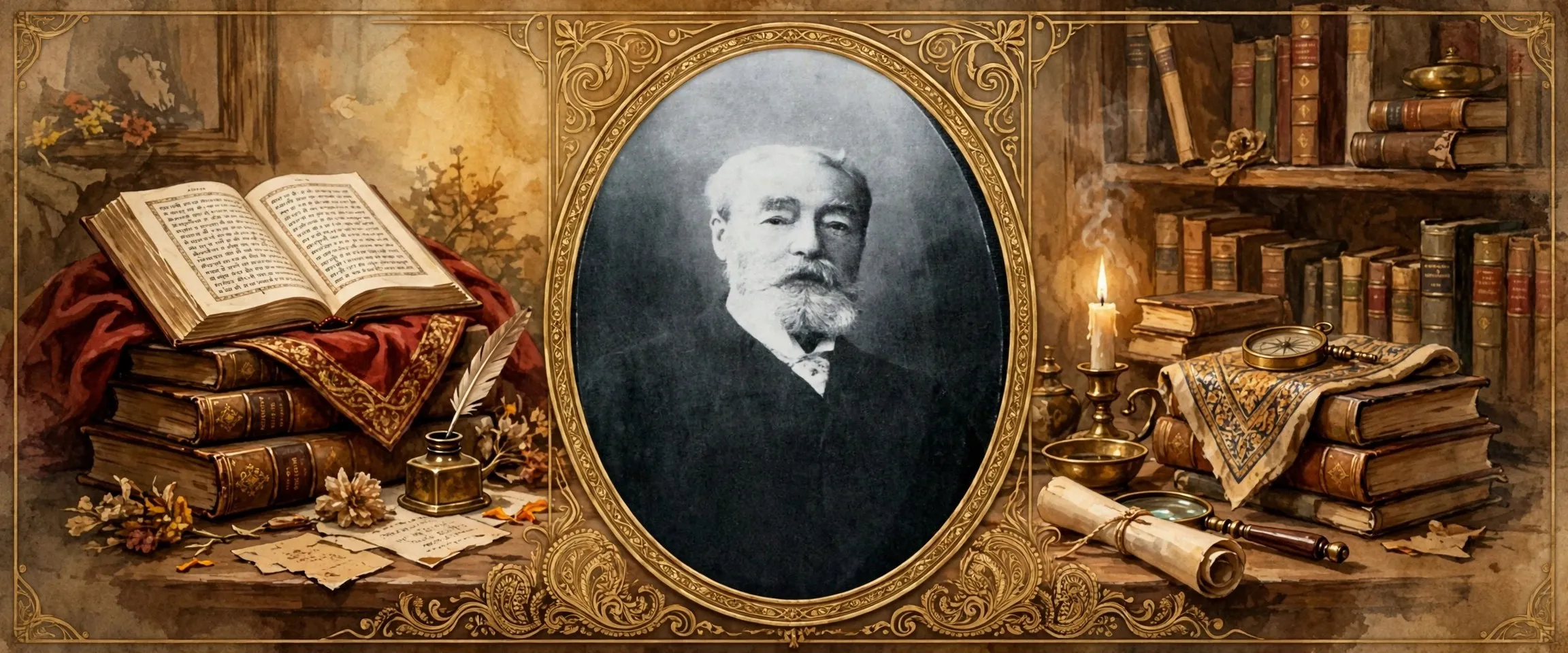
ਮੈਕਸ ਆਰਥਰ ਮੈਕਾਲਿਫ਼ (1838-1913) ਬਰਤਾਨਵੀ ਭਾਰਤ ਵਿੱਚ ਇੱਕ ਆਇਰਲੈਂਡ ਦਾ ਸਿਵਲ ਸੇਵਕ ਸੀ ਜੋ ਸਿੱਖ ਧਰਮ ਗ੍ਰੰਥ ਦਾ ਪਹਿਲਾ ਅੰਗਰੇਜ਼ੀ ਅਨੁਵਾਦਕ ਬਣਿਆ ਜਿਸ ਨੂੰ ਸਿੱਖ ਭਾਈਚਾਰੇ ਨੇ ਮੰਨਿਆ। ਉਸ ਦੀ ਛੇ ਜਿਲਦਾਂ ਵਾਲੀ ਕਿਤਾਬ, ਦ ਸਿੱਖ ਰਿਲੀਜਨ: ਇਟਸ ਗੁਰੂਜ਼, ਸੈਕਰਡ ਰਾਈਟਿੰਗਜ਼ ਐਂਡ ਆਥਰਜ਼, 1909 ਵਿੱਚ ਆਕਸਫ਼ੋਰਡ ਤੋਂ ਛਪੀ, ਜਿਸ ਵਿੱਚ ਦਸ ਗੁਰੂਆਂ ਅਤੇ ਭਗਤਾਂ ਦਾ ਜੀਵਨ ਉਹਨਾਂ ਦੀਆਂ ਬਾਣੀਆਂ ਦੇ ਅੰਗਰੇਜ਼ੀ ਅਨੁਵਾਦ ਨਾਲ ਜੋੜਿਆ ਗਿਆ, ਅਤੇ ਇਹ ਸਿੱਖ ਧਰਮ ਬਾਰੇ ਅੰਗਰੇਜ਼ੀ ਵਿੱਚ ਸਭ ਤੋਂ ਵੱਧ ਹਵਾਲਾ ਦਿੱਤੀ ਜਾਣ ਵਾਲੀ ਕਿਤਾਬ ਹੈ।
ਜੀਵਨ ਇੱਕ ਨਜ਼ਰ ਵਿੱਚ
- 1838ਜਨਮ Glenmore, Monagea, County Limerick, Ireland
- 1909ਸਭ ਤੋਂ ਜਾਣੀ ਰਚਨਾ Sacred Writings and Authors
- 1909ਪਹਿਲੀ ਕਿਤਾਬ The Sikh Religion
- 1913ਦੇਹਾਂਤ West Kensington, London
- ਪੰਜਾਬੀ ਨਾਂ
- ਮੈਕਸ ਆਰਥਰ ਮੈਕਾਲਿਫ਼
- ਜਨਮ
- 11 ਸਤੰਬਰ 1838, ਗਲੈਨਮੋਰ, ਮੋਨੇਗੀਆ, ਕਾਊਂਟੀ ਲਿਮਰਿਕ, ਆਇਰਲੈਂਡ
- ਦੇਹਾਂਤ
- 15 ਮਾਰਚ 1913, ਵੈਸਟ ਕੈਂਸਿੰਗਟਨ, ਲੰਡਨ
- ਜਨਮ ਸਮੇਂ ਦਾ ਨਾਂ
- ਮਾਈਕਲ ਮੈਕਾਲਿਫ਼
- ਸਿੱਖਿਆ
- ਕਵੀਨਜ਼ ਕਾਲਜ ਗਾਲਵੇ; ਆਧੁਨਿਕ ਭਾਸ਼ਾਵਾਂ ਵਿੱਚ ਪਹਿਲੇ ਦਰਜੇ ਦੀ ਆਨਰਜ਼ ਡਿਗਰੀ, 1860
- ਕਿੱਤਾ
- ਭਾਰਤੀ ਸਿਵਲ ਸੇਵਾ, 1862 ਤੋਂ 1893; ਪੰਜਾਬ ਦਾ ਡਿਪਟੀ ਕਮਿਸ਼ਨਰ, 1882; ਡਿਵੀਜ਼ਨਲ ਜੱਜ, 1884
All 9 facts
- ਭਾਰਤ ਵਿੱਚ ਘਰ
- ਅੰਮ੍ਰਿਤਸਰ, 2 ਕੈਂਟੋਨਮੈਂਟ ਰੋਡ
- ਸਭ ਤੋਂ ਜਾਣੀ ਰਚਨਾ
- ਦ ਸਿੱਖ ਰਿਲੀਜਨ: ਇਟਸ ਗੁਰੂਜ਼, ਸੈਕਰਡ ਰਾਈਟਿੰਗਜ਼ ਐਂਡ ਆਥਰਜ਼ (1909)
- ਭਾਸ਼ਾਵਾਂ
- ਸੰਸਕ੍ਰਿਤ, ਪ੍ਰਾਕ੍ਰਿਤ, ਅਰਬੀ, ਫ਼ਾਰਸੀ, ਪੰਜਾਬੀ ਅਤੇ ਉਸ ਦੀਆਂ ਬੋਲੀਆਂ
ਮੁੱਢਲਾ ਜੀਵਨ
Max Arthur Macauliffe was born Michael McAuliffe on 11 September 1838 at Glenmore, near Monagea in County Limerick, Ireland, the eldest of a large Roman Catholic family. He was educated at Newcastle School and Springfield College, then at Queen's College Galway, where he took a first class honours degree in modern languages in 1860. He was a gifted linguist from the start: Latin, Greek, French and Italian at college, and later Sanskrit, Prakrit, Arabic, Persian, Marathi, Gujarati and Punjabi in its dialects. In the 1870s he changed his name from Michael McAuliffe to Max Arthur Macauliffe, a name he kept for the rest of his life.
A civil servant in Punjab
He entered the Indian Civil Service in 1862 and reached Punjab in 1864, after a year or two in Calcutta. He served as an assistant commissioner at Gurdaspur and Multan, then at Montgomery, and rose to deputy commissioner of the Punjab in 1882 and divisional judge in 1884. His sympathy for the Sikhs and their religion brought him into conflict with fellow British officials, and the colonial government refused to fund his research into Sikhism. In 1893 he left the civil service altogether so that he could give his whole time to the work. He had already lost a large sum of money, close to a lakh of rupees, in failed commercial ventures, and the promised Sikh funding for his translation was slow and uncertain. He lived in Amritsar, in a house on Cantonment Road, where Sikh scholars came and went and theological discussion went on through the day.
What did Macauliffe translate?
Macauliffe translated the Guru Granth Sahib, the Sikh scripture, into English. He was not the first to try: the German scholar Ernest Trumpp had been commissioned by the India Office and published a partial translation in 1877, but Sikhs found it inaccurate and offensive, and it was widely rejected. Macauliffe set out to repair that injury. He worked line by line with Sikh scholars, gianis and bhais, among them Bhai Kahn Singh of Nabha, Bhagat Lakshman Singh, Giani Ditt Singh and Sardul Singh Giani, and he sent drafts to Sikh dignitaries and to scholars abroad for comment. In January 1900 his translation of Japji Sahib was published, followed by Asa Di Var in December 1901. When the whole translation was finished, he asked a committee of Sikh scholars to examine it. They spent a month and a half reading it, corrected what they found wrong, and issued a certificate saying the translation was thoroughly correct and literal, done according to all grammatical and rhetorical rules.
ਦ ਸਿੱਖ ਰਿਲੀਜਨ (1909)
The work of those years came together in The Sikh Religion: Its Gurus, Sacred Writings and Authors, published by the Clarendon Press at Oxford in 1909 in six volumes and nearly 2,500 pages. Macauliffe did not publish a bare translation. He set the hymns inside the lives of the ten Gurus and the bhagats whose verses are in the scripture, drawing on Sikh sources such as the Janamsakhis, Suraj Prakash and the Gur Bilas. The first volume covers Guru Nanak, the middle volumes follow the Gurus in order, and the sixth covers the bhagats, among them Jaidev, Namdev, Kabir and Ravidas. The volumes were illustrated with drawings by Thakur Lal Singh, court painter to the Maharaja of Nabha, and photographs of shrines and holy men. Bhai Kahn Singh travelled to England with Macauliffe to check the proofs. The government had offered 5,000 rupees towards the work, reduced from 15,000, and Macauliffe refused it as too small. He is reported to have spent 200,000 rupees of his own money on the undertaking.
Later life and death
Macauliffe moved to London in 1904 and lived at 10 Sinclair Gardens, West Kensington. He was disappointed that the Sikh Educational Conference at Rawalpindi in 1911 refused to pass a resolution commending his work, and he felt rejected by both the Sikhs and the British. He died of cancer at his London home on 15 March 1913, aged 74. His Punjabi assistant Muhammad wrote that in his last minutes Macauliffe could be heard reciting Japji Sahib, the Sikh morning prayer. His burial was disputed: Christians refused him burial and local Sikhs refused him cremation, since he was not a keshdhari Sikh, and a compromise was found. He left the copyright of The Sikh Religion to Bhai Kahn Singh of Nabha.
Why is Macauliffe still read?
Macauliffe is still read because his book remains the most cited English text on the Sikh religion, and it has never gone out of print since 1909. Scholars value the translation for its closeness to the Sikh scholars who checked it, and for the way it lets the Gurus' lives and their hymns be read together. His work has its critics: he argued that Sikhism was a religion distinct from Hinduism, a view Gandhi criticised in 1924, and modern scholars note that he sometimes retold the janamsakhi stories in his own voice. Whether he formally converted to Sikhism is still disputed among scholars. But for any reader who wants to meet the Sikh faith in English, his six volumes remain the place where the modern English study of Sikhism began.
ਮੁੱਢਲਾ ਜੀਵਨ
ਮੈਕਸ ਆਰਥਰ ਮੈਕਾਲਿਫ਼ ਦਾ ਜਨਮ ਮਾਈਕਲ ਮੈਕਾਲਿਫ਼ ਵਜੋਂ 11 ਸਤੰਬਰ 1838 ਨੂੰ ਗਲੈਨਮੋਰ, ਮੋਨੇਗੀਆ ਨੇੜੇ, ਕਾਊਂਟੀ ਲਿਮਰਿਕ, ਆਇਰਲੈਂਡ ਵਿੱਚ ਹੋਇਆ। ਉਹ ਇੱਕ ਵੱਡੇ ਰੋਮਨ ਕੈਥੋਲਿਕ ਪਰਿਵਾਰ ਦਾ ਸਭ ਤੋਂ ਵੱਡਾ ਬੱਚਾ ਸੀ। ਉਸ ਨੇ ਨਿਊਕੈਸਲ ਸਕੂਲ ਅਤੇ ਸਪਰਿੰਗਫ਼ੀਲਡ ਕਾਲਜ ਵਿੱਚ ਪੜ੍ਹਾਈ ਕੀਤੀ, ਫਿਰ ਕਵੀਨਜ਼ ਕਾਲਜ ਗਾਲਵੇ ਵਿੱਚ, ਜਿੱਥੇ 1860 ਵਿੱਚ ਉਸ ਨੇ ਆਧੁਨਿਕ ਭਾਸ਼ਾਵਾਂ ਵਿੱਚ ਪਹਿਲੇ ਦਰਜੇ ਦੀ ਆਨਰਜ਼ ਡਿਗਰੀ ਲਈ। ਉਹ ਸ਼ੁਰੂ ਤੋਂ ਹੀ ਭਾਸ਼ਾਵਾਂ ਦਾ ਮਾਹਿਰ ਸੀ: ਕਾਲਜ ਵਿੱਚ ਲਾਤੀਨੀ, ਯੂਨਾਨੀ, ਫ਼ਰਾਂਸੀਸੀ ਅਤੇ ਇਤਾਲਵੀ, ਅਤੇ ਬਾਅਦ ਵਿੱਚ ਸੰਸਕ੍ਰਿਤ, ਪ੍ਰਾਕ੍ਰਿਤ, ਅਰਬੀ, ਫ਼ਾਰਸੀ, ਮਰਾਠੀ, ਗੁਜਰਾਤੀ ਅਤੇ ਪੰਜਾਬੀ ਉਸ ਦੀਆਂ ਬੋਲੀਆਂ ਸਮੇਤ। 1870 ਦੇ ਦਹਾਕੇ ਵਿੱਚ ਉਸ ਨੇ ਆਪਣਾ ਨਾਂ ਮਾਈਕਲ ਮੈਕਾਲਿਫ਼ ਤੋਂ ਬਦਲ ਕੇ ਮੈਕਸ ਆਰਥਰ ਮੈਕਾਲਿਫ਼ ਰੱਖ ਲਿਆ, ਜੋ ਉਸ ਨੇ ਸਾਰੀ ਉਮਰ ਕਾਇਮ ਰੱਖਿਆ।
ਪੰਜਾਬ ਵਿੱਚ ਸਿਵਲ ਸੇਵਕ
ਉਹ 1862 ਵਿੱਚ ਭਾਰਤੀ ਸਿਵਲ ਸੇਵਾ ਵਿੱਚ ਆਇਆ ਅਤੇ ਕਲਕੱਤਾ ਵਿੱਚ ਇੱਕ-ਦੋ ਸਾਲ ਬਾਅਦ 1864 ਵਿੱਚ ਪੰਜਾਬ ਪਹੁੰਚਿਆ। ਉਸ ਨੇ ਗੁਰਦਾਸਪੁਰ ਅਤੇ ਮੁਲਤਾਨ ਵਿੱਚ ਸਹਾਇਕ ਕਮਿਸ਼ਨਰ ਵਜੋਂ ਸੇਵਾ ਕੀਤੀ, ਫਿਰ ਮਿੰਟਗੁਮਰੀ ਵਿੱਚ, ਅਤੇ 1882 ਵਿੱਚ ਪੰਜਾਬ ਦਾ ਡਿਪਟੀ ਕਮਿਸ਼ਨਰ ਅਤੇ 1884 ਵਿੱਚ ਡਿਵੀਜ਼ਨਲ ਜੱਜ ਬਣਿਆ। ਸਿੱਖਾਂ ਅਤੇ ਉਹਨਾਂ ਦੇ ਧਰਮ ਪ੍ਰਤੀ ਉਸ ਦੀ ਹਮਦਰਦੀ ਨੇ ਉਸ ਨੂੰ ਅੰਗਰੇਜ਼ ਅਧਿਕਾਰੀਆਂ ਨਾਲ ਟਕਰਾਅ ਵਿੱਚ ਲਿਆ ਦਿੱਤਾ, ਅਤੇ ਬਸਤੀਵਾਦੀ ਸਰਕਾਰ ਨੇ ਸਿੱਖ ਧਰਮ ਬਾਰੇ ਉਸ ਦੀ ਖੋਜ ਲਈ ਪੈਸੇ ਦੇਣ ਤੋਂ ਇਨਕਾਰ ਕਰ ਦਿੱਤਾ। 1893 ਵਿੱਚ ਉਸ ਨੇ ਸਿਵਲ ਸੇਵਾ ਪੂਰੀ ਤਰ੍ਹਾਂ ਛੱਡ ਦਿੱਤੀ ਤਾਂ ਜੋ ਉਹ ਆਪਣਾ ਸਾਰਾ ਸਮਾਂ ਇਸ ਕੰਮ ਨੂੰ ਦੇ ਸਕੇ। ਉਹ ਪਹਿਲਾਂ ਹੀ ਵਪਾਰਕ ਕੰਪਨੀਆਂ ਦੇ ਡੁੱਬਣ ਨਾਲ ਲੱਖ ਦੇ ਕਰੀਬ ਰੁਪਏ ਗਵਾ ਚੁੱਕਾ ਸੀ, ਅਤੇ ਉਸ ਦੇ ਅਨੁਵਾਦ ਲਈ ਸਿੱਖਾਂ ਵੱਲੋਂ ਵਾਅਦਾ ਕੀਤਾ ਪੈਸਾ ਹੌਲੀ ਅਤੇ ਅਨਿਸ਼ਚਿਤ ਆ ਰਿਹਾ ਸੀ। ਉਹ ਅੰਮ੍ਰਿਤਸਰ ਵਿੱਚ ਕੈਂਟੋਨਮੈਂਟ ਰੋਡ ਉੱਤੇ ਇੱਕ ਘਰ ਵਿੱਚ ਰਹਿੰਦਾ ਸੀ, ਜਿੱਥੇ ਸਿੱਖ ਵਿਦਵਾਨ ਆਉਂਦੇ-ਜਾਂਦੇ ਸਨ ਅਤੇ ਦਿਨ ਭਰ ਧਾਰਮਿਕ ਚਰਚਾ ਚੱਲਦੀ ਰਹਿੰਦੀ ਸੀ।
ਮੈਕਾਲਿਫ਼ ਨੇ ਕੀ ਅਨੁਵਾਦ ਕੀਤਾ?
ਮੈਕਾਲਿਫ਼ ਨੇ ਸਿੱਖ ਧਰਮ ਗ੍ਰੰਥ, ਗੁਰੂ ਗ੍ਰੰਥ ਸਾਹਿਬ, ਦਾ ਅੰਗਰੇਜ਼ੀ ਅਨੁਵਾਦ ਕੀਤਾ। ਉਹ ਪਹਿਲਾ ਕੋਸ਼ਿਸ਼ ਕਰਨ ਵਾਲਾ ਨਹੀਂ ਸੀ: ਜਰਮਨ ਵਿਦਵਾਨ ਅਰਨੈਸਟ ਟਰੰਪ ਨੂੰ ਇੰਡੀਆ ਦਫ਼ਤਰ ਨੇ ਕੰਮ ਸੌਂਪਿਆ ਸੀ ਅਤੇ 1877 ਵਿੱਚ ਉਸ ਦਾ ਅਧੂਰਾ ਅਨੁਵਾਦ ਛਪਿਆ ਸੀ, ਪਰ ਸਿੱਖਾਂ ਨੂੰ ਉਹ ਗ਼ਲਤ ਅਤੇ ਅਪਮਾਨਜਨਕ ਲੱਗਿਆ, ਅਤੇ ਉਸ ਨੂੰ ਵਿਆਪਕ ਤੌਰ ਉੱਤੇ ਰੱਦ ਕਰ ਦਿੱਤਾ ਗਿਆ। ਮੈਕਾਲਿਫ਼ ਨੇ ਇਸ ਸੱਟ ਨੂੰ ਠੀਕ ਕਰਨ ਦਾ ਕੰਮ ਸ਼ੁਰੂ ਕੀਤਾ। ਉਸ ਨੇ ਭਾਈ ਕਾਹਨ ਸਿੰਘ ਨਾਭਾ, ਭਗਤ ਲਛਮਣ ਸਿੰਘ, ਗਿਆਨੀ ਦਿੱਤ ਸਿੰਘ ਅਤੇ ਸਰਦੁਲ ਸਿੰਘ ਗਿਆਨੀ ਸਮੇਤ ਸਿੱਖ ਵਿਦਵਾਨਾਂ, ਗਿਆਨੀਆਂ ਅਤੇ ਭਾਈਆਂ ਨਾਲ ਸਤਰ ਦਰ ਸਤਰ ਕੰਮ ਕੀਤਾ, ਅਤੇ ਖਰੜੇ ਸਿੱਖ ਪਤਵੰਤਿਆਂ ਅਤੇ ਵਿਦੇਸ਼ਾਂ ਦੇ ਵਿਦਵਾਨਾਂ ਨੂੰ ਟਿੱਪਣੀ ਲਈ ਭੇਜੇ। ਜਨਵਰੀ 1900 ਵਿੱਚ ਜਪੁਜੀ ਸਾਹਿਬ ਦਾ ਉਸ ਦਾ ਅਨੁਵਾਦ ਛਪਿਆ, ਫਿਰ ਦਸੰਬਰ 1901 ਵਿੱਚ ਆਸਾ ਦੀ ਵਾਰ। ਜਦੋਂ ਪੂਰਾ ਅਨੁਵਾਦ ਤਿਆਰ ਹੋ ਗਿਆ, ਉਸ ਨੇ ਸਿੱਖ ਵਿਦਵਾਨਾਂ ਦੀ ਇੱਕ ਕਮੇਟੀ ਨੂੰ ਇਸ ਦੀ ਜਾਂਚ ਕਰਨ ਲਈ ਕਿਹਾ। ਉਹਨਾਂ ਨੇ ਡੇਢ ਮਹੀਨਾ ਲਗਾ ਕੇ ਇਸ ਨੂੰ ਪੜ੍ਹਿਆ, ਜੋ ਗ਼ਲਤ ਮਿਲਿਆ ਉਸ ਨੂੰ ਠੀਕ ਕੀਤਾ, ਅਤੇ ਇੱਕ ਸਰਟੀਫ਼ਿਕੇਟ ਜਾਰੀ ਕੀਤਾ ਕਿ ਅਨੁਵਾਦ ਪੂਰੀ ਤਰ੍ਹਾਂ ਸਹੀ ਅਤੇ ਸ਼ਾਬਦਿਕ ਹੈ, ਸਾਰੇ ਵਿਆਕਰਨ ਅਤੇ ਅਲੰਕਾਰ ਦੇ ਨਿਯਮਾਂ ਅਨੁਸਾਰ ਕੀਤਾ ਗਿਆ ਹੈ।
ਦ ਸਿੱਖ ਰਿਲੀਜਨ (1909)
ਉਹਨਾਂ ਸਾਲਾਂ ਦੀ ਮਿਹਨਤ 1909 ਵਿੱਚ ਆਕਸਫ਼ੋਰਡ ਦੇ ਕਲੈਰੰਡਨ ਪ੍ਰੈੱਸ ਵੱਲੋਂ ਛੇ ਜਿਲਦਾਂ ਅਤੇ ਲਗਭਗ 2,500 ਸਫ਼ਿਆਂ ਵਿੱਚ ਛਪੀ ਕਿਤਾਬ ਦ ਸਿੱਖ ਰਿਲੀਜਨ: ਇਟਸ ਗੁਰੂਜ਼, ਸੈਕਰਡ ਰਾਈਟਿੰਗਜ਼ ਐਂਡ ਆਥਰਜ਼ ਵਿੱਚ ਇਕੱਠੀ ਹੋਈ। ਮੈਕਾਲਿਫ਼ ਨੇ ਕੋਰਾ ਅਨੁਵਾਦ ਨਹੀਂ ਛਾਪਿਆ। ਉਸ ਨੇ ਬਾਣੀਆਂ ਨੂੰ ਦਸ ਗੁਰੂਆਂ ਅਤੇ ਉਹਨਾਂ ਭਗਤਾਂ ਦੇ ਜੀਵਨ ਦੇ ਅੰਦਰ ਰੱਖਿਆ ਜਿਹਨਾਂ ਦੀਆਂ ਰਚਨਾਵਾਂ ਗ੍ਰੰਥ ਵਿੱਚ ਹਨ, ਅਤੇ ਜਨਮਸਾਖੀਆਂ, ਸੂਰਜ ਪ੍ਰਕਾਸ਼ ਅਤੇ ਗੁਰਬਿਲਾਸ ਵਰਗੇ ਸਿੱਖ ਸਰੋਤਾਂ ਤੋਂ ਲਿਆ। ਪਹਿਲੀ ਜਿਲਦ ਗੁਰੂ ਨਾਨਕ ਬਾਰੇ ਹੈ, ਵਿਚਕਾਰਲੀਆਂ ਜਿਲਦਾਂ ਗੁਰੂਆਂ ਨੂੰ ਤਰਤੀਬ ਨਾਲ ਦੱਸਦੀਆਂ ਹਨ, ਅਤੇ ਛੇਵੀਂ ਜਿਲਦ ਭਗਤਾਂ ਬਾਰੇ ਹੈ, ਜਿਹਨਾਂ ਵਿੱਚ ਜੈਦੇਵ, ਨਾਮਦੇਵ, ਕਬੀਰ ਅਤੇ ਰਵਿਦਾਸ ਹਨ। ਜਿਲਦਾਂ ਵਿੱਚ ਨਾਭਾ ਦੇ ਮਹਾਰਾਜਾ ਦੇ ਦਰਬਾਰੀ ਚਿੱਤਰਕਾਰ ਠਾਕੁਰ ਲਾਲ ਸਿੰਘ ਦੇ ਚਿੱਤਰ ਅਤੇ ਅਸਥਾਨਾਂ ਅਤੇ ਸੰਤਾਂ ਦੀਆਂ ਫੋਟੋਆਂ ਹਨ। ਭਾਈ ਕਾਹਨ ਸਿੰਘ ਪ੍ਰੂਫ਼ਾਂ ਦੀ ਜਾਂਚ ਲਈ ਮੈਕਾਲਿਫ਼ ਨਾਲ ਇੰਗਲੈਂਡ ਗਿਆ। ਸਰਕਾਰ ਨੇ ਇਸ ਕੰਮ ਲਈ 5,000 ਰੁਪਏ ਦੀ ਪੇਸ਼ਕਸ਼ ਕੀਤੀ ਸੀ, ਜੋ 15,000 ਤੋਂ ਘਟਾ ਕੇ ਦਿੱਤੇ ਗਏ ਸਨ, ਅਤੇ ਮੈਕਾਲਿਫ਼ ਨੇ ਇਸ ਨੂੰ ਬਹੁਤ ਘੱਟ ਕਹਿ ਕੇ ਠੁਕਰਾ ਦਿੱਤਾ। ਕਿਹਾ ਜਾਂਦਾ ਹੈ ਕਿ ਉਸ ਨੇ ਇਸ ਕੰਮ ਉੱਤੇ ਆਪਣੇ 200,000 ਰੁਪਏ ਖ਼ਰਚ ਕੀਤੇ।
ਪਿਛਲਾ ਜੀਵਨ ਅਤੇ ਮੌਤ
ਮੈਕਾਲਿਫ਼ 1904 ਵਿੱਚ ਲੰਡਨ ਚਲਾ ਗਿਆ ਅਤੇ ਵੈਸਟ ਕੈਂਸਿੰਗਟਨ ਦੇ 10 ਸਿੰਕਲੇਅਰ ਗਾਰਡਨਜ਼ ਵਿੱਚ ਰਹਿਣ ਲੱਗਾ। ਉਹ ਨਿਰਾਸ਼ ਸੀ ਕਿ 1911 ਵਿੱਚ ਰਾਵਲਪਿੰਡੀ ਵਿੱਚ ਸਿੱਖ ਐਜੂਕੇਸ਼ਨਲ ਕਾਨਫ਼ਰੰਸ ਨੇ ਉਸ ਦੇ ਕੰਮ ਦੀ ਸ਼ਲਾਘਾ ਦਾ ਮਤਾ ਪਾਸ ਕਰਨ ਤੋਂ ਇਨਕਾਰ ਕਰ ਦਿੱਤਾ, ਅਤੇ ਉਸ ਨੂੰ ਲੱਗਿਆ ਕਿ ਸਿੱਖਾਂ ਅਤੇ ਅੰਗਰੇਜ਼ਾਂ ਦੋਵਾਂ ਨੇ ਉਸ ਨੂੰ ਠੁਕਰਾ ਦਿੱਤਾ ਹੈ। 15 ਮਾਰਚ 1913 ਨੂੰ 74 ਸਾਲ ਦੀ ਉਮਰ ਵਿੱਚ ਕੈਂਸਰ ਨਾਲ ਲੰਡਨ ਵਿੱਚ ਉਸ ਦੇ ਘਰ ਵਿੱਚ ਉਸ ਦੀ ਮੌਤ ਹੋ ਗਈ। ਉਸ ਦੇ ਪੰਜਾਬੀ ਸਹਾਇਕ ਮੁਹੰਮਦ ਨੇ ਲਿਖਿਆ ਕਿ ਆਖ਼ਰੀ ਪਲਾਂ ਵਿੱਚ ਮੈਕਾਲਿਫ਼ ਜਪੁਜੀ ਸਾਹਿਬ, ਸਿੱਖਾਂ ਦੀ ਸਵੇਰ ਦੀ ਅਰਦਾਸ, ਪੜ੍ਹਦਾ ਸੁਣਿਆ ਗਿਆ। ਉਸ ਦੇ ਸੰਸਕਾਰ ਬਾਰੇ ਝਗੜਾ ਹੋਇਆ: ਈਸਾਈਆਂ ਨੇ ਉਸ ਨੂੰ ਦਫ਼ਨਾਉਣ ਤੋਂ ਇਨਕਾਰ ਕਰ ਦਿੱਤਾ ਅਤੇ ਸਥਾਨਕ ਸਿੱਖਾਂ ਨੇ ਉਸ ਦਾ ਸੰਸਕਾਰ ਕਰਨ ਤੋਂ ਇਨਕਾਰ ਕਰ ਦਿੱਤਾ, ਕਿਉਂਕਿ ਉਹ ਕੇਸਧਾਰੀ ਸਿੱਖ ਨਹੀਂ ਸੀ, ਅਤੇ ਇੱਕ ਸਮਝੌਤਾ ਕੀਤਾ ਗਿਆ। ਉਸ ਨੇ ਦ ਸਿੱਖ ਰਿਲੀਜਨ ਦਾ ਕਾਪੀਰਾਈਟ ਭਾਈ ਕਾਹਨ ਸਿੰਘ ਨਾਭਾ ਨੂੰ ਦੇ ਦਿੱਤਾ।
ਮੈਕਾਲਿਫ਼ ਅੱਜ ਵੀ ਕਿਉਂ ਪੜ੍ਹਿਆ ਜਾਂਦਾ ਹੈ?
ਮੈਕਾਲਿਫ਼ ਅੱਜ ਵੀ ਇਸ ਲਈ ਪੜ੍ਹਿਆ ਜਾਂਦਾ ਹੈ ਕਿਉਂਕਿ ਉਸ ਦੀ ਕਿਤਾਬ ਸਿੱਖ ਧਰਮ ਬਾਰੇ ਅੰਗਰੇਜ਼ੀ ਵਿੱਚ ਸਭ ਤੋਂ ਵੱਧ ਹਵਾਲਾ ਦਿੱਤੀ ਜਾਣ ਵਾਲੀ ਕਿਤਾਬ ਹੈ, ਅਤੇ 1909 ਤੋਂ ਲੈ ਕੇ ਅੱਜ ਤੱਕ ਇਹ ਛਪਦੀ ਆ ਰਹੀ ਹੈ। ਵਿਦਵਾਨ ਇਸ ਅਨੁਵਾਦ ਦੀ ਕਦਰ ਇਸ ਲਈ ਕਰਦੇ ਹਨ ਕਿ ਇਹ ਉਹਨਾਂ ਸਿੱਖ ਵਿਦਵਾਨਾਂ ਦੇ ਨੇੜੇ ਹੈ ਜਿਹਨਾਂ ਨੇ ਇਸ ਦੀ ਜਾਂਚ ਕੀਤੀ ਸੀ, ਅਤੇ ਇਸ ਲਈ ਕਿ ਇਸ ਵਿੱਚ ਗੁਰੂਆਂ ਦਾ ਜੀਵਨ ਅਤੇ ਉਹਨਾਂ ਦੀਆਂ ਬਾਣੀਆਂ ਇਕੱਠੀਆਂ ਪੜ੍ਹੀਆਂ ਜਾ ਸਕਦੀਆਂ ਹਨ। ਉਸ ਦੇ ਕੰਮ ਦੇ ਆਲੋਚਕ ਵੀ ਹਨ: ਉਸ ਦਾ ਕਹਿਣਾ ਸੀ ਕਿ ਸਿੱਖ ਧਰਮ ਹਿੰਦੂ ਧਰਮ ਤੋਂ ਅਲੱਗ ਧਰਮ ਹੈ, ਜਿਸ ਦੀ ਗਾਂਧੀ ਨੇ 1924 ਵਿੱਚ ਆਲੋਚਨਾ ਕੀਤੀ ਸੀ, ਅਤੇ ਆਧੁਨਿਕ ਵਿਦਵਾਨ ਕਹਿੰਦੇ ਹਨ ਕਿ ਉਹ ਕਈ ਵਾਰ ਜਨਮਸਾਖੀਆਂ ਦੀਆਂ ਕਹਾਣੀਆਂ ਆਪਣੀ ਆਵਾਜ਼ ਵਿੱਚ ਦੁਬਾਰਾ ਸੁਣਾਉਂਦਾ ਸੀ। ਉਸ ਨੇ ਰਸਮੀ ਤੌਰ ਉੱਤੇ ਸਿੱਖ ਧਰਮ ਅਪਣਾਇਆ ਸੀ ਜਾਂ ਨਹੀਂ, ਇਸ ਬਾਰੇ ਵਿਦਵਾਨਾਂ ਵਿੱਚ ਅਜੇ ਵੀ ਮਤਭੇਦ ਹੈ। ਪਰ ਜੋ ਵੀ ਪਾਠਕ ਸਿੱਖ ਧਰਮ ਨੂੰ ਅੰਗਰੇਜ਼ੀ ਵਿੱਚ ਮਿਲਣਾ ਚਾਹੁੰਦਾ ਹੈ, ਉਸ ਲਈ ਉਸ ਦੀਆਂ ਛੇ ਜਿਲਦਾਂ ਹੀ ਉਹ ਥਾਂ ਹਨ ਜਿੱਥੋਂ ਸਿੱਖ ਧਰਮ ਦਾ ਆਧੁਨਿਕ ਅੰਗਰੇਜ਼ੀ ਅਧਿਐਨ ਸ਼ੁਰੂ ਹੋਇਆ।
ਰਚਨਾਵਾਂ
ਲੋਕ


More people





ਸਰੋਤ (3)
ਜੁਗਤੀ ਮੁਫ਼ਤ ਅਤੇ ਸੁਤੰਤਰ ਹੈ। ਪਾਠਕਾਂ ਦਾ ਸਹਿਯੋਗ ਕੋਸ਼ ਨੂੰ ਵਧਾਉਂਦਾ ਹੈ।
ਸਹਿਯੋਗ