

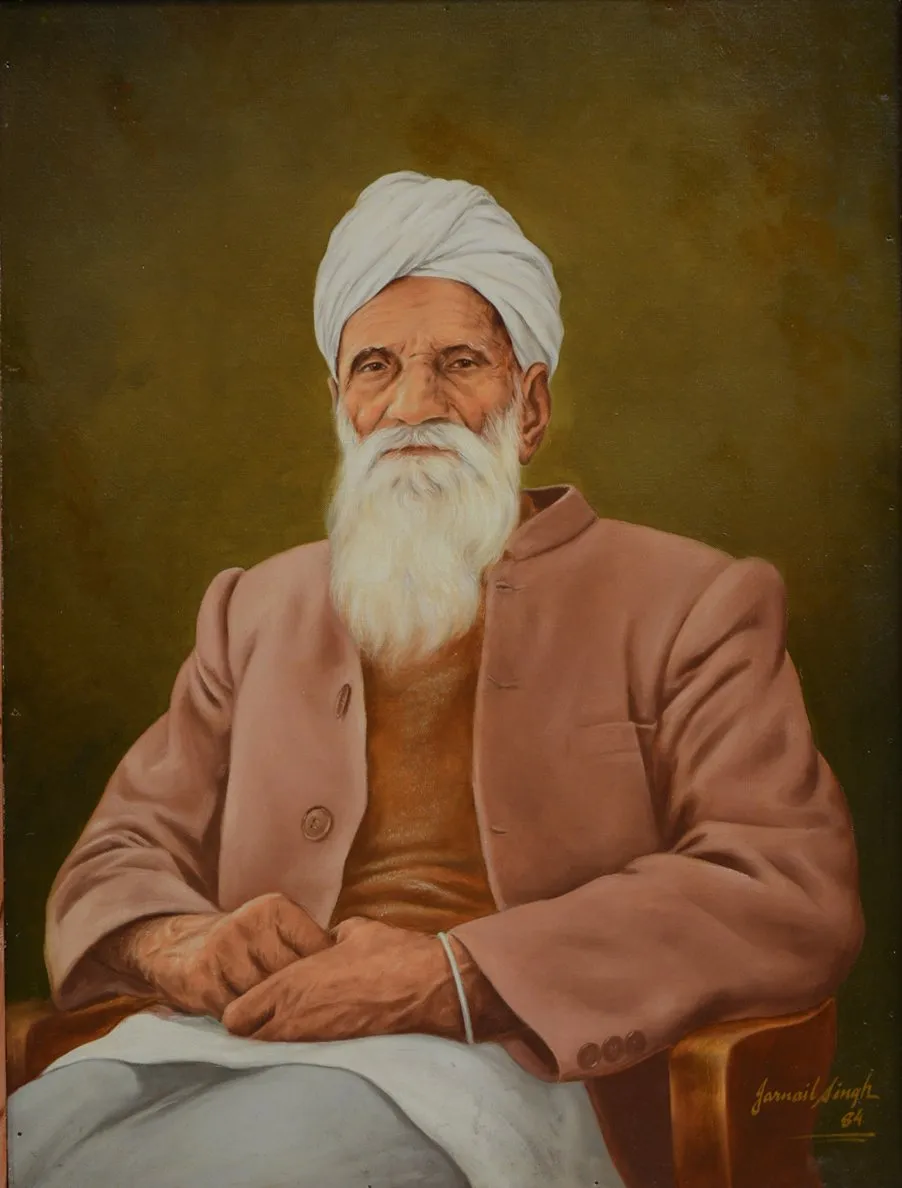
ਭਾਈ ਪਰਮਾਨੰਦ (1876 ਤੋਂ 1947) ਜ਼ਿਲ੍ਹਾ ਜੇਹਲਮ ਦੇ ਪਿੰਡ ਕਰਿਆਲਾ ਦੇ ਪੰਜਾਬੀ ਸੁਤੰਤਰਤਾ ਸੰਗਰਾਮੀ ਅਤੇ ਆਰੀਆ ਸਮਾਜ ਦੇ ਪ੍ਰਚਾਰਕ ਸਨ। ਉਨ੍ਹਾਂ ਨੇ 1913 ਵਿੱਚ ਸਾਨ ਫ਼ਰਾਂਸਿਸਕੋ ਵਿੱਚ ਗ਼ਦਰ ਪਾਰਟੀ ਦੀ ਸਥਾਪਨਾ ਵਿੱਚ ਮਦਦ ਕੀਤੀ, ਬਰਤਾਨਵੀ ਰਾਜ ਵਿਰੁੱਧ ਬਗ਼ਾਵਤ ਦਾ ਸੰਗਠਨ ਕਰਨ ਲਈ ਭਾਰਤ ਪਰਤੇ, ਅਤੇ 1915 ਦੇ ਪਹਿਲੇ ਲਾਹੌਰ ਸਾਜ਼ਿਸ਼ ਕੇਸ ਵਿੱਚ ਉਨ੍ਹਾਂ ਨੂੰ ਮੌਤ ਦੀ ਸਜ਼ਾ ਸੁਣਾਈ ਗਈ। ਸਜ਼ਾ ਉਮਰ ਕੈਦ ਵਿੱਚ ਬਦਲ ਦਿੱਤੀ ਗਈ, ਅਤੇ ਉਹ 1920 ਵਿੱਚ ਰਿਹਾਈ ਤੋਂ ਪਹਿਲਾਂ ਅੰਡੇਮਾਨ ਟਾਪੂਆਂ ਦੀ ਸੈਲੂਲਰ ਜੇਲ੍ਹ ਵਿੱਚ ਪੰਜ ਸਾਲ ਰਹੇ।
- ਪੰਜਾਬੀ ਨਾਂ
- ਭਾਈ ਪਰਮਾਨੰਦ
- ਜਨਮ
- 4 ਨਵੰਬਰ 1876, ਪਿੰਡ ਕਰਿਆਲਾ, ਜ਼ਿਲ੍ਹਾ ਜੇਹਲਮ (ਹੁਣ ਪਾਕਿਸਤਾਨ ਵਿੱਚ)
- ਜ਼ਿਲ੍ਹਾ
- ਜੇਹਲਮ
- ਤਹਿਸੀਲ
- ਚਕਵਾਲ
- ਪਿਤਾ
- ਤਾਰਾ ਚੰਦ ਛਿੱਬਰ, ਆਰੀਆ ਸਮਾਜ ਦੇ ਪ੍ਰਚਾਰਕ
- ਸਿੱਖਿਆ
- ਡੀ. ਏ. ਵੀ. ਕਾਲਜ, ਲਾਹੌਰ; ਮਗਰੋਂ ਉੱਥੇ ਪ੍ਰੋਫ਼ੈਸਰ
All 14 facts
- ਪਾਰਟੀ
- ਗ਼ਦਰ ਪਾਰਟੀ, ਸੰਸਥਾਪਕ ਮੈਂਬਰ
- ਮੁਕੱਦਮਾ
- ਪਹਿਲਾ ਲਾਹੌਰ ਸਾਜ਼ਿਸ਼ ਕੇਸ, 1915
- ਸਜ਼ਾ
- ਮੌਤ, ਉਮਰ ਕੈਦ ਵਿੱਚ ਬਦਲੀ ਗਈ
- ਕੈਦ
- ਸੈਲੂਲਰ ਜੇਲ੍ਹ, ਅੰਡੇਮਾਨ ਟਾਪੂ, 1915 ਤੋਂ 1920
- ਰਿਹਾਈ
- ਅਪ੍ਰੈਲ 1920, ਆਮ ਮੁਆਫ਼ੀ
- ਦੇਹਾਂਤ
- 8 ਦਸੰਬਰ 1947, ਨਵੀਂ ਦਿੱਲੀ, ਉਮਰ 71
- ਪੁੱਤਰ
- ਡਾ. ਭਾਈ ਮਹਾਵੀਰ
- ਕਿਤਾਬਾਂ
- ਦ ਸਟੋਰੀ ਆਫ਼ ਮਾਈ ਲਾਈਫ਼ (1934); ਤਾਰੀਖ਼-ਏ-ਹਿੰਦ; ਕਾਲੇ ਪਾਣੀ ਕੀ ਕਾਰਾਵਾਸ ਕਹਾਨੀ
Bhai Parmanand (4 November 1876 to 8 December 1947) was a Punjabi freedom fighter and Arya Samaj missionary from Karyala village in Jhelum district who helped found the Ghadar Party, was sentenced to death in the First Lahore Conspiracy Case of 1915, and spent five years in the Cellular Jail in the Andaman Islands before his release in 1920.
Early life in Karyala village
Parmanand was born on 4 November 1876 in Karyala, a village in Jhelum district in Punjab, in what is now Pakistan. He was born into a prominent Punjabi Mohyal Brahmin family, and his father, Tara Chand Chibber, was an active missionary of the Arya Samaj, the Hindu reform movement. The village name is also rendered as Kariala in some accounts.
He was educated at DAV College in Lahore, the college founded by the Arya Samaj, and after his studies he became an itinerant lecturer for the movement, travelling to preach its teaching that the Vedas held the answers to India's renewal. He later became a professor at DAV College, the same college where he had studied.
Missionary years abroad
In October 1905 Parmanand sailed to South Africa as a Vedic missionary, and during his stay he lived with Mohandas Gandhi, who was then working among Indians in South Africa. He returned to South Africa for a second visit around 1906, working to improve the condition of Indians there. In 1907 he went to England for further education.
In November 1909, while he was in England, police searched his house in India and found correspondence that had passed between him and Lala Lajpat Rai, along with a manual of explosives. He was tried under Section 110 of the Criminal Procedure Code and bound down on security of 9,000 rupees for three years. The episode tied him in the eyes of the British authorities to the circle of Indian nationalists working abroad.
ਭਾਈ ਪਰਮਾਨੰਦ (4 ਨਵੰਬਰ 1876 ਤੋਂ 8 ਦਸੰਬਰ 1947) ਜ਼ਿਲ੍ਹਾ ਜੇਹਲਮ ਦੇ ਪਿੰਡ ਕਰਿਆਲਾ ਦੇ ਪੰਜਾਬੀ ਸੁਤੰਤਰਤਾ ਸੰਗਰਾਮੀ ਅਤੇ ਆਰੀਆ ਸਮਾਜ ਦੇ ਪ੍ਰਚਾਰਕ ਸਨ। ਉਨ੍ਹਾਂ ਨੇ ਅਮਰੀਕਾ ਵਿੱਚ ਗ਼ਦਰ ਪਾਰਟੀ ਦੀ ਸਥਾਪਨਾ ਵਿੱਚ ਮਦਦ ਕੀਤੀ, 1915 ਦੇ ਪਹਿਲੇ ਲਾਹੌਰ ਸਾਜ਼ਿਸ਼ ਕੇਸ ਵਿੱਚ ਉਨ੍ਹਾਂ ਨੂੰ ਮੌਤ ਦੀ ਸਜ਼ਾ ਸੁਣਾਈ ਗਈ, ਅਤੇ 1920 ਵਿੱਚ ਰਿਹਾਈ ਤੋਂ ਪਹਿਲਾਂ ਉਹ ਅੰਡੇਮਾਨ ਟਾਪੂਆਂ ਦੀ ਸੈਲੂਲਰ ਜੇਲ੍ਹ ਵਿੱਚ ਪੰਜ ਸਾਲ ਰਹੇ।
ਕਰਿਆਲਾ ਪਿੰਡ ਵਿੱਚ ਮੁੱਢਲਾ ਜੀਵਨ
ਪਰਮਾਨੰਦ ਦਾ ਜਨਮ 4 ਨਵੰਬਰ 1876 ਨੂੰ ਪੰਜਾਬ ਦੇ ਜ਼ਿਲ੍ਹਾ ਜੇਹਲਮ ਦੇ ਪਿੰਡ ਕਰਿਆਲਾ ਵਿੱਚ ਹੋਇਆ, ਜੋ ਹੁਣ ਪਾਕਿਸਤਾਨ ਵਿੱਚ ਹੈ। ਉਹ ਪੰਜਾਬ ਦੇ ਮੋਹਿਆਲ ਬ੍ਰਾਹਮਣ ਪਰਿਵਾਰ ਵਿੱਚੋਂ ਸਨ, ਅਤੇ ਉਨ੍ਹਾਂ ਦੇ ਪਿਤਾ ਤਾਰਾ ਚੰਦ ਛਿੱਬਰ ਆਰੀਆ ਸਮਾਜ ਦੇ ਸਰਗਰਮ ਪ੍ਰਚਾਰਕ ਸਨ। ਪਿੰਡ ਦਾ ਨਾਂ ਕੁਝ ਲਿਖਤਾਂ ਵਿੱਚ ਕਰਿਆਲਾ ਵੀ ਲਿਖਿਆ ਮਿਲਦਾ ਹੈ।
ਉਨ੍ਹਾਂ ਨੇ ਲਾਹੌਰ ਦੇ ਡੀ. ਏ. ਵੀ. ਕਾਲਜ ਵਿੱਚ ਪੜ੍ਹਾਈ ਕੀਤੀ, ਜੋ ਆਰੀਆ ਸਮਾਜ ਵੱਲੋਂ ਸਥਾਪਿਤ ਕਾਲਜ ਸੀ। ਪੜ੍ਹਾਈ ਮਗਰੋਂ ਉਹ ਆਰੀਆ ਸਮਾਜ ਦੇ ਘੁੰਮਦੇ ਪ੍ਰਚਾਰਕ ਬਣ ਗਏ ਅਤੇ ਇਹ ਪ੍ਰਚਾਰ ਕਰਦੇ ਫਿਰੇ ਕਿ ਵੇਦਾਂ ਵਿੱਚ ਭਾਰਤ ਦੇ ਨਵੇਂ ਜਾਗਰਣ ਦਾ ਰਾਹ ਹੈ। ਮਗਰੋਂ ਉਹ ਉਸੇ ਡੀ. ਏ. ਵੀ. ਕਾਲਜ ਵਿੱਚ ਪ੍ਰੋਫ਼ੈਸਰ ਬਣੇ, ਜਿੱਥੇ ਉਨ੍ਹਾਂ ਨੇ ਪੜ੍ਹਾਈ ਕੀਤੀ ਸੀ।
ਵਿਦੇਸ਼ ਵਿੱਚ ਪ੍ਰਚਾਰਕ ਵਜੋਂ ਸਾਲ
ਅਕਤੂਬਰ 1905 ਵਿੱਚ ਪਰਮਾਨੰਦ ਵੈਦਿਕ ਪ੍ਰਚਾਰਕ ਵਜੋਂ ਦੱਖਣੀ ਅਫ਼ਰੀਕਾ ਗਏ, ਅਤੇ ਉੱਥੇ ਰਹਿੰਦਿਆਂ ਉਹ ਮੋਹਨਦਾਸ ਗਾਂਧੀ ਕੋਲ ਠਹਿਰੇ, ਜੋ ਉਦੋਂ ਦੱਖਣੀ ਅਫ਼ਰੀਕਾ ਵਿੱਚ ਭਾਰਤੀਆਂ ਵਿੱਚ ਕੰਮ ਕਰ ਰਹੇ ਸਨ। ਉਹ 1906 ਦੇ ਆਸਪਾਸ ਦੂਜੀ ਵਾਰ ਦੱਖਣੀ ਅਫ਼ਰੀਕਾ ਗਏ, ਅਤੇ ਉੱਥੋਂ ਦੇ ਭਾਰਤੀਆਂ ਦੀ ਹਾਲਤ ਸੁਧਾਰਨ ਲਈ ਕੰਮ ਕੀਤਾ। 1907 ਵਿੱਚ ਉਹ ਹੋਰ ਪੜ੍ਹਾਈ ਲਈ ਇੰਗਲੈਂਡ ਗਏ।
ਨਵੰਬਰ 1909 ਵਿੱਚ, ਜਦੋਂ ਉਹ ਇੰਗਲੈਂਡ ਵਿੱਚ ਸਨ, ਪੁਲੀਸ ਨੇ ਭਾਰਤ ਵਿੱਚ ਉਨ੍ਹਾਂ ਦੇ ਘਰ ਦੀ ਤਲਾਸ਼ੀ ਲਈ ਅਤੇ ਉੱਥੋਂ ਲਾਲਾ ਲਾਜਪਤ ਰਾਏ ਨਾਲ ਹੋਈ ਚਿੱਠੀ-ਪੱਤਰੀ ਅਤੇ ਵਿਸਫੋਟਕ ਬਣਾਉਣ ਦੀ ਇੱਕ ਕਿਤਾਬ ਮਿਲੀ। ਉਨ੍ਹਾਂ ਉੱਤੇ ਫ਼ੌਜਦਾਰੀ ਜ਼ਾਬਤਾ ਦੀ ਧਾਰਾ 110 ਤਹਿਤ ਮੁਕੱਦਮਾ ਚਲਾਇਆ ਗਿਆ ਅਤੇ ਤਿੰਨ ਸਾਲ ਲਈ 9,000 ਰੁਪਏ ਦੀ ਜ਼ਮਾਨਤ ਉੱਤੇ ਪਾਬੰਦ ਕਰ ਦਿੱਤਾ ਗਿਆ। ਇਸ ਘਟਨਾ ਨੇ ਬਰਤਾਨਵੀ ਅਧਿਕਾਰੀਆਂ ਦੀ ਨਜ਼ਰ ਵਿੱਚ ਉਨ੍ਹਾਂ ਨੂੰ ਵਿਦੇਸ਼ ਵਿੱਚ ਕੰਮ ਕਰਦੇ ਭਾਰਤੀ ਰਾਸ਼ਟਰਵਾਦੀਆਂ ਦੇ ਘੇਰੇ ਨਾਲ ਜੋੜ ਦਿੱਤਾ।
He left India again in October 1910, travelling to Europe to study medicine, and visited Paris and Trinidad. In 1910 he reached Guyana, then the centre of the Arya Samaj movement in the Caribbean, where his lectures drew larger audiences to the movement. In 1911 he visited Lala Har Dayal, who was on retreat in Martinique, and persuaded him to go to the United States to found a centre for the propagation of ancient Indian culture. Har Dayal reached America and, after a period in Hawaii, moved to San Francisco.
ਗ਼ਦਰ ਪਾਰਟੀ ਦੀ ਸਥਾਪਨਾ
Parmanand toured several British colonies in South America before rejoining Har Dayal in San Francisco. There he became a founder member of the Ghadar Party, the organisation of Indian immigrants founded in 1913 by Sohan Singh Bhakna and Har Dayal, which published the Ghadar newspaper and called for an armed revolt against British rule in India. In 1914 he accompanied Har Dayal on a speaking tour to Portland, and he wrote a book for the party called Tarikh-i-Hind, a history of India.
He returned to India in December 1913, entrusted with spreading the Ghadar cause and its literature. He was part of the leadership of the planned revolt, and was sent to Peshawar to promote it among soldiers and the public there. The plan was to spark a rising across Punjab when the First World War gave the opportunity, but British intelligence had been watching the returning Ghadarites, and the conspiracy was betrayed before it could begin.
Why was Bhai Parmanand sentenced to death?
Parmanand was arrested in connection with the First Lahore Conspiracy Case, the trial of the Ghadar leaders after the failed revolt of 1915. The colonial government tried 291 men under the Defence of India Act of 1915. The special tribunal sentenced 42 of them to death, including Kartar Singh Sarabha and Vishnu Ganesh Pingle, and 114 to transportation for life. Parmanand was among those sentenced to death.
His sentence was later commuted to transportation for life. The commutation spared him the gallows that took Sarabha and Pingle, but it meant years of hard labour in a prison built to break political prisoners, far from home and family.
The Cellular Jail years
Parmanand was imprisoned in the Cellular Jail in the Andaman Islands, the penal colony the British called kala pani, the black waters. He was kept there until 1920 and subjected to hard labour. In protest against the harsh treatment of political prisoners, he went on hunger strike for two months.
He was released unconditionally in April 1920, as part of a general amnesty ordered by King-Emperor George V. He later wrote about the experience in Kale Pani ki Karawas Kahani, his account of imprisonment in the Andamans, one of the few first-hand records of the Cellular Jail from a Punjabi prisoner.
Later life and the Hindu Mahasabha
After his release, Parmanand threw himself back into public life. In September 1920 he attended the special session of the Congress at Calcutta and became an advocate of non-cooperation. In January 1921 he became a director of the Tilak School of Politics, the school started by Lala Lajpat Rai. In early 1922 he was one of the chief founders of the Arya Swarajya Sabha, and from 1922 he ran the weekly journal Akash Bani.
In 1930 he chaired the Sind Provincial Hindu Conference, where he spoke of his concern that the creation of a separate Muslim state would divide India. In his later years he devoted his energies to the Hindu Mahasabha, becoming one of its leaders. His politics had been set out years earlier: in 1909, while reading letters from Lala Lajpat Rai, he had written in his own notes that the territory beyond Sindh could be united with the North-West Frontier Province into a Muslim kingdom, with the Hindus of the region leaving and Muslims elsewhere in the country settling there. He held that view for the rest of his life, and it shaped his later work.
He also kept writing. His books included his autobiography, The Story of My Life, published in 1934, along with Mera Antim Ashraya, Jeevan Rahasya and Veer Vairagi.
Death and legacy
Parmanand died in New Delhi on 8 December 1947, of a heart attack, aged 71. He had lived to see India become independent in August that year, only months before his death. He was survived by his son, Dr Bhai Mahavir, who later became a prominent member of the Jana Sangh and the BJP.
He is remembered in Delhi, where the Bhai Parmanand Institute of Business Studies, a public school in East Delhi and a hospital all carry his name. India Post honoured him with a postage stamp in 1979. His life runs through the whole arc of the freedom struggle: from Arya Samaj preaching in South Africa and the Caribbean, to the founding of the Ghadar Party in San Francisco, to a death sentence in Lahore, five years in the Cellular Jail, and a return to public life that lasted until the year of Independence.
ਅਕਤੂਬਰ 1910 ਵਿੱਚ ਉਹ ਦਵਾਈ ਪੜ੍ਹਨ ਲਈ ਫਿਰ ਯੂਰਪ ਗਏ, ਅਤੇ ਪੈਰਿਸ ਅਤੇ ਤ੍ਰਿਨੀਦਾਦ ਵੀ ਗਏ। 1910 ਵਿੱਚ ਉਹ ਗੁਆਨਾ ਪਹੁੰਚੇ, ਜੋ ਉਦੋਂ ਕੈਰੇਬੀਅਨ ਵਿੱਚ ਆਰੀਆ ਸਮਾਜ ਦਾ ਕੇਂਦਰ ਸੀ, ਜਿੱਥੇ ਉਨ੍ਹਾਂ ਦੇ ਭਾਸ਼ਣਾਂ ਨਾਲ ਸਮਾਜ ਦੇ ਪੈਰੋਕਾਰ ਵਧੇ। 1911 ਵਿੱਚ ਉਹ ਮਾਰਟੀਨੀਕ ਵਿੱਚ ਲਾਲਾ ਹਰਦਿਆਲ ਨੂੰ ਮਿਲਣ ਗਏ, ਜੋ ਉੱਥੇ ਇਕਾਂਤਵਾਸ ਵਿੱਚ ਸਨ, ਅਤੇ ਉਨ੍ਹਾਂ ਨੂੰ ਮਨਾਇਆ ਕਿ ਉਹ ਅਮਰੀਕਾ ਜਾ ਕੇ ਭਾਰਤੀ ਸੰਸਕ੍ਰਿਤੀ ਦੇ ਪ੍ਰਚਾਰ ਲਈ ਇੱਕ ਕੇਂਦਰ ਸਥਾਪਿਤ ਕਰਨ। ਹਰਦਿਆਲ ਅਮਰੀਕਾ ਪਹੁੰਚੇ ਅਤੇ ਹਵਾਈ ਵਿੱਚ ਕੁਝ ਸਮਾਂ ਰਹਿ ਕੇ ਸਾਨ ਫ਼ਰਾਂਸਿਸਕੋ ਚਲੇ ਗਏ।
ਗ਼ਦਰ ਪਾਰਟੀ ਦੀ ਸਥਾਪਨਾ
ਪਰਮਾਨੰਦ ਨੇ ਦੱਖਣੀ ਅਮਰੀਕਾ ਦੀਆਂ ਕਈ ਬਰਤਾਨਵੀ ਬਸਤੀਆਂ ਦਾ ਦੌਰਾ ਕੀਤਾ ਅਤੇ ਫਿਰ ਸਾਨ ਫ਼ਰਾਂਸਿਸਕੋ ਵਿੱਚ ਹਰਦਿਆਲ ਨਾਲ ਮੁੜ ਮਿਲੇ। ਉੱਥੇ ਉਹ ਗ਼ਦਰ ਪਾਰਟੀ ਦੇ ਸੰਸਥਾਪਕ ਮੈਂਬਰਾਂ ਵਿੱਚੋਂ ਇੱਕ ਬਣੇ, ਜੋ 1913 ਵਿੱਚ ਸੋਹਣ ਸਿੰਘ ਭਕਨਾ ਅਤੇ ਹਰਦਿਆਲ ਵੱਲੋਂ ਸਥਾਪਿਤ ਪ੍ਰਵਾਸੀ ਭਾਰਤੀਆਂ ਦੀ ਜਥੇਬੰਦੀ ਸੀ, ਜਿਸ ਨੇ ਗ਼ਦਰ ਅਖ਼ਬਾਰ ਕੱਢਿਆ ਅਤੇ ਭਾਰਤ ਵਿੱਚ ਬਰਤਾਨਵੀ ਰਾਜ ਵਿਰੁੱਧ ਹਥਿਆਰਬੰਦ ਬਗ਼ਾਵਤ ਦਾ ਸੱਦਾ ਦਿੱਤਾ। 1914 ਵਿੱਚ ਉਹ ਹਰਦਿਆਲ ਨਾਲ ਪੋਰਟਲੈਂਡ ਦੇ ਭਾਸ਼ਣ ਦੌਰੇ ਉੱਤੇ ਗਏ, ਅਤੇ ਉਨ੍ਹਾਂ ਨੇ ਪਾਰਟੀ ਲਈ ਤਾਰੀਖ਼-ਏ-ਹਿੰਦ ਨਾਂ ਦੀ ਕਿਤਾਬ ਲਿਖੀ, ਜੋ ਭਾਰਤ ਦਾ ਇਤਿਹਾਸ ਸੀ।
ਉਹ ਦਸੰਬਰ 1913 ਵਿੱਚ ਭਾਰਤ ਪਰਤ ਆਏ, ਜਿੱਥੇ ਉਨ੍ਹਾਂ ਨੂੰ ਗ਼ਦਰ ਦਾ ਪ੍ਰਚਾਰ ਅਤੇ ਉਸ ਦਾ ਸਾਹਿਤ ਫੈਲਾਉਣ ਦਾ ਕੰਮ ਸੌਂਪਿਆ ਗਿਆ। ਉਹ ਯੋਜਨਾਬੱਧ ਬਗ਼ਾਵਤ ਦੀ ਅਗਵਾਈ ਵਿੱਚ ਸ਼ਾਮਲ ਸਨ, ਅਤੇ ਉਨ੍ਹਾਂ ਨੂੰ ਪੇਸ਼ਾਵਰ ਭੇਜਿਆ ਗਿਆ ਤਾਂ ਕਿ ਉਹ ਉੱਥੇ ਸਿਪਾਹੀਆਂ ਅਤੇ ਲੋਕਾਂ ਵਿੱਚ ਬਗ਼ਾਵਤ ਦਾ ਪ੍ਰਚਾਰ ਕਰਨ। ਯੋਜਨਾ ਇਹ ਸੀ ਕਿ ਪਹਿਲੇ ਵਿਸ਼ਵ ਯੁੱਧ ਦੇ ਮੌਕੇ ਪੰਜਾਬ ਭਰ ਵਿੱਚ ਬਗ਼ਾਵਤ ਭੜਕਾਈ ਜਾਵੇ, ਪਰ ਬਰਤਾਨਵੀ ਖ਼ੁਫ਼ੀਆ ਵਿਭਾਗ ਪਰਤਦੇ ਗ਼ਦਰੀਆਂ ਉੱਤੇ ਨਜ਼ਰ ਰੱਖੀ ਬੈਠਾ ਸੀ, ਅਤੇ ਸਾਜ਼ਿਸ਼ ਸ਼ੁਰੂ ਹੋਣ ਤੋਂ ਪਹਿਲਾਂ ਹੀ ਖੁੱਲ੍ਹ ਗਈ।
ਭਾਈ ਪਰਮਾਨੰਦ ਨੂੰ ਮੌਤ ਦੀ ਸਜ਼ਾ ਕਿਉਂ ਸੁਣਾਈ ਗਈ?
1915 ਦੀ ਨਾਕਾਮ ਬਗ਼ਾਵਤ ਮਗਰੋਂ ਪਰਮਾਨੰਦ ਨੂੰ ਪਹਿਲੇ ਲਾਹੌਰ ਸਾਜ਼ਿਸ਼ ਕੇਸ ਵਿੱਚ ਗ੍ਰਿਫ਼ਤਾਰ ਕੀਤਾ ਗਿਆ, ਜਿਸ ਵਿੱਚ ਗ਼ਦਰ ਆਗੂਆਂ ਉੱਤੇ ਮੁਕੱਦਮਾ ਚਲਾਇਆ ਗਿਆ। ਬਸਤੀਵਾਦੀ ਸਰਕਾਰ ਨੇ 1915 ਦੇ ਭਾਰਤ ਰੱਖਿਆ ਕਾਨੂੰਨ ਤਹਿਤ 291 ਬੰਦਿਆਂ ਉੱਤੇ ਮੁਕੱਦਮਾ ਚਲਾਇਆ। ਖ਼ਾਸ ਟ੍ਰਿਬਿਊਨਲ ਨੇ ਉਨ੍ਹਾਂ ਵਿੱਚੋਂ 42 ਨੂੰ ਮੌਤ ਦੀ ਸਜ਼ਾ ਸੁਣਾਈ, ਜਿਨ੍ਹਾਂ ਵਿੱਚ ਕਰਤਾਰ ਸਿੰਘ ਸਰਾਭਾ ਅਤੇ ਵਿਸ਼ਨੂੰ ਗਣੇਸ਼ ਪਿੰਗਲੇ ਸ਼ਾਮਲ ਸਨ, ਅਤੇ 114 ਨੂੰ ਉਮਰ ਕੈਦ ਦੀ ਸਜ਼ਾ ਦਿੱਤੀ ਗਈ। ਪਰਮਾਨੰਦ ਉਨ੍ਹਾਂ ਵਿੱਚੋਂ ਸਨ, ਜਿਨ੍ਹਾਂ ਨੂੰ ਮੌਤ ਦੀ ਸਜ਼ਾ ਸੁਣਾਈ ਗਈ।
ਉਨ੍ਹਾਂ ਦੀ ਸਜ਼ਾ ਮਗਰੋਂ ਉਮਰ ਕੈਦ ਵਿੱਚ ਬਦਲ ਦਿੱਤੀ ਗਈ। ਇਸ ਬਦਲਾਅ ਨੇ ਉਨ੍ਹਾਂ ਨੂੰ ਉਸ ਫਾਂਸੀ ਤੋਂ ਬਚਾ ਲਿਆ, ਜੋ ਸਰਾਭਾ ਅਤੇ ਪਿੰਗਲੇ ਨੂੰ ਮਿਲੀ, ਪਰ ਇਸ ਦਾ ਮਤਲਬ ਸੀ ਕਿ ਉਨ੍ਹਾਂ ਨੂੰ ਸਿਆਸੀ ਕੈਦੀਆਂ ਨੂੰ ਤੋੜਨ ਲਈ ਬਣਾਈ ਗਈ ਜੇਲ੍ਹ ਵਿੱਚ ਸਾਲਾਂ ਤੱਕ ਸਖ਼ਤ ਮਜ਼ਦੂਰੀ ਕਰਨੀ ਪਵੇਗੀ, ਘਰ ਅਤੇ ਪਰਿਵਾਰ ਤੋਂ ਦੂਰ।
ਸੈਲੂਲਰ ਜੇਲ੍ਹ ਦੇ ਸਾਲ
ਪਰਮਾਨੰਦ ਨੂੰ ਅੰਡੇਮਾਨ ਟਾਪੂਆਂ ਦੀ ਸੈਲੂਲਰ ਜੇਲ੍ਹ ਵਿੱਚ ਕੈਦ ਕੀਤਾ ਗਿਆ, ਜਿਸ ਨੂੰ ਬਰਤਾਨਵੀ ਸਰਕਾਰ ਕਾਲੇ ਪਾਣੀ ਦੀ ਸਜ਼ਾ ਕਹਿੰਦੀ ਸੀ। ਉਹ 1920 ਤੱਕ ਉੱਥੇ ਰਹੇ ਅਤੇ ਉਨ੍ਹਾਂ ਤੋਂ ਸਖ਼ਤ ਮਜ਼ਦੂਰੀ ਕਰਵਾਈ ਗਈ। ਸਿਆਸੀ ਕੈਦੀਆਂ ਨਾਲ ਹੁੰਦੇ ਸਖ਼ਤ ਸਲੂਕ ਦੇ ਵਿਰੋਧ ਵਿੱਚ ਉਨ੍ਹਾਂ ਨੇ ਦੋ ਮਹੀਨੇ ਭੁੱਖ ਹੜਤਾਲ ਕੀਤੀ।
ਅਪ੍ਰੈਲ 1920 ਵਿੱਚ ਉਹ ਬਿਨਾ ਸ਼ਰਤ ਰਿਹਾਅ ਕਰ ਦਿੱਤੇ ਗਏ, ਜੋ ਬਾਦਸ਼ਾਹ-ਸ਼ਹਿਨਸ਼ਾਹ ਜਾਰਜ ਪੰਜਵੇਂ ਵੱਲੋਂ ਐਲਾਨੀ ਆਮ ਮੁਆਫ਼ੀ ਦਾ ਹਿੱਸਾ ਸੀ। ਮਗਰੋਂ ਉਨ੍ਹਾਂ ਨੇ ਇਸ ਤਜਰਬੇ ਬਾਰੇ ਕਾਲੇ ਪਾਣੀ ਕੀ ਕਾਰਾਵਾਸ ਕਹਾਨੀ ਲਿਖੀ, ਜੋ ਸੈਲੂਲਰ ਜੇਲ੍ਹ ਦਾ ਇੱਕ ਪੰਜਾਬੀ ਕੈਦੀ ਵੱਲੋਂ ਲਿਖਿਆ ਗਿਣਿਆ-ਚੁਣਿਆ ਪਹਿਲਾ ਹੱਥ ਦਾ ਬਿਰਤਾਂਤ ਹੈ।
ਪਿਛਲਾ ਜੀਵਨ ਅਤੇ ਹਿੰਦੂ ਮਹਾਸਭਾ
ਰਿਹਾਈ ਮਗਰੋਂ ਪਰਮਾਨੰਦ ਫਿਰ ਜਨਤਕ ਜੀਵਨ ਵਿੱਚ ਆ ਗਏ। ਸਤੰਬਰ 1920 ਵਿੱਚ ਉਹ ਕਲਕੱਤਾ ਵਿੱਚ ਕਾਂਗਰਸ ਦੇ ਵਿਸ਼ੇਸ਼ ਅਧਿਵੇਸ਼ਨ ਵਿੱਚ ਸ਼ਾਮਲ ਹੋਏ ਅਤੇ ਅਸਹਿਯੋਗ ਦੇ ਹਮਾਇਤੀ ਬਣੇ। ਜਨਵਰੀ 1921 ਵਿੱਚ ਉਹ ਤਿਲਕ ਸਕੂਲ ਆਫ਼ ਪਾਲਿਟਿਕਸ ਦੇ ਡਾਇਰੈਕਟਰ ਬਣੇ, ਜੋ ਲਾਲਾ ਲਾਜਪਤ ਰਾਏ ਨੇ ਸ਼ੁਰੂ ਕੀਤਾ ਸੀ। 1922 ਦੇ ਸ਼ੁਰੂ ਵਿੱਚ ਉਹ ਆਰੀਆ ਸਵਰਾਜ ਸਭਾ ਦੇ ਮੁੱਖ ਸੰਸਥਾਪਕਾਂ ਵਿੱਚੋਂ ਇੱਕ ਸਨ, ਅਤੇ 1922 ਤੋਂ ਉਨ੍ਹਾਂ ਨੇ ਹਫ਼ਤਾਵਾਰੀ ਅਖ਼ਬਾਰ ਆਕਾਸ਼ ਬਾਣੀ ਚਲਾਇਆ।
1930 ਵਿੱਚ ਉਹ ਸਿੰਧ ਸੂਬਾਈ ਹਿੰਦੂ ਕਾਨਫ਼ਰੰਸ ਦੇ ਪ੍ਰਧਾਨ ਬਣੇ, ਜਿੱਥੇ ਉਨ੍ਹਾਂ ਨੇ ਚਿੰਤਾ ਜ਼ਾਹਿਰ ਕੀਤੀ ਕਿ ਵੱਖਰੇ ਮੁਸਲਿਮ ਰਾਜ ਦੀ ਸਿਰਜਣਾ ਭਾਰਤ ਨੂੰ ਵੰਡ ਦੇਵੇਗੀ। ਪਿਛਲੇ ਸਾਲਾਂ ਵਿੱਚ ਉਨ੍ਹਾਂ ਨੇ ਆਪਣੀ ਤਾਕਤ ਹਿੰਦੂ ਮਹਾਸਭਾ ਨੂੰ ਲਾਈ, ਅਤੇ ਉਹ ਉਸ ਦੇ ਆਗੂਆਂ ਵਿੱਚੋਂ ਇੱਕ ਬਣੇ। ਉਨ੍ਹਾਂ ਦੀ ਸਿਆਸਤ ਬਹੁਤ ਪਹਿਲਾਂ ਤੈਅ ਹੋ ਚੁੱਕੀ ਸੀ: 1909 ਵਿੱਚ, ਲਾਲਾ ਲਾਜਪਤ ਰਾਏ ਦੀਆਂ ਚਿੱਠੀਆਂ ਪੜ੍ਹਦਿਆਂ, ਉਨ੍ਹਾਂ ਨੇ ਆਪਣੇ ਨੋਟਾਂ ਵਿੱਚ ਲਿਖਿਆ ਸੀ ਕਿ ਸਿੰਧ ਤੋਂ ਪਾਰ ਦਾ ਇਲਾਕਾ ਉੱਤਰ-ਪੱਛਮੀ ਸਰਹੱਦੀ ਸੂਬੇ ਨਾਲ ਮਿਲਾ ਕੇ ਇੱਕ ਮੁਸਲਿਮ ਰਾਜ ਬਣਾਇਆ ਜਾ ਸਕਦਾ ਹੈ, ਜਿੱਥੋਂ ਹਿੰਦੂ ਚਲੇ ਜਾਣ ਅਤੇ ਦੇਸ਼ ਦੇ ਹੋਰ ਹਿੱਸਿਆਂ ਦੇ ਮੁਸਲਮਾਨ ਆ ਕੇ ਵੱਸ ਜਾਣ। ਉਹ ਜੀਵਨ ਭਰ ਇਸ ਵਿਚਾਰ ਉੱਤੇ ਕਾਇਮ ਰਹੇ, ਅਤੇ ਇਸ ਨੇ ਉਨ੍ਹਾਂ ਦੇ ਮਗਰਲੇ ਕੰਮ ਨੂੰ ਆਕਾਰ ਦਿੱਤਾ।
ਉਹ ਲਿਖਦੇ ਵੀ ਰਹੇ। ਉਨ੍ਹਾਂ ਦੀਆਂ ਕਿਤਾਬਾਂ ਵਿੱਚ 1934 ਵਿੱਚ ਛਪੀ ਉਨ੍ਹਾਂ ਦੀ ਆਤਮਕਥਾ, ਦ ਸਟੋਰੀ ਆਫ਼ ਮਾਈ ਲਾਈਫ਼, ਅਤੇ ਮੇਰਾ ਅੰਤਿਮ ਆਸ਼ਰਯ, ਜੀਵਨ ਰਹਸਯ ਅਤੇ ਵੀਰ ਵੈਰਾਗੀ ਸ਼ਾਮਲ ਹਨ।
ਦੇਹਾਂਤ ਅਤੇ ਵਿਰਾਸਤ
ਪਰਮਾਨੰਦ ਦਾ ਦੇਹਾਂਤ 8 ਦਸੰਬਰ 1947 ਨੂੰ ਨਵੀਂ ਦਿੱਲੀ ਵਿੱਚ ਦਿਲ ਦੇ ਦੌਰੇ ਨਾਲ ਹੋਇਆ, ਉਮਰ 71 ਸਾਲ ਸੀ। ਉਹ ਉਸੇ ਸਾਲ ਅਗਸਤ ਵਿੱਚ ਭਾਰਤ ਦੀ ਆਜ਼ਾਦੀ ਵੇਖ ਚੁੱਕੇ ਸਨ, ਆਪਣੇ ਦੇਹਾਂਤ ਤੋਂ ਸਿਰਫ਼ ਕੁਝ ਮਹੀਨੇ ਪਹਿਲਾਂ। ਉਨ੍ਹਾਂ ਮਗਰੋਂ ਉਨ੍ਹਾਂ ਦੇ ਪੁੱਤਰ ਡਾ. ਭਾਈ ਮਹਾਵੀਰ ਰਹੇ, ਜੋ ਮਗਰੋਂ ਜਨਸੰਘ ਅਤੇ ਭਾਜਪਾ ਦੇ ਪ੍ਰਮੁੱਖ ਮੈਂਬਰ ਬਣੇ।
ਉਹ ਦਿੱਲੀ ਵਿੱਚ ਯਾਦ ਕੀਤੇ ਜਾਂਦੇ ਹਨ, ਜਿੱਥੇ ਭਾਈ ਪਰਮਾਨੰਦ ਇੰਸਟੀਚਿਊਟ ਆਫ਼ ਬਿਜ਼ਨਸ ਸਟੱਡੀਜ਼, ਪੂਰਬੀ ਦਿੱਲੀ ਵਿੱਚ ਇੱਕ ਪਬਲਿਕ ਸਕੂਲ ਅਤੇ ਇੱਕ ਹਸਪਤਾਲ ਉਨ੍ਹਾਂ ਦੇ ਨਾਂ ਉੱਤੇ ਹਨ। 1979 ਵਿੱਚ ਭਾਰਤੀ ਡਾਕ ਵਿਭਾਗ ਨੇ ਉਨ੍ਹਾਂ ਦੇ ਸਨਮਾਨ ਵਿੱਚ ਇੱਕ ਡਾਕ ਟਿਕਟ ਜਾਰੀ ਕੀਤੀ। ਉਨ੍ਹਾਂ ਦਾ ਜੀਵਨ ਸੁਤੰਤਰਤਾ ਸੰਗਰਾਮ ਦੇ ਪੂਰੇ ਸਫ਼ਰ ਵਿੱਚੋਂ ਲੰਘਦਾ ਹੈ: ਦੱਖਣੀ ਅਫ਼ਰੀਕਾ ਅਤੇ ਕੈਰੇਬੀਅਨ ਵਿੱਚ ਆਰੀਆ ਸਮਾਜ ਦਾ ਪ੍ਰਚਾਰ, ਸਾਨ ਫ਼ਰਾਂਸਿਸਕੋ ਵਿੱਚ ਗ਼ਦਰ ਪਾਰਟੀ ਦੀ ਸਥਾਪਨਾ, ਲਾਹੌਰ ਵਿੱਚ ਮੌਤ ਦੀ ਸਜ਼ਾ, ਸੈਲੂਲਰ ਜੇਲ੍ਹ ਵਿੱਚ ਪੰਜ ਸਾਲ, ਅਤੇ ਜਨਤਕ ਜੀਵਨ ਵਿੱਚ ਵਾਪਸੀ, ਜੋ ਆਜ਼ਾਦੀ ਦੇ ਸਾਲ ਤੱਕ ਚੱਲੀ।
ਲੋਕ


ਥਾਵਾਂ

More freedom struggle
ਸਾਰੇ ਵੇਖੋ


ਸਰੋਤ (3)
ਜੁਗਤੀ ਮੁਫ਼ਤ ਅਤੇ ਸੁਤੰਤਰ ਹੈ। ਪਾਠਕਾਂ ਦਾ ਸਹਿਯੋਗ ਕੋਸ਼ ਨੂੰ ਵਧਾਉਂਦਾ ਹੈ।
ਸਹਿਯੋਗ