
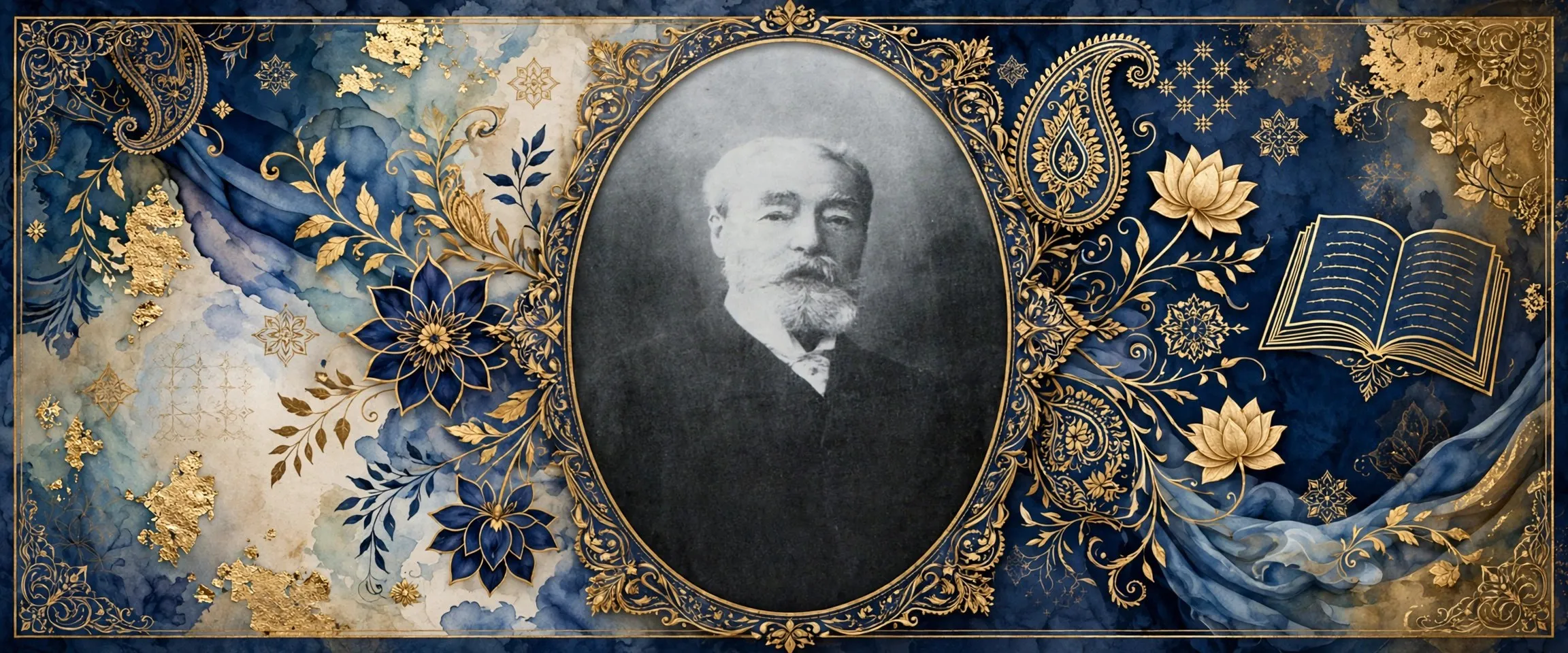
ਦ ਸਿੱਖ ਰਿਲੀਜਨ: ਇਟਸ ਗੁਰੂਜ਼, ਸੈਕਰਡ ਰਾਈਟਿੰਗਜ਼ ਐਂਡ ਆਥਰਜ਼ ਆਇਰਲੈਂਡ ਦੇ ਵਿਦਵਾਨ ਮੈਕਸ ਆਰਥਰ ਮੈਕਾਲਿਫ਼ ਦੀ ਛੇ ਜਿਲਦਾਂ ਵਾਲੀ ਕਿਤਾਬ ਹੈ, ਜੋ 1909 ਵਿੱਚ ਆਕਸਫ਼ੋਰਡ ਦੇ ਕਲੈਰੰਡਨ ਪ੍ਰੈੱਸ ਵੱਲੋਂ ਛਪੀ। ਇਸ ਵਿੱਚ ਦਸ ਸਿੱਖ ਗੁਰੂਆਂ ਅਤੇ ਉਹਨਾਂ ਭਗਤਾਂ ਦਾ ਜੀਵਨ ਜੁੜਿਆ ਹੈ ਜਿਹਨਾਂ ਦੀਆਂ ਬਾਣੀਆਂ ਗੁਰੂ ਗ੍ਰੰਥ ਸਾਹਿਬ ਵਿੱਚ ਹਨ, ਉਹਨਾਂ ਦੀਆਂ ਬਾਣੀਆਂ ਦੇ ਅੰਗਰੇਜ਼ੀ ਅਨੁਵਾਦ ਨਾਲ, ਅਤੇ ਇਹ ਸਿੱਖ ਧਰਮ ਬਾਰੇ ਅੰਗਰੇਜ਼ੀ ਵਿੱਚ ਸਭ ਤੋਂ ਵੱਧ ਹਵਾਲਾ ਦਿੱਤੀ ਜਾਣ ਵਾਲੀ ਕਿਤਾਬ ਹੈ।
ਅੰਗਰੇਜ਼ੀ- ਲੇਖਕ
- ਮੈਕਸ ਆਰਥਰ ਮੈਕਾਲਿਫ਼ (1838-1913)
- ਪ੍ਰਕਾਸ਼ਿਤ
- 1909
- ਪ੍ਰਕਾਸ਼ਕ
- ਕਲੈਰੰਡਨ ਪ੍ਰੈੱਸ, ਆਕਸਫ਼ੋਰਡ
- ਜਿਲਦਾਂ
- ਛੇ
- ਲੰਬਾਈ
- ਲਗਭਗ 2,500 ਸਫ਼ੇ
- ਭਾਸ਼ਾ
- ਅੰਗਰੇਜ਼ੀ
All 8 facts
- ਆਧਾਰਿਤ
- ਗੁਰੂ ਗ੍ਰੰਥ ਸਾਹਿਬ, ਜਨਮਸਾਖੀਆਂ, ਸੂਰਜ ਪ੍ਰਕਾਸ਼, ਗੁਰਬਿਲਾਸ
- ਸਿੱਖ ਜਾਂਚ
- ਸਿੱਖ ਵਿਦਵਾਨਾਂ ਦੀ ਕਮੇਟੀ ਨੇ ਅਨੁਵਾਦ ਨੂੰ ਪੂਰੀ ਤਰ੍ਹਾਂ ਸਹੀ ਹੋਣ ਦਾ ਸਰਟੀਫ਼ਿਕੇਟ ਦਿੱਤਾ
About the book
The Sikh Religion: Its Gurus, Sacred Writings and Authors is a six-volume work by the Irish scholar Max Arthur Macauliffe, published by the Clarendon Press at Oxford in 1909. It is a history of the Sikh Gurus and a translation of their hymns, bound together: each volume tells the life of one or more Gurus and then gives English translations of the verses that belong to that life. The whole work runs to nearly 2,500 pages. It has remained in print since its publication and is the most cited text on the Sikh religion in English.
What is in the six volumes?
Volume one, 471 pages, is given to Guru Nanak, his life and his writings, with a long introduction to Sikhism. Volume two covers the second, third and fourth Gurus: Guru Angad, Guru Amar Das and Guru Ram Das. Volume three is the life of Guru Arjan, the fifth Guru, and his hymns. Volume four covers the sixth, seventh, eighth and ninth Gurus, Guru Hargobind, Guru Har Rai, Guru Harkrishan and Guru Tegh Bahadur, with the hymns of the ninth. Volume five is the life of Guru Gobind Singh, the tenth Guru, his compositions, his letter to the Emperor Aurangzeb, and a discussion of the musical measures of the hymns. Volume six gathers the bhagats whose verses are in the Guru Granth Sahib, among them Jaidev, Namdev, Kabir and Ravidas, with an index. The volumes carry 22 plates of drawings by Thakur Lal Singh, court painter to the Maharaja of Nabha, and nine photographs of shrines and holy men.
How the translation was made
Macauliffe began the work in the 1870s, after attending a Diwali celebration in Amritsar soon after his arrival in Punjab. He learned Punjabi and the other languages of the scripture, and he worked with Sikh scholars who knew the texts by heart: Bhai Kahn Singh of Nabha, who became his closest assistant, Bhagat Lakshman Singh, Giani Ditt Singh and others. He translated line by line, and invited a committee of Sikh scholars to review each passage. His translation of Japji Sahib appeared in January 1900 and Asa Di Var in December 1901. By 1908 the translation was complete. He then went to England with Bhai Kahn Singh to see the book through the press. He is reported to have spent 200,000 rupees of his own money on the work, and to have employed Sikh teachers at his own expense for years. The colonial government offered 5,000 rupees, which he refused as too little.
ਲੇਖਕ
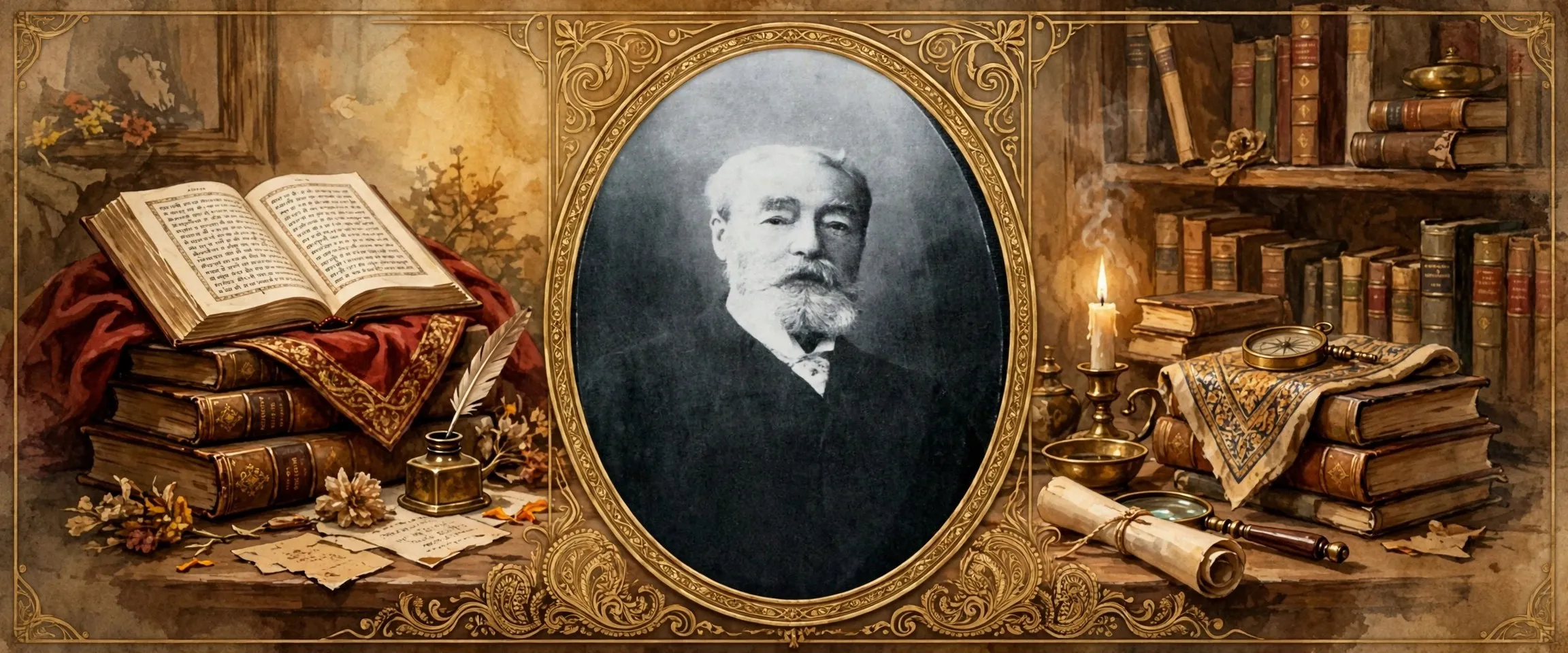
Max Arthur Macauliffe (1838-1913) was born Michael McAuliffe in County Limerick, Ireland, and served in the Indian Civil Service in Punjab from 1864 to 1893, rising to divisional judge. He resigned from the service so that he could devote himself to Sikh studies, and lived in Amritsar, where his house became a meeting place for Sikh scholars. He was a prolific linguist, at home in Sanskrit, Prakrit, Arabic, Persian and Punjabi. His earlier articles on Sikhism appeared in the Calcutta Review between 1875 and 1881, and in 1897 he lectured on the subject in Paris. The Sikh Religion was the work of his life, sixteen years from his resignation to its publication.
Reception and legacy
The book was praised by Sikh and European scholars alike when it appeared, among them Khem Singh Bedi, J. A. Grierson, Sir William Hunter, Sir Edwin Arnold and the philologist Max Muller. A committee of Sikh scholars certified the translation as thoroughly correct and literal. But Macauliffe was also disappointed. The Sikh Educational Conference at Rawalpindi in 1911 refused to pass a resolution commending the work, and the government would not fund it. Gandhi criticised the book in 1924, saying it lost value through its praise of English rule and its insistence that Sikhism had nothing in common with Hinduism. Modern scholars note that Macauliffe sometimes retold the janamsakhi stories in a fanciful, story-telling voice. Even so, the work has stayed in print for more than a century, and every serious study of Sikhism in English still starts from it. After his death, the copyright passed to Bhai Kahn Singh of Nabha.
Why is it still read?
It is still read because it is the fullest English doorway into the Sikh scripture. A reader who opens it meets the Gurus as people first, with their stories, and then hears their hymns in English, in the order of their lives. No later translation has replaced it as a reference, and no other single work holds so much of the early Sikh tradition in English. For students, for Sikhs in the diaspora who do not read Gurmukhi, and for anyone curious about the faith, the six volumes remain the standard place to begin.
ਕਿਤਾਬ ਬਾਰੇ
ਦ ਸਿੱਖ ਰਿਲੀਜਨ: ਇਟਸ ਗੁਰੂਜ਼, ਸੈਕਰਡ ਰਾਈਟਿੰਗਜ਼ ਐਂਡ ਆਥਰਜ਼ ਆਇਰਲੈਂਡ ਦੇ ਵਿਦਵਾਨ ਮੈਕਸ ਆਰਥਰ ਮੈਕਾਲਿਫ਼ ਦੀ ਛੇ ਜਿਲਦਾਂ ਵਾਲੀ ਕਿਤਾਬ ਹੈ, ਜੋ 1909 ਵਿੱਚ ਆਕਸਫ਼ੋਰਡ ਦੇ ਕਲੈਰੰਡਨ ਪ੍ਰੈੱਸ ਵੱਲੋਂ ਛਪੀ। ਇਹ ਸਿੱਖ ਗੁਰੂਆਂ ਦਾ ਇਤਿਹਾਸ ਅਤੇ ਉਹਨਾਂ ਦੀਆਂ ਬਾਣੀਆਂ ਦਾ ਅਨੁਵਾਦ ਹੈ, ਜੋ ਇਕੱਠੇ ਬੰਨ੍ਹੇ ਹੋਏ ਹਨ: ਹਰ ਜਿਲਦ ਇੱਕ ਜਾਂ ਵੱਧ ਗੁਰੂਆਂ ਦਾ ਜੀਵਨ ਦੱਸਦੀ ਹੈ ਅਤੇ ਫਿਰ ਉਹਨਾਂ ਦੇ ਜੀਵਨ ਨਾਲ ਜੁੜੀਆਂ ਬਾਣੀਆਂ ਦਾ ਅੰਗਰੇਜ਼ੀ ਅਨੁਵਾਦ ਦਿੰਦੀ ਹੈ। ਪੂਰੀ ਕਿਤਾਬ ਲਗਭਗ 2,500 ਸਫ਼ਿਆਂ ਦੀ ਹੈ। ਇਹ ਛਪਣ ਤੋਂ ਲੈ ਕੇ ਅੱਜ ਤੱਕ ਛਪਦੀ ਆ ਰਹੀ ਹੈ ਅਤੇ ਸਿੱਖ ਧਰਮ ਬਾਰੇ ਅੰਗਰੇਜ਼ੀ ਵਿੱਚ ਸਭ ਤੋਂ ਵੱਧ ਹਵਾਲਾ ਦਿੱਤੀ ਜਾਣ ਵਾਲੀ ਕਿਤਾਬ ਹੈ।
ਛੇ ਜਿਲਦਾਂ ਵਿੱਚ ਕੀ ਹੈ?
ਪਹਿਲੀ ਜਿਲਦ, 471 ਸਫ਼ੇ, ਗੁਰੂ ਨਾਨਕ, ਉਹਨਾਂ ਦੇ ਜੀਵਨ ਅਤੇ ਉਹਨਾਂ ਦੀਆਂ ਲਿਖਤਾਂ ਨੂੰ ਦਿੱਤੀ ਗਈ ਹੈ, ਸਿੱਖ ਧਰਮ ਦੀ ਲੰਬੀ ਜਾਣ-ਪਛਾਣ ਸਮੇਤ। ਦੂਜੀ ਜਿਲਦ ਦੂਜੇ, ਤੀਜੇ ਅਤੇ ਚੌਥੇ ਗੁਰੂਆਂ ਬਾਰੇ ਹੈ: ਗੁਰੂ ਅੰਗਦ, ਗੁਰੂ ਅਮਰਦਾਸ ਅਤੇ ਗੁਰੂ ਰਾਮਦਾਸ। ਤੀਜੀ ਜਿਲਦ ਪੰਜਵੇਂ ਗੁਰੂ, ਗੁਰੂ ਅਰਜਨ, ਦੇ ਜੀਵਨ ਅਤੇ ਉਹਨਾਂ ਦੀਆਂ ਬਾਣੀਆਂ ਬਾਰੇ ਹੈ। ਚੌਥੀ ਜਿਲਦ ਛੇਵੇਂ, ਸੱਤਵੇਂ, ਅੱਠਵੇਂ ਅਤੇ ਨੌਵੇਂ ਗੁਰੂਆਂ ਬਾਰੇ ਹੈ, ਗੁਰੂ ਹਰਿਗੋਬਿੰਦ, ਗੁਰੂ ਹਰਿਰਾਇ, ਗੁਰੂ ਹਰਿਕ੍ਰਿਸ਼ਨ ਅਤੇ ਗੁਰੂ ਤੇਗ਼ ਬਹਾਦਰ, ਨੌਵੇਂ ਗੁਰੂ ਦੀਆਂ ਬਾਣੀਆਂ ਸਮੇਤ। ਪੰਜਵੀਂ ਜਿਲਦ ਦਸਵੇਂ ਗੁਰੂ, ਗੁਰੂ ਗੋਬਿੰਦ ਸਿੰਘ, ਦੇ ਜੀਵਨ, ਉਹਨਾਂ ਦੀਆਂ ਰਚਨਾਵਾਂ, ਬਾਦਸ਼ਾਹ ਔਰੰਗਜ਼ੇਬ ਨੂੰ ਉਹਨਾਂ ਦੇ ਪੱਤਰ ਅਤੇ ਬਾਣੀਆਂ ਦੇ ਸੰਗੀਤਕ ਸੁਰਾਂ ਬਾਰੇ ਚਰਚਾ ਬਾਰੇ ਹੈ। ਛੇਵੀਂ ਜਿਲਦ ਉਹਨਾਂ ਭਗਤਾਂ ਨੂੰ ਇਕੱਠਾ ਕਰਦੀ ਹੈ ਜਿਹਨਾਂ ਦੀਆਂ ਬਾਣੀਆਂ ਗੁਰੂ ਗ੍ਰੰਥ ਸਾਹਿਬ ਵਿੱਚ ਹਨ, ਜਿਹਨਾਂ ਵਿੱਚ ਜੈਦੇਵ, ਨਾਮਦੇਵ, ਕਬੀਰ ਅਤੇ ਰਵਿਦਾਸ ਹਨ, ਅਤੇ ਇੱਕ ਸੂਚੀ ਵੀ ਹੈ। ਜਿਲਦਾਂ ਵਿੱਚ ਨਾਭਾ ਦੇ ਮਹਾਰਾਜਾ ਦੇ ਦਰਬਾਰੀ ਚਿੱਤਰਕਾਰ ਠਾਕੁਰ ਲਾਲ ਸਿੰਘ ਦੇ 22 ਚਿੱਤਰ ਅਤੇ ਅਸਥਾਨਾਂ ਅਤੇ ਸੰਤਾਂ ਦੀਆਂ ਨੌਂ ਫੋਟੋਆਂ ਹਨ।
ਅਨੁਵਾਦ ਕਿਵੇਂ ਕੀਤਾ ਗਿਆ?
ਮੈਕਾਲਿਫ਼ ਨੇ ਇਹ ਕੰਮ 1870 ਦੇ ਦਹਾਕੇ ਵਿੱਚ ਸ਼ੁਰੂ ਕੀਤਾ, ਪੰਜਾਬ ਪਹੁੰਚਣ ਤੋਂ ਥੋੜ੍ਹੀ ਦੇਰ ਬਾਅਦ ਅੰਮ੍ਰਿਤਸਰ ਵਿੱਚ ਇੱਕ ਦੀਵਾਲੀ ਸਮਾਗਮ ਵਿੱਚ ਹਿੱਸਾ ਲੈਣ ਤੋਂ ਬਾਅਦ। ਉਸ ਨੇ ਪੰਜਾਬੀ ਅਤੇ ਗ੍ਰੰਥ ਦੀਆਂ ਹੋਰ ਭਾਸ਼ਾਵਾਂ ਸਿੱਖੀਆਂ, ਅਤੇ ਉਹਨਾਂ ਸਿੱਖ ਵਿਦਵਾਨਾਂ ਨਾਲ ਕੰਮ ਕੀਤਾ ਜਿਹਨਾਂ ਨੂੰ ਇਹ ਪਾਠ ਜ਼ੁਬਾਨੀ ਯਾਦ ਸਨ: ਭਾਈ ਕਾਹਨ ਸਿੰਘ ਨਾਭਾ, ਜੋ ਉਸ ਦਾ ਸਭ ਤੋਂ ਨੇੜਲਾ ਸਹਾਇਕ ਬਣਿਆ, ਭਗਤ ਲਛਮਣ ਸਿੰਘ, ਗਿਆਨੀ ਦਿੱਤ ਸਿੰਘ ਅਤੇ ਹੋਰ। ਉਸ ਨੇ ਸਤਰ ਦਰ ਸਤਰ ਅਨੁਵਾਦ ਕੀਤਾ, ਅਤੇ ਸਿੱਖ ਵਿਦਵਾਨਾਂ ਦੀ ਇੱਕ ਕਮੇਟੀ ਨੂੰ ਹਰ ਹਿੱਸੇ ਦੀ ਜਾਂਚ ਕਰਨ ਲਈ ਸੱਦਾ ਦਿੱਤਾ। ਜਪੁਜੀ ਸਾਹਿਬ ਦਾ ਉਸ ਦਾ ਅਨੁਵਾਦ ਜਨਵਰੀ 1900 ਵਿੱਚ ਛਪਿਆ ਅਤੇ ਆਸਾ ਦੀ ਵਾਰ ਦਸੰਬਰ 1901 ਵਿੱਚ। 1908 ਤੱਕ ਅਨੁਵਾਦ ਪੂਰਾ ਹੋ ਗਿਆ। ਫਿਰ ਉਹ ਕਿਤਾਬ ਨੂੰ ਛਪਵਾਉਣ ਲਈ ਭਾਈ ਕਾਹਨ ਸਿੰਘ ਨਾਲ ਇੰਗਲੈਂਡ ਗਿਆ। ਕਿਹਾ ਜਾਂਦਾ ਹੈ ਕਿ ਉਸ ਨੇ ਇਸ ਕੰਮ ਉੱਤੇ ਆਪਣੇ 200,000 ਰੁਪਏ ਖ਼ਰਚ ਕੀਤੇ, ਅਤੇ ਸਾਲਾਂ ਤੱਕ ਸਿੱਖ ਅਧਿਆਪਕਾਂ ਨੂੰ ਆਪਣੇ ਖ਼ਰਚੇ ਉੱਤੇ ਰੱਖਿਆ। ਬਸਤੀਵਾਦੀ ਸਰਕਾਰ ਨੇ 5,000 ਰੁਪਏ ਦੀ ਪੇਸ਼ਕਸ਼ ਕੀਤੀ, ਜਿਸ ਨੂੰ ਉਸ ਨੇ ਬਹੁਤ ਘੱਟ ਕਹਿ ਕੇ ਠੁਕਰਾ ਦਿੱਤਾ।
ਲੇਖਕ
ਮੈਕਸ ਆਰਥਰ ਮੈਕਾਲਿਫ਼ (1838-1913) ਦਾ ਜਨਮ ਆਇਰਲੈਂਡ ਦੀ ਕਾਊਂਟੀ ਲਿਮਰਿਕ ਵਿੱਚ ਮਾਈਕਲ ਮੈਕਾਲਿਫ਼ ਵਜੋਂ ਹੋਇਆ, ਅਤੇ ਉਸ ਨੇ 1864 ਤੋਂ 1893 ਤੱਕ ਪੰਜਾਬ ਵਿੱਚ ਭਾਰਤੀ ਸਿਵਲ ਸੇਵਾ ਵਿੱਚ ਕੰਮ ਕੀਤਾ, ਡਿਵੀਜ਼ਨਲ ਜੱਜ ਤੱਕ ਪਹੁੰਚਿਆ। ਉਸ ਨੇ ਸੇਵਾ ਤੋਂ ਅਸਤੀਫ਼ਾ ਦੇ ਦਿੱਤਾ ਤਾਂ ਜੋ ਉਹ ਆਪਣੇ ਆਪ ਨੂੰ ਸਿੱਖ ਅਧਿਐਨ ਨੂੰ ਸਮਰਪਿਤ ਕਰ ਸਕੇ, ਅਤੇ ਅੰਮ੍ਰਿਤਸਰ ਵਿੱਚ ਰਹਿਣ ਲੱਗਾ, ਜਿੱਥੇ ਉਸ ਦਾ ਘਰ ਸਿੱਖ ਵਿਦਵਾਨਾਂ ਦਾ ਮਿਲਣ ਵਾਲਾ ਥਾਂ ਬਣ ਗਿਆ। ਉਹ ਭਾਸ਼ਾਵਾਂ ਦਾ ਮਾਹਿਰ ਸੀ, ਸੰਸਕ੍ਰਿਤ, ਪ੍ਰਾਕ੍ਰਿਤ, ਅਰਬੀ, ਫ਼ਾਰਸੀ ਅਤੇ ਪੰਜਾਬੀ ਵਿੱਚ ਨਿਪੁੰਨ। ਸਿੱਖ ਧਰਮ ਬਾਰੇ ਉਸ ਦੇ ਪਹਿਲੇ ਲੇਖ 1875 ਤੋਂ 1881 ਵਿੱਚ ਕਲਕੱਤਾ ਰਿਵਿਊ ਵਿੱਚ ਛਪੇ, ਅਤੇ 1897 ਵਿੱਚ ਉਸ ਨੇ ਪੈਰਿਸ ਵਿੱਚ ਇਸ ਵਿਸ਼ੇ ਉੱਤੇ ਭਾਸ਼ਣ ਦਿੱਤਾ। ਦ ਸਿੱਖ ਰਿਲੀਜਨ ਉਸ ਦੇ ਜੀਵਨ ਦਾ ਕੰਮ ਸੀ, ਉਸ ਦੇ ਅਸਤੀਫ਼ੇ ਤੋਂ ਛਪਣ ਤੱਕ ਸੋਲ੍ਹਾਂ ਸਾਲ।
ਸਵਾਗਤ ਅਤੇ ਵਿਰਾਸਤ
ਜਦੋਂ ਇਹ ਕਿਤਾਬ ਛਪੀ ਤਾਂ ਸਿੱਖ ਅਤੇ ਯੂਰਪੀ ਵਿਦਵਾਨਾਂ ਨੇ ਇਸ ਦੀ ਸ਼ਲਾਘਾ ਕੀਤੀ, ਜਿਹਨਾਂ ਵਿੱਚ ਖੇਮ ਸਿੰਘ ਬੇਦੀ, ਜੇ. ਏ. ਗਰੀਅਰਸਨ, ਸਰ ਵਿਲੀਅਮ ਹੰਟਰ, ਸਰ ਐਡਵਿਨ ਆਰਨਲਡ ਅਤੇ ਭਾਸ਼ਾ ਵਿਗਿਆਨੀ ਮੈਕਸ ਮੂਲਰ ਸਨ। ਸਿੱਖ ਵਿਦਵਾਨਾਂ ਦੀ ਇੱਕ ਕਮੇਟੀ ਨੇ ਅਨੁਵਾਦ ਨੂੰ ਪੂਰੀ ਤਰ੍ਹਾਂ ਸਹੀ ਅਤੇ ਸ਼ਾਬਦਿਕ ਹੋਣ ਦਾ ਸਰਟੀਫ਼ਿਕੇਟ ਦਿੱਤਾ। ਪਰ ਮੈਕਾਲਿਫ਼ ਨਿਰਾਸ਼ ਵੀ ਹੋਇਆ। 1911 ਵਿੱਚ ਰਾਵਲਪਿੰਡੀ ਵਿੱਚ ਸਿੱਖ ਐਜੂਕੇਸ਼ਨਲ ਕਾਨਫ਼ਰੰਸ ਨੇ ਇਸ ਕੰਮ ਦੀ ਸ਼ਲਾਘਾ ਦਾ ਮਤਾ ਪਾਸ ਕਰਨ ਤੋਂ ਇਨਕਾਰ ਕਰ ਦਿੱਤਾ, ਅਤੇ ਸਰਕਾਰ ਨੇ ਇਸ ਲਈ ਪੈਸੇ ਨਹੀਂ ਦਿੱਤੇ। ਗਾਂਧੀ ਨੇ 1924 ਵਿੱਚ ਇਸ ਕਿਤਾਬ ਦੀ ਆਲੋਚਨਾ ਕੀਤੀ, ਕਿਹਾ ਕਿ ਅੰਗਰੇਜ਼ੀ ਰਾਜ ਦੀ ਸ਼ਲਾਘਾ ਅਤੇ ਇਹ ਜ਼ੋਰ ਕਿ ਸਿੱਖ ਧਰਮ ਦਾ ਹਿੰਦੂ ਧਰਮ ਨਾਲ ਕੋਈ ਸਾਂਝ ਨਹੀਂ, ਇਸ ਦੀ ਕੀਮਤ ਘਟਾਉਂਦੇ ਹਨ। ਆਧੁਨਿਕ ਵਿਦਵਾਨ ਕਹਿੰਦੇ ਹਨ ਕਿ ਮੈਕਾਲਿਫ਼ ਕਈ ਵਾਰ ਜਨਮਸਾਖੀਆਂ ਦੀਆਂ ਕਹਾਣੀਆਂ ਕਲਪਨਾ ਭਰੀ ਕਹਾਣੀ ਵਾਲੀ ਆਵਾਜ਼ ਵਿੱਚ ਦੁਬਾਰਾ ਸੁਣਾਉਂਦਾ ਸੀ। ਫਿਰ ਵੀ ਇਹ ਕੰਮ ਇੱਕ ਸਦੀ ਤੋਂ ਵੱਧ ਸਮੇਂ ਤੋਂ ਛਪਦਾ ਆ ਰਿਹਾ ਹੈ, ਅਤੇ ਅੰਗਰੇਜ਼ੀ ਵਿੱਚ ਸਿੱਖ ਧਰਮ ਦਾ ਹਰ ਗੰਭੀਰ ਅਧਿਐਨ ਅਜੇ ਵੀ ਇਸੇ ਤੋਂ ਸ਼ੁਰੂ ਹੁੰਦਾ ਹੈ। ਉਸ ਦੀ ਮੌਤ ਤੋਂ ਬਾਅਦ ਕਾਪੀਰਾਈਟ ਭਾਈ ਕਾਹਨ ਸਿੰਘ ਨਾਭਾ ਨੂੰ ਮਿਲਿਆ।
ਇਹ ਅੱਜ ਵੀ ਕਿਉਂ ਪੜ੍ਹੀ ਜਾਂਦੀ ਹੈ?
ਇਹ ਅੱਜ ਵੀ ਇਸ ਲਈ ਪੜ੍ਹੀ ਜਾਂਦੀ ਹੈ ਕਿਉਂਕਿ ਇਹ ਸਿੱਖ ਗ੍ਰੰਥ ਵਿੱਚ ਅੰਗਰੇਜ਼ੀ ਵਿੱਚ ਜਾਣ ਦਾ ਸਭ ਤੋਂ ਪੂਰਾ ਦਰਵਾਜ਼ਾ ਹੈ। ਜੋ ਪਾਠਕ ਇਸ ਨੂੰ ਖੋਲ੍ਹਦਾ ਹੈ, ਉਹ ਪਹਿਲਾਂ ਗੁਰੂਆਂ ਨੂੰ ਲੋਕਾਂ ਵਜੋਂ ਮਿਲਦਾ ਹੈ, ਉਹਨਾਂ ਦੀਆਂ ਕਹਾਣੀਆਂ ਨਾਲ, ਅਤੇ ਫਿਰ ਉਹਨਾਂ ਦੀਆਂ ਬਾਣੀਆਂ ਅੰਗਰੇਜ਼ੀ ਵਿੱਚ ਸੁਣਦਾ ਹੈ, ਉਹਨਾਂ ਦੇ ਜੀਵਨ ਦੀ ਤਰਤੀਬ ਵਿੱਚ। ਕਿਸੇ ਵੀ ਬਾਅਦ ਦੇ ਅਨੁਵਾਦ ਨੇ ਇਸ ਨੂੰ ਹਵਾਲੇ ਵਜੋਂ ਨਹੀਂ ਬਦਲਿਆ, ਅਤੇ ਕੋਈ ਵੀ ਹੋਰ ਇੱਕੋ ਕਿਤਾਬ ਮੁੱਢਲੀ ਸਿੱਖ ਪਰੰਪਰਾ ਨੂੰ ਅੰਗਰੇਜ਼ੀ ਵਿੱਚ ਇੰਨਾ ਨਹੀਂ ਸਮੇਟਦੀ। ਵਿਦਿਆਰਥੀਆਂ, ਪ੍ਰਵਾਸ ਵਿੱਚ ਰਹਿੰਦੇ ਸਿੱਖਾਂ ਜੋ ਗੁਰਮੁਖੀ ਨਹੀਂ ਪੜ੍ਹਦੇ, ਅਤੇ ਧਰਮ ਬਾਰੇ ਉਤਸੁਕ ਕਿਸੇ ਵੀ ਵਿਅਕਤੀ ਲਈ, ਇਹ ਛੇ ਜਿਲਦਾਂ ਸ਼ੁਰੂ ਕਰਨ ਦੀ ਮਿਆਰੀ ਥਾਂ ਹਨ।
ਐਡੀਸ਼ਨ ਅਤੇ ਅਨੁਵਾਦ
- The Sikh ReligionSix volumes · Clarendon Press, Oxford, 1909Edition
ਲੇਖਕ
ਜੁੜੇ ਹੋਏ
ਹੋਰ ਪੜ੍ਹੋ
ਸਰੋਤ (3)
ਜੁਗਤੀ ਮੁਫ਼ਤ ਅਤੇ ਸੁਤੰਤਰ ਹੈ। ਪਾਠਕਾਂ ਦਾ ਸਹਿਯੋਗ ਕੋਸ਼ ਨੂੰ ਵਧਾਉਂਦਾ ਹੈ।
ਸਹਿਯੋਗ