
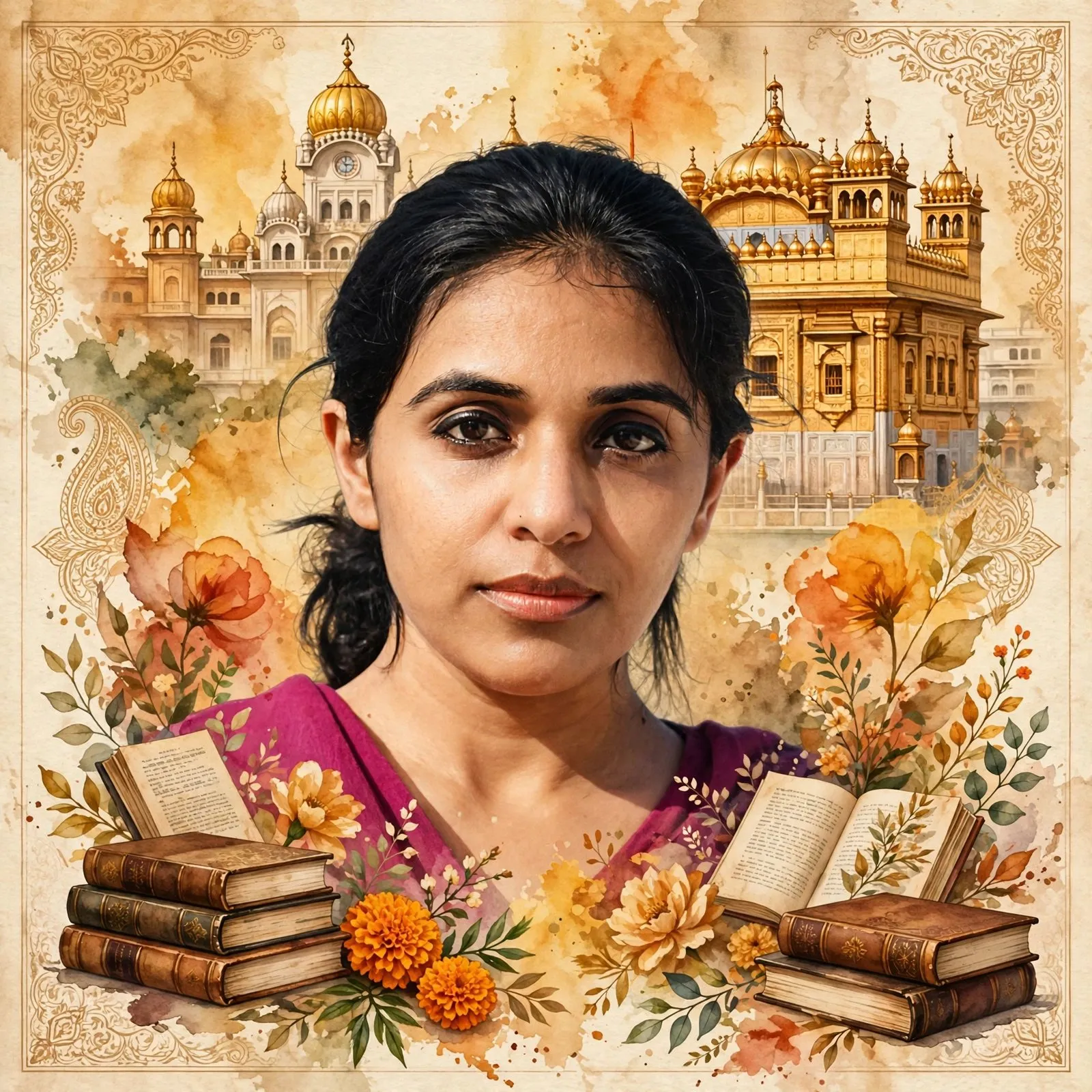
ਰੂਪਾ ਬਾਜਵਾ ਅੰਮ੍ਰਿਤਸਰ, ਪੰਜਾਬ ਦੀ ਭਾਰਤੀ ਨਾਵਲਕਾਰ ਹੈ, ਜੋ 1976 ਵਿੱਚ ਜੰਮੀ। ਉਸ ਦਾ ਪਹਿਲਾ ਨਾਵਲ, ਦ ਸਾੜੀ ਸ਼ਾਪ (2004), ਨੂੰ ਕਾਮਨਵੈਲਥ ਰਾਈਟਰਜ਼ ਪ੍ਰਾਈਜ਼ ਫ਼ਾਰ ਬੈਸਟ ਫ਼ਰਸਟ ਬੁੱਕ ਅਤੇ ਸਾਹਿਤ ਅਕਾਦਮੀ ਪੁਰਸਕਾਰ ਮਿਲਿਆ। ਉਹ ਅੱਜ ਵੀ ਅੰਮ੍ਰਿਤਸਰ ਵਿੱਚ ਰਹਿੰਦੀ ਹੈ ਅਤੇ ਲਿਖਦੀ ਹੈ।
- ਪੰਜਾਬੀ ਨਾਂ
- ਰੂਪਾ ਬਾਜਵਾ
- ਜਨਮ
- 1976, ਅੰਮ੍ਰਿਤਸਰ, ਪੰਜਾਬ, ਭਾਰਤ
- ਜੱਦੀ ਸ਼ਹਿਰ
- ਅੰਮ੍ਰਿਤਸਰ
- ਜ਼ਿਲ੍ਹਾ
- ਅੰਮ੍ਰਿਤਸਰ
- ਤਹਿਸੀਲ
- ਅੰਮ੍ਰਿਤਸਰ
- ਇਲਾਕਾ
- ਮਾਝਾ
All 10 facts
- ਪਹਿਲਾ ਨਾਵਲ
- ਦ ਸਾੜੀ ਸ਼ਾਪ (2004)
- ਪੁਰਸਕਾਰ
- ਕਾਮਨਵੈਲਥ ਰਾਈਟਰਜ਼ ਪ੍ਰਾਈਜ਼ 2005; ਸਾਹਿਤ ਅਕਾਦਮੀ ਪੁਰਸਕਾਰ 2006
- ਦੂਜਾ ਨਾਵਲ
- ਟੈੱਲ ਮੀ ਅ ਸਟੋਰੀ (2012)
- ਕੰਮ
- ਕਿਤਾਬਾਂ ਦੀ ਸਮੀਖਿਅਕ ਅਤੇ ਕਾਲਮਨਵੀਸ
Early life in Amritsar
Rupa Bajwa was born in Amritsar, Punjab, in 1976. She was schooled in the city, where her mother, Rajwant Bajwa, taught for many years. Her father, Swarn Singh Bajwa, was a Superintending Engineer with the Punjab State Electricity Board. Amritsar, its old city bazaars and the divide between its rich and its working people, became the material of her first novel.
Becoming a writer
Before the novel, Bajwa worked as a book reviewer and columnist, writing for The Telegraph, The Tribune and India Today. She has said she lived in rented rooms in different Indian cities in search of quiet to write, hiring computers to type her story, and that she wrote simply to exist. In February 2005 a column of hers in The Telegraph, about gurdwaras, caused controversy.
ਦ ਸਾੜੀ ਸ਼ਾਪ
The Sari Shop, published in 2004, was her debut novel. It is set in Sevak Sari House, a high-end sari shop in Amritsar's old city, and follows Ramchand, a 26-year-old shop assistant. Orphaned as a boy, his uncle took his inheritance and put him to work at fifteen, and he has spent eleven years rolling and unrolling saris for wealthy women who barely notice him.
Two errands break his routine. The first takes him to the home of the Kapoors, one of Amritsar's richest families, to show saris for the wedding trousseau of their daughter Rina. The English-speaking household, its cars, flowerpots and frosted glass, wakes his childhood dreams, and he sets out to remake himself: a second-hand English grammar book, an Oxford dictionary, new socks, a bar of Lifebuoy soap, washed feet. The second errand takes him to the home of a poor co-worker, where he finds the man beating his wife Kamla. Kamla, drunk, bitter and worn down by a lifetime of ill-treatment, insults the Kapoors in public and pays for it with her life. Ramchand's attempt to rise collapses, and he returns to his narrow life, now knowing exactly what it costs.
What made The Sari Shop stand out?
The novel's strength is Ramchand himself: tenderly drawn, funny and dignified, a man whose dreams are modest and whose humiliations are constant. Around him Bajwa builds a precise picture of Amritsar's class divide: the wealthy women who buy saris without seeing the man who shows them, and the working people whose own homes hold a different kind of violence.
ਅੰਮ੍ਰਿਤਸਰ ਵਿੱਚ ਮੁੱਢਲਾ ਜੀਵਨ
ਰੂਪਾ ਬਾਜਵਾ ਦਾ ਜਨਮ 1976 ਵਿੱਚ ਅੰਮ੍ਰਿਤਸਰ, ਪੰਜਾਬ ਵਿੱਚ ਹੋਇਆ। ਉਸ ਨੇ ਉਸੇ ਸ਼ਹਿਰ ਵਿੱਚ ਪੜ੍ਹਾਈ ਕੀਤੀ, ਜਿੱਥੇ ਉਸ ਦੀ ਮਾਂ, ਰਜਵੰਤ ਬਾਜਵਾ, ਕਈ ਸਾਲ ਪੜ੍ਹਾਉਂਦੀ ਰਹੀ। ਉਸ ਦੇ ਪਿਤਾ, ਸਵਰਨ ਸਿੰਘ ਬਾਜਵਾ, ਪੰਜਾਬ ਰਾਜ ਬਿਜਲੀ ਬੋਰਡ ਵਿੱਚ ਸੁਪਰਡੈਂਟਿੰਗ ਇੰਜੀਨੀਅਰ ਸਨ। ਅੰਮ੍ਰਿਤਸਰ, ਉਸ ਦੇ ਪੁਰਾਣੇ ਸ਼ਹਿਰ ਦੇ ਬਾਜ਼ਾਰ ਅਤੇ ਅਮੀਰਾਂ ਤੇ ਮਿਹਨਤੀ ਲੋਕਾਂ ਵਿਚਕਾਰਲਾ ਫ਼ਰਕ, ਉਸ ਦੇ ਪਹਿਲੇ ਨਾਵਲ ਦੀ ਸਮੱਗਰੀ ਬਣ ਗਿਆ।
ਲੇਖਕ ਬਣਨਾ
ਨਾਵਲ ਤੋਂ ਪਹਿਲਾਂ ਬਾਜਵਾ ਕਿਤਾਬਾਂ ਦੀ ਸਮੀਖਿਅਕ ਅਤੇ ਕਾਲਮਨਵੀਸ ਵਜੋਂ ਕੰਮ ਕਰਦੀ ਸੀ, ਦ ਟੈਲੀਗਰਾਫ਼, ਦ ਟ੍ਰਿਬਿਊਨ ਅਤੇ ਇੰਡੀਆ ਟੁਡੇ ਲਈ ਲਿਖਦੀ ਸੀ। ਉਸ ਨੇ ਕਿਹਾ ਹੈ ਕਿ ਉਹ ਲਿਖਣ ਲਈ ਸ਼ਾਂਤੀ ਦੀ ਭਾਲ ਵਿੱਚ ਭਾਰਤ ਦੇ ਵੱਖ-ਵੱਖ ਸ਼ਹਿਰਾਂ ਵਿੱਚ ਕਿਰਾਏ ਦੇ ਕਮਰਿਆਂ ਵਿੱਚ ਰਹੀ, ਆਪਣੀ ਕਹਾਣੀ ਟਾਈਪ ਕਰਨ ਲਈ ਕੰਪਿਊਟਰ ਕਿਰਾਏ ਤੇ ਲੈਂਦੀ ਸੀ, ਅਤੇ ਉਹ ਸਿਰਫ਼ ਹੋਂਦ ਲਈ ਲਿਖਦੀ ਸੀ। ਫ਼ਰਵਰੀ 2005 ਵਿੱਚ ਦ ਟੈਲੀਗਰਾਫ਼ ਵਿੱਚ ਉਸ ਦਾ ਗੁਰਦੁਆਰਿਆਂ ਬਾਰੇ ਇੱਕ ਕਾਲਮ ਵਿਵਾਦ ਵਿੱਚ ਆ ਗਿਆ ਸੀ।
ਦ ਸਾੜੀ ਸ਼ਾਪ
ਦ ਸਾੜੀ ਸ਼ਾਪ, 2004 ਵਿੱਚ ਛਪਿਆ, ਉਸ ਦਾ ਪਹਿਲਾ ਨਾਵਲ ਸੀ। ਇਹ ਅੰਮ੍ਰਿਤਸਰ ਦੇ ਪੁਰਾਣੇ ਸ਼ਹਿਰ ਦੀ ਮਹਿੰਗੀ ਸਾੜੀਆਂ ਦੀ ਦੁਕਾਨ, ਸੇਵਕ ਸਾੜੀ ਹਾਊਸ ਵਿੱਚ ਵਾਪਰਦਾ ਹੈ, ਅਤੇ 26 ਸਾਲ ਦੇ ਦੁਕਾਨ ਸਹਾਇਕ ਰਾਮਚੰਦ ਦੀ ਕਹਾਣੀ ਦੱਸਦਾ ਹੈ। ਮੁੰਡਾ ਹੁੰਦਿਆਂ ਉਹ ਅਨਾਥ ਹੋ ਗਿਆ ਸੀ, ਉਸ ਦੇ ਚਾਚੇ ਨੇ ਉਸ ਦੀ ਵਿਰਾਸਤ ਲੈ ਲਈ ਅਤੇ ਪੰਦਰਾਂ ਸਾਲ ਦੀ ਉਮਰ ਵਿੱਚ ਉਸ ਨੂੰ ਕੰਮ ਤੇ ਲਾ ਦਿੱਤਾ, ਅਤੇ ਉਹ ਗਿਆਰਾਂ ਸਾਲ ਤੋਂ ਅਮੀਰ ਔਰਤਾਂ ਲਈ ਸਾੜੀਆਂ ਖੋਲ੍ਹਦਾ ਅਤੇ ਲਪੇਟਦਾ ਆ ਰਿਹਾ ਹੈ, ਜੋ ਉਸ ਵੱਲ ਧਿਆਨ ਹੀ ਨਹੀਂ ਦਿੰਦੀਆਂ।
ਦੋ ਕੰਮ ਉਸ ਦੀ ਰੁਟੀਨ ਤੋੜਦੇ ਹਨ। ਪਹਿਲਾ ਕੰਮ ਉਸ ਨੂੰ ਕਪੂਰਾਂ ਦੇ ਘਰ ਲੈ ਜਾਂਦਾ ਹੈ, ਜੋ ਅੰਮ੍ਰਿਤਸਰ ਦੇ ਸਭ ਤੋਂ ਅਮੀਰ ਪਰਿਵਾਰਾਂ ਵਿੱਚੋਂ ਇੱਕ ਹੈ, ਜਿੱਥੇ ਉਸ ਨੂੰ ਉਨ੍ਹਾਂ ਦੀ ਧੀ ਰੀਨਾ ਦੇ ਵਿਆਹ ਦੇ ਦਾਜ ਲਈ ਸਾੜੀਆਂ ਦਿਖਾਉਣੀਆਂ ਹਨ। ਅੰਗਰੇਜ਼ੀ ਬੋਲਦਾ ਘਰ, ਉਸ ਦੀਆਂ ਕਾਰਾਂ, ਫੁੱਲਾਂ ਦੇ ਗਮਲੇ ਅਤੇ ਧੁੰਦਲਾ ਸ਼ੀਸ਼ਾ, ਉਸ ਦੇ ਬਚਪਨ ਦੇ ਸੁਪਨੇ ਜਗਾ ਦਿੰਦੇ ਹਨ, ਅਤੇ ਉਹ ਆਪਣੇ ਆਪ ਨੂੰ ਬਦਲਣ ਤੁਰ ਪੈਂਦਾ ਹੈ: ਅੰਗਰੇਜ਼ੀ ਵਿਆਕਰਨ ਦੀ ਪੁਰਾਣੀ ਕਿਤਾਬ, ਆਕਸਫ਼ਰਡ ਸ਼ਬਦਕੋਸ਼, ਨਵੀਆਂ ਜੁਰਾਬਾਂ, ਲਾਈਫ਼ਬੌਏ ਸਾਬਣ ਦੀ ਟਿੱਕੀ, ਧੋਤੇ ਪੈਰ। ਦੂਜਾ ਕੰਮ ਉਸ ਨੂੰ ਇੱਕ ਗ਼ਰੀਬ ਸਾਥੀ ਕਰਮਚਾਰੀ ਦੇ ਘਰ ਲੈ ਜਾਂਦਾ ਹੈ, ਜਿੱਥੇ ਉਹ ਵੇਖਦਾ ਹੈ ਕਿ ਉਹ ਆਦਮੀ ਆਪਣੀ ਪਤਨੀ ਕਮਲਾ ਨੂੰ ਕੁੱਟ ਰਿਹਾ ਹੈ। ਕਮਲਾ, ਸ਼ਰਾਬੀ, ਕੌੜੀ ਅਤੇ ਉਮਰ ਭਰ ਦੇ ਬੁਰੇ ਸਲੂਕ ਤੋਂ ਥੱਕੀ ਹੋਈ, ਸਭ ਦੇ ਸਾਹਮਣੇ ਕਪੂਰਾਂ ਦੀ ਬੇਇੱਜ਼ਤੀ ਕਰਦੀ ਹੈ ਅਤੇ ਇਸ ਦੀ ਕੀਮਤ ਆਪਣੀ ਜਾਨ ਨਾਲ ਚੁਕਾਉਂਦੀ ਹੈ। ਰਾਮਚੰਦ ਦੀ ਉੱਪਰ ਉੱਠਣ ਦੀ ਕੋਸ਼ਿਸ਼ ਢਹਿ ਜਾਂਦੀ ਹੈ, ਅਤੇ ਉਹ ਆਪਣੀ ਤੰਗ ਜ਼ਿੰਦਗੀ ਵਿੱਚ ਪਰਤ ਜਾਂਦਾ ਹੈ, ਹੁਣ ਇਹ ਜਾਣਦਿਆਂ ਕਿ ਇਸ ਦੀ ਕੀਮਤ ਕੀ ਹੈ।
ਦ ਸਾੜੀ ਸ਼ਾਪ ਨੂੰ ਕਿਹੜੀ ਗੱਲ ਨੇ ਵੱਖਰਾ ਬਣਾਇਆ?
ਨਾਵਲ ਦੀ ਤਾਕਤ ਖ਼ੁਦ ਰਾਮਚੰਦ ਹੈ: ਨਰਮੀ ਨਾਲ ਖਿੱਚਿਆ, ਹਾਸੇ-ਭਰਿਆ ਅਤੇ ਇੱਜ਼ਤ ਵਾਲਾ, ਇੱਕ ਆਦਮੀ ਜਿਸ ਦੇ ਸੁਪਨੇ ਸਾਧਾਰਨ ਹਨ ਅਤੇ ਜਿਸ ਦੀ ਬੇਇੱਜ਼ਤੀ ਲਗਾਤਾਰ ਹੈ। ਉਸ ਦੇ ਆਲੇ-ਦੁਆਲੇ ਬਾਜਵਾ ਅੰਮ੍ਰਿਤਸਰ ਦੇ ਵਰਗੀ ਫ਼ਰਕ ਦੀ ਸਹੀ ਤਸਵੀਰ ਬਣਾਉਂਦੀ ਹੈ: ਅਮੀਰ ਔਰਤਾਂ ਜੋ ਸਾੜੀਆਂ ਖ਼ਰੀਦਦੀਆਂ ਹਨ ਅਤੇ ਉਸ ਆਦਮੀ ਨੂੰ ਵੇਖਦੀਆਂ ਹੀ ਨਹੀਂ ਜੋ ਉਨ੍ਹਾਂ ਨੂੰ ਦਿਖਾਉਂਦਾ ਹੈ, ਅਤੇ ਮਿਹਨਤੀ ਲੋਕ ਜਿਨ੍ਹਾਂ ਦੇ ਆਪਣੇ ਘਰਾਂ ਵਿੱਚ ਇੱਕ ਹੋਰ ਕਿਸਮ ਦੀ ਹਿੰਸਾ ਹੈ।
Critics praised that double vision. Publishers Weekly called Ramchand tenderly drawn and the book a compelling, acerbic picture of urban India, while noting a slow first half. Rachel Hore wrote in the Guardian that the changes in Ramchand's life were character-led. The New York Times Book Review called the first half a winning satire full of subtle, swift barbs. The Daily Telegraph praised the Kamla passages, and the Literary Review called the book a savage satire of middle-class pretensions with great moral integrity. Some critics felt the violent ending clashed with the satirical tone.
Scholars have read the novel as a study of identity in a world where divisions are watertight, with Ramchand caught between the world of the shop and the world of the Kapoors, belonging fully to neither.
ਬਾਅਦ ਦਾ ਕੰਮ
The Sari Shop was longlisted for the Orange Prize in 2004. In June 2005 it won the Grinzane Cavour Prize for best first novel, and the same year it won the Commonwealth Writers' Prize for Best First Book in the Europe and South Asia region. In 2006 it won the Sahitya Akademi Award for English. The novel was translated into French, Dutch, Serbian, Italian, Portuguese, Greek and Spanish, and became a bestseller in Britain, the United States and India.
Bajwa's second novel, Tell Me a Story, was published in April 2012. Its protagonist is Rani, a young woman seeking identity and freedom. The book was met with extreme reactions: praised in some quarters, and controversial in Delhi literary circles, part of which it lampooned. Bajwa still lives and works in Amritsar.
ਸਮੀਖਿਅਕਾਂ ਨੇ ਇਸ ਦੋਹਰੀ ਨਜ਼ਰ ਦੀ ਸ਼ਲਾਘਾ ਕੀਤੀ। ਪਬਲਿਸ਼ਰਜ਼ ਵੀਕਲੀ ਨੇ ਰਾਮਚੰਦ ਨੂੰ ਨਰਮੀ ਨਾਲ ਖਿੱਚਿਆ ਅਤੇ ਕਿਤਾਬ ਨੂੰ ਸ਼ਹਿਰੀ ਭਾਰਤ ਦੀ ਇੱਕ ਪ੍ਰਭਾਵਸ਼ਾਲੀ, ਤਿੱਖੀ ਤਸਵੀਰ ਕਿਹਾ, ਹਾਲਾਂਕਿ ਪਹਿਲਾ ਅੱਧ ਹੌਲੀ ਲੱਗਿਆ। ਰੇਚਲ ਹੋਰ ਨੇ ਗਾਰਡੀਅਨ ਵਿੱਚ ਲਿਖਿਆ ਕਿ ਰਾਮਚੰਦ ਦੇ ਜੀਵਨ ਵਿੱਚ ਤਬਦੀਲੀਆਂ ਕਿਰਦਾਰ ਤੋਂ ਆਉਂਦੀਆਂ ਹਨ। ਨਿਊਯਾਰਕ ਟਾਈਮਜ਼ ਬੁੱਕ ਰਿਵਿਊ ਨੇ ਪਹਿਲੇ ਅੱਧ ਨੂੰ ਸੂਖ਼ਮ, ਤੇਜ਼ ਤਨਜ਼ਾਂ ਨਾਲ ਭਰੀ ਇੱਕ ਜੇਤੂ ਵਿਅੰਗ ਕਿਹਾ। ਡੇਲੀ ਟੈਲੀਗਰਾਫ਼ ਨੇ ਕਮਲਾ ਵਾਲੇ ਹਿੱਸਿਆਂ ਦੀ ਸ਼ਲਾਘਾ ਕੀਤੀ, ਅਤੇ ਲਿਟਰੇਰੀ ਰਿਵਿਊ ਨੇ ਕਿਤਾਬ ਨੂੰ ਮੱਧ ਵਰਗ ਦੇ ਦਿਖਾਵੇ ਦਾ ਇੱਕ ਬੇਰਹਿਮ ਵਿਅੰਗ ਕਿਹਾ ਜਿਸ ਵਿੱਚ ਬਹੁਤ ਨੈਤਿਕ ਇਮਾਨਦਾਰੀ ਹੈ। ਕੁਝ ਸਮੀਖਿਅਕਾਂ ਨੂੰ ਲੱਗਿਆ ਕਿ ਹਿੰਸਕ ਅੰਤ ਵਿਅੰਗ ਦੇ ਲਹਿਜ਼ੇ ਨਾਲ ਮੇਲ ਨਹੀਂ ਖਾਂਦਾ।
ਵਿਦਵਾਨਾਂ ਨੇ ਨਾਵਲ ਨੂੰ ਇੱਕ ਅਜਿਹੀ ਦੁਨੀਆ ਵਿੱਚ ਪਛਾਣ ਦਾ ਅਧਿਐਨ ਮੰਨਿਆ ਹੈ ਜਿੱਥੇ ਵੰਡਾਂ ਪੱਕੀਆਂ ਹਨ, ਜਿਸ ਵਿੱਚ ਰਾਮਚੰਦ ਦੁਕਾਨ ਦੀ ਦੁਨੀਆ ਅਤੇ ਕਪੂਰਾਂ ਦੀ ਦੁਨੀਆ ਵਿਚਕਾਰ ਫਸਿਆ ਹੋਇਆ ਹੈ, ਅਤੇ ਕਿਸੇ ਦਾ ਵੀ ਪੂਰੀ ਤਰ੍ਹਾਂ ਨਹੀਂ ਹੈ।
ਬਾਅਦ ਦਾ ਕੰਮ
ਦ ਸਾੜੀ ਸ਼ਾਪ 2004 ਵਿੱਚ ਆਰੇਂਜ ਪ੍ਰਾਈਜ਼ ਦੀ ਲੰਬੀ ਸੂਚੀ ਵਿੱਚ ਆਇਆ। ਜੂਨ 2005 ਵਿੱਚ ਇਸ ਨੂੰ ਸਭ ਤੋਂ ਚੰਗੇ ਪਹਿਲੇ ਨਾਵਲ ਲਈ ਗਰਿੰਜ਼ਾਨੇ ਕਾਵੂਰ ਪ੍ਰਾਈਜ਼ ਮਿਲਿਆ, ਅਤੇ ਉਸੇ ਸਾਲ ਯੂਰਪ ਅਤੇ ਦੱਖਣੀ ਏਸ਼ੀਆ ਖੇਤਰ ਲਈ ਕਾਮਨਵੈਲਥ ਰਾਈਟਰਜ਼ ਪ੍ਰਾਈਜ਼ ਫ਼ਾਰ ਬੈਸਟ ਫ਼ਰਸਟ ਬੁੱਕ ਮਿਲਿਆ। 2006 ਵਿੱਚ ਇਸ ਨੂੰ ਸਾਹਿਤ ਅਕਾਦਮੀ ਪੁਰਸਕਾਰ ਮਿਲਿਆ। ਨਾਵਲ ਦਾ ਫ਼ਰਾਂਸੀਸੀ, ਡੱਚ, ਸਰਬੀਆਈ, ਇਤਾਲਵੀ, ਪੁਰਤਗਾਲੀ, ਯੂਨਾਨੀ ਅਤੇ ਸਪੇਨੀ ਵਿੱਚ ਅਨੁਵਾਦ ਹੋਇਆ, ਅਤੇ ਇਹ ਬ੍ਰਿਟੇਨ, ਅਮਰੀਕਾ ਅਤੇ ਭਾਰਤ ਵਿੱਚ ਬੈਸਟਸੈਲਰ ਬਣਿਆ।
ਬਾਜਵਾ ਦਾ ਦੂਜਾ ਨਾਵਲ, ਟੈੱਲ ਮੀ ਅ ਸਟੋਰੀ, ਅਪ੍ਰੈਲ 2012 ਵਿੱਚ ਛਪਿਆ। ਇਸ ਦੀ ਨਾਇਕਾ ਰਾਣੀ ਹੈ, ਇੱਕ ਨੌਜਵਾਨ ਔਰਤ ਜੋ ਪਛਾਣ ਅਤੇ ਆਜ਼ਾਦੀ ਦੀ ਭਾਲ ਵਿੱਚ ਹੈ। ਕਿਤਾਬ ਨੂੰ ਬਹੁਤ ਵੱਖਰੀਆਂ ਪ੍ਰਤੀਕਿਰਿਆਵਾਂ ਮਿਲੀਆਂ: ਕੁਝ ਥਾਵਾਂ ਤੇ ਇਸ ਦੀ ਸ਼ਲਾਘਾ ਹੋਈ, ਅਤੇ ਦਿੱਲੀ ਦੇ ਸਾਹਿਤਕ ਹਲਕਿਆਂ ਵਿੱਚ ਇਹ ਵਿਵਾਦ ਵਿੱਚ ਆ ਗਈ, ਜਿਨ੍ਹਾਂ ਦਾ ਇੱਕ ਹਿੱਸਾ ਇਸ ਵਿੱਚ ਮਜ਼ਾਕ ਉਡਾਇਆ ਗਿਆ ਸੀ। ਬਾਜਵਾ ਅੱਜ ਵੀ ਅੰਮ੍ਰਿਤਸਰ ਵਿੱਚ ਰਹਿੰਦੀ ਹੈ ਅਤੇ ਲਿਖਦੀ ਹੈ।
ਰਚਨਾਵਾਂ
ਥਾਵਾਂ

More people


ਸਰੋਤ (5)
ਜੁਗਤੀ ਮੁਫ਼ਤ ਅਤੇ ਸੁਤੰਤਰ ਹੈ। ਪਾਠਕਾਂ ਦਾ ਸਹਿਯੋਗ ਕੋਸ਼ ਨੂੰ ਵਧਾਉਂਦਾ ਹੈ।
ਸਹਿਯੋਗ