
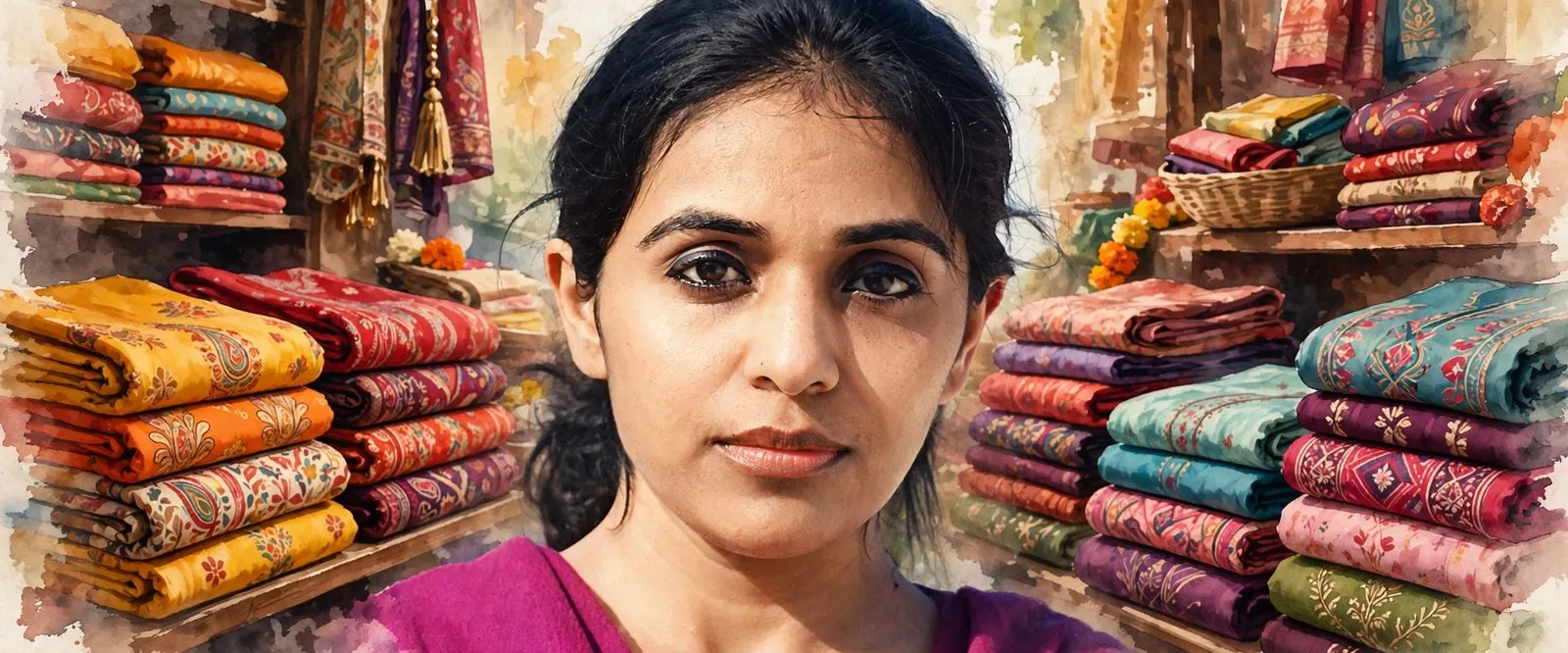
ਦ ਸਾੜੀ ਸ਼ਾਪ (2004) ਰੂਪਾ ਬਾਜਵਾ ਦਾ ਪਹਿਲਾ ਨਾਵਲ ਹੈ, ਜੋ ਅੰਮ੍ਰਿਤਸਰ ਦੇ ਸੇਵਕ ਸਾੜੀ ਹਾਊਸ, ਇੱਕ ਮਹਿੰਗੀ ਸਾੜੀਆਂ ਦੀ ਦੁਕਾਨ ਵਿੱਚ ਵਾਪਰਦਾ ਹੈ। 26 ਸਾਲ ਦਾ ਦੁਕਾਨ ਸਹਾਇਕ ਰਾਮਚੰਦ ਅੰਗਰੇਜ਼ੀ ਅਤੇ ਆਪਣੇ ਆਪ ਨੂੰ ਸੁਧਾਰ ਕੇ ਆਪਣੀ ਹਾਲਤ ਤੋਂ ਉੱਪਰ ਉੱਠਣ ਦਾ ਸੁਪਨਾ ਵੇਖਦਾ ਹੈ, ਜਦੋਂ ਤੱਕ ਦੂਜਾ ਕੰਮ ਉਸ ਨੂੰ ਉਸ ਦੁਨੀਆ ਦੀ ਹਿੰਸਾ ਨਹੀਂ ਦਿਖਾ ਦਿੰਦਾ ਜਿਸ ਵਿੱਚ ਉਹ ਰਹਿੰਦਾ ਹੈ। ਇਸ ਨਾਵਲ ਨੂੰ ਕਾਮਨਵੈਲਥ ਰਾਈਟਰਜ਼ ਪ੍ਰਾਈਜ਼ ਫ਼ਾਰ ਬੈਸਟ ਫ਼ਰਸਟ ਬੁੱਕ ਅਤੇ ਸਾਹਿਤ ਅਕਾਦਮੀ ਪੁਰਸਕਾਰ ਮਿਲਿਆ।
ਅੰਗਰੇਜ਼ੀ- ਲੇਖਕ
- ਰੂਪਾ ਬਾਜਵਾ
- ਪ੍ਰਕਾਸ਼ਿਤ
- 2004
- ਪ੍ਰਕਾਸ਼ਕ
- ਵਾਈਕਿੰਗ (ਯੂ.ਕੇ.); ਪੈਂਗੁਇਨ (ਭਾਰਤ); ਡਬਲਿਊ. ਡਬਲਿਊ. ਨੌਰਟਨ (ਅਮਰੀਕਾ)
- ਪੰਨੇ
- 240 (ਅਮਰੀਕਾ); 242 (ਯੂ.ਕੇ.)
- ਭਾਸ਼ਾ
- ਅੰਗਰੇਜ਼ੀ
- ਰੂਪ
- ਨਾਵਲ
All 8 facts
- ਪਿਛੋਕੜ
- ਸੇਵਕ ਸਾੜੀ ਹਾਊਸ, ਅੰਮ੍ਰਿਤਸਰ
- ਮਾਨਤਾ
- ਜੇਤੂ, ਕਾਮਨਵੈਲਥ ਰਾਈਟਰਜ਼ ਪ੍ਰਾਈਜ਼ 2005; ਸਾਹਿਤ ਅਕਾਦਮੀ ਪੁਰਸਕਾਰ 2006
ਪਾਤਰ
About the book
The Sari Shop is a novel by Rupa Bajwa, first published in 2004. Viking published it in London, Penguin in India, and W. W. Norton in the United States, where the hardcover ran to 240 pages. It was Bajwa's debut novel, written by a young Amritsar writer who had worked as a book reviewer and columnist. The novel is set entirely in Amritsar, in and around Sevak Sari House, a high-end sari shop in the old city.
What happens in The Sari Shop?
Ramchand is 26 and has worked at Sevak Sari House since he was fifteen. Orphaned as a boy, he lost his inheritance to an uncle who put him to work, and for eleven years his days have been the same: rolling and unrolling saris for rich women who hardly notice the man holding them.
Two errands change his weeks. First he is sent to the Kapoor house, one of the richest in Amritsar, to display saris for the wedding trousseau of their daughter Rina. The house, with its English conversation, its cars, its flowerpots and frosted glass, wakes the dreams of his childhood, and Ramchand sets out to remake himself: a second-hand grammar book, an Oxford dictionary, new socks, a cake of Lifebuoy soap, feet washed clean. Then he is sent to a co-worker's home, where he finds the man beating his wife Kamla. Kamla, worn down by a lifetime of ill-treatment, turns her anger on the Kapoors in public, and pays for it with her life. Ramchand's climb collapses. He goes back to the shop, to the same narrow life, but now he knows its price.
ਵਿਸ਼ੇ
The Sari Shop is a novel about class in urban India, and about what aspiration costs the poor. English is Ramchand's ladder: the grammar book and the dictionary are his tools for climbing out of the shop. Bajwa treats that dream with tenderness and with comedy, and then shows its limit. No amount of washed feet and new socks changes where Ramchand stands.
The novel is also about the two kinds of cruelty that surround him. The rich are casually cruel: they buy saris and never see the man who serves them. The poor are cruelly violent to each other: Kamla's husband beats her, and Kamla's rage, when it finally breaks out, falls on the wrong people and destroys her. Bajwa's satire cuts both ways, and the book's moral centre is Ramchand's dignity, which survives both.
ਕਿਤਾਬ ਬਾਰੇ
ਦ ਸਾੜੀ ਸ਼ਾਪ ਰੂਪਾ ਬਾਜਵਾ ਦਾ ਨਾਵਲ ਹੈ, ਜੋ ਪਹਿਲੀ ਵਾਰ 2004 ਵਿੱਚ ਛਪਿਆ। ਲੰਡਨ ਵਿੱਚ ਵਾਈਕਿੰਗ, ਭਾਰਤ ਵਿੱਚ ਪੈਂਗੁਇਨ ਅਤੇ ਅਮਰੀਕਾ ਵਿੱਚ ਡਬਲਿਊ. ਡਬਲਿਊ. ਨੌਰਟਨ ਨੇ ਇਸ ਨੂੰ ਛਾਪਿਆ, ਜਿੱਥੇ ਹਾਰਡਕਵਰ 240 ਸਫ਼ਿਆਂ ਦਾ ਸੀ। ਇਹ ਬਾਜਵਾ ਦਾ ਪਹਿਲਾ ਨਾਵਲ ਸੀ, ਜੋ ਅੰਮ੍ਰਿਤਸਰ ਦੀ ਇੱਕ ਨੌਜਵਾਨ ਲੇਖਕ ਨੇ ਲਿਖਿਆ ਸੀ, ਜੋ ਕਿਤਾਬਾਂ ਦੀ ਸਮੀਖਿਅਕ ਅਤੇ ਕਾਲਮਨਵੀਸ ਵਜੋਂ ਕੰਮ ਕਰਦੀ ਸੀ। ਨਾਵਲ ਪੂਰੀ ਤਰ੍ਹਾਂ ਅੰਮ੍ਰਿਤਸਰ ਵਿੱਚ ਵਾਪਰਦਾ ਹੈ, ਪੁਰਾਣੇ ਸ਼ਹਿਰ ਦੀ ਮਹਿੰਗੀ ਸਾੜੀਆਂ ਦੀ ਦੁਕਾਨ, ਸੇਵਕ ਸਾੜੀ ਹਾਊਸ ਵਿੱਚ ਅਤੇ ਉਸ ਦੇ ਆਲੇ-ਦੁਆਲੇ।
ਦ ਸਾੜੀ ਸ਼ਾਪ ਵਿੱਚ ਕੀ ਹੁੰਦਾ ਹੈ?
ਰਾਮਚੰਦ 26 ਸਾਲ ਦਾ ਹੈ ਅਤੇ ਪੰਦਰਾਂ ਸਾਲ ਦੀ ਉਮਰ ਤੋਂ ਸੇਵਕ ਸਾੜੀ ਹਾਊਸ ਵਿੱਚ ਕੰਮ ਕਰਦਾ ਹੈ। ਮੁੰਡਾ ਹੁੰਦਿਆਂ ਉਹ ਅਨਾਥ ਹੋ ਗਿਆ ਸੀ, ਉਸ ਦੀ ਵਿਰਾਸਤ ਉਸ ਦੇ ਚਾਚੇ ਨੇ ਲੈ ਲਈ ਜਿਸ ਨੇ ਉਸ ਨੂੰ ਕੰਮ ਤੇ ਲਾ ਦਿੱਤਾ, ਅਤੇ ਗਿਆਰਾਂ ਸਾਲ ਤੋਂ ਉਸ ਦੇ ਦਿਨ ਇੱਕੋ ਜਿਹੇ ਹਨ: ਅਮੀਰ ਔਰਤਾਂ ਲਈ ਸਾੜੀਆਂ ਖੋਲ੍ਹਣਾ ਅਤੇ ਲਪੇਟਣਾ, ਜੋ ਉਸ ਆਦਮੀ ਵੱਲ ਧਿਆਨ ਹੀ ਨਹੀਂ ਦਿੰਦੀਆਂ ਜੋ ਉਨ੍ਹਾਂ ਨੂੰ ਫੜੀ ਹੋਇਆ ਹੈ।
ਦੋ ਕੰਮ ਉਸ ਦੇ ਹਫ਼ਤੇ ਬਦਲ ਦਿੰਦੇ ਹਨ। ਪਹਿਲਾਂ ਉਸ ਨੂੰ ਕਪੂਰਾਂ ਦੇ ਘਰ ਭੇਜਿਆ ਜਾਂਦਾ ਹੈ, ਜੋ ਅੰਮ੍ਰਿਤਸਰ ਦੇ ਸਭ ਤੋਂ ਅਮੀਰ ਘਰਾਂ ਵਿੱਚੋਂ ਇੱਕ ਹੈ, ਜਿੱਥੇ ਉਸ ਨੂੰ ਉਨ੍ਹਾਂ ਦੀ ਧੀ ਰੀਨਾ ਦੇ ਵਿਆਹ ਦੇ ਦਾਜ ਲਈ ਸਾੜੀਆਂ ਦਿਖਾਉਣੀਆਂ ਹਨ। ਘਰ, ਉਸ ਦੀ ਅੰਗਰੇਜ਼ੀ ਗੱਲਬਾਤ, ਉਸ ਦੀਆਂ ਕਾਰਾਂ, ਫੁੱਲਾਂ ਦੇ ਗਮਲੇ ਅਤੇ ਧੁੰਦਲਾ ਸ਼ੀਸ਼ਾ, ਉਸ ਦੇ ਬਚਪਨ ਦੇ ਸੁਪਨੇ ਜਗਾ ਦਿੰਦੇ ਹਨ, ਅਤੇ ਰਾਮਚੰਦ ਆਪਣੇ ਆਪ ਨੂੰ ਬਦਲਣ ਤੁਰ ਪੈਂਦਾ ਹੈ: ਅੰਗਰੇਜ਼ੀ ਵਿਆਕਰਨ ਦੀ ਪੁਰਾਣੀ ਕਿਤਾਬ, ਆਕਸਫ਼ਰਡ ਸ਼ਬਦਕੋਸ਼, ਨਵੀਆਂ ਜੁਰਾਬਾਂ, ਲਾਈਫ਼ਬੌਏ ਸਾਬਣ ਦੀ ਟਿੱਕੀ, ਧੋਤੇ ਪੈਰ। ਫਿਰ ਉਸ ਨੂੰ ਇੱਕ ਸਾਥੀ ਕਰਮਚਾਰੀ ਦੇ ਘਰ ਭੇਜਿਆ ਜਾਂਦਾ ਹੈ, ਜਿੱਥੇ ਉਹ ਵੇਖਦਾ ਹੈ ਕਿ ਉਹ ਆਦਮੀ ਆਪਣੀ ਪਤਨੀ ਕਮਲਾ ਨੂੰ ਕੁੱਟ ਰਿਹਾ ਹੈ। ਕਮਲਾ, ਉਮਰ ਭਰ ਦੇ ਬੁਰੇ ਸਲੂਕ ਤੋਂ ਥੱਕੀ ਹੋਈ, ਆਪਣਾ ਗੁੱਸਾ ਸਭ ਦੇ ਸਾਹਮਣੇ ਕਪੂਰਾਂ ਤੇ ਕੱਢਦੀ ਹੈ, ਅਤੇ ਇਸ ਦੀ ਕੀਮਤ ਆਪਣੀ ਜਾਨ ਨਾਲ ਚੁਕਾਉਂਦੀ ਹੈ। ਰਾਮਚੰਦ ਦੀ ਚੜ੍ਹਾਈ ਢਹਿ ਜਾਂਦੀ ਹੈ। ਉਹ ਦੁਕਾਨ ਤੇ ਪਰਤ ਜਾਂਦਾ ਹੈ, ਉਸੇ ਤੰਗ ਜ਼ਿੰਦਗੀ ਵਿੱਚ, ਪਰ ਹੁਣ ਉਹ ਇਸ ਦੀ ਕੀਮਤ ਜਾਣਦਾ ਹੈ।
ਵਿਸ਼ੇ
ਦ ਸਾੜੀ ਸ਼ਾਪ ਸ਼ਹਿਰੀ ਭਾਰਤ ਵਿੱਚ ਵਰਗ ਬਾਰੇ ਨਾਵਲ ਹੈ, ਅਤੇ ਇਸ ਬਾਰੇ ਹੈ ਕਿ ਇੱਛਾ ਦੀ ਗ਼ਰੀਬਾਂ ਨੂੰ ਕੀ ਕੀਮਤ ਚੁਕਾਉਣੀ ਪੈਂਦੀ ਹੈ। ਅੰਗਰੇਜ਼ੀ ਰਾਮਚੰਦ ਦੀ ਪੌੜੀ ਹੈ: ਵਿਆਕਰਨ ਦੀ ਕਿਤਾਬ ਅਤੇ ਸ਼ਬਦਕੋਸ਼ ਉਸ ਦੇ ਉਹ ਔਜ਼ਾਰ ਹਨ ਜਿਨ੍ਹਾਂ ਨਾਲ ਉਹ ਦੁਕਾਨ ਤੋਂ ਬਾਹਰ ਨਿਕਲਣਾ ਚਾਹੁੰਦਾ ਹੈ। ਬਾਜਵਾ ਇਸ ਸੁਪਨੇ ਨੂੰ ਨਰਮੀ ਅਤੇ ਹਾਸੇ ਨਾਲ ਵੇਖਦੀ ਹੈ, ਅਤੇ ਫਿਰ ਇਸ ਦੀ ਹੱਦ ਦਿਖਾਉਂਦੀ ਹੈ। ਧੋਤੇ ਪੈਰਾਂ ਅਤੇ ਨਵੀਆਂ ਜੁਰਾਬਾਂ ਦੀ ਕੋਈ ਮਾਤਰਾ ਰਾਮਚੰਦ ਦੀ ਥਾਂ ਨਹੀਂ ਬਦਲਦੀ।
ਨਾਵਲ ਉਸ ਦੇ ਆਲੇ-ਦੁਆਲੇ ਦੀਆਂ ਦੋ ਕਿਸਮਾਂ ਦੀ ਬੇਰਹਿਮੀ ਬਾਰੇ ਵੀ ਹੈ। ਅਮੀਰ ਲਾਪਰਵਾਹੀ ਨਾਲ ਬੇਰਹਿਮ ਹਨ: ਉਹ ਸਾੜੀਆਂ ਖ਼ਰੀਦਦੇ ਹਨ ਅਤੇ ਉਸ ਆਦਮੀ ਨੂੰ ਕਦੇ ਵੇਖਦੇ ਹੀ ਨਹੀਂ ਜੋ ਉਨ੍ਹਾਂ ਦੀ ਸੇਵਾ ਕਰਦਾ ਹੈ। ਗ਼ਰੀਬ ਇੱਕ ਦੂਜੇ ਪ੍ਰਤੀ ਬੇਰਹਿਮੀ ਨਾਲ ਹਿੰਸਕ ਹਨ: ਕਮਲਾ ਦਾ ਪਤੀ ਉਸ ਨੂੰ ਕੁੱਟਦਾ ਹੈ, ਅਤੇ ਕਮਲਾ ਦਾ ਗੁੱਸਾ, ਜਦੋਂ ਆਖ਼ਰ ਫੁੱਟ ਪੈਂਦਾ ਹੈ, ਗ਼ਲਤ ਲੋਕਾਂ ਤੇ ਡਿੱਗਦਾ ਹੈ ਅਤੇ ਉਸ ਨੂੰ ਤਬਾਹ ਕਰ ਦਿੰਦਾ ਹੈ। ਬਾਜਵਾ ਦਾ ਵਿਅੰਗ ਦੋਵੇਂ ਪਾਸੇ ਕੱਟਦਾ ਹੈ, ਅਤੇ ਕਿਤਾਬ ਦਾ ਨੈਤਿਕ ਕੇਂਦਰ ਰਾਮਚੰਦ ਦੀ ਇੱਜ਼ਤ ਹੈ, ਜੋ ਦੋਵਾਂ ਵਿੱਚੋਂ ਬਚ ਜਾਂਦੀ ਹੈ।
ਲੇਖਕ
Rupa Bajwa was born in Amritsar in 1976 and still lives there. Before The Sari Shop she reviewed books and wrote columns for The Telegraph, The Tribune and India Today. Her second novel, Tell Me a Story, was published in 2012. The Sari Shop remains her best-known book.
Reception and legacy
The Sari Shop was longlisted for the Orange Prize for Fiction in 2004. It won the Grinzane Cavour Prize for best first novel in June 2005, the Commonwealth Writers' Prize for Best First Book in the Europe and South Asia region in 2005, and the Sahitya Akademi Award for English in 2006.
Reviewers were broadly warm. Publishers Weekly praised the tenderly drawn Ramchand and the book's compelling, acerbic picture of urban India, while finding the first half slow and the transitions uneven. Rachel Hore wrote in the Guardian that the changes in Ramchand's life were character-led. Ligaya Mishan, in the New York Times Book Review, called the first half a winning satire full of subtle, swift barbs, and Kate Morrison in the Daily Telegraph praised the Kamla passages. Lucy Beresford, in the Literary Review, called it a savage satire of middle-class pretensions with great moral integrity. Critics split on the violent ending: some felt it clashed with the book's satirical tone.
The novel was translated into French, Dutch, Serbian, Italian, Portuguese, Greek and Spanish, and became a bestseller in Britain, the United States and India. No film, television or stage adaptation is known. Two decades on, it is still read as one of the sharpest portraits of class and aspiration in an Indian city.
ਲੇਖਕ
ਰੂਪਾ ਬਾਜਵਾ ਦਾ ਜਨਮ 1976 ਵਿੱਚ ਅੰਮ੍ਰਿਤਸਰ ਵਿੱਚ ਹੋਇਆ ਅਤੇ ਉਹ ਅੱਜ ਵੀ ਉੱਥੇ ਰਹਿੰਦੀ ਹੈ। ਦ ਸਾੜੀ ਸ਼ਾਪ ਤੋਂ ਪਹਿਲਾਂ ਉਸ ਨੇ ਦ ਟੈਲੀਗਰਾਫ਼, ਦ ਟ੍ਰਿਬਿਊਨ ਅਤੇ ਇੰਡੀਆ ਟੁਡੇ ਲਈ ਕਿਤਾਬਾਂ ਦੀ ਸਮੀਖਿਆ ਕੀਤੀ ਅਤੇ ਕਾਲਮ ਲਿਖੇ। ਉਸ ਦਾ ਦੂਜਾ ਨਾਵਲ, ਟੈੱਲ ਮੀ ਅ ਸਟੋਰੀ, 2012 ਵਿੱਚ ਛਪਿਆ। ਦ ਸਾੜੀ ਸ਼ਾਪ ਉਸ ਦੀ ਸਭ ਤੋਂ ਮਸ਼ਹੂਰ ਕਿਤਾਬ ਹੈ।
ਸਵਾਗਤ ਅਤੇ ਵਿਰਾਸਤ
ਦ ਸਾੜੀ ਸ਼ਾਪ 2004 ਵਿੱਚ ਆਰੇਂਜ ਪ੍ਰਾਈਜ਼ ਫ਼ਾਰ ਫ਼ਿਕਸ਼ਨ ਦੀ ਲੰਬੀ ਸੂਚੀ ਵਿੱਚ ਆਇਆ। ਜੂਨ 2005 ਵਿੱਚ ਇਸ ਨੂੰ ਸਭ ਤੋਂ ਚੰਗੇ ਪਹਿਲੇ ਨਾਵਲ ਲਈ ਗਰਿੰਜ਼ਾਨੇ ਕਾਵੂਰ ਪ੍ਰਾਈਜ਼ ਮਿਲਿਆ, 2005 ਵਿੱਚ ਯੂਰਪ ਅਤੇ ਦੱਖਣੀ ਏਸ਼ੀਆ ਖੇਤਰ ਲਈ ਕਾਮਨਵੈਲਥ ਰਾਈਟਰਜ਼ ਪ੍ਰਾਈਜ਼ ਫ਼ਾਰ ਬੈਸਟ ਫ਼ਰਸਟ ਬੁੱਕ ਮਿਲਿਆ, ਅਤੇ 2006 ਵਿੱਚ ਸਾਹਿਤ ਅਕਾਦਮੀ ਪੁਰਸਕਾਰ ਮਿਲਿਆ।
ਸਮੀਖਿਅਕ ਆਮ ਤੌਰ ਤੇ ਖੁਸ਼ ਸਨ। ਪਬਲਿਸ਼ਰਜ਼ ਵੀਕਲੀ ਨੇ ਨਰਮੀ ਨਾਲ ਖਿੱਚੇ ਰਾਮਚੰਦ ਅਤੇ ਕਿਤਾਬ ਦੀ ਸ਼ਹਿਰੀ ਭਾਰਤ ਦੀ ਪ੍ਰਭਾਵਸ਼ਾਲੀ, ਤਿੱਖੀ ਤਸਵੀਰ ਦੀ ਸ਼ਲਾਘਾ ਕੀਤੀ, ਹਾਲਾਂਕਿ ਪਹਿਲਾ ਅੱਧ ਹੌਲੀ ਅਤੇ ਤਬਦੀਲੀਆਂ ਅਸਮਾਨ ਲੱਗੀਆਂ। ਰੇਚਲ ਹੋਰ ਨੇ ਗਾਰਡੀਅਨ ਵਿੱਚ ਲਿਖਿਆ ਕਿ ਰਾਮਚੰਦ ਦੇ ਜੀਵਨ ਵਿੱਚ ਤਬਦੀਲੀਆਂ ਕਿਰਦਾਰ ਤੋਂ ਆਉਂਦੀਆਂ ਹਨ। ਲਿਗਾਇਆ ਮਿਸ਼ਾਨ ਨੇ ਨਿਊਯਾਰਕ ਟਾਈਮਜ਼ ਬੁੱਕ ਰਿਵਿਊ ਵਿੱਚ ਪਹਿਲੇ ਅੱਧ ਨੂੰ ਸੂਖ਼ਮ, ਤੇਜ਼ ਤਨਜ਼ਾਂ ਨਾਲ ਭਰੀ ਇੱਕ ਜੇਤੂ ਵਿਅੰਗ ਕਿਹਾ, ਅਤੇ ਕੇਟ ਮੌਰਿਸਨ ਨੇ ਡੇਲੀ ਟੈਲੀਗਰਾਫ਼ ਵਿੱਚ ਕਮਲਾ ਵਾਲੇ ਹਿੱਸਿਆਂ ਦੀ ਸ਼ਲਾਘਾ ਕੀਤੀ। ਲੂਸੀ ਬੈਰੇਸਫ਼ਰਡ ਨੇ ਲਿਟਰੇਰੀ ਰਿਵਿਊ ਵਿੱਚ ਇਸ ਨੂੰ ਮੱਧ ਵਰਗ ਦੇ ਦਿਖਾਵੇ ਦਾ ਇੱਕ ਬੇਰਹਿਮ ਵਿਅੰਗ ਕਿਹਾ ਜਿਸ ਵਿੱਚ ਬਹੁਤ ਨੈਤਿਕ ਇਮਾਨਦਾਰੀ ਹੈ। ਸਮੀਖਿਅਕ ਹਿੰਸਕ ਅੰਤ ਤੇ ਵੰਡੇ ਹੋਏ ਸਨ: ਕੁਝ ਨੂੰ ਲੱਗਿਆ ਕਿ ਇਹ ਕਿਤਾਬ ਦੇ ਵਿਅੰਗ ਦੇ ਲਹਿਜ਼ੇ ਨਾਲ ਮੇਲ ਨਹੀਂ ਖਾਂਦਾ।
ਨਾਵਲ ਦਾ ਫ਼ਰਾਂਸੀਸੀ, ਡੱਚ, ਸਰਬੀਆਈ, ਇਤਾਲਵੀ, ਪੁਰਤਗਾਲੀ, ਯੂਨਾਨੀ ਅਤੇ ਸਪੇਨੀ ਵਿੱਚ ਅਨੁਵਾਦ ਹੋਇਆ, ਅਤੇ ਇਹ ਬ੍ਰਿਟੇਨ, ਅਮਰੀਕਾ ਅਤੇ ਭਾਰਤ ਵਿੱਚ ਬੈਸਟਸੈਲਰ ਬਣਿਆ। ਇਸ ਦੀ ਕੋਈ ਫ਼ਿਲਮ, ਟੈਲੀਵਿਜ਼ਨ ਜਾਂ ਰੰਗਮੰਚ ਰੂਪਾਂਤਰਣ ਜਾਣੀ ਨਹੀਂ ਜਾਂਦੀ। ਦੋ ਦਹਾਕਿਆਂ ਬਾਅਦ ਵੀ ਇਹ ਇੱਕ ਭਾਰਤੀ ਸ਼ਹਿਰ ਵਿੱਚ ਵਰਗ ਅਤੇ ਇੱਛਾ ਦੀ ਸਭ ਤੋਂ ਤਿੱਖੀ ਤਸਵੀਰਾਂ ਵਿੱਚੋਂ ਇੱਕ ਵਜੋਂ ਪੜ੍ਹਿਆ ਜਾਂਦਾ ਹੈ।
ਐਡੀਸ਼ਨ ਅਤੇ ਅਨੁਵਾਦ
- ਦ ਸਾੜੀ ਸ਼ਾਪEnglish · W. W. Norton · 2004 · 240 pages · ISBN 9780393059229Edition
ਲੇਖਕ

ਜੁੜੇ ਹੋਏ
ਹੋਰ ਪੜ੍ਹੋ
ਸਰੋਤ (5)
ਜੁਗਤੀ ਮੁਫ਼ਤ ਅਤੇ ਸੁਤੰਤਰ ਹੈ। ਪਾਠਕਾਂ ਦਾ ਸਹਿਯੋਗ ਕੋਸ਼ ਨੂੰ ਵਧਾਉਂਦਾ ਹੈ।
ਸਹਿਯੋਗ