
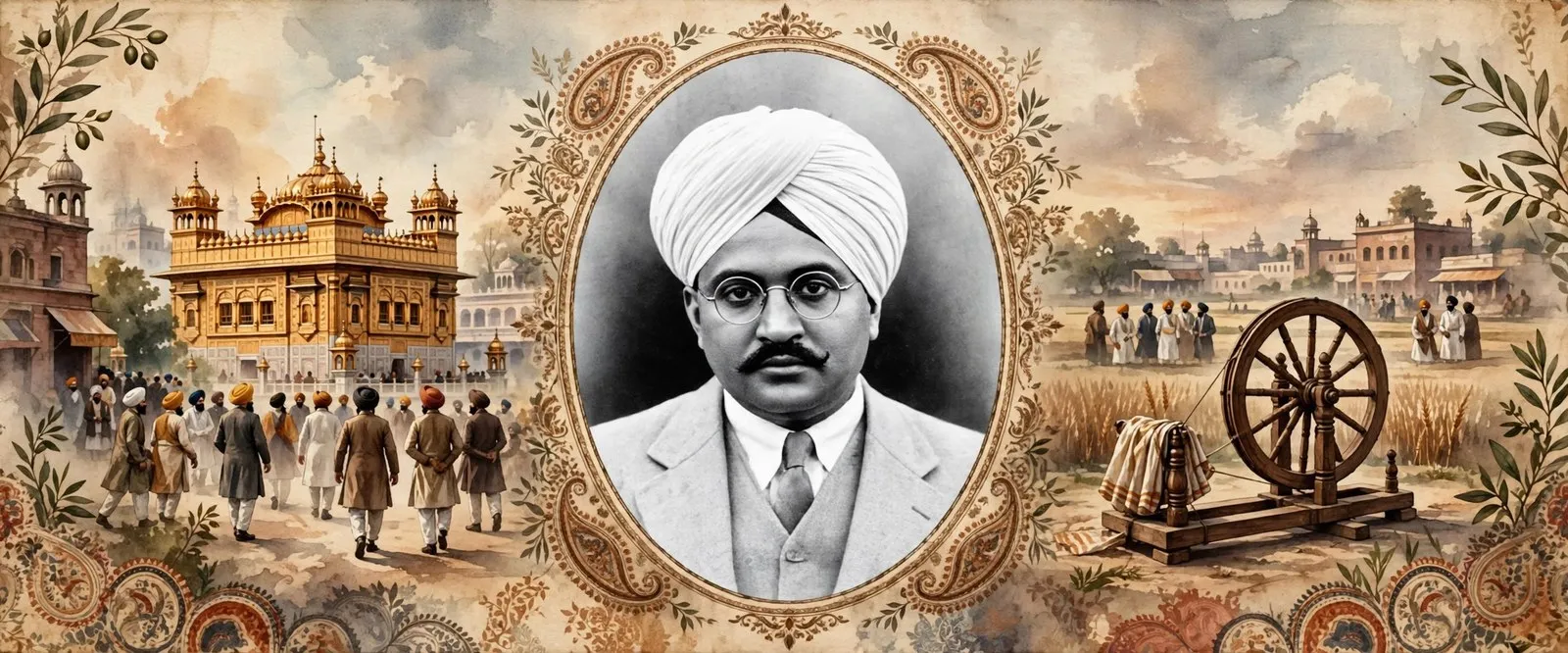
ਸਤਿਆਪਾਲ (1885 ਤੋਂ 1954), ਜਿਨ੍ਹਾਂ ਨੂੰ ਡਾ. ਸਤਿਆ ਪਾਲ ਵੀ ਕਿਹਾ ਜਾਂਦਾ ਹੈ, ਅੰਮ੍ਰਿਤਸਰ ਦੇ ਡਾਕਟਰ ਅਤੇ ਕਾਂਗਰਸ ਆਗੂ ਸਨ, ਜਿਨ੍ਹਾਂ ਨੇ 1919 ਵਿੱਚ ਸ਼ਹਿਰ ਵਿੱਚ ਰੋਲਟ ਐਕਟ ਵਿਰੁੱਧ ਵਿਰੋਧ ਦੀ ਅਗਵਾਈ ਕੀਤੀ। ਉਨ੍ਹਾਂ ਨੂੰ ਅਤੇ ਸੈਫ਼ੁੱਦੀਨ ਕਿਚਲੂ ਨੂੰ 10 ਅਪ੍ਰੈਲ 1919 ਨੂੰ ਗੁਪਤ ਤੌਰ ਉੱਤੇ ਗ੍ਰਿਫ਼ਤਾਰ ਕਰਕੇ ਧਰਮਸ਼ਾਲਾ ਭੇਜ ਦਿੱਤਾ ਗਿਆ, ਅਤੇ ਉਨ੍ਹਾਂ ਦੀ ਗ੍ਰਿਫ਼ਤਾਰੀ ਵਿਰੁੱਧ ਹੋਇਆ ਵਿਰੋਧ 13 ਅਪ੍ਰੈਲ ਨੂੰ ਜਲਿਆਂਵਾਲਾ ਬਾਗ਼ ਦੇ ਕਤਲੇਆਮ ਉੱਤੇ ਜਾ ਕੇ ਮੁੱਕਿਆ। ਮਗਰੋਂ ਉਨ੍ਹਾਂ ਨੇ ਫਿਰ ਭਾਰਤੀ ਮੈਡੀਕਲ ਸਰਵਿਸ ਵਿੱਚ ਸੇਵਾ ਕੀਤੀ ਅਤੇ 1952 ਵਿੱਚ ਪੰਜਾਬ ਵਿਧਾਨ ਸਭਾ ਲਈ ਚੁਣੇ ਗਏ।
- ਪੰਜਾਬੀ ਨਾਂ
- ਸਤਿਆਪਾਲ
- ਜਨਮ
- 11 ਮਈ 1885, ਵਜ਼ੀਰਾਬਾਦ, ਗੁਜਰਾਂਵਾਲਾ ਜ਼ਿਲ੍ਹਾ, ਪੰਜਾਬ ਸੂਬਾ (ਹੁਣ ਪੰਜਾਬ, ਪਾਕਿਸਤਾਨ)
- ਘਰ ਦਾ ਥਾਂ
- ਅੰਮ੍ਰਿਤਸਰ
- ਜ਼ਿਲ੍ਹਾ
- ਅੰਮ੍ਰਿਤਸਰ
- ਤਹਿਸੀਲ
- ਅੰਮ੍ਰਿਤਸਰ
- ਇਲਾਕਾ
- ਮਾਝਾ
All 14 facts
- ਸਿੱਖਿਆ
- ਪੀਟਰਹਾਊਸ, ਕੈਂਬਰਿਜ
- ਕਿੱਤਾ
- ਡਾਕਟਰ; ਪੁਰਾਣੇ ਅੰਮ੍ਰਿਤਸਰ ਵਿੱਚ ਡਾਕਟਰੀ ਕੰਮ
- ਫੌਜੀ ਸੇਵਾ
- ਭਾਰਤੀ ਮੈਡੀਕਲ ਸਰਵਿਸ: ਲੈਫ਼ਟੀਨੈਂਟ 1915 ਤੋਂ 1916; ਕਪਤਾਨ 1941 ਤੋਂ 1945
- ਪਤਨੀ
- ਗਿਆਨ ਦੇਵੀ
- ਗ੍ਰਿਫ਼ਤਾਰੀ
- 10 ਅਪ੍ਰੈਲ 1919, ਸੈਫ਼ੁੱਦੀਨ ਕਿਚਲੂ ਨਾਲ; ਧਰਮਸ਼ਾਲਾ ਭੇਜਿਆ ਗਿਆ
- ਮੁਕੱਦਮਾ
- ਅੰਮ੍ਰਿਤਸਰ ਸਾਜ਼ਿਸ਼ ਕੇਸ, ਲਾਹੌਰ, ਜੂਨ 1919; ਦੋ ਸਾਲ ਕੈਦ ਦੀ ਸਜ਼ਾ
- ਬਾਅਦ ਦਾ ਅਹੁਦਾ
- ਪੰਜਾਬ ਵਿਧਾਨ ਸਭਾ, 1952 ਵਿੱਚ ਚੁਣਿਆ ਗਿਆ
- ਦੇਹਾਂਤ
- 18 ਅਪ੍ਰੈਲ 1954, ਸ਼ਿਮਲਾ, ਹਿਮਾਚਲ ਪ੍ਰਦੇਸ਼, ਉਮਰ 68 ਸਾਲ
Satyapal (11 May 1885 to 18 April 1954), also known as Dr Satya Pal, was a physician and Congress leader in Amritsar who led the protests against the Rowlatt Act in Punjab in 1919. His secret arrest with Saifuddin Kitchlew on 10 April 1919 sparked the unrest that ended in the Jallianwala Bagh massacre three days later.
Early life and education
Satyapal was born on 11 May 1885 at Wazirabad in Gujranwala District, in the Punjab Province of British India. Wazirabad is now in Punjab, Pakistan. He was educated at Peterhouse, Cambridge, where he was a friend of Jawaharlal Nehru, who later became the first Prime Minister of India. His training was medical, and he qualified as a physician.
During the First World War he took a temporary King's Commission as a lieutenant in the Indian Medical Service on 17 September 1915 and served with distinction. He relinquished the commission with effect from 16 September 1916, for reasons that the surviving record does not state. After he returned to India he built a successful medical practice in the old part of Amritsar, the city that became the centre of his public life. He was married to Gian Devi.
Why was Satyapal arrested in April 1919?
Satyapal was arrested because he had become one of the public faces of the protest against the Rowlatt Act in Amritsar. The Act, formally the Anarchical and Revolutionary Crimes Act 1919, was passed by the Imperial Legislative Council on 18 March 1919 and came into effect on 21 March. It extended wartime powers into peacetime: officials could arrest on suspicion, hold people for up to two years without trial, try political cases before special tribunals with no appeal, and restrict speech, movement and the press. Across India it was summed up in the slogan of no argument, no lawyer and no appeal.
In Amritsar, Satyapal and the barrister Saifuddin Kitchlew emerged as the leading local organisers of the protest. The two men addressed gatherings and called for peaceful, non-violent resistance, in line with the satyagraha campaign that Mohandas Gandhi had launched against the Act. Contemporary accounts describe Satyapal as reserved in manner but a good speaker, and as a leader who believed that Indians should win political freedom through peaceful and constitutional means. The Punjab government responded with orders under the Defence of India Act 1915 that barred Satyapal from public speaking and from leaving Amritsar.
ਸਤਿਆਪਾਲ (11 ਮਈ 1885 ਤੋਂ 18 ਅਪ੍ਰੈਲ 1954), ਜਿਨ੍ਹਾਂ ਨੂੰ ਡਾ. ਸਤਿਆ ਪਾਲ ਵੀ ਕਿਹਾ ਜਾਂਦਾ ਹੈ, ਅੰਮ੍ਰਿਤਸਰ ਦੇ ਡਾਕਟਰ ਅਤੇ ਕਾਂਗਰਸ ਆਗੂ ਸਨ, ਜਿਨ੍ਹਾਂ ਨੇ 1919 ਵਿੱਚ ਪੰਜਾਬ ਵਿੱਚ ਰੋਲਟ ਐਕਟ ਵਿਰੁੱਧ ਹੋਏ ਵਿਰੋਧ ਦੀ ਅਗਵਾਈ ਕੀਤੀ। 10 ਅਪ੍ਰੈਲ 1919 ਨੂੰ ਸੈਫ਼ੁੱਦੀਨ ਕਿਚਲੂ ਨਾਲ ਉਨ੍ਹਾਂ ਦੀ ਗੁਪਤ ਗ੍ਰਿਫ਼ਤਾਰੀ ਨੇ ਉਹ ਹੰਗਾਮਾ ਭੜਕਾਇਆ, ਜੋ ਤਿੰਨ ਦਿਨ ਮਗਰੋਂ ਜਲਿਆਂਵਾਲਾ ਬਾਗ਼ ਦੇ ਕਤਲੇਆਮ ਉੱਤੇ ਜਾ ਕੇ ਮੁੱਕਿਆ।
ਮੁੱਢਲਾ ਜੀਵਨ ਅਤੇ ਸਿੱਖਿਆ
ਸਤਿਆਪਾਲ ਦਾ ਜਨਮ 11 ਮਈ 1885 ਨੂੰ ਬਰਤਾਨਵੀ ਭਾਰਤ ਦੇ ਪੰਜਾਬ ਸੂਬੇ ਦੇ ਗੁਜਰਾਂਵਾਲਾ ਜ਼ਿਲ੍ਹੇ ਦੇ ਸ਼ਹਿਰ ਵਜ਼ੀਰਾਬਾਦ ਵਿੱਚ ਹੋਇਆ। ਵਜ਼ੀਰਾਬਾਦ ਅੱਜ ਪੰਜਾਬ, ਪਾਕਿਸਤਾਨ ਵਿੱਚ ਹੈ। ਉਨ੍ਹਾਂ ਨੇ ਕੈਂਬਰਿਜ ਦੇ ਪੀਟਰਹਾਊਸ ਵਿੱਚ ਪੜ੍ਹਾਈ ਕੀਤੀ, ਜਿੱਥੇ ਉਹ ਜਵਾਹਰਲਾਲ ਨਹਿਰੂ ਦੇ ਦੋਸਤ ਸਨ, ਜੋ ਮਗਰੋਂ ਭਾਰਤ ਦੇ ਪਹਿਲੇ ਪ੍ਰਧਾਨ ਮੰਤਰੀ ਬਣੇ। ਉਨ੍ਹਾਂ ਦੀ ਸਿਖਲਾਈ ਡਾਕਟਰੀ ਦੀ ਸੀ ਅਤੇ ਉਹ ਡਾਕਟਰ ਬਣੇ।
ਪਹਿਲੀ ਸੰਸਾਰ ਜੰਗ ਦੌਰਾਨ ਉਨ੍ਹਾਂ ਨੇ 17 ਸਤੰਬਰ 1915 ਨੂੰ ਭਾਰਤੀ ਮੈਡੀਕਲ ਸਰਵਿਸ ਵਿੱਚ ਲੈਫ਼ਟੀਨੈਂਟ ਵਜੋਂ ਅਸਥਾਈ ਸ਼ਾਹੀ ਕਮਿਸ਼ਨ ਲਿਆ ਅਤੇ ਚੰਗੀ ਸੇਵਾ ਕੀਤੀ। ਉਨ੍ਹਾਂ ਨੇ 16 ਸਤੰਬਰ 1916 ਤੋਂ ਇਹ ਕਮਿਸ਼ਨ ਛੱਡ ਦਿੱਤਾ, ਅਤੇ ਬਚੇ ਰਿਕਾਰਡ ਵਿੱਚ ਇਸ ਦਾ ਕਾਰਨ ਨਹੀਂ ਦਿੱਤਾ ਗਿਆ। ਭਾਰਤ ਪਰਤ ਕੇ ਉਨ੍ਹਾਂ ਨੇ ਅੰਮ੍ਰਿਤਸਰ ਦੇ ਪੁਰਾਣੇ ਹਿੱਸੇ ਵਿੱਚ ਡਾਕਟਰੀ ਦਾ ਕਾਮਯਾਬ ਕੰਮ ਸ਼ੁਰੂ ਕੀਤਾ, ਅਤੇ ਇਹੀ ਸ਼ਹਿਰ ਉਨ੍ਹਾਂ ਦੇ ਜਨਤਕ ਜੀਵਨ ਦਾ ਕੇਂਦਰ ਬਣਿਆ। ਉਨ੍ਹਾਂ ਦਾ ਵਿਆਹ ਗਿਆਨ ਦੇਵੀ ਨਾਲ ਹੋਇਆ ਸੀ।
ਸਤਿਆਪਾਲ ਨੂੰ ਅਪ੍ਰੈਲ 1919 ਵਿੱਚ ਕਿਉਂ ਗ੍ਰਿਫ਼ਤਾਰ ਕੀਤਾ ਗਿਆ?
ਸਤਿਆਪਾਲ ਨੂੰ ਇਸ ਲਈ ਗ੍ਰਿਫ਼ਤਾਰ ਕੀਤਾ ਗਿਆ ਕਿਉਂਕਿ ਉਹ ਅੰਮ੍ਰਿਤਸਰ ਵਿੱਚ ਰੋਲਟ ਐਕਟ ਵਿਰੁੱਧ ਵਿਰੋਧ ਦਾ ਜਨਤਕ ਚਿਹਰਾ ਬਣ ਚੁੱਕੇ ਸਨ। ਇਹ ਐਕਟ, ਜਿਸ ਦਾ ਸਰਕਾਰੀ ਨਾਂ 1919 ਦਾ ਅਨਾਰਕੀਕਲ ਐਂਡ ਰੈਵੋਲਿਊਸ਼ਨਰੀ ਕਰਾਈਮਜ਼ ਐਕਟ ਸੀ, 18 ਮਾਰਚ 1919 ਨੂੰ ਸ਼ਾਹੀ ਵਿਧਾਨ ਪਰਿਸ਼ਦ ਨੇ ਪਾਸ ਕੀਤਾ ਅਤੇ 21 ਮਾਰਚ ਨੂੰ ਲਾਗੂ ਹੋਇਆ। ਇਸ ਨਾਲ ਜੰਗ ਵੇਲੇ ਦੀਆਂ ਤਾਕਤਾਂ ਅਮਨ ਦੇ ਸਮੇਂ ਵਿੱਚ ਵੀ ਜਾਰੀ ਰਹੀਆਂ: ਅਧਿਕਾਰੀ ਸ਼ੱਕ ਉੱਤੇ ਗ੍ਰਿਫ਼ਤਾਰੀ ਕਰ ਸਕਦੇ ਸਨ, ਬਿਨਾ ਮੁਕੱਦਮਾ ਦੋ ਸਾਲ ਤੱਕ ਕੈਦ ਰੱਖ ਸਕਦੇ ਸਨ, ਸਿਆਸੀ ਕੇਸ ਖ਼ਾਸ ਟ੍ਰਿਬਿਊਨਲਾਂ ਵਿੱਚ ਬਿਨਾ ਅਪੀਲ ਦੇ ਅਧਿਕਾਰ ਦੇ ਚਲਾਏ ਜਾਂਦੇ ਸਨ, ਅਤੇ ਬੋਲਣ, ਆਉਣ-ਜਾਣ ਅਤੇ ਅਖ਼ਬਾਰਾਂ ਉੱਤੇ ਪਾਬੰਦੀਆਂ ਲੱਗ ਸਕਦੀਆਂ ਸਨ। ਸਾਰੇ ਭਾਰਤ ਵਿੱਚ ਇਸ ਕਾਨੂੰਨ ਨੂੰ ਨਾ ਦਲੀਲ, ਨਾ ਵਕੀਲ, ਨਾ ਅਪੀਲ ਦੇ ਨਾਅਰੇ ਨਾਲ ਯਾਦ ਕੀਤਾ ਗਿਆ।
ਅੰਮ੍ਰਿਤਸਰ ਵਿੱਚ ਸਤਿਆਪਾਲ ਅਤੇ ਬੈਰਿਸਟਰ ਸੈਫ਼ੁੱਦੀਨ ਕਿਚਲੂ ਵਿਰੋਧ ਦੇ ਮੁੱਖ ਸਥਾਨਕ ਆਗੂ ਬਣ ਕੇ ਉੱਭਰੇ। ਦੋਹਾਂ ਨੇ ਇਕੱਠਾਂ ਨੂੰ ਸੰਬੋਧਨ ਕੀਤਾ ਅਤੇ ਸ਼ਾਂਤੀਪੂਰਨ, ਅਹਿੰਸਕ ਵਿਰੋਧ ਦੀ ਗੱਲ ਕੀਤੀ, ਜੋ ਮੋਹਨਦਾਸ ਗਾਂਧੀ ਵੱਲੋਂ ਇਸ ਐਕਟ ਵਿਰੁੱਧ ਸ਼ੁਰੂ ਕੀਤੇ ਸੱਤਿਆਗ੍ਰਹਿ ਮੁਤਾਬਕ ਸੀ। ਉਸ ਸਮੇਂ ਦੇ ਬਿਰਤਾਂਤਾਂ ਵਿੱਚ ਸਤਿਆਪਾਲ ਨੂੰ ਸੰਜੀਦਾ ਸੁਭਾਅ ਵਾਲਾ ਪਰ ਚੰਗਾ ਬੁਲਾਰਾ ਦੱਸਿਆ ਗਿਆ ਹੈ, ਅਤੇ ਅਜਿਹਾ ਆਗੂ ਜੋ ਮੰਨਦਾ ਸੀ ਕਿ ਭਾਰਤੀਆਂ ਨੂੰ ਸਿਆਸੀ ਆਜ਼ਾਦੀ ਸ਼ਾਂਤੀਪੂਰਨ ਅਤੇ ਸੰਵਿਧਾਨਕ ਤਰੀਕੇ ਨਾਲ ਜਿੱਤਣੀ ਚਾਹੀਦੀ ਹੈ। ਪੰਜਾਬ ਸਰਕਾਰ ਨੇ 1915 ਦੇ ਭਾਰਤ ਰੱਖਿਆ ਕਾਨੂੰਨ ਤਹਿਤ ਹੁਕਮ ਜਾਰੀ ਕਰਕੇ ਸਤਿਆਪਾਲ ਨੂੰ ਜਨਤਕ ਤੌਰ ਉੱਤੇ ਬੋਲਣ ਅਤੇ ਅੰਮ੍ਰਿਤਸਰ ਛੱਡਣ ਤੋਂ ਰੋਕ ਦਿੱਤਾ।
On 10 April 1919 the two leaders were summoned to the house of Miles Irving, the Deputy Commissioner of Amritsar. There they were given orders under the Defence of India Act and told to leave Amritsar at once. The removal was kept secret. After being allowed to write to their families, they were driven out of the city under escort and reached Dharamshala, at the foot of the Himalayas, at about 8 in the evening. They were held there under house arrest, far from Amritsar.
When the news spread, shops in Amritsar closed and crowds gathered to ask for the leaders' release. Police firing on a crowd that day killed and wounded people, and parts of the city saw violence against British-owned banks and other buildings. On 13 April 1919, the festival day of Baisakhi, a large crowd gathered at Jallianwala Bagh. Some had come to protest the arrests of Satyapal, Kitchlew and Gandhi, others for the festival and the annual fair. Troops under Brigadier General Reginald Dyer entered the Bagh and opened fire on the unarmed crowd without warning. Satyapal was not present. He was still detained at Dharamshala when the shooting took place.
Trial and imprisonment
Satyapal's case did not end with his removal to Dharamshala. In June 1919 he was tried at Lahore in what was called the Amritsar conspiracy case. He was convicted along with 14 others and sentenced to two years of imprisonment. The conviction followed the evidence of Hans Raj, who appeared at the trial as an approver for the prosecution. The trial and the punishments that followed the April disturbances drew wide attention in India and abroad, and they deepened public anger about the events in Punjab.
The wider Punjab story of 1919 is inseparable from Satyapal's name because his arrest sits at the start of the chain that led to Jallianwala Bagh. The massacre, and the martial law measures that followed across Punjab, turned many people who had earlier sought reform within the British system toward open opposition to British rule. Gandhi returned medals he had received for service to the British, and Rabindranath Tagore gave up his knighthood in protest. The official Hunter Committee, which inquired into the Punjab disturbances, later censured Dyer for the firing.
Later life and public office
Satyapal remained a public figure in Punjab after his release. He had come to politics through the Congress and through the non-cooperation and non-violent resistance campaigns that followed the Rowlatt Act, and he stayed active in Punjab politics for the rest of his life. A full biography of his role in the freedom movement in Punjab from 1919 to 1947 was published in 2004, which reflects how long his political career continued after 1919.
When the Second World War began, he again joined the Indian Medical Service. He received an emergency commission as a captain on 8 December 1941, with ante-dated seniority from 8 December 1936, and his recorded service in that period runs to 1945. After Indian independence he contested elections to the Punjab Vidhan Sabha, the state legislative assembly, and was successful in 1952. He died at Shimla in Himachal Pradesh on 18 April 1954, aged 68. No state honour is recorded for him in the sources used for this page, and his public standing rests on his work as a doctor and political leader rather than on any award.
ਵਿਰਾਸਤ
Satyapal is remembered first as one of the two Amritsar leaders whose arrest on 10 April 1919 set off the sequence that ended at Jallianwala Bagh. That pairing with Saifuddin Kitchlew, a Hindu doctor and a Muslim barrister leading a joint protest, has long been cited as an example of the unity that the Rowlatt protests produced in Amritsar. For students of Punjab history he is also an early example of the professional men, doctors and lawyers trained in Britain, who moved from private practice into organised nationalist politics after the First World War.
His longer career matters as well. Unlike leaders who are known for a single year, Satyapal stayed in Punjab politics from 1919 until his death in 1954, served twice as an officer in the Indian Medical Service, and ended his life as an elected member of the Punjab Vidhan Sabha in independent India. That arc, from a Cambridge-educated doctor in British India to a legislator in the new Punjab, is why his name still appears in accounts of both the freedom movement and the early politics of the state.
Is Satyapal the same person as Satyapal Malik?
No. Satyapal (1885 to 1954), the subject of this page, was a doctor and Congress leader from Amritsar who was arrested in April 1919. Satya Pal Malik (1946 to 2025) was a different person: a politician from Bagpat in Uttar Pradesh who served as Governor of Bihar, Odisha, Jammu and Kashmir, Goa and Meghalaya, and who died in Delhi on 5 August 2025. The similar names are often confused in search results, so readers should check the dates: 1885 to 1954 for the Amritsar leader, and 1946 to 2025 for the governor.
10 ਅਪ੍ਰੈਲ 1919 ਨੂੰ ਦੋਹਾਂ ਆਗੂਆਂ ਨੂੰ ਅੰਮ੍ਰਿਤਸਰ ਦੇ ਡਿਪਟੀ ਕਮਿਸ਼ਨਰ ਮਾਈਲਜ਼ ਇਰਵਿੰਗ ਦੇ ਘਰ ਬੁਲਾਇਆ ਗਿਆ। ਉੱਥੇ ਉਨ੍ਹਾਂ ਨੂੰ ਭਾਰਤ ਰੱਖਿਆ ਕਾਨੂੰਨ ਤਹਿਤ ਹੁਕਮ ਦਿੱਤੇ ਗਏ ਅਤੇ ਅੰਮ੍ਰਿਤਸਰ ਤੁਰੰਤ ਛੱਡਣ ਨੂੰ ਕਿਹਾ ਗਿਆ। ਇਹ ਕਾਰਵਾਈ ਗੁਪਤ ਰੱਖੀ ਗਈ। ਪਰਿਵਾਰਾਂ ਨੂੰ ਚਿੱਠੀ ਲਿਖਣ ਦੀ ਇਜਾਜ਼ਤ ਮਿਲਣ ਮਗਰੋਂ ਉਨ੍ਹਾਂ ਨੂੰ ਪਹਿਰੇ ਹੇਠ ਸ਼ਹਿਰ ਤੋਂ ਬਾਹਰ ਲਿਜਾਇਆ ਗਿਆ ਅਤੇ ਉਹ ਸ਼ਾਮ ਲਗਭਗ 8 ਵਜੇ ਹਿਮਾਲਿਆ ਦੀ ਤਲਹੱਟੀ ਵਿੱਚ ਸਥਿਤ ਧਰਮਸ਼ਾਲਾ ਪਹੁੰਚੇ। ਉੱਥੇ ਉਨ੍ਹਾਂ ਨੂੰ ਨਜ਼ਰਬੰਦ ਰੱਖਿਆ ਗਿਆ, ਅੰਮ੍ਰਿਤਸਰ ਤੋਂ ਦੂਰ।
ਜਦੋਂ ਖ਼ਬਰ ਫੈਲੀ, ਅੰਮ੍ਰਿਤਸਰ ਵਿੱਚ ਦੁਕਾਨਾਂ ਬੰਦ ਹੋ ਗਈਆਂ ਅਤੇ ਭੀੜ ਆਗੂਆਂ ਦੀ ਰਿਹਾਈ ਦੀ ਮੰਗ ਲਈ ਇਕੱਠੀ ਹੋਈ। ਉਸ ਦਿਨ ਪੁਲੀਸ ਦੀ ਗੋਲੀਬਾਰੀ ਵਿੱਚ ਲੋਕ ਮਾਰੇ ਗਏ ਅਤੇ ਜ਼ਖ਼ਮੀ ਹੋਏ, ਅਤੇ ਸ਼ਹਿਰ ਦੇ ਕੁਝ ਹਿੱਸਿਆਂ ਵਿੱਚ ਅੰਗਰੇਜ਼ਾਂ ਦੀਆਂ ਬੈਂਕਾਂ ਅਤੇ ਹੋਰ ਇਮਾਰਤਾਂ ਵਿਰੁੱਧ ਹਿੰਸਾ ਹੋਈ। 13 ਅਪ੍ਰੈਲ 1919 ਨੂੰ ਵਿਸਾਖੀ ਵਾਲੇ ਦਿਨ ਜਲਿਆਂਵਾਲਾ ਬਾਗ਼ ਵਿੱਚ ਵੱਡੀ ਭੀੜ ਇਕੱਠੀ ਹੋਈ। ਕੁਝ ਲੋਕ ਸਤਿਆਪਾਲ, ਕਿਚਲੂ ਅਤੇ ਗਾਂਧੀ ਦੀ ਗ੍ਰਿਫ਼ਤਾਰੀ ਦੇ ਵਿਰੋਧ ਲਈ ਆਏ ਸਨ, ਹੋਰ ਤਿਉਹਾਰ ਅਤੇ ਸਾਲਾਨਾ ਮੇਲੇ ਲਈ ਸ਼ਹਿਰ ਵਿੱਚ ਸਨ। ਬ੍ਰਿਗੇਡੀਅਰ-ਜਨਰਲ ਰੇਜੀਨਾਲਡ ਡਾਇਰ ਆਪਣੀਆਂ ਫ਼ੌਜਾਂ ਲੈ ਕੇ ਬਾਗ਼ ਪਹੁੰਚਿਆ ਅਤੇ ਬਿਨਾ ਚੇਤਾਵਨੀ ਨਿਹੱਥੀ ਭੀੜ ਉੱਤੇ ਗੋਲੀ ਚਲਾਉਣ ਦਾ ਹੁਕਮ ਦਿੱਤਾ। ਸਤਿਆਪਾਲ ਉੱਥੇ ਹਾਜ਼ਰ ਨਹੀਂ ਸਨ। ਗੋਲੀਬਾਰੀ ਵੇਲੇ ਉਹ ਅਜੇ ਧਰਮਸ਼ਾਲਾ ਵਿੱਚ ਹੀ ਨਜ਼ਰਬੰਦ ਸਨ।
ਮੁਕੱਦਮਾ ਅਤੇ ਕੈਦ
ਧਰਮਸ਼ਾਲਾ ਭੇਜੇ ਜਾਣ ਨਾਲ ਸਤਿਆਪਾਲ ਦਾ ਕੇਸ ਮੁੱਕਿਆ ਨਹੀਂ। ਜੂਨ 1919 ਵਿੱਚ ਲਾਹੌਰ ਵਿੱਚ ਉਨ੍ਹਾਂ ਉੱਤੇ ਅੰਮ੍ਰਿਤਸਰ ਸਾਜ਼ਿਸ਼ ਕੇਸ ਨਾਂ ਹੇਠ ਮੁਕੱਦਮਾ ਚੱਲਿਆ। ਉਨ੍ਹਾਂ ਨੂੰ 14 ਹੋਰਾਂ ਨਾਲ ਦੋਸ਼ੀ ਠਹਿਰਾਇਆ ਗਿਆ ਅਤੇ ਦੋ ਸਾਲ ਦੀ ਕੈਦ ਦੀ ਸਜ਼ਾ ਦਿੱਤੀ ਗਈ। ਇਹ ਫ਼ੈਸਲਾ ਹੰਸ ਰਾਜ ਦੀ ਗਵਾਹੀ ਮਗਰੋਂ ਆਇਆ, ਜੋ ਮੁਕੱਦਮੇ ਵਿੱਚ ਸਰਕਾਰੀ ਪੱਖ ਵੱਲੋਂ ਵਾਅਦਾ ਮੁਆਫ਼ ਗਵਾਹ ਬਣ ਕੇ ਪੇਸ਼ ਹੋਇਆ ਸੀ। ਇਸ ਮੁਕੱਦਮੇ ਅਤੇ ਅਪ੍ਰੈਲ ਦੀਆਂ ਘਟਨਾਵਾਂ ਮਗਰੋਂ ਦਿੱਤੀਆਂ ਸਜ਼ਾਵਾਂ ਵੱਲ ਭਾਰਤ ਅਤੇ ਬਾਹਰ ਵੱਡਾ ਧਿਆਨ ਗਿਆ, ਅਤੇ ਪੰਜਾਬ ਦੀਆਂ ਘਟਨਾਵਾਂ ਬਾਰੇ ਲੋਕਾਂ ਦਾ ਗੁੱਸਾ ਹੋਰ ਵਧਿਆ।
1919 ਦੀ ਪੰਜਾਬ ਦੀ ਵੱਡੀ ਕਹਾਣੀ ਸਤਿਆਪਾਲ ਦੇ ਨਾਂ ਨਾਲ ਇਸ ਲਈ ਜੁੜੀ ਹੈ ਕਿਉਂਕਿ ਉਨ੍ਹਾਂ ਦੀ ਗ੍ਰਿਫ਼ਤਾਰੀ ਉਸ ਲੜੀ ਦੀ ਸ਼ੁਰੂਆਤ ਵਿੱਚ ਹੈ ਜੋ ਜਲਿਆਂਵਾਲਾ ਬਾਗ਼ ਤੱਕ ਗਈ। ਇਸ ਕਤਲੇਆਮ ਅਤੇ ਮਗਰੋਂ ਪੰਜਾਬ ਭਰ ਵਿੱਚ ਲੱਗੇ ਫ਼ੌਜੀ ਕਾਨੂੰਨ ਨੇ ਕਈ ਲੋਕਾਂ ਨੂੰ, ਜੋ ਪਹਿਲਾਂ ਬਰਤਾਨਵੀ ਪ੍ਰਣਾਲੀ ਅੰਦਰ ਸੁਧਾਰ ਚਾਹੁੰਦੇ ਸਨ, ਬਰਤਾਨਵੀ ਰਾਜ ਦੇ ਖੁੱਲ੍ਹੇ ਵਿਰੋਧ ਵੱਲ ਧੱਕ ਦਿੱਤਾ। ਗਾਂਧੀ ਨੇ ਅੰਗਰੇਜ਼ਾਂ ਦੀ ਸੇਵਾ ਲਈ ਮਿਲੇ ਤਮਗੇ ਵਾਪਸ ਕਰ ਦਿੱਤੇ, ਅਤੇ ਰਬਿੰਦਰਨਾਥ ਟੈਗੋਰ ਨੇ ਵਿਰੋਧ ਵਿੱਚ ਆਪਣੀ ਨਾਈਟਹੁੱਡ ਛੱਡ ਦਿੱਤੀ। ਪੰਜਾਬ ਦੀਆਂ ਘਟਨਾਵਾਂ ਦੀ ਜਾਂਚ ਕਰਨ ਵਾਲੀ ਸਰਕਾਰੀ ਹੰਟਰ ਕਮੇਟੀ ਨੇ ਮਗਰੋਂ ਗੋਲੀਬਾਰੀ ਲਈ ਡਾਇਰ ਦੀ ਨਿੰਦਾ ਕੀਤੀ।
ਬਾਅਦ ਦਾ ਜੀਵਨ ਅਤੇ ਜਨਤਕ ਅਹੁਦਾ
ਰਿਹਾਈ ਮਗਰੋਂ ਸਤਿਆਪਾਲ ਪੰਜਾਬ ਵਿੱਚ ਜਨਤਕ ਸ਼ਖ਼ਸੀਅਤ ਬਣੇ ਰਹੇ। ਉਹ ਕਾਂਗਰਸ ਰਾਹੀਂ ਅਤੇ ਰੋਲਟ ਐਕਟ ਮਗਰੋਂ ਚੱਲੇ ਨਾ-ਮਿਲਵਰਤਨ ਅਤੇ ਅਹਿੰਸਕ ਵਿਰੋਧ ਦੇ ਅੰਦੋਲਨਾਂ ਰਾਹੀਂ ਸਿਆਸਤ ਵਿੱਚ ਆਏ ਸਨ, ਅਤੇ ਜੀਵਨ ਭਰ ਪੰਜਾਬ ਦੀ ਸਿਆਸਤ ਵਿੱਚ ਸਰਗਰਮ ਰਹੇ। 1919 ਤੋਂ 1947 ਤੱਕ ਪੰਜਾਬ ਵਿੱਚ ਸੁਤੰਤਰਤਾ ਅੰਦੋਲਨ ਵਿੱਚ ਉਨ੍ਹਾਂ ਦੀ ਭੂਮਿਕਾ ਉੱਤੇ 2004 ਵਿੱਚ ਇੱਕ ਪੂਰੀ ਜੀਵਨੀ ਛਪੀ, ਜੋ ਦਰਸਾਉਂਦੀ ਹੈ ਕਿ 1919 ਮਗਰੋਂ ਵੀ ਉਨ੍ਹਾਂ ਦਾ ਸਿਆਸੀ ਜੀਵਨ ਕਿੰਨਾ ਲੰਮਾ ਚੱਲਿਆ।
ਦੂਜੀ ਸੰਸਾਰ ਜੰਗ ਸ਼ੁਰੂ ਹੋਣ ਉੱਤੇ ਉਹ ਫਿਰ ਭਾਰਤੀ ਮੈਡੀਕਲ ਸਰਵਿਸ ਵਿੱਚ ਸ਼ਾਮਲ ਹੋਏ। ਉਨ੍ਹਾਂ ਨੂੰ 8 ਦਸੰਬਰ 1941 ਨੂੰ ਕਪਤਾਨ ਵਜੋਂ ਅਪਾਤੀ ਕਮਿਸ਼ਨ ਮਿਲਿਆ, ਜਿਸ ਦੀ ਸੀਨੀਅਰਤਾ 8 ਦਸੰਬਰ 1936 ਤੋਂ ਮੰਨੀ ਗਈ, ਅਤੇ ਇਸ ਸਮੇਂ ਦੀ ਉਨ੍ਹਾਂ ਦੀ ਦਰਜ ਸੇਵਾ 1945 ਤੱਕ ਜਾਂਦੀ ਹੈ। ਭਾਰਤ ਦੀ ਆਜ਼ਾਦੀ ਮਗਰੋਂ ਉਨ੍ਹਾਂ ਨੇ ਪੰਜਾਬ ਵਿਧਾਨ ਸਭਾ ਦੀਆਂ ਚੋਣਾਂ ਲੜੀਆਂ ਅਤੇ 1952 ਵਿੱਚ ਕਾਮਯਾਬ ਰਹੇ। ਉਨ੍ਹਾਂ ਦੀ ਮੌਤ 18 ਅਪ੍ਰੈਲ 1954 ਨੂੰ ਹਿਮਾਚਲ ਪ੍ਰਦੇਸ਼ ਦੇ ਸ਼ਿਮਲਾ ਵਿੱਚ ਹੋਈ, ਉਮਰ 68 ਸਾਲ ਸੀ। ਇਸ ਪੰਨੇ ਲਈ ਵਰਤੇ ਸਰੋਤਾਂ ਵਿੱਚ ਉਨ੍ਹਾਂ ਨੂੰ ਕੋਈ ਸਰਕਾਰੀ ਸਨਮਾਨ ਮਿਲਣ ਦਾ ਰਿਕਾਰਡ ਨਹੀਂ ਹੈ, ਅਤੇ ਉਨ੍ਹਾਂ ਦੀ ਜਨਤਕ ਪਛਾਣ ਕਿਸੇ ਪੁਰਸਕਾਰ ਉੱਤੇ ਨਹੀਂ, ਡਾਕਟਰ ਅਤੇ ਸਿਆਸੀ ਆਗੂ ਵਜੋਂ ਉਨ੍ਹਾਂ ਦੇ ਕੰਮ ਉੱਤੇ ਟਿਕੀ ਹੈ।
ਵਿਰਾਸਤ
ਸਤਿਆਪਾਲ ਨੂੰ ਸਭ ਤੋਂ ਪਹਿਲਾਂ ਉਨ੍ਹਾਂ ਦੋ ਅੰਮ੍ਰਿਤਸਰ ਆਗੂਆਂ ਵਿੱਚੋਂ ਇੱਕ ਵਜੋਂ ਯਾਦ ਕੀਤਾ ਜਾਂਦਾ ਹੈ, ਜਿਨ੍ਹਾਂ ਦੀ 10 ਅਪ੍ਰੈਲ 1919 ਦੀ ਗ੍ਰਿਫ਼ਤਾਰੀ ਨੇ ਉਹ ਲੜੀ ਸ਼ੁਰੂ ਕੀਤੀ ਜੋ ਜਲਿਆਂਵਾਲਾ ਬਾਗ਼ ਉੱਤੇ ਜਾ ਕੇ ਮੁੱਕੀ। ਸੈਫ਼ੁੱਦੀਨ ਕਿਚਲੂ ਨਾਲ ਇਹ ਜੋੜੀ, ਇੱਕ ਹਿੰਦੂ ਡਾਕਟਰ ਅਤੇ ਇੱਕ ਮੁਸਲਮਾਨ ਬੈਰਿਸਟਰ ਵੱਲੋਂ ਸਾਂਝੇ ਵਿਰੋਧ ਦੀ ਅਗਵਾਈ, ਅੰਮ੍ਰਿਤਸਰ ਵਿੱਚ ਰੋਲਟ ਵਿਰੋਧ ਨੇ ਜੋ ਏਕਤਾ ਪੈਦਾ ਕੀਤੀ ਉਸ ਦੀ ਮਿਸਾਲ ਵਜੋਂ ਲੰਮੇ ਸਮੇਂ ਤੋਂ ਦਿੱਤੀ ਜਾਂਦੀ ਹੈ। ਪੰਜਾਬ ਦੇ ਇਤਿਹਾਸ ਦੇ ਵਿਦਿਆਰਥੀਆਂ ਲਈ ਉਹ ਉਨ੍ਹਾਂ ਪੇਸ਼ੇਵਰ ਲੋਕਾਂ ਦੀ ਮੁੱਢਲੀ ਮਿਸਾਲ ਵੀ ਹਨ, ਬਰਤਾਨੀਆ ਵਿੱਚ ਸਿਖਲਾਈ ਲਏ ਡਾਕਟਰ ਅਤੇ ਵਕੀਲ, ਜੋ ਪਹਿਲੀ ਸੰਸਾਰ ਜੰਗ ਮਗਰੋਂ ਨਿੱਜੀ ਕੰਮ ਤੋਂ ਸੰਗਠਿਤ ਰਾਸ਼ਟਰਵਾਦੀ ਸਿਆਸਤ ਵੱਲ ਵਧੇ।
ਉਨ੍ਹਾਂ ਦਾ ਲੰਮਾ ਜੀਵਨ ਵੀ ਮਹੱਤਵ ਰੱਖਦਾ ਹੈ। ਸਿਰਫ਼ ਇੱਕ ਸਾਲ ਲਈ ਜਾਣੇ ਜਾਣ ਵਾਲੇ ਆਗੂਆਂ ਤੋਂ ਉਲਟ, ਸਤਿਆਪਾਲ 1919 ਤੋਂ 1954 ਵਿੱਚ ਆਪਣੀ ਮੌਤ ਤੱਕ ਪੰਜਾਬ ਦੀ ਸਿਆਸਤ ਵਿੱਚ ਰਹੇ, ਦੋ ਵਾਰ ਭਾਰਤੀ ਮੈਡੀਕਲ ਸਰਵਿਸ ਵਿੱਚ ਅਫ਼ਸਰ ਵਜੋਂ ਸੇਵਾ ਕੀਤੀ, ਅਤੇ ਆਜ਼ਾਦ ਭਾਰਤ ਵਿੱਚ ਪੰਜਾਬ ਵਿਧਾਨ ਸਭਾ ਦੇ ਚੁਣੇ ਹੋਏ ਮੈਂਬਰ ਵਜੋਂ ਜੀਵਨ ਮੁਕਾਇਆ। ਕੈਂਬਰਿਜ ਤੋਂ ਪੜ੍ਹੇ ਡਾਕਟਰ ਤੋਂ ਨਵੇਂ ਪੰਜਾਬ ਦੇ ਵਿਧਾਇਕ ਤੱਕ ਦਾ ਇਹ ਸਫ਼ਰ ਹੀ ਹੈ ਜਿਸ ਕਰਕੇ ਉਨ੍ਹਾਂ ਦਾ ਨਾਂ ਸੁਤੰਤਰਤਾ ਅੰਦੋਲਨ ਅਤੇ ਸੂਬੇ ਦੀ ਮੁੱਢਲੀ ਸਿਆਸਤ, ਦੋਹਾਂ ਦੇ ਬਿਰਤਾਂਤਾਂ ਵਿੱਚ ਅਜੇ ਵੀ ਆਉਂਦਾ ਹੈ।
ਕੀ ਸਤਿਆਪਾਲ ਅਤੇ ਸਤਿਆਪਾਲ ਮਲਿਕ ਇੱਕੋ ਵਿਅਕਤੀ ਹਨ?
ਨਹੀਂ। ਸਤਿਆਪਾਲ (1885 ਤੋਂ 1954), ਜਿਨ੍ਹਾਂ ਬਾਰੇ ਇਹ ਪੰਨਾ ਹੈ, ਅੰਮ੍ਰਿਤਸਰ ਦੇ ਡਾਕਟਰ ਅਤੇ ਕਾਂਗਰਸ ਆਗੂ ਸਨ, ਜਿਨ੍ਹਾਂ ਨੂੰ ਅਪ੍ਰੈਲ 1919 ਵਿੱਚ ਗ੍ਰਿਫ਼ਤਾਰ ਕੀਤਾ ਗਿਆ ਸੀ। ਸਤਿਆ ਪਾਲ ਮਲਿਕ (1946 ਤੋਂ 2025) ਵੱਖਰਾ ਵਿਅਕਤੀ ਸੀ: ਉੱਤਰ ਪ੍ਰਦੇਸ਼ ਦੇ ਬਾਗਪਤ ਦਾ ਸਿਆਸਤਦਾਨ, ਜੋ ਬਿਹਾਰ, ਓਡੀਸ਼ਾ, ਜੰਮੂ ਅਤੇ ਕਸ਼ਮੀਰ, ਗੋਆ ਅਤੇ ਮੇਘਾਲਿਆ ਦਾ ਗਵਰਨਰ ਰਿਹਾ, ਅਤੇ ਜਿਸ ਦੀ ਮੌਤ 5 ਅਗਸਤ 2025 ਨੂੰ ਦਿੱਲੀ ਵਿੱਚ ਹੋਈ। ਮਿਲਦੇ-ਜੁਲਦੇ ਨਾਵਾਂ ਕਰਕੇ ਖੋਜ ਨਤੀਜਿਆਂ ਵਿੱਚ ਅਕਸਰ ਭੁਲੇਖਾ ਪੈਂਦਾ ਹੈ, ਇਸ ਲਈ ਪਾਠਕਾਂ ਨੂੰ ਤਾਰੀਖ਼ਾਂ ਵੇਖਣੀਆਂ ਚਾਹੀਦੀਆਂ ਹਨ: ਅੰਮ੍ਰਿਤਸਰ ਦੇ ਆਗੂ ਲਈ 1885 ਤੋਂ 1954, ਅਤੇ ਗਵਰਨਰ ਲਈ 1946 ਤੋਂ 2025।
ਲੋਕ


ਥਾਵਾਂ


More freedom struggle
ਸਾਰੇ ਵੇਖੋ

ਸਰੋਤ (5)
ਜੁਗਤੀ ਮੁਫ਼ਤ ਅਤੇ ਸੁਤੰਤਰ ਹੈ। ਪਾਠਕਾਂ ਦਾ ਸਹਿਯੋਗ ਕੋਸ਼ ਨੂੰ ਵਧਾਉਂਦਾ ਹੈ।
ਸਹਿਯੋਗ