
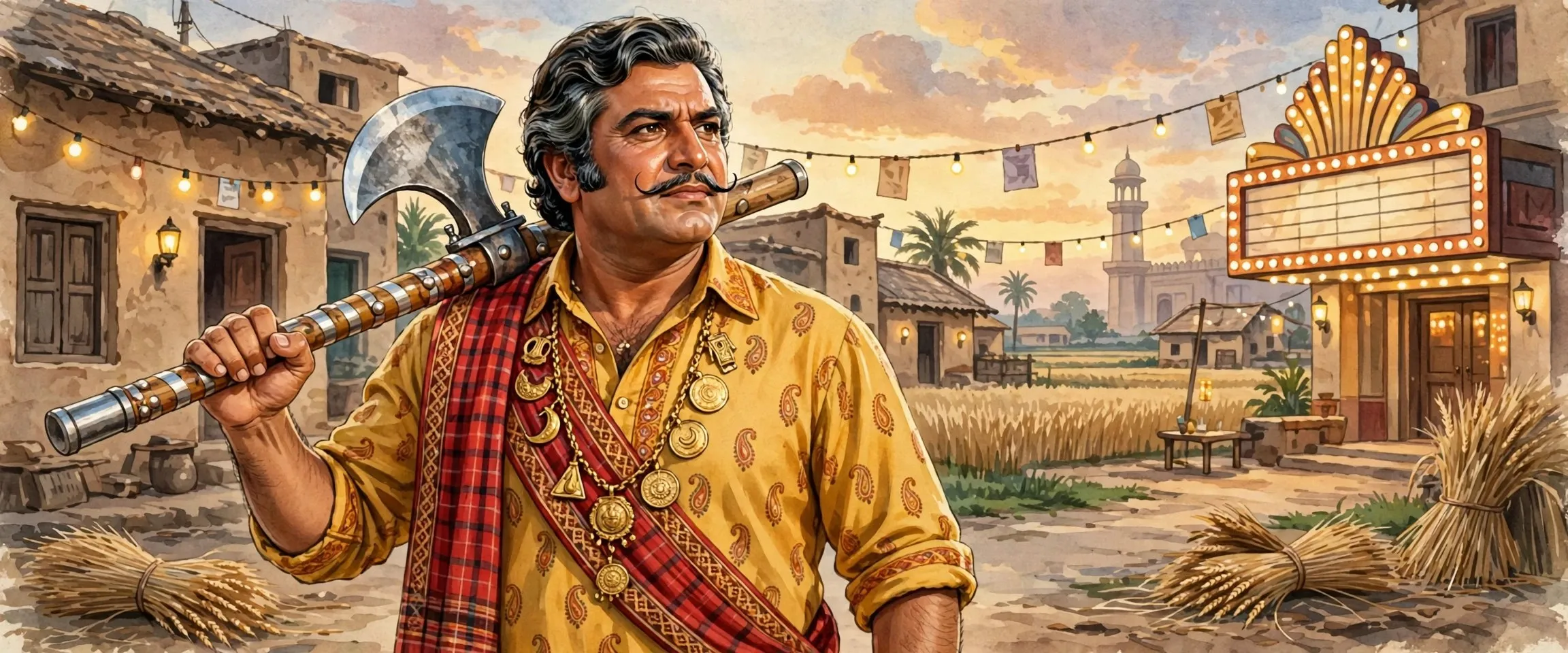
ਸੁਲਤਾਨ ਰਾਹੀ (1938 ਤੋਂ 1996), ਜਿਨ੍ਹਾਂ ਦਾ ਜਨਮ ਨਾਮ ਮੁਹੰਮਦ ਸੁਲਤਾਨ ਖਾਨ ਸੀ, ਉਹ ਪਾਕਿਸਤਾਨੀ ਅਭਿਨੇਤਾ ਸਨ, ਜਿਨ੍ਹਾਂ ਨੇ ਲਾਹੌਰ ਵਿੱਚ ਪੰਜਾਬੀ ਫਿਲਮ ਹੀਰੋ ਦੀ ਪਛਾਣ ਬਣਾਈ, ਸਭ ਤੋਂ ਮਸ਼ਹੂਰ 1979 ਦੀ ਫਿਲਮ ਮੌਲਾ ਜੱਟ ਵਿੱਚ ਮੌਲਾ ਜੱਟ ਵਜੋਂ। ਲਗਭਗ ਚਾਲੀ ਸਾਲ ਵਿੱਚ 700 ਤੋਂ ਵੱਧ ਪੰਜਾਬੀ ਫਿਲਮਾਂ ਵਿੱਚ ਕੰਮ ਕਰਨ ਦੀ ਰਿਪੋਰਟ ਵਾਲੇ ਰਾਹੀ 9 ਜਨਵਰੀ 1996 ਨੂੰ ਗੁਜਰਾਂਵਾਲਾ ਨੇੜੇ ਗ੍ਰੈਂਡ ਟਰੰਕ ਰੋਡ ਉੱਤੇ ਲੁੱਟ ਦੌਰਾਨ ਮਾਰੇ ਗਏ।
ਜੀਵਨ ਇੱਕ ਨਜ਼ਰ ਵਿੱਚ
- 1938ਜਨਮ
- 1971ਸਨਮਾਨ Nigar Awards for Babul
- 1972ਸਨਮਾਨ Basheera
- 1975ਸਭ ਤੋਂ ਮਸ਼ਹੂਰ ਭੂਮਿਕਾ Maula Jatt in Wehshi Jatt
- 1975ਸਨਮਾਨ and Wehshi Jatt
- 1979ਸਭ ਤੋਂ ਮਸ਼ਹੂਰ ਭੂਮਿਕਾ and Maula Jatt
- 1996ਦੇਹਾਂਤ Grand Trunk Road near Gujranwala
- ਪੰਜਾਬੀ ਨਾਂ
- ਸੁਲਤਾਨ ਰਾਹੀ
- ਜਨਮ
- 24 ਜੂਨ 1938
- ਜਨਮ ਸਥਾਨ
- ਵਿਵਾਦ ਵਾਲਾ: ਰਾਵਲਪਿੰਡੀ, ਪੰਜਾਬ, ਜਾਂ ਮੁਜ਼ੱਫਰਨਗਰ, ਉੱਤਰ ਪ੍ਰਦੇਸ਼ (ਸਰੋਤਾਂ ਵਿੱਚ ਫਰਕ ਹੈ)
- ਜਨਮ ਨਾਂ
- ਮੁਹੰਮਦ ਸੁਲਤਾਨ ਖਾਨ
- ਕਰੀਅਰ ਦਾ ਕੇਂਦਰ
- ਲਾਹੌਰ, ਪੰਜਾਬ, ਪਾਕਿਸਤਾਨ
- ਜ਼ਿਲ੍ਹਾ
- ਲਾਹੌਰ
All 11 facts
- ਇਲਾਕਾ
- ਪੱਛਮੀ ਪੰਜਾਬ
- ਪਹਿਲੀ ਫਿਲਮ
- ਬਾਗ਼ੀ (1956, ਉਰਦੂ)
- ਸਭ ਤੋਂ ਮਸ਼ਹੂਰ ਭੂਮਿਕਾ
- ਵਹਿਸ਼ੀ ਜੱਟ (1975) ਅਤੇ ਮੌਲਾ ਜੱਟ (1979) ਵਿੱਚ ਮੌਲਾ ਜੱਟ
- ਦੇਹਾਂਤ
- 9 ਜਨਵਰੀ 1996, ਗੁਜਰਾਂਵਾਲਾ ਨੇੜੇ ਗ੍ਰੈਂਡ ਟਰੰਕ ਰੋਡ
- ਸਨਮਾਨ
- ਬਾਬੁਲ (1971), ਬਸ਼ੀਰਾ (1972) ਅਤੇ ਵਹਿਸ਼ੀ ਜੱਟ (1975) ਲਈ ਨਿਗਾਰ ਪੁਰਸਕਾਰ
Sultan Rahi (24 June 1938 to 9 January 1996), born Muhammad Sultan Khan, was a Pakistani actor, producer and screenwriter who became the defining hero of Punjabi cinema in Lahore. Over a career of about forty years he is reported to have acted in more than 700 Punjabi films, and his title role in Maula Jatt (1979) made him a household name across Punjab.
Early life and a disputed birthplace
Rahi was born in 1938, and film references commonly give his birth date as 24 June 1938. His birthplace is not settled in the sources. The film historian Mushtaq Gazdar placed his birth in Rawalpindi in Punjab, British India, while other accounts say he was born in Muzaffarnagar, in the Saharanpur division of Uttar Pradesh, in an Urdu speaking family that moved to Pakistan after Partition in 1947. Pakistan Film Magazine also gives Muzaffarnagar as his birthplace and says the family settled in Rawalpindi. Because the accounts conflict, this page does not claim one birthplace as certain. What is clear is that his fame was made in Punjab, in the Lahore film industry, and not at his place of birth.
His father, Subedar Major Abdul Majeed, was a retired officer of the British Indian Army. Before films, Rahi is reported to have acted on stage, including in a 1955 production of Nadir Shah Durrani. He had five children, and one of them, Haider Sultan, also became a film actor.
From extra to leading man
Rahi began in films as a guest actor and extra in the Urdu language film Baghi, which film records date to 1956, when he was about eighteen. Some later anniversary reports give 1959 for that first appearance, but the detailed film records used here list 1956. The years that followed were a long apprenticeship: junior artist work, stunt work, supporting parts and villain roles through the 1960s, in an industry centred on Lahore studios.
The turn came at the start of the 1970s. He won a Nigar Award for Babul (1971) and the Nigar Award for Best Actor for Basheera (1972), where the title role announced him as a Punjabi leading man. In Wehshi Jatt (1975) he first played Maula Jatt, the defiant rural hero, and won another Nigar Best Actor award. That character, and that film, set up the biggest success of his life four years later.
What made Maula Jatt (1979) so important?
Maula Jatt, released on 11 February 1979, is the film Rahi is best known for, and it became his most successful Pakistani film. He played the title role again, facing Mustafa Qureshi as his great rival Noori Natt. The film presented a rural Punjabi hero who answered insult and injustice with force, spoke in memorable, quotable dialogue, and carried the gandasa, the long handled axe that became the symbol of the era that followed.
Writers on Pakistani cinema note that the film changed what a Punjabi hero looked like. Earlier screen heroes had often been sentimental and soft spoken. Rahi's Maula was loud, proud and physical, a dutiful son and brother at home and a feared fighter outside it. The success was so large that producers repeated the formula for years, and Rahi himself played versions of the same honour bound village strongman in film after film. The character returned to screens for a new generation in the 2022 remake The Legend of Maula Jatt, which retold the same folk feud.
The Sultan of Punjabi cinema
Through the late 1970s, the 1980s and into the 1990s, Rahi was the top star of Punjabi films in Pakistan, and he was reported to be the highest paid Pakistani actor of his time. His other well known films include Sher Khan (1981), Chan Veryam, Kaley Chore, Sharif Badmash, Wehshi Gujjar, Behram Daku (1980), Sala Sahib and Ghulami (1985). He was often paired on screen with the actress Anjuman, and their last film together is listed as Khoon da Hisab (1995). His rugged style also earned him the nickname of Pakistan's Clint Eastwood in press profiles.
The size of his filmography is reported differently by different sources, so the figures should be read as reported counts, not as an audited list. One widely repeated count, credited to Dawn reporting, gives some 703 Punjabi films and 100 Urdu films, with around 160 awards in total. Other reports round the total to more than 800 films. A scholarly count puts his key roles at more than 535 films. What every account agrees on is the scale: no other Punjabi film hero of his era worked at anything like that volume, and he is repeatedly described as named in the Guinness Book of World Records as the most prolific actor.
Honours and later life
Rahi's confirmed major honours are his Nigar Awards: a special award for Babul in 1971, Best Actor for Basheera in 1972, and Best Actor for Wehshi Jatt in 1975. Reports credit him with around 160 awards across his career, a figure this page gives as reported rather than verified award by award. He kept working through the first half of the 1990s, still headlining Punjabi action films, and colleagues later recalled both his generosity to fellow artists and technicians in the Lahore studios and the frustration he sometimes voiced at being asked to play the same character again and again.
Death on the Grand Trunk Road
On 9 January 1996 Rahi was travelling with a friend from Islamabad to Lahore on the Grand Trunk Road. Near Aimanabad, not far from Gujranwala, their vehicle stopped with a flat tyre. While the tyre was being changed, men approached and tried to rob them, and Rahi and his companion were shot. Rahi died of his wounds, aged 57. A Canadian Immigration and Refugee Board report, drawing on Agence France Presse reports from the time, records the same outline: the car had stopped to replace a punctured tyre near Gujranwala, on the way to Lahore, and the gunmen opened fire when the victims resisted being robbed.
Legacy
Rahi worked in Punjabi cinema for over four decades, from a teenage extra in the 1950s to the industry's biggest star. For many viewers in Pakistani Punjab, and for Punjabi audiences abroad, his face, his dress of kurta and lacha, his twirled moustache and his gandasa remain the picture of the classic Punjabi film hero. Directors and co stars quoted after his death said the golden era built around him did not come back. His posters were still seen in shops and on buses years later, and Maula Jatt remains the role by which Punjabi cinema in Pakistan measures its heroes.
ਸੁਲਤਾਨ ਰਾਹੀ (24 ਜੂਨ 1938 ਤੋਂ 9 ਜਨਵਰੀ 1996), ਜਿਨ੍ਹਾਂ ਦਾ ਜਨਮ ਨਾਮ ਮੁਹੰਮਦ ਸੁਲਤਾਨ ਖਾਨ ਸੀ, ਉਹ ਪਾਕਿਸਤਾਨੀ ਅਭਿਨੇਤਾ, ਨਿਰਮਾਤਾ ਅਤੇ ਪਟਕਥਾ ਲੇਖਕ ਸਨ, ਜੋ ਲਾਹੌਰ ਦੇ ਪੰਜਾਬੀ ਸਿਨੇਮਾ ਦੇ ਸਭ ਤੋਂ ਪਛਾਣੇ ਜਾਣ ਵਾਲੇ ਹੀਰੋ ਬਣੇ। ਲਗਭਗ ਚਾਲੀ ਸਾਲ ਦੇ ਕਰੀਅਰ ਵਿੱਚ ਉਨ੍ਹਾਂ ਬਾਰੇ ਕਿਹਾ ਜਾਂਦਾ ਹੈ ਕਿ ਉਨ੍ਹਾਂ ਨੇ 700 ਤੋਂ ਵੱਧ ਪੰਜਾਬੀ ਫਿਲਮਾਂ ਵਿੱਚ ਕੰਮ ਕੀਤਾ, ਅਤੇ ਮੌਲਾ ਜੱਟ (1979) ਵਿੱਚ ਉਨ੍ਹਾਂ ਦੀ ਮੁੱਖ ਭੂਮਿਕਾ ਨੇ ਉਨ੍ਹਾਂ ਨੂੰ ਸਾਰੇ ਪੰਜਾਬ ਵਿੱਚ ਘਰ ਘਰ ਪਛਾਣ ਦਿੱਤੀ।
ਮੁੱਢਲਾ ਜੀਵਨ ਅਤੇ ਵਿਵਾਦ ਵਾਲਾ ਜਨਮ ਸਥਾਨ
ਰਾਹੀ ਦਾ ਜਨਮ 1938 ਵਿੱਚ ਹੋਇਆ, ਅਤੇ ਫਿਲਮ ਹਵਾਲੇ ਆਮ ਤੌਰ ਉੱਤੇ ਉਨ੍ਹਾਂ ਦੀ ਜਨਮ ਤਾਰੀਖ 24 ਜੂਨ 1938 ਦਿੰਦੇ ਹਨ। ਉਨ੍ਹਾਂ ਦਾ ਜਨਮ ਸਥਾਨ ਸਰੋਤਾਂ ਵਿੱਚ ਤੈਅ ਨਹੀਂ ਹੈ। ਫਿਲਮ ਇਤਿਹਾਸਕਾਰ ਮੁਸ਼ਤਾਕ ਗਜ਼ਦਰ ਨੇ ਉਨ੍ਹਾਂ ਦਾ ਜਨਮ ਬਰਤਾਨਵੀ ਭਾਰਤ ਦੇ ਪੰਜਾਬ ਵਿੱਚ ਰਾਵਲਪਿੰਡੀ ਦੱਸਿਆ, ਜਦਕਿ ਹੋਰ ਲੇਖਾਂ ਅਨੁਸਾਰ ਉਨ੍ਹਾਂ ਦਾ ਜਨਮ ਉੱਤਰ ਪ੍ਰਦੇਸ਼ ਦੇ ਸਹਾਰਨਪੁਰ ਡਿਵੀਜ਼ਨ ਵਿੱਚ ਮੁਜ਼ੱਫਰਨਗਰ ਵਿੱਚ ਇੱਕ ਉਰਦੂ ਬੋਲਣ ਵਾਲੇ ਪਰਿਵਾਰ ਵਿੱਚ ਹੋਇਆ, ਜੋ 1947 ਦੀ ਵੰਡ ਤੋਂ ਬਾਅਦ ਪਾਕਿਸਤਾਨ ਚਲਾ ਗਿਆ। ਪਾਕਿਸਤਾਨ ਫਿਲਮ ਮੈਗਜ਼ੀਨ ਵੀ ਉਨ੍ਹਾਂ ਦਾ ਜਨਮ ਸਥਾਨ ਮੁਜ਼ੱਫਰਨਗਰ ਦਿੰਦਾ ਹੈ ਅਤੇ ਕਹਿੰਦਾ ਹੈ ਕਿ ਪਰਿਵਾਰ ਰਾਵਲਪਿੰਡੀ ਵਿੱਚ ਵੱਸਿਆ। ਕਿਉਂਕਿ ਇਹ ਲੇਖ ਆਪਸ ਵਿੱਚ ਨਹੀਂ ਮਿਲਦੇ, ਇਸ ਪੰਨੇ ਉੱਤੇ ਕਿਸੇ ਇੱਕ ਜਨਮ ਸਥਾਨ ਨੂੰ ਪੱਕਾ ਨਹੀਂ ਕਿਹਾ ਗਿਆ। ਜੋ ਸਾਫ਼ ਹੈ, ਉਹ ਇਹ ਹੈ ਕਿ ਉਨ੍ਹਾਂ ਦੀ ਸ਼ੋਹਰਤ ਪੰਜਾਬ ਵਿੱਚ, ਲਾਹੌਰ ਦੇ ਫਿਲਮ ਉਦਯੋਗ ਵਿੱਚ ਬਣੀ, ਨਾ ਕਿ ਉਨ੍ਹਾਂ ਦੇ ਜਨਮ ਸਥਾਨ ਉੱਤੇ।
ਉਨ੍ਹਾਂ ਦੇ ਪਿਤਾ, ਸੂਬੇਦਾਰ ਮੇਜਰ ਅਬਦੁਲ ਮਜੀਦ, ਬਰਤਾਨਵੀ ਭਾਰਤੀ ਫੌਜ ਦੇ ਸੇਵਾਮੁਕਤ ਅਧਿਕਾਰੀ ਸਨ। ਫਿਲਮਾਂ ਤੋਂ ਪਹਿਲਾਂ, ਰਾਹੀ ਬਾਰੇ ਕਿਹਾ ਜਾਂਦਾ ਹੈ ਕਿ ਉਨ੍ਹਾਂ ਨੇ ਰੰਗਮੰਚ ਉੱਤੇ ਵੀ ਕੰਮ ਕੀਤਾ, ਜਿਸ ਵਿੱਚ 1955 ਦਾ ਨਾਟਕ ਨਾਦਿਰ ਸ਼ਾਹ ਦੁਰਾਨੀ ਵੀ ਸ਼ਾਮਲ ਹੈ। ਉਨ੍ਹਾਂ ਦੇ ਪੰਜ ਬੱਚੇ ਸਨ, ਅਤੇ ਉਨ੍ਹਾਂ ਵਿੱਚੋਂ ਇੱਕ, ਹੈਦਰ ਸੁਲਤਾਨ, ਵੀ ਫਿਲਮ ਅਭਿਨੇਤਾ ਬਣਿਆ।
ਐਕਸਟਰਾ ਤੋਂ ਮੁੱਖ ਹੀਰੋ ਤੱਕ
ਰਾਹੀ ਨੇ ਫਿਲਮਾਂ ਵਿੱਚ ਸ਼ੁਰੂਆਤ ਉਰਦੂ ਭਾਸ਼ਾ ਦੀ ਫਿਲਮ ਬਾਗ਼ੀ ਵਿੱਚ ਮਹਿਮਾਨ ਅਭਿਨੇਤਾ ਅਤੇ ਐਕਸਟਰਾ ਵਜੋਂ ਕੀਤੀ, ਜਿਸ ਨੂੰ ਫਿਲਮ ਰਿਕਾਰਡ 1956 ਦੀ ਦੱਸਦੇ ਹਨ, ਜਦੋਂ ਉਹ ਲਗਭਗ ਅਠਾਰਾਂ ਸਾਲ ਦੇ ਸਨ। ਕੁਝ ਬਾਅਦ ਦੀਆਂ ਵਰ੍ਹੇਗੰਢ ਰਿਪੋਰਟਾਂ ਉਸ ਪਹਿਲੀ ਪੇਸ਼ਕਾਰੀ ਦਾ ਸਾਲ 1959 ਦਿੰਦੀਆਂ ਹਨ, ਪਰ ਇੱਥੇ ਵਰਤੇ ਗਏ ਵਿਸਤ੍ਰਿਤ ਫਿਲਮ ਰਿਕਾਰਡ 1956 ਦਿੰਦੇ ਹਨ। ਇਸ ਤੋਂ ਬਾਅਦ ਦੇ ਸਾਲ ਲੰਮੀ ਸਿਖਲਾਈ ਵਾਲੇ ਸਨ: 1960ਵਿਆਂ ਵਿੱਚ ਜੂਨੀਅਰ ਆਰਟਿਸਟ ਦਾ ਕੰਮ, ਸਟੰਟ ਦਾ ਕੰਮ, ਸਹਾਇਕ ਭੂਮਿਕਾਵਾਂ ਅਤੇ ਖਲਨਾਇਕ ਦੀਆਂ ਭੂਮਿਕਾਵਾਂ, ਲਾਹੌਰ ਦੇ ਸਟੂਡੀਓਆਂ ਉੱਤੇ ਕੇਂਦਰਿਤ ਉਦਯੋਗ ਵਿੱਚ।
ਮੋੜ 1970ਵਿਆਂ ਦੀ ਸ਼ੁਰੂਆਤ ਵਿੱਚ ਆਇਆ। ਉਨ੍ਹਾਂ ਨੇ ਬਾਬੁਲ (1971) ਲਈ ਨਿਗਾਰ ਪੁਰਸਕਾਰ ਜਿੱਤਿਆ ਅਤੇ ਬਸ਼ੀਰਾ (1972) ਲਈ ਸਰਵੋਤਮ ਅਭਿਨੇਤਾ ਦਾ ਨਿਗਾਰ ਪੁਰਸਕਾਰ ਜਿੱਤਿਆ, ਜਿੱਥੇ ਮੁੱਖ ਭੂਮਿਕਾ ਨੇ ਉਨ੍ਹਾਂ ਨੂੰ ਪੰਜਾਬੀ ਮੁੱਖ ਹੀਰੋ ਵਜੋਂ ਸਥਾਪਤ ਕੀਤਾ। ਵਹਿਸ਼ੀ ਜੱਟ (1975) ਵਿੱਚ ਉਨ੍ਹਾਂ ਨੇ ਪਹਿਲੀ ਵਾਰ ਮੌਲਾ ਜੱਟ, ਉਹ ਬਾਗ਼ੀ ਪੇਂਡੂ ਹੀਰੋ, ਦੀ ਭੂਮਿਕਾ ਨਿਭਾਈ ਅਤੇ ਇੱਕ ਹੋਰ ਸਰਵੋਤਮ ਅਭਿਨੇਤਾ ਦਾ ਨਿਗਾਰ ਪੁਰਸਕਾਰ ਜਿੱਤਿਆ। ਉਸੇ ਕਿਰਦਾਰ ਅਤੇ ਉਸੇ ਫਿਲਮ ਨੇ ਚਾਰ ਸਾਲ ਬਾਅਦ ਉਨ੍ਹਾਂ ਦੀ ਜ਼ਿੰਦਗੀ ਦੀ ਸਭ ਤੋਂ ਵੱਡੀ ਸਫਲਤਾ ਦੀ ਨੀਂਹ ਰੱਖੀ।
ਮੌਲਾ ਜੱਟ (1979) ਇੰਨੀ ਮਹੱਤਵਪੂਰਨ ਕਿਉਂ ਬਣੀ?
ਮੌਲਾ ਜੱਟ, ਜੋ 11 ਫਰਵਰੀ 1979 ਨੂੰ ਰਿਲੀਜ਼ ਹੋਈ, ਉਹ ਫਿਲਮ ਹੈ ਜਿਸ ਲਈ ਰਾਹੀ ਸਭ ਤੋਂ ਵੱਧ ਜਾਣੇ ਜਾਂਦੇ ਹਨ, ਅਤੇ ਇਹ ਉਨ੍ਹਾਂ ਦੀ ਸਭ ਤੋਂ ਸਫਲ ਪਾਕਿਸਤਾਨੀ ਫਿਲਮ ਬਣੀ। ਉਨ੍ਹਾਂ ਨੇ ਫਿਰ ਮੁੱਖ ਭੂਮਿਕਾ ਨਿਭਾਈ, ਅਤੇ ਉਨ੍ਹਾਂ ਦੇ ਵੱਡੇ ਵਿਰੋਧੀ ਨੂਰੀ ਨੱਟ ਦੀ ਭੂਮਿਕਾ ਮੁਸਤਫਾ ਕੁਰੈਸ਼ੀ ਨੇ ਨਿਭਾਈ। ਫਿਲਮ ਨੇ ਇੱਕ ਪੇਂਡੂ ਪੰਜਾਬੀ ਹੀਰੋ ਪੇਸ਼ ਕੀਤਾ, ਜੋ ਬੇਇੱਜ਼ਤੀ ਅਤੇ ਨਾਇਨਸਾਫ਼ੀ ਦਾ ਜਵਾਬ ਤਾਕਤ ਨਾਲ ਦਿੰਦਾ ਸੀ, ਯਾਦ ਰਹਿਣ ਵਾਲੇ ਅਤੇ ਦੁਹਰਾਏ ਜਾਣ ਵਾਲੇ ਸੰਵਾਦ ਬੋਲਦਾ ਸੀ, ਅਤੇ ਗੰਡਾਸਾ ਚੁੱਕਦਾ ਸੀ, ਉਹ ਲੰਮੇ ਡੰਡੇ ਵਾਲੀ ਕੁਹਾੜੀ, ਜੋ ਇਸ ਤੋਂ ਬਾਅਦ ਦੇ ਦੌਰ ਦੀ ਨਿਸ਼ਾਨੀ ਬਣ ਗਈ।
ਪਾਕਿਸਤਾਨੀ ਸਿਨੇਮਾ ਬਾਰੇ ਲਿਖਣ ਵਾਲੇ ਨੋਟ ਕਰਦੇ ਹਨ ਕਿ ਇਸ ਫਿਲਮ ਨੇ ਪੰਜਾਬੀ ਹੀਰੋ ਦੀ ਸੂਰਤ ਬਦਲ ਦਿੱਤੀ। ਪਹਿਲਾਂ ਦੇ ਪਰਦੇ ਵਾਲੇ ਹੀਰੋ ਅਕਸਰ ਭਾਵੁਕ ਅਤੇ ਨਰਮ ਬੋਲਣ ਵਾਲੇ ਹੁੰਦੇ ਸਨ। ਰਾਹੀ ਦਾ ਮੌਲਾ ਉੱਚੀ ਆਵਾਜ਼ ਵਾਲਾ, ਮਾਣ ਵਾਲਾ ਅਤੇ ਸਰੀਰਕ ਤੌਰ ਉੱਤੇ ਤਾਕਤਵਰ ਸੀ, ਘਰ ਵਿੱਚ ਫਰਜ਼ ਨਿਭਾਉਣ ਵਾਲਾ ਪੁੱਤਰ ਅਤੇ ਭਰਾ, ਅਤੇ ਘਰ ਤੋਂ ਬਾਹਰ ਡਰਾਇਆ ਜਾਣ ਵਾਲਾ ਲੜਾਕੂ। ਸਫਲਤਾ ਇੰਨੀ ਵੱਡੀ ਸੀ ਕਿ ਨਿਰਮਾਤਾਵਾਂ ਨੇ ਸਾਲਾਂ ਤੱਕ ਉਹੀ ਫਾਰਮੂਲਾ ਦੁਹਰਾਇਆ, ਅਤੇ ਰਾਹੀ ਨੇ ਖੁਦ ਵੀ ਫਿਲਮ ਦਰ ਫਿਲਮ ਉਸੇ ਇੱਜ਼ਤ ਨਾਲ ਬੱਝੇ ਪਿੰਡ ਦੇ ਪਹਿਲਵਾਨ ਵਰਗੇ ਕਿਰਦਾਰ ਨਿਭਾਏ। ਇਹ ਕਿਰਦਾਰ 2022 ਦੀ ਰੀਮੇਕ ਦ ਲੈਜੈਂਡ ਆਫ ਮੌਲਾ ਜੱਟ ਵਿੱਚ ਨਵੀਂ ਪੀੜ੍ਹੀ ਲਈ ਪਰਦੇ ਉੱਤੇ ਵਾਪਸ ਆਇਆ, ਜਿਸ ਨੇ ਉਹੀ ਲੋਕ ਝਗੜਾ ਫਿਰ ਸੁਣਾਇਆ।
ਪੰਜਾਬੀ ਸਿਨੇਮਾ ਦਾ ਸੁਲਤਾਨ
1970ਵਿਆਂ ਦੇ ਅਖੀਰ, 1980ਵਿਆਂ ਅਤੇ 1990ਵਿਆਂ ਵਿੱਚ ਵੀ, ਰਾਹੀ ਪਾਕਿਸਤਾਨ ਵਿੱਚ ਪੰਜਾਬੀ ਫਿਲਮਾਂ ਦੇ ਸਭ ਤੋਂ ਵੱਡੇ ਸਟਾਰ ਰਹੇ, ਅਤੇ ਉਨ੍ਹਾਂ ਬਾਰੇ ਕਿਹਾ ਜਾਂਦਾ ਹੈ ਕਿ ਉਹ ਆਪਣੇ ਸਮੇਂ ਦੇ ਸਭ ਤੋਂ ਵੱਧ ਮਿਹਨਤਾਨਾ ਲੈਣ ਵਾਲੇ ਪਾਕਿਸਤਾਨੀ ਅਭਿਨੇਤਾ ਸਨ। ਉਨ੍ਹਾਂ ਦੀਆਂ ਹੋਰ ਮਸ਼ਹੂਰ ਫਿਲਮਾਂ ਵਿੱਚ ਸ਼ੇਰ ਖਾਨ (1981), ਚੰਨ ਵਰਿਆਮ, ਕਾਲੇ ਚੋਰ, ਸ਼ਰੀਫ ਬਦਮਾਸ਼, ਵਹਿਸ਼ੀ ਗੁੱਜਰ, ਬਹਿਰਾਮ ਡਾਕੂ (1980), ਸਾਲਾ ਸਾਹਿਬ ਅਤੇ ਗੁਲਾਮੀ (1985) ਸ਼ਾਮਲ ਹਨ। ਉਹ ਅਕਸਰ ਅਭਿਨੇਤਰੀ ਅੰਜੁਮਨ ਨਾਲ ਪਰਦੇ ਉੱਤੇ ਜੋੜੀ ਬਣਾਉਂਦੇ ਸਨ, ਅਤੇ ਉਨ੍ਹਾਂ ਦੀ ਇਕੱਠਿਆਂ ਦੀ ਆਖਰੀ ਫਿਲਮ ਖੂਨ ਦਾ ਹਿਸਾਬ (1995) ਦੱਸੀ ਜਾਂਦੀ ਹੈ। ਉਨ੍ਹਾਂ ਦੀ ਖੁਰਦਰੀ ਸ਼ੈਲੀ ਕਰਕੇ ਪ੍ਰੈੱਸ ਪ੍ਰੋਫਾਈਲਾਂ ਵਿੱਚ ਉਨ੍ਹਾਂ ਨੂੰ ਪਾਕਿਸਤਾਨ ਦਾ ਕਲਿੰਟ ਈਸਟਵੁੱਡ ਵੀ ਕਿਹਾ ਗਿਆ।
ਉਨ੍ਹਾਂ ਦੀ ਫਿਲਮਾਂ ਦੀ ਗਿਣਤੀ ਵੱਖ ਵੱਖ ਸਰੋਤ ਵੱਖ ਵੱਖ ਦਿੰਦੇ ਹਨ, ਇਸ ਲਈ ਇਹ ਅੰਕੜੇ ਰਿਪੋਰਟ ਕੀਤੀ ਗਿਣਤੀ ਵਜੋਂ ਪੜ੍ਹਨੇ ਚਾਹੀਦੇ ਹਨ, ਜਾਂਚੀ ਹੋਈ ਸੂਚੀ ਵਜੋਂ ਨਹੀਂ। ਇੱਕ ਵਿਆਪਕ ਤੌਰ ਉੱਤੇ ਦੁਹਰਾਈ ਗਈ ਗਿਣਤੀ, ਜਿਸ ਦਾ ਹਵਾਲਾ ਡਾਨ ਦੀ ਰਿਪੋਰਟ ਨੂੰ ਦਿੱਤਾ ਜਾਂਦਾ ਹੈ, ਲਗਭਗ 703 ਪੰਜਾਬੀ ਫਿਲਮਾਂ ਅਤੇ 100 ਉਰਦੂ ਫਿਲਮਾਂ ਦਿੰਦੀ ਹੈ, ਕੁੱਲ ਲਗਭਗ 160 ਪੁਰਸਕਾਰਾਂ ਸਮੇਤ। ਹੋਰ ਰਿਪੋਰਟਾਂ ਕੁੱਲ ਗਿਣਤੀ 800 ਤੋਂ ਵੱਧ ਫਿਲਮਾਂ ਤੱਕ ਲੈ ਜਾਂਦੀਆਂ ਹਨ। ਇੱਕ ਵਿਦਵਾਨ ਦੀ ਗਿਣਤੀ ਉਨ੍ਹਾਂ ਦੀਆਂ ਮੁੱਖ ਭੂਮਿਕਾਵਾਂ 535 ਤੋਂ ਵੱਧ ਫਿਲਮਾਂ ਵਿੱਚ ਦਿੰਦੀ ਹੈ। ਜਿਸ ਗੱਲ ਉੱਤੇ ਹਰ ਲੇਖ ਸਹਿਮਤ ਹੈ, ਉਹ ਹੈ ਪੈਮਾਨਾ: ਉਨ੍ਹਾਂ ਦੇ ਦੌਰ ਦੇ ਕਿਸੇ ਹੋਰ ਪੰਜਾਬੀ ਫਿਲਮ ਹੀਰੋ ਨੇ ਇਸ ਦੇ ਨੇੜੇ ਤੇੜੇ ਵੀ ਕੰਮ ਨਹੀਂ ਕੀਤਾ, ਅਤੇ ਉਨ੍ਹਾਂ ਬਾਰੇ ਵਾਰ ਵਾਰ ਕਿਹਾ ਜਾਂਦਾ ਹੈ ਕਿ ਸਭ ਤੋਂ ਵੱਧ ਫਿਲਮਾਂ ਕਰਨ ਵਾਲੇ ਅਭਿਨੇਤਾ ਵਜੋਂ ਉਨ੍ਹਾਂ ਦਾ ਨਾਮ ਗਿਨੀਜ਼ ਬੁੱਕ ਆਫ ਵਰਲਡ ਰਿਕਾਰਡਜ਼ ਵਿੱਚ ਦਰਜ ਹੈ।
ਸਨਮਾਨ ਅਤੇ ਬਾਅਦ ਦਾ ਜੀਵਨ
ਰਾਹੀ ਦੇ ਪੁਸ਼ਟੀ ਕੀਤੇ ਵੱਡੇ ਸਨਮਾਨ ਉਨ੍ਹਾਂ ਦੇ ਨਿਗਾਰ ਪੁਰਸਕਾਰ ਹਨ: 1971 ਵਿੱਚ ਬਾਬੁਲ ਲਈ ਵਿਸ਼ੇਸ਼ ਪੁਰਸਕਾਰ, 1972 ਵਿੱਚ ਬਸ਼ੀਰਾ ਲਈ ਸਰਵੋਤਮ ਅਭਿਨੇਤਾ, ਅਤੇ 1975 ਵਿੱਚ ਵਹਿਸ਼ੀ ਜੱਟ ਲਈ ਸਰਵੋਤਮ ਅਭਿਨੇਤਾ। ਰਿਪੋਰਟਾਂ ਉਨ੍ਹਾਂ ਦੇ ਕਰੀਅਰ ਵਿੱਚ ਲਗਭਗ 160 ਪੁਰਸਕਾਰ ਦਿੰਦੀਆਂ ਹਨ, ਅਤੇ ਇਹ ਅੰਕੜਾ ਇਸ ਪੰਨੇ ਉੱਤੇ ਰਿਪੋਰਟ ਕੀਤਾ ਗਿਆ ਦਿੱਤਾ ਗਿਆ ਹੈ, ਹਰ ਪੁਰਸਕਾਰ ਦੀ ਵੱਖਰੀ ਜਾਂਚ ਕੀਤੀ ਹੋਈ ਨਹੀਂ। ਉਹ 1990ਵਿਆਂ ਦੇ ਪਹਿਲੇ ਅੱਧ ਵਿੱਚ ਵੀ ਕੰਮ ਕਰਦੇ ਰਹੇ, ਅਜੇ ਵੀ ਪੰਜਾਬੀ ਐਕਸ਼ਨ ਫਿਲਮਾਂ ਦੇ ਮੁੱਖ ਹੀਰੋ, ਅਤੇ ਸਾਥੀਆਂ ਨੇ ਬਾਅਦ ਵਿੱਚ ਲਾਹੌਰ ਦੇ ਸਟੂਡੀਓਆਂ ਵਿੱਚ ਸਾਥੀ ਕਲਾਕਾਰਾਂ ਅਤੇ ਤਕਨੀਸ਼ੀਅਨਾਂ ਪ੍ਰਤੀ ਉਨ੍ਹਾਂ ਦੀ ਦਰਿਆਦਿਲੀ ਨੂੰ ਵੀ ਯਾਦ ਕੀਤਾ, ਅਤੇ ਉਸ ਥਕਾਵਟ ਨੂੰ ਵੀ, ਜੋ ਉਹ ਕਈ ਵਾਰ ਇੱਕੋ ਕਿਰਦਾਰ ਵਾਰ ਵਾਰ ਨਿਭਾਉਣ ਲਈ ਕਹੇ ਜਾਣ ਉੱਤੇ ਜ਼ਾਹਰ ਕਰਦੇ ਸਨ।
ਗ੍ਰੈਂਡ ਟਰੰਕ ਰੋਡ ਉੱਤੇ ਮੌਤ
9 ਜਨਵਰੀ 1996 ਨੂੰ ਰਾਹੀ ਇੱਕ ਦੋਸਤ ਨਾਲ ਇਸਲਾਮਾਬਾਦ ਤੋਂ ਲਾਹੌਰ, ਗ੍ਰੈਂਡ ਟਰੰਕ ਰੋਡ ਉੱਤੇ, ਯਾਤਰਾ ਕਰ ਰਹੇ ਸਨ। ਗੁਜਰਾਂਵਾਲਾ ਤੋਂ ਬਹੁਤੀ ਦੂਰ ਨਹੀਂ, ਐਮਨਾਬਾਦ ਨੇੜੇ, ਉਨ੍ਹਾਂ ਦੀ ਗੱਡੀ ਪੰਕਚਰ ਹੋਣ ਕਰਕੇ ਰੁਕੀ। ਜਦੋਂ ਟਾਇਰ ਬਦਲਿਆ ਜਾ ਰਿਹਾ ਸੀ, ਤਾਂ ਕੁਝ ਲੋਕ ਨੇੜੇ ਆਏ ਅਤੇ ਉਨ੍ਹਾਂ ਨੂੰ ਲੁੱਟਣ ਦੀ ਕੋਸ਼ਿਸ਼ ਕੀਤੀ, ਅਤੇ ਰਾਹੀ ਅਤੇ ਉਨ੍ਹਾਂ ਦੇ ਸਾਥੀ ਨੂੰ ਗੋਲੀ ਮਾਰ ਦਿੱਤੀ ਗਈ। ਰਾਹੀ ਆਪਣੇ ਜ਼ਖਮਾਂ ਕਰਕੇ ਚੱਲ ਵੱਸੇ, ਉਨ੍ਹਾਂ ਦੀ ਉਮਰ 57 ਸਾਲ ਸੀ। ਕੈਨੇਡਾ ਦੇ ਇਮੀਗ੍ਰੇਸ਼ਨ ਅਤੇ ਰਿਫਿਊਜੀ ਬੋਰਡ ਦੀ ਇੱਕ ਰਿਪੋਰਟ, ਜੋ ਉਸ ਸਮੇਂ ਦੀਆਂ ਏਜੰਸ ਫਰਾਂਸ ਪ੍ਰੈੱਸ ਦੀਆਂ ਰਿਪੋਰਟਾਂ ਉੱਤੇ ਆਧਾਰਿਤ ਹੈ, ਵੀ ਇਹੀ ਰੂਪਰੇਖਾ ਦਿੰਦੀ ਹੈ: ਗੱਡੀ ਗੁਜਰਾਂਵਾਲਾ ਨੇੜੇ, ਲਾਹੌਰ ਜਾਂਦੇ ਹੋਏ, ਪੰਕਚਰ ਹੋਇਆ ਟਾਇਰ ਬਦਲਣ ਲਈ ਰੁਕੀ ਸੀ, ਅਤੇ ਜਦੋਂ ਪੀੜਤਾਂ ਨੇ ਲੁੱਟੇ ਜਾਣ ਦਾ ਵਿਰੋਧ ਕੀਤਾ, ਤਾਂ ਬੰਦੂਕਧਾਰੀਆਂ ਨੇ ਗੋਲੀ ਚਲਾ ਦਿੱਤੀ।
ਵਿਰਾਸਤ
ਰਾਹੀ ਨੇ ਪੰਜਾਬੀ ਸਿਨੇਮਾ ਵਿੱਚ ਚਾਰ ਦਹਾਕਿਆਂ ਤੋਂ ਵੱਧ ਕੰਮ ਕੀਤਾ, 1950ਵਿਆਂ ਵਿੱਚ ਕਿਸ਼ੋਰ ਐਕਸਟਰਾ ਤੋਂ ਲੈ ਕੇ ਉਦਯੋਗ ਦੇ ਸਭ ਤੋਂ ਵੱਡੇ ਸਟਾਰ ਤੱਕ। ਪਾਕਿਸਤਾਨੀ ਪੰਜਾਬ ਦੇ ਬਹੁਤ ਸਾਰੇ ਦਰਸ਼ਕਾਂ ਲਈ, ਅਤੇ ਵਿਦੇਸ਼ਾਂ ਵਿੱਚ ਪੰਜਾਬੀ ਦਰਸ਼ਕਾਂ ਲਈ, ਉਨ੍ਹਾਂ ਦਾ ਚਿਹਰਾ, ਕੁੜਤੇ ਅਤੇ ਲਾਚੇ ਦਾ ਪਹਿਰਾਵਾ, ਉੱਪਰ ਮੁੜੀਆਂ ਮੁੱਛਾਂ ਅਤੇ ਗੰਡਾਸਾ, ਅਜੇ ਵੀ ਕਲਾਸਿਕ ਪੰਜਾਬੀ ਫਿਲਮ ਹੀਰੋ ਦੀ ਤਸਵੀਰ ਹੈ। ਉਨ੍ਹਾਂ ਦੀ ਮੌਤ ਤੋਂ ਬਾਅਦ ਹਵਾਲਾ ਦਿੱਤੇ ਗਏ ਨਿਰਦੇਸ਼ਕਾਂ ਅਤੇ ਸਹਿ ਕਲਾਕਾਰਾਂ ਨੇ ਕਿਹਾ ਕਿ ਉਨ੍ਹਾਂ ਦੇ ਆਲੇ ਦੁਆਲੇ ਬਣਿਆ ਸੁਨਹਿਰੀ ਦੌਰ ਵਾਪਸ ਨਹੀਂ ਆਇਆ। ਉਨ੍ਹਾਂ ਦੇ ਪੋਸਟਰ ਸਾਲਾਂ ਬਾਅਦ ਵੀ ਦੁਕਾਨਾਂ ਅਤੇ ਬੱਸਾਂ ਉੱਤੇ ਦਿਖਦੇ ਰਹੇ, ਅਤੇ ਮੌਲਾ ਜੱਟ ਅਜੇ ਵੀ ਉਹ ਭੂਮਿਕਾ ਹੈ, ਜਿਸ ਨਾਲ ਪਾਕਿਸਤਾਨ ਵਿੱਚ ਪੰਜਾਬੀ ਸਿਨੇਮਾ ਆਪਣੇ ਹੀਰੋਆਂ ਨੂੰ ਮਾਪਦਾ ਹੈ।
ਲੋਕ

ਥਾਵਾਂ


More actors & entertainers
ਸਾਰੇ ਵੇਖੋ

ਸਰੋਤ (5)
- Sultan Rahi, Wikipedia
- Sultan Rahi, Film hero, Pakistan Film Magazine (PakMag)
- Sultan Rahi: The Ultimate King of Pakistani Cinema, Youlin Magazine
- Circumstances surrounding the death of Pakistani movie star Sultan Rahi in January 1996, Immigration and Refugee Board of Canada via ecoi.net
- Remembering Sultan Rahi, Acting Icon and Guinness Record Holder from Pakistan, FilmiBee
ਜੁਗਤੀ ਮੁਫ਼ਤ ਅਤੇ ਸੁਤੰਤਰ ਹੈ। ਪਾਠਕਾਂ ਦਾ ਸਹਿਯੋਗ ਕੋਸ਼ ਨੂੰ ਵਧਾਉਂਦਾ ਹੈ।
ਸਹਿਯੋਗ