
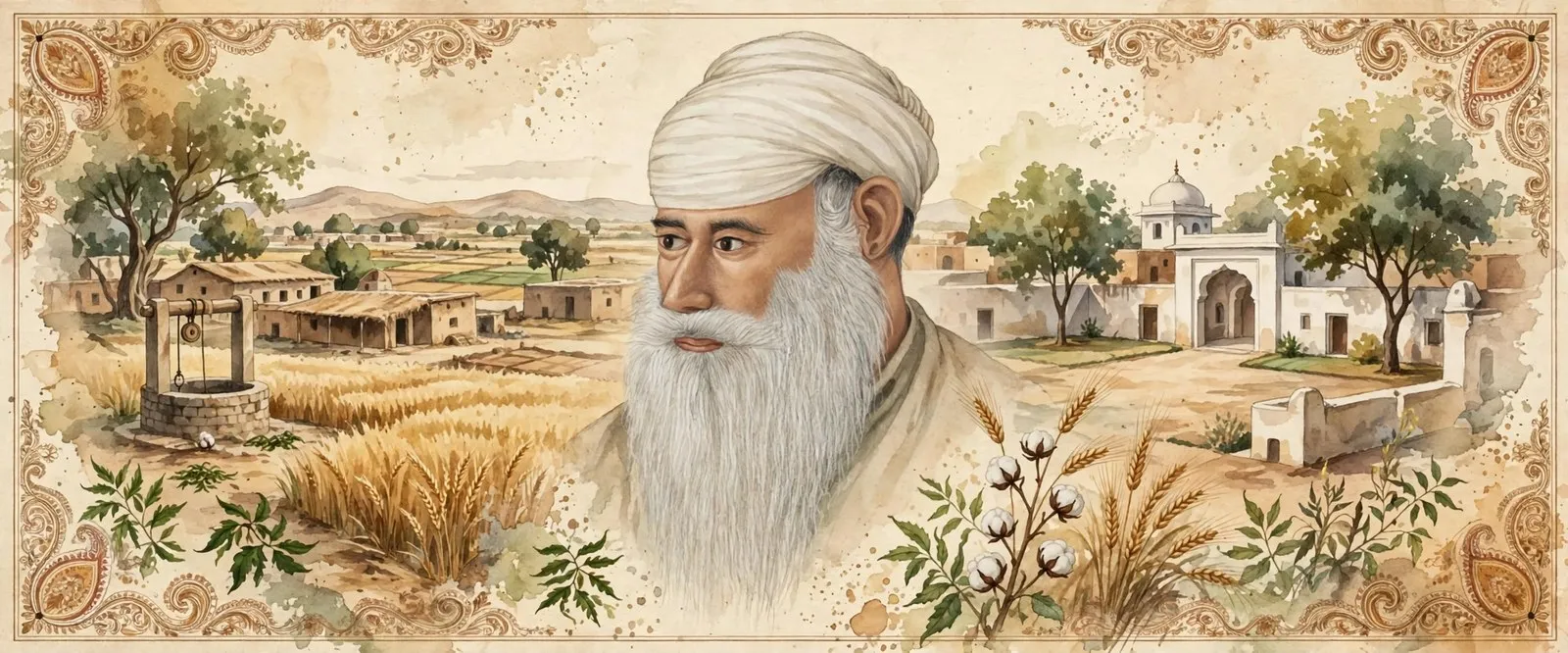
ਬਾਬਾ ਰਾਮ ਸਿੰਘ ਜੀ (3 ਫਰਵਰੀ 1816 ਤੋਂ 29 ਨਵੰਬਰ 1885, ਜਿਵੇਂ ਅੰਗਰੇਜ਼ਾਂ ਨੇ ਦਰਜ ਕੀਤਾ) ਨਾਮਧਾਰੀ ਲਹਿਰ ਦੇ ਆਗੂ ਸਨ, ਜਿਸ ਨੂੰ ਕੂਕਾ ਲਹਿਰ ਵੀ ਕਿਹਾ ਜਾਂਦਾ ਹੈ ਅਤੇ ਜਿਸ ਦਾ ਕੇਂਦਰ ਲੁਧਿਆਣਾ ਜ਼ਿਲ੍ਹੇ ਵਿੱਚ ਸ੍ਰੀ ਭੈਣੀ ਸਾਹਿਬ ਸੀ। ਸਿੱਖ ਰਾਜ ਦੇ ਸਾਬਕਾ ਫ਼ੌਜੀ ਅਤੇ ਬਾਬਾ ਬਾਲਕ ਸਿੰਘ ਦੇ ਚੇਲੇ ਵਜੋਂ ਉਨ੍ਹਾਂ ਨੇ ਆਪਣੇ ਪੈਰੋਕਾਰਾਂ ਨੂੰ ਸਾਦੇ ਜੀਵਨ, ਰੋਜ਼ਾਨਾ ਗ੍ਰੰਥ ਪੜ੍ਹਨ ਅਤੇ ਮਾਸ ਤੇ ਸ਼ਰਾਬ ਤੋਂ ਪਰਹੇਜ਼ ਦਾ ਸਖ਼ਤ ਨਿਯਮ ਦਿੱਤਾ, ਅਤੇ ਉਨ੍ਹਾਂ ਨੂੰ ਪਹਿਲਾ ਭਾਰਤੀ ਮੰਨਿਆ ਜਾਂਦਾ ਹੈ ਜਿਸ ਨੇ ਅਸਹਿਯੋਗ ਅਤੇ ਬ੍ਰਿਟਿਸ਼ ਵਸਤਾਂ ਤੇ ਸੇਵਾਵਾਂ ਦੇ ਬਾਈਕਾਟ ਨੂੰ ਸਿਆਸੀ ਹਥਿਆਰ ਵਜੋਂ ਵਰਤਿਆ। 1871 ਅਤੇ 1872 ਵਿੱਚ ਗਊ-ਹੱਤਿਆ ਦੇ ਮੁੱਦੇ ਉੱਤੇ ਹਿੰਸਕ ਝੜਪਾਂ ਤੋਂ ਬਾਅਦ ਅੰਗਰੇਜ਼ਾਂ ਨੇ ਉਨ੍ਹਾਂ ਨੂੰ ਬਰਮਾ ਜਲਾਵਤਨ ਕਰ ਦਿੱਤਾ, ਜਿੱਥੇ ਉਨ੍ਹਾਂ ਨੇ ਚੌਦਾਂ ਸਾਲ ਕੈਦ ਵਿੱਚ ਬਿਤਾਏ।
- ਪੰਜਾਬੀ ਨਾਂ
- ਬਾਬਾ ਰਾਮ ਸਿੰਘ ਜੀ
- ਜਨਮ
- 3 ਫਰਵਰੀ 1816, ਭੈਣੀ ਅਰਾਈਆਂ (ਰਾਈਆਂ), ਲੁਧਿਆਣਾ ਜ਼ਿਲ੍ਹਾ
- ਦੇਹਾਂਤ
- 29 ਨਵੰਬਰ 1885, ਮਰਗੁਈ, ਬਰਮਾ (ਅੰਗਰੇਜ਼ਾਂ ਅਨੁਸਾਰ; ਨਾਮਧਾਰੀ ਸਿੱਖ ਇਸ ਨੂੰ ਨਹੀਂ ਮੰਨਦੇ)
- ਧਰਮ
- ਸਿੱਖ ਧਰਮ (ਨਾਮਧਾਰੀ ਪਰੰਪਰਾ)
- ਮਾਤਾ-ਪਿਤਾ
- ਜੱਸਾ ਸਿੰਘ ਅਤੇ ਸਦਾ ਕੌਰ
- ਪਤਨੀ
- ਮਾਤਾ ਜੱਸਾਂ; ਧੀਆਂ ਨੰਦ ਕੌਰ ਅਤੇ ਦਇਆ ਕੌਰ
All 10 facts
- ਅਧਿਆਪਕ
- ਬਾਬਾ ਬਾਲਕ ਸਿੰਘ (1799-1862)
- ਕੇਂਦਰ
- ਸ੍ਰੀ ਭੈਣੀ ਸਾਹਿਬ, ਲੁਧਿਆਣਾ ਜ਼ਿਲ੍ਹਾ
- ਪ੍ਰਸਿੱਧੀ
- ਨਾਮਧਾਰੀ (ਕੂਕਾ) ਲਹਿਰ ਦੀ ਅਗਵਾਈ; ਬ੍ਰਿਟਿਸ਼ ਵਸਤਾਂ ਦੇ ਬਾਈਕਾਟ ਦੀ ਸ਼ੁਰੂਆਤ
- ਜਲਾਵਤਨੀ
- 18 ਜਨਵਰੀ 1872, ਰੰਗੂਨ, ਬਰਮਾ
Baba Ram Singh Ji (3 February 1816 to 29 November 1885, as reported by the British) was the leader of the Namdhari movement, also called the Kuka movement, based at Sri Bhaini Sahib in Ludhiana district. A former soldier of the Sikh Empire and a disciple of Baba Balak Singh, he gave his followers a strict code of simple living, daily scripture reading and abstinence from meat and alcohol. He is credited as the first Indian to use non-cooperation and the boycott of British goods and services as a political tool, decades before those methods became central to the freedom struggle. After clashes over cow slaughter in 1871 and 1872, the British exiled him to Burma, where he spent fourteen years in confinement.
Early life and service in the Sikh army
Ram Singh was born on 3 February 1816 in the village of Bhaini Araiari, also called Raiyan, near Sri Bhaini Sahib in Ludhiana district. He was the eldest of the four children of Jassa Singh and his wife Sada Kaur, a small-farming family. In the village he learnt to read the Guru Granth Sahib, and his mother raised him in the traditions of ਗੁਰੂ ਨਾਨਕ. Like many Punjabi children of the time, he was married young, at the age of seven, to Jassari, known as Mata Jassan, who bore him two daughters, Nand Kaur and Daya Kaur.
At the age of twenty he joined the army of Maharaja Ranjit Singh and was assigned to the regiment of Kanwar Nau Nihal Singh. In 1841 the regiment moved to Peshawar, and on the way, at Hazro, he met Baba Balak Singh (1799 to 1862), a saintly preacher of a simple life in keeping with the teachings of the Gurus. Balak Singh received him warmly, and Ram Singh became his disciple. Before his death, Balak Singh appointed Ram Singh as his successor, giving him patasha, a coconut and five paise coins and circling him five times in reverence.
After the First Anglo-Sikh War of 1845 to 1846, Ram Singh resigned his army service and returned to Bhaini. He worked as a sharecropper, started a grocery shop, and worked for a short time in 1855 to 1856 as a building contractor at Firozpur. All the while he spread his teacher's message. On Vaisakhi day, 14 April 1857, he laid down the code of conduct for his followers and administered Khande di Pahul, the Amrit ceremony, to five Sikhs, after which many in the congregation took Amrit.
What was the Namdhari code of conduct?
The movement took its name from Nam, the name of God, and its members were also called Kukas, from the Punjabi word kuk, a shriek or shout, because during kirtan they worked themselves into such ecstasy that they began dancing and shouting. The code Baba Ram Singh laid down was austere. Followers were to abstain from meat, alcohol and other intoxicants, and from the worship of tombs and samadhs. They were to lead simple and chaste lives, wear handwoven white clothes with turbans tied in a distinctive style, carry wooden staves and wool rosaries, and keep their gurdwaras deliberately simple.
ਬਾਬਾ ਰਾਮ ਸਿੰਘ ਜੀ (3 ਫਰਵਰੀ 1816 ਤੋਂ 29 ਨਵੰਬਰ 1885, ਜਿਵੇਂ ਅੰਗਰੇਜ਼ਾਂ ਨੇ ਦਰਜ ਕੀਤਾ) ਨਾਮਧਾਰੀ ਲਹਿਰ ਦੇ ਆਗੂ ਸਨ, ਜਿਸ ਨੂੰ ਕੂਕਾ ਲਹਿਰ ਵੀ ਕਿਹਾ ਜਾਂਦਾ ਹੈ ਅਤੇ ਜਿਸ ਦਾ ਕੇਂਦਰ ਲੁਧਿਆਣਾ ਜ਼ਿਲ੍ਹੇ ਵਿੱਚ ਸ੍ਰੀ ਭੈਣੀ ਸਾਹਿਬ ਸੀ। ਸਿੱਖ ਰਾਜ ਦੇ ਸਾਬਕਾ ਫ਼ੌਜੀ ਅਤੇ ਬਾਬਾ ਬਾਲਕ ਸਿੰਘ ਦੇ ਚੇਲੇ ਵਜੋਂ ਉਨ੍ਹਾਂ ਨੇ ਆਪਣੇ ਪੈਰੋਕਾਰਾਂ ਨੂੰ ਸਾਦੇ ਜੀਵਨ, ਰੋਜ਼ਾਨਾ ਗ੍ਰੰਥ ਪੜ੍ਹਨ ਅਤੇ ਮਾਸ ਤੇ ਸ਼ਰਾਬ ਤੋਂ ਪਰਹੇਜ਼ ਦਾ ਸਖ਼ਤ ਨਿਯਮ ਦਿੱਤਾ। ਉਨ੍ਹਾਂ ਨੂੰ ਪਹਿਲਾ ਭਾਰਤੀ ਮੰਨਿਆ ਜਾਂਦਾ ਹੈ ਜਿਸ ਨੇ ਅਸਹਿਯੋਗ ਅਤੇ ਬ੍ਰਿਟਿਸ਼ ਵਸਤਾਂ ਤੇ ਸੇਵਾਵਾਂ ਦੇ ਬਾਈਕਾਟ ਨੂੰ ਸਿਆਸੀ ਹਥਿਆਰ ਵਜੋਂ ਵਰਤਿਆ, ਉਨ੍ਹਾਂ ਤਰੀਕਿਆਂ ਦੇ ਆਜ਼ਾਦੀ ਸੰਗਰਾਮ ਦਾ ਕੇਂਦਰ ਬਣਨ ਤੋਂ ਦਹਾਕਿਆਂ ਪਹਿਲਾਂ। 1871 ਅਤੇ 1872 ਵਿੱਚ ਗਊ-ਹੱਤਿਆ ਉੱਤੇ ਝੜਪਾਂ ਤੋਂ ਬਾਅਦ ਅੰਗਰੇਜ਼ਾਂ ਨੇ ਉਨ੍ਹਾਂ ਨੂੰ ਬਰਮਾ ਜਲਾਵਤਨ ਕਰ ਦਿੱਤਾ, ਜਿੱਥੇ ਉਨ੍ਹਾਂ ਨੇ ਚੌਦਾਂ ਸਾਲ ਕੈਦ ਵਿੱਚ ਬਿਤਾਏ।
ਮੁੱਢਲਾ ਜੀਵਨ ਅਤੇ ਸਿੱਖ ਫ਼ੌਜ ਵਿੱਚ ਸੇਵਾ
ਰਾਮ ਸਿੰਘ ਦਾ ਜਨਮ 3 ਫਰਵਰੀ 1816 ਨੂੰ ਲੁਧਿਆਣਾ ਜ਼ਿਲ੍ਹੇ ਦੇ ਪਿੰਡ ਭੈਣੀ ਅਰਾਈਆਂ, ਜਿਸ ਨੂੰ ਰਾਈਆਂ ਵੀ ਕਿਹਾ ਜਾਂਦਾ ਹੈ, ਸ੍ਰੀ ਭੈਣੀ ਸਾਹਿਬ ਦੇ ਨੇੜੇ ਹੋਇਆ। ਉਹ ਜੱਸਾ ਸਿੰਘ ਅਤੇ ਉਨ੍ਹਾਂ ਦੀ ਪਤਨੀ ਸਦਾ ਕੌਰ ਦੇ ਚਾਰ ਬੱਚਿਆਂ ਵਿੱਚੋਂ ਸਭ ਤੋਂ ਵੱਡੇ ਸਨ, ਇੱਕ ਛੋਟੇ ਕਿਸਾਨ ਪਰਿਵਾਰ ਤੋਂ। ਪਿੰਡ ਵਿੱਚ ਉਨ੍ਹਾਂ ਨੇ ਗੁਰੂ ਗ੍ਰੰਥ ਸਾਹਿਬ ਪੜ੍ਹਨਾ ਸਿੱਖਿਆ, ਅਤੇ ਉਨ੍ਹਾਂ ਦੀ ਮਾਤਾ ਨੇ ਉਨ੍ਹਾਂ ਨੂੰ ਗੁਰੂ ਨਾਨਕ ਦੀਆਂ ਪਰੰਪਰਾਵਾਂ ਵਿੱਚ ਪਾਲਿਆ। ਉਸ ਸਮੇਂ ਦੇ ਬਹੁਤੇ ਪੰਜਾਬੀ ਬੱਚਿਆਂ ਵਾਂਗ ਉਨ੍ਹਾਂ ਦਾ ਵਿਆਹ ਸੱਤ ਸਾਲ ਦੀ ਉਮਰ ਵਿੱਚ ਜੱਸਰੀ, ਜਿਨ੍ਹਾਂ ਨੂੰ ਮਾਤਾ ਜੱਸਾਂ ਕਿਹਾ ਜਾਂਦਾ ਹੈ, ਨਾਲ ਹੋਇਆ, ਜਿਨ੍ਹਾਂ ਤੋਂ ਉਨ੍ਹਾਂ ਦੀਆਂ ਦੋ ਧੀਆਂ ਹੋਈਆਂ।
ਵੀਹ ਸਾਲ ਦੀ ਉਮਰ ਵਿੱਚ ਉਹ ਮਹਾਰਾਜਾ ਰਣਜੀਤ ਸਿੰਘ ਦੀ ਫ਼ੌਜ ਵਿੱਚ ਭਰਤੀ ਹੋਏ ਅਤੇ ਕੰਵਰ ਨੌਨਿਹਾਲ ਸਿੰਘ ਦੀ ਰਜਮੈਂਟ ਵਿੱਚ ਰੱਖੇ ਗਏ। 1841 ਵਿੱਚ ਰਜਮੈਂਟ ਪਿਸ਼ਾਵਰ ਗਈ, ਅਤੇ ਰਾਹ ਵਿੱਚ ਹਜ਼ਰੋ ਵਿਖੇ ਉਹ ਬਾਬਾ ਬਾਲਕ ਸਿੰਘ (1799 ਤੋਂ 1862) ਨੂੰ ਮਿਲੇ, ਜੋ ਗੁਰੂਆਂ ਦੀਆਂ ਸਿੱਖਿਆਵਾਂ ਅਨੁਸਾਰ ਸਾਦੇ ਜੀਵਨ ਦਾ ਪ੍ਰਚਾਰ ਕਰਨ ਵਾਲੇ ਸੰਤ ਸਨ। ਬਾਲਕ ਸਿੰਘ ਨੇ ਉਨ੍ਹਾਂ ਦਾ ਨਿੱਘਾ ਸਵਾਗਤ ਕੀਤਾ, ਅਤੇ ਰਾਮ ਸਿੰਘ ਉਨ੍ਹਾਂ ਦੇ ਚੇਲੇ ਬਣ ਗਏ। ਆਪਣੇ ਦਿਹਾਂਤ ਤੋਂ ਪਹਿਲਾਂ ਬਾਲਕ ਸਿੰਘ ਨੇ ਰਾਮ ਸਿੰਘ ਨੂੰ ਆਪਣਾ ਉੱਤਰਾਧਿਕਾਰੀ ਬਣਾਇਆ, ਉਨ੍ਹਾਂ ਨੂੰ ਪਤਾਸੇ, ਨਾਰੀਅਲ ਅਤੇ ਪੰਜ ਪੈਸੇ ਦਿੱਤੇ ਅਤੇ ਸਤਿਕਾਰ ਵਜੋਂ ਉਨ੍ਹਾਂ ਦੇ ਆਲੇ-ਦੁਆਲੇ ਪੰਜ ਪਰਿਕਰਮਾ ਕੀਤੀਆਂ।
1845 ਤੋਂ 1846 ਦੀ ਪਹਿਲੀ ਅੰਗਰੇਜ਼-ਸਿੱਖ ਜੰਗ ਤੋਂ ਬਾਅਦ ਰਾਮ ਸਿੰਘ ਨੇ ਫ਼ੌਜ ਦੀ ਨੌਕਰੀ ਛੱਡ ਦਿੱਤੀ ਅਤੇ ਭੈਣੀ ਵਾਪਸ ਆ ਗਏ। ਉਨ੍ਹਾਂ ਨੇ ਹਿੱਸੇਦਾਰੀ ਉੱਤੇ ਖੇਤੀ ਕੀਤੀ, ਪਰਚੂਨ ਦੀ ਦੁਕਾਨ ਸ਼ੁਰੂ ਕੀਤੀ, ਅਤੇ 1855 ਤੋਂ 1856 ਵਿੱਚ ਕੁਝ ਸਮਾਂ ਫਿਰੋਜ਼ਪੁਰ ਵਿੱਚ ਠੇਕੇਦਾਰ ਵਜੋਂ ਕੰਮ ਕੀਤਾ। ਇਸ ਦੌਰਾਨ ਉਹ ਆਪਣੇ ਗੁਰੂ ਦਾ ਸੁਨੇਹਾ ਫੈਲਾਉਂਦੇ ਰਹੇ। ਵਿਸਾਖੀ ਵਾਲੇ ਦਿਨ, 14 ਅਪ੍ਰੈਲ 1857 ਨੂੰ, ਉਨ੍ਹਾਂ ਨੇ ਆਪਣੇ ਪੈਰੋਕਾਰਾਂ ਲਈ ਰਹਿਣ-ਸਹਿਣ ਦਾ ਨਿਯਮ ਬਣਾਇਆ ਅਤੇ ਪੰਜ ਸਿੱਖਾਂ ਨੂੰ ਖੰਡੇ ਦੀ ਪਾਹੁਲ, ਯਾਨੀ ਅੰਮ੍ਰਿਤ, ਛਕਾਇਆ, ਜਿਸ ਤੋਂ ਬਾਅਦ ਸੰਗਤ ਵਿੱਚੋਂ ਕਈਆਂ ਨੇ ਅੰਮ੍ਰਿਤ ਲਿਆ।
ਨਾਮਧਾਰੀ ਰਹਿਣ-ਸਹਿਣ ਦਾ ਨਿਯਮ ਕੀ ਸੀ?
ਇਸ ਲਹਿਰ ਦਾ ਨਾਂ ਨਾਮ, ਯਾਨੀ ਰੱਬ ਦੇ ਨਾਂ, ਤੋਂ ਪਿਆ, ਅਤੇ ਇਸ ਦੇ ਮੈਂਬਰਾਂ ਨੂੰ ਕੂਕੇ ਵੀ ਕਿਹਾ ਜਾਂਦਾ ਸੀ, ਪੰਜਾਬੀ ਸ਼ਬਦ ਕੂਕ, ਯਾਨੀ ਚੀਕ, ਤੋਂ, ਕਿਉਂਕਿ ਕੀਰਤਨ ਦੌਰਾਨ ਉਹ ਇੰਨੇ ਮਸਤ ਹੋ ਜਾਂਦੇ ਸਨ ਕਿ ਨੱਚਣ ਅਤੇ ਚੀਕਣ ਲੱਗ ਪੈਂਦੇ ਸਨ। ਬਾਬਾ ਰਾਮ ਸਿੰਘ ਦਾ ਬਣਾਇਆ ਨਿਯਮ ਸਖ਼ਤ ਸੀ। ਪੈਰੋਕਾਰਾਂ ਨੇ ਮਾਸ, ਸ਼ਰਾਬ ਅਤੇ ਹੋਰ ਨਸ਼ਿਆਂ ਤੋਂ, ਅਤੇ ਮਕਬਰਿਆਂ ਤੇ ਸਮਾਧਾਂ ਦੀ ਪੂਜਾ ਤੋਂ ਪਰਹੇਜ਼ ਕਰਨਾ ਸੀ। ਉਨ੍ਹਾਂ ਨੇ ਸਾਦਾ ਅਤੇ ਪਵਿੱਤਰ ਜੀਵਨ ਬਿਤਾਉਣਾ ਸੀ, ਹੱਥ ਦੇ ਬੁਣੇ ਚਿੱਟੇ ਕੱਪੜੇ ਪਹਿਨਣੇ ਸਨ ਅਤੇ ਖ਼ਾਸ ਢੰਗ ਨਾਲ ਦਸਤਾਰ ਬੰਨ੍ਹਣੀ ਸੀ, ਲੱਕੜ ਦੀ ਸੋਟੀ ਅਤੇ ਊਨ ਦੀ ਮਾਲਾ ਰੱਖਣੀ ਸੀ, ਅਤੇ ਆਪਣੇ ਗੁਰਦੁਆਰੇ ਸਾਦੇ ਰੱਖਣੇ ਸਨ।
Scripture stood at the centre of daily life. He made it a convention to read the Guru Granth Sahib and the Dasam Granth every day, and directed that holy books be taken out of cupboards and placed with respect in places of worship. His socio-political ideas were influenced by Bhai Maharaj Singh, the earlier Sikh leader who had resisted the British in the 1840s. Namdhari Sikhs regard Baba Ram Singh as their twelfth Guru. Mainstream Sikh bodies such as the Damdami Taksal and the Nihangs regard him as a saint rather than a Guru. Both views are stated here as the beliefs of those who hold them.
The movement was organised like a state in miniature. There were twenty-two district heads called subas, a title meaning governor, besides two jathedars for each tehsil and a granthi for each village. Because his followers did not trust the British postal system, he set up a private courier service of trusted men.
Reforms for women and simple marriages
One of his boldest steps was to administer Amrit to women. He opposed practices then common in Punjab, including child marriage, female infanticide and the sale of girls, and he drastically reduced the cost of marriage. In 1863, in the village of Khote, he organised simple marriages through the Gurmat ritual of ਅਨੰਦ ਕਾਰਜ. The priestly class, fearing a loss of income, complained to the British authorities, and he was placed under house arrest for a time. He also appointed a woman as a suba, one of his district heads. In recognition of her work, a doorway of the Indian Parliament, Gate No. 37, was later named Hukmi Mai Marg on the initiative of President Giani Zail Singh.
Boycott of British rule
Baba Ram Singh remained opposed to British rule, and his followers believed his prediction that it would soon recede. In the 1860s he called for the boycott of British goods, government schools, government service, law courts and the postal service, and urged people to wear only homespun khaddar. These methods anticipated by decades a major thrust of the later national movement. The movement also made contacts abroad, with Kashmir, Nepal and Russia. A Namdhari emissary, Baba Gurcharan Singh, reached Russian authorities in 1879, but the Russians declined to become involved.
The British watched the movement closely, especially after 1857. When in 1863 Baba Ram Singh planned to go to Amritsar for Vaisakhi with followers from all over Punjab, the authorities gave permission only reluctantly. Two months later, when he announced a meeting at Khote in Firozpur district, prohibitory orders banned all Kuka meetings. Bhaini was kept under watch and he was detained in his village. In 1867 he was allowed to celebrate Holi at Anandpur Sahib, and he travelled there with twenty-one subas on horseback and more than two thousand followers on foot. The visit passed peacefully and the restrictions were withdrawn, but the truce did not last.
The Malerkotla clash and exile to Burma
The breaking point came over cow slaughter. The Sikh Empire had banned it, and many Sikhs resented the opening of beef shops in Amritsar, the holy city, under British rule. On the night of 14 June 1871, some Namdharis attacked butchers in Amritsar, killing four and injuring three. A similar incident at Raikot in Ludhiana district left three people dead. The government charged the Kukas with sedition and banned them from assembling for any festival outside Bhaini.
In January 1872, at Malerkotla, an argument between a Muslim butcher and a Sikh over the harsh treatment of an ox ended with a judge ordering the ox to be slaughtered in the Sikh's presence. On the morning of 15 January 1872, more than a hundred Kukas reached Malerkotla and attacked the treasury. Eight policemen, including an officer, lost their lives. Sixty-eight of the captured Kukas were blown from cannon on the afternoon of 17 January, without trial. Baba Ram Singh was exiled from Punjab with ten of his subas, taken first to Allahabad and then to Rangoon in Burma, where he was detained under the Bengal Act of 1818, in the same place where the last Mughal emperor, Bahadur Shah Zafar, had been kept.
For fourteen years he remained in confinement, sustained, his followers said, by his faith and their devotion. Bold followers sometimes evaded the guards to see him, and secret letters, his hukamnamas, kept the movement in touch with him. Many of his letters were preserved, and a selection was published by the historian Dr Ganda Singh. The British reported that he died at Mergui on 29 November 1885, and a telegram from Rangoon on 8 December 1885 reported his death from old age and debility. Namdhari Sikhs dispute that report. They believe he is still alive and will one day return to lead the community, and some historians have pointed to records that do not square with the telegram. His brother Hari Singh succeeded him.
Why is Baba Ram Singh Ji remembered today?
He is remembered for joining religious reform to political resistance. Later leaders of the freedom movement, including Jawaharlal Nehru, Subhas Chandra Bose and Rajendra Prasad, praised the path of non-cooperation he had shown fifty years before it became a mass method. The Government of India marked the 200th anniversary of his birth in 2016, the Punjab Government observes his birth anniversary as a state occasion and holiday, and his portrait hangs in the Indian Parliament and at Ludhiana railway station.
At Sri Bhaini Sahib, the headquarters he made his home, the Namdhari community he shaped still follows his code of simple dress, vegetarian food, daily scripture and honest labour. For his followers he is Satguru Ram Singh, the twelfth Guru. For the wider Punjab he is the soldier turned saint who taught a subject people to refuse foreign goods, courts and schools, and who paid for that teaching with fourteen years of exile.
ਗ੍ਰੰਥ ਰੋਜ਼ਾਨਾ ਜੀਵਨ ਦੇ ਕੇਂਦਰ ਵਿੱਚ ਸੀ। ਉਨ੍ਹਾਂ ਨੇ ਗੁਰੂ ਗ੍ਰੰਥ ਸਾਹਿਬ ਅਤੇ ਦਸਮ ਗ੍ਰੰਥ ਰੋਜ਼ ਪੜ੍ਹਨ ਦੀ ਰੀਤ ਬਣਾਈ, ਅਤੇ ਹੁਕਮ ਦਿੱਤਾ ਕਿ ਪਵਿੱਤਰ ਗ੍ਰੰਥਾਂ ਨੂੰ ਅਲਮਾਰੀਆਂ ਵਿੱਚੋਂ ਕੱਢ ਕੇ ਪੂਜਾ-ਅਸਥਾਨਾਂ ਵਿੱਚ ਸਤਿਕਾਰ ਨਾਲ ਰੱਖਿਆ ਜਾਵੇ। ਉਨ੍ਹਾਂ ਦੇ ਸਮਾਜਿਕ-ਸਿਆਸੀ ਵਿਚਾਰ ਭਾਈ ਮਹਾਰਾਜ ਸਿੰਘ ਤੋਂ ਪ੍ਰਭਾਵਿਤ ਸਨ, ਉਹ ਪਹਿਲੇ ਸਿੱਖ ਆਗੂ ਜਿਨ੍ਹਾਂ ਨੇ 1840 ਦੇ ਦਹਾਕੇ ਵਿੱਚ ਅੰਗਰੇਜ਼ਾਂ ਦਾ ਵਿਰੋਧ ਕੀਤਾ ਸੀ। ਨਾਮਧਾਰੀ ਸਿੱਖ ਬਾਬਾ ਰਾਮ ਸਿੰਘ ਨੂੰ ਆਪਣਾ ਬਾਰ੍ਹਵਾਂ ਗੁਰੂ ਮੰਨਦੇ ਹਨ। ਦਮਦਮੀ ਟਕਸਾਲ ਅਤੇ ਨਿਹੰਗਾਂ ਵਰਗੇ ਮੁੱਖ ਧਾਰਾ ਦੇ ਸਿੱਖ ਸੰਗਠਨ ਉਨ੍ਹਾਂ ਨੂੰ ਗੁਰੂ ਦੀ ਥਾਂ ਸੰਤ ਮੰਨਦੇ ਹਨ। ਦੋਵੇਂ ਵਿਚਾਰ ਇੱਥੇ ਉਨ੍ਹਾਂ ਨੂੰ ਮੰਨਣ ਵਾਲਿਆਂ ਦੇ ਵਿਸ਼ਵਾਸ ਵਜੋਂ ਦਿੱਤੇ ਗਏ ਹਨ।
ਇਹ ਲਹਿਰ ਛੋਟੇ ਰਾਜ ਵਾਂਗ ਸੰਗਠਿਤ ਸੀ। ਇਸ ਵਿੱਚ ਬਾਈ ਜ਼ਿਲ੍ਹਾ ਮੁਖੀ ਸਨ ਜਿਨ੍ਹਾਂ ਨੂੰ ਸੂਬਾ ਕਿਹਾ ਜਾਂਦਾ ਸੀ, ਜਿਸ ਦਾ ਅਰਥ ਹੈ ਗਵਰਨਰ, ਇਸ ਤੋਂ ਇਲਾਵਾ ਹਰ ਤਹਿਸੀਲ ਲਈ ਦੋ ਜਥੇਦਾਰ ਅਤੇ ਹਰ ਪਿੰਡ ਲਈ ਇੱਕ ਗ੍ਰੰਥੀ ਸੀ। ਕਿਉਂਕਿ ਉਨ੍ਹਾਂ ਦੇ ਪੈਰੋਕਾਰਾਂ ਨੂੰ ਬ੍ਰਿਟਿਸ਼ ਡਾਕ ਪ੍ਰਣਾਲੀ ਉੱਤੇ ਭਰੋਸਾ ਨਹੀਂ ਸੀ, ਉਨ੍ਹਾਂ ਨੇ ਭਰੋਸੇਯੋਗ ਆਦਮੀਆਂ ਦੀ ਨਿੱਜੀ ਡਾਕ ਸੇਵਾ ਬਣਾਈ।
ਔਰਤਾਂ ਲਈ ਸੁਧਾਰ ਅਤੇ ਸਾਦੇ ਵਿਆਹ
ਉਨ੍ਹਾਂ ਦਾ ਇੱਕ ਦਲੇਰ ਕਦਮ ਔਰਤਾਂ ਨੂੰ ਅੰਮ੍ਰਿਤ ਛਕਾਉਣਾ ਸੀ। ਉਨ੍ਹਾਂ ਨੇ ਪੰਜਾਬ ਵਿੱਚ ਉਸ ਸਮੇਂ ਆਮ ਰਿਵਾਜਾਂ ਦਾ ਵਿਰੋਧ ਕੀਤਾ, ਜਿਨ੍ਹਾਂ ਵਿੱਚ ਬਾਲ ਵਿਆਹ, ਧੀਆਂ ਨੂੰ ਮਾਰਨਾ ਅਤੇ ਕੁੜੀਆਂ ਨੂੰ ਵੇਚਣਾ ਸ਼ਾਮਲ ਸੀ, ਅਤੇ ਵਿਆਹ ਦਾ ਖ਼ਰਚ ਬਹੁਤ ਘਟਾ ਦਿੱਤਾ। 1863 ਵਿੱਚ ਪਿੰਡ ਖੋਟੇ ਵਿੱਚ ਉਨ੍ਹਾਂ ਨੇ ਗੁਰਮਤ ਰੀਤ ਅਨੰਦ ਕਾਰਜ ਰਾਹੀਂ ਸਾਦੇ ਵਿਆਹ ਕਰਵਾਏ। ਪੁਜਾਰੀ ਵਰਗ ਨੇ, ਆਮਦਨ ਘਟਣ ਦੇ ਡਰੋਂ, ਬ੍ਰਿਟਿਸ਼ ਅਧਿਕਾਰੀਆਂ ਕੋਲ ਸ਼ਿਕਾਇਤ ਕੀਤੀ, ਅਤੇ ਉਨ੍ਹਾਂ ਨੂੰ ਕੁਝ ਸਮਾਂ ਘਰ ਵਿੱਚ ਨਜ਼ਰਬੰਦ ਰੱਖਿਆ ਗਿਆ। ਉਨ੍ਹਾਂ ਨੇ ਇੱਕ ਔਰਤ ਨੂੰ ਸੂਬਾ ਵੀ ਬਣਾਇਆ। ਉਸ ਦੇ ਕੰਮ ਦੇ ਸਤਿਕਾਰ ਵਜੋਂ ਭਾਰਤੀ ਸੰਸਦ ਦੇ ਇੱਕ ਦਰਵਾਜ਼ੇ, ਗੇਟ ਨੰ. 37, ਦਾ ਨਾਂ ਬਾਅਦ ਵਿੱਚ ਰਾਸ਼ਟਰਪਤੀ ਗਿਆਨੀ ਜ਼ੈਲ ਸਿੰਘ ਦੀ ਪਹਿਲ ਉੱਤੇ ਹੁਕਮੀ ਮਾਈ ਮਾਰਗ ਰੱਖਿਆ ਗਿਆ।
ਬ੍ਰਿਟਿਸ਼ ਰਾਜ ਦਾ ਬਾਈਕਾਟ
ਬਾਬਾ ਰਾਮ ਸਿੰਘ ਬ੍ਰਿਟਿਸ਼ ਰਾਜ ਦੇ ਵਿਰੋਧੀ ਰਹੇ, ਅਤੇ ਉਨ੍ਹਾਂ ਦੇ ਪੈਰੋਕਾਰ ਉਨ੍ਹਾਂ ਦੀ ਇਸ ਭਵਿੱਖਬਾਣੀ ਵਿੱਚ ਵਿਸ਼ਵਾਸ ਕਰਦੇ ਸਨ ਕਿ ਇਹ ਜਲਦੀ ਖ਼ਤਮ ਹੋ ਜਾਵੇਗਾ। 1860 ਦੇ ਦਹਾਕੇ ਵਿੱਚ ਉਨ੍ਹਾਂ ਨੇ ਬ੍ਰਿਟਿਸ਼ ਵਸਤਾਂ, ਸਰਕਾਰੀ ਸਕੂਲਾਂ, ਸਰਕਾਰੀ ਨੌਕਰੀ, ਅਦਾਲਤਾਂ ਅਤੇ ਡਾਕ ਸੇਵਾ ਦੇ ਬਾਈਕਾਟ ਦਾ ਸੱਦਾ ਦਿੱਤਾ, ਅਤੇ ਲੋਕਾਂ ਨੂੰ ਸਿਰਫ਼ ਹੱਥ ਦਾ ਬੁਣਿਆ ਖੱਦਰ ਪਹਿਨਣ ਲਈ ਕਿਹਾ। ਇਨ੍ਹਾਂ ਤਰੀਕਿਆਂ ਨੇ ਦਹਾਕਿਆਂ ਪਹਿਲਾਂ ਬਾਅਦ ਵਾਲੀ ਕੌਮੀ ਲਹਿਰ ਦੀ ਮੁੱਖ ਧਾਰਾ ਦੀ ਝਲਕ ਦਿੱਤੀ। ਲਹਿਰ ਨੇ ਕਸ਼ਮੀਰ, ਨੇਪਾਲ ਅਤੇ ਰੂਸ ਨਾਲ ਵੀ ਸੰਪਰਕ ਬਣਾਏ। ਇੱਕ ਨਾਮਧਾਰੀ ਦੂਤ, ਬਾਬਾ ਗੁਰਚਰਨ ਸਿੰਘ, 1879 ਵਿੱਚ ਰੂਸੀ ਅਧਿਕਾਰੀਆਂ ਤੱਕ ਪਹੁੰਚੇ, ਪਰ ਰੂਸੀਆਂ ਨੇ ਸ਼ਾਮਲ ਹੋਣ ਤੋਂ ਇਨਕਾਰ ਕਰ ਦਿੱਤਾ।
ਅੰਗਰੇਜ਼ ਇਸ ਲਹਿਰ ਉੱਤੇ ਨੇੜਿਓਂ ਨਜ਼ਰ ਰੱਖਦੇ ਸਨ, ਖ਼ਾਸ ਕਰਕੇ 1857 ਤੋਂ ਬਾਅਦ। ਜਦੋਂ 1863 ਵਿੱਚ ਬਾਬਾ ਰਾਮ ਸਿੰਘ ਨੇ ਸਾਰੇ ਪੰਜਾਬ ਤੋਂ ਪੈਰੋਕਾਰਾਂ ਨਾਲ ਵਿਸਾਖੀ ਉੱਤੇ ਅੰਮ੍ਰਿਤਸਰ ਜਾਣ ਦੀ ਯੋਜਨਾ ਬਣਾਈ ਤਾਂ ਅਧਿਕਾਰੀਆਂ ਨੇ ਬਹੁਤ ਝਿਜਕ ਨਾਲ ਇਜਾਜ਼ਤ ਦਿੱਤੀ। ਦੋ ਮਹੀਨੇ ਬਾਅਦ, ਜਦੋਂ ਉਨ੍ਹਾਂ ਨੇ ਫਿਰੋਜ਼ਪੁਰ ਜ਼ਿਲ੍ਹੇ ਦੇ ਪਿੰਡ ਖੋਟੇ ਵਿੱਚ ਮੀਟਿੰਗ ਦਾ ਐਲਾਨ ਕੀਤਾ ਤਾਂ ਸਾਰੀਆਂ ਕੂਕਾ ਮੀਟਿੰਗਾਂ ਉੱਤੇ ਪਾਬੰਦੀ ਲੱਗ ਗਈ। ਭੈਣੀ ਉੱਤੇ ਨਿਗਰਾਨੀ ਰੱਖੀ ਗਈ ਅਤੇ ਉਨ੍ਹਾਂ ਨੂੰ ਆਪਣੇ ਪਿੰਡ ਵਿੱਚ ਨਜ਼ਰਬੰਦ ਰੱਖਿਆ ਗਿਆ। 1867 ਵਿੱਚ ਉਨ੍ਹਾਂ ਨੂੰ ਅਨੰਦਪੁਰ ਸਾਹਿਬ ਵਿਖੇ ਹੋਲੀ ਮਨਾਉਣ ਦੀ ਇਜਾਜ਼ਤ ਮਿਲੀ, ਅਤੇ ਉਹ ਇਕਵੀਹ ਸੂਬਿਆਂ ਨਾਲ ਘੋੜਿਆਂ ਉੱਤੇ ਅਤੇ ਦੋ ਹਜ਼ਾਰ ਤੋਂ ਵੱਧ ਪੈਰੋਕਾਰਾਂ ਨਾਲ ਪੈਦਲ ਉੱਥੇ ਗਏ। ਇਹ ਦੌਰਾ ਸ਼ਾਂਤੀ ਨਾਲ ਨਿਬੜਿਆ ਅਤੇ ਪਾਬੰਦੀਆਂ ਹਟਾ ਦਿੱਤੀਆਂ ਗਈਆਂ, ਪਰ ਇਹ ਸੁਲਾਹ ਲੰਮੀ ਨਹੀਂ ਰਹੀ।
ਮਾਲੇਰਕੋਟਲਾ ਝੜਪ ਅਤੇ ਬਰਮਾ ਜਲਾਵਤਨੀ
ਟਕਰਾਅ ਦਾ ਕਾਰਨ ਗਊ-ਹੱਤਿਆ ਬਣਿਆ। ਸਿੱਖ ਰਾਜ ਨੇ ਇਸ ਉੱਤੇ ਪਾਬੰਦੀ ਲਾਈ ਸੀ, ਅਤੇ ਬਹੁਤੇ ਸਿੱਖਾਂ ਨੂੰ ਪਵਿੱਤਰ ਸ਼ਹਿਰ ਅੰਮ੍ਰਿਤਸਰ ਵਿੱਚ ਬ੍ਰਿਟਿਸ਼ ਰਾਜ ਅਧੀਨ ਗਊ-ਮਾਸ ਦੀਆਂ ਦੁਕਾਨਾਂ ਖੁੱਲ੍ਹਣ ਦਾ ਰੋਸ ਸੀ। 14 ਜੂਨ 1871 ਦੀ ਰਾਤ ਨੂੰ ਕੁਝ ਨਾਮਧਾਰੀਆਂ ਨੇ ਅੰਮ੍ਰਿਤਸਰ ਵਿੱਚ ਕਸਾਈਆਂ ਉੱਤੇ ਹਮਲਾ ਕੀਤਾ, ਜਿਸ ਵਿੱਚ ਚਾਰ ਮਾਰੇ ਗਏ ਅਤੇ ਤਿੰਨ ਜ਼ਖ਼ਮੀ ਹੋਏ। ਲੁਧਿਆਣਾ ਜ਼ਿਲ੍ਹੇ ਦੇ ਰਾਏਕੋਟ ਵਿੱਚ ਇਸੇ ਤਰ੍ਹਾਂ ਦੀ ਘਟਨਾ ਵਿੱਚ ਤਿੰਨ ਵਿਅਕਤੀ ਮਾਰੇ ਗਏ। ਸਰਕਾਰ ਨੇ ਕੂਕਿਆਂ ਉੱਤੇ ਦੇਸ਼-ਧ੍ਰੋਹ ਦਾ ਦੋਸ਼ ਲਾਇਆ ਅਤੇ ਭੈਣੀ ਤੋਂ ਬਾਹਰ ਇਕੱਠੇ ਹੋਣ ਉੱਤੇ ਪਾਬੰਦੀ ਲਾ ਦਿੱਤੀ।
ਜਨਵਰੀ 1872 ਵਿੱਚ ਮਾਲੇਰਕੋਟਲਾ ਵਿਖੇ ਇੱਕ ਮੁਸਲਮਾਨ ਕਸਾਈ ਅਤੇ ਇੱਕ ਸਿੱਖ ਵਿਚਕਾਰ ਬਲਦ ਨਾਲ ਸਖ਼ਤ ਵਿਵਹਾਰ ਉੱਤੇ ਝਗੜਾ ਹੋਇਆ, ਜਿਸ ਦੇ ਅੰਤ ਵਿੱਚ ਜੱਜ ਨੇ ਬਲਦ ਨੂੰ ਸਿੱਖ ਦੇ ਸਾਹਮਣੇ ਕਤਲ ਕਰਨ ਦਾ ਹੁਕਮ ਦਿੱਤਾ। 15 ਜਨਵਰੀ 1872 ਦੀ ਸਵੇਰ ਨੂੰ ਸੌ ਤੋਂ ਵੱਧ ਕੂਕੇ ਮਾਲੇਰਕੋਟਲਾ ਪਹੁੰਚੇ ਅਤੇ ਖ਼ਜ਼ਾਨੇ ਉੱਤੇ ਹਮਲਾ ਕਰ ਦਿੱਤਾ। ਇੱਕ ਅਧਿਕਾਰੀ ਸਮੇਤ ਅੱਠ ਪੁਲਿਸ ਵਾਲੇ ਮਾਰੇ ਗਏ। ਫੜੇ ਗਏ ਕੂਕਿਆਂ ਵਿੱਚੋਂ ਅਠਾਹਠ ਨੂੰ 17 ਜਨਵਰੀ ਦੀ ਦੁਪਹਿਰ ਨੂੰ ਬਿਨਾਂ ਮੁਕੱਦਮੇ ਤੋਪਾਂ ਨਾਲ ਉਡਾ ਦਿੱਤਾ ਗਿਆ। ਬਾਬਾ ਰਾਮ ਸਿੰਘ ਨੂੰ ਉਨ੍ਹਾਂ ਦੇ ਦਸ ਸੂਬਿਆਂ ਨਾਲ ਪੰਜਾਬ ਤੋਂ ਜਲਾਵਤਨ ਕਰ ਦਿੱਤਾ ਗਿਆ, ਪਹਿਲਾਂ ਅਲਾਹਾਬਾਦ ਅਤੇ ਫਿਰ ਬਰਮਾ ਦੇ ਰੰਗੂਨ ਲਿਜਾਇਆ ਗਿਆ, ਜਿੱਥੇ ਉਨ੍ਹਾਂ ਨੂੰ 1818 ਦੇ ਬੰਗਾਲ ਐਕਟ ਅਧੀਨ ਉਸੇ ਥਾਂ ਰੱਖਿਆ ਗਿਆ ਜਿੱਥੇ ਬਹਾਦਰ ਸ਼ਾਹ ਜ਼ਫ਼ਰ ਨੂੰ ਰੱਖਿਆ ਗਿਆ ਸੀ।
ਚੌਦਾਂ ਸਾਲ ਉਹ ਕੈਦ ਵਿੱਚ ਰਹੇ, ਜਿਵੇਂ ਉਨ੍ਹਾਂ ਦੇ ਪੈਰੋਕਾਰ ਕਹਿੰਦੇ ਸਨ, ਆਪਣੇ ਵਿਸ਼ਵਾਸ ਅਤੇ ਉਨ੍ਹਾਂ ਦੀ ਸ਼ਰਧਾ ਦੇ ਸਹਾਰੇ। ਦਲੇਰ ਪੈਰੋਕਾਰ ਕਦੇ-ਕਦੇ ਪਹਿਰੇਦਾਰਾਂ ਨੂੰ ਚਕਮਾ ਦੇ ਕੇ ਉਨ੍ਹਾਂ ਨੂੰ ਮਿਲ ਜਾਂਦੇ ਸਨ, ਅਤੇ ਗੁਪਤ ਚਿੱਠੀਆਂ, ਉਨ੍ਹਾਂ ਦੇ ਹੁਕਮਨਾਮਿਆਂ, ਰਾਹੀਂ ਲਹਿਰ ਉਨ੍ਹਾਂ ਨਾਲ ਜੁੜੀ ਰਹੀ। ਉਨ੍ਹਾਂ ਦੀਆਂ ਬਹੁਤ ਸਾਰੀਆਂ ਚਿੱਠੀਆਂ ਸੰਭਾਲੀਆਂ ਗਈਆਂ, ਅਤੇ ਡਾ. ਗੰਡਾ ਸਿੰਘ ਨੇ ਉਨ੍ਹਾਂ ਦੀ ਇੱਕ ਚੋਣ ਪ੍ਰਕਾਸ਼ਿਤ ਕੀਤੀ। ਅੰਗਰੇਜ਼ਾਂ ਨੇ ਦਰਜ ਕੀਤਾ ਕਿ ਉਨ੍ਹਾਂ ਦਾ ਦਿਹਾਂਤ 29 ਨਵੰਬਰ 1885 ਨੂੰ ਮਰਗੁਈ ਵਿੱਚ ਹੋਇਆ, ਅਤੇ 8 ਦਸੰਬਰ 1885 ਨੂੰ ਰੰਗੂਨ ਤੋਂ ਆਈ ਤਾਰ ਵਿੱਚ ਬੁਢਾਪੇ ਅਤੇ ਕਮਜ਼ੋਰੀ ਨਾਲ ਮੌਤ ਦੱਸੀ ਗਈ। ਨਾਮਧਾਰੀ ਸਿੱਖ ਇਸ ਰਿਪੋਰਟ ਨੂੰ ਨਹੀਂ ਮੰਨਦੇ। ਉਨ੍ਹਾਂ ਦਾ ਵਿਸ਼ਵਾਸ ਹੈ ਕਿ ਉਹ ਅਜੇ ਜਿਉਂਦੇ ਹਨ ਅਤੇ ਇੱਕ ਦਿਨ ਭਾਈਚਾਰੇ ਦੀ ਅਗਵਾਈ ਲਈ ਵਾਪਸ ਆਉਣਗੇ, ਅਤੇ ਕੁਝ ਇਤਿਹਾਸਕਾਰਾਂ ਨੇ ਉਨ੍ਹਾਂ ਰਿਕਾਰਡਾਂ ਵੱਲ ਇਸ਼ਾਰਾ ਕੀਤਾ ਹੈ ਜੋ ਤਾਰ ਨਾਲ ਮੇਲ ਨਹੀਂ ਖਾਂਦੇ। ਉਨ੍ਹਾਂ ਦੇ ਭਰਾ ਹਰੀ ਸਿੰਘ ਉਨ੍ਹਾਂ ਦੇ ਉੱਤਰਾਧਿਕਾਰੀ ਬਣੇ।
ਰਾਮ ਸਿੰਘ ਜੀ ਨੂੰ ਕਿਉਂ ਯਾਦ ਕੀਤਾ ਜਾਂਦਾ ਹੈ?
ਉਹ ਧਾਰਮਿਕ ਸੁਧਾਰ ਨੂੰ ਸਿਆਸੀ ਵਿਰੋਧ ਨਾਲ ਜੋੜਨ ਲਈ ਯਾਦ ਕੀਤੇ ਜਾਂਦੇ ਹਨ। ਆਜ਼ਾਦੀ ਲਹਿਰ ਦੇ ਬਾਅਦ ਵਾਲੇ ਆਗੂਆਂ, ਜਿਨ੍ਹਾਂ ਵਿੱਚ ਜਵਾਹਰਲਾਲ ਨਹਿਰੂ, ਸੁਭਾਸ਼ ਚੰਦਰ ਬੋਸ ਅਤੇ ਰਾਜਿੰਦਰ ਪ੍ਰਸਾਦ ਸ਼ਾਮਲ ਹਨ, ਨੇ ਅਸਹਿਯੋਗ ਦੇ ਉਸ ਰਾਹ ਦੀ ਤਾਰੀਫ਼ ਕੀਤੀ ਜੋ ਉਨ੍ਹਾਂ ਨੇ ਇਸ ਦੇ ਜਨਤਕ ਤਰੀਕਾ ਬਣਨ ਤੋਂ ਪੰਜਾਹ ਸਾਲ ਪਹਿਲਾਂ ਦਿਖਾਇਆ ਸੀ। ਭਾਰਤ ਸਰਕਾਰ ਨੇ 2016 ਵਿੱਚ ਉਨ੍ਹਾਂ ਦੇ ਜਨਮ ਦੀ ਦੋ ਸੌਵੀਂ ਵਰ੍ਹੇਗੰਢ ਮਨਾਈ, ਪੰਜਾਬ ਸਰਕਾਰ ਉਨ੍ਹਾਂ ਦੀ ਜਨਮ ਵਰ੍ਹੇਗੰਢ ਨੂੰ ਸਰਕਾਰੀ ਸਮਾਗਮ ਅਤੇ ਛੁੱਟੀ ਵਜੋਂ ਮਨਾਉਂਦੀ ਹੈ, ਅਤੇ ਉਨ੍ਹਾਂ ਦੀ ਤਸਵੀਰ ਸੰਸਦ ਅਤੇ ਲੁਧਿਆਣਾ ਸਟੇਸ਼ਨ ਉੱਤੇ ਲੱਗੀ ਹੈ।
ਸ੍ਰੀ ਭੈਣੀ ਸਾਹਿਬ ਵਿਖੇ, ਜਿਸ ਨੂੰ ਉਨ੍ਹਾਂ ਨੇ ਆਪਣਾ ਘਰ ਬਣਾਇਆ, ਉਨ੍ਹਾਂ ਵੱਲੋਂ ਢਾਲਿਆ ਨਾਮਧਾਰੀ ਭਾਈਚਾਰਾ ਅੱਜ ਵੀ ਉਨ੍ਹਾਂ ਦੇ ਸਾਦੇ ਪਹਿਰਾਵੇ, ਸ਼ਾਕਾਹਾਰੀ ਭੋਜਨ, ਰੋਜ਼ਾਨਾ ਗ੍ਰੰਥ ਅਤੇ ਕਿਰਤ ਦੇ ਨਿਯਮ ਉੱਤੇ ਚੱਲਦਾ ਹੈ। ਉਨ੍ਹਾਂ ਦੇ ਪੈਰੋਕਾਰਾਂ ਲਈ ਉਹ ਸਤਿਗੁਰੂ ਰਾਮ ਸਿੰਘ, ਬਾਰ੍ਹਵੇਂ ਗੁਰੂ ਹਨ। ਵੱਡੇ ਪੰਜਾਬ ਲਈ ਉਹ ਉਹ ਫ਼ੌਜੀ ਤੋਂ ਬਣੇ ਸੰਤ ਹਨ ਜਿਨ੍ਹਾਂ ਨੇ ਗੁਲਾਮ ਲੋਕਾਂ ਨੂੰ ਵਿਦੇਸ਼ੀ ਵਸਤਾਂ, ਅਦਾਲਤਾਂ ਅਤੇ ਸਕੂਲਾਂ ਨੂੰ ਨਾਂਹ ਕਰਨਾ ਸਿਖਾਇਆ, ਅਤੇ ਜਿਨ੍ਹਾਂ ਨੇ ਉਸ ਦੀ ਕੀਮਤ ਚੌਦਾਂ ਸਾਲ ਦੀ ਜਲਾਵਤਨੀ ਨਾਲ ਚੁਕਾਈ।
More religion entries to explore
ਜੁਗਤੀ ਮੁਫ਼ਤ ਅਤੇ ਸੁਤੰਤਰ ਹੈ। ਪਾਠਕਾਂ ਦਾ ਸਹਿਯੋਗ ਕੋਸ਼ ਨੂੰ ਵਧਾਉਂਦਾ ਹੈ।
ਸਹਿਯੋਗ