
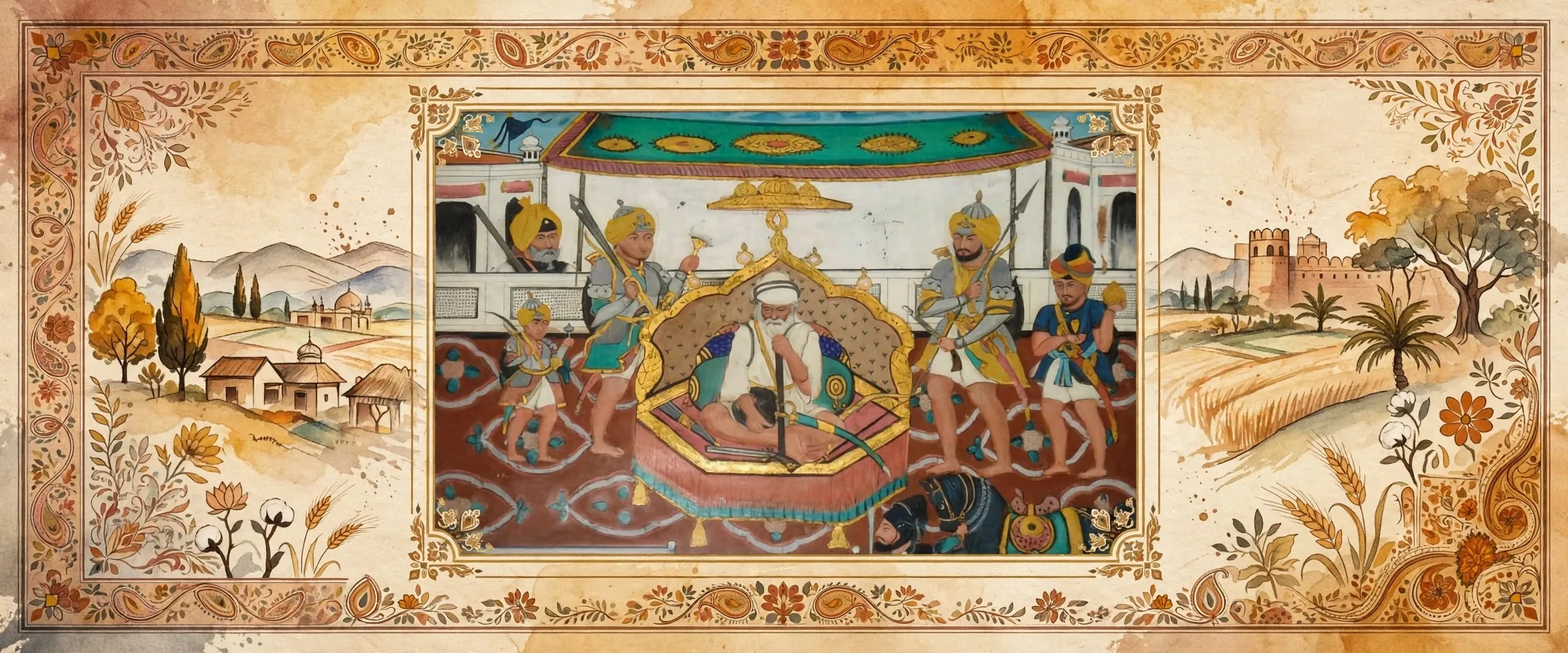
ਭਾਈ ਮਹਾਰਾਜ ਸਿੰਘ ਜੀ (ਦੇਹਾਂਤ 5 ਜੁਲਾਈ 1856) ਸਿੱਖ ਸੰਤ ਸਿਪਾਹੀ ਸਨ, ਜਿਨ੍ਹਾਂ ਨੇ ਐਂਗਲੋ-ਸਿੱਖ ਜੰਗਾਂ ਤੋਂ ਬਾਅਦ ਪੰਜਾਬ ਵਿੱਚ ਅੰਗਰੇਜ਼ੀ ਹਕੂਮਤ ਵਿਰੁੱਧ ਸੰਘਰਸ਼ ਦੀ ਅਗਵਾਈ ਕੀਤੀ। ਉਨ੍ਹਾਂ ਦਾ ਜਨਮ ਨਿਹਾਲ ਸਿੰਘ ਵਜੋਂ ਲੁਧਿਆਣਾ ਜ਼ਿਲ੍ਹੇ ਦੇ ਪਿੰਡ ਰੱਬੋਂ ਵਿੱਚ ਹੋਇਆ ਸੀ। ਉਹ 1844 ਤੋਂ ਨੌਰੰਗਾਬਾਦ ਡੇਰੇ ਦੇ ਮੁਖੀ ਸਨ ਅਤੇ 1849 ਵਿੱਚ ਪੰਜਾਬ ਦੇ ਕਬਜ਼ੇ ਤੋਂ ਬਾਅਦ ਵੀ ਹਥਿਆਰ ਨਹੀਂ ਸੁੱਟੇ। ਉਸੇ ਸਾਲ ਦਸੰਬਰ ਵਿੱਚ ਆਦਮਪੁਰ ਤੋਂ ਗ੍ਰਿਫ਼ਤਾਰ ਹੋ ਕੇ ਉਨ੍ਹਾਂ ਨੂੰ ਸਿੰਗਾਪੁਰ ਜਲਾਵਤਨ ਕਰ ਦਿੱਤਾ ਗਿਆ, ਜਿੱਥੇ ਆਊਟਰਮ ਜੇਲ੍ਹ ਵਿੱਚ ਇਕਾਂਤਵਾਸ ਵਿੱਚ ਉਨ੍ਹਾਂ ਦਾ ਦੇਹਾਂਤ ਹੋ ਗਿਆ।
- ਪੰਜਾਬੀ ਨਾਂ
- ਭਾਈ ਮਹਾਰਾਜ ਸਿੰਘ ਜੀ
- ਜਨਮ
- ਨਿਹਾਲ ਸਿੰਘ, ਪਿੰਡ ਰੱਬੋਂ, ਲੁਧਿਆਣਾ ਜ਼ਿਲ੍ਹਾ (ਜਨਮ ਦਾ ਸਾਲ 1770 ਜਾਂ 1780 ਦੱਸਿਆ ਜਾਂਦਾ ਹੈ)
- ਦੇਹਾਂਤ
- 5 ਜੁਲਾਈ 1856, ਆਊਟਰਮ ਜੇਲ੍ਹ, ਸਿੰਗਾਪੁਰ
- ਖਾਲਸਾ ਨਾਂ
- ਭਗਵਾਨ ਸਿੰਘ, ਅੰਮ੍ਰਿਤ ਲੈਣ ਸਮੇਂ ਦਿੱਤਾ ਗਿਆ
- ਅਧਿਆਪਕ
- ਭਾਈ ਬੀਰ ਸਿੰਘ, ਨੌਰੰਗਾਬਾਦ; 1844 ਵਿੱਚ ਉਨ੍ਹਾਂ ਤੋਂ ਬਾਅਦ ਡੇਰੇ ਦੇ ਮੁਖੀ ਬਣੇ
- ਸੰਪਰਦਾ
- ਭਾਈ ਦਇਆ ਸਿੰਘ ਜੀ ਸੰਪਰਦਾ (ਹੋਤੀ ਮਰਦਾਨ ਵਾਲੀ ਸੰਤ ਖਾਲਸਾ ਸੰਪਰਦਾਇ)
All 10 facts
- ਗ੍ਰਿਫ਼ਤਾਰੀ
- 28 ਦਸੰਬਰ 1849, ਆਦਮਪੁਰ, 21 ਸਾਥੀਆਂ ਸਮੇਤ
- ਜਲਾਵਤਨੀ
- 9 ਜੁਲਾਈ 1850 ਨੂੰ ਸਿੰਗਾਪੁਰ ਪਹੁੰਚੇ; ਆਊਟਰਮ ਰੋਡ ਜੇਲ੍ਹ ਵਿੱਚ ਇਕਾਂਤਵਾਸ
- ਯਾਦਗਾਰ
- ਸਮਾਧ, ਸਿਲਾਟ ਰੋਡ ਗੁਰਦੁਆਰਾ, ਸਿੰਗਾਪੁਰ (1966 ਵਿੱਚ ਲਿਆਂਦੀ ਗਈ; 1999 ਵਿੱਚ ਇਤਿਹਾਸਕ ਸਥਾਨ)
- ਪ੍ਰਸਿੱਧੀ
- ਸਿੱਖ ਸੰਤ ਸਿਪਾਹੀ
ਭਾਈ ਮਹਾਰਾਜ ਸਿੰਘ ਜੀ (ਦੇਹਾਂਤ 5 ਜੁਲਾਈ 1856) ਸਿੱਖ ਸੰਤ ਸਿਪਾਹੀ ਸਨ, ਜਿਨ੍ਹਾਂ ਨੇ ਐਂਗਲੋ-ਸਿੱਖ ਜੰਗਾਂ ਤੋਂ ਬਾਅਦ ਪੰਜਾਬ ਵਿੱਚ ਅੰਗਰੇਜ਼ੀ ਹਕੂਮਤ ਵਿਰੁੱਧ ਸੰਘਰਸ਼ ਦੀ ਅਗਵਾਈ ਕੀਤੀ। ਉਨ੍ਹਾਂ ਦਾ ਜਨਮ ਨਿਹਾਲ ਸਿੰਘ ਵਜੋਂ ਲੁਧਿਆਣਾ ਜ਼ਿਲ੍ਹੇ ਦੇ ਪਿੰਡ ਰੱਬੋਂ ਵਿੱਚ ਹੋਇਆ ਸੀ। ਉਹ 1844 ਤੋਂ ਨੌਰੰਗਾਬਾਦ ਡੇਰੇ ਦੇ ਮੁਖੀ ਸਨ ਅਤੇ 1849 ਵਿੱਚ ਪੰਜਾਬ ਦੇ ਕਬਜ਼ੇ ਤੋਂ ਬਾਅਦ ਵੀ ਹਥਿਆਰ ਨਹੀਂ ਸੁੱਟੇ। ਉਸੇ ਸਾਲ ਦਸੰਬਰ ਵਿੱਚ ਆਦਮਪੁਰ ਤੋਂ ਗ੍ਰਿਫ਼ਤਾਰ ਹੋ ਕੇ ਉਨ੍ਹਾਂ ਨੂੰ ਸਿੰਗਾਪੁਰ ਜਲਾਵਤਨ ਕਰ ਦਿੱਤਾ ਗਿਆ, ਜਿੱਥੇ ਆਊਟਰਮ ਜੇਲ੍ਹ ਵਿੱਚ ਇਕਾਂਤਵਾਸ ਵਿੱਚ ਉਨ੍ਹਾਂ ਦਾ ਦੇਹਾਂਤ ਹੋ ਗਿਆ।
Early life and the Naurangabad dera
He was born Nihal Singh at Rabbon, also called Rabbon Uchi, a village near Malaud in Ludhiana district, in the latter half of the 18th century. The sources do not agree on the year: 3 January 1770 and 13 January 1780 are both given, and no record settles the question. He was religiously inclined from childhood. His father sent him to a Sikh seminary to learn Gurbani and Gurmukhi, and his teacher sent him on to the dera of Bhai Tota Singh at Thikriwala, a Nirmala ascetic, where he studied Sikh history, scripture and philosophy.
While he was a student there, Baba Bir Singh of Naurangabad came to give katha in the village where he lived. Maharaj Singh was present at the discourse, was deeply impressed by Bir Singh's teaching, and set off to join his dera at Naurangabad, now in Tarn Taran district. His days at the dera were spent in seva and in serving langar. He cooked for the thousands of devotees who visited, as head chef of the kitchen, and rose to become one of Bir Singh's most trusted disciples. On taking Amrit he was given the Khalsa name Bhagvan Singh. He addressed everyone, whatever their rank, as Maharaj, a word of great respect, and in time people called him Maharaj Singh instead, forgetting his earlier names.
At Naurangabad he learned the Sikh teaching of miri-piri, the joining of spiritual life and temporal responsibility. Bir Singh later sent him to Amritsar, where he made his base at Samdu Ka Talab. From there he toured Punjab with Baba Ram Singh, another disciple of Bir Singh, raising awareness of the danger to Sikh sovereignty as British power pressed in on the Lahore court.
Head of the dera after 1844
In 1844 Hira Singh Dogra, the prime minister of Punjab, attacked the Naurangabad dera with 20,000 troops and 50 cannons. Several hundred Sikhs were killed, among them General Attar Singh Sandhawalia, Prince Kashmira Singh and Bhai Bir Singh himself, who died on 7 May 1844. Maharaj Singh, who was present when his master was killed, succeeded him as head of the dera and of the Bhai Daya Singh Ji Samparda, the order founded by Bhai Daya Singh Ji, one of the five Panj Piare. He was held in high esteem by a vast following, including most Sikh chiefs and courtiers.
ਭਾਈ ਮਹਾਰਾਜ ਸਿੰਘ ਜੀ (ਦੇਹਾਂਤ 5 ਜੁਲਾਈ 1856) ਸਿੱਖ ਸੰਤ ਸਿਪਾਹੀ ਸਨ, ਜਿਨ੍ਹਾਂ ਨੇ ਐਂਗਲੋ-ਸਿੱਖ ਜੰਗਾਂ ਤੋਂ ਬਾਅਦ ਪੰਜਾਬ ਵਿੱਚ ਅੰਗਰੇਜ਼ੀ ਹਕੂਮਤ ਵਿਰੁੱਧ ਸੰਘਰਸ਼ ਦੀ ਅਗਵਾਈ ਕੀਤੀ। ਉਨ੍ਹਾਂ ਦਾ ਜਨਮ ਨਿਹਾਲ ਸਿੰਘ ਵਜੋਂ ਲੁਧਿਆਣਾ ਜ਼ਿਲ੍ਹੇ ਦੇ ਪਿੰਡ ਰੱਬੋਂ ਵਿੱਚ ਹੋਇਆ ਸੀ। ਉਹ 1844 ਤੋਂ ਨੌਰੰਗਾਬਾਦ ਡੇਰੇ ਦੇ ਮੁਖੀ ਸਨ ਅਤੇ 1849 ਵਿੱਚ ਪੰਜਾਬ ਦੇ ਕਬਜ਼ੇ ਤੋਂ ਬਾਅਦ ਵੀ ਹਥਿਆਰ ਨਹੀਂ ਸੁੱਟੇ। ਉਸੇ ਸਾਲ ਦਸੰਬਰ ਵਿੱਚ ਆਦਮਪੁਰ ਤੋਂ ਗ੍ਰਿਫ਼ਤਾਰ ਹੋ ਕੇ ਉਨ੍ਹਾਂ ਨੂੰ ਸਿੰਗਾਪੁਰ ਜਲਾਵਤਨ ਕਰ ਦਿੱਤਾ ਗਿਆ, ਜਿੱਥੇ ਆਊਟਰਮ ਜੇਲ੍ਹ ਵਿੱਚ ਇਕਾਂਤਵਾਸ ਵਿੱਚ ਉਨ੍ਹਾਂ ਦਾ ਦੇਹਾਂਤ ਹੋ ਗਿਆ।
ਮੁੱਢਲਾ ਜੀਵਨ ਅਤੇ ਨੌਰੰਗਾਬਾਦ ਡੇਰਾ
ਉਨ੍ਹਾਂ ਦਾ ਜਨਮ ਨਿਹਾਲ ਸਿੰਘ ਵਜੋਂ ਰੱਬੋਂ ਵਿੱਚ ਹੋਇਆ ਸੀ, ਜਿਸ ਨੂੰ ਰੱਬੋਂ ਉੱਚੀ ਵੀ ਕਿਹਾ ਜਾਂਦਾ ਹੈ। ਇਹ ਪਿੰਡ ਲੁਧਿਆਣਾ ਜ਼ਿਲ੍ਹੇ ਵਿੱਚ ਮਲੌਦ ਨੇੜੇ ਹੈ, ਅਤੇ ਉਨ੍ਹਾਂ ਦਾ ਜਨਮ 18ਵੀਂ ਸਦੀ ਦੇ ਅਖੀਰ ਵਿੱਚ ਹੋਇਆ ਸੀ। ਜਨਮ ਦੇ ਸਾਲ ਬਾਰੇ ਸਰੋਤ ਇੱਕੋ ਜਿਹੇ ਨਹੀਂ ਹਨ: 3 ਜਨਵਰੀ 1770 ਅਤੇ 13 ਜਨਵਰੀ 1780 ਦੋਵੇਂ ਤਰੀਕਾਂ ਦੱਸੀਆਂ ਜਾਂਦੀਆਂ ਹਨ। ਉਨ੍ਹਾਂ ਦੇ ਪਿਤਾ ਨੇ ਉਨ੍ਹਾਂ ਨੂੰ ਗੁਰਬਾਣੀ ਅਤੇ ਗੁਰਮੁਖੀ ਸਿੱਖਣ ਲਈ ਇੱਕ ਸਿੱਖ ਸੰਸਥਾ ਵਿੱਚ ਭੇਜਿਆ, ਅਤੇ ਉਸਤਾਦ ਨੇ ਉਨ੍ਹਾਂ ਵਿੱਚ ਯੋਗਤਾ ਦੇਖ ਕੇ ਉਨ੍ਹਾਂ ਨੂੰ ਠਿਕਰੀਵਾਲਾ ਦੇ ਭਾਈ ਤੋਤਾ ਸਿੰਘ ਦੇ ਡੇਰੇ ਵਿੱਚ ਭੇਜ ਦਿੱਤਾ। ਭਾਈ ਤੋਤਾ ਸਿੰਘ ਨਿਰਮਲੇ ਸਾਧੂ ਸਨ, ਅਤੇ ਉੱਥੇ ਉਨ੍ਹਾਂ ਨੇ ਸਿੱਖ ਇਤਿਹਾਸ, ਗ੍ਰੰਥ ਅਤੇ ਦਰਸ਼ਨ ਦੀ ਪੜ੍ਹਾਈ ਕੀਤੀ।
ਜਦੋਂ ਉਹ ਉੱਥੇ ਵਿਦਿਆਰਥੀ ਸਨ, ਤਾਂ ਨੌਰੰਗਾਬਾਦ ਦੇ ਬਾਬਾ ਬੀਰ ਸਿੰਘ ਉਸ ਪਿੰਡ ਵਿੱਚ ਕਥਾ ਕਰਨ ਆਏ ਜਿੱਥੇ ਉਹ ਰਹਿੰਦੇ ਸਨ। ਮਹਾਰਾਜ ਸਿੰਘ ਉਸ ਕਥਾ ਵਿੱਚ ਮੌਜੂਦ ਸਨ, ਬੀਰ ਸਿੰਘ ਦੀ ਸਿੱਖਿਆ ਤੋਂ ਬਹੁਤ ਪ੍ਰਭਾਵਿਤ ਹੋਏ, ਅਤੇ ਉਨ੍ਹਾਂ ਦੇ ਡੇਰੇ ਵਿੱਚ ਸ਼ਾਮਲ ਹੋਣ ਲਈ ਨੌਰੰਗਾਬਾਦ ਚਲੇ ਗਏ, ਜੋ ਹੁਣ ਤਰਨ ਤਾਰਨ ਜ਼ਿਲ੍ਹੇ ਵਿੱਚ ਹੈ। ਡੇਰੇ ਵਿੱਚ ਉਨ੍ਹਾਂ ਦੇ ਦਿਨ ਸੇਵਾ ਅਤੇ ਲੰਗਰ ਵਿੱਚ ਬੀਤਦੇ ਸਨ। ਉਹ ਹਜ਼ਾਰਾਂ ਸੰਗਤਾਂ ਲਈ ਖਾਣਾ ਪਕਾਉਂਦੇ ਸਨ ਅਤੇ ਰਸੋਈ ਦੇ ਮੁਖੀ ਬਣੇ। ਅੰਮ੍ਰਿਤ ਲੈਣ ਸਮੇਂ ਉਨ੍ਹਾਂ ਨੂੰ ਭਗਵਾਨ ਸਿੰਘ ਖਾਲਸਾ ਨਾਂ ਦਿੱਤਾ ਗਿਆ। ਉਹ ਹਰ ਕਿਸੇ ਨੂੰ, ਚਾਹੇ ਉਸ ਦਾ ਰੁਤਬਾ ਕੋਈ ਵੀ ਹੋਵੇ, ਮਹਾਰਾਜ ਕਹਿ ਕੇ ਬੁਲਾਉਂਦੇ ਸਨ, ਜੋ ਬੜੇ ਸਤਿਕਾਰ ਦਾ ਸ਼ਬਦ ਹੈ, ਅਤੇ ਸਮੇਂ ਨਾਲ ਲੋਕ ਉਨ੍ਹਾਂ ਨੂੰ ਹੀ ਮਹਾਰਾਜ ਸਿੰਘ ਕਹਿਣ ਲੱਗੇ। ਉਨ੍ਹਾਂ ਦੇ ਪਹਿਲੇ ਨਾਂ ਭੁੱਲ ਗਏ।
ਨੌਰੰਗਾਬਾਦ ਵਿੱਚ ਉਨ੍ਹਾਂ ਨੇ ਮੀਰੀ-ਪੀਰੀ ਦੀ ਸਿੱਖ ਸਿੱਖਿਆ ਸਿੱਖੀ, ਅਰਥਾਤ ਰੂਹਾਨੀ ਜੀਵਨ ਅਤੇ ਦੁਨਿਆਵੀ ਜ਼ਿੰਮੇਵਾਰੀ ਦਾ ਮੇਲ। ਬੀਰ ਸਿੰਘ ਨੇ ਬਾਅਦ ਵਿੱਚ ਉਨ੍ਹਾਂ ਨੂੰ ਅੰਮ੍ਰਿਤਸਰ ਭੇਜਿਆ, ਜਿੱਥੇ ਉਨ੍ਹਾਂ ਨੇ ਸਮਦੂ ਕਾ ਤਲਾਬ ਵਿਖੇ ਆਪਣਾ ਟਿਕਾਣਾ ਬਣਾਇਆ। ਉੱਥੋਂ ਉਹ ਬਾਬਾ ਰਾਮ ਸਿੰਘ ਨਾਲ ਪੰਜਾਬ ਵਿੱਚ ਘੁੰਮੇ ਅਤੇ ਲੋਕਾਂ ਨੂੰ ਸਿੱਖ ਰਾਜ ਉੱਤੇ ਮੰਡਰਾ ਰਹੇ ਖ਼ਤਰੇ ਬਾਰੇ ਜਾਗਰੂਕ ਕੀਤਾ, ਜਦੋਂ ਅੰਗਰੇਜ਼ੀ ਤਾਕਤ ਲਾਹੌਰ ਦਰਬਾਰ ਉੱਤੇ ਦਬਾਅ ਪਾ ਰਹੀ ਸੀ।
1844 ਤੋਂ ਬਾਅਦ ਡੇਰੇ ਦੇ ਮੁਖੀ
1844 ਵਿੱਚ ਪੰਜਾਬ ਦੇ ਪ੍ਰਧਾਨ ਮੰਤਰੀ ਹੀਰਾ ਸਿੰਘ ਡੋਗਰਾ ਨੇ 20,000 ਸੈਨਿਕਾਂ ਅਤੇ 50 ਤੋਪਾਂ ਨਾਲ ਨੌਰੰਗਾਬਾਦ ਡੇਰੇ ਉੱਤੇ ਹਮਲਾ ਕਰ ਦਿੱਤਾ। ਕਈ ਸੌ ਸਿੱਖ ਮਾਰੇ ਗਏ, ਜਿਨ੍ਹਾਂ ਵਿੱਚ ਜਨਰਲ ਅਤਰ ਸਿੰਘ ਸੰਧਾਵਾਲੀਆ, ਕੁੰਵਰ ਕਸ਼ਮੀਰਾ ਸਿੰਘ ਅਤੇ ਭਾਈ ਬੀਰ ਸਿੰਘ ਖ਼ੁਦ ਸ਼ਾਮਲ ਸਨ। ਭਾਈ ਬੀਰ ਸਿੰਘ ਦਾ ਦੇਹਾਂਤ 7 ਮਈ 1844 ਨੂੰ ਹੋਇਆ। ਮਹਾਰਾਜ ਸਿੰਘ ਉਸ ਵੇਲੇ ਮੌਜੂਦ ਸਨ, ਅਤੇ ਉਨ੍ਹਾਂ ਤੋਂ ਬਾਅਦ ਉਹ ਡੇਰੇ ਅਤੇ ਭਾਈ ਦਇਆ ਸਿੰਘ ਜੀ ਸੰਪਰਦਾ ਦੇ ਮੁਖੀ ਬਣੇ। ਇਹ ਸੰਪਰਦਾ ਭਾਈ ਦਇਆ ਸਿੰਘ ਜੀ ਨੇ ਸਥਾਪਤ ਕੀਤੀ ਸੀ, ਜੋ ਪੰਜ ਪਿਆਰਿਆਂ ਵਿੱਚੋਂ ਇੱਕ ਸਨ। ਲਾਹੌਰ ਦੇ ਸਿੱਖ ਸਰਦਾਰਾਂ ਅਤੇ ਦਰਬਾਰੀਆਂ ਸਮੇਤ ਵੱਡੀ ਸੰਗਤ ਉਨ੍ਹਾਂ ਦਾ ਬਹੁਤ ਸਤਿਕਾਰ ਕਰਦੀ ਸੀ।
The dera was at once a seminary and a centre of political training, where the culture of Naam prevailed. It kept 1,200 musketeers and 3,000 horsemen and sheltered political refugees. After the First Anglo-Sikh War of 1845-46, as British influence at the Lahore court grew, Maharaj Singh's message stayed uncompromising: the Sikh kingdom must not pass under foreign rule.
The fight against British rule
In 1847 he was implicated in the Prema conspiracy, a plot to assassinate Henry Lawrence, the British Resident at Lahore, and other pro-British officers of the Lahore Darbar. The plot was uncovered. His property was confiscated, his movements were restricted to Naurangabad, and he went underground with 600 followers. Lord Dalhousie, the governor-general, put a price of 10,000 rupees on his head.
When Diwan Mul Raj raised the standard of revolt at Multan in April 1848, Maharaj Singh rode there with 400 horsemen to join him. Differences soon arose, and in June 1848 he left Multan for Hazara to seek Chattar Singh Attariwala's help. In November 1848 he joined Raja Sher Singh's forces at Ramnagar and was seen on the battlefield riding his black mare, urging the Sikh soldiers to lay down their lives for their country. He fought at Ramnagar, Chillianwala and Gujrat.
When Raja Sher Singh surrendered at Rawalpindi on 14 March 1849, Maharaj Singh resolved to carry on the fight alone. He escaped to Jammu and made Dev Batala his secret headquarters. In the jungles and ravines of the Chumb Valley he drew up a five-point plan: to rescue the young Maharaja Dalip Singh from Lahore Fort, to organise a united front of all who had suffered under the British, to ally with the Pathans and the Amir of Kabul, to win the support of priests and saints, and to disrupt British rule with surprise attacks on treasuries and cantonments.
In November 1849 he completed his preparations for attacking the cantonments of the Jalandhar Doab. At a public gathering at Sham Chaurasi in Hoshiarpur district he declared 3 January 1850, the 20th of Posh, as the date for a general rising, saying there would be another national war. He had already raided around Hoshiarpur, Hajipur and Jalandhar and looted the government treasury at Bajvara.
Arrest at Adampur and exile to Singapore
With the help of an informant, the British arrested him on 28 December 1849 at Adampur, in a sugarcane field, along with 21 unarmed followers. Henry Vansittart, the deputy commissioner of Jalandhar, made the arrest. Vansittart wrote of him: 'The Guru is no ordinary man. He is to the natives what Jesus is to the most zealous of Christians. His miracles were seen by tens of thousands and are more implicitly believed than those worked by the ancient prophets.'
Crowds came daily to Jalandhar Civil Jail to pay homage to him, and the British feared his presence would spark another rising. He was moved to Allahabad fort prison and then to Fort William in Calcutta. The government decided it was too risky to put him on trial in India. On 23 March 1850 the governor-general ordered him deported to Singapore with his companion Kharak Singh, to be kept in solitary confinement for the rest of their lives.
They sailed from Calcutta on 15 May 1850 on the Muhammad Shah and reached Singapore on 9 July 1850. He was taken to the New Jail on Outram Road, Pearl's Hill Prison, and kept in solitary confinement in a cell 14 feet by 15 feet, its windows walled up. In 1853 a cataract blinded him, and he developed cancer of the tongue, with rheumatic swellings in his feet and ankles.
Death and the Singapore memorial
Bhai Maharaj Singh Ji died in the jail on 5 July 1856. He was cremated on a plot of land outside the prison, presumably by Kharak Singh, who was later transferred to Penang and also died in prison. Local Tamil Hindus began to revere the cremation spot, marking it with stones, and flowers and offerings appeared there. Sikhs and Muslims joined in, and the Sikhs built a small shrine on the spot.
The spot lay within the grounds of the Singapore General Hospital. In 1966 the samadh was moved to the Silat Road Gurdwara, and in 1995 a seven-storey memorial, the Bhai Maharaj Singh Memorial, was opened beside the gurdwara. In 1999 the National Heritage Board of Singapore declared the Silat Road Sikh Temple a historic site. He is remembered as the first Sikh in Singapore on record, and large numbers of Sikhs and non-Sikhs still visit the samadh.
His personal belongings, confiscated at his arrest, are preserved in the British Library in London: two plain steel bracelets, a miniature dagger, a needle and thread, a conch shell, and a seal ring inscribed in reverse Gurmukhi script, "Akal sahai Maharaj Singh ji", meaning "The Immortal One protects Maharaj Singh Ji". Four of his handwritten Gurmukhi manuscripts are held with them. They reached the British Museum in the 1920s as a gift from a descendant of Henry Vansittart, the officer who arrested him.
Why is Bhai Maharaj Singh Ji remembered?
He is remembered as a saint soldier in the line of ਗੁਰੂ ਗੋਬਿੰਦ ਸਿੰਘ ਜੀ: a man of prayer who took up arms when he believed the Sikh kingdom was in danger, and who did not lay down his arms when others surrendered. The Times of London noted in his lifetime that his influence was unbounded among the Sikh chieftains and the whole population of Punjab, and that he was generally the prime mover in the revolts against British rule.
He is also remembered as head of the Hoti Mardan Vali Sant Khalsa Sampardai, the order founded by Bhai Daya Singh Ji, later led by Sant Karam Singh Ji of Hoti Mardan and Sant Isher Singh Ji. His successor at the dera was his close aide Baba Ram Singh Ji Virakt of Naurangabad. For Sikhs in Singapore, his samadh at Silat Road is a place of pilgrimage and a reminder that the first Sikh to reach the island came as a prisoner of the British. His life shows the sant sipahi ideal in practice: prayer and service first, and resistance when the community's freedom was at stake.
ਡੇਰਾ ਇੱਕੋ ਸਮੇਂ ਸਿੱਖਿਆ ਦਾ ਕੇਂਦਰ ਅਤੇ ਸਿਆਸੀ ਤਿਆਰੀ ਦਾ ਅੱਡਾ ਸੀ, ਜਿੱਥੇ ਨਾਮ ਦਾ ਸੱਭਿਆਚਾਰ ਪ੍ਰਚਲਿਤ ਸੀ। ਉੱਥੇ 1,200 ਬੰਦੂਕਧਾਰੀ ਅਤੇ 3,000 ਘੋੜਸਵਾਰ ਰਹਿੰਦੇ ਸਨ ਅਤੇ ਸਿਆਸੀ ਸ਼ਰਨਾਰਥੀਆਂ ਨੂੰ ਪਨਾਹ ਮਿਲਦੀ ਸੀ। 1845-46 ਦੀ ਪਹਿਲੀ ਐਂਗਲੋ-ਸਿੱਖ ਜੰਗ ਤੋਂ ਬਾਅਦ, ਜਦੋਂ ਲਾਹੌਰ ਦਰਬਾਰ ਵਿੱਚ ਅੰਗਰੇਜ਼ੀ ਅਸਰ ਵਧਿਆ, ਤਾਂ ਮਹਾਰਾਜ ਸਿੰਘ ਦਾ ਸੁਨੇਹਾ ਅਡੋਲ ਰਿਹਾ: ਸਿੱਖ ਰਾਜ ਵਿਦੇਸ਼ੀ ਹਕੂਮਤ ਹੇਠ ਨਹੀਂ ਜਾਣਾ ਚਾਹੀਦਾ।
ਅੰਗਰੇਜ਼ੀ ਹਕੂਮਤ ਵਿਰੁੱਧ ਸੰਘਰਸ਼
1847 ਵਿੱਚ ਉਹ ਪ੍ਰੇਮਾ ਸਾਜ਼ਿਸ਼ ਵਿੱਚ ਸ਼ਾਮਲ ਦੱਸੇ ਗਏ, ਜੋ ਲਾਹੌਰ ਦੇ ਅੰਗਰੇਜ਼ੀ ਰੈਜ਼ੀਡੈਂਟ ਹੈਨਰੀ ਲਾਰੈਂਸ ਅਤੇ ਲਾਹੌਰ ਦਰਬਾਰ ਦੇ ਹੋਰ ਅੰਗਰੇਜ਼ ਪੱਖੀ ਅਧਿਕਾਰੀਆਂ ਨੂੰ ਮਾਰਨ ਦੀ ਯੋਜਨਾ ਸੀ। ਸਾਜ਼ਿਸ਼ ਦਾ ਪਤਾ ਲੱਗ ਗਿਆ। ਉਨ੍ਹਾਂ ਦੀ ਜਾਇਦਾਦ ਜ਼ਬਤ ਕਰ ਲਈ ਗਈ, ਉਨ੍ਹਾਂ ਦੀ ਆਵਾਜਾਈ ਨੌਰੰਗਾਬਾਦ ਤੱਕ ਸੀਮਤ ਕਰ ਦਿੱਤੀ ਗਈ, ਅਤੇ ਉਹ 600 ਸਾਥੀਆਂ ਨਾਲ ਭੂਮੀਗਤ ਹੋ ਗਏ। ਗਵਰਨਰ-ਜਨਰਲ ਲਾਰਡ ਡਲਹੌਜ਼ੀ ਨੇ ਉਨ੍ਹਾਂ ਦੇ ਸਿਰ ਉੱਤੇ 10,000 ਰੁਪਏ ਦਾ ਇਨਾਮ ਰੱਖ ਦਿੱਤਾ।
ਜਦੋਂ ਦੀਵਾਨ ਮੂਲ ਰਾਜ ਨੇ ਅਪ੍ਰੈਲ 1848 ਵਿੱਚ ਮੁਲਤਾਨ ਵਿੱਚ ਬਗ਼ਾਵਤ ਦਾ ਝੰਡਾ ਚੁੱਕਿਆ, ਤਾਂ ਮਹਾਰਾਜ ਸਿੰਘ 400 ਘੋੜਸਵਾਰਾਂ ਨਾਲ ਉਨ੍ਹਾਂ ਨਾਲ ਮਿਲਣ ਲਈ ਮੁਲਤਾਨ ਗਏ। ਦੋਵਾਂ ਆਗੂਆਂ ਵਿੱਚ ਜਲਦੀ ਹੀ ਮਤਭੇਦ ਪੈਦਾ ਹੋ ਗਏ, ਅਤੇ ਜੂਨ 1848 ਵਿੱਚ ਉਹ ਮੁਲਤਾਨ ਛੱਡ ਕੇ ਹਜ਼ਾਰਾ ਗਏ ਤਾਂ ਕਿ ਛੱਤਰ ਸਿੰਘ ਅਟਾਰੀਵਾਲਾ ਦੀ ਮਦਦ ਲੈ ਸਕਣ। ਨਵੰਬਰ 1848 ਵਿੱਚ ਉਹ ਰਾਮਨਗਰ ਵਿਖੇ ਰਾਜਾ ਸ਼ੇਰ ਸਿੰਘ ਦੀਆਂ ਫ਼ੌਜਾਂ ਨਾਲ ਮਿਲੇ ਅਤੇ ਜੰਗ ਦੇ ਮੈਦਾਨ ਵਿੱਚ ਆਪਣੀ ਕਾਲੀ ਘੋੜੀ ਉੱਤੇ ਸਵਾਰ ਹੋ ਕੇ ਸਿੱਖ ਸੈਨਿਕਾਂ ਨੂੰ ਦੇਸ਼ ਲਈ ਜਾਨ ਦੇਣ ਦੀ ਪ੍ਰੇਰਨਾ ਦਿੰਦੇ ਦੇਖੇ ਗਏ। ਉਹ ਰਾਮਨਗਰ, ਚਿੱਲੀਆਂਵਾਲਾ ਅਤੇ ਗੁਜਰਾਤ ਵਿੱਚ ਲੜੇ।
ਜਦੋਂ ਰਾਜਾ ਸ਼ੇਰ ਸਿੰਘ ਨੇ 14 ਮਾਰਚ 1849 ਨੂੰ ਰਾਵਲਪਿੰਡੀ ਵਿਖੇ ਅੰਗਰੇਜ਼ਾਂ ਅੱਗੇ ਹਥਿਆਰ ਸੁੱਟ ਦਿੱਤੇ, ਤਾਂ ਮਹਾਰਾਜ ਸਿੰਘ ਨੇ ਇਕੱਲੇ ਹੀ ਲੜਾਈ ਜਾਰੀ ਰੱਖਣ ਦਾ ਫ਼ੈਸਲਾ ਕੀਤਾ। ਉਹ ਜੰਮੂ ਭੱਜ ਗਏ ਅਤੇ ਦੇਵ ਬਟਾਲਾ ਨੂੰ ਆਪਣਾ ਗੁਪਤ ਟਿਕਾਣਾ ਬਣਾਇਆ। ਚੰਬ ਘਾਟੀ ਦੇ ਜੰਗਲਾਂ ਅਤੇ ਘਾਟੀਆਂ ਵਿੱਚ ਉਨ੍ਹਾਂ ਨੇ ਪੰਜ ਨੁਕਤਿਆਂ ਵਾਲੀ ਯੋਜਨਾ ਬਣਾਈ: ਨੌਜਵਾਨ ਮਹਾਰਾਜਾ ਦਲੀਪ ਸਿੰਘ ਨੂੰ ਲਾਹੌਰ ਕਿਲ੍ਹੇ ਤੋਂ ਬਚਾਉਣਾ, ਅੰਗਰੇਜ਼ਾਂ ਹੱਥੋਂ ਪੀੜਤ ਸਾਰਿਆਂ ਦਾ ਸਾਂਝਾ ਮੋਰਚਾ ਬਣਾਉਣਾ, ਪਠਾਣਾਂ ਅਤੇ ਕਾਬੁਲ ਦੇ ਅਮੀਰ ਨਾਲ ਗਠਜੋੜ ਕਰਨਾ, ਸੰਤਾਂ ਅਤੇ ਪੁਜਾਰੀਆਂ ਦਾ ਸਮਰਥਨ ਲੈਣਾ, ਅਤੇ ਖ਼ਜ਼ਾਨਿਆਂ ਅਤੇ ਛਾਉਣੀਆਂ ਉੱਤੇ ਅਚਾਨਕ ਹਮਲਿਆਂ ਨਾਲ ਅੰਗਰੇਜ਼ੀ ਹਕੂਮਤ ਨੂੰ ਢਾਹੁਣਾ।
ਨਵੰਬਰ 1849 ਵਿੱਚ ਉਨ੍ਹਾਂ ਨੇ ਜਲੰਧਰ ਦੁਆਬ ਦੀਆਂ ਛਾਉਣੀਆਂ ਉੱਤੇ ਹਮਲੇ ਦੀਆਂ ਤਿਆਰੀਆਂ ਪੂਰੀਆਂ ਕਰ ਲਈਆਂ। ਹੁਸ਼ਿਆਰਪੁਰ ਜ਼ਿਲ੍ਹੇ ਦੇ ਸ਼ਾਮ ਚੌਰਾਸੀ ਵਿਖੇ ਇੱਕ ਜਨਤਕ ਇਕੱਠ ਵਿੱਚ ਉਨ੍ਹਾਂ ਨੇ 3 ਜਨਵਰੀ 1850, ਪੋਹ ਦੀ 20 ਤਰੀਕ, ਨੂੰ ਆਮ ਬਗ਼ਾਵਤ ਦਾ ਦਿਨ ਐਲਾਨਿਆ ਅਤੇ ਕਿਹਾ ਕਿ ਇੱਕ ਹੋਰ ਕੌਮੀ ਜੰਗ ਹੋਵੇਗੀ। ਉਹ ਪਹਿਲਾਂ ਹੀ ਹੁਸ਼ਿਆਰਪੁਰ, ਹਾਜੀਪੁਰ ਅਤੇ ਜਲੰਧਰ ਆਲੇ-ਦੁਆਲੇ ਹਮਲੇ ਕਰ ਚੁੱਕੇ ਸਨ ਅਤੇ ਬਜਵਾੜਾ ਵਿਖੇ ਸਰਕਾਰੀ ਖ਼ਜ਼ਾਨਾ ਲੁੱਟ ਚੁੱਕੇ ਸਨ।
ਆਦਮਪੁਰ ਵਿੱਚ ਗ੍ਰਿਫ਼ਤਾਰੀ ਅਤੇ ਸਿੰਗਾਪੁਰ ਜਲਾਵਤਨੀ
ਇੱਕ ਮੁਖ਼ਬਰ ਦੀ ਮਦਦ ਨਾਲ ਅੰਗਰੇਜ਼ਾਂ ਨੇ 28 ਦਸੰਬਰ 1849 ਨੂੰ ਆਦਮਪੁਰ ਵਿੱਚ, ਗੰਨੇ ਦੇ ਖੇਤ ਵਿੱਚ, ਉਨ੍ਹਾਂ ਨੂੰ 21 ਨਿਹੱਥੇ ਸਾਥੀਆਂ ਸਮੇਤ ਗ੍ਰਿਫ਼ਤਾਰ ਕਰ ਲਿਆ। ਜਲੰਧਰ ਦੇ ਡਿਪਟੀ ਕਮਿਸ਼ਨਰ ਹੈਨਰੀ ਵੈਨਸਿਟਾਰਟ ਨੇ ਗ੍ਰਿਫ਼ਤਾਰੀ ਕੀਤੀ। ਵੈਨਸਿਟਾਰਟ ਨੇ ਉਨ੍ਹਾਂ ਬਾਰੇ ਲਿਖਿਆ: 'ਗੁਰੂ ਕੋਈ ਆਮ ਮਨੁੱਖ ਨਹੀਂ ਹੈ। ਉਹ ਲੋਕਾਂ ਲਈ ਉਹੀ ਹੈ ਜੋ ਸਭ ਤੋਂ ਵੱਧ ਸ਼ਰਧਾਲੂ ਈਸਾਈਆਂ ਲਈ ਯਿਸੂ ਹੈ।'
ਰੋਜ਼ਾਨਾ ਭੀੜ ਜਲੰਧਰ ਸਿਵਲ ਜੇਲ੍ਹ ਵਿੱਚ ਉਨ੍ਹਾਂ ਦੇ ਦਰਸ਼ਨਾਂ ਲਈ ਆਉਂਦੀ ਸੀ, ਅਤੇ ਅੰਗਰੇਜ਼ਾਂ ਨੂੰ ਡਰ ਸੀ ਕਿ ਪੰਜਾਬ ਵਿੱਚ ਉਨ੍ਹਾਂ ਦੀ ਮੌਜੂਦਗੀ ਇੱਕ ਹੋਰ ਬਗ਼ਾਵਤ ਨੂੰ ਜਨਮ ਦੇਵੇਗੀ। ਉਨ੍ਹਾਂ ਨੂੰ ਇਲਾਹਾਬਾਦ ਕਿਲ੍ਹੇ ਦੀ ਜੇਲ੍ਹ ਅਤੇ ਫਿਰ ਕਲਕੱਤਾ ਦੇ ਫੋਰਟ ਵਿਲੀਅਮ ਵਿੱਚ ਭੇਜ ਦਿੱਤਾ ਗਿਆ। ਸਰਕਾਰ ਨੇ ਫ਼ੈਸਲਾ ਕੀਤਾ ਕਿ ਭਾਰਤ ਵਿੱਚ ਉਨ੍ਹਾਂ ਉੱਤੇ ਮੁਕੱਦਮਾ ਚਲਾਉਣਾ ਬਹੁਤ ਜੋਖ਼ਮ ਭਰਿਆ ਹੋਵੇਗਾ। 23 ਮਾਰਚ 1850 ਨੂੰ ਗਵਰਨਰ-ਜਨਰਲ ਨੇ ਹੁਕਮ ਦਿੱਤਾ ਕਿ ਉਨ੍ਹਾਂ ਨੂੰ ਸਾਥੀ ਖੜਕ ਸਿੰਘ ਸਮੇਤ ਸਿੰਗਾਪੁਰ ਜਲਾਵਤਨ ਕਰ ਦਿੱਤਾ ਜਾਵੇ, ਜਿੱਥੇ ਉਨ੍ਹਾਂ ਨੂੰ ਜੀਵਨ ਭਰ ਇਕਾਂਤਵਾਸ ਵਿੱਚ ਰੱਖਿਆ ਜਾਵੇਗਾ।
ਉਹ 15 ਮਈ 1850 ਨੂੰ ਕਲਕੱਤਾ ਤੋਂ ਮੁਹੰਮਦ ਸ਼ਾਹ ਜਹਾਜ਼ ਉੱਤੇ ਰਵਾਨਾ ਹੋਏ ਅਤੇ 9 ਜੁਲਾਈ 1850 ਨੂੰ ਸਿੰਗਾਪੁਰ ਪਹੁੰਚੇ। ਉਨ੍ਹਾਂ ਨੂੰ ਆਊਟਰਮ ਰੋਡ ਦੀ ਨਵੀਂ ਜੇਲ੍ਹ, ਪਰਲਜ਼ ਹਿੱਲ ਜੇਲ੍ਹ ਵਿੱਚ ਲਿਜਾਇਆ ਗਿਆ ਅਤੇ 14 ਫੁੱਟ ਗੁਣਾ 15 ਫੁੱਟ ਦੀ ਕੋਠੜੀ ਵਿੱਚ ਇਕਾਂਤਵਾਸ ਵਿੱਚ ਰੱਖਿਆ ਗਿਆ, ਜਿਸ ਦੀਆਂ ਖਿੜਕੀਆਂ ਚਿਣ ਦਿੱਤੀਆਂ ਗਈਆਂ ਸਨ, ਇਸ ਲਈ ਉਹ ਹਨੇਰੀ ਅਤੇ ਸਿਹਤ ਲਈ ਹਾਨੀਕਾਰਕ ਸੀ। 1853 ਵਿੱਚ ਮੋਤੀਆਬਿੰਦ ਨਾਲ ਉਹ ਅੰਨ੍ਹੇ ਹੋ ਗਏ, ਅਤੇ ਉਨ੍ਹਾਂ ਦੀ ਜੀਭ ਵਿੱਚ ਕੈਂਸਰ ਅਤੇ ਪੈਰਾਂ ਅਤੇ ਗਿੱਟਿਆਂ ਵਿੱਚ ਸੋਜ ਹੋ ਗਈ।
ਦੇਹਾਂਤ ਅਤੇ ਸਿੰਗਾਪੁਰ ਵਿੱਚ ਯਾਦਗਾਰ
ਭਾਈ ਮਹਾਰਾਜ ਸਿੰਘ ਜੀ ਦਾ ਦੇਹਾਂਤ 5 ਜੁਲਾਈ 1856 ਨੂੰ ਜੇਲ੍ਹ ਵਿੱਚ ਹੋ ਗਿਆ। ਉਨ੍ਹਾਂ ਦਾ ਸਸਕਾਰ ਜੇਲ੍ਹ ਤੋਂ ਬਾਹਰ ਇੱਕ ਪਲਾਟ ਉੱਤੇ ਕੀਤਾ ਗਿਆ, ਸ਼ਾਇਦ ਖੜਕ ਸਿੰਘ ਨੇ ਕੀਤਾ, ਜਿਨ੍ਹਾਂ ਨੂੰ ਬਾਅਦ ਵਿੱਚ ਪੇਨਾਂਗ ਭੇਜ ਦਿੱਤਾ ਗਿਆ ਅਤੇ ਉੱਥੇ ਵੀ ਜੇਲ੍ਹ ਵਿੱਚ ਹੀ ਉਨ੍ਹਾਂ ਦਾ ਦੇਹਾਂਤ ਹੋ ਗਿਆ। ਸਥਾਨਕ ਤਾਮਿਲ ਹਿੰਦੂ ਸਸਕਾਰ ਵਾਲੀ ਥਾਂ ਨੂੰ ਪਵਿੱਤਰ ਮੰਨਣ ਲੱਗੇ, ਉਸ ਉੱਤੇ ਪੱਥਰ ਰੱਖੇ ਗਏ, ਅਤੇ ਫੁੱਲ ਅਤੇ ਭੇਟਾਂ ਆਉਣ ਲੱਗੀਆਂ। ਸਿੱਖ ਅਤੇ ਮੁਸਲਮਾਨ ਵੀ ਸ਼ਾਮਲ ਹੋ ਗਏ, ਅਤੇ ਸਿੱਖਾਂ ਨੇ ਉਸ ਥਾਂ ਉੱਤੇ ਇੱਕ ਛੋਟਾ ਅਸਥਾਨ ਬਣਾ ਦਿੱਤਾ।
ਉਹ ਥਾਂ ਸਿੰਗਾਪੁਰ ਜਨਰਲ ਹਸਪਤਾਲ ਦੇ ਮੈਦਾਨ ਵਿੱਚ ਸੀ। 1966 ਵਿੱਚ ਸਮਾਧ ਸਿਲਾਟ ਰੋਡ ਗੁਰਦੁਆਰੇ ਵਿੱਚ ਲਿਆਂਦੀ ਗਈ, ਅਤੇ 1995 ਵਿੱਚ ਗੁਰਦੁਆਰੇ ਦੇ ਨਾਲ ਸੱਤ ਮੰਜ਼ਲਾ ਭਾਈ ਮਹਾਰਾਜ ਸਿੰਘ ਯਾਦਗਾਰ ਖੋਲ੍ਹਿਆ ਗਿਆ। 1999 ਵਿੱਚ ਸਿੰਗਾਪੁਰ ਦੇ ਨੈਸ਼ਨਲ ਹੈਰੀਟੇਜ ਬੋਰਡ ਨੇ ਸਿਲਾਟ ਰੋਡ ਸਿੱਖ ਮੰਦਰ ਨੂੰ ਇਤਿਹਾਸਕ ਸਥਾਨ ਐਲਾਨਿਆ। ਉਹ ਸਿੰਗਾਪੁਰ ਪਹੁੰਚਣ ਵਾਲੇ ਪਹਿਲੇ ਸਿੱਖ ਵਜੋਂ ਯਾਦ ਕੀਤੇ ਜਾਂਦੇ ਹਨ।
ਗ੍ਰਿਫ਼ਤਾਰੀ ਸਮੇਂ ਉਨ੍ਹਾਂ ਤੋਂ ਜ਼ਬਤ ਕੀਤਾ ਗਿਆ ਉਨ੍ਹਾਂ ਦਾ ਨਿੱਜੀ ਸਾਮਾਨ ਲੰਡਨ ਦੀ ਬ੍ਰਿਟਿਸ਼ ਲਾਇਬ੍ਰੇਰੀ ਵਿੱਚ ਸੰਭਾਲਿਆ ਹੋਇਆ ਹੈ: ਦੋ ਸਾਦੇ ਸਟੀਲ ਦੇ ਕੜੇ, ਇੱਕ ਛੋਟੀ ਕਿਰਪਾਨ, ਸੂਈ ਅਤੇ ਧਾਗਾ, ਇੱਕ ਸ਼ੰਖ ਅਤੇ ਇੱਕ ਮੋਹਰ ਵਾਲੀ ਅੰਗੂਠੀ, ਜਿਸ ਉੱਤੇ ਉਲਟੀ ਗੁਰਮੁਖੀ ਵਿੱਚ ਲਿਖਿਆ ਹੈ, 'ਅਕਾਲ ਸਹਾਇ ਮਹਾਰਾਜ ਸਿੰਘ ਜੀ', ਅਰਥਾਤ 'ਅਕਾਲ ਪੁਰਖ ਮਹਾਰਾਜ ਸਿੰਘ ਜੀ ਦੀ ਰੱਖਿਆ ਕਰਦਾ ਹੈ'। ਇਹ ਚੀਜ਼ਾਂ 1920ਵਿਆਂ ਵਿੱਚ ਬ੍ਰਿਟਿਸ਼ ਮਿਊਜ਼ੀਅਮ ਪਹੁੰਚੀਆਂ ਸਨ, ਜੋ ਹੈਨਰੀ ਵੈਨਸਿਟਾਰਟ ਦੇ ਇੱਕ ਵੰਸ਼ਜ ਦਾ ਤੋਹਫ਼ਾ ਸਨ।
ਭਾਈ ਮਹਾਰਾਜ ਸਿੰਘ ਜੀ ਨੂੰ ਕਿਉਂ ਯਾਦ ਕੀਤਾ ਜਾਂਦਾ ਹੈ?
ਉਹ ਗੁਰੂ ਗੋਬਿੰਦ ਸਿੰਘ ਜੀ ਦੀ ਪਰੰਪਰਾ ਵਿੱਚ ਸੰਤ ਸਿਪਾਹੀ ਵਜੋਂ ਯਾਦ ਕੀਤੇ ਜਾਂਦੇ ਹਨ: ਪ੍ਰਾਰਥਨਾ ਵਾਲੇ ਮਨੁੱਖ, ਜਿਨ੍ਹਾਂ ਨੇ ਹਥਿਆਰ ਉਦੋਂ ਚੁੱਕੇ ਜਦੋਂ ਉਨ੍ਹਾਂ ਨੂੰ ਲੱਗਿਆ ਕਿ ਸਿੱਖ ਰਾਜ ਖ਼ਤਰੇ ਵਿੱਚ ਹੈ, ਅਤੇ ਜਿਨ੍ਹਾਂ ਨੇ ਉਦੋਂ ਵੀ ਹਥਿਆਰ ਨਹੀਂ ਸੁੱਟੇ ਜਦੋਂ ਹੋਰਾਂ ਨੇ ਹਥਿਆਰ ਸੁੱਟ ਦਿੱਤੇ ਸਨ। ਲੰਡਨ ਦੇ ਟਾਈਮਜ਼ ਨੇ ਉਨ੍ਹਾਂ ਦੇ ਜੀਵਨ ਕਾਲ ਵਿੱਚ ਹੀ ਲਿਖਿਆ ਸੀ ਕਿ ਪੰਜਾਬ ਵਿੱਚ ਉਨ੍ਹਾਂ ਦਾ ਅਸਰ ਬੇਹੱਦ ਸੀ।
ਉਹ ਭਾਈ ਦਇਆ ਸਿੰਘ ਜੀ ਵੱਲੋਂ ਸਥਾਪਤ ਹੋਤੀ ਮਰਦਾਨ ਵਾਲੀ ਸੰਤ ਖਾਲਸਾ ਸੰਪਰਦਾਇ ਦੇ ਮੁਖੀ ਵਜੋਂ ਵੀ ਯਾਦ ਕੀਤੇ ਜਾਂਦੇ ਹਨ, ਜਿਸ ਦੇ ਬਾਅਦ ਵਾਲੇ ਮੁਖੀਆਂ ਵਿੱਚ ਹੋਤੀ ਮਰਦਾਨ ਦੇ ਸੰਤ ਕਰਮ ਸਿੰਘ ਜੀ ਅਤੇ ਸੰਤ ਈਸ਼ਰ ਸਿੰਘ ਜੀ ਗਿਣੇ ਜਾਂਦੇ ਹਨ। ਡੇਰੇ ਦੇ ਮੁਖੀ ਵਜੋਂ ਉਨ੍ਹਾਂ ਦੇ ਉੱਤਰਾਧਿਕਾਰੀ ਉਨ੍ਹਾਂ ਦੇ ਨਜ਼ਦੀਕੀ ਸਾਥੀ ਬਾਬਾ ਰਾਮ ਸਿੰਘ ਜੀ ਵਿਰਕਤ ਸਨ। ਸਿੰਗਾਪੁਰ ਦੇ ਸਿੱਖਾਂ ਲਈ ਸਿਲਾਟ ਰੋਡ ਵਿਖੇ ਉਨ੍ਹਾਂ ਦੀ ਸਮਾਧ ਇੱਕ ਤੀਰਥ ਅਸਥਾਨ ਹੈ ਅਤੇ ਇਹ ਯਾਦ ਦਿਵਾਉਂਦੀ ਹੈ ਕਿ ਟਾਪੂ ਉੱਤੇ ਪਹੁੰਚਣ ਵਾਲਾ ਪਹਿਲਾ ਸਿੱਖ ਅੰਗਰੇਜ਼ਾਂ ਦਾ ਕੈਦੀ ਬਣ ਕੇ ਆਇਆ ਸੀ। ਉਨ੍ਹਾਂ ਦਾ ਜੀਵਨ ਸੰਤ ਸਿਪਾਹੀ ਦੇ ਆਦਰਸ਼ ਨੂੰ ਅਮਲ ਵਿੱਚ ਦਿਖਾਉਂਦਾ ਹੈ: ਪਹਿਲਾਂ ਪ੍ਰਾਰਥਨਾ ਅਤੇ ਸੇਵਾ, ਅਤੇ ਜਦੋਂ ਸਮਾਜ ਦੀ ਆਜ਼ਾਦੀ ਖ਼ਤਰੇ ਵਿੱਚ ਹੋਵੇ ਤਾਂ ਵਿਰੋਧ।
More religion entries to explore
ਸਰੋਤ (5)
ਜੁਗਤੀ ਮੁਫ਼ਤ ਅਤੇ ਸੁਤੰਤਰ ਹੈ। ਪਾਠਕਾਂ ਦਾ ਸਹਿਯੋਗ ਕੋਸ਼ ਨੂੰ ਵਧਾਉਂਦਾ ਹੈ।
ਸਹਿਯੋਗ