
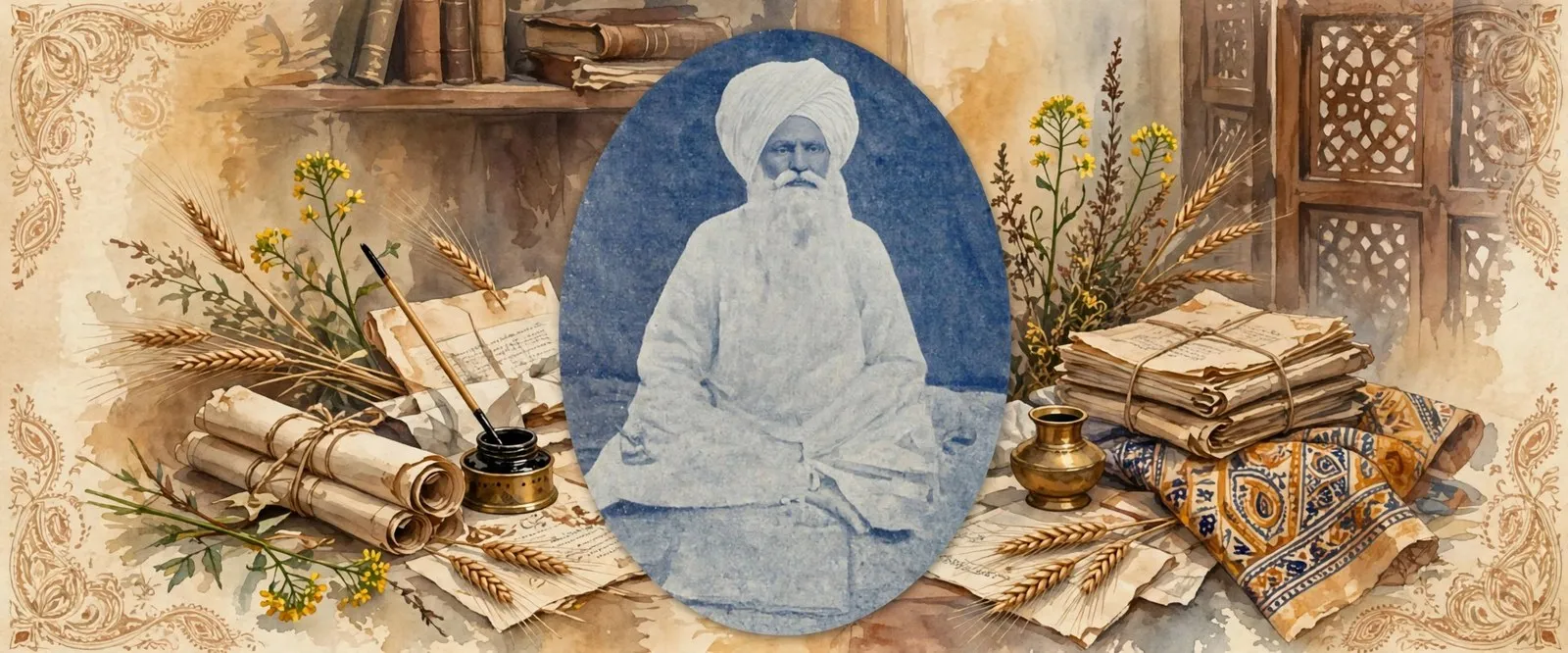
ਗਿਆਨੀ ਗਿਆਨ ਸਿੰਘ (15 ਅਪ੍ਰੈਲ 1822 ਤੋਂ 24 ਸਤੰਬਰ 1921) ਇੱਕ ਸਿੱਖ ਇਤਿਹਾਸਕਾਰ, ਕਵੀ ਅਤੇ ਨਿਰਮਲਾ ਵਿਦਵਾਨ ਸਨ, ਜਿਨ੍ਹਾਂ ਨੇ ਸਿੱਖ ਇਤਿਹਾਸ ਉੱਤੇ ਦਰਜਨ ਤੋਂ ਵੱਧ ਕਿਤਾਬਾਂ ਲਿਖੀਆਂ। ਉਨ੍ਹਾਂ ਦੀਆਂ ਸਭ ਤੋਂ ਮਸ਼ਹੂਰ ਰਚਨਾਵਾਂ 1880 ਦੀ ਪੰਥ ਪ੍ਰਕਾਸ਼, ਬ੍ਰਜ ਛੰਦ ਵਿੱਚ ਸਿੱਖਾਂ ਦਾ ਇਤਿਹਾਸ, ਅਤੇ ਪੰਜ ਭਾਗਾਂ ਵਾਲੀ ਤਵਾਰੀਖ਼ ਗੁਰੂ ਖ਼ਾਲਸਾ ਹਨ, ਜੋ ਪਹਿਲੀ ਵਾਰ 1892 ਵਿੱਚ ਪ੍ਰਕਾਸ਼ਿਤ ਹੋਈ। ਉਹ ਨੜ੍ਹਿਨਵੇਂ ਸਾਲ ਜਿਉਂਦੇ ਰਹੇ, ਮਹਾਰਾਜਾ ਰਣਜੀਤ ਸਿੰਘ ਦੇ ਦਰਬਾਰ ਤੋਂ ਸਿੰਘ ਸਭਾ ਦੇ ਸਮੇਂ ਤੱਕ, ਅਤੇ ਉਨ੍ਹਾਂ ਨੂੰ ਪੰਜਾਬੀ ਵਾਰਤਕ ਵਿੱਚ ਸਿੱਖ ਇਤਿਹਾਸ ਲਿਖਣ ਦੀ ਪਰੰਪਰਾ ਦਾ ਮੋਢੀ ਮੰਨਿਆ ਜਾਂਦਾ ਹੈ।
- ਪੰਜਾਬੀ ਨਾਂ
- ਗਿਆਨੀ ਗਿਆਨ ਸਿੰਘ
- ਜਨਮ
- 15 ਅਪ੍ਰੈਲ 1822, ਲੌਂਗੋਵਾਲ, ਸੰਗਰੂਰ ਜ਼ਿਲ੍ਹਾ
- ਦੇਹਾਂਤ
- 24 ਸਤੰਬਰ 1921, ਨਾਭਾ (99 ਸਾਲ ਦੀ ਉਮਰ ਵਿੱਚ)
- ਧਰਮ
- ਸਿੱਖ ਧਰਮ (ਨਿਰਮਲਾ ਪਰੰਪਰਾ)
- ਮਾਤਾ-ਪਿਤਾ
- ਭਾਗ ਸਿੰਘ ਅਤੇ ਦੇਸਾਂ
- ਅਧਿਆਪਕ
- ਪੰਡਿਤ ਤਾਰਾ ਸਿੰਘ ਨਰੋਤਮ
All 8 facts
- ਪ੍ਰਸਿੱਧੀ
- ਪੰਥ ਪ੍ਰਕਾਸ਼ (1880); ਤਵਾਰੀਖ਼ ਗੁਰੂ ਖ਼ਾਲਸਾ (1892)
- ਵਾਰਸ
- ਗਿਆਨੀ ਹਮੀਰ ਸਿੰਘ
Giani Gian Singh (15 April 1822 to 24 September 1921) was a Sikh historian, poet and Nirmala scholar who wrote more than a dozen books on Sikh history. His best-known works are the Panth Parkash of 1880, a history of the Sikhs in Braj verse, and the five-part Twarikh Guru Khalsa, first published in 1892. He lived for ninety-nine years, from the court of Maharaja Ranjit Singh to the age of the Singh Sabha, witnessing the fall of the Sikh Empire and the colonisation of Punjab. He is credited with founding the tradition of writing Sikh history in Punjabi prose.
Early life: from Longowal to Lahore
Gian Singh was born on 15 April 1822, which was 5 Baisakh 1879 in the Bikrami calendar, at Longowal in present-day Sangrur district. He belonged to a Dullat Jat family and claimed descent from Nagahia Singh, the brother of Bhai Mani Singh. His parents were Bhag Singh and Desan. He learnt Gurmukhi in his village from Bhai Bhola Singh and Sanskrit from Pandit Atma Ram, and he became known locally for his melodious recitation of gurbani.
At the age of twelve he was taken to Lahore by his maternal uncle Karam Singh, a subedar in the army of Maharaja Ranjit Singh. Through Dhanna Singh Malwai he was introduced to the Maharaja, who appointed him to recite the Sukhmani Sahib each morning. He continued his studies under Giani Ram Singh at Lahore. After the Maharaja's death he returned to Longowal and later took employment in the revenue office of Patiala State, succeeding his uncle Hari Singh, who had died in 1841. He also served as a granthi, a scripture reader. During the First Anglo-Sikh War, when Patiala allied with the British, he was posted at Mudki to handle mail. In 1849, while accompanying Patiala forces assisting Jind State, he was seriously wounded in the leg and had to leave service.
Travels, teachers and the turn to writing
His literary career began after he resigned his post as granthi at Patiala and set out on an extensive journey across India, visiting places of pilgrimage, especially those connected with Sikh history. He returned to Punjab during the upheaval of 1857 and came under the influence of Pandit Tara Singh Narotam, a scholar of the Nirmala tradition, whom he acknowledged as his literary mentor. Gian Singh himself became a theologian and preacher of the Nirmala sect.
He assisted Tara Singh Narotam in compiling the Guru Granth Girarath Kos, a lexicon of the Guru Granth Sahib, travelling to take notes of the discourses of Giani Chanda Singh Surama, the blind scholar of Amritsar. Sponsored by Maharaja Narinder Singh of Patiala, he also assisted with the Sri Guru Tirath Sangreh. For his own histories he drew on a wide range of material: oral traditions, interviews with elders, documents gathered at Benares, Patiala and Kapurthala, earlier written works, and his own recollections of a very long life. Some information on the Sikh sects of his day survives only in his writings. His Panth Parkash even notes how large a number of people Baba Ram Singh baptised with Amrit within ten years.
ਗਿਆਨੀ ਗਿਆਨ ਸਿੰਘ (15 ਅਪ੍ਰੈਲ 1822 ਤੋਂ 24 ਸਤੰਬਰ 1921) ਇੱਕ ਸਿੱਖ ਇਤਿਹਾਸਕਾਰ, ਕਵੀ ਅਤੇ ਨਿਰਮਲਾ ਵਿਦਵਾਨ ਸਨ, ਜਿਨ੍ਹਾਂ ਨੇ ਸਿੱਖ ਇਤਿਹਾਸ ਉੱਤੇ ਦਰਜਨ ਤੋਂ ਵੱਧ ਕਿਤਾਬਾਂ ਲਿਖੀਆਂ। ਉਨ੍ਹਾਂ ਦੀਆਂ ਸਭ ਤੋਂ ਮਸ਼ਹੂਰ ਰਚਨਾਵਾਂ 1880 ਦੀ ਪੰਥ ਪ੍ਰਕਾਸ਼, ਬ੍ਰਜ ਛੰਦ ਵਿੱਚ ਸਿੱਖਾਂ ਦਾ ਇਤਿਹਾਸ, ਅਤੇ ਪੰਜ ਭਾਗਾਂ ਵਾਲੀ ਤਵਾਰੀਖ਼ ਗੁਰੂ ਖ਼ਾਲਸਾ ਹਨ, ਜੋ ਪਹਿਲੀ ਵਾਰ 1892 ਵਿੱਚ ਪ੍ਰਕਾਸ਼ਿਤ ਹੋਈ। ਉਹ ਨੜ੍ਹਿਨਵੇਂ ਸਾਲ ਜਿਉਂਦੇ ਰਹੇ, ਮਹਾਰਾਜਾ ਰਣਜੀਤ ਸਿੰਘ ਦੇ ਦਰਬਾਰ ਤੋਂ ਸਿੰਘ ਸਭਾ ਦੇ ਸਮੇਂ ਤੱਕ, ਸਿੱਖ ਰਾਜ ਦੇ ਪਤਨ ਅਤੇ ਪੰਜਾਬ ਉੱਤੇ ਅੰਗਰੇਜ਼ੀ ਰਾਜ ਦੇ ਗਵਾਹ ਬਣੇ। ਉਨ੍ਹਾਂ ਨੂੰ ਪੰਜਾਬੀ ਵਾਰਤਕ ਵਿੱਚ ਸਿੱਖ ਇਤਿਹਾਸ ਲਿਖਣ ਦੀ ਪਰੰਪਰਾ ਦਾ ਮੋਢੀ ਮੰਨਿਆ ਜਾਂਦਾ ਹੈ।
ਮੁੱਢਲਾ ਜੀਵਨ: ਲੌਂਗੋਵਾਲ ਤੋਂ ਲਾਹੌਰ ਤੱਕ
ਗਿਆਨ ਸਿੰਘ ਦਾ ਜਨਮ 15 ਅਪ੍ਰੈਲ 1822 ਨੂੰ, ਬਿਕਰਮੀ ਕੈਲੰਡਰ ਅਨੁਸਾਰ 5 ਵੈਸਾਖ 1879 ਨੂੰ, ਮੌਜੂਦਾ ਸੰਗਰੂਰ ਜ਼ਿਲ੍ਹੇ ਦੇ ਲੌਂਗੋਵਾਲ ਵਿੱਚ ਹੋਇਆ। ਉਹ ਦੁੱਲਤ ਜੱਟ ਪਰਿਵਾਰ ਤੋਂ ਸਨ ਅਤੇ ਭਾਈ ਮਨੀ ਸਿੰਘ ਦੇ ਭਰਾ ਨਗਾਹੀਆ ਸਿੰਘ ਤੋਂ ਆਪਣਾ ਵੰਸ਼ ਦੱਸਦੇ ਸਨ। ਉਨ੍ਹਾਂ ਦੇ ਮਾਤਾ-ਪਿਤਾ ਭਾਗ ਸਿੰਘ ਅਤੇ ਦੇਸਾਂ ਸਨ। ਉਨ੍ਹਾਂ ਨੇ ਆਪਣੇ ਪਿੰਡ ਵਿੱਚ ਭਾਈ ਭੋਲਾ ਸਿੰਘ ਤੋਂ ਗੁਰਮੁਖੀ ਅਤੇ ਪੰਡਿਤ ਆਤਮਾ ਰਾਮ ਤੋਂ ਸੰਸਕ੍ਰਿਤ ਸਿੱਖੀ, ਅਤੇ ਗੁਰਬਾਣੀ ਦੇ ਸੁਰੀਲੇ ਪਾਠ ਲਈ ਇਲਾਕੇ ਵਿੱਚ ਮਸ਼ਹੂਰ ਹੋ ਗਏ।
ਬਾਰਾਂ ਸਾਲ ਦੀ ਉਮਰ ਵਿੱਚ ਉਨ੍ਹਾਂ ਦੇ ਮਾਮਾ ਕਰਮ ਸਿੰਘ, ਜੋ ਮਹਾਰਾਜਾ ਰਣਜੀਤ ਸਿੰਘ ਦੀ ਫ਼ੌਜ ਵਿੱਚ ਸੂਬੇਦਾਰ ਸਨ, ਉਨ੍ਹਾਂ ਨੂੰ ਲਾਹੌਰ ਲੈ ਗਏ। ਧੰਨਾ ਸਿੰਘ ਮਲਵਈ ਰਾਹੀਂ ਉਨ੍ਹਾਂ ਦੀ ਜਾਣ-ਪਛਾਣ ਮਹਾਰਾਜਾ ਨਾਲ ਹੋਈ, ਜਿਨ੍ਹਾਂ ਨੇ ਉਨ੍ਹਾਂ ਨੂੰ ਹਰ ਸਵੇਰ ਸੁਖਮਨੀ ਸਾਹਿਬ ਦਾ ਪਾਠ ਕਰਨ ਲਈ ਨਿਯੁਕਤ ਕੀਤਾ। ਉਹ ਲਾਹੌਰ ਵਿੱਚ ਗਿਆਨੀ ਰਾਮ ਸਿੰਘ ਤੋਂ ਪੜ੍ਹਦੇ ਰਹੇ। ਮਹਾਰਾਜਾ ਦੇ ਦਿਹਾਂਤ ਤੋਂ ਬਾਅਦ ਉਹ ਲੌਂਗੋਵਾਲ ਵਾਪਸ ਆਏ ਅਤੇ ਬਾਅਦ ਵਿੱਚ ਪਟਿਆਲਾ ਰਿਆਸਤ ਦੇ ਮਾਲ ਮਹਿਕਮੇ ਵਿੱਚ ਨੌਕਰੀ ਮਿਲੀ, ਜਿੱਥੇ ਉਨ੍ਹਾਂ ਨੇ ਆਪਣੇ ਚਾਚਾ ਹਰੀ ਸਿੰਘ, ਜਿਨ੍ਹਾਂ ਦਾ ਦਿਹਾਂਤ 1841 ਵਿੱਚ ਹੋਇਆ ਸੀ, ਦੀ ਥਾਂ ਲਈ। ਉਹ ਗ੍ਰੰਥੀ, ਯਾਨੀ ਗ੍ਰੰਥ ਪੜ੍ਹਨ ਵਾਲੇ, ਵਜੋਂ ਵੀ ਸੇਵਾ ਕਰਦੇ ਸਨ। ਪਹਿਲੀ ਅੰਗਰੇਜ਼-ਸਿੱਖ ਜੰਗ ਦੌਰਾਨ, ਜਦੋਂ ਪਟਿਆਲਾ ਅੰਗਰੇਜ਼ਾਂ ਨਾਲ ਸੀ, ਉਨ੍ਹਾਂ ਨੂੰ ਮੁਦਕੀ ਵਿਖੇ ਡਾਕ ਸੰਭਾਲਣ ਲਈ ਰੱਖਿਆ ਗਿਆ। 1849 ਵਿੱਚ ਜੀਂਦ ਰਿਆਸਤ ਦੀ ਮਦਦ ਕਰ ਰਹੀਆਂ ਪਟਿਆਲਾ ਫ਼ੌਜਾਂ ਨਾਲ ਜਾਂਦਿਆਂ ਉਨ੍ਹਾਂ ਦੀ ਲੱਤ ਵਿੱਚ ਗੰਭੀਰ ਸੱਟ ਲੱਗੀ ਅਤੇ ਉਨ੍ਹਾਂ ਨੂੰ ਨੌਕਰੀ ਛੱਡਣੀ ਪਈ।
ਯਾਤਰਾਵਾਂ, ਗੁਰੂ ਅਤੇ ਲੇਖਣ ਵੱਲ ਮੋੜ
ਉਨ੍ਹਾਂ ਦਾ ਸਾਹਿਤਕ ਜੀਵਨ ਉਦੋਂ ਸ਼ੁਰੂ ਹੋਇਆ ਜਦੋਂ ਉਨ੍ਹਾਂ ਨੇ ਪਟਿਆਲਾ ਵਿੱਚ ਗ੍ਰੰਥੀ ਦਾ ਅਹੁਦਾ ਛੱਡਿਆ ਅਤੇ ਭਾਰਤ ਭਰ ਵਿੱਚ ਯਾਤਰਾ ਉੱਤੇ ਨਿਕਲ ਪਏ, ਤੀਰਥ ਅਸਥਾਨਾਂ, ਖ਼ਾਸ ਕਰਕੇ ਸਿੱਖ ਇਤਿਹਾਸ ਨਾਲ ਜੁੜੀਆਂ ਥਾਵਾਂ, ਨੂੰ ਦੇਖਣ ਲਈ। ਉਹ 1857 ਦੇ ਉਥਲ-ਪੁਥਲ ਦੌਰਾਨ ਪੰਜਾਬ ਵਾਪਸ ਆਏ ਅਤੇ ਨਿਰਮਲਾ ਪਰੰਪਰਾ ਦੇ ਵਿਦਵਾਨ ਪੰਡਿਤ ਤਾਰਾ ਸਿੰਘ ਨਰੋਤਮ ਦੇ ਪ੍ਰਭਾਵ ਹੇਠ ਆਏ, ਜਿਨ੍ਹਾਂ ਨੂੰ ਉਹ ਆਪਣਾ ਸਾਹਿਤਕ ਗੁਰੂ ਮੰਨਦੇ ਸਨ। ਗਿਆਨ ਸਿੰਘ ਖ਼ੁਦ ਵੀ ਨਿਰਮਲਾ ਸੰਪਰਦਾਇ ਦੇ ਧਰਮ-ਸ਼ਾਸਤਰੀ ਅਤੇ ਪ੍ਰਚਾਰਕ ਬਣੇ।
ਉਨ੍ਹਾਂ ਨੇ ਤਾਰਾ ਸਿੰਘ ਨਰੋਤਮ ਦੀ ਗੁਰੂ ਗ੍ਰੰਥ ਗਿਰਾਰਥ ਕੋਸ਼, ਗੁਰੂ ਗ੍ਰੰਥ ਸਾਹਿਬ ਦੇ ਸ਼ਬਦ-ਕੋਸ਼, ਨੂੰ ਤਿਆਰ ਕਰਨ ਵਿੱਚ ਮਦਦ ਕੀਤੀ, ਅੰਮ੍ਰਿਤਸਰ ਦੇ ਨੇਤਰਹੀਣ ਵਿਦਵਾਨ ਗਿਆਨੀ ਚੰਦਾ ਸਿੰਘ ਸੁਰਮਾ ਦੇ ਪ੍ਰਵਚਨਾਂ ਦੇ ਨੋਟ ਲੈਣ ਲਈ ਯਾਤਰਾ ਕਰਕੇ। ਪਟਿਆਲਾ ਦੇ ਮਹਾਰਾਜਾ ਨਰਿੰਦਰ ਸਿੰਘ ਦੀ ਸਰਪ੍ਰਸਤੀ ਹੇਠ ਉਨ੍ਹਾਂ ਨੇ ਸ੍ਰੀ ਗੁਰੂ ਤੀਰਥ ਸੰਗ੍ਰਹਿ ਵਿੱਚ ਵੀ ਮਦਦ ਕੀਤੀ। ਆਪਣੇ ਇਤਿਹਾਸਾਂ ਲਈ ਉਨ੍ਹਾਂ ਨੇ ਬਹੁਤ ਸਾਰੀ ਸਮੱਗਰੀ ਵਰਤੀ: ਮੌਖਿਕ ਪਰੰਪਰਾਵਾਂ, ਬਜ਼ੁਰਗਾਂ ਨਾਲ ਮੁਲਾਕਾਤਾਂ, ਬਨਾਰਸ, ਪਟਿਆਲਾ ਅਤੇ ਕਪੂਰਥਲਾ ਤੋਂ ਇਕੱਠੇ ਕੀਤੇ ਦਸਤਾਵੇਜ਼, ਪਹਿਲਾਂ ਲਿਖੀਆਂ ਰਚਨਾਵਾਂ, ਅਤੇ ਆਪਣੀ ਲੰਮੀ ਉਮਰ ਦੀਆਂ ਯਾਦਾਂ। ਉਨ੍ਹਾਂ ਦੇ ਸਮੇਂ ਦੇ ਸਿੱਖ ਸੰਪਰਦਾਵਾਂ ਬਾਰੇ ਕੁਝ ਜਾਣਕਾਰੀ ਸਿਰਫ਼ ਉਨ੍ਹਾਂ ਦੀਆਂ ਲਿਖਤਾਂ ਵਿੱਚ ਹੀ ਬਚੀ ਹੈ। ਉਨ੍ਹਾਂ ਦੀ ਪੰਥ ਪ੍ਰਕਾਸ਼ ਵਿੱਚ ਇਹ ਵੀ ਦਰਜ ਹੈ ਕਿ ਬਾਬਾ ਰਾਮ ਸਿੰਘ ਨੇ ਦਸ ਸਾਲਾਂ ਵਿੱਚ ਕਿੰਨੇ ਲੋਕਾਂ ਨੂੰ ਅੰਮ੍ਰਿਤ ਛਕਾਇਆ ਸੀ।
Panth Parkash and Twarikh Guru Khalsa
His independent literary career began in 1880 with the publication of the ਪੰਥ ਪ੍ਰਕਾਸ਼, a history of the Sikhs written in Braj verse. The work is also called the Naveen Panth Prakash, the New Panth Parkash, to distinguish it from an earlier work of the same name by Ratan Singh Bhangu. It covers Sikh history from the Gurus through the misls and the empire, and it remains one of the most cited Sikh histories of the nineteenth century.
He then embarked on his most ambitious work, the Twarikh Guru Khalsa, planned in five parts. The first three volumes were lithographed in 1892 at the Guru Gobind Singh Press in Sialkot, with Urdu editions issued under the titles Twarikh Guru Khalsa, Shamsher Khalsa and Raj Khalsa. The Twarikh was meant as a plainer retelling of Kavi Santokh Singh's ਸੂਰਜ ਪ੍ਰਕਾਸ਼, whose Braj verse many readers found hard to follow, and he also produced the Suraj Prakash Vartak, a prose abridgment of Santokh Singh's great work. His other books include histories of Amritsar and Lahore, the Itihas Bagrian on the Bagrian family and the Malwa region, Patit Pavan, and the Gurdham Sangrah of 1921, covering historical Sikh shrines and relics.
Patiala, Nabha and his last years
During a prolonged illness in Amritsar, Gian Singh transferred his unpublished manuscripts and the rights in his published books to the Khalsa Tract Society in return for a subsistence allowance of twelve rupees a month. He recovered and returned to Patiala, where he enjoyed the patronage of the ruling family and officiated at the first wedding of Maharaja Bhupinder Singh on 9 March 1908. He remained celibate all his life and adopted Giani Hamir Singh, the son of his niece Pradhan Kaur, as his heir.
In 1916 he made a new will appointing a committee, including Bhai Arjan Singh of Bagrian, Gurnam Singh, Bhai Kahn Singh of Nabha and Gajjan Singh of Ludhiana, to oversee the publication of his works. On 15 August 1916 the Maharaja of Patiala approved a History Society, with Hamir Singh as secretary, and sanctioned a grant of 135,000 rupees for publication through the state press. The project was disrupted by a dispute between Patiala and Nabha, both of which claimed him as their subject. Nabha's claim rested on kinship: Maharaja Ripudaman Singh's mother came from Longowal, Gian Singh's own village. One night he was taken by car from Patiala to Nabha. He died there on 24 September 1921, which was 9 Assu 1978 in the Bikrami calendar, at the age of ninety-nine. His Ripudaman Prakash, on the Maharaja of Nabha, was published after his death; only one of its planned five volumes appeared.
Why is Giani Gian Singh remembered?
He is credited with establishing Sikh historiography in prose rather than verse, and with beginning the writing of history in Punjabi, when most historical works were written in English or Persian. His histories remain valuable for understanding the political, social, caste, religious and cultural life of Punjab from the eighteenth century to the early twentieth. His work also standardised the belief that the Khalsa was founded in 1699, although some earlier Sikh sources placed the founding between 1689 and 1698, and he is noted as an advocate for the rights and freedom of Sikh women.
Few Punjabi writers have spanned as much history in one lifetime. As a boy he recited Sukhmani Sahib before Maharaja Ranjit Singh. As an old man he saw the Singh Sabha reshape Sikh identity and the British Raj at its height. Between those poles he gave the Sikhs their first prose histories in their own language, and the Panth Parkash and Twarikh Guru Khalsa are still read, cited and argued over today.
ਪੰਥ ਪ੍ਰਕਾਸ਼ ਅਤੇ ਤਵਾਰੀਖ਼ ਗੁਰੂ ਖ਼ਾਲਸਾ
ਉਨ੍ਹਾਂ ਦਾ ਸੁਤੰਤਰ ਸਾਹਿਤਕ ਜੀਵਨ 1880 ਵਿੱਚ ਪੰਥ ਪ੍ਰਕਾਸ਼ ਦੇ ਪ੍ਰਕਾਸ਼ਨ ਨਾਲ ਸ਼ੁਰੂ ਹੋਇਆ, ਬ੍ਰਜ ਛੰਦ ਵਿੱਚ ਲਿਖਿਆ ਸਿੱਖਾਂ ਦਾ ਇਤਿਹਾਸ। ਇਸ ਰਚਨਾ ਨੂੰ ਨਵੀਨ ਪੰਥ ਪ੍ਰਕਾਸ਼, ਯਾਨੀ ਨਵੀਂ ਪੰਥ ਪ੍ਰਕਾਸ਼, ਵੀ ਕਿਹਾ ਜਾਂਦਾ ਹੈ, ਤਾਂ ਜੋ ਇਸ ਨੂੰ ਰਤਨ ਸਿੰਘ ਭੰਗੂ ਦੀ ਇਸੇ ਨਾਂ ਵਾਲੀ ਪਹਿਲੀ ਰਚਨਾ ਤੋਂ ਵੱਖਰਾ ਰੱਖਿਆ ਜਾ ਸਕੇ। ਇਹ ਗੁਰੂਆਂ ਤੋਂ ਲੈ ਕੇ ਮਿਸਲਾਂ ਅਤੇ ਰਾਜ ਤੱਕ ਸਿੱਖ ਇਤਿਹਾਸ ਨੂੰ ਸਮੇਟਦੀ ਹੈ, ਅਤੇ ਉੱਨੀਵੀਂ ਸਦੀ ਦੇ ਸਭ ਤੋਂ ਵੱਧ ਹਵਾਲਾ ਦਿੱਤੇ ਜਾਣ ਵਾਲੇ ਸਿੱਖ ਇਤਿਹਾਸਾਂ ਵਿੱਚੋਂ ਇੱਕ ਹੈ।
ਫਿਰ ਉਨ੍ਹਾਂ ਨੇ ਆਪਣੀ ਸਭ ਤੋਂ ਵੱਡੀ ਰਚਨਾ, ਤਵਾਰੀਖ਼ ਗੁਰੂ ਖ਼ਾਲਸਾ, ਸ਼ੁਰੂ ਕੀਤੀ, ਜਿਸ ਦੀ ਯੋਜਨਾ ਪੰਜ ਭਾਗਾਂ ਵਿੱਚ ਸੀ। ਪਹਿਲੇ ਤਿੰਨ ਭਾਗ 1892 ਵਿੱਚ ਸਿਆਲਕੋਟ ਦੇ ਗੁਰੂ ਗੋਬਿੰਦ ਸਿੰਘ ਪ੍ਰੈੱਸ ਵਿੱਚ ਛਪੇ, ਅਤੇ ਉਰਦੂ ਸੰਸਕਰਣ ਤਵਾਰੀਖ਼ ਗੁਰੂ ਖ਼ਾਲਸਾ, ਸ਼ਮਸ਼ੀਰ ਖ਼ਾਲਸਾ ਅਤੇ ਰਾਜ ਖ਼ਾਲਸਾ ਨਾਵਾਂ ਹੇਠ ਆਏ। ਤਵਾਰੀਖ਼ ਦਾ ਮਕਸਦ ਕਵੀ ਸੰਤੋਖ ਸਿੰਘ ਦੇ ਸੂਰਜ ਪ੍ਰਕਾਸ਼ ਦਾ ਸੌਖਾ ਰੂਪ ਦੇਣਾ ਸੀ, ਜਿਸ ਦੀ ਬ੍ਰਜ ਛੰਦਬੱਧ ਭਾਸ਼ਾ ਬਹੁਤੇ ਪਾਠਕਾਂ ਨੂੰ ਔਖੀ ਲੱਗਦੀ ਸੀ, ਅਤੇ ਉਨ੍ਹਾਂ ਨੇ ਸੂਰਜ ਪ੍ਰਕਾਸ਼ ਵਾਰਤਕ ਵੀ ਤਿਆਰ ਕੀਤਾ, ਸੰਤੋਖ ਸਿੰਘ ਦੀ ਮਹਾਨ ਰਚਨਾ ਦਾ ਵਾਰਤਕ ਸੰਖੇਪ। ਉਨ੍ਹਾਂ ਦੀਆਂ ਹੋਰ ਕਿਤਾਬਾਂ ਵਿੱਚ ਅੰਮ੍ਰਿਤਸਰ ਅਤੇ ਲਾਹੌਰ ਦੇ ਇਤਿਹਾਸ, ਬਾਗੜੀਆਂ ਪਰਿਵਾਰ ਅਤੇ ਮਾਲਵਾ ਇਲਾਕੇ ਉੱਤੇ ਇਤਿਹਾਸ ਬਾਗੜੀਆਂ, ਪਤਿਤ ਪਾਵਨ, ਅਤੇ 1921 ਦਾ ਗੁਰਧਾਮ ਸੰਗ੍ਰਹਿ ਸ਼ਾਮਲ ਹਨ, ਜੋ ਇਤਿਹਾਸਕ ਸਿੱਖ ਅਸਥਾਨਾਂ ਅਤੇ ਨਿਸ਼ਾਨੀਆਂ ਨੂੰ ਸਮੇਟਦਾ ਹੈ।
ਪਟਿਆਲਾ, ਨਾਭਾ ਅਤੇ ਆਖ਼ਰੀ ਸਾਲ
ਅੰਮ੍ਰਿਤਸਰ ਵਿੱਚ ਲੰਮੀ ਬਿਮਾਰੀ ਦੌਰਾਨ ਗਿਆਨ ਸਿੰਘ ਨੇ ਆਪਣੀਆਂ ਅਣਪ੍ਰਕਾਸ਼ਿਤ ਹੱਥ-ਲਿਖਤਾਂ ਅਤੇ ਪ੍ਰਕਾਸ਼ਿਤ ਕਿਤਾਬਾਂ ਦੇ ਹੱਕ ਖ਼ਾਲਸਾ ਟ੍ਰੈਕਟ ਸੋਸਾਇਟੀ ਨੂੰ ਬਾਰਾਂ ਰੁਪਏ ਮਹੀਨਾ ਗੁਜ਼ਾਰੇ ਦੇ ਬਦਲੇ ਦੇ ਦਿੱਤੇ। ਉਹ ਠੀਕ ਹੋ ਕੇ ਪਟਿਆਲਾ ਵਾਪਸ ਆਏ, ਜਿੱਥੇ ਉਨ੍ਹਾਂ ਨੂੰ ਸ਼ਾਹੀ ਪਰਿਵਾਰ ਦੀ ਸਰਪ੍ਰਸਤੀ ਮਿਲੀ ਅਤੇ ਉਨ੍ਹਾਂ ਨੇ 9 ਮਾਰਚ 1908 ਨੂੰ ਮਹਾਰਾਜਾ ਭੁਪਿੰਦਰ ਸਿੰਘ ਦੇ ਪਹਿਲੇ ਵਿਆਹ ਦੀ ਰਸਮ ਨਿਭਾਈ। ਉਹ ਸਾਰੀ ਉਮਰ ਬ੍ਰਹਮਚਾਰੀ ਰਹੇ ਅਤੇ ਆਪਣੀ ਭਤੀਜੀ ਪ੍ਰਧਾਨ ਕੌਰ ਦੇ ਪੁੱਤਰ ਗਿਆਨੀ ਹਮੀਰ ਸਿੰਘ ਨੂੰ ਆਪਣਾ ਵਾਰਸ ਬਣਾਇਆ।
1916 ਵਿੱਚ ਉਨ੍ਹਾਂ ਨੇ ਨਵੀਂ ਵਸੀਅਤ ਬਣਾਈ, ਜਿਸ ਵਿੱਚ ਬਾਗੜੀਆਂ ਦੇ ਭਾਈ ਅਰਜਨ ਸਿੰਘ, ਗੁਰਨਾਮ ਸਿੰਘ, ਨਾਭਾ ਦੇ ਭਾਈ ਕਾਨ੍ਹ ਸਿੰਘ ਅਤੇ ਲੁਧਿਆਣਾ ਦੇ ਗੱਜਣ ਸਿੰਘ ਸਮੇਤ ਇੱਕ ਕਮੇਟੀ ਉਨ੍ਹਾਂ ਦੀਆਂ ਰਚਨਾਵਾਂ ਦੇ ਪ੍ਰਕਾਸ਼ਨ ਦੀ ਦੇਖ-ਰੇਖ ਲਈ ਨਿਯੁਕਤ ਕੀਤੀ। 15 ਅਗਸਤ 1916 ਨੂੰ ਪਟਿਆਲਾ ਦੇ ਮਹਾਰਾਜਾ ਨੇ ਇੱਕ ਇਤਿਹਾਸ ਸੋਸਾਇਟੀ ਨੂੰ ਮਨਜ਼ੂਰੀ ਦਿੱਤੀ, ਜਿਸ ਦੇ ਸਕੱਤਰ ਹਮੀਰ ਸਿੰਘ ਸਨ, ਅਤੇ ਰਿਆਸਤੀ ਪ੍ਰੈੱਸ ਰਾਹੀਂ ਪ੍ਰਕਾਸ਼ਨ ਲਈ 135,000 ਰੁਪਏ ਦੀ ਗ੍ਰਾਂਟ ਮਨਜ਼ੂਰ ਕੀਤੀ। ਇਹ ਪ੍ਰਾਜੈਕਟ ਪਟਿਆਲਾ ਅਤੇ ਨਾਭਾ ਵਿਚਕਾਰ ਝਗੜੇ ਕਾਰਨ ਰੁਕ ਗਿਆ, ਕਿਉਂਕਿ ਦੋਵੇਂ ਰਿਆਸਤਾਂ ਉਨ੍ਹਾਂ ਨੂੰ ਆਪਣਾ ਮੰਨਦੀਆਂ ਸਨ। ਨਾਭਾ ਦਾ ਦਾਅਵਾ ਰਿਸ਼ਤੇਦਾਰੀ ਉੱਤੇ ਸੀ: ਮਹਾਰਾਜਾ ਰਿਪੁਦਮਨ ਸਿੰਘ ਦੀ ਮਾਤਾ ਲੌਂਗੋਵਾਲ, ਗਿਆਨ ਸਿੰਘ ਦੇ ਆਪਣੇ ਪਿੰਡ, ਤੋਂ ਸੀ। ਇੱਕ ਰਾਤ ਉਨ੍ਹਾਂ ਨੂੰ ਕਾਰ ਵਿੱਚ ਪਟਿਆਲਾ ਤੋਂ ਨਾਭਾ ਲਿਜਾਇਆ ਗਿਆ। ਉਨ੍ਹਾਂ ਦਾ ਦਿਹਾਂਤ ਉੱਥੇ 24 ਸਤੰਬਰ 1921 ਨੂੰ, ਬਿਕਰਮੀ ਕੈਲੰਡਰ ਅਨੁਸਾਰ 9 ਅੱਸੂ 1978 ਨੂੰ, ਨੜ੍ਹਿਨਵੇਂ ਸਾਲ ਦੀ ਉਮਰ ਵਿੱਚ ਹੋਇਆ। ਨਾਭਾ ਦੇ ਮਹਾਰਾਜਾ ਉੱਤੇ ਉਨ੍ਹਾਂ ਦੀ ਰਿਪੁਦਮਨ ਪ੍ਰਕਾਸ਼ ਉਨ੍ਹਾਂ ਦੇ ਦਿਹਾਂਤ ਤੋਂ ਬਾਅਦ ਪ੍ਰਕਾਸ਼ਿਤ ਹੋਈ; ਇਸ ਦੇ ਯੋਜਨਾਬੱਧ ਪੰਜ ਭਾਗਾਂ ਵਿੱਚੋਂ ਸਿਰਫ਼ ਇੱਕ ਹੀ ਆਇਆ।
ਗਿਆਨੀ ਗਿਆਨ ਸਿੰਘ ਨੂੰ ਕਿਉਂ ਯਾਦ ਕੀਤਾ ਜਾਂਦਾ ਹੈ?
ਉਨ੍ਹਾਂ ਨੂੰ ਛੰਦ ਦੀ ਥਾਂ ਵਾਰਤਕ ਵਿੱਚ ਸਿੱਖ ਇਤਿਹਾਸ ਲਿਖਣ ਦੀ ਪਰੰਪਰਾ ਸ਼ੁਰੂ ਕਰਨ ਦਾ ਸਿਹਰਾ ਮਿਲਦਾ ਹੈ, ਅਤੇ ਪੰਜਾਬੀ ਵਿੱਚ ਇਤਿਹਾਸ ਲਿਖਣ ਦੀ ਸ਼ੁਰੂਆਤ ਦਾ ਵੀ, ਜਦੋਂ ਬਹੁਤੇ ਇਤਿਹਾਸ ਅੰਗਰੇਜ਼ੀ ਜਾਂ ਫ਼ਾਰਸੀ ਵਿੱਚ ਲਿਖੇ ਜਾਂਦੇ ਸਨ। ਉਨ੍ਹਾਂ ਦੇ ਇਤਿਹਾਸ ਅਠਾਰ੍ਹਵੀਂ ਸਦੀ ਤੋਂ ਵੀਹਵੀਂ ਸਦੀ ਦੇ ਸ਼ੁਰੂ ਤੱਕ ਪੰਜਾਬ ਦੇ ਸਿਆਸੀ, ਸਮਾਜਿਕ, ਜਾਤੀ, ਧਾਰਮਿਕ ਅਤੇ ਸੱਭਿਆਚਾਰਕ ਜੀਵਨ ਨੂੰ ਸਮਝਣ ਲਈ ਕੀਮਤੀ ਹਨ। ਉਨ੍ਹਾਂ ਦੀ ਰਚਨਾ ਨੇ ਇਸ ਵਿਸ਼ਵਾਸ ਨੂੰ ਵੀ ਪੱਕਾ ਕੀਤਾ ਕਿ ਖ਼ਾਲਸੇ ਦੀ ਸਥਾਪਨਾ 1699 ਵਿੱਚ ਹੋਈ ਸੀ, ਹਾਲਾਂਕਿ ਕੁਝ ਪੁਰਾਣੇ ਸਿੱਖ ਸਰੋਤ ਸਥਾਪਨਾ ਨੂੰ 1689 ਤੋਂ 1698 ਵਿਚਕਾਰ ਰੱਖਦੇ ਸਨ, ਅਤੇ ਉਨ੍ਹਾਂ ਨੂੰ ਸਿੱਖ ਔਰਤਾਂ ਦੇ ਹੱਕਾਂ ਅਤੇ ਆਜ਼ਾਦੀ ਦੇ ਸਮਰਥਕ ਵਜੋਂ ਵੀ ਜਾਣਿਆ ਜਾਂਦਾ ਹੈ।
ਬਹੁਤ ਘੱਟ ਪੰਜਾਬੀ ਲੇਖਕਾਂ ਨੇ ਇੱਕ ਜੀਵਨ ਵਿੱਚ ਇੰਨਾ ਇਤਿਹਾਸ ਦੇਖਿਆ ਹੈ। ਬੱਚੇ ਵਜੋਂ ਉਨ੍ਹਾਂ ਨੇ ਮਹਾਰਾਜਾ ਰਣਜੀਤ ਸਿੰਘ ਸਾਹਮਣੇ ਸੁਖਮਨੀ ਸਾਹਿਬ ਦਾ ਪਾਠ ਕੀਤਾ। ਬਜ਼ੁਰਗ ਵਜੋਂ ਉਨ੍ਹਾਂ ਨੇ ਸਿੰਘ ਸਭਾ ਨੂੰ ਸਿੱਖ ਪਛਾਣ ਬਦਲਦੇ ਅਤੇ ਅੰਗਰੇਜ਼ੀ ਰਾਜ ਨੂੰ ਆਪਣੇ ਸਿਖਰ ਉੱਤੇ ਦੇਖਿਆ। ਇਨ੍ਹਾਂ ਦੋ ਸਿਰਿਆਂ ਵਿਚਕਾਰ ਉਨ੍ਹਾਂ ਨੇ ਸਿੱਖਾਂ ਨੂੰ ਉਨ੍ਹਾਂ ਦੀ ਆਪਣੀ ਭਾਸ਼ਾ ਵਿੱਚ ਪਹਿਲੇ ਵਾਰਤਕ ਇਤਿਹਾਸ ਦਿੱਤੇ, ਅਤੇ ਪੰਥ ਪ੍ਰਕਾਸ਼ ਤੇ ਤਵਾਰੀਖ਼ ਗੁਰੂ ਖ਼ਾਲਸਾ ਅੱਜ ਵੀ ਪੜ੍ਹੀਆਂ, ਹਵਾਲਾ ਦਿੱਤੀਆਂ ਅਤੇ ਬਹਿਸੀਆਂ ਜਾਂਦੀਆਂ ਹਨ।
More religion entries to explore
ਜੁਗਤੀ ਮੁਫ਼ਤ ਅਤੇ ਸੁਤੰਤਰ ਹੈ। ਪਾਠਕਾਂ ਦਾ ਸਹਿਯੋਗ ਕੋਸ਼ ਨੂੰ ਵਧਾਉਂਦਾ ਹੈ।
ਸਹਿਯੋਗ