
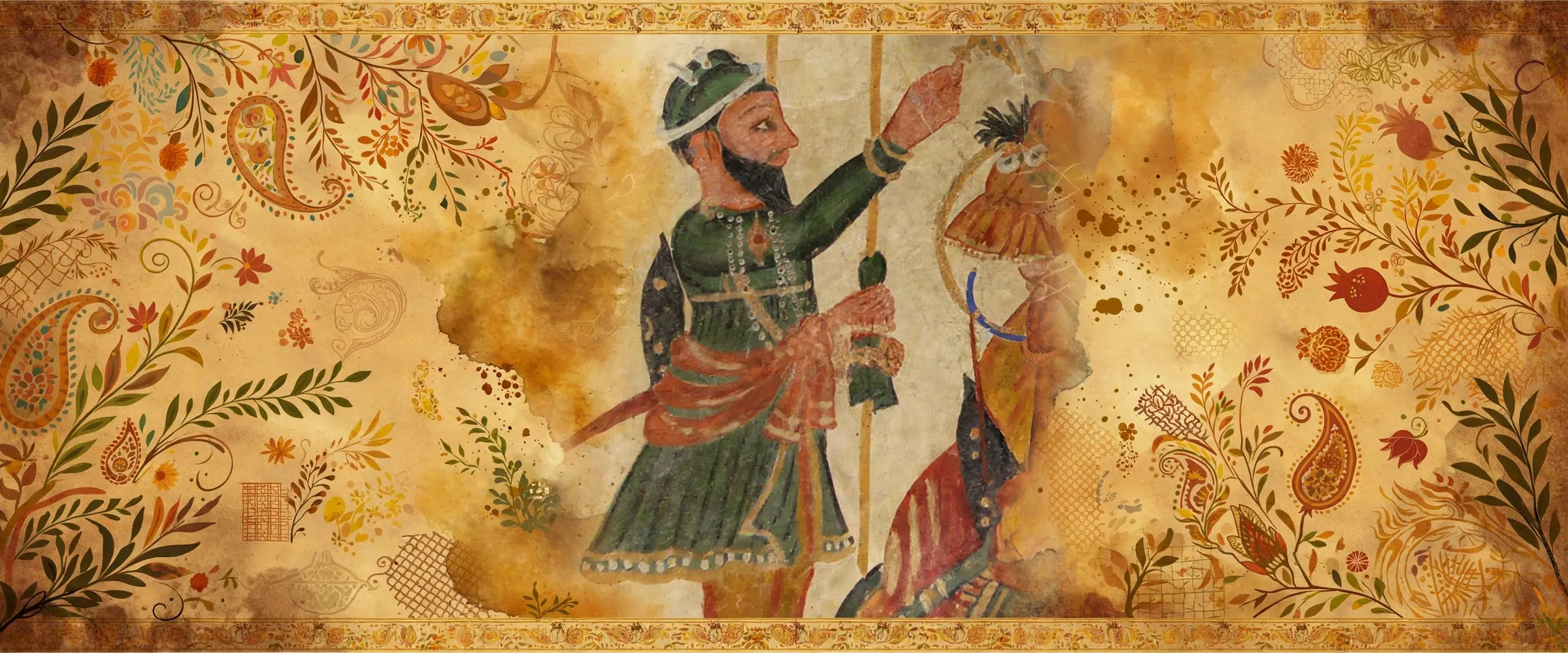
ਭਾਈ ਦਇਆ ਸਿੰਘ ਜੀ (1661 ਤੋਂ 1708) ਪੰਜ ਪਿਆਰਿਆਂ ਵਿੱਚੋਂ ਪਹਿਲੇ ਸਨ, ਉਹ ਪੰਜ ਪਿਆਰੇ ਸਿੱਖ ਜਿਨ੍ਹਾਂ ਨੇ ਵਿਸਾਖੀ 1699 ਨੂੰ ਅਨੰਦਪੁਰ ਸਾਹਿਬ ਵਿਖੇ ਖ਼ਾਲਸਾ ਸਾਜਿਆ। ਲਾਹੌਰ ਵਿੱਚ ਦਇਆ ਰਾਮ ਦੇ ਰੂਪ ਵਿੱਚ ਜੰਮੇ, ਜਦੋਂ ਗੁਰੂ ਗੋਬਿੰਦ ਸਿੰਘ ਜੀ ਨੇ ਇੱਕ ਸੀਸ ਮੰਗਿਆ ਤਾਂ ਉਹ ਸਭ ਤੋਂ ਪਹਿਲਾਂ ਉੱਠ ਕੇ ਆਪਣਾ ਸੀਸ ਦੇਣ ਵਾਲੇ ਸਨ, ਅਤੇ ਫਿਰ ਪੰਜਾਂ ਨੇ ਗੁਰੂ ਜੀ ਨੂੰ ਖ਼ੁਦ ਅੰਮ੍ਰਿਤ ਛਕਾਇਆ। ਉਹ ਅਨੰਦਪੁਰ ਦੀਆਂ ਲੜਾਈਆਂ, ਚਮਕੌਰ ਤੋਂ ਨਿਕਲਣ ਅਤੇ ਔਰੰਗਜ਼ੇਬ ਨੂੰ ਜ਼ਫ਼ਰਨਾਮਾ ਪਹੁੰਚਾਉਣ ਦੇ ਮਿਸ਼ਨ ਵਿੱਚ ਗੁਰੂ ਜੀ ਦੇ ਨਾਲ ਰਹੇ, ਅਤੇ 1708 ਵਿੱਚ ਗੁਰੂ ਜੀ ਤੋਂ ਛੇਤੀ ਮਗਰੋਂ ਨਾਂਦੇੜ ਵਿੱਚ ਹੀ ਚਲਾਣਾ ਕਰ ਗਏ।
- ਪੰਜਾਬੀ ਨਾਂ
- ਭਾਈ ਦਇਆ ਸਿੰਘ ਜੀ
- ਜਨਮ
- 1661, ਲਾਹੌਰ, ਪੰਜਾਬ (ਜਨਮ ਦਾ ਨਾਂ ਦਇਆ ਰਾਮ)
- ਦੇਹਾਂਤ
- 1708, ਨਾਂਦੇੜ, ਦੱਖਣ ਵਿੱਚ
- ਪਿਤਾ
- ਭਾਈ ਸੁੱਧਾ ਜੀ
- ਮਾਂ
- ਮਾਈ ਦਿਆਲੀ ਜੀ
- ਪਰਿਵਾਰ
- ਲਾਹੌਰ ਦਾ ਸੋਭਤੀ ਖੱਤਰੀ ਪਰਿਵਾਰ
All 11 facts
- ਘਰ ਦਾ ਥਾਂ
- ਲਾਹੌਰ, ਪੰਜਾਬ
- ਰੋਲ
- ਪੰਜ ਪਿਆਰਿਆਂ ਵਿੱਚੋਂ ਪਹਿਲੇ
- ਪ੍ਰਸਿੱਧੀ
- ਵਿਸਾਖੀ 1699 ਨੂੰ ਅਨੰਦਪੁਰ ਵਿੱਚ ਸੀਸ ਦੇਣ ਵਾਲੇ ਪਹਿਲੇ
- ਮਿਸ਼ਨ
- ਭਾਈ ਧਰਮ ਸਿੰਘ ਜੀ ਨਾਲ ਔਰੰਗਜ਼ੇਬ ਨੂੰ ਜ਼ਫ਼ਰਨਾਮਾ ਪਹੁੰਚਾਇਆ
- ਵਿਰਾਸਤ
- ਭਾਈ ਦਇਆ ਸਿੰਘ ਜੀ ਸੰਪਰਦਾ; ਇੱਕ ਰਹਿਤਨਾਮਾ ਉਨ੍ਹਾਂ ਦੇ ਨਾਂ ਨਾਲ ਜੁੜਿਆ
Bhai Daya Singh Ji (1661 to 1708) was the first of the Panj Pyare, the five Sikhs who formed the Khalsa at ਅਨੰਦਪੁਰ ਸਾਹਿਬ on Vaisakhi 1699. Born Daya Ram, he was the first to rise and offer his head when ਗੁਰੂ ਗੋਬਿੰਦ ਸਿੰਘ ਜੀ asked for one, and his name is spoken first among the five in the Ardas.
Who was Bhai Daya Singh Ji?
Bhai Daya Singh Ji was born Daya Ram in Lahore in 1661, the son of Bhai Suddha Ji and Mai Diali Ji, a Sobti Khatri family. His father was a devout Sikh of Guru Tegh Bahadur Ji and had visited Anandpur more than once to seek the ninth Guru's blessing. In 1677 the family moved to Anandpur for good, settling there to serve Guru Gobind Singh Ji. Daya Ram grew up well versed in Punjabi and Persian, studying the classics and gurbani and training in the use of arms.
Most accounts give 1661 as the year of his birth, which would have made him 38 when the Khalsa was formed, though a few accounts give other years. The date is best read as the traditional one rather than a settled record, and nothing else in his story turns on it.
His name fits the man the tradition remembers. Daya means compassion, and each of the five beloved ones carries a name that stands for a quality: Dharam Singh for righteousness, Himmat Singh for courage, Mohkam Singh for steadfastness and Sahib Singh for sovereignty. Bhai Daya Singh Ji is remembered as the first among equals, the one whose name is uttered first when the five are named in the Ardas.
Vaisakhi 1699: the first to offer his head
On 30 March 1699, at a great diwan in the Kesgarh fort at Anandpur, Guru Gobind Singh Ji asked the gathered Sikhs for a head. Daya Ram was the first to rise and offer his own, believing he was going to his death. Four others followed him in turn, and the five were admitted as the first members of the Khalsa. They then administered the rite of initiation to Guru Gobind Singh Ji himself, who named them the Panj Pyare, the Five Beloved. Daya Ram took the name Daya Singh that day.
The moment changed Sikh life for good. Until then the Guru had stood above the sangat; from that day the five stood as equals of the Guru, and the Khalsa that grew from them carried the Guru's authority in the community itself. Bhai Daya Singh Ji stayed close to Guru Gobind Singh Ji for the rest of his life, as a constant attendant and confidant, and the place he took that morning has never been forgotten: in every gurdwara, his name is the first of the five spoken in the Ardas.
Battles and the escape from Chamkaur
Bhai Daya Singh Ji fought beside Guru Gobind Singh Ji in the battles around Anandpur, and the Guru's own account in the Bichitra Natak praises his courage at the Battle of Bhangani. He was with the Guru through the hardest years of the struggle with the Mughal and hill forces, when Anandpur itself was besieged and the Khalsa was driven from its home.
On the night of 7 and 8 December 1705, he was one of the three companions who slipped out of the besieged fort at Chamkaur with Guru Gobind Singh Ji, the others being Bhai Dharam Singh Ji and Bhai Man Singh. The Guru's two elder sons had been killed in the fighting that day, and the small party made its way through enemy patrols to safety. Bhai Daya Singh Ji stayed with the Guru in the Malwa region in the months that followed, as the Guru gathered his strength again.
The Zafarnama mission to Aurangzeb
From Dina in the Punjab, Guru Gobind Singh Ji sent Bhai Daya Singh Ji and Bhai Dharam Singh Ji south as his emissaries, carrying his letter to the Mughal emperor Aurangzeb, then camped at Ahmadnagar in the Deccan. The letter, later known as the Zafarnama, the Letter of Victory, set out the Guru's charge against the emperor for the betrayal of his word and the killing of his sons.
The two reached Ahmadnagar by way of Aurangabad, but found they could not gain a personal audience with the emperor as the Guru had directed. Bhai Daya Singh Ji sent Bhai Dharam Singh Ji back to seek the Guru's advice, and before his companion could return with fresh instructions, he had managed to have the letter delivered. He came back to Aurangabad and stayed in the Dhami Mahalla quarter, where a gurdwara now marks the place of his stay. A copy of the Zafarnama prepared by Bhai Daya Singh Ji is still preserved.
The two then rejoined Guru Gobind Singh Ji at Kalayat, a town in Rajasthan, and Bhai Daya Singh Ji remained in attendance on the Guru to the end of his life.
Last days at Nanded and the Angitha
Bhai Daya Singh Ji was with Guru Gobind Singh Ji at ਨਾਂਦੇੜ in the Deccan when the Guru died on 7 October 1708. He himself died at Nanded soon after, and a joint memorial known as the Angitha Bhai Daya Singh ate Dharam Singh stands in memory of him and Bhai Dharam Singh Ji, marking their cremation ground near the bank of the river Godavari.
His birthplace in Lahore was marked by a shrine in the Koocha Softi quarter of the old walled city, now known as Koocha Katri Bawa, and in August 2024 researchers traced the site again inside the old city, a reminder that the Lahore of his childhood still holds the places of his story.
Legacy: the scholar and the Samparda
Bhai Daya Singh Ji was a learned man. One of the Rahitnamas, the manuals of Sikh conduct, is ascribed to him, and a manuscript of the ਦਸਮ ਗ੍ਰੰਥ from Aurangabad is attributed to his hand. Under the Guru's hukam he set up a school to pass on the spiritual wisdom he had received, and the school became known as the Bhai Daya Singh Ji Samparda. Its care later passed to Baba Sobha Singh Ji of Anandpur Sahib, and the line that grew from it is remembered today in the traditions of Hoti Mardan and Rara Sahib.
The Darauli branch of the Nirmala tradition traces its line to Bhai Daya Singh Ji through Baba Deep Singh Ji. Three centuries after Vaisakhi 1699, his place in Sikh life is unchanged: the first name in the Ardas, the first head offered, and the model of a Sikh who answered the Guru's call without hesitation.
ਭਾਈ ਦਇਆ ਸਿੰਘ ਜੀ (1661 ਤੋਂ 1708) ਪੰਜ ਪਿਆਰਿਆਂ ਵਿੱਚੋਂ ਪਹਿਲੇ ਸਨ, ਉਹ ਪੰਜ ਪਿਆਰੇ ਸਿੱਖ ਜਿਨ੍ਹਾਂ ਨੇ ਵਿਸਾਖੀ 1699 ਨੂੰ ਅਨੰਦਪੁਰ ਸਾਹਿਬ ਵਿਖੇ ਖ਼ਾਲਸਾ ਸਾਜਿਆ। ਉਹ ਲਾਹੌਰ ਵਿੱਚ ਦਇਆ ਰਾਮ ਦੇ ਰੂਪ ਵਿੱਚ ਜੰਮੇ ਸਨ, ਅਤੇ ਜਦੋਂ ਗੁਰੂ ਗੋਬਿੰਦ ਸਿੰਘ ਜੀ ਨੇ ਇੱਕ ਸੀਸ ਮੰਗਿਆ ਤਾਂ ਉਹ ਸਭ ਤੋਂ ਪਹਿਲਾਂ ਉੱਠ ਕੇ ਆਪਣਾ ਸੀਸ ਦੇਣ ਵਾਲੇ ਸਨ। ਅਰਦਾਸ ਵਿੱਚ ਅੱਜ ਵੀ ਉਨ੍ਹਾਂ ਦਾ ਨਾਂ ਪੰਜਾਂ ਵਿੱਚੋਂ ਸਭ ਤੋਂ ਪਹਿਲਾਂ ਬੋਲਿਆ ਜਾਂਦਾ ਹੈ।
ਭਾਈ ਦਇਆ ਸਿੰਘ ਜੀ ਕੌਣ ਸਨ?
ਭਾਈ ਦਇਆ ਸਿੰਘ ਜੀ ਦਾ ਜਨਮ 1661 ਵਿੱਚ ਲਾਹੌਰ ਵਿੱਚ ਦਇਆ ਰਾਮ ਦੇ ਰੂਪ ਵਿੱਚ ਹੋਇਆ ਸੀ। ਉਨ੍ਹਾਂ ਦੇ ਪਿਤਾ ਭਾਈ ਸੁੱਧਾ ਜੀ ਅਤੇ ਮਾਤਾ ਮਾਈ ਦਿਆਲੀ ਜੀ ਸਨ, ਅਤੇ ਉਹ ਲਾਹੌਰ ਦੇ ਸੋਭਤੀ ਖੱਤਰੀ ਪਰਿਵਾਰ ਨਾਲ ਸਬੰਧ ਰੱਖਦੇ ਸਨ। ਉਨ੍ਹਾਂ ਦੇ ਪਿਤਾ ਗੁਰੂ ਤੇਗ਼ ਬਹਾਦਰ ਜੀ ਦੇ ਸ਼ਰਧਾਲੂ ਸਿੱਖ ਸਨ ਅਤੇ ਨੌਵੇਂ ਗੁਰੂ ਦਾ ਆਸ਼ੀਰਵਾਦ ਲੈਣ ਲਈ ਕਈ ਵਾਰ ਅਨੰਦਪੁਰ ਗਏ ਸਨ। 1677 ਵਿੱਚ ਪਰਿਵਾਰ ਗੁਰੂ ਗੋਬਿੰਦ ਸਿੰਘ ਜੀ ਦੀ ਸੇਵਾ ਲਈ ਅਨੰਦਪੁਰ ਵਿੱਚ ਹਮੇਸ਼ਾ ਲਈ ਵੱਸ ਗਿਆ। ਦਇਆ ਰਾਮ ਪੰਜਾਬੀ ਅਤੇ ਫ਼ਾਰਸੀ ਚੰਗੀ ਤਰ੍ਹਾਂ ਜਾਣਦੇ ਸਨ, ਉਹ ਗੁਰਬਾਣੀ ਅਤੇ ਪੁਰਾਣੇ ਗ੍ਰੰਥ ਪੜ੍ਹਦੇ ਸਨ ਅਤੇ ਹਥਿਆਰ ਚਲਾਉਣ ਦੀ ਸਿਖਲਾਈ ਵੀ ਲਈ ਹੋਈ ਸੀ।
ਜ਼ਿਆਦਾਤਰ ਲਿਖਤਾਂ ਵਿੱਚ ਉਨ੍ਹਾਂ ਦੇ ਜਨਮ ਦਾ ਸਾਲ 1661 ਦਿੱਤਾ ਗਿਆ ਹੈ, ਜਿਸ ਹਿਸਾਬ ਨਾਲ ਖ਼ਾਲਸਾ ਸਾਜਣ ਸਮੇਂ ਉਨ੍ਹਾਂ ਦੀ ਉਮਰ 38 ਸਾਲ ਬਣਦੀ ਹੈ, ਪਰ ਕੁਝ ਲਿਖਤਾਂ ਵਿੱਚ ਹੋਰ ਸਾਲ ਵੀ ਮਿਲਦੇ ਹਨ। ਇਸ ਲਈ ਇਹ ਤਾਰੀਖ਼ ਪਰੰਪਰਿਕ ਮੰਨੀ ਜਾਣੀ ਚਾਹੀਦੀ ਹੈ, ਪੱਕੀ ਨਹੀਂ, ਅਤੇ ਉਨ੍ਹਾਂ ਦੀ ਕਹਾਣੀ ਦਾ ਹੋਰ ਕੁਝ ਵੀ ਇਸ ਤਾਰੀਖ਼ ਉੱਤੇ ਨਿਰਭਰ ਨਹੀਂ ਕਰਦਾ।
ਉਨ੍ਹਾਂ ਦਾ ਨਾਂ ਉਸ ਮਨੁੱਖ ਨਾਲ ਮੇਲ ਖਾਂਦਾ ਹੈ ਜਿਸਨੂੰ ਪਰੰਪਰਾ ਯਾਦ ਕਰਦੀ ਹੈ। ਦਇਆ ਦਾ ਅਰਥ ਹੈ ਰਹਿਮ, ਅਤੇ ਪੰਜਾਂ ਪਿਆਰਿਆਂ ਵਿੱਚੋਂ ਹਰ ਇੱਕ ਦਾ ਨਾਂ ਇੱਕ ਗੁਣ ਨੂੰ ਦਰਸਾਉਂਦਾ ਹੈ: ਧਰਮ ਸਿੰਘ ਧਰਮ ਲਈ, ਹਿੰਮਤ ਸਿੰਘ ਹਿੰਮਤ ਲਈ, ਮੋਹਕਮ ਸਿੰਘ ਦ੍ਰਿੜ੍ਹਤਾ ਲਈ ਅਤੇ ਸਾਹਿਬ ਸਿੰਘ ਸਰਦਾਰੀ ਲਈ। ਭਾਈ ਦਇਆ ਸਿੰਘ ਜੀ ਨੂੰ ਪੰਜਾਂ ਵਿੱਚੋਂ ਪਹਿਲੇ ਮੰਨਿਆ ਜਾਂਦਾ ਹੈ, ਅਤੇ ਅਰਦਾਸ ਵਿੱਚ ਜਦੋਂ ਪੰਜਾਂ ਦੇ ਨਾਂ ਬੋਲੇ ਜਾਂਦੇ ਹਨ ਤਾਂ ਉਨ੍ਹਾਂ ਦਾ ਨਾਂ ਸਭ ਤੋਂ ਪਹਿਲਾਂ ਆਉਂਦਾ ਹੈ।
ਵਿਸਾਖੀ 1699: ਸੀਸ ਦੇਣ ਵਾਲੇ ਪਹਿਲੇ
30 ਮਾਰਚ 1699 ਨੂੰ ਅਨੰਦਪੁਰ ਦੇ ਕੇਸਗੜ੍ਹ ਕਿਲ੍ਹੇ ਵਿੱਚ ਵੱਡੇ ਦੀਵਾਨ ਸਮੇਂ ਗੁਰੂ ਗੋਬਿੰਦ ਸਿੰਘ ਜੀ ਨੇ ਇਕੱਠੇ ਹੋਏ ਸਿੱਖਾਂ ਕੋਲੋਂ ਇੱਕ ਸੀਸ ਮੰਗਿਆ। ਦਇਆ ਰਾਮ ਸਭ ਤੋਂ ਪਹਿਲਾਂ ਉੱਠੇ ਅਤੇ ਆਪਣਾ ਸੀਸ ਦੇਣ ਲਈ ਅੱਗੇ ਆਏ, ਇਹ ਸੋਚ ਕੇ ਕਿ ਉਨ੍ਹਾਂ ਨੂੰ ਮਾਰ ਦਿੱਤਾ ਜਾਵੇਗਾ। ਉਨ੍ਹਾਂ ਮਗਰੋਂ ਚਾਰ ਹੋਰ ਵਾਰੀ ਵਾਰੀ ਅੱਗੇ ਆਏ, ਅਤੇ ਇਹ ਪੰਜੇ ਖ਼ਾਲਸੇ ਦੇ ਪਹਿਲੇ ਮੈਂਬਰ ਬਣੇ। ਫਿਰ ਉਨ੍ਹਾਂ ਨੇ ਗੁਰੂ ਗੋਬਿੰਦ ਸਿੰਘ ਜੀ ਨੂੰ ਖ਼ੁਦ ਅੰਮ੍ਰਿਤ ਛਕਾਇਆ, ਅਤੇ ਗੁਰੂ ਜੀ ਨੇ ਉਨ੍ਹਾਂ ਨੂੰ ਪੰਜ ਪਿਆਰੇ ਦਾ ਨਾਂ ਦਿੱਤਾ। ਉਸੇ ਦਿਨ ਦਇਆ ਰਾਮ ਤੋਂ ਦਇਆ ਸਿੰਘ ਬਣੇ।
ਉਸ ਪਲ ਨੇ ਸਿੱਖ ਜੀਵਨ ਨੂੰ ਹਮੇਸ਼ਾ ਲਈ ਬਦਲ ਦਿੱਤਾ। ਉਸ ਦਿਨ ਤੱਕ ਗੁਰੂ ਸੰਗਤ ਤੋਂ ਉੱਪਰ ਖੜ੍ਹੇ ਸਨ; ਉਸ ਦਿਨ ਤੋਂ ਪੰਜੇ ਗੁਰੂ ਦੇ ਬਰਾਬਰ ਖੜ੍ਹੇ ਹੋਏ, ਅਤੇ ਉਨ੍ਹਾਂ ਤੋਂ ਜੰਮਿਆ ਖ਼ਾਲਸਾ ਸੰਗਤ ਵਿੱਚ ਗੁਰੂ ਦਾ ਅਧਿਕਾਰ ਲੈ ਕੇ ਚੱਲਿਆ। ਭਾਈ ਦਇਆ ਸਿੰਘ ਜੀ ਆਪਣੇ ਸਾਰੇ ਜੀਵਨ ਗੁਰੂ ਗੋਬਿੰਦ ਸਿੰਘ ਜੀ ਦੇ ਨੇੜੇ ਰਹੇ, ਉਨ੍ਹਾਂ ਦੇ ਸਦਾ ਦੇ ਸਾਥੀ ਅਤੇ ਭਰੋਸੇਮੰਦ ਸੇਵਕ ਵਜੋਂ, ਅਤੇ ਉਸ ਸਵੇਰ ਲਈ ਉਨ੍ਹਾਂ ਨੇ ਜੋ ਥਾਂ ਲਈ ਸੀ ਉਹ ਕਦੇ ਭੁੱਲੀ ਨਹੀਂ ਗਈ: ਹਰ ਗੁਰਦੁਆਰੇ ਵਿੱਚ ਅਰਦਾਸ ਸਮੇਂ ਉਨ੍ਹਾਂ ਦਾ ਨਾਂ ਪੰਜਾਂ ਵਿੱਚੋਂ ਸਭ ਤੋਂ ਪਹਿਲਾਂ ਬੋਲਿਆ ਜਾਂਦਾ ਹੈ।
ਲੜਾਈਆਂ ਅਤੇ ਚਮਕੌਰ ਤੋਂ ਨਿਕਲਣਾ
ਭਾਈ ਦਇਆ ਸਿੰਘ ਜੀ ਅਨੰਦਪੁਰ ਦੁਆਲੇ ਦੀਆਂ ਲੜਾਈਆਂ ਵਿੱਚ ਗੁਰੂ ਗੋਬਿੰਦ ਸਿੰਘ ਜੀ ਦੇ ਨਾਲ ਲੜੇ, ਅਤੇ ਗੁਰੂ ਜੀ ਦੀ ਆਪਣੀ ਲਿਖਤ ਬਚਿੱਤਰ ਨਾਟਕ ਵਿੱਚ ਭੰਗਾਣੀ ਦੀ ਲੜਾਈ ਸਮੇਂ ਉਨ੍ਹਾਂ ਦੀ ਬਹਾਦਰੀ ਦੀ ਸ਼ਲਾਘਾ ਕੀਤੀ ਗਈ ਹੈ। ਉਹ ਸੰਘਰਸ਼ ਦੇ ਸਭ ਤੋਂ ਔਖੇ ਸਾਲਾਂ ਵਿੱਚ ਗੁਰੂ ਜੀ ਦੇ ਨਾਲ ਸਨ, ਜਦੋਂ ਅਨੰਦਪੁਰ ਨੂੰ ਘੇਰਾ ਪਿਆ ਅਤੇ ਖ਼ਾਲਸੇ ਨੂੰ ਆਪਣੇ ਘਰੋਂ ਨਿਕਲਣਾ ਪਿਆ।
7 ਅਤੇ 8 ਦਸੰਬਰ 1705 ਦੀ ਰਾਤ ਨੂੰ ਉਹ ਉਨ੍ਹਾਂ ਤਿੰਨ ਸਾਥੀਆਂ ਵਿੱਚੋਂ ਇੱਕ ਸਨ ਜੋ ਘਿਰੇ ਹੋਏ ਚਮਕੌਰ ਦੇ ਕਿਲ੍ਹੇ ਤੋਂ ਗੁਰੂ ਗੋਬਿੰਦ ਸਿੰਘ ਜੀ ਦੇ ਨਾਲ ਨਿਕਲੇ। ਬਾਕੀ ਦੋ ਭਾਈ ਧਰਮ ਸਿੰਘ ਜੀ ਅਤੇ ਭਾਈ ਮਾਨ ਸਿੰਘ ਸਨ। ਉਸੇ ਦਿਨ ਦੀ ਲੜਾਈ ਵਿੱਚ ਗੁਰੂ ਜੀ ਦੇ ਦੋ ਵੱਡੇ ਪੁੱਤਰ ਸ਼ਹੀਦ ਹੋ ਗਏ ਸਨ, ਅਤੇ ਛੋਟਾ ਜਿਹਾ ਜਥਾ ਦੁਸ਼ਮਣ ਦੇ ਪਹਿਰੇਦਾਰਾਂ ਵਿੱਚੋਂ ਲੰਘ ਕੇ ਸੁਰੱਖਿਅਤ ਥਾਂ ਪਹੁੰਚ ਗਿਆ। ਭਾਈ ਦਇਆ ਸਿੰਘ ਜੀ ਮਗਰਲੇ ਮਹੀਨਿਆਂ ਵਿੱਚ ਮਾਲਵੇ ਵਿੱਚ ਗੁਰੂ ਜੀ ਦੇ ਨਾਲ ਰਹੇ, ਜਦੋਂ ਗੁਰੂ ਜੀ ਨੇ ਫਿਰ ਤਾਕਤ ਇਕੱਠੀ ਕੀਤੀ।
ਔਰੰਗਜ਼ੇਬ ਨੂੰ ਜ਼ਫ਼ਰਨਾਮਾ ਪਹੁੰਚਾਉਣਾ
ਪੰਜਾਬ ਦੇ ਦੀਨਾ ਪਿੰਡ ਤੋਂ ਗੁਰੂ ਗੋਬਿੰਦ ਸਿੰਘ ਜੀ ਨੇ ਭਾਈ ਦਇਆ ਸਿੰਘ ਜੀ ਅਤੇ ਭਾਈ ਧਰਮ ਸਿੰਘ ਜੀ ਨੂੰ ਆਪਣੇ ਦੂਤ ਬਣਾ ਕੇ ਦੱਖਣ ਵੱਲ ਭੇਜਿਆ, ਮੁਗ਼ਲ ਬਾਦਸ਼ਾਹ ਔਰੰਗਜ਼ੇਬ ਨੂੰ ਆਪਣੀ ਚਿੱਠੀ ਪਹੁੰਚਾਉਣ ਲਈ, ਜੋ ਉਸ ਸਮੇਂ ਅਹਿਮਦਨਗਰ ਵਿੱਚ ਡੇਰਾ ਲਾਈ ਬੈਠਾ ਸੀ। ਉਹ ਚਿੱਠੀ ਮਗਰੋਂ ਜ਼ਫ਼ਰਨਾਮਾ, ਜਿੱਤ ਦੀ ਚਿੱਠੀ, ਦੇ ਨਾਂ ਨਾਲ ਮਸ਼ਹੂਰ ਹੋਈ, ਜਿਸ ਵਿੱਚ ਗੁਰੂ ਜੀ ਨੇ ਬਾਦਸ਼ਾਹ ਨੂੰ ਆਪਣਾ ਵਾਅਦਾ ਤੋੜਨ ਅਤੇ ਆਪਣੇ ਪੁੱਤਰਾਂ ਨੂੰ ਮਾਰਨ ਦਾ ਦੋਸ਼ ਲਾਇਆ ਸੀ।
ਦੋਵੇਂ ਔਰੰਗਾਬਾਦ ਦੇ ਰਸਤੇ ਅਹਿਮਦਨਗਰ ਪਹੁੰਚੇ, ਪਰ ਉਨ੍ਹਾਂ ਨੂੰ ਬਾਦਸ਼ਾਹ ਕੋਲ ਖ਼ੁਦ ਪਹੁੰਚ ਕੇ ਚਿੱਠੀ ਦੇਣ ਦਾ ਮੌਕਾ ਨਾ ਮਿਲਿਆ, ਜਿਵੇਂ ਗੁਰੂ ਜੀ ਨੇ ਕਿਹਾ ਸੀ। ਭਾਈ ਦਇਆ ਸਿੰਘ ਜੀ ਨੇ ਭਾਈ ਧਰਮ ਸਿੰਘ ਜੀ ਨੂੰ ਗੁਰੂ ਜੀ ਦੀ ਸਲਾਹ ਲੈਣ ਲਈ ਵਾਪਸ ਭੇਜ ਦਿੱਤਾ, ਅਤੇ ਉਨ੍ਹਾਂ ਦੇ ਨਵੀਆਂ ਹਦਾਇਤਾਂ ਲੈ ਕੇ ਮੁੜਨ ਤੋਂ ਪਹਿਲਾਂ ਹੀ ਉਨ੍ਹਾਂ ਨੇ ਚਿੱਠੀ ਪਹੁੰਚਾ ਦਿੱਤੀ ਸੀ। ਫਿਰ ਉਹ ਔਰੰਗਾਬਾਦ ਵਾਪਸ ਆ ਗਏ ਅਤੇ ਧਾਮੀ ਮਹੱਲਾ ਵਿੱਚ ਠਹਿਰੇ, ਜਿੱਥੇ ਅੱਜ ਗੁਰਦੁਆਰਾ ਭਾਈ ਦਇਆ ਸਿੰਘ ਉਨ੍ਹਾਂ ਦੇ ਠਹਿਰਨ ਦੀ ਥਾਂ ਨੂੰ ਦਰਸਾਉਂਦਾ ਹੈ। ਜ਼ਫ਼ਰਨਾਮੇ ਦੀ ਜੋ ਨਕਲ ਭਾਈ ਦਇਆ ਸਿੰਘ ਜੀ ਨੇ ਤਿਆਰ ਕੀਤੀ ਸੀ, ਉਹ ਅੱਜ ਵੀ ਸਾਂਭੀ ਹੋਈ ਹੈ।
ਫਿਰ ਦੋਵੇਂ ਰਾਜਸਥਾਨ ਦੇ ਕਲਾਇਤ ਕਸਬੇ ਵਿੱਚ ਗੁਰੂ ਗੋਬਿੰਦ ਸਿੰਘ ਜੀ ਨੂੰ ਮੁੜ ਮਿਲੇ, ਅਤੇ ਭਾਈ ਦਇਆ ਸਿੰਘ ਜੀ ਆਪਣੇ ਜੀਵਨ ਦੇ ਅੰਤ ਤੱਕ ਗੁਰੂ ਜੀ ਦੀ ਹਜ਼ੂਰੀ ਵਿੱਚ ਰਹੇ।
ਨਾਂਦੇੜ ਵਿੱਚ ਆਖ਼ਰੀ ਦਿਨ ਅਤੇ ਅੰਗੀਠਾ
ਜਦੋਂ 7 ਅਕਤੂਬਰ 1708 ਨੂੰ ਗੁਰੂ ਗੋਬਿੰਦ ਸਿੰਘ ਜੀ ਦੱਖਣ ਦੇ ਨਾਂਦੇੜ ਵਿੱਚ ਜੋਤੀ ਜੋਤ ਸਮਾਏ ਤਾਂ ਭਾਈ ਦਇਆ ਸਿੰਘ ਜੀ ਉਨ੍ਹਾਂ ਦੇ ਨਾਲ ਸਨ। ਉਹ ਖ਼ੁਦ ਵੀ ਛੇਤੀ ਹੀ ਨਾਂਦੇੜ ਵਿੱਚ ਹੀ ਚਲਾਣਾ ਕਰ ਗਏ, ਅਤੇ ਉਨ੍ਹਾਂ ਦੀ ਅਤੇ ਭਾਈ ਧਰਮ ਸਿੰਘ ਜੀ ਦੀ ਯਾਦ ਵਿੱਚ ਅੰਗੀਠਾ ਭਾਈ ਦਇਆ ਸਿੰਘ ਅਤੇ ਧਰਮ ਸਿੰਘ ਖੜ੍ਹਾ ਹੈ, ਜੋ ਗੋਦਾਵਰੀ ਨਦੀ ਦੇ ਕੰਢੇ ਉਨ੍ਹਾਂ ਦੇ ਸਸਕਾਰ ਦੀ ਥਾਂ ਨੂੰ ਦਰਸਾਉਂਦਾ ਹੈ।
ਲਾਹੌਰ ਵਿੱਚ ਉਨ੍ਹਾਂ ਦਾ ਜਨਮ ਅਸਥਾਨ ਪੁਰਾਣੇ ਸ਼ਹਿਰ ਦੇ ਕੂਚਾ ਸੋਫ਼ਤੀ ਮੁਹੱਲੇ ਵਿੱਚ ਇੱਕ ਅਸਥਾਨ ਨਾਲ ਦਰਸਾਇਆ ਗਿਆ ਸੀ, ਜਿਸਨੂੰ ਅੱਜ ਕੂਚਾ ਕਟੜੀ ਬਾਵਾ ਕਿਹਾ ਜਾਂਦਾ ਹੈ, ਅਤੇ ਅਗਸਤ 2024 ਵਿੱਚ ਖੋਜੀਆਂ ਨੇ ਪੁਰਾਣੇ ਸ਼ਹਿਰ ਵਿੱਚ ਉਸ ਥਾਂ ਨੂੰ ਫਿਰ ਲੱਭਿਆ, ਜੋ ਇਸ ਗੱਲ ਦੀ ਯਾਦ ਦਿਵਾਉਂਦਾ ਹੈ ਕਿ ਉਨ੍ਹਾਂ ਦੇ ਬਚਪਨ ਦਾ ਲਾਹੌਰ ਅੱਜ ਵੀ ਉਨ੍ਹਾਂ ਦੀ ਕਹਾਣੀ ਦੀਆਂ ਥਾਵਾਂ ਨੂੰ ਸਾਂਭੀ ਬੈਠਾ ਹੈ।
ਵਿਰਾਸਤ: ਵਿਦਵਾਨ ਅਤੇ ਸੰਪਰਦਾ
ਭਾਈ ਦਇਆ ਸਿੰਘ ਜੀ ਵਿਦਵਾਨ ਮਨੁੱਖ ਸਨ। ਸਿੱਖ ਰਹਿਤ ਦੇ ਗ੍ਰੰਥਾਂ ਵਿੱਚੋਂ ਇੱਕ ਰਹਿਤਨਾਮਾ ਉਨ੍ਹਾਂ ਦੇ ਨਾਂ ਨਾਲ ਜੁੜਿਆ ਹੋਇਆ ਹੈ, ਅਤੇ ਔਰੰਗਾਬਾਦ ਤੋਂ ਮਿਲੀ ਦਸਮ ਗ੍ਰੰਥ ਦੀ ਇੱਕ ਹੱਥ ਲਿਖਤ ਉਨ੍ਹਾਂ ਦੀ ਲਿਖੀ ਹੋਈ ਮੰਨੀ ਜਾਂਦੀ ਹੈ। ਗੁਰੂ ਜੀ ਦੇ ਹੁਕਮ ਨਾਲ ਉਨ੍ਹਾਂ ਨੇ ਇੱਕ ਸਕੂਲ ਕਾਇਮ ਕੀਤਾ ਤਾਂ ਜੋ ਗੁਰੂ ਜੀ ਤੋਂ ਮਿਲੀ ਰੂਹਾਨੀ ਸਿੱਖਿਆ ਸੰਗਤ ਤੱਕ ਪਹੁੰਚਾਈ ਜਾ ਸਕੇ, ਅਤੇ ਉਹ ਸਕੂਲ ਭਾਈ ਦਇਆ ਸਿੰਘ ਜੀ ਸੰਪਰਦਾ ਦੇ ਨਾਂ ਨਾਲ ਜਾਣਿਆ ਜਾਣ ਲੱਗਾ। ਇਸਦੀ ਸੇਵਾ ਮਗਰੋਂ ਅਨੰਦਪੁਰ ਸਾਹਿਬ ਵਾਲੇ ਬਾਬਾ ਸੋਭਾ ਸਿੰਘ ਜੀ ਨੂੰ ਸੌਂਪੀ ਗਈ, ਅਤੇ ਉਸਤੋਂ ਜੰਮੀ ਲੜੀ ਅੱਜ ਹੋਤੀ ਮਰਦਾਨ ਅਤੇ ਰਾੜਾ ਸਾਹਿਬ ਦੀਆਂ ਪਰੰਪਰਾਵਾਂ ਵਿੱਚ ਯਾਦ ਕੀਤੀ ਜਾਂਦੀ ਹੈ।
ਨਿਰਮਲਾ ਪਰੰਪਰਾ ਦੀ ਦਰੌਲੀ ਸ਼ਾਖਾ ਆਪਣੀ ਲੜੀ ਭਾਈ ਦਇਆ ਸਿੰਘ ਜੀ ਤੋਂ ਬਾਬਾ ਦੀਪ ਸਿੰਘ ਜੀ ਰਾਹੀਂ ਜੋੜਦੀ ਹੈ। ਵਿਸਾਖੀ 1699 ਤੋਂ ਤਿੰਨ ਸਦੀਆਂ ਮਗਰੋਂ ਸਿੱਖ ਜੀਵਨ ਵਿੱਚ ਉਨ੍ਹਾਂ ਦੀ ਥਾਂ ਬਦਲੀ ਨਹੀਂ: ਅਰਦਾਸ ਵਿੱਚ ਪਹਿਲਾ ਨਾਂ, ਪਹਿਲਾ ਦਿੱਤਾ ਸੀਸ, ਅਤੇ ਉਸ ਸਿੱਖ ਦੀ ਮਿਸਾਲ ਜਿਸਨੇ ਗੁਰੂ ਜੀ ਦੀ ਪੁਕਾਰ ਦਾ ਜਵਾਬ ਬਿਨਾਂ ਕਿਸੇ ਝਿਜਕ ਦੇ ਦਿੱਤਾ ਸੀ।
More religion entries to explore
ਸਰੋਤ (3)
ਜੁਗਤੀ ਮੁਫ਼ਤ ਅਤੇ ਸੁਤੰਤਰ ਹੈ। ਪਾਠਕਾਂ ਦਾ ਸਹਿਯੋਗ ਕੋਸ਼ ਨੂੰ ਵਧਾਉਂਦਾ ਹੈ।
ਸਹਿਯੋਗ