
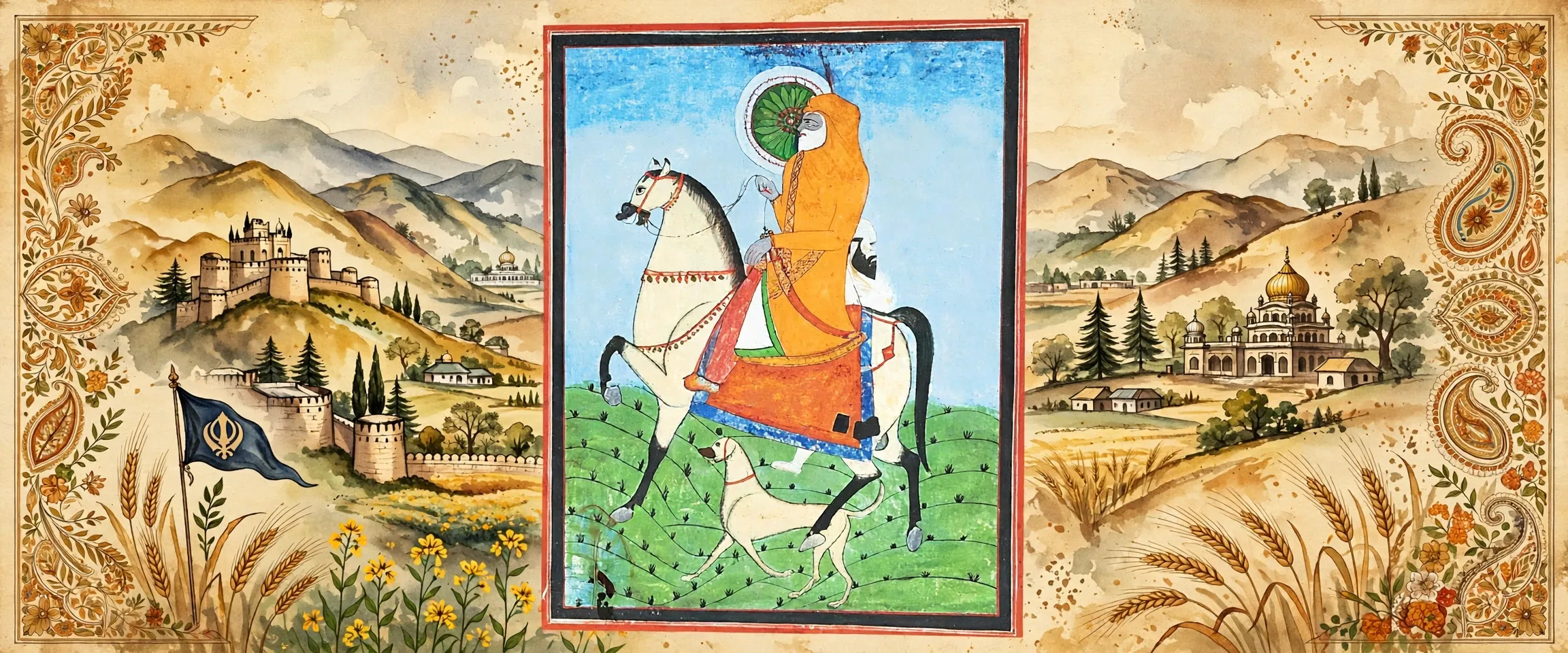
ਬਾਬਾ ਸਾਹਿਬ ਸਿੰਘ ਬੇਦੀ (1756-1834) ਊਨਾ ਦੇ ਇੱਕ ਸਤਿਕਾਰੇ ਹੋਏ ਸਿੱਖ ਸੰਤ ਸਨ, ਜੋ ਅੱਜ ਦੇ ਹਿਮਾਚਲ ਪ੍ਰਦੇਸ਼ ਵਿੱਚ ਹੈ, ਅਤੇ ਗੁਰੂ ਨਾਨਕ ਦੇਵ ਜੀ ਦੇ ਦਸਵੇਂ ਪੀੜ੍ਹੀ ਦੇ ਸਿੱਧੇ ਵੰਸ਼ਜ ਸਨ। ਭਾਈ ਦਇਆ ਸਿੰਘ ਸੰਪਰਦਾ ਦੇ ਮੁਖੀ ਵਜੋਂ ਉਨ੍ਹਾਂ ਨੇ ਮਿਸਲ ਕਾਲ ਦੇ ਲੜਦੇ ਸਿੱਖ ਸਰਦਾਰਾਂ ਨੂੰ ਇੱਕ ਕੀਤਾ, ਪੰਜਾਬ ਭਰ ਵਿੱਚ ਗੁਰੂ ਨਾਨਕ ਦੇਵ ਜੀ ਦਾ ਉਪਦੇਸ਼ ਦਿੱਤਾ ਅਤੇ ਹਜ਼ਾਰਾਂ ਨੂੰ ਅੰਮ੍ਰਿਤ ਛਕਾਇਆ। ਉਨ੍ਹਾਂ ਨੂੰ ਸਭ ਤੋਂ ਵੱਧ ਸਿੱਖ ਸਾਮਰਾਜ ਦੇ ਰਾਜਗੁਰੂ ਵਜੋਂ ਯਾਦ ਕੀਤਾ ਜਾਂਦਾ ਹੈ, ਜਿਨ੍ਹਾਂ ਨੇ 1801 ਵਿੱਚ ਲਾਹੌਰ ਵਿੱਚ ਮਹਾਰਾਜਾ ਰਣਜੀਤ ਸਿੰਘ ਦੇ ਰਾਜਤਿਲਕ ਸਮੇਂ ਉਨ੍ਹਾਂ ਦੇ ਮੱਥੇ ਉੱਤੇ ਤਿਲਕ ਲਾਇਆ ਸੀ।
- ਪੰਜਾਬੀ ਨਾਂ
- ਬਾਬਾ ਸਾਹਿਬ ਸਿੰਘ ਬੇਦੀ
- ਜਨਮ
- ਅਪ੍ਰੈਲ 1756, ਡੇਰਾ ਬਾਬਾ ਨਾਨਕ
- ਮਾਪੇ
- ਬਾਬਾ ਅਜੀਤ ਸਿੰਘ ਬੇਦੀ ਅਤੇ ਮਾਤਾ ਸਰੂਪਣ ਦੇਵੀ
- ਵੰਸ਼
- ਗੁਰੂ ਨਾਨਕ ਦੇਵ ਜੀ ਤੋਂ ਦਸਵੀਂ ਪੀੜ੍ਹੀ ਵਿੱਚ ਸਿੱਧੇ ਵੰਸ਼ਜ
- ਆਸਥਾਨ
- ਊਨਾ, ਹਿਮਾਚਲ ਪ੍ਰਦੇਸ਼
- ਸੰਪਰਦਾ
- ਭਾਈ ਦਇਆ ਸਿੰਘ ਸੰਪਰਦਾ
All 9 facts
- ਰੋਲ
- ਸਿੱਖ ਸਾਮਰਾਜ ਦੇ ਰਾਜਗੁਰੂ
- ਦੇਹਾਂਤ
- 17 ਜੁਲਾਈ 1834, ਊਨਾ
- ਯਾਦਗਾਰ
- ਊਨਾ ਵਿਖੇ ਸਮਾਧ
Baba Sahib Singh Bedi (1756-1834) was a revered Sikh saint of Una, in present-day Himachal Pradesh, and a tenth-generation direct descendant of ਗੁਰੂ ਨਾਨਕ ਦੇਵ ਜੀ. As head of the Bhai Daya Singh Samparda and Rajguru of the Sikh Empire, he united quarrelling Sikh chiefs, preached Guru Nanak's word across Punjab, and placed the tilak on Maharaja Ranjit Singh's forehead at his coronation in 1801.
Who was Baba Sahib Singh Bedi?
Baba Sahib Singh was born in April 1756, on Chet Sudi 5 in the year 1813 Bikrami, at Dera Baba Nanak in present-day Gurdaspur district, to Baba Ajit Singh Bedi and Mata Sarupan Devi. Tradition holds that his birth was foretold by ਗੁਰੂ ਗੋਬਿੰਦ ਸਿੰਘ ਜੀ, and that his father had himself been baptised by the tenth Guru. He was tenth in direct descent from Guru Nanak Dev Ji, through the Guru's younger son Lakhmi Das, while the Guru's elder son, ਬਾਬਾ ਸ੍ਰੀ ਚੰਦ ਜੀ, founded the Udasi tradition. As a boy he studied the Sikh sacred texts and trained in the use of arms.
When his father died in 1773, the seventeen-year-old Sahib Singh succeeded to the ancestral estate. Around the age of eighteen he travelled to ਅਨੰਦਪੁਰ ਸਾਹਿਬ, where Baba Sobha Singh of the Bhai Daya Singh Samparda initiated him into the Khalsa through ਅੰਮ੍ਰਿਤ ਸੰਚਾਰ. Sobha Singh, a beloved Sikh of Guru Gobind Singh Ji who had been given charge of Takht Sri Kesgarh Sahib, later named Sahib Singh his successor as head of the samparda, a lineage of saints tracing back to ਭਾਈ ਦਇਆ ਸਿੰਘ ਜੀ, the first of the ਪੰਜ ਪਿਆਰੇ.
How did the Bedi family come to Una?
The Bedi family had held land at Una, a town in the Sivalik foothills, since his grandfather Baba Kaladhari settled there in 1695 and his father built the family compound. Around 1770 the family moved from Dera Baba Nanak to Una, where they held extensive jagirs. Tradition holds that the town and the surrounding villages were granted to Baba Sahib Singh by the local hill rajas, a grant later confirmed by Maharaja Ranjit Singh.
From his magnificently built fortress at Una, Baba Sahib Singh taught and preached, and devotees flocked to hear his discourses. It was considered a signal honour to receive pahul, the Sikh initiatory rite, at his hands. Una became his seat and a centre of Sikh learning, and dharamsalas and Damdama Sahib centres associated with his preaching spread across Punjab.
Why did the Sikh chiefs listen to him?
In the late eighteenth century Punjab was ruled by rival Sikh misls, confederacies whose chiefs fought each other as often as they fought outside enemies. Baba Sahib Singh's descent from Guru Nanak, his age, his learning and his saintly life gave him an authority no chief could claim, and he became the arbiter of their feuds. The sardars settled land grants on him, and his influence spread across the Jalandhar Doab and the Majha region.
He was a warrior as well as a saint. In 1794 he led a campaign against Ata Ullah Khan, the Afghan ruler of Malerkotla, with Tara Singh Ghaiba, Baghel Singh and Bhanga Singh of Thanesar at his side. When the troops of Patiala, Nabha, Jind and Kalsia intervened for Ata Ullah Khan, he withdrew after receiving a war indemnity. In 1798, with Tara Singh, Gurdit Singh and Jodh Singh, he attacked Rai Iliyas of Raikot, occupied Jagraon, Dakha and Baddoval, and advanced on Ludhiana and Mansuran. A gurdwara in the village of Akhara in Ludhiana district still commemorates his victory there. During Shah Zaman's invasion of northern India in 1796 to 1798, he spearheaded Sikh resistance.
How did he guide Maharaja Ranjit Singh?
Baba Sahib Singh knew the young Sukerchakia chief Ranjit Singh from boyhood. According to the biography Raja Jogi, at the teherveen ceremony after the death of Ranjit Singh's father Maha Singh at Gujranwala, Baba Sahib Singh seated the twelve-year-old Ranjit in his lap, placed his own gatra bearing his kirpan around him, tied his dastaar and blessed him that he would one day be king of Punjab.
When Ranjit Singh took Lahore on 7 July 1799, Baba Sahib Singh threw his weight behind him and helped him defeat Gulab Singh Bhangi in the battle of Bhasin in March 1800. At Ranjit Singh's coronation at Lahore on 11 April 1801, Baba Sahib Singh placed the tilak, the mark of sovereignty, on his forehead. Some accounts give the date as 12 April. From then on he was honoured as Rajguru of the Sikh Empire, and he accompanied Ranjit Singh on several of his military expeditions.
He also used his standing to keep the peace. In 1807 he helped settle a longstanding dispute between the rulers of Nabha and Patiala, and in November 1808 he arranged a meeting between Sahib Singh of Patiala and Maharaja Ranjit Singh at Lakhnaur, where the two rulers entered a bond of mutual fraternity by exchanging turbans.
What did he do in his later years?
In later life Baba Sahib Singh devoted himself entirely to preaching Guru Nanak's word. He travelled extensively through the Pothohar, Majha and Malwa regions, and wherever he went people thronged to see him and pay homage. He administered pahul to thousands and initiated many into the Khalsa, and the dharamsalas he founded carried the Guru's message into towns and villages across Punjab.
On land allotted to him by Maharaja Ranjit Singh he founded Bedian, a settlement near Lahore, and established a Sikh religious school there. He chose the place partly to counter the Mina sect, founded by Prithi Chand, which was based at the nearby village of Heir. His students included Baba Bhag Singh of Kuri, who received amrit from him and succeeded him as head of the samparda.
How is Baba Sahib Singh Bedi remembered today?
Baba Sahib Singh died at Una on 17 July 1834, aged seventy-eight. He was survived by his sons Bishan Singh and Bikram Singh. His samadh stands at Una, and it remains a place of pilgrimage for devotees who come to honour the saint of the Sivalik foothills.
His life was recorded by Sobha Ram in the Gur-Bilas Baba Sahib Singh Bedi, and more than a century later the historian Giani Ishar Singh Nara told it again in Raja Jogi, published in Punjabi in 1953 and in English in 2022. The book's title sums up how he is remembered: a raja and a jogi in one person, a kingly figure who lived as an ascetic and used his authority to unite the Panth and crown its Maharaja. In Gujranwala, Pakistan, a Gurdwara Damdama Sahib dedicated to him still stands, though it has been repurposed as a private home and is at risk of collapse.
ਬਾਬਾ ਸਾਹਿਬ ਸਿੰਘ ਬੇਦੀ (1756-1834) ਊਨਾ ਦੇ ਇੱਕ ਸਤਿਕਾਰੇ ਹੋਏ ਸਿੱਖ ਸੰਤ ਸਨ, ਜੋ ਅੱਜ ਦੇ ਹਿਮਾਚਲ ਪ੍ਰਦੇਸ਼ ਵਿੱਚ ਹੈ, ਅਤੇ ਗੁਰੂ ਨਾਨਕ ਦੇਵ ਜੀ ਦੇ ਦਸਵੇਂ ਪੀੜ੍ਹੀ ਦੇ ਸਿੱਧੇ ਵੰਸ਼ਜ ਸਨ। ਭਾਈ ਦਇਆ ਸਿੰਘ ਸੰਪਰਦਾ ਦੇ ਮੁਖੀ ਅਤੇ ਸਿੱਖ ਸਾਮਰਾਜ ਦੇ ਰਾਜਗੁਰੂ ਵਜੋਂ ਉਨ੍ਹਾਂ ਨੇ ਲੜਦੇ ਸਿੱਖ ਸਰਦਾਰਾਂ ਨੂੰ ਇੱਕ ਕੀਤਾ, ਪੰਜਾਬ ਭਰ ਵਿੱਚ ਗੁਰੂ ਨਾਨਕ ਦੇਵ ਜੀ ਦਾ ਉਪਦੇਸ਼ ਦਿੱਤਾ ਅਤੇ 1801 ਵਿੱਚ ਮਹਾਰਾਜਾ ਰਣਜੀਤ ਸਿੰਘ ਦੇ ਰਾਜਤਿਲਕ ਸਮੇਂ ਉਨ੍ਹਾਂ ਦੇ ਮੱਥੇ ਉੱਤੇ ਤਿਲਕ ਲਾਇਆ।
ਬਾਬਾ ਸਾਹਿਬ ਸਿੰਘ ਬੇਦੀ ਕੌਣ ਸਨ?
ਬਾਬਾ ਸਾਹਿਬ ਸਿੰਘ ਦਾ ਜਨਮ ਅਪ੍ਰੈਲ 1756 ਵਿੱਚ, ਸੰਮਤ 1813 ਬਿਕਰਮੀ ਦੇ ਚੇਤ ਸੁਦੀ 5 ਨੂੰ, ਅੱਜ ਦੇ ਗੁਰਦਾਸਪੁਰ ਜ਼ਿਲ੍ਹੇ ਦੇ ਡੇਰਾ ਬਾਬਾ ਨਾਨਕ ਵਿਖੇ, ਬਾਬਾ ਅਜੀਤ ਸਿੰਘ ਬੇਦੀ ਅਤੇ ਮਾਤਾ ਸਰੂਪਣ ਦੇਵੀ ਦੇ ਘਰ ਹੋਇਆ ਸੀ। ਕਥਾ ਹੈ ਕਿ ਉਨ੍ਹਾਂ ਦੇ ਜਨਮ ਦੀ ਭਵਿੱਖਬਾਣੀ ਗੁਰੂ ਗੋਬਿੰਦ ਸਿੰਘ ਜੀ ਨੇ ਕੀਤੀ ਸੀ, ਅਤੇ ਉਨ੍ਹਾਂ ਦੇ ਪਿਤਾ ਨੇ ਖ਼ੁਦ ਦਸਵੇਂ ਗੁਰੂ ਤੋਂ ਅੰਮ੍ਰਿਤ ਛਕਿਆ ਸੀ। ਉਹ ਗੁਰੂ ਨਾਨਕ ਦੇਵ ਜੀ ਦੇ ਛੋਟੇ ਪੁੱਤਰ ਲੱਖਮੀ ਦਾਸ ਰਾਹੀਂ ਦਸਵੀਂ ਪੀੜ੍ਹੀ ਵਿੱਚ ਉਨ੍ਹਾਂ ਦੇ ਸਿੱਧੇ ਵੰਸ਼ਜ ਸਨ, ਜਦੋਂ ਕਿ ਗੁਰੂ ਜੀ ਦੇ ਵੱਡੇ ਪੁੱਤਰ ਬਾਬਾ ਸ੍ਰੀ ਚੰਦ ਜੀ ਨੇ ਉਦਾਸੀ ਪਰੰਪਰਾ ਦੀ ਨੀਂਹ ਰੱਖੀ ਸੀ। ਬਚਪਨ ਵਿੱਚ ਉਨ੍ਹਾਂ ਨੇ ਸਿੱਖ ਧਰਮ ਗ੍ਰੰਥਾਂ ਦਾ ਅਧਿਐਨ ਕੀਤਾ ਅਤੇ ਸ਼ਸਤਰ ਚਲਾਉਣ ਦੀ ਸਿੱਖਿਆ ਲਈ।
ਜਦੋਂ 1773 ਵਿੱਚ ਉਨ੍ਹਾਂ ਦੇ ਪਿਤਾ ਦਾ ਦੇਹਾਂਤ ਹੋ ਗਿਆ, ਤਾਂ ਸਤਾਰਾਂ ਸਾਲ ਦੇ ਸਾਹਿਬ ਸਿੰਘ ਜੀ ਨੂੰ ਪੁਸ਼ਤੈਨੀ ਜਾਇਦਾਦ ਮਿਲੀ। ਲਗਭਗ ਅਠਾਰਾਂ ਸਾਲ ਦੀ ਉਮਰ ਵਿੱਚ ਉਹ ਅਨੰਦਪੁਰ ਸਾਹਿਬ ਗਏ, ਜਿੱਥੇ ਭਾਈ ਦਇਆ ਸਿੰਘ ਸੰਪਰਦਾ ਦੇ ਬਾਬਾ ਸੋਭਾ ਸਿੰਘ ਜੀ ਨੇ ਅੰਮ੍ਰਿਤ ਸੰਚਾਰ ਰਾਹੀਂ ਉਨ੍ਹਾਂ ਨੂੰ ਖਾਲਸੇ ਵਿੱਚ ਸ਼ਾਮਲ ਕੀਤਾ। ਸੋਭਾ ਸਿੰਘ ਜੀ ਗੁਰੂ ਗੋਬਿੰਦ ਸਿੰਘ ਜੀ ਦੇ ਪਿਆਰੇ ਸਿੱਖ ਸਨ, ਜਿਨ੍ਹਾਂ ਨੂੰ ਤਖ਼ਤ ਸ੍ਰੀ ਕੇਸਗੜ੍ਹ ਸਾਹਿਬ ਦੀ ਸੇਵਾ ਸੌਂਪੀ ਗਈ ਸੀ, ਅਤੇ ਬਾਅਦ ਵਿੱਚ ਉਨ੍ਹਾਂ ਨੇ ਸਾਹਿਬ ਸਿੰਘ ਜੀ ਨੂੰ ਸੰਪਰਦਾ ਦਾ ਮੁਖੀ ਬਣਾਇਆ, ਜੋ ਸੰਤਾਂ ਦੀ ਉਹ ਪਰੰਪਰਾ ਹੈ ਜੋ ਪੰਜ ਪਿਆਰਿਆਂ ਵਿੱਚੋਂ ਪਹਿਲੇ ਭਾਈ ਦਇਆ ਸਿੰਘ ਜੀ ਤੋਂ ਚੱਲੀ ਆ ਰਹੀ ਸੀ।
ਬੇਦੀ ਪਰਿਵਾਰ ਊਨਾ ਕਿਵੇਂ ਆਇਆ?
ਬੇਦੀ ਪਰਿਵਾਰ ਕੋਲ ਊਨਾ ਵਿੱਚ ਜ਼ਮੀਨ ਉਸ ਸਮੇਂ ਤੋਂ ਸੀ ਜਦੋਂ ਉਨ੍ਹਾਂ ਦੇ ਦਾਦਾ ਬਾਬਾ ਕਲਾਧਾਰੀ 1695 ਵਿੱਚ ਉੱਥੇ ਵੱਸੇ ਸਨ ਅਤੇ ਉਨ੍ਹਾਂ ਦੇ ਪਿਤਾ ਨੇ ਪਰਿਵਾਰਕ ਮਕਾਨ ਬਣਾਇਆ ਸੀ। ਲਗਭਗ 1770 ਵਿੱਚ ਪਰਿਵਾਰ ਡੇਰਾ ਬਾਬਾ ਨਾਨਕ ਤੋਂ ਊਨਾ ਚਲਾ ਗਿਆ, ਜਿੱਥੇ ਉਨ੍ਹਾਂ ਕੋਲ ਵੱਡੀਆਂ ਜਾਗੀਰਾਂ ਸਨ। ਕਥਾ ਹੈ ਕਿ ਊਨਾ ਕਸਬਾ ਅਤੇ ਆਲੇ ਦੁਆਲੇ ਦੇ ਪਿੰਡ ਸਥਾਨਕ ਪਹਾੜੀ ਰਾਜਿਆਂ ਨੇ ਬਾਬਾ ਸਾਹਿਬ ਸਿੰਘ ਜੀ ਨੂੰ ਦਿੱਤੇ ਸਨ, ਅਤੇ ਬਾਅਦ ਵਿੱਚ ਮਹਾਰਾਜਾ ਰਣਜੀਤ ਸਿੰਘ ਨੇ ਇਹ ਦਾਨ ਪੱਕਾ ਕਰ ਦਿੱਤਾ ਸੀ।
ਊਨਾ ਵਿਖੇ ਆਪਣੇ ਸ਼ਾਨਦਾਰ ਕਿਲ੍ਹੇ ਤੋਂ ਬਾਬਾ ਸਾਹਿਬ ਸਿੰਘ ਜੀ ਸਿੱਖਿਆ ਦਿੰਦੇ ਅਤੇ ਪ੍ਰਚਾਰ ਕਰਦੇ ਸਨ, ਅਤੇ ਸੰਗਤ ਉਨ੍ਹਾਂ ਦੇ ਉਪਦੇਸ਼ ਸੁਣਨ ਲਈ ਦੂਰ ਦੂਰ ਤੋਂ ਆਉਂਦੀ ਸੀ। ਉਨ੍ਹਾਂ ਦੇ ਹੱਥੋਂ ਪਾਹੁਲ ਛਕਣਾ ਵੱਡਾ ਸਨਮਾਨ ਸਮਝਿਆ ਜਾਂਦਾ ਸੀ। ਊਨਾ ਉਨ੍ਹਾਂ ਦਾ ਆਸਥਾਨ ਅਤੇ ਸਿੱਖ ਸਿੱਖਿਆ ਦਾ ਕੇਂਦਰ ਬਣ ਗਿਆ, ਅਤੇ ਉਨ੍ਹਾਂ ਦੇ ਪ੍ਰਚਾਰ ਨਾਲ ਜੁੜੇ ਧਰਮਸਾਲੇ ਅਤੇ ਦਮਦਮਾ ਸਾਹਿਬ ਕੇਂਦਰ ਪੰਜਾਬ ਭਰ ਵਿੱਚ ਫੈਲ ਗਏ।
ਸਿੱਖ ਸਰਦਾਰ ਉਨ੍ਹਾਂ ਦੀ ਗੱਲ ਕਿਉਂ ਮੰਨਦੇ ਸਨ?
ਅਠਾਰ੍ਹਵੀਂ ਸਦੀ ਦੇ ਅੰਤ ਵਿੱਚ ਪੰਜਾਬ ਉੱਤੇ ਵਿਰੋਧੀ ਸਿੱਖ ਮਿਸਲਾਂ ਦਾ ਰਾਜ ਸੀ, ਜਿਨ੍ਹਾਂ ਦੇ ਸਰਦਾਰ ਬਾਹਰੀ ਦੁਸ਼ਮਣਾਂ ਨਾਲੋਂ ਆਪਸ ਵਿੱਚ ਵੱਧ ਲੜਦੇ ਸਨ। ਗੁਰੂ ਨਾਨਕ ਦੇਵ ਜੀ ਤੋਂ ਵੰਸ਼, ਉਮਰ, ਗਿਆਨ ਅਤੇ ਸੰਤ ਜੀਵਨ ਕਰਕੇ ਬਾਬਾ ਸਾਹਿਬ ਸਿੰਘ ਜੀ ਨੂੰ ਐਸਾ ਸਤਿਕਾਰ ਮਿਲਿਆ ਜੋ ਕਿਸੇ ਸਰਦਾਰ ਕੋਲ ਨਹੀਂ ਸੀ, ਅਤੇ ਉਹ ਉਨ੍ਹਾਂ ਦੇ ਝਗੜਿਆਂ ਦੇ ਫ਼ੈਸਲਾਕਾਰ ਬਣ ਗਏ। ਸਰਦਾਰਾਂ ਨੇ ਉਨ੍ਹਾਂ ਨੂੰ ਜ਼ਮੀਨਾਂ ਦਾਨ ਕੀਤੀਆਂ, ਅਤੇ ਉਨ੍ਹਾਂ ਦਾ ਪ੍ਰਭਾਵ ਜਲੰਧਰ ਦੁਆਬੇ ਅਤੇ ਮਾਝੇ ਵਿੱਚ ਫੈਲ ਗਿਆ।
ਉਹ ਸਿਰਫ਼ ਸੰਤ ਨਹੀਂ, ਯੋਧਾ ਵੀ ਸਨ। 1794 ਵਿੱਚ ਉਨ੍ਹਾਂ ਨੇ ਮਲੇਰਕੋਟਲੇ ਦੇ ਅਫ਼ਗ਼ਾਨ ਹਾਕਮ ਅਤਾ ਉੱਲਾ ਖ਼ਾਨ ਵਿਰੁੱਧ ਮੁਹਿੰਮ ਦੀ ਅਗਵਾਈ ਕੀਤੀ, ਜਿਸ ਵਿੱਚ ਤਾਰਾ ਸਿੰਘ ਘੈਬਾ, ਬਘੇਲ ਸਿੰਘ ਅਤੇ ਥਾਨੇਸਰ ਦੇ ਭੰਗਾ ਸਿੰਘ ਉਨ੍ਹਾਂ ਦੇ ਨਾਲ ਸਨ। ਜਦੋਂ ਪਟਿਆਲਾ, ਨਾਭਾ, ਜੀਂਦ ਅਤੇ ਕਲਸੀਆ ਦੀਆਂ ਫ਼ੌਜਾਂ ਨੇ ਅਤਾ ਉੱਲਾ ਖ਼ਾਨ ਦੇ ਹੱਕ ਵਿੱਚ ਦਖ਼ਲ ਦਿੱਤਾ, ਤਾਂ ਉਹ ਜੰਗੀ ਹਰਜਾਨਾ ਲੈ ਕੇ ਵਾਪਸ ਮੁੜ ਗਏ। 1798 ਵਿੱਚ ਤਾਰਾ ਸਿੰਘ, ਗੁਰਦਿੱਤ ਸਿੰਘ ਅਤੇ ਜੋਧ ਸਿੰਘ ਨਾਲ ਉਨ੍ਹਾਂ ਨੇ ਰਾਏਕੋਟ ਦੇ ਰਾਏ ਇਲਿਆਸ ਉੱਤੇ ਹਮਲਾ ਕੀਤਾ, ਜਗਰਾਉਂ, ਦਾਖਾ ਅਤੇ ਬੱਦੋਵਾਲ ਉੱਤੇ ਕਬਜ਼ਾ ਕੀਤਾ ਅਤੇ ਲੁਧਿਆਣਾ ਤੇ ਮਾਨਸੂਰਾਂ ਵੱਲ ਵਧੇ। ਲੁਧਿਆਣਾ ਜ਼ਿਲ੍ਹੇ ਦੇ ਪਿੰਡ ਅਖਾੜਾ ਵਿੱਚ ਗੁਰਦੁਆਰਾ ਅੱਜ ਵੀ ਉਨ੍ਹਾਂ ਦੀ ਉਸ ਜਿੱਤ ਦੀ ਯਾਦ ਦਿਵਾਉਂਦਾ ਹੈ। 1796 ਤੋਂ 1798 ਦਰਮਿਆਨ ਸ਼ਾਹ ਜ਼ਮਾਨ ਦੇ ਹਮਲੇ ਸਮੇਂ ਉਨ੍ਹਾਂ ਨੇ ਸਿੱਖ ਵਿਰੋਧ ਦੀ ਅਗਵਾਈ ਕੀਤੀ।
ਉਨ੍ਹਾਂ ਨੇ ਮਹਾਰਾਜਾ ਰਣਜੀਤ ਸਿੰਘ ਦੀ ਅਗਵਾਈ ਕਿਵੇਂ ਕੀਤੀ?
ਬਾਬਾ ਸਾਹਿਬ ਸਿੰਘ ਜੀ ਨੌਜਵਾਨ ਸੁਕਰਚੱਕੀਆ ਸਰਦਾਰ ਰਣਜੀਤ ਸਿੰਘ ਨੂੰ ਬਚਪਨ ਤੋਂ ਜਾਣਦੇ ਸਨ। ਜੀਵਨੀ ਰਾਜਾ ਜੋਗੀ ਅਨੁਸਾਰ ਗੁਜਰਾਂਵਾਲਾ ਵਿਖੇ ਰਣਜੀਤ ਸਿੰਘ ਦੇ ਪਿਤਾ ਮਹਾਂ ਸਿੰਘ ਦੇ ਦੇਹਾਂਤ ਤੋਂ ਬਾਅਦ ਤੇਰ੍ਹਵੀਂ ਦੀ ਰਸਮ ਸਮੇਂ ਬਾਬਾ ਸਾਹਿਬ ਸਿੰਘ ਜੀ ਨੇ ਬਾਰਾਂ ਸਾਲ ਦੇ ਰਣਜੀਤ ਨੂੰ ਆਪਣੀ ਗੋਦ ਵਿੱਚ ਬਿਠਾਇਆ, ਆਪਣਾ ਗਾਤਰਾ, ਜਿਸ ਵਿੱਚ ਕਿਰਪਾਨ ਸੀ, ਉਨ੍ਹਾਂ ਦੇ ਗਲੇ ਵਿੱਚ ਪਾਇਆ, ਦਸਤਾਰ ਬੰਨ੍ਹੀ ਅਤੇ ਅਸੀਸ ਦਿੱਤੀ ਕਿ ਇੱਕ ਦਿਨ ਉਹ ਪੰਜਾਬ ਦੇ ਰਾਜਾ ਬਣਨਗੇ।
ਜਦੋਂ 7 ਜੁਲਾਈ 1799 ਨੂੰ ਰਣਜੀਤ ਸਿੰਘ ਨੇ ਲਾਹੌਰ ਉੱਤੇ ਕਬਜ਼ਾ ਕੀਤਾ, ਤਾਂ ਬਾਬਾ ਸਾਹਿਬ ਸਿੰਘ ਜੀ ਨੇ ਉਨ੍ਹਾਂ ਦਾ ਸਾਥ ਦਿੱਤਾ ਅਤੇ ਮਾਰਚ 1800 ਵਿੱਚ ਭਸੀਨ ਦੀ ਲੜਾਈ ਵਿੱਚ ਗੁਲਾਬ ਸਿੰਘ ਭੰਗੀ ਨੂੰ ਹਰਾਉਣ ਵਿੱਚ ਮਦਦ ਕੀਤੀ। 11 ਅਪ੍ਰੈਲ 1801 ਨੂੰ ਲਾਹੌਰ ਵਿੱਚ ਰਣਜੀਤ ਸਿੰਘ ਦੇ ਰਾਜਤਿਲਕ ਸਮੇਂ ਬਾਬਾ ਸਾਹਿਬ ਸਿੰਘ ਜੀ ਨੇ ਉਨ੍ਹਾਂ ਦੇ ਮੱਥੇ ਉੱਤੇ ਤਿਲਕ, ਸਰਦਾਰੀ ਦਾ ਚਿੰਨ੍ਹ, ਲਾਇਆ। ਕੁਝ ਕਥਾਵਾਂ ਵਿੱਚ ਇਹ ਤਰੀਕ 12 ਅਪ੍ਰੈਲ ਦੱਸੀ ਜਾਂਦੀ ਹੈ। ਉਸ ਤੋਂ ਬਾਅਦ ਉਨ੍ਹਾਂ ਨੂੰ ਸਿੱਖ ਸਾਮਰਾਜ ਦੇ ਰਾਜਗੁਰੂ ਵਜੋਂ ਸਤਿਕਾਰਿਆ ਗਿਆ, ਅਤੇ ਉਹ ਰਣਜੀਤ ਸਿੰਘ ਨਾਲ ਉਨ੍ਹਾਂ ਦੀਆਂ ਕਈ ਫ਼ੌਜੀ ਮੁਹਿੰਮਾਂ ਉੱਤੇ ਵੀ ਗਏ।
ਉਨ੍ਹਾਂ ਨੇ ਆਪਣਾ ਸਤਿਕਾਰ ਸ਼ਾਂਤੀ ਕਾਇਮ ਰੱਖਣ ਲਈ ਵੀ ਵਰਤਿਆ। 1807 ਵਿੱਚ ਉਨ੍ਹਾਂ ਨੇ ਨਾਭਾ ਅਤੇ ਪਟਿਆਲਾ ਦੇ ਹਾਕਮਾਂ ਵਿਚਕਾਰ ਲੰਮੇ ਸਮੇਂ ਤੋਂ ਚੱਲੇ ਆ ਰਹੇ ਝਗੜੇ ਨੂੰ ਸੁਲਝਾਉਣ ਵਿੱਚ ਮਦਦ ਕੀਤੀ, ਅਤੇ ਨਵੰਬਰ 1808 ਵਿੱਚ ਉਨ੍ਹਾਂ ਨੇ ਲਖਨੌਰ ਵਿਖੇ ਪਟਿਆਲਾ ਦੇ ਸਾਹਿਬ ਸਿੰਘ ਅਤੇ ਮਹਾਰਾਜਾ ਰਣਜੀਤ ਸਿੰਘ ਦੀ ਮੁਲਾਕਾਤ ਕਰਵਾਈ, ਜਿੱਥੇ ਦੋਹਾਂ ਹਾਕਮਾਂ ਨੇ ਪੱਗਾਂ ਵਟਾ ਕੇ ਆਪਸੀ ਭਾਈਚਾਰੇ ਦਾ ਨਾਤਾ ਜੋੜਿਆ।
ਉਨ੍ਹਾਂ ਨੇ ਆਪਣੇ ਬਾਅਦ ਵਾਲੇ ਸਾਲਾਂ ਵਿੱਚ ਕੀ ਕੀਤਾ?
ਬਾਅਦ ਵਾਲੇ ਜੀਵਨ ਵਿੱਚ ਬਾਬਾ ਸਾਹਿਬ ਸਿੰਘ ਜੀ ਨੇ ਆਪਣੇ ਆਪ ਨੂੰ ਪੂਰੀ ਤਰ੍ਹਾਂ ਗੁਰੂ ਨਾਨਕ ਦੇਵ ਜੀ ਦੇ ਉਪਦੇਸ਼ ਦੇ ਪ੍ਰਚਾਰ ਲਈ ਸਮਰਪਿਤ ਕਰ ਦਿੱਤਾ। ਉਹ ਪੋਠੋਹਾਰ, ਮਾਝਾ ਅਤੇ ਮਾਲਵਾ ਵਿੱਚ ਦੂਰ ਦੂਰ ਤੱਕ ਗਏ, ਅਤੇ ਜਿੱਥੇ ਵੀ ਜਾਂਦੇ, ਲੋਕ ਉਨ੍ਹਾਂ ਦੇ ਦਰਸ਼ਨਾਂ ਅਤੇ ਸਤਿਕਾਰ ਲਈ ਵੱਡੀ ਗਿਣਤੀ ਵਿੱਚ ਇਕੱਠੇ ਹੁੰਦੇ। ਉਨ੍ਹਾਂ ਨੇ ਹਜ਼ਾਰਾਂ ਨੂੰ ਪਾਹੁਲ ਛਕਾਈ ਅਤੇ ਬਹੁਤਿਆਂ ਨੂੰ ਖਾਲਸੇ ਵਿੱਚ ਸ਼ਾਮਲ ਕੀਤਾ, ਅਤੇ ਉਨ੍ਹਾਂ ਦੇ ਸਥਾਪਤ ਕੀਤੇ ਧਰਮਸਾਲਿਆਂ ਨੇ ਗੁਰੂ ਦਾ ਸੁਨੇਹਾ ਪੰਜਾਬ ਦੇ ਕਸਬਿਆਂ ਅਤੇ ਪਿੰਡਾਂ ਤੱਕ ਪਹੁੰਚਾਇਆ।
ਮਹਾਰਾਜਾ ਰਣਜੀਤ ਸਿੰਘ ਵੱਲੋਂ ਦਿੱਤੀ ਜ਼ਮੀਨ ਉੱਤੇ ਉਨ੍ਹਾਂ ਨੇ ਲਾਹੌਰ ਨੇੜੇ ਬੇਦੀਆਂ ਦੀ ਵਸੋਂ ਵਸਾਈ ਅਤੇ ਉੱਥੇ ਇੱਕ ਸਿੱਖ ਧਾਰਮਿਕ ਸਕੂਲ ਸਥਾਪਤ ਕੀਤਾ। ਇਹ ਥਾਂ ਉਨ੍ਹਾਂ ਨੇ ਅੰਸ਼ਕ ਤੌਰ ਉੱਤੇ ਮੀਣਾ ਸੰਪਰਦਾ ਦਾ ਮੁਕਾਬਲਾ ਕਰਨ ਲਈ ਚੁਣੀ ਸੀ, ਜਿਸ ਦੀ ਨੀਂਹ ਪ੍ਰਿਥੀ ਚੰਦ ਨੇ ਰੱਖੀ ਸੀ ਅਤੇ ਜਿਸ ਦਾ ਕੇਂਦਰ ਨੇੜਲੇ ਪਿੰਡ ਹੀਰ ਵਿੱਚ ਸੀ। ਉਨ੍ਹਾਂ ਦੇ ਚੇਲਿਆਂ ਵਿੱਚ ਕੂੜੀ ਦੇ ਬਾਬਾ ਭਾਗ ਸਿੰਘ ਜੀ ਸਨ, ਜਿਨ੍ਹਾਂ ਨੇ ਉਨ੍ਹਾਂ ਤੋਂ ਅੰਮ੍ਰਿਤ ਛਕਿਆ ਅਤੇ ਉਨ੍ਹਾਂ ਤੋਂ ਬਾਅਦ ਸੰਪਰਦਾ ਦੇ ਮੁਖੀ ਬਣੇ।
ਬਾਬਾ ਸਾਹਿਬ ਸਿੰਘ ਬੇਦੀ ਨੂੰ ਅੱਜ ਕਿਵੇਂ ਯਾਦ ਕੀਤਾ ਜਾਂਦਾ ਹੈ?
ਬਾਬਾ ਸਾਹਿਬ ਸਿੰਘ ਜੀ ਦਾ ਦੇਹਾਂਤ 17 ਜੁਲਾਈ 1834 ਨੂੰ ਊਨਾ ਵਿਖੇ ਹੋਇਆ, ਜਦੋਂ ਉਨ੍ਹਾਂ ਦੀ ਉਮਰ ਅਠੱਤਰ ਸਾਲ ਸੀ। ਉਨ੍ਹਾਂ ਤੋਂ ਬਾਅਦ ਉਨ੍ਹਾਂ ਦੇ ਪੁੱਤਰ ਬਿਸ਼ਨ ਸਿੰਘ ਅਤੇ ਬਿਕਰਮ ਸਿੰਘ ਰਹੇ। ਉਨ੍ਹਾਂ ਦੀ ਸਮਾਧ ਊਨਾ ਵਿੱਚ ਹੈ, ਅਤੇ ਸ਼ਰਧਾਲੂ ਅੱਜ ਵੀ ਸਿਵਾਲਕ ਪਹਾੜੀਆਂ ਦੇ ਸੰਤ ਨੂੰ ਸਤਿਕਾਰਨ ਲਈ ਉੱਥੇ ਜਾਂਦੇ ਹਨ।
ਉਨ੍ਹਾਂ ਦਾ ਜੀਵਨ ਸੋਭਾ ਰਾਮ ਨੇ ਗੁਰਬਿਲਾਸ ਬਾਬਾ ਸਾਹਿਬ ਸਿੰਘ ਬੇਦੀ ਵਿੱਚ ਲਿਖਿਆ, ਅਤੇ ਇੱਕ ਸਦੀ ਤੋਂ ਵੱਧ ਸਮੇਂ ਬਾਅਦ ਇਤਿਹਾਸਕਾਰ ਗਿਆਨੀ ਈਸ਼ਰ ਸਿੰਘ ਨਾਰਾ ਨੇ ਇਸ ਨੂੰ ਰਾਜਾ ਜੋਗੀ ਵਿੱਚ ਫਿਰ ਦੱਸਿਆ, ਜੋ ਪੰਜਾਬੀ ਵਿੱਚ 1953 ਵਿੱਚ ਅਤੇ ਅੰਗਰੇਜ਼ੀ ਵਿੱਚ 2022 ਵਿੱਚ ਛਪੀ। ਕਿਤਾਬ ਦਾ ਨਾਂ ਹੀ ਦੱਸਦਾ ਹੈ ਕਿ ਉਨ੍ਹਾਂ ਨੂੰ ਕਿਵੇਂ ਯਾਦ ਕੀਤਾ ਜਾਂਦਾ ਹੈ: ਇੱਕੋ ਵਿਅਕਤੀ ਵਿੱਚ ਰਾਜਾ ਅਤੇ ਜੋਗੀ, ਇੱਕ ਸ਼ਾਹੀ ਸ਼ਖ਼ਸੀਅਤ ਜੋ ਤਪੱਸਵੀ ਵਾਂਗ ਜੀਉਂਦੀ ਸੀ ਅਤੇ ਜਿਸ ਨੇ ਆਪਣਾ ਸਤਿਕਾਰ ਪੰਥ ਨੂੰ ਇੱਕ ਕਰਨ ਅਤੇ ਉਸ ਦੇ ਮਹਾਰਾਜੇ ਨੂੰ ਤਾਜ ਪਹਿਨਾਉਣ ਲਈ ਵਰਤਿਆ। ਪਾਕਿਸਤਾਨ ਦੇ ਗੁਜਰਾਂਵਾਲਾ ਵਿੱਚ ਉਨ੍ਹਾਂ ਨੂੰ ਸਮਰਪਿਤ ਗੁਰਦੁਆਰਾ ਦਮਦਮਾ ਸਾਹਿਬ ਅੱਜ ਵੀ ਖੜ੍ਹਾ ਹੈ, ਭਾਵੇਂ ਉਹ ਹੁਣ ਨਿੱਜੀ ਘਰ ਵਜੋਂ ਵਰਤਿਆ ਜਾ ਰਿਹਾ ਹੈ ਅਤੇ ਢਹਿਣ ਦੇ ਖ਼ਤਰੇ ਵਿੱਚ ਹੈ।
More religion entries to explore
ਸਰੋਤ (4)
ਜੁਗਤੀ ਮੁਫ਼ਤ ਅਤੇ ਸੁਤੰਤਰ ਹੈ। ਪਾਠਕਾਂ ਦਾ ਸਹਿਯੋਗ ਕੋਸ਼ ਨੂੰ ਵਧਾਉਂਦਾ ਹੈ।
ਸਹਿਯੋਗ