
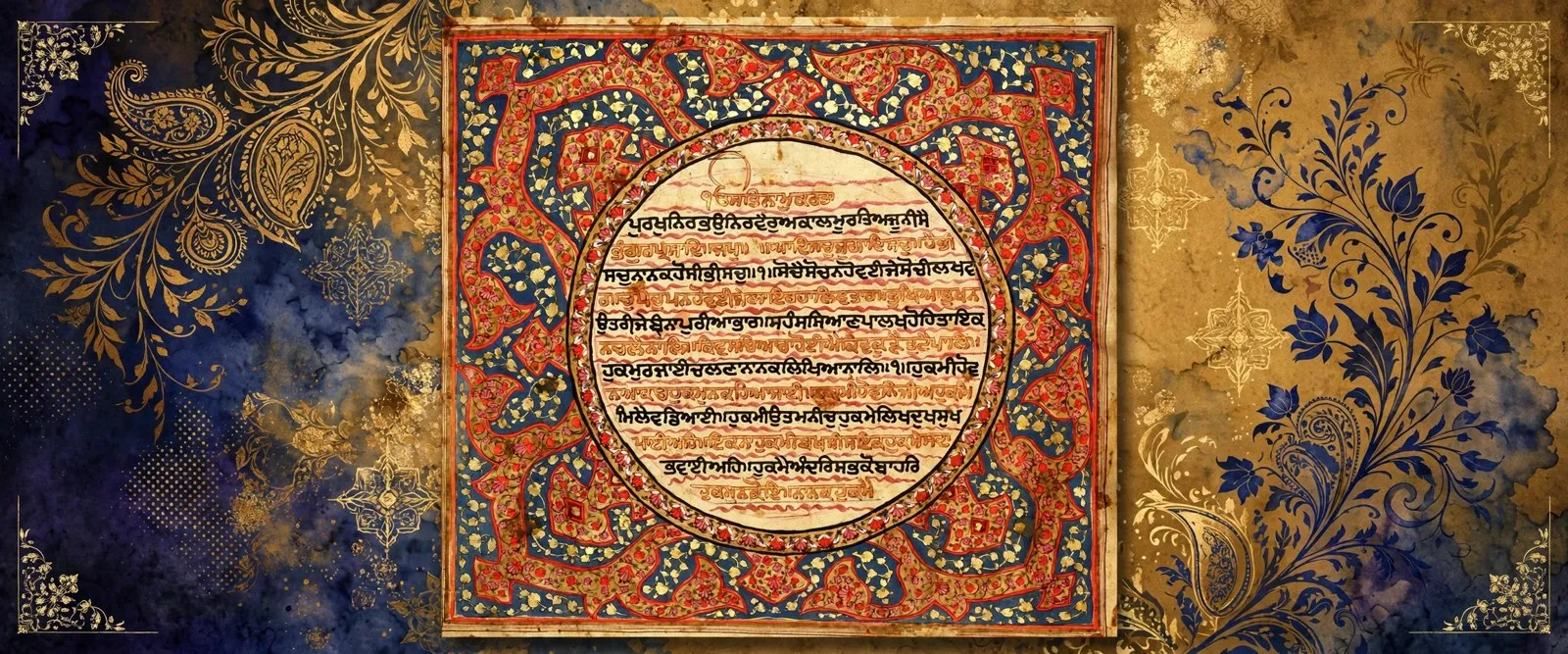
ਬਾਵਨ ਅੱਖਰੀ ਗੁਰੂ ਗ੍ਰੰਥ ਸਾਹਿਬ ਜੀ ਦੀਆਂ ਦੋ ਅਕਰੌਸਟਿਕ ਬਾਣੀਆਂ ਦਾ ਨਾਂ ਹੈ, ਇੱਕ ਗੁਰੂ ਅਰਜਨ ਦੇਵ ਜੀ ਦੀ (ਅੰਗ 250 ਤੋਂ 262) ਅਤੇ ਦੂਜੀ ਭਗਤ ਕਬੀਰ ਜੀ ਦੀ (ਅੰਗ 340 ਤੋਂ 343), ਦੋਵੇਂ ਰਾਗ ਗਉੜੀ ਹੇਠ। ਹਰ ਬੰਦ ਬਵੰਜਾ ਅੱਖਰਾਂ ਵਾਲੀ ਵਰਣਮਾਲਾ ਦੇ ਇੱਕ ਅੱਖਰ ਨਾਲ ਸ਼ੁਰੂ ਹੁੰਦਾ ਹੈ ਅਤੇ ਉਸ ਨੂੰ ਗੁਰੂ, ਕਿਰਪਾ, ਨਾਮ ਅਤੇ ਸ਼ਬਦਾਂ ਦੀਆਂ ਹੱਦਾਂ ਬਾਰੇ ਸਬਕ ਬਣਾ ਦਿੰਦਾ ਹੈ। ਇਸ ਨੂੰ ਅਕਸਰ ਗੁਰੂ ਨਾਨਕ ਦੇਵ ਜੀ ਦੀ ਦਖਣੀ ਓਅੰਕਾਰ ਨਾਲ ਮਿਲਾ ਲਿਆ ਜਾਂਦਾ ਹੈ, ਜੋ ਰਾਗ ਰਾਮਕਲੀ ਵਿੱਚ ਇੱਕ ਵੱਖਰੀ ਅਕਰੌਸਟਿਕ ਰਚਨਾ ਹੈ।
- ਪੰਜਾਬੀ ਨਾਂ
- ਬਾਵਨ ਅੱਖਰੀ
- ਲੇਖਕ
- ਗੁਰੂ ਅਰਜਨ ਦੇਵ ਜੀ ਅਤੇ ਭਗਤ ਕਬੀਰ ਜੀ
- ਰਾਗ
- ਗਉੜੀ (ਗੁਰੂ ਅਰਜਨ ਦੇਵ ਜੀ); ਗਉੜੀ ਪੂਰਬੀ (ਭਗਤ ਕਬੀਰ ਜੀ)
- ਗੁਰੂ ਗ੍ਰੰਥ ਸਾਹਿਬ ਜੀ ਵਿੱਚ ਸਥਾਨ
- ਅੰਗ 250 ਤੋਂ 262; ਅੰਗ 340 ਤੋਂ 343
- ਗੁਰੂ ਅਰਜਨ ਦੇਵ ਜੀ ਦੀ ਰਚਨਾ
- ਅੱਠ ਸਤਰਾਂ ਵਾਲੀਆਂ 55 ਪਉੜੀਆਂ, ਸਲੋਕਾਂ ਤੋਂ ਪਹਿਲਾਂ
- ਭਗਤ ਕਬੀਰ ਜੀ ਦੀ ਰਚਨਾ
- 45 ਬੰਦ, ਪਹਿਲੇ ਪੰਜ ਜਾਣ ਪਛਾਣ ਵਾਲੇ
All 10 facts
- ਨਾਂ ਦੀ ਉਤਪਤੀ
- ਸੰਸਕ੍ਰਿਤ ਵਰਣਮਾਲਾ ਦੇ 52 ਅੱਖਰ: 33 ਕੰਸੋਨੈਂਟ, 16 ਸਵਰ, 3 ਸੰਯੁਕਤ ਅੱਖਰ
- ਰੂਪ
- ਅਕਰੌਸਟਿਕ: ਹਰ ਬੰਦ ਵਰਣਮਾਲਾ ਦੇ ਇੱਕ ਅੱਖਰ ਨਾਲ ਸ਼ੁਰੂ ਹੁੰਦਾ ਹੈ
- ਭਾਸ਼ਾ
- ਪੰਜਾਬੀ (ਗੁਰੂ ਅਰਜਨ ਦੇਵ ਜੀ); ਸਾਧ ਭਾਸ਼ਾ (ਭਗਤ ਕਬੀਰ ਜੀ)
- ਅਕਸਰ ਜਿਸ ਨਾਲ ਮਿਲਾ ਲਿਆ ਜਾਂਦਾ ਹੈ
- ਗੁਰੂ ਨਾਨਕ ਦੇਵ ਜੀ ਦੀ ਦਖਣੀ ਓਅੰਕਾਰ, ਰਾਗ ਰਾਮਕਲੀ, ਅੰਗ 929 ਤੋਂ 938
Bawan Akhri is the name given to two compositions in the Guru Granth Sahib, one by Guru Arjan Dev Ji and one by Bhagat Kabir Ji, both built on the fifty-two letters of the alphabet. Each stanza opens with a letter and turns it into a spiritual lesson about the Guru, grace, the Name, and the limits of words.
What Bawan Akhri means
The name says what the form is. Bawan means fifty-two, and akhri comes from akhar, a letter. Bawan Akhri is a poem built on letters: each stanza begins with a letter of the alphabet and uses it as the starting point for a teaching. The form is called an acrostic, and it is an old one from Sanskrit literature, where the Devanagari alphabet counted fifty-two letters: thirty-three consonants, sixteen vowels and three compounds. A composition that worked through those letters came to be called a bavan akhari.
The name is a promise the poems do not keep exactly. Neither composition in the Guru Granth Sahib has precisely fifty-two stanzas, because not every letter of the old alphabet fits the Gurmukhi script, and some letters are used more than once while others are left out. The number in the title points to the idea behind the form, not to a strict count. What matters is the device: the alphabet becomes a ladder, and each rung is a lesson.
Two compositions under one name
There are two Bawan Akhris in the Guru Granth Sahib, and both sit under Raag Gauri, the musical measure that runs from ang 151 to ang 346. The first is by Guru Arjan Dev Ji, the fifth Guru. It begins on ang 250 and runs to ang 262. The second is by Bhagat Kabir Ji, and it sits in Raag Gauri Purbi, from ang 340 to ang 343. They share a title and a form, but they are different compositions by different authors, written in different voices.
Guru Arjan Dev Ji's Bawan Akhri is the longer of the two. It has fifty-five pauris, or stanzas, of eight lines each, preceded by slokas, short couplets that set the theme. A nine-line sloka opens the composition and returns at the end, and an extra couplet follows the first pauri. Scholars note that it is perhaps the earliest bavan akhari in Punjabi literature. Bhagat Kabir Ji's version is one of his longer compositions, with forty-five stanzas. Its first five stanzas introduce it, and the acrostic begins in the sixth, with Oankar. Kabir Ji's composition is older than Guru Arjan Dev Ji's, though it was written in Sadh Bhasha, the shared devotional language of the Bhagats, and set down in Gurmukhi characters.
How the fifty-two letters shape the poems
In an acrostic, the alphabet does the planning. Each stanza takes the next letter and builds its lines around it. In Guru Arjan Dev Ji's composition, the opening stanza begins with Oang, the primal sound, and the stanzas that follow take up the consonants in turn. In Bhagat Kabir Ji's, the sixth stanza begins with Oankar, and the stanzas after it work through the consonants, mostly in their Punjabi forms. The fit is deliberately loose: only twenty-nine consonants in Gurmukhi, from k to v, match those in Devanagari, so the letter m opens two stanzas in Guru Arjan Dev Ji's poem, some letters repeat, and a few redundant in Gurmukhi are missing. The alphabet is a frame, not a cage. Letters can carry a teaching from one person to another, but the thing they point to is beyond them, and both poems say so plainly.
What Guru Arjan Dev Ji teaches
The heart of Guru Arjan Dev Ji's Bawan Akhri is given in the couplet marked rahau, the pause, which the singer returns to: “O God, Merciful to the meek, please be kind to me, that my mind might become the dust of the feet of Your Saints.” Everything else in the composition circles that prayer. Grace is what the seeker must ask for, humility is the posture in which it is asked, and the company of the holy is where it is found.
The opening sloka, repeated at the end, praises the Guru in every relation a person knows: mother, father, friend, brother, and God himself. The Guru washes away sins, teaches the Lord's Name, and helps the seeker swim across the worldly ocean. God is self-existent, the subtle essence and the form at once, the Giver whose treasures never fail. Words can describe everything in creation, the poem says, but not him.
The teaching is practical, and it is urgent. This human body has been won after passing through many lower births, and this is the chance to end the cycle of birth and death. The purpose of human life is to realise God, yet people tangle themselves in the world and forget him. There is no need to run to the forests to find him, for he dwells within. What is needed is to give up ego, because abstinence and bodily mortification do not bring enlightenment. The only way is to become worthy of his grace, and grace comes through the Guru, who purifies the devotee's life and sets him on the path. Satsang, the company of the holy, matters most of all, because the mind is detached from maya and stilled only by meditating on the Divine Name. The last stanza closes as the composition began, with an invocation asking God for the gift of his Name.
What Bhagat Kabir Ji teaches
Bhagat Kabir Ji opens with a claim about the letters themselves: “Through these fifty-two letters, the three worlds and all things are described. These letters shall perish; they cannot describe the Imperishable Lord.” It is the thesis of his whole composition. Letters are enough for the world of things, and they fail before the One who made it.
The principal theme is communion with the Supreme Being and the path that leads to it. The letters that express the bliss of communion, Kabir Ji says, are not the fifty-two letters used for everyday affairs: spiritual experience falls outside their range. Within that state, doubts dissolve, and God is realised as the reality that fills everything, the way the great banyan tree is already present in its tiny seed.
The path Kabir Ji describes is simple and severe. A person needs the guidance of the Guru, the spiritual preceptor, and the true follower stays uninvolved in worldly affairs while revelling in the love of the Divine. God is one, eternal, and everywhere, but a thick veil of maya lies over the eyes, and only those who discard evil, overcome attachment and find serenity of mind are freed from delusion. The bliss of a heart lit by the Supreme Light cannot be put into words: speech can point, but only experience arrives.
Kabir Ji's language is Sadhukari, the shared devotional idiom of the Bhagats, mixed with Bhojpuri, Persian and Sanskrit words of the time. His images are the familiar ones of the Guru Granth Sahib: the self as the wife and God as the husband, the world as a temple, the heart as a lotus, and the illumination of the mind as rays of sun.
Is Bawan Akhri by Guru Nanak Dev Ji?
No, and the confusion is easy to understand. Guru Nanak Dev Ji did compose an acrostic, and it uses the same letter-by-letter device, but it is a different composition with a different name: Dakhni Oankar, also called simply Oankar. Its full title is Ramkali Mahala 1 Dakhani Oankaru, and it sits in Raag Ramkali, from ang 929 to ang 938, with fifty-four stanzas.
The name Dakhni points south. According to one tradition, the composition was addressed to the priest of the Oankar temple in the Dakhan, the south, on an island in the Narmada river in Madhya Pradesh. Its opening praises God as the Creator of all that exists, and its rahau verse tells the pandit to stop writing idle letters and write the Name of God alone. Like Bawan Akhri, it takes the alphabet as its frame and fills it with teaching about grace, the Guru and the Name. The two are cousins, not the same poem: Bawan Akhri belongs to Guru Arjan Dev Ji and Bhagat Kabir Ji in Raag Gauri, while Dakhni Oankar belongs to Guru Nanak Dev Ji in Raag Ramkali.
How Bawan Akhri is read today
Bawan Akhri is read as part of the Guru Granth Sahib, so it is heard whenever the scripture is read in full, and it is also studied on its own. Students of Gurbani turn to it for two reasons: it is a clear example of the acrostic form, and it gathers the central teachings about the Guru, grace, the Name and the limits of words into one composition.
In gurdwaras and study circles, the usual way in is through katha, the exposition of the text, where each stanza is explained in turn and the teaching behind the letter is drawn out. The two compositions are often read side by side, so that Guru Arjan Dev Ji's praise of the Guru and Bhagat Kabir Ji's testing of the letters can be heard against each other. Translations are available online, including on Sri Granth.
ਬਾਵਨ ਅੱਖਰੀ ਗੁਰੂ ਗ੍ਰੰਥ ਸਾਹਿਬ ਜੀ ਦੀਆਂ ਦੋ ਬਾਣੀਆਂ ਨੂੰ ਦਿੱਤਾ ਗਿਆ ਨਾਂ ਹੈ, ਇੱਕ ਗੁਰੂ ਅਰਜਨ ਦੇਵ ਜੀ ਦੀ ਅਤੇ ਦੂਜੀ ਭਗਤ ਕਬੀਰ ਜੀ ਦੀ। ਦੋਵੇਂ ਵਰਣਮਾਲਾ ਦੇ ਬਾਵਨ ਅੱਖਰਾਂ ਉੱਤੇ ਉਸਰੀਆਂ ਹੋਈਆਂ ਹਨ। ਹਰੇਕ ਬੰਦ ਇੱਕ ਅੱਖਰ ਨਾਲ ਸ਼ੁਰੂ ਹੁੰਦਾ ਹੈ ਅਤੇ ਉਸ ਰਾਹੀਂ ਗੁਰੂ, ਕਿਰਪਾ, ਨਾਮ ਅਤੇ ਸ਼ਬਦਾਂ ਦੀਆਂ ਹੱਦਾਂ ਬਾਰੇ ਸਿੱਖਿਆ ਦਿੰਦਾ ਹੈ।
ਬਾਵਨ ਅੱਖਰੀ ਦਾ ਅਰਥ ਕੀ ਹੈ
ਨਾਂ ਹੀ ਦੱਸਦਾ ਹੈ ਕਿ ਇਹ ਬਾਣੀ ਕਿਹੋ ਜਿਹੀ ਹੈ। ਬਾਵਨ ਦਾ ਮਤਲਬ ਹੈ ਬਵੰਜਾ, ਅਤੇ ਅੱਖਰੀ ਅੱਖਰ ਤੋਂ ਬਣਿਆ ਹੈ। ਬਾਵਨ ਅੱਖਰੀ ਅੱਖਰਾਂ ਉੱਤੇ ਉਸਰੀ ਕਵਿਤਾ ਹੈ: ਹਰੇਕ ਬੰਦ ਵਰਣਮਾਲਾ ਦੇ ਇੱਕ ਅੱਖਰ ਨਾਲ ਸ਼ੁਰੂ ਹੁੰਦਾ ਹੈ ਅਤੇ ਉਸ ਅੱਖਰ ਨੂੰ ਸਿੱਖਿਆ ਦਾ ਆਧਾਰ ਬਣਾਉਂਦਾ ਹੈ। ਇਸ ਢੰਗ ਨੂੰ ਅਕਰੌਸਟਿਕ ਕਿਹਾ ਜਾਂਦਾ ਹੈ, ਸੰਸਕ੍ਰਿਤ ਸਾਹਿਤ ਦਾ ਪੁਰਾਣਾ ਢੰਗ, ਜਿੱਥੇ ਦੇਵਨਾਗਰੀ ਵਰਣਮਾਲਾ ਵਿੱਚ ਬਵੰਜਾ ਅੱਖਰ ਗਿਣੇ ਜਾਂਦੇ ਸਨ: ਤੇਤੀ ਕੰਸੋਨੈਂਟ, ਸੋਲ਼ਾਂ ਸਵਰ ਅਤੇ ਤਿੰਨ ਸੰਯੁਕਤ ਅੱਖਰ।
ਨਾਂ ਵਿੱਚ ਜੋ ਵਾਅਦਾ ਹੈ, ਉਹ ਕਵਿਤਾਵਾਂ ਹੂਬਹੂ ਨਹੀਂ ਨਿਭਾਉਂਦੀਆਂ। ਗੁਰੂ ਗ੍ਰੰਥ ਸਾਹਿਬ ਜੀ ਵਿੱਚਲੀ ਕੋਈ ਵੀ ਰਚਨਾ ਠੀਕ ਬਵੰਜਾ ਬੰਦਾਂ ਦੀ ਨਹੀਂ ਹੈ, ਕਿਉਂਕਿ ਪੁਰਾਣੀ ਵਰਣਮਾਲਾ ਦਾ ਹਰ ਅੱਖਰ ਗੁਰਮੁਖੀ ਲਿੱਪੀ ਵਿੱਚ ਨਹੀਂ ਸਮਾਉਂਦਾ, ਅਤੇ ਕੁਝ ਅੱਖਰ ਇੱਕ ਤੋਂ ਵੱਧ ਵਾਰ ਵਰਤੇ ਗਏ ਹਨ ਤੇ ਕੁਝ ਛੱਡ ਦਿੱਤੇ ਗਏ ਹਨ। ਸਿਰਲੇਖ ਵਿੱਚਲੀ ਗਿਣਤੀ ਢੰਗ ਦੇ ਪਿੱਛੇਲੇ ਵਿਚਾਰ ਵੱਲ ਇਸ਼ਾਰਾ ਕਰਦੀ ਹੈ, ਨਾ ਕਿ ਸਖ਼ਤ ਗਿਣਤੀ ਵੱਲ। ਅਸਲ ਗੱਲ ਇਹ ਢੰਗ ਹੈ: ਵਰਣਮਾਲਾ ਇੱਕ ਪੌੜੀ ਬਣ ਜਾਂਦੀ ਹੈ, ਅਤੇ ਹਰ ਪੌੜੀ ਇੱਕ ਸਬਕ ਹੈ।
ਇੱਕ ਨਾਂ ਹੇਠ ਦੋ ਬਾਣੀਆਂ
ਗੁਰੂ ਗ੍ਰੰਥ ਸਾਹਿਬ ਜੀ ਵਿੱਚ ਦੋ ਬਾਵਨ ਅੱਖਰੀਆਂ ਹਨ, ਦੋਵੇਂ ਰਾਗ ਗਉੜੀ ਹੇਠ, ਜੋ ਅੰਗ 151 ਤੋਂ ਅੰਗ 346 ਤੱਕ ਚੱਲਦਾ ਹੈ। ਪਹਿਲੀ ਪੰਜਵੇਂ ਗੁਰੂ ਗੁਰੂ ਅਰਜਨ ਦੇਵ ਜੀ ਦੀ ਹੈ। ਇਹ ਅੰਗ 250 ਤੋਂ ਸ਼ੁਰੂ ਹੋ ਕੇ ਅੰਗ 262 ਤੱਕ ਜਾਂਦੀ ਹੈ। ਦੂਜੀ ਭਗਤ ਕਬੀਰ ਜੀ ਦੀ ਹੈ, ਅਤੇ ਇਹ ਰਾਗ ਗਉੜੀ ਪੂਰਬੀ ਵਿੱਚ ਅੰਗ 340 ਤੋਂ ਅੰਗ 343 ਤੱਕ ਹੈ। ਦੋਵਾਂ ਦਾ ਨਾਂ ਤੇ ਢੰਗ ਇੱਕੋ ਹੈ, ਪਰ ਇਹ ਵੱਖੋ ਵੱਖਰੇ ਲੇਖਕਾਂ ਦੀਆਂ ਵੱਖਰੀਆਂ ਰਚਨਾਵਾਂ ਹਨ, ਵੱਖਰੀ ਆਵਾਜ਼ ਵਿੱਚ ਲਿਖੀਆਂ ਹੋਈਆਂ।
ਗੁਰੂ ਅਰਜਨ ਦੇਵ ਜੀ ਦੀ ਬਾਵਨ ਅੱਖਰੀ ਦੋਵਾਂ ਵਿੱਚੋਂ ਲੰਮੀ ਹੈ। ਇਸ ਵਿੱਚ ਅੱਠ ਸਤਰਾਂ ਵਾਲੀਆਂ ਪੰਜਾਹ ਪੰਜ ਪਉੜੀਆਂ ਹਨ, ਜਿਨ੍ਹਾਂ ਤੋਂ ਪਹਿਲਾਂ ਸਲੋਕ ਹਨ, ਛੋਟੇ ਦੋਹੇ ਜੋ ਵਿਸ਼ੇ ਨੂੰ ਤੋਰਦੇ ਹਨ। ਇੱਕ ਨੌਂ ਸਤਰਾਂ ਵਾਲਾ ਸਲੋਕ ਰਚਨਾ ਦੀ ਸ਼ੁਰੂਆਤ ਕਰਦਾ ਹੈ ਅਤੇ ਅੰਤ ਵਿੱਚ ਫਿਰ ਆਉਂਦਾ ਹੈ, ਅਤੇ ਪਹਿਲੀ ਪਉੜੀ ਤੋਂ ਬਾਅਦ ਇੱਕ ਵਾਧੂ ਦੋਹਾ ਹੈ। ਵਿਦਵਾਨ ਮੰਨਦੇ ਹਨ ਕਿ ਇਹ ਪੰਜਾਬੀ ਸਾਹਿਤ ਦੀ ਸ਼ਾਇਦ ਸਭ ਤੋਂ ਪਹਿਲੀ ਬਾਵਨ ਅੱਖਰੀ ਹੈ। ਭਗਤ ਕਬੀਰ ਜੀ ਦੀ ਰਚਨਾ ਉਨ੍ਹਾਂ ਦੀਆਂ ਲੰਮੀਆਂ ਰਚਨਾਵਾਂ ਵਿੱਚੋਂ ਇੱਕ ਹੈ, ਜਿਸ ਵਿੱਚ ਪੰਤਾਲੀ ਬੰਦ ਹਨ। ਇਸ ਦੇ ਪਹਿਲੇ ਪੰਜ ਬੰਦ ਜਾਣ ਪਛਾਣ ਹਨ, ਅਤੇ ਅਕਰੌਸਟਿਕ ਛੇਵੇਂ ਬੰਦ ਤੋਂ ਓਅੰਕਾਰ ਨਾਲ ਸ਼ੁਰੂ ਹੁੰਦਾ ਹੈ। ਕਬੀਰ ਜੀ ਦੀ ਰਚਨਾ ਗੁਰੂ ਅਰਜਨ ਦੇਵ ਜੀ ਦੀ ਰਚਨਾ ਤੋਂ ਪੁਰਾਣੀ ਹੈ, ਭਾਵੇਂ ਇਹ ਭਗਤਾਂ ਦੀ ਸਾਂਝੀ ਸਾਧ ਭਾਸ਼ਾ ਵਿੱਚ ਲਿਖੀ ਗਈ ਅਤੇ ਗੁਰਮੁਖੀ ਅੱਖਰਾਂ ਵਿੱਚ ਦਰਜ ਹੋਈ।
ਬਵੰਜਾ ਅੱਖਰ ਕਵਿਤਾਵਾਂ ਨੂੰ ਕਿਵੇਂ ਢਾਲਦੇ ਹਨ
ਅਕਰੌਸਟਿਕ ਵਿੱਚ ਵਰਣਮਾਲਾ ਹੀ ਯੋਜਨਾ ਬਣਾਉਂਦੀ ਹੈ। ਹਰ ਬੰਦ ਅਗਲਾ ਅੱਖਰ ਲੈਂਦਾ ਹੈ ਅਤੇ ਆਪਣੀਆਂ ਸਤਰਾਂ ਉਸੇ ਦੁਆਲੇ ਉਸਾਰਦਾ ਹੈ। ਗੁਰੂ ਅਰਜਨ ਦੇਵ ਜੀ ਦੀ ਰਚਨਾ ਵਿੱਚ ਪਹਿਲਾ ਬੰਦ ਓਅੰ ਨਾਲ ਸ਼ੁਰੂ ਹੁੰਦਾ ਹੈ, ਜੋ ਆਦਿ ਧੁਨ ਹੈ, ਅਤੇ ਉਸ ਤੋਂ ਬਾਅਦ ਦੇ ਬੰਦ ਵਾਰੀ ਵਾਰੀ ਕੰਸੋਨੈਂਟ ਲੈਂਦੇ ਹਨ। ਭਗਤ ਕਬੀਰ ਜੀ ਦੀ ਰਚਨਾ ਵਿੱਚ ਛੇਵਾਂ ਬੰਦ ਓਅੰਕਾਰ ਨਾਲ ਸ਼ੁਰੂ ਹੁੰਦਾ ਹੈ, ਅਤੇ ਉਸ ਤੋਂ ਬਾਅਦ ਦੇ ਬੰਦ ਕੰਸੋਨੈਂਟਾਂ ਵਿੱਚੋਂ ਦੀ ਲੰਘਦੇ ਹਨ। ਇਹ ਮੇਲ ਜਾਣ ਬੁੱਝ ਕੇ ਢਿੱਲਾ ਰੱਖਿਆ ਗਿਆ ਹੈ: ਗੁਰਮੁਖੀ ਵਿੱਚ ਕ ਤੋਂ ਵ ਤੱਕ ਸਿਰਫ਼ ਉਨੱਤੀ ਕੰਸੋਨੈਂਟ ਦੇਵਨਾਗਰੀ ਨਾਲ ਮਿਲਦੇ ਹਨ, ਇਸ ਲਈ ਗੁਰੂ ਅਰਜਨ ਦੇਵ ਜੀ ਦੀ ਕਵਿਤਾ ਵਿੱਚ ਮ ਅੱਖਰ ਦੋ ਬੰਦ ਸ਼ੁਰੂ ਕਰਦਾ ਹੈ, ਕੁਝ ਅੱਖਰ ਦੁਹਰਾਏ ਗਏ ਹਨ ਅਤੇ ਕੁਝ, ਜੋ ਗੁਰਮੁਖੀ ਵਿੱਚ ਫਾਲਤੂ ਹਨ, ਛੁੱਟ ਗਏ ਹਨ। ਵਰਣਮਾਲਾ ਢਾਂਚਾ ਹੈ, ਪਿੰਜਰਾ ਨਹੀਂ। ਅੱਖਰ ਇੱਕ ਸਿੱਖਿਆ ਇੱਕ ਵਿਅਕਤੀ ਤੋਂ ਦੂਜੇ ਤੱਕ ਪਹੁੰਚਾ ਸਕਦੇ ਹਨ, ਪਰ ਜਿਸ ਚੀਜ਼ ਵੱਲ ਉਹ ਇਸ਼ਾਰਾ ਕਰਦੇ ਹਨ, ਉਹ ਉਨ੍ਹਾਂ ਤੋਂ ਪਰੇ ਹੈ, ਅਤੇ ਦੋਵੇਂ ਕਵਿਤਾਵਾਂ ਇਹ ਗੱਲ ਸਾਫ਼ ਕਹਿੰਦੀਆਂ ਹਨ।
ਗੁਰੂ ਅਰਜਨ ਦੇਵ ਜੀ ਕੀ ਸਿਖਾਉਂਦੇ ਹਨ
ਗੁਰੂ ਅਰਜਨ ਦੇਵ ਜੀ ਦੀ ਬਾਵਨ ਅੱਖਰੀ ਦਾ ਦਿਲ ਰਹਾਉ ਵਾਲੇ ਦੋਹੇ ਵਿੱਚ ਹੈ, ਜਿਸ ਵੱਲ ਗਾਇਕ ਵਾਰ ਵਾਰ ਪਰਤਦਾ ਹੈ: “ਕਰਿ ਕਿਰਪਾ ਪ੍ਰਭ ਦੀਨ ਦਇਆਲਾ ॥ ਤੇਰੇ ਸੰਤਨ ਕੀ ਮਨੁ ਹੋਇ ਰਵਾਲਾ ॥ ਰਹਾਉ ॥” ਰਚਨਾ ਵਿੱਚ ਬਾਕੀ ਸਭ ਕੁਝ ਇਸੇ ਅਰਦਾਸ ਦੁਆਲੇ ਘੁੰਮਦਾ ਹੈ। ਕਿਰਪਾ ਉਹ ਚੀਜ਼ ਹੈ ਜੋ ਸਾਧਕ ਨੂੰ ਮੰਗਣੀ ਚਾਹੀਦੀ ਹੈ, ਨਿਮਰਤਾ ਉਹ ਅਵਸਥਾ ਹੈ ਜਿਸ ਵਿੱਚ ਇਹ ਮੰਗੀ ਜਾਂਦੀ ਹੈ, ਅਤੇ ਸੰਤਾਂ ਦੀ ਸੰਗਤ ਉਹ ਥਾਂ ਹੈ ਜਿੱਥੇ ਇਹ ਮਿਲਦੀ ਹੈ।
ਸ਼ੁਰੂਆਤੀ ਸਲੋਕ, ਜੋ ਅੰਤ ਵਿੱਚ ਫਿਰ ਆਉਂਦਾ ਹੈ, ਗੁਰੂ ਦੀ ਉਸਤਤ ਹਰ ਉਸ ਰਿਸ਼ਤੇ ਵਿੱਚ ਕਰਦਾ ਹੈ ਜੋ ਮਨੁੱਖ ਜਾਣਦਾ ਹੈ: ਮਾਤਾ, ਪਿਤਾ, ਮਿੱਤਰ, ਭਰਾ ਅਤੇ ਆਪ ਪ੍ਰਭੂ। ਗੁਰੂ ਪਾਪ ਧੋ ਦਿੰਦਾ ਹੈ, ਪ੍ਰਭੂ ਦਾ ਨਾਮ ਸਿਖਾਉਂਦਾ ਹੈ ਅਤੇ ਸਾਧਕ ਨੂੰ ਸੰਸਾਰ ਸਾਗਰ ਤੋਂ ਪਾਰ ਲੰਘਣ ਵਿੱਚ ਮਦਦ ਕਰਦਾ ਹੈ। ਪ੍ਰਭੂ ਆਪਣੇ ਆਪ ਤੋਂ ਹੈ, ਸੂਖਮ ਤੱਤ ਅਤੇ ਰੂਪ ਇੱਕੋ ਵੇਲੇ ਹੈ, ਉਹ ਦਾਤਾ ਹੈ ਜਿਸ ਦੇ ਖ਼ਜ਼ਾਨੇ ਕਦੇ ਨਹੀਂ ਮੁੱਕਦੇ। ਸ਼ਬਦ ਸ੍ਰਿਸ਼ਟੀ ਵਿੱਚ ਹਰ ਚੀਜ਼ ਦਾ ਵਰਣਨ ਕਰ ਸਕਦੇ ਹਨ, ਕਵਿਤਾ ਕਹਿੰਦੀ ਹੈ, ਪਰ ਉਸ ਦਾ ਨਹੀਂ।
ਸਿੱਖਿਆ ਵਿਹਾਰਕ ਹੈ, ਅਤੇ ਜ਼ਰੂਰੀ ਹੈ। ਇਹ ਮਨੁੱਖਾ ਜਨਮ ਬਹੁਤੀਆਂ ਹੇਠਲੀਆਂ ਜੂਨਾਂ ਵਿੱਚੋਂ ਲੰਘ ਕੇ ਮਿਲਿਆ ਹੈ, ਅਤੇ ਇਹੀ ਜਨਮ ਮਰਨ ਦਾ ਚੱਕਰ ਖ਼ਤਮ ਕਰਨ ਦਾ ਮੌਕਾ ਹੈ। ਮਨੁੱਖੀ ਜੀਵਨ ਦਾ ਮੰਤਵ ਪ੍ਰਭੂ ਨੂੰ ਪਛਾਣਨਾ ਹੈ, ਪਰ ਲੋਕ ਸੰਸਾਰ ਵਿੱਚ ਉਲਝ ਕੇ ਉਸ ਨੂੰ ਭੁੱਲ ਜਾਂਦੇ ਹਨ। ਉਸ ਨੂੰ ਲੱਭਣ ਲਈ ਜੰਗਲਾਂ ਵਿੱਚ ਭੱਜਣ ਦੀ ਲੋੜ ਨਹੀਂ, ਕਿਉਂਕਿ ਉਹ ਅੰਦਰ ਵੱਸਦਾ ਹੈ। ਜੋ ਚਾਹੀਦਾ ਹੈ ਉਹ ਹੈ ਹਉਮੈ ਛੱਡਣਾ, ਕਿਉਂਕਿ ਵਰਤ ਅਤੇ ਸਰੀਰਕ ਤਪਸਿਆ ਗਿਆਨ ਨਹੀਂ ਦਿੰਦੇ। ਇੱਕੋ ਰਾਹ ਹੈ ਉਸ ਦੀ ਕਿਰਪਾ ਦੇ ਯੋਗ ਬਣਨਾ, ਅਤੇ ਕਿਰਪਾ ਗੁਰੂ ਰਾਹੀਂ ਮਿਲਦੀ ਹੈ। ਸਤਸੰਗ ਸਭ ਤੋਂ ਵੱਧ ਮਾਇਨੇ ਰੱਖਦਾ ਹੈ, ਕਿਉਂਕਿ ਮਨ ਮਾਇਆ ਤੋਂ ਤਾਂ ਹੀ ਅਲੱਗ ਹੁੰਦਾ ਹੈ ਜਦੋਂ ਉਹ ਨਾਮ ਦਾ ਸਿਮਰਨ ਕਰਦਾ ਹੈ। ਆਖ਼ਰੀ ਬੰਦ ਪ੍ਰਭੂ ਤੋਂ ਉਸ ਦੇ ਨਾਮ ਦੀ ਦਾਤ ਮੰਗਦੀ ਅਰਦਾਸ ਨਾਲ ਖ਼ਤਮ ਹੁੰਦਾ ਹੈ।
ਭਗਤ ਕਬੀਰ ਜੀ ਕੀ ਸਿਖਾਉਂਦੇ ਹਨ
ਭਗਤ ਕਬੀਰ ਜੀ ਅੱਖਰਾਂ ਬਾਰੇ ਇੱਕ ਦਾਅਵੇ ਨਾਲ ਸ਼ੁਰੂ ਕਰਦੇ ਹਨ: “ਬਾਵਨ ਅਛਰ ਲੋਕ ਤ੍ਰੈ ਸਭੁ ਕਛੁ ਇਨ ਹੀ ਮਾਹਿ ॥ ਏ ਅਖਰ ਖਿਰਿ ਜਾਹਿਗੇ ਓਇ ਅਖਰ ਇਨ ਮਹਿ ਨਾਹਿ ॥੧॥” ਇਹ ਉਨ੍ਹਾਂ ਦੀ ਸਾਰੀ ਰਚਨਾ ਦਾ ਮੁੱਖ ਵਿਚਾਰ ਹੈ। ਅੱਖਰ ਚੀਜ਼ਾਂ ਦੇ ਸੰਸਾਰ ਲਈ ਕਾਫ਼ੀ ਹਨ, ਅਤੇ ਉਹ ਉਸ ਅੱਗੇ ਹਾਰ ਜਾਂਦੇ ਹਨ ਜਿਸ ਨੇ ਇਹ ਸੰਸਾਰ ਬਣਾਇਆ ਹੈ।
ਮੁੱਖ ਵਿਸ਼ਾ ਪਰਮਾਤਮਾ ਨਾਲ ਮਿਲਾਪ ਅਤੇ ਉਸ ਤੱਕ ਪਹੁੰਚਣ ਵਾਲਾ ਰਾਹ ਹੈ। ਕਬੀਰ ਜੀ ਕਹਿੰਦੇ ਹਨ ਕਿ ਮਿਲਾਪ ਦੇ ਆਨੰਦ ਨੂੰ ਦੱਸਣ ਵਾਲੇ ਅੱਖਰ ਉਹ ਬਵੰਜਾ ਅੱਖਰ ਨਹੀਂ ਹਨ ਜੋ ਰੋਜ਼ਾਨਾ ਕੰਮਾਂ ਲਈ ਵਰਤੇ ਜਾਂਦੇ ਹਨ: ਰੂਹਾਨੀ ਅਨੁਭਵ ਉਨ੍ਹਾਂ ਤੋਂ ਪਰੇ ਹੈ। ਉਸ ਅਵਸਥਾ ਵਿੱਚ ਸ਼ੰਕੇ ਮਿਟ ਜਾਂਦੇ ਹਨ, ਅਤੇ ਪ੍ਰਭੂ ਉਸ ਹਕੀਕਤ ਵਜੋਂ ਪਛਾਣਿਆ ਜਾਂਦਾ ਹੈ ਜੋ ਹਰ ਥਾਂ ਭਰੀ ਹੋਈ ਹੈ, ਜਿਵੇਂ ਵੱਡਾ ਬੋਹੜ ਪਹਿਲਾਂ ਹੀ ਆਪਣੇ ਛੋਟੇ ਜਿਹੇ ਬੀਜ ਵਿੱਚ ਮੌਜੂਦ ਹੁੰਦਾ ਹੈ।
ਕਬੀਰ ਜੀ ਜੋ ਰਾਹ ਦੱਸਦੇ ਹਨ, ਉਹ ਸਿੱਧਾ ਅਤੇ ਸਖ਼ਤ ਹੈ। ਵਿਅਕਤੀ ਨੂੰ ਗੁਰੂ ਦੀ, ਰੂਹਾਨੀ ਮਾਰਗ ਦਰਸ਼ਕ ਦੀ, ਅਗਵਾਈ ਚਾਹੀਦੀ ਹੈ, ਅਤੇ ਸੱਚਾ ਸਾਧਕ ਸੰਸਾਰੀ ਕੰਮਾਂ ਤੋਂ ਅਲੱਗ ਰਹਿ ਕੇ ਪ੍ਰਭੂ ਦੇ ਪਿਆਰ ਵਿੱਚ ਮਗਨ ਰਹਿੰਦਾ ਹੈ। ਪ੍ਰਭੂ ਇੱਕ ਹੈ, ਸਦੀਵੀ ਹੈ ਅਤੇ ਹਰ ਥਾਂ ਹੈ, ਪਰ ਅੱਖਾਂ ਉੱਤੇ ਮਾਇਆ ਦਾ ਮੋਟਾ ਪਰਦਾ ਪਿਆ ਹੈ, ਅਤੇ ਭਰਮ ਤੋਂ ਸਿਰਫ਼ ਉਹੀ ਮੁਕਤ ਹੁੰਦੇ ਹਨ ਜੋ ਬੁਰਾਈ ਛੱਡਦੇ ਹਨ ਅਤੇ ਮੋਹ ਜਿੱਤਦੇ ਹਨ। ਪਰਮ ਜੋਤ ਨਾਲ ਰੁਸ਼ਨ ਹੋਏ ਹਿਰਦੇ ਦਾ ਆਨੰਦ ਸ਼ਬਦਾਂ ਵਿੱਚ ਨਹੀਂ ਦੱਸਿਆ ਜਾ ਸਕਦਾ: ਬੋਲ ਇਸ਼ਾਰਾ ਕਰ ਸਕਦੇ ਹਨ, ਪਰ ਪਹੁੰਚਦਾ ਸਿਰਫ਼ ਅਨੁਭਵ ਹੀ ਹੈ।
ਕਬੀਰ ਜੀ ਦੀ ਭਾਸ਼ਾ ਸਾਧੂਕਾਰੀ ਹੈ, ਭਗਤਾਂ ਦੀ ਸਾਂਝੀ ਧਾਰਮਿਕ ਬੋਲੀ, ਜਿਸ ਵਿੱਚ ਭੋਜਪੁਰੀ, ਫ਼ਾਰਸੀ ਤੇ ਸੰਸਕ੍ਰਿਤ ਦੇ ਸ਼ਬਦ ਮਿਲੇ ਹੋਏ ਹਨ। ਉਨ੍ਹਾਂ ਦੀਆਂ ਤਸਵੀਰਾਂ ਗੁਰੂ ਗ੍ਰੰਥ ਸਾਹਿਬ ਜੀ ਦੀਆਂ ਜਾਣੀਆਂ ਪਛਾਣੀਆਂ ਤਸਵੀਰਾਂ ਹਨ: ਆਪਣੇ ਆਪ ਨੂੰ ਪਤਨੀ ਅਤੇ ਪ੍ਰਭੂ ਨੂੰ ਪਤੀ, ਸੰਸਾਰ ਨੂੰ ਮੰਦਰ, ਹਿਰਦੇ ਨੂੰ ਕਮਲ ਅਤੇ ਮਨ ਦੀ ਰੁਸ਼ਨਾਈ ਨੂੰ ਸੂਰਜ ਦੀਆਂ ਕਿਰਨਾਂ।
ਕੀ ਬਾਵਨ ਅੱਖਰੀ ਗੁਰੂ ਨਾਨਕ ਦੇਵ ਜੀ ਦੀ ਰਚਨਾ ਹੈ?
ਨਹੀਂ, ਅਤੇ ਇਹ ਭੁਲੇਖਾ ਸਮਝਣਾ ਸੌਖਾ ਹੈ। ਗੁਰੂ ਨਾਨਕ ਦੇਵ ਜੀ ਨੇ ਵੀ ਇੱਕ ਅਕਰੌਸਟਿਕ ਰਚਨਾ ਕੀਤੀ ਸੀ, ਉਹੀ ਢੰਗ ਵਰਤ ਕੇ, ਪਰ ਉਹ ਵੱਖਰੀ ਰਚਨਾ ਹੈ, ਵੱਖਰੇ ਨਾਂ ਨਾਲ: ਦਖਣੀ ਓਅੰਕਾਰ, ਜਿਸ ਨੂੰ ਸਿਰਫ਼ ਓਅੰਕਾਰ ਵੀ ਕਿਹਾ ਜਾਂਦਾ ਹੈ। ਇਸ ਦਾ ਪੂਰਾ ਸਿਰਲੇਖ ਰਾਮਕਲੀ ਮਹਲਾ ੧ ਦਖਣੀ ਓਅੰਕਾਰੁ ਹੈ, ਅਤੇ ਇਹ ਰਾਗ ਰਾਮਕਲੀ ਵਿੱਚ ਅੰਗ 929 ਤੋਂ ਅੰਗ 938 ਤੱਕ ਹੈ, ਚੁਵੰਜਾ ਬੰਦਾਂ ਨਾਲ।
ਦਖਣੀ ਨਾਂ ਦੱਖਣ ਵੱਲ ਇਸ਼ਾਰਾ ਕਰਦਾ ਹੈ। ਇੱਕ ਪਰੰਪਰਾ ਅਨੁਸਾਰ ਇਹ ਰਚਨਾ ਦੱਖਣ ਵਿੱਚ, ਮੱਧ ਪ੍ਰਦੇਸ਼ ਵਿੱਚ ਨਰਮਦਾ ਨਦੀ ਦੇ ਟਾਪੂ ਉੱਤੇ ਓਅੰਕਾਰ ਮੰਦਰ ਦੇ ਪੁਜਾਰੀ ਨੂੰ ਸੰਬੋਧਨ ਕਰਕੇ ਲਿਖੀ ਗਈ ਸੀ। ਇਸ ਦੀ ਸ਼ੁਰੂਆਤ ਪ੍ਰਭੂ ਦੀ ਉਸਤਤ ਨਾਲ ਹੁੰਦੀ ਹੈ, ਅਤੇ ਇਸ ਦਾ ਰਹਾਉ ਵਾਲਾ ਬੰਦ ਪੰਡਤ ਨੂੰ ਕਹਿੰਦਾ ਹੈ ਕਿ ਵਿਅਰਥ ਅੱਖਰ ਛੱਡ ਕੇ ਸਿਰਫ਼ ਪ੍ਰਭੂ ਦਾ ਨਾਮ ਲਿਖੋ। ਬਾਵਨ ਅੱਖਰੀ ਵਾਂਗ ਇਹ ਵੀ ਵਰਣਮਾਲਾ ਨੂੰ ਢਾਂਚਾ ਬਣਾਉਂਦੀ ਹੈ ਅਤੇ ਉਸ ਵਿੱਚ ਕਿਰਪਾ, ਗੁਰੂ ਅਤੇ ਨਾਮ ਦੀ ਸਿੱਖਿਆ ਭਰਦੀ ਹੈ। ਦੋਵੇਂ ਰਚਨਾਵਾਂ ਭੈਣਾਂ ਹਨ, ਇੱਕੋ ਕਵਿਤਾ ਨਹੀਂ: ਬਾਵਨ ਅੱਖਰੀ ਗੁਰੂ ਅਰਜਨ ਦੇਵ ਜੀ ਅਤੇ ਭਗਤ ਕਬੀਰ ਜੀ ਦੀ ਹੈ, ਰਾਗ ਗਉੜੀ ਵਿੱਚ, ਜਦੋਂ ਕਿ ਦਖਣੀ ਓਅੰਕਾਰ ਗੁਰੂ ਨਾਨਕ ਦੇਵ ਜੀ ਦੀ ਹੈ, ਰਾਗ ਰਾਮਕਲੀ ਵਿੱਚ।
ਬਾਵਨ ਅੱਖਰੀ ਅੱਜ ਕਿਵੇਂ ਪੜ੍ਹੀ ਜਾਂਦੀ ਹੈ
ਬਾਵਨ ਅੱਖਰੀ ਗੁਰੂ ਗ੍ਰੰਥ ਸਾਹਿਬ ਜੀ ਦਾ ਹਿੱਸਾ ਹੋਣ ਕਰਕੇ ਉਦੋਂ ਸੁਣੀ ਜਾਂਦੀ ਹੈ ਜਦੋਂ ਗ੍ਰੰਥ ਸਾਹਿਬ ਜੀ ਦਾ ਪੂਰਾ ਪਾਠ ਹੁੰਦਾ ਹੈ, ਅਤੇ ਇਹ ਆਪਣੇ ਤੌਰ ਉੱਤੇ ਵੀ ਪੜ੍ਹੀ ਜਾਂਦੀ ਹੈ। ਗੁਰਬਾਣੀ ਦੇ ਵਿਦਿਆਰਥੀ ਇਸ ਵੱਲ ਦੋ ਕਾਰਨਾਂ ਕਰਕੇ ਮੁੜਦੇ ਹਨ: ਇਹ ਅਕਰੌਸਟਿਕ ਢੰਗ ਦੀ ਸਾਫ਼ ਮਿਸਾਲ ਹੈ, ਅਤੇ ਇਹ ਗੁਰੂ, ਕਿਰਪਾ, ਨਾਮ ਅਤੇ ਸ਼ਬਦਾਂ ਦੀਆਂ ਹੱਦਾਂ ਬਾਰੇ ਕੇਂਦਰੀ ਸਿੱਖਿਆਵਾਂ ਨੂੰ ਇੱਕੋ ਰਚਨਾ ਵਿੱਚ ਇਕੱਠਾ ਕਰਦੀ ਹੈ।
ਗੁਰਦੁਆਰਿਆਂ ਅਤੇ ਅਧਿਐਨ ਮੰਡਲੀਆਂ ਵਿੱਚ ਆਮ ਤਰੀਕਾ ਕਥਾ ਹੈ, ਜਿੱਥੇ ਹਰ ਬੰਦ ਦੀ ਵਾਰੀ ਵਾਰੀ ਵਿਆਖਿਆ ਕੀਤੀ ਜਾਂਦੀ ਹੈ ਅਤੇ ਅੱਖਰ ਦੇ ਪਿੱਛੇਲੀ ਸਿੱਖਿਆ ਕੱਢੀ ਜਾਂਦੀ ਹੈ। ਦੋਵੇਂ ਰਚਨਾਵਾਂ ਅਕਸਰ ਨਾਲ ਨਾਲ ਪੜ੍ਹੀਆਂ ਜਾਂਦੀਆਂ ਹਨ, ਤਾਂ ਜੋ ਗੁਰੂ ਦੀ ਉਸਤਤ ਅਤੇ ਅੱਖਰਾਂ ਦੀ ਪਰਖ ਇੱਕ ਦੂਜੇ ਦੇ ਸਾਹਮਣੇ ਸੁਣੀਆਂ ਜਾ ਸਕਣ। ਅਨੁਵਾਦ ਅਤੇ ਸ਼ਬਦ ਦਰ ਸ਼ਬਦ ਵਿਆਖਿਆ ਔਨਲਾਈਨ ਮਿਲਦੀ ਹੈ, ਜਿਸ ਵਿੱਚ ਸ੍ਰੀ ਗ੍ਰੰਥ ਵੀ ਸ਼ਾਮਲ ਹੈ।
More religion entries to explore
ਸਰੋਤ (5)
ਜੁਗਤੀ ਮੁਫ਼ਤ ਅਤੇ ਸੁਤੰਤਰ ਹੈ। ਪਾਠਕਾਂ ਦਾ ਸਹਿਯੋਗ ਕੋਸ਼ ਨੂੰ ਵਧਾਉਂਦਾ ਹੈ।
ਸਹਿਯੋਗ