
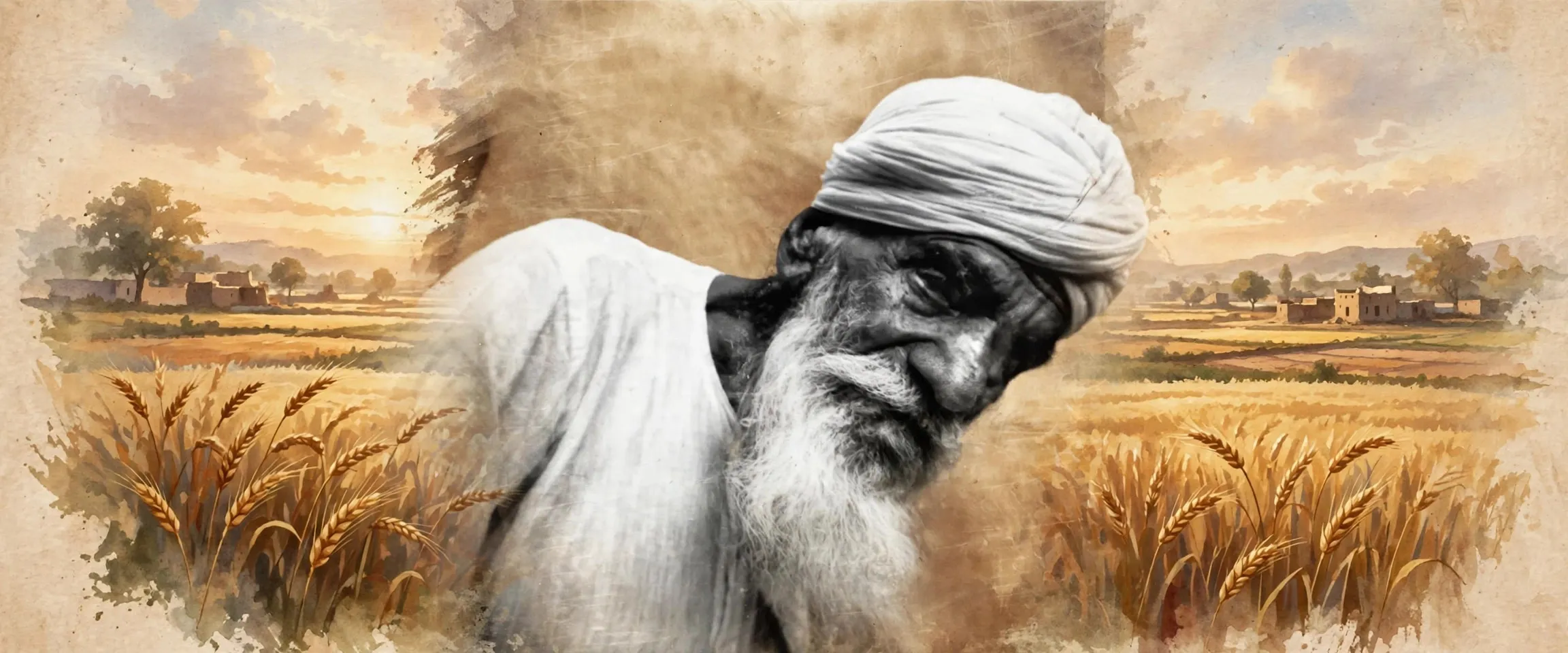
ਬਾਬਾ ਸੋਹਣ ਸਿੰਘ ਭਕਨਾ (ਜਨਵਰੀ 1870 ਤੋਂ 20 ਦਸੰਬਰ 1968) ਗ਼ਦਰ ਪਾਰਟੀ ਦੇ ਬਾਨੀ ਪ੍ਰਧਾਨ ਸਨ, ਜੋ ਉੱਤਰੀ ਅਮਰੀਕਾ ਵਿੱਚ ਪੰਜਾਬੀ ਪ੍ਰਵਾਸੀਆਂ ਦੀ ਸੰਸਥਾ ਸੀ ਅਤੇ ਜਿਸ ਨੇ ਪਹਿਲੇ ਵਿਸ਼ਵ ਯੁੱਧ ਦੌਰਾਨ ਭਾਰਤ ਵਿੱਚ ਅੰਗਰੇਜ਼ੀ ਹਕੂਮਤ ਵਿਰੁੱਧ ਬਗ਼ਾਵਤ ਦੀ ਯੋਜਨਾ ਬਣਾਈ ਸੀ। ਅਕਤੂਬਰ 1914 ਵਿੱਚ ਕਲਕੱਤਾ ਤੋਂ ਗ੍ਰਿਫ਼ਤਾਰ ਹੋ ਕੇ ਉਨ੍ਹਾਂ ਨੂੰ ਪਹਿਲੇ ਲਾਹੌਰ ਸਾਜ਼ਿਸ਼ ਕੇਸ ਵਿੱਚ ਮੌਤ ਦੀ ਸਜ਼ਾ ਸੁਣਾਈ ਗਈ, ਜੋ ਬਾਅਦ ਵਿੱਚ ਉਮਰ ਕੈਦ ਵਿੱਚ ਬਦਲ ਗਈ, ਅਤੇ ਉਨ੍ਹਾਂ ਨੇ ਜੁਲਾਈ 1930 ਵਿੱਚ ਰਿਹਾਈ ਤੋਂ ਪਹਿਲਾਂ ਸੋਲ੍ਹਾਂ ਸਾਲ ਜੇਲ੍ਹ ਕੱਟੀ। ਉਨ੍ਹਾਂ ਨੇ ਆਪਣੀ ਲੰਬੀ ਉਮਰ ਦਾ ਬਾਕੀ ਸਮਾਂ ਪੰਜਾਬ ਦੇ ਕਿਸਾਨਾਂ ਨੂੰ ਸੰਗਠਿਤ ਕਰਨ ਵਿੱਚ ਬਿਤਾਇਆ, ਆਲ ਇੰਡੀਆ ਕਿਸਾਨ ਸਭਾ ਦੇ ਪ੍ਰਧਾਨ ਰਹੇ, ਅਤੇ 98 ਸਾਲ ਦੀ ਉਮਰ ਵਿੱਚ ਅੰਮ੍ਰਿਤਸਰ ਵਿੱਚ ਦੇਹਾਂਤ ਹੋ ਗਿਆ।
- ਪੰਜਾਬੀ ਨਾਂ
- ਬਾਬਾ ਸੋਹਣ ਸਿੰਘ ਭਕਨਾ
- ਜਨਮ
- ਜਨਵਰੀ 1870, ਪਿੰਡ ਖੁਤਰਾਈ ਖੁਰਦ, ਅੰਮ੍ਰਿਤਸਰ ਜ਼ਿਲ੍ਹਾ (ਸਹੀ ਤਰੀਕ ਦਰਜ ਨਹੀਂ)
- ਦੇਹਾਂਤ
- 20 ਦਸੰਬਰ 1968, ਅੰਮ੍ਰਿਤਸਰ (ਕੁਝ ਸਰੋਤ 21 ਦਸੰਬਰ ਦੱਸਦੇ ਹਨ, ਜੋ ਉਨ੍ਹਾਂ ਦੇ ਅੰਤਿਮ ਸੰਸਕਾਰ ਦਾ ਦਿਨ ਸੀ)
- ਜੱਦੀ ਪਿੰਡ
- ਭਕਨਾ, ਅੰਮ੍ਰਿਤਸਰ ਤੋਂ 16 ਕਿ.ਮੀ. ਦੱਖਣ-ਪੱਛਮ
- ਮਾਤਾ-ਪਿਤਾ
- ਭਾਈ ਕਰਮ ਸਿੰਘ ਅਤੇ ਰਾਮ ਕੌਰ
- ਪਤਨੀ
- ਬਿਸ਼ਨ ਕੌਰ, 10 ਸਾਲ ਦੀ ਉਮਰ ਵਿੱਚ ਵਿਆਹ (ਉਨ੍ਹਾਂ ਦੀ ਕੋਈ ਔਲਾਦ ਨਹੀਂ ਸੀ)
All 10 facts
- ਸੰਸਥਾ
- ਗ਼ਦਰ ਪਾਰਟੀ, ਬਾਨੀ ਪ੍ਰਧਾਨ 1913
- ਮੁਕੱਦਮਾ
- ਪਹਿਲਾ ਲਾਹੌਰ ਸਾਜ਼ਿਸ਼ ਕੇਸ; ਮੌਤ ਦੀ ਸਜ਼ਾ ਉਮਰ ਕੈਦ ਵਿੱਚ ਬਦਲੀ ਗਈ
- ਕੈਦ
- 16 ਸਾਲ, 1914 ਤੋਂ 1930 (ਅੰਡੇਮਾਨ, ਕੋਇੰਬਟੂਰ, ਯਰਵਦਾ, ਲਾਹੌਰ)
- ਬਾਅਦ ਦਾ ਕੰਮ
- ਆਲ ਇੰਡੀਆ ਕਿਸਾਨ ਸਭਾ ਦੇ ਪ੍ਰਧਾਨ (ਪਹਿਲੀ ਵਾਰ 1934 ਵਿੱਚ ਚੁਣੇ ਗਏ); ਭਾਰਤੀ ਕਮਿਊਨਿਸਟ ਪਾਰਟੀ
Baba Sohan Singh Bhakna (January 1870 to 20 December 1968) was the founding president of the Ghadar Party, the organisation of Punjabi migrants in North America that planned an armed rising against British rule in India during the First World War. Arrested in Calcutta in October 1914, he was tried in the First Lahore Conspiracy Case, sentenced to death, and saw the sentence commuted to life imprisonment. He served sixteen years in prison before his release in July 1930, then spent the rest of his long life organising Punjab's peasants, and died at Amritsar at 98.
Early life in Bhakna
He was born in January 1870 at Khutrai Khurd, his mother Ram Kaur's parental village, three kilometres northeast of Guru ka Bagh in Amritsar district. His father, Bhai Karam Singh, was a Shergill Jatt farmer of Bhakna, sixteen kilometres southwest of Amritsar, where Sohan Singh grew up as the couple's only son. No record of his exact date of birth survives: some sources give 4 January, others 22 January, and this entry uses January 1870. He learned Punjabi in the village gurdwara, and studied Urdu and Persian, finishing primary school at sixteen. He was married at ten to Bishan Kaur, daughter of Khushal Singh, a landlord of Jandiala in Lahore district. The couple had no children.
As a young man he came under the influence of Baba Kesar Singh, a Namdhari saint, whose example turned him toward a disciplined religious life. A memoir by Prem Singh Bajaj, who knew him, records that he gave up salt for twelve years and later sugar for a similar period. Farming proved hard for him, and like hundreds of young Punjabis of his generation he looked abroad for work. He had already taken part in the agitation against the Colonization Bill in Punjab in 1906 and 1907, the first sign of his political life.
America and the making of the Ghadar Party
On 3 February 1909 he left home for the United States, reaching Seattle on 4 April after a two-month journey. He found work as a labourer in a timber mill under construction near Seattle. In those years thousands of Punjabis, most of them Sikhs, had crossed to the Pacific coast of North America in search of work, and they met discrimination in both the United States and Canada, where laws limited their entry and their political rights. Their resentment fed a political movement among the migrants, led by students and exiled patriots such as Lala Har Dayal and Taraknath Das.
In the summer of 1913, representatives of Indians living in Canada and the United States met at Stockton, California, and set up the Hindustani Workers of the Pacific Coast, also called the Hindi Pacific Association. Sohan Singh Bhakna was elected its president and Lala Har Dayal its general secretary. On 1 November 1913 the association launched a weekly paper, Ghadar, meaning rebellion, from the Yugantar Ashram press in San Francisco. The paper's name passed to the organisation, which became the Ghadar Party. Its stated aim was an armed rising against British rule in India, beginning by winning over Indian soldiers. Among its members were Berkeley students, including the young ਕਰਤਾਰ ਸਿੰਘ ਸਰਾਭਾ, who edited the Punjabi edition of the paper.
ਬਾਬਾ ਸੋਹਣ ਸਿੰਘ ਭਕਨਾ (ਜਨਵਰੀ 1870 ਤੋਂ 20 ਦਸੰਬਰ 1968) ਗ਼ਦਰ ਪਾਰਟੀ ਦੇ ਬਾਨੀ ਪ੍ਰਧਾਨ ਸਨ, ਜੋ ਉੱਤਰੀ ਅਮਰੀਕਾ ਵਿੱਚ ਪੰਜਾਬੀ ਪ੍ਰਵਾਸੀਆਂ ਦੀ ਸੰਸਥਾ ਸੀ ਅਤੇ ਜਿਸ ਨੇ ਪਹਿਲੇ ਵਿਸ਼ਵ ਯੁੱਧ ਦੌਰਾਨ ਭਾਰਤ ਵਿੱਚ ਅੰਗਰੇਜ਼ੀ ਹਕੂਮਤ ਵਿਰੁੱਧ ਹਥਿਆਰਬੰਦ ਬਗ਼ਾਵਤ ਦੀ ਯੋਜਨਾ ਬਣਾਈ ਸੀ। ਅਕਤੂਬਰ 1914 ਵਿੱਚ ਕਲਕੱਤਾ ਤੋਂ ਗ੍ਰਿਫ਼ਤਾਰ ਹੋ ਕੇ ਉਨ੍ਹਾਂ ਨੂੰ ਪਹਿਲੇ ਲਾਹੌਰ ਸਾਜ਼ਿਸ਼ ਕੇਸ ਵਿੱਚ ਮੌਤ ਦੀ ਸਜ਼ਾ ਸੁਣਾਈ ਗਈ, ਜੋ ਬਾਅਦ ਵਿੱਚ ਉਮਰ ਕੈਦ ਵਿੱਚ ਬਦਲ ਗਈ, ਅਤੇ ਉਨ੍ਹਾਂ ਨੇ ਜੁਲਾਈ 1930 ਵਿੱਚ ਰਿਹਾਈ ਤੋਂ ਪਹਿਲਾਂ ਸੋਲ੍ਹਾਂ ਸਾਲ ਜੇਲ੍ਹ ਵਿੱਚ ਕੱਟੇ। ਉਨ੍ਹਾਂ ਨੇ ਆਪਣੀ ਲੰਬੀ ਉਮਰ ਦਾ ਬਾਕੀ ਸਮਾਂ ਪੰਜਾਬ ਦੇ ਕਿਸਾਨਾਂ ਨੂੰ ਸੰਗਠਿਤ ਕਰਨ ਵਿੱਚ ਬਿਤਾਇਆ ਅਤੇ 98 ਸਾਲ ਦੀ ਉਮਰ ਵਿੱਚ ਅੰਮ੍ਰਿਤਸਰ ਵਿੱਚ ਦੇਹਾਂਤ ਹੋਇਆ।
ਭਕਨਾ ਵਿੱਚ ਮੁੱਢਲਾ ਜੀਵਨ
ਉਨ੍ਹਾਂ ਦਾ ਜਨਮ ਜਨਵਰੀ 1870 ਵਿੱਚ ਖੁਤਰਾਈ ਖੁਰਦ ਵਿਖੇ ਹੋਇਆ ਸੀ, ਜੋ ਉਨ੍ਹਾਂ ਦੀ ਮਾਤਾ ਰਾਮ ਕੌਰ ਦਾ ਪੇਕਾ ਪਿੰਡ ਸੀ, ਗੁਰੂ ਕਾ ਬਾਗ ਤੋਂ ਤਿੰਨ ਕਿਲੋਮੀਟਰ ਉੱਤਰ-ਪੂਰਬ ਵਿੱਚ। ਉਨ੍ਹਾਂ ਦੇ ਪਿਤਾ ਭਾਈ ਕਰਮ ਸਿੰਘ ਭਕਨਾ ਦੇ ਸ਼ੇਰਗਿੱਲ ਜੱਟ ਕਿਸਾਨ ਸਨ। ਭਕਨਾ ਅੰਮ੍ਰਿਤਸਰ ਤੋਂ ਸੋਲ੍ਹਾਂ ਕਿਲੋਮੀਟਰ ਦੱਖਣ-ਪੱਛਮ ਵਿੱਚ ਹੈ, ਜਿੱਥੇ ਸੋਹਣ ਸਿੰਘ ਇਕਲੌਤੇ ਪੁੱਤਰ ਵਜੋਂ ਵੱਡੇ ਹੋਏ। ਉਨ੍ਹਾਂ ਦੇ ਜਨਮ ਦੀ ਸਹੀ ਤਰੀਕ ਦਾ ਕੋਈ ਰਿਕਾਰਡ ਨਹੀਂ ਮਿਲਦਾ: ਕੁਝ ਸਰੋਤ 4 ਜਨਵਰੀ ਅਤੇ ਕੁਝ 22 ਜਨਵਰੀ ਦੱਸਦੇ ਹਨ। ਉਨ੍ਹਾਂ ਨੇ ਪਿੰਡ ਦੇ ਗੁਰਦੁਆਰੇ ਵਿੱਚ ਪੰਜਾਬੀ ਸਿੱਖੀ ਅਤੇ ਉਰਦੂ-ਫ਼ਾਰਸੀ ਪੜ੍ਹੀ ਅਤੇ ਸੋਲ੍ਹਾਂ ਸਾਲ ਦੀ ਉਮਰ ਵਿੱਚ ਪ੍ਰਾਇਮਰੀ ਸਕੂਲ ਪੂਰਾ ਕੀਤਾ। ਦਸ ਸਾਲ ਦੀ ਉਮਰ ਵਿੱਚ ਉਨ੍ਹਾਂ ਦਾ ਵਿਆਹ ਜੰਡਿਆਲਾ ਦੇ ਜਾਗੀਰਦਾਰ ਖੁਸ਼ਹਾਲ ਸਿੰਘ ਦੀ ਧੀ ਬਿਸ਼ਨ ਕੌਰ ਨਾਲ ਹੋਇਆ ਸੀ। ਉਨ੍ਹਾਂ ਦੀ ਕੋਈ ਔਲਾਦ ਨਹੀਂ ਸੀ।
ਨੌਜਵਾਨੀ ਵਿੱਚ ਉਹ ਨਾਮਧਾਰੀ ਸੰਤ ਬਾਬਾ ਕੇਸਰ ਸਿੰਘ ਦੇ ਅਸਰ ਹੇਠ ਆਏ, ਜਿਨ੍ਹਾਂ ਦੀ ਮਿਸਾਲ ਨੇ ਉਨ੍ਹਾਂ ਨੂੰ ਅਨੁਸ਼ਾਸਤ ਧਾਰਮਿਕ ਜੀਵਨ ਵੱਲ ਮੋੜਿਆ। ਪ੍ਰੇਮ ਸਿੰਘ ਬਜਾਜ ਦੀ ਯਾਦ-ਲਿਖਤ ਵਿੱਚ ਦਰਜ ਹੈ ਕਿ ਉਨ੍ਹਾਂ ਨੇ ਬਾਰ੍ਹਾਂ ਸਾਲ ਤੱਕ ਨਮਕ ਛੱਡ ਦਿੱਤਾ ਸੀ ਅਤੇ ਬਾਅਦ ਵਿੱਚ ਇੰਨੇ ਹੀ ਸਮੇਂ ਲਈ ਖੰਡ ਵੀ ਛੱਡ ਦਿੱਤੀ ਸੀ। ਖੇਤੀ ਉਨ੍ਹਾਂ ਲਈ ਔਖੀ ਸਾਬਤ ਹੋਈ, ਅਤੇ ਆਪਣੀ ਪੀੜ੍ਹੀ ਦੇ ਸੈਂਕੜੇ ਨੌਜਵਾਨਾਂ ਵਾਂਗ ਉਹ ਕੰਮ ਦੀ ਭਾਲ ਵਿੱਚ ਵਿਦੇਸ਼ ਗਏ। ਇਸ ਤੋਂ ਪਹਿਲਾਂ ਉਹ 1906 ਅਤੇ 1907 ਵਿੱਚ ਕਲੋਨਾਈਜ਼ੇਸ਼ਨ ਬਿੱਲ ਵਿਰੁੱਧ ਅੰਦੋਲਨ ਵਿੱਚ ਸ਼ਾਮਲ ਹੋਏ ਸਨ।
ਅਮਰੀਕਾ ਅਤੇ ਗ਼ਦਰ ਪਾਰਟੀ ਦੀ ਸਿਰਜਣਾ
3 ਫ਼ਰਵਰੀ 1909 ਨੂੰ ਉਹ ਸੰਯੁਕਤ ਰਾਜ ਅਮਰੀਕਾ ਲਈ ਘਰੋਂ ਨਿਕਲੇ ਅਤੇ ਦੋ ਮਹੀਨੇ ਦੀ ਯਾਤਰਾ ਤੋਂ ਬਾਅਦ 4 ਅਪ੍ਰੈਲ ਨੂੰ ਸੀਐਟਲ ਪਹੁੰਚੇ। ਉੱਥੇ ਉਨ੍ਹਾਂ ਨੂੰ ਸੀਐਟਲ ਨੇੜੇ ਬਣ ਰਹੀ ਲੱਕੜ ਦੀ ਮਿੱਲ ਵਿੱਚ ਮਜ਼ਦੂਰ ਦਾ ਕੰਮ ਮਿਲ ਗਿਆ। ਉਨ੍ਹਾਂ ਸਾਲਾਂ ਵਿੱਚ ਹਜ਼ਾਰਾਂ ਪੰਜਾਬੀ, ਜ਼ਿਆਦਾਤਰ ਸਿੱਖ, ਕੰਮ ਦੀ ਭਾਲ ਵਿੱਚ ਉੱਤਰੀ ਅਮਰੀਕਾ ਦੇ ਪੱਛਮੀ ਤੱਟ ਉੱਤੇ ਪਹੁੰਚੇ ਸਨ। ਸੰਯੁਕਤ ਰਾਜ ਅਤੇ ਕੈਨੇਡਾ ਵਿੱਚ ਉਨ੍ਹਾਂ ਨਾਲ ਭੇਦਭਾਵ ਹੁੰਦਾ ਸੀ। ਇਸ ਨਾਰਾਜ਼ਗੀ ਨੇ ਪ੍ਰਵਾਸੀਆਂ ਵਿੱਚ ਇੱਕ ਸਿਆਸੀ ਲਹਿਰ ਨੂੰ ਜਨਮ ਦਿੱਤਾ, ਜਿਸ ਦੀ ਅਗਵਾਈ ਲਾਲਾ ਹਰਦਿਆਲ ਅਤੇ ਤਾਰਕਨਾਥ ਦਾਸ ਵਰਗੇ ਵਿਦਿਆਰਥੀਆਂ ਅਤੇ ਜਲਾਵਤਨਾਂ ਨੇ ਕੀਤੀ।
1913 ਦੀਆਂ ਗਰਮੀਆਂ ਵਿੱਚ ਕੈਨੇਡਾ ਅਤੇ ਸੰਯੁਕਤ ਰਾਜ ਵਿੱਚ ਰਹਿੰਦੇ ਭਾਰਤੀਆਂ ਦੇ ਨੁਮਾਇੰਦਿਆਂ ਨੇ ਸਟਾਕਟਨ ਵਿੱਚ ਮਿਲ ਕੇ ਹਿੰਦੁਸਤਾਨੀ ਵਰਕਰਜ਼ ਆਫ਼ ਦ ਪੈਸਿਫ਼ਿਕ ਕੋਸਟ ਨਾਂ ਦੀ ਸੰਸਥਾ ਬਣਾਉਣ ਦਾ ਫ਼ੈਸਲਾ ਕੀਤਾ। ਸੋਹਣ ਸਿੰਘ ਭਕਨਾ ਪ੍ਰਧਾਨ ਅਤੇ ਲਾਲਾ ਹਰਦਿਆਲ ਜਨਰਲ ਸਕੱਤਰ ਚੁਣੇ ਗਏ। 1 ਨਵੰਬਰ 1913 ਨੂੰ ਸੰਸਥਾ ਨੇ ਸਾਨ ਫ਼ਰਾਂਸਿਸਕੋ ਦੀ ਯੁਗਾਂਤਰ ਆਸ਼ਰਮ ਪ੍ਰੈੱਸ ਤੋਂ ਗ਼ਦਰ ਹਫ਼ਤਾਵਾਰੀ ਅਖ਼ਬਾਰ ਸ਼ੁਰੂ ਕੀਤਾ। ਗ਼ਦਰ ਦਾ ਅਰਥ ਹੈ ਬਗ਼ਾਵਤ। ਅਖ਼ਬਾਰ ਦਾ ਨਾਂ ਸੰਸਥਾ ਨੂੰ ਵੀ ਮਿਲ ਗਿਆ ਅਤੇ ਇਹ ਗ਼ਦਰ ਪਾਰਟੀ ਬਣ ਗਈ। ਇਸ ਦਾ ਮੁੱਖ ਮਕਸਦ ਭਾਰਤ ਵਿੱਚ ਅੰਗਰੇਜ਼ੀ ਹਕੂਮਤ ਵਿਰੁੱਧ ਹਥਿਆਰਬੰਦ ਬਗ਼ਾਵਤ ਸੀ, ਪਹਿਲਾਂ ਭਾਰਤੀ ਸੈਨਿਕਾਂ ਨੂੰ ਆਪਣੇ ਨਾਲ ਮਿਲਾ ਕੇ। ਇਸ ਦੇ ਮੈਂਬਰਾਂ ਵਿੱਚ ਬਰਕਲੇ ਦੇ ਵਿਦਿਆਰਥੀ ਵੀ ਸਨ, ਜਿਨ੍ਹਾਂ ਵਿੱਚ ਨੌਜਵਾਨ ਕਰਤਾਰ ਸਿੰਘ ਸਰਾਭਾ ਸਨ, ਜੋ ਅਖ਼ਬਾਰ ਦੇ ਪੰਜਾਬੀ ਸੰਸਕਰਨ ਦੇ ਸੰਪਾਦਕ ਸਨ।
The turning away of the Komagata Maru, a ship of Indian migrants Canada refused to admit in 1914, became a rallying point for the party. Sohan Singh met the returning ship at Yokohama and delivered arms to Baba Gurdit Singh, who had chartered it. On learning there that war had broken out in Europe on 28 July 1914, he sailed for India to organise the rising from inside the country.
The Ghadar Conspiracy and the Lahore trial
The party had planned its rising for 1917, but the war and the Komagata Maru affair hastened events, and its leaders began shipping arms and volunteers to India. Sohan Singh sailed for India in the SS Namsang to direct the rebellion from inside the country. British intelligence was already following the conspiracy, and as soon as his ship reached Calcutta on 13 October 1914 he was arrested. After a few days of interrogation at Ludhiana, he was sent to the Central Jail at Multan.
He was tried in the First Lahore Conspiracy Case and sentenced to death, with forfeiture of his property. Twenty-four men in the case were sentenced to death for waging war against the Crown. Sohan Singh refused to petition for mercy. A memoir account says seventeen of the twenty-four death sentences were commuted after the jurist Pandit Motilal Nehru pointed to a flaw in the case: the accused had been arrested from ships and had not set foot on Indian soil. Sohan Singh was among them. He reached the Andaman Islands on 10 December 1915, where he led hunger strikes for better treatment of the prisoners.
Sixteen years in prison
In the Andamans he led hunger strikes until the government appointed an enquiry commission and in 1920 stopped using the jail for political prisoners. In 1921 he was transferred to Coimbatore jail and then to Yervada, where he fasted in protest at Sikh prisoners being denied their turbans and kachhahira. In 1927 he was moved to Lahore Central Jail, where in June 1928 he fasted against the segregation of Mazhabi Sikhs at meals. It was in Lahore jail that he met Bhagat Singh and other young revolutionaries. In 1929, still in prison, he went on hunger strike in support of Bhagat Singh. He was released early in July 1930, having served sixteen years.
A memoir by Prem Singh Bajaj counts about twenty-six years of his life spent in prison in all. He was sixty when he walked free, and went straight back to political work.
Later life: peasants, prison again, and Partition
Early in 1931 he joined the Congress Civil Disobedience Movement and served a six-month jail term for it. Sharp differences with the Congress leaders over his work among peasants soon led him to leave the party. From then on he devoted himself to the peasants' movement, organising Kisan Sabhas across Punjab, and was elected president of the All India Kisan Sabha for the first time in 1934. During the Second World War he was interned at the Deoli Camp in Rajasthan for nearly three years.
After Independence he moved decisively toward the Communist Party of India. He was arrested on 31 March 1948 and released on 8 May 1948, then seized again, and his jail-going ended only at the intervention of Jawaharlal Nehru, India's first prime minister. With Baba Jawala Singh he set up the Kirti Kisan Ashram, donating seventeen acres of land for the education of the destitute children of patriots who had died, and later gave land and money for a high school in his village. During the Partition of 1947 he saw to it that no Muslim life was lost in the area under his influence.
He spent his last years in a humble cottage at Bhakna, surrounded by green fields. His wife had died earlier and he had no children, but visitors found him contented and, in the words of the memoirist who spent two days with him in May 1966, young in spirit though bent with age. He died at Amritsar on 20 December 1968, after a brief illness, worn down by pneumonia. Some sources, including The Sikh Encyclopedia, give 21 December, the day of his funeral.
Why is Baba Sohan Singh Bhakna remembered?
He is remembered first as the founding president of the Ghadar Party, the man who gave an organisation to the anger of Punjabi migrants in North America and turned it into a movement that reached Punjab. He was the link between the labourers in the timber mills and the students at Berkeley, and he gave the young ਕਰਤਾਰ ਸਿੰਘ ਸਰਾਭਾ, whom he called Baba General, his place in the party. Sarabha was hanged at nineteen in the same Lahore Conspiracy Case in which Sohan Singh was sentenced to death.
He is remembered too for the second half of his life, as a peasant leader who carried the Ghadar spirit into the Kisan Sabha and the Communist Party of India without ever turning his faith into dogma. He told those who visited him in old age that the future of the country was safe with its enlightened youth, and that they must not stop until the goal was reached. In Punjab he is still called Baba, the elder, a title he earned twice over: as the president of the Ghadar Party and as a man who spent the best years of his life in prison and came out to work for the poorest.
He lived the sant sipahi ideal of the ਖਾਲਸਾ ਪੰਥ: prayer and service first, and resistance when the community's freedom was at stake. That ideal, taught by ਗੁਰੂ ਗੋਬਿੰਦ ਸਿੰਘ ਜੀ and carried by ਬਾਬਾ ਬੰਦਾ ਸਿੰਘ ਬਹਾਦਰ, runs through his life, from the timber mills of Seattle to the jails of the Andamans and the fields of Bhakna.
1914 ਵਿੱਚ ਕਾਮਾਗਾਟਾ ਮਾਰੂ ਜਹਾਜ਼, ਜਿਸ ਨੂੰ ਕੈਨੇਡਾ ਨੇ ਆਉਣ ਤੋਂ ਇਨਕਾਰ ਕਰ ਦਿੱਤਾ ਸੀ, ਪਾਰਟੀ ਲਈ ਪ੍ਰੇਰਨਾ ਬਣ ਗਿਆ। ਸੋਹਣ ਸਿੰਘ ਯੋਕੋਹਾਮਾ ਵਿੱਚ ਵਾਪਸ ਆ ਰਹੇ ਜਹਾਜ਼ ਨੂੰ ਮਿਲੇ ਅਤੇ ਬਾਬਾ ਗੁਰਦਿੱਤ ਸਿੰਘ ਨੂੰ ਹਥਿਆਰ ਸੌਂਪੇ। ਜਦੋਂ ਉਨ੍ਹਾਂ ਨੂੰ ਉੱਥੇ ਹੀ ਖ਼ਬਰ ਮਿਲੀ ਕਿ 28 ਜੁਲਾਈ 1914 ਨੂੰ ਯੂਰਪ ਵਿੱਚ ਜੰਗ ਸ਼ੁਰੂ ਹੋ ਗਈ ਹੈ, ਤਾਂ ਉਹ ਬਗ਼ਾਵਤ ਨੂੰ ਅੰਦਰੋਂ ਸੰਗਠਿਤ ਕਰਨ ਲਈ ਭਾਰਤ ਲਈ ਰਵਾਨਾ ਹੋ ਗਏ।
ਗ਼ਦਰ ਸਾਜ਼ਿਸ਼ ਅਤੇ ਲਾਹੌਰ ਮੁਕੱਦਮਾ
ਪਾਰਟੀ ਨੇ ਬਗ਼ਾਵਤ ਦੀ ਯੋਜਨਾ 1917 ਲਈ ਬਣਾਈ ਸੀ, ਪਰ ਜੰਗ ਅਤੇ ਕਾਮਾਗਾਟਾ ਮਾਰੂ ਦੀ ਘਟਨਾ ਨੇ ਘਟਨਾਵਾਂ ਨੂੰ ਤੇਜ਼ ਕਰ ਦਿੱਤਾ, ਅਤੇ ਇਸ ਦੇ ਆਗੂਆਂ ਨੇ ਭਾਰਤ ਨੂੰ ਹਥਿਆਰ ਅਤੇ ਵਲੰਟੀਅਰ ਭੇਜਣੇ ਸ਼ੁਰੂ ਕਰ ਦਿੱਤੇ। ਸੋਹਣ ਸਿੰਘ ਐੱਸ.ਐੱਸ. ਨਾਮਸਾਂਗ ਜਹਾਜ਼ ਵਿੱਚ ਭਾਰਤ ਆਏ ਤਾਂ ਕਿ ਬਗ਼ਾਵਤ ਦੀ ਅਗਵਾਈ ਅੰਦਰੋਂ ਕਰ ਸਕਣ। ਅੰਗਰੇਜ਼ੀ ਖੁਫ਼ੀਆ ਵਿਭਾਗ ਪਹਿਲਾਂ ਹੀ ਸਾਜ਼ਿਸ਼ ਉੱਤੇ ਨਜ਼ਰ ਰੱਖ ਰਿਹਾ ਸੀ, ਅਤੇ ਜਿਵੇਂ ਹੀ ਉਨ੍ਹਾਂ ਦਾ ਜਹਾਜ਼ 13 ਅਕਤੂਬਰ 1914 ਨੂੰ ਕਲਕੱਤਾ ਪਹੁੰਚਿਆ, ਉਨ੍ਹਾਂ ਨੂੰ ਗ੍ਰਿਫ਼ਤਾਰ ਕਰ ਲਿਆ ਗਿਆ। ਲੁਧਿਆਣਾ ਵਿੱਚ ਕੁਝ ਦਿਨਾਂ ਦੀ ਪੁੱਛਗਿੱਛ ਤੋਂ ਬਾਅਦ ਉਨ੍ਹਾਂ ਨੂੰ ਮੁਲਤਾਨ ਦੀ ਜੇਲ੍ਹ ਭੇਜ ਦਿੱਤਾ ਗਿਆ।
ਉਨ੍ਹਾਂ ਉੱਤੇ ਪਹਿਲੇ ਲਾਹੌਰ ਸਾਜ਼ਿਸ਼ ਕੇਸ ਵਿੱਚ ਮੁਕੱਦਮਾ ਚਲਾਇਆ ਗਿਆ ਅਤੇ ਜਾਇਦਾਦ ਜ਼ਬਤ ਕਰਨ ਸਮੇਤ ਮੌਤ ਦੀ ਸਜ਼ਾ ਸੁਣਾਈ ਗਈ। ਇਸ ਕੇਸ ਵਿੱਚ ਚੌਵੀ ਆਦਮੀਆਂ ਨੂੰ ਤਾਜ ਵਿਰੁੱਧ ਜੰਗ ਲਈ ਮੌਤ ਦੀ ਸਜ਼ਾ ਸੁਣਾਈ ਗਈ ਸੀ। ਸੋਹਣ ਸਿੰਘ ਨੇ ਮੁਆਫ਼ੀ ਦੀ ਅਰਜ਼ੀ ਦੇਣ ਤੋਂ ਇਨਕਾਰ ਕਰ ਦਿੱਤਾ। ਇੱਕ ਯਾਦ-ਲਿਖਤ ਅਨੁਸਾਰ ਪੰਡਿਤ ਮੋਤੀ ਲਾਲ ਨਹਿਰੂ ਨੇ ਮੁਕੱਦਮੇ ਵਿੱਚ ਇੱਕ ਕਮੀ ਵੱਲ ਧਿਆਨ ਦਿਵਾਇਆ, ਕਿ ਮੁਲਜ਼ਮਾਂ ਨੂੰ ਜਹਾਜ਼ਾਂ ਤੋਂ ਗ੍ਰਿਫ਼ਤਾਰ ਕੀਤਾ ਗਿਆ ਸੀ ਅਤੇ ਉਨ੍ਹਾਂ ਨੇ ਭਾਰਤ ਦੀ ਧਰਤੀ ਉੱਤੇ ਪੈਰ ਨਹੀਂ ਰੱਖਿਆ ਸੀ। ਵਾਇਸਰਾਏ ਦੀ ਕੌਂਸਲ ਦੇ ਦਖ਼ਲ ਤੋਂ ਬਾਅਦ ਚੌਵੀ ਵਿੱਚੋਂ ਸਤਾਰਾਂ ਦੀ ਸਜ਼ਾ ਉਮਰ ਕੈਦ ਵਿੱਚ ਬਦਲ ਦਿੱਤੀ ਗਈ। ਸੋਹਣ ਸਿੰਘ ਉਨ੍ਹਾਂ ਵਿੱਚੋਂ ਇੱਕ ਸਨ। ਉਹ 10 ਦਸੰਬਰ 1915 ਨੂੰ ਅੰਡੇਮਾਨ ਟਾਪੂ ਪਹੁੰਚੇ, ਜਿੱਥੇ ਉਨ੍ਹਾਂ ਨੇ ਕੈਦੀਆਂ ਨਾਲ ਬਿਹਤਰ ਸਲੂਕ ਲਈ ਭੁੱਖ ਹੜਤਾਲਾਂ ਕੀਤੀਆਂ।
ਜੇਲ੍ਹ ਵਿੱਚ ਸੋਲ੍ਹਾਂ ਸਾਲ
ਅੰਡੇਮਾਨ ਵਿੱਚ ਸੋਹਣ ਸਿੰਘ ਨੇ ਭੁੱਖ ਹੜਤਾਲ ਦੀ ਅਗਵਾਈ ਕੀਤੀ, ਜਦੋਂ ਤੱਕ ਸਰਕਾਰ ਨੇ 1920 ਵਿੱਚ ਉਸ ਜੇਲ੍ਹ ਨੂੰ ਸਿਆਸੀ ਕੈਦੀਆਂ ਲਈ ਵਰਤਣਾ ਬੰਦ ਨਹੀਂ ਕਰ ਦਿੱਤਾ। 1921 ਵਿੱਚ ਉਨ੍ਹਾਂ ਨੂੰ ਕੋਇੰਬਟੂਰ ਜੇਲ੍ਹ ਅਤੇ ਫਿਰ ਯਰਵਦਾ ਭੇਜ ਦਿੱਤਾ ਗਿਆ, ਜਿੱਥੇ ਉਨ੍ਹਾਂ ਨੇ ਸਿੱਖ ਕੈਦੀਆਂ ਨੂੰ ਪੱਗਾਂ ਅਤੇ ਕਛਿਹਰਾ ਪਹਿਨਣ ਦੀ ਇਜਾਜ਼ਤ ਨਾ ਮਿਲਣ ਦੇ ਵਿਰੋਧ ਵਿੱਚ ਭੁੱਖ ਹੜਤਾਲ ਕੀਤੀ। 1927 ਵਿੱਚ ਉਨ੍ਹਾਂ ਨੂੰ ਲਾਹੌਰ ਦੀ ਕੇਂਦਰੀ ਜੇਲ੍ਹ ਭੇਜ ਦਿੱਤਾ ਗਿਆ, ਜਿੱਥੇ ਜੂਨ 1928 ਵਿੱਚ ਉਨ੍ਹਾਂ ਨੇ ਖਾਣੇ ਸਮੇਂ ਮਜ਼੍ਹਬੀ ਸਿੱਖਾਂ ਨੂੰ ਅਲੱਗ ਰੱਖਣ ਦੇ ਵਿਰੋਧ ਵਿੱਚ ਵਰਤ ਰੱਖਿਆ। ਲਾਹੌਰ ਜੇਲ੍ਹ ਵਿੱਚ ਹੀ ਉਨ੍ਹਾਂ ਦੀ ਮੁਲਾਕਾਤ ਭਗਤ ਸਿੰਘ ਨਾਲ ਹੋਈ। 1929 ਵਿੱਚ ਜੇਲ੍ਹ ਵਿੱਚ ਹੁੰਦਿਆਂ ਉਨ੍ਹਾਂ ਨੇ ਭਗਤ ਸਿੰਘ ਦੇ ਸਮਰਥਨ ਵਿੱਚ ਭੁੱਖ ਹੜਤਾਲ ਕੀਤੀ। ਜੁਲਾਈ 1930 ਦੇ ਸ਼ੁਰੂ ਵਿੱਚ ਸੋਲ੍ਹਾਂ ਸਾਲ ਕੱਟਣ ਤੋਂ ਬਾਅਦ ਉਨ੍ਹਾਂ ਨੂੰ ਰਿਹਾ ਕਰ ਦਿੱਤਾ ਗਿਆ।
ਪ੍ਰੇਮ ਸਿੰਘ ਬਜਾਜ ਦੀ ਯਾਦ-ਲਿਖਤ ਅਨੁਸਾਰ ਉਨ੍ਹਾਂ ਦੀ ਉਮਰ ਦੇ ਲਗਭਗ ਛੱਬੀ ਸਾਲ ਜੇਲ੍ਹਾਂ ਵਿੱਚ ਬੀਤੇ। ਸੱਠ ਸਾਲ ਦੀ ਉਮਰ ਵਿੱਚ ਆਜ਼ਾਦ ਹੋ ਕੇ ਉਹ ਸਿੱਧੇ ਸਿਆਸੀ ਕੰਮ ਵਿੱਚ ਵਾਪਸ ਆਏ।
ਬਾਅਦ ਦਾ ਜੀਵਨ: ਕਿਸਾਨ, ਫਿਰ ਜੇਲ੍ਹ, ਅਤੇ ਵੰਡ
1931 ਦੇ ਸ਼ੁਰੂ ਵਿੱਚ ਉਹ ਕਾਂਗਰਸ ਦੇ ਸਿਵਲ ਨਾਫ਼ਰਮਾਨੀ ਅੰਦੋਲਨ ਵਿੱਚ ਸ਼ਾਮਲ ਹੋਏ ਅਤੇ ਇਸ ਲਈ ਛੇ ਮਹੀਨੇ ਦੀ ਜੇਲ੍ਹ ਕੱਟੀ। ਕਿਸਾਨਾਂ ਵਿੱਚ ਉਨ੍ਹਾਂ ਦੇ ਕੰਮ ਨੂੰ ਲੈ ਕੇ ਕਾਂਗਰਸ ਦੇ ਆਗੂਆਂ ਨਾਲ ਮਤਭੇਦ ਹੋ ਗਏ ਅਤੇ ਉਹ ਪਾਰਟੀ ਛੱਡ ਗਏ। ਉਸ ਤੋਂ ਬਾਅਦ ਉਨ੍ਹਾਂ ਨੇ ਆਪਣਾ ਜੀਵਨ ਕਿਸਾਨ ਅੰਦੋਲਨ ਨੂੰ ਸਮਰਪਿਤ ਕਰ ਦਿੱਤਾ, ਪੰਜਾਬ ਭਰ ਵਿੱਚ ਕਿਸਾਨ ਸਭਾਵਾਂ ਸੰਗਠਿਤ ਕੀਤੀਆਂ ਅਤੇ 1934 ਵਿੱਚ ਪਹਿਲੀ ਵਾਰ ਆਲ ਇੰਡੀਆ ਕਿਸਾਨ ਸਭਾ ਦੇ ਪ੍ਰਧਾਨ ਚੁਣੇ ਗਏ। ਦੂਜੇ ਵਿਸ਼ਵ ਯੁੱਧ ਦੌਰਾਨ ਉਨ੍ਹਾਂ ਨੂੰ ਰਾਜਸਥਾਨ ਦੇ ਦਿਓਲੀ ਕੈਂਪ ਵਿੱਚ ਲਗਭਗ ਤਿੰਨ ਸਾਲ ਨਜ਼ਰਬੰਦ ਰੱਖਿਆ ਗਿਆ।
ਆਜ਼ਾਦੀ ਤੋਂ ਬਾਅਦ ਉਹ ਭਾਰਤੀ ਕਮਿਊਨਿਸਟ ਪਾਰਟੀ ਵੱਲ ਝੁਕ ਗਏ। 31 ਮਾਰਚ 1948 ਨੂੰ ਗ੍ਰਿਫ਼ਤਾਰ ਹੋ ਕੇ 8 ਮਈ 1948 ਨੂੰ ਰਿਹਾ ਕਰ ਦਿੱਤੇ ਗਏ, ਫਿਰ ਦੁਬਾਰਾ ਫੜ ਲਏ ਗਏ, ਅਤੇ ਉਨ੍ਹਾਂ ਦਾ ਜੇਲ੍ਹ-ਜਾਣਾ ਤਦ ਹੀ ਖ਼ਤਮ ਹੋਇਆ ਜਦੋਂ ਪ੍ਰਧਾਨ ਮੰਤਰੀ ਜਵਾਹਰ ਲਾਲ ਨਹਿਰੂ ਨੇ ਦਖ਼ਲ ਦਿੱਤਾ। ਬਾਬਾ ਜਵਾਲਾ ਸਿੰਘ ਨਾਲ ਮਿਲ ਕੇ ਉਨ੍ਹਾਂ ਨੇ ਕੀਰਤੀ ਕਿਸਾਨ ਆਸ਼ਰਮ ਸਥਾਪਤ ਕੀਤਾ ਅਤੇ ਦੇਸ਼ ਭਗਤਾਂ ਦੇ ਬੱਚਿਆਂ ਦੀ ਪੜ੍ਹਾਈ ਲਈ ਸਤਾਰਾਂ ਏਕੜ ਜ਼ਮੀਨ ਦਾਨ ਕੀਤੀ। ਬਾਅਦ ਵਿੱਚ ਉਨ੍ਹਾਂ ਨੇ ਆਪਣੇ ਪਿੰਡ ਵਿੱਚ ਹਾਈ ਸਕੂਲ ਲਈ ਜ਼ਮੀਨ ਅਤੇ ਪੈਸਾ ਦਿੱਤਾ। 1947 ਦੀ ਵੰਡ ਦੌਰਾਨ ਉਨ੍ਹਾਂ ਨੇ ਯਕੀਨੀ ਬਣਾਇਆ ਕਿ ਉਨ੍ਹਾਂ ਦੇ ਅਸਰ ਵਾਲੇ ਇਲਾਕੇ ਵਿੱਚ ਇੱਕ ਵੀ ਮੁਸਲਮਾਨ ਦੀ ਜਾਨ ਨਾ ਜਾਵੇ।
ਆਪਣੇ ਆਖ਼ਰੀ ਸਾਲ ਉਨ੍ਹਾਂ ਨੇ ਭਕਨਾ ਵਿੱਚ ਹਰੇ ਖੇਤਾਂ ਨਾਲ ਘਿਰੇ ਸਾਧਾਰਨ ਘਰ ਵਿੱਚ ਬਿਤਾਏ। ਉਨ੍ਹਾਂ ਦੀ ਪਤਨੀ ਪਹਿਲਾਂ ਹੀ ਚਲੀ ਗਈ ਸੀ ਅਤੇ ਉਨ੍ਹਾਂ ਦੀ ਕੋਈ ਔਲਾਦ ਨਹੀਂ ਸੀ, ਪਰ ਮਿਲਣ ਆਉਣ ਵਾਲਿਆਂ ਨੂੰ ਉਹ ਸੰਤੁਸ਼ਟ ਮਿਲਦੇ ਸਨ ਅਤੇ ਯਾਦ-ਲਿਖਤ ਅਨੁਸਾਰ, ਉਮਰ ਨਾਲ ਝੁਕੇ ਹੋਣ ਦੇ ਬਾਵਜੂਦ ਰੂਹ ਨਾਲ ਜਵਾਨ ਸਨ। 20 ਦਸੰਬਰ 1968 ਨੂੰ ਅੰਮ੍ਰਿਤਸਰ ਵਿੱਚ ਥੋੜ੍ਹੀ ਜਿਹੀ ਬਿਮਾਰੀ ਤੋਂ ਬਾਅਦ, ਨਮੂਨੀਆ ਨਾਲ ਕਮਜ਼ੋਰ ਹੋ ਕੇ, ਉਨ੍ਹਾਂ ਦਾ ਦੇਹਾਂਤ ਹੋਇਆ। ਕੁਝ ਸਰੋਤ, ਜਿਨ੍ਹਾਂ ਵਿੱਚ ਸਿੱਖ ਐਨਸਾਈਕਲੋਪੀਡੀਆ ਵੀ ਹੈ, 21 ਦਸੰਬਰ ਦੱਸਦੇ ਹਨ, ਜੋ ਅੰਤਿਮ ਸੰਸਕਾਰ ਦਾ ਦਿਨ ਸੀ।
ਬਾਬਾ ਸੋਹਣ ਸਿੰਘ ਭਕਨਾ ਨੂੰ ਕਿਉਂ ਯਾਦ ਕੀਤਾ ਜਾਂਦਾ ਹੈ?
ਉਹ ਸਭ ਤੋਂ ਪਹਿਲਾਂ ਗ਼ਦਰ ਪਾਰਟੀ ਦੇ ਬਾਨੀ ਪ੍ਰਧਾਨ ਵਜੋਂ ਯਾਦ ਕੀਤੇ ਜਾਂਦੇ ਹਨ, ਉਹ ਮਨੁੱਖ ਜਿਨ੍ਹਾਂ ਨੇ ਉੱਤਰੀ ਅਮਰੀਕਾ ਵਿੱਚ ਪੰਜਾਬੀ ਪ੍ਰਵਾਸੀਆਂ ਦੇ ਗੁੱਸੇ ਨੂੰ ਇੱਕ ਸੰਸਥਾ ਦਿੱਤੀ ਅਤੇ ਉਸ ਨੂੰ ਪੰਜਾਬ ਤੱਕ ਪਹੁੰਚਦੀ ਲਹਿਰ ਵਿੱਚ ਬਦਲ ਦਿੱਤਾ। ਉਹ ਲੱਕੜ ਦੀਆਂ ਮਿੱਲਾਂ ਦੇ ਮਜ਼ਦੂਰਾਂ ਅਤੇ ਬਰਕਲੇ ਦੇ ਵਿਦਿਆਰਥੀਆਂ ਵਿਚਕਾਰ ਕੜੀ ਸਨ, ਅਤੇ ਉਨ੍ਹਾਂ ਨੇ ਨੌਜਵਾਨ ਕਰਤਾਰ ਸਿੰਘ ਸਰਾਭਾ ਨੂੰ, ਜਿਨ੍ਹਾਂ ਨੂੰ ਉਹ ਬਾਬਾ ਜਨਰਲ ਕਹਿੰਦੇ ਸਨ, ਪਾਰਟੀ ਵਿੱਚ ਥਾਂ ਦਿੱਤੀ। ਸਰਾਭਾ ਨੂੰ ਉਸੇ ਲਾਹੌਰ ਸਾਜ਼ਿਸ਼ ਕੇਸ ਵਿੱਚ ਉਨੀ ਸਾਲ ਦੀ ਉਮਰ ਵਿੱਚ ਫਾਂਸੀ ਦਿੱਤੀ ਗਈ ਸੀ, ਜਿਸ ਵਿੱਚ ਸੋਹਣ ਸਿੰਘ ਨੂੰ ਮੌਤ ਦੀ ਸਜ਼ਾ ਸੁਣਾਈ ਗਈ ਸੀ।
ਉਹ ਆਪਣੇ ਜੀਵਨ ਦੇ ਦੂਜੇ ਅੱਧ ਲਈ ਵੀ ਯਾਦ ਕੀਤੇ ਜਾਂਦੇ ਹਨ, ਇੱਕ ਕਿਸਾਨ ਆਗੂ ਵਜੋਂ ਜਿਨ੍ਹਾਂ ਨੇ ਗ਼ਦਰ ਦੀ ਭਾਵਨਾ ਨੂੰ ਕਿਸਾਨ ਸਭਾ ਅਤੇ ਕਮਿਊਨਿਸਟ ਪਾਰਟੀ ਵਿੱਚ ਲੈ ਗਏ ਅਤੇ ਆਪਣੀ ਜਵਾਨੀ ਦੇ ਵਿਸ਼ਵਾਸ ਨੂੰ ਕਦੇ ਕੱਟੜਤਾ ਨਹੀਂ ਬਣਨ ਦਿੱਤਾ। ਬੁਢਾਪੇ ਵਿੱਚ ਉਨ੍ਹਾਂ ਨੇ ਮਿਲਣ ਆਉਣ ਵਾਲਿਆਂ ਨੂੰ ਕਿਹਾ ਸੀ ਕਿ ਦੇਸ਼ ਦਾ ਭਵਿੱਖ ਇਸ ਦੇ ਜਾਗਰੂਕ ਨੌਜਵਾਨਾਂ ਨਾਲ ਸੁਰੱਖਿਅਤ ਹੈ ਅਤੇ ਉਨ੍ਹਾਂ ਨੂੰ ਮੰਜ਼ਿਲ ਮਿਲਣ ਤੱਕ ਰੁਕਣਾ ਨਹੀਂ ਚਾਹੀਦਾ। ਪੰਜਾਬ ਵਿੱਚ ਉਨ੍ਹਾਂ ਨੂੰ ਅੱਜ ਵੀ ਬਾਬਾ ਕਿਹਾ ਜਾਂਦਾ ਹੈ, ਇੱਕ ਖ਼ਿਤਾਬ ਜੋ ਉਨ੍ਹਾਂ ਨੇ ਦੋ ਵਾਰ ਕਮਾਇਆ: ਗ਼ਦਰ ਪਾਰਟੀ ਦੇ ਪ੍ਰਧਾਨ ਵਜੋਂ ਅਤੇ ਇੱਕ ਅਜਿਹੇ ਮਨੁੱਖ ਵਜੋਂ ਜਿਨ੍ਹਾਂ ਨੇ ਆਪਣੀ ਉਮਰ ਦੇ ਸਭ ਤੋਂ ਵਧੀਆ ਸਾਲ ਜੇਲ੍ਹ ਵਿੱਚ ਬਿਤਾਏ ਅਤੇ ਬਾਹਰ ਆ ਕੇ ਗ਼ਰੀਬਾਂ ਲਈ ਕੰਮ ਕੀਤਾ।
ਉਨ੍ਹਾਂ ਨੇ ਖਾਲਸਾ ਪੰਥ ਦੇ ਸੰਤ ਸਿਪਾਹੀ ਦੇ ਆਦਰਸ਼ ਨੂੰ ਜੀਵਿਆ: ਪਹਿਲਾਂ ਪ੍ਰਾਰਥਨਾ ਅਤੇ ਸੇਵਾ, ਅਤੇ ਭਾਈਚਾਰੇ ਦੀ ਆਜ਼ਾਦੀ ਖ਼ਤਰੇ ਵਿੱਚ ਹੋਵੇ ਤਾਂ ਵਿਰੋਧ। ਇਹ ਆਦਰਸ਼ ਗੁਰੂ ਗੋਬਿੰਦ ਸਿੰਘ ਜੀ ਨੇ ਸਿਖਾਇਆ ਅਤੇ ਬਾਬਾ ਬੰਦਾ ਸਿੰਘ ਬਹਾਦਰ ਨੇ ਅੱਗੇ ਵਧਾਇਆ। ਇਹ ਉਨ੍ਹਾਂ ਦੇ ਸਾਰੇ ਜੀਵਨ ਵਿੱਚ ਵਗਦਾ ਹੈ, ਸੀਐਟਲ ਦੀਆਂ ਮਿੱਲਾਂ ਤੋਂ ਲੈ ਕੇ ਅੰਡੇਮਾਨ ਦੀਆਂ ਜੇਲ੍ਹਾਂ ਅਤੇ ਭਕਨਾ ਦੇ ਖੇਤਾਂ ਤੱਕ।
More religion entries to explore
ਸਰੋਤ (3)
ਜੁਗਤੀ ਮੁਫ਼ਤ ਅਤੇ ਸੁਤੰਤਰ ਹੈ। ਪਾਠਕਾਂ ਦਾ ਸਹਿਯੋਗ ਕੋਸ਼ ਨੂੰ ਵਧਾਉਂਦਾ ਹੈ।
ਸਹਿਯੋਗ