

Laharan De Haar (1921) by Bhai Vir Singh is a collection of short lyric poems woven around nature, above all moving water. Its title means Garlands of Waves, and it is one of the founding books of the modern Punjabi poem, coming just after Dil Tarang (1920) in the lyric sequence that remade Punjabi poetry.
Punjabi, Gurmukhi- Punjabi name
- ਲਹਿਰਾਂ ਦੇ ਹਾਰ
- Author
- Bhai Vir Singh (1872-1957)
- Published
- 1921
- Language
- Punjabi (Gurmukhi)
- Form
- Poetry collection, lyric
- Title means
- Garlands of Waves
All 8 facts
- Place in oeuvre
- Early lyric collection, after Dil Tarang (1920)
- Followed by
- Matak Hulare (1922)
About the book
Laharan De Haar, Garlands of Waves, is a 1921 collection of lyric poems by Bhai Vir Singh (1872-1957), the writer regarded as the creator of modern Punjabi literature. It belongs to the burst of short lyric collections with which he remade Punjabi poetry after his epic Rana Surat Singh appeared in book form in 1919. Dil Tarang (1920) and Tarel Tupke (1921) came just before it, and Matak Hulare (1922) and Bijliyan de Har (1927) followed close behind.
The book is a book of nature lyrics. Most of the poems are woven around natural objects, flowers, birds and trees, and above all moving water, and they carry the mood of a man looking at the world and finding joy in it. Where his novels preached and his epic soared, these lyrics stay close to the ground: a wave, a flower, a bird in flight.
The collection matters because it is one of the founding books of the modern Punjabi poem. Before Bhai Vir Singh, Punjabi poetry lived in the qissa, the var and the devotional verse; the short lyric, personal, musical and plainspoken, was his invention, and Laharan De Haar is among the first books to show what it could do.
What does "Laharan De Haar" mean?
Lahiran, also spelled lehran, is the Punjabi word for waves, and haar is a garland, the string of flowers worn at a wedding or offered in worship. The title pictures the poems as a garland strung from waves: each lyric a separate bead, the whole held together by the motion of water.
The title is sometimes spelled Lehran de Haar, and the same words are sometimes rendered in English as Garlands of Excitement. The wave image suits the book either way: nothing in it stands still, and the poems return again and again to things that move, rise and fall.
The poems: waves, nature and feeling
The poems are short, musical and plainspoken, and their concerns are more aesthetic than didactic. Bhai Vir Singh took the old metres he had inherited, Kabir, Soratha and Baint, and loosened them into nimble measures. He naturalized the rubai, the four-line verse he borrowed from Urdu, and grafted the old forms onto English blank verse, and in doing so he paved the way for the modern Punjabi poem.
In these lyrics he spiritualizes nature. A wave is never only water to him: it is a picture of the soul rising and falling and rising again, and the gladness he finds in flowers, birds and trees is the gladness of a man in communion with something larger than himself. His poems are rich in personal feeling, graceful in expression and mature in structure, and a fugitive thrill of gladness echoes through them.
That is why the wave became his emblem for the book. A wave keeps its shape for a moment and then gives it back to the sea, and the poems do the same with feeling: they catch a mood, hold it in a few clear lines, and let it go. Readers who know only his novels meet a different Bhai Vir Singh here, quieter, more inward, and closer to the natural world.
The author
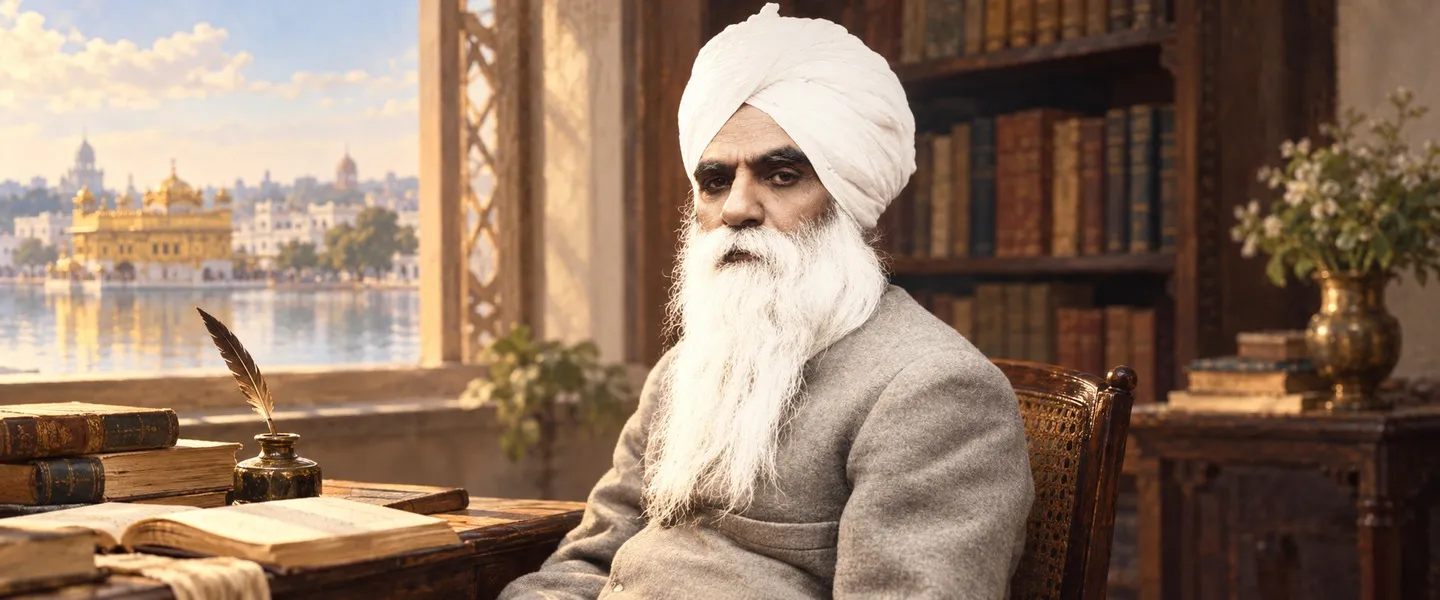
Bhai Vir Singh was born in Amritsar on 5 December 1872, the eldest son of Dr Charan Singh, a medical practitioner and scholar, and the grandson, on his mother's side, of Giani Hazara Singh, a noted exegete of the Sikh scriptures. He studied at the Church Mission School in Amritsar, passed his matriculation in 1891 at the top of the district list, and set up a lithograph press with a friend in 1892.
In 1893 he founded the Khalsa Tract Society, and in 1899 he launched the weekly Khalsa Samachar, one of the earliest Punjabi newspapers. His novels Sundari (1898), the first novel in Punjabi, Bijay Singh (1899), Satwant Kaur and Baba Naudh Singh (1921) remade Punjabi prose, and his epic Rana Surat Singh remade its poetry. He was honoured with the Sahitya Akademi Award in 1955 and the Padma Bhushan in 1956, and he died in Amritsar on 10 June 1957.
Reception and legacy
The lyric collections became instantly popular and won Bhai Vir Singh an audience well beyond the religious circle. The short lyric became the characteristic form of modern Punjabi poetry, and the poets who followed him, from the Progressive writers to the Romantics, worked in a form he had made.
The sequence he began with Dil Tarang ran on through Matak Hulare, Bijliyan de Har and Kambdi Kalai to Mere Saiyan Jio (1953), which won the first Sahitya Akademi Award for Punjabi in 1955. Laharan De Haar stands near the start of that sequence, the book where the new Punjabi poem found its music.
The lyrics are still read today as the starting point of the modern Punjabi poem, and the wave image has stayed with Punjabi poetry ever since. For a reader meeting Bhai Vir Singh for the first time, this small book is the gentlest door into his work: no history to learn, no doctrine to follow, only water, light and a poet paying attention.
ਕਿਤਾਬ ਬਾਰੇ
ਲਹਿਰਾਂ ਦੇ ਹਾਰ ਭਾਈ ਵੀਰ ਸਿੰਘ (1872-1957) ਦਾ 1921 ਵਿੱਚ ਛਪਿਆ ਗੀਤ ਕਵਿਤਾ ਦਾ ਸੰਗ੍ਰਹਿ ਹੈ। ਭਾਈ ਵੀਰ ਸਿੰਘ ਨੂੰ ਆਧੁਨਿਕ ਪੰਜਾਬੀ ਸਾਹਿਤ ਦਾ ਸਿਰਜਣਹਾਰ ਮੰਨਿਆ ਜਾਂਦਾ ਹੈ। ਇਹ ਉਨ੍ਹਾਂ ਛੋਟੇ ਗੀਤ ਸੰਗ੍ਰਹਿਆਂ ਵਿੱਚੋਂ ਇੱਕ ਹੈ, ਜਿਨ੍ਹਾਂ ਨਾਲ ਉਨ੍ਹਾਂ ਨੇ ਪੰਜਾਬੀ ਕਵਿਤਾ ਨੂੰ ਨਵਾਂ ਰੂਪ ਦਿੱਤਾ। ਇਹ ਸਿਲਸਿਲਾ ਉਨ੍ਹਾਂ ਦੇ ਮਹਾਂਕਾਵਿ ਰਾਣਾ ਸੂਰਤ ਸਿੰਘ ਦੇ ਕਿਤਾਬੀ ਰੂਪ ਵਿੱਚ ਛਪਣ (1919) ਤੋਂ ਬਾਅਦ ਸ਼ੁਰੂ ਹੋਇਆ ਸੀ। ਦਿਲ ਤਰੰਗ (1920) ਅਤੇ ਤਰੇਲ ਤੁਪਕੇ (1921) ਇਸ ਤੋਂ ਥੋੜ੍ਹਾ ਪਹਿਲਾਂ ਆਏ ਸਨ, ਅਤੇ ਮਟਕ ਹੁਲਾਰੇ (1922) ਤੇ ਬਿਜਲੀਆਂ ਦੇ ਹਾਰ (1927) ਇਸ ਤੋਂ ਬਾਅਦ ਆਏ।
ਇਹ ਕਿਤਾਬ ਕੁਦਰਤ ਦੀਆਂ ਕਵਿਤਾਵਾਂ ਦੀ ਕਿਤਾਬ ਹੈ। ਇਸ ਦੀਆਂ ਜ਼ਿਆਦਾਤਰ ਕਵਿਤਾਵਾਂ ਕੁਦਰਤੀ ਚੀਜ਼ਾਂ ਦੇ ਆਲੇ ਦੁਆਲੇ ਬੁਣੀਆਂ ਗਈਆਂ ਹਨ: ਫੁੱਲ, ਪੰਛੀ, ਰੁੱਖ ਅਤੇ ਸਭ ਤੋਂ ਵੱਧ ਵਗਦਾ ਪਾਣੀ। ਇਨ੍ਹਾਂ ਵਿੱਚ ਉਸ ਆਦਮੀ ਦਾ ਮਨੋਭਾਵ ਹੈ, ਜੋ ਦੁਨੀਆ ਨੂੰ ਵੇਖਦਾ ਹੈ ਅਤੇ ਉਸ ਵਿੱਚ ਖ਼ੁਸ਼ੀ ਲੱਭਦਾ ਹੈ। ਜਿੱਥੇ ਉਨ੍ਹਾਂ ਦੇ ਨਾਵਲ ਉਪਦੇਸ਼ ਦਿੰਦੇ ਸਨ ਅਤੇ ਮਹਾਂਕਾਵਿ ਉੱਚਾ ਉੱਡਦਾ ਸੀ, ਉੱਥੇ ਇਹ ਗੀਤ ਜ਼ਮੀਨ ਦੇ ਨੇੜੇ ਰਹਿੰਦੇ ਹਨ: ਇੱਕ ਲਹਿਰ, ਇੱਕ ਫੁੱਲ, ਉਡਦਾ ਪੰਛੀ।
ਇਹ ਸੰਗ੍ਰਹਿ ਇਸ ਲਈ ਮਹੱਤਵਪੂਰਨ ਹੈ, ਕਿਉਂਕਿ ਇਹ ਆਧੁਨਿਕ ਪੰਜਾਬੀ ਕਵਿਤਾ ਦੀਆਂ ਨੀਂਹ ਪੱਥਰ ਕਿਤਾਬਾਂ ਵਿੱਚੋਂ ਇੱਕ ਹੈ। ਭਾਈ ਵੀਰ ਸਿੰਘ ਤੋਂ ਪਹਿਲਾਂ ਪੰਜਾਬੀ ਕਵਿਤਾ ਕਿੱਸੇ, ਵਾਰ ਅਤੇ ਭਗਤੀ ਕਾਵਿ ਵਿੱਚ ਰਹਿੰਦੀ ਸੀ। ਛੋਟਾ ਗੀਤ, ਨਿੱਜੀ, ਸੰਗੀਤਮਈ ਅਤੇ ਸਾਦਾ, ਉਨ੍ਹਾਂ ਦੀ ਕਾਢ ਸੀ, ਅਤੇ ਲਹਿਰਾਂ ਦੇ ਹਾਰ ਉਨ੍ਹਾਂ ਪਹਿਲੀਆਂ ਕਿਤਾਬਾਂ ਵਿੱਚੋਂ ਇੱਕ ਹੈ, ਜਿਨ੍ਹਾਂ ਨੇ ਦਿਖਾਇਆ ਕਿ ਇਹ ਰੂਪ ਕੀ ਕਰ ਸਕਦਾ ਹੈ।
“ਲਹਿਰਾਂ ਦੇ ਹਾਰ” ਦਾ ਕੀ ਮਤਲਬ ਹੈ?
ਲਹਿਰਾਂ, ਜਿਸ ਨੂੰ ਲਹਿਰਾਂ ਵੀ ਲਿਖਿਆ ਜਾਂਦਾ ਹੈ, ਪੰਜਾਬੀ ਵਿੱਚ ਲਹਿਰ ਦਾ ਬਹੁਵਚਨ ਹੈ, ਅਤੇ ਹਾਰ ਫੁੱਲਾਂ ਦੀ ਉਹ ਮਾਲਾ ਹੈ, ਜੋ ਵਿਆਹ ਵਿੱਚ ਪਾਈ ਜਾਂਦੀ ਹੈ ਜਾਂ ਪੂਜਾ ਵਿੱਚ ਚੜ੍ਹਾਈ ਜਾਂਦੀ ਹੈ। ਸਿਰਲੇਖ ਕਵਿਤਾਵਾਂ ਨੂੰ ਲਹਿਰਾਂ ਤੋਂ ਗੁੰਦਿਆ ਹੋਇਆ ਹਾਰ ਦੱਸਦਾ ਹੈ: ਹਰ ਗੀਤ ਇੱਕ ਵੱਖਰਾ ਮਣਕਾ ਹੈ, ਅਤੇ ਪੂਰਾ ਹਾਰ ਪਾਣੀ ਦੀ ਗਤੀ ਨਾਲ ਜੁੜਿਆ ਹੋਇਆ ਹੈ।
ਇਸ ਸਿਰਲੇਖ ਨੂੰ ਕਈ ਵਾਰ ਲਹਿਰਾਂ ਦੇ ਹਾਰ ਵੀ ਲਿਖਿਆ ਜਾਂਦਾ ਹੈ, ਅਤੇ ਅੰਗਰੇਜ਼ੀ ਵਿੱਚ ਇਸ ਦਾ ਤਰਜਮਾ ਕਈ ਵਾਰ “ਖ਼ੁਸ਼ੀ ਦੀਆਂ ਮਾਲਾਵਾਂ” ਵੀ ਕੀਤਾ ਜਾਂਦਾ ਹੈ। ਲਹਿਰ ਦੀ ਤਸਵੀਰ ਕਿਤਾਬ ਨਾਲ ਹਰ ਹਾਲਤ ਵਿੱਚ ਮੇਲ ਖਾਂਦੀ ਹੈ: ਇਸ ਵਿੱਚ ਕੁਝ ਵੀ ਠਹਿਰਿਆ ਹੋਇਆ ਨਹੀਂ, ਅਤੇ ਕਵਿਤਾਵਾਂ ਵਾਰ ਵਾਰ ਉਨ੍ਹਾਂ ਚੀਜ਼ਾਂ ਵੱਲ ਮੁੜਦੀਆਂ ਹਨ, ਜੋ ਚਲਦੀਆਂ ਹਨ, ਉੱਠਦੀਆਂ ਹਨ ਅਤੇ ਡਿੱਗਦੀਆਂ ਹਨ।
ਕਵਿਤਾਵਾਂ: ਲਹਿਰਾਂ, ਕੁਦਰਤ ਅਤੇ ਭਾਵਨਾ
ਇਹ ਕਵਿਤਾਵਾਂ ਛੋਟੀਆਂ, ਸੰਗੀਤਮਈ ਅਤੇ ਸਾਦੀਆਂ ਹਨ, ਅਤੇ ਇਨ੍ਹਾਂ ਦਾ ਸਰੋਕਾਰ ਉਪਦੇਸ਼ ਨਾਲੋਂ ਸੁਹਜ ਨਾਲ ਵਧੇਰੇ ਹੈ। ਭਾਈ ਵੀਰ ਸਿੰਘ ਨੇ ਵਿਰਸੇ ਵਿੱਚ ਮਿਲੀਆਂ ਪੁਰਾਣੀਆਂ ਛੰਦ ਬੰਦੀਆਂ, ਕਬਿੱਤ, ਸੋਰਠਾ ਅਤੇ ਬੈਂਤ, ਨੂੰ ਲੈ ਕੇ ਉਨ੍ਹਾਂ ਨੂੰ ਹਲਕੀਆਂ ਫੁਰਤੀਆਂ ਵਾਲੀਆਂ ਲੈਆਂ ਵਿੱਚ ਢਾਲ ਲਿਆ। ਉਨ੍ਹਾਂ ਨੇ ਉਰਦੂ ਤੋਂ ਉਧਾਰੀ ਲਈ ਰੁਬਾਈ ਨੂੰ ਪੰਜਾਬੀ ਵਿੱਚ ਰਚਾ ਲਿਆ ਅਤੇ ਪੁਰਾਣੇ ਰੂਪਾਂ ਨੂੰ ਅੰਗਰੇਜ਼ੀ ਬਲੈਂਕ ਵਰਸ ਨਾਲ ਜੋੜ ਦਿੱਤਾ। ਇਸ ਤਰ੍ਹਾਂ ਉਨ੍ਹਾਂ ਨੇ ਆਧੁਨਿਕ ਪੰਜਾਬੀ ਕਵਿਤਾ ਦਾ ਰਾਹ ਖੋਲ੍ਹਿਆ।
ਇਨ੍ਹਾਂ ਗੀਤਾਂ ਵਿੱਚ ਉਹ ਕੁਦਰਤ ਨੂੰ ਰੂਹਾਨੀ ਰੰਗ ਦਿੰਦੇ ਹਨ। ਉਨ੍ਹਾਂ ਲਈ ਲਹਿਰ ਸਿਰਫ਼ ਪਾਣੀ ਨਹੀਂ: ਇਹ ਰੂਹ ਦੀ ਤਸਵੀਰ ਹੈ, ਜੋ ਉੱਠਦੀ ਹੈ, ਡਿੱਗਦੀ ਹੈ ਅਤੇ ਫਿਰ ਉੱਠਦੀ ਹੈ। ਫੁੱਲਾਂ, ਪੰਛੀਆਂ ਅਤੇ ਰੁੱਖਾਂ ਵਿੱਚ ਉਨ੍ਹਾਂ ਨੂੰ ਉਹ ਖ਼ੁਸ਼ੀ ਮਿਲਦੀ ਹੈ, ਜੋ ਆਪਣੇ ਤੋਂ ਵੱਡੀ ਕਿਸੇ ਸ਼ਕਤੀ ਨਾਲ ਮੇਲ ਦੀ ਖ਼ੁਸ਼ੀ ਹੈ। ਇਨ੍ਹਾਂ ਕਵਿਤਾਵਾਂ ਵਿੱਚ ਨਿੱਜੀ ਭਾਵਨਾ ਭਰਪੂਰ ਹੈ, ਬਿਆਨ ਸੋਹਣਾ ਹੈ ਅਤੇ ਬਣਤਰ ਪੱਕੀ ਹੈ, ਅਤੇ ਇਨ੍ਹਾਂ ਵਿੱਚੋਂ ਖ਼ੁਸ਼ੀ ਦੀ ਇੱਕ ਹਲਕੀ ਝਲਕ ਸੁਣਾਈ ਦਿੰਦੀ ਹੈ।
ਇਸੇ ਕਰਕੇ ਲਹਿਰ ਇਸ ਕਿਤਾਬ ਦੀ ਨਿਸ਼ਾਨੀ ਬਣ ਗਈ। ਲਹਿਰ ਇੱਕ ਪਲ ਲਈ ਆਪਣਾ ਆਕਾਰ ਰੱਖਦੀ ਹੈ ਅਤੇ ਫਿਰ ਸਮੁੰਦਰ ਨੂੰ ਮੁੜ ਦੇ ਦਿੰਦੀ ਹੈ, ਅਤੇ ਕਵਿਤਾਵਾਂ ਭਾਵਨਾ ਨਾਲ ਇਹੀ ਕਰਦੀਆਂ ਹਨ: ਉਹ ਇੱਕ ਮਨੋਭਾਵ ਨੂੰ ਫੜ੍ਹਦੀਆਂ ਹਨ, ਉਸ ਨੂੰ ਕੁਝ ਸਾਫ਼ ਸਤਰਾਂ ਵਿੱਚ ਬੰਨ੍ਹਦੀਆਂ ਹਨ ਅਤੇ ਫਿਰ ਛੱਡ ਦਿੰਦੀਆਂ ਹਨ। ਜੋ ਪਾਠਕ ਸਿਰਫ਼ ਉਨ੍ਹਾਂ ਦੇ ਨਾਵਲ ਜਾਣਦੇ ਹਨ, ਉਨ੍ਹਾਂ ਨੂੰ ਇੱਥੇ ਇੱਕ ਹੋਰ ਭਾਈ ਵੀਰ ਸਿੰਘ ਮਿਲਦਾ ਹੈ: ਸ਼ਾਂਤ, ਅੰਤਰਮੁਖੀ ਅਤੇ ਕੁਦਰਤ ਦੇ ਨੇੜੇ।
ਲੇਖਕ
ਭਾਈ ਵੀਰ ਸਿੰਘ ਦਾ ਜਨਮ 5 ਦਸੰਬਰ 1872 ਨੂੰ ਅੰਮ੍ਰਿਤਸਰ ਵਿੱਚ ਹੋਇਆ ਸੀ। ਉਹ ਡਾ. ਚਰਨ ਸਿੰਘ ਦੇ ਸਭ ਤੋਂ ਵੱਡੇ ਪੁੱਤਰ ਸਨ, ਜੋ ਡਾਕਟਰ ਅਤੇ ਵਿਦਵਾਨ ਸਨ, ਅਤੇ ਉਨ੍ਹਾਂ ਦੇ ਨਾਨਾ ਗਿਆਨੀ ਹਜ਼ਾਰਾ ਸਿੰਘ ਸਿੱਖ ਗ੍ਰੰਥਾਂ ਦੇ ਮੰਨੇ ਪ੍ਰਮੰਨੇ ਵਿਆਖਿਆਕਾਰ ਸਨ। ਉਨ੍ਹਾਂ ਨੇ ਅੰਮ੍ਰਿਤਸਰ ਦੇ ਚਰਚ ਮਿਸ਼ਨ ਸਕੂਲ ਵਿੱਚ ਪੜ੍ਹਾਈ ਕੀਤੀ, 1891 ਵਿੱਚ ਮੈਟ੍ਰਿਕ ਦੀ ਪ੍ਰੀਖਿਆ ਵਿੱਚ ਜ਼ਿਲ੍ਹੇ ਵਿੱਚੋਂ ਪਹਿਲੇ ਆਏ, ਅਤੇ 1892 ਵਿੱਚ ਇੱਕ ਮਿੱਤਰ ਨਾਲ ਮਿਲ ਕੇ ਲਿਥੋ ਪ੍ਰੈੱਸ ਲਗਾਈ।
1893 ਵਿੱਚ ਉਨ੍ਹਾਂ ਨੇ ਖ਼ਾਲਸਾ ਟ੍ਰੈਕਟ ਸੁਸਾਇਟੀ ਬਣਾਈ ਅਤੇ 1899 ਵਿੱਚ ਹਫ਼ਤਾਵਾਰੀ ਖ਼ਾਲਸਾ ਸਮਾਚਾਰ ਸ਼ੁਰੂ ਕੀਤਾ, ਜੋ ਪੰਜਾਬੀ ਦੇ ਸਭ ਤੋਂ ਪੁਰਾਣੇ ਅਖ਼ਬਾਰਾਂ ਵਿੱਚੋਂ ਇੱਕ ਹੈ। ਉਨ੍ਹਾਂ ਦੇ ਨਾਵਲ ਸੁੰਦਰੀ (1898), ਜੋ ਪੰਜਾਬੀ ਦਾ ਪਹਿਲਾ ਨਾਵਲ ਹੈ, ਬਿਜੈ ਸਿੰਘ (1899), ਸਤਵੰਤ ਕੌਰ ਅਤੇ ਬਾਬਾ ਨੌਧ ਸਿੰਘ (1921) ਨੇ ਪੰਜਾਬੀ ਗਦ ਨੂੰ ਨਵਾਂ ਰੂਪ ਦਿੱਤਾ, ਅਤੇ ਉਨ੍ਹਾਂ ਦੇ ਮਹਾਂਕਾਵਿ ਰਾਣਾ ਸੂਰਤ ਸਿੰਘ ਨੇ ਪੰਜਾਬੀ ਕਵਿਤਾ ਨੂੰ ਨਵਾਂ ਰੂਪ ਦਿੱਤਾ। ਉਨ੍ਹਾਂ ਨੂੰ 1955 ਵਿੱਚ ਸਾਹਿਤ ਅਕਾਦਮੀ ਪੁਰਸਕਾਰ ਅਤੇ 1956 ਵਿੱਚ ਪਦਮ ਭੂਸ਼ਣ ਮਿਲਿਆ, ਅਤੇ 10 ਜੂਨ 1957 ਨੂੰ ਅੰਮ੍ਰਿਤਸਰ ਵਿੱਚ ਉਨ੍ਹਾਂ ਦਾ ਦੇਹਾਂਤ ਹੋਇਆ।
ਸਵਾਗਤ ਅਤੇ ਵਿਰਾਸਤ
ਗੀਤ ਸੰਗ੍ਰਹਿਆਂ ਨੂੰ ਛੇਤੀ ਹੀ ਲੋਕਪ੍ਰਿਯਤਾ ਮਿਲੀ ਅਤੇ ਭਾਈ ਵੀਰ ਸਿੰਘ ਨੂੰ ਧਾਰਮਿਕ ਘੇਰੇ ਤੋਂ ਬਾਹਰ ਵੀ ਵੱਡਾ ਪਾਠਕ ਵਰਗ ਮਿਲਿਆ। ਛੋਟਾ ਗੀਤ ਆਧੁਨਿਕ ਪੰਜਾਬੀ ਕਵਿਤਾ ਦਾ ਖ਼ਾਸ ਰੂਪ ਬਣ ਗਿਆ, ਅਤੇ ਉਨ੍ਹਾਂ ਤੋਂ ਬਾਅਦ ਦੇ ਕਵੀ, ਪ੍ਰਗਤੀਵਾਦੀ ਹੋਣ ਜਾਂ ਰੁਮਾਂਟਿਕ, ਉਸੇ ਰੂਪ ਵਿੱਚ ਲਿਖਦੇ ਰਹੇ, ਜਿਸ ਨੂੰ ਉਨ੍ਹਾਂ ਨੇ ਬਣਾਇਆ ਸੀ।
ਦਿਲ ਤਰੰਗ ਨਾਲ ਸ਼ੁਰੂ ਹੋਇਆ ਸਿਲਸਿਲਾ ਮਟਕ ਹੁਲਾਰੇ, ਬਿਜਲੀਆਂ ਦੇ ਹਾਰ ਅਤੇ ਕੰਬਦੀ ਕਲਾਈ ਤੋਂ ਹੁੰਦਾ ਹੋਇਆ ਮੇਰੇ ਸਾਈਆਂ ਜੀਓ (1953) ਤੱਕ ਚੱਲਿਆ, ਜਿਸ ਨੇ 1955 ਵਿੱਚ ਪੰਜਾਬੀ ਲਈ ਪਹਿਲਾ ਸਾਹਿਤ ਅਕਾਦਮੀ ਪੁਰਸਕਾਰ ਜਿੱਤਿਆ। ਲਹਿਰਾਂ ਦੇ ਹਾਰ ਇਸ ਸਿਲਸਿਲੇ ਦੇ ਸ਼ੁਰੂ ਵਿੱਚ ਖੜ੍ਹੀ ਹੈ, ਉਹ ਕਿਤਾਬ ਜਿੱਥੇ ਨਵੀਂ ਪੰਜਾਬੀ ਕਵਿਤਾ ਨੂੰ ਆਪਣਾ ਸੰਗੀਤ ਮਿਲਿਆ।
ਇਹ ਗੀਤ ਅੱਜ ਵੀ ਆਧੁਨਿਕ ਪੰਜਾਬੀ ਕਵਿਤਾ ਦੀ ਸ਼ੁਰੂਆਤ ਵਜੋਂ ਪੜ੍ਹੇ ਜਾਂਦੇ ਹਨ, ਅਤੇ ਲਹਿਰ ਦੀ ਤਸਵੀਰ ਉਦੋਂ ਤੋਂ ਪੰਜਾਬੀ ਕਵਿਤਾ ਨਾਲ ਜੁੜੀ ਹੋਈ ਹੈ। ਜੋ ਪਾਠਕ ਭਾਈ ਵੀਰ ਸਿੰਘ ਨੂੰ ਪਹਿਲੀ ਵਾਰ ਮਿਲ ਰਿਹਾ ਹੈ, ਉਸ ਲਈ ਇਹ ਛੋਟੀ ਕਿਤਾਬ ਉਨ੍ਹਾਂ ਦੀ ਰਚਨਾ ਵਿੱਚ ਦਾਖ਼ਲੇ ਦਾ ਸਭ ਤੋਂ ਸੌਖਾ ਦਰਵਾਜ਼ਾ ਹੈ: ਨਾ ਕੋਈ ਇਤਿਹਾਸ ਸਿੱਖਣਾ ਪੈਂਦਾ ਹੈ, ਨਾ ਕੋਈ ਸਿਧਾਂਤ ਮੰਨਣਾ ਪੈਂਦਾ ਹੈ, ਸਿਰਫ਼ ਪਾਣੀ, ਰੌਸ਼ਨੀ ਅਤੇ ਧਿਆਨ ਨਾਲ ਵੇਖਦਾ ਕਵੀ।
Editions and translations
- Laharan De HaarPunjabi · Gurmukhi · original, 1921 · Gurmukhi title: ਲਹਿਰਾਂ ਦੇ ਹਾਰ · also spelled Lehran de HaarOriginal
The author
Connected
More to read
Sources (3)
Jugti is free and independent. Reader support keeps the Kosh growing.
Support