

Sri Guru Nanak Chamatkar (1928) is Bhai Vir Singh's Punjabi life of Guru Nanak Dev Ji, retold as a devotional portrait rather than a modern biography. Drawing on the janam-sakhi tradition, Gurbani and Bhai Gurdas's Vaaran, it follows the Guru from his birth at Talwandi in 1469 through the four udasis to his final years at Kartarpur. It is one of the most loved prose works in Punjabi, and the companion to the author's life of Guru Gobind Singh Ji, Sri Kalgidhar Chamatkar.
Punjabi, Gurmukhi, with an English translation- Punjabi name
- ਸ੍ਰੀ ਗੁਰੂ ਨਾਨਕ ਚਮਤਕਾਰ
- Author
- Bhai Vir Singh (1872 to 1957)
- Published
- 1928, in two volumes
- Language
- Punjabi, Gurmukhi
- Form
- Devotional life portrait, told as sakhis
- Subject
- Guru Nanak Dev Ji (1469 to 1539)
All 9 facts
- Title means
- The wondrous glory of Guru Nanak
- Companion works
- Sri Kalgidhar Chamatkar (1925); Asht Guru Chamatkar (1951 to 1952)
- English translation
- Guru Nanak Chamatkar, translated by M. L. Mongia (2008 to 2010)
Sri Guru Nanak Chamatkar is Bhai Vir Singh's Punjabi life of Guru Nanak Dev Ji, compiled in 1928. It is not a modern biography chasing dates and documents. It is a devotional portrait, drawn from the janam-sakhi tradition, Gurbani and the Vaaran of Bhai Gurdas, that lets the reader walk beside the Guru from his birth at Talwandi to his final years at Kartarpur.
About the book
Sri Guru Nanak Chamatkar appeared in two volumes from Khalsa Samachar, Amritsar, the weekly Bhai Vir Singh had founded in 1899. It belongs with two companion works: Sri Kalgidhar Chamatkar (1925), which tells the life of Guru Gobind Singh Ji, and Asht Guru Chamatkar (1951 to 1952), which covers the eight Gurus between them. These books were Bhai Vir Singh's answer to a generation that was learning to read its own tradition through colonial textbooks: lives of the Gurus told as literature, in living Punjabi prose, for ordinary readers at home.
The book follows the Guru's life in the order the sakhis give it, from childhood to old age, and it is still read in Sikh homes today, nearly a century after it was written. Its English translation, by M. L. Mongia, was published by the Bhai Vir Singh Sahitya Sadan in two parts, in 2008 and 2010.
What does Chamatkar mean?
Chamatkar is usually translated as miracle, but in Bhai Vir Singh's usage it means something richer: a wondrous shining-forth, a radiance of glory. The title does not promise a catalogue of supernatural feats. It announces the unfolding splendour of Guru Nanak's presence in the world, and the book invites the reader to behold the Guru rather than merely assemble dated facts about him. That choice of title tells the reader how to read everything that follows: as devotion, not as a file of evidence.
Where do the stories come from?
Bhai Vir Singh did not invent his episodes. He inherited them from three streams of tradition and recast them in his own prose. The first is the janam-sakhi tradition, the old narrative accounts of the Guru's life, which survive in several recensions, including the Bhai Bala, Puratan, Miharban and Adi Sakhi traditions. Bhai Vir Singh knew this material from the inside: he had himself compiled the Puratan Janamsakhi, the composite recension of the old accounts, published in 1926. The second stream is Gurbani, the Guru's own Bani in Sri Guru Granth Sahib Ji, which Bhai Vir Singh treats as the touchstone of meaning wherever the stories might wander. The third is the Vaaran of Bhai Gurdas, especially the first Var, the earliest near-contemporary poetic account of the Guru's mission. He selects, orders and elaborates episodes for spiritual effect, and returns again and again to Gurbani to anchor what they mean.
The life it tells
The book opens at Rai Bhoi di Talwandi, now Nankana Sahib, where Guru Nanak was born in 1469. Bhai Vir Singh dwells on the child who seemed set apart, watched over by his sister Bibi Nanaki, who saw his spiritual stature early. The early chapters retell the episodes every Punjabi reader knows: the young Nanak declining the ritual sacred thread, asking instead for a thread woven of compassion, contentment and truth; the sacha sauda, the true bargain, at Sultanpur, where he spent the money given for trade on feeding the hungry; and the morning at the Bein river when he vanished into the water and returned after three days with the proclamation that there is neither Hindu nor Muslim before the One Creator.
From that awakening flow the four udasis, the great journeys of parchar that carry the middle of the book: east through the Gangetic plain, south toward the Deccan, north into the Himalayas for the discourse with the Siddhs that Gurbani remembers as Siddh Gosht, and west toward Mecca and Baghdad. Bhai Mardana, the Muslim rabaabi, walks beside the Guru through them all, playing as the Guru sings, and Bhai Vir Singh lingers on their friendship as the message itself: a Hindu-born teacher and a Muslim musician journeying together as brothers in Naam. The journeys end at Kartarpur, on the bank of the Ravi, where the Guru settled and built the community in which his teaching became a daily way of life. Historians caution that the precise itineraries of the udasis cannot be verified from independent records, and recensions of the sakhis differ. Bhai Vir Singh's purpose is theological rather than documentary: the journeys show a Guru whose message was for all humanity, in every direction.
Is Guru Nanak Chamatkar a biography?
No, not in the modern sense, and the book is better for being honest about it. A historian asks what happened, when, and on what evidence. Bhai Vir Singh asks what the life means, and how encountering it changes the reader. He takes received sakhi material and renders it with literary beauty and theological depth, foregrounding meaning over chronology. His aim, stated in his own preface, is to nourish shardha, loving faith, and to let the reader walk alongside the Guru. Both projects are legitimate. The mistake is to confuse them, and to read a devotional portrait as though it were a file of dated facts, or to dismiss it because it is not one.
The author
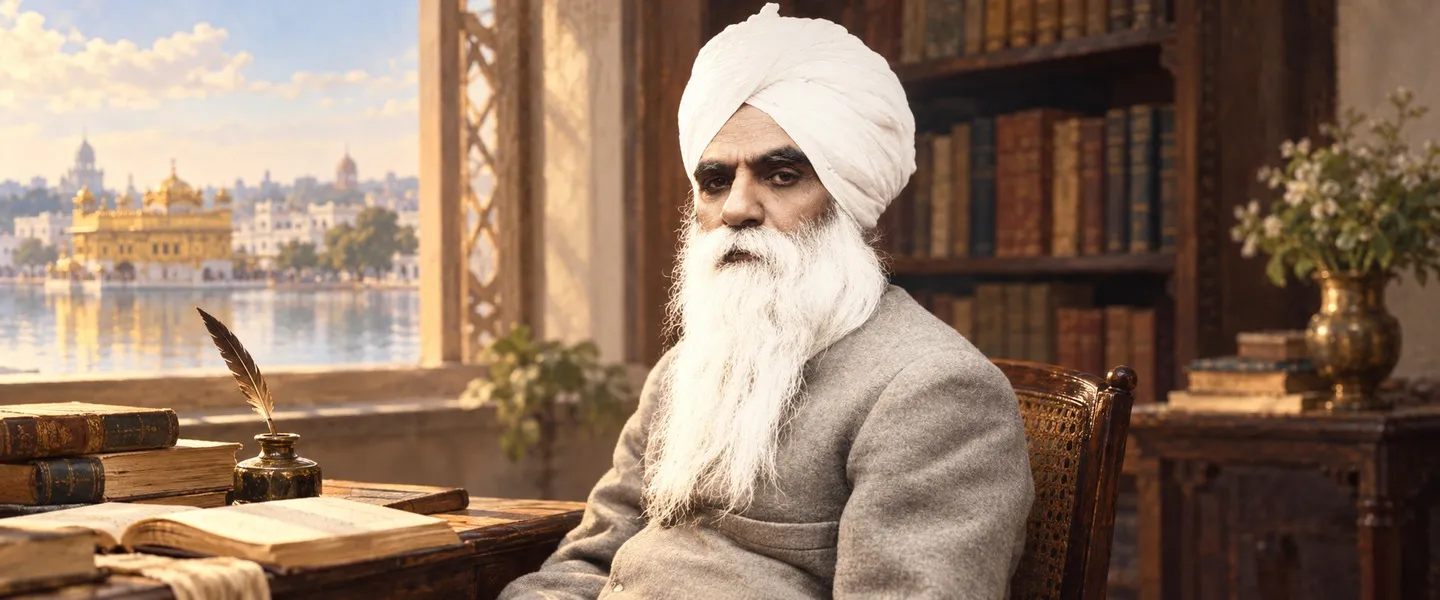
Bhai Vir Singh (1872 to 1957) was born in Amritsar on 5 December 1872 and is honoured as the father of modern Punjabi literature. He was the leading literary voice of the Singh Sabha renaissance, the movement that re-presented Sikh tradition to a generation living under colonial rule. In 1899 he founded the weekly Khalsa Samachar in Amritsar, which he edited for decades. His novel Sundari (1898) helped create the Punjabi novel, and his epic poem Rana Surat Singh and the poems of Mere Sayian Jio (1953) remade Punjabi verse. Alongside the poetry and fiction he worked as an exegete of Gurbani, and the Chamatkar books are the devotional heart of that scholarship: the tradition retold as literature. He died in 1957, and Punjab University honoured his contribution with an honorary doctorate.
Reception and legacy
Nearly a century after it was compiled, Sri Guru Nanak Chamatkar remains one of Bhai Vir Singh's most loved prose works, and the scholar Harbans Singh, writing in 1969, noted that it commands considerable popular appeal. Its retellings have carried the Guru's life to new readers: Gur Balam Sakhian, his own book of short stories from the Guru's life for younger readers, and the pictorial Navin Paniri, which draws on Guru Nanak Chamatkar. For readers who come to it in English, M. L. Mongia's translation opens the same episodes in plain, careful prose. Read beside its companion, Sri Kalgidhar Chamatkar, it shows what Bhai Vir Singh was doing across a lifetime: taking the tradition his community had inherited and giving it back as literature that a family could read aloud at home.
ਸ੍ਰੀ ਗੁਰੂ ਨਾਨਕ ਚਮਤਕਾਰ ਭਾਈ ਵੀਰ ਸਿੰਘ ਵੱਲੋਂ ਗੁਰੂ ਨਾਨਕ ਦੇਵ ਜੀ ਦਾ ਪੰਜਾਬੀ ਜੀਵਨ ਹੈ, ਜੋ 1928 ਵਿੱਚ ਤਿਆਰ ਹੋਇਆ। ਇਹ ਤਾਰੀਖ਼ਾਂ ਅਤੇ ਦਸਤਾਵੇਜ਼ਾਂ ਪਿੱਛੇ ਭੱਜਦੀ ਆਧੁਨਿਕ ਜੀਵਨੀ ਨਹੀਂ ਹੈ। ਇਹ ਇੱਕ ਸ਼ਰਧਾ ਭਰੀ ਤਸਵੀਰ ਹੈ, ਜੋ ਜਨਮ-ਸਾਖੀ ਪਰੰਪਰਾ, ਗੁਰਬਾਣੀ ਅਤੇ ਭਾਈ ਗੁਰਦਾਸ ਜੀ ਦੀਆਂ ਵਾਰਾਂ ਤੋਂ ਲਈ ਗਈ ਹੈ, ਅਤੇ ਪਾਠਕ ਨੂੰ ਗੁਰੂ ਜੀ ਦੇ ਨਾਲ ਤਲਵੰਡੀ ਵਿਖੇ ਜਨਮ ਤੋਂ ਲੈ ਕੇ ਕਰਤਾਰਪੁਰ ਵਿਖੇ ਅੰਤਲੇ ਸਾਲਾਂ ਤੱਕ ਤੁਰਨ ਦਾ ਸੱਦਾ ਦਿੰਦੀ ਹੈ।
ਕਿਤਾਬ ਬਾਰੇ
ਸ੍ਰੀ ਗੁਰੂ ਨਾਨਕ ਚਮਤਕਾਰ ਖਾਲਸਾ ਸਮਾਚਾਰ, ਅੰਮ੍ਰਿਤਸਰ ਤੋਂ ਦੋ ਜਿਲਦਾਂ ਵਿੱਚ ਛਪਿਆ, ਉਹ ਅਖ਼ਬਾਰ ਜਿਸ ਦੀ ਸਥਾਪਨਾ ਭਾਈ ਵੀਰ ਸਿੰਘ ਨੇ 1899 ਵਿੱਚ ਕੀਤੀ ਸੀ। ਇਹ ਉਨ੍ਹਾਂ ਦੀਆਂ ਗੁਰੂ ਸਾਹਿਬਾਨ ਦੇ ਜੀਵਨ ਬਾਰੇ ਤਿੰਨ ਮਹਾਨ ਰਚਨਾਵਾਂ ਵਿੱਚੋਂ ਇੱਕ ਹੈ। ਸਾਥੀ ਰਚਨਾ ਸ੍ਰੀ ਕਲਗੀਧਰ ਚਮਤਕਾਰ (1925) ਗੁਰੂ ਗੋਬਿੰਦ ਸਿੰਘ ਜੀ ਦਾ ਜੀਵਨ ਸੁਣਾਉਂਦੀ ਹੈ, ਅਤੇ ਅਸ਼ਟ ਗੁਰੂ ਚਮਤਕਾਰ (1951 ਤੋਂ 1952) ਵਿਚਕਾਰਲੇ ਅੱਠ ਗੁਰੂ ਸਾਹਿਬਾਨ ਦਾ ਜੀਵਨ। ਇਹ ਕਿਤਾਬਾਂ ਭਾਈ ਵੀਰ ਸਿੰਘ ਦਾ ਉਸ ਪੀੜ੍ਹੀ ਨੂੰ ਜਵਾਬ ਸਨ ਜੋ ਆਪਣੀ ਪਰੰਪਰਾ ਨੂੰ ਅੰਗਰੇਜ਼ੀ ਪਾਠ-ਪੁਸਤਕਾਂ ਰਾਹੀਂ ਸਿੱਖ ਰਹੀ ਸੀ: ਗੁਰੂ ਸਾਹਿਬਾਨ ਦੇ ਜੀਵਨ ਜਿਉਂਦੀ ਪੰਜਾਬੀ ਵਾਰਤਕ ਵਿੱਚ, ਆਮ ਪਾਠਕਾਂ ਲਈ, ਘਰ-ਘਰ ਪੜ੍ਹਨ ਯੋਗ।
ਕਿਤਾਬ ਗੁਰੂ ਜੀ ਦੇ ਜੀਵਨ ਨੂੰ ਉਸੇ ਤਰਤੀਬ ਵਿੱਚ ਸੁਣਾਉਂਦੀ ਹੈ ਜਿਸ ਵਿੱਚ ਸਾਖੀਆਂ ਦਿੰਦੀਆਂ ਹਨ, ਬਚਪਨ ਤੋਂ ਬੁਢਾਪੇ ਤੱਕ, ਅਤੇ ਲਿਖੇ ਜਾਣ ਤੋਂ ਲਗਭਗ ਸੌ ਸਾਲ ਬਾਅਦ ਵੀ ਸਿੱਖ ਘਰਾਂ ਵਿੱਚ ਪੜ੍ਹੀ ਜਾਂਦੀ ਹੈ। ਇਸ ਦਾ ਅੰਗਰੇਜ਼ੀ ਅਨੁਵਾਦ ਐਮ. ਐਲ. ਮੋਂਗੀਆ ਨੇ ਕੀਤਾ, ਜੋ ਭਾਈ ਵੀਰ ਸਿੰਘ ਸਾਹਿਤ ਸਦਨ ਵੱਲੋਂ ਦੋ ਭਾਗਾਂ ਵਿੱਚ 2008 ਅਤੇ 2010 ਵਿੱਚ ਛਪਿਆ।
ਚਮਤਕਾਰ ਦਾ ਕੀ ਅਰਥ ਹੈ?
ਚਮਤਕਾਰ ਦਾ ਆਮ ਅਨੁਵਾਦ ਕਰਿਸ਼ਮਾ ਜਾਂ ਕਰਾਮਾਤ ਕੀਤਾ ਜਾਂਦਾ ਹੈ, ਪਰ ਭਾਈ ਵੀਰ ਸਿੰਘ ਦੀ ਵਰਤੋਂ ਵਿੱਚ ਇਸ ਦਾ ਅਰਥ ਹੋਰ ਡੂੰਘਾ ਹੈ: ਅਚਰਜ ਭਰੀ ਝਲਕ, ਮਹਿਮਾ ਦੀ ਚਮਕ। ਸਿਰਲੇਖ ਅਲੌਕਿਕ ਕਾਰਨਾਮਿਆਂ ਦੀ ਸੂਚੀ ਦਾ ਵਾਅਦਾ ਨਹੀਂ ਕਰਦਾ। ਇਹ ਗੁਰੂ ਨਾਨਕ ਜੀ ਦੀ ਹੋਂਦ ਦੀ ਖੁੱਲ੍ਹਦੀ ਮਹਿਮਾ ਦਾ ਐਲਾਨ ਕਰਦਾ ਹੈ, ਅਤੇ ਕਿਤਾਬ ਪਾਠਕ ਨੂੰ ਸੱਦਾ ਦਿੰਦੀ ਹੈ ਕਿ ਉਹ ਗੁਰੂ ਜੀ ਬਾਰੇ ਸਿਰਫ਼ ਤਾਰੀਖ਼ਾਂ ਇਕੱਠੀਆਂ ਨਾ ਕਰੇ, ਸਗੋਂ ਉਨ੍ਹਾਂ ਨੂੰ ਵੇਖੇ। ਸਿਰਲੇਖ ਦੀ ਇਹ ਚੋਣ ਹੀ ਦੱਸ ਦਿੰਦੀ ਹੈ ਕਿ ਅੱਗੇ ਸਭ ਕੁਝ ਕਿਵੇਂ ਪੜ੍ਹਨਾ ਹੈ: ਸ਼ਰਧਾ ਨਾਲ, ਸਬੂਤਾਂ ਦੀ ਫ਼ਾਈਲ ਵਾਂਗ ਨਹੀਂ।
ਕਹਾਣੀਆਂ ਕਿੱਥੋਂ ਆਈਆਂ ਹਨ?
ਭਾਈ ਵੀਰ ਸਿੰਘ ਨੇ ਆਪਣੀਆਂ ਕਹਾਣੀਆਂ ਨਹੀਂ ਘੜੀਆਂ। ਉਨ੍ਹਾਂ ਨੇ ਤਿੰਨ ਪਰੰਪਰਾਵਾਂ ਤੋਂ ਲੈ ਕੇ ਆਪਣੀ ਵਾਰਤਕ ਵਿੱਚ ਢਾਲਿਆ। ਪਹਿਲੀ ਹੈ ਜਨਮ-ਸਾਖੀ ਪਰੰਪਰਾ, ਗੁਰੂ ਜੀ ਦੇ ਜੀਵਨ ਦੇ ਪੁਰਾਣੇ ਬਿਰਤਾਂਤ, ਜੋ ਕਈ ਰੂਪਾਂ ਵਿੱਚ ਮਿਲਦੇ ਹਨ, ਜਿਵੇਂ ਭਾਈ ਬਾਲਾ ਪਰੰਪਰਾ, ਪੁਰਾਤਨ ਪਰੰਪਰਾ, ਮਿਹਰਬਾਨ ਪਰੰਪਰਾ ਅਤੇ ਆਦਿ ਸਾਖੀਆਂ। ਭਾਈ ਵੀਰ ਸਿੰਘ ਇਸ ਸਮੱਗਰੀ ਨੂੰ ਅੰਦਰੋਂ ਜਾਣਦੇ ਸਨ: ਉਨ੍ਹਾਂ ਨੇ ਖ਼ੁਦ ਪੁਰਾਤਨ ਜਨਮਸਾਖੀ ਤਿਆਰ ਕੀਤੀ ਸੀ, ਪੁਰਾਣੇ ਬਿਰਤਾਂਤਾਂ ਦਾ ਸੰਗ੍ਰਹਿ, ਜੋ 1926 ਵਿੱਚ ਛਪਿਆ। ਦੂਜੀ ਧਾਰਾ ਗੁਰਬਾਣੀ ਹੈ, ਸ੍ਰੀ ਗੁਰੂ ਗ੍ਰੰਥ ਸਾਹਿਬ ਜੀ ਵਿੱਚ ਗੁਰੂ ਜੀ ਦੀ ਆਪਣੀ ਬਾਣੀ, ਜਿਸ ਨੂੰ ਭਾਈ ਵੀਰ ਸਿੰਘ ਅਰਥਾਂ ਦੀ ਕਸੌਟੀ ਮੰਨਦੇ ਹਨ। ਤੀਜੀ ਹੈ ਭਾਈ ਗੁਰਦਾਸ ਜੀ ਦੀਆਂ ਵਾਰਾਂ, ਖ਼ਾਸ ਕਰਕੇ ਪਹਿਲੀ ਵਾਰ, ਜੋ ਗੁਰੂ ਜੀ ਦੇ ਮਿਸ਼ਨ ਦਾ ਸਭ ਤੋਂ ਪੁਰਾਣਾ ਲਗਭਗ ਸਮਕਾਲੀ ਕਾਵਿ-ਬਿਰਤਾਂਤ ਹੈ। ਉਹ ਕਹਾਣੀਆਂ ਨੂੰ ਚੁਣਦੇ, ਤਰਤੀਬ ਦਿੰਦੇ ਅਤੇ ਆਤਮਿਕ ਪ੍ਰਭਾਵ ਲਈ ਵਿਸਤਾਰ ਦਿੰਦੇ ਹਨ, ਅਤੇ ਅਰਥ ਸਮਝਣ ਲਈ ਵਾਰ-ਵਾਰ ਗੁਰਬਾਣੀ ਵੱਲ ਮੁੜਦੇ ਹਨ।
ਜੀਵਨ ਜੋ ਇਹ ਸੁਣਾਉਂਦੀ ਹੈ
ਕਿਤਾਬ ਰਾਇ ਭੋਈ ਦੀ ਤਲਵੰਡੀ, ਅੱਜ ਦੇ ਨਨਕਾਣਾ ਸਾਹਿਬ, ਤੋਂ ਸ਼ੁਰੂ ਹੁੰਦੀ ਹੈ, ਜਿੱਥੇ ਗੁਰੂ ਨਾਨਕ ਦੇਵ ਜੀ ਦਾ ਜਨਮ 1469 ਵਿੱਚ ਹੋਇਆ। ਭਾਈ ਵੀਰ ਸਿੰਘ ਉਸ ਬਾਲਕ ਉੱਤੇ ਠਹਿਰਦੇ ਹਨ ਜੋ ਹੋਰਾਂ ਤੋਂ ਵੱਖਰਾ ਜਾਪਦਾ ਸੀ, ਅਤੇ ਜਿਸ ਦੀ ਭੈਣ ਬੀਬੀ ਨਾਨਕੀ ਨੇ ਉਸ ਦੀ ਆਤਮਿਕ ਉਚਾਈ ਨੂੰ ਛੇਤੀ ਪਛਾਣ ਲਿਆ ਸੀ। ਮੁੱਢਲੇ ਅਧਿਆਇ ਉਹ ਕਹਾਣੀਆਂ ਸੁਣਾਉਂਦੇ ਹਨ ਜੋ ਹਰ ਪੰਜਾਬੀ ਜਾਣਦਾ ਹੈ: ਨੌਜਵਾਨ ਨਾਨਕ ਵੱਲੋਂ ਰਸਮੀ ਜਨੇਊ ਤੋਂ ਇਨਕਾਰ, ਅਤੇ ਦਇਆ, ਸੰਤੋਖ ਤੇ ਸੱਚ ਨਾਲ ਬੁਣੇ ਜਨੇਊ ਦੀ ਮੰਗ; ਸੁਲਤਾਨਪੁਰ ਵਿਖੇ ਸੱਚਾ ਸੌਦਾ, ਜਿੱਥੇ ਉਨ੍ਹਾਂ ਨੇ ਵਪਾਰ ਲਈ ਮਿਲੇ ਪੈਸੇ ਭੁੱਖਿਆਂ ਨੂੰ ਖੁਆਉਣ ਉੱਤੇ ਲਾ ਦਿੱਤੇ; ਅਤੇ ਬੇਈਂ ਨਦੀ ਵਾਲੀ ਸਵੇਰ, ਜਦੋਂ ਉਹ ਪਾਣੀ ਵਿੱਚ ਗਏ ਅਤੇ ਤਿੰਨ ਦਿਨਾਂ ਬਾਅਦ ਇਹ ਐਲਾਨ ਲੈ ਕੇ ਮੁੜੇ ਕਿ ਇੱਕ ਸਿਰਜਣਹਾਰ ਅੱਗੇ ਨਾ ਕੋਈ ਹਿੰਦੂ ਹੈ, ਨਾ ਮੁਸਲਮਾਨ।
ਇਸ ਜਾਗ ਤੋਂ ਚਾਰ ਉਦਾਸੀਆਂ ਨਿਕਲਦੀਆਂ ਹਨ, ਪਰਚਾਰ ਦੀਆਂ ਮਹਾਨ ਯਾਤਰਾਵਾਂ ਜੋ ਕਿਤਾਬ ਦੇ ਵਿਚਕਾਰਲੇ ਹਿੱਸੇ ਨੂੰ ਘੇਰਦੀਆਂ ਹਨ: ਪੂਰਬ ਵੱਲ ਗੰਗਾ ਦੇ ਮੈਦਾਨਾਂ ਰਾਹੀਂ, ਦੱਖਣ ਵੱਲ ਦੱਖਣ ਭਾਰਤ ਵੱਲ, ਉੱਤਰ ਵੱਲ ਹਿਮਾਲਿਆ ਵਿੱਚ ਸਿੱਧਾਂ ਨਾਲ ਸੰਵਾਦ ਲਈ, ਜਿਸ ਨੂੰ ਗੁਰਬਾਣੀ ਸਿੱਧ ਗੋਸਟਿ ਵਜੋਂ ਯਾਦ ਕਰਦੀ ਹੈ, ਅਤੇ ਪੱਛਮ ਵੱਲ ਮੱਕੇ ਅਤੇ ਬਗ਼ਦਾਦ ਵੱਲ। ਭਾਈ ਮਰਦਾਨਾ, ਮੁਸਲਮਾਨ ਰਬਾਬੀ, ਇਨ੍ਹਾਂ ਸਾਰੀਆਂ ਯਾਤਰਾਵਾਂ ਵਿੱਚ ਗੁਰੂ ਜੀ ਦੇ ਨਾਲ ਤੁਰਦਾ ਹੈ, ਰਬਾਬ ਵਜਾਉਂਦਾ ਹੈ ਜਦੋਂ ਗੁਰੂ ਜੀ ਗਾਉਂਦੇ ਹਨ, ਅਤੇ ਭਾਈ ਵੀਰ ਸਿੰਘ ਉਨ੍ਹਾਂ ਦੀ ਮਿੱਤਰਤਾ ਉੱਤੇ ਪਿਆਰ ਨਾਲ ਠਹਿਰਦੇ ਹਨ, ਕਿਉਂਕਿ ਇਹ ਮਿੱਤਰਤਾ ਹੀ ਸੁਨੇਹਾ ਹੈ: ਹਿੰਦੂ ਘਰ ਵਿੱਚ ਜੰਮਿਆ ਗੁਰੂ ਅਤੇ ਮੁਸਲਮਾਨ ਸੰਗੀਤਕਾਰ, ਨਾਮ ਵਿੱਚ ਭਰਾਵਾਂ ਵਾਂਗ ਇਕੱਠੇ ਤੁਰਦੇ ਹਨ। ਯਾਤਰਾਵਾਂ ਕਰਤਾਰਪੁਰ ਵਿਖੇ ਮੁੱਕਦੀਆਂ ਹਨ, ਰਾਵੀ ਦੇ ਕੰਢੇ, ਜਿੱਥੇ ਗੁਰੂ ਜੀ ਵੱਸ ਗਏ ਅਤੇ ਉਸ ਸੰਗਤ ਦੀ ਨੀਂਹ ਰੱਖੀ ਜਿਸ ਵਿੱਚ ਉਨ੍ਹਾਂ ਦਾ ਸੁਨੇਹਾ ਰੋਜ਼ਾਨਾ ਜੀਵਨ ਬਣ ਗਿਆ। ਇਤਿਹਾਸਕਾਰ ਚੇਤਾਵਨੀ ਦਿੰਦੇ ਹਨ ਕਿ ਉਦਾਸੀਆਂ ਦੇ ਸਹੀ ਰਸਤੇ ਸੁਤੰਤਰ ਸਬੂਤਾਂ ਤੋਂ ਪੁਸ਼ਟ ਨਹੀਂ ਕੀਤੇ ਜਾ ਸਕਦੇ, ਅਤੇ ਸਾਖੀਆਂ ਦੇ ਰੂਪਾਂ ਵਿੱਚ ਫ਼ਰਕ ਹੈ। ਭਾਈ ਵੀਰ ਸਿੰਘ ਦਾ ਮਕਸਦ ਦਸਤਾਵੇਜ਼ੀ ਨਹੀਂ, ਧਾਰਮਿਕ ਹੈ: ਯਾਤਰਾਵਾਂ ਦਿਖਾਉਂਦੀਆਂ ਹਨ ਕਿ ਗੁਰੂ ਜੀ ਦਾ ਸੁਨੇਹਾ ਹਰ ਦਿਸ਼ਾ ਵਿੱਚ, ਸਾਰੀ ਮਨੁੱਖਤਾ ਲਈ ਸੀ।
ਕੀ ਗੁਰੂ ਨਾਨਕ ਚਮਤਕਾਰ ਜੀਵਨੀ ਹੈ?
ਨਹੀਂ, ਆਧੁਨਿਕ ਅਰਥਾਂ ਵਿੱਚ ਨਹੀਂ, ਅਤੇ ਕਿਤਾਬ ਇਸ ਬਾਰੇ ਇਮਾਨਦਾਰ ਹੋ ਕੇ ਹੋਰ ਚੰਗੀ ਬਣ ਜਾਂਦੀ ਹੈ। ਇਤਿਹਾਸਕਾਰ ਪੁੱਛਦਾ ਹੈ ਕਿ ਕੀ ਹੋਇਆ, ਕਦੋਂ ਹੋਇਆ ਅਤੇ ਕਿਸ ਸਬੂਤ ਉੱਤੇ। ਭਾਈ ਵੀਰ ਸਿੰਘ ਪੁੱਛਦੇ ਹਨ ਕਿ ਜੀਵਨ ਦਾ ਕੀ ਅਰਥ ਹੈ, ਅਤੇ ਉਸ ਨਾਲ ਮਿਲਣਾ ਪਾਠਕ ਨੂੰ ਕਿਵੇਂ ਬਦਲਦਾ ਹੈ। ਉਹ ਮਿਲੀਆਂ ਸਾਖੀਆਂ ਨੂੰ ਸਾਹਿਤਕ ਸੁੰਦਰਤਾ ਅਤੇ ਧਾਰਮਿਕ ਡੂੰਘਾਈ ਨਾਲ ਪੇਸ਼ ਕਰਦੇ ਹਨ, ਅਤੇ ਕਾਲ-ਕ੍ਰਮ ਨਾਲੋਂ ਅਰਥ ਨੂੰ ਪਹਿਲ ਦਿੰਦੇ ਹਨ। ਉਨ੍ਹਾਂ ਦਾ ਮਕਸਦ, ਜਿਵੇਂ ਉਨ੍ਹਾਂ ਨੇ ਆਪਣੀ ਭੂਮਿਕਾ ਵਿੱਚ ਕਿਹਾ, ਸ਼ਰਧਾ ਨੂੰ ਪਾਲਣਾ ਹੈ ਅਤੇ ਪਾਠਕ ਨੂੰ ਗੁਰੂ ਜੀ ਦੇ ਨਾਲ ਤੁਰਨ ਦੇਣਾ ਹੈ। ਦੋਵੇਂ ਕੰਮ ਜਾਇਜ਼ ਹਨ। ਗ਼ਲਤੀ ਉਨ੍ਹਾਂ ਨੂੰ ਰਲਾਉਣ ਵਿੱਚ ਹੈ: ਸ਼ਰਧਾ ਭਰੀ ਤਸਵੀਰ ਨੂੰ ਤਾਰੀਖ਼ਾਂ ਦੀ ਫ਼ਾਈਲ ਵਾਂਗ ਪੜ੍ਹਨਾ, ਜਾਂ ਇਸ ਨੂੰ ਇਸ ਲਈ ਰੱਦ ਕਰ ਦੇਣਾ ਕਿ ਇਹ ਫ਼ਾਈਲ ਨਹੀਂ ਹੈ।
ਲੇਖਕ
ਭਾਈ ਵੀਰ ਸਿੰਘ (1872 ਤੋਂ 1957) ਦਾ ਜਨਮ 5 ਦਸੰਬਰ 1872 ਨੂੰ ਅੰਮ੍ਰਿਤਸਰ ਵਿੱਚ ਹੋਇਆ, ਅਤੇ ਉਨ੍ਹਾਂ ਨੂੰ ਆਧੁਨਿਕ ਪੰਜਾਬੀ ਸਾਹਿਤ ਦਾ ਪਿਤਾ ਮੰਨਿਆ ਜਾਂਦਾ ਹੈ। ਉਹ ਸਿੰਘ ਸਭਾ ਲਹਿਰ ਦੀ ਸਭ ਤੋਂ ਵੱਡੀ ਸਾਹਿਤਕ ਆਵਾਜ਼ ਸਨ, ਉਹ ਲਹਿਰ ਜਿਸ ਨੇ ਅੰਗਰੇਜ਼ੀ ਰਾਜ ਹੇਠ ਸਿੱਖ ਪਰੰਪਰਾ ਨੂੰ ਨਵੇਂ ਸਿਰਿਓਂ ਪੇਸ਼ ਕੀਤਾ। 1899 ਵਿੱਚ ਉਨ੍ਹਾਂ ਨੇ ਅੰਮ੍ਰਿਤਸਰ ਤੋਂ ਹਫ਼ਤਾਵਾਰੀ ਖਾਲਸਾ ਸਮਾਚਾਰ ਸ਼ੁਰੂ ਕੀਤਾ, ਜਿਸ ਦਾ ਸੰਪਾਦਨ ਉਨ੍ਹਾਂ ਨੇ ਦਹਾਕਿਆਂ ਤੱਕ ਕੀਤਾ। ਉਨ੍ਹਾਂ ਦਾ ਨਾਵਲ ਸੁੰਦਰੀ (1898) ਪੰਜਾਬੀ ਨਾਵਲ ਦੀ ਨੀਂਹ ਰੱਖਣ ਵਾਲੀਆਂ ਰਚਨਾਵਾਂ ਵਿੱਚੋਂ ਇੱਕ ਹੈ, ਅਤੇ ਉਨ੍ਹਾਂ ਦੀ ਮਹਾਂਕਾਵਿ ਕਵਿਤਾ ਰਾਣਾ ਸੂਰਤ ਸਿੰਘ ਅਤੇ ਮੇਰੇ ਸਾਈਆਂ ਜੀਓ (1953) ਦੀਆਂ ਕਵਿਤਾਵਾਂ ਨੇ ਪੰਜਾਬੀ ਕਵਿਤਾ ਨੂੰ ਨਵਾਂ ਰੂਪ ਦਿੱਤਾ। ਕਵਿਤਾ ਅਤੇ ਗਲਪ ਦੇ ਨਾਲ-ਨਾਲ ਉਨ੍ਹਾਂ ਨੇ ਗੁਰਬਾਣੀ ਦੀ ਵਿਆਖਿਆ ਕੀਤੀ, ਅਤੇ ਚਮਤਕਾਰ ਵਾਲੀਆਂ ਕਿਤਾਬਾਂ ਉਸ ਵਿਦਵਤਾ ਦਾ ਸ਼ਰਧਾ ਭਰਿਆ ਕੇਂਦਰ ਹਨ: ਵਿਰਸੇ ਵਿੱਚ ਮਿਲੀ ਪਰੰਪਰਾ ਸਾਹਿਤ ਵਜੋਂ ਮੁੜ ਸੁਣਾਈ ਗਈ। ਉਨ੍ਹਾਂ ਦਾ ਦੇਹਾਂਤ 1957 ਵਿੱਚ ਹੋਇਆ, ਅਤੇ ਪੰਜਾਬ ਯੂਨੀਵਰਸਿਟੀ ਨੇ ਉਨ੍ਹਾਂ ਦੇ ਯੋਗਦਾਨ ਲਈ ਆਨਰੇਰੀ ਡਾਕਟਰੇਟ ਦਿੱਤੀ।
ਸਵਾਗਤ ਅਤੇ ਵਿਰਾਸਤ
ਲਿਖੇ ਜਾਣ ਤੋਂ ਲਗਭਗ ਸੌ ਸਾਲ ਬਾਅਦ ਵੀ ਸ੍ਰੀ ਗੁਰੂ ਨਾਨਕ ਚਮਤਕਾਰ ਭਾਈ ਵੀਰ ਸਿੰਘ ਦੀਆਂ ਸਭ ਤੋਂ ਪਿਆਰੀਆਂ ਵਾਰਤਕ ਰਚਨਾਵਾਂ ਵਿੱਚੋਂ ਇੱਕ ਹੈ, ਅਤੇ ਵਿਦਵਾਨ ਹਰਬੰਸ ਸਿੰਘ ਨੇ 1969 ਵਿੱਚ ਲਿਖਿਆ ਸੀ ਕਿ ਇਸ ਨੂੰ ਲੋਕਾਂ ਵਿੱਚ ਬਹੁਤ ਪਿਆਰ ਮਿਲਿਆ ਹੈ। ਇਸ ਦੀਆਂ ਮੁੜ-ਕਹਾਣੀਆਂ ਨੇ ਗੁਰੂ ਜੀ ਦੇ ਜੀਵਨ ਨੂੰ ਨਵੇਂ ਪਾਠਕਾਂ ਤੱਕ ਪਹੁੰਚਾਇਆ ਹੈ: ਗੁਰ ਬਾਲਮ ਸਾਖੀਆਂ, ਗੁਰੂ ਜੀ ਦੇ ਜੀਵਨ ਦੀਆਂ ਬੱਚਿਆਂ ਲਈ ਛੋਟੀਆਂ ਕਹਾਣੀਆਂ ਦਾ ਸੰਗ੍ਰਹਿ, ਅਤੇ ਤਸਵੀਰਾਂ ਵਾਲੀ ਨਵੀਨ ਪਨੀਰੀ, ਜੋ ਗੁਰੂ ਨਾਨਕ ਚਮਤਕਾਰ ਤੋਂ ਲਈ ਗਈ ਹੈ। ਅੰਗਰੇਜ਼ੀ ਵਿੱਚ ਪੜ੍ਹਨ ਵਾਲਿਆਂ ਲਈ ਐਮ. ਐਲ. ਮੋਂਗੀਆ ਦਾ ਅਨੁਵਾਦ ਉਹੀ ਕਹਾਣੀਆਂ ਸਾਦੀ, ਸਾਵਧਾਨ ਵਾਰਤਕ ਵਿੱਚ ਖੋਲ੍ਹਦਾ ਹੈ। ਆਪਣੀ ਸਾਥੀ ਰਚਨਾ ਸ੍ਰੀ ਕਲਗੀਧਰ ਚਮਤਕਾਰ ਦੇ ਨਾਲ ਪੜ੍ਹੀ ਜਾਵੇ ਤਾਂ ਇਹ ਦਿਖਾਉਂਦੀ ਹੈ ਕਿ ਭਾਈ ਵੀਰ ਸਿੰਘ ਨੇ ਜੀਵਨ ਭਰ ਕੀ ਕੀਤਾ: ਆਪਣੀ ਕੌਮ ਨੂੰ ਵਿਰਸੇ ਵਿੱਚ ਮਿਲੀ ਪਰੰਪਰਾ ਵਾਪਸ ਸਾਹਿਤ ਵਜੋਂ ਦੇਣੀ, ਜਿਸ ਨੂੰ ਪਰਿਵਾਰ ਘਰ ਬੈਠਾ ਉੱਚੀ ਪੜ੍ਹ ਸਕੇ।
Editions and translations
- Sri Guru Nanak ChamatkarPunjabi · Gurmukhi · original, 1928Original
- Guru Nanak ChamatkarEnglish · translated by M. L. Mongia · Bhai Vir Singh Sahitya Sadan, Part 1 (2008), Part 2 (2010)Translation
The author
Connected
More to read
Sources (4)
Jugti is free and independent. Reader support keeps the Kosh growing.
Support