

Matak Hulare (1922) by Bhai Vir Singh is a collection of lyric poems devoted entirely to the valley of Kashmir, its mountains, lakes, gardens and light. It grew out of the summers the poet spent in the valley, and it followed Laharan De Haar (1921) in the lyric sequence that founded the modern Punjabi poem.
Punjabi, Gurmukhi- Punjabi name
- ਮਟਕ ਹੁਲਾਰੇ
- Author
- Bhai Vir Singh (1872-1957)
- Published
- 1922
- Language
- Punjabi (Gurmukhi)
- Form
- Poetry collection, lyric
- Subject
- Scenes and sites of the Kashmir valley
All 9 facts
- Title means
- Enticing Swaying
- Place in oeuvre
- Lyric collection, after Laharan De Haar (1921)
- Followed by
- Bijliyan de Har (1927)
About the book
Matak Hulare, Enticing Swaying, is a 1922 collection of lyric poems by Bhai Vir Singh (1872-1957), the writer regarded as the creator of modern Punjabi literature. It is an anthology of poems exclusively on the scenes and sites of the valley of Kashmir, and it followed Laharan De Haar (1921) in the lyric sequence that began with Dil Tarang (1920).
The book grew out of the summers Bhai Vir Singh spent in Kashmir. The valley gave him a landscape unlike the plains of Punjab: mountains rising on every side, lakes lying still in the morning, gardens and orchards, and trees that moved in the wind. The poems move through that landscape the way a visitor moves through it, stopping at one view and then another, and the valley itself is the book's single subject.
Matak Hulare is the most place-bound of his early collections. Where Dil Tarang and Laharan De Haar watch water and weather anywhere, this book stays in one valley and looks at it closely, and that closeness is its charm: a whole book given to a single place, written by a poet who had learned to pay attention.
What does "Matak Hulare" mean?
Matak is the graceful swaying of a body in motion, the easy movement of a dancer or a tree in the wind, and hulare are surges and swayings, waves of movement and feeling. The title suggests a graceful swaying, and it is usually rendered in English as Enticing Swaying.
The title fits a book about Kashmir. The valley sways: the chinar trees move in the breeze, the water shivers in the lake, the light changes on the mountains through the day. Bhai Vir Singh's title names that motion, and the poems that follow are his attempt to catch it in words.
Kashmir in the poems
Bhai Vir Singh spent his summers in Kashmir, and the valley stayed with him. He was fond of flowers and grew them in plenty at his own house, and he was a connoisseur of music, and both of those loves show in these poems: they are poems of looking and listening, of colour and of sound, rather than of argument.
The poems spiritualize nature, as his lyrics always do. The mountains, the lakes and the trees are never only scenery: they are a picture of a joyous harmony in the world, and the poet's gladness at finding it. A fugitive thrill of gladness echoes through the lyrics, and the valley becomes, for the reader, a place where the inner life and the outer world meet.
That is what makes the book unusual in Punjabi poetry. Other poets had written about Kashmir in passing, but Bhai Vir Singh gave it a whole book, and he gave it the same close attention he gave to a wave or a flower. The valley is not a backdrop here: it is the poem.
The author
Bhai Vir Singh was born in Amritsar on 5 December 1872, into a family steeped in classical learning. His father, Dr Charan Singh, was a medical practitioner and scholar, and his maternal grandfather, Giani Hazara Singh, belonged to a noted line of scholars of the Sikh scriptures. He studied at the Church Mission School, passed his matriculation in 1891, and set up a lithograph press in 1892.
He founded the Khalsa Tract Society in 1893 and the weekly Khalsa Samachar in 1899, and his novels Sundari (1898), the first novel in Punjabi, Bijay Singh (1899), Satwant Kaur and Baba Naudh Singh (1921) remade Punjabi prose. After the epic Rana Surat Singh appeared in book form in 1919, he turned to the short lyric, and the collections that followed, Dil Tarang, Laharan De Haar, Matak Hulare and Bijliyan de Har, founded the modern Punjabi poem. He received the Sahitya Akademi Award in 1955 and the Padma Bhushan in 1956, and died in Amritsar on 10 June 1957.
Reception and legacy
The lyric collections became instantly popular and won Bhai Vir Singh an audience well beyond the religious circle. The short lyric became the characteristic form of modern Punjabi poetry, and Matak Hulare showed that the form could hold a whole landscape, not only a single flower or a passing mood.
The sequence ran on through Bijliyan de Har (1927) and Kambdi Kalai (1933) to Mere Saiyan Jio (1953), which won the first Sahitya Akademi Award for Punjabi in 1955. Matak Hulare stands in the middle of that run, the book where the poet's eye settled longest on one place.
For readers today, the book is the gentlest introduction to Bhai Vir Singh's poetry after Laharan De Haar: the same music, the same attention to nature, but a whole valley to wander in. It is also a small piece of literary history, the first book in Punjabi to give Kashmir a volume of its own.
ਕਿਤਾਬ ਬਾਰੇ
ਮਟਕ ਹੁਲਾਰੇ ਭਾਈ ਵੀਰ ਸਿੰਘ (1872-1957) ਦਾ 1922 ਵਿੱਚ ਛਪਿਆ ਗੀਤ ਕਵਿਤਾ ਦਾ ਸੰਗ੍ਰਹਿ ਹੈ। ਭਾਈ ਵੀਰ ਸਿੰਘ ਨੂੰ ਆਧੁਨਿਕ ਪੰਜਾਬੀ ਸਾਹਿਤ ਦਾ ਸਿਰਜਣਹਾਰ ਮੰਨਿਆ ਜਾਂਦਾ ਹੈ। ਇਹ ਕਸ਼ਮੀਰ ਦੀ ਵਾਦੀ ਦੇ ਦ੍ਰਿਸ਼ਾਂ ਅਤੇ ਥਾਵਾਂ ਉੱਤੇ ਲਿਖੀਆਂ ਕਵਿਤਾਵਾਂ ਦਾ ਸੰਗ੍ਰਹਿ ਹੈ। ਇਹ ਦਿਲ ਤਰੰਗ (1920) ਨਾਲ ਸ਼ੁਰੂ ਹੋਏ ਗੀਤ ਸਿਲਸਿਲੇ ਵਿੱਚ ਲਹਿਰਾਂ ਦੇ ਹਾਰ (1921) ਤੋਂ ਬਾਅਦ ਆਈ।
ਇਹ ਕਿਤਾਬ ਉਨ੍ਹਾਂ ਗਰਮੀਆਂ ਤੋਂ ਉਪਜੀ, ਜੋ ਭਾਈ ਵੀਰ ਸਿੰਘ ਕਸ਼ਮੀਰ ਵਿੱਚ ਗੁਜ਼ਾਰਦੇ ਸਨ। ਵਾਦੀ ਨੇ ਉਨ੍ਹਾਂ ਨੂੰ ਪੰਜਾਬ ਦੇ ਮੈਦਾਨਾਂ ਤੋਂ ਵੱਖਰਾ ਨਜ਼ਾਰਾ ਦਿੱਤਾ: ਚਾਰੇ ਪਾਸੇ ਉੱਚੇ ਪਹਾੜ, ਸਵੇਰੇ ਠਹਿਰਿਆ ਹੋਇਆ ਝੀਲ ਦਾ ਪਾਣੀ, ਬਾਗ਼ ਅਤੇ ਬਗੀਚੇ, ਅਤੇ ਹਵਾ ਵਿੱਚ ਹਿੱਲਦੇ ਰੁੱਖ। ਕਵਿਤਾਵਾਂ ਇਸ ਨਜ਼ਾਰੇ ਵਿੱਚੋਂ ਇਸ ਤਰ੍ਹਾਂ ਲੰਘਦੀਆਂ ਹਨ, ਜਿਵੇਂ ਕੋਈ ਮੁਸਾਫ਼ਰ ਲੰਘਦਾ ਹੈ, ਇੱਕ ਦ੍ਰਿਸ਼ ਉੱਤੇ ਰੁਕਦਾ ਹੈ ਅਤੇ ਫਿਰ ਅਗਲੇ ਵੱਲ ਵੱਧਦਾ ਹੈ। ਵਾਦੀ ਹੀ ਇਸ ਕਿਤਾਬ ਦਾ ਇਕੋ ਵਿਸ਼ਾ ਹੈ।
ਮਟਕ ਹੁਲਾਰੇ ਉਨ੍ਹਾਂ ਦੇ ਸ਼ੁਰੂਆਤੀ ਸੰਗ੍ਰਹਿਆਂ ਵਿੱਚੋਂ ਸਭ ਤੋਂ ਵੱਧ ਇੱਕ ਥਾਂ ਨਾਲ ਜੁੜਿਆ ਹੋਇਆ ਹੈ। ਜਿੱਥੇ ਦਿਲ ਤਰੰਗ ਅਤੇ ਲਹਿਰਾਂ ਦੇ ਹਾਰ ਕਿਤੇ ਵੀ ਪਾਣੀ ਅਤੇ ਮੌਸਮ ਨੂੰ ਵੇਖਦੇ ਹਨ, ਉੱਥੇ ਇਹ ਕਿਤਾਬ ਇੱਕੋ ਵਾਦੀ ਵਿੱਚ ਰਹਿੰਦੀ ਹੈ ਅਤੇ ਉਸ ਨੂੰ ਨੇੜਿਓਂ ਵੇਖਦੀ ਹੈ। ਇਹੀ ਨੇੜਤਾ ਇਸ ਦੀ ਖ਼ੂਬਸੂਰਤੀ ਹੈ: ਇੱਕ ਪੂਰੀ ਕਿਤਾਬ ਇੱਕੋ ਥਾਂ ਨੂੰ ਦਿੱਤੀ ਗਈ, ਇੱਕ ਅਜਿਹੇ ਕਵੀ ਵੱਲੋਂ ਜਿਸ ਨੇ ਧਿਆਨ ਨਾਲ ਵੇਖਣਾ ਸਿੱਖਿਆ ਸੀ।
“ਮਟਕ ਹੁਲਾਰੇ” ਦਾ ਕੀ ਮਤਲਬ ਹੈ?
ਮਟਕ ਸਰੀਰ ਦੀ ਸੋਹਣੀ ਹਿੱਲਜੁਲ ਹੈ, ਨਾਚਦੀ ਦਾ ਜਾਂ ਹਵਾ ਵਿੱਚ ਹਿੱਲਦੇ ਰੁੱਖ ਦਾ ਸਹਿਜ ਹਿਲਾਉ। ਹੁਲਾਰੇ ਹਿਲਾਉ ਅਤੇ ਉਛਾਲ ਹਨ, ਗਤੀ ਅਤੇ ਭਾਵਨਾ ਦੀਆਂ ਲਹਿਰਾਂ। ਸਿਰਲੇਖ ਸੋਹਣੀ ਹਿੱਲਜੁਲ ਵੱਲ ਇਸ਼ਾਰਾ ਕਰਦਾ ਹੈ, ਅਤੇ ਅੰਗਰੇਜ਼ੀ ਵਿੱਚ ਇਸ ਦਾ ਤਰਜਮਾ ਆਮ ਤੌਰ ਉੱਤੇ “ਮੋਹਣੀ ਹਿੱਲਜੁਲ” ਕੀਤਾ ਜਾਂਦਾ ਹੈ।
ਇਹ ਸਿਰਲੇਖ ਕਸ਼ਮੀਰ ਬਾਰੇ ਕਿਤਾਬ ਨਾਲ ਮੇਲ ਖਾਂਦਾ ਹੈ। ਵਾਦੀ ਹਿੱਲਦੀ ਹੈ: ਚਿਨਾਰ ਹਵਾ ਵਿੱਚ ਹਿੱਲਦੇ ਹਨ, ਝੀਲ ਵਿੱਚ ਪਾਣੀ ਕੰਬਦਾ ਹੈ, ਦਿਨ ਭਰ ਪਹਾੜਾਂ ਉੱਤੇ ਰੌਸ਼ਨੀ ਬਦਲਦੀ ਹੈ। ਭਾਈ ਵੀਰ ਸਿੰਘ ਦਾ ਸਿਰਲੇਖ ਇਸ ਗਤੀ ਦਾ ਨਾਂ ਹੈ, ਅਤੇ ਇਸ ਤੋਂ ਬਾਅਦ ਦੀਆਂ ਕਵਿਤਾਵਾਂ ਇਸ ਗਤੀ ਨੂੰ ਸ਼ਬਦਾਂ ਵਿੱਚ ਫੜ੍ਹਨ ਦੀ ਕੋਸ਼ਿਸ਼ ਹਨ।
ਕਵਿਤਾਵਾਂ ਵਿੱਚ ਕਸ਼ਮੀਰ
ਭਾਈ ਵੀਰ ਸਿੰਘ ਆਪਣੀਆਂ ਗਰਮੀਆਂ ਕਸ਼ਮੀਰ ਵਿੱਚ ਗੁਜ਼ਾਰਦੇ ਸਨ, ਅਤੇ ਵਾਦੀ ਉਨ੍ਹਾਂ ਦੇ ਮਨ ਵਿੱਚ ਰਹਿ ਗਈ। ਉਨ੍ਹਾਂ ਨੂੰ ਫੁੱਲਾਂ ਦਾ ਸ਼ੌਕ ਸੀ ਅਤੇ ਉਹ ਆਪਣੇ ਘਰ ਵਿੱਚ ਬਹੁਤ ਸਾਰੇ ਫੁੱਲ ਉਗਾਉਂਦੇ ਸਨ, ਅਤੇ ਉਹ ਸੰਗੀਤ ਦੇ ਜਾਣਕਾਰ ਸਨ। ਇਹ ਦੋਵੇਂ ਸ਼ੌਕ ਇਨ੍ਹਾਂ ਕਵਿਤਾਵਾਂ ਵਿੱਚ ਦਿਸਦੇ ਹਨ: ਇਹ ਵੇਖਣ ਅਤੇ ਸੁਣਨ ਦੀਆਂ ਕਵਿਤਾਵਾਂ ਹਨ, ਰੰਗ ਅਤੇ ਆਵਾਜ਼ ਦੀਆਂ, ਦਲੀਲ ਦੀਆਂ ਨਹੀਂ।
ਇਨ੍ਹਾਂ ਕਵਿਤਾਵਾਂ ਵਿੱਚ ਉਹ ਕੁਦਰਤ ਨੂੰ ਰੂਹਾਨੀ ਰੰਗ ਦਿੰਦੇ ਹਨ, ਜਿਵੇਂ ਉਨ੍ਹਾਂ ਦੇ ਸਾਰੇ ਗੀਤ ਕਰਦੇ ਹਨ। ਪਹਾੜ, ਝੀਲਾਂ ਅਤੇ ਰੁੱਖ ਸਿਰਫ਼ ਨਜ਼ਾਰਾ ਨਹੀਂ: ਇਹ ਦੁਨੀਆ ਵਿੱਚ ਖ਼ੁਸ਼ੀ ਦੇ ਮੇਲ ਦੀ ਤਸਵੀਰ ਹਨ, ਅਤੇ ਕਵੀ ਦੀ ਉਸ ਮੇਲ ਨੂੰ ਲੱਭਣ ਦੀ ਖ਼ੁਸ਼ੀ ਹੈ। ਇਨ੍ਹਾਂ ਗੀਤਾਂ ਵਿੱਚੋਂ ਖ਼ੁਸ਼ੀ ਦੀ ਇੱਕ ਹਲਕੀ ਝਲਕ ਸੁਣਾਈ ਦਿੰਦੀ ਹੈ, ਅਤੇ ਵਾਦੀ ਪਾਠਕ ਲਈ ਉਹ ਥਾਂ ਬਣ ਜਾਂਦੀ ਹੈ, ਜਿੱਥੇ ਅੰਦਰਲੀ ਜ਼ਿੰਦਗੀ ਅਤੇ ਬਾਹਰਲੀ ਦੁਨੀਆ ਮਿਲਦੀਆਂ ਹਨ।
ਇਹੀ ਗੱਲ ਇਸ ਕਿਤਾਬ ਨੂੰ ਪੰਜਾਬੀ ਕਵਿਤਾ ਵਿੱਚ ਖ਼ਾਸ ਬਣਾਉਂਦੀ ਹੈ। ਹੋਰ ਕਵੀਆਂ ਨੇ ਕਸ਼ਮੀਰ ਬਾਰੇ ਲੰਘਦਿਆਂ ਲਿਖਿਆ ਸੀ, ਪਰ ਭਾਈ ਵੀਰ ਸਿੰਘ ਨੇ ਇਸ ਨੂੰ ਇੱਕ ਪੂਰੀ ਕਿਤਾਬ ਦਿੱਤੀ, ਅਤੇ ਇਸ ਨੂੰ ਉਹੀ ਨੇੜਲਾ ਧਿਆਨ ਦਿੱਤਾ, ਜੋ ਉਹ ਇੱਕ ਲਹਿਰ ਜਾਂ ਇੱਕ ਫੁੱਲ ਨੂੰ ਦਿੰਦੇ ਸਨ। ਇੱਥੇ ਵਾਦੀ ਪਿਛੋਕੜ ਨਹੀਂ: ਉਹ ਖ਼ੁਦ ਕਵਿਤਾ ਹੈ।
ਲੇਖਕ
ਭਾਈ ਵੀਰ ਸਿੰਘ ਦਾ ਜਨਮ 5 ਦਸੰਬਰ 1872 ਨੂੰ ਅੰਮ੍ਰਿਤਸਰ ਵਿੱਚ ਹੋਇਆ ਸੀ, ਇੱਕ ਅਜਿਹੇ ਪਰਿਵਾਰ ਵਿੱਚ ਜੋ ਸ਼ਾਸਤਰੀ ਵਿਦਿਆ ਨਾਲ ਭਰਿਆ ਸੀ। ਉਨ੍ਹਾਂ ਦੇ ਪਿਤਾ ਡਾ. ਚਰਨ ਸਿੰਘ ਡਾਕਟਰ ਅਤੇ ਵਿਦਵਾਨ ਸਨ, ਅਤੇ ਉਨ੍ਹਾਂ ਦੇ ਨਾਨਾ ਗਿਆਨੀ ਹਜ਼ਾਰਾ ਸਿੰਘ ਸਿੱਖ ਗ੍ਰੰਥਾਂ ਦੇ ਮੰਨੇ ਪ੍ਰਮੰਨੇ ਵਿਦਵਾਨਾਂ ਦੀ ਪਰੰਪਰਾ ਨਾਲ ਸਬੰਧਿਤ ਸਨ। ਉਨ੍ਹਾਂ ਨੇ ਚਰਚ ਮਿਸ਼ਨ ਸਕੂਲ ਵਿੱਚ ਪੜ੍ਹਾਈ ਕੀਤੀ, 1891 ਵਿੱਚ ਮੈਟ੍ਰਿਕ ਪਾਸ ਕੀਤੀ ਅਤੇ 1892 ਵਿੱਚ ਲਿਥੋ ਪ੍ਰੈੱਸ ਲਗਾਈ।
ਉਨ੍ਹਾਂ ਨੇ 1893 ਵਿੱਚ ਖ਼ਾਲਸਾ ਟ੍ਰੈਕਟ ਸੁਸਾਇਟੀ ਅਤੇ 1899 ਵਿੱਚ ਹਫ਼ਤਾਵਾਰੀ ਖ਼ਾਲਸਾ ਸਮਾਚਾਰ ਸ਼ੁਰੂ ਕੀਤਾ, ਅਤੇ ਉਨ੍ਹਾਂ ਦੇ ਨਾਵਲ ਸੁੰਦਰੀ (1898), ਜੋ ਪੰਜਾਬੀ ਦਾ ਪਹਿਲਾ ਨਾਵਲ ਹੈ, ਬਿਜੈ ਸਿੰਘ (1899), ਸਤਵੰਤ ਕੌਰ ਅਤੇ ਬਾਬਾ ਨੌਧ ਸਿੰਘ (1921) ਨੇ ਪੰਜਾਬੀ ਗਦ ਨੂੰ ਨਵਾਂ ਰੂਪ ਦਿੱਤਾ। ਰਾਣਾ ਸੂਰਤ ਸਿੰਘ ਦੇ ਕਿਤਾਬੀ ਰੂਪ ਵਿੱਚ ਛਪਣ (1919) ਤੋਂ ਬਾਅਦ ਉਹ ਛੋਟੇ ਗੀਤ ਵੱਲ ਮੁੜੇ, ਅਤੇ ਇਸ ਤੋਂ ਬਾਅਦ ਦੇ ਸੰਗ੍ਰਹਿ, ਦਿਲ ਤਰੰਗ, ਲਹਿਰਾਂ ਦੇ ਹਾਰ, ਮਟਕ ਹੁਲਾਰੇ ਅਤੇ ਬਿਜਲੀਆਂ ਦੇ ਹਾਰ, ਨੇ ਆਧੁਨਿਕ ਪੰਜਾਬੀ ਕਵਿਤਾ ਦੀ ਨੀਂਹ ਰੱਖੀ। ਉਨ੍ਹਾਂ ਨੂੰ 1955 ਵਿੱਚ ਸਾਹਿਤ ਅਕਾਦਮੀ ਪੁਰਸਕਾਰ ਅਤੇ 1956 ਵਿੱਚ ਪਦਮ ਭੂਸ਼ਣ ਮਿਲਿਆ, ਅਤੇ 10 ਜੂਨ 1957 ਨੂੰ ਅੰਮ੍ਰਿਤਸਰ ਵਿੱਚ ਉਨ੍ਹਾਂ ਦਾ ਦੇਹਾਂਤ ਹੋਇਆ।
ਸਵਾਗਤ ਅਤੇ ਵਿਰਾਸਤ
ਗੀਤ ਸੰਗ੍ਰਹਿਆਂ ਨੂੰ ਛੇਤੀ ਹੀ ਲੋਕਪ੍ਰਿਯਤਾ ਮਿਲੀ ਅਤੇ ਭਾਈ ਵੀਰ ਸਿੰਘ ਨੂੰ ਧਾਰਮਿਕ ਘੇਰੇ ਤੋਂ ਬਾਹਰ ਵੀ ਵੱਡਾ ਪਾਠਕ ਵਰਗ ਮਿਲਿਆ। ਛੋਟਾ ਗੀਤ ਆਧੁਨਿਕ ਪੰਜਾਬੀ ਕਵਿਤਾ ਦਾ ਖ਼ਾਸ ਰੂਪ ਬਣ ਗਿਆ, ਅਤੇ ਮਟਕ ਹੁਲਾਰੇ ਨੇ ਦਿਖਾਇਆ ਕਿ ਇਹ ਰੂਪ ਇੱਕ ਪੂਰਾ ਨਜ਼ਾਰਾ ਵੀ ਸੰਭਾਲ ਸਕਦਾ ਹੈ, ਸਿਰਫ਼ ਇੱਕ ਫੁੱਲ ਜਾਂ ਇੱਕ ਲੰਘਦਾ ਮਨੋਭਾਵ ਨਹੀਂ।
ਇਹ ਸਿਲਸਿਲਾ ਬਿਜਲੀਆਂ ਦੇ ਹਾਰ (1927) ਅਤੇ ਕੰਬਦੀ ਕਲਾਈ (1933) ਤੋਂ ਹੁੰਦਾ ਹੋਇਆ ਮੇਰੇ ਸਾਈਆਂ ਜੀਓ (1953) ਤੱਕ ਚੱਲਿਆ, ਜਿਸ ਨੇ 1955 ਵਿੱਚ ਪੰਜਾਬੀ ਲਈ ਪਹਿਲਾ ਸਾਹਿਤ ਅਕਾਦਮੀ ਪੁਰਸਕਾਰ ਜਿੱਤਿਆ। ਮਟਕ ਹੁਲਾਰੇ ਇਸ ਸਿਲਸਿਲੇ ਦੇ ਵਿਚਕਾਰ ਖੜ੍ਹੀ ਹੈ, ਉਹ ਕਿਤਾਬ ਜਿੱਥੇ ਕਵੀ ਦੀ ਨਜ਼ਰ ਸਭ ਤੋਂ ਲੰਮਾ ਸਮਾਂ ਇੱਕੋ ਥਾਂ ਉੱਤੇ ਟਿਕੀ ਰਹੀ।
ਅੱਜ ਦੇ ਪਾਠਕਾਂ ਲਈ ਇਹ ਕਿਤਾਬ ਲਹਿਰਾਂ ਦੇ ਹਾਰ ਤੋਂ ਬਾਅਦ ਭਾਈ ਵੀਰ ਸਿੰਘ ਦੀ ਕਵਿਤਾ ਨਾਲ ਜਾਣ ਪਛਾਣ ਦਾ ਸਭ ਤੋਂ ਸੌਖਾ ਰਾਹ ਹੈ: ਉਹੀ ਸੰਗੀਤ, ਕੁਦਰਤ ਵੱਲ ਉਹੀ ਧਿਆਨ, ਪਰ ਘੁੰਮਣ ਲਈ ਇੱਕ ਪੂਰੀ ਵਾਦੀ। ਇਹ ਸਾਹਿਤਕ ਇਤਿਹਾਸ ਦਾ ਇੱਕ ਛੋਟਾ ਹਿੱਸਾ ਵੀ ਹੈ: ਪੰਜਾਬੀ ਵਿੱਚ ਪਹਿਲੀ ਕਿਤਾਬ, ਜਿਸ ਨੇ ਕਸ਼ਮੀਰ ਨੂੰ ਆਪਣਾ ਪੂਰਾ ਸੰਗ੍ਰਹਿ ਦਿੱਤਾ।
Editions and translations
- Matak HularePunjabi · Gurmukhi · original, 1922 · Gurmukhi title: ਮਟਕ ਹੁਲਾਰੇOriginal
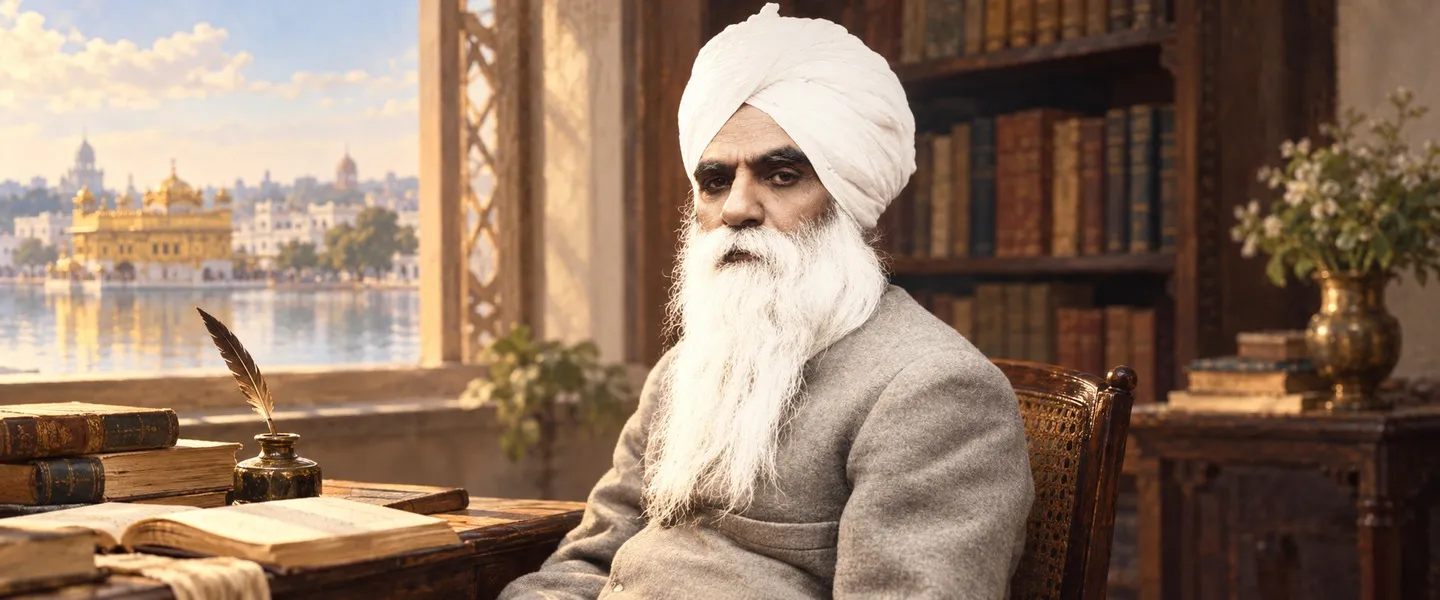
The author
Connected
More to read
Sources (3)
Jugti is free and independent. Reader support keeps the Kosh growing.
Support