

Sri Kalgidhar Chamatkar (1925) is Bhai Vir Singh's Punjabi biography of Guru Gobind Singh Ji, retelling the tenth Guru's life through the sakhi tradition in modern prose. Counted among his three great biographies, it is also the book whose description of Hemkunt inspired the 1932 search that led to Hemkunt Sahib.
Punjabi, Gurmukhi- Punjabi name
- ਸ੍ਰੀ ਕਲਗੀਧਰ ਚਮਤਕਾਰ
- Author
- Bhai Vir Singh (1872 to 1957)
- Published
- 1925
- Language
- Punjabi, Gurmukhi
- Form
- Biography in prose, told as sakhis
- Subject
- Guru Gobind Singh Ji (1666 to 1708)
All 9 facts
- Title means
- The genius of the wearer of the plume
- Companion works
- Sri Guru Nanak Chamatkar (1928); Asht Guru Chamatkar (1951 to 1952)
- Known effect
- Its Hemkunt description inspired Sohan Singh's 1932 search for Hemkunt Sahib
About the book
Sri Kalgidhar Chamatkar is Bhai Vir Singh's Punjabi biography of Guru Gobind Singh Ji, first published in 1925. Written in prose, it retells the life of the tenth Sikh Guru through the sakhi tradition: episode by episode, miracle by miracle, in the devotional manner Punjabi readers had known for centuries, but shaped by a modern writer at the height of his powers. His bibliography lists it first among his biographies, ahead of Sri Guru Nanak Chamatkar (1928) and the Asht Guru Chamatkar volumes (1951 to 1952), and Sikh tradition counts it among his most important works.
By 1925 Bhai Vir Singh was already the central figure of modern Punjabi letters. His novel Sundari (1898) had helped create the Punjabi novel, and his historical novels and poems had made Sikh history a living subject for ordinary readers. In Sri Kalgidhar Chamatkar he turned that gift to the life readers asked about most: the Guru who founded the Khalsa. The result is not a dry chronicle. It is a life told the way the sangat remembered it, with wonder left in.
What does Kalgidhar mean?
Kalgidhar means the wearer of the kalgi, the royal plume of feathers studded with pearls that Guru Gobind Singh Ji wore on his turban, and it is one of the Guru's best loved titles. English renderings of the book's title include The Genius of the King with the Plume. Chamatkar means a wonder or miracle, and the title promises exactly what the book delivers: the wondrous life of the plume wearing Guru, told through the marvels attached to his name.
The book opens before the Guru's earthly life, in the realm of the divine. In the opening chapters, as the Basics of Sikhi reading of the text explains, Guru Gobind Singh Ji in his previous form goes to meet Akal Purakh and is instructed to create the Khalsa. From there the narrative follows the pattern of the sakhis: the Guru's life unfolds as a sequence of charged episodes, each one carrying a teaching, and each one written to be read aloud and remembered.
The book and the search for Hemkunt
Few Punjabi books have sent a reader out into the mountains. In 1932 Sohan Singh, a retired granthi from the Indian army working in a gurdwara in Tehri Garhwal, read Bhai Vir Singh's description of Hemkunt in Sri Kalgidhar Chamatkar, the high Himalayan place where, in the Bachitra Natak, Guru Gobind Singh Ji meditated in a previous life. The description was so compelling that on reading it he resolved to search for the place himself. His search fed the rediscovery of Hemkunt Sahib, and Bhai Vir Singh was instrumental in developing the shrine that rose there. A biography that helps locate a pilgrimage site has passed from literature into geography.
Themes: devotion retold as literature
The book's governing idea is that the Guru's life is best honoured by telling it beautifully. Bhai Vir Singh does not argue with the sakhi tradition or strip it down to bare fact: he writes inside it, with a novelist's pacing and a poet's ear, so that reverence and readability arrive together. A second theme is identity. Written in the Singh Sabha era, when Sikhs were redefining who they were, a vivid life of the founder of the Khalsa gave readers a mirror. A third is language itself: the book proved that modern Punjabi prose could carry the community's most sacred biography without translation, in the mother tongue.
The author
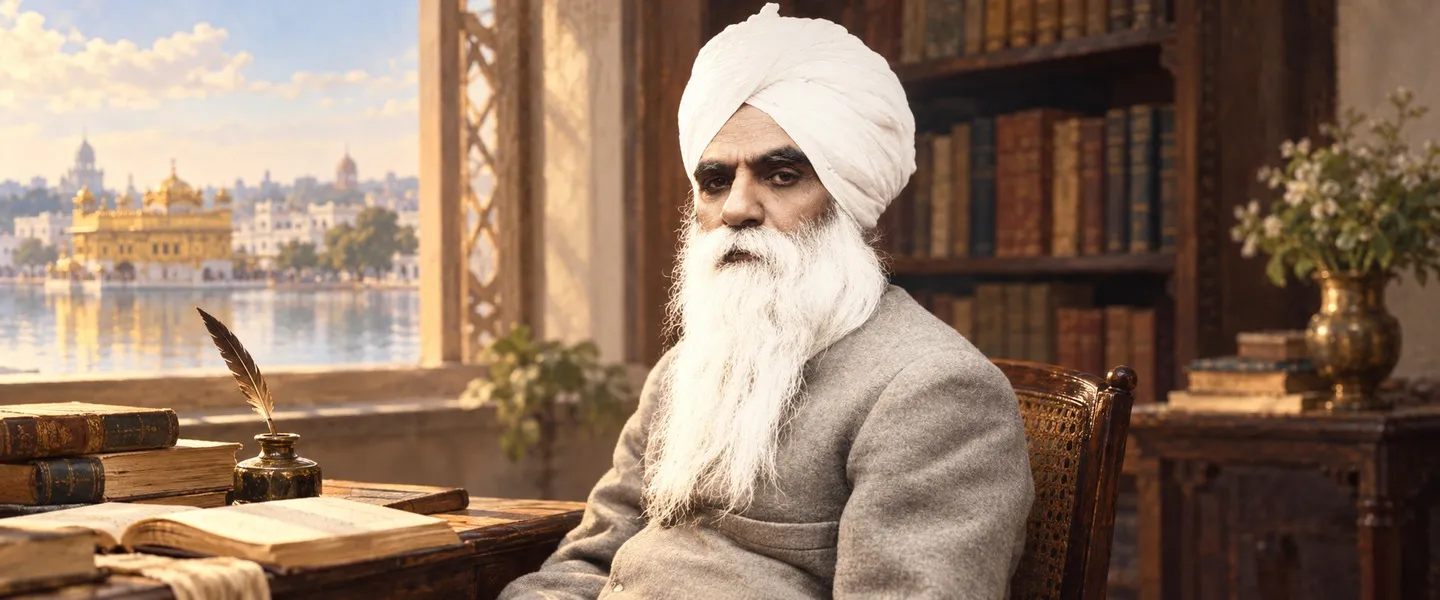
Bhai Vir Singh (1872 to 1957) was born on 5 December 1872 in Amritsar, the oldest of Dr Charan Singh's three sons, and is regarded as the father of modern Punjabi literature. He founded the Khalsa Tract Society in 1894 and the Khalsa Samachar weekly in 1899, wrote the novels Sundari, Bijay Singh, Satwant Kaur and Baba Naudh Singh, the epic poem Rana Surat Singh, and the late poems of Mere Sayian Jio, which won the Sahitya Akademi Award in 1955. The Tribune called his Lawrence Road house in Amritsar a living monument, and Harindranath Chattopadhyay called him the sixth river in the land of the five rivers. He died in Amritsar on 10 June 1957.
Reception and legacy
Sri Kalgidhar Chamatkar has stayed in Sikh homes and gurdwara libraries for a century, and it still anchors reading programmes today: Basics of Sikhi built a video series on it in 2023, walking through the book chapter by chapter for a new generation. Scholars group it with Sri Guru Nanak Chamatkar and Asht Guru Chamatkar as the three great biographies of his career. For the general reader it remains what it was in 1925: the most readable Punjabi life of Guru Gobind Singh Ji by the writer Punjabis trusted most with their past.
ਕਿਤਾਬ ਬਾਰੇ
ਸ੍ਰੀ ਕਲਗੀਧਰ ਚਮਤਕਾਰ ਭਾਈ ਵੀਰ ਸਿੰਘ ਦੀ ਗੁਰੂ ਗੋਬਿੰਦ ਸਿੰਘ ਜੀ ਦੀ ਪੰਜਾਬੀ ਜੀਵਨੀ ਹੈ, ਜੋ ਪਹਿਲੀ ਵਾਰ 1925 ਵਿੱਚ ਛਪੀ। ਵਾਰਤਕ ਵਿੱਚ ਲਿਖੀ ਇਹ ਰਚਨਾ ਦਸਵੇਂ ਸਿੱਖ ਗੁਰੂ ਦਾ ਜੀਵਨ ਸਾਖੀ ਪਰੰਪਰਾ ਰਾਹੀਂ ਸੁਣਾਉਂਦੀ ਹੈ: ਘਟਨਾ ਦਰ ਘਟਨਾ, ਚਮਤਕਾਰ ਦਰ ਚਮਤਕਾਰ, ਉਸ ਸ਼ਰਧਾ ਭਰੇ ਢੰਗ ਨਾਲ ਜਿਸ ਨੂੰ ਪੰਜਾਬੀ ਪਾਠਕ ਸਦੀਆਂ ਤੋਂ ਜਾਣਦੇ ਆਏ ਸਨ, ਪਰ ਹੁਣ ਇੱਕ ਆਧੁਨਿਕ ਲੇਖਕ ਦੇ ਹੱਥੋਂ ਘੜੀ ਹੋਈ, ਜੋ ਆਪਣੀ ਕਲਾ ਦੇ ਸਿਖਰ ਉੱਤੇ ਸੀ। ਉਸ ਦੀ ਗ੍ਰੰਥ ਸੂਚੀ ਇਸ ਨੂੰ ਉਸ ਦੀਆਂ ਜੀਵਨੀਆਂ ਵਿੱਚ ਪਹਿਲੇ ਥਾਂ ਰੱਖਦੀ ਹੈ, ਸ੍ਰੀ ਗੁਰੂ ਨਾਨਕ ਚਮਤਕਾਰ (1928) ਅਤੇ ਅਸ਼ਟ ਗੁਰੂ ਚਮਤਕਾਰ (1951 ਤੋਂ 1952) ਤੋਂ ਪਹਿਲਾਂ, ਅਤੇ ਸਿੱਖ ਪਰੰਪਰਾ ਇਸ ਨੂੰ ਉਸ ਦੀਆਂ ਸਭ ਤੋਂ ਮਹੱਤਵਪੂਰਨ ਰਚਨਾਵਾਂ ਵਿੱਚ ਗਿਣਦੀ ਹੈ।
1925 ਤੱਕ ਭਾਈ ਵੀਰ ਸਿੰਘ ਆਧੁਨਿਕ ਪੰਜਾਬੀ ਸਾਹਿਤ ਦੀ ਕੇਂਦਰੀ ਸ਼ਖਸੀਅਤ ਬਣ ਚੁੱਕੇ ਸਨ। ਉਨ੍ਹਾਂ ਦੇ ਨਾਵਲ ਸੁੰਦਰੀ (1898) ਨੇ ਪੰਜਾਬੀ ਨਾਵਲ ਦੀ ਸਿਰਜਣਾ ਵਿੱਚ ਹਿੱਸਾ ਪਾਇਆ ਸੀ, ਅਤੇ ਉਨ੍ਹਾਂ ਦੇ ਇਤਿਹਾਸਕ ਨਾਵਲਾਂ ਅਤੇ ਕਵਿਤਾਵਾਂ ਨੇ ਸਿੱਖ ਇਤਿਹਾਸ ਨੂੰ ਆਮ ਪਾਠਕਾਂ ਲਈ ਜਿਉਂਦਾ ਵਿਸ਼ਾ ਬਣਾ ਦਿੱਤਾ ਸੀ। ਸ੍ਰੀ ਕਲਗੀਧਰ ਚਮਤਕਾਰ ਵਿੱਚ ਉਨ੍ਹਾਂ ਨੇ ਇਹੋ ਪ੍ਰਤਿਭਾ ਉਸ ਜੀਵਨ ਵੱਲ ਮੋੜੀ ਜਿਸ ਬਾਰੇ ਪਾਠਕ ਸਭ ਤੋਂ ਵੱਧ ਪੁੱਛਦੇ ਸਨ: ਉਹ ਗੁਰੂ ਜਿਨ੍ਹਾਂ ਨੇ ਖਾਲਸਾ ਸਾਜਿਆ। ਨਤੀਜਾ ਕੋਈ ਖੁਸ਼ਕ ਇਤਿਹਾਸ ਨਹੀਂ। ਇਹ ਉਹ ਜੀਵਨ ਹੈ ਜਿਵੇਂ ਸੰਗਤ ਉਸ ਨੂੰ ਯਾਦ ਰੱਖਦੀ ਸੀ, ਹੈਰਾਨੀ ਸਮੇਤ।
ਕਲਗੀਧਰ ਦਾ ਅਰਥ ਕੀ ਹੈ?
ਕਲਗੀਧਰ ਦਾ ਅਰਥ ਹੈ ਕਲਗੀ ਧਾਰਨ ਕਰਨ ਵਾਲਾ। ਕਲਗੀ ਮੋਤੀਆਂ ਜੜੀ ਪੱਖਾਂ ਵਾਲੀ ਉਹ ਸ਼ਾਹੀ ਪਲੂਮ ਹੈ ਜੋ ਗੁਰੂ ਗੋਬਿੰਦ ਸਿੰਘ ਜੀ ਆਪਣੇ ਦਸਤਾਰ ਉੱਤੇ ਸਜਾਉਂਦੇ ਸਨ, ਅਤੇ ਇਹ ਗੁਰੂ ਜੀ ਦੇ ਸਭ ਤੋਂ ਪਿਆਰੇ ਖਿਤਾਬਾਂ ਵਿੱਚੋਂ ਇੱਕ ਹੈ। ਚਮਤਕਾਰ ਦਾ ਅਰਥ ਹੈ ਅਚੰਭਾ ਜਾਂ ਕਰਾਮਾਤ, ਅਤੇ ਸਿਰਲੇਖ ਠੀਕ ਉਹੀ ਵਾਅਦਾ ਕਰਦਾ ਹੈ ਜੋ ਕਿਤਾਬ ਨਿਭਾਉਂਦੀ ਹੈ: ਕਲਗੀ ਵਾਲੇ ਗੁਰੂ ਦਾ ਅਚੰਭੇ ਭਰਿਆ ਜੀਵਨ, ਉਨ੍ਹਾਂ ਦੇ ਨਾਂ ਨਾਲ ਜੁੜੀਆਂ ਕਰਾਮਾਤਾਂ ਰਾਹੀਂ ਸੁਣਾਇਆ ਗਿਆ।
ਕਿਤਾਬ ਗੁਰੂ ਜੀ ਦੇ ਇਸ ਧਰਤੀ ਵਾਲੇ ਜੀਵਨ ਤੋਂ ਪਹਿਲਾਂ, ਦੈਵੀ ਲੋਕ ਵਿੱਚ, ਸ਼ੁਰੂ ਹੁੰਦੀ ਹੈ। ਸ਼ੁਰੂਆਤੀ ਅਧਿਆਇਆਂ ਵਿੱਚ, ਜਿਵੇਂ ਬੇਸਿਕਸ ਆਫ ਸਿੱਖੀ ਦੀ ਇਸ ਪਾਠ ਉੱਤੇ ਬਣੀ ਲੜੀ ਦੱਸਦੀ ਹੈ, ਗੁਰੂ ਗੋਬਿੰਦ ਸਿੰਘ ਜੀ ਆਪਣੇ ਪਿਛਲੇ ਰੂਪ ਵਿੱਚ ਅਕਾਲ ਪੁਰਖ ਨੂੰ ਮਿਲਣ ਜਾਂਦੇ ਹਨ ਅਤੇ ਉਨ੍ਹਾਂ ਨੂੰ ਖਾਲਸਾ ਸਾਜਣ ਦਾ ਹੁਕਮ ਮਿਲਦਾ ਹੈ। ਉਥੋਂ ਕਹਾਣੀ ਸਾਖੀਆਂ ਦੇ ਢੰਗ ਉੱਤੇ ਚੱਲਦੀ ਹੈ: ਗੁਰੂ ਜੀ ਦਾ ਜੀਵਨ ਭਰਪੂਰ ਘਟਨਾਵਾਂ ਦੀ ਲੜੀ ਵਜੋਂ ਖੁੱਲ੍ਹਦਾ ਹੈ, ਹਰ ਘਟਨਾ ਇੱਕ ਸਿਖਿਆ ਲਈ ਕੇ, ਅਤੇ ਹਰ ਘਟਨਾ ਇੰਝ ਲਿਖੀ ਗਈ ਕਿ ਉੱਚੀ ਪੜ੍ਹੀ ਜਾਵੇ ਅਤੇ ਯਾਦ ਰਹੇ।
ਕਿਤਾਬ ਅਤੇ ਹੇਮਕੁੰਟ ਦੀ ਖੋਜ
ਬਹੁਤ ਘੱਟ ਪੰਜਾਬੀ ਕਿਤਾਬਾਂ ਨੇ ਕਿਸੇ ਪਾਠਕ ਨੂੰ ਪਹਾੜਾਂ ਵੱਲ ਤੋਰਿਆ ਹੈ। 1932 ਵਿੱਚ ਸੋਹਣ ਸਿੰਘ, ਭਾਰਤੀ ਫੌਜ ਦਾ ਸੇਵਾਮੁਕਤ ਗ੍ਰੰਥੀ ਜੋ ਟਿਹਰੀ ਗੜ੍ਹਵਾਲ ਦੇ ਇੱਕ ਗੁਰਦੁਆਰੇ ਵਿੱਚ ਸੇਵਾ ਕਰਦਾ ਸੀ, ਨੇ ਸ੍ਰੀ ਕਲਗੀਧਰ ਚਮਤਕਾਰ ਵਿੱਚ ਭਾਈ ਵੀਰ ਸਿੰਘ ਦਾ ਹੇਮਕੁੰਟ ਬਾਰੇ ਵਰਣਨ ਪੜ੍ਹਿਆ, ਉਹ ਉੱਚਾ ਹਿਮਾਲਿਆਈ ਸਥਾਨ ਜਿਥੇ, ਬਚਿਤ੍ਰ ਨਾਟਕ ਅਨੁਸਾਰ, ਗੁਰੂ ਗੋਬਿੰਦ ਸਿੰਘ ਜੀ ਨੇ ਪਿਛਲੇ ਜਨਮ ਵਿੱਚ ਤਪੱਸਿਆ ਕੀਤੀ ਸੀ। ਵਰਣਨ ਇੰਨਾ ਪ੍ਰਭਾਵਸ਼ਾਲੀ ਸੀ ਕਿ ਉਸ ਨੂੰ ਪੜ੍ਹ ਕੇ ਉਸ ਨੇ ਉਹ ਥਾਂ ਆਪ ਖੋਜਣ ਦਾ ਫੈਸਲਾ ਕਰ ਲਿਆ। ਉਸ ਦੀ ਖੋਜ ਹੇਮਕੁੰਟ ਸਾਹਿਬ ਦੀ ਮੁੜ ਖੋਜ ਵਿੱਚ ਸਹਾਇਕ ਬਣੀ, ਅਤੇ ਉਥੇ ਬਣੇ ਸਥਾਨ ਦੇ ਵਿਕਾਸ ਵਿੱਚ ਭਾਈ ਵੀਰ ਸਿੰਘ ਦਾ ਵੱਡਾ ਹੱਥ ਰਿਹਾ। ਜੋ ਜੀਵਨੀ ਇੱਕ ਤੀਰਥ ਸਥਾਨ ਲੱਭਣ ਵਿੱਚ ਮਦਦ ਕਰੇ, ਉਹ ਸਾਹਿਤ ਤੋਂ ਅੱਗੇ ਵੱਧ ਕੇ ਭੂਗੋਲ ਵਿੱਚ ਦਾਖਲ ਹੋ ਜਾਂਦੀ ਹੈ।
ਵਿਸ਼ੇ: ਸ਼ਰਧਾ, ਸਾਹਿਤ ਵਜੋਂ ਮੁੜ ਸੁਣਾਈ ਹੋਈ
ਕਿਤਾਬ ਦਾ ਕੇਂਦਰੀ ਵਿਚਾਰ ਇਹ ਹੈ ਕਿ ਗੁਰੂ ਜੀ ਦੇ ਜੀਵਨ ਦਾ ਸਭ ਤੋਂ ਵੱਡਾ ਸਨਮਾਨ ਉਸ ਨੂੰ ਸੋਹਣੇ ਢੰਗ ਨਾਲ ਸੁਣਾਉਣਾ ਹੈ। ਭਾਈ ਵੀਰ ਸਿੰਘ ਸਾਖੀ ਪਰੰਪਰਾ ਨਾਲ ਬਹਿਸ ਨਹੀਂ ਕਰਦੇ ਅਤੇ ਨਾ ਹੀ ਉਸ ਨੂੰ ਖਾਲੀ ਤੱਥਾਂ ਤੱਕ ਘਟਾਉਂਦੇ ਹਨ: ਉਹ ਉਸ ਦੇ ਅੰਦਰ ਰਹਿ ਕੇ ਲਿਖਦੇ ਹਨ, ਨਾਵਲਕਾਰ ਦੀ ਰਫਤਾਰ ਅਤੇ ਕਵੀ ਦੇ ਕੰਨ ਨਾਲ, ਤਾਂ ਜੋ ਸ਼ਰਧਾ ਅਤੇ ਪੜ੍ਹਨਯੋਗਤਾ ਇਕੱਠੀਆਂ ਪਹੁੰਚਣ। ਦੂਜਾ ਵਿਸ਼ਾ ਪਛਾਣ ਹੈ। ਸਿੰਘ ਸਭਾ ਯੁੱਗ ਵਿੱਚ ਲਿਖੀ ਹੋਈ, ਜਦੋਂ ਸਿੱਖ ਆਪਣੀ ਪਛਾਣ ਮੁੜ ਪਰਿਭਾਸ਼ਿਤ ਕਰ ਰਹੇ ਸਨ, ਖਾਲਸੇ ਦੇ ਸਿਰਜਣਹਾਰ ਦੀ ਜਿਉਂਦੀ ਜੀਵਨੀ ਨੇ ਪਾਠਕਾਂ ਨੂੰ ਇੱਕ ਸ਼ੀਸ਼ਾ ਦਿੱਤਾ। ਤੀਸਰਾ ਵਿਸ਼ਾ ਭਾਸ਼ਾ ਆਪ ਹੈ: ਕਿਤਾਬ ਨੇ ਸਾਬਤ ਕੀਤਾ ਕਿ ਆਧੁਨਿਕ ਪੰਜਾਬੀ ਵਾਰਤਕ ਕੌਮ ਦੀ ਸਭ ਤੋਂ ਪਵਿੱਤਰ ਜੀਵਨੀ ਮਾਂ ਬੋਲੀ ਵਿੱਚ, ਬਿਨਾਂ ਅਨੁਵਾਦ ਦੇ, ਚੁੱਕ ਸਕਦੀ ਹੈ।
ਲੇਖਕ
ਭਾਈ ਵੀਰ ਸਿੰਘ (1872 ਤੋਂ 1957) ਦਾ ਜਨਮ 5 ਦਸੰਬਰ 1872 ਨੂੰ ਅੰਮ੍ਰਿਤਸਰ ਵਿੱਚ ਹੋਇਆ, ਉਹ ਡਾ. ਚਰਨ ਸਿੰਘ ਦੇ ਤਿੰਨ ਪੁੱਤਰਾਂ ਵਿੱਚੋਂ ਸਭ ਤੋਂ ਵੱਡੇ ਸਨ, ਅਤੇ ਉਨ੍ਹਾਂ ਨੂੰ ਆਧੁਨਿਕ ਪੰਜਾਬੀ ਸਾਹਿਤ ਦਾ ਪਿਤਾ ਮੰਨਿਆ ਜਾਂਦਾ ਹੈ। ਉਨ੍ਹਾਂ ਨੇ 1894 ਵਿੱਚ ਖਾਲਸਾ ਟ੍ਰੈਕਟ ਸੁਸਾਇਟੀ ਅਤੇ 1899 ਵਿੱਚ ਹਫਤਾਵਾਰੀ ਖਾਲਸਾ ਸਮਾਚਾਰ ਸਥਾਪਿਤ ਕੀਤਾ, ਨਾਵਲ ਸੁੰਦਰੀ, ਬਿਜੇ ਸਿੰਘ, ਸਤਵੰਤ ਕੌਰ ਅਤੇ ਬਾਬਾ ਨੌਧ ਸਿੰਘ ਲਿਖੇ, ਮਹਾਂਕਾਵਿ ਰਾਣਾ ਸੂਰਤ ਸਿੰਘ ਲਿਖਿਆ, ਅਤੇ ਮੇਰੇ ਸਾਂਈਆਂ ਜੀਓ ਦੀਆਂ ਕਵਿਤਾਵਾਂ ਲਿਖੀਆਂ, ਜਿਨ੍ਹਾਂ ਨੇ 1955 ਵਿੱਚ ਸਾਹਿਤ ਅਕਾਦਮੀ ਪੁਰਸਕਾਰ ਜਿੱਤਿਆ। ਟ੍ਰਿਬਿਊਨ ਨੇ ਅੰਮ੍ਰਿਤਸਰ ਵਿੱਚ ਲਾਰੈਂਸ ਰੋਡ ਉੱਤੇ ਉਨ੍ਹਾਂ ਦੇ ਘਰ ਨੂੰ ਜਿਉਂਦਾ ਸਮਾਰਕ ਕਿਹਾ, ਅਤੇ ਹਰਿੰਦਰਨਾਥ ਚੱਟੋਪਾਧਿਆਏ ਨੇ ਉਨ੍ਹਾਂ ਨੂੰ ਪੰਜ ਦਰਿਆਵਾਂ ਦੀ ਧਰਤੀ ਦਾ ਛੇਵਾਂ ਦਰਿਆ ਕਿਹਾ। ਉਨ੍ਹਾਂ ਦਾ ਦੇਹਾਂਤ 10 ਜੂਨ 1957 ਨੂੰ ਅੰਮ੍ਰਿਤਸਰ ਵਿੱਚ ਹੋਇਆ।
ਪ੍ਰਤੀਕਿਰਿਆ ਅਤੇ ਵਿਰਾਸਤ
ਸ੍ਰੀ ਕਲਗੀਧਰ ਚਮਤਕਾਰ ਇੱਕ ਸਦੀ ਤੋਂ ਸਿੱਖ ਘਰਾਂ ਅਤੇ ਗੁਰਦੁਆਰਾ ਲਾਇਬ੍ਰੇਰੀਆਂ ਵਿੱਚ ਰਿਹਾ ਹੈ, ਅਤੇ ਅੱਜ ਵੀ ਪਾਠ ਪ੍ਰੋਗਰਾਮਾਂ ਦਾ ਆਧਾਰ ਹੈ: ਬੇਸਿਕਸ ਆਫ ਸਿੱਖੀ ਨੇ 2023 ਵਿੱਚ ਇਸ ਉੱਤੇ ਵੀਡੀਓ ਲੜੀ ਬਣਾਈ, ਜੋ ਨਵੀਂ ਪੀੜ੍ਹੀ ਲਈ ਕਿਤਾਬ ਨੂੰ ਅਧਿਆਇ ਦਰ ਅਧਿਆਇ ਪੜ੍ਹਦੀ ਹੈ। ਵਿਦਵਾਨ ਇਸ ਨੂੰ ਸ੍ਰੀ ਗੁਰੂ ਨਾਨਕ ਚਮਤਕਾਰ ਅਤੇ ਅਸ਼ਟ ਗੁਰੂ ਚਮਤਕਾਰ ਨਾਲ ਉਸ ਦੇ ਜੀਵਨ ਦੀਆਂ ਤਿੰਨ ਮਹਾਨ ਜੀਵਨੀਆਂ ਵਜੋਂ ਜੋੜਦੇ ਹਨ। ਆਮ ਪਾਠਕ ਲਈ ਇਹ ਉਹੀ ਹੈ ਜੋ 1925 ਵਿੱਚ ਸੀ: ਗੁਰੂ ਗੋਬਿੰਦ ਸਿੰਘ ਜੀ ਦਾ ਸਭ ਤੋਂ ਪੜ੍ਹਨਯੋਗ ਪੰਜਾਬੀ ਜੀਵਨ, ਉਸ ਲੇਖਕ ਵੱਲੋਂ ਜਿਸ ਉੱਤੇ ਪੰਜਾਬੀਆਂ ਨੇ ਆਪਣੇ ਅਤੀਤ ਲਈ ਸਭ ਤੋਂ ਵੱਧ ਭਰੋਸਾ ਕੀਤਾ।
Editions and translations
- Sri Kalgidhar ChamatkarPunjabi · Gurmukhi · original, 1925Original
The author
Connected
More to read
Sources (3)
Jugti is free and independent. Reader support keeps the Kosh growing.
Support