

Panjab: Journeys Through Fault Lines (2019) is Amandeep Sandhu's acclaimed non-fiction book about modern Punjab, part reportage, part memoir and part history. Built from more than three years of travel that began in 2015, its sixteen chapters, each named with a Punjabi word from Satt (Wound) to Janamdin (Birthday), trace the farms, water, faith, caste and borders of a land the author was born away from and returned to understand.
English- Author
- Amandeep Sandhu (born 1973)
- Published
- 2019, Westland Publications
- Pages
- xvi + 560 (first edition listing)
- ISBN
- 978-9388754569
- Language
- English
- Form
- Non-fiction: reportage, memoir and history
All 9 facts
- Chapters
- 16, each titled with a Punjabi word, from Satt (Wound) to Janamdin (Birthday)
- Research
- Travel across Punjab over more than three years, beginning in 2015
- Earlier books
- Sepia Leaves (2008) and Roll of Honour (2012)
About the book
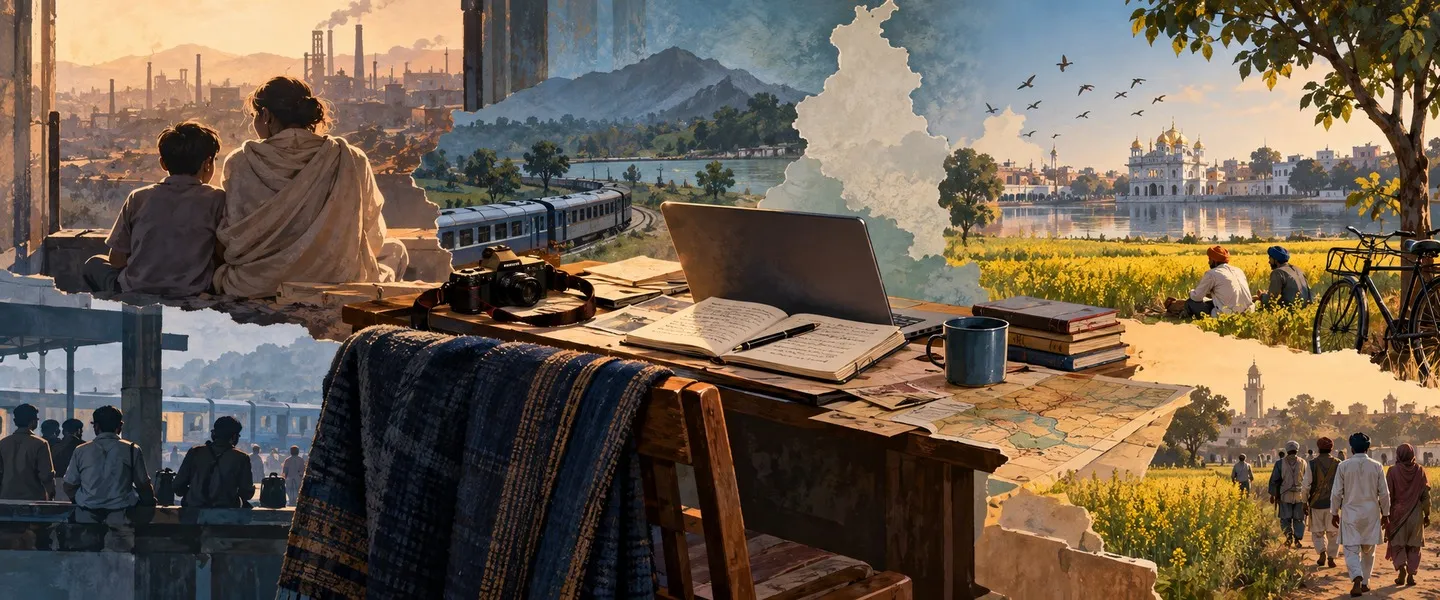
Panjab: Journeys Through Fault Lines is Amandeep Sandhu's first book of non-fiction, published by Westland in 2019. Part reportage, part memoir and part history, it follows more than three years of travel across Punjab that began in 2015, as Sandhu, a Punjabi born and raised outside the state, tried to understand the land his family came from and to close what he calls the hole in his heart, his emptiness about matters Panjab.
Even the spelling is an argument. Sandhu writes Panjab with an a, not Punjab, to point to the Persian origin of the name: panj, five, and aab, water, the land of five rivers. The first edition runs to xvi plus 560 pages (ISBN 978-9388754569), and the author has described his intent plainly: to present Panjab as a post conflict zone and open conversations so that healing can begin. The book opens with verses of the thirteenth century Sufi poet Baba Farid, and its starting image, suggested by his editor, is a photograph taken from the Ramgarhia Bunga at Darbar Sahib in Amritsar just after Operation Bluestar in 1984, with onlookers looking down at the damaged Akal Takht. The whole journey grows out of that wound.
What are the fault lines in Panjab?
The fault lines are the cracks Sandhu finds running through everyday life in Punjab: in its farms and its water, its faith and its schools, its caste order and its shrinking place in the country. Reviewing the book for the Sikh Research Journal, Deepak Kumar of Punjabi University notes that Sandhu puts agrarian distress at the core of Punjabi society. The state that fed India through the Green Revolution now faces depleted soil and falling water tables, and a decade and a half of militancy left its economy and governance destabilised. The relationship between the state and the Sikh community remains fractured, the events of 1984 and their aftermath still haunt the collective psyche, and the failure to address the questions that period raised has deepened the crisis the book records.
Sandhu travelled through the state as these pressures showed themselves. In 2015, when he was on the road, a whitefly infestation hit the cotton fields of the south and farmers were agitating for compensation. He followed the protests and, along the way, met farmers, psychiatrists and student leaders, building each chapter from case studies set against historical fact. His method is deliberately personal: the review calls the book autoethnographic, an account of contemporary rural Punjab animated by village visits, and an emotional journey through which a writer explores his own roots.
Sixteen chapters, sixteen Punjabi words
The book is built as sixteen chapters, each carrying a single Punjabi word as its title: Satt (Wound), Berukhi (Apathy), Rosh (Anger), Rog (Illness), Astha (Faith), Mardangi (Masculinity), Dawa (Medicine), Paani (Water), Zameen (Land), Karza (Loan), Jaat (Caste), Patit (Apostate), Bardr (Border), Sikhya (Education), Lashaan (Corpses) and Janamdin (Birthday). The chapters can be read on their own, but together they move from injury to a guarded hope of renewal: the birthday at the end is the possibility that the land can begin again. Family memory runs through the reporting. In Dawa (Medicine), for example, Sandhu remembers a handsome grand uncle and the small rituals of drink and care around him, and personal histories like this one keep amplifying the collective troubles of the state.
ਕਿਤਾਬ ਬਾਰੇ
ਪੰਜਾਬ: ਜਰਨੀਜ਼ ਥਰੂ ਫਾਲਟ ਲਾਈਨਜ਼ ਅਮਨਦੀਪ ਸੰਧੂ ਦੀ ਗੈਰ-ਗਲਪ ਦੀ ਪਹਿਲੀ ਕਿਤਾਬ ਹੈ, ਜੋ 2019 ਵਿੱਚ ਵੈਸਟਲੈਂਡ ਨੇ ਛਾਪੀ। ਰਿਪੋਰਟਿੰਗ, ਯਾਦਾਂ ਅਤੇ ਇਤਿਹਾਸ ਦਾ ਸੁਮੇਲ ਇਹ ਕਿਤਾਬ 2015 ਤੋਂ ਸ਼ੁਰੂ ਹੋਈ ਪੰਜਾਬ ਭਰ ਦੀ ਤਿੰਨ ਸਾਲ ਤੋਂ ਵੱਧ ਦੀ ਯਾਤਰਾ ਦਾ ਵਰਣਨ ਹੈ, ਜਿਸ ਵਿੱਚ ਸੰਧੂ, ਰਾਜ ਤੋਂ ਬਾਹਰ ਜਨਮਿਆ ਅਤੇ ਵੱਡਾ ਹੋਇਆ ਇੱਕ ਪੰਜਾਬੀ, ਉਸ ਧਰਤੀ ਨੂੰ ਸਮਝਣ ਦੀ ਕੋਸ਼ਿਸ਼ ਕਰਦਾ ਹੈ ਜਿੱਥੋਂ ਉਸ ਦਾ ਪਰਿਵਾਰ ਆਇਆ ਸੀ, ਅਤੇ ਆਪਣੇ ਦਿਲ ਦੇ ਉਸ ਖਾਲੀਪਣ ਨੂੰ ਭਰਨ ਦੀ ਕੋਸ਼ਿਸ਼ ਕਰਦਾ ਹੈ ਜਿਸ ਨੂੰ ਉਹ ਪੰਜਾਬ ਬਾਰੇ ਆਪਣੀ ਅਧੂਰੀ ਜਾਣਕਾਰੀ ਨਾਲ ਜੋੜਦਾ ਹੈ।
ਇਸ ਦੇ ਨਾਂ ਦੀ ਵਰਤੋਂ ਵੀ ਇੱਕ ਦਲੀਲ ਹੈ। ਸੰਧੂ ਪੰਜਾਬ ਦੀ ਥਾਂ ਪੰਜਾਬ ਨੂੰ ਅ ਨਾਲ ਲਿਖਦਾ ਹੈ ਤਾਂ ਜੋ ਨਾਂ ਦੇ ਫ਼ਾਰਸੀ ਮੂਲ ਵੱਲ ਇਸ਼ਾਰਾ ਹੋਵੇ: ਪੰਜ, ਪੰਜ, ਅਤੇ ਆਬ, ਪਾਣੀ, ਪੰਜ ਦਰਿਆਵਾਂ ਦੀ ਧਰਤੀ। ਪਹਿਲਾ ਐਡੀਸ਼ਨ xvi ਅਤੇ 560 ਪੰਨਿਆਂ ਦਾ ਹੈ (ISBN 978-9388754569), ਅਤੇ ਲੇਖਕ ਨੇ ਆਪਣਾ ਮਕਸਦ ਸਾਫ਼ ਸ਼ਬਦਾਂ ਵਿੱਚ ਦੱਸਿਆ ਹੈ: ਪੰਜਾਬ ਨੂੰ ਟਕਰਾਅ ਤੋਂ ਬਾਅਦ ਦੇ ਖੇਤਰ ਵਜੋਂ ਪੇਸ਼ ਕਰਨਾ ਅਤੇ ਗੱਲਬਾਤ ਸ਼ੁਰੂ ਕਰਨੀ ਤਾਂ ਜੋ ਇਲਾਜ ਦੀ ਪ੍ਰਕਿਰਿਆ ਸ਼ੁਰੂ ਹੋ ਸਕੇ। ਕਿਤਾਬ ਤੇਰ੍ਹਵੀਂ ਸਦੀ ਦੇ ਸੂਫ਼ੀ ਕਵੀ ਬਾਬਾ ਫ਼ਰੀਦ ਦੀਆਂ ਸਤਰਾਂ ਨਾਲ ਸ਼ੁਰੂ ਹੁੰਦੀ ਹੈ, ਅਤੇ ਇਸ ਦੀ ਸ਼ੁਰੂਆਤੀ ਤਸਵੀਰ, ਜੋ ਉਸ ਦੇ ਸੰਪਾਦਕ ਨੇ ਸੁਝਾਈ ਸੀ, 1984 ਵਿੱਚ ਆਪਰੇਸ਼ਨ ਬਲੂ ਸਟਾਰ ਤੋਂ ਠੀਕ ਬਾਅਦ ਅੰਮ੍ਰਿਤਸਰ ਦੇ ਦਰਬਾਰ ਸਾਹਿਬ ਵਿਖੇ ਰਾਮਗੜ੍ਹੀਆ ਬੁੰਗੇ ਤੋਂ ਲਈ ਗਈ ਇੱਕ ਫੋਟੋ ਹੈ, ਜਿਸ ਵਿੱਚ ਲੋਕ ਹੇਠਾਂ ਨੁਕਸਾਨੇ ਗਏ ਅਕਾਲ ਤਖ਼ਤ ਵੱਲ ਵੇਖ ਰਹੇ ਹਨ। ਸਾਰੀ ਯਾਤਰਾ ਉਸੇ ਸੱਟ ਤੋਂ ਉੱਗਦੀ ਹੈ।
ਪੰਜਾਬ ਦੀਆਂ ਫਾਲਟ ਲਾਈਨਾਂ ਕੀ ਹਨ?
ਫਾਲਟ ਲਾਈਨਾਂ ਉਹ ਦਰਾਰਾਂ ਹਨ ਜੋ ਸੰਧੂ ਨੂੰ ਪੰਜਾਬ ਦੀ ਰੋਜ਼ਾਨਾ ਜ਼ਿੰਦਗੀ ਵਿੱਚੋਂ ਲੰਘਦੀਆਂ ਦਿਸਦੀਆਂ ਹਨ: ਇਸ ਦੇ ਖੇਤਾਂ ਅਤੇ ਇਸ ਦੇ ਪਾਣੀ ਵਿੱਚ, ਇਸ ਦੇ ਧਰਮ ਅਤੇ ਇਸ ਦੇ ਸਕੂਲਾਂ ਵਿੱਚ, ਇਸ ਦੇ ਜਾਤੀ ਢਾਂਚੇ ਅਤੇ ਦੇਸ਼ ਵਿੱਚ ਇਸ ਦੀ ਸੁੰਗੜਦੀ ਥਾਂ ਵਿੱਚ। ਸਿੱਖ ਰਿਸਰਚ ਜਰਨਲ ਲਈ ਕਿਤਾਬ ਦੀ ਸਮੀਖਿਆ ਕਰਦਿਆਂ ਪੰਜਾਬੀ ਯੂਨੀਵਰਸਿਟੀ ਦੇ ਦੀਪਕ ਕੁਮਾਰ ਦਰਜ ਕਰਦੇ ਹਨ ਕਿ ਸੰਧੂ ਖੇਤੀ ਸੰਕਟ ਨੂੰ ਪੰਜਾਬੀ ਸਮਾਜ ਦੇ ਕੇਂਦਰ ਵਿੱਚ ਰੱਖਦਾ ਹੈ। ਜਿਸ ਰਾਜ ਨੇ ਹਰੀ ਕ੍ਰਾਂਤੀ ਰਾਹੀਂ ਭਾਰਤ ਨੂੰ ਖੁਆਇਆ, ਉਹ ਹੁਣ ਖਤਮ ਹੁੰਦੀ ਮਿੱਟੀ ਅਤੇ ਡਿੱਗਦੇ ਪਾਣੀ ਦਾ ਸਾਹਮਣਾ ਕਰ ਰਿਹਾ ਹੈ, ਅਤੇ ਡੇਢ ਦਹਾਕੇ ਦੀ ਖਾੜਕੂਵਾਦੀ ਹਿੰਸਾ ਨੇ ਇਸ ਦੀ ਆਰਥਿਕਤਾ ਅਤੇ ਸ਼ਾਸਨ ਨੂੰ ਅਸਥਿਰ ਕਰ ਦਿੱਤਾ। ਰਾਜ ਅਤੇ ਸਿੱਖ ਭਾਈਚਾਰੇ ਵਿਚਕਾਰ ਸੰਬੰਧ ਟੁੱਟੇ ਹੋਏ ਹਨ, 1984 ਦੀਆਂ ਘਟਨਾਵਾਂ ਅਤੇ ਉਸ ਤੋਂ ਬਾਅਦ ਦਾ ਸਮਾਂ ਅਜੇ ਵੀ ਸਮੂਹਿਕ ਮਨ ਉੱਤੇ ਭਾਰੀ ਹੈ, ਅਤੇ ਉਸ ਦੌਰ ਵਿੱਚੋਂ ਉੱਠੇ ਸਵਾਲਾਂ ਨੂੰ ਹੱਲ ਨਾ ਕਰਨ ਨੇ ਉਸ ਸੰਕਟ ਨੂੰ ਹੋਰ ਡੂੰਘਾ ਕਰ ਦਿੱਤਾ ਹੈ ਜਿਸ ਨੂੰ ਇਹ ਕਿਤਾਬ ਦਰਜ ਕਰਦੀ ਹੈ।
ਸੰਧੂ ਨੇ ਰਾਜ ਭਰ ਦੀ ਯਾਤਰਾ ਉਸ ਸਮੇਂ ਕੀਤੀ ਜਦੋਂ ਇਹ ਦਬਾਅ ਸਾਹਮਣੇ ਆ ਰਹੇ ਸਨ। 2015 ਵਿੱਚ, ਜਦੋਂ ਉਹ ਸਫ਼ਰ ਉੱਤੇ ਸੀ, ਦੱਖਣ ਦੇ ਕਪਾਹ ਖੇਤਾਂ ਨੂੰ ਸਫ਼ੈਦ ਮੱਖੀ ਨੇ ਮਾਰਿਆ ਅਤੇ ਕਿਸਾਨ ਮੁਆਵਜ਼ੇ ਲਈ ਅੰਦੋਲਨ ਕਰ ਰਹੇ ਸਨ। ਉਸ ਨੇ ਵਿਰੋਧ ਪ੍ਰਦਰਸ਼ਨਾਂ ਦਾ ਪਿੱਛਾ ਕੀਤਾ ਅਤੇ ਰਸਤੇ ਵਿੱਚ ਕਿਸਾਨਾਂ, ਮਨੋਵਿਗਿਆਨੀਆਂ ਅਤੇ ਵਿਦਿਆਰਥੀ ਆਗੂਆਂ ਨੂੰ ਮਿਲਿਆ, ਹਰ ਅਧਿਆਇ ਇਤਿਹਾਸਕ ਤੱਥਾਂ ਨਾਲ ਜੋੜੇ ਕੇਸ ਅਧਿਐਨਾਂ ਤੋਂ ਬਣਾਇਆ। ਉਸ ਦਾ ਢੰਗ ਜਾਣ ਬੁੱਝ ਕੇ ਨਿੱਜੀ ਹੈ: ਸਮੀਖਿਆ ਇਸ ਕਿਤਾਬ ਨੂੰ ਆਪਣੇ ਭਾਈਚਾਰੇ ਦਾ ਅਧਿਐਨ ਕਹਿੰਦੀ ਹੈ, ਪਿੰਡਾਂ ਦੀਆਂ ਫੇਰੀਆਂ ਨਾਲ ਜੀਵੰਤ ਹੋਇਆ ਸਮਕਾਲੀ ਪੇਂਡੂ ਪੰਜਾਬ ਦਾ ਵਰਣਨ, ਅਤੇ ਇੱਕ ਭਾਵਨਾਤਮਕ ਯਾਤਰਾ ਜਿਸ ਰਾਹੀਂ ਇੱਕ ਲੇਖਕ ਆਪਣੀਆਂ ਜੜ੍ਹਾਂ ਦੀ ਖੋਜ ਕਰਦਾ ਹੈ।
ਸੋਲਾਂ ਅਧਿਆਇ, ਸੋਲਾਂ ਪੰਜਾਬੀ ਸ਼ਬਦ
ਕਿਤਾਬ ਸੋਲਾਂ ਅਧਿਆਇਆਂ ਵਿੱਚ ਬਣੀ ਹੈ, ਹਰ ਅਧਿਆਇ ਦਾ ਸਿਰਲੇਖ ਇੱਕੋ ਪੰਜਾਬੀ ਸ਼ਬਦ ਹੈ: ਸੱਟ, ਬੇਰੁਖ਼ੀ, ਰੋਸ਼, ਰੋਗ, ਆਸਥਾ, ਮਰਦਾਨਗੀ, ਦਵਾ, ਪਾਣੀ, ਜ਼ਮੀਨ, ਕਰਜ਼ਾ, ਜਾਤ, ਪਤਿਤ, ਬਾਰਡਰ, ਸਿੱਖਿਆ, ਲਾਸ਼ਾਂ ਅਤੇ ਜਨਮਦਿਨ। ਅਧਿਆਇ ਵੱਖੋ ਵੱਖਰੇ ਵੀ ਪੜ੍ਹੇ ਜਾ ਸਕਦੇ ਹਨ, ਪਰ ਇਕੱਠੇ ਉਹ ਸੱਟ ਤੋਂ ਨਵੀਂ ਸ਼ੁਰੂਆਤ ਦੀ ਸੰਭਾਲੀ ਹੋਈ ਉਮੀਦ ਵੱਲ ਜਾਂਦੇ ਹਨ: ਅੰਤ ਵਿੱਚ ਜਨਮਦਿਨ ਉਹ ਸੰਭਾਵਨਾ ਹੈ ਕਿ ਧਰਤੀ ਫਿਰ ਸ਼ੁਰੂ ਕਰ ਸਕਦੀ ਹੈ। ਪਰਿਵਾਰਕ ਯਾਦ ਰਿਪੋਰਟਿੰਗ ਵਿੱਚੋਂ ਲੰਘਦੀ ਹੈ। ਦਵਾ ਅਧਿਆਇ ਵਿੱਚ, ਉਦਾਹਰਨ ਵਜੋਂ, ਸੰਧੂ ਇੱਕ ਖੂਬਸੂਰਤ ਵੱਡੇ ਚਾਚੇ ਨੂੰ ਅਤੇ ਉਸ ਦੇ ਆਲੇ ਦੁਆਲੇ ਸ਼ਰਾਬ ਅਤੇ ਦੇਖਭਾਲ ਦੇ ਛੋਟੇ ਰਿਵਾਜਾਂ ਨੂੰ ਯਾਦ ਕਰਦਾ ਹੈ, ਅਤੇ ਇਸ ਤਰ੍ਹਾਂ ਦੀਆਂ ਨਿੱਜੀ ਕਹਾਣੀਆਂ ਰਾਜ ਦੀਆਂ ਸਮੂਹਿਕ ਮੁਸ਼ਕਲਾਂ ਨੂੰ ਵੱਡਾ ਕਰਕੇ ਦਿਖਾਉਂਦੀਆਂ ਹਨ।
Sandhu has explained why the book could not be a straight travelogue: travel is linear, but the issues are anything but linear, so the book mixes reportage, memoir and contextual history instead. Non-fiction, he told The Hindu BusinessLine, has to represent the world it talks about so that it can be compared with what is happening on the ground, and the writer has to be careful to get the true voice and story of the place.
The author
Amandeep Sandhu was born in 1973 in Rourkela, Odisha, into a Punjabi Sikh family, and grew up far from Punjab, in towns across Odisha, Chhattisgarh, Punjab, Uttarakhand and Andhra Pradesh. He took a master's degree in English literature from the University of Hyderabad, worked as a journalist and then as a technical writer, and is based in Bengaluru. Before Panjab he wrote two works of autobiographical fiction: Sepia Leaves (2008), drawn from his childhood with a mother who lived with schizophrenia, and Roll of Honour (2012), about the divided loyalties of a Sikh schoolboy in the years of militancy. Panjab turns the same questions outward: where Sepia Leaves asked what home does to a child, this book asks what has happened to the home itself. His full entry is in the Kosh people section.
Reception and legacy
The book arrived with strong endorsements. The publisher and feminist historian Urvashi Butalia called it more than a history of Panjab: a journey of self discovery and a homecoming that questions the idea of home itself. Hartosh Singh Bal, political editor of Caravan, wrote that he had read nothing that better explains the interconnected decay of the institutions of the state and the Sikh religion. Deepak Kumar's scholarly review praised Sandhu for going beyond the usual focus on Sikh identity politics, for keeping his attention on the contemporary situation, and for writing in journalistic language without jargon, so that the book reads almost like a novel. The same review is honest about limits: the question of women stays marginal in the book, a gap the author himself acknowledges, and the caste chapter invites a fuller explanation than it gives.
Panjab has settled into the small shelf of books that readers, students and the diaspora reach for when they want to understand the Punjab of today rather than the Punjab of legend. For the Punjabi diaspora in particular, whose connection to the land often runs through family memory rather than residence, Sandhu's outsider-insider journey mirrors their own. The book ends, in his words to The Hindu BusinessLine, in a sense of homecoming: home is language, the language where you can be yourself.
ਸੰਧੂ ਨੇ ਦੱਸਿਆ ਹੈ ਕਿ ਕਿਤਾਬ ਸਿੱਧਾ ਸਫ਼ਰਨਾਮਾ ਕਿਉਂ ਨਹੀਂ ਬਣ ਸਕੀ: ਸਫ਼ਰ ਸਿੱਧਾ ਹੁੰਦਾ ਹੈ, ਪਰ ਮੁੱਦੇ ਸਿੱਧੇ ਬਿਲਕੁਲ ਨਹੀਂ ਹੁੰਦੇ, ਇਸ ਲਈ ਕਿਤਾਬ ਇਸ ਦੀ ਥਾਂ ਰਿਪੋਰਟਿੰਗ, ਯਾਦਾਂ ਅਤੇ ਪ੍ਰਸੰਗਿਕ ਇਤਿਹਾਸ ਨੂੰ ਮਿਲਾਉਂਦੀ ਹੈ। ਗੈਰ-ਗਲਪ, ਜਿਵੇਂ ਉਸ ਨੇ ਦਾ ਹਿੰਦੂ ਬਿਜ਼ਨਸਲਾਈਨ ਨੂੰ ਕਿਹਾ, ਨੂੰ ਉਸ ਦੁਨੀਆਂ ਦੀ ਨੁਮਾਇੰਦਗੀ ਕਰਨੀ ਪੈਂਦੀ ਹੈ ਜਿਸ ਬਾਰੇ ਇਹ ਗੱਲ ਕਰਦੀ ਹੈ ਤਾਂ ਜੋ ਇਸ ਦੀ ਤੁਲਨਾ ਜ਼ਮੀਨ ਉੱਤੇ ਵਾਪਰ ਰਹੀ ਹਕੀਕਤ ਨਾਲ ਹੋ ਸਕੇ, ਅਤੇ ਲੇਖਕ ਨੂੰ ਥਾਂ ਦੀ ਸੱਚੀ ਆਵਾਜ਼ ਅਤੇ ਕਹਾਣੀ ਪਾਉਣ ਲਈ ਸਾਵਧਾਨ ਰਹਿਣਾ ਪੈਂਦਾ ਹੈ।
ਲੇਖਕ
ਅਮਨਦੀਪ ਸੰਧੂ ਦਾ ਜਨਮ 1973 ਵਿੱਚ ਰਾਊਰਕੇਲਾ, ਓਡੀਸ਼ਾ ਵਿੱਚ ਇੱਕ ਪੰਜਾਬੀ ਸਿੱਖ ਪਰਿਵਾਰ ਵਿੱਚ ਹੋਇਆ, ਅਤੇ ਉਹ ਪੰਜਾਬ ਤੋਂ ਦੂਰ, ਓਡੀਸ਼ਾ, ਛੱਤੀਸਗੜ੍ਹ, ਪੰਜਾਬ, ਉੱਤਰਾਖੰਡ ਅਤੇ ਆਂਧਰਾ ਪ੍ਰਦੇਸ਼ ਦੇ ਕਸਬਿਆਂ ਵਿੱਚ ਵੱਡਾ ਹੋਇਆ। ਉਸ ਨੇ ਹੈਦਰਾਬਾਦ ਯੂਨੀਵਰਸਿਟੀ ਤੋਂ ਅੰਗਰੇਜ਼ੀ ਸਾਹਿਤ ਵਿੱਚ ਮਾਸਟਰ ਡਿਗਰੀ ਕੀਤੀ, ਪੱਤਰਕਾਰ ਵਜੋਂ ਅਤੇ ਫਿਰ ਤਕਨੀਕੀ ਲੇਖਕ ਵਜੋਂ ਕੰਮ ਕੀਤਾ, ਅਤੇ ਬੈਂਗਲੁਰੂ ਵਿੱਚ ਰਹਿੰਦਾ ਹੈ। ਪੰਜਾਬ ਤੋਂ ਪਹਿਲਾਂ ਉਸ ਨੇ ਆਤਮਕਥਾਤਮਕ ਗਲਪ ਦੀਆਂ ਦੋ ਕਿਤਾਬਾਂ ਲਿਖੀਆਂ: ਸੇਪੀਆ ਲੀਵਜ਼ (2008), ਜੋ ਮਾਨਸਿਕ ਬਿਮਾਰੀ ਨਾਲ ਜੀਉਂਦੀ ਮਾਂ ਨਾਲ ਉਸ ਦੇ ਬਚਪਨ ਤੋਂ ਲਈ ਗਈ ਹੈ, ਅਤੇ ਰੋਲ ਆਫ਼ ਆਨਰ (2012), ਖਾੜਕੂਵਾਦ ਦੇ ਸਾਲਾਂ ਵਿੱਚ ਇੱਕ ਸਿੱਖ ਸਕੂਲੀ ਮੁੰਡੇ ਦੀਆਂ ਵੰਡੀਆਂ ਵਫ਼ਾਦਾਰੀਆਂ ਬਾਰੇ। ਪੰਜਾਬ ਉਹੀ ਸਵਾਲ ਬਾਹਰ ਵੱਲ ਮੋੜਦਾ ਹੈ: ਜਿੱਥੇ ਸੇਪੀਆ ਲੀਵਜ਼ ਨੇ ਪੁੱਛਿਆ ਕਿ ਘਰ ਇੱਕ ਬੱਚੇ ਨਾਲ ਕੀ ਕਰਦਾ ਹੈ, ਇਹ ਕਿਤਾਬ ਪੁੱਛਦੀ ਹੈ ਕਿ ਘਰ ਨਾਲ ਆਪ ਕੀ ਹੋਇਆ ਹੈ। ਉਸ ਦੀ ਪੂਰੀ ਐਂਟਰੀ ਕੋਸ਼ ਲੋਕ ਭਾਗ ਵਿੱਚ ਹੈ।
ਸਵਾਗਤ ਅਤੇ ਵਿਰਾਸਤ
ਕਿਤਾਬ ਮਜ਼ਬੂਤ ਸਮਰਥਨ ਨਾਲ ਆਈ। ਪ੍ਰਕਾਸ਼ਕ ਅਤੇ ਨਾਰੀਵਾਦੀ ਇਤਿਹਾਸਕਾਰ ਉਰਵਸ਼ੀ ਬੁਟਾਲੀਆ ਨੇ ਇਸ ਨੂੰ ਪੰਜਾਬ ਦੇ ਇਤਿਹਾਸ ਤੋਂ ਵੱਧ ਕਿਹਾ: ਆਪਣੀ ਖੋਜ ਦੀ ਯਾਤਰਾ ਅਤੇ ਇੱਕ ਘਰ ਵਾਪਸੀ ਜੋ ਘਰ ਦੇ ਵਿਚਾਰ ਉੱਤੇ ਹੀ ਸਵਾਲ ਉਠਾਉਂਦੀ ਹੈ। ਕੈਰਾਵੈਨ ਦੇ ਰਾਜਨੀਤਿਕ ਸੰਪਾਦਕ ਹਰਤੋਸ਼ ਸਿੰਘ ਬਾਲ ਨੇ ਲਿਖਿਆ ਕਿ ਉਸ ਨੇ ਅਜਿਹਾ ਕੁਝ ਨਹੀਂ ਪੜ੍ਹਿਆ ਜੋ ਰਾਜ ਅਤੇ ਸਿੱਖ ਧਰਮ ਦੀਆਂ ਸੰਸਥਾਵਾਂ ਦੇ ਆਪਸ ਵਿੱਚ ਜੁੜੇ ਪਤਨ ਨੂੰ ਇਸ ਤੋਂ ਚੰਗੀ ਤਰ੍ਹਾਂ ਸਮਝਾਉਂਦਾ ਹੋਵੇ। ਦੀਪਕ ਕੁਮਾਰ ਦੀ ਵਿਦਵਤਾਪੂਰਨ ਸਮੀਖਿਆ ਨੇ ਸੰਧੂ ਦੀ ਇਸ ਗੱਲ ਲਈ ਪ੍ਰਸ਼ੰਸਾ ਕੀਤੀ ਕਿ ਉਹ ਸਿੱਖ ਪਛਾਣ ਦੀ ਰਾਜਨੀਤੀ ਉੱਤੇ ਆਮ ਧਿਆਨ ਤੋਂ ਅੱਗੇ ਜਾਂਦਾ ਹੈ, ਆਪਣਾ ਧਿਆਨ ਸਮਕਾਲੀ ਸਥਿਤੀ ਉੱਤੇ ਰੱਖਦਾ ਹੈ, ਅਤੇ ਭਾਰੀ ਸ਼ਬਦਾਵਲੀ ਤੋਂ ਬਿਨਾਂ ਪੱਤਰਕਾਰੀ ਭਾਸ਼ਾ ਵਿੱਚ ਲਿਖਦਾ ਹੈ, ਤਾਂ ਜੋ ਕਿਤਾਬ ਲਗਭਗ ਨਾਵਲ ਵਾਂਗ ਪੜ੍ਹੀ ਜਾਂਦੀ ਹੈ। ਉਹੀ ਸਮੀਖਿਆ ਸੀਮਾਵਾਂ ਬਾਰੇ ਵੀ ਇਮਾਨਦਾਰ ਹੈ: ਔਰਤਾਂ ਦਾ ਸਵਾਲ ਕਿਤਾਬ ਵਿੱਚ ਕਿਨਾਰੇ ਉੱਤੇ ਰਹਿੰਦਾ ਹੈ, ਇੱਕ ਘਾਟ ਜਿਸ ਨੂੰ ਲੇਖਕ ਆਪ ਸਵੀਕਾਰ ਕਰਦਾ ਹੈ, ਅਤੇ ਜਾਤ ਵਾਲਾ ਅਧਿਆਇ ਇਸ ਤੋਂ ਪੂਰੀ ਵਿਆਖਿਆ ਮੰਗਦਾ ਹੈ ਜਿੰਨੀ ਇਹ ਦਿੰਦਾ ਹੈ।
ਪੰਜਾਬ ਉਸ ਛੋਟੀ ਸ਼ੈਲਫ਼ ਉੱਤੇ ਜਾ ਟਿਕਿਆ ਹੈ ਜਿਸ ਵੱਲ ਪਾਠਕ, ਵਿਦਿਆਰਥੀ ਅਤੇ ਪਰਦੇਸੀ ਉਦੋਂ ਮੁੜਦੇ ਹਨ ਜਦੋਂ ਉਹ ਦੰਤਕਥਾ ਵਾਲੇ ਪੰਜਾਬ ਦੀ ਥਾਂ ਅੱਜ ਦਾ ਪੰਜਾਬ ਸਮਝਣਾ ਚਾਹੁੰਦੇ ਹਨ। ਖ਼ਾਸ ਕਰਕੇ ਪੰਜਾਬੀ ਪਰਦੇਸੀਆਂ ਲਈ, ਜਿਨ੍ਹਾਂ ਦਾ ਧਰਤੀ ਨਾਲ ਸੰਬੰਧ ਅਕਸਰ ਰਿਹਾਇਸ਼ ਦੀ ਥਾਂ ਪਰਿਵਾਰਕ ਯਾਦ ਰਾਹੀਂ ਚੱਲਦਾ ਹੈ, ਸੰਧੂ ਦੀ ਬਾਹਰਲੇ-ਅੰਦਰਲੇ ਵਾਲੀ ਯਾਤਰਾ ਉਨ੍ਹਾਂ ਦੀ ਆਪਣੀ ਯਾਤਰਾ ਵਰਗੀ ਹੈ। ਕਿਤਾਬ, ਦਾ ਹਿੰਦੂ ਬਿਜ਼ਨਸਲਾਈਨ ਨੂੰ ਕਹੇ ਉਸ ਦੇ ਸ਼ਬਦਾਂ ਵਿੱਚ, ਘਰ ਵਾਪਸੀ ਦੀ ਭਾਵਨਾ ਨਾਲ ਖਤਮ ਹੁੰਦੀ ਹੈ: ਘਰ ਭਾਸ਼ਾ ਹੈ, ਉਹ ਭਾਸ਼ਾ ਜਿੱਥੇ ਤੁਸੀਂ ਆਪ ਬਣ ਸਕਦੇ ਹੋ।
Editions and translations
- Panjab: Journeys Through Fault LinesEnglish · Westland Publications · 2019 · xvi + 560 pages · ISBN 978-9388754569Edition
The author
Connected
More to read
Sources (3)
Jugti is free and independent. Reader support keeps the Kosh growing.
Support