
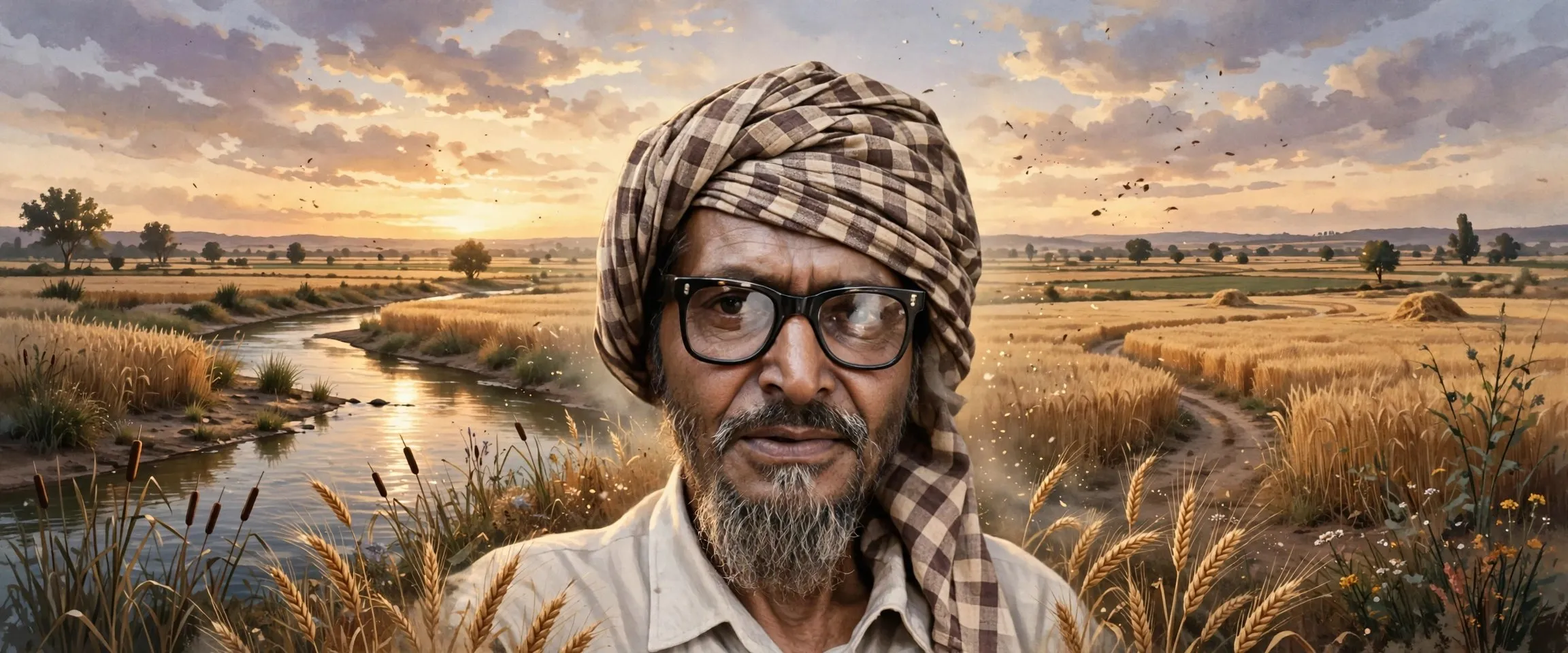
Satluj Di Hawa (Breeze from the Sutlej) is the first book of Punjabi poetry by Lal Singh Dil, published in 1971. Written from inside the world of Punjab's landless Dalit labourers by one of their own, it became a landmark of Punjabi revolutionary poetry, praised as an epoch by the Indian Express and still read beside Pash.
Punjabi, Gurmukhi, with an English translation- Punjabi name
- ਸਤਲੁਜ ਦੀ ਹਵਾ
- Author
- Lal Singh Dil (1943 to 2007)
- Published
- 1971
- Language
- Punjabi (Gurmukhi)
- Form
- Poetry: first collection
- Title meaning
- Breeze from the Sutlej
- Author's later books
- Bahut Saare Suraj (1982), Sathar (1997), Dastaan (1998)
Satluj Di Hawa, in English Breeze from the Sutlej, is the first book of Punjabi poetry by Lal Singh Dil (1943 to 2007), published in 1971. Dil was a landless Dalit labourer's son from Ghungrali Sikhan, a village near Samrala in Ludhiana district, and he wrote from inside the world his poems describe: the fields, the daily wage and the humiliation of caste. The book appeared as the Naxalite movement rose and fell in Punjab, and it made his name as a poet. An obituary notice, quoting the Indian Express, later called the collection an epoch in the history of Punjabi revolutionary poetry, and Surjit Patar has said Dil will be counted as one of the major Punjabi poets of the twentieth century.
About the book
Dil had been writing since his school days. He was still in Class X, working as a wage labourer, when his first poem appeared in Preetlari, the famous Punjabi literary journal, and more poems followed in journals such as Lakeer and Nagmani before any book existed. Satluj Di Hawa gathered that early work in 1971. The timing is part of the book's story. Dil had been drawn into the Naxalite movement in 1968, took part in the agitation at the Birla Seed Farm and then in the unsuccessful raid on the Chamkaur police station on 30 April 1969, and was arrested, tortured and sentenced to six months of hard labour. He was in and out of jail up to 1971, the year the book came out, and by the end of that year he had fled Punjab for Uttar Pradesh, fearing the police and disillusioned with the movement. The breeze of the title is therefore not a gentle image. It is the wind off the river Satluj, the great river of his home country in Malwa, carrying the heat of the fields with it.
What is Satluj Di Hawa about?
Satluj Di Hawa is about the people at the very bottom of Punjab's countryside, written by one of them. Its poems take up the landless labourer, the daily wager, the Dalit family, the woman picking fruit in someone else's orchard, and set their days against the promises of revolution that were in the air. In the title poem, quoted in The Caravan, the revolutionary slogans of the Indian soil shake distant lands, and the jungles call out to watch the enemy go up in flames. Yet the book's best known poems are quiet ones. In Bholiaan, girls picking fruit hold on to small moments of joy across a poor woman's whole life, from childhood to middle age. In Nadeen, weeds, a daily wager's small trowel with a wooden handle softened by many hands becomes, in Dil's eye, a work of art. Shaam da Rang, Ik Soch and Mera Desh belong to the same first flowering: evening, a single thought of love, and a country of half hungry people counting stars to soothe aching limbs.
Themes: the landless, caste and a quiet revolutionary voice
The critic T. C. Ghai, summing up Dil's poetry, notes that it focuses for the first time in Punjabi poetry on the lives of men, women and children at the lowest rungs of Indian society: the Dalits, the landless labourers and farm workers, the daily wagers, and the nomadic and wandering tribes whom Dil believed were the original inhabitants of the land, the people he later named in the title of his collected poems, Naglok. Where Pash, the loudest voice of the same movement, sang of a revolution round the corner in blood and thunder imagery, Dil mostly remained a poet of understatement, and the difference is caste as much as temperament. He complained that his poetry was sidelined because of his low caste, even inside a movement that preached a caste free society, and his portraits of women, the daily wage labourer women above all, are drawn with an empathy his contemporaries remarked on: Amarjit Chandan compared them to Amrita Shergil's paintings.
The author
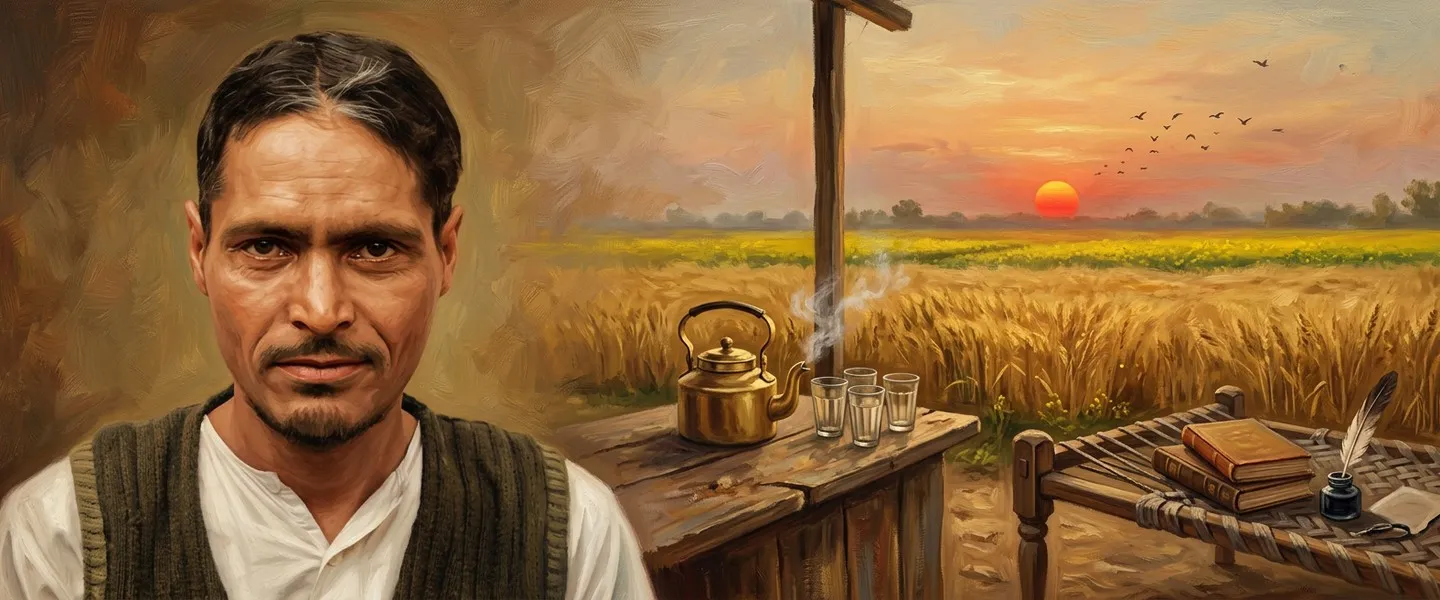
Lal Singh Dil was born on 11 April 1943 in Ghungrali Sikhan, in a Ramdasia Chamar family of tanners. His father worked all his life as an agricultural labourer on other people's land, and Dil was the first of his clan to pass the tenth standard, in 1960 to 1961, while working for wages. College, a teacher training course and an honours course in Punjabi literature all had to be given up unfinished. After his release from jail he spent the years from 1971 to 1983 in Uttar Pradesh, working as a cook, watchman, gardener and farm hand, and in 1972 he converted to Islam, believing he would find no caste there. He returned to Samrala in 1983 and ended as a tea vendor at the bus terminal, still writing. His later books are Bahut Saare Suraj (So Many Suns, 1982), written in Uttar Pradesh, Sathar (1997), the autobiography Dastaan (1998) and the long poem Aj Billa Phir Aaya, published in 2009 after his death at Ludhiana on 14 August 2007. His full life is told in his people entry in this Kosh.
Reception and legacy
The judgements on Dil were made early and have not been revised down. The poet and critic Harbhajan Singh, on first reading him, called him a truly new signature in contemporary poetry. The Indian Express, in its obituary, called Satluj Di Hawa an epoch in Punjabi revolutionary poetry, and the filmmaker Ajay Bhardwaj placed Dil at the beating heart of his 2005 documentary Kitte Mil Ve Mahi, on caste and the Sufi tradition in post Partition Punjab. Dil's poems were gathered whole in Naglok (1998), and English readers reached him through Nirupama Dutt's Poet of the Revolution (Viking Penguin, 2012), her translation of the memoirs with a selection of poems, and through T. C. Ghai's Exclusion, Deprivation and Nothingness (2017), a translation of one hundred poems. In this Kosh the book stands beside Pash's Loh Katha, the other great poetic record of the same movement, and the two read together show its two voices: the thunder, and the understatement that outlasted it.
ਸਤਲੁਜ ਦੀ ਹਵਾ ਲਾਲ ਸਿੰਘ ਦਿਲ (1943 ਤੋਂ 2007) ਦੀ ਪੰਜਾਬੀ ਕਵਿਤਾ ਦੀ ਪਹਿਲੀ ਕਿਤਾਬ ਹੈ, ਜੋ 1971 ਵਿੱਚ ਪ੍ਰਕਾਸ਼ਿਤ ਹੋਈ। ਦਿਲ ਲੁਧਿਆਣਾ ਜ਼ਿਲ੍ਹੇ ਵਿੱਚ ਸਮਰਾਲਾ ਨੇੜੇ ਪਿੰਡ ਘੁੰਗਰਾਲੀ ਸਿੱਖਾਂ ਦਾ ਇੱਕ ਭੂਮੀਹੀਣ ਦਲਿਤ ਮਜ਼ਦੂਰ ਦਾ ਪੁੱਤਰ ਸੀ, ਅਤੇ ਉਸ ਨੇ ਉਸੇ ਸੰਸਾਰ ਦੇ ਅੰਦਰੋਂ ਲਿਖਿਆ ਜਿਸ ਦਾ ਵਰਣਨ ਉਸ ਦੀਆਂ ਕਵਿਤਾਵਾਂ ਕਰਦੀਆਂ ਹਨ: ਖੇਤ, ਦਿਹਾੜੀ ਅਤੇ ਜ਼ਾਤ ਦੀ ਬੇਇੱਜ਼ਤੀ। ਇਹ ਕਿਤਾਬ ਉਦੋਂ ਆਈ ਜਦੋਂ ਪੰਜਾਬ ਵਿੱਚ ਨਕਸਲੀ ਲਹਿਰ ਚੜ੍ਹ ਰਹੀ ਸੀ ਅਤੇ ਡਿੱਗ ਰਹੀ ਸੀ, ਅਤੇ ਇਸ ਨੇ ਕਵੀ ਵਜੋਂ ਉਸ ਦਾ ਨਾਂ ਬਣਾਇਆ। ਬਾਅਦ ਵਿੱਚ ਇੱਕ ਸ਼ੋਕ ਸੰਦੇਸ਼ ਨੇ, ਇੰਡੀਅਨ ਐਕਸਪ੍ਰੈਸ ਦਾ ਹਵਾਲਾ ਦਿੰਦਿਆਂ, ਇਸ ਸੰਗ੍ਰਹਿ ਨੂੰ ਪੰਜਾਬੀ ਇਨਕਲਾਬੀ ਕਵਿਤਾ ਦੇ ਇਤਿਹਾਸ ਵਿੱਚ ਇੱਕ ਯੁੱਗ ਕਿਹਾ, ਅਤੇ ਸੁਰਜੀਤ ਪਾਤਰ ਨੇ ਕਿਹਾ ਹੈ ਕਿ ਦਿਲ ਵੀਹਵੀਂ ਸਦੀ ਦੇ ਪ੍ਰਮੁੱਖ ਪੰਜਾਬੀ ਕਵੀਆਂ ਵਿੱਚ ਗਿਣਿਆ ਜਾਵੇਗਾ।
ਕਿਤਾਬ ਬਾਰੇ
ਦਿਲ ਸਕੂਲ ਦੇ ਦਿਨਾਂ ਤੋਂ ਲਿਖ ਰਿਹਾ ਸੀ। ਉਹ ਅਜੇ ਦਸਵੀਂ ਜਮਾਤ ਵਿੱਚ ਸੀ, ਦਿਹਾੜੀ ਮਜ਼ਦੂਰੀ ਕਰਦਾ ਹੋਇਆ, ਜਦੋਂ ਉਸ ਦੀ ਪਹਿਲੀ ਕਵਿਤਾ ਮਸ਼ਹੂਰ ਪੰਜਾਬੀ ਸਾਹਿਤਕ ਪੱਤਰ ਪ੍ਰੀਤਲੜੀ ਵਿੱਚ ਛਪੀ, ਅਤੇ ਕੋਈ ਕਿਤਾਬ ਆਉਣ ਤੋਂ ਪਹਿਲਾਂ ਲਕੀਰ ਅਤੇ ਨਾਗਮਣੀ ਵਰਗੇ ਪੱਤਰਾਂ ਵਿੱਚ ਹੋਰ ਕਵਿਤਾਵਾਂ ਆਈਆਂ। ਸਤਲੁਜ ਦੀ ਹਵਾ ਨੇ ਉਹ ਮੁੱਢਲਾ ਕੰਮ 1971 ਵਿੱਚ ਇਕੱਠਾ ਕੀਤਾ। ਸਮਾਂ ਇਸ ਕਿਤਾਬ ਦੀ ਕਹਾਣੀ ਦਾ ਹਿੱਸਾ ਹੈ। ਦਿਲ 1968 ਵਿੱਚ ਨਕਸਲੀ ਲਹਿਰ ਵਿੱਚ ਖਿੱਚਿਆ ਗਿਆ ਸੀ, ਬਿਰਲਾ ਸੀਡ ਫਾਰਮ ਦੇ ਅੰਦੋਲਨ ਵਿੱਚ ਹਿੱਸਾ ਲਿਆ ਅਤੇ ਫਿਰ 30 ਅਪ੍ਰੈਲ 1969 ਨੂੰ ਚਮਕੌਰ ਥਾਣੇ ਉੱਤੇ ਅਸਫ਼ਲ ਛਾਪੇ ਵਿੱਚ, ਅਤੇ ਉਹ ਗ੍ਰਿਫ਼ਤਾਰ ਹੋਇਆ, ਉਸ ਉੱਤੇ ਤਸ਼ੱਦਦ ਹੋਇਆ ਅਤੇ ਉਸ ਨੂੰ ਛੇ ਮਹੀਨੇ ਦੀ ਬਾਮੁਸ਼ੱਕਤ ਕੈਦ ਹੋਈ। ਉਹ 1971 ਤੱਕ ਜੇਲ੍ਹ ਅੰਦਰ ਬਾਹਰ ਰਿਹਾ, ਉਸੇ ਸਾਲ ਜਿਸ ਸਾਲ ਕਿਤਾਬ ਆਈ, ਅਤੇ ਉਸ ਸਾਲ ਦੇ ਅੰਤ ਤੱਕ ਉਹ ਪੁਲਿਸ ਦੇ ਡਰ ਅਤੇ ਲਹਿਰ ਤੋਂ ਮੋਹਭੰਗ ਕਾਰਨ ਪੰਜਾਬ ਛੱਡ ਕੇ ਉੱਤਰ ਪ੍ਰਦੇਸ਼ ਚਲਾ ਗਿਆ ਸੀ। ਇਸ ਲਈ ਸਿਰਲੇਖ ਦੀ ਹਵਾ ਕੋਈ ਨਰਮ ਤਸਵੀਰ ਨਹੀਂ। ਇਹ ਸਤਲੁਜ ਦਰਿਆ ਦੀ ਹਵਾ ਹੈ, ਮਾਲਵੇ ਵਿੱਚ ਉਸ ਦੇ ਘਰ ਦੇ ਇਲਾਕੇ ਦਾ ਮਹਾਨ ਦਰਿਆ, ਜੋ ਖੇਤਾਂ ਦੀ ਤਪਸ਼ ਆਪਣੇ ਨਾਲ ਲੈ ਕੇ ਆਉਂਦੀ ਹੈ।
ਸਤਲੁਜ ਦੀ ਹਵਾ ਕਿਸ ਬਾਰੇ ਹੈ?
ਸਤਲੁਜ ਦੀ ਹਵਾ ਪੰਜਾਬ ਦੇ ਪੇਂਡੂ ਇਲਾਕੇ ਦੇ ਸਭ ਤੋਂ ਹੇਠਲੇ ਲੋਕਾਂ ਬਾਰੇ ਹੈ, ਉਨ੍ਹਾਂ ਵਿੱਚੋਂ ਇੱਕ ਦੇ ਲਿਖੀ ਹੋਈ। ਇਸ ਦੀਆਂ ਕਵਿਤਾਵਾਂ ਭੂਮੀਹੀਣ ਮਜ਼ਦੂਰ, ਦਿਹਾੜੀਦਾਰ, ਦਲਿਤ ਪਰਿਵਾਰ, ਕਿਸੇ ਹੋਰ ਦੇ ਬਾਗ ਵਿੱਚ ਫਲ ਤੋੜਦੀ ਔਰਤ ਨੂੰ ਲੈਂਦੀਆਂ ਹਨ, ਅਤੇ ਉਨ੍ਹਾਂ ਦੇ ਦਿਨਾਂ ਨੂੰ ਹਵਾ ਵਿੱਚ ਫੈਲੇ ਇਨਕਲਾਬ ਦੇ ਵਾਅਦਿਆਂ ਦੇ ਸਾਹਮਣੇ ਰੱਖਦੀਆਂ ਹਨ। ਸਿਰਲੇਖ ਕਵਿਤਾ ਵਿੱਚ, ਜਿਸ ਦਾ ਹਵਾਲਾ ਦਾ ਕੈਰਵਨ ਵਿੱਚ ਆਇਆ ਹੈ, ਭਾਰਤੀ ਧਰਤੀ ਦੇ ਨਾਅਰੇ ਦੂਰ ਦੂਰ ਦੀਆਂ ਧਰਤੀਆਂ ਨੂੰ ਹਿਲਾਉਂਦੇ ਹਨ, ਅਤੇ ਜੰਗਲ ਦੁਸ਼ਮਣ ਨੂੰ ਅੱਗ ਵਿੱਚ ਜਾਂਦਾ ਵੇਖਣ ਦੀ ਗੱਲ ਕਰਦੇ ਹਨ। ਫਿਰ ਵੀ ਇਸ ਕਿਤਾਬ ਦੀਆਂ ਸਭ ਤੋਂ ਵੱਧ ਜਾਣੀਆਂ ਕਵਿਤਾਵਾਂ ਸ਼ਾਂਤ ਹਨ। ਭੋਲੀਆਂ ਵਿੱਚ, ਫਲ ਤੋੜਦੀਆਂ ਕੁੜੀਆਂ ਇੱਕ ਗਰੀਬ ਔਰਤ ਦੇ ਸਾਰੇ ਜੀਵਨ ਵਿੱਚ, ਬਚਪਨ ਤੋਂ ਅੱਧਖੜ ਉਮਰ ਤੱਕ, ਖੁਸ਼ੀ ਦੇ ਛੋਟੇ ਛੋਟੇ ਪਲਾਂ ਨੂੰ ਫੜੀ ਰੱਖਦੀਆਂ ਹਨ। ਨਦੀਨ, ਗੋਡੀ, ਵਿੱਚ ਦਿਹਾੜੀਦਾਰ ਦੀ ਛੋਟੀ ਜਿਹੀ ਖੁਰਪੀ, ਜਿਸ ਦੀ ਲੱਕੜ ਦੀ ਮੁੱਠ ਕਈ ਹੱਥਾਂ ਦੇ ਛੂਹਣ ਨਾਲ ਨਰਮ ਹੋ ਗਈ ਹੈ, ਦਿਲ ਦੀ ਨਜ਼ਰ ਵਿੱਚ ਇੱਕ ਕਲਾ ਕ੍ਰਿਤੀ ਬਣ ਜਾਂਦੀ ਹੈ। ਸ਼ਾਮ ਦਾ ਰੰਗ, ਇੱਕ ਸੋਚ ਅਤੇ ਮੇਰਾ ਦੇਸ਼ ਉਸੇ ਪਹਿਲੇ ਖਿੜਾਅ ਦੀਆਂ ਹਨ: ਸ਼ਾਮ, ਪਿਆਰ ਦਾ ਇੱਕੋ ਖ਼ਿਆਲ, ਅਤੇ ਅੱਧਭੁੱਖੇ ਲੋਕਾਂ ਦਾ ਦੇਸ਼ ਜੋ ਦਰਦ ਕਰਦੇ ਅੰਗਾਂ ਨੂੰ ਸੁਖਾਉਣ ਲਈ ਤਾਰੇ ਗਿਣਦਾ ਹੈ।
ਵਿਸ਼ੇ: ਭੂਮੀਹੀਣ, ਜ਼ਾਤ ਅਤੇ ਇੱਕ ਸ਼ਾਂਤ ਇਨਕਲਾਬੀ ਆਵਾਜ਼
ਆਲੋਚਕ ਟੀ. ਸੀ. ਘਈ, ਦਿਲ ਦੀ ਕਵਿਤਾ ਦਾ ਸਾਰ ਦਿੰਦਿਆਂ, ਦੱਸਦਾ ਹੈ ਕਿ ਇਹ ਪੰਜਾਬੀ ਕਵਿਤਾ ਵਿੱਚ ਪਹਿਲੀ ਵਾਰ ਭਾਰਤੀ ਸਮਾਜ ਦੇ ਸਭ ਤੋਂ ਹੇਠਲੇ ਦਰਜਿਆਂ ਦੇ ਮਰਦਾਂ, ਔਰਤਾਂ ਅਤੇ ਬੱਚਿਆਂ ਦੇ ਜੀਵਨ ਉੱਤੇ ਕੇਂਦਰਿਤ ਹੈ: ਦਲਿਤ, ਭੂਮੀਹੀਣ ਮਜ਼ਦੂਰ ਅਤੇ ਖੇਤ ਕਾਮੇ, ਦਿਹਾੜੀਦਾਰ, ਅਤੇ ਖਾਨਾਬਦੋਸ਼ ਅਤੇ ਘੁੰਮਦੇ ਕਬੀਲੇ ਜਿਨ੍ਹਾਂ ਨੂੰ ਦਿਲ ਇਸ ਧਰਤੀ ਦੇ ਮੂਲ ਵਾਸੀ ਮੰਨਦਾ ਸੀ, ਉਹ ਲੋਕ ਜਿਨ੍ਹਾਂ ਦਾ ਨਾਂ ਉਸ ਨੇ ਬਾਅਦ ਵਿੱਚ ਆਪਣੀਆਂ ਸਾਰੀਆਂ ਕਵਿਤਾਵਾਂ ਦੇ ਸੰਗ੍ਰਹਿ ਦੇ ਸਿਰਲੇਖ ਵਿੱਚ ਦਿੱਤਾ, ਨਾਗਲੋਕ। ਜਿੱਥੇ ਪਾਸ਼, ਉਸੇ ਲਹਿਰ ਦੀ ਸਭ ਤੋਂ ਉੱਚੀ ਆਵਾਜ਼, ਖੂਨ ਅਤੇ ਗਰਜ ਵਾਲੀ ਭਾਸ਼ਾ ਵਿੱਚ ਨੇੜੇ ਆਏ ਇਨਕਲਾਬ ਦੀ ਗੱਲ ਕਰਦਾ ਸੀ, ਦਿਲ ਬਹੁਤਾ ਕਰਕੇ ਧੀਮੀ ਗੱਲ ਦਾ ਕਵੀ ਰਿਹਾ, ਅਤੇ ਇਹ ਫ਼ਰਕ ਸੁਭਾਅ ਜਿੰਨਾ ਹੀ ਜ਼ਾਤ ਦਾ ਵੀ ਹੈ। ਉਸ ਨੇ ਸ਼ਿਕਾਇਤ ਕੀਤੀ ਕਿ ਉਸ ਦੀ ਕਵਿਤਾ ਨੂੰ ਉਸ ਦੀ ਨੀਵੀਂ ਜ਼ਾਤ ਕਰਕੇ ਪਾਸੇ ਕੀਤਾ ਗਿਆ, ਉਸ ਲਹਿਰ ਦੇ ਅੰਦਰ ਵੀ ਜੋ ਜ਼ਾਤ ਰਹਿਤ ਸਮਾਜ ਦਾ ਪ੍ਰਚਾਰ ਕਰਦੀ ਸੀ, ਅਤੇ ਔਰਤਾਂ, ਖ਼ਾਸ ਕਰਕੇ ਦਿਹਾੜੀਦਾਰ ਔਰਤਾਂ, ਦੇ ਉਸ ਦੇ ਚਿੱਤਰ ਉਸ ਹਮਦਰਦੀ ਨਾਲ ਬਣੇ ਹਨ ਜਿਸ ਦਾ ਜ਼ਿਕਰ ਉਸ ਦੇ ਸਮਕਾਲੀਆਂ ਨੇ ਕੀਤਾ: ਅਮਰਜੀਤ ਚੰਦਨ ਨੇ ਉਨ੍ਹਾਂ ਦੀ ਤੁਲਨਾ ਅੰਮ੍ਰਿਤਾ ਸ਼ੇਰਗਿਲ ਦੀਆਂ ਤਸਵੀਰਾਂ ਨਾਲ ਕੀਤੀ।
ਲੇਖਕ
ਲਾਲ ਸਿੰਘ ਦਿਲ ਦਾ ਜਨਮ 11 ਅਪ੍ਰੈਲ 1943 ਨੂੰ ਘੁੰਗਰਾਲੀ ਸਿੱਖਾਂ ਵਿੱਚ ਇੱਕ ਰਮਦਾਸੀਆ ਚਮਾਰ ਚਮੜਾ ਰੰਗਣ ਵਾਲੇ ਪਰਿਵਾਰ ਵਿੱਚ ਹੋਇਆ। ਉਸ ਦੇ ਪਿਤਾ ਨੇ ਸਾਰਾ ਜੀਵਨ ਦੂਜਿਆਂ ਦੀ ਧਰਤੀ ਉੱਤੇ ਖੇਤ ਮਜ਼ਦੂਰ ਵਜੋਂ ਕੰਮ ਕੀਤਾ, ਅਤੇ ਦਿਲ ਆਪਣੇ ਕਬੀਲੇ ਦਾ ਪਹਿਲਾ ਮੈਂਬਰ ਸੀ ਜਿਸ ਨੇ ਦਸਵੀਂ ਪਾਸ ਕੀਤੀ, 1960 ਤੋਂ 1961 ਵਿੱਚ, ਮਜ਼ਦੂਰੀ ਕਰਦਿਆਂ। ਕਾਲਜ, ਅਧਿਆਪਕ ਸਿਖਲਾਈ ਦਾ ਕੋਰਸ ਅਤੇ ਪੰਜਾਬੀ ਸਾਹਿਤ ਦਾ ਗਿਆਨੀ ਕੋਰਸ, ਸਭ ਅਧੂਰੇ ਛੱਡਣੇ ਪਏ। ਜੇਲ੍ਹ ਤੋਂ ਛੁੱਟਣ ਤੋਂ ਬਾਅਦ ਉਸ ਨੇ 1971 ਤੋਂ 1983 ਤੱਕ ਦੇ ਸਾਲ ਉੱਤਰ ਪ੍ਰਦੇਸ਼ ਵਿੱਚ ਬਿਤਾਏ, ਰਸੋਈਏ, ਚੌਕੀਦਾਰ, ਮਾਲੀ ਅਤੇ ਖੇਤ ਕਾਮੇ ਵਜੋਂ ਕੰਮ ਕਰਦਿਆਂ, ਅਤੇ 1972 ਵਿੱਚ ਉਹ ਮੁਸਲਮਾਨ ਹੋ ਗਿਆ, ਇਹ ਮੰਨਦਿਆਂ ਕਿ ਉੱਥੇ ਉਸ ਨੂੰ ਜ਼ਾਤ ਨਹੀਂ ਮਿਲੇਗੀ। ਉਹ 1983 ਵਿੱਚ ਸਮਰਾਲਾ ਪਰਤ ਆਇਆ ਅਤੇ ਅਖੀਰ ਬੱਸ ਅੱਡੇ ਉੱਤੇ ਚਾਹ ਵੇਚਣ ਵਾਲਾ ਬਣਿਆ, ਫਿਰ ਵੀ ਲਿਖਦਾ ਹੋਇਆ। ਉਸ ਦੀਆਂ ਬਾਅਦ ਦੀਆਂ ਕਿਤਾਬਾਂ ਹਨ ਬਹੁਤ ਸਾਰੇ ਸੂਰਜ (1982), ਜੋ ਉੱਤਰ ਪ੍ਰਦੇਸ਼ ਵਿੱਚ ਲਿਖੀ ਗਈ, ਸਾਥਰ (1997), ਸਵੈ-ਜੀਵਨੀ ਦਾਸਤਾਨ (1998) ਅਤੇ ਲੰਮੀ ਕਵਿਤਾ ਅੱਜ ਬਿੱਲਾ ਫਿਰ ਆਇਆ, ਜੋ 14 ਅਗਸਤ 2007 ਨੂੰ ਲੁਧਿਆਣਾ ਵਿੱਚ ਉਸ ਦੀ ਮੌਤ ਤੋਂ ਬਾਅਦ 2009 ਵਿੱਚ ਛਪੀ। ਉਸ ਦਾ ਪੂਰਾ ਜੀਵਨ ਇਸ ਕੋਸ਼ ਵਿੱਚ ਉਸ ਦੀ ਵਿਅਕਤੀ ਐਂਟਰੀ ਵਿੱਚ ਦੱਸਿਆ ਗਿਆ ਹੈ।
ਸਵਾਗਤ ਅਤੇ ਵਿਰਾਸਤ
ਦਿਲ ਬਾਰੇ ਨਿਰਣੇ ਜਲਦੀ ਹੋ ਗਏ ਸਨ ਅਤੇ ਉਹ ਹੇਠਾਂ ਨਹੀਂ ਸੋਧੇ ਗਏ। ਕਵੀ ਅਤੇ ਆਲੋਚਕ ਹਰਭਜਨ ਸਿੰਘ ਨੇ, ਉਸ ਨੂੰ ਪਹਿਲੀ ਵਾਰ ਪੜ੍ਹ ਕੇ, ਉਸ ਨੂੰ ਸਮਕਾਲੀ ਕਵਿਤਾ ਵਿੱਚ ਸੱਚਮੁੱਚ ਇੱਕ ਨਵਾਂ ਦਸਤਖ਼ਤ ਕਿਹਾ। ਇੰਡੀਅਨ ਐਕਸਪ੍ਰੈਸ ਨੇ ਆਪਣੇ ਸ਼ੋਕ ਸੰਦੇਸ਼ ਵਿੱਚ ਸਤਲੁਜ ਦੀ ਹਵਾ ਨੂੰ ਪੰਜਾਬੀ ਇਨਕਲਾਬੀ ਕਵਿਤਾ ਵਿੱਚ ਇੱਕ ਯੁੱਗ ਕਿਹਾ, ਅਤੇ ਫ਼ਿਲਮਕਾਰ ਅਜੈ ਭਾਰਦਵਾਜ ਨੇ ਦਿਲ ਨੂੰ ਆਪਣੀ 2005 ਦੀ ਦਸਤਾਵੇਜ਼ੀ ਫ਼ਿਲਮ ਕਿੱਥੇ ਮਿਲ ਵੇ ਮਾਹੀ ਦੇ ਧੜਕਦੇ ਦਿਲ ਵਿੱਚ ਰੱਖਿਆ, ਜੋ ਵੰਡ ਤੋਂ ਬਾਅਦ ਦੇ ਪੰਜਾਬ ਵਿੱਚ ਜ਼ਾਤ ਅਤੇ ਸੂਫ਼ੀ ਪਰੰਪਰਾ ਬਾਰੇ ਹੈ। ਦਿਲ ਦੀਆਂ ਕਵਿਤਾਵਾਂ ਨਾਗਲੋਕ (1998) ਵਿੱਚ ਪੂਰੀਆਂ ਇਕੱਠੀਆਂ ਹੋਈਆਂ, ਅਤੇ ਅੰਗਰੇਜ਼ੀ ਪਾਠਕਾਂ ਤੱਕ ਉਹ ਨਿਰੂਪਮਾ ਦੱਤ ਦੀ ਪੋਇਟ ਆਫ਼ ਦਾ ਰੈਵਲਿਊਸ਼ਨ (ਵਾਈਕਿੰਗ ਪੈਂਗੁਇਨ, 2012) ਰਾਹੀਂ ਪਹੁੰਚਿਆ, ਜੋ ਉਸ ਦੀਆਂ ਯਾਦਾਂ ਦਾ ਕਵਿਤਾਵਾਂ ਦੀ ਚੋਣ ਨਾਲ ਅਨੁਵਾਦ ਹੈ, ਅਤੇ ਟੀ. ਸੀ. ਘਈ ਦੀ ਐਕਸਕਲੂਜ਼ਨ, ਡੈਪ੍ਰਿਵੇਸ਼ਨ ਐਂਡ ਨਥਿੰਗਨੈਸ (2017) ਰਾਹੀਂ, ਜੋ ਇੱਕ ਸੌ ਕਵਿਤਾਵਾਂ ਦਾ ਅਨੁਵਾਦ ਹੈ। ਇਸ ਕੋਸ਼ ਵਿੱਚ ਇਹ ਕਿਤਾਬ ਪਾਸ਼ ਦੀ ਲੋਹ ਕਥਾ ਦੇ ਨਾਲ ਖੜ੍ਹੀ ਹੈ, ਉਸੇ ਲਹਿਰ ਦਾ ਦੂਜਾ ਮਹਾਨ ਕਾਵਿ ਰਿਕਾਰਡ, ਅਤੇ ਦੋਵੇਂ ਇਕੱਠੀਆਂ ਪੜ੍ਹਨ ਨਾਲ ਉਸ ਦੀਆਂ ਦੋ ਆਵਾਜ਼ਾਂ ਸੁਣਦੀਆਂ ਹਨ: ਗਰਜ, ਅਤੇ ਉਹ ਧੀਮੀ ਗੱਲ ਜੋ ਉਸ ਤੋਂ ਵੱਧ ਟਿਕੀ।
Editions and translations
- Satluj Di HawaPunjabi · Gurmukhi · original, 1971 · Gurmukhi title: ਸਤਲੁਜ ਦੀ ਹਵਾ · also spelled Setluj Di HawaOriginal
- NaglokPunjabi · Gurmukhi · Chetna Prakashan, 1998 · the collected volume of all Dil's poems, gathering this book's poemsEdition
The author
Connected
More to read
Sources (3)
Jugti is free and independent. Reader support keeps the Kosh growing.
Support