
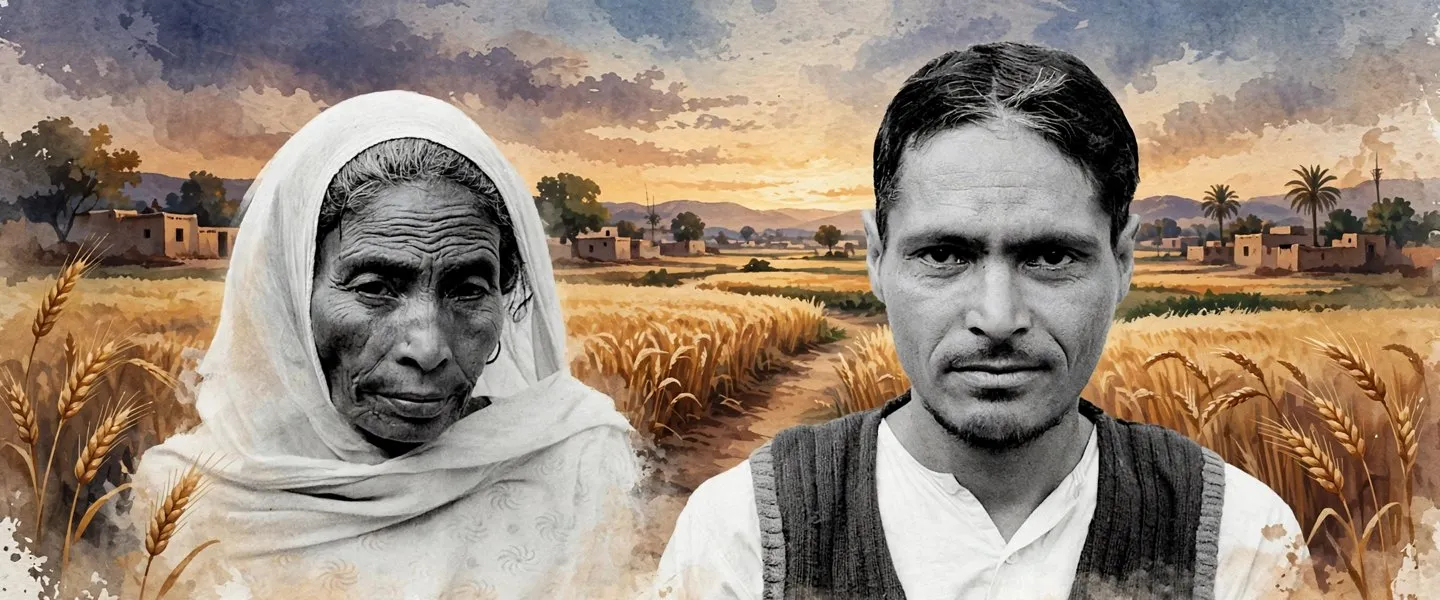
Satthar (1997) is the third poetry collection by Lal Singh Dil (1943 to 2007), the Samrala poet whose verse gave Punjabi Dalit and landless labouring life a voice of its own. Coming fifteen years after Bahut Saare Suraj, it is the late work of a poet shaped by poverty, the Naxalite years and a lifetime of manual work, and it holds an exalted place in Punjabi letters.
Punjabi, Gurmukhi- Punjabi name
- ਸੱਤਰ
- Author
- Lal Singh Dil
- Published
- 1997
- Language
- Punjabi, Gurmukhi
- Form
- Poetry collection
- Also written as
- Sathar
All 8 facts
- Earlier collections
- Satluj di Hava (1971), Bahut Saare Suraj (1982)
- Author's home
- Samrala, Ludhiana district
About the book
Satthar is the third poetry collection by Lal Singh Dil, published in 1997, when the poet was 54. It closes the sequence that runs through modern Punjabi poetry like a ground note: Satluj di Hava in 1971, Bahut Saare Suraj in 1982, and then, after a gap of fifteen years, Satthar. His autobiography Dastaan followed a year later, in 1998. The scholar Raj Kumar Hans, surveying Dalit Punjabi literature, places the three collections and the autobiography together and says they enjoy an exalted place in Punjabi letters.
The title is also written Sathar in some accounts. By 1997 Dil was living in Samrala, in Ludhiana district, in the small rooftop room and among the people his poems had always been about, a decade away from his death in 2007. Satthar is therefore a late book in the plainest sense: the work of a poet who had already lived the whole story his early poems had promised, and who kept writing from inside it.
What is Satthar about?
Satthar gathers the poems of Dil's later years, and their world is the one all of his writing came from: the landless labourers and daily wagers of Punjab's villages, the women who work in other people's fields, the travellers who move from village to village with a blanket looking for work. Critics stress that Dil wrote about these people because he was one of them. His triumph, in the Caravan's account of his work, is that he writes of the marginalised without romanticism, contempt or fatalism, and gives dignity to them and to their labour.
Small things carry the weight in this poetry. In one of his best known poems a daily wager's little trowel, its wooden handle softened by the touch of many hands, becomes a work of art. That way of seeing, in which the tools and routines of poor people's work hold beauty and meaning, runs through the later poems as it ran through the early ones. The anger of the Naxalite years is still present, but it sits inside a quieter, more weathered music.
A quieter voice: from slogan to ghazal
Dil's contemporaries noticed that his voice was never the loud one. His friend Baldeep Singh explained that there was an absence of sloganeering in the poetry, and that when Dil recited he spoke in a soft, suppressed tone. The poet Amarjit Chandan, who championed him, said his style was entirely his own, picked up from experience rather than from books, with the ghazal the one form he thought unsuited to Punjabi.
That judgement shapes how Satthar has been read. Chandan considered Dil's later work weaker than what came earlier, saying he lost verve in the end and turned to ghazal writing, with some poems not up to the mark. Other readers hear the same turn differently: a revolutionary poet of the fields ending in the ghazal's older music of longing and loss. Both readings agree on the essential point, that the late poems are the work of the same unmistakable signature that the critic Harbhajan Singh, meeting Dil's lines for the first time, called a truly new signature in contemporary poetry.
The author
Lal Singh Dil (1943 to 2007) was born on 11 April 1943 in Ghungrali Sikhan, near Samrala in Ludhiana district, into a Ramdasia Chamar family of tanners. He was the first in his family to be educated, and he was training to be a basic school teacher when the Naxalbari rising drew him into the revolutionary movement, with its dream of a society free of caste and class. Arrested, jailed and tortured, he was hailed in those years as the bard of the Naxalite movement in Punjab, because the experience of poverty, injustice and oppression in his verse was so true to life.
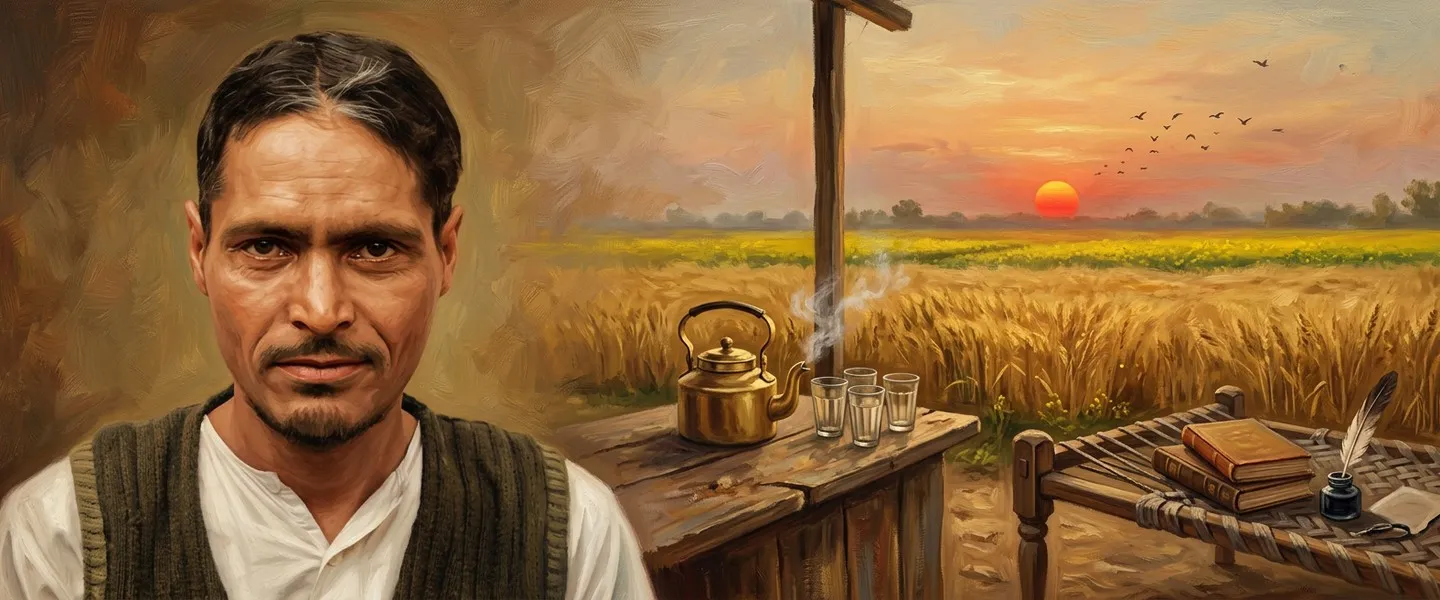
After prison he fled to Uttar Pradesh and lived by whatever work came: cook, watchman, gardener, labourer, farm hand. He ended in Samrala, where in his later years he ran a tea stall, and he died on 14 August 2007. Raj Kumar Hans notes what set Dil apart even among revolutionary poets: his Dalit consciousness carried no hatred, vengeance or malice, and though he lived and died a faqir, he has come to be counted among the best Punjabi poets of the last half century.
Reception and legacy
Satthar's standing is the standing of Dil's whole body of work, which Punjabi readers have steadily raised since his death. Surjit Patar, quoted in Nirupama Dutt's introduction to her translation of Dil, said he will be counted as one of the major Punjabi poets of the twentieth century. Dutt's Poet of the Revolution, published by Penguin in 2012, translated Dastaan and twenty five of the poems into English and carried Dil's voice to readers far beyond Punjabi. The filmmaker Ajay Bhardwaj had already placed him at the heart of the documentary Kitte Mil Ve Mahi in 2005.
For readers coming new to Dil, the three collections are usually read as one arc: the young revolutionary of Satluj di Hava, the maturing poet of Bahut Saare Suraj, and the older man of Satthar, still writing about the half hungry settlement that retires for the night and counts the stars to soothe aching limbs. Satthar is where that arc comes to rest, and it is the necessary third panel of one of modern Punjabi poetry's most important lives in verse.
ਕਿਤਾਬ ਬਾਰੇ
ਸੱਤਰ ਲਾਲ ਸਿੰਘ ਦਿਲ ਦਾ ਤੀਜਾ ਕਾਵਿ ਸੰਗ੍ਰਹਿ ਹੈ, ਜੋ 1997 ਵਿੱਚ ਛਪਿਆ, ਜਦੋਂ ਕਵੀ 54 ਸਾਲ ਦਾ ਸੀ। ਇਹ ਉਸ ਲੜੀ ਨੂੰ ਮੁਕੰਮਲ ਕਰਦਾ ਹੈ ਜੋ ਆਧੁਨਿਕ ਪੰਜਾਬੀ ਕਾਵਿ ਵਿੱਚ ਇੱਕ ਸੁਰ ਵਾਂਗ ਚੱਲਦੀ ਹੈ: 1971 ਵਿੱਚ ਸਤਲੁਜ ਦੀ ਹਵਾ, 1982 ਵਿੱਚ ਬਹੁਤ ਸਾਰੇ ਸੂਰਜ, ਅਤੇ ਫਿਰ, ਪੰਦਰਾਂ ਸਾਲ ਦੇ ਵਕਫ਼ੇ ਤੋਂ ਬਾਅਦ, ਸੱਤਰ। ਉਸ ਦੀ ਸਵੈ ਜੀਵਨੀ ਦਾਸਤਾਨ ਇੱਕ ਸਾਲ ਬਾਅਦ, 1998 ਵਿੱਚ, ਆਈ। ਵਿਦਵਾਨ ਰਾਜ ਕੁਮਾਰ ਹੰਸ, ਦਲਿਤ ਪੰਜਾਬੀ ਸਾਹਿਤ ਦਾ ਜਾਇਜ਼ਾ ਲੈਂਦੇ ਹੋਏ, ਤਿੰਨਾਂ ਸੰਗ੍ਰਹਿਆਂ ਅਤੇ ਸਵੈ ਜੀਵਨੀ ਨੂੰ ਇਕੱਠੇ ਰੱਖਦਾ ਹੈ ਅਤੇ ਕਹਿੰਦਾ ਹੈ ਕਿ ਪੰਜਾਬੀ ਸਾਹਿਤ ਵਿੱਚ ਇਨ੍ਹਾਂ ਦਾ ਸਤਿਕਾਰਯੋਗ ਸਥਾਨ ਹੈ।
ਇਹ ਸਿਰਲੇਖ ਕੁਝ ਬਿਰਤਾਂਤਾਂ ਵਿੱਚ ਸਾਥਰ ਵੀ ਲਿਖਿਆ ਮਿਲਦਾ ਹੈ। 1997 ਤੱਕ ਦਿਲ ਲੁਧਿਆਣਾ ਜ਼ਿਲ੍ਹੇ ਦੇ ਸਮਰਾਲੇ ਵਿੱਚ ਰਹਿ ਰਿਹਾ ਸੀ, ਇੱਕ ਛੋਟੇ ਜਿਹੇ ਛੱਤ ਵਾਲੇ ਕਮਰੇ ਵਿੱਚ ਅਤੇ ਉਨ੍ਹਾਂ ਲੋਕਾਂ ਵਿੱਚ ਜਿਨ੍ਹਾਂ ਬਾਰੇ ਉਸ ਦੀਆਂ ਕਵਿਤਾਵਾਂ ਹਮੇਸ਼ਾ ਤੋਂ ਸਨ, 2007 ਵਿੱਚ ਆਪਣੀ ਮੌਤ ਤੋਂ ਇੱਕ ਦਹਾਕਾ ਪਹਿਲਾਂ। ਇਸ ਲਈ ਸੱਤਰ ਸਭ ਤੋਂ ਸਰਲ ਅਰਥਾਂ ਵਿੱਚ ਇੱਕ ਪਿਛਲੀ ਉਮਰ ਦੀ ਕਿਤਾਬ ਹੈ: ਇੱਕ ਅਜਿਹੇ ਕਵੀ ਦੀ ਰਚਨਾ ਜੋ ਉਹ ਸਾਰੀ ਕਹਾਣੀ ਜੀ ਚੁੱਕਾ ਸੀ ਜਿਸ ਦਾ ਵਾਅਦਾ ਉਸ ਦੀਆਂ ਮੁੱਢਲੀਆਂ ਕਵਿਤਾਵਾਂ ਨੇ ਕੀਤਾ ਸੀ, ਅਤੇ ਜੋ ਉਸ ਦੇ ਅੰਦਰ ਰਹਿ ਕੇ ਲਿਖਦਾ ਰਿਹਾ।
ਸੱਤਰ ਕਿਸ ਬਾਰੇ ਹੈ?
ਸੱਤਰ ਦਿਲ ਦੇ ਪਿਛਲੇ ਸਾਲਾਂ ਦੀਆਂ ਕਵਿਤਾਵਾਂ ਇਕੱਠੀਆਂ ਕਰਦਾ ਹੈ, ਅਤੇ ਉਨ੍ਹਾਂ ਦਾ ਸੰਸਾਰ ਉਹੀ ਹੈ ਜਿਸ ਵਿੱਚੋਂ ਉਸ ਦੀ ਸਾਰੀ ਲਿਖਤ ਆਈ: ਪੰਜਾਬ ਦੇ ਪਿੰਡਾਂ ਦੇ ਭੂਮੀਹੀਣ ਮਜ਼ਦੂਰ ਅਤੇ ਦਿਹਾੜੀਦਾਰ, ਉਹ ਔਰਤਾਂ ਜੋ ਦੂਜਿਆਂ ਦੇ ਖੇਤਾਂ ਵਿੱਚ ਕੰਮ ਕਰਦੀਆਂ ਹਨ, ਉਹ ਮੁਸਾਫ਼ਿਰ ਜੋ ਕੰਬਲ ਲਈ ਪਿੰਡੋਂ ਪਿੰਡ ਕੰਮ ਲੱਭਦੇ ਫਿਰਦੇ ਹਨ। ਆਲੋਚਕ ਜ਼ੋਰ ਦਿੰਦੇ ਹਨ ਕਿ ਦਿਲ ਨੇ ਇਨ੍ਹਾਂ ਲੋਕਾਂ ਬਾਰੇ ਇਸ ਲਈ ਲਿਖਿਆ ਕਿਉਂਕਿ ਉਹ ਖ਼ੁਦ ਉਨ੍ਹਾਂ ਵਿੱਚੋਂ ਇੱਕ ਸੀ। ਦ ਕੈਰਾਵਾਨ ਦੇ ਉਸ ਦੇ ਕੰਮ ਦੇ ਬਿਰਤਾਂਤ ਅਨੁਸਾਰ, ਉਸ ਦੀ ਜਿੱਤ ਇਹ ਹੈ ਕਿ ਉਹ ਹਾਸ਼ੀਏ ਉੱਤੇ ਧੱਕੇ ਗਏ ਲੋਕਾਂ ਬਾਰੇ ਬਿਨਾਂ ਰੁਮਾਂਸਵਾਦ, ਨਫ਼ਰਤ ਜਾਂ ਕਿਸਮਤਵਾਦ ਦੇ ਲਿਖਦਾ ਹੈ, ਅਤੇ ਉਨ੍ਹਾਂ ਨੂੰ ਅਤੇ ਉਨ੍ਹਾਂ ਦੀ ਮਿਹਨਤ ਨੂੰ ਇੱਜ਼ਤ ਦਿੰਦਾ ਹੈ।
ਇਸ ਕਾਵਿ ਵਿੱਚ ਛੋਟੀਆਂ ਚੀਜ਼ਾਂ ਭਾਰ ਚੁੱਕਦੀਆਂ ਹਨ। ਉਸ ਦੀ ਇੱਕ ਸਭ ਤੋਂ ਜਾਣੀ ਜਾਂਦੀ ਕਵਿਤਾ ਵਿੱਚ ਦਿਹਾੜੀਦਾਰ ਦੀ ਛੋਟੀ ਜਿਹੀ ਖੁਰਪੀ, ਜਿਸ ਦਾ ਲੱਕੜ ਦਾ ਦਸਤਾ ਕਈ ਹੱਥਾਂ ਦੇ ਛੂਹਣ ਨਾਲ ਨਰਮ ਹੋ ਗਿਆ ਹੈ, ਕਲਾ ਦੀ ਰਚਨਾ ਬਣ ਜਾਂਦੀ ਹੈ। ਵੇਖਣ ਦਾ ਇਹ ਤਰੀਕਾ, ਜਿਸ ਵਿੱਚ ਗਰੀਬ ਲੋਕਾਂ ਦੇ ਕੰਮ ਦੇ ਸੰਦ ਅਤੇ ਰੁਟੀਨ ਸੋਹਣਾਪਾ ਅਤੇ ਅਰਥ ਰੱਖਦੇ ਹਨ, ਪਿਛਲੀਆਂ ਕਵਿਤਾਵਾਂ ਵਿੱਚ ਵੀ ਉਵੇਂ ਹੀ ਚੱਲਦਾ ਹੈ ਜਿਵੇਂ ਮੁੱਢਲੀਆਂ ਵਿੱਚ ਚੱਲਦਾ ਸੀ। ਨਕਸਲੀ ਸਾਲਾਂ ਦਾ ਗੁੱਸਾ ਹਾਲੇ ਵੀ ਮੌਜੂਦ ਹੈ, ਪਰ ਇਹ ਇੱਕ ਸ਼ਾਂਤ, ਵਧੇਰੇ ਝੱਲੇ ਹੋਏ ਸੰਗੀਤ ਦੇ ਅੰਦਰ ਬੈਠਾ ਹੈ।
ਇੱਕ ਸ਼ਾਂਤ ਆਵਾਜ਼: ਨਾਅਰੇ ਤੋਂ ਗ਼ਜ਼ਲ ਵੱਲ
ਦਿਲ ਦੇ ਸਮਕਾਲੀਆਂ ਨੇ ਨੋਟ ਕੀਤਾ ਕਿ ਉਸ ਦੀ ਆਵਾਜ਼ ਕਦੇ ਉੱਚੀ ਨਹੀਂ ਸੀ। ਉਸ ਦੇ ਦੋਸਤ ਬਲਦੀਪ ਸਿੰਘ ਨੇ ਸਮਝਾਇਆ ਕਿ ਉਸ ਦੇ ਕਾਵਿ ਵਿੱਚ ਨਾਅਰੇਬਾਜ਼ੀ ਦੀ ਅਣਹੋਂਦ ਸੀ, ਅਤੇ ਜਦੋਂ ਦਿਲ ਕਵਿਤਾ ਸੁਣਾਉਂਦਾ ਸੀ ਤਾਂ ਉਹ ਹੌਲੀ, ਦੱਬੀ ਹੋਈ ਆਵਾਜ਼ ਵਿੱਚ ਬੋਲਦਾ ਸੀ। ਕਵੀ ਅਮਰਜੀਤ ਚੰਦਨ, ਜਿਸ ਨੇ ਉਸ ਦੀ ਹਮਾਇਤ ਕੀਤੀ, ਨੇ ਕਿਹਾ ਕਿ ਉਸ ਦੀ ਸ਼ੈਲੀ ਪੂਰੀ ਤਰ੍ਹਾਂ ਉਸ ਦੀ ਆਪਣੀ ਸੀ, ਕਿਤਾਬਾਂ ਦੀ ਥਾਂ ਤਜਰਬੇ ਵਿੱਚੋਂ ਲਈ ਗਈ, ਗ਼ਜ਼ਲ ਹੀ ਇੱਕੋ ਇੱਕ ਰੂਪ ਸੀ ਜਿਸ ਨੂੰ ਉਹ ਪੰਜਾਬੀ ਲਈ ਅਣਉਚਿਤ ਸਮਝਦਾ ਸੀ।
ਇਹੀ ਨਿਰਣਾ ਤੈਅ ਕਰਦਾ ਹੈ ਕਿ ਸੱਤਰ ਨੂੰ ਕਿਵੇਂ ਪੜ੍ਹਿਆ ਗਿਆ ਹੈ। ਚੰਦਨ ਦਿਲ ਦੇ ਬਾਅਦ ਵਾਲੇ ਕੰਮ ਨੂੰ ਉਸ ਦੇ ਪਹਿਲਾਂ ਵਾਲੇ ਕੰਮ ਨਾਲੋਂ ਕਮਜ਼ੋਰ ਸਮਝਦਾ ਸੀ, ਕਹਿੰਦਾ ਸੀ ਕਿ ਅੰਤ ਵਿੱਚ ਉਸ ਦੀ ਤੇਜ਼ੀ ਘੱਟ ਗਈ ਅਤੇ ਉਹ ਗ਼ਜ਼ਲ ਲਿਖਣ ਵੱਲ ਮੁੜ ਗਿਆ, ਕੁਝ ਕਵਿਤਾਵਾਂ ਪੱਧਰ ਦੀਆਂ ਨਹੀਂ ਰਹੀਆਂ। ਹੋਰ ਪਾਠਕ ਇਸੇ ਮੋੜ ਨੂੰ ਵੱਖਰੇ ਢੰਗ ਨਾਲ ਸੁਣਦੇ ਹਨ: ਖੇਤਾਂ ਦਾ ਇੱਕ ਇਨਕਲਾਬੀ ਕਵੀ ਗ਼ਜ਼ਲ ਦੇ ਪੁਰਾਣੇ ਤੜਪ ਅਤੇ ਬਿਰਹਾ ਦੇ ਸੰਗੀਤ ਵਿੱਚ ਸਮਾਪਤ ਹੁੰਦਾ ਹੋਇਆ। ਦੋਵੇਂ ਪਾਠ ਇਸ ਜ਼ਰੂਰੀ ਗੱਲ ਉੱਤੇ ਸਹਿਮਤ ਹਨ, ਕਿ ਪਿਛਲੀਆਂ ਕਵਿਤਾਵਾਂ ਉਸੇ ਅਣਭੁੱਲ ਦਸਤਖ਼ਤ ਦਾ ਕੰਮ ਹਨ ਜਿਸ ਨੂੰ ਆਲੋਚਕ ਹਰਭਜਨ ਸਿੰਘ ਨੇ, ਦਿਲ ਦੀਆਂ ਸਤਰਾਂ ਨਾਲ ਪਹਿਲੀ ਵਾਰ ਮਿਲ ਕੇ, ਸਮਕਾਲੀ ਕਾਵਿ ਵਿੱਚ ਇੱਕ ਸੱਚਮੁੱਚ ਨਵਾਂ ਦਸਤਖ਼ਤ ਕਿਹਾ ਸੀ।
ਲੇਖਕ
ਲਾਲ ਸਿੰਘ ਦਿਲ (1943 ਤੋਂ 2007) 11 ਅਪ੍ਰੈਲ 1943 ਨੂੰ ਲੁਧਿਆਣਾ ਜ਼ਿਲ੍ਹੇ ਵਿੱਚ ਸਮਰਾਲੇ ਨੇੜੇ ਘੁੰਗਰਾਲੀ ਸਿੱਖਾਂ ਵਿੱਚ ਇੱਕ ਰਮਦਾਸੀਆ ਚਮਾਰ, ਚੰਮ ਦਾ ਕੰਮ ਕਰਨ ਵਾਲੇ, ਪਰਿਵਾਰ ਵਿੱਚ ਜਨਮਿਆ। ਉਹ ਆਪਣੇ ਪਰਿਵਾਰ ਵਿੱਚ ਪਹਿਲਾ ਪੜ੍ਹਿਆ ਲਿਖਿਆ ਸੀ, ਅਤੇ ਉਹ ਮੁੱਢਲੀ ਅਧਿਆਪਕੀ ਦੀ ਸਿਖਲਾਈ ਲੈ ਰਿਹਾ ਸੀ ਜਦੋਂ ਨਕਸਲਬਾੜੀ ਉਥਾਨ ਨੇ ਉਸ ਨੂੰ ਇਨਕਲਾਬੀ ਲਹਿਰ ਵਿੱਚ ਖਿੱਚ ਲਿਆ, ਜਾਤ ਅਤੇ ਜਮਾਤ ਤੋਂ ਮੁਕਤ ਸਮਾਜ ਦੇ ਉਸ ਦੇ ਸੁਪਨੇ ਸਮੇਤ। ਗ੍ਰਿਫ਼ਤਾਰ, ਕੈਦ ਅਤੇ ਤਸ਼ੱਦਦ ਦਾ ਸ਼ਿਕਾਰ ਹੋ ਕੇ, ਉਨ੍ਹਾਂ ਸਾਲਾਂ ਵਿੱਚ ਉਸ ਨੂੰ ਪੰਜਾਬ ਵਿੱਚ ਨਕਸਲੀ ਲਹਿਰ ਦਾ ਕਵੀ ਕਿਹਾ ਗਿਆ, ਕਿਉਂਕਿ ਉਸ ਦੇ ਕਾਵਿ ਵਿੱਚ ਗਰੀਬੀ, ਬੇਇਨਸਾਫ਼ੀ ਅਤੇ ਜ਼ੁਲਮ ਦਾ ਤਜਰਬਾ ਜ਼ਿੰਦਗੀ ਨਾਲ ਇੰਨਾ ਸੱਚਾ ਸੀ।
ਜੇਲ੍ਹ ਤੋਂ ਬਾਅਦ ਉਹ ਉੱਤਰ ਪ੍ਰਦੇਸ਼ ਭੱਜ ਗਿਆ ਅਤੇ ਜੋ ਕੰਮ ਮਿਲਿਆ ਉਸ ਨਾਲ ਗੁਜ਼ਾਰਾ ਕੀਤਾ: ਰਸੋਈਆ, ਚੌਕੀਦਾਰ, ਮਾਲੀ, ਮਜ਼ਦੂਰ, ਖੇਤ ਮਜ਼ਦੂਰ। ਉਹ ਸਮਰਾਲੇ ਵਿੱਚ ਆ ਕੇ ਟਿਕਿਆ, ਜਿੱਥੇ ਆਪਣੇ ਪਿਛਲੇ ਸਾਲਾਂ ਵਿੱਚ ਉਸ ਨੇ ਚਾਹ ਦੀ ਦੁਕਾਨ ਚਲਾਈ, ਅਤੇ 14 ਅਗਸਤ 2007 ਨੂੰ ਉਸ ਦਾ ਦੇਹਾਂਤ ਹੋ ਗਿਆ। ਰਾਜ ਕੁਮਾਰ ਹੰਸ ਉਹ ਗੱਲ ਨੋਟ ਕਰਦਾ ਹੈ ਜਿਸ ਨੇ ਦਿਲ ਨੂੰ ਇਨਕਲਾਬੀ ਕਵੀਆਂ ਵਿੱਚ ਵੀ ਵੱਖਰਾ ਕੀਤਾ: ਉਸ ਦੀ ਦਲਿਤ ਚੇਤਨਾ ਵਿੱਚ ਕੋਈ ਨਫ਼ਰਤ, ਬਦਲਾ ਜਾਂ ਦਵੇਸ਼ ਨਹੀਂ ਸੀ, ਅਤੇ ਭਾਵੇਂ ਉਹ ਫ਼ਕੀਰ ਜੀਵਿਆ ਅਤੇ ਫ਼ਕੀਰ ਮਰਿਆ, ਉਹ ਪਿਛਲੀ ਅੱਧੀ ਸਦੀ ਦੇ ਸਭ ਤੋਂ ਵਧੀਆ ਪੰਜਾਬੀ ਕਵੀਆਂ ਵਿੱਚ ਗਿਣਿਆ ਜਾਣ ਲੱਗਾ ਹੈ।
ਸਵਾਗਤ ਅਤੇ ਵਿਰਾਸਤ
ਸੱਤਰ ਦਾ ਸਥਾਨ ਦਿਲ ਦੇ ਸਾਰੇ ਕੰਮ ਦਾ ਸਥਾਨ ਹੈ, ਜਿਸ ਨੂੰ ਪੰਜਾਬੀ ਪਾਠਕਾਂ ਨੇ ਉਸ ਦੀ ਮੌਤ ਤੋਂ ਬਾਅਦ ਲਗਾਤਾਰ ਉੱਚਾ ਕੀਤਾ ਹੈ। ਸੁਰਜੀਤ ਪਾਤਰ ਨੇ, ਦਿਲ ਦੇ ਨਿਰੂਪਮਾ ਦੱਤ ਵੱਲੋਂ ਕੀਤੇ ਅਨੁਵਾਦ ਦੀ ਭੂਮਿਕਾ ਵਿੱਚ ਦਿੱਤੇ ਹਵਾਲੇ ਅਨੁਸਾਰ, ਕਿਹਾ ਕਿ ਉਹ ਵੀਹਵੀਂ ਸਦੀ ਦੇ ਮੁੱਖ ਪੰਜਾਬੀ ਕਵੀਆਂ ਵਿੱਚ ਗਿਣਿਆ ਜਾਵੇਗਾ। ਦੱਤ ਦੀ ਪੋਇਟ ਆਫ਼ ਦ ਰੈਵੋਲਿਊਸ਼ਨ, ਜੋ ਪੈਂਗੁਇਨ ਨੇ 2012 ਵਿੱਚ ਛਾਪੀ, ਨੇ ਦਾਸਤਾਨ ਅਤੇ ਕਵਿਤਾਵਾਂ ਵਿੱਚੋਂ ਪੱਚੀ ਕਵਿਤਾਵਾਂ ਦਾ ਅੰਗਰੇਜ਼ੀ ਅਨੁਵਾਦ ਕੀਤਾ ਅਤੇ ਦਿਲ ਦੀ ਆਵਾਜ਼ ਨੂੰ ਪੰਜਾਬੀ ਤੋਂ ਕਿਤੇ ਪਾਰ ਦੇ ਪਾਠਕਾਂ ਤੱਕ ਪਹੁੰਚਾਇਆ। ਫ਼ਿਲਮਕਾਰ ਅਜੈ ਭਾਰਦਵਾਜ ਨੇ ਉਸ ਨੂੰ ਪਹਿਲਾਂ ਹੀ 2005 ਦੀ ਦਸਤਾਵੇਜ਼ੀ ਫ਼ਿਲਮ ਕਿੱਥੇ ਮਿਲ ਵੇ ਮਾਹੀ ਦੇ ਕੇਂਦਰ ਵਿੱਚ ਰੱਖਿਆ ਸੀ।
ਦਿਲ ਨੂੰ ਨਵੇਂ ਸਿਰੇ ਤੋਂ ਪੜ੍ਹਨ ਵਾਲਿਆਂ ਲਈ, ਤਿੰਨੇ ਸੰਗ੍ਰਹਿ ਆਮ ਤੌਰ ਉੱਤੇ ਇੱਕ ਚਾਪ ਵਾਂਗ ਪੜ੍ਹੇ ਜਾਂਦੇ ਹਨ: ਸਤਲੁਜ ਦੀ ਹਵਾ ਦਾ ਨੌਜਵਾਨ ਇਨਕਲਾਬੀ, ਬਹੁਤ ਸਾਰੇ ਸੂਰਜ ਦਾ ਪਰਿਪੱਕ ਕਵੀ, ਅਤੇ ਸੱਤਰ ਦਾ ਬਜ਼ੁਰਗ ਮਨੁੱਖ, ਹਾਲੇ ਵੀ ਉਸ ਅੱਧ ਭੁੱਖੀ ਬਸਤੀ ਬਾਰੇ ਲਿਖਦਾ ਹੋਇਆ ਜੋ ਰਾਤ ਨੂੰ ਸੌਂ ਜਾਂਦੀ ਹੈ ਅਤੇ ਦੁਖਦੇ ਅੰਗਾਂ ਨੂੰ ਸੁਲਾਉਣ ਲਈ ਤਾਰੇ ਗਿਣਦੀ ਹੈ। ਸੱਤਰ ਉਹ ਥਾਂ ਹੈ ਜਿੱਥੇ ਉਹ ਚਾਪ ਆ ਕੇ ਠਹਿਰਦੀ ਹੈ, ਅਤੇ ਇਹ ਆਧੁਨਿਕ ਪੰਜਾਬੀ ਕਾਵਿ ਦੇ ਸਭ ਤੋਂ ਮਹੱਤਵਪੂਰਨ ਕਾਵਿ ਜੀਵਨਾਂ ਵਿੱਚੋਂ ਇੱਕ ਦਾ ਜ਼ਰੂਰੀ ਤੀਜਾ ਪੰਨਾ ਹੈ।
Editions and translations
- SattharPunjabi, Gurmukhi, original, 1997Original
The author
Connected
More to read
Sources (2)
Jugti is free and independent. Reader support keeps the Kosh growing.
Support