
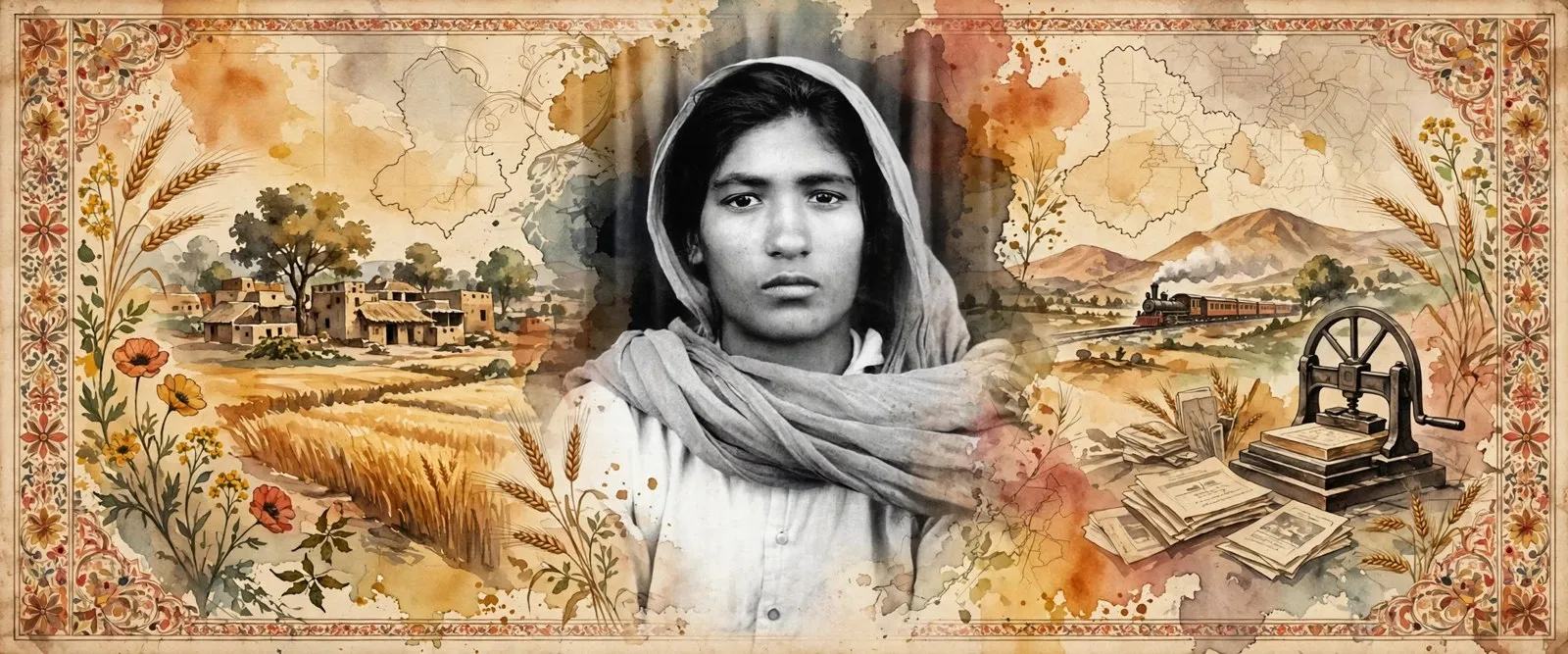
Bibi Gulab Kaur (born c. 1890) was a Punjabi freedom fighter from Bakshiwala village in Sangrur district who joined the Ghadar Party in Manila, organised Indian residents in the Philippines, and returned to Punjab to mobilise villages in Kapurthala, Hoshiarpur and Jalandhar. She was jailed for two years in Lahore for sedition.
- Punjabi name
- ਬੀਬੀ ਗੁਲਾਬ ਕੌਰ
- Born
- c. 1890, Bakshiwala village, Sangrur district, Punjab
- Home place
- Bakshiwala, Sangrur
- District
- Sangrur
- Tehsil
- Sunam
- Region
- Malwa
All 11 facts
- Husband
- Mann Singh
- Party
- Ghadar Party (Manila branch)
- Also known as
- Ghadar Di Dhee (Daughter of Ghadar)
- Imprisonment
- Two years in Lahore for sedition
- Died
- Year disputed: sources give 1925, 1931 and 1941
Bibi Gulab Kaur was a Punjabi freedom fighter from Bakshiwala village in Sangrur district who joined the Ghadar Party in Manila, organised Indian residents across the Philippines, and sailed back to India to mobilise villages in Punjab. Known as Ghadar Di Dhee, the Daughter of Ghadar, she was jailed for two years in Lahore for sedition.
Early life in Bakshiwala
Gulab Kaur was born around 1890 in Bakshiwala, a village in Sunam tehsil of Sangrur district in Punjab's Malwa region. She came from a poor peasant family, and like many Punjabi farming families of the time, her household felt the pressure of British land and revenue policies that pushed people off their land and towards work abroad. She was married young to Mann Singh, and the couple decided to leave Punjab in search of a better livelihood.
Their plan was a common one for Punjabis of that generation. They would travel first to Manila in the Philippines, earn and save there, and then move on to America. In the early 1910s thousands of Punjabi men and some families followed exactly this route across the Pacific, and Manila was a regular stop on the way. Gulab Kaur never reached America. The stop in Manila changed the course of her life, and it is the reason her name is remembered today.
From Manila to the Ghadar Party
In Manila, Gulab Kaur came into contact with the local branch of the Ghadar Party, the organisation founded by Indian immigrants overseas in 1913 to free India from British rule. She attended lectures by the branch leaders, among them Hafiz Abdullah of Jagraon, known as Fajja, Banta Singh, and Harnam Singh, known as Tundilat. Their message, that Indians abroad should return home and rise against British rule, struck a chord with her, and she joined the movement.
She quickly became one of the main organisers of the Manila branch. Accounts of her work describe her travelling across the Philippines to meet Indian residents, speaking to Indian passengers on ships, and handing out literature that called for independence. She collected money and weapons for the party, and she kept watch over its printing press. Working in the guise of a journalist, with a press pass in hand, she carried arms and ammunition to party members. One oft repeated account says that when she saw men losing heart, she would take off her bangles and tell them that if they stepped back, the women would fight in their place.
ਬੀਬੀ ਗੁਲਾਬ ਕੌਰ ਸੰਗਰੂਰ ਜ਼ਿਲ੍ਹੇ ਦੇ ਪਿੰਡ ਬਕਸ਼ੀਵਾਲਾ ਦੀ ਇੱਕ ਪੰਜਾਬੀ ਆਜ਼ਾਦੀ ਘੁਲਾਟੀਆ ਸੀ, ਜੋ ਮਨੀਲਾ ਵਿੱਚ ਗ਼ਦਰ ਪਾਰਟੀ ਵਿੱਚ ਸ਼ਾਮਲ ਹੋਈ, ਫਿਲੀਪੀਨਜ਼ ਭਰ ਵਿੱਚ ਭਾਰਤੀ ਵਸਨੀਕਾਂ ਨੂੰ ਜਥੇਬੰਦ ਕੀਤਾ ਅਤੇ ਪੰਜਾਬ ਦੇ ਪਿੰਡਾਂ ਨੂੰ ਜਗਾਉਣ ਲਈ ਭਾਰਤ ਪਰਤੀ। ਉਸ ਨੂੰ ਗ਼ਦਰ ਦੀ ਧੀ ਕਿਹਾ ਜਾਂਦਾ ਹੈ ਅਤੇ ਉਸ ਨੂੰ ਲਾਹੌਰ ਵਿੱਚ ਬਗਾਵਤ ਦੇ ਦੋਸ਼ ਵਿੱਚ ਦੋ ਸਾਲ ਦੀ ਕੈਦ ਹੋਈ।
ਬਕਸ਼ੀਵਾਲਾ ਵਿੱਚ ਮੁੱਢਲਾ ਜੀਵਨ
ਗੁਲਾਬ ਕੌਰ ਦਾ ਜਨਮ ਲਗਭਗ 1890 ਵਿੱਚ ਪੰਜਾਬ ਦੇ ਮਾਲਵਾ ਖੇਤਰ ਦੇ ਸੰਗਰੂਰ ਜ਼ਿਲ੍ਹੇ ਦੀ ਸੁਨਾਮ ਤਹਿਸੀਲ ਦੇ ਪਿੰਡ ਬਕਸ਼ੀਵਾਲਾ ਵਿੱਚ ਹੋਇਆ। ਉਹ ਇੱਕ ਗਰੀਬ ਕਿਸਾਨ ਪਰਿਵਾਰ ਤੋਂ ਸੀ, ਅਤੇ ਉਸ ਸਮੇਂ ਦੇ ਕਈ ਪੰਜਾਬੀ ਕਿਸਾਨ ਪਰਿਵਾਰਾਂ ਵਾਂਗ ਉਸ ਦੇ ਘਰ ਉੱਤੇ ਵੀ ਅੰਗਰੇਜ਼ਾਂ ਦੀਆਂ ਜ਼ਮੀਨ ਅਤੇ ਮਾਮਲੇ ਦੀਆਂ ਨੀਤੀਆਂ ਦਾ ਦਬਾਅ ਸੀ, ਜਿਨ੍ਹਾਂ ਨੇ ਲੋਕਾਂ ਨੂੰ ਜ਼ਮੀਨਾਂ ਤੋਂ ਉਜਾੜ ਕੇ ਵਿਦੇਸ਼ਾਂ ਵਿੱਚ ਕੰਮ ਲੱਭਣ ਲਈ ਮਜਬੂਰ ਕੀਤਾ। ਉਸ ਦਾ ਵਿਆਹ ਛੋਟੀ ਉਮਰ ਵਿੱਚ ਮਾਨ ਸਿੰਘ ਨਾਲ ਹੋ ਗਿਆ, ਅਤੇ ਦੋਵਾਂ ਨੇ ਚੰਗੀ ਰੋਜ਼ੀ ਦੀ ਭਾਲ ਵਿੱਚ ਪੰਜਾਬ ਛੱਡਣ ਦਾ ਫੈਸਲਾ ਕੀਤਾ।
ਉਨ੍ਹਾਂ ਦੀ ਯੋਜਨਾ ਉਸ ਪੀੜ੍ਹੀ ਦੇ ਪੰਜਾਬੀਆਂ ਲਈ ਆਮ ਸੀ। ਉਹ ਪਹਿਲਾਂ ਫਿਲੀਪੀਨਜ਼ ਦੇ ਮਨੀਲਾ ਸ਼ਹਿਰ ਜਾਣਗੇ, ਉੱਥੇ ਕਮਾਈ ਕਰਕੇ ਬਚਤ ਕਰਨਗੇ ਅਤੇ ਫਿਰ ਅਮਰੀਕਾ ਚਲੇ ਜਾਣਗੇ। 1910 ਦੇ ਦਹਾਕੇ ਦੇ ਸ਼ੁਰੂ ਵਿੱਚ ਹਜ਼ਾਰਾਂ ਪੰਜਾਬੀ ਮਰਦ ਅਤੇ ਕੁਝ ਪਰਿਵਾਰ ਇਸੇ ਰਸਤੇ ਉੱਤੇ ਪ੍ਰਸ਼ਾਂਤ ਮਹਾਂਸਾਗਰ ਪਾਰ ਕਰਦੇ ਸਨ, ਅਤੇ ਮਨੀਲਾ ਇਸ ਰਸਤੇ ਦਾ ਇੱਕ ਆਮ ਪੜਾਅ ਸੀ। ਗੁਲਾਬ ਕੌਰ ਕਦੇ ਅਮਰੀਕਾ ਨਹੀਂ ਪਹੁੰਚੀ। ਮਨੀਲਾ ਦੇ ਪੜਾਅ ਨੇ ਉਸ ਦੇ ਜੀਵਨ ਦਾ ਰੁਖ ਬਦਲ ਦਿੱਤਾ, ਅਤੇ ਇਸੇ ਕਰਕੇ ਅੱਜ ਉਸ ਦਾ ਨਾਂ ਯਾਦ ਕੀਤਾ ਜਾਂਦਾ ਹੈ।
ਮਨੀਲਾ ਤੋਂ ਗ਼ਦਰ ਪਾਰਟੀ ਤੱਕ
ਮਨੀਲਾ ਵਿੱਚ ਗੁਲਾਬ ਕੌਰ ਦਾ ਸੰਪਰਕ ਗ਼ਦਰ ਪਾਰਟੀ ਦੀ ਸਥਾਨਕ ਸ਼ਾਖਾ ਨਾਲ ਹੋਇਆ, ਜੋ ਵਿਦੇਸ਼ਾਂ ਵਿੱਚ ਰਹਿੰਦੇ ਭਾਰਤੀਆਂ ਨੇ 1913 ਵਿੱਚ ਭਾਰਤ ਨੂੰ ਅੰਗਰੇਜ਼ੀ ਰਾਜ ਤੋਂ ਆਜ਼ਾਦ ਕਰਾਉਣ ਲਈ ਬਣਾਈ ਸੀ। ਉਸ ਨੇ ਸ਼ਾਖਾ ਦੇ ਆਗੂਆਂ ਦੇ ਭਾਸ਼ਣ ਸੁਣੇ, ਜਿਨ੍ਹਾਂ ਵਿੱਚ ਜਗਰਾਉਂ ਦੇ ਹਾਫ਼ਿਜ਼ ਅਬਦੁੱਲਾ (ਫੱਜਾ), ਬੰਤਾ ਸਿੰਘ ਅਤੇ ਹਰਨਾਮ ਸਿੰਘ (ਟੁੰਡੀਲਾਟ) ਸ਼ਾਮਲ ਸਨ। ਉਨ੍ਹਾਂ ਦਾ ਸੁਨੇਹਾ ਕਿ ਵਿਦੇਸ਼ਾਂ ਵਿੱਚ ਰਹਿੰਦੇ ਭਾਰਤੀ ਘਰ ਪਰਤ ਕੇ ਅੰਗਰੇਜ਼ੀ ਰਾਜ ਵਿਰੁੱਧ ਉੱਠਣ, ਉਸ ਦੇ ਦਿਲ ਨੂੰ ਛੂਹ ਗਿਆ ਅਤੇ ਉਹ ਲਹਿਰ ਵਿੱਚ ਸ਼ਾਮਲ ਹੋ ਗਈ।
ਉਹ ਜਲਦੀ ਹੀ ਮਨੀਲਾ ਸ਼ਾਖਾ ਦੀ ਮੁੱਖ ਜਥੇਬੰਦਕਾਂ ਵਿੱਚੋਂ ਇੱਕ ਬਣ ਗਈ। ਉਸ ਦੇ ਕੰਮ ਬਾਰੇ ਲਿਖਤਾਂ ਦੱਸਦੀਆਂ ਹਨ ਕਿ ਉਹ ਭਾਰਤੀ ਵਸਨੀਕਾਂ ਨੂੰ ਮਿਲਣ ਲਈ ਫਿਲੀਪੀਨਜ਼ ਭਰ ਵਿੱਚ ਘੁੰਮਦੀ, ਜਹਾਜ਼ਾਂ ਦੇ ਭਾਰਤੀ ਯਾਤਰੀਆਂ ਨਾਲ ਗੱਲ ਕਰਦੀ ਅਤੇ ਆਜ਼ਾਦੀ ਦੀ ਮੰਗ ਕਰਨ ਵਾਲਾ ਸਾਹਿਤ ਵੰਡਦੀ ਸੀ। ਉਹ ਪਾਰਟੀ ਲਈ ਪੈਸੇ ਅਤੇ ਹਥਿਆਰ ਇਕੱਠੇ ਕਰਦੀ ਸੀ ਅਤੇ ਉਸ ਦੀ ਛਪਾਈ ਮਸ਼ੀਨ ਦੀ ਨਿਗਰਾਨੀ ਕਰਦੀ ਸੀ। ਪੱਤਰਕਾਰ ਦੇ ਭੇਸ ਵਿੱਚ, ਹੱਥ ਵਿੱਚ ਪ੍ਰੈਸ ਪਾਸ ਲੈ ਕੇ, ਉਹ ਪਾਰਟੀ ਦੇ ਮੈਂਬਰਾਂ ਤੱਕ ਹਥਿਆਰ ਅਤੇ ਗੋਲੀ ਸਿੱਕਾ ਪਹੁੰਚਾਉਂਦੀ ਸੀ। ਇੱਕ ਅਕਸਰ ਦੁਹਰਾਈ ਜਾਣ ਵਾਲੀ ਗੱਲ ਅਨੁਸਾਰ ਜਦੋਂ ਉਹ ਮਰਦਾਂ ਨੂੰ ਹੌਸਲਾ ਛੱਡਦੇ ਵੇਖਦੀ ਤਾਂ ਆਪਣੀਆਂ ਵੰਗਾਂ ਲਾਹ ਕੇ ਕਹਿੰਦੀ ਕਿ ਜੇ ਉਹ ਪਿੱਛੇ ਹਟਣ ਤਾਂ ਔਰਤਾਂ ਉਨ੍ਹਾਂ ਦੀ ਥਾਂ ਲੜਨਗੀਆਂ।
Why did she leave her husband and return to India?
She returned because the Ghadar Party called its members home to rise in India, and she chose that call over a settled life abroad. When her husband Mann Singh decided to continue to America, Gulab Kaur refused to go with him. Accounts say she removed her bangles, the sign of a married woman, and parted from him and his family. She then joined a group of about fifty Ghadar members from the Philippines who sailed for India on the S.S. Korea, changing ship at Singapore to the Tosha Maru. It was a complete break with the life she had set out to build, taken in her mid twenties.
Work in Punjab and arrest in Lahore
Back in India, Gulab Kaur worked with other returned Ghadar members in the villages of Kapurthala, Hoshiarpur and Jalandhar districts, urging people to join the planned rising and to take up arms against British rule. She continued to distribute party literature and to speak at meetings, and one later account records that she used other names, including Gulab Devi, Basant Kaur and Kirpo, to stay ahead of British intelligence.
The British authorities arrested her and tried her for sedition. She was sentenced to two years in prison and held in Lahore, at the Shahi Qila, the old fort that then served as a jail. Accounts of her imprisonment say she was badly treated and tortured during those two years, and that she did not give up her work afterwards. She continued to organise people against British rule and its local collaborators after her release.
Later life and the disputed year of her death
Very little about Gulab Kaur's later life was written down, and even the year of her death is disputed. Some accounts say she died in 1941 after an illness. Others record 1931, and one gives 28 July 1925 at Kotla Naudh Singh. Because the sources disagree, this page does not give a single death year as settled fact. What is clear is that she died before independence, without seeing the free India she had worked for, and that for decades her contribution was largely left out of the standard histories.
Legacy: Ghadar Di Dhee
Punjabis remember Gulab Kaur as Ghadar Di Dhee, the Daughter of Ghadar. A Punjabi book about her, Gadar Di Dhee Gulaab Kaur by Kesar Singh, was published in 2014, and the playwright Ajmer Singh Aulakh wrote a play about her called Ghookda Charkha. Her story reached a new generation during the farmers' protest of 2020 to 2021 at Delhi's borders, when the Bharatiya Kisan Union (Ekta-Ugrahan) named one of its five Singhu border protest sites Bibi Gulab Kaur Nagar, placing her alongside Banda Singh Bahadur, Ajit Singh, Bhagat Singh and Sadhu Singh Takhtupura.
Her importance lies in what her choices show about the Ghadar movement. It was not only a movement of men in Canada and America. It also drew in a young peasant woman from a Malwa village who had left home to earn a living, heard its message in a foreign port, and gave up marriage, safety and a future in America to return and fight. That is why students of women's role in India's freedom struggle keep returning to her name.
ਉਸ ਨੇ ਪਤੀ ਨੂੰ ਛੱਡ ਕੇ ਭਾਰਤ ਪਰਤਣ ਦਾ ਫੈਸਲਾ ਕਿਉਂ ਕੀਤਾ?
ਉਹ ਇਸ ਲਈ ਪਰਤੀ ਕਿਉਂਕਿ ਗ਼ਦਰ ਪਾਰਟੀ ਨੇ ਆਪਣੇ ਮੈਂਬਰਾਂ ਨੂੰ ਭਾਰਤ ਵਿੱਚ ਉੱਠਣ ਲਈ ਘਰ ਸੱਦਿਆ ਸੀ, ਅਤੇ ਉਸ ਨੇ ਵਿਦੇਸ਼ਾਂ ਵਿੱਚ ਸੈਟਲ ਹੋਏ ਜੀਵਨ ਦੀ ਥਾਂ ਉਸ ਸੱਦੇ ਨੂੰ ਚੁਣਿਆ। ਜਦੋਂ ਉਸ ਦੇ ਪਤੀ ਮਾਨ ਸਿੰਘ ਨੇ ਅਮਰੀਕਾ ਜਾਣ ਦਾ ਫੈਸਲਾ ਕੀਤਾ ਤਾਂ ਗੁਲਾਬ ਕੌਰ ਨੇ ਉਸ ਨਾਲ ਜਾਣ ਤੋਂ ਇਨਕਾਰ ਕਰ ਦਿੱਤਾ। ਲਿਖਤਾਂ ਕਹਿੰਦੀਆਂ ਹਨ ਕਿ ਉਸ ਨੇ ਵਿਆਹੁਤਾ ਔਰਤ ਦੀ ਨਿਸ਼ਾਨੀ, ਆਪਣੀਆਂ ਵੰਗਾਂ, ਲਾਹ ਦਿੱਤੀਆਂ ਅਤੇ ਉਸ ਤੋਂ ਤੇ ਉਸ ਦੇ ਪਰਿਵਾਰ ਤੋਂ ਵੱਖ ਹੋ ਗਈ। ਫਿਰ ਉਹ ਫਿਲੀਪੀਨਜ਼ ਤੋਂ ਆਏ ਲਗਭਗ ਪੰਜਾਹ ਗ਼ਦਰ ਮੈਂਬਰਾਂ ਦੇ ਸਮੂਹ ਵਿੱਚ ਸ਼ਾਮਲ ਹੋਈ, ਜੋ ਐਸ.ਐਸ. ਕੋਰੀਆ ਜਹਾਜ਼ ਉੱਤੇ ਭਾਰਤ ਲਈ ਰਵਾਨਾ ਹੋਏ ਅਤੇ ਸਿੰਗਾਪੁਰ ਤੋਂ ਤੋਸ਼ਾ ਮਾਰੂ ਜਹਾਜ਼ ਵਿੱਚ ਸਵਾਰ ਹੋਏ। ਇਹ ਉਸ ਜੀਵਨ ਤੋਂ ਪੂਰੀ ਤਰ੍ਹਾਂ ਟੁੱਟਣਾ ਸੀ ਜੋ ਉਹ ਬਣਾਉਣ ਲਈ ਨਿਕਲੀ ਸੀ, ਅਤੇ ਇਹ ਫੈਸਲਾ ਉਸ ਨੇ ਆਪਣੀ ਪੱਚੀ ਕੁ ਸਾਲ ਦੀ ਉਮਰ ਵਿੱਚ ਲਿਆ।
ਪੰਜਾਬ ਵਿੱਚ ਕੰਮ ਅਤੇ ਲਾਹੌਰ ਵਿੱਚ ਗ੍ਰਿਫ਼ਤਾਰੀ
ਭਾਰਤ ਪਰਤ ਕੇ ਗੁਲਾਬ ਕੌਰ ਨੇ ਹੋਰ ਪਰਤੇ ਗ਼ਦਰ ਮੈਂਬਰਾਂ ਨਾਲ ਕਪੂਰਥਲਾ, ਹੁਸ਼ਿਆਰਪੁਰ ਅਤੇ ਜਲੰਧਰ ਜ਼ਿਲ੍ਹਿਆਂ ਦੇ ਪਿੰਡਾਂ ਵਿੱਚ ਕੰਮ ਕੀਤਾ, ਲੋਕਾਂ ਨੂੰ ਯੋਜਨਾਬੱਧ ਬਗਾਵਤ ਵਿੱਚ ਸ਼ਾਮਲ ਹੋਣ ਅਤੇ ਅੰਗਰੇਜ਼ੀ ਰਾਜ ਵਿਰੁੱਧ ਹਥਿਆਰ ਚੁੱਕਣ ਲਈ ਪ੍ਰੇਰਿਤ ਕੀਤਾ। ਉਹ ਪਾਰਟੀ ਦਾ ਸਾਹਿਤ ਵੰਡਦੀ ਰਹੀ ਅਤੇ ਇਕੱਠਾਂ ਵਿੱਚ ਬੋਲਦੀ ਰਹੀ, ਅਤੇ ਇੱਕ ਬਾਅਦ ਦੀ ਲਿਖਤ ਅਨੁਸਾਰ ਉਸ ਨੇ ਅੰਗਰੇਜ਼ੀ ਖੁਫ਼ੀਆ ਵਿਭਾਗ ਤੋਂ ਬਚਣ ਲਈ ਗੁਲਾਬ ਦੇਵੀ, ਬਸੰਤ ਕੌਰ ਅਤੇ ਕਿਰਪੋ ਵਰਗੇ ਹੋਰ ਨਾਂ ਵੀ ਵਰਤੇ।
ਅੰਗਰੇਜ਼ ਅਧਿਕਾਰੀਆਂ ਨੇ ਉਸ ਨੂੰ ਗ੍ਰਿਫ਼ਤਾਰ ਕਰਕੇ ਬਗਾਵਤ ਦਾ ਮੁਕੱਦਮਾ ਚਲਾਇਆ। ਉਸ ਨੂੰ ਦੋ ਸਾਲ ਦੀ ਕੈਦ ਦੀ ਸਜ਼ਾ ਹੋਈ ਅਤੇ ਲਾਹੌਰ ਵਿੱਚ ਸ਼ਾਹੀ ਕਿਲ੍ਹੇ ਵਿੱਚ ਰੱਖਿਆ ਗਿਆ, ਜੋ ਉਸ ਸਮੇਂ ਜੇਲ੍ਹ ਵਜੋਂ ਵਰਤਿਆ ਜਾਂਦਾ ਸੀ। ਉਸ ਦੀ ਕੈਦ ਬਾਰੇ ਲਿਖਤਾਂ ਕਹਿੰਦੀਆਂ ਹਨ ਕਿ ਇਨ੍ਹਾਂ ਦੋ ਸਾਲਾਂ ਵਿੱਚ ਉਸ ਨਾਲ ਬੁਰਾ ਸਲੂਕ ਹੋਇਆ ਅਤੇ ਉਸ ਨੂੰ ਤਸੀਹੇ ਦਿੱਤੇ ਗਏ, ਅਤੇ ਇਸ ਤੋਂ ਬਾਅਦ ਵੀ ਉਸ ਨੇ ਆਪਣਾ ਕੰਮ ਨਹੀਂ ਛੱਡਿਆ। ਰਿਹਾਈ ਤੋਂ ਬਾਅਦ ਵੀ ਉਹ ਲੋਕਾਂ ਨੂੰ ਅੰਗਰੇਜ਼ੀ ਰਾਜ ਅਤੇ ਉਸ ਦੇ ਸਥਾਨਕ ਸਾਥੀਆਂ ਵਿਰੁੱਧ ਜਥੇਬੰਦ ਕਰਦੀ ਰਹੀ।
ਬਾਅਦ ਦਾ ਜੀਵਨ ਅਤੇ ਮੌਤ ਦੇ ਸਾਲ ਬਾਰੇ ਮਤਭੇਦ
ਗੁਲਾਬ ਕੌਰ ਦੇ ਬਾਅਦ ਦੇ ਜੀਵਨ ਬਾਰੇ ਬਹੁਤ ਘੱਟ ਲਿਖਿਆ ਗਿਆ ਹੈ, ਅਤੇ ਉਸ ਦੀ ਮੌਤ ਦੇ ਸਾਲ ਬਾਰੇ ਵੀ ਮਤਭੇਦ ਹੈ। ਕੁਝ ਲਿਖਤਾਂ ਕਹਿੰਦੀਆਂ ਹਨ ਕਿ ਉਸ ਦੀ ਮੌਤ 1941 ਵਿੱਚ ਬਿਮਾਰੀ ਨਾਲ ਹੋਈ। ਹੋਰ ਲਿਖਤਾਂ 1931 ਦੱਸਦੀਆਂ ਹਨ, ਅਤੇ ਇੱਕ ਲਿਖਤ ਕੋਟਲਾ ਨੌਧ ਸਿੰਘ ਵਿਖੇ 28 ਜੁਲਾਈ 1925 ਦਿੰਦੀ ਹੈ। ਕਿਉਂਕਿ ਸਰੋਤ ਆਪਸ ਵਿੱਚ ਮੇਲ ਨਹੀਂ ਖਾਂਦੇ, ਇਹ ਪੰਨਾ ਕਿਸੇ ਇੱਕ ਮੌਤ ਦੇ ਸਾਲ ਨੂੰ ਪੱਕਾ ਤੱਥ ਨਹੀਂ ਦਿੰਦਾ। ਇੰਨਾ ਸਪਸ਼ਟ ਹੈ ਕਿ ਉਸ ਦੀ ਮੌਤ ਆਜ਼ਾਦੀ ਤੋਂ ਪਹਿਲਾਂ ਹੋਈ, ਉਸ ਆਜ਼ਾਦ ਭਾਰਤ ਨੂੰ ਵੇਖੇ ਬਿਨਾਂ ਜਿਸ ਲਈ ਉਸ ਨੇ ਕੰਮ ਕੀਤਾ ਸੀ, ਅਤੇ ਦਹਾਕਿਆਂ ਤੱਕ ਉਸ ਦਾ ਯੋਗਦਾਨ ਆਮ ਇਤਿਹਾਸਾਂ ਵਿੱਚੋਂ ਵੱਡੇ ਪੱਧਰ ਉੱਤੇ ਛੁੱਟਿਆ ਰਿਹਾ।
ਵਿਰਾਸਤ: ਗ਼ਦਰ ਦੀ ਧੀ
ਪੰਜਾਬੀ ਗੁਲਾਬ ਕੌਰ ਨੂੰ ਗ਼ਦਰ ਦੀ ਧੀ ਵਜੋਂ ਯਾਦ ਕਰਦੇ ਹਨ। ਉਸ ਬਾਰੇ ਕੇਸਰ ਸਿੰਘ ਦੀ ਪੰਜਾਬੀ ਕਿਤਾਬ ਗਦਰ ਦੀ ਧੀ ਗੁਲਾਬ ਕੌਰ 2014 ਵਿੱਚ ਛਪੀ, ਅਤੇ ਨਾਟਕਕਾਰ ਅਜਮੇਰ ਸਿੰਘ ਔਲਖ ਨੇ ਉਸ ਬਾਰੇ ਘੂਕਦਾ ਚਰਖਾ ਨਾਂ ਦਾ ਨਾਟਕ ਲਿਖਿਆ। ਉਸ ਦੀ ਕਹਾਣੀ 2020 ਤੋਂ 2021 ਦੇ ਕਿਸਾਨ ਅੰਦੋਲਨ ਦੌਰਾਨ ਨਵੀਂ ਪੀੜ੍ਹੀ ਤੱਕ ਪਹੁੰਚੀ, ਜਦੋਂ ਭਾਰਤੀ ਕਿਸਾਨ ਯੂਨੀਅਨ (ਏਕਤਾ-ਉਗਰਾਹਾਂ) ਨੇ ਸਿੰਘੂ ਬਾਰਡਰ ਉੱਤੇ ਆਪਣੇ ਪੰਜ ਧਰਨਾ ਸਥਾਨਾਂ ਵਿੱਚੋਂ ਇੱਕ ਦਾ ਨਾਂ ਬੀਬੀ ਗੁਲਾਬ ਕੌਰ ਨਗਰ ਰੱਖਿਆ, ਉਸ ਨੂੰ ਬੰਦਾ ਸਿੰਘ ਬਹਾਦਰ, ਅਜੀਤ ਸਿੰਘ, ਭਗਤ ਸਿੰਘ ਅਤੇ ਸਾਧੂ ਸਿੰਘ ਤਖ਼ਤੂਪੁਰਾ ਦੇ ਨਾਲ ਥਾਂ ਦਿੱਤੀ।
ਉਸ ਦੀ ਮਹੱਤਤਾ ਇਸ ਗੱਲ ਵਿੱਚ ਹੈ ਕਿ ਉਸ ਦੀਆਂ ਚੋਣਾਂ ਗ਼ਦਰ ਲਹਿਰ ਬਾਰੇ ਕੀ ਦੱਸਦੀਆਂ ਹਨ। ਇਹ ਸਿਰਫ਼ ਕੈਨੇਡਾ ਅਤੇ ਅਮਰੀਕਾ ਦੇ ਮਰਦਾਂ ਦੀ ਲਹਿਰ ਨਹੀਂ ਸੀ। ਇਸ ਨੇ ਮਾਲਵੇ ਦੇ ਇੱਕ ਪਿੰਡ ਦੀ ਨੌਜਵਾਨ ਕਿਸਾਨ ਔਰਤ ਨੂੰ ਵੀ ਖਿੱਚਿਆ, ਜੋ ਰੋਜ਼ੀ ਕਮਾਉਣ ਲਈ ਘਰੋਂ ਨਿਕਲੀ ਸੀ, ਇੱਕ ਵਿਦੇਸ਼ੀ ਬੰਦਰਗਾਹ ਵਿੱਚ ਇਸ ਦਾ ਸੁਨੇਹਾ ਸੁਣਿਆ, ਅਤੇ ਵਿਆਹ, ਸੁਰੱਖਿਆ ਅਤੇ ਅਮਰੀਕਾ ਵਿੱਚ ਭਵਿੱਖ ਨੂੰ ਛੱਡ ਕੇ ਪਰਤ ਕੇ ਲੜੀ। ਇਸੇ ਕਰਕੇ ਭਾਰਤ ਦੀ ਆਜ਼ਾਦੀ ਦੀ ਲੜਾਈ ਵਿੱਚ ਔਰਤਾਂ ਦੀ ਭੂਮਿਕਾ ਦਾ ਅਧਿਐਨ ਕਰਨ ਵਾਲੇ ਉਸ ਦੇ ਨਾਂ ਵੱਲ ਮੁੜਦੇ ਰਹਿੰਦੇ ਹਨ।
People


Places
More freedom struggle
See all
Sources (6)
- Gulab Kaur, Wikipedia
- Gulab Kaur: The Heroine of the Ghadar Movement, The Sikh Encyclopedia
- Bibi Gulab Kaur, Association for India's Development
- Gulab Kaur: The Sikh Woman Who Fought For India's Freedom From Manila, Feminism in India
- Gulab Kaur: The Forgotten Woman Who Left Her Husband & a Safe Life to Fight The British, SikhNet
- Kisan Agitation: 5 celebrities named after them, Ground Report
Jugti is free and independent. Reader support keeps the Kosh growing.
Support