
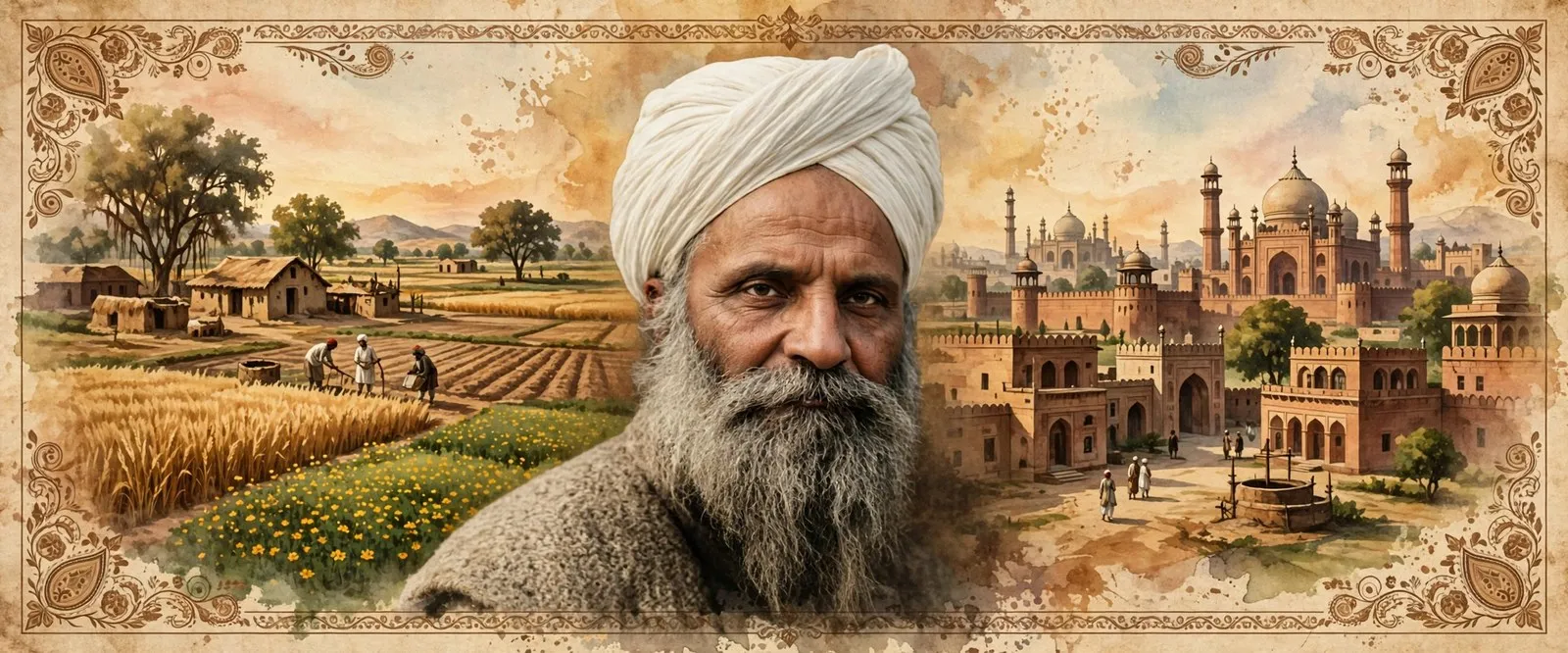
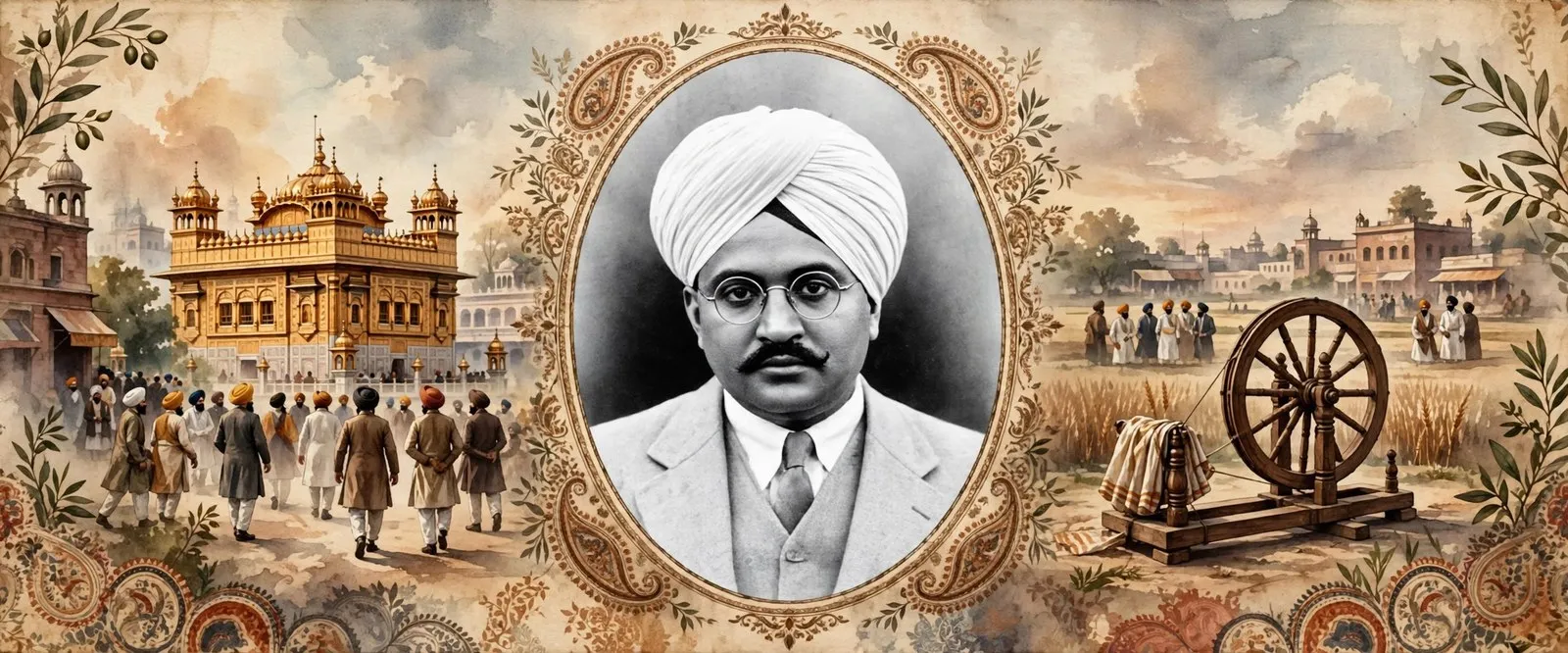
Kishan Singh (1878-1951), also spelled Kishen Singh, was a Punjabi freedom fighter from Khatkar Kalan and the father of Bhagat Singh. With his brothers Ajit Singh and Swaran Singh he helped found the Bharat Mata Society, joined the 1907 agitation against the Colonization and Canal Acts, and supported Ghadar activists. Biographers credit him with dozens of political trials, two years in prison and two years interned.
- Punjabi name
- ਕਿਸ਼ਨ ਸਿੰਘ
- Born
- 1878, Khatkar Kalan, Jalandhar district (now SBS Nagar)
- Home village
- Khatkar Kalan
- District
- SBS Nagar
- Tehsil
- Banga
- Region
- Doaba
All 13 facts
- Died
- 30 May 1951
- Parents
- Arjun Singh and Jai Kaur
- Brothers
- Ajit Singh and Swaran Singh
- Spouse
- Vidyavati (married 1897)
- Son
- Bhagat Singh (born 1907, Banga, Lyallpur district)
- Organisations
- Bharat Mata Society; Indian National Congress
- Known for
- Father of Bhagat Singh; dozens of political trials
Kishan Singh (1878-1951), also spelled Kishen Singh, was a Punjabi freedom fighter from Khatkar Kalan and the father of Bhagat Singh. He helped found the Bharat Mata Society, joined the 1907 agitation against new canal and land laws, supported Ghadar activists, and faced dozens of political trials under British rule.
Early life
Kishan Singh was born in 1878 at Khatkar Kalan, then in Jalandhar district and now in Shaheed Bhagat Singh Nagar district, Punjab. He was the eldest of the three sons of Sardar Arjun Singh and Jai Kaur, in a Sandhu Jat Sikh family of the village. His father worked as a munshi in a lawyer's office at Jalandhar and, from 1877, followed the Arya Samaj, a reform movement founded by Swami Dayananda Saraswati. His younger brothers were Ajit Singh, born in 1881, and Swaran Singh, born in 1887.
His given name was Gobind Singh, and as a small child he was called Gobinda. Elders in the family felt the nickname showed disrespect to Guru Gobind Singh, so at a family gathering at Anandpur Sahib in 1886, when the boy was eight, he was baptised and given the name Kishan Singh. He studied at the Sain Das Anglo-Sanskrit School in Jalandhar. In 1897 the family left Khatkar Kalan for Banga village, Chak No. 105 GB, in Lyallpur district, now Faisalabad in Pakistan, where his father took up farming in a new canal colony.
Social service and political work
Kishan Singh worked for the Arya Samaj alongside Mahatma Hans Raj and later joined the Indian National Congress, remaining an active Congress worker for the rest of his life, according to biographer M. M. Juneja. Biographer Swarn Singh also records a long run of relief work in his early years: famine camps in Berar in 1898, an orphanage at Ahmedabad after the famine of 1900 opened with Lala Lajpat Rai, relief committee work after the Kangra earthquake of 1904, and help for flood victims at Srinagar in 1905.
In 1906 he joined his brothers Ajit Singh and Swaran Singh, Sufi Amba Prasad and Mahasha Ghasita Ram in founding the Bharat Mata Society. The next year he took part in the Punjab agitation against the Bari Doab Canal Act and the Punjab Colonization of Land Act, laws that raised charges on farmers in the canal colonies, and he helped organise farmers under the Zamindara League. He was arrested in that agitation. In later years he supported activists working underground. Juneja quotes the judgement of the Special Tribunal that tried Ghadar cases in 1915-16 as recording that Kishan Singh contributed Rs 1,000 to the Ghadar Party, then a large sum, and Swarn Singh writes that he gave Rs 1,000 to Kartar Singh Sarabha and was confined to Banga village for a time in 1914-15 because of the help he gave. To earn a living he farmed and worked in Lahore as an agent of a Bombay life insurance company, and the family at different times tried tobacco growing and dairy work. Before his son finished village school, Kishan Singh moved the family to the Nawankot locality of Lahore, and Bhagat Singh entered the D.A.V. High School there in 1917 and National College in 1921.
ਕਿਸ਼ਨ ਸਿੰਘ (1878-1951), ਜਿਸ ਦਾ ਨਾਂ ਕਈ ਥਾਈਂ ਕਿਸ਼ੇਨ ਸਿੰਘ ਵੀ ਲਿਖਿਆ ਮਿਲਦਾ ਹੈ, ਖਟਕੜ ਕਲਾਂ ਦਾ ਪੰਜਾਬੀ ਆਜ਼ਾਦੀ ਘੁਲਾਟੀਆ ਅਤੇ ਭਗਤ ਸਿੰਘ ਦਾ ਪਿਤਾ ਸੀ। ਉਸ ਨੇ ਭਾਰਤ ਮਾਤਾ ਸੋਸਾਇਟੀ ਬਣਾਉਣ ਵਿੱਚ ਹਿੱਸਾ ਲਿਆ, 1907 ਵਿੱਚ ਨਵੇਂ ਨਹਿਰ ਅਤੇ ਜ਼ਮੀਨੀ ਕਾਨੂੰਨਾਂ ਵਿਰੁੱਧ ਹੋਏ ਅੰਦੋਲਨ ਵਿੱਚ ਸ਼ਾਮਲ ਹੋਇਆ, ਗ਼ਦਰ ਕਾਰਕੁਨਾਂ ਦੀ ਮਦਦ ਕੀਤੀ, ਅਤੇ ਬ੍ਰਿਟਿਸ਼ ਰਾਜ ਹੇਠ ਦਰਜਨਾਂ ਸਿਆਸੀ ਮੁਕੱਦਮਿਆਂ ਦਾ ਸਾਹਮਣਾ ਕੀਤਾ।
ਸ਼ੁਰੂਆਤੀ ਜੀਵਨ
ਕਿਸ਼ਨ ਸਿੰਘ ਦਾ ਜਨਮ 1878 ਵਿੱਚ ਖਟਕੜ ਕਲਾਂ ਵਿੱਚ ਹੋਇਆ, ਜੋ ਉਸ ਵੇਲੇ ਜਲੰਧਰ ਜ਼ਿਲ੍ਹੇ ਵਿੱਚ ਸੀ ਅਤੇ ਅੱਜ ਪੰਜਾਬ ਦੇ ਸ਼ਹੀਦ ਭਗਤ ਸਿੰਘ ਨਗਰ ਜ਼ਿਲ੍ਹੇ ਵਿੱਚ ਹੈ। ਉਹ ਸਰਦਾਰ ਅਰਜਨ ਸਿੰਘ ਅਤੇ ਜੈ ਕੌਰ ਦੇ ਤਿੰਨ ਪੁੱਤਰਾਂ ਵਿੱਚੋਂ ਸਭ ਤੋਂ ਵੱਡਾ ਸੀ, ਅਤੇ ਪਰਿਵਾਰ ਪਿੰਡ ਦਾ ਸੰਧੂ ਜੱਟ ਸਿੱਖ ਪਰਿਵਾਰ ਸੀ। ਉਸ ਦਾ ਪਿਤਾ ਜਲੰਧਰ ਵਿੱਚ ਇੱਕ ਵਕੀਲ ਦੇ ਦਫ਼ਤਰ ਵਿੱਚ ਮੁਨਸ਼ੀ ਸੀ ਅਤੇ 1877 ਤੋਂ ਆਰੀਆ ਸਮਾਜ ਨਾਲ ਜੁੜਿਆ ਹੋਇਆ ਸੀ, ਜੋ ਸੁਆਮੀ ਦਯਾਨੰਦ ਸਰਸਵਤੀ ਵੱਲੋਂ ਸ਼ੁਰੂ ਕੀਤੀ ਸੁਧਾਰ ਲਹਿਰ ਸੀ। ਉਸ ਦੇ ਛੋਟੇ ਭਰਾ ਅਜੀਤ ਸਿੰਘ, ਜਨਮ 1881, ਅਤੇ ਸਵਰਨ ਸਿੰਘ, ਜਨਮ 1887, ਸਨ।
ਉਸ ਦਾ ਪਹਿਲਾ ਨਾਂ ਗੋਬਿੰਦ ਸਿੰਘ ਸੀ ਅਤੇ ਬਚਪਨ ਵਿੱਚ ਉਸ ਨੂੰ ਗੋਬਿੰਦਾ ਕਹਿ ਕੇ ਬੁਲਾਇਆ ਜਾਂਦਾ ਸੀ। ਪਰਿਵਾਰ ਦੇ ਬਜ਼ੁਰਗਾਂ ਨੂੰ ਲੱਗਾ ਕਿ ਇਹ ਨਾਂ ਗੁਰੂ ਗੋਬਿੰਦ ਸਿੰਘ ਪ੍ਰਤੀ ਬੇਅਦਬੀ ਹੈ, ਇਸ ਲਈ 1886 ਵਿੱਚ ਅਨੰਦਪੁਰ ਸਾਹਿਬ ਵਿਖੇ ਪਰਿਵਾਰ ਦੇ ਇਕੱਠ ਵਿੱਚ, ਜਦੋਂ ਮੁੰਡਾ ਅੱਠ ਸਾਲ ਦਾ ਸੀ, ਉਸ ਨੂੰ ਅੰਮ੍ਰਿਤ ਛਕਾ ਕੇ ਕਿਸ਼ਨ ਸਿੰਘ ਨਾਂ ਦਿੱਤਾ ਗਿਆ। ਉਸ ਨੇ ਜਲੰਧਰ ਦੇ ਸੈਣ ਦਾਸ ਐਂਗਲੋ-ਸੰਸਕ੍ਰਿਤ ਸਕੂਲ ਵਿੱਚ ਪੜ੍ਹਾਈ ਕੀਤੀ। 1897 ਵਿੱਚ ਪਰਿਵਾਰ ਖਟਕੜ ਕਲਾਂ ਛੱਡ ਕੇ ਲਾਇਲਪੁਰ ਜ਼ਿਲ੍ਹੇ ਦੇ ਪਿੰਡ ਬੰਗਾ, ਚੱਕ ਨੰਬਰ 105 ਜੀ.ਬੀ., ਚਲਾ ਗਿਆ, ਜੋ ਅੱਜ ਪਾਕਿਸਤਾਨ ਵਿੱਚ ਫ਼ੈਸਲਾਬਾਦ ਹੈ, ਜਿੱਥੇ ਉਸ ਦੇ ਪਿਤਾ ਨੇ ਨਵੀਂ ਨਹਿਰੀ ਬਸਤੀ ਵਿੱਚ ਖੇਤੀ ਸ਼ੁਰੂ ਕੀਤੀ।
ਸਮਾਜ ਸੇਵਾ ਅਤੇ ਸਿਆਸੀ ਕੰਮ
ਜੀਵਨੀਕਾਰ ਐੱਮ. ਐੱਮ. ਜੁਨੇਜਾ ਅਨੁਸਾਰ ਕਿਸ਼ਨ ਸਿੰਘ ਨੇ ਮਹਾਤਮਾ ਹੰਸ ਰਾਜ ਨਾਲ ਮਿਲ ਕੇ ਆਰੀਆ ਸਮਾਜ ਲਈ ਕੰਮ ਕੀਤਾ ਅਤੇ ਬਾਅਦ ਵਿੱਚ ਭਾਰਤੀ ਰਾਸ਼ਟਰੀ ਕਾਂਗਰਸ ਵਿੱਚ ਸ਼ਾਮਲ ਹੋ ਕੇ ਸਾਰੀ ਉਮਰ ਸਰਗਰਮ ਕਾਂਗਰਸ ਕਾਰਕੁਨ ਰਿਹਾ। ਜੀਵਨੀਕਾਰ ਸਵਰਨ ਸਿੰਘ ਉਸ ਦੇ ਸ਼ੁਰੂਆਤੀ ਸਾਲਾਂ ਦੇ ਰਾਹਤ ਕੰਮਾਂ ਦਾ ਵੀ ਜ਼ਿਕਰ ਕਰਦਾ ਹੈ: 1898 ਵਿੱਚ ਬੇਰਾਰ ਵਿੱਚ ਅਕਾਲ ਰਾਹਤ ਕੈਂਪ, 1900 ਦੇ ਅਕਾਲ ਤੋਂ ਬਾਅਦ ਲਾਲਾ ਲਾਜਪਤ ਰਾਏ ਨਾਲ ਅਹਿਮਦਾਬਾਦ ਵਿੱਚ ਅਨਾਥ ਆਸ਼ਰਮ, 1904 ਦੇ ਕਾਂਗੜਾ ਭੂਚਾਲ ਤੋਂ ਬਾਅਦ ਰਾਹਤ ਕਮੇਟੀ ਦਾ ਕੰਮ, ਅਤੇ 1905 ਵਿੱਚ ਸ੍ਰੀਨਗਰ ਵਿੱਚ ਹੜ੍ਹ ਪੀੜਤਾਂ ਦੀ ਮਦਦ।
1906 ਵਿੱਚ ਉਸ ਨੇ ਆਪਣੇ ਭਰਾਵਾਂ ਅਜੀਤ ਸਿੰਘ ਅਤੇ ਸਵਰਨ ਸਿੰਘ, ਸੂਫ਼ੀ ਅੰਬਾ ਪ੍ਰਸਾਦ ਅਤੇ ਮਹਾਸ਼ਾ ਘਸੀਟਾ ਰਾਮ ਨਾਲ ਮਿਲ ਕੇ ਭਾਰਤ ਮਾਤਾ ਸੋਸਾਇਟੀ ਬਣਾਈ। ਅਗਲੇ ਸਾਲ ਉਸ ਨੇ ਬਾਰੀ ਦੁਆਬ ਨਹਿਰ ਕਾਨੂੰਨ ਅਤੇ ਪੰਜਾਬ ਜ਼ਮੀਨ ਬਸਤੀਕਰਨ ਕਾਨੂੰਨ ਵਿਰੁੱਧ ਪੰਜਾਬ ਦੇ ਅੰਦੋਲਨ ਵਿੱਚ ਹਿੱਸਾ ਲਿਆ, ਜਿਨ੍ਹਾਂ ਕਾਨੂੰਨਾਂ ਨਾਲ ਨਹਿਰੀ ਬਸਤੀਆਂ ਦੇ ਕਿਸਾਨਾਂ 'ਤੇ ਭਾਰ ਵਧਿਆ ਸੀ, ਅਤੇ ਜ਼ਿਮੀਂਦਾਰਾ ਲੀਗ ਹੇਠ ਕਿਸਾਨਾਂ ਨੂੰ ਜਥੇਬੰਦ ਕਰਨ ਵਿੱਚ ਮਦਦ ਕੀਤੀ। ਉਸ ਅੰਦੋਲਨ ਵਿੱਚ ਉਸ ਨੂੰ ਗ੍ਰਿਫ਼ਤਾਰ ਕੀਤਾ ਗਿਆ। ਬਾਅਦ ਦੇ ਸਾਲਾਂ ਵਿੱਚ ਉਸ ਨੇ ਗੁਪਤ ਰੂਪ ਵਿੱਚ ਕੰਮ ਕਰਨ ਵਾਲੇ ਕਾਰਕੁਨਾਂ ਦੀ ਮਦਦ ਕੀਤੀ। ਜੁਨੇਜਾ 1915-16 ਵਿੱਚ ਗ਼ਦਰ ਮੁਕੱਦਮਿਆਂ ਦੀ ਸੁਣਵਾਈ ਕਰਨ ਵਾਲੇ ਸਪੈਸ਼ਲ ਟ੍ਰਿਬਿਊਨਲ ਦੇ ਫ਼ੈਸਲੇ ਦਾ ਹਵਾਲਾ ਦਿੰਦਾ ਹੈ ਕਿ ਕਿਸ਼ਨ ਸਿੰਘ ਨੇ ਗ਼ਦਰ ਪਾਰਟੀ ਨੂੰ 1,000 ਰੁਪਏ ਦਿੱਤੇ ਸਨ, ਜੋ ਉਸ ਵੇਲੇ ਵੱਡੀ ਰਕਮ ਸੀ, ਅਤੇ ਸਵਰਨ ਸਿੰਘ ਲਿਖਦਾ ਹੈ ਕਿ ਉਸ ਨੇ ਕਰਤਾਰ ਸਿੰਘ ਸਰਾਭਾ ਨੂੰ 1,000 ਰੁਪਏ ਦਿੱਤੇ ਅਤੇ ਦਿੱਤੀ ਮਦਦ ਕਰਕੇ 1914-15 ਵਿੱਚ ਕੁਝ ਸਮਾਂ ਬੰਗਾ ਪਿੰਡ ਵਿੱਚ ਨਜ਼ਰਬੰਦ ਰਿਹਾ। ਰੋਜ਼ੀ ਲਈ ਉਹ ਖੇਤੀ ਕਰਦਾ ਸੀ ਅਤੇ ਲਾਹੌਰ ਵਿੱਚ ਬੰਬਈ ਦੀ ਇੱਕ ਜੀਵਨ ਬੀਮਾ ਕੰਪਨੀ ਦਾ ਏਜੰਟ ਸੀ, ਅਤੇ ਪਰਿਵਾਰ ਨੇ ਵੱਖ-ਵੱਖ ਸਮਿਆਂ 'ਤੇ ਤੰਬਾਕੂ ਦੀ ਖੇਤੀ ਅਤੇ ਦੁੱਧ ਦਾ ਕੰਮ ਵੀ ਅਜ਼ਮਾਇਆ। ਪੁੱਤਰ ਦੀ ਪਿੰਡ ਦੀ ਪੜ੍ਹਾਈ ਪੂਰੀ ਹੋਣ ਤੋਂ ਪਹਿਲਾਂ ਕਿਸ਼ਨ ਸਿੰਘ ਪਰਿਵਾਰ ਨੂੰ ਲਾਹੌਰ ਦੇ ਨਵਾਂਕੋਟ ਇਲਾਕੇ ਵਿੱਚ ਲੈ ਗਿਆ, ਅਤੇ ਭਗਤ ਸਿੰਘ 1917 ਵਿੱਚ ਉੱਥੇ ਡੀ.ਏ.ਵੀ. ਹਾਈ ਸਕੂਲ ਅਤੇ 1921 ਵਿੱਚ ਨੈਸ਼ਨਲ ਕਾਲਜ ਵਿੱਚ ਦਾਖ਼ਲ ਹੋਇਆ।
Trials, prison and internment
The cost of this work was a lifetime of court cases. Juneja writes that Kishan Singh faced 42 political trials, spent two years as a prisoner and two more years as an internee. Swarn Singh gives a slightly different count, writing that the government launched three dozen cases against him after the 1907 agitation. The two biographies agree on the wider point: few Punjab activists of his generation were taken to court so often. When his son Bhagat Singh was born at Banga in September 1907, Kishan Singh and both his brothers were in jail for their part in the agitation. Kishan Singh and Swaran Singh were released on bail and reached home a day or two after the birth.
Who was Bhagat Singh's father?
Bhagat Singh's father was Kishan Singh of Khatkar Kalan, the subject of this page. He married Vidyavati in 1897 by Arya Samaj rites, and she joined the household at Banga in 1900. Their son Bhagat Singh was born at Banga in Lyallpur district in September 1907 and grew up in a house that biographers describe as a centre for patriotic literature and visiting activists.
Father and son did not always agree on tactics. In 1930, near the end of the Lahore Conspiracy Case, Kishan Singh sent a written request to the Special Tribunal saying facts could prove his son had nothing to do with the killing of police officer J. P. Saunders, and asking that Bhagat Singh be allowed to prove his innocence. Bhagat Singh answered in a letter dated 4 October 1930. He wrote that their political views had always differed, that he had never wished to offer a defence, and that his life was not worth buying at the cost of his principles. He asked his father to publish the letter so the public would know his position. Three days later the tribunal sentenced Bhagat Singh, Sukhdev Thapar and Shivaram Rajguru to death, and they were hanged at Lahore on 23 March 1931.
Later life and legacy
At Partition in 1947 the family returned to its house at Khatkar Kalan, which is now a protected monument. Kishan Singh died on 30 May 1951, aged about 73. His wife Vidyavati lived on at the ancestral home and died in 1975. He is remembered most widely as Bhagat Singh's father, and the 1930 exchange of petition and letter is still read as a record of two generations arguing, in public, about how to face a colonial court. His own record is older and longer than that episode: relief work from the 1890s, a share in founding the Bharat Mata Society in 1906, the farmers' agitation of 1907, money and shelter for Ghadar activists, and court cases that followed him for decades. Khatkar Kalan keeps that family history together, linking his name with his brothers Ajit Singh and Swaran Singh and with his son.
Kishan Singh and Kishen Singh: two different men
This Kishan Singh of Khatkar Kalan is not Rai Bahadur Kishen Singh the explorer. The explorer, also called Krishna and known in Survey records as A.K., was born about 1850 at Milam in the Kumaon hills, worked for the Survey of India on expeditions in Tibet and Central Asia between 1869 and 1882, retired in 1885 and died in February 1921. He was a cousin of the explorer Nain Singh. The Punjab freedom fighter on this page was a generation younger, born in 1878, and died in 1951. The spellings Kishan and Kishen are both found for the Punjab figure in print, which is why the two men are sometimes confused.
ਮੁਕੱਦਮੇ, ਜੇਲ੍ਹ ਅਤੇ ਨਜ਼ਰਬੰਦੀ
ਇਸ ਕੰਮ ਦੀ ਕੀਮਤ ਸਾਰੀ ਉਮਰ ਦੇ ਮੁਕੱਦਮੇ ਸਨ। ਜੁਨੇਜਾ ਲਿਖਦਾ ਹੈ ਕਿ ਕਿਸ਼ਨ ਸਿੰਘ ਨੇ 42 ਸਿਆਸੀ ਮੁਕੱਦਮਿਆਂ ਦਾ ਸਾਹਮਣਾ ਕੀਤਾ, ਦੋ ਸਾਲ ਕੈਦੀ ਰਿਹਾ ਅਤੇ ਦੋ ਸਾਲ ਹੋਰ ਨਜ਼ਰਬੰਦ ਰਿਹਾ। ਸਵਰਨ ਸਿੰਘ ਗਿਣਤੀ ਥੋੜ੍ਹੀ ਵੱਖਰੀ ਦਿੰਦਾ ਹੈ ਅਤੇ ਲਿਖਦਾ ਹੈ ਕਿ ਸਰਕਾਰ ਨੇ 1907 ਦੇ ਅੰਦੋਲਨ ਤੋਂ ਬਾਅਦ ਉਸ ਵਿਰੁੱਧ ਤਿੰਨ ਦਰਜਨ ਮੁਕੱਦਮੇ ਚਲਾਏ। ਦੋਵੇਂ ਜੀਵਨੀਆਂ ਇਸ ਵੱਡੀ ਗੱਲ 'ਤੇ ਸਹਿਮਤ ਹਨ ਕਿ ਉਸ ਦੀ ਪੀੜ੍ਹੀ ਦੇ ਬਹੁਤ ਘੱਟ ਪੰਜਾਬੀ ਕਾਰਕੁਨਾਂ ਨੂੰ ਇੰਨੀ ਵਾਰ ਅਦਾਲਤ ਲਿਜਾਇਆ ਗਿਆ। ਜਦੋਂ ਸਤੰਬਰ 1907 ਵਿੱਚ ਬੰਗਾ ਵਿਖੇ ਉਸ ਦੇ ਪੁੱਤਰ ਭਗਤ ਸਿੰਘ ਦਾ ਜਨਮ ਹੋਇਆ, ਕਿਸ਼ਨ ਸਿੰਘ ਅਤੇ ਉਸ ਦੇ ਦੋਵੇਂ ਭਰਾ ਅੰਦੋਲਨ ਵਿੱਚ ਹਿੱਸਾ ਲੈਣ ਕਰਕੇ ਜੇਲ੍ਹ ਵਿੱਚ ਸਨ। ਕਿਸ਼ਨ ਸਿੰਘ ਅਤੇ ਸਵਰਨ ਸਿੰਘ ਜ਼ਮਾਨਤ 'ਤੇ ਰਿਹਾਅ ਹੋਏ ਅਤੇ ਜਨਮ ਤੋਂ ਇੱਕ-ਦੋ ਦਿਨ ਬਾਅਦ ਘਰ ਪਹੁੰਚੇ।
ਭਗਤ ਸਿੰਘ ਦੇ ਪਿਤਾ ਕੌਣ ਸਨ?
ਭਗਤ ਸਿੰਘ ਦੇ ਪਿਤਾ ਖਟਕੜ ਕਲਾਂ ਦੇ ਕਿਸ਼ਨ ਸਿੰਘ ਸਨ, ਜਿਨ੍ਹਾਂ ਬਾਰੇ ਇਹ ਪੰਨਾ ਹੈ। ਉਸ ਦਾ ਵਿਆਹ 1897 ਵਿੱਚ ਆਰੀਆ ਸਮਾਜ ਰੀਤਾਂ ਨਾਲ ਵਿਦਿਆਵਤੀ ਨਾਲ ਹੋਇਆ, ਅਤੇ ਉਹ 1900 ਵਿੱਚ ਬੰਗਾ ਦੇ ਘਰ ਆ ਵਸੀ। ਉਨ੍ਹਾਂ ਦੇ ਪੁੱਤਰ ਭਗਤ ਸਿੰਘ ਦਾ ਜਨਮ ਸਤੰਬਰ 1907 ਵਿੱਚ ਲਾਇਲਪੁਰ ਜ਼ਿਲ੍ਹੇ ਦੇ ਬੰਗਾ ਵਿੱਚ ਹੋਇਆ ਅਤੇ ਉਹ ਅਜਿਹੇ ਘਰ ਵਿੱਚ ਵੱਡਾ ਹੋਇਆ ਜਿਸ ਨੂੰ ਜੀਵਨੀਕਾਰ ਦੇਸ਼ਭਗਤੀ ਸਾਹਿਤ ਅਤੇ ਆਉਣ ਵਾਲੇ ਕਾਰਕੁਨਾਂ ਦਾ ਕੇਂਦਰ ਦੱਸਦੇ ਹਨ।
ਪਿਤਾ ਅਤੇ ਪੁੱਤਰ ਹਮੇਸ਼ਾ ਤਰੀਕਿਆਂ 'ਤੇ ਸਹਿਮਤ ਨਹੀਂ ਸਨ। 1930 ਵਿੱਚ, ਲਾਹੌਰ ਸਾਜ਼ਿਸ਼ ਕੇਸ ਦੇ ਅੰਤ ਵੇਲੇ, ਕਿਸ਼ਨ ਸਿੰਘ ਨੇ ਸਪੈਸ਼ਲ ਟ੍ਰਿਬਿਊਨਲ ਨੂੰ ਲਿਖਤੀ ਬੇਨਤੀ ਭੇਜੀ ਕਿ ਤੱਥ ਸਾਬਤ ਕਰ ਸਕਦੇ ਹਨ ਕਿ ਉਸ ਦੇ ਪੁੱਤਰ ਦਾ ਪੁਲਿਸ ਅਧਿਕਾਰੀ ਜੇ. ਪੀ. ਸਾਂਡਰਜ਼ ਦੀ ਹੱਤਿਆ ਨਾਲ ਕੋਈ ਸਬੰਧ ਨਹੀਂ ਸੀ, ਅਤੇ ਮੰਗ ਕੀਤੀ ਕਿ ਭਗਤ ਸਿੰਘ ਨੂੰ ਆਪਣੀ ਬੇਗੁਨਾਹੀ ਸਾਬਤ ਕਰਨ ਦਾ ਮੌਕਾ ਦਿੱਤਾ ਜਾਵੇ। ਭਗਤ ਸਿੰਘ ਨੇ 4 ਅਕਤੂਬਰ 1930 ਦੀ ਚਿੱਠੀ ਵਿੱਚ ਜਵਾਬ ਦਿੱਤਾ। ਉਸ ਨੇ ਲਿਖਿਆ ਕਿ ਉਨ੍ਹਾਂ ਦੇ ਸਿਆਸੀ ਵਿਚਾਰ ਹਮੇਸ਼ਾ ਵੱਖਰੇ ਰਹੇ ਹਨ, ਉਸ ਨੇ ਕਦੇ ਬਚਾਅ ਪੇਸ਼ ਕਰਨਾ ਨਹੀਂ ਚਾਹਿਆ, ਅਤੇ ਉਸ ਦੀ ਜਾਨ ਉਸ ਦੇ ਅਸੂਲਾਂ ਦੀ ਕੀਮਤ 'ਤੇ ਖਰੀਦਣ ਯੋਗ ਨਹੀਂ ਸੀ। ਉਸ ਨੇ ਪਿਤਾ ਨੂੰ ਚਿੱਠੀ ਛਾਪਣ ਲਈ ਕਿਹਾ ਤਾਂ ਜੋ ਲੋਕਾਂ ਨੂੰ ਉਸ ਦਾ ਪੱਖ ਪਤਾ ਲੱਗੇ। ਤਿੰਨ ਦਿਨ ਬਾਅਦ ਟ੍ਰਿਬਿਊਨਲ ਨੇ ਭਗਤ ਸਿੰਘ, ਸੁਖਦੇਵ ਥਾਪਰ ਅਤੇ ਸ਼ਿਵਰਾਮ ਰਾਜਗੁਰੂ ਨੂੰ ਮੌਤ ਦੀ ਸਜ਼ਾ ਸੁਣਾਈ, ਅਤੇ 23 ਮਾਰਚ 1931 ਨੂੰ ਲਾਹੌਰ ਵਿੱਚ ਤਿੰਨਾਂ ਨੂੰ ਫਾਂਸੀ ਦੇ ਦਿੱਤੀ ਗਈ।
ਅਖ਼ੀਰਲੇ ਸਾਲ ਅਤੇ ਵਿਰਾਸਤ
1947 ਵਿੱਚ ਵੰਡ ਵੇਲੇ ਪਰਿਵਾਰ ਖਟਕੜ ਕਲਾਂ ਵਾਲੇ ਘਰ ਮੁੜ ਆਇਆ, ਜੋ ਅੱਜ ਸੁਰੱਖਿਅਤ ਯਾਦਗਾਰ ਹੈ। ਕਿਸ਼ਨ ਸਿੰਘ ਦਾ ਦੇਹਾਂਤ 30 ਮਈ 1951 ਨੂੰ ਲਗਭਗ 73 ਸਾਲ ਦੀ ਉਮਰ ਵਿੱਚ ਹੋਇਆ। ਉਸ ਦੀ ਪਤਨੀ ਵਿਦਿਆਵਤੀ ਪੁਰਖਿਆਂ ਦੇ ਘਰ ਵਿੱਚ ਹੀ ਰਹੀ ਅਤੇ 1975 ਵਿੱਚ ਉਸ ਦਾ ਦੇਹਾਂਤ ਹੋਇਆ। ਉਸ ਨੂੰ ਸਭ ਤੋਂ ਵੱਧ ਭਗਤ ਸਿੰਘ ਦੇ ਪਿਤਾ ਵਜੋਂ ਯਾਦ ਕੀਤਾ ਜਾਂਦਾ ਹੈ, ਅਤੇ 1930 ਦੀ ਬੇਨਤੀ ਅਤੇ ਚਿੱਠੀ ਅੱਜ ਵੀ ਇਸ ਗੱਲ ਦਾ ਰਿਕਾਰਡ ਪੜ੍ਹੀ ਜਾਂਦੀ ਹੈ ਕਿ ਦੋ ਪੀੜ੍ਹੀਆਂ ਬਸਤੀਵਾਦੀ ਅਦਾਲਤ ਦਾ ਸਾਹਮਣਾ ਕਰਨ ਬਾਰੇ ਸਰੇਆਮ ਬਹਿਸ ਕਰ ਰਹੀਆਂ ਸਨ। ਉਸ ਦਾ ਆਪਣਾ ਰਿਕਾਰਡ ਇਸ ਘਟਨਾ ਤੋਂ ਪੁਰਾਣਾ ਅਤੇ ਲੰਬਾ ਹੈ: 1890ਵਿਆਂ ਤੋਂ ਰਾਹਤ ਕੰਮ, 1906 ਵਿੱਚ ਭਾਰਤ ਮਾਤਾ ਸੋਸਾਇਟੀ ਬਣਾਉਣ ਵਿੱਚ ਹਿੱਸਾ, 1907 ਦਾ ਕਿਸਾਨ ਅੰਦੋਲਨ, ਗ਼ਦਰ ਕਾਰਕੁਨਾਂ ਨੂੰ ਪੈਸਾ ਅਤੇ ਆਸਰਾ, ਅਤੇ ਦਹਾਕਿਆਂ ਤੱਕ ਚੱਲਦੇ ਮੁਕੱਦਮੇ। ਖਟਕੜ ਕਲਾਂ ਇਸ ਪਰਿਵਾਰਕ ਇਤਿਹਾਸ ਨੂੰ ਇਕੱਠਾ ਰੱਖਦਾ ਹੈ, ਜਿੱਥੇ ਉਸ ਦਾ ਨਾਂ ਉਸ ਦੇ ਭਰਾਵਾਂ ਅਜੀਤ ਸਿੰਘ ਅਤੇ ਸਵਰਨ ਸਿੰਘ ਅਤੇ ਉਸ ਦੇ ਪੁੱਤਰ ਨਾਲ ਜੁੜਿਆ ਹੈ।
ਕਿਸ਼ਨ ਸਿੰਘ ਅਤੇ ਕਿਸ਼ੇਨ ਸਿੰਘ: ਦੋ ਵੱਖਰੇ ਬੰਦੇ
ਖਟਕੜ ਕਲਾਂ ਦਾ ਇਹ ਕਿਸ਼ਨ ਸਿੰਘ ਖੋਜੀ ਰਾਏ ਬਹਾਦਰ ਕਿਸ਼ੇਨ ਸਿੰਘ ਨਹੀਂ ਹੈ। ਖੋਜੀ, ਜਿਸ ਨੂੰ ਕ੍ਰਿਸ਼ਨਾ ਵੀ ਕਿਹਾ ਜਾਂਦਾ ਸੀ ਅਤੇ ਸਰਵੇਖਣ ਰਿਕਾਰਡਾਂ ਵਿੱਚ ਏ.ਕੇ. ਵਜੋਂ ਜਾਣਿਆ ਜਾਂਦਾ ਸੀ, ਦਾ ਜਨਮ ਲਗਭਗ 1850 ਵਿੱਚ ਕੁਮਾਊਂ ਦੀਆਂ ਪਹਾੜੀਆਂ ਦੇ ਮਿਲਮ ਵਿੱਚ ਹੋਇਆ, ਉਸ ਨੇ 1869 ਤੋਂ 1882 ਵਿਚਕਾਰ ਤਿੱਬਤ ਅਤੇ ਮੱਧ ਏਸ਼ੀਆ ਦੀਆਂ ਮੁਹਿੰਮਾਂ 'ਤੇ ਸਰਵੇ ਆਫ਼ ਇੰਡੀਆ ਲਈ ਕੰਮ ਕੀਤਾ, 1885 ਵਿੱਚ ਸੇਵਾਮੁਕਤ ਹੋਇਆ ਅਤੇ ਫਰਵਰੀ 1921 ਵਿੱਚ ਉਸ ਦਾ ਦੇਹਾਂਤ ਹੋਇਆ। ਉਹ ਖੋਜੀ ਨੈਣ ਸਿੰਘ ਦਾ ਚਚੇਰਾ ਭਰਾ ਸੀ। ਇਸ ਪੰਨੇ ਵਾਲਾ ਪੰਜਾਬੀ ਆਜ਼ਾਦੀ ਘੁਲਾਟੀਆ ਇੱਕ ਪੀੜ੍ਹੀ ਛੋਟਾ ਸੀ, ਜਨਮ 1878, ਅਤੇ ਦੇਹਾਂਤ 1951 ਵਿੱਚ ਹੋਇਆ। ਪੰਜਾਬੀ ਬੰਦੇ ਲਈ ਕਿਸ਼ਨ ਅਤੇ ਕਿਸ਼ੇਨ ਦੋਵੇਂ ਸਪੈਲਿੰਗ ਛਪੀਆਂ ਮਿਲਦੀਆਂ ਹਨ, ਇਸੇ ਕਰਕੇ ਦੋਵੇਂ ਬੰਦੇ ਕਈ ਵਾਰ ਰਲ ਜਾਂਦੇ ਹਨ।
People




Places


More freedom struggle
See all

Sources (6)
- Biography of Bhagat Singh by M. M. Juneja (full text, Internet Archive)
- Path of Revolution: A Biography of Shaheed Bhagat Singh by Swarn Singh (full text, Internet Archive)
- PTI fact check: Khatkar Kalan is Bhagat Singh's ancestral village (Devdiscourse)
- Bhagat Singh: Letter to Father, 4 October 1930 (Marxists Internet Archive)
- Kishen Singh (explorer), for disambiguation (Wikipedia)
- Portrait of Sardar Kishan Singh, file page (Wikimedia Commons)
Jugti is free and independent. Reader support keeps the Kosh growing.
Support