
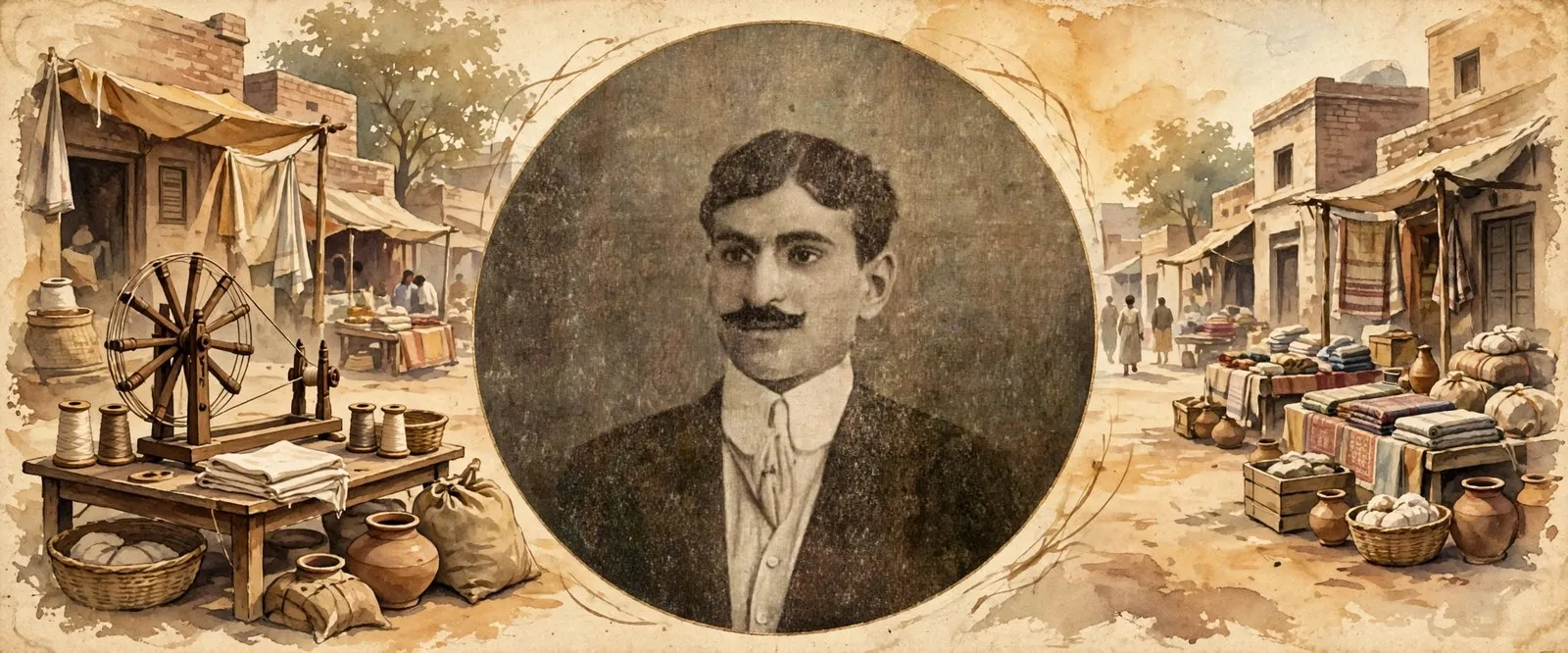
Saifuddin Kitchlew (1888 to 1963) was a barrister and Congress leader from Amritsar who led the city's protests against the Rowlatt Act in 1919. He and Dr Satyapal were secretly arrested on 10 April 1919 and sent to Dharamshala, and the protest against their arrest ended in the Jallianwala Bagh massacre on 13 April. He later headed the Punjab Congress, opposed the Partition of India, and in 1952 became the first Indian to receive the Lenin Peace Prize.
- Punjabi name
- ਸੈਫ਼ੁੱਦੀਨ ਕਿਚਲੂ
- Born
- 15 January 1888, Amritsar, Punjab
- Home place
- Amritsar
- District
- Amritsar
- Region
- Majha
- Father
- Azizuddin Kitchlew
All 14 facts
- Education
- Islamia High School, Amritsar; BA, Cambridge University; Bar-at-Law, London; PhD, German university
- Profession
- Barrister in Amritsar; Municipal Commissioner of Amritsar, 1919
- Arrested
- 10 April 1919, with Dr Satyapal; sent to Dharamshala
- Released
- December 1919, royal amnesty
- Congress posts
- President, Punjab Provincial Congress Committee; General Secretary, AICC, 1924
- Honour
- Stalin Peace Prize, later Lenin Peace Prize, 1952; first Indian recipient
- Wife
- Saadat Bano, married 1915
- Died
- 9 October 1963, New Delhi, aged 75
Saifuddin Kitchlew (15 January 1888 to 9 October 1963) was an Amritsar barrister and Congress leader who led the protests against the Rowlatt Act in Punjab in 1919. His secret arrest with Dr Satyapal on 10 April 1919 set off the unrest that ended in the Jallianwala Bagh massacre three days later.
Early life and education
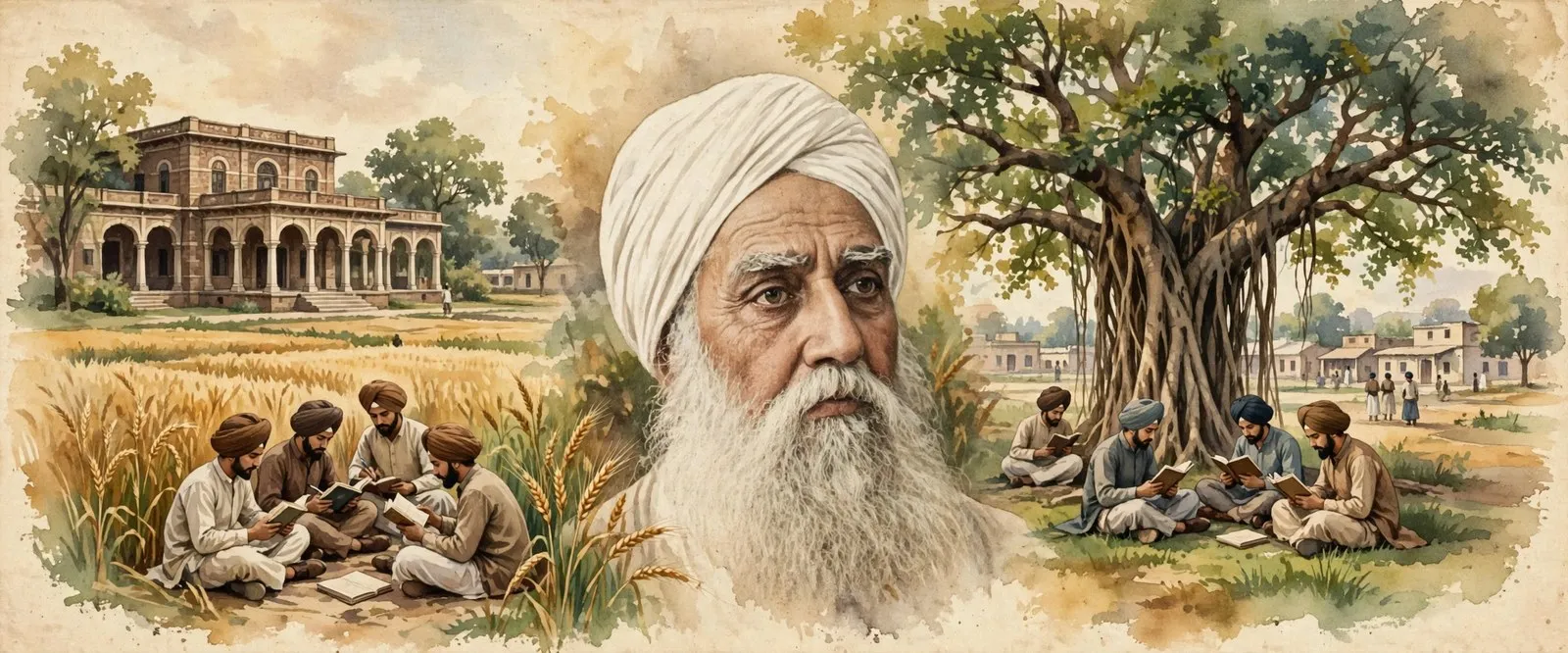
Saifuddin Kitchlew was born on 15 January 1888 in Amritsar, in the Punjab Province of British India, to Azizuddin Kitchlew and Dan Bibi. His family belonged to the Kitchlew clan and had come to Punjab from Baramulla in Kashmir. His father ran a pashmina and saffron trading business in Amritsar, and the family was comfortably placed in the city's trading life.
He studied at Islamia High School in Amritsar and then went to England, where he took a B.A. from Cambridge University and was called to the Bar in London. He later earned a Ph.D. from a German university. On his return to India he set up a legal practice in Amritsar and built a name as a successful lawyer. In 1915 he married Saadat Bano, a poet and writer who later took part in the independence movement alongside him.
By 1919 he was one of the best known public men in Amritsar. That year he was elected Municipal Commissioner of the city, and he had come into contact with Mohandas Gandhi, whose campaigns were beginning to draw lawyers and merchants across Punjab into politics.
Why was Saifuddin Kitchlew arrested in April 1919?
Kitchlew was arrested because he had become the public face of Amritsar's resistance to the Rowlatt Act. The Act, passed by the Imperial Legislative Council in March 1919 on the recommendation of the Sedition Committee chaired by Justice Sidney Rowlatt, let the authorities detain people for up to two years without trial, try political cases before special tribunals with no right of appeal, and restrict movement, speech and the press. Across India it was summed up in the slogan no argument, no lawyer, no appeal.
ਸੈਫ਼ੁੱਦੀਨ ਕਿਚਲੂ (15 ਜਨਵਰੀ 1888 ਤੋਂ 9 ਅਕਤੂਬਰ 1963) ਅੰਮ੍ਰਿਤਸਰ ਦੇ ਬੈਰਿਸਟਰ ਅਤੇ ਕਾਂਗਰਸ ਆਗੂ ਸਨ, ਜਿਨ੍ਹਾਂ ਨੇ 1919 ਵਿੱਚ ਪੰਜਾਬ ਵਿੱਚ ਰੋਲਟ ਐਕਟ ਵਿਰੁੱਧ ਹੋਏ ਵਿਰੋਧ ਦੀ ਅਗਵਾਈ ਕੀਤੀ। 10 ਅਪ੍ਰੈਲ 1919 ਨੂੰ ਡਾ. ਸਤਿਆਪਾਲ ਨਾਲ ਉਨ੍ਹਾਂ ਦੀ ਗੁਪਤ ਗ੍ਰਿਫ਼ਤਾਰੀ ਨੇ ਉਹ ਹੰਗਾਮਾ ਭੜਕਾਇਆ, ਜੋ ਤਿੰਨ ਦਿਨ ਮਗਰੋਂ ਜਲਿਆਂਵਾਲਾ ਬਾਗ਼ ਦੇ ਕਤਲੇਆਮ ਉੱਤੇ ਜਾ ਕੇ ਮੁੱਕਿਆ।
ਮੁੱਢਲਾ ਜੀਵਨ ਅਤੇ ਸਿੱਖਿਆ
ਸੈਫ਼ੁੱਦੀਨ ਕਿਚਲੂ ਦਾ ਜਨਮ 15 ਜਨਵਰੀ 1888 ਨੂੰ ਬਰਤਾਨਵੀ ਭਾਰਤ ਦੇ ਪੰਜਾਬ ਸੂਬੇ ਦੇ ਸ਼ਹਿਰ ਅੰਮ੍ਰਿਤਸਰ ਵਿੱਚ ਅਜ਼ੀਜ਼ੁੱਦੀਨ ਕਿਚਲੂ ਅਤੇ ਦਾਨ ਬੀਬੀ ਦੇ ਘਰ ਹੋਇਆ। ਉਨ੍ਹਾਂ ਦਾ ਪਰਿਵਾਰ ਕਿਚਲੂ ਗੋਤ ਦਾ ਸੀ ਅਤੇ ਕਸ਼ਮੀਰ ਦੇ ਬਾਰਾਮੁੱਲਾ ਤੋਂ ਪੰਜਾਬ ਆਇਆ ਸੀ। ਉਨ੍ਹਾਂ ਦੇ ਪਿਤਾ ਅੰਮ੍ਰਿਤਸਰ ਵਿੱਚ ਪਸ਼ਮੀਨਾ ਅਤੇ ਕੇਸਰ ਦਾ ਵਪਾਰ ਕਰਦੇ ਸਨ, ਅਤੇ ਪਰਿਵਾਰ ਸ਼ਹਿਰ ਦੇ ਵਪਾਰੀ ਜੀਵਨ ਵਿੱਚ ਚੰਗੀ ਥਾਂ ਰੱਖਦਾ ਸੀ।
ਉਨ੍ਹਾਂ ਨੇ ਅੰਮ੍ਰਿਤਸਰ ਦੇ ਇਸਲਾਮੀਆ ਹਾਈ ਸਕੂਲ ਵਿੱਚ ਪੜ੍ਹਾਈ ਕੀਤੀ ਅਤੇ ਫਿਰ ਇੰਗਲੈਂਡ ਗਏ, ਜਿੱਥੇ ਉਨ੍ਹਾਂ ਨੇ ਕੈਂਬਰਿਜ ਯੂਨੀਵਰਸਿਟੀ ਤੋਂ ਬੀ. ਏ. ਕੀਤੀ ਅਤੇ ਲੰਡਨ ਤੋਂ ਬੈਰਿਸਟਰੀ ਪਾਸ ਕੀਤੀ। ਮਗਰੋਂ ਉਨ੍ਹਾਂ ਨੇ ਇੱਕ ਜਰਮਨ ਯੂਨੀਵਰਸਿਟੀ ਤੋਂ ਪੀ. ਐਚ. ਡੀ. ਵੀ ਕੀਤੀ। ਭਾਰਤ ਪਰਤ ਕੇ ਉਨ੍ਹਾਂ ਨੇ ਅੰਮ੍ਰਿਤਸਰ ਵਿੱਚ ਵਕਾਲਤ ਸ਼ੁਰੂ ਕੀਤੀ ਅਤੇ ਇੱਕ ਕਾਮਯਾਬ ਵਕੀਲ ਵਜੋਂ ਨਾਂ ਬਣਾਇਆ। 1915 ਵਿੱਚ ਉਨ੍ਹਾਂ ਦਾ ਵਿਆਹ ਸਆਦਤ ਬਾਨੋ ਨਾਲ ਹੋਇਆ, ਜੋ ਕਵੀ ਅਤੇ ਲੇਖਕ ਸਨ ਅਤੇ ਮਗਰੋਂ ਉਨ੍ਹਾਂ ਨਾਲ ਸੁਤੰਤਰਤਾ ਅੰਦੋਲਨ ਵਿੱਚ ਵੀ ਸ਼ਾਮਲ ਹੋਏ।
1919 ਤੱਕ ਉਹ ਅੰਮ੍ਰਿਤਸਰ ਦੇ ਸਭ ਤੋਂ ਜਾਣੇ-ਪਛਾਣੇ ਜਨਤਕ ਆਗੂਆਂ ਵਿੱਚੋਂ ਇੱਕ ਬਣ ਚੁੱਕੇ ਸਨ। ਉਸੇ ਸਾਲ ਉਹ ਸ਼ਹਿਰ ਦੇ ਮਿਊਂਸਪਲ ਕਮਿਸ਼ਨਰ ਚੁਣੇ ਗਏ, ਅਤੇ ਉਨ੍ਹਾਂ ਦਾ ਸੰਪਰਕ ਮੋਹਨਦਾਸ ਗਾਂਧੀ ਨਾਲ ਹੋ ਚੁੱਕਾ ਸੀ, ਜਿਨ੍ਹਾਂ ਦੇ ਅੰਦੋਲਨ ਪੰਜਾਬ ਭਰ ਦੇ ਵਕੀਲਾਂ ਅਤੇ ਵਪਾਰੀਆਂ ਨੂੰ ਸਿਆਸਤ ਵੱਲ ਖਿੱਚਣ ਲੱਗੇ ਸਨ।
ਸੈਫ਼ੁੱਦੀਨ ਕਿਚਲੂ ਨੂੰ ਅਪ੍ਰੈਲ 1919 ਵਿੱਚ ਕਿਉਂ ਗ੍ਰਿਫ਼ਤਾਰ ਕੀਤਾ ਗਿਆ?
ਕਿਚਲੂ ਨੂੰ ਇਸ ਲਈ ਗ੍ਰਿਫ਼ਤਾਰ ਕੀਤਾ ਗਿਆ ਕਿਉਂਕਿ ਉਹ ਰੋਲਟ ਐਕਟ ਵਿਰੁੱਧ ਅੰਮ੍ਰਿਤਸਰ ਦੇ ਵਿਰੋਧ ਦਾ ਜਨਤਕ ਚਿਹਰਾ ਬਣ ਚੁੱਕੇ ਸਨ। ਇਹ ਐਕਟ ਮਾਰਚ 1919 ਵਿੱਚ ਜਸਟਿਸ ਸਿਡਨੀ ਰੋਲਟ ਦੀ ਅਗਵਾਈ ਵਾਲੀ ਸੇਡੀਸ਼ਨ ਕਮੇਟੀ ਦੀ ਸਿਫ਼ਾਰਸ਼ ਉੱਤੇ ਸ਼ਾਹੀ ਵਿਧਾਨ ਪਰਿਸ਼ਦ ਨੇ ਪਾਸ ਕੀਤਾ ਸੀ। ਇਸ ਤਹਿਤ ਅਧਿਕਾਰੀ ਕਿਸੇ ਨੂੰ ਵੀ ਬਿਨਾ ਮੁਕੱਦਮਾ ਦੋ ਸਾਲ ਤੱਕ ਕੈਦ ਰੱਖ ਸਕਦੇ ਸਨ, ਸਿਆਸੀ ਕੇਸ ਖ਼ਾਸ ਟ੍ਰਿਬਿਊਨਲਾਂ ਵਿੱਚ ਬਿਨਾ ਅਪੀਲ ਦੇ ਅਧਿਕਾਰ ਦੇ ਚਲਾਏ ਜਾਂਦੇ ਸਨ, ਅਤੇ ਆਉਣ-ਜਾਣ, ਬੋਲਣ ਅਤੇ ਅਖ਼ਬਾਰਾਂ ਉੱਤੇ ਪਾਬੰਦੀਆਂ ਲੱਗ ਸਕਦੀਆਂ ਸਨ। ਸਾਰੇ ਭਾਰਤ ਵਿੱਚ ਇਸ ਕਾਨੂੰਨ ਨੂੰ ਨਾ ਦਲੀਲ, ਨਾ ਵਕੀਲ, ਨਾ ਅਪੀਲ ਦੇ ਨਾਅਰੇ ਨਾਲ ਯਾਦ ਕੀਤਾ ਗਿਆ।
In Amritsar, Kitchlew and the physician Dr Satyapal emerged as the key local leaders of the opposition. On 29 March 1919 the two men addressed a crowd in favour of non-violent passive resistance. The next day Kitchlew chaired a hartal meeting at Jallianwala Bagh that passed off peacefully. The Punjab Government responded with orders under the Defence of India Act of 1915: Satyapal was barred from speaking in public or leaving Amritsar on 29 March, and Kitchlew and others received the same order dated 3 April.
The orders did not quiet the city. A hartal on 6 April passed peacefully, and on 9 April, the festival of Ram Naumi, crowds again filled the streets in a largely peaceful procession organised by Kitchlew, Satyapal and others. That evening the Deputy Commissioner of Amritsar, Miles Irving, received instructions from the Lieutenant Governor, Sir Michael O'Dwyer, to remove Kitchlew and Satyapal to the far end of Punjab.
On the morning of 10 April 1919 the two leaders were summoned to Irving's house. At about 10 a.m. they were secretly arrested there under the Defence of India Act and driven away to Dharamshala. When the news spread, shops shut across Amritsar and an unarmed crowd marched to plead for their release. Police fired on the crowd, and violence followed in parts of the city. Kitchlew himself was by then in Dharamshala, far from Amritsar, and he was not present at what came next.
On 13 April 1919, the day of Baisakhi, a large crowd gathered at Jallianwala Bagh. Some had come to protest the arrests of Kitchlew, Satyapal and Gandhi; others were in the city for the festival and the annual horse and cattle fair. A portrait of Kitchlew was displayed at the meeting. Brigadier-General Reginald Dyer marched his troops to the Bagh and, without warning, ordered them to open fire on the unarmed crowd. The firing went on for about ten minutes. Hundreds of people were killed and many more were injured. Kitchlew was tried in connection with the Punjab disturbances, sentenced to transportation for life, and released in December 1919 under a royal amnesty.
Congress and Khilafat leadership
After his release Kitchlew gave up his legal practice and devoted himself to politics. He took part in the Non-cooperation Movement and in the All India Khilafat Committee, which campaigned over the treatment of Turkey after the First World War. In Amritsar he started an Urdu daily newspaper called Tanzim and helped establish the Swaraj Ashram in January 1921 to train young men for national work and to promote Hindu-Muslim unity, a cause he pressed throughout his life.
He was a member of the Foundation Committee of Jamia Millia Islamia, which met on 29 October 1920 and led to the founding of the university in Delhi. He was also a founding leader of the Naujawan Bharat Sabha, the youth organisation that drew large numbers of students and young people into the nationalist cause, and he was regarded as a guiding figure by younger activists such as Bhagat Singh and Sukhdev.
Inside the Congress he rose steadily. He headed the Punjab Provincial Congress Committee and in 1924 became General Secretary of the All India Congress Committee. In February 1924 he was arrested for taking part in the Akali Jaito Morcha. He chaired the reception committee of the Congress session at Lahore in 1929 to 1930, the session at which the Congress declared for complete independence, and he seconded the resolution demanding Purna Swaraj. Through the struggles of the early 1930s he was arrested again and again, and in all he spent about fourteen years in prison.
Opposition to Partition
Kitchlew held that Hindus, Muslims and Sikhs should win freedom together, and he opposed the Muslim League's demand for a separate Pakistan, arguing that a divided India would weaken Muslims both economically and politically. In the 1940s he became President of the Punjab Congress Committee. When the All India Congress Committee voted in 1947 to accept Partition, he spoke against the resolution at the session and at public meetings across the country, calling it a surrender of nationalism for communalism.
During the violence of 1947 he worked to calm communal tensions where he could. He refused to leave Amritsar for Pakistan, but rioters burned down his house and the family hosiery factory in the city, and he was forced to move his family to Delhi. Some years after Independence he left the Congress and moved closer to the Communist Party of India.
Peace work and honours
In Delhi, Kitchlew turned to the international peace movement. He was the founder president of the All-India Peace Council, presided over its fourth congress at Madras in 1954, and served as a vice president of the World Peace Council. He worked for closer political and diplomatic relations between India and the Soviet Union.
In 1952 he received the Stalin Peace Prize, the award later renamed the Lenin Peace Prize, becoming the first Indian to receive it. In 1951 a government Act had made him, Jawaharlal Nehru and Maulana Abul Kalam Azad life trustees of the Jallianwala Bagh National Memorial Trust, the body that cares for the memorial at the site where his arrest had helped set the events of 1919 in motion.
Death and legacy
Saifuddin Kitchlew died in New Delhi on 9 October 1963, aged 75. He was survived by his son Toufique Kitchlew and five daughters. Toufique later wrote a biography of his father, Saifuddin Kitchlew: Hero of Jallianwala Bagh, published by the National Book Trust in 1987, and his grandson F. Z. Kitchlew wrote Freedom Fighter: The Story of Dr. Saifuddin Kitchlew in 1979.
His name is still on the map of Punjab. Kitchlew Chowk in Amritsar, at the crossing of Mall Road and Court Road, carries his name and a small bust on a pillar. A colony in Ludhiana is popularly called Kitchlu Nagar. India Post issued a commemorative stamp in his honour on 13 April 1989, seventy years after the massacre. In 2009 Jamia Millia Islamia created a Saifuddin Kitchlew Chair at its MMAJ Academy of Third World Studies. He is remembered above all for April 1919: a lawyer who made Amritsar speak with one voice against the Rowlatt Act, and whose removal from the city opened the road to Jallianwala Bagh.
ਅੰਮ੍ਰਿਤਸਰ ਵਿੱਚ ਕਿਚਲੂ ਅਤੇ ਡਾਕਟਰ ਸਤਿਆਪਾਲ ਵਿਰੋਧ ਦੇ ਮੁੱਖ ਸਥਾਨਕ ਆਗੂ ਬਣ ਕੇ ਉੱਭਰੇ। 29 ਮਾਰਚ 1919 ਨੂੰ ਦੋਹਾਂ ਨੇ ਇੱਕ ਇਕੱਠ ਨੂੰ ਸੰਬੋਧਨ ਕੀਤਾ ਅਤੇ ਅਹਿੰਸਕ ਸ਼ਾਂਤੀਪੂਰਨ ਵਿਰੋਧ ਦੀ ਗੱਲ ਕੀਤੀ। ਅਗਲੇ ਦਿਨ ਕਿਚਲੂ ਦੀ ਪ੍ਰਧਾਨਗੀ ਹੇਠ ਜਲਿਆਂਵਾਲਾ ਬਾਗ਼ ਵਿੱਚ ਹੜਤਾਲ ਦਾ ਇਕੱਠ ਹੋਇਆ, ਜੋ ਸ਼ਾਂਤੀ ਨਾਲ ਮੁੱਕਿਆ। ਪੰਜਾਬ ਸਰਕਾਰ ਨੇ 1915 ਦੇ ਭਾਰਤ ਰੱਖਿਆ ਕਾਨੂੰਨ ਤਹਿਤ ਹੁਕਮ ਜਾਰੀ ਕੀਤੇ: ਸਤਿਆਪਾਲ ਨੂੰ 29 ਮਾਰਚ ਨੂੰ ਜਨਤਕ ਤੌਰ ਉੱਤੇ ਬੋਲਣ ਅਤੇ ਅੰਮ੍ਰਿਤਸਰ ਛੱਡਣ ਤੋਂ ਰੋਕ ਦਿੱਤਾ ਗਿਆ, ਅਤੇ ਕਿਚਲੂ ਸਮੇਤ ਹੋਰਾਂ ਨੂੰ 3 ਅਪ੍ਰੈਲ ਦੀ ਤਾਰੀਖ਼ ਵਾਲਾ ਇਹੀ ਹੁਕਮ ਮਿਲਿਆ।
ਇਨ੍ਹਾਂ ਹੁਕਮਾਂ ਨਾਲ ਸ਼ਹਿਰ ਸ਼ਾਂਤ ਨਾ ਹੋਇਆ। 6 ਅਪ੍ਰੈਲ ਦੀ ਹੜਤਾਲ ਸ਼ਾਂਤੀ ਨਾਲ ਹੋਈ, ਅਤੇ 9 ਅਪ੍ਰੈਲ ਨੂੰ ਰਾਮ ਨੌਮੀ ਦੇ ਤਿਉਹਾਰ ਉੱਤੇ ਕਿਚਲੂ, ਸਤਿਆਪਾਲ ਅਤੇ ਹੋਰਾਂ ਵੱਲੋਂ ਸੰਗਠਿਤ ਜਲੂਸ ਵਿੱਚ ਫਿਰ ਭੀੜ ਸੜਕਾਂ ਉੱਤੇ ਉੱਤਰੀ, ਜੋ ਵੱਡੇ ਪੱਧਰ ਉੱਤੇ ਸ਼ਾਂਤੀਪੂਰਨ ਰਿਹਾ। ਉਸੇ ਸ਼ਾਮ ਅੰਮ੍ਰਿਤਸਰ ਦੇ ਡਿਪਟੀ ਕਮਿਸ਼ਨਰ ਮਾਈਲਜ਼ ਇਰਵਿੰਗ ਨੂੰ ਲੈਫ਼ਟੀਨੈਂਟ ਗਵਰਨਰ ਸਰ ਮਾਈਕਲ ਓ'ਡਵਾਇਰ ਵੱਲੋਂ ਹੁਕਮ ਮਿਲਿਆ ਕਿ ਕਿਚਲੂ ਅਤੇ ਸਤਿਆਪਾਲ ਨੂੰ ਪੰਜਾਬ ਦੇ ਦੂਰ-ਦਰਾਜ਼ ਕੋਨੇ ਵਿੱਚ ਭੇਜ ਦਿੱਤਾ ਜਾਵੇ।
10 ਅਪ੍ਰੈਲ 1919 ਦੀ ਸਵੇਰ ਦੋਹਾਂ ਆਗੂਆਂ ਨੂੰ ਇਰਵਿੰਗ ਦੇ ਘਰ ਬੁਲਾਇਆ ਗਿਆ। ਸਵੇਰੇ ਲਗਭਗ 10 ਵਜੇ ਉੱਥੇ ਹੀ ਭਾਰਤ ਰੱਖਿਆ ਕਾਨੂੰਨ ਤਹਿਤ ਉਨ੍ਹਾਂ ਨੂੰ ਗੁਪਤ ਤੌਰ ਉੱਤੇ ਗ੍ਰਿਫ਼ਤਾਰ ਕਰਕੇ ਧਰਮਸ਼ਾਲਾ ਭੇਜ ਦਿੱਤਾ ਗਿਆ। ਜਦੋਂ ਖ਼ਬਰ ਫੈਲੀ, ਅੰਮ੍ਰਿਤਸਰ ਭਰ ਵਿੱਚ ਦੁਕਾਨਾਂ ਬੰਦ ਹੋ ਗਈਆਂ ਅਤੇ ਇੱਕ ਨਿਹੱਥੀ ਭੀੜ ਉਨ੍ਹਾਂ ਦੀ ਰਿਹਾਈ ਦੀ ਅਰਜ਼ੀ ਕਰਨ ਲਈ ਤੁਰ ਪਈ। ਪੁਲੀਸ ਨੇ ਭੀੜ ਉੱਤੇ ਗੋਲੀ ਚਲਾਈ, ਅਤੇ ਸ਼ਹਿਰ ਦੇ ਕੁਝ ਹਿੱਸਿਆਂ ਵਿੱਚ ਹਿੰਸਾ ਹੋਈ। ਕਿਚਲੂ ਉਦੋਂ ਤੱਕ ਧਰਮਸ਼ਾਲਾ ਪਹੁੰਚ ਚੁੱਕੇ ਸਨ, ਅੰਮ੍ਰਿਤਸਰ ਤੋਂ ਦੂਰ, ਅਤੇ ਅੱਗੇ ਜੋ ਹੋਇਆ ਉਸ ਵਿੱਚ ਉਹ ਹਾਜ਼ਰ ਨਹੀਂ ਸਨ।
13 ਅਪ੍ਰੈਲ 1919 ਨੂੰ, ਵਿਸਾਖੀ ਵਾਲੇ ਦਿਨ, ਜਲਿਆਂਵਾਲਾ ਬਾਗ਼ ਵਿੱਚ ਵੱਡੀ ਭੀੜ ਇਕੱਠੀ ਹੋਈ। ਕੁਝ ਲੋਕ ਕਿਚਲੂ, ਸਤਿਆਪਾਲ ਅਤੇ ਗਾਂਧੀ ਦੀ ਗ੍ਰਿਫ਼ਤਾਰੀ ਦੇ ਵਿਰੋਧ ਲਈ ਆਏ ਸਨ; ਹੋਰ ਤਿਉਹਾਰ ਅਤੇ ਸਾਲਾਨਾ ਘੋੜਿਆਂ ਅਤੇ ਪਸ਼ੂਆਂ ਦੇ ਮੇਲੇ ਲਈ ਸ਼ਹਿਰ ਵਿੱਚ ਸਨ। ਇਕੱਠ ਵਿੱਚ ਕਿਚਲੂ ਦੀ ਤਸਵੀਰ ਵੀ ਵਿਖਾਈ ਗਈ। ਬ੍ਰਿਗੇਡੀਅਰ-ਜਨਰਲ ਰੇਜੀਨਾਲਡ ਡਾਇਰ ਆਪਣੀਆਂ ਫ਼ੌਜਾਂ ਲੈ ਕੇ ਬਾਗ਼ ਪਹੁੰਚਿਆ ਅਤੇ ਬਿਨਾ ਚੇਤਾਵਨੀ ਨਿਹੱਥੀ ਭੀੜ ਉੱਤੇ ਗੋਲੀ ਚਲਾਉਣ ਦਾ ਹੁਕਮ ਦਿੱਤਾ। ਗੋਲੀਬਾਰੀ ਲਗਭਗ ਦਸ ਮਿੰਟ ਚੱਲੀ। ਸੈਂਕੜੇ ਲੋਕ ਮਾਰੇ ਗਏ ਅਤੇ ਹੋਰ ਬਹੁਤ ਸਾਰੇ ਜ਼ਖ਼ਮੀ ਹੋਏ। ਕਿਚਲੂ ਉੱਤੇ ਪੰਜਾਬ ਦੇ ਹੰਗਾਮਿਆਂ ਦੇ ਸਬੰਧ ਵਿੱਚ ਮੁਕੱਦਮਾ ਚਲਾਇਆ ਗਿਆ, ਉਨ੍ਹਾਂ ਨੂੰ ਉਮਰ ਕੈਦ ਦੀ ਸਜ਼ਾ ਹੋਈ, ਅਤੇ ਦਸੰਬਰ 1919 ਵਿੱਚ ਸ਼ਾਹੀ ਮੁਆਫ਼ੀ ਤਹਿਤ ਉਹ ਰਿਹਾਅ ਹੋ ਗਏ।
ਕਾਂਗਰਸ ਅਤੇ ਖ਼ਿਲਾਫ਼ਤ ਦੀ ਅਗਵਾਈ
ਰਿਹਾਈ ਮਗਰੋਂ ਕਿਚਲੂ ਨੇ ਵਕਾਲਤ ਛੱਡ ਦਿੱਤੀ ਅਤੇ ਆਪਣੇ ਆਪ ਨੂੰ ਸਿਆਸਤ ਨੂੰ ਸਮਰਪਿਤ ਕਰ ਦਿੱਤਾ। ਉਨ੍ਹਾਂ ਨੇ ਅਸਹਿਯੋਗ ਅੰਦੋਲਨ ਅਤੇ ਆਲ ਇੰਡੀਆ ਖ਼ਿਲਾਫ਼ਤ ਕਮੇਟੀ ਵਿੱਚ ਹਿੱਸਾ ਲਿਆ, ਜੋ ਪਹਿਲੇ ਵਿਸ਼ਵ ਯੁੱਧ ਮਗਰੋਂ ਤੁਰਕੀ ਨਾਲ ਹੋਏ ਸਲੂਕ ਬਾਰੇ ਅੰਦੋਲਨ ਕਰ ਰਹੀ ਸੀ। ਅੰਮ੍ਰਿਤਸਰ ਵਿੱਚ ਉਨ੍ਹਾਂ ਨੇ ਤੰਜ਼ੀਮ ਨਾਂ ਦਾ ਉਰਦੂ ਰੋਜ਼ਾਨਾ ਅਖ਼ਬਾਰ ਸ਼ੁਰੂ ਕੀਤਾ ਅਤੇ ਜਨਵਰੀ 1921 ਵਿੱਚ ਸਵਰਾਜ ਆਸ਼ਰਮ ਸਥਾਪਿਤ ਕਰਨ ਵਿੱਚ ਮਦਦ ਕੀਤੀ, ਜਿੱਥੇ ਨੌਜਵਾਨਾਂ ਨੂੰ ਰਾਸ਼ਟਰੀ ਕੰਮ ਲਈ ਸਿਖਲਾਈ ਦਿੱਤੀ ਜਾਂਦੀ ਸੀ ਅਤੇ ਹਿੰਦੂ-ਮੁਸਲਿਮ ਏਕਤਾ ਨੂੰ ਉਤਸ਼ਾਹਿਤ ਕੀਤਾ ਜਾਂਦਾ ਸੀ। ਇਹ ਏਕਤਾ ਉਨ੍ਹਾਂ ਦੇ ਸਾਰੇ ਜੀਵਨ ਦਾ ਮੁੱਖ ਮੁੱਦਾ ਰਹੀ।
ਉਹ ਜਾਮੀਆ ਮਿਲੀਆ ਇਸਲਾਮੀਆ ਦੀ ਸਥਾਪਨਾ ਕਮੇਟੀ ਦੇ ਮੈਂਬਰ ਸਨ, ਜਿਸ ਦੀ ਮੀਟਿੰਗ 29 ਅਕਤੂਬਰ 1920 ਨੂੰ ਹੋਈ ਅਤੇ ਜਿਸ ਨਾਲ ਦਿੱਲੀ ਵਿੱਚ ਇਸ ਯੂਨੀਵਰਸਿਟੀ ਦੀ ਸਥਾਪਨਾ ਹੋਈ। ਉਹ ਨੌਜਵਾਨ ਭਾਰਤ ਸਭਾ ਦੇ ਸੰਸਥਾਪਕ ਆਗੂਆਂ ਵਿੱਚੋਂ ਵੀ ਸਨ, ਜੋ ਨੌਜਵਾਨਾਂ ਦੀ ਜਥੇਬੰਦੀ ਸੀ ਅਤੇ ਜਿਸ ਨੇ ਵੱਡੀ ਗਿਣਤੀ ਵਿੱਚ ਵਿਦਿਆਰਥੀਆਂ ਅਤੇ ਨੌਜਵਾਨਾਂ ਨੂੰ ਰਾਸ਼ਟਰੀ ਅੰਦੋਲਨ ਨਾਲ ਜੋੜਿਆ। ਭਗਤ ਸਿੰਘ ਅਤੇ ਸੁਖਦੇਵ ਵਰਗੇ ਨੌਜਵਾਨ ਕਾਰਕੁਨ ਉਨ੍ਹਾਂ ਨੂੰ ਆਪਣਾ ਮਾਰਗਦਰਸ਼ਕ ਮੰਨਦੇ ਸਨ।
ਕਾਂਗਰਸ ਵਿੱਚ ਉਹ ਲਗਾਤਾਰ ਅੱਗੇ ਵਧਦੇ ਗਏ। ਉਹ ਪੰਜਾਬ ਸੂਬਾਈ ਕਾਂਗਰਸ ਕਮੇਟੀ ਦੇ ਮੁਖੀ ਬਣੇ ਅਤੇ 1924 ਵਿੱਚ ਆਲ ਇੰਡੀਆ ਕਾਂਗਰਸ ਕਮੇਟੀ ਦੇ ਜਨਰਲ ਸਕੱਤਰ ਬਣੇ। ਫ਼ਰਵਰੀ 1924 ਵਿੱਚ ਉਨ੍ਹਾਂ ਨੂੰ ਅਕਾਲੀ ਜੈਤੋ ਮੋਰਚੇ ਵਿੱਚ ਹਿੱਸਾ ਲੈਣ ਉੱਤੇ ਗ੍ਰਿਫ਼ਤਾਰ ਕੀਤਾ ਗਿਆ। ਉਹ 1929 ਤੋਂ 1930 ਵਿੱਚ ਲਾਹੌਰ ਵਿੱਚ ਹੋਏ ਕਾਂਗਰਸ ਅਧਿਵੇਸ਼ਨ ਦੀ ਸਵਾਗਤ ਕਮੇਟੀ ਦੇ ਪ੍ਰਧਾਨ ਸਨ, ਜਿਸ ਅਧਿਵੇਸ਼ਨ ਵਿੱਚ ਕਾਂਗਰਸ ਨੇ ਮੁਕੰਮਲ ਆਜ਼ਾਦੀ ਦਾ ਐਲਾਨ ਕੀਤਾ, ਅਤੇ ਉਨ੍ਹਾਂ ਨੇ ਪੂਰਨ ਸਵਰਾਜ ਦੀ ਮੰਗ ਵਾਲੇ ਮਤੇ ਦਾ ਸਮਰਥਨ ਕੀਤਾ। 1930 ਦੇ ਦਹਾਕੇ ਦੇ ਸ਼ੁਰੂ ਦੇ ਸੰਘਰਸ਼ਾਂ ਦੌਰਾਨ ਉਹ ਵਾਰ-ਵਾਰ ਗ੍ਰਿਫ਼ਤਾਰ ਹੁੰਦੇ ਰਹੇ, ਅਤੇ ਕੁੱਲ ਮਿਲਾ ਕੇ ਉਨ੍ਹਾਂ ਨੇ ਲਗਭਗ ਚੌਦਾਂ ਸਾਲ ਜੇਲ੍ਹ ਵਿੱਚ ਗੁਜ਼ਾਰੇ।
ਵੰਡ ਦਾ ਵਿਰੋਧ
ਕਿਚਲੂ ਦਾ ਮੰਨਣਾ ਸੀ ਕਿ ਹਿੰਦੂ, ਮੁਸਲਮਾਨ ਅਤੇ ਸਿੱਖ ਮਿਲ ਕੇ ਆਜ਼ਾਦੀ ਜਿੱਤਣ, ਅਤੇ ਉਨ੍ਹਾਂ ਨੇ ਮੁਸਲਿਮ ਲੀਗ ਦੀ ਵੱਖਰੇ ਪਾਕਿਸਤਾਨ ਦੀ ਮੰਗ ਦਾ ਵਿਰੋਧ ਕੀਤਾ। ਉਨ੍ਹਾਂ ਦੀ ਦਲੀਲ ਸੀ ਕਿ ਵੰਡਿਆ ਹੋਇਆ ਭਾਰਤ ਮੁਸਲਮਾਨਾਂ ਨੂੰ ਆਰਥਿਕ ਅਤੇ ਸਿਆਸੀ ਦੋਹਾਂ ਪੱਖੋਂ ਕਮਜ਼ੋਰ ਕਰੇਗਾ। 1940 ਦੇ ਦਹਾਕੇ ਵਿੱਚ ਉਹ ਪੰਜਾਬ ਕਾਂਗਰਸ ਕਮੇਟੀ ਦੇ ਪ੍ਰਧਾਨ ਬਣੇ। ਜਦੋਂ 1947 ਵਿੱਚ ਆਲ ਇੰਡੀਆ ਕਾਂਗਰਸ ਕਮੇਟੀ ਨੇ ਵੰਡ ਨੂੰ ਸਵੀਕਾਰ ਕਰਨ ਦੇ ਹੱਕ ਵਿੱਚ ਵੋਟ ਪਾਈ, ਉਨ੍ਹਾਂ ਨੇ ਅਧਿਵੇਸ਼ਨ ਵਿੱਚ ਅਤੇ ਦੇਸ਼ ਭਰ ਦੀਆਂ ਜਨਤਕ ਸਭਾਵਾਂ ਵਿੱਚ ਇਸ ਮਤੇ ਦਾ ਵਿਰੋਧ ਕੀਤਾ, ਅਤੇ ਇਸ ਨੂੰ ਰਾਸ਼ਟਰਵਾਦ ਨੂੰ ਫਿਰਕਾਪ੍ਰਸਤੀ ਅੱਗੇ ਝੁਕਾਉਣਾ ਕਿਹਾ।
1947 ਦੀ ਹਿੰਸਾ ਦੌਰਾਨ ਉਨ੍ਹਾਂ ਨੇ ਜਿੱਥੇ ਹੋ ਸਕਿਆ ਫਿਰਕੂ ਤਣਾਅ ਘਟਾਉਣ ਲਈ ਕੰਮ ਕੀਤਾ। ਉਨ੍ਹਾਂ ਨੇ ਅੰਮ੍ਰਿਤਸਰ ਛੱਡ ਕੇ ਪਾਕਿਸਤਾਨ ਜਾਣ ਤੋਂ ਇਨਕਾਰ ਕਰ ਦਿੱਤਾ, ਪਰ ਦੰਗਾਕਾਰੀਆਂ ਨੇ ਸ਼ਹਿਰ ਵਿੱਚ ਉਨ੍ਹਾਂ ਦਾ ਘਰ ਅਤੇ ਪਰਿਵਾਰ ਦੀ ਹੋਜ਼ਰੀ ਫ਼ੈਕਟਰੀ ਸਾੜ ਦਿੱਤੀ, ਅਤੇ ਉਨ੍ਹਾਂ ਨੂੰ ਆਪਣਾ ਪਰਿਵਾਰ ਲੈ ਕੇ ਦਿੱਲੀ ਜਾਣਾ ਪਿਆ। ਆਜ਼ਾਦੀ ਤੋਂ ਕੁਝ ਸਾਲ ਮਗਰੋਂ ਉਨ੍ਹਾਂ ਨੇ ਕਾਂਗਰਸ ਛੱਡ ਦਿੱਤੀ ਅਤੇ ਭਾਰਤੀ ਕਮਿਊਨਿਸਟ ਪਾਰਟੀ ਦੇ ਨੇੜੇ ਹੋ ਗਏ।
ਅਮਨ ਦਾ ਕੰਮ ਅਤੇ ਸਨਮਾਨ
ਦਿੱਲੀ ਵਿੱਚ ਕਿਚਲੂ ਅੰਤਰਰਾਸ਼ਟਰੀ ਅਮਨ ਅੰਦੋਲਨ ਵੱਲ ਮੁੜ ਗਏ। ਉਹ ਆਲ-ਇੰਡੀਆ ਪੀਸ ਕੌਂਸਲ ਦੇ ਸੰਸਥਾਪਕ ਪ੍ਰਧਾਨ ਸਨ, 1954 ਵਿੱਚ ਮਦਰਾਸ ਵਿੱਚ ਹੋਈ ਉਸ ਦੀ ਚੌਥੀ ਕਾਨਗਰਸ ਦੀ ਪ੍ਰਧਾਨਗੀ ਕੀਤੀ, ਅਤੇ ਵਰਲਡ ਪੀਸ ਕੌਂਸਲ ਦੇ ਉਪ-ਪ੍ਰਧਾਨ ਵੀ ਰਹੇ। ਉਨ੍ਹਾਂ ਨੇ ਭਾਰਤ ਅਤੇ ਸੋਵੀਅਤ ਸੰਘ ਵਿਚਕਾਰ ਨੇੜਲੇ ਸਿਆਸੀ ਅਤੇ ਕੂਟਨੀਤਕ ਸਬੰਧਾਂ ਲਈ ਕੰਮ ਕੀਤਾ।
1952 ਵਿੱਚ ਉਨ੍ਹਾਂ ਨੂੰ ਸਟਾਲਿਨ ਅਮਨ ਪੁਰਸਕਾਰ ਮਿਲਿਆ, ਜਿਸ ਦਾ ਨਾਂ ਮਗਰੋਂ ਲੈਨਿਨ ਅਮਨ ਪੁਰਸਕਾਰ ਰੱਖਿਆ ਗਿਆ, ਅਤੇ ਉਹ ਇਹ ਪੁਰਸਕਾਰ ਪਾਉਣ ਵਾਲੇ ਪਹਿਲੇ ਭਾਰਤੀ ਬਣੇ। 1951 ਵਿੱਚ ਇੱਕ ਸਰਕਾਰੀ ਕਾਨੂੰਨ ਤਹਿਤ ਉਨ੍ਹਾਂ ਨੂੰ, ਜਵਾਹਰਲਾਲ ਨਹਿਰੂ ਅਤੇ ਮੌਲਾਨਾ ਅਬੁਲ ਕਲਾਮ ਆਜ਼ਾਦ ਨੂੰ ਜਲਿਆਂਵਾਲਾ ਬਾਗ਼ ਰਾਸ਼ਟਰੀ ਯਾਦਗਾਰ ਟਰੱਸਟ ਦੇ ਜੀਵਨ ਭਰ ਦੇ ਟਰੱਸਟੀ ਬਣਾਇਆ ਗਿਆ ਸੀ। ਇਹ ਉਹੀ ਸੰਸਥਾ ਹੈ ਜੋ ਉਸ ਥਾਂ ਦੀ ਯਾਦਗਾਰ ਦੀ ਦੇਖਭਾਲ ਕਰਦੀ ਹੈ, ਜਿੱਥੇ ਉਨ੍ਹਾਂ ਦੀ ਗ੍ਰਿਫ਼ਤਾਰੀ ਨੇ 1919 ਦੀਆਂ ਘਟਨਾਵਾਂ ਨੂੰ ਗਤੀ ਦੇਣ ਵਿੱਚ ਮਦਦ ਕੀਤੀ ਸੀ।
ਦੇਹਾਂਤ ਅਤੇ ਵਿਰਾਸਤ
ਸੈਫ਼ੁੱਦੀਨ ਕਿਚਲੂ ਦਾ ਦੇਹਾਂਤ 9 ਅਕਤੂਬਰ 1963 ਨੂੰ ਨਵੀਂ ਦਿੱਲੀ ਵਿੱਚ ਹੋਇਆ, ਉਮਰ 75 ਸਾਲ ਸੀ। ਉਨ੍ਹਾਂ ਮਗਰੋਂ ਉਨ੍ਹਾਂ ਦੇ ਪੁੱਤਰ ਤੌਫ਼ੀਕ ਕਿਚਲੂ ਅਤੇ ਪੰਜ ਧੀਆਂ ਰਹੀਆਂ। ਤੌਫ਼ੀਕ ਨੇ ਮਗਰੋਂ ਆਪਣੇ ਪਿਤਾ ਦੀ ਜੀਵਨੀ ਸੈਫ਼ੁੱਦੀਨ ਕਿਚਲੂ: ਜਲਿਆਂਵਾਲਾ ਬਾਗ਼ ਦੇ ਨਾਇਕ ਲਿਖੀ, ਜੋ 1987 ਵਿੱਚ ਨੈਸ਼ਨਲ ਬੁੱਕ ਟਰੱਸਟ ਨੇ ਛਾਪੀ, ਅਤੇ ਉਨ੍ਹਾਂ ਦੇ ਪੋਤੇ ਐਫ਼. ਜ਼ੈੱਡ. ਕਿਚਲੂ ਨੇ 1979 ਵਿੱਚ ਫ਼ਰੀਡਮ ਫ਼ਾਈਟਰ: ਦ ਸਟੋਰੀ ਆਫ਼ ਡਾ. ਸੈਫ਼ੁੱਦੀਨ ਕਿਚਲੂ ਲਿਖੀ।
ਉਨ੍ਹਾਂ ਦਾ ਨਾਂ ਅੱਜ ਵੀ ਪੰਜਾਬ ਦੇ ਨਕਸ਼ੇ ਉੱਤੇ ਹੈ। ਅੰਮ੍ਰਿਤਸਰ ਵਿੱਚ ਮਾਲ ਰੋਡ ਅਤੇ ਕੋਰਟ ਰੋਡ ਦੇ ਚੌਰਾਹੇ ਉੱਤੇ ਕਿਚਲੂ ਚੌਕ ਉਨ੍ਹਾਂ ਦੇ ਨਾਂ ਉੱਤੇ ਹੈ, ਜਿੱਥੇ ਇੱਕ ਥੰਮ੍ਹ ਉੱਤੇ ਉਨ੍ਹਾਂ ਦਾ ਛੋਟਾ ਬੁੱਤ ਲੱਗਾ ਹੈ। ਲੁਧਿਆਣਾ ਵਿੱਚ ਇੱਕ ਕਾਲੋਨੀ ਨੂੰ ਆਮ ਤੌਰ ਉੱਤੇ ਕਿਚਲੂ ਨਗਰ ਕਿਹਾ ਜਾਂਦਾ ਹੈ। ਭਾਰਤੀ ਡਾਕ ਵਿਭਾਗ ਨੇ 13 ਅਪ੍ਰੈਲ 1989 ਨੂੰ ਉਨ੍ਹਾਂ ਦੇ ਸਨਮਾਨ ਵਿੱਚ ਇੱਕ ਯਾਦਗਾਰੀ ਡਾਕ ਟਿਕਟ ਜਾਰੀ ਕੀਤੀ, ਕਤਲੇਆਮ ਤੋਂ ਸੱਤਰ ਸਾਲ ਮਗਰੋਂ। 2009 ਵਿੱਚ ਜਾਮੀਆ ਮਿਲੀਆ ਇਸਲਾਮੀਆ ਨੇ ਆਪਣੀ ਐਮ. ਐਮ. ਏ. ਜੇ. ਅਕੈਡਮੀ ਆਫ਼ ਥਰਡ ਵਰਲਡ ਸਟੱਡੀਜ਼ ਵਿੱਚ ਸੈਫ਼ੁੱਦੀਨ ਕਿਚਲੂ ਚੇਅਰ ਸਥਾਪਿਤ ਕੀਤੀ। ਉਹ ਸਭ ਤੋਂ ਵੱਧ ਅਪ੍ਰੈਲ 1919 ਲਈ ਯਾਦ ਕੀਤੇ ਜਾਂਦੇ ਹਨ: ਇੱਕ ਵਕੀਲ, ਜਿਸ ਨੇ ਰੋਲਟ ਐਕਟ ਵਿਰੁੱਧ ਅੰਮ੍ਰਿਤਸਰ ਨੂੰ ਇੱਕ ਆਵਾਜ਼ ਵਿੱਚ ਬੋਲਣਾ ਸਿਖਾਇਆ, ਅਤੇ ਜਿਸ ਨੂੰ ਸ਼ਹਿਰ ਤੋਂ ਹਟਾਉਣ ਨਾਲ ਜਲਿਆਂਵਾਲਾ ਬਾਗ਼ ਦਾ ਰਾਹ ਖੁੱਲ੍ਹ ਗਿਆ।
People


Places


More freedom struggle
See all

Sources (6)
- Saifuddin Kitchlew, Wikipedia
- Timeline of the Jallianwala Bagh massacre, Wikipedia
- Rowlatt Bills and Civil Liberties, GKToday
- Saifuddin Kitchlew stamp information, Indian Philatelics (Indian Posts and Telegraph Department folder)
- Hero of Jallianwala Bagh love for Kashmir, Kashmir Rechords
- Dr. Saifuddin Kitchlew, The Sikh Encyclopedia
Jugti is free and independent. Reader support keeps the Kosh growing.
Support