
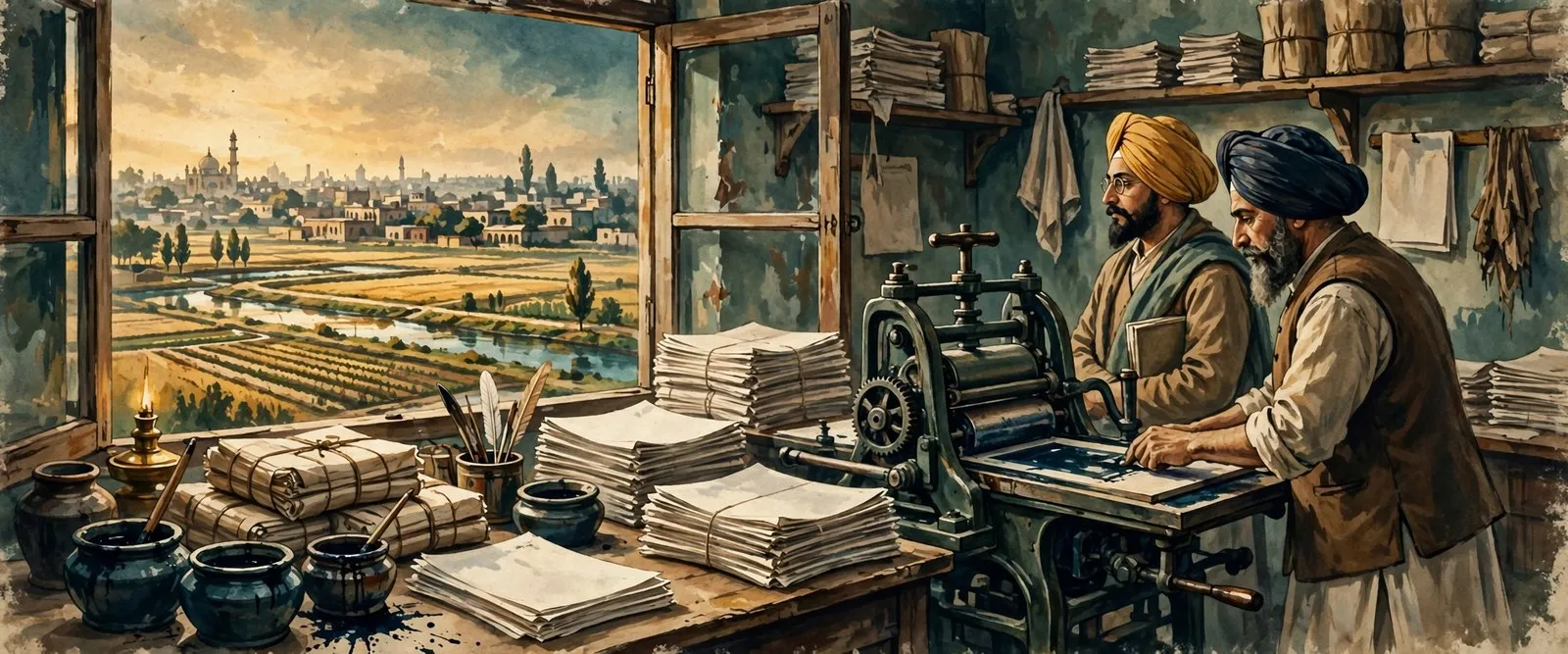
Sundar Singh Lyallpuri, known as Master Sundar Singh Lyallpuri, was a Sikh teacher and journalist from Bahoru near Amritsar who made Lyallpur his base and founded the Punjabi daily Akali in Lahore in May 1920, the paper that gave the Gurdwara Reform movement its voice and its name.
- Punjabi name
- ਸੁੰਦਰ ਸਿੰਘ ਲਾਇਲਪੁਰੀ
- Born
- Bahoru village near Amritsar; birth year disputed (1878 in some accounts, 1885 in others)
- Home village
- Bahoru
- District
- Amritsar
- Region
- Majha
- Died
- 1969 (exact day disputed)
All 12 facts
- Father
- Lakhmir Singh
- Mother
- Ram Kaur
- Education
- B.A. (Honours), Khalsa College Amritsar; B.T., Lahore
- Work base
- Lyallpur (now Faisalabad)
- Newspapers
- Sacha Dhandora (1909); Akali daily, Lahore (21 May 1920)
- Known for
- Founding the Akali daily
Sundar Singh Lyallpuri, known as Master Sundar Singh Lyallpuri, was a Sikh teacher and journalist from Bahoru near Amritsar who made Lyallpur his base and founded the Punjabi daily Akali in Lahore in May 1920, the paper that gave the Gurdwara Reform movement its voice and its name.
Early life and education
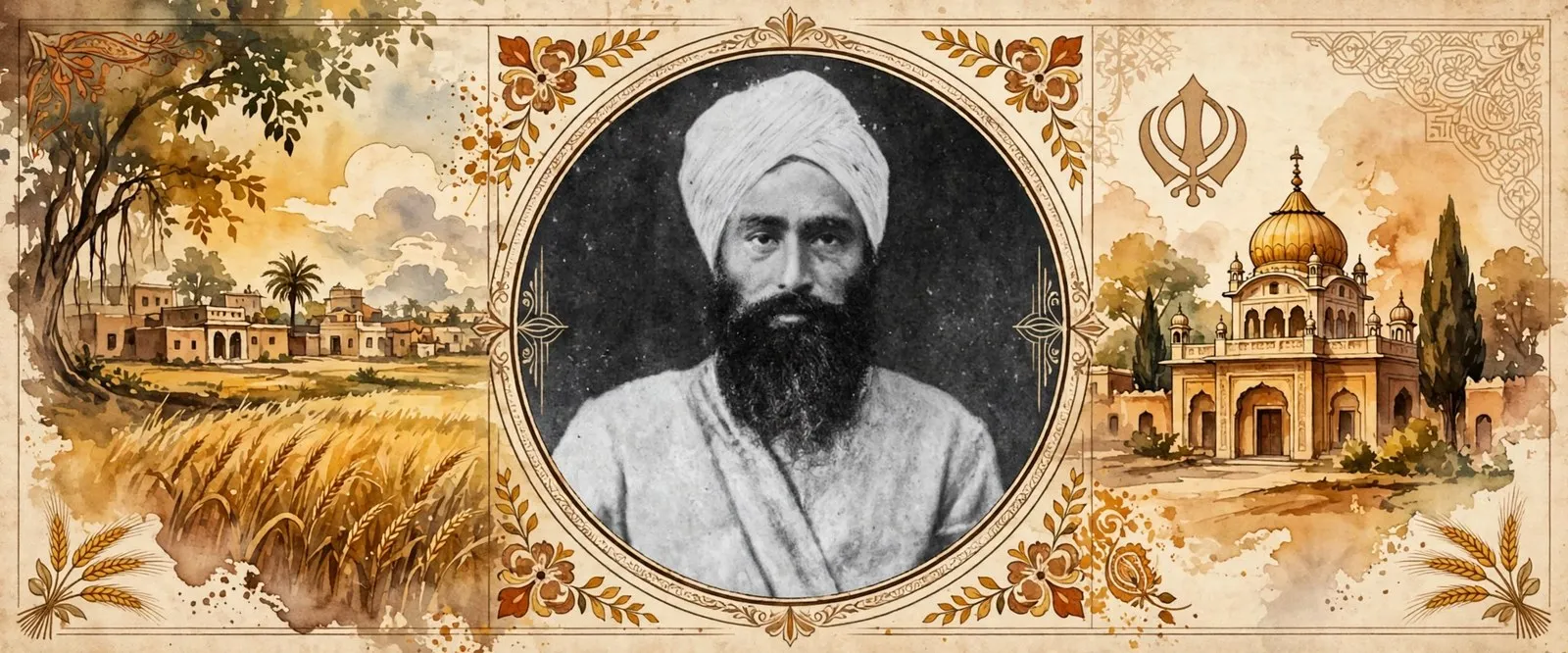
Sundar Singh, whose first name is also written Sunder, was the son of Lakhmir Singh and Ram Kaur, of a Kamboj farming family of Bahoru village near Amritsar. The village name is also written Bahorii and Bohoru. Accounts differ on his birth year: some give 1878, while the Encyclopaedia of Sikhism account gives 4 April 1885, so no single birth year is stated here as settled. The family later moved to the canal colony in Sheikhupura district and founded a new settlement, Chak No. 18 Bahoru, named after the ancestral village. He married Sant Kaur, daughter of Mangal Singh of Nizampur.
He had his early schooling at Bahoru and at Shahkot in Sheikhupura district, then took a B.A. (Honours) degree at Khalsa College, Amritsar, and a B.T. teaching degree at Lahore. Brief spells in government service, first around a tehsildar interview and then in the postal service, ended in clashes with British officers, and he decided that self respect would not let him serve the government. Teaching and public work in the new canal colonies became his life instead.
Teacher in Lyallpur and first newspapers
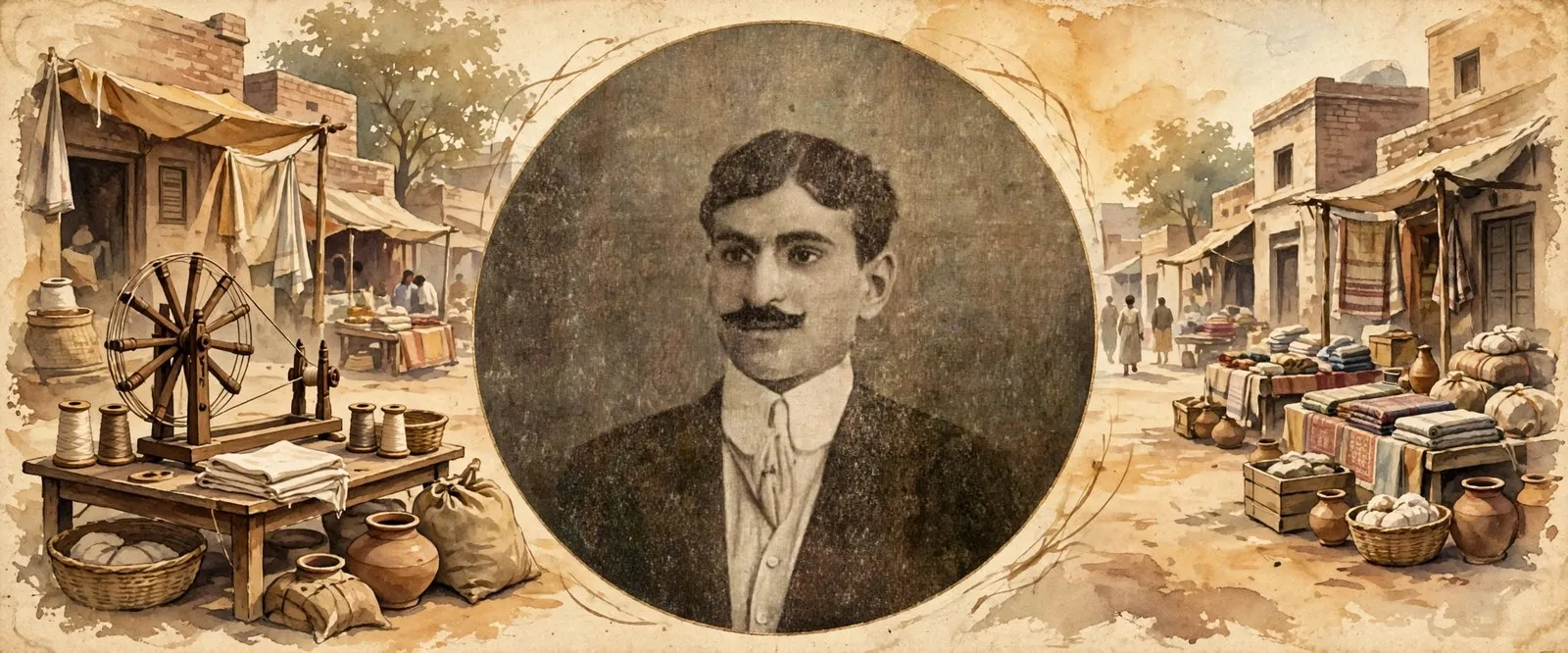
In 1908 Sundar Singh joined Master Tara Singh to teach at Khalsa High School, Lyallpur, on an honorarium of 15 rupees a month. He later taught at Khalsa High School at Chak No. 41 and at Sangla, and helped to start or run a string of Khalsa and Kaumi schools across the Lyallpur and Sheikhupura countryside. In some schools he taught without pay beyond meals and clothes. Lyallpur, the new canal colony town now called Faisalabad, became his base, and Lyallpuri, meaning the man of Lyallpur, stuck to his name for life. His friendship with Harchand Singh of Lyallpur drew him into public and political work.
In 1908 the Punjab Government changed the governing body of Khalsa College, Amritsar, to tighten official control. In July 1909 Sundar Singh answered with a pamphlet, Ki Khalsa College Sikkhan Da Hai, asking whether the college belonged to the Sikhs. He criticised Sundar Singh Majithia, secretary of the college council, for accepting official interference. The same year he started a Punjabi paper from Lyallpur, Sacha Dhandora, the True Proclamation, carrying songs and articles meant to awaken Sikh readers. The paper was later prosecuted and suppressed. In these years he also worked with Ripudaman Singh of Nabha on the draft that became the Anand Marriage Act of 1909, which gave legal standing to the Anand Karaj marriage ceremony. The bill was piloted in the Imperial Legislative Council by Sundar Singh Majithia and passed on 22 October 1909. With Harchand Singh he also founded the Khalsa Bhujangi Sabha to organise young Sikhs, and he was in the front rank of the agitation over the demolished wall of Gurdwara Rikabganj in Delhi.
ਸੁੰਦਰ ਸਿੰਘ ਲਾਇਲਪੁਰੀ, ਜਿਸ ਨੂੰ ਮਾਸਟਰ ਸੁੰਦਰ ਸਿੰਘ ਲਾਇਲਪੁਰੀ ਕਿਹਾ ਜਾਂਦਾ ਹੈ, ਅੰਮ੍ਰਿਤਸਰ ਨੇੜੇ ਬਹੋਰੂ ਦਾ ਇੱਕ ਸਿੱਖ ਅਧਿਆਪਕ ਅਤੇ ਪੱਤਰਕਾਰ ਸੀ ਜਿਸ ਨੇ ਲਾਇਲਪੁਰ ਨੂੰ ਆਪਣਾ ਕੇਂਦਰ ਬਣਾਇਆ ਅਤੇ ਮਈ 1920 ਵਿੱਚ ਲਾਹੌਰ ਤੋਂ ਪੰਜਾਬੀ ਰੋਜ਼ਾਨਾ ਅਕਾਲੀ ਸ਼ੁਰੂ ਕੀਤਾ। ਇਹੀ ਅਖ਼ਬਾਰ ਗੁਰਦੁਆਰਾ ਸੁਧਾਰ ਲਹਿਰ ਦੀ ਆਵਾਜ਼ ਬਣਿਆ ਅਤੇ ਲਹਿਰ ਨੂੰ ਇਸ ਦਾ ਨਾਂ ਵੀ ਇਸੇ ਤੋਂ ਮਿਲਿਆ।
ਸ਼ੁਰੂਆਤੀ ਜੀਵਨ ਅਤੇ ਪੜ੍ਹਾਈ
ਸੁੰਦਰ ਸਿੰਘ, ਜਿਸ ਦਾ ਪਹਿਲਾ ਨਾਂ ਸੁੰਦਰ ਵੀ ਲਿਖਿਆ ਜਾਂਦਾ ਹੈ, ਅੰਮ੍ਰਿਤਸਰ ਨੇੜੇ ਪਿੰਡ ਬਹੋਰੂ ਦੇ ਇੱਕ ਕੰਬੋਜ ਕਿਸਾਨ ਪਰਿਵਾਰ ਵਿੱਚੋਂ ਲਖਮੀਰ ਸਿੰਘ ਅਤੇ ਰਾਮ ਕੌਰ ਦਾ ਪੁੱਤਰ ਸੀ। ਪਿੰਡ ਦਾ ਨਾਂ ਬਹੋਰੀ ਅਤੇ ਬੋਹੋਰੂ ਵੀ ਲਿਖਿਆ ਮਿਲਦਾ ਹੈ। ਉਸ ਦੇ ਜਨਮ ਸਾਲ ਬਾਰੇ ਲਿਖਤਾਂ ਵਿੱਚ ਫ਼ਰਕ ਹੈ: ਕੁਝ 1878 ਦਿੰਦੀਆਂ ਹਨ, ਜਦਕਿ ਸਿੱਖ ਧਰਮ ਦੇ ਵਿਸ਼ਵਕੋਸ਼ ਵਾਲੀ ਲਿਖਤ 4 ਅਪ੍ਰੈਲ 1885 ਦਿੰਦੀ ਹੈ, ਇਸ ਲਈ ਇੱਥੇ ਕੋਈ ਇੱਕ ਜਨਮ ਸਾਲ ਪੱਕਾ ਕਰਕੇ ਨਹੀਂ ਦਿੱਤਾ ਗਿਆ। ਪਰਿਵਾਰ ਬਾਅਦ ਵਿੱਚ ਸ਼ੇਖ਼ੂਪੁਰਾ ਜ਼ਿਲ੍ਹੇ ਦੀ ਨਹਿਰੀ ਬਸਤੀ ਵਿੱਚ ਜਾ ਵਸਿਆ ਅਤੇ ਉੱਥੇ ਚੱਕ ਨੰਬਰ 18 ਬਹੋਰੂ ਨਾਂ ਦੀ ਨਵੀਂ ਬਸਤੀ ਵਸਾਈ, ਜੋ ਜੱਦੀ ਪਿੰਡ ਦੇ ਨਾਂ ਉੱਤੇ ਰੱਖੀ ਗਈ। ਉਸ ਦਾ ਵਿਆਹ ਨਿਜ਼ਾਮਪੁਰ ਦੇ ਮੰਗਲ ਸਿੰਘ ਦੀ ਧੀ ਸੰਤ ਕੌਰ ਨਾਲ ਹੋਇਆ।
ਉਸ ਨੇ ਸ਼ੁਰੂਆਤੀ ਪੜ੍ਹਾਈ ਬਹੋਰੂ ਅਤੇ ਸ਼ੇਖ਼ੂਪੁਰਾ ਜ਼ਿਲ੍ਹੇ ਦੇ ਸ਼ਾਹਕੋਟ ਵਿੱਚ ਕੀਤੀ, ਫਿਰ ਖ਼ਾਲਸਾ ਕਾਲਜ ਅੰਮ੍ਰਿਤਸਰ ਤੋਂ ਬੀ.ਏ. (ਆਨਰਜ਼) ਅਤੇ ਲਾਹੌਰ ਤੋਂ ਬੀ.ਟੀ. ਦੀ ਡਿਗਰੀ ਲਈ। ਸਰਕਾਰੀ ਨੌਕਰੀ ਦੇ ਛੋਟੇ ਜਿਹੇ ਤਜਰਬੇ, ਪਹਿਲਾਂ ਤਹਿਸੀਲਦਾਰ ਦੀ ਇੰਟਰਵਿਊ ਦੇ ਸਿਲਸਿਲੇ ਵਿੱਚ ਅਤੇ ਫਿਰ ਡਾਕ ਮਹਿਕਮੇ ਵਿੱਚ, ਅੰਗਰੇਜ਼ ਅਫ਼ਸਰਾਂ ਨਾਲ ਟਕਰਾਅ ਉੱਤੇ ਖ਼ਤਮ ਹੋਏ ਅਤੇ ਉਸ ਨੇ ਫ਼ੈਸਲਾ ਕੀਤਾ ਕਿ ਸਵੈਮਾਣ ਉਸ ਨੂੰ ਸਰਕਾਰ ਦੀ ਨੌਕਰੀ ਨਹੀਂ ਕਰਨ ਦੇਵੇਗਾ। ਇਸ ਦੀ ਥਾਂ ਨਵੀਆਂ ਨਹਿਰੀ ਬਸਤੀਆਂ ਵਿੱਚ ਪੜ੍ਹਾਉਣਾ ਅਤੇ ਲੋਕ ਕੰਮ ਹੀ ਉਸ ਦਾ ਜੀਵਨ ਬਣ ਗਿਆ।
ਲਾਇਲਪੁਰ ਵਿੱਚ ਅਧਿਆਪਕ ਅਤੇ ਪਹਿਲੇ ਅਖ਼ਬਾਰ
1908 ਵਿੱਚ ਸੁੰਦਰ ਸਿੰਘ ਮਾਸਟਰ ਤਾਰਾ ਸਿੰਘ ਨਾਲ ਖ਼ਾਲਸਾ ਹਾਈ ਸਕੂਲ ਲਾਇਲਪੁਰ ਵਿੱਚ ਪੜ੍ਹਾਉਣ ਲੱਗਾ, ਜਿੱਥੇ ਉਸ ਨੂੰ ਮਹੀਨੇ ਦੇ ਸਿਰਫ਼ 15 ਰੁਪਏ ਮਿਲਦੇ ਸਨ। ਬਾਅਦ ਵਿੱਚ ਉਸ ਨੇ ਚੱਕ ਨੰਬਰ 41 ਦੇ ਖ਼ਾਲਸਾ ਹਾਈ ਸਕੂਲ ਅਤੇ ਸਾਂਗਲਾ ਵਿੱਚ ਪੜ੍ਹਾਇਆ ਅਤੇ ਲਾਇਲਪੁਰ ਤੇ ਸ਼ੇਖ਼ੂਪੁਰਾ ਦੇ ਪੇਂਡੂ ਇਲਾਕਿਆਂ ਵਿੱਚ ਕਈ ਖ਼ਾਲਸਾ ਅਤੇ ਕੌਮੀ ਸਕੂਲ ਖੋਲ੍ਹਣ ਜਾਂ ਚਲਾਉਣ ਵਿੱਚ ਮਦਦ ਕੀਤੀ। ਕੁਝ ਸਕੂਲਾਂ ਵਿੱਚ ਉਸ ਨੇ ਰੋਟੀ ਅਤੇ ਕੱਪੜਿਆਂ ਤੋਂ ਵੱਧ ਕੁਝ ਲਏ ਬਿਨਾਂ ਪੜ੍ਹਾਇਆ। ਲਾਇਲਪੁਰ, ਜੋ ਅੱਜ ਫੈਸਲਾਬਾਦ ਹੈ, ਉਸ ਦਾ ਕੇਂਦਰ ਬਣ ਗਿਆ ਅਤੇ ਲਾਇਲਪੁਰੀ ਨਾਂ ਉਮਰ ਭਰ ਉਸ ਦੇ ਨਾਂ ਨਾਲ ਜੁੜਿਆ ਰਿਹਾ। ਲਾਇਲਪੁਰ ਦੇ ਹਰਚੰਦ ਸਿੰਘ ਨਾਲ ਦੋਸਤੀ ਨੇ ਉਸ ਨੂੰ ਲੋਕ ਅਤੇ ਸਿਆਸੀ ਕੰਮ ਵੱਲ ਖਿੱਚਿਆ।
1908 ਵਿੱਚ ਪੰਜਾਬ ਸਰਕਾਰ ਨੇ ਖ਼ਾਲਸਾ ਕਾਲਜ ਅੰਮ੍ਰਿਤਸਰ ਦੀ ਪ੍ਰਬੰਧਕ ਸੰਸਥਾ ਬਦਲ ਕੇ ਸਰਕਾਰੀ ਕੰਟਰੋਲ ਹੋਰ ਪੱਕਾ ਕਰ ਦਿੱਤਾ। ਜੁਲਾਈ 1909 ਵਿੱਚ ਸੁੰਦਰ ਸਿੰਘ ਨੇ ਕੀ ਖ਼ਾਲਸਾ ਕਾਲਜ ਸਿੱਖਾਂ ਦਾ ਹੈ ਨਾਂ ਦਾ ਪੈਂਫਲਟ ਛਾਪ ਕੇ ਪੁੱਛਿਆ ਕਿ ਕੀ ਕਾਲਜ ਸਿੱਖਾਂ ਦਾ ਹੈ। ਉਸ ਨੇ ਕਾਲਜ ਕੌਂਸਲ ਦੇ ਸਕੱਤਰ ਸੁੰਦਰ ਸਿੰਘ ਮਜੀਠੀਆ ਦੀ ਆਲੋਚਨਾ ਕੀਤੀ ਕਿ ਉਸ ਨੇ ਸਰਕਾਰੀ ਦਖ਼ਲ ਮੰਨ ਲਿਆ ਹੈ। ਉਸੇ ਸਾਲ ਉਸ ਨੇ ਲਾਇਲਪੁਰ ਤੋਂ ਪੰਜਾਬੀ ਅਖ਼ਬਾਰ ਸੱਚਾ ਢੰਡੋਰਾ ਸ਼ੁਰੂ ਕੀਤਾ, ਜਿਸ ਵਿੱਚ ਸਿੱਖ ਪਾਠਕਾਂ ਨੂੰ ਜਗਾਉਣ ਲਈ ਗੀਤ ਅਤੇ ਲੇਖ ਛਪਦੇ ਸਨ। ਇਹ ਅਖ਼ਬਾਰ ਬਾਅਦ ਵਿੱਚ ਮੁਕੱਦਮਿਆਂ ਅਤੇ ਦਬਾਅ ਦਾ ਸ਼ਿਕਾਰ ਹੋਇਆ। ਇਹਨਾਂ ਸਾਲਾਂ ਵਿੱਚ ਉਸ ਨੇ ਨਾਭਾ ਦੇ ਰਿਪੁਦਮਨ ਸਿੰਘ ਨਾਲ ਉਸ ਖਰੜੇ ਉੱਤੇ ਵੀ ਕੰਮ ਕੀਤਾ ਜੋ 1909 ਦਾ ਅਨੰਦ ਮੈਰਿਜ ਐਕਟ ਬਣਿਆ, ਜਿਸ ਨੇ ਅਨੰਦ ਕਾਰਜ ਵਿਆਹ ਰਸਮ ਨੂੰ ਕਾਨੂੰਨੀ ਮਾਨਤਾ ਦਿੱਤੀ। ਇਹ ਬਿੱਲ ਸ਼ਾਹੀ ਵਿਧਾਨ ਪਰਿਸ਼ਦ ਵਿੱਚ ਸੁੰਦਰ ਸਿੰਘ ਮਜੀਠੀਆ ਨੇ ਪੇਸ਼ ਕਰਕੇ ਪਾਸ ਕਰਵਾਇਆ ਅਤੇ ਇਹ 22 ਅਕਤੂਬਰ 1909 ਨੂੰ ਪਾਸ ਹੋਇਆ। ਹਰਚੰਦ ਸਿੰਘ ਨਾਲ ਮਿਲ ਕੇ ਉਸ ਨੇ ਨੌਜਵਾਨ ਸਿੱਖਾਂ ਨੂੰ ਜਥੇਬੰਦ ਕਰਨ ਲਈ ਖ਼ਾਲਸਾ ਭੁਜੰਗੀ ਸਭਾ ਵੀ ਬਣਾਈ ਅਤੇ ਦਿੱਲੀ ਵਿੱਚ ਗੁਰਦੁਆਰਾ ਰਕਾਬਗੰਜ ਦੀ ਢਾਹੀ ਗਈ ਕੰਧ ਦੇ ਮਸਲੇ ਉੱਤੇ ਹੋਏ ਅੰਦੋਲਨ ਦੀ ਅਗਲੀ ਕਤਾਰ ਵਿੱਚ ਰਿਹਾ।
1919: martial law, death sentence and jail
After the Jallianwala Bagh massacre of 13 April 1919, Punjab was placed under martial law. At Lyallpur a fire near the railway station, in which two or three people died, led to arrests. On 22 April 1919 police arrested twelve men, including Sundar Singh. He was tried on charges of arson, violence and murder. The charges were not proved, yet he was sentenced to death by hanging. Leading lawyers including Motilal Nehru, C. R. Das and Madan Mohan Malaviya took up the case. The sentence was reduced to a fine of 1,200 rupees and imprisonment for one and a half years, served in the Cellular Jail in the Andaman Islands. His father paid the fine by mortgaging or selling land. Sundar Singh came home determined to give the Sikhs a daily paper of their own.
The Akali daily and the Gurdwara Reform movement
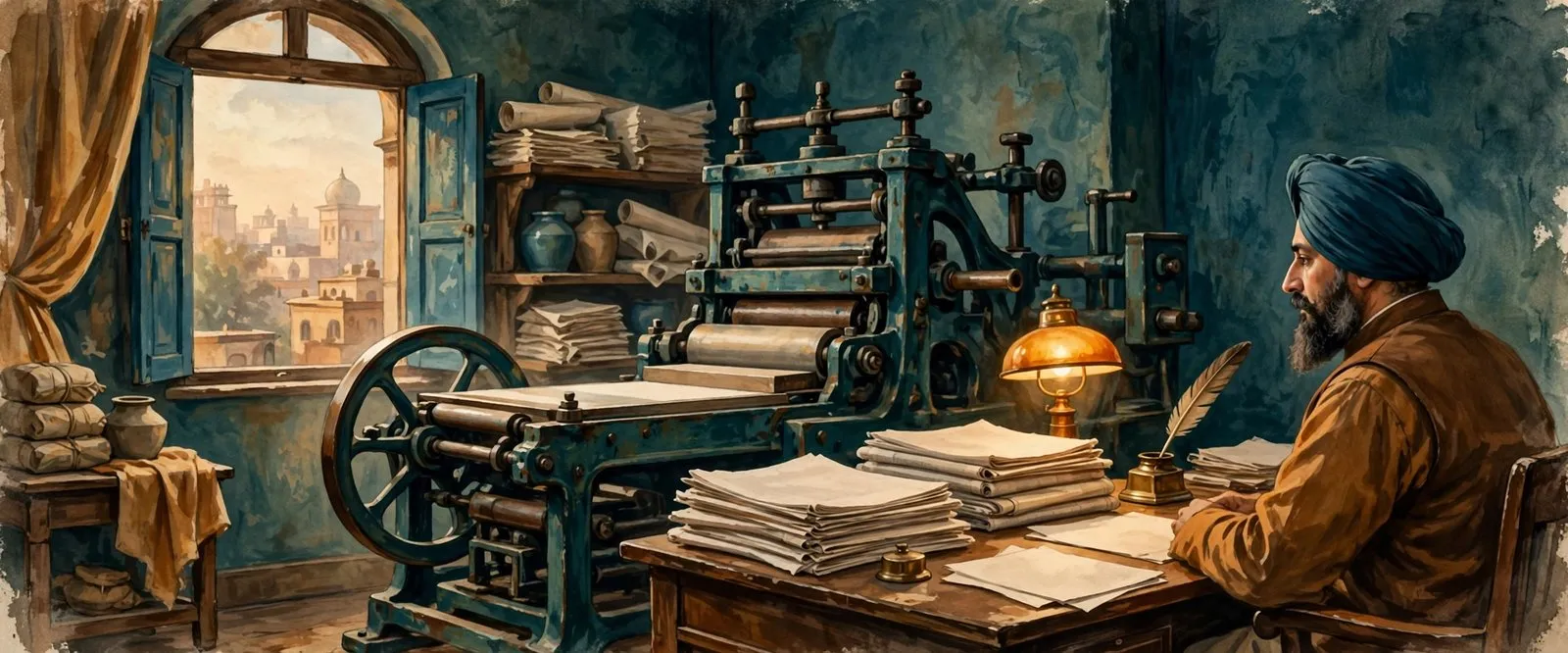
On 21 May 1920, from Lahore, Sundar Singh launched the Punjabi daily Akali, borrowing 500 rupees to start it. At first he was its owner, manager, publisher and chief editor, assisted by Giani Hira Singh Dard and Mangal Singh. The first issue set out its programme: democratic control of Sikh shrines and of Khalsa College, rebuilding of the Rikabganj wall, political and national awakening among Sikhs, and a representative Sikh body chosen by election. The historian Sohan Singh Josh called Master Sundar Singh the life and soul of the Akali. The paper pressed the Rikabganj cause until the government yielded, and its columns helped to organise the volunteers who carried the Gurdwara Reform movement from shrine to shrine. Sikh histories credit the paper with popularising the Punjabi term Na-Milvartan Lehir for the Non-Cooperation Movement.
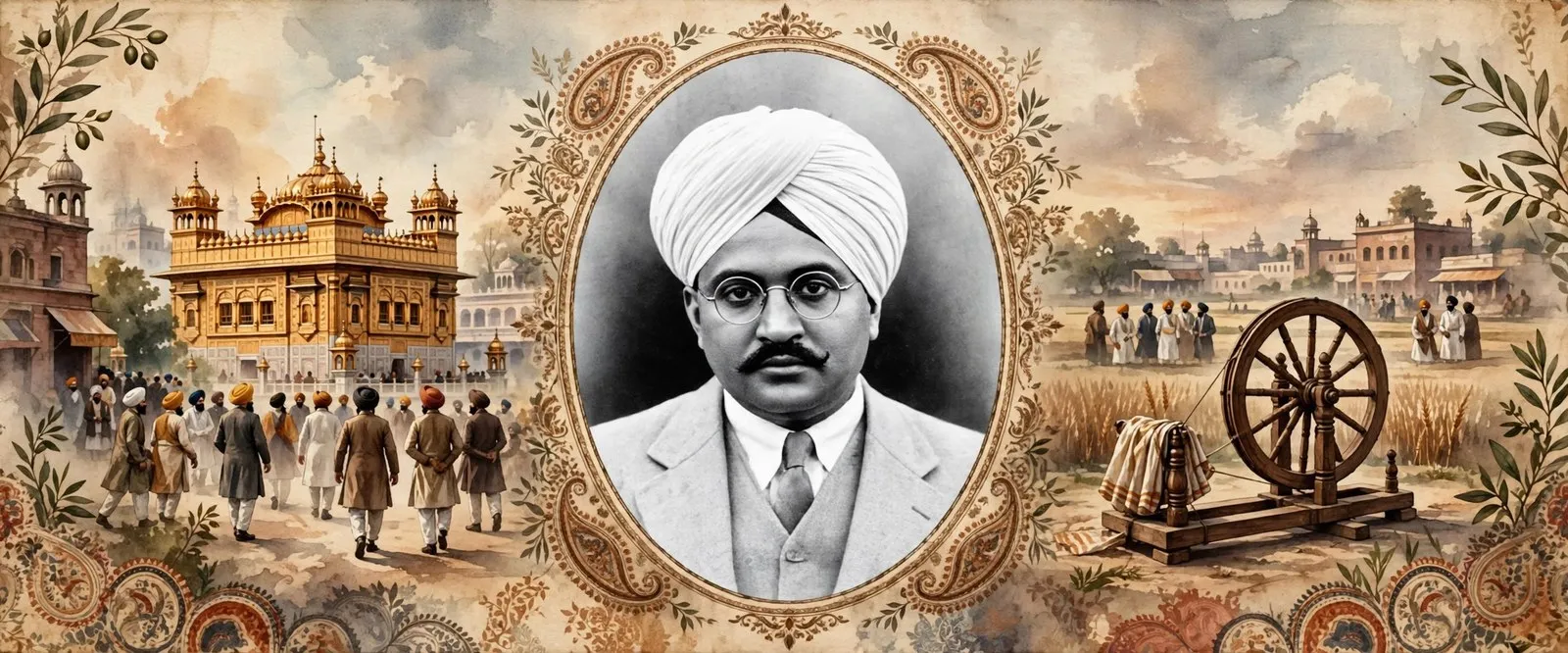
Sundar Singh was among the leading figures at the first session of the Central Sikh League at Amritsar on 29 December 1919, alongside Sardul Singh Caveeshar and Harchand Singh Lyallpuri. In November and December 1920 the Shiromani Gurdwara Parbandhak Committee, the SGPC, and the Shiromani Akali Dal took shape in the movement his paper had helped to awaken. On 26 November 1921 he was arrested at Ajnala during the agitation for the return of the keys of the Golden Temple treasury, and sentenced to six months in jail with a fine of 4,000 rupees. He was jailed again in 1922 over writings in the Akali. In 1922 the Akali merged with the Pradesi Khalsa and appeared from Amritsar as Akali te Pradesi. He did not support the SGPC agitation of 1923 for restoring the deposed Maharaja of Nabha, holding that the SGPC as a religious body should keep out of politics and leave the Nabha question to the Central Sikh League. He was also among the Akali detainees who refused release on the condition that they would work the Sikh Gurdwaras Act of 1925.
He restarted the Akali in Urdu in the mid 1920s and started several shorter lived papers, among them Guru Khalsa, Daler Khalsa, Melu, Kundan and Navan Yug, besides tracts and poems on the lives of the Gurus, on drinking, and on the Guru ka Bagh agitation. In 1924 he helped to found the English daily Hindustan Times in Delhi, opened by Mahatma Gandhi on 15 September 1924, to carry the Akali and national cause to readers across India. Ownership of the paper later passed out of Akali hands. At the Delhi Ekta Samelan of 1924 he sat on the Central National Panchayat chaired by Gandhi, he remained a member of the All India Congress Committee, and at the Lahore Congress of 1929 he joined Baba Kharak Singh in pressing the resolution for complete independence. He later took part in the Civil Disobedience Movement and spent three years in jail. A business venture, a shop in Bombay, closed within two years.
Why is Sundar Singh Lyallpuri remembered?
Sundar Singh Lyallpuri is remembered as the teacher who founded the Akali daily, the first Punjabi daily of its kind, and turned a newspaper into the organising voice of the Gurdwara Reform movement. Sikh histories describe him as a founding figure of the Akali movement and of the Shiromani Akali Dal. He must not be confused with Sundar Singh Majithia (1872 to 1941) of Majitha, a different man of the same name. Majithia was the moderate statesman of the Chief Khalsa Diwan who piloted the Anand Marriage Bill and was elected the first president of the SGPC in November 1920. Lyallpuri was never president of the SGPC. He was the Lyallpur schoolmaster and editor who had criticised Majithia in print in 1909, and whose paper pressed for elected Sikh control of shrines and college alike. Keeping the two Sundar Singhs apart is the key to reading this period correctly.
Later life and death
Partition cost Sundar Singh his land, house and property in the west. After Independence he received a pension and an allotment of land in Hissar district, and lived quietly at his new home. He died in 1969. Accounts differ on the exact day, so only the year is given here. His name lives on in the history of Punjabi journalism: Sacha Dhandora in 1909, the Akali in 1920, and a hand in the founding of Hindustan Times in 1924. For students of the Akali movement, his life joins the classroom, the printing press and the jail cell into one story of how Sikhs organised to run their own shrines.
1919: ਫ਼ੌਜੀ ਰਾਜ, ਮੌਤ ਦੀ ਸਜ਼ਾ ਅਤੇ ਜੇਲ੍ਹ
13 ਅਪ੍ਰੈਲ 1919 ਦੇ ਜਲ੍ਹਿਆਂਵਾਲਾ ਬਾਗ਼ ਦੇ ਸਾਕੇ ਤੋਂ ਬਾਅਦ ਪੰਜਾਬ ਵਿੱਚ ਫ਼ੌਜੀ ਰਾਜ ਲਾਗੂ ਕਰ ਦਿੱਤਾ ਗਿਆ। ਲਾਇਲਪੁਰ ਵਿੱਚ ਰੇਲਵੇ ਸਟੇਸ਼ਨ ਨੇੜੇ ਲੱਗੀ ਅੱਗ, ਜਿਸ ਵਿੱਚ ਦੋ ਜਾਂ ਤਿੰਨ ਜਣੇ ਮਾਰੇ ਗਏ, ਤੋਂ ਬਾਅਦ ਗ੍ਰਿਫ਼ਤਾਰੀਆਂ ਹੋਈਆਂ। 22 ਅਪ੍ਰੈਲ 1919 ਨੂੰ ਪੁਲਿਸ ਨੇ ਸੁੰਦਰ ਸਿੰਘ ਸਮੇਤ ਬਾਰਾਂ ਜਣਿਆਂ ਨੂੰ ਗ੍ਰਿਫ਼ਤਾਰ ਕੀਤਾ। ਉਸ ਉੱਤੇ ਅੱਗ ਲਾਉਣ, ਹਿੰਸਾ ਅਤੇ ਕਤਲ ਦੇ ਦੋਸ਼ਾਂ ਵਿੱਚ ਮੁਕੱਦਮਾ ਚੱਲਿਆ। ਦੋਸ਼ ਸਾਬਤ ਨਾ ਹੋਏ, ਫਿਰ ਵੀ ਉਸ ਨੂੰ ਫਾਂਸੀ ਦੀ ਸਜ਼ਾ ਸੁਣਾਈ ਗਈ। ਮੋਤੀ ਲਾਲ ਨਹਿਰੂ, ਸੀ. ਆਰ. ਦਾਸ ਅਤੇ ਮਦਨ ਮੋਹਨ ਮਾਲਵੀਆ ਵਰਗੇ ਵੱਡੇ ਵਕੀਲਾਂ ਨੇ ਕੇਸ ਲੜਿਆ। ਸਜ਼ਾ ਘਟਾ ਕੇ 1,200 ਰੁਪਏ ਜੁਰਮਾਨਾ ਅਤੇ ਡੇਢ ਸਾਲ ਦੀ ਕੈਦ ਕਰ ਦਿੱਤੀ ਗਈ, ਜੋ ਅੰਡੇਮਾਨ ਟਾਪੂਆਂ ਦੀ ਸੈਲੂਲਰ ਜੇਲ੍ਹ ਵਿੱਚ ਕੱਟੀ ਗਈ। ਜੁਰਮਾਨਾ ਉਸ ਦੇ ਪਿਤਾ ਨੇ ਜ਼ਮੀਨ ਗਹਿਣੇ ਰੱਖ ਕੇ ਜਾਂ ਵੇਚ ਕੇ ਭਰਿਆ। ਸੁੰਦਰ ਸਿੰਘ ਘਰ ਇਸ ਇਰਾਦੇ ਨਾਲ ਵਾਪਸ ਆਇਆ ਕਿ ਸਿੱਖਾਂ ਨੂੰ ਉਨ੍ਹਾਂ ਦਾ ਆਪਣਾ ਰੋਜ਼ਾਨਾ ਅਖ਼ਬਾਰ ਦਿੱਤਾ ਜਾਵੇ।
ਅਕਾਲੀ ਰੋਜ਼ਾਨਾ ਅਤੇ ਗੁਰਦੁਆਰਾ ਸੁਧਾਰ ਲਹਿਰ
21 ਮਈ 1920 ਨੂੰ ਸੁੰਦਰ ਸਿੰਘ ਨੇ ਲਾਹੌਰ ਤੋਂ ਪੰਜਾਬੀ ਰੋਜ਼ਾਨਾ ਅਕਾਲੀ ਸ਼ੁਰੂ ਕੀਤਾ, ਜਿਸ ਲਈ ਉਸ ਨੇ 500 ਰੁਪਏ ਉਧਾਰ ਲਏ ਸਨ। ਸ਼ੁਰੂ ਵਿੱਚ ਉਹ ਇਸ ਦਾ ਮਾਲਕ, ਮੈਨੇਜਰ, ਪ੍ਰਕਾਸ਼ਕ ਅਤੇ ਮੁੱਖ ਸੰਪਾਦਕ ਸੀ, ਅਤੇ ਗਿਆਨੀ ਹੀਰਾ ਸਿੰਘ ਦਰਦ ਤੇ ਮੰਗਲ ਸਿੰਘ ਉਸ ਦੇ ਸਹਾਇਕ ਸਨ। ਪਹਿਲੇ ਅੰਕ ਵਿੱਚ ਹੀ ਇਸ ਦਾ ਪ੍ਰੋਗਰਾਮ ਸਾਫ਼ ਕਰ ਦਿੱਤਾ ਗਿਆ: ਸਿੱਖ ਅਸਥਾਨਾਂ ਅਤੇ ਖ਼ਾਲਸਾ ਕਾਲਜ ਉੱਤੇ ਲੋਕਤੰਤਰੀ ਕੰਟਰੋਲ, ਰਕਾਬਗੰਜ ਦੀ ਕੰਧ ਦੀ ਮੁੜ ਉਸਾਰੀ, ਸਿੱਖਾਂ ਵਿੱਚ ਸਿਆਸੀ ਅਤੇ ਕੌਮੀ ਜਾਗਰੂਕਤਾ, ਅਤੇ ਚੋਣਾਂ ਰਾਹੀਂ ਚੁਣੀ ਹੋਈ ਪ੍ਰਤੀਨਿਧ ਸਿੱਖ ਸੰਸਥਾ। ਇਤਿਹਾਸਕਾਰ ਸੋਹਣ ਸਿੰਘ ਜੋਸ਼ ਨੇ ਮਾਸਟਰ ਸੁੰਦਰ ਸਿੰਘ ਨੂੰ ਅਕਾਲੀ ਦੀ ਜਾਨ ਕਿਹਾ ਹੈ। ਅਖ਼ਬਾਰ ਨੇ ਰਕਾਬਗੰਜ ਦਾ ਮਸਲਾ ਉਦੋਂ ਤੱਕ ਉਠਾਈ ਰੱਖਿਆ ਜਦੋਂ ਤੱਕ ਸਰਕਾਰ ਨਾ ਝੁਕੀ, ਅਤੇ ਇਸ ਦੇ ਪੰਨਿਆਂ ਨੇ ਉਹਨਾਂ ਸੇਵਾਦਾਰਾਂ ਨੂੰ ਜਥੇਬੰਦ ਕਰਨ ਵਿੱਚ ਮਦਦ ਕੀਤੀ ਜਿਨ੍ਹਾਂ ਨੇ ਗੁਰਦੁਆਰਾ ਸੁਧਾਰ ਲਹਿਰ ਨੂੰ ਇੱਕ ਅਸਥਾਨ ਤੋਂ ਦੂਜੇ ਅਸਥਾਨ ਤੱਕ ਪਹੁੰਚਾਇਆ। ਸਿੱਖ ਇਤਿਹਾਸ ਇਸ ਅਖ਼ਬਾਰ ਨੂੰ ਨਾ-ਮਿਲਵਰਤਨ ਲਹਿਰ ਨਾਂ ਨੂੰ ਪ੍ਰਸਿੱਧ ਕਰਨ ਦਾ ਸਿਹਰਾ ਵੀ ਦਿੰਦਾ ਹੈ।
29 ਦਸੰਬਰ 1919 ਨੂੰ ਅੰਮ੍ਰਿਤਸਰ ਵਿਖੇ ਹੋਏ ਸੈਂਟਰਲ ਸਿੱਖ ਲੀਗ ਦੇ ਪਹਿਲੇ ਇਜਲਾਸ ਵਿੱਚ ਸੁੰਦਰ ਸਿੰਘ ਮੋਹਰੀ ਆਗੂਆਂ ਵਿੱਚ ਸੀ, ਸਰਦੂਲ ਸਿੰਘ ਕਵੀਸ਼ਰ ਅਤੇ ਹਰਚੰਦ ਸਿੰਘ ਲਾਇਲਪੁਰੀ ਦੇ ਨਾਲ। ਨਵੰਬਰ ਅਤੇ ਦਸੰਬਰ 1920 ਵਿੱਚ ਸ਼੍ਰੋਮਣੀ ਗੁਰਦੁਆਰਾ ਪ੍ਰਬੰਧਕ ਕਮੇਟੀ, ਐੱਸ.ਜੀ.ਪੀ.ਸੀ., ਅਤੇ ਸ਼੍ਰੋਮਣੀ ਅਕਾਲੀ ਦਲ ਉਸ ਲਹਿਰ ਵਿੱਚੋਂ ਉੱਭਰੇ ਜਿਸ ਨੂੰ ਉਸ ਦੇ ਅਖ਼ਬਾਰ ਨੇ ਜਗਾਉਣ ਵਿੱਚ ਮਦਦ ਕੀਤੀ ਸੀ। 26 ਨਵੰਬਰ 1921 ਨੂੰ ਸ੍ਰੀ ਹਰਿਮੰਦਰ ਸਾਹਿਬ ਦੇ ਤੋਸ਼ਾਖਾਨੇ ਦੀਆਂ ਚਾਬੀਆਂ ਵਾਪਸ ਲੈਣ ਦੇ ਅੰਦੋਲਨ ਦੌਰਾਨ ਉਸ ਨੂੰ ਅਜਨਾਲਾ ਵਿਖੇ ਗ੍ਰਿਫ਼ਤਾਰ ਕੀਤਾ ਗਿਆ ਅਤੇ ਛੇ ਮਹੀਨੇ ਦੀ ਕੈਦ ਨਾਲ 4,000 ਰੁਪਏ ਜੁਰਮਾਨਾ ਹੋਇਆ। 1922 ਵਿੱਚ ਅਕਾਲੀ ਦੀਆਂ ਲਿਖਤਾਂ ਕਰਕੇ ਉਸ ਨੂੰ ਮੁੜ ਜੇਲ੍ਹ ਹੋਈ। 1922 ਵਿੱਚ ਅਕਾਲੀ ਪ੍ਰਦੇਸੀ ਖ਼ਾਲਸਾ ਨਾਲ ਰਲ ਕੇ ਅੰਮ੍ਰਿਤਸਰ ਤੋਂ ਅਕਾਲੀ ਤੇ ਪ੍ਰਦੇਸੀ ਨਾਂ ਨਾਲ ਛਪਣ ਲੱਗਾ। ਉਸ ਨੇ 1923 ਵਿੱਚ ਨਾਭਾ ਦੇ ਹਟਾਏ ਗਏ ਮਹਾਰਾਜੇ ਨੂੰ ਮੁੜ ਬਹਾਲ ਕਰਨ ਲਈ ਐੱਸ.ਜੀ.ਪੀ.ਸੀ. ਦੇ ਅੰਦੋਲਨ ਦਾ ਸਮਰਥਨ ਨਾ ਕੀਤਾ, ਕਿਉਂਕਿ ਉਸ ਦਾ ਮੰਨਣਾ ਸੀ ਕਿ ਐੱਸ.ਜੀ.ਪੀ.ਸੀ. ਧਾਰਮਿਕ ਸੰਸਥਾ ਹੋਣ ਕਰਕੇ ਸਿਆਸਤ ਵਿੱਚ ਨਾ ਪਵੇ ਅਤੇ ਨਾਭਾ ਦਾ ਮਸਲਾ ਸੈਂਟਰਲ ਸਿੱਖ ਲੀਗ ਵੇਖੇ। ਉਹ ਉਹਨਾਂ ਅਕਾਲੀ ਨਜ਼ਰਬੰਦਾਂ ਵਿੱਚ ਵੀ ਸੀ ਜਿਨ੍ਹਾਂ ਨੇ 1925 ਦੇ ਸਿੱਖ ਗੁਰਦੁਆਰਾ ਐਕਟ ਨੂੰ ਲਾਗੂ ਕਰਨ ਦੀ ਸ਼ਰਤ ਉੱਤੇ ਰਿਹਾਈ ਮੰਨਣ ਤੋਂ ਇਨਕਾਰ ਕੀਤਾ।
1920 ਦੇ ਦਹਾਕੇ ਦੇ ਵਿਚਕਾਰ ਉਸ ਨੇ ਅਕਾਲੀ ਨੂੰ ਉਰਦੂ ਵਿੱਚ ਮੁੜ ਸ਼ੁਰੂ ਕੀਤਾ ਅਤੇ ਗੁਰੂ ਖ਼ਾਲਸਾ, ਦਲੇਰ ਖ਼ਾਲਸਾ, ਮੇਲੂ, ਕੁੰਦਨ ਅਤੇ ਨਵਾਂ ਯੁਗ ਵਰਗੇ ਕਈ ਛੋਟੇ ਅਖ਼ਬਾਰ ਵੀ ਕੱਢੇ, ਇਸ ਤੋਂ ਇਲਾਵਾ ਗੁਰੂਆਂ ਦੇ ਜੀਵਨ, ਸ਼ਰਾਬ ਦੀ ਬੁਰਾਈ ਅਤੇ ਗੁਰੂ ਕਾ ਬਾਗ਼ ਅੰਦੋਲਨ ਉੱਤੇ ਪੈਂਫਲਟ ਅਤੇ ਕਵਿਤਾਵਾਂ ਵੀ ਲਿਖੀਆਂ। 1924 ਵਿੱਚ ਉਸ ਨੇ ਦਿੱਲੀ ਤੋਂ ਅੰਗਰੇਜ਼ੀ ਰੋਜ਼ਾਨਾ ਹਿੰਦੁਸਤਾਨ ਟਾਈਮਜ਼ ਸ਼ੁਰੂ ਕਰਨ ਵਿੱਚ ਮਦਦ ਕੀਤੀ, ਜਿਸ ਦਾ ਉਦਘਾਟਨ 15 ਸਤੰਬਰ 1924 ਨੂੰ ਮਹਾਤਮਾ ਗਾਂਧੀ ਨੇ ਕੀਤਾ, ਤਾਂ ਜੋ ਅਕਾਲੀ ਅਤੇ ਕੌਮੀ ਗੱਲ ਭਾਰਤ ਭਰ ਦੇ ਪਾਠਕਾਂ ਤੱਕ ਪਹੁੰਚੇ। ਬਾਅਦ ਵਿੱਚ ਇਹ ਅਖ਼ਬਾਰ ਅਕਾਲੀਆਂ ਦੇ ਹੱਥੋਂ ਨਿਕਲ ਗਿਆ। 1924 ਦੇ ਦਿੱਲੀ ਏਕਤਾ ਸੰਮੇਲਨ ਵਿੱਚ ਉਹ ਗਾਂਧੀ ਦੀ ਪ੍ਰਧਾਨਗੀ ਵਾਲੀ ਕੇਂਦਰੀ ਕੌਮੀ ਪੰਚਾਇਤ ਵਿੱਚ ਬੈਠਾ, ਆਲ ਇੰਡੀਆ ਕਾਂਗਰਸ ਕਮੇਟੀ ਦਾ ਮੈਂਬਰ ਰਿਹਾ, ਅਤੇ 1929 ਦੀ ਲਾਹੌਰ ਕਾਂਗਰਸ ਵਿੱਚ ਬਾਬਾ ਖੜਕ ਸਿੰਘ ਨਾਲ ਮਿਲ ਕੇ ਪੂਰਨ ਸਵਰਾਜ ਦਾ ਮਤਾ ਅੱਗੇ ਵਧਾਇਆ। ਬਾਅਦ ਵਿੱਚ ਉਸ ਨੇ ਸਿਵਲ ਨਾਫ਼ਰਮਾਨੀ ਲਹਿਰ ਵਿੱਚ ਹਿੱਸਾ ਲਿਆ ਅਤੇ ਤਿੰਨ ਸਾਲ ਜੇਲ੍ਹ ਕੱਟੀ। ਬੰਬਈ ਵਿੱਚ ਦੁਕਾਨ ਦਾ ਕਾਰੋਬਾਰ ਵੀ ਦੋ ਸਾਲਾਂ ਵਿੱਚ ਬੰਦ ਹੋ ਗਿਆ।
ਸੁੰਦਰ ਸਿੰਘ ਲਾਇਲਪੁਰੀ ਕਿਉਂ ਯਾਦ ਕੀਤੇ ਜਾਂਦੇ ਹਨ?
ਸੁੰਦਰ ਸਿੰਘ ਲਾਇਲਪੁਰੀ ਨੂੰ ਉਸ ਅਧਿਆਪਕ ਵਜੋਂ ਯਾਦ ਕੀਤਾ ਜਾਂਦਾ ਹੈ ਜਿਸ ਨੇ ਅਕਾਲੀ ਰੋਜ਼ਾਨਾ ਸ਼ੁਰੂ ਕੀਤਾ, ਜੋ ਆਪਣੀ ਕਿਸਮ ਦਾ ਪਹਿਲਾ ਪੰਜਾਬੀ ਰੋਜ਼ਾਨਾ ਸੀ, ਅਤੇ ਅਖ਼ਬਾਰ ਨੂੰ ਗੁਰਦੁਆਰਾ ਸੁਧਾਰ ਲਹਿਰ ਦੀ ਜਥੇਬੰਦ ਆਵਾਜ਼ ਬਣਾ ਦਿੱਤਾ। ਸਿੱਖ ਇਤਿਹਾਸ ਉਸ ਨੂੰ ਅਕਾਲੀ ਲਹਿਰ ਅਤੇ ਸ਼੍ਰੋਮਣੀ ਅਕਾਲੀ ਦਲ ਦੇ ਬਾਨੀ ਆਗੂਆਂ ਵਿੱਚੋਂ ਇੱਕ ਦੱਸਦਾ ਹੈ। ਉਸ ਨੂੰ ਮਜੀਠਾ ਦੇ ਸੁੰਦਰ ਸਿੰਘ ਮਜੀਠੀਆ (1872 ਤੋਂ 1941) ਨਾਲ ਨਾ ਰਲਾਓ, ਜੋ ਇਸੇ ਨਾਂ ਦਾ ਵੱਖਰਾ ਆਦਮੀ ਸੀ। ਮਜੀਠੀਆ ਚੀਫ਼ ਖ਼ਾਲਸਾ ਦੀਵਾਨ ਦਾ ਨਰਮਦਲੀ ਆਗੂ ਸੀ ਜਿਸ ਨੇ ਅਨੰਦ ਮੈਰਿਜ ਬਿੱਲ ਪਾਸ ਕਰਵਾਇਆ ਅਤੇ ਨਵੰਬਰ 1920 ਵਿੱਚ ਐੱਸ.ਜੀ.ਪੀ.ਸੀ. ਦਾ ਪਹਿਲਾ ਪ੍ਰਧਾਨ ਚੁਣਿਆ ਗਿਆ। ਲਾਇਲਪੁਰੀ ਕਦੇ ਐੱਸ.ਜੀ.ਪੀ.ਸੀ. ਦਾ ਪ੍ਰਧਾਨ ਨਹੀਂ ਬਣਿਆ। ਉਹ ਲਾਇਲਪੁਰ ਦਾ ਸਕੂਲ ਮਾਸਟਰ ਅਤੇ ਸੰਪਾਦਕ ਸੀ ਜਿਸ ਨੇ 1909 ਵਿੱਚ ਮਜੀਠੀਆ ਦੀ ਛਪੀ ਆਲੋਚਨਾ ਕੀਤੀ ਸੀ, ਅਤੇ ਜਿਸ ਦੇ ਅਖ਼ਬਾਰ ਨੇ ਅਸਥਾਨਾਂ ਅਤੇ ਕਾਲਜ ਦੋਹਾਂ ਉੱਤੇ ਚੁਣੇ ਹੋਏ ਸਿੱਖ ਪ੍ਰਬੰਧ ਦੀ ਮੰਗ ਉਠਾਈ। ਦੋਹਾਂ ਸੁੰਦਰ ਸਿੰਘਾਂ ਨੂੰ ਵੱਖਰਾ ਰੱਖਣਾ ਹੀ ਇਸ ਦੌਰ ਨੂੰ ਸਹੀ ਪੜ੍ਹਨ ਦੀ ਕੁੰਜੀ ਹੈ।
ਬਾਅਦ ਦਾ ਜੀਵਨ ਅਤੇ ਦੇਹਾਂਤ
ਵੰਡ ਵਿੱਚ ਸੁੰਦਰ ਸਿੰਘ ਦੀ ਪੱਛਮ ਵਾਲੀ ਜ਼ਮੀਨ, ਘਰ ਅਤੇ ਜਾਇਦਾਦ ਚਲੀ ਗਈ। ਅਜ਼ਾਦੀ ਤੋਂ ਬਾਅਦ ਉਸ ਨੂੰ ਪੈਨਸ਼ਨ ਅਤੇ ਹਿਸਾਰ ਜ਼ਿਲ੍ਹੇ ਵਿੱਚ ਜ਼ਮੀਨ ਮਿਲੀ, ਅਤੇ ਉਹ ਆਪਣੇ ਨਵੇਂ ਘਰ ਵਿੱਚ ਸ਼ਾਂਤੀ ਨਾਲ ਰਿਹਾ। ਉਸ ਦਾ ਦੇਹਾਂਤ 1969 ਵਿੱਚ ਹੋਇਆ। ਸਹੀ ਦਿਨ ਬਾਰੇ ਲਿਖਤਾਂ ਵਿੱਚ ਫ਼ਰਕ ਹੈ, ਇਸ ਲਈ ਇੱਥੇ ਸਿਰਫ਼ ਸਾਲ ਦਿੱਤਾ ਗਿਆ ਹੈ। ਪੰਜਾਬੀ ਪੱਤਰਕਾਰੀ ਦੇ ਇਤਿਹਾਸ ਵਿੱਚ ਉਸ ਦਾ ਨਾਂ ਜਿਊਂਦਾ ਹੈ: 1909 ਵਿੱਚ ਸੱਚਾ ਢੰਡੋਰਾ, 1920 ਵਿੱਚ ਅਕਾਲੀ, ਅਤੇ 1924 ਵਿੱਚ ਹਿੰਦੁਸਤਾਨ ਟਾਈਮਜ਼ ਦੀ ਸ਼ੁਰੂਆਤ ਵਿੱਚ ਹਿੱਸਾ। ਅਕਾਲੀ ਲਹਿਰ ਨੂੰ ਸਮਝਣ ਵਾਲੇ ਵਿਦਿਆਰਥੀਆਂ ਲਈ ਉਸ ਦਾ ਜੀਵਨ ਕਲਾਸਰੂਮ, ਛਾਪਾਖਾਨਾ ਅਤੇ ਜੇਲ੍ਹ ਨੂੰ ਇੱਕੋ ਕਹਾਣੀ ਵਿੱਚ ਜੋੜਦਾ ਹੈ ਕਿ ਸਿੱਖ ਆਪਣੇ ਅਸਥਾਨ ਆਪ ਚਲਾਉਣ ਲਈ ਕਿਵੇਂ ਜਥੇਬੰਦ ਹੋਏ।
People


Places




More freedom struggle
See all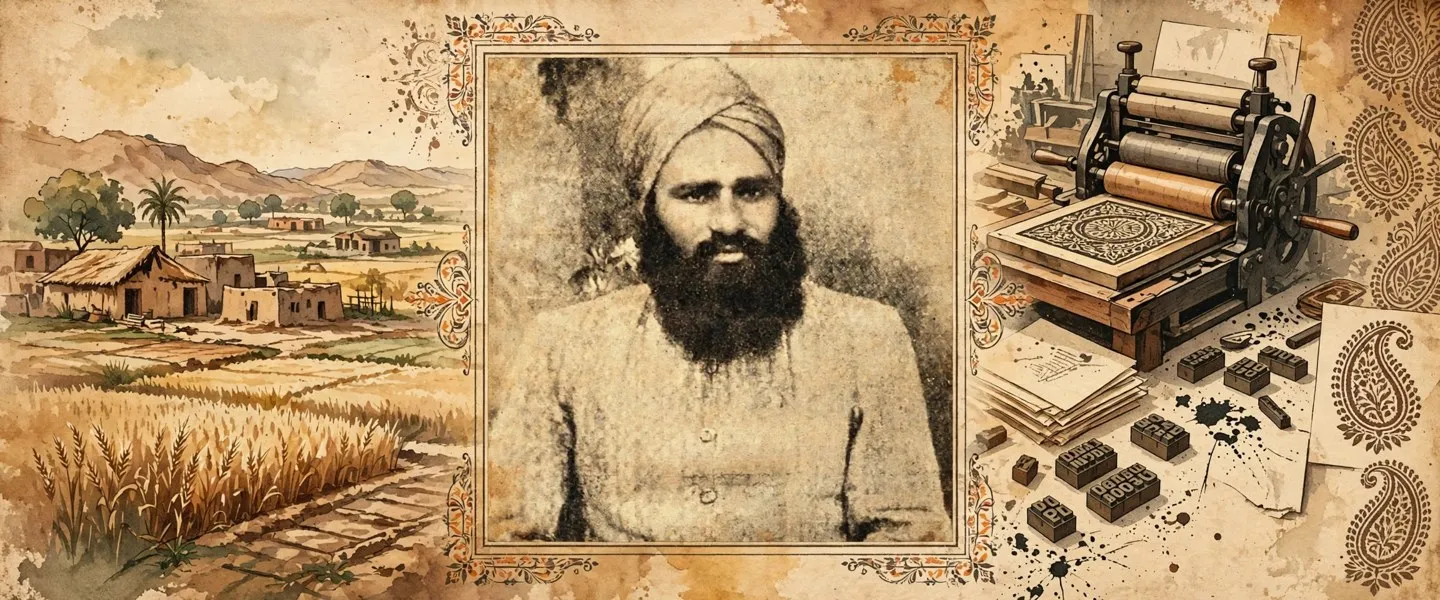


Sources (9)
- Sundar Singh Lyallpuri, Master (The Sikh Encyclopedia)
- Sunder Singh Lyallpuri (Wikipedia)
- Akali, The, Encyclopaedia of Sikhism (Learn Punjabi)
- Central Sikh League (The Sikh Encyclopedia)
- Shiromani Gurdwara Parbandhak Committee (Wikipedia)
- Sundar Singh Majithia, Sardar Bahadur Sir, for disambiguation (The Sikh Encyclopedia)
- Anand Marriage Act, 1909 (Wikipedia)
- Hindustan Times, founded 1924 by Sunder Singh Lyallpuri (Princeton University Library)
- Protect yourselves from false gurus: Master Tara Singh, with note on The Akali and Lyallpuri (Khalsa Chronicle)
Jugti is free and independent. Reader support keeps the Kosh growing.
Support