
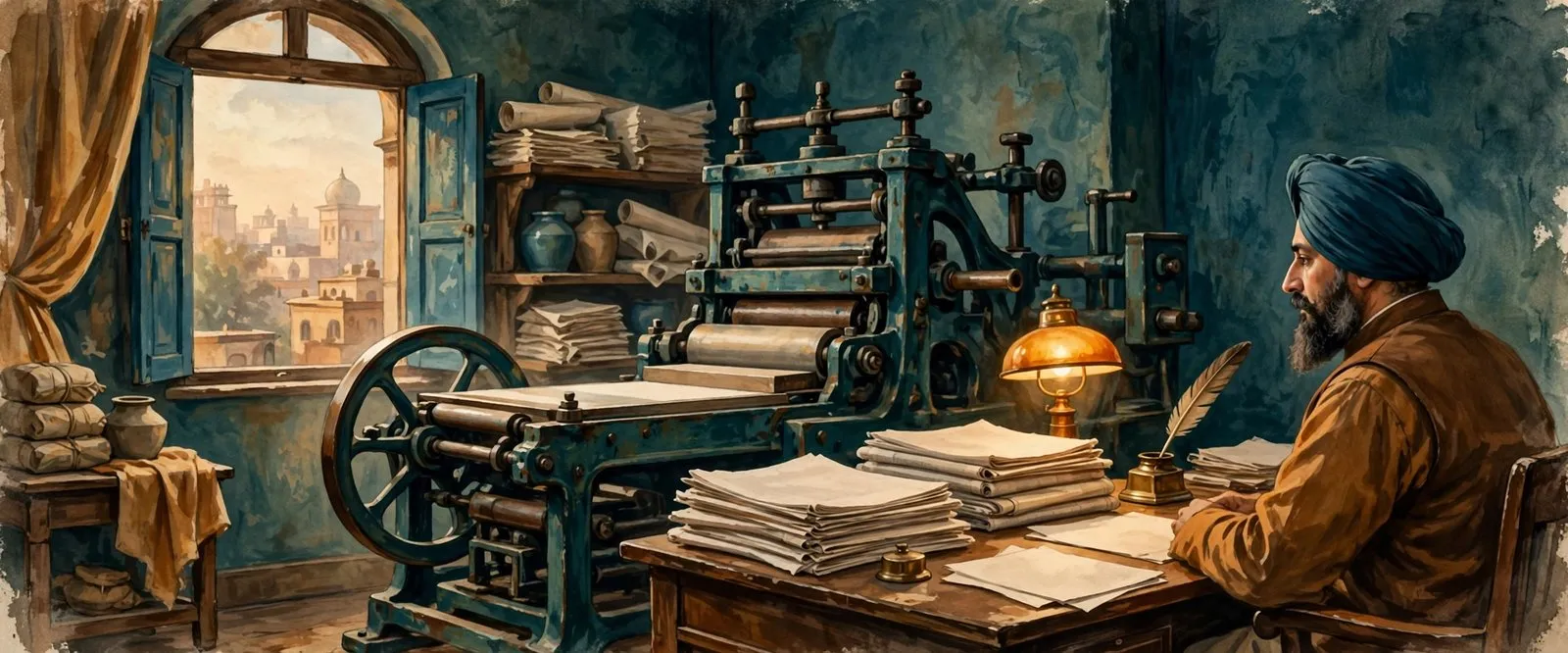
Sardul Singh Caveeshar (1886 to 1963) was an Amritsar born Sikh newspaper editor, author and political leader who launched the Sikh Review in 1913, helped found the Central Sikh League, served as acting president of the Indian National Congress in 1933 and later headed the All India Forward Bloc.
Life at a glance
- 1886Born Amritsar
- 1913Newspaper Delhi
- 1920Organisation SGPC publicity subcommittee
- 1920Organisation Punjab Provincial Congress Committee
- 1936Book India's Fight for Freedom
- 1937Book Sikh Studies
Show 2 more
- 1946Book The Lahore Fort Torture Camp
- 1963Died Delhi
- Punjabi name
- ਸਰਦੂਲ ਸਿੰਘ ਕਵੀਸ਼ਰ
- Born
- 1886, Amritsar
- Home place
- Amritsar
- District
- Amritsar
- Region
- Majha
- Died
- 26 March 1963, Delhi
All 12 facts
- Father
- Sardar Kirpal Singh
- Education
- Studied to M.A. level in Lahore; left college in 1909 (accounts differ on the degree)
- Newspapers
- Sikh Review, Delhi (1913); New Herald and Sangat, Lahore
- Organisations
- Central Sikh League (founder, general secretary); SGPC publicity subcommittee (1920); Punjab Provincial Congress Committee (1920); Indian National Congress; All India Forward Bloc
- Books
- India's Fight for Freedom (1936); Sikh Studies (1937); The Lahore Fort Torture Camp (1946); Sikh Dharam Darshan (1969)
- Known for
- Sikh Review; Forward Bloc president
Sardul Singh Caveeshar (1886 to 1963) was an Amritsar born Sikh newspaper editor, author and political leader who launched the Sikh Review in 1913, helped found the Central Sikh League, served as acting president of the Indian National Congress in 1933 and later headed the All India Forward Bloc.
Early life and education
Sardul Singh Caveeshar, whose surname is also written Kavishar and Kaveeshar, was born at Amritsar in 1886, the son of Sardar Kirpal Singh. Amritsar, in the Majha region of Punjab, remained his home city in the record even though his working life was spent mainly in Delhi and Lahore. He was educated in Lahore and studied up to M.A. level. Accounts differ on the outcome of those studies: the main Sikh Encyclopedia entry says he left college in 1909 without taking the degree, drawn into Sikh public work and the national movement, while a later summary drawn from Fauja Singh's Freedom Fighters of Punjab says he completed his postgraduate degree at Panjab University, Lahore, in 1909. No single version is stated here as settled. What is clear is that by 1913 he had moved from student life into print and politics, and he never really left either.
Sikh Review and the Rikabganj agitation
In 1913 Caveeshar launched the English journal Sikh Review from Delhi. The paper brought him to notice over Gurdwara Rikabganj in Delhi, the shrine linked with Guru Tegh Bahadur. In May 1913, as the new imperial capital was being laid out, the government demolished the gurdwara boundary wall, 78 feet on the north side and 322 feet on the east, to make a straight road toward the Viceregal Lodge. Sikh protest spread through Punjab in petitions, meetings and newspaper writing, and Caveeshar was among the voices pressing for the wall to be restored. The agitation lost momentum when the First World War began in 1914, but he was among the leaders who took it up again when the war ended.
The government suppressed the Sikh Review and externed Caveeshar from Delhi. He shifted to Lahore and started a weekly newspaper, the New Herald, which appeared in Punjabi in Gurmukhi script as the Sangat. In 1919 he was interned for a time for his political writings against the Rowlatt Bills. Print remained his main weapon: each paper he ran carried the Sikh case on shrines, and later the wider national case, to readers who had few other ways of hearing it argued in full.
Central Sikh League, the Akali morchas and jail
Caveeshar was one of the founders of the Central Sikh League, formed in December 1919, and was elected its general secretary. In 1920 he also served as secretary of the publicity subcommittee of the Shiromani Gurdwara Parbandhak Committee, the SGPC, formed that November, and as secretary of the Punjab Provincial Congress Committee. When Sikh leaders including Master Mota Singh, Harchand Singh and Teja Singh Samundri wanted a political spokesman for the revived Rikabganj cause, they turned to Caveeshar. At a public meeting in Bradlaugh Hall, Lahore, a resolution was adopted for a Shahidi Jatha of one hundred volunteers to go to Delhi on 1 December 1920 and rebuild the demolished wall, laying down their lives if obstructed.
ਸਰਦੂਲ ਸਿੰਘ ਕਵੀਸ਼ਰ (1886 ਤੋਂ 1963) ਅੰਮ੍ਰਿਤਸਰ ਵਿੱਚ ਜਨਮਿਆ ਇੱਕ ਸਿੱਖ ਅਖ਼ਬਾਰ ਸੰਪਾਦਕ, ਲੇਖਕ ਅਤੇ ਸਿਆਸੀ ਆਗੂ ਸੀ ਜਿਸ ਨੇ 1913 ਵਿੱਚ ਸਿੱਖ ਰਿਵਿਊ ਸ਼ੁਰੂ ਕੀਤਾ, ਸੈਂਟਰਲ ਸਿੱਖ ਲੀਗ ਬਣਾਉਣ ਵਿੱਚ ਮਦਦ ਕੀਤੀ, 1933 ਵਿੱਚ ਭਾਰਤੀ ਕੌਮੀ ਕਾਂਗਰਸ ਦਾ ਕਾਰਜਕਾਰੀ ਪ੍ਰਧਾਨ ਬਣਿਆ ਅਤੇ ਬਾਅਦ ਵਿੱਚ ਆਲ ਇੰਡੀਆ ਫ਼ਾਰਵਰਡ ਬਲਾਕ ਦੀ ਅਗਵਾਈ ਕੀਤੀ।
ਸ਼ੁਰੂਆਤੀ ਜੀਵਨ ਅਤੇ ਪੜ੍ਹਾਈ
ਸਰਦੂਲ ਸਿੰਘ ਕਵੀਸ਼ਰ, ਜਿਸ ਦਾ ਉਪਨਾਂ ਕਵੀਸ਼ਰ ਅਤੇ ਕਵੇਸ਼ਰ ਵੀ ਲਿਖਿਆ ਜਾਂਦਾ ਹੈ, ਦਾ ਜਨਮ 1886 ਵਿੱਚ ਅੰਮ੍ਰਿਤਸਰ ਵਿਖੇ ਸਰਦਾਰ ਕਿਰਪਾਲ ਸਿੰਘ ਦੇ ਘਰ ਹੋਇਆ। ਪੰਜਾਬ ਦੇ ਮਾਝਾ ਇਲਾਕੇ ਦਾ ਅੰਮ੍ਰਿਤਸਰ ਹੀ ਉਸ ਦਾ ਘਰੇਲੂ ਸ਼ਹਿਰ ਰਿਹਾ, ਭਾਵੇਂ ਉਸ ਦਾ ਕੰਮਕਾਜੀ ਜੀਵਨ ਜ਼ਿਆਦਾਤਰ ਦਿੱਲੀ ਅਤੇ ਲਾਹੌਰ ਵਿੱਚ ਬੀਤਿਆ। ਉਸ ਨੇ ਲਾਹੌਰ ਵਿੱਚ ਪੜ੍ਹਾਈ ਕੀਤੀ ਅਤੇ ਐੱਮ.ਏ. ਪੱਧਰ ਤੱਕ ਪੜ੍ਹਿਆ। ਉਸ ਪੜ੍ਹਾਈ ਦੇ ਨਤੀਜੇ ਬਾਰੇ ਲਿਖਤਾਂ ਵਿੱਚ ਫ਼ਰਕ ਹੈ: ਸਿੱਖ ਧਰਮ ਦੇ ਵਿਸ਼ਵਕੋਸ਼ ਦੀ ਮੁੱਖ ਲਿਖਤ ਕਹਿੰਦੀ ਹੈ ਕਿ ਉਸ ਨੇ 1909 ਵਿੱਚ ਡਿਗਰੀ ਲਏ ਬਿਨਾਂ ਕਾਲਜ ਛੱਡ ਦਿੱਤਾ ਅਤੇ ਸਿੱਖ ਲੋਕ ਕੰਮ ਤੇ ਕੌਮੀ ਲਹਿਰ ਵਿੱਚ ਜੁਟ ਗਿਆ, ਜਦਕਿ ਫ਼ੌਜਾ ਸਿੰਘ ਦੀ ਕਿਤਾਬ ਫ਼ਰੀਡਮ ਫ਼ਾਈਟਰਜ਼ ਆਫ਼ ਪੰਜਾਬ ਤੋਂ ਲਈ ਗਈ ਇੱਕ ਬਾਅਦ ਵਾਲੀ ਸੰਖੇਪ ਲਿਖਤ ਕਹਿੰਦੀ ਹੈ ਕਿ ਉਸ ਨੇ 1909 ਵਿੱਚ ਪੰਜਾਬ ਯੂਨੀਵਰਸਿਟੀ ਲਾਹੌਰ ਤੋਂ ਪੋਸਟ ਗ੍ਰੈਜੂਏਟ ਡਿਗਰੀ ਪੂਰੀ ਕੀਤੀ। ਇੱਥੇ ਕੋਈ ਇੱਕ ਗੱਲ ਪੱਕੀ ਕਰਕੇ ਨਹੀਂ ਦਿੱਤੀ ਗਈ। ਸਾਫ਼ ਗੱਲ ਇਹ ਹੈ ਕਿ 1913 ਤੱਕ ਉਹ ਵਿਦਿਆਰਥੀ ਜੀਵਨ ਤੋਂ ਛਪਾਈ ਅਤੇ ਸਿਆਸਤ ਵਿੱਚ ਆ ਚੁੱਕਾ ਸੀ, ਅਤੇ ਫਿਰ ਉਹ ਦੋਹਾਂ ਤੋਂ ਕਦੇ ਵੱਖ ਨਾ ਹੋਇਆ।
ਸਿੱਖ ਰਿਵਿਊ ਅਤੇ ਰਕਾਬਗੰਜ ਅੰਦੋਲਨ
1913 ਵਿੱਚ ਕਵੀਸ਼ਰ ਨੇ ਦਿੱਲੀ ਤੋਂ ਅੰਗਰੇਜ਼ੀ ਰਸਾਲਾ ਸਿੱਖ ਰਿਵਿਊ ਸ਼ੁਰੂ ਕੀਤਾ। ਇਸ ਅਖ਼ਬਾਰ ਨੇ ਉਸ ਨੂੰ ਦਿੱਲੀ ਦੇ ਗੁਰਦੁਆਰਾ ਰਕਾਬਗੰਜ ਦੇ ਮਸਲੇ ਉੱਤੇ ਸਾਹਮਣੇ ਲਿਆਂਦਾ, ਜੋ ਗੁਰੂ ਤੇਗ਼ ਬਹਾਦਰ ਜੀ ਦੀ ਯਾਦ ਨਾਲ ਜੁੜਿਆ ਅਸਥਾਨ ਹੈ। ਮਈ 1913 ਵਿੱਚ, ਜਦੋਂ ਨਵੀਂ ਸ਼ਾਹੀ ਰਾਜਧਾਨੀ ਬਣਾਈ ਜਾ ਰਹੀ ਸੀ, ਸਰਕਾਰ ਨੇ ਗੁਰਦੁਆਰੇ ਦੀ ਚਾਰਦੀਵਾਰੀ ਢਾਹ ਦਿੱਤੀ, ਉੱਤਰ ਵੱਲ 78 ਫੁੱਟ ਅਤੇ ਪੂਰਬ ਵੱਲ 322 ਫੁੱਟ, ਤਾਂ ਜੋ ਵਾਇਸਰਾਏ ਦੀ ਰਿਹਾਇਸ਼ ਵੱਲ ਸਿੱਧੀ ਸੜਕ ਬਣ ਸਕੇ। ਪੰਜਾਬ ਵਿੱਚ ਅਰਜ਼ੀਆਂ, ਇਕੱਠਾਂ ਅਤੇ ਅਖ਼ਬਾਰੀ ਲਿਖਤਾਂ ਰਾਹੀਂ ਸਿੱਖ ਵਿਰੋਧ ਫੈਲ ਗਿਆ, ਅਤੇ ਕਵੀਸ਼ਰ ਉਹਨਾਂ ਆਵਾਜ਼ਾਂ ਵਿੱਚੋਂ ਇੱਕ ਸੀ ਜੋ ਕੰਧ ਮੁੜ ਬਣਾਉਣ ਦੀ ਮੰਗ ਕਰ ਰਹੀਆਂ ਸਨ। 1914 ਵਿੱਚ ਪਹਿਲੀ ਸੰਸਾਰ ਜੰਗ ਸ਼ੁਰੂ ਹੋਣ ਨਾਲ ਅੰਦੋਲਨ ਦੀ ਰਫ਼ਤਾਰ ਢਿੱਲੀ ਪੈ ਗਈ, ਪਰ ਜੰਗ ਖ਼ਤਮ ਹੋਣ ਉੱਤੇ ਇਸ ਨੂੰ ਮੁੜ ਉਠਾਉਣ ਵਾਲੇ ਆਗੂਆਂ ਵਿੱਚ ਉਹ ਵੀ ਸੀ।
ਸਰਕਾਰ ਨੇ ਸਿੱਖ ਰਿਵਿਊ ਬੰਦ ਕਰ ਦਿੱਤਾ ਅਤੇ ਕਵੀਸ਼ਰ ਨੂੰ ਦਿੱਲੀ ਤੋਂ ਬਾਹਰ ਕੱਢ ਦਿੱਤਾ। ਉਹ ਲਾਹੌਰ ਚਲਾ ਗਿਆ ਅਤੇ ਉੱਥੋਂ ਹਫ਼ਤਾਵਾਰੀ ਅਖ਼ਬਾਰ ਨਿਊ ਹੈਰਲਡ ਸ਼ੁਰੂ ਕੀਤਾ, ਜੋ ਪੰਜਾਬੀ ਵਿੱਚ ਗੁਰਮੁਖੀ ਲਿਪੀ ਵਿੱਚ ਸੰਗਤ ਨਾਂ ਨਾਲ ਛਪਦਾ ਸੀ। 1919 ਵਿੱਚ ਰੌਲਟ ਬਿੱਲਾਂ ਵਿਰੁੱਧ ਸਿਆਸੀ ਲਿਖਤਾਂ ਕਰਕੇ ਉਸ ਨੂੰ ਕੁਝ ਸਮੇਂ ਲਈ ਨਜ਼ਰਬੰਦ ਰੱਖਿਆ ਗਿਆ। ਛਪਾਈ ਹੀ ਉਸ ਦਾ ਮੁੱਖ ਹਥਿਆਰ ਰਿਹਾ: ਉਸ ਦੇ ਹਰ ਅਖ਼ਬਾਰ ਨੇ ਅਸਥਾਨਾਂ ਬਾਰੇ ਸਿੱਖਾਂ ਦੀ ਗੱਲ, ਅਤੇ ਬਾਅਦ ਵਿੱਚ ਵੱਡੀ ਕੌਮੀ ਗੱਲ, ਉਹਨਾਂ ਪਾਠਕਾਂ ਤੱਕ ਪਹੁੰਚਾਈ ਜਿਨ੍ਹਾਂ ਕੋਲ ਇਸ ਨੂੰ ਪੂਰੀ ਤਰ੍ਹਾਂ ਸੁਣਨ ਦਾ ਹੋਰ ਕੋਈ ਸਾਧਨ ਘੱਟ ਹੀ ਸੀ।
ਸੈਂਟਰਲ ਸਿੱਖ ਲੀਗ, ਅਕਾਲੀ ਮੋਰਚੇ ਅਤੇ ਜੇਲ੍ਹ
ਕਵੀਸ਼ਰ ਦਸੰਬਰ 1919 ਵਿੱਚ ਬਣੀ ਸੈਂਟਰਲ ਸਿੱਖ ਲੀਗ ਦੇ ਬਾਨੀਆਂ ਵਿੱਚੋਂ ਇੱਕ ਸੀ ਅਤੇ ਇਸ ਦਾ ਜਨਰਲ ਸਕੱਤਰ ਚੁਣਿਆ ਗਿਆ। 1920 ਵਿੱਚ ਉਹ ਉਸੇ ਸਾਲ ਨਵੰਬਰ ਵਿੱਚ ਬਣੀ ਸ਼੍ਰੋਮਣੀ ਗੁਰਦੁਆਰਾ ਪ੍ਰਬੰਧਕ ਕਮੇਟੀ, ਐੱਸ.ਜੀ.ਪੀ.ਸੀ., ਦੀ ਪ੍ਰਚਾਰ ਉਪ ਕਮੇਟੀ ਦਾ ਸਕੱਤਰ ਅਤੇ ਪੰਜਾਬ ਸੂਬਾਈ ਕਾਂਗਰਸ ਕਮੇਟੀ ਦਾ ਸਕੱਤਰ ਵੀ ਰਿਹਾ। ਜਦੋਂ ਮਾਸਟਰ ਮੋਟਾ ਸਿੰਘ, ਹਰਚੰਦ ਸਿੰਘ ਅਤੇ ਤੇਜਾ ਸਿੰਘ ਸਮੁੰਦਰੀ ਵਰਗੇ ਸਿੱਖ ਆਗੂਆਂ ਨੂੰ ਰਕਾਬਗੰਜ ਦੇ ਮੁੜ ਉੱਠੇ ਮਸਲੇ ਲਈ ਸਿਆਸੀ ਬੁਲਾਰਾ ਚਾਹੀਦਾ ਸੀ, ਉਹ ਕਵੀਸ਼ਰ ਕੋਲ ਗਏ। ਲਾਹੌਰ ਦੇ ਬ੍ਰੈਡਲਾਫ਼ ਹਾਲ ਵਿੱਚ ਹੋਏ ਜਨਤਕ ਇਕੱਠ ਵਿੱਚ ਮਤਾ ਪਾਸ ਹੋਇਆ ਕਿ ਸੌ ਸੇਵਾਦਾਰਾਂ ਦਾ ਸ਼ਹੀਦੀ ਜੱਥਾ 1 ਦਸੰਬਰ 1920 ਨੂੰ ਦਿੱਲੀ ਜਾ ਕੇ ਢਾਹੀ ਗਈ ਕੰਧ ਮੁੜ ਬਣਾਵੇ, ਅਤੇ ਜੇ ਸਰਕਾਰ ਰੋਕੇ ਤਾਂ ਜਾਨਾਂ ਦੇ ਦੇਵੇ।
In April 1921 Caveeshar renewed the call through the Akali newspaper, asking for 100 volunteers willing to rebuild the wall or die in the attempt. He repeated the appeal at public meetings with Dan Singh Vachhoa, Amar Singh Jhabal and Jasvant Singh Jhabal. Seven hundred Sikhs volunteered, Caveeshar himself heading the list. Before the march to Delhi could set out, the government had the wall rebuilt, and the jatha was forestalled. The same spring brought him a prison sentence. For a series of articles in the Akali from 13 to 21 March 1921 on the killing of reformist Sikhs at Nankana Sahib, he was arrested on 27 May 1921, charged with sedition and sentenced to five years in prison. He was released on 15 August 1925. One later summary says he presided over the Punjab Provincial Conference in 1925 and resigned from Sikh communal bodies in 1926 to give himself wholly to the national movement.
Congress years and the Forward Bloc
In 1927 Caveeshar was elected to the Working Committee of the Indian National Congress. During the Civil Disobedience Movement of 1931 to 1933 he was jailed, and in 1933 he became acting president of the Congress when his predecessor on the roster was arrested on 14 August that year. He opposed the Congress decision to accept office under the Government of India Act of 1935, and when the party decided on 18 March 1937 to accept office in provinces where it held a majority, he resigned his membership. In April and May 1939 he joined the Forward Bloc formed by Subhas Chandra Bose within the Congress. When Bose announced the Forward Bloc committee in July 1939, Caveeshar was named its vice-president.
After Bose left India in early 1941, Caveeshar was elected president of the Forward Bloc, the second person to hold that post. He was detained for four years under the Defence of India Rules. He presided over the All India Forward Bloc conference at Arrah in Bihar in January 1947. After Independence he resigned the presidency in 1948 and retired from active politics. When the Forward Bloc split in 1948 he sided with the group led by R. S. Ruiker and was elected president of that section, then withdrew from politics as the group dwindled.
What did Sardul Singh Caveeshar write?
Caveeshar wrote on Sikh faith and history, on the national movement, and on practical life, in English and Punjabi. Among his better known books are Guru Nanak and World Peace, The Problem of Life: How Guru Nanak Solved It, All the Year Round: Guru Arjan's Twelve Months of Love and Worship, Battle of Life: How Guru Gobind Singh Fought It, Guru Gobind Singh and National Movement, Spirit of Sikhism, A Sikh King: Maharaja Ranjit Singh, Two Jewels of the House of Phul, The Cross and the Crown, Republicanism in Religion and The City of Joy. His political books include India's Fight for Freedom (1936), Sikh Studies (1937), Sikhs and the Swaraj, Nonviolent Noncooperation and The Lahore Fort Torture Camp (1946). His Punjabi work Sikh Dharam Darshan was published by Punjabi University, Patiala, in 1969, six years after his death. Besides books, he edited journals in English and Punjabi and published many pamphlets, so his writing reached readers in short pieces as well as in full volumes.
Later life and legacy
Caveeshar died in Delhi on 26 March 1963. His life joined three strands that are often told apart: the Sikh campaign to run gurdwaras through elected bodies, the Punjab press that argued that case week by week, and the all India politics of Congress and then the Forward Bloc. Students of the Akali movement meet him as a founder of the Central Sikh League and the man whose call for 100 volunteers drew 700 names in 1921. Students of the freedom movement meet him as a Congress Working Committee member, an acting Congress president, and the man who kept the Forward Bloc going after Bose left India. His books, above all Sikh Studies and India's Fight for Freedom, kept his name in print long after the newspapers he edited had closed.
ਅਪ੍ਰੈਲ 1921 ਵਿੱਚ ਕਵੀਸ਼ਰ ਨੇ ਅਕਾਲੀ ਅਖ਼ਬਾਰ ਰਾਹੀਂ ਮੁੜ ਸੱਦਾ ਦਿੱਤਾ ਕਿ 100 ਸੇਵਾਦਾਰ ਅੱਗੇ ਆਉਣ ਜੋ ਕੰਧ ਮੁੜ ਬਣਾਉਣ ਜਾਂ ਇਸ ਕੋਸ਼ਿਸ਼ ਵਿੱਚ ਜਾਨ ਦੇਣ ਲਈ ਤਿਆਰ ਹੋਣ। ਉਸ ਨੇ ਦਾਨ ਸਿੰਘ ਵਛੋਆ, ਅਮਰ ਸਿੰਘ ਝਬਾਲ ਅਤੇ ਜਸਵੰਤ ਸਿੰਘ ਝਬਾਲ ਨਾਲ ਮਿਲ ਕੇ ਕਈ ਜਨਤਕ ਇਕੱਠਾਂ ਵਿੱਚ ਇਹ ਅਪੀਲ ਦੁਹਰਾਈ। ਸੱਤ ਸੌ ਸਿੱਖ ਸੇਵਾਦਾਰ ਬਣਨ ਲਈ ਅੱਗੇ ਆਏ, ਅਤੇ ਸੂਚੀ ਵਿੱਚ ਸਭ ਤੋਂ ਉੱਪਰ ਕਵੀਸ਼ਰ ਦਾ ਆਪਣਾ ਨਾਂ ਸੀ। ਦਿੱਲੀ ਵੱਲ ਮਾਰਚ ਸ਼ੁਰੂ ਹੋਣ ਤੋਂ ਪਹਿਲਾਂ ਹੀ ਸਰਕਾਰ ਨੇ ਕੰਧ ਮੁੜ ਬਣਵਾ ਦਿੱਤੀ, ਅਤੇ ਜੱਥੇ ਦੀ ਲੋੜ ਹੀ ਨਾ ਰਹੀ। ਉਸੇ ਬਸੰਤ ਵਿੱਚ ਉਸ ਨੂੰ ਜੇਲ੍ਹ ਦੀ ਸਜ਼ਾ ਵੀ ਹੋਈ। ਨਨਕਾਣਾ ਸਾਹਿਬ ਵਿੱਚ ਸੁਧਾਰਵਾਦੀ ਸਿੱਖਾਂ ਦੇ ਕਤਲ ਬਾਰੇ 13 ਤੋਂ 21 ਮਾਰਚ 1921 ਤੱਕ ਅਕਾਲੀ ਵਿੱਚ ਛਪੇ ਲੇਖਾਂ ਦੀ ਲੜੀ ਕਰਕੇ ਉਸ ਨੂੰ 27 ਮਈ 1921 ਨੂੰ ਗ੍ਰਿਫ਼ਤਾਰ ਕੀਤਾ ਗਿਆ, ਰਾਜਦ੍ਰੋਹ ਦਾ ਦੋਸ਼ ਲੱਗਾ ਅਤੇ ਪੰਜ ਸਾਲ ਦੀ ਕੈਦ ਹੋਈ। ਉਸ ਦੀ ਰਿਹਾਈ 15 ਅਗਸਤ 1925 ਨੂੰ ਹੋਈ। ਇੱਕ ਬਾਅਦ ਵਾਲੀ ਸੰਖੇਪ ਲਿਖਤ ਕਹਿੰਦੀ ਹੈ ਕਿ ਉਸ ਨੇ 1925 ਵਿੱਚ ਪੰਜਾਬ ਸੂਬਾਈ ਕਾਨਫ਼ਰੰਸ ਦੀ ਪ੍ਰਧਾਨਗੀ ਕੀਤੀ ਅਤੇ 1926 ਵਿੱਚ ਸਿੱਖ ਫਿਰਕੂ ਸੰਸਥਾਵਾਂ ਤੋਂ ਅਸਤੀਫ਼ਾ ਦੇ ਕੇ ਆਪਣੇ ਆਪ ਨੂੰ ਪੂਰੀ ਤਰ੍ਹਾਂ ਕੌਮੀ ਲਹਿਰ ਨੂੰ ਦੇ ਦਿੱਤਾ।
ਕਾਂਗਰਸ ਦੇ ਸਾਲ ਅਤੇ ਫ਼ਾਰਵਰਡ ਬਲਾਕ
1927 ਵਿੱਚ ਕਵੀਸ਼ਰ ਭਾਰਤੀ ਕੌਮੀ ਕਾਂਗਰਸ ਦੀ ਵਰਕਿੰਗ ਕਮੇਟੀ ਲਈ ਚੁਣਿਆ ਗਿਆ। 1931 ਤੋਂ 1933 ਦੀ ਸਿਵਲ ਨਾਫ਼ਰਮਾਨੀ ਲਹਿਰ ਦੌਰਾਨ ਉਸ ਨੂੰ ਜੇਲ੍ਹ ਹੋਈ, ਅਤੇ 1933 ਵਿੱਚ ਉਹ ਕਾਂਗਰਸ ਦਾ ਕਾਰਜਕਾਰੀ ਪ੍ਰਧਾਨ ਬਣਿਆ ਜਦੋਂ ਸੂਚੀ ਵਿੱਚ ਉਸ ਤੋਂ ਪਹਿਲੇ ਆਗੂ ਨੂੰ 14 ਅਗਸਤ 1933 ਨੂੰ ਗ੍ਰਿਫ਼ਤਾਰ ਕਰ ਲਿਆ ਗਿਆ। ਉਹ 1935 ਦੇ ਭਾਰਤ ਸਰਕਾਰ ਐਕਟ ਅਧੀਨ ਅਹੁਦੇ ਸਵੀਕਾਰ ਕਰਨ ਦੇ ਕਾਂਗਰਸ ਦੇ ਫ਼ੈਸਲੇ ਦੇ ਵਿਰੁੱਧ ਸੀ, ਅਤੇ ਜਦੋਂ ਪਾਰਟੀ ਨੇ 18 ਮਾਰਚ 1937 ਨੂੰ ਫ਼ੈਸਲਾ ਕੀਤਾ ਕਿ ਜਿਨ੍ਹਾਂ ਸੂਬਿਆਂ ਵਿੱਚ ਉਸ ਕੋਲ ਬਹੁਮਤ ਹੈ ਉੱਥੇ ਅਹੁਦੇ ਲਏ ਜਾਣ, ਉਸ ਨੇ ਪਾਰਟੀ ਦੀ ਮੈਂਬਰਸ਼ਿਪ ਤੋਂ ਅਸਤੀਫ਼ਾ ਦੇ ਦਿੱਤਾ। ਅਪ੍ਰੈਲ ਅਤੇ ਮਈ 1939 ਵਿੱਚ ਉਹ ਸੁਭਾਸ਼ ਚੰਦਰ ਬੋਸ ਵੱਲੋਂ ਕਾਂਗਰਸ ਅੰਦਰ ਬਣਾਏ ਗਏ ਫ਼ਾਰਵਰਡ ਬਲਾਕ ਵਿੱਚ ਸ਼ਾਮਲ ਹੋ ਗਿਆ। ਜਦੋਂ ਬੋਸ ਨੇ ਜੁਲਾਈ 1939 ਵਿੱਚ ਫ਼ਾਰਵਰਡ ਬਲਾਕ ਕਮੇਟੀ ਦਾ ਐਲਾਨ ਕੀਤਾ, ਕਵੀਸ਼ਰ ਨੂੰ ਇਸ ਦਾ ਉਪ ਪ੍ਰਧਾਨ ਨਾਮਜ਼ਦ ਕੀਤਾ ਗਿਆ।
1941 ਦੇ ਸ਼ੁਰੂ ਵਿੱਚ ਬੋਸ ਦੇ ਭਾਰਤ ਛੱਡਣ ਤੋਂ ਬਾਅਦ ਕਵੀਸ਼ਰ ਫ਼ਾਰਵਰਡ ਬਲਾਕ ਦਾ ਪ੍ਰਧਾਨ ਚੁਣਿਆ ਗਿਆ, ਇਸ ਅਹੁਦੇ ਉੱਤੇ ਆਉਣ ਵਾਲਾ ਦੂਜਾ ਵਿਅਕਤੀ। ਉਸ ਨੂੰ ਭਾਰਤ ਰੱਖਿਆ ਨਿਯਮਾਂ ਅਧੀਨ ਚਾਰ ਸਾਲ ਨਜ਼ਰਬੰਦ ਰੱਖਿਆ ਗਿਆ। ਉਸ ਨੇ ਜਨਵਰੀ 1947 ਵਿੱਚ ਬਿਹਾਰ ਦੇ ਆਰਾ ਵਿਖੇ ਹੋਈ ਆਲ ਇੰਡੀਆ ਫ਼ਾਰਵਰਡ ਬਲਾਕ ਕਾਨਫ਼ਰੰਸ ਦੀ ਪ੍ਰਧਾਨਗੀ ਕੀਤੀ। ਅਜ਼ਾਦੀ ਤੋਂ ਬਾਅਦ ਉਸ ਨੇ 1948 ਵਿੱਚ ਪ੍ਰਧਾਨਗੀ ਤੋਂ ਅਸਤੀਫ਼ਾ ਦੇ ਦਿੱਤਾ ਅਤੇ ਸਰਗਰਮ ਸਿਆਸਤ ਤੋਂ ਸੰਨਿਆਸ ਲੈ ਲਿਆ। ਜਦੋਂ 1948 ਵਿੱਚ ਫ਼ਾਰਵਰਡ ਬਲਾਕ ਵਿੱਚ ਫੁੱਟ ਪਈ ਤਾਂ ਉਹ ਆਰ. ਐੱਸ. ਰੁਈਕਰ ਦੀ ਅਗਵਾਈ ਵਾਲੇ ਗਰੁੱਪ ਨਾਲ ਖੜ੍ਹਾ ਹੋਇਆ ਅਤੇ ਉਸ ਹਿੱਸੇ ਦਾ ਪ੍ਰਧਾਨ ਚੁਣਿਆ ਗਿਆ, ਫਿਰ ਜਿਵੇਂ ਜਿਵੇਂ ਉਹ ਗਰੁੱਪ ਘਟਦਾ ਗਿਆ, ਉਹ ਸਿਆਸਤ ਤੋਂ ਪਿੱਛੇ ਹਟ ਗਿਆ।
ਸਰਦੂਲ ਸਿੰਘ ਕਵੀਸ਼ਰ ਨੇ ਕੀ ਲਿਖਿਆ?
ਕਵੀਸ਼ਰ ਨੇ ਸਿੱਖ ਧਰਮ ਅਤੇ ਇਤਿਹਾਸ ਬਾਰੇ, ਕੌਮੀ ਲਹਿਰ ਬਾਰੇ ਅਤੇ ਵਿਹਾਰਕ ਜੀਵਨ ਬਾਰੇ, ਅੰਗਰੇਜ਼ੀ ਅਤੇ ਪੰਜਾਬੀ ਵਿੱਚ ਲਿਖਿਆ। ਉਸ ਦੀਆਂ ਜਾਣੀਆਂ ਪਛਾਣੀਆਂ ਕਿਤਾਬਾਂ ਵਿੱਚ ਗੁਰੂ ਨਾਨਕ ਐਂਡ ਵਰਲਡ ਪੀਸ, ਦ ਪ੍ਰਾਬਲਮ ਆਫ਼ ਲਾਈਫ਼: ਹਾਊ ਗੁਰੂ ਨਾਨਕ ਸਾਲਵਡ ਇਟ, ਆਲ ਦ ਈਅਰ ਰਾਊਂਡ: ਗੁਰੂ ਅਰਜਨਜ਼ ਟਵੈਲਵ ਮੰਥਸ ਆਫ਼ ਲਵ ਐਂਡ ਵਰਸ਼ਿਪ, ਬੈਟਲ ਆਫ਼ ਲਾਈਫ਼: ਹਾਊ ਗੁਰੂ ਗੋਬਿੰਦ ਸਿੰਘ ਫ਼ਾਟ ਇਟ, ਗੁਰੂ ਗੋਬਿੰਦ ਸਿੰਘ ਐਂਡ ਨੈਸ਼ਨਲ ਮੂਵਮੈਂਟ, ਸਪਿਰਟ ਆਫ਼ ਸਿੱਖਇਜ਼ਮ, ਏ ਸਿੱਖ ਕਿੰਗ: ਮਹਾਰਾਜਾ ਰਣਜੀਤ ਸਿੰਘ, ਟੂ ਜਿਊਅਲਜ਼ ਆਫ਼ ਦ ਹਾਊਸ ਆਫ਼ ਫੂਲ, ਦ ਕਰਾਸ ਐਂਡ ਦ ਕ੍ਰਾਊਨ, ਰਿਪਬਲਿਕਨਇਜ਼ਮ ਇਨ ਰਿਲੀਜਨ ਅਤੇ ਦ ਸਿਟੀ ਆਫ਼ ਜੌਏ ਸ਼ਾਮਲ ਹਨ। ਉਸ ਦੀਆਂ ਸਿਆਸੀ ਕਿਤਾਬਾਂ ਵਿੱਚ ਇੰਡੀਆਜ਼ ਫ਼ਾਈਟ ਫ਼ਾਰ ਫ਼ਰੀਡਮ (1936), ਸਿੱਖ ਸਟੱਡੀਜ਼ (1937), ਸਿੱਖਸ ਐਂਡ ਦ ਸਵਰਾਜ, ਨਾਨਵਾਇਲੈਂਟ ਨਾਨਕੋਆਪਰੇਸ਼ਨ ਅਤੇ ਦ ਲਾਹੌਰ ਫ਼ੋਰਟ ਟਾਰਚਰ ਕੈਂਪ (1946) ਸ਼ਾਮਲ ਹਨ। ਉਸ ਦੀ ਪੰਜਾਬੀ ਰਚਨਾ ਸਿੱਖ ਧਰਮ ਦਰਸ਼ਨ ਪੰਜਾਬੀ ਯੂਨੀਵਰਸਿਟੀ ਪਟਿਆਲਾ ਵੱਲੋਂ 1969 ਵਿੱਚ ਛਪੀ, ਉਸ ਦੇ ਦੇਹਾਂਤ ਤੋਂ ਛੇ ਸਾਲ ਬਾਅਦ। ਕਿਤਾਬਾਂ ਤੋਂ ਇਲਾਵਾ ਉਸ ਨੇ ਅੰਗਰੇਜ਼ੀ ਅਤੇ ਪੰਜਾਬੀ ਰਸਾਲੇ ਵੀ ਸੰਪਾਦਿਤ ਕੀਤੇ ਅਤੇ ਕਈ ਪੈਂਫਲਟ ਛਾਪੇ, ਇਸ ਲਈ ਉਸ ਦੀ ਲਿਖਤ ਪਾਠਕਾਂ ਤੱਕ ਛੋਟੀਆਂ ਲਿਖਤਾਂ ਰਾਹੀਂ ਵੀ ਪਹੁੰਚੀ ਅਤੇ ਪੂਰੀਆਂ ਕਿਤਾਬਾਂ ਰਾਹੀਂ ਵੀ।
ਬਾਅਦ ਦਾ ਜੀਵਨ ਅਤੇ ਵਿਰਾਸਤ
ਕਵੀਸ਼ਰ ਦਾ ਦੇਹਾਂਤ 26 ਮਾਰਚ 1963 ਨੂੰ ਦਿੱਲੀ ਵਿੱਚ ਹੋਇਆ। ਉਸ ਦੇ ਜੀਵਨ ਨੇ ਤਿੰਨ ਧਾਗੇ ਜੋੜੇ ਜੋ ਅਕਸਰ ਵੱਖ ਵੱਖ ਦੱਸੇ ਜਾਂਦੇ ਹਨ: ਗੁਰਦੁਆਰਿਆਂ ਨੂੰ ਚੁਣੀਆਂ ਹੋਈਆਂ ਸੰਸਥਾਵਾਂ ਰਾਹੀਂ ਚਲਾਉਣ ਦੀ ਸਿੱਖ ਮੁਹਿੰਮ, ਪੰਜਾਬ ਦਾ ਉਹ ਅਖ਼ਬਾਰੀ ਸੰਸਾਰ ਜੋ ਹਰ ਹਫ਼ਤੇ ਇਹ ਗੱਲ ਅੱਗੇ ਰੱਖਦਾ ਸੀ, ਅਤੇ ਕਾਂਗਰਸ ਤੇ ਫਿਰ ਫ਼ਾਰਵਰਡ ਬਲਾਕ ਦੀ ਸਾਰੇ ਭਾਰਤ ਦੀ ਸਿਆਸਤ। ਅਕਾਲੀ ਲਹਿਰ ਨੂੰ ਪੜ੍ਹਨ ਵਾਲੇ ਵਿਦਿਆਰਥੀ ਉਸ ਨੂੰ ਸੈਂਟਰਲ ਸਿੱਖ ਲੀਗ ਦੇ ਬਾਨੀ ਅਤੇ ਉਸ ਆਦਮੀ ਵਜੋਂ ਮਿਲਦੇ ਹਨ ਜਿਸ ਦੇ 100 ਸੇਵਾਦਾਰਾਂ ਦੇ ਸੱਦੇ ਉੱਤੇ 1921 ਵਿੱਚ 700 ਨਾਂ ਅੱਗੇ ਆਏ। ਅਜ਼ਾਦੀ ਦੀ ਲਹਿਰ ਨੂੰ ਪੜ੍ਹਨ ਵਾਲੇ ਉਸ ਨੂੰ ਕਾਂਗਰਸ ਵਰਕਿੰਗ ਕਮੇਟੀ ਦੇ ਮੈਂਬਰ, ਕਾਂਗਰਸ ਦੇ ਕਾਰਜਕਾਰੀ ਪ੍ਰਧਾਨ ਅਤੇ ਉਸ ਆਦਮੀ ਵਜੋਂ ਮਿਲਦੇ ਹਨ ਜਿਸ ਨੇ ਬੋਸ ਦੇ ਭਾਰਤ ਛੱਡਣ ਤੋਂ ਬਾਅਦ ਫ਼ਾਰਵਰਡ ਬਲਾਕ ਨੂੰ ਚਲਾਈ ਰੱਖਿਆ। ਉਸ ਦੀਆਂ ਕਿਤਾਬਾਂ, ਖ਼ਾਸ ਕਰਕੇ ਸਿੱਖ ਸਟੱਡੀਜ਼ ਅਤੇ ਇੰਡੀਆਜ਼ ਫ਼ਾਈਟ ਫ਼ਾਰ ਫ਼ਰੀਡਮ, ਨੇ ਉਸ ਦਾ ਨਾਂ ਉਸ ਦੇ ਸੰਪਾਦਿਤ ਅਖ਼ਬਾਰਾਂ ਦੇ ਬੰਦ ਹੋਣ ਤੋਂ ਬਹੁਤ ਬਾਅਦ ਤੱਕ ਛਪਾਈ ਵਿੱਚ ਰੱਖਿਆ।
People

Places

More freedom struggle
See all
Sources (6)
- Sardul Singh Caveeshar (The Sikh Encyclopedia)
- Sardul Singh Caveeshar, summary citing Fauja Singh, Freedom Fighters of Punjab (The Sikh Encyclopedia)
- Sardul Singh Kavishar (Wikipedia)
- Sardar Sardul Singh Caveeshar (All India Forward Bloc)
- Rikabganj Agitation (The Sikh Encyclopedia)
- Sardul Singh Caveeshar (SikhiWiki)
Jugti is free and independent. Reader support keeps the Kosh growing.
Support