
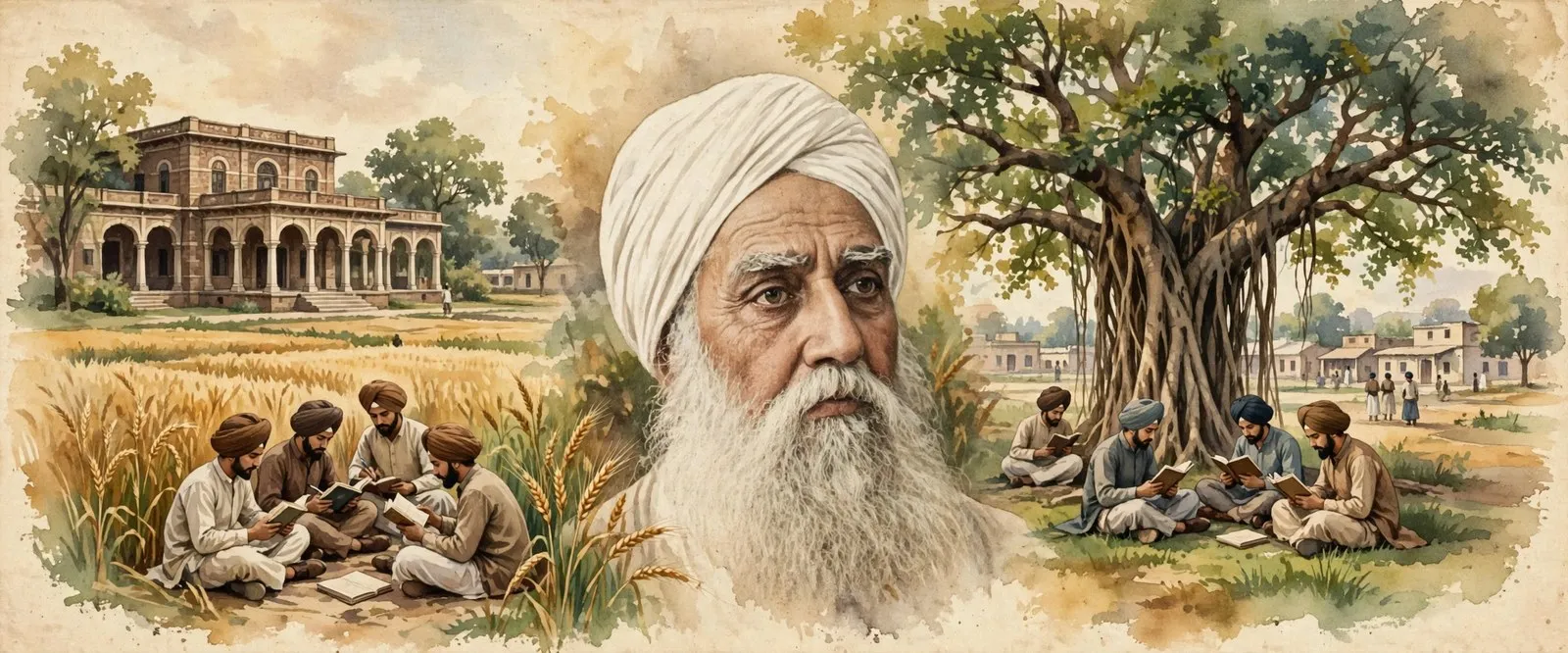
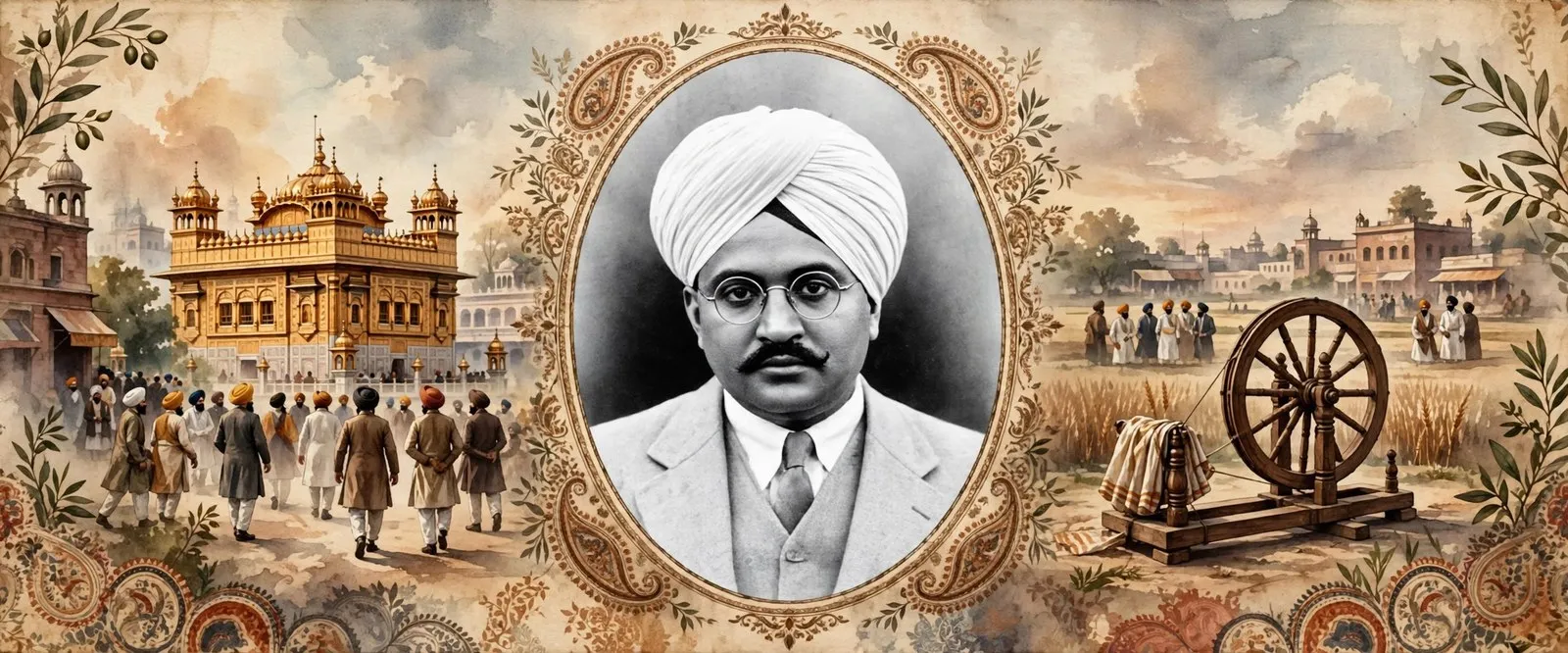
Sundar Singh Majithia (1872 to 1941) of Majitha in Amritsar district was a Sikh landowner, educationist and statesman who led the Chief Khalsa Diwan, piloted the Anand Marriage Act of 1909 and was elected the first president of the SGPC in November 1920. He later served as a Punjab revenue minister and co-founded the Punjab and Sind Bank.
- Punjabi name
- ਸੁੰਦਰ ਸਿੰਘ ਮਜੀਠੀਆ
- Born
- 17 February 1872, Majitha
- Home town
- Majitha
- District
- Amritsar
- Region
- Majha
- Died
- April 1941, Lahore (exact day disputed)
All 10 facts
- Father
- Raja Surat Singh
- Education
- Government School Amritsar; Aitchison College and Government College, Lahore
- First SGPC president
- Elected November 1920
- Known for
- First SGPC president
Sundar Singh Majithia (1872 to 1941) of Majitha in Amritsar district was a Sikh landowner, educationist and statesman who led the Chief Khalsa Diwan, piloted the Anand Marriage Act of 1909 and was elected the first president of the SGPC in November 1920.
Early life and education
Sundar Singh was born on 17 February 1872 at Majitha, a town about 18 kilometres north-east of Amritsar, and took his surname from the place. He was the younger son of Raja Surat Singh, who died in 1881. The Majithias were a Sher-Gill Jat Sikh family whose sardars had served the Sikh Empire as generals and administrators. Sundar Singh belonged to the Surat Singh branch of the family. His father had been an officer in the Khalsa Army and was given the title of Raja in 1877. The better known Sikh Empire general Desa Singh Majithia belonged to a different branch of the same wide family, so Sundar Singh should not be described as his direct descendant.
He was educated at Government School, Amritsar, and at Aitchison College, Lahore, and then joined Government College, Lahore, where he passed the intermediate examination. Soon after leaving college he joined the Sri Guru Singh Sabha at Amritsar and became its secretary in 1894. That early work in the Singh Sabha movement shaped the rest of his public life, which was spent building Sikh schools, banks and representative bodies, and speaking for Sikh interests in the councils of British India.
Chief Khalsa Diwan and Khalsa College
In 1895 Sundar Singh joined the governing council of Khalsa College, Amritsar, the college whose founding he had worked for with great energy. He was secretary of the college council from 1902 to 1912, and from 1920 until his death he was president of the council and of the college managing committee. In October 1902 he was a founder member of the Chief Khalsa Diwan, the central body that linked Singh Sabhas across Punjab. He served as its secretary from 1902 to 1920 and again from 1934 to 1937, and acted as its president in 1932 and 1933.
Education stayed at the centre of his work. He took a leading part in founding the Sikh Educational Conference in 1908 and presided over its annual sessions in 1911, 1924 and 1935. He also started the Khalsa Advocate, an English monthly that set out the policy and activities of the Chief Khalsa Diwan. Through the Diwan he pressed the government on Sikh representation in services and councils, on the place of Punjabi in Gurmukhi script, and on schools and scholarships for Sikh students. Sikh histories describe his politics as moderate and constitutional: he worked through petitions, deputations and council chambers rather than through agitation.
ਸੁੰਦਰ ਸਿੰਘ ਮਜੀਠੀਆ (1872 ਤੋਂ 1941) ਅੰਮ੍ਰਿਤਸਰ ਜ਼ਿਲ੍ਹੇ ਦੇ ਮਜੀਠਾ ਦਾ ਇੱਕ ਸਿੱਖ ਜ਼ਮੀਦਾਰ, ਸਿੱਖਿਆ ਸੇਵੀ ਅਤੇ ਰਾਜਨੇਤਾ ਸੀ ਜਿਸ ਨੇ ਚੀਫ਼ ਖ਼ਾਲਸਾ ਦੀਵਾਨ ਦੀ ਅਗਵਾਈ ਕੀਤੀ, 1909 ਦਾ ਅਨੰਦ ਮੈਰਿਜ ਐਕਟ ਪਾਸ ਕਰਵਾਇਆ ਅਤੇ ਨਵੰਬਰ 1920 ਵਿੱਚ ਐੱਸ.ਜੀ.ਪੀ.ਸੀ. ਦਾ ਪਹਿਲਾ ਪ੍ਰਧਾਨ ਚੁਣਿਆ ਗਿਆ।
ਸ਼ੁਰੂਆਤੀ ਜੀਵਨ ਅਤੇ ਪੜ੍ਹਾਈ
ਸੁੰਦਰ ਸਿੰਘ ਦਾ ਜਨਮ 17 ਫ਼ਰਵਰੀ 1872 ਨੂੰ ਮਜੀਠਾ ਵਿਖੇ ਹੋਇਆ, ਜੋ ਅੰਮ੍ਰਿਤਸਰ ਤੋਂ ਕਰੀਬ 18 ਕਿਲੋਮੀਟਰ ਉੱਤਰ-ਪੂਰਬ ਵੱਲ ਹੈ, ਅਤੇ ਉਸ ਨੇ ਆਪਣਾ ਉਪਨਾਮ ਇਸੇ ਥਾਂ ਤੋਂ ਲਿਆ। ਉਹ ਰਾਜਾ ਸੂਰਤ ਸਿੰਘ ਦਾ ਛੋਟਾ ਪੁੱਤਰ ਸੀ, ਜਿਸ ਦਾ ਦੇਹਾਂਤ 1881 ਵਿੱਚ ਹੋਇਆ। ਮਜੀਠੀਆ ਪਰਿਵਾਰ ਸ਼ੇਰਗਿੱਲ ਜੱਟ ਸਿੱਖਾਂ ਦਾ ਪਰਿਵਾਰ ਸੀ ਜਿਸ ਦੇ ਸਰਦਾਰ ਸਿੱਖ ਰਾਜ ਵਿੱਚ ਜਰਨੈਲ ਅਤੇ ਪ੍ਰਬੰਧਕ ਰਹੇ। ਸੁੰਦਰ ਸਿੰਘ ਇਸ ਪਰਿਵਾਰ ਦੀ ਸੂਰਤ ਸਿੰਘ ਸ਼ਾਖ ਨਾਲ ਸੰਬੰਧਤ ਸੀ। ਉਸ ਦਾ ਪਿਤਾ ਖ਼ਾਲਸਾ ਫ਼ੌਜ ਵਿੱਚ ਅਫ਼ਸਰ ਰਿਹਾ ਸੀ ਅਤੇ 1877 ਵਿੱਚ ਉਸ ਨੂੰ ਰਾਜਾ ਦਾ ਖ਼ਿਤਾਬ ਮਿਲਿਆ। ਸਿੱਖ ਰਾਜ ਦਾ ਪ੍ਰਸਿੱਧ ਜਰਨੈਲ ਦੇਸਾ ਸਿੰਘ ਮਜੀਠੀਆ ਇਸੇ ਵੱਡੇ ਪਰਿਵਾਰ ਦੀ ਵੱਖਰੀ ਸ਼ਾਖ ਵਿੱਚੋਂ ਸੀ, ਇਸ ਲਈ ਸੁੰਦਰ ਸਿੰਘ ਨੂੰ ਉਸ ਦਾ ਸਿੱਧਾ ਵੰਸ਼ਜ ਨਾ ਕਿਹਾ ਜਾਵੇ।
ਉਸ ਨੇ ਸਰਕਾਰੀ ਸਕੂਲ ਅੰਮ੍ਰਿਤਸਰ ਅਤੇ ਐਚੀਸਨ ਕਾਲਜ ਲਾਹੌਰ ਵਿੱਚ ਪੜ੍ਹਾਈ ਕੀਤੀ ਅਤੇ ਫਿਰ ਸਰਕਾਰੀ ਕਾਲਜ ਲਾਹੌਰ ਵਿੱਚ ਦਾਖ਼ਲਾ ਲੈ ਕੇ ਇੰਟਰਮੀਡੀਏਟ ਦੀ ਪ੍ਰੀਖਿਆ ਪਾਸ ਕੀਤੀ। ਕਾਲਜ ਛੱਡਣ ਤੋਂ ਥੋੜ੍ਹੀ ਦੇਰ ਬਾਅਦ ਉਹ ਅੰਮ੍ਰਿਤਸਰ ਦੀ ਸ੍ਰੀ ਗੁਰੂ ਸਿੰਘ ਸਭਾ ਵਿੱਚ ਸ਼ਾਮਲ ਹੋਇਆ ਅਤੇ 1894 ਵਿੱਚ ਇਸ ਦਾ ਸਕੱਤਰ ਬਣਿਆ। ਸਿੰਘ ਸਭਾ ਲਹਿਰ ਵਿੱਚ ਕੀਤੇ ਇਸ ਸ਼ੁਰੂਆਤੀ ਕੰਮ ਨੇ ਉਸ ਦੇ ਬਾਕੀ ਲੋਕ ਜੀਵਨ ਦੀ ਦਿਸ਼ਾ ਤੈਅ ਕੀਤੀ, ਜੋ ਸਿੱਖ ਸਕੂਲ, ਬੈਂਕ ਅਤੇ ਪ੍ਰਤੀਨਿਧ ਸੰਸਥਾਵਾਂ ਬਣਾਉਣ ਅਤੇ ਬਰਤਾਨਵੀ ਭਾਰਤ ਦੀਆਂ ਪਰਿਸ਼ਦਾਂ ਵਿੱਚ ਸਿੱਖ ਹਿਤਾਂ ਦੀ ਗੱਲ ਰੱਖਣ ਵਿੱਚ ਬੀਤਿਆ।
ਚੀਫ਼ ਖ਼ਾਲਸਾ ਦੀਵਾਨ ਅਤੇ ਖ਼ਾਲਸਾ ਕਾਲਜ
1895 ਵਿੱਚ ਸੁੰਦਰ ਸਿੰਘ ਖ਼ਾਲਸਾ ਕਾਲਜ ਅੰਮ੍ਰਿਤਸਰ ਦੀ ਪ੍ਰਬੰਧਕ ਕੌਂਸਲ ਵਿੱਚ ਸ਼ਾਮਲ ਹੋਇਆ, ਜਿਸ ਕਾਲਜ ਦੀ ਸਥਾਪਨਾ ਲਈ ਉਸ ਨੇ ਬਹੁਤ ਮਿਹਨਤ ਕੀਤੀ ਸੀ। ਉਹ 1902 ਤੋਂ 1912 ਤੱਕ ਕਾਲਜ ਕੌਂਸਲ ਦਾ ਸਕੱਤਰ ਰਿਹਾ ਅਤੇ 1920 ਤੋਂ ਆਪਣੇ ਦੇਹਾਂਤ ਤੱਕ ਕੌਂਸਲ ਅਤੇ ਕਾਲਜ ਪ੍ਰਬੰਧਕ ਕਮੇਟੀ ਦਾ ਪ੍ਰਧਾਨ ਰਿਹਾ। ਅਕਤੂਬਰ 1902 ਵਿੱਚ ਉਹ ਚੀਫ਼ ਖ਼ਾਲਸਾ ਦੀਵਾਨ ਦਾ ਬਾਨੀ ਮੈਂਬਰ ਬਣਿਆ, ਜੋ ਪੰਜਾਬ ਭਰ ਦੀਆਂ ਸਿੰਘ ਸਭਾਵਾਂ ਨੂੰ ਜੋੜਨ ਵਾਲੀ ਕੇਂਦਰੀ ਸੰਸਥਾ ਸੀ। ਉਹ 1902 ਤੋਂ 1920 ਤੱਕ ਅਤੇ ਫਿਰ 1934 ਤੋਂ 1937 ਤੱਕ ਇਸ ਦਾ ਸਕੱਤਰ ਰਿਹਾ ਅਤੇ 1932 ਅਤੇ 1933 ਵਿੱਚ ਕਾਰਜਕਾਰੀ ਪ੍ਰਧਾਨ ਵੀ ਰਿਹਾ।
ਸਿੱਖਿਆ ਹਮੇਸ਼ਾ ਉਸ ਦੇ ਕੰਮ ਦੇ ਕੇਂਦਰ ਵਿੱਚ ਰਹੀ। ਉਸ ਨੇ 1908 ਵਿੱਚ ਸਿੱਖ ਵਿਦਿਅਕ ਕਾਨਫ਼ਰੰਸ ਦੀ ਸਥਾਪਨਾ ਵਿੱਚ ਮੋਹਰੀ ਭੂਮਿਕਾ ਨਿਭਾਈ ਅਤੇ 1911, 1924 ਅਤੇ 1935 ਦੇ ਇਸ ਦੇ ਸਾਲਾਨਾ ਇਜਲਾਸਾਂ ਦੀ ਪ੍ਰਧਾਨਗੀ ਕੀਤੀ। ਉਸ ਨੇ ਖ਼ਾਲਸਾ ਐਡਵੋਕੇਟ ਨਾਂ ਦਾ ਅੰਗਰੇਜ਼ੀ ਮਾਸਕ ਪੱਤਰ ਵੀ ਸ਼ੁਰੂ ਕੀਤਾ ਜਿਸ ਵਿੱਚ ਚੀਫ਼ ਖ਼ਾਲਸਾ ਦੀਵਾਨ ਦੀ ਨੀਤੀ ਅਤੇ ਕੰਮ ਛਪਦੇ ਸਨ। ਦੀਵਾਨ ਰਾਹੀਂ ਉਸ ਨੇ ਸਰਕਾਰ ਅੱਗੇ ਨੌਕਰੀਆਂ ਅਤੇ ਪਰਿਸ਼ਦਾਂ ਵਿੱਚ ਸਿੱਖ ਪ੍ਰਤੀਨਿਧਤਾ, ਗੁਰਮੁਖੀ ਲਿਪੀ ਵਿੱਚ ਪੰਜਾਬੀ ਦੇ ਸਥਾਨ ਅਤੇ ਸਿੱਖ ਵਿਦਿਆਰਥੀਆਂ ਲਈ ਸਕੂਲਾਂ ਅਤੇ ਵਜ਼ੀਫ਼ਿਆਂ ਦੀ ਮੰਗ ਰੱਖੀ। ਸਿੱਖ ਇਤਿਹਾਸ ਉਸ ਦੀ ਰਾਜਨੀਤੀ ਨੂੰ ਨਰਮ ਅਤੇ ਸੰਵਿਧਾਨਕ ਦੱਸਦਾ ਹੈ: ਉਸ ਨੇ ਅੰਦੋਲਨ ਦੀ ਥਾਂ ਬਿਨੈ ਪੱਤਰਾਂ, ਵਫ਼ਦਾਂ ਅਤੇ ਪਰਿਸ਼ਦਾਂ ਰਾਹੀਂ ਕੰਮ ਕੀਤਾ।
Anand Marriage Act and council work
His political career in the councils began in 1909, when he was nominated to the Viceroy's Legislative Council. There he took charge of the Anand Marriage Bill, which Tikka Ripudaman Singh of Nabha had introduced in 1908 to give legal standing to the Sikh Anand marriage ceremony. Sundar Singh replaced Ripudaman Singh in the Council, presented the select committee report and piloted the bill through despite opposition. It was passed on 22 October 1909 as the Anand Marriage Act, and it remains a landmark in the legal recognition of Sikh marriage custom.
Sikh accounts also credit Sundar Singh with a leading role in ending the ban on Sikhs carrying a full-sized kirpan as a religious emblem, an exemption won in Punjab in 1914 and across India by 1917, and with securing a 20 per cent share for Sikhs in government services in Punjab. In July 1931, at the time of the Round Table Conference, he led a Sikh deputation that met the Commander-in-Chief on 8 July and the Viceroy on 9 July to present a charter of 17 demands for the protection of Sikhs as a minority.
Was Sundar Singh Majithia the first SGPC president?
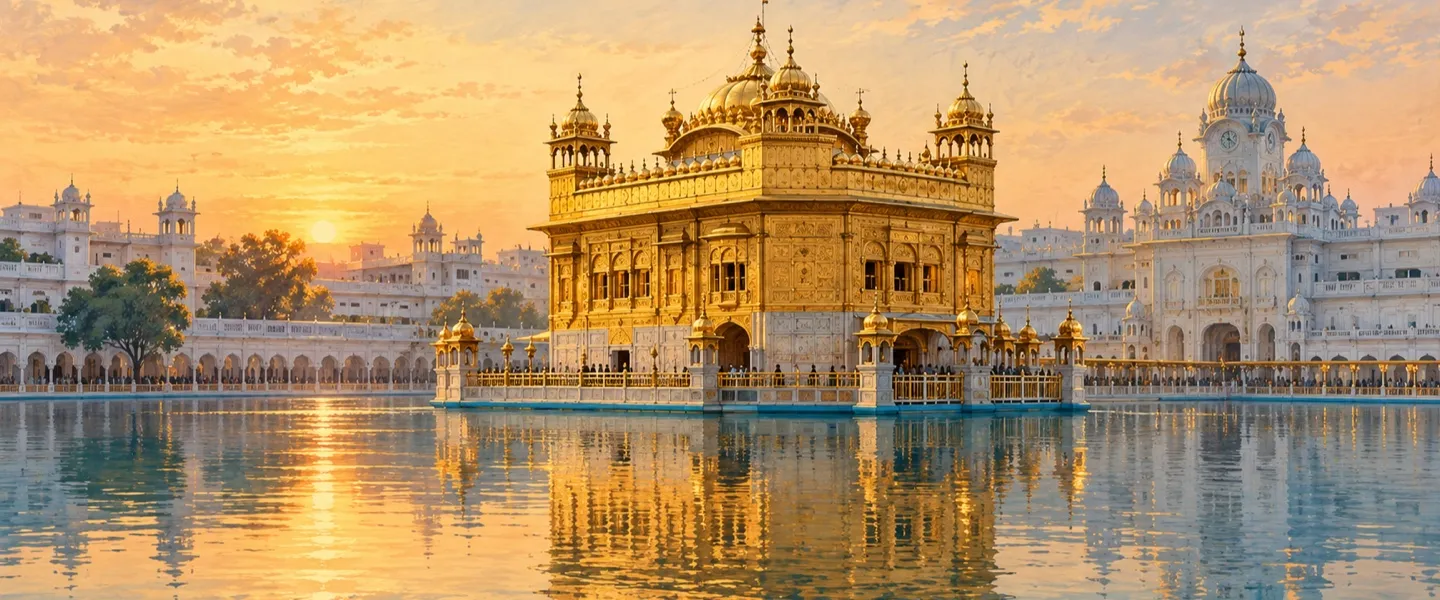
Yes. Sundar Singh Majithia was elected the first president of the Shiromani Gurdwara Parbandhak Committee, the SGPC, in November 1920, when a large Sikh gathering at Amritsar chose a representative committee to take charge of the Golden Temple complex and other historic gurdwaras. Harbans Singh Attari became vice president and Sundar Singh Ramgarhia became secretary. Majithia resigned the presidency early in 1921 after his election to the Punjab Legislative Council and his appointment as an executive councillor and revenue minister in the Punjab government. Baba Kharak Singh succeeded him as SGPC president.
He must not be confused with Sundar Singh Lyallpuri, a different man of the same name. Lyallpuri was the Lyallpur schoolteacher and journalist who founded the Punjabi daily Akali in Lahore in May 1920 and who had criticised Majithia in print in 1909 over government control of Khalsa College. Lyallpuri was never president of the SGPC. Majithia, the Majitha landowner and Chief Khalsa Diwan secretary, held that first presidency, and keeping the two men apart is essential to reading the Gurdwara Reform years correctly.
Punjab politics, business and honours
Sundar Singh served as revenue member in the Punjab legislative councils of 1921 and 1926. In the mid 1930s he founded the Khalsa National Party with Sir Jogendra Singh to contest the new provincial elections under the Government of India Act 1935. The party won 13 seats in the 1937 Punjab elections, and Sundar Singh, elected from the Batala constituency, joined the Unionist coalition government of Sir Sikandar Hayat Khan on 1 April 1937 as revenue minister. He kept his cabinet seat until his death.
His work also ran into commerce and industry. In 1908 he was one of the founders, with Bhai Vir Singh and Sardar Tarlochan Singh, of the Punjab and Sind Bank at Amritsar, and he chaired its board of directors. He was a pioneer of the sugar industry in India and set up a mill at Sardarnagar in Gorakhpur district in 1911. In 1933 he was nominated a governor of the Imperial Bank of India. The British government gave him several honours: Sardar Bahadur in 1911, Companion of the Indian Empire in 1920 and a knighthood in 1926. In the same year the University of the Panjab gave him an honorary Doctor of Oriental Learning degree.
Later life, death and legacy
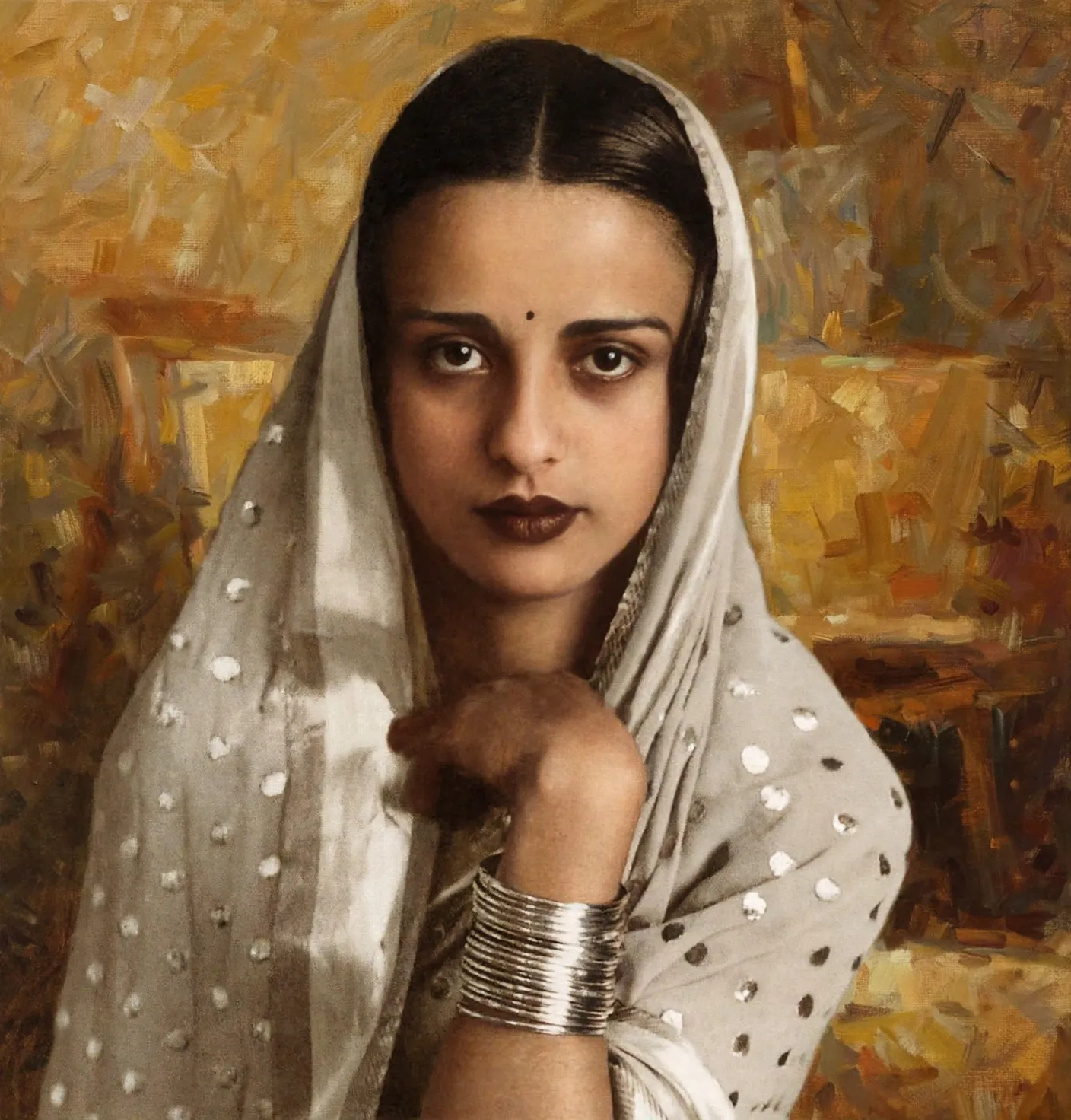
Sundar Singh married first in 1887; his wife died the same year, and he later married a daughter of Sardar Sir Attar Singh of Bhadaur. His sons Kirpal Singh Majithia and Surjit Singh Majithia both entered politics, and Surjit Singh later sat in Parliament and served as a deputy minister in Jawaharlal Nehru's government. His brother was the scholar Umrao Singh Sher-Gil, father of the artist Amrita Sher-Gil. Sundar Singh died at Lahore in April 1941 while still a Punjab minister; accounts differ on the exact day, so only the month and year are given here. His cremation took place at Amritsar at his permanent residence.
Majithia is remembered as the constitutional face of Sikh public life in the first four decades of the twentieth century: a founder of the Chief Khalsa Diwan, a builder of Khalsa College and Sikh schools, the pilot of the Anand Marriage Act, a co-founder of the Punjab and Sind Bank and the first president of the SGPC. His career shows how Sikh leaders of his generation used councils, committees and institutions to protect Sikh religious practice, education and political representation in British Punjab.
ਅਨੰਦ ਮੈਰਿਜ ਐਕਟ ਅਤੇ ਪਰਿਸ਼ਦ ਦਾ ਕੰਮ
ਪਰਿਸ਼ਦਾਂ ਵਿੱਚ ਉਸ ਦਾ ਰਾਜਨੀਤਕ ਕੰਮ 1909 ਵਿੱਚ ਸ਼ੁਰੂ ਹੋਇਆ ਜਦੋਂ ਉਸ ਨੂੰ ਵਾਇਸਰਾਏ ਦੀ ਵਿਧਾਨ ਪਰਿਸ਼ਦ ਵਿੱਚ ਨਾਮਜ਼ਦ ਕੀਤਾ ਗਿਆ। ਉੱਥੇ ਉਸ ਨੇ ਅਨੰਦ ਮੈਰਿਜ ਬਿੱਲ ਦੀ ਜ਼ਿੰਮੇਵਾਰੀ ਲਈ, ਜੋ ਨਾਭਾ ਦੇ ਟਿੱਕਾ ਰਿਪੁਦਮਨ ਸਿੰਘ ਨੇ 1908 ਵਿੱਚ ਸਿੱਖ ਅਨੰਦ ਵਿਆਹ ਰਸਮ ਨੂੰ ਕਾਨੂੰਨੀ ਮਾਨਤਾ ਦੇਣ ਲਈ ਪੇਸ਼ ਕੀਤਾ ਸੀ। ਸੁੰਦਰ ਸਿੰਘ ਪਰਿਸ਼ਦ ਵਿੱਚ ਰਿਪੁਦਮਨ ਸਿੰਘ ਦੀ ਥਾਂ ਆਇਆ, ਚੋਣ ਕਮੇਟੀ ਦੀ ਰਿਪੋਰਟ ਪੇਸ਼ ਕੀਤੀ ਅਤੇ ਵਿਰੋਧ ਦੇ ਬਾਵਜੂਦ ਬਿੱਲ ਪਾਸ ਕਰਵਾਇਆ। ਇਹ 22 ਅਕਤੂਬਰ 1909 ਨੂੰ ਅਨੰਦ ਮੈਰਿਜ ਐਕਟ ਵਜੋਂ ਪਾਸ ਹੋਇਆ ਅਤੇ ਸਿੱਖ ਵਿਆਹ ਰਸਮ ਦੀ ਕਾਨੂੰਨੀ ਮਾਨਤਾ ਵਿੱਚ ਅੱਜ ਵੀ ਮੀਲ ਪੱਥਰ ਮੰਨਿਆ ਜਾਂਦਾ ਹੈ।
ਸਿੱਖ ਲਿਖਤਾਂ ਸੁੰਦਰ ਸਿੰਘ ਨੂੰ ਸਿੱਖਾਂ ਵੱਲੋਂ ਪੂਰੀ ਕਿਰਪਾਨ ਨੂੰ ਧਾਰਮਿਕ ਚਿੰਨ੍ਹ ਵਜੋਂ ਰੱਖਣ ਉੱਤੇ ਲੱਗੀ ਪਾਬੰਦੀ ਹਟਾਉਣ ਵਿੱਚ ਮੋਹਰੀ ਭੂਮਿਕਾ ਦਾ ਸਿਹਰਾ ਵੀ ਦਿੰਦੀਆਂ ਹਨ, ਜਿਸ ਦੀ ਛੋਟ ਪੰਜਾਬ ਵਿੱਚ 1914 ਵਿੱਚ ਅਤੇ ਸਾਰੇ ਭਾਰਤ ਵਿੱਚ 1917 ਤੱਕ ਮਿਲੀ, ਅਤੇ ਪੰਜਾਬ ਦੀਆਂ ਸਰਕਾਰੀ ਨੌਕਰੀਆਂ ਵਿੱਚ ਸਿੱਖਾਂ ਲਈ 20 ਫ਼ੀਸਦੀ ਹਿੱਸਾ ਤੈਅ ਕਰਵਾਉਣ ਦਾ ਸਿਹਰਾ ਵੀ ਦਿੰਦੀਆਂ ਹਨ। ਜੁਲਾਈ 1931 ਵਿੱਚ ਗੋਲਮੇਜ਼ ਕਾਨਫ਼ਰੰਸ ਦੇ ਸਮੇਂ ਉਸ ਨੇ ਸਿੱਖ ਵਫ਼ਦ ਦੀ ਅਗਵਾਈ ਕੀਤੀ ਜੋ 8 ਜੁਲਾਈ ਨੂੰ ਕਮਾਂਡਰ-ਇਨ-ਚੀਫ਼ ਅਤੇ 9 ਜੁਲਾਈ ਨੂੰ ਵਾਇਸਰਾਏ ਨੂੰ ਮਿਲਿਆ ਅਤੇ ਘੱਟਗਿਣਤੀ ਵਜੋਂ ਸਿੱਖਾਂ ਦੀ ਰੱਖਿਆ ਲਈ 17 ਮੰਗਾਂ ਦਾ ਮੰਗ ਪੱਤਰ ਪੇਸ਼ ਕੀਤਾ।
ਕੀ ਸੁੰਦਰ ਸਿੰਘ ਮਜੀਠੀਆ ਪਹਿਲੇ ਐੱਸ.ਜੀ.ਪੀ.ਸੀ. ਪ੍ਰਧਾਨ ਸਨ?
ਹਾਂ। ਸੁੰਦਰ ਸਿੰਘ ਮਜੀਠੀਆ ਨਵੰਬਰ 1920 ਵਿੱਚ ਸ਼੍ਰੋਮਣੀ ਗੁਰਦੁਆਰਾ ਪ੍ਰਬੰਧਕ ਕਮੇਟੀ, ਐੱਸ.ਜੀ.ਪੀ.ਸੀ., ਦਾ ਪਹਿਲਾ ਪ੍ਰਧਾਨ ਚੁਣਿਆ ਗਿਆ, ਜਦੋਂ ਅੰਮ੍ਰਿਤਸਰ ਵਿਖੇ ਸਿੱਖਾਂ ਦੇ ਵੱਡੇ ਇਕੱਠ ਨੇ ਸ੍ਰੀ ਹਰਿਮੰਦਰ ਸਾਹਿਬ ਅਤੇ ਹੋਰ ਇਤਿਹਾਸਕ ਗੁਰਦੁਆਰਿਆਂ ਦਾ ਪ੍ਰਬੰਧ ਸੰਭਾਲਣ ਲਈ ਪ੍ਰਤੀਨਿਧ ਕਮੇਟੀ ਚੁਣੀ। ਹਰਬੰਸ ਸਿੰਘ ਅਟਾਰੀ ਉਪ ਪ੍ਰਧਾਨ ਅਤੇ ਸੁੰਦਰ ਸਿੰਘ ਰਾਮਗੜ੍ਹੀਆ ਸਕੱਤਰ ਬਣਿਆ। ਮਜੀਠੀਆ ਨੇ 1921 ਦੇ ਸ਼ੁਰੂ ਵਿੱਚ ਪ੍ਰਧਾਨਗੀ ਛੱਡ ਦਿੱਤੀ ਜਦੋਂ ਉਹ ਪੰਜਾਬ ਵਿਧਾਨ ਪਰਿਸ਼ਦ ਵਿੱਚ ਚੁਣਿਆ ਗਿਆ ਅਤੇ ਪੰਜਾਬ ਸਰਕਾਰ ਵਿੱਚ ਕਾਰਜਕਾਰੀ ਕੌਂਸਲਰ ਅਤੇ ਮਾਲ ਮੰਤਰੀ ਬਣਿਆ। ਉਸ ਤੋਂ ਬਾਅਦ ਬਾਬਾ ਖੜਕ ਸਿੰਘ ਐੱਸ.ਜੀ.ਪੀ.ਸੀ. ਪ੍ਰਧਾਨ ਬਣਿਆ।
ਉਸ ਨੂੰ ਸੁੰਦਰ ਸਿੰਘ ਲਾਇਲਪੁਰੀ ਨਾਲ ਨਾ ਰਲਾਓ, ਜੋ ਇਸੇ ਨਾਂ ਦਾ ਵੱਖਰਾ ਆਦਮੀ ਸੀ। ਲਾਇਲਪੁਰੀ ਲਾਇਲਪੁਰ ਦਾ ਸਕੂਲ ਅਧਿਆਪਕ ਅਤੇ ਪੱਤਰਕਾਰ ਸੀ ਜਿਸ ਨੇ ਮਈ 1920 ਵਿੱਚ ਲਾਹੌਰ ਤੋਂ ਪੰਜਾਬੀ ਰੋਜ਼ਾਨਾ ਅਕਾਲੀ ਸ਼ੁਰੂ ਕੀਤਾ ਅਤੇ ਜਿਸ ਨੇ 1909 ਵਿੱਚ ਖ਼ਾਲਸਾ ਕਾਲਜ ਉੱਤੇ ਸਰਕਾਰੀ ਕੰਟਰੋਲ ਦੇ ਮਸਲੇ ਉੱਤੇ ਮਜੀਠੀਆ ਦੀ ਛਪੀ ਆਲੋਚਨਾ ਕੀਤੀ ਸੀ। ਲਾਇਲਪੁਰੀ ਕਦੇ ਐੱਸ.ਜੀ.ਪੀ.ਸੀ. ਦਾ ਪ੍ਰਧਾਨ ਨਹੀਂ ਬਣਿਆ। ਮਜੀਠਾ ਦਾ ਜ਼ਮੀਦਾਰ ਅਤੇ ਚੀਫ਼ ਖ਼ਾਲਸਾ ਦੀਵਾਨ ਦਾ ਸਕੱਤਰ ਮਜੀਠੀਆ ਹੀ ਪਹਿਲਾ ਪ੍ਰਧਾਨ ਸੀ, ਅਤੇ ਦੋਹਾਂ ਨੂੰ ਵੱਖਰਾ ਰੱਖਣਾ ਗੁਰਦੁਆਰਾ ਸੁਧਾਰ ਦੇ ਸਾਲਾਂ ਨੂੰ ਸਹੀ ਪੜ੍ਹਨ ਲਈ ਜ਼ਰੂਰੀ ਹੈ।
ਪੰਜਾਬ ਦੀ ਰਾਜਨੀਤੀ, ਕਾਰੋਬਾਰ ਅਤੇ ਸਨਮਾਨ
ਸੁੰਦਰ ਸਿੰਘ 1921 ਅਤੇ 1926 ਦੀਆਂ ਪੰਜਾਬ ਵਿਧਾਨ ਪਰਿਸ਼ਦਾਂ ਵਿੱਚ ਮਾਲ ਮੈਂਬਰ ਰਿਹਾ। 1930 ਦੇ ਦਹਾਕੇ ਦੇ ਵਿਚਕਾਰ ਉਸ ਨੇ ਸਰ ਜੋਗੇਂਦਰ ਸਿੰਘ ਨਾਲ ਮਿਲ ਕੇ ਖ਼ਾਲਸਾ ਨੈਸ਼ਨਲ ਪਾਰਟੀ ਬਣਾਈ ਤਾਂ ਜੋ 1935 ਦੇ ਭਾਰਤ ਸਰਕਾਰ ਐਕਟ ਹੇਠ ਹੋਣ ਵਾਲੀਆਂ ਨਵੀਆਂ ਸੂਬਾਈ ਚੋਣਾਂ ਲੜੀਆਂ ਜਾ ਸਕਣ। ਪਾਰਟੀ ਨੇ 1937 ਦੀਆਂ ਪੰਜਾਬ ਚੋਣਾਂ ਵਿੱਚ 13 ਸੀਟਾਂ ਜਿੱਤੀਆਂ ਅਤੇ ਬਟਾਲਾ ਹਲਕੇ ਤੋਂ ਚੁਣਿਆ ਗਿਆ ਸੁੰਦਰ ਸਿੰਘ 1 ਅਪ੍ਰੈਲ 1937 ਨੂੰ ਸਰ ਸਿਕੰਦਰ ਹਯਾਤ ਖ਼ਾਨ ਦੀ ਯੂਨੀਅਨਿਸਟ ਗਠਜੋੜ ਸਰਕਾਰ ਵਿੱਚ ਮਾਲ ਮੰਤਰੀ ਵਜੋਂ ਸ਼ਾਮਲ ਹੋਇਆ। ਉਹ ਆਪਣੇ ਦੇਹਾਂਤ ਤੱਕ ਮੰਤਰੀ ਮੰਡਲ ਵਿੱਚ ਰਿਹਾ।
ਉਸ ਦਾ ਕੰਮ ਵਪਾਰ ਅਤੇ ਉਦਯੋਗ ਤੱਕ ਵੀ ਫੈਲਿਆ। 1908 ਵਿੱਚ ਉਹ ਭਾਈ ਵੀਰ ਸਿੰਘ ਅਤੇ ਸਰਦਾਰ ਤਰਲੋਚਨ ਸਿੰਘ ਨਾਲ ਮਿਲ ਕੇ ਅੰਮ੍ਰਿਤਸਰ ਵਿਖੇ ਪੰਜਾਬ ਅਤੇ ਸਿੰਧ ਬੈਂਕ ਦੇ ਬਾਨੀਆਂ ਵਿੱਚੋਂ ਇੱਕ ਸੀ ਅਤੇ ਇਸ ਦੇ ਨਿਰਦੇਸ਼ਕ ਮੰਡਲ ਦਾ ਚੇਅਰਮੈਨ ਰਿਹਾ। ਉਹ ਭਾਰਤ ਵਿੱਚ ਖੰਡ ਉਦਯੋਗ ਦੇ ਮੋਹਰੀਆਂ ਵਿੱਚੋਂ ਸੀ ਅਤੇ 1911 ਵਿੱਚ ਉਸ ਨੇ ਗੋਰਖਪੁਰ ਜ਼ਿਲ੍ਹੇ ਦੇ ਸਰਦਾਰਨਗਰ ਵਿੱਚ ਮਿੱਲ ਲਾਈ। 1933 ਵਿੱਚ ਉਸ ਨੂੰ ਇੰਪੀਰੀਅਲ ਬੈਂਕ ਆਫ਼ ਇੰਡੀਆ ਦਾ ਗਵਰਨਰ ਨਾਮਜ਼ਦ ਕੀਤਾ ਗਿਆ। ਬਰਤਾਨਵੀ ਸਰਕਾਰ ਨੇ ਉਸ ਨੂੰ ਕਈ ਸਨਮਾਨ ਦਿੱਤੇ: 1911 ਵਿੱਚ ਸਰਦਾਰ ਬਹਾਦਰ, 1920 ਵਿੱਚ ਕੰਪੈਨੀਅਨ ਆਫ਼ ਇੰਡੀਅਨ ਐਂਪਾਇਰ ਅਤੇ 1926 ਵਿੱਚ ਨਾਈਟ ਦਾ ਖ਼ਿਤਾਬ। ਉਸੇ ਸਾਲ ਪੰਜਾਬ ਯੂਨੀਵਰਸਿਟੀ ਨੇ ਉਸ ਨੂੰ ਡਾਕਟਰ ਆਫ਼ ਓਰੀਐਂਟਲ ਲਰਨਿੰਗ ਦੀ ਮਾਨਦ ਡਿਗਰੀ ਦਿੱਤੀ।
ਬਾਅਦ ਦਾ ਜੀਵਨ, ਦੇਹਾਂਤ ਅਤੇ ਵਿਰਾਸਤ
ਸੁੰਦਰ ਸਿੰਘ ਦਾ ਪਹਿਲਾ ਵਿਆਹ 1887 ਵਿੱਚ ਹੋਇਆ; ਉਸ ਦੀ ਪਤਨੀ ਦਾ ਉਸੇ ਸਾਲ ਦੇਹਾਂਤ ਹੋ ਗਿਆ ਅਤੇ ਬਾਅਦ ਵਿੱਚ ਉਸ ਨੇ ਭਦੌੜ ਦੇ ਸਰਦਾਰ ਸਰ ਅੱਤਰ ਸਿੰਘ ਦੀ ਧੀ ਨਾਲ ਵਿਆਹ ਕੀਤਾ। ਉਸ ਦੇ ਪੁੱਤਰ ਕਿਰਪਾਲ ਸਿੰਘ ਮਜੀਠੀਆ ਅਤੇ ਸੁਰਜੀਤ ਸਿੰਘ ਮਜੀਠੀਆ ਦੋਵੇਂ ਰਾਜਨੀਤੀ ਵਿੱਚ ਆਏ ਅਤੇ ਸੁਰਜੀਤ ਸਿੰਘ ਬਾਅਦ ਵਿੱਚ ਸੰਸਦ ਮੈਂਬਰ ਬਣਿਆ ਅਤੇ ਜਵਾਹਰ ਲਾਲ ਨਹਿਰੂ ਦੀ ਸਰਕਾਰ ਵਿੱਚ ਉਪ ਮੰਤਰੀ ਰਿਹਾ। ਉਸ ਦਾ ਭਰਾ ਵਿਦਵਾਨ ਉਮਰਾਓ ਸਿੰਘ ਸ਼ੇਰਗਿੱਲ ਸੀ, ਜੋ ਕਲਾਕਾਰ ਅੰਮ੍ਰਿਤਾ ਸ਼ੇਰਗਿੱਲ ਦਾ ਪਿਤਾ ਸੀ। ਸੁੰਦਰ ਸਿੰਘ ਦਾ ਦੇਹਾਂਤ ਅਪ੍ਰੈਲ 1941 ਵਿੱਚ ਲਾਹੌਰ ਵਿਖੇ ਹੋਇਆ ਜਦੋਂ ਉਹ ਅਜੇ ਪੰਜਾਬ ਦਾ ਮੰਤਰੀ ਸੀ; ਸਹੀ ਦਿਨ ਬਾਰੇ ਲਿਖਤਾਂ ਵਿੱਚ ਫ਼ਰਕ ਹੈ, ਇਸ ਲਈ ਇੱਥੇ ਸਿਰਫ਼ ਮਹੀਨਾ ਅਤੇ ਸਾਲ ਦਿੱਤੇ ਗਏ ਹਨ। ਉਸ ਦਾ ਸਸਕਾਰ ਅੰਮ੍ਰਿਤਸਰ ਵਿਖੇ ਉਸ ਦੇ ਪੱਕੇ ਘਰ ਵਿੱਚ ਹੋਇਆ।
ਮਜੀਠੀਆ ਨੂੰ ਵੀਹਵੀਂ ਸਦੀ ਦੇ ਪਹਿਲੇ ਚਾਰ ਦਹਾਕਿਆਂ ਵਿੱਚ ਸਿੱਖ ਲੋਕ ਜੀਵਨ ਦੇ ਸੰਵਿਧਾਨਕ ਚਿਹਰੇ ਵਜੋਂ ਯਾਦ ਕੀਤਾ ਜਾਂਦਾ ਹੈ: ਚੀਫ਼ ਖ਼ਾਲਸਾ ਦੀਵਾਨ ਦਾ ਬਾਨੀ, ਖ਼ਾਲਸਾ ਕਾਲਜ ਅਤੇ ਸਿੱਖ ਸਕੂਲਾਂ ਦਾ ਨਿਰਮਾਤਾ, ਅਨੰਦ ਮੈਰਿਜ ਐਕਟ ਨੂੰ ਪਾਸ ਕਰਵਾਉਣ ਵਾਲਾ, ਪੰਜਾਬ ਅਤੇ ਸਿੰਧ ਬੈਂਕ ਦਾ ਸਹਿ-ਬਾਨੀ ਅਤੇ ਐੱਸ.ਜੀ.ਪੀ.ਸੀ. ਦਾ ਪਹਿਲਾ ਪ੍ਰਧਾਨ। ਉਸ ਦਾ ਜੀਵਨ ਦਰਸਾਉਂਦਾ ਹੈ ਕਿ ਉਸ ਦੀ ਪੀੜ੍ਹੀ ਦੇ ਸਿੱਖ ਆਗੂਆਂ ਨੇ ਬਰਤਾਨਵੀ ਪੰਜਾਬ ਵਿੱਚ ਸਿੱਖ ਧਾਰਮਿਕ ਰਸਮਾਂ, ਸਿੱਖਿਆ ਅਤੇ ਰਾਜਨੀਤਕ ਪ੍ਰਤੀਨਿਧਤਾ ਦੀ ਰੱਖਿਆ ਲਈ ਪਰਿਸ਼ਦਾਂ, ਕਮੇਟੀਆਂ ਅਤੇ ਸੰਸਥਾਵਾਂ ਦਾ ਸਹਾਰਾ ਕਿਵੇਂ ਲਿਆ।
People


Places
More freedom struggle
See all
Sources (8)
- Sundar Singh Majithia, Sardar Bahadur Sir (The Sikh Encyclopedia)
- Sundar Singh Majithia (Wikipedia)
- Majithia family (Wikipedia)
- Shiromani Gurdwara Parbandhak Committee (Wikipedia)
- Anand Marriage Act, 1909 (Wikipedia)
- Chief Khalsa Diwan (Wikipedia)
- Khalsa National Party (Wikipedia)
- Punjab & Sind Bank (Wikipedia)
Jugti is free and independent. Reader support keeps the Kosh growing.
Support