
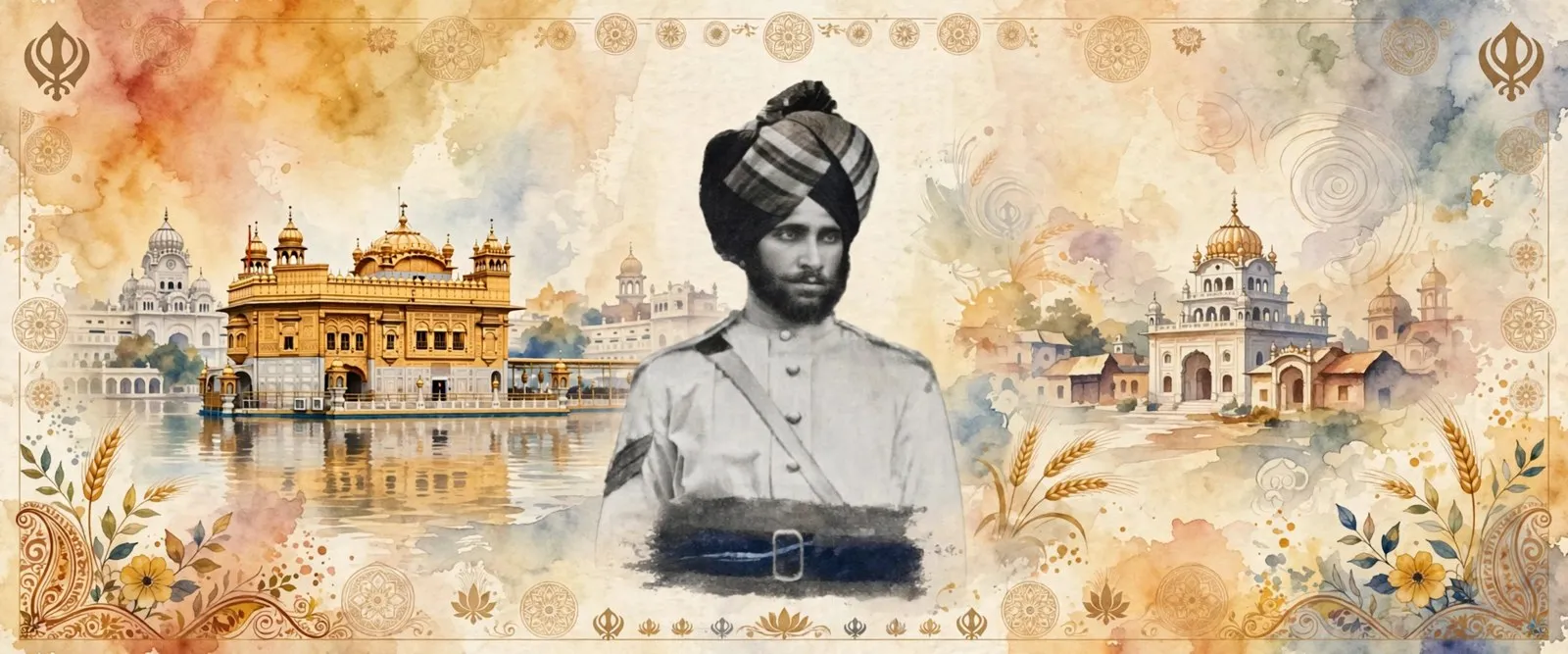
Teja Singh Samundri (1882 to 1926) was an Akali leader from Rai Ka Burj in Amritsar district who became a founding member and vice-president of the SGPC. He built Khalsa Diwan organisations and schools in the Bar, helped found the Akali newspaper, and died in Lahore custody in 1926.
- Punjabi name
- ਤੇਜਾ ਸਿੰਘ ਸਮੁੰਦਰੀ
- Born
- 20 February 1882, Rai Ka Burj, Tarn Taran tehsil, Amritsar district
- Home village
- Rai Ka Burj; later Chak 140 GB, Samundri, Lyallpur district
- District
- Amritsar
- Region
- Majha
- Died
- 17 July 1926, in custody at Lahore
All 11 facts
- Father
- Deva Singh
- Mother
- Nand Kaur
- Army service
- Dafadar, 22nd Cavalry (three and a half years)
- Organisations
- Chief Khalsa Diwan; Khalsa Diwan Bar; SGPC; Shiromani Akali Dal; Congress
- Remembered by
- Teja Singh Samundri Hall, SGPC headquarters, Amritsar
Teja Singh Samundri (1882 to 1926) was an Akali leader from Rai Ka Burj in Amritsar district who became a founding member and vice-president of the SGPC. He built Khalsa Diwan organisations and schools in the Bar, helped found the Akali newspaper, and died in Lahore custody in 1926.
Early life: Rai Ka Burj, the army and Samundri
Teja Singh was born on 20 February 1882 at Rai Ka Burj in Tarn Taran tehsil of Amritsar district, the son of Deva Singh and Nand Kaur. Rai Ka Burj then lay in Amritsar district; it now falls in Tarn Taran district, which was formed from Amritsar district in 2006. His family were Sandhu Jat Sikhs. His father, who held the rank of Risaldar Major, was assigned land in the Sandal Bar tract of Samundri tehsil in Lyallpur district, in the part of Punjab that is now in Pakistan. The family shifted to the newly developed colony, to the village known as Chak 140 GB, and it was from Samundri that Teja Singh took the suffix by which history remembers him. After his father he succeeded as headman of the village.
His formal education did not go beyond the primary stage, but he read widely in Sikh religious and historical texts and taught himself the knowledge his later work required. Following his father he joined the army as a Dafadar in the 22nd Cavalry. His service lasted three and a half years. He then returned to his village in the Bar to devote himself to religious and social reform among Sikhs. The short army service and the village headmanship gave him two things that marked his later career: discipline in organising men, and a base among the farming families of the canal colonies who supplied volunteers to the reform movement.
Schools, Khalsa Diwan Bar and the Akali newspaper
Teja Singh became a member of the Chief Khalsa Diwan, the leading Sikh organisation of the time, and helped to establish the Khalsa Diwan Samundri. Through his initiative this and other similar societies working in the Bar were knit together into a larger organisation, the Khalsa Diwan Bar. The Diwan gave scattered local efforts a single platform across the canal colony tract, and education was its first instrument. For the schooling of children he established the Khalsa Middle School in his village and the Sri Guru Gobind Singh Khalsa High School at Sarhali in Amritsar district. More schools were opened under the auspices of the Khalsa Diwan Bar, and he also helped to build and manage institutions at Lyallpur, where he served as president of the Khalsa High School and was connected with Khalsa College.
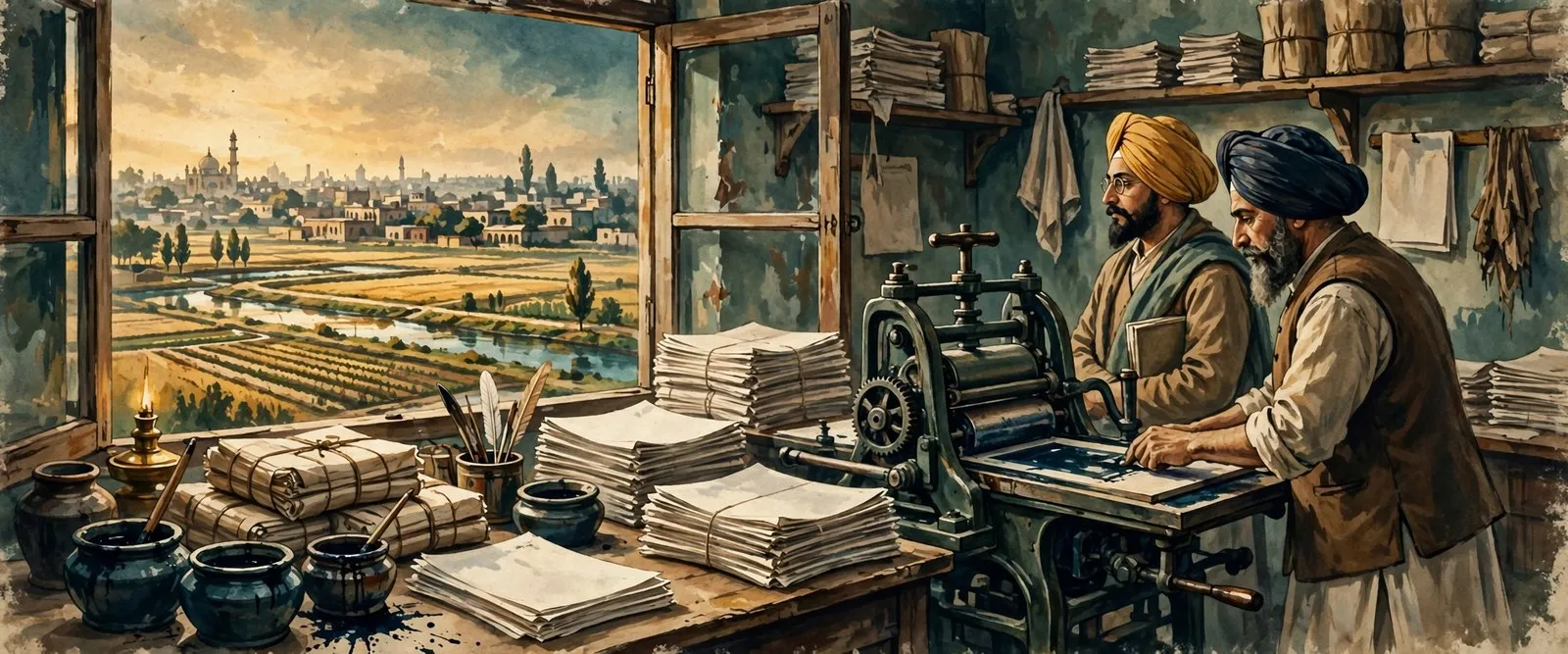
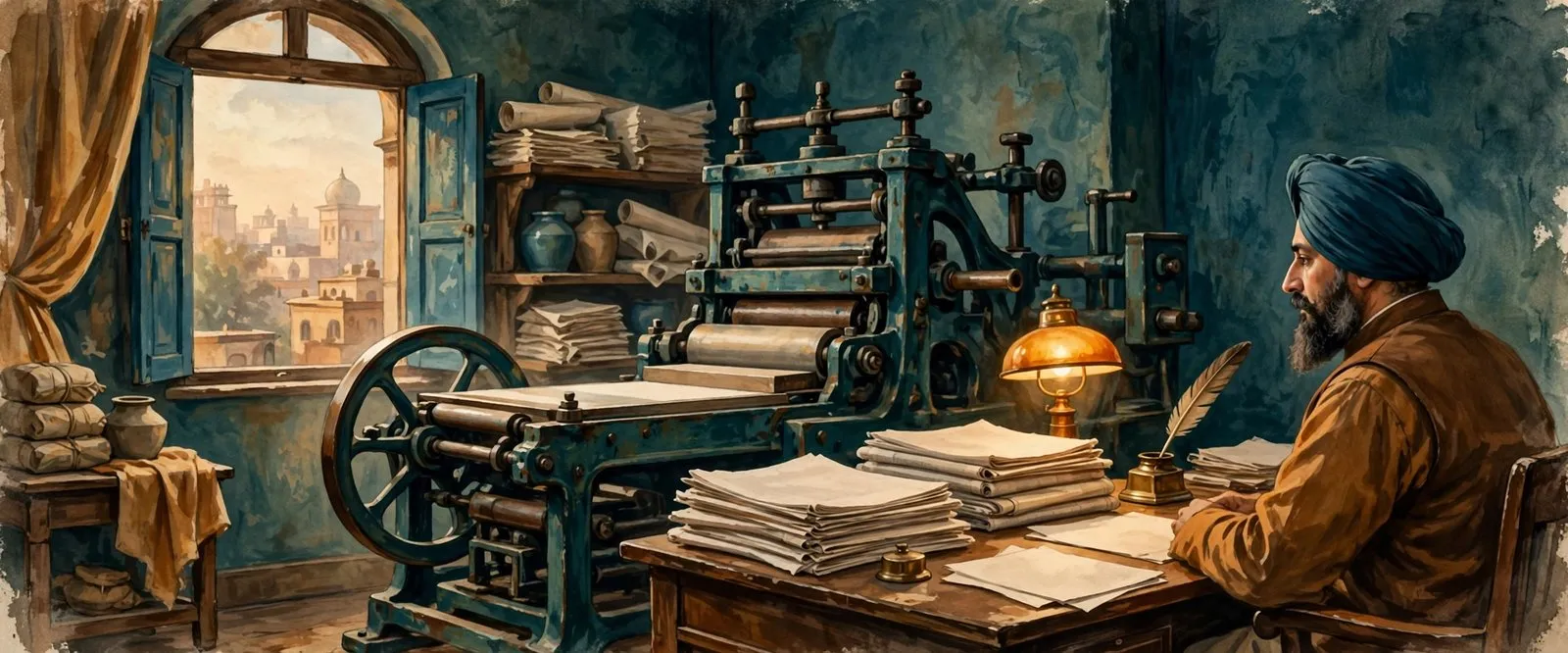
He understood early that reform needed a voice in print. He was one of the founders of the Sikh daily newspaper Akali, which carried the case for gurdwara reform to readers across Punjab, and he also helped to found and fund the paper Pardesi. His first step into open agitation came over Gurdwara Rakab Ganj Sahib in Delhi. When the government proposed to demolish one of the boundary walls of the gurdwara, he organised public meetings to protest and was one of the hundred Sikhs who volunteered to lay down their lives to have the wall restored. In the Rakab Ganj agitation of 1914 he addressed diwans at Patti, at Lahore and in the Bar, and broke with the loyalist line of the Chief Khalsa Diwan. From then on his work joined institution building in the villages to confrontation with the government over the shrines.
ਤੇਜਾ ਸਿੰਘ ਸਮੁੰਦਰੀ (1882 ਤੋਂ 1926) ਅੰਮ੍ਰਿਤਸਰ ਜ਼ਿਲ੍ਹੇ ਦੇ ਰਾਏ ਕਾ ਬੁਰਜ ਦਾ ਇੱਕ ਅਕਾਲੀ ਆਗੂ ਸੀ ਜੋ ਐੱਸ.ਜੀ.ਪੀ.ਸੀ. ਦਾ ਸੰਸਥਾਪਕ ਮੈਂਬਰ ਅਤੇ ਮੀਤ ਪ੍ਰਧਾਨ ਬਣਿਆ। ਉਸ ਨੇ ਬਾਰ ਵਿੱਚ ਖ਼ਾਲਸਾ ਦੀਵਾਨ ਸੰਸਥਾਵਾਂ ਅਤੇ ਸਕੂਲ ਬਣਾਏ, ਅਕਾਲੀ ਅਖ਼ਬਾਰ ਸ਼ੁਰੂ ਕਰਨ ਵਿੱਚ ਮਦਦ ਕੀਤੀ ਅਤੇ 1926 ਵਿੱਚ ਲਾਹੌਰ ਦੀ ਹਿਰਾਸਤ ਵਿੱਚ ਦੇਹਾਂਤ ਪਾਇਆ।
ਸ਼ੁਰੂਆਤੀ ਜੀਵਨ: ਰਾਏ ਕਾ ਬੁਰਜ, ਫ਼ੌਜ ਅਤੇ ਸਮੁੰਦਰੀ
ਤੇਜਾ ਸਿੰਘ ਦਾ ਜਨਮ 20 ਫ਼ਰਵਰੀ 1882 ਨੂੰ ਅੰਮ੍ਰਿਤਸਰ ਜ਼ਿਲ੍ਹੇ ਦੀ ਤਰਨ ਤਾਰਨ ਤਹਿਸੀਲ ਦੇ ਰਾਏ ਕਾ ਬੁਰਜ ਵਿਖੇ ਦੇਵਾ ਸਿੰਘ ਅਤੇ ਨੰਦ ਕੌਰ ਦੇ ਘਰ ਹੋਇਆ। ਰਾਏ ਕਾ ਬੁਰਜ ਉਸ ਸਮੇਂ ਅੰਮ੍ਰਿਤਸਰ ਜ਼ਿਲ੍ਹੇ ਵਿੱਚ ਸੀ; ਅੱਜ ਇਹ ਤਰਨ ਤਾਰਨ ਜ਼ਿਲ੍ਹੇ ਵਿੱਚ ਪੈਂਦਾ ਹੈ, ਜੋ 2006 ਵਿੱਚ ਅੰਮ੍ਰਿਤਸਰ ਜ਼ਿਲ੍ਹੇ ਤੋਂ ਵੱਖ ਹੋ ਕੇ ਬਣਿਆ। ਉਸ ਦਾ ਪਰਿਵਾਰ ਸੰਧੂ ਜੱਟ ਸਿੱਖਾਂ ਦਾ ਸੀ। ਉਸ ਦੇ ਪਿਤਾ, ਜੋ ਰਿਸਾਲਦਾਰ ਮੇਜਰ ਸਨ, ਨੂੰ ਲਾਇਲਪੁਰ ਜ਼ਿਲ੍ਹੇ ਦੀ ਸਮੁੰਦਰੀ ਤਹਿਸੀਲ ਦੇ ਸਾਂਦਲ ਬਾਰ ਇਲਾਕੇ ਵਿੱਚ ਜ਼ਮੀਨ ਮਿਲੀ, ਜੋ ਪੰਜਾਬ ਦਾ ਉਹ ਹਿੱਸਾ ਹੈ ਜੋ ਅੱਜ ਪਾਕਿਸਤਾਨ ਵਿੱਚ ਹੈ। ਪਰਿਵਾਰ ਨਵੀਂ ਵਸੀ ਬਸਤੀ ਵਿੱਚ ਚਲਾ ਗਿਆ, ਚੱਕ 140 ਜੀ.ਬੀ. ਨਾਂ ਦੇ ਪਿੰਡ ਵਿੱਚ, ਅਤੇ ਸਮੁੰਦਰੀ ਤੋਂ ਹੀ ਤੇਜਾ ਸਿੰਘ ਨੇ ਉਹ ਨਾਂ ਲਿਆ ਜਿਸ ਨਾਲ ਇਤਿਹਾਸ ਉਸ ਨੂੰ ਯਾਦ ਕਰਦਾ ਹੈ। ਪਿਤਾ ਤੋਂ ਬਾਅਦ ਉਹ ਪਿੰਡ ਦਾ ਨੰਬਰਦਾਰ ਬਣਿਆ।
ਉਸ ਦੀ ਰਸਮੀ ਪੜ੍ਹਾਈ ਪ੍ਰਾਇਮਰੀ ਪੱਧਰ ਤੋਂ ਅੱਗੇ ਨਾ ਗਈ, ਪਰ ਉਸ ਨੇ ਸਿੱਖ ਧਾਰਮਿਕ ਅਤੇ ਇਤਿਹਾਸਕ ਗ੍ਰੰਥਾਂ ਨੂੰ ਡੂੰਘਾਈ ਨਾਲ ਪੜ੍ਹਿਆ ਅਤੇ ਆਪਣੇ ਬਾਅਦ ਦੇ ਕੰਮ ਲਈ ਲੋੜੀਂਦਾ ਗਿਆਨ ਆਪ ਹੀ ਹਾਸਲ ਕੀਤਾ। ਪਿਤਾ ਦੇ ਪੈਰਾਂ ਉੱਤੇ ਚੱਲ ਕੇ ਉਹ ਫ਼ੌਜ ਵਿੱਚ ਭਰਤੀ ਹੋਇਆ ਅਤੇ 22ਵੀਂ ਰਿਸਾਲਾ ਵਿੱਚ ਦਫ਼ਾਦਾਰ ਰਿਹਾ। ਉਸ ਦੀ ਨੌਕਰੀ ਸਾਢੇ ਤਿੰਨ ਸਾਲ ਚੱਲੀ। ਫਿਰ ਉਹ ਬਾਰ ਵਿੱਚ ਆਪਣੇ ਪਿੰਡ ਵਾਪਸ ਆ ਗਿਆ ਤਾਂ ਜੋ ਸਿੱਖਾਂ ਵਿੱਚ ਧਾਰਮਿਕ ਅਤੇ ਸਮਾਜਕ ਸੁਧਾਰ ਦਾ ਕੰਮ ਕਰ ਸਕੇ। ਛੋਟੀ ਫ਼ੌਜੀ ਨੌਕਰੀ ਅਤੇ ਪਿੰਡ ਦੀ ਨੰਬਰਦਾਰੀ ਨੇ ਉਸ ਨੂੰ ਦੋ ਚੀਜ਼ਾਂ ਦਿੱਤੀਆਂ ਜੋ ਉਸ ਦੇ ਬਾਅਦ ਦੇ ਜੀਵਨ ਵਿੱਚ ਨਜ਼ਰ ਆਈਆਂ: ਆਦਮੀਆਂ ਨੂੰ ਜਥੇਬੰਦ ਕਰਨ ਦਾ ਅਨੁਸ਼ਾਸਨ, ਅਤੇ ਨਹਿਰੀ ਬਸਤੀਆਂ ਦੇ ਕਿਸਾਨ ਪਰਿਵਾਰਾਂ ਵਿੱਚ ਅਧਾਰ, ਜਿਨ੍ਹਾਂ ਤੋਂ ਸੁਧਾਰ ਲਹਿਰ ਨੂੰ ਸੇਵਾਦਾਰ ਮਿਲਦੇ ਸਨ।
ਸਕੂਲ, ਖ਼ਾਲਸਾ ਦੀਵਾਨ ਬਾਰ ਅਤੇ ਅਕਾਲੀ ਅਖ਼ਬਾਰ
ਤੇਜਾ ਸਿੰਘ ਉਸ ਸਮੇਂ ਦੀ ਮੋਹਰੀ ਸਿੱਖ ਸੰਸਥਾ ਚੀਫ਼ ਖ਼ਾਲਸਾ ਦੀਵਾਨ ਦਾ ਮੈਂਬਰ ਬਣਿਆ ਅਤੇ ਖ਼ਾਲਸਾ ਦੀਵਾਨ ਸਮੁੰਦਰੀ ਬਣਾਉਣ ਵਿੱਚ ਮਦਦ ਕੀਤੀ। ਉਸ ਦੀ ਪਹਿਲਕਦਮੀ ਨਾਲ ਇਹ ਅਤੇ ਬਾਰ ਵਿੱਚ ਕੰਮ ਕਰ ਰਹੀਆਂ ਹੋਰ ਅਜਿਹੀਆਂ ਸਭਾਵਾਂ ਇੱਕ ਵੱਡੀ ਸੰਸਥਾ, ਖ਼ਾਲਸਾ ਦੀਵਾਨ ਬਾਰ, ਵਿੱਚ ਜੁੜ ਗਈਆਂ। ਦੀਵਾਨ ਨੇ ਨਹਿਰੀ ਬਸਤੀ ਇਲਾਕੇ ਵਿੱਚ ਖਿੰਡੇ ਹੋਏ ਸਥਾਨਕ ਯਤਨਾਂ ਨੂੰ ਇੱਕ ਮੰਚ ਦਿੱਤਾ ਅਤੇ ਸਿੱਖਿਆ ਇਸ ਦਾ ਪਹਿਲਾ ਸਾਧਨ ਸੀ। ਬੱਚਿਆਂ ਦੀ ਪੜ੍ਹਾਈ ਲਈ ਉਸ ਨੇ ਆਪਣੇ ਪਿੰਡ ਵਿੱਚ ਖ਼ਾਲਸਾ ਮਿਡਲ ਸਕੂਲ ਅਤੇ ਅੰਮ੍ਰਿਤਸਰ ਜ਼ਿਲ੍ਹੇ ਦੇ ਸਰਹਾਲੀ ਵਿਖੇ ਸ੍ਰੀ ਗੁਰੂ ਗੋਬਿੰਦ ਸਿੰਘ ਖ਼ਾਲਸਾ ਹਾਈ ਸਕੂਲ ਬਣਾਇਆ। ਖ਼ਾਲਸਾ ਦੀਵਾਨ ਬਾਰ ਹੇਠ ਹੋਰ ਸਕੂਲ ਵੀ ਖੁੱਲ੍ਹੇ ਅਤੇ ਉਸ ਨੇ ਲਾਇਲਪੁਰ ਵਿੱਚ ਸੰਸਥਾਵਾਂ ਬਣਾਉਣ ਅਤੇ ਚਲਾਉਣ ਵਿੱਚ ਵੀ ਮਦਦ ਕੀਤੀ, ਜਿੱਥੇ ਉਹ ਖ਼ਾਲਸਾ ਹਾਈ ਸਕੂਲ ਦਾ ਪ੍ਰਧਾਨ ਰਿਹਾ ਅਤੇ ਖ਼ਾਲਸਾ ਕਾਲਜ ਨਾਲ ਜੁੜਿਆ ਰਿਹਾ।
ਉਸ ਨੇ ਸ਼ੁਰੂ ਵਿੱਚ ਹੀ ਸਮਝ ਲਿਆ ਸੀ ਕਿ ਸੁਧਾਰ ਨੂੰ ਛਪੀ ਆਵਾਜ਼ ਦੀ ਲੋੜ ਹੈ। ਉਹ ਸਿੱਖ ਰੋਜ਼ਾਨਾ ਅਖ਼ਬਾਰ ਅਕਾਲੀ ਦੇ ਸੰਸਥਾਪਕਾਂ ਵਿੱਚੋਂ ਇੱਕ ਸੀ, ਜੋ ਗੁਰਦੁਆਰਾ ਸੁਧਾਰ ਦਾ ਪੱਖ ਪੰਜਾਬ ਭਰ ਦੇ ਪਾਠਕਾਂ ਤੱਕ ਪਹੁੰਚਾਉਂਦਾ ਸੀ, ਅਤੇ ਉਸ ਨੇ ਪਰਦੇਸੀ ਅਖ਼ਬਾਰ ਸ਼ੁਰੂ ਕਰਨ ਅਤੇ ਉਸ ਨੂੰ ਮਦਦ ਦੇਣ ਵਿੱਚ ਵੀ ਹਿੱਸਾ ਪਾਇਆ। ਖੁੱਲ੍ਹੇ ਵਿਰੋਧ ਵੱਲ ਉਸ ਦਾ ਪਹਿਲਾ ਕਦਮ ਦਿੱਲੀ ਦੇ ਗੁਰਦੁਆਰਾ ਰਕਾਬਗੰਜ ਸਾਹਿਬ ਨੂੰ ਲੈ ਕੇ ਸੀ। ਜਦੋਂ ਸਰਕਾਰ ਨੇ ਗੁਰਦੁਆਰੇ ਦੀ ਇੱਕ ਚਾਰਦੀਵਾਰੀ ਢਾਹੁਣ ਦੀ ਤਜਵੀਜ਼ ਰੱਖੀ, ਤਾਂ ਉਸ ਨੇ ਵਿਰੋਧ ਲਈ ਜਨਤਕ ਸਭਾਵਾਂ ਕੀਤੀਆਂ ਅਤੇ ਉਹ ਉਨ੍ਹਾਂ ਸੌ ਸਿੱਖਾਂ ਵਿੱਚੋਂ ਇੱਕ ਸੀ ਜਿਨ੍ਹਾਂ ਨੇ ਕੰਧ ਮੁੜ ਬਣਵਾਉਣ ਲਈ ਜਾਨ ਦੇਣ ਦੀ ਸਹੁੰ ਖਾਧੀ ਸੀ। 1914 ਦੇ ਰਕਾਬਗੰਜ ਅੰਦੋਲਨ ਵਿੱਚ ਉਸ ਨੇ ਪੱਟੀ, ਲਾਹੌਰ ਅਤੇ ਬਾਰ ਵਿੱਚ ਦੀਵਾਨਾਂ ਨੂੰ ਸੰਬੋਧਨ ਕੀਤਾ ਅਤੇ ਚੀਫ਼ ਖ਼ਾਲਸਾ ਦੀਵਾਨ ਦੀ ਵਫ਼ਾਦਾਰ ਲਾਈਨ ਤੋਂ ਵੱਖ ਹੋ ਗਿਆ। ਇਸ ਤੋਂ ਬਾਅਦ ਉਸ ਦਾ ਕੰਮ ਪਿੰਡਾਂ ਵਿੱਚ ਸੰਸਥਾਵਾਂ ਬਣਾਉਣ ਨੂੰ ਅਸਥਾਨਾਂ ਉੱਤੇ ਸਰਕਾਰ ਨਾਲ ਟਕਰਾਅ ਨਾਲ ਜੋੜਦਾ ਰਿਹਾ।
SGPC founder and the Gurdwara Reform movement
The Gurdwara Reform movement, also called the Akali movement, sought to transfer historic gurdwaras from hereditary mahant custodians to elected Sikh management. In November 1920 Sikhs elected a representative committee at Amritsar and named it the Shiromani Gurdwara Parbandhak Committee, the SGPC. Teja Singh Samundri was among its founding members and later became its vice-president. He was never its president: the presidents of those years were Sundar Singh Majithia, Baba Kharak Singh and others, and Samundri served as a senior office bearer and organiser beside them. After the killings at Nankana Sahib in February 1921, when the shrine at Guru Nanak birthplace passed to reformist management, he was nominated to the committee appointed to administer the Nankana Sahib gurdwara.
He took part in the successive morchas of the movement and accepted imprisonment as their price. From November 1921 to January 1922 he was jailed for his part in the Keys Morcha, the agitation over the keys of the Golden Temple treasury, which the government had taken into its possession. He courted arrest at Ajnala during that agitation and later dispatched jathas of volunteers to the Guru Ka Bagh Morcha of 1922. At the same time he worked in the wider national movement: he was elected to the Punjab Provincial Congress Committee in 1922 and to the All India Congress Committee in 1923, served as vice-president of the Punjab Congress Committee, and in 1923 became vice-president of the Shiromani Akali Dal. Few leaders of the period held office in the SGPC, the Akali Dal and the Congress at once, and the combination made him a link between Sikh religious reform and the Indian freedom struggle.
Why is Teja Singh Samundri remembered?
Teja Singh Samundri is remembered as a founder and vice-president of the SGPC who helped to build the institutions of the Gurdwara Reform movement and died in custody rather than accept a conditional release. He should not be confused with two other men of the same name. Professor Teja Singh (1894 to 1958), born Tej Ram at Adiala in Rawalpindi district, was a scholar and translator who taught English at Khalsa College, Amritsar, edited the Shabdarth of the Guru Granth Sahib and lived into independent India. Sant Teja Singh (1877 to 1965), born at Ballovali in Gujranwala district, was a saint and educationist of Mastuana who studied at Harvard and founded colleges. Samundri, born in 1882, was neither scholar nor saint: he was a former cavalry Dafadar and village headman from the Bar who became an organiser of diwans, schools, newspapers and morchas.
Jaito arrest, Lahore Fort and death in custody
On 13 October 1923 Samundri was arrested in connection with the Jaito Morcha, the joint SGPC and Akali campaign to restore Maharaja Ripudaman Singh to the throne of Nabha after the British deposed him. The government declared the SGPC and the Akali Dal illegal bodies and arrested fifty nine leaders of the two organisations, including Teja Singh, on a charge of waging war against the King. He was confined in turn in Amritsar Jail, Lahore Fort and Lahore Central Jail. In Lahore Fort he studied the draft Gurdwara Bill clause by clause with Master Tara Singh and fellow prisoners, the measure that became the Sikh Gurdwaras Act of 1925 and placed the historic shrines under an elected Sikh board.
The Act was the victory the movement had fought for, but the government offered the prisoners release only on a written assurance that they would work by the Act. Samundri was among the Akali leaders who refused to secure release on that condition, holding that men who had themselves pressed for the law needed no pledge to obey it. He chose to remain in custody on principle. On 17 July 1926, still a prisoner in Lahore, he died following a heart attack, at the age of forty four. The government later failed to prove its charges against the remaining leaders, who were released unconditionally. Samundri did not live to see that release.
Family and legacy: Samundri Hall
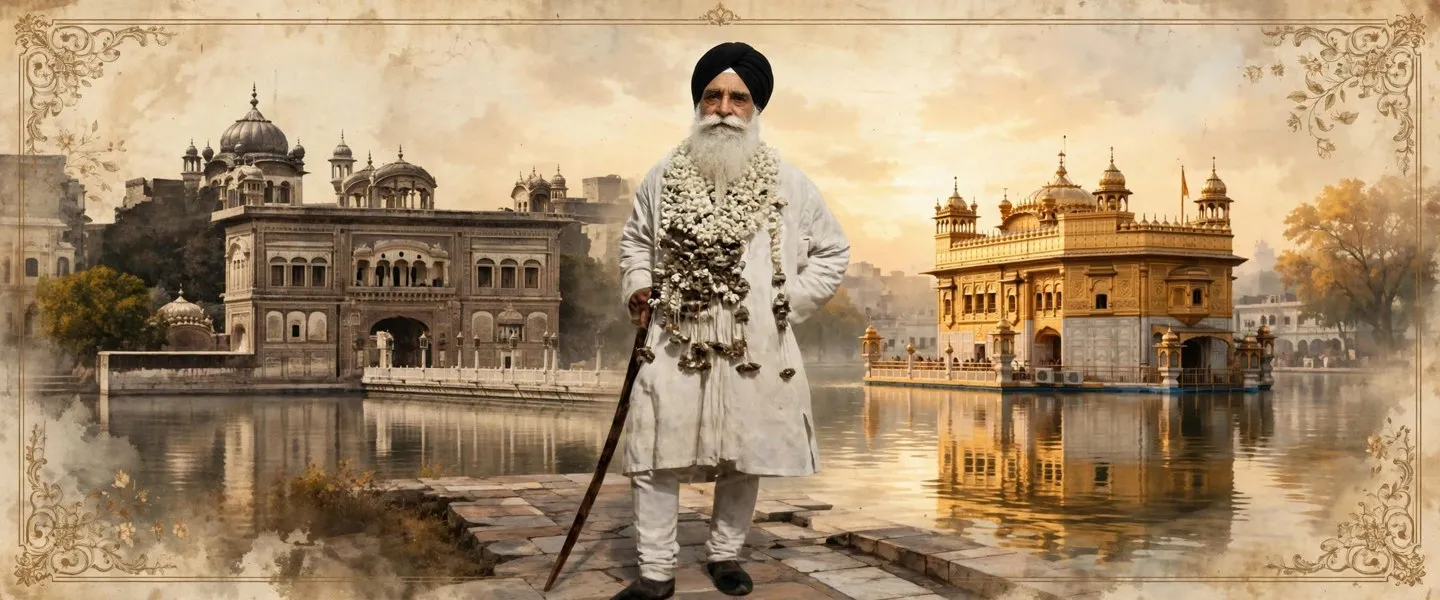
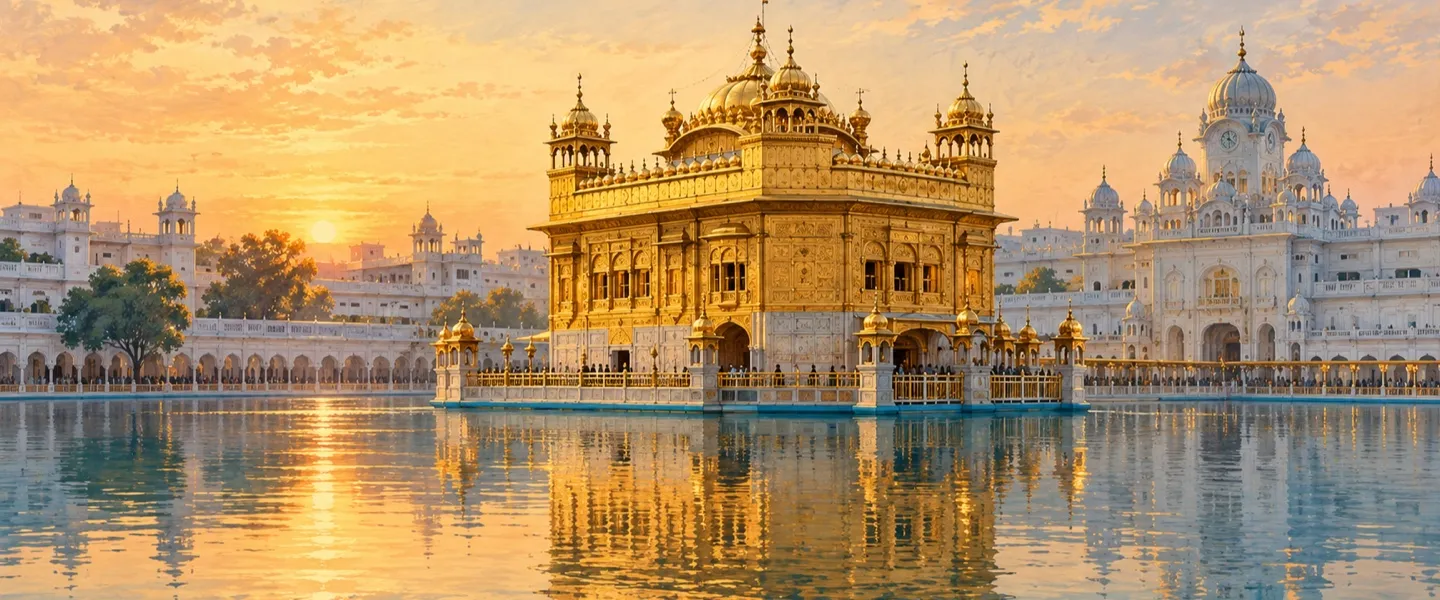
The SGPC named its headquarters in Amritsar after him. Teja Singh Samundri Hall, inside the Golden Temple complex at Sri Harmandir Sahib, houses the offices from which the Committee still administers gurdwaras across Punjab. His family carried his commitment to education into the next generation. His son Bishan Singh Samundri served as principal of Khalsa College, Amritsar, and became the founding vice chancellor of Guru Nanak Dev University. His grandson is Taranjit Singh Sandhu. For readers tracing the Akali movement, Samundri life connects the Singh Sabha era diwans and schools of the Bar, the founding of the SGPC in 1920, the morchas and jails of 1921 to 1926, and the elected gurdwara management confirmed in law in 1925.
ਐੱਸ.ਜੀ.ਪੀ.ਸੀ. ਦਾ ਸੰਸਥਾਪਕ ਅਤੇ ਗੁਰਦੁਆਰਾ ਸੁਧਾਰ ਲਹਿਰ
ਗੁਰਦੁਆਰਾ ਸੁਧਾਰ ਲਹਿਰ, ਜਿਸ ਨੂੰ ਅਕਾਲੀ ਲਹਿਰ ਵੀ ਕਿਹਾ ਜਾਂਦਾ ਹੈ, ਦਾ ਮਕਸਦ ਇਤਿਹਾਸਕ ਗੁਰਦੁਆਰਿਆਂ ਨੂੰ ਪੁਸ਼ਤੈਨੀ ਮਹੰਤਾਂ ਤੋਂ ਲੈ ਕੇ ਚੁਣੇ ਹੋਏ ਸਿੱਖ ਪ੍ਰਬੰਧ ਹੇਠ ਲਿਆਉਣਾ ਸੀ। ਨਵੰਬਰ 1920 ਵਿੱਚ ਸਿੱਖਾਂ ਨੇ ਅੰਮ੍ਰਿਤਸਰ ਵਿਖੇ ਇੱਕ ਪ੍ਰਤੀਨਿਧ ਕਮੇਟੀ ਚੁਣੀ ਅਤੇ ਇਸ ਦਾ ਨਾਂ ਸ਼੍ਰੋਮਣੀ ਗੁਰਦੁਆਰਾ ਪ੍ਰਬੰਧਕ ਕਮੇਟੀ ਰੱਖਿਆ, ਜਿਸ ਨੂੰ ਐੱਸ.ਜੀ.ਪੀ.ਸੀ. ਕਿਹਾ ਜਾਂਦਾ ਹੈ। ਤੇਜਾ ਸਿੰਘ ਸਮੁੰਦਰੀ ਇਸ ਦੇ ਸੰਸਥਾਪਕ ਮੈਂਬਰਾਂ ਵਿੱਚੋਂ ਸੀ ਅਤੇ ਬਾਅਦ ਵਿੱਚ ਇਸ ਦਾ ਮੀਤ ਪ੍ਰਧਾਨ ਬਣਿਆ। ਉਹ ਕਦੇ ਇਸ ਦਾ ਪ੍ਰਧਾਨ ਨਹੀਂ ਰਿਹਾ: ਉਨ੍ਹਾਂ ਸਾਲਾਂ ਦੇ ਪ੍ਰਧਾਨ ਸੁੰਦਰ ਸਿੰਘ ਮਜੀਠੀਆ, ਬਾਬਾ ਖੜਕ ਸਿੰਘ ਅਤੇ ਹੋਰ ਸਨ, ਅਤੇ ਸਮੁੰਦਰੀ ਉਨ੍ਹਾਂ ਦੇ ਨਾਲ ਇੱਕ ਸੀਨੀਅਰ ਅਹੁਦੇਦਾਰ ਅਤੇ ਜਥੇਬੰਦਕ ਵਜੋਂ ਕੰਮ ਕਰਦਾ ਰਿਹਾ। ਫ਼ਰਵਰੀ 1921 ਵਿੱਚ ਨਨਕਾਣਾ ਸਾਹਿਬ ਵਿਖੇ ਹੋਈਆਂ ਹੱਤਿਆਵਾਂ ਤੋਂ ਬਾਅਦ, ਜਦੋਂ ਗੁਰੂ ਨਾਨਕ ਦੇ ਜਨਮ ਅਸਥਾਨ ਦਾ ਗੁਰਦੁਆਰਾ ਸੁਧਾਰਕਾਂ ਦੇ ਪ੍ਰਬੰਧ ਹੇਠ ਆਇਆ, ਤਾਂ ਉਸ ਨੂੰ ਨਨਕਾਣਾ ਸਾਹਿਬ ਗੁਰਦੁਆਰੇ ਦੇ ਪ੍ਰਬੰਧ ਲਈ ਬਣੀ ਕਮੇਟੀ ਦਾ ਮੈਂਬਰ ਨਿਯੁਕਤ ਕੀਤਾ ਗਿਆ।
ਉਸ ਨੇ ਲਹਿਰ ਦੇ ਲਗਾਤਾਰ ਮੋਰਚਿਆਂ ਵਿੱਚ ਹਿੱਸਾ ਲਿਆ ਅਤੇ ਕੈਦ ਨੂੰ ਉਨ੍ਹਾਂ ਦੀ ਕੀਮਤ ਵਜੋਂ ਕਬੂਲ ਕੀਤਾ। ਨਵੰਬਰ 1921 ਤੋਂ ਜਨਵਰੀ 1922 ਤੱਕ ਉਹ ਚਾਬੀਆਂ ਦੇ ਮੋਰਚੇ ਵਿੱਚ ਹਿੱਸਾ ਲੈਣ ਲਈ ਜੇਲ੍ਹ ਰਿਹਾ, ਜੋ ਸ੍ਰੀ ਹਰਿਮੰਦਰ ਸਾਹਿਬ ਦੇ ਖ਼ਜ਼ਾਨੇ ਦੀਆਂ ਚਾਬੀਆਂ ਨੂੰ ਲੈ ਕੇ ਸੀ, ਜਿਨ੍ਹਾਂ ਨੂੰ ਸਰਕਾਰ ਨੇ ਆਪਣੇ ਕਬਜ਼ੇ ਵਿੱਚ ਲੈ ਲਿਆ ਸੀ। ਉਸ ਨੇ ਇਸ ਅੰਦੋਲਨ ਦੌਰਾਨ ਅਜਨਾਲਾ ਵਿਖੇ ਗ੍ਰਿਫ਼ਤਾਰੀ ਦਿੱਤੀ ਅਤੇ ਬਾਅਦ ਵਿੱਚ 1922 ਦੇ ਗੁਰੂ ਕਾ ਬਾਗ਼ ਮੋਰਚੇ ਲਈ ਸੇਵਾਦਾਰਾਂ ਦੇ ਜਥੇ ਭੇਜੇ। ਇਸ ਦੇ ਨਾਲ ਹੀ ਉਹ ਵੱਡੀ ਰਾਸ਼ਟਰੀ ਲਹਿਰ ਵਿੱਚ ਵੀ ਕੰਮ ਕਰਦਾ ਰਿਹਾ: 1922 ਵਿੱਚ ਉਹ ਪੰਜਾਬ ਪ੍ਰਾਂਤਕ ਕਾਂਗਰਸ ਕਮੇਟੀ ਲਈ ਅਤੇ 1923 ਵਿੱਚ ਅਖਿਲ ਭਾਰਤੀ ਕਾਂਗਰਸ ਕਮੇਟੀ ਲਈ ਚੁਣਿਆ ਗਿਆ, ਪੰਜਾਬ ਕਾਂਗਰਸ ਕਮੇਟੀ ਦਾ ਮੀਤ ਪ੍ਰਧਾਨ ਰਿਹਾ, ਅਤੇ 1923 ਵਿੱਚ ਸ਼੍ਰੋਮਣੀ ਅਕਾਲੀ ਦਲ ਦਾ ਮੀਤ ਪ੍ਰਧਾਨ ਬਣਿਆ। ਉਸ ਸਮੇਂ ਦੇ ਬਹੁਤ ਘੱਟ ਆਗੂ ਇੱਕੋ ਸਮੇਂ ਐੱਸ.ਜੀ.ਪੀ.ਸੀ., ਅਕਾਲੀ ਦਲ ਅਤੇ ਕਾਂਗਰਸ ਵਿੱਚ ਅਹੁਦੇ ਰੱਖਦੇ ਸਨ, ਅਤੇ ਇਸ ਮੇਲ ਨੇ ਉਸ ਨੂੰ ਸਿੱਖ ਧਾਰਮਿਕ ਸੁਧਾਰ ਅਤੇ ਭਾਰਤੀ ਆਜ਼ਾਦੀ ਦੀ ਲੜਾਈ ਵਿਚਕਾਰ ਕੜੀ ਬਣਾ ਦਿੱਤਾ।
ਤੇਜਾ ਸਿੰਘ ਸਮੁੰਦਰੀ ਕਿਉਂ ਯਾਦ ਕੀਤੇ ਜਾਂਦੇ ਹਨ?
ਤੇਜਾ ਸਿੰਘ ਸਮੁੰਦਰੀ ਨੂੰ ਐੱਸ.ਜੀ.ਪੀ.ਸੀ. ਦੇ ਸੰਸਥਾਪਕ ਅਤੇ ਮੀਤ ਪ੍ਰਧਾਨ ਵਜੋਂ ਯਾਦ ਕੀਤਾ ਜਾਂਦਾ ਹੈ ਜਿਸ ਨੇ ਗੁਰਦੁਆਰਾ ਸੁਧਾਰ ਲਹਿਰ ਦੀਆਂ ਸੰਸਥਾਵਾਂ ਬਣਾਉਣ ਵਿੱਚ ਮਦਦ ਕੀਤੀ ਅਤੇ ਸ਼ਰਤੀਆ ਰਿਹਾਈ ਕਬੂਲ ਕਰਨ ਦੀ ਥਾਂ ਹਿਰਾਸਤ ਵਿੱਚ ਦੇਹਾਂਤ ਪਾਇਆ। ਉਸ ਨੂੰ ਇਸੇ ਨਾਂ ਦੇ ਦੋ ਹੋਰ ਆਦਮੀਆਂ ਨਾਲ ਨਾ ਰਲਾਓ। ਪ੍ਰੋਫ਼ੈਸਰ ਤੇਜਾ ਸਿੰਘ (1894 ਤੋਂ 1958), ਜਿਸ ਦਾ ਜਨਮ ਰਾਵਲਪਿੰਡੀ ਜ਼ਿਲ੍ਹੇ ਦੇ ਅਡਿਆਲਾ ਵਿਖੇ ਤੇਜ ਰਾਮ ਵਜੋਂ ਹੋਇਆ, ਇੱਕ ਵਿਦਵਾਨ ਅਤੇ ਅਨੁਵਾਦਕ ਸੀ ਜਿਸ ਨੇ ਖ਼ਾਲਸਾ ਕਾਲਜ ਅੰਮ੍ਰਿਤਸਰ ਵਿੱਚ ਅੰਗਰੇਜ਼ੀ ਪੜ੍ਹਾਈ, ਗੁਰੂ ਗ੍ਰੰਥ ਸਾਹਿਬ ਦੇ ਸ਼ਬਦਾਰਥ ਦੀ ਸੰਪਾਦਨਾ ਕੀਤੀ ਅਤੇ ਆਜ਼ਾਦ ਭਾਰਤ ਵਿੱਚ ਵੀ ਜਿਉਂਦਾ ਰਿਹਾ। ਸੰਤ ਤੇਜਾ ਸਿੰਘ (1877 ਤੋਂ 1965), ਜਿਸ ਦਾ ਜਨਮ ਗੁਜਰਾਂਵਾਲਾ ਜ਼ਿਲ੍ਹੇ ਦੇ ਬੱਲੋਵਾਲੀ ਵਿਖੇ ਹੋਇਆ, ਮਸਤੂਆਨਾ ਦਾ ਸੰਤ ਅਤੇ ਸਿੱਖਿਆ ਸ਼ਾਸਤਰੀ ਸੀ ਜਿਸ ਨੇ ਹਾਰਵਰਡ ਵਿੱਚ ਪੜ੍ਹਾਈ ਕੀਤੀ ਅਤੇ ਕਾਲਜ ਬਣਾਏ। ਸਮੁੰਦਰੀ, ਜਨਮ 1882, ਨਾ ਵਿਦਵਾਨ ਸੀ ਨਾ ਸੰਤ: ਉਹ ਬਾਰ ਦਾ ਸਾਬਕਾ ਰਿਸਾਲਾ ਦਫ਼ਾਦਾਰ ਅਤੇ ਪਿੰਡ ਦਾ ਨੰਬਰਦਾਰ ਸੀ ਜੋ ਦੀਵਾਨਾਂ, ਸਕੂਲਾਂ, ਅਖ਼ਬਾਰਾਂ ਅਤੇ ਮੋਰਚਿਆਂ ਦਾ ਜਥੇਬੰਦਕ ਬਣਿਆ।
ਜੈਤੋ ਗ੍ਰਿਫ਼ਤਾਰੀ, ਲਾਹੌਰ ਕਿਲ੍ਹਾ ਅਤੇ ਹਿਰਾਸਤ ਵਿੱਚ ਦੇਹਾਂਤ
13 ਅਕਤੂਬਰ 1923 ਨੂੰ ਸਮੁੰਦਰੀ ਨੂੰ ਜੈਤੋ ਮੋਰਚੇ ਦੇ ਸੰਬੰਧ ਵਿੱਚ ਗ੍ਰਿਫ਼ਤਾਰ ਕੀਤਾ ਗਿਆ, ਜੋ ਐੱਸ.ਜੀ.ਪੀ.ਸੀ. ਅਤੇ ਅਕਾਲੀਆਂ ਦੀ ਸਾਂਝੀ ਮੁਹਿੰਮ ਸੀ ਤਾਂ ਜੋ ਅੰਗਰੇਜ਼ਾਂ ਵੱਲੋਂ ਹਟਾਏ ਗਏ ਮਹਾਰਾਜਾ ਰਿਪੁਦਮਨ ਸਿੰਘ ਨੂੰ ਨਾਭਾ ਦੀ ਗੱਦੀ ਉੱਤੇ ਮੁੜ ਬਿਠਾਇਆ ਜਾ ਸਕੇ। ਸਰਕਾਰ ਨੇ ਐੱਸ.ਜੀ.ਪੀ.ਸੀ. ਅਤੇ ਅਕਾਲੀ ਦਲ ਨੂੰ ਗੈਰਕਾਨੂੰਨੀ ਸੰਸਥਾਵਾਂ ਐਲਾਨ ਦਿੱਤਾ ਅਤੇ ਤੇਜਾ ਸਿੰਘ ਸਮੇਤ ਦੋਵਾਂ ਸੰਸਥਾਵਾਂ ਦੇ ਉਨਾਹਠ ਆਗੂਆਂ ਨੂੰ ਬਾਦਸ਼ਾਹ ਵਿਰੁੱਧ ਜੰਗ ਛੇੜਨ ਦੇ ਦੋਸ਼ ਵਿੱਚ ਗ੍ਰਿਫ਼ਤਾਰ ਕੀਤਾ। ਉਸ ਨੂੰ ਵਾਰੀ ਵਾਰੀ ਅੰਮ੍ਰਿਤਸਰ ਜੇਲ੍ਹ, ਲਾਹੌਰ ਕਿਲ੍ਹੇ ਅਤੇ ਲਾਹੌਰ ਸੈਂਟਰਲ ਜੇਲ੍ਹ ਵਿੱਚ ਰੱਖਿਆ ਗਿਆ। ਲਾਹੌਰ ਕਿਲ੍ਹੇ ਵਿੱਚ ਉਸ ਨੇ ਮਾਸਟਰ ਤਾਰਾ ਸਿੰਘ ਅਤੇ ਸਾਥੀ ਕੈਦੀਆਂ ਨਾਲ ਗੁਰਦੁਆਰਾ ਬਿੱਲ ਦੇ ਖਰੜੇ ਦੀ ਹਰ ਧਾਰਾ ਨੂੰ ਪੜ੍ਹਿਆ, ਜੋ ਬਾਅਦ ਵਿੱਚ 1925 ਦਾ ਸਿੱਖ ਗੁਰਦੁਆਰਾ ਐਕਟ ਬਣਿਆ ਅਤੇ ਜਿਸ ਨੇ ਇਤਿਹਾਸਕ ਅਸਥਾਨ ਚੁਣੇ ਹੋਏ ਸਿੱਖ ਬੋਰਡ ਹੇਠ ਕਰ ਦਿੱਤੇ।
ਐਕਟ ਉਹ ਜਿੱਤ ਸੀ ਜਿਸ ਲਈ ਲਹਿਰ ਲੜੀ ਸੀ, ਪਰ ਸਰਕਾਰ ਨੇ ਕੈਦੀਆਂ ਨੂੰ ਰਿਹਾਈ ਸਿਰਫ਼ ਇਸ ਲਿਖਤੀ ਭਰੋਸੇ ਉੱਤੇ ਪੇਸ਼ ਕੀਤੀ ਕਿ ਉਹ ਐਕਟ ਅਨੁਸਾਰ ਕੰਮ ਕਰਨਗੇ। ਸਮੁੰਦਰੀ ਉਨ੍ਹਾਂ ਅਕਾਲੀ ਆਗੂਆਂ ਵਿੱਚੋਂ ਸੀ ਜਿਨ੍ਹਾਂ ਨੇ ਇਸ ਸ਼ਰਤ ਉੱਤੇ ਰਿਹਾਈ ਲੈਣ ਤੋਂ ਇਨਕਾਰ ਕਰ ਦਿੱਤਾ, ਇਹ ਕਹਿ ਕੇ ਕਿ ਜਿਨ੍ਹਾਂ ਆਦਮੀਆਂ ਨੇ ਖ਼ੁਦ ਕਾਨੂੰਨ ਲਈ ਜ਼ੋਰ ਪਾਇਆ ਸੀ, ਉਨ੍ਹਾਂ ਨੂੰ ਇਸ ਦੀ ਪਾਲਣਾ ਲਈ ਕਿਸੇ ਵਾਅਦੇ ਦੀ ਲੋੜ ਨਹੀਂ। ਉਸ ਨੇ ਸਿਧਾਂਤ ਉੱਤੇ ਹਿਰਾਸਤ ਵਿੱਚ ਰਹਿਣਾ ਚੁਣਿਆ। 17 ਜੁਲਾਈ 1926 ਨੂੰ, ਲਾਹੌਰ ਵਿੱਚ ਅਜੇ ਕੈਦੀ ਹੁੰਦਿਆਂ, ਚੁਤਾਲੀ ਸਾਲ ਦੀ ਉਮਰ ਵਿੱਚ ਦਿਲ ਦਾ ਦੌਰਾ ਪੈਣ ਤੋਂ ਬਾਅਦ ਉਸ ਦਾ ਦੇਹਾਂਤ ਹੋ ਗਿਆ। ਸਰਕਾਰ ਬਾਅਦ ਵਿੱਚ ਬਾਕੀ ਆਗੂਆਂ ਵਿਰੁੱਧ ਦੋਸ਼ ਸਾਬਤ ਕਰਨ ਵਿੱਚ ਅਸਫ਼ਲ ਰਹੀ, ਜਿਨ੍ਹਾਂ ਨੂੰ ਬਿਨਾਂ ਸ਼ਰਤ ਰਿਹਾ ਕਰ ਦਿੱਤਾ ਗਿਆ। ਸਮੁੰਦਰੀ ਉਹ ਰਿਹਾਈ ਵੇਖਣ ਲਈ ਜਿਉਂਦਾ ਨਾ ਰਿਹਾ।
ਪਰਿਵਾਰ ਅਤੇ ਵਿਰਾਸਤ: ਸਮੁੰਦਰੀ ਹਾਲ
ਐੱਸ.ਜੀ.ਪੀ.ਸੀ. ਨੇ ਅੰਮ੍ਰਿਤਸਰ ਵਿੱਚ ਆਪਣੇ ਮੁੱਖ ਦਫ਼ਤਰ ਦਾ ਨਾਂ ਉਸ ਦੇ ਨਾਂ ਉੱਤੇ ਰੱਖਿਆ। ਸ੍ਰੀ ਹਰਿਮੰਦਰ ਸਾਹਿਬ ਦੇ ਕੰਪਲੈਕਸ ਅੰਦਰ ਤੇਜਾ ਸਿੰਘ ਸਮੁੰਦਰੀ ਹਾਲ ਵਿੱਚ ਉਹ ਦਫ਼ਤਰ ਹਨ ਜਿਨ੍ਹਾਂ ਤੋਂ ਕਮੇਟੀ ਅੱਜ ਵੀ ਪੰਜਾਬ ਭਰ ਦੇ ਗੁਰਦੁਆਰਿਆਂ ਦਾ ਪ੍ਰਬੰਧ ਚਲਾਉਂਦੀ ਹੈ। ਉਸ ਦੇ ਪਰਿਵਾਰ ਨੇ ਸਿੱਖਿਆ ਪ੍ਰਤੀ ਉਸ ਦੀ ਵਚਨਬੱਧਤਾ ਨੂੰ ਅਗਲੀ ਪੀੜ੍ਹੀ ਤੱਕ ਲੈ ਜਾਇਆ। ਉਸ ਦਾ ਪੁੱਤਰ ਬਿਸ਼ਨ ਸਿੰਘ ਸਮੁੰਦਰੀ ਖ਼ਾਲਸਾ ਕਾਲਜ ਅੰਮ੍ਰਿਤਸਰ ਦਾ ਪ੍ਰਿੰਸੀਪਲ ਰਿਹਾ ਅਤੇ ਗੁਰੂ ਨਾਨਕ ਦੇਵ ਯੂਨੀਵਰਸਿਟੀ ਦਾ ਸੰਸਥਾਪਕ ਵਾਈਸ ਚਾਂਸਲਰ ਬਣਿਆ। ਉਸ ਦਾ ਪੋਤਾ ਤਰਨਜੀਤ ਸਿੰਘ ਸੰਧੂ ਹੈ। ਅਕਾਲੀ ਲਹਿਰ ਨੂੰ ਸਮਝਣ ਵਾਲੇ ਪਾਠਕਾਂ ਲਈ ਸਮੁੰਦਰੀ ਦਾ ਜੀਵਨ ਬਾਰ ਦੇ ਸਿੰਘ ਸਭਾ ਕਾਲ ਦੇ ਦੀਵਾਨਾਂ ਅਤੇ ਸਕੂਲਾਂ, 1920 ਵਿੱਚ ਐੱਸ.ਜੀ.ਪੀ.ਸੀ. ਦੀ ਸਥਾਪਨਾ, 1921 ਤੋਂ 1926 ਦੇ ਮੋਰਚਿਆਂ ਅਤੇ ਜੇਲ੍ਹਾਂ, ਅਤੇ 1925 ਵਿੱਚ ਕਾਨੂੰਨ ਬਣੇ ਚੁਣੇ ਹੋਏ ਗੁਰਦੁਆਰਾ ਪ੍ਰਬੰਧ ਨੂੰ ਜੋੜਦਾ ਹੈ।
People

Places



More freedom struggle
See all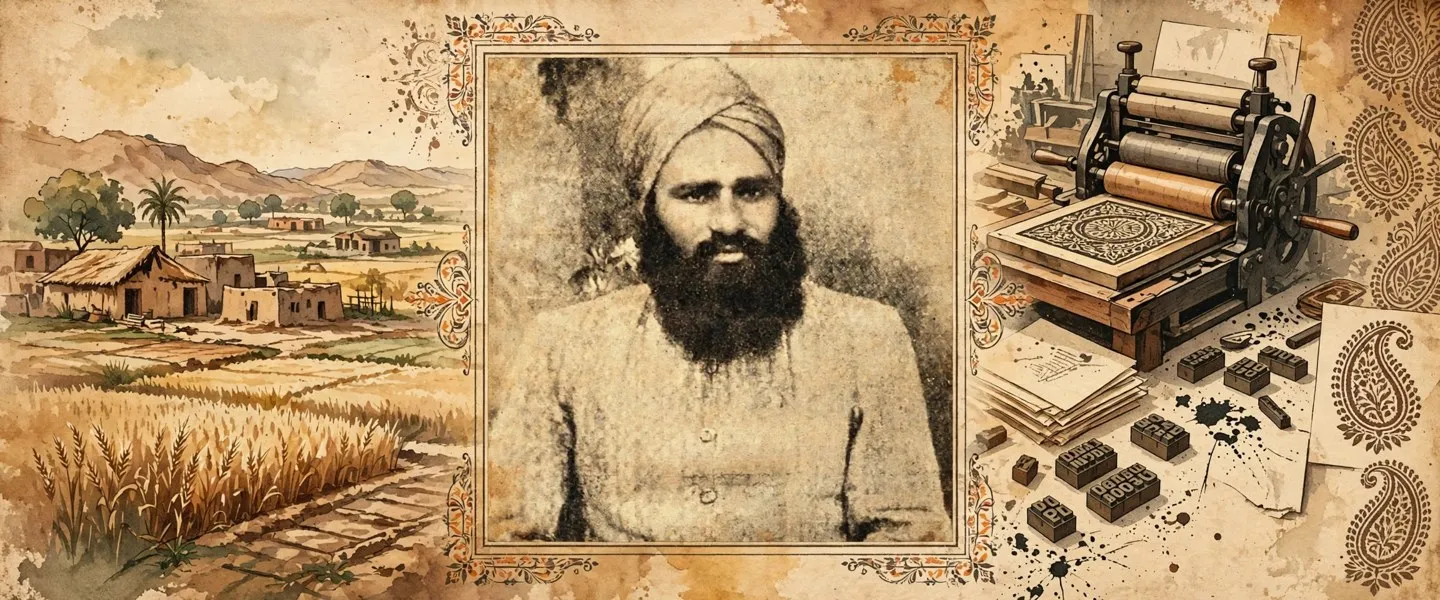
Sources (9)
- Teja Singh Samundri (Wikipedia)
- Teja Singh Samundri (SikhiWiki)
- Teja Singh Samundri (The Sikh Encyclopedia)
- Teja Singh Samundri, from Freedom Fighters of Punjab by Fauja Singh (The Sikh Encyclopedia)
- Shiromani Gurdwara Parbandhak Committee (Wikipedia)
- Sardar Teja Singh Samundri: A Century On (KBS Sidhu, Substack)
- Teja Singh (Professor, 1894-1958), for disambiguation (Wikipedia)
- Teja Singh, Sant (1877-1965), for disambiguation (The Sikh Encyclopedia)
- Photograph of Teja Singh Samundri wearing military uniform, file page (Wikimedia Commons)
Jugti is free and independent. Reader support keeps the Kosh growing.
Support