
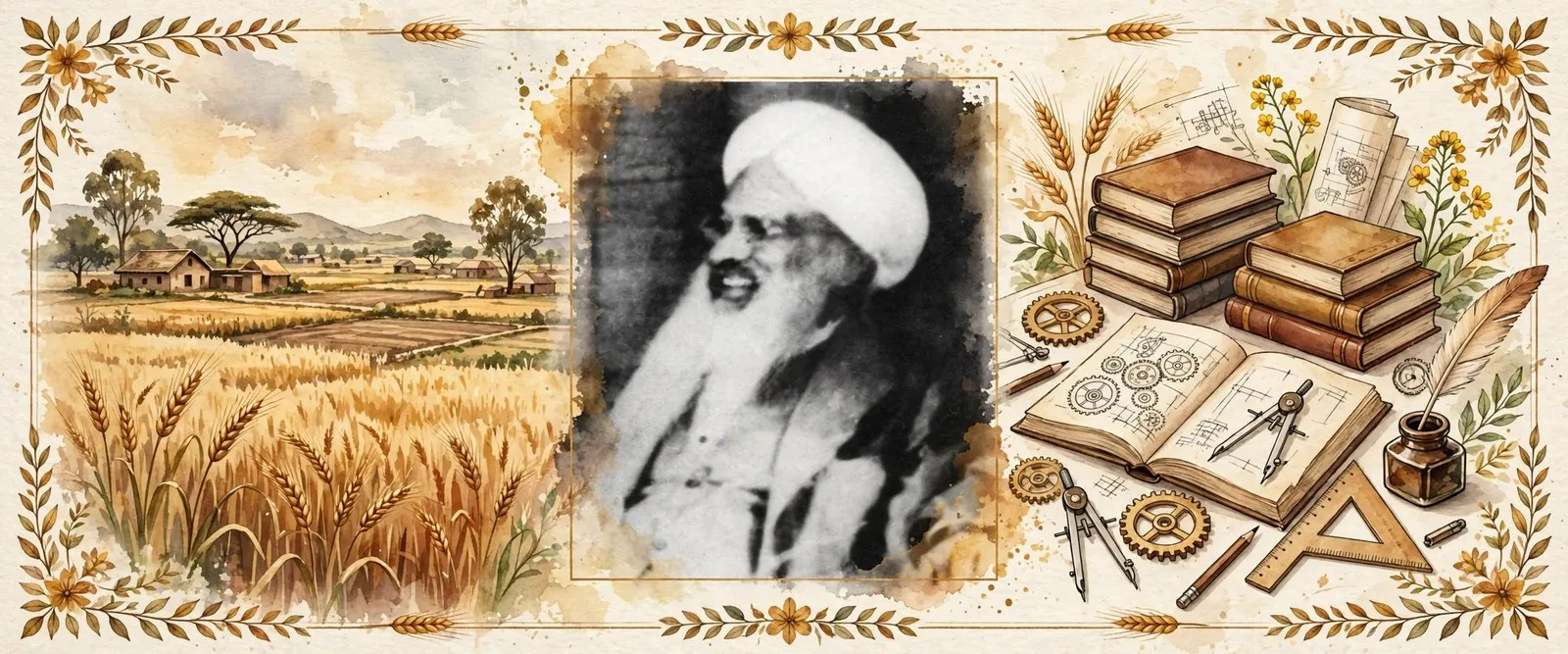
Sir Jogendra Singh (1877 to 1946) of Aira Estate, from a Rasulpur family of Amritsar district, was a Punjab minister, writer and Sikh statesman who became the first Sikh member of the Viceroy's Executive Council in 1942 and set up the 1946 committee behind the IITs. He was knighted in 1929 and died in December 1946.
- Punjabi name
- ਸਰ ਜੋਗਿੰਦਰ ਸਿੰਘ
- Born
- 25 May 1877, Aira Estate, Kheri district, United Provinces
- Ancestral village
- Rasulpur, Amritsar district
- Died
- 3 December 1946, Iqbal Nagar, Montgomery district
- Father
- Jwala Singh
- Patiala Home Minister
- 1911
All 10 facts
- Punjab minister
- Agriculture and Public Works, from 1926, three terms
- Viceroy's Executive Council
- From July 1942, Health, Lands and Education
- Honours
- Knighted 1929; Knight Commander of the Star of India 1946
- Known for
- First Sikh on Viceroy's Council; 1946 IIT committee
Sir Jogendra Singh (1877 to 1946) of Aira Estate, from a Rasulpur family of Amritsar district, was a Punjab minister, writer and Sikh statesman who became the first Sikh member of the Viceroy's Executive Council in 1942 and set up the 1946 committee behind the IITs.
Early life and Aira Estate
Jogendra Singh was born on 25 May 1877 at Aira Estate in Kheri district of the United Provinces, the second son of Jwala Singh. His family came from Rasulpur village in Amritsar district in Punjab, and in family records he was known as Jogendra Singh Rasulpuria. His grandfather, Punjab Singh, served in Maharaja Ranjit Singh's irregular cavalry and received a jagir in Oudh for military service after the annexation of Punjab. In 1898 Jogendra Singh inherited the Aira Estate, more than 12,000 acres in Kheri.
He was self educated and became known for his command of English and for wide reading. He entered public life through journalism, writing on farming and related subjects for papers in India and abroad. He edited East and West, the journal he took over from the Parsi journalist Behramji Malabari, and in the 1930s he started a monthly called The Khalsa Review. His later books on Sikh themes came after years of writing fiction, biography and translation.
Punjab minister and Patiala
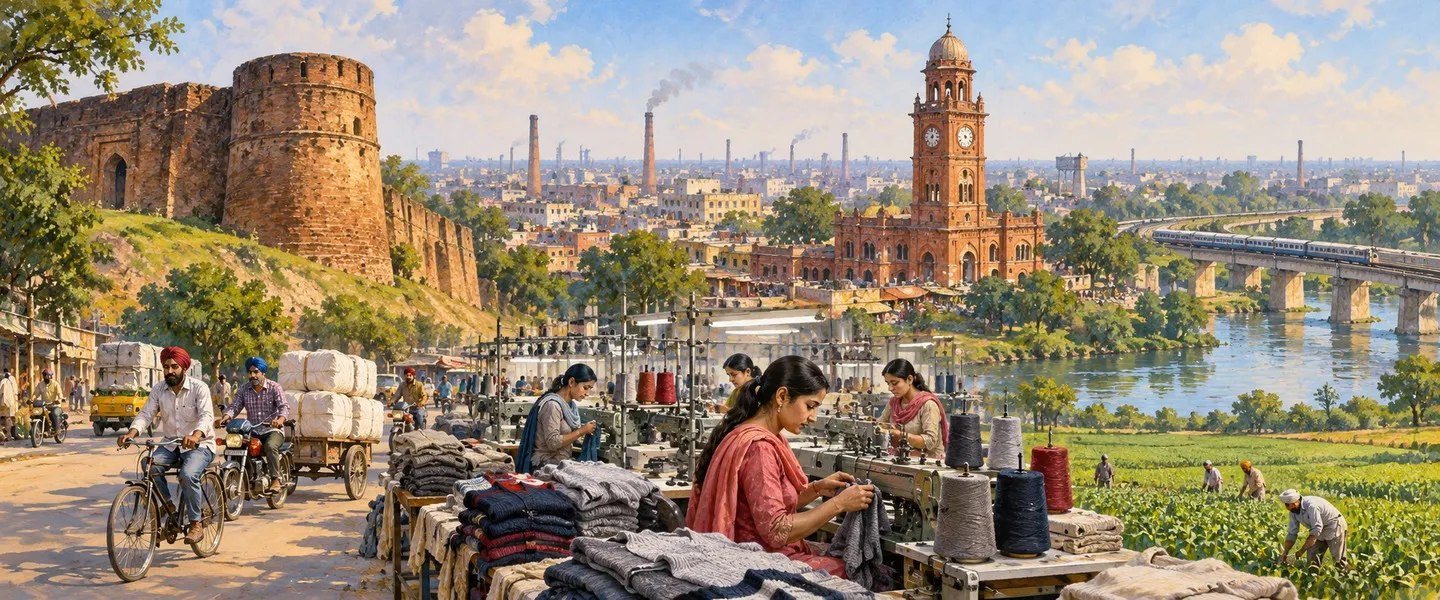
In 1911 Jogendra Singh went to the princely state of Patiala as Home Minister. In 1926 he was nominated to the Punjab Legislative Council and appointed minister for Agriculture and Public Works. He held ministerial office for three successive terms. Accounts of his Punjab years credit him as a pioneer of tractor cultivation who laid the foundation of mechanised farming in Punjab, and with helping to establish the hosiery industry in Ludhiana.
The Mandi hydroelectric project, now known as the Shanan Power House, was completed during his tenure as minister. The adjoining township, usually written Joginder Nagar, was named after him. After his Punjab terms he retired from active politics for a time, wrote in The Statesman and The Tribune in favour of the federation part of the Government of India Act 1935, and was called back by Patiala as its prime minister.
ਸਰ ਜੋਗਿੰਦਰ ਸਿੰਘ (1877 ਤੋਂ 1946) ਐਰਾ ਜਾਗੀਰ ਦਾ, ਅੰਮ੍ਰਿਤਸਰ ਜ਼ਿਲ੍ਹੇ ਦੇ ਰਸੂਲਪੁਰ ਪਰਿਵਾਰ ਵਿੱਚੋਂ, ਪੰਜਾਬ ਦਾ ਮੰਤਰੀ, ਲੇਖਕ ਅਤੇ ਸਿੱਖ ਰਾਜਨੇਤਾ ਸੀ ਜੋ 1942 ਵਿੱਚ ਵਾਇਸਰਾਏ ਦੀ ਕਾਰਜਕਾਰੀ ਕੌਂਸਲ ਦਾ ਪਹਿਲਾ ਸਿੱਖ ਮੈਂਬਰ ਬਣਿਆ ਅਤੇ ਜਿਸ ਨੇ 1946 ਵਿੱਚ ਆਈਆਈਟੀਆਂ ਪਿੱਛੇ ਵਾਲੀ ਕਮੇਟੀ ਬਣਾਈ।
ਸ਼ੁਰੂਆਤੀ ਜੀਵਨ ਅਤੇ ਐਰਾ ਜਾਗੀਰ
ਜੋਗਿੰਦਰ ਸਿੰਘ ਦਾ ਜਨਮ 25 ਮਈ 1877 ਨੂੰ ਸੰਯੁਕਤ ਸੂਬਿਆਂ ਦੇ ਖੇੜੀ ਜ਼ਿਲ੍ਹੇ ਵਿੱਚ ਐਰਾ ਜਾਗੀਰ ਵਿਖੇ ਜਵਾਲਾ ਸਿੰਘ ਦੇ ਦੂਜੇ ਪੁੱਤਰ ਵਜੋਂ ਹੋਇਆ। ਉਸ ਦਾ ਪਰਿਵਾਰ ਪੰਜਾਬ ਦੇ ਅੰਮ੍ਰਿਤਸਰ ਜ਼ਿਲ੍ਹੇ ਦੇ ਪਿੰਡ ਰਸੂਲਪੁਰ ਤੋਂ ਸੀ, ਅਤੇ ਪਰਿਵਾਰਕ ਲਿਖਤਾਂ ਵਿੱਚ ਉਸ ਨੂੰ ਜੋਗਿੰਦਰ ਸਿੰਘ ਰਸੂਲਪੁਰੀਆ ਕਿਹਾ ਜਾਂਦਾ ਸੀ। ਉਸ ਦਾ ਦਾਦਾ ਪੰਜਾਬ ਸਿੰਘ ਮਹਾਰਾਜਾ ਰਣਜੀਤ ਸਿੰਘ ਦੀ ਅਨਿਯਮਿਤ ਘੋੜਸਵਾਰ ਫ਼ੌਜ ਵਿੱਚ ਸੀ ਅਤੇ ਪੰਜਾਬ ਦੇ ਕਬਜ਼ੇ ਤੋਂ ਬਾਅਦ ਫ਼ੌਜੀ ਸੇਵਾ ਬਦਲੇ ਉਸ ਨੂੰ ਅਵਧ ਵਿੱਚ ਜਾਗੀਰ ਮਿਲੀ। 1898 ਵਿੱਚ ਜੋਗਿੰਦਰ ਸਿੰਘ ਨੂੰ ਐਰਾ ਜਾਗੀਰ ਵਿਰਾਸਤ ਵਿੱਚ ਮਿਲੀ, ਜੋ ਖੇੜੀ ਵਿੱਚ 12,000 ਏਕੜ ਤੋਂ ਵੱਧ ਜ਼ਮੀਨ ਸੀ।
ਉਹ ਸਵੈ ਸਿੱਖਿਅਤ ਸੀ ਅਤੇ ਅੰਗਰੇਜ਼ੀ ਉੱਤੇ ਪਕੜ ਅਤੇ ਵਿਸ਼ਾਲ ਪੜ੍ਹਾਈ ਲਈ ਜਾਣਿਆ ਜਾਂਦਾ ਸੀ। ਉਹ ਪੱਤਰਕਾਰੀ ਰਾਹੀਂ ਜਨਤਕ ਜੀਵਨ ਵਿੱਚ ਆਇਆ ਅਤੇ ਭਾਰਤ ਅਤੇ ਵਿਦੇਸ਼ ਦੇ ਅਖ਼ਬਾਰਾਂ ਵਿੱਚ ਖੇਤੀ ਅਤੇ ਸਬੰਧਤ ਵਿਸ਼ਿਆਂ ਉੱਤੇ ਲਿਖਦਾ ਰਿਹਾ। ਉਸ ਨੇ ਈਸਟ ਐਂਡ ਵੈਸਟ ਰਸਾਲੇ ਦਾ ਸੰਪਾਦਨ ਕੀਤਾ, ਜੋ ਉਸ ਨੇ ਪਾਰਸੀ ਪੱਤਰਕਾਰ ਬਹਿਰਾਮਜੀ ਮਾਲਾਬਾਰੀ ਤੋਂ ਲਿਆ ਸੀ, ਅਤੇ 1930 ਦੇ ਦਹਾਕੇ ਵਿੱਚ ਦ ਖ਼ਾਲਸਾ ਰਿਵਿਊ ਨਾਂ ਦਾ ਮਾਸਕ ਰਸਾਲਾ ਸ਼ੁਰੂ ਕੀਤਾ। ਸਿੱਖ ਵਿਸ਼ਿਆਂ ਉੱਤੇ ਉਸ ਦੀਆਂ ਕਿਤਾਬਾਂ ਗਲਪ, ਜੀਵਨੀ ਅਤੇ ਅਨੁਵਾਦ ਦੇ ਸਾਲਾਂ ਤੋਂ ਬਾਅਦ ਆਈਆਂ।
ਪੰਜਾਬ ਦਾ ਮੰਤਰੀ ਅਤੇ ਪਟਿਆਲਾ
1911 ਵਿੱਚ ਜੋਗਿੰਦਰ ਸਿੰਘ ਰਿਆਸਤ ਪਟਿਆਲਾ ਵਿੱਚ ਗ੍ਰਹਿ ਮੰਤਰੀ ਬਣ ਕੇ ਗਿਆ। 1926 ਵਿੱਚ ਉਸ ਨੂੰ ਪੰਜਾਬ ਵਿਧਾਨ ਪਰਿਸ਼ਦ ਲਈ ਨਾਮਜ਼ਦ ਕੀਤਾ ਗਿਆ ਅਤੇ ਖੇਤੀਬਾੜੀ ਅਤੇ ਲੋਕ ਨਿਰਮਾਣ ਮੰਤਰੀ ਬਣਾਇਆ ਗਿਆ। ਉਹ ਲਗਾਤਾਰ ਤਿੰਨ ਵਾਰ ਮੰਤਰੀ ਰਿਹਾ। ਉਸ ਦੇ ਪੰਜਾਬ ਦੇ ਸਾਲਾਂ ਬਾਰੇ ਲਿਖਤਾਂ ਉਸ ਨੂੰ ਟਰੈਕਟਰ ਖੇਤੀ ਦਾ ਮੋਢੀ ਦੱਸਦੀਆਂ ਹਨ ਜਿਸ ਨੇ ਪੰਜਾਬ ਵਿੱਚ ਮਸ਼ੀਨੀ ਖੇਤੀ ਦੀ ਨੀਂਹ ਰੱਖੀ, ਅਤੇ ਲੁਧਿਆਣਾ ਵਿੱਚ ਹੋਜ਼ਰੀ ਉਦਯੋਗ ਸਥਾਪਤ ਕਰਨ ਵਿੱਚ ਮਦਦ ਕੀਤੀ।
ਮੰਡੀ ਪਣ ਬਿਜਲੀ ਯੋਜਨਾ, ਜਿਸ ਨੂੰ ਹੁਣ ਸ਼ਾਨਨ ਪਾਵਰ ਹਾਊਸ ਕਿਹਾ ਜਾਂਦਾ ਹੈ, ਉਸ ਦੇ ਮੰਤਰੀ ਕਾਲ ਵਿੱਚ ਪੂਰੀ ਹੋਈ। ਨਾਲ ਲੱਗਦੇ ਕਸਬੇ ਦਾ ਨਾਂ, ਜੋ ਆਮ ਤੌਰ ਉੱਤੇ ਜੋਗਿੰਦਰ ਨਗਰ ਲਿਖਿਆ ਜਾਂਦਾ ਹੈ, ਉਸ ਦੇ ਨਾਂ ਉੱਤੇ ਰੱਖਿਆ ਗਿਆ। ਪੰਜਾਬ ਦੇ ਕਾਰਜਕਾਲਾਂ ਤੋਂ ਬਾਅਦ ਉਹ ਕੁਝ ਸਮਾਂ ਸਰਗਰਮ ਰਾਜਨੀਤੀ ਤੋਂ ਹਟ ਗਿਆ, 1935 ਦੇ ਭਾਰਤ ਸਰਕਾਰ ਐਕਟ ਦੇ ਸੰਘ ਵਾਲੇ ਹਿੱਸੇ ਦੇ ਹੱਕ ਵਿੱਚ ਦ ਸਟੇਟਸਮੈਨ ਅਤੇ ਦ ਟ੍ਰਿਬਿਊਨ ਵਿੱਚ ਲਿਖਦਾ ਰਿਹਾ, ਅਤੇ ਪਟਿਆਲਾ ਨੇ ਉਸ ਨੂੰ ਆਪਣਾ ਪ੍ਰਧਾਨ ਮੰਤਰੀ ਬਣਾ ਕੇ ਫਿਰ ਬੁਲਾ ਲਿਆ।
Khalsa National Party and Cripps Mission
In 1936 Jogendra Singh founded the Khalsa National Party together with Sundar Singh Majithia. The party won a majority of the Sikh seats in the 1937 elections held under the Government of India Act 1935. He remained a leading figure in Sikh public life through the Chief Khalsa Diwan, the Khalsa College Managing Council and the Sikh Educational Conference, whose annual sessions he presided over four times, at Lahore in 1909, Sialkot in 1912, Rawalpindi in 1927 and Peshawar in 1933.
On 31 March 1942 he was a member of the Sikh delegation that met the Cripps Mission, which had come to India with British proposals for the country's political future. Master Tara Singh, Sardar Baldev Singh and Sardar Ujjal Singh were also among the Sikh representatives chosen to present the Sikh viewpoint to the Mission. When the Viceroy's Executive Council was expanded in July 1942, Jogendra Singh was nominated a member, the first Sikh to sit on the Council, with the departments of Health, Lands and Education in his charge.
Did Sir Jogendra Singh start the IITs?
He set up the committee that recommended them. In 1946, as the Executive Council member for Education, Health and Agriculture, Sir Jogendra Singh appointed a 22 member committee headed by industrialist Nalini Ranjan Sarkar to consider higher technical institutions for post war industrial development in India. The Sarkar Committee recommended four higher technical institutions, in the east, west, north and south, on the lines of the Massachusetts Institute of Technology, with research and teacher training alongside undergraduate teaching.
With those recommendations in view, the first Indian Institute of Technology was born in May 1950 at Hijli in Kharagpur, in the old Hijli Detention Camp, and was formally inaugurated on 18 August 1951. Jogendra Singh did not live to see it. He had died in 1946, the year he appointed the committee, so his part was the decision and the blueprint, not the building of the institutes themselves.
Books and scholarship
Jogendra Singh wrote in English across fiction, biography, religion and translation. His Life of B. M. Malabari was published in London in 1914. His novels included Nur Jahan and Nasrin, published in London, Rasili, serialised in East and West in 1911 and 1912, and Kamla, published at Lahore in 1931 with a Punjabi translation by Gurmukh Singh Jeet.
His two books directly on Sikh themes came late: Thus Spake Guru Nanak in 1934 and Sikh Ceremonies in 1940. His English rendering of the sayings of the Herat mystic Abdullah Ansari, The Persian Mystics, was published in London in October 1939 with a foreword by M. K. Gandhi dated 14 April 1938. He also served as Pro Chancellor of Delhi University, as a Fellow of Panjab University, and on bodies including the Indian Sugar Committee, the Indian Taxation Enquiry Commission and the Indian Sandhurst Committee.
Honours, death and legacy
Jogendra Singh was knighted in 1929 and was made a Knight Commander of the Star of India in the 1946 Birthday Honours. He must not be confused with Jogendra Singh the later Congress politician, born in 1903, who served as Governor of Rajasthan in the 1970s. Sir Jogendra Singh of Aira, the subject of this entry, died of a paralytic stroke at Iqbal Nagar in Montgomery district, now in Pakistan, on 3 December 1946, aged 69.
He is remembered in Punjab for mechanised farming, the Mandi power project and the town that carries his name, in Sikh public life for the Khalsa National Party and the 1942 delegation, and across India for the 1946 Sarkar Committee. Few Punjabi public men of his generation left marks in so many fields at once: the farm, the ministry, the book and the technical institute.
ਖ਼ਾਲਸਾ ਨੈਸ਼ਨਲ ਪਾਰਟੀ ਅਤੇ ਕ੍ਰਿਪਸ ਮਿਸ਼ਨ
1936 ਵਿੱਚ ਜੋਗਿੰਦਰ ਸਿੰਘ ਨੇ ਸੁੰਦਰ ਸਿੰਘ ਮਜੀਠੀਆ ਨਾਲ ਮਿਲ ਕੇ ਖ਼ਾਲਸਾ ਨੈਸ਼ਨਲ ਪਾਰਟੀ ਬਣਾਈ। ਪਾਰਟੀ ਨੇ 1935 ਦੇ ਭਾਰਤ ਸਰਕਾਰ ਐਕਟ ਹੇਠ 1937 ਵਿੱਚ ਹੋਈਆਂ ਚੋਣਾਂ ਵਿੱਚ ਸਿੱਖ ਸੀਟਾਂ ਦੀ ਬਹੁਗਿਣਤੀ ਜਿੱਤੀ। ਉਹ ਚੀਫ਼ ਖ਼ਾਲਸਾ ਦੀਵਾਨ, ਖ਼ਾਲਸਾ ਕਾਲਜ ਪ੍ਰਬੰਧਕ ਪਰਿਸ਼ਦ ਅਤੇ ਸਿੱਖ ਵਿਦਿਅਕ ਕਾਨਫ਼ਰੰਸ ਰਾਹੀਂ ਸਿੱਖ ਜਨਤਕ ਜੀਵਨ ਦਾ ਮੋਹਰੀ ਚਿਹਰਾ ਰਿਹਾ, ਜਿਸ ਦੇ ਸਾਲਾਨਾ ਸਮਾਗਮਾਂ ਦੀ ਉਸ ਨੇ ਚਾਰ ਵਾਰ ਪ੍ਰਧਾਨਗੀ ਕੀਤੀ, 1909 ਵਿੱਚ ਲਾਹੌਰ, 1912 ਵਿੱਚ ਸਿਆਲਕੋਟ, 1927 ਵਿੱਚ ਰਾਵਲਪਿੰਡੀ ਅਤੇ 1933 ਵਿੱਚ ਪਿਸ਼ਾਵਰ ਵਿਖੇ।
31 ਮਾਰਚ 1942 ਨੂੰ ਉਹ ਉਸ ਸਿੱਖ ਵਫ਼ਦ ਦਾ ਮੈਂਬਰ ਸੀ ਜੋ ਕ੍ਰਿਪਸ ਮਿਸ਼ਨ ਨੂੰ ਮਿਲਿਆ, ਜੋ ਦੇਸ਼ ਦੇ ਰਾਜਨੀਤਕ ਭਵਿੱਖ ਬਾਰੇ ਬਰਤਾਨਵੀ ਤਜਵੀਜ਼ਾਂ ਲੈ ਕੇ ਭਾਰਤ ਆਇਆ ਸੀ। ਮਾਸਟਰ ਤਾਰਾ ਸਿੰਘ, ਸਰਦਾਰ ਬਲਦੇਵ ਸਿੰਘ ਅਤੇ ਸਰਦਾਰ ਉੱਜਲ ਸਿੰਘ ਵੀ ਉਨ੍ਹਾਂ ਸਿੱਖ ਪ੍ਰਤੀਨਿਧਾਂ ਵਿੱਚ ਸਨ ਜਿਨ੍ਹਾਂ ਨੂੰ ਮਿਸ਼ਨ ਅੱਗੇ ਸਿੱਖ ਨਜ਼ਰੀਆ ਰੱਖਣ ਲਈ ਚੁਣਿਆ ਗਿਆ ਸੀ। ਜਦੋਂ ਜੁਲਾਈ 1942 ਵਿੱਚ ਵਾਇਸਰਾਏ ਦੀ ਕਾਰਜਕਾਰੀ ਕੌਂਸਲ ਦਾ ਵਿਸਤਾਰ ਹੋਇਆ ਤਾਂ ਜੋਗਿੰਦਰ ਸਿੰਘ ਨੂੰ ਮੈਂਬਰ ਨਾਮਜ਼ਦ ਕੀਤਾ ਗਿਆ, ਕੌਂਸਲ ਵਿੱਚ ਬੈਠਣ ਵਾਲਾ ਪਹਿਲਾ ਸਿੱਖ, ਜਿਸ ਕੋਲ ਸਿਹਤ, ਜ਼ਮੀਨ ਅਤੇ ਸਿੱਖਿਆ ਵਿਭਾਗ ਸਨ।
ਕੀ ਸਰ ਜੋਗਿੰਦਰ ਸਿੰਘ ਨੇ ਆਈਆਈਟੀਆਂ ਸ਼ੁਰੂ ਕੀਤੀਆਂ?
ਉਸ ਨੇ ਉਹ ਕਮੇਟੀ ਬਣਾਈ ਜਿਸ ਨੇ ਇਨ੍ਹਾਂ ਦੀ ਸਿਫ਼ਾਰਸ਼ ਕੀਤੀ। 1946 ਵਿੱਚ, ਸਿੱਖਿਆ, ਸਿਹਤ ਅਤੇ ਖੇਤੀਬਾੜੀ ਦੇ ਕਾਰਜਕਾਰੀ ਕੌਂਸਲ ਮੈਂਬਰ ਵਜੋਂ, ਸਰ ਜੋਗਿੰਦਰ ਸਿੰਘ ਨੇ ਉਦਯੋਗਪਤੀ ਨਲਿਨੀ ਰੰਜਨ ਸਰਕਾਰ ਦੀ ਅਗਵਾਈ ਵਿੱਚ 22 ਮੈਂਬਰੀ ਕਮੇਟੀ ਬਣਾਈ ਜੋ ਭਾਰਤ ਵਿੱਚ ਜੰਗ ਤੋਂ ਬਾਅਦ ਦੇ ਉਦਯੋਗਿਕ ਵਿਕਾਸ ਲਈ ਉੱਚ ਤਕਨੀਕੀ ਸੰਸਥਾਵਾਂ ਬਾਰੇ ਵਿਚਾਰ ਕਰੇ। ਸਰਕਾਰ ਕਮੇਟੀ ਨੇ ਪੂਰਬ, ਪੱਛਮ, ਉੱਤਰ ਅਤੇ ਦੱਖਣ ਵਿੱਚ ਚਾਰ ਉੱਚ ਤਕਨੀਕੀ ਸੰਸਥਾਵਾਂ ਦੀ ਸਿਫ਼ਾਰਸ਼ ਕੀਤੀ, ਮੈਸੇਚਿਉਸੈਟਸ ਇੰਸਟੀਚਿਊਟ ਆਫ਼ ਟੈਕਨਾਲੋਜੀ ਦੀਆਂ ਲੀਹਾਂ ਉੱਤੇ, ਜਿੱਥੇ ਸਨਾਤਕ ਪੜ੍ਹਾਈ ਦੇ ਨਾਲ ਖੋਜ ਅਤੇ ਅਧਿਆਪਕ ਸਿਖਲਾਈ ਵੀ ਹੋਵੇ।
ਇਨ੍ਹਾਂ ਸਿਫ਼ਾਰਸ਼ਾਂ ਨੂੰ ਸਾਹਮਣੇ ਰੱਖ ਕੇ ਪਹਿਲਾ ਇੰਡੀਅਨ ਇੰਸਟੀਚਿਊਟ ਆਫ਼ ਟੈਕਨਾਲੋਜੀ ਮਈ 1950 ਵਿੱਚ ਖੜਗਪੁਰ ਦੇ ਹਿਜਲੀ ਵਿਖੇ, ਪੁਰਾਣੇ ਹਿਜਲੀ ਨਜ਼ਰਬੰਦੀ ਕੈਂਪ ਵਿੱਚ, ਹੋਂਦ ਵਿੱਚ ਆਇਆ ਅਤੇ 18 ਅਗਸਤ 1951 ਨੂੰ ਰਸਮੀ ਤੌਰ ਉੱਤੇ ਉਦਘਾਟਨ ਹੋਇਆ। ਜੋਗਿੰਦਰ ਸਿੰਘ ਇਹ ਦੇਖਣ ਲਈ ਜਿਉਂਦਾ ਨਾ ਰਿਹਾ। ਉਹ 1946 ਵਿੱਚ ਹੀ ਚੱਲ ਵਸਿਆ ਸੀ, ਉਸੇ ਸਾਲ ਜਦੋਂ ਉਸ ਨੇ ਕਮੇਟੀ ਬਣਾਈ ਸੀ, ਇਸ ਲਈ ਉਸ ਦਾ ਹਿੱਸਾ ਫ਼ੈਸਲਾ ਅਤੇ ਖਾਕਾ ਸੀ, ਸੰਸਥਾਵਾਂ ਦੀ ਉਸਾਰੀ ਨਹੀਂ।
ਕਿਤਾਬਾਂ ਅਤੇ ਵਿਦਵਤਾ
ਜੋਗਿੰਦਰ ਸਿੰਘ ਨੇ ਅੰਗਰੇਜ਼ੀ ਵਿੱਚ ਗਲਪ, ਜੀਵਨੀ, ਧਰਮ ਅਤੇ ਅਨੁਵਾਦ ਉੱਤੇ ਲਿਖਿਆ। ਉਸ ਦੀ ਕਿਤਾਬ ਲਾਈਫ਼ ਆਫ਼ ਬੀ ਐਮ ਮਾਲਾਬਾਰੀ 1914 ਵਿੱਚ ਲੰਡਨ ਵਿੱਚ ਛਪੀ। ਉਸ ਦੇ ਨਾਵਲਾਂ ਵਿੱਚ ਨੂਰ ਜਹਾਂ ਅਤੇ ਨਸਰੀਨ ਸ਼ਾਮਲ ਸਨ, ਜੋ ਲੰਡਨ ਵਿੱਚ ਛਪੇ, ਰਸੀਲੀ, ਜੋ 1911 ਅਤੇ 1912 ਵਿੱਚ ਈਸਟ ਐਂਡ ਵੈਸਟ ਵਿੱਚ ਲੜੀਵਾਰ ਛਪਿਆ, ਅਤੇ ਕਮਲਾ, ਜੋ 1931 ਵਿੱਚ ਲਾਹੌਰ ਵਿੱਚ ਗੁਰਮੁਖ ਸਿੰਘ ਜੀਤ ਦੇ ਪੰਜਾਬੀ ਅਨੁਵਾਦ ਸਮੇਤ ਛਪਿਆ।
ਸਿੱਖ ਵਿਸ਼ਿਆਂ ਉੱਤੇ ਉਸ ਦੀਆਂ ਦੋ ਕਿਤਾਬਾਂ ਦੇਰ ਨਾਲ ਆਈਆਂ: 1934 ਵਿੱਚ ਦਸ ਸਪੇਕ ਗੁਰੂ ਨਾਨਕ ਅਤੇ 1940 ਵਿੱਚ ਸਿੱਖ ਸੈਰੇਮਨੀਜ਼। ਹੇਰਾਤ ਦੇ ਸੂਫ਼ੀ ਅਬਦੁੱਲਾ ਅੰਸਾਰੀ ਦੇ ਕਥਨਾਂ ਦਾ ਉਸ ਦਾ ਅੰਗਰੇਜ਼ੀ ਰੂਪ, ਦ ਪਰਸ਼ੀਅਨ ਮਿਸਟਿਕਸ, ਅਕਤੂਬਰ 1939 ਵਿੱਚ ਲੰਡਨ ਵਿੱਚ ਛਪਿਆ, ਜਿਸ ਦੀ ਭੂਮਿਕਾ ਐਮ ਕੇ ਗਾਂਧੀ ਨੇ 14 ਅਪ੍ਰੈਲ 1938 ਨੂੰ ਲਿਖੀ ਸੀ। ਉਹ ਦਿੱਲੀ ਯੂਨੀਵਰਸਿਟੀ ਦਾ ਪ੍ਰੋ ਚਾਂਸਲਰ, ਪੰਜਾਬ ਯੂਨੀਵਰਸਿਟੀ ਦਾ ਫੈਲੋ ਵੀ ਰਿਹਾ, ਅਤੇ ਇੰਡੀਅਨ ਸ਼ੂਗਰ ਕਮੇਟੀ, ਇੰਡੀਅਨ ਟੈਕਸੇਸ਼ਨ ਇੰਕੁਆਇਰੀ ਕਮਿਸ਼ਨ ਅਤੇ ਇੰਡੀਅਨ ਸੈਂਡਹਰਸਟ ਕਮੇਟੀ ਵਰਗੀਆਂ ਸੰਸਥਾਵਾਂ ਵਿੱਚ ਵੀ ਰਿਹਾ।
ਸਨਮਾਨ, ਦੇਹਾਂਤ ਅਤੇ ਵਿਰਾਸਤ
ਜੋਗਿੰਦਰ ਸਿੰਘ ਨੂੰ 1929 ਵਿੱਚ ਨਾਈਟ ਦਾ ਖ਼ਿਤਾਬ ਮਿਲਿਆ ਅਤੇ 1946 ਦੇ ਜਨਮਦਿਨ ਸਨਮਾਨਾਂ ਵਿੱਚ ਉਸ ਨੂੰ ਨਾਈਟ ਕਮਾਂਡਰ ਆਫ਼ ਦ ਸਟਾਰ ਆਫ਼ ਇੰਡੀਆ ਬਣਾਇਆ ਗਿਆ। ਉਸ ਨੂੰ ਬਾਅਦ ਵਾਲੇ ਕਾਂਗਰਸ ਰਾਜਨੇਤਾ ਜੋਗਿੰਦਰ ਸਿੰਘ ਨਾਲ ਨਾ ਰਲਾਓ, ਜਿਸ ਦਾ ਜਨਮ 1903 ਵਿੱਚ ਹੋਇਆ ਅਤੇ ਜੋ 1970 ਦੇ ਦਹਾਕੇ ਵਿੱਚ ਰਾਜਸਥਾਨ ਦਾ ਗਵਰਨਰ ਰਿਹਾ। ਇਸ ਲੇਖ ਦਾ ਵਿਸ਼ਾ, ਐਰਾ ਦਾ ਸਰ ਜੋਗਿੰਦਰ ਸਿੰਘ, 3 ਦਸੰਬਰ 1946 ਨੂੰ ਮੋਂਟਗੋਮਰੀ ਜ਼ਿਲ੍ਹੇ ਦੇ ਇਕਬਾਲ ਨਗਰ ਵਿੱਚ, ਜੋ ਹੁਣ ਪਾਕਿਸਤਾਨ ਵਿੱਚ ਹੈ, ਅਧਰੰਗ ਦੇ ਦੌਰੇ ਨਾਲ 69 ਸਾਲ ਦੀ ਉਮਰ ਵਿੱਚ ਚੱਲ ਵਸਿਆ।
ਪੰਜਾਬ ਵਿੱਚ ਉਸ ਨੂੰ ਮਸ਼ੀਨੀ ਖੇਤੀ, ਮੰਡੀ ਬਿਜਲੀ ਯੋਜਨਾ ਅਤੇ ਉਸ ਦੇ ਨਾਂ ਵਾਲੇ ਕਸਬੇ ਲਈ ਯਾਦ ਕੀਤਾ ਜਾਂਦਾ ਹੈ, ਸਿੱਖ ਜਨਤਕ ਜੀਵਨ ਵਿੱਚ ਖ਼ਾਲਸਾ ਨੈਸ਼ਨਲ ਪਾਰਟੀ ਅਤੇ 1942 ਦੇ ਵਫ਼ਦ ਲਈ, ਅਤੇ ਸਾਰੇ ਭਾਰਤ ਵਿੱਚ 1946 ਦੀ ਸਰਕਾਰ ਕਮੇਟੀ ਲਈ। ਉਸ ਦੀ ਪੀੜ੍ਹੀ ਦੇ ਘੱਟ ਹੀ ਪੰਜਾਬੀ ਜਨਤਕ ਆਦਮੀਆਂ ਨੇ ਇਕੋ ਸਮੇਂ ਇੰਨੇ ਖੇਤਰਾਂ ਵਿੱਚ ਨਿਸ਼ਾਨ ਛੱਡੇ: ਖੇਤ, ਮੰਤਰਾਲਾ, ਕਿਤਾਬ ਅਤੇ ਤਕਨੀਕੀ ਸੰਸਥਾ।
People


Places

More freedom struggle
See all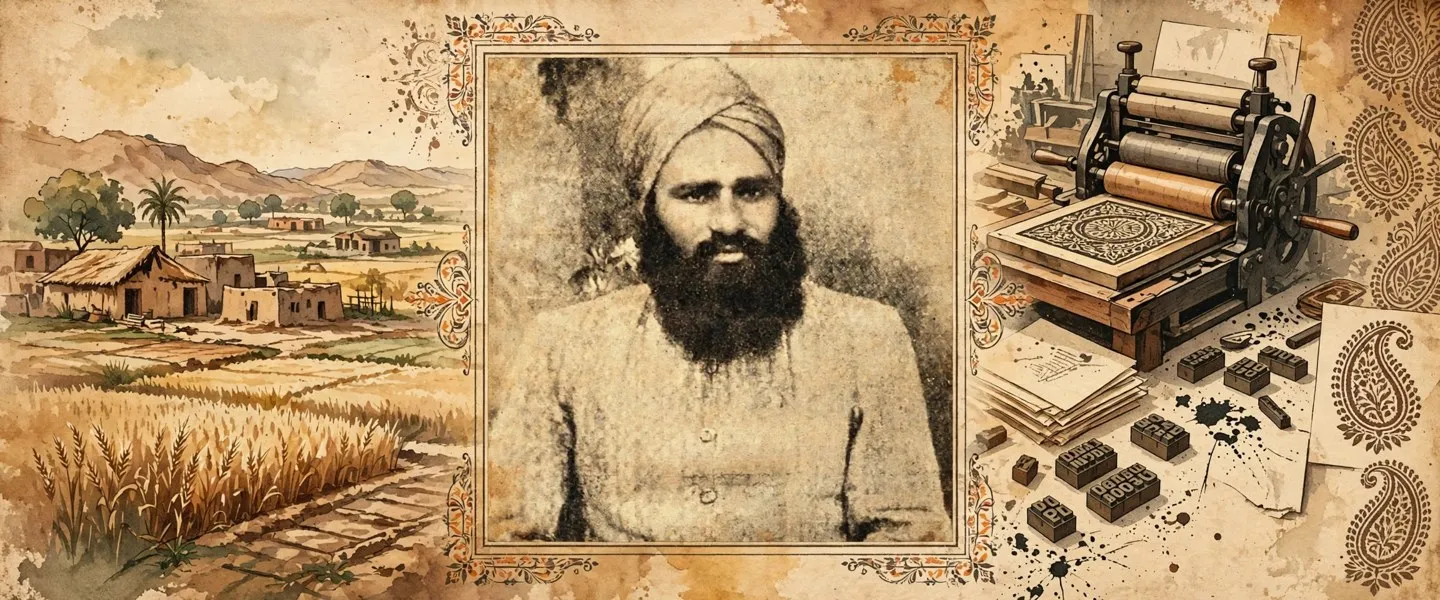

Sources (4)
Jugti is free and independent. Reader support keeps the Kosh growing.
Support