
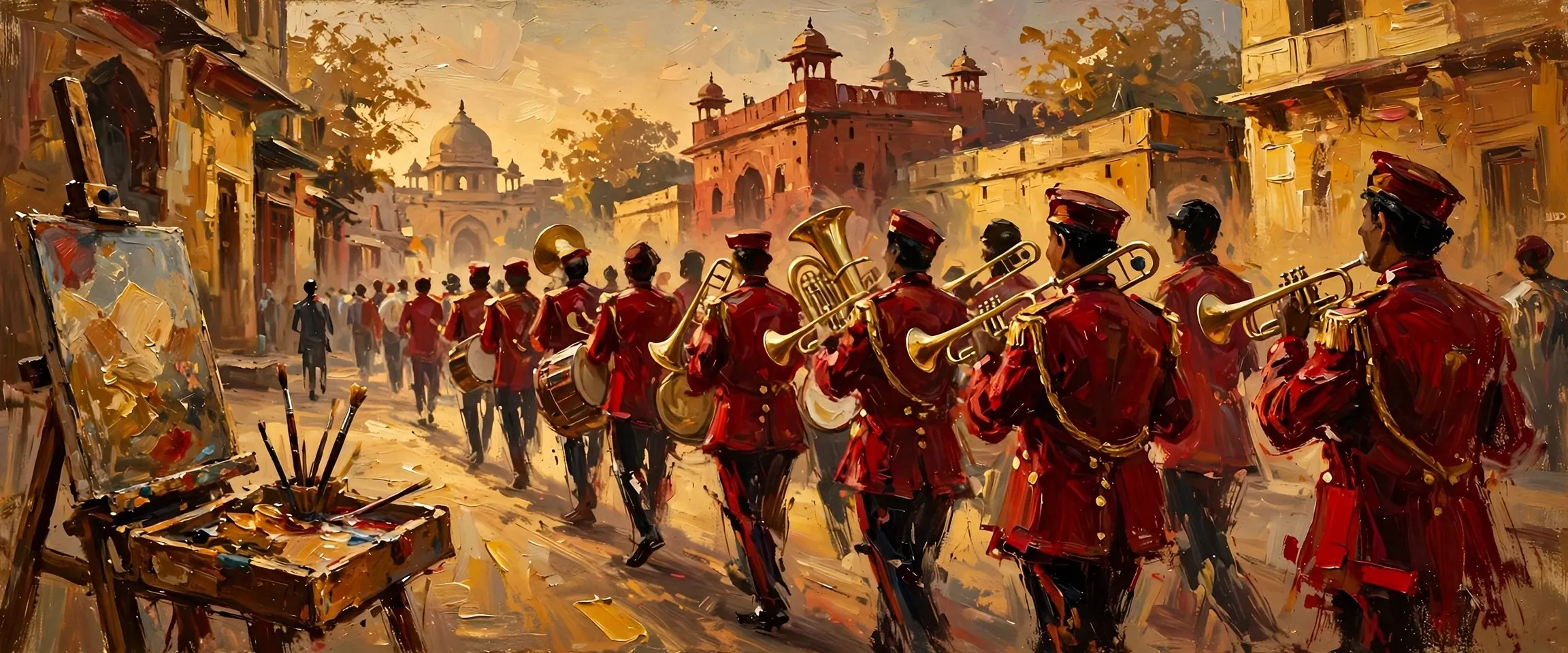
Krishen Khanna (born 5 July 1925 in Lyallpur, now Faisalabad, Pakistan) is an Indian modernist painter and the last surviving member of the Bombay Progressive Artists' Group. Over seven decades he painted India's streets and its overlooked workers, bandwallas, truck drivers and dhaba owners, in works such as the Bandwallas series and the mural The Great Procession. He received the Padma Shri in 1990 and the Padma Bhushan in 2011, and turned 100 in July 2025.
Life at a glance
- 1925Born Lyallpur
- 1962Honour Rockefeller Fellowship
- 1990Honour Padma Shri
- 2004Honour Lalit Kala Ratna
- 2011Honour Padma Bhushan
- Punjabi name
- ਕ੍ਰਿਸ਼ਨ ਖੰਨਾ
- Born
- 5 July 1925, Lyallpur (now Faisalabad, Pakistan)
- Birthplace
- Lyallpur (now Faisalabad)
- District
- Faisalabad (Punjab, Pakistan)
- Tehsil
- Faisalabad
- Region
- West Punjab
All 11 facts
- Education
- Imperial Service College, Windsor, England; BA English Literature, Government College, Lahore
- Occupation
- Painter
- Known for
- Bandwallas and Truckwallahs series; The Great Procession mural
- Honours
- Rockefeller Fellowship (1962); Padma Shri (1990); Padma Bhushan (2011); Lalit Kala Ratna (2004)
- Based in
- Gurugram, Haryana
Krishen Khanna (born 5 July 1925) is an Indian painter from Lyallpur, now Faisalabad in Pakistan, and one of the last great figures of Indian modern art. Over a career of more than seven decades he painted the streets of India, its bandwallas, truck drivers and dhaba owners, and he received the Padma Shri in 1990 and the Padma Bhushan in 2011.
Early life in Lyallpur and Lahore
Krishen Khanna was born on 5 July 1925 in Lyallpur, a canal colony town in Punjab that is now Faisalabad in Pakistan. When he was two years old, the family moved to Lahore, where his father, Kahan Chand Khanna, taught at an intermediate college. Khanna went to Sacred Heart High School in Lahore, and art entered his life early. In 1930 his father travelled to England for a doctorate and came back with reproductions of Leonardo da Vinci's Self Portrait and The Last Supper. Still only about seven, he tried to copy The Last Supper himself.
The family moved to Multan in 1936. Two years later, at thirteen, Khanna won the Rudyard Kipling Scholarship and sailed from Bombay to Britain on the RMS Strathmore to study at the Imperial Service College in Windsor, England, where he graduated in 1940. He returned to Lahore in 1942, during the Second World War, and took a BA honours degree in English literature from Government College, Lahore. In 1946 he enrolled in Sheikh Ahmed's studio to learn drawing and started work at Kapoor Art Works, where he learned painting and printing. With his first salary he bought a work by Prannath Mago.
Partition and the move to Shimla
The years that followed were hard. Communal riots spread across Punjab, and it became clear the family could not stay in Lahore. On 12 August 1947, days before Partition, the family of five left their home in a car and migrated to Shimla in India. The upheaval scarred him deeply, and his early works are memories of that time.
Partition never left his painting. In works such as 1947, Refugees on a Train 16 Hours Late and Exodus, he painted figures huddled at a station waiting for a train, and farmers with their cattle moving through waterlogged fields, leaving behind the land that had been home. The mood is one of melancholy, and the crowds are ordinary people caught in a vast displacement, a subject he returned to all his life.
ਕ੍ਰਿਸ਼ਨ ਖੰਨਾ (ਜਨਮ 5 ਜੁਲਾਈ 1925) ਲਾਇਲਪੁਰ, ਹੁਣ ਫ਼ੈਸਲਾਬਾਦ, ਪਾਕਿਸਤਾਨ ਦਾ ਭਾਰਤੀ ਚਿੱਤਰਕਾਰ ਹੈ ਅਤੇ ਭਾਰਤੀ ਆਧੁਨਿਕ ਕਲਾ ਦੀਆਂ ਆਖ਼ਰੀ ਮਹਾਨ ਹਸਤੀਆਂ ਵਿੱਚੋਂ ਇੱਕ ਹੈ। ਸੱਤ ਦਹਾਕਿਆਂ ਤੋਂ ਵੱਧ ਦੇ ਕੈਰੀਅਰ ਵਿੱਚ ਉਸ ਨੇ ਭਾਰਤ ਦੀਆਂ ਗਲੀਆਂ, ਉਸ ਦੇ ਬੈਂਡਵਾਲਿਆਂ, ਟਰੱਕ ਡਰਾਈਵਰਾਂ ਅਤੇ ਢਾਬਾ ਮਾਲਕਾਂ ਨੂੰ ਚਿੱਤਰਿਆ ਹੈ, ਅਤੇ ਉਸ ਨੂੰ 1990 ਵਿੱਚ ਪਦਮ ਸ਼੍ਰੀ ਅਤੇ 2011 ਵਿੱਚ ਪਦਮ ਭੂਸ਼ਣ ਮਿਲਿਆ ਹੈ।
ਲਾਇਲਪੁਰ ਅਤੇ ਲਾਹੌਰ ਵਿੱਚ ਮੁੱਢਲਾ ਜੀਵਨ
ਕ੍ਰਿਸ਼ਨ ਖੰਨਾ ਦਾ ਜਨਮ 5 ਜੁਲਾਈ 1925 ਨੂੰ ਲਾਇਲਪੁਰ ਵਿੱਚ ਹੋਇਆ, ਜੋ ਪੰਜਾਬ ਦਾ ਇੱਕ ਨਹਿਰੀ ਬਸਤੀ ਵਾਲਾ ਸ਼ਹਿਰ ਸੀ ਅਤੇ ਹੁਣ ਪਾਕਿਸਤਾਨ ਵਿੱਚ ਫ਼ੈਸਲਾਬਾਦ ਹੈ। ਜਦੋਂ ਉਹ ਦੋ ਸਾਲ ਦਾ ਸੀ, ਤਾਂ ਪਰਿਵਾਰ ਲਾਹੌਰ ਚਲਾ ਗਿਆ, ਜਿੱਥੇ ਉਸ ਦੇ ਪਿਤਾ ਕਹਾਂ ਚੰਦ ਖੰਨਾ ਇੱਕ ਇੰਟਰਮੀਡੀਏਟ ਕਾਲਜ ਵਿੱਚ ਪੜ੍ਹਾਉਂਦੇ ਸਨ। ਖੰਨਾ ਨੇ ਲਾਹੌਰ ਦੇ ਸੈਕਰਡ ਹਾਰਟ ਹਾਈ ਸਕੂਲ ਵਿੱਚ ਪੜ੍ਹਾਈ ਕੀਤੀ, ਅਤੇ ਕਲਾ ਉਸ ਦੇ ਜੀਵਨ ਵਿੱਚ ਛੇਤੀ ਆ ਗਈ। 1930 ਵਿੱਚ ਉਸ ਦੇ ਪਿਤਾ ਡਾਕਟਰੇਟ ਲਈ ਇੰਗਲੈਂਡ ਗਏ ਅਤੇ ਲਿਓਨਾਰਦੋ ਦਾ ਵਿੰਚੀ ਦੀ ਸੈਲਫ਼ ਪੋਰਟਰੇਟ ਅਤੇ ਦ ਲਾਸਟ ਸਪਰ ਦੀਆਂ ਤਸਵੀਰਾਂ ਲੈ ਕੇ ਮੁੜੇ। ਬੱਚਾ ਉਨ੍ਹਾਂ ਨੂੰ ਦੇਖ ਕੇ ਖੁਸ਼ ਹੋ ਗਿਆ ਅਤੇ ਸਿਰਫ਼ ਸੱਤ ਸਾਲ ਦੀ ਉਮਰ ਵਿੱਚ ਉਸ ਨੇ ਦ ਲਾਸਟ ਸਪਰ ਦੀ ਨਕਲ ਕਰਨ ਦੀ ਕੋਸ਼ਿਸ਼ ਕੀਤੀ। ਇਹ ਚਿੱਤਰ ਉਸ ਦੇ ਨਾਲ ਸਾਰੀ ਉਮਰ ਰਿਹਾ।
ਪਰਿਵਾਰ 1936 ਵਿੱਚ ਮੁਲਤਾਨ ਚਲਾ ਗਿਆ। ਦੋ ਸਾਲ ਬਾਅਦ, ਤੇਰਾਂ ਸਾਲ ਦੀ ਉਮਰ ਵਿੱਚ, ਖੰਨਾ ਨੇ ਰੁਡਯਾਰਡ ਕਿਪਲਿੰਗ ਸਕਾਲਰਸ਼ਿਪ ਜਿੱਤੀ ਅਤੇ ਆਰਐਮਐਸ ਸਟਰੈਥਮੋਰ ਜਹਾਜ਼ ਰਾਹੀਂ ਬੰਬਈ ਤੋਂ ਬ੍ਰਿਟੇਨ ਗਿਆ, ਜਿੱਥੇ ਉਸ ਨੇ ਇੰਗਲੈਂਡ ਦੇ ਵਿੰਡਸਰ ਵਿੱਚ ਇੰਪੀਰੀਅਲ ਸਰਵਿਸ ਕਾਲਜ ਵਿੱਚ ਪੜ੍ਹਾਈ ਕੀਤੀ ਅਤੇ 1940 ਵਿੱਚ ਗ੍ਰੈਜੂਏਟ ਹੋਇਆ। ਦੂਜੀ ਵੱਡੀ ਲੜਾਈ ਦੌਰਾਨ ਉਹ 1942 ਵਿੱਚ ਲਾਹੌਰ ਮੁੜ ਆਇਆ ਅਤੇ ਗੌਰਮਿੰਟ ਕਾਲਜ, ਲਾਹੌਰ ਤੋਂ ਅੰਗਰੇਜ਼ੀ ਸਾਹਿਤ ਵਿੱਚ ਬੀਏ ਆਨਰਜ਼ ਕੀਤੀ। 1946 ਵਿੱਚ ਉਸ ਨੇ ਸ਼ੇਖ਼ ਅਹਿਮਦ ਦੇ ਸਟੂਡੀਓ ਵਿੱਚ ਡਰਾਇੰਗ ਸਿੱਖਣ ਲਈ ਦਾਖ਼ਲਾ ਲਿਆ ਅਤੇ ਕਪੂਰ ਆਰਟ ਵਰਕਸ ਵਿੱਚ ਕੰਮ ਕਰਨ ਲੱਗਾ, ਜਿੱਥੇ ਉਸ ਨੇ ਪੇਂਟਿੰਗ ਅਤੇ ਛਪਾਈ ਸਿੱਖੀ। ਆਪਣੀ ਪਹਿਲੀ ਤਨਖ਼ਾਹ ਨਾਲ ਉਸ ਨੇ ਪ੍ਰਾਣਨਾਥ ਮਾਗੋ ਦੀ ਇੱਕ ਕ੍ਰਿਤੀ ਖਰੀਦੀ।
ਵੰਡ ਅਤੇ ਸ਼ਿਮਲਾ ਵੱਲ ਪਰਵਾਸ
ਉਸ ਤੋਂ ਬਾਅਦ ਦੇ ਸਾਲ ਔਖੇ ਸਨ। ਪੰਜਾਬ ਵਿੱਚ ਫ਼ਿਰਕੂ ਦੰਗੇ ਫੈਲ ਗਏ, ਅਤੇ ਸਾਫ਼ ਹੋ ਗਿਆ ਕਿ ਪਰਿਵਾਰ ਲਾਹੌਰ ਵਿੱਚ ਨਹੀਂ ਰਹਿ ਸਕਦਾ। 12 ਅਗਸਤ 1947 ਨੂੰ, ਵੰਡ ਤੋਂ ਕੁਝ ਦਿਨ ਪਹਿਲਾਂ, ਪੰਜ ਜੀਆਂ ਦਾ ਪਰਿਵਾਰ ਕਾਰ ਵਿੱਚ ਆਪਣਾ ਘਰ ਛੱਡ ਕੇ ਭਾਰਤ ਦੇ ਸ਼ਿਮਲਾ ਚਲਾ ਗਿਆ। ਇਸ ਉਥਲ ਪੁਥਲ ਨੇ ਖੰਨਾ ਨੂੰ ਡੂੰਘਾ ਪ੍ਰਭਾਵਿਤ ਕੀਤਾ, ਅਤੇ ਉਸ ਦੀਆਂ ਮੁੱਢਲੀਆਂ ਕ੍ਰਿਤੀਆਂ ਉਸ ਸਮੇਂ ਦੀਆਂ ਯਾਦਾਂ ਦੀਆਂ ਤਸਵੀਰਾਂ ਹਨ।
ਵੰਡ ਉਸ ਦੀ ਪੇਂਟਿੰਗ ਤੋਂ ਕਦੇ ਨਹੀਂ ਗਈ। 1947, ਰੈਫ਼ਿਊਜੀਜ਼ ਆਨ ਅ ਟ੍ਰੇਨ 16 ਆਵਰਜ਼ ਲੇਟ ਅਤੇ ਐਕਸੋਡਸ ਵਰਗੀਆਂ ਕ੍ਰਿਤੀਆਂ ਵਿੱਚ ਉਸ ਨੇ ਸਟੇਸ਼ਨ ਉੱਤੇ ਰੇਲਗੱਡੀ ਦੀ ਉਡੀਕ ਵਿੱਚ ਬੈਠੇ ਲੋਕਾਂ ਨੂੰ ਅਤੇ ਪਾਣੀ ਭਰੇ ਖੇਤਾਂ ਵਿੱਚੋਂ ਆਪਣੇ ਪਸ਼ੂਆਂ ਨਾਲ ਲੰਘਦੇ ਕਿਸਾਨਾਂ ਨੂੰ ਚਿੱਤਰਿਆ, ਜੋ ਆਪਣੀ ਜੱਦੀ ਧਰਤੀ ਨੂੰ ਪਿੱਛੇ ਛੱਡ ਰਹੇ ਸਨ। ਇਨ੍ਹਾਂ ਵਿੱਚ ਉਦਾਸੀ ਦਾ ਮਾਹੌਲ ਹੈ, ਅਤੇ ਭੀੜ ਵਿੱਚ ਆਮ ਲੋਕ ਹਨ ਜੋ ਇੱਕ ਵੱਡੀ ਉਜਾੜੇ ਵਿੱਚ ਫਸੇ ਹੋਏ ਸਨ, ਇੱਕ ਵਿਸ਼ਾ ਜਿਸ ਵੱਲ ਉਹ ਸਾਰੀ ਉਮਰ ਮੁੜਦਾ ਰਿਹਾ।
Banker by day, painter by night
A settled life began in 1948, when Khanna was appointed an officer at Grindlays Bank in Mumbai. Mumbai put him among artists. He became close friends with S. B. Palsikar, and at an exhibition at the Bombay Art Gallery he met F. N. Souza, the start of a lasting friendship. Through Souza he came to know the other members of the Bombay Progressive Artists' Group: M. F. Husain, H. A. Gade, S. H. Raza, K. H. Ara and Sadanand Bakre.
His painting News of Gandhiji's Death (1948), which shows Hindus and Muslims reading the news of Mahatma Gandhi's assassination around a traffic island in Delhi, was shown at the Golden Jubilee Exhibition of the Bombay Art Society and highly praised. The critic Rudolf von Leyden wrote about it at length and said Khanna would become one of the best artists in India. His first painting was sold in the late 1940s for Rs 225 to Dr Homi Bhabha, who was collecting for the Tata Institute of Fundamental Research.
In 1953 the bank transferred Khanna to Madras, where he painted the Musician series, inspired by Carnatic music and Bharatanatyam, and held his first solo show in 1955. He worked at the bank until 1961, when he resigned to paint full time. On his last day at work, Husain, V. S. Gaitonde and Bal Chhabda waited for him at the door, and as he came out Chhabda took his tie off, saying he would not need it any more. The next year Khanna became the first Indian artist to receive the Rockefeller Fellowship, and he was artist in residence at the American University in Washington in 1963-64. He later lectured at Jawaharlal Nehru University, and in 1968 became honorary director of the Triennial cell at the Lalit Kala Akademi.
What did Krishen Khanna paint?
Khanna painted ordinary Indians, the people most painters walked past. From the late 1960s he turned to the life of the middle and lower classes: vegetable and fruit sellers on city pavements, storytellers ringed by street children, people at leisure in neighbourhood cafes and dhabas, and above all the bandwallas in their crimson uniforms with shining braids and buttons. His Truck series came in 1974, and the bandwallas, the musicians who lead wedding processions, became a central theme from the 1970s onwards.
His sympathy for these figures came from what he had seen himself. Working from his Garhi studio in Delhi, he watched bandwallas at crossroads, marching to join a baraat, men who added colour to a wedding yet were seldom offered even a cup of tea. In Bhogal in Delhi he saw hundreds of trucks where Sikhs who had migrated after Partition lived, because they had no place else to live. Truck drivers, dhaba owners, migrant labourers and refugees became his heroes, people who are overlooked alone but together form a powerful story of community and resilience.
Two other subjects ran through his work all his life. One was Christian: versions of The Last Supper and scenes of suffering and fellowship, with apostles and saints painted as working class figures from places like Nizamuddin in Delhi. His Last Supper dates from 1979 and his La Pieta from 1988, and thirteen paintings from this series were exhibited in Delhi in 1980. The other was the Mahabharata, especially Dhritarashtra, Gandhari and Draupadi. In The Humiliation of Draupadi (1986) he painted not a heroic Draupadi but a vulnerable one, focusing on public shaming rather than the disrobing. He believed that all great art has to be local, drawn from the things near the artist, yet reaching beyond the ordinary moment.
The Great Procession and major works
Khanna's largest work is The Great Procession, a mural painted between 1980 and 1984 on the 3,000 square foot ceiling of the lobby of the ITC Maurya hotel in New Delhi. He described it as a continuous procession with no beginning and no end, a parade that starts in India's Mauryan past and continues into scenes of everyday life, full of humour and pathos.
Among his best known paintings are News of Gandhiji's Death, the Truckwallahs and Bandwallahs series, The Last Supper (1979), La Pieta (1988) and A Far Afternoon (2014). His Last Supper sold at auction in Mumbai for more than $1 million. He held more than forty one-man shows in India and abroad, and took part in the Tokyo Biennial in 1957, the Sao Paulo Biennial in 1961 and the Venice Biennial in 1962. A 2010 retrospective at the Lalit Kala Akademi in New Delhi showed about 120 of his works. His paintings are held by the National Gallery of Modern Art, the Museum of Modern Art in New York, the Jehangir Nicholson Art Foundation and Bharat Bhavan, among others.
Honours and later life
Khanna received the Lalit Kala Akademi national award in 1965 and the Kala Ratna from the All India Fine Arts and Crafts Society in 1997. The Government of India gave him the Padma Shri in 1990, the Lalit Kala Ratna in 2004 and the Padma Bhushan in 2011. He also campaigned for peace between India and Pakistan, receiving a lifetime achievement award from the Government of India in 2003.
Books about his life and art include Krishen Khanna: A Critical Biography (2001) by Gayatri Sinha, Krishen Khanna: The Embrace of Love (2005) and Krishen Khanna: Images in My Time (2007). For his centenary, Uma Nair edited My 100th Year, with rare photographs of Khanna with his fellow modernists. He turned 100 on 5 July 2025, the last surviving member of the Progressive Artists' Group, and he was still sketching and drawing, working on a large painting about dereliction. He lives and works in Gurugram, Haryana.
Legacy
Khanna is the last of the Progressives, the group that shaped Indian art after independence. His lasting achievement is the way he centred the figure from the margins: the bandwalla, the truck driver, the dhaba owner and the migrant labourer, people who keep a city moving yet are rarely looked at twice. Younger artists found in that example a way to paint their own streets without apology.
For readers from Punjab, his story is also a Partition story. A boy from Lyallpur who grew up in Lahore and lost his home in 1947, he carried Punjab with him in every canvas. His paintings of crowded streets, wedding bands and tired travellers are, among other things, a record of what Partition made of ordinary Indian life, and of the dignity he found in it.
ਦਿਨੇ ਬੈਂਕਰ, ਰਾਤੀਂ ਚਿੱਤਰਕਾਰ
ਇੱਕ ਸਥਿਰ ਜੀਵਨ 1948 ਵਿੱਚ ਸ਼ੁਰੂ ਹੋਇਆ, ਜਦੋਂ ਖੰਨਾ ਮੁੰਬਈ ਵਿੱਚ ਗ੍ਰਿੰਡਲੇਜ਼ ਬੈਂਕ ਵਿੱਚ ਅਫ਼ਸਰ ਲੱਗ ਗਿਆ। ਨੌਕਰੀ ਨੇ ਪਰਿਵਾਰ ਨੂੰ ਸੰਭਾਲਿਆ, ਅਤੇ ਮੁੰਬਈ ਨੇ ਉਸ ਨੂੰ ਕਲਾਕਾਰਾਂ ਵਿੱਚ ਲਿਆਂਦਾ। ਉਸ ਦੀ ਐਸ. ਬੀ. ਪਾਲਸੀਕਰ ਨਾਲ ਗੂੜ੍ਹੀ ਦੋਸਤੀ ਹੋ ਗਈ, ਅਤੇ ਬੰਬਈ ਆਰਟ ਗੈਲਰੀ ਵਿੱਚ ਇੱਕ ਪ੍ਰਦਰਸ਼ਨੀ ਦੌਰਾਨ ਉਹ ਐਫ਼. ਐਨ. ਸੂਜ਼ਾ ਨੂੰ ਮਿਲਿਆ, ਜੋ ਉਮਰ ਭਰ ਦੀ ਦੋਸਤੀ ਬਣ ਗਈ। ਸੂਜ਼ਾ ਰਾਹੀਂ ਉਹ ਬੰਬਈ ਪ੍ਰੋਗਰੈਸਿਵ ਆਰਟਿਸਟਸ ਗਰੁੱਪ ਦੇ ਹੋਰ ਮੈਂਬਰਾਂ ਨੂੰ ਜਾਣ ਗਿਆ: ਐਮ. ਐਫ਼. ਹੁਸੈਨ, ਐਚ. ਏ. ਗਾਡੇ, ਐਸ. ਐਚ. ਰਜ਼ਾ, ਕੇ. ਐਚ. ਆਰਾ ਅਤੇ ਸਦਾਨੰਦ ਬਾਕਰੇ।
ਉਸ ਦੀ ਪੇਂਟਿੰਗ ਨਿਊਜ਼ ਆਫ਼ ਗਾਂਧੀਜੀਜ਼ ਡੈਥ (1948), ਜਿਸ ਵਿੱਚ ਦਿੱਲੀ ਵਿੱਚ ਇੱਕ ਟ੍ਰੈਫ਼ਿਕ ਟਾਪੂ ਦੁਆਲੇ ਹਿੰਦੂ ਅਤੇ ਮੁਸਲਮਾਨ ਮਹਾਤਮਾ ਗਾਂਧੀ ਦੀ ਹੱਤਿਆ ਦੀ ਖ਼ਬਰ ਪੜ੍ਹ ਰਹੇ ਹਨ, ਬੰਬਈ ਆਰਟ ਸੁਸਾਇਟੀ ਦੀ ਸੁਨਹਿਰੀ ਜੁਬਲੀ ਪ੍ਰਦਰਸ਼ਨੀ ਵਿੱਚ ਦਿਖਾਈ ਗਈ ਅਤੇ ਉਸ ਦੀ ਬਹੁਤ ਪ੍ਰਸੰਸਾ ਹੋਈ। ਉਸ ਸਮੇਂ ਦੇ ਆਲੋਚਕ ਰੂਡੌਲਫ਼ ਵੌਨ ਲੇਡਨ ਨੇ ਇਸ ਬਾਰੇ ਵਿਸਥਾਰ ਨਾਲ ਲਿਖਿਆ ਅਤੇ ਕਿਹਾ ਕਿ ਖੰਨਾ ਭਾਰਤ ਦੇ ਸਭ ਤੋਂ ਵਧੀਆ ਕਲਾਕਾਰਾਂ ਵਿੱਚੋਂ ਇੱਕ ਬਣੇਗਾ। ਉਸ ਦੀ ਪਹਿਲੀ ਪੇਂਟਿੰਗ 1940 ਦੇ ਅਖ਼ੀਰ ਵਿੱਚ 225 ਰੁਪਏ ਵਿੱਚ ਡਾ. ਹੋਮੀ ਭਾਭਾ ਨੂੰ ਵਿਕੀ, ਜੋ ਟਾਟਾ ਇੰਸਟੀਚਿਊਟ ਆਫ਼ ਫੰਡਾਮੈਂਟਲ ਰਿਸਰਚ ਲਈ ਕ੍ਰਿਤੀਆਂ ਇਕੱਠੀਆਂ ਕਰ ਰਹੇ ਸਨ। ਸਪਰਿੰਗ ਨਿਊਡ ਨਾਂ ਦੀ ਇਹ ਪੇਂਟਿੰਗ ਹੁਸੈਨ ਨੇ ਵੇਚੀ ਸੀ, ਜਿਸ ਕੋਲ ਖੰਨਾ ਨੇ ਇਹ ਛੱਡੀ ਸੀ।
1953 ਵਿੱਚ ਬੈਂਕ ਨੇ ਖੰਨਾ ਨੂੰ ਮਦਰਾਸ ਭੇਜ ਦਿੱਤਾ, ਜਿੱਥੇ ਉਸ ਨੇ ਕਰਨਾਟਕ ਸੰਗੀਤ ਅਤੇ ਭਰਤਨਾਟਿਅਮ ਤੋਂ ਪ੍ਰੇਰਿਤ ਹੋ ਕੇ ਮਿਊਜ਼ੀਸ਼ੀਅਨ ਲੜੀ ਚਿੱਤਰੀ ਅਤੇ 1955 ਵਿੱਚ ਆਪਣੀ ਪਹਿਲੀ ਇਕੱਲੀ ਪ੍ਰਦਰਸ਼ਨੀ ਕੀਤੀ। ਉਹ 1961 ਤੱਕ ਬੈਂਕ ਵਿੱਚ ਰਿਹਾ, ਫਿਰ ਪੂਰਾ ਸਮਾਂ ਪੇਂਟਿੰਗ ਕਰਨ ਲਈ ਨੌਕਰੀ ਛੱਡ ਦਿੱਤੀ। ਨੌਕਰੀ ਦੇ ਆਖ਼ਰੀ ਦਿਨ ਹੁਸੈਨ, ਵੀ. ਐਸ. ਗਾਇਤੋਂਡੇ ਅਤੇ ਬਾਲ ਛਾਬੜਾ ਦਰਵਾਜ਼ੇ ਉੱਤੇ ਉਸ ਦੀ ਉਡੀਕ ਕਰ ਰਹੇ ਸਨ। ਜਦੋਂ ਉਹ ਬਾਹਰ ਆਇਆ, ਤਾਂ ਛਾਬੜਾ ਨੇ ਉਸ ਦੀ ਟਾਈ ਲਾਹ ਦਿੱਤੀ ਅਤੇ ਕਿਹਾ ਕਿ ਹੁਣ ਇਸ ਦੀ ਲੋੜ ਨਹੀਂ, ਅਗਲੇ ਸਾਲ ਖੰਨਾ ਰੌਕਫ਼ੈਲਰ ਫ਼ੈਲੋਸ਼ਿਪ ਪਾਉਣ ਵਾਲਾ ਪਹਿਲਾ ਭਾਰਤੀ ਕਲਾਕਾਰ ਬਣਿਆ, ਅਤੇ 1963-64 ਵਿੱਚ ਉਹ ਵਾਸ਼ਿੰਗਟਨ ਵਿੱਚ ਅਮਰੀਕਨ ਯੂਨੀਵਰਸਿਟੀ ਵਿੱਚ ਕਲਾਕਾਰ ਵਜੋਂ ਰਿਹਾ। ਬਾਅਦ ਵਿੱਚ ਉਸ ਨੇ ਨਵੀਂ ਦਿੱਲੀ ਵਿੱਚ ਜਵਾਹਰਲਾਲ ਨਹਿਰੂ ਯੂਨੀਵਰਸਿਟੀ ਵਿੱਚ ਕਲਾ ਪੜ੍ਹਾਈ, ਅਤੇ 1968 ਵਿੱਚ ਉਹ ਲਲਿਤ ਕਲਾ ਅਕਾਦਮੀ ਵਿੱਚ ਟ੍ਰਾਇਨਿਅਲ ਸੈੱਲ ਦਾ ਆਨਰੇਰੀ ਨਿਰਦੇਸ਼ਕ ਬਣਿਆ।
ਕ੍ਰਿਸ਼ਨ ਖੰਨਾ ਕੀ ਚਿੱਤਰਦਾ ਸੀ?
ਖੰਨਾ ਨੇ ਆਮ ਭਾਰਤੀਆਂ ਨੂੰ ਚਿੱਤਰਿਆ, ਉਨ੍ਹਾਂ ਲੋਕਾਂ ਨੂੰ ਜਿਨ੍ਹਾਂ ਵੱਲ ਬਹੁਤੇ ਚਿੱਤਰਕਾਰ ਧਿਆਨ ਨਹੀਂ ਦਿੰਦੇ ਸਨ। 1960 ਦੇ ਅਖ਼ੀਰ ਤੋਂ ਉਹ ਮੱਧ ਅਤੇ ਹੇਠਲੇ ਵਰਗ ਦੇ ਜੀਵਨ ਵੱਲ ਮੁੜਿਆ: ਸ਼ਹਿਰ ਦੀਆਂ ਪਟੜੀਆਂ ਉੱਤੇ ਸਬਜ਼ੀ ਅਤੇ ਫਲ ਵੇਚਣ ਵਾਲੇ, ਗਲੀ ਦੇ ਬੱਚਿਆਂ ਨਾਲ ਘਿਰੇ ਕਹਾਣੀਕਾਰ, ਮੁਹੱਲੇ ਦੇ ਕੈਫ਼ਿਆਂ ਅਤੇ ਢਾਬਿਆਂ ਵਿੱਚ ਬੈਠੇ ਲੋਕ, ਅਤੇ ਸਭ ਤੋਂ ਵੱਧ ਲਾਲ ਵਰਦੀਆਂ, ਚਮਕਦਾਰ ਫੀਤਿਆਂ ਅਤੇ ਬਟਨਾਂ ਵਾਲੇ ਬੈਂਡਵਾਲੇ। ਉਸ ਨੇ 1974 ਵਿੱਚ ਟਰੱਕ ਲੜੀ ਚਿੱਤਰੀ, ਅਤੇ ਬੈਂਡਵਾਲੇ, ਵਿਆਹ ਦੀਆਂ ਬਰਾਤਾਂ ਦੀ ਅਗਵਾਈ ਕਰਨ ਵਾਲੇ ਸੰਗੀਤਕਾਰ, 1970 ਦੇ ਦਹਾਕੇ ਤੋਂ ਉਸ ਦਾ ਕੇਂਦਰੀ ਵਿਸ਼ਾ ਬਣ ਗਏ।
ਇਨ੍ਹਾਂ ਲੋਕਾਂ ਪ੍ਰਤੀ ਉਸ ਦੀ ਹਮਦਰਦੀ ਉਸ ਦੇ ਆਪਣੇ ਦੇਖੇ ਹੋਏ ਤੋਂ ਆਈ। ਦਿੱਲੀ ਵਿੱਚ ਆਪਣੇ ਗੜ੍ਹੀ ਸਟੂਡੀਓ ਤੋਂ ਕੰਮ ਕਰਦਿਆਂ ਉਹ ਚੌਰਾਹਿਆਂ ਉੱਤੇ ਬੈਂਡਵਾਲਿਆਂ ਨੂੰ ਬਰਾਤ ਵਿੱਚ ਸ਼ਾਮਲ ਹੋਣ ਜਾਂਦੇ ਦੇਖਦਾ ਸੀ, ਉਹ ਲੋਕ ਜੋ ਵਿਆਹ ਵਿੱਚ ਰੰਗ ਭਰਦੇ ਸਨ ਪਰ ਜਿਨ੍ਹਾਂ ਨੂੰ ਉੱਥੇ ਚਾਹ ਦਾ ਕੱਪ ਵੀ ਘੱਟ ਹੀ ਮਿਲਦਾ ਸੀ। ਦਿੱਲੀ ਦੇ ਭੋਗਲ ਵਿੱਚ ਉਸ ਨੇ ਸੈਂਕੜੇ ਟਰੱਕ ਦੇਖੇ ਜਿੱਥੇ ਵੰਡ ਤੋਂ ਬਾਅਦ ਪਰਵਾਸ ਕਰਕੇ ਆਏ ਸਿੱਖ ਰਹਿੰਦੇ ਸਨ, ਕਿਉਂਕਿ ਉਨ੍ਹਾਂ ਕੋਲ ਰਹਿਣ ਲਈ ਹੋਰ ਕੋਈ ਥਾਂ ਨਹੀਂ ਸੀ। ਟਰੱਕ ਡਰਾਈਵਰ, ਢਾਬਾ ਮਾਲਕ, ਪਰਵਾਸੀ ਮਜ਼ਦੂਰ ਅਤੇ ਸ਼ਰਨਾਰਥੀ ਉਸ ਦੇ ਨਾਇਕ ਬਣ ਗਏ, ਉਹ ਲੋਕ ਜਿਨ੍ਹਾਂ ਨੂੰ ਇਕੱਲਿਆਂ ਕੋਈ ਨਹੀਂ ਦੇਖਦਾ ਪਰ ਜੋ ਇਕੱਠੇ ਭਾਈਚਾਰੇ ਅਤੇ ਹੌਸਲੇ ਦੀ ਤਾਕਤਵਰ ਕਹਾਣੀ ਬਣਾਉਂਦੇ ਹਨ।
ਦੋ ਹੋਰ ਵਿਸ਼ੇ ਉਸ ਦੇ ਕੰਮ ਵਿੱਚ ਸਾਰੀ ਉਮਰ ਚੱਲਦੇ ਰਹੇ। ਇੱਕ ਸੀ ਈਸਾਈ ਧਰਮ: ਦ ਲਾਸਟ ਸਪਰ ਦੇ ਰੂਪ ਅਤੇ ਦੁੱਖ ਤੇ ਸਾਂਝ ਦੇ ਦ੍ਰਿਸ਼, ਜਿਨ੍ਹਾਂ ਵਿੱਚ ਸ਼ਾਗਿਰਦ ਅਤੇ ਸੰਤ ਦਿੱਲੀ ਦੇ ਨਿਜ਼ਾਮੂਦੀਨ ਵਰਗੀਆਂ ਥਾਵਾਂ ਦੇ ਮਿਹਨਤੀ ਲੋਕਾਂ ਵਾਂਗ ਚਿੱਤਰੇ ਗਏ ਸਨ। ਉਸ ਦਾ ਦ ਲਾਸਟ ਸਪਰ 1979 ਦਾ ਹੈ ਅਤੇ ਲਾ ਪੀਐਤਾ 1988 ਦਾ ਹੈ, ਅਤੇ ਇਸ ਲੜੀ ਦੀਆਂ ਤੇਰਾਂ ਪੇਂਟਿੰਗਾਂ 1980 ਵਿੱਚ ਦਿੱਲੀ ਵਿੱਚ ਦਿਖਾਈਆਂ ਗਈਆਂ ਸਨ। ਦੂਜਾ ਸੀ ਮਹਾਭਾਰਤ, ਖ਼ਾਸ ਕਰਕੇ ਧ੍ਰਿਤਰਾਸ਼ਟਰ, ਗਾਂਧਾਰੀ ਅਤੇ ਦ੍ਰੌਪਦੀ। ਦ ਹਿਊਮੀਲੀਏਸ਼ਨ ਆਫ਼ ਦ੍ਰੌਪਦੀ (1986) ਵਿੱਚ ਉਸ ਨੇ ਬਹਾਦਰ ਦ੍ਰੌਪਦੀ ਨਹੀਂ, ਸਗੋਂ ਇੱਕ ਕਮਜ਼ੋਰ ਦ੍ਰੌਪਦੀ ਚਿੱਤਰੀ, ਜਿਸ ਵਿੱਚ ਚੀਰ ਹਰਨ ਦੀ ਥਾਂ ਜਨਤਕ ਬੇਇੱਜ਼ਤੀ ਉੱਤੇ ਧਿਆਨ ਸੀ। ਉਹ ਅਕਸਰ ਕਹਿੰਦਾ ਸੀ ਕਿ ਸਾਰੀ ਮਹਾਨ ਕਲਾ ਨੂੰ ਸਥਾਨਕ ਹੋਣਾ ਚਾਹੀਦਾ ਹੈ, ਕਲਾਕਾਰ ਦੇ ਨੇੜਲੀਆਂ ਚੀਜ਼ਾਂ ਤੋਂ ਲਿਆ ਗਿਆ, ਅਤੇ ਉਸੇ ਸਮੇਂ ਆਮ ਪਲ ਤੋਂ ਪਰੇ ਪਹੁੰਚਣ ਵਾਲਾ।
ਦ ਗ੍ਰੇਟ ਪ੍ਰੋਸੈਸ਼ਨ ਅਤੇ ਪ੍ਰਮੁੱਖ ਕ੍ਰਿਤੀਆਂ
ਖੰਨਾ ਦੀ ਸਭ ਤੋਂ ਵੱਡੀ ਕ੍ਰਿਤੀ ਦ ਗ੍ਰੇਟ ਪ੍ਰੋਸੈਸ਼ਨ ਹੈ, ਇੱਕ ਭਿੱਤੀ ਚਿੱਤਰ ਜੋ ਉਸ ਨੇ 1980 ਤੋਂ 1984 ਤੱਕ ਨਵੀਂ ਦਿੱਲੀ ਦੇ ਆਈਟੀਸੀ ਮੌਰਿਆ ਹੋਟਲ ਦੀ ਲਾਬੀ ਦੀ 3,000 ਵਰਗ ਫੁੱਟ ਛੱਤ ਉੱਤੇ ਬਣਾਇਆ। ਉਸ ਨੇ ਇਸ ਨੂੰ ਇੱਕ ਲਗਾਤਾਰ ਜਲੂਸ ਕਿਹਾ, ਜਿਸ ਦਾ ਨਾ ਕੋਈ ਸ਼ੁਰੂਆਤ ਹੈ ਨਾ ਅੰਤ, ਇੱਕ ਪਰੇਡ ਜੋ ਭਾਰਤ ਦੇ ਮੌਰਿਆ ਕਾਲ ਤੋਂ ਸ਼ੁਰੂ ਹੋ ਕੇ ਰੋਜ਼ਾਨਾ ਜੀਵਨ ਦੇ ਦ੍ਰਿਸ਼ਾਂ ਤੱਕ ਜਾਂਦੀ ਹੈ, ਜਿਸ ਵਿੱਚ ਹਾਸਾ ਅਤੇ ਦੁੱਖ ਦੋਵੇਂ ਹਨ।
ਉਸ ਦੀਆਂ ਸਭ ਤੋਂ ਜਾਣੀਆਂ ਪੇਂਟਿੰਗਾਂ ਵਿੱਚ ਨਿਊਜ਼ ਆਫ਼ ਗਾਂਧੀਜੀਜ਼ ਡੈਥ, ਟਰੱਕਵਾਲੇ ਅਤੇ ਬੈਂਡਵਾਲੇ ਲੜੀਆਂ, ਦ ਲਾਸਟ ਸਪਰ (1979), ਲਾ ਪੀਐਤਾ (1988) ਅਤੇ ਅ ਫ਼ਾਰ ਆਫ਼ਟਰਨੂਨ (2014) ਹਨ। ਉਸ ਦਾ ਦ ਲਾਸਟ ਸਪਰ ਮੁੰਬਈ ਵਿੱਚ ਨਿਲਾਮੀ ਵਿੱਚ 10 ਲੱਖ ਡਾਲਰ ਤੋਂ ਵੱਧ ਵਿੱਚ ਵਿਕਿਆ। ਉਸ ਨੇ ਭਾਰਤ ਅਤੇ ਵਿਦੇਸ਼ ਵਿੱਚ ਚਾਲੀ ਤੋਂ ਵੱਧ ਇਕੱਲੀਆਂ ਪ੍ਰਦਰਸ਼ਨੀਆਂ ਕੀਤੀਆਂ, ਅਤੇ 1957 ਵਿੱਚ ਟੋਕੀਓ ਬਾਇਨੇਲ, 1961 ਵਿੱਚ ਸਾਓ ਪਾਉਲੋ ਬਾਇਨੇਲ ਅਤੇ 1962 ਵਿੱਚ ਵੈਨਿਸ ਬਾਇਨੇਲ ਵਿੱਚ ਹਿੱਸਾ ਲਿਆ। ਉਸ ਦੀਆਂ ਲਗਭਗ 120 ਕ੍ਰਿਤੀਆਂ 2010 ਵਿੱਚ ਨਵੀਂ ਦਿੱਲੀ ਵਿੱਚ ਲਲਿਤ ਕਲਾ ਅਕਾਦਮੀ ਵਿਖੇ ਸੈਫ਼ਰਾਨਆਰਟ ਵੱਲੋਂ ਆਯੋਜਿਤ ਇੱਕ ਵੱਡੀ ਪ੍ਰਦਰਸ਼ਨੀ ਵਿੱਚ ਦਿਖਾਈਆਂ ਗਈਆਂ ਸਨ। ਉਸ ਦੀਆਂ ਪੇਂਟਿੰਗਾਂ ਨੈਸ਼ਨਲ ਗੈਲਰੀ ਆਫ਼ ਮਾਡਰਨ ਆਰਟ, ਨਿਊਯਾਰਕ ਦੇ ਮਿਊਜ਼ੀਅਮ ਆਫ਼ ਮਾਡਰਨ ਆਰਟ, ਜਹਾਂਗੀਰ ਨਿਕਲਸਨ ਆਰਟ ਫ਼ਾਊਂਡੇਸ਼ਨ ਅਤੇ ਭਾਰਤ ਭਵਨ ਸਮੇਤ ਕਈ ਥਾਵਾਂ ਉੱਤੇ ਹਨ।
ਸਨਮਾਨ ਅਤੇ ਪਿਛਲਾ ਜੀਵਨ
ਖੰਨਾ ਨੂੰ 1965 ਵਿੱਚ ਲਲਿਤ ਕਲਾ ਅਕਾਦਮੀ ਦਾ ਰਾਸ਼ਟਰੀ ਪੁਰਸਕਾਰ ਅਤੇ 1997 ਵਿੱਚ ਆਲ ਇੰਡੀਆ ਫ਼ਾਈਨ ਆਰਟਸ ਐਂਡ ਕਰਾਫ਼ਟਸ ਸੁਸਾਇਟੀ ਦਾ ਕਲਾ ਰਤਨ ਮਿਲਿਆ। ਭਾਰਤ ਸਰਕਾਰ ਨੇ ਉਸ ਨੂੰ 1990 ਵਿੱਚ ਪਦਮ ਸ਼੍ਰੀ, 2004 ਵਿੱਚ ਲਲਿਤ ਕਲਾ ਰਤਨ ਅਤੇ 2011 ਵਿੱਚ ਪਦਮ ਭੂਸ਼ਣ ਦਿੱਤਾ। ਉਸ ਨੇ ਭਾਰਤ ਅਤੇ ਪਾਕਿਸਤਾਨ ਵਿਚਕਾਰ ਸ਼ਾਂਤੀ ਅਤੇ ਸਦਭਾਵਨਾ ਲਈ ਸਾਲਾਂ ਤੱਕ ਕੰਮ ਕੀਤਾ, ਅਤੇ ਇਸ ਕੰਮ ਲਈ ਉਸ ਨੂੰ 2003 ਵਿੱਚ ਭਾਰਤ ਸਰਕਾਰ ਦਾ ਲਾਈਫ਼ਟਾਈਮ ਅਚੀਵਮੈਂਟ ਪੁਰਸਕਾਰ ਮਿਲਿਆ।
ਉਸ ਦੇ ਜੀਵਨ ਅਤੇ ਕਲਾ ਬਾਰੇ ਕਿਤਾਬਾਂ ਵਿੱਚ ਗਾਇਤ੍ਰੀ ਸਿਨਹਾ ਦੀ ਕ੍ਰਿਸ਼ਨ ਖੰਨਾ: ਅ ਕ੍ਰਿਟੀਕਲ ਬਾਇਓਗ੍ਰਾਫ਼ੀ (2001), ਕ੍ਰਿਸ਼ਨ ਖੰਨਾ: ਦ ਇੰਬਰੇਸ ਆਫ਼ ਲਵ (2005) ਅਤੇ ਕ੍ਰਿਸ਼ਨ ਖੰਨਾ: ਇਮੇਜਿਜ਼ ਇਨ ਮਾਈ ਟਾਈਮ (2007) ਸ਼ਾਮਲ ਹਨ। ਉਸ ਦੇ ਸੌਵੇਂ ਜਨਮਦਿਨ ਲਈ ਉਮਾ ਨਾਇਰ ਨੇ ਮਾਈ 100ਥ ਈਅਰ ਸੰਪਾਦਿਤ ਕੀਤੀ, ਜਿਸ ਵਿੱਚ ਖੰਨਾ ਦੀਆਂ ਆਪਣੇ ਸਾਥੀ ਆਧੁਨਿਕ ਕਲਾਕਾਰਾਂ ਨਾਲ ਦੁਰਲੱਭ ਤਸਵੀਰਾਂ ਹਨ। ਉਹ 5 ਜੁਲਾਈ 2025 ਨੂੰ 100 ਸਾਲ ਦਾ ਹੋ ਗਿਆ, ਪ੍ਰੋਗਰੈਸਿਵ ਆਰਟਿਸਟਸ ਗਰੁੱਪ ਦਾ ਆਖ਼ਰੀ ਜਿਉਂਦਾ ਮੈਂਬਰ, ਅਤੇ ਉਹ ਅਜੇ ਵੀ ਸਕੈੱਚ ਅਤੇ ਡਰਾਇੰਗ ਕਰ ਰਿਹਾ ਸੀ, ਉਜਾੜੇ ਬਾਰੇ ਇੱਕ ਵੱਡੀ ਪੇਂਟਿੰਗ ਉੱਤੇ ਕੰਮ ਕਰ ਰਿਹਾ ਸੀ। ਉਹ ਗੁਰੂਗ੍ਰਾਮ, ਹਰਿਆਣਾ ਵਿੱਚ ਰਹਿੰਦਾ ਅਤੇ ਕੰਮ ਕਰਦਾ ਹੈ।
ਵਿਰਾਸਤ
ਖੰਨਾ ਪ੍ਰੋਗਰੈਸਿਵਾਂ ਵਿੱਚੋਂ ਆਖ਼ਰੀ ਹੈ, ਉਹ ਗਰੁੱਪ ਜਿਸ ਨੇ ਆਜ਼ਾਦੀ ਤੋਂ ਬਾਅਦ ਭਾਰਤੀ ਕਲਾ ਨੂੰ ਆਕਾਰ ਦਿੱਤਾ, ਅਤੇ ਉਸ ਦਾ ਲੰਮਾ ਜੀਵਨ ਉਸ ਬਾਨੀ ਪੀੜ੍ਹੀ ਨੂੰ ਅੱਜ ਨਾਲ ਜੋੜਦਾ ਹੈ। ਉਸ ਦੀ ਸਥਾਈ ਪ੍ਰਾਪਤੀ ਇਹ ਹੈ ਕਿ ਉਸ ਨੇ ਹਾਸ਼ੀਏ ਦੇ ਲੋਕਾਂ ਨੂੰ ਕੇਂਦਰ ਵਿੱਚ ਲਿਆਂਦਾ: ਬੈਂਡਵਾਲਾ, ਟਰੱਕ ਡਰਾਈਵਰ, ਢਾਬਾ ਮਾਲਕ ਅਤੇ ਪਰਵਾਸੀ ਮਜ਼ਦੂਰ, ਉਹ ਲੋਕ ਜੋ ਸ਼ਹਿਰ ਨੂੰ ਚਲਾਉਂਦੇ ਹਨ ਪਰ ਜਿਨ੍ਹਾਂ ਵੱਲ ਕੋਈ ਦੂਜੀ ਵਾਰ ਨਹੀਂ ਦੇਖਦਾ। ਛੋਟੇ ਕਲਾਕਾਰਾਂ ਨੂੰ ਇਸ ਮਿਸਾਲ ਵਿੱਚ ਆਪਣੀਆਂ ਗਲੀਆਂ ਨੂੰ ਬਿਨਾਂ ਸ਼ਰਮ ਚਿੱਤਰਣ ਦਾ ਰਾਹ ਮਿਲਿਆ।
ਪੰਜਾਬ ਦੇ ਪਾਠਕਾਂ ਲਈ ਉਸ ਦੀ ਕਹਾਣੀ ਵੰਡ ਦੀ ਕਹਾਣੀ ਵੀ ਹੈ। ਲਾਇਲਪੁਰ ਦਾ ਇੱਕ ਮੁੰਡਾ ਜੋ ਲਾਹੌਰ ਵਿੱਚ ਵੱਡਾ ਹੋਇਆ ਅਤੇ 1947 ਵਿੱਚ ਆਪਣਾ ਘਰ ਗੁਆ ਬੈਠਾ, ਉਹ ਹਰ ਕੈਨਵਸ ਵਿੱਚ ਪੰਜਾਬ ਨੂੰ ਨਾਲ ਲੈ ਕੇ ਚੱਲਿਆ। ਭੀੜ ਭਰੀਆਂ ਗਲੀਆਂ, ਵਿਆਹ ਦੇ ਬੈਂਡਾਂ ਅਤੇ ਥੱਕੇ ਹੋਏ ਯਾਤਰੀਆਂ ਦੀਆਂ ਉਸ ਦੀਆਂ ਪੇਂਟਿੰਗਾਂ, ਹੋਰ ਗੱਲਾਂ ਦੇ ਨਾਲ, ਇਸ ਦਾ ਰਿਕਾਰਡ ਹਨ ਕਿ ਵੰਡ ਨੇ ਆਮ ਭਾਰਤੀ ਜੀਵਨ ਦਾ ਕੀ ਬਣਾਇਆ, ਅਤੇ ਉਸ ਵਿੱਚ ਉਸ ਨੂੰ ਮਿਲੀ ਸ਼ਾਨ ਦਾ ਵੀ।
People
Places


More people


Sources (3)
Jugti is free and independent. Reader support keeps the Kosh growing.
Support