
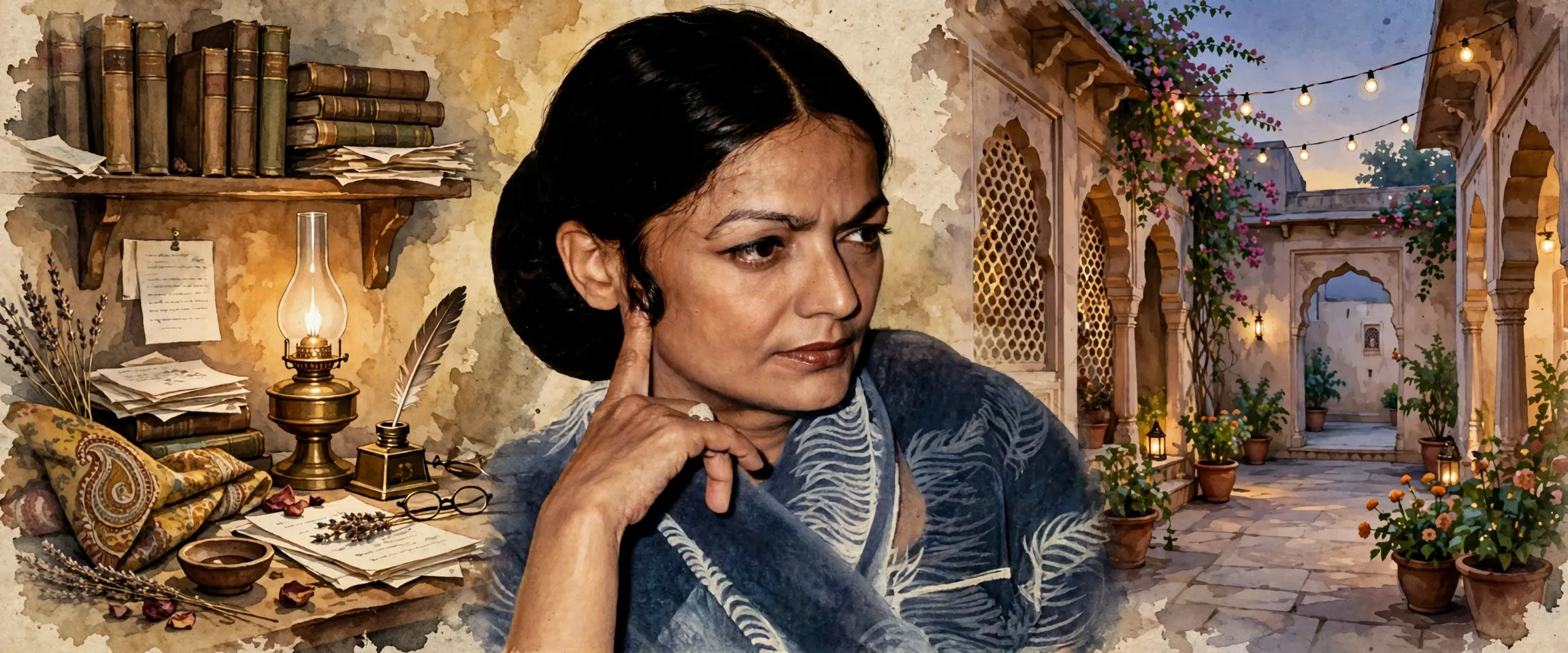
Khadija Mastoor (1927 to 1982) was a Pakistani Urdu novelist and short story writer, best known for her 1962 novel Aangan, widely considered a masterpiece of Urdu literature. Born in Bareilly and settled in Lahore after Partition, she wrote five story collections and two novels, and Aangan won the Adamjee Literary Award in 1963.
- Punjabi name
- ਖਦੀਜਾ ਮਸਤੂਰ
- Born
- 11 December 1927, Bareilly, British India
- Died
- July 1982, London, aged 54
- Family
- Sister Hajra Masroor; step-brother Khalid Ahmad
- Spouse
- Zaheer Babar Awan (married 1950)
- Home
- Lahore, Pakistan (from 1947)
All 9 facts
- Wrote in
- Urdu
- First novel
- Aangan, 1962
- Award
- Adamjee Literary Award, 1963
Early life
Khadija Mastoor was born on 11 December 1927 in Bareilly, in the United Provinces of British India. Her father, Tahawwur Ahmad Khan, was a doctor in government service, and his frequent transfers meant the family moved often, which broke up her schooling. Her mother, Anwar Jahan Begum, was an educated woman who wrote articles for women's magazines, so the house she grew up in was a literary one.
She was one of seven siblings, and writing ran through the family. Her younger sister Hajra Masroor became a noted writer, and her step-brother Khalid Ahmad became a well known poet. The two sisters began writing stories as children, and their work appeared in children's magazines of the time. In 1944, when Khadija was sixteen, stories by both sisters were published together in the same issue of the literary magazine Saqi.
Her father died while the sisters were still young, and the household fell into hardship. Her mother married again, to Mohammad Mustafa Khan, with whom she had a son, Khalid Ahmad. Khadija spent some time in Bombay, and after the creation of Pakistan in 1947 she moved to Lahore, arriving in what Rekhta describes as a state of extreme helplessness. The poet and editor Ahmad Nadeem Qasmi gave the family help and encouragement, and in 1950 she married his nephew, the journalist Zaheer Babar Awan. They had two children, Kiran Fayyaz and Pervez Alam Awan, and the marriage lasted for the rest of her life.
First stories
Khadija began writing short stories in 1942, at fifteen, and she kept writing until her death forty years later. Her early stories were published in the leading Urdu literary magazines of the day, Saqi, Adabi Duniya and Aam-Gir, and they gave her a distinct identity of her own. She wrote about middle class life, and her themes were social and moral as well as political, drawn from experience and observation rather than from any literary movement.
Five collections of her short stories were published in her lifetime: Khel in 1944, Bochaar in 1946, Chand Roz Aur in 1951, Thake Haare in 1962, and Thanda Mitha Pani in 1981, which won the Hijra Award. Rekhta notes that she had no formal training and no model before her, only an instinct for presenting an aspect of life in an artistic way, in frank and everyday language.
Aangan (1962)
Her first novel, Aangan, was published in 1962 by Kitab Numa, and it became her defining work. The title means courtyard, and the novel stays close to the courtyards and houses of its women while the great events of the age press in from outside. It is set in British India and Pakistan in the 1930s and 1940s, following a girl, Aliya, from childhood into young womanhood as the freedom struggle, the Second World War and Partition reshape her world.
The novel won the Adamjee Literary Award for Urdu prose in 1963. It has been translated into thirteen languages. Neelam Hussain translated it into English as The Inner Courtyard in 2001, and Daisy Rockwell's translation, The Women's Courtyard, appeared in 2018 and was recognised as a Penguin classic. The critic Nazir Siddiqi wrote that with her first novel she had possibly surpassed all the male and female novelists of Urdu, with the exception of Qurratulain Hyder, and that in her perfection of art she came close to Jane Austen.
A Pakistani television series based on the novel, starring Sajal Aly, Mawra Hocane, Ahad Raza Mir and Ahsan Khan, aired on Hum TV from 2018 to 2019. The renewed interest made Aangan the bestselling book in Pakistan in 2019, fifty seven years after it was first published. A version was also made in India by DD Urdu.
Why does Aangan still matter?
Aangan endures because it tells the story of Partition and independence from inside the home, through women who live with the consequences of decisions made by men in public life. Aliya's father is jailed for striking a British officer, her uncle backs the Congress while his son Jameel backs the Muslim League, and the family finally leaves for Pakistan almost overnight, yet the novel never leaves the courtyard for long. Reviewers of the English translation have called it a feminist classic, one that questions love, marriage and the need for happy endings, and it is now taught in the syllabus of the Allama Iqbal Open University and in Pakistan's Central Superior Services examinations.
The critic Uslub Ahmad Ansari counts Aangan among the fifteen best novels in Urdu, and Shamsur Rahman Farooqi has said that it deserves more attention than it has received.
Later life and Zameen
Khadija kept writing through the 1960s and 1970s, publishing stories and her second novel, Zameen, which appeared in 1983, after her death. She wrote for forty years without joining any literary movement, and her characters, as Rekhta puts it, appear with their own intellectual complexities, psychological tensions and passions, not as ideals. She died of a heart attack in London in July 1982, aged fifty four, and was buried in Lahore.
Legacy
In 2005, an event at the Karachi Arts Council remembered Khadija and her sister Hajra together, with Hajra as chief guest and the scholar Sahar Ansari presiding. He noted that Khadija wrote from her own personal experience, and that the two sisters had developed quite different styles. Aangan remains her best known work, a novel that is read as both a story of one family and a record of how Partition felt to the women who lived through it in their own homes.
ਮੁੱਢਲਾ ਜੀਵਨ
ਖਦੀਜਾ ਮਸਤੂਰ ਦਾ ਜਨਮ 11 ਦਸੰਬਰ 1927 ਨੂੰ ਬ੍ਰਿਟਿਸ਼ ਭਾਰਤ ਦੇ ਸ਼ਹਿਰ ਬਰੇਲੀ ਵਿੱਚ ਹੋਇਆ। ਉਨ੍ਹਾਂ ਦੇ ਪਿਤਾ ਤਹੱਵਰ ਅਹਿਮਦ ਖ਼ਾਨ ਸਰਕਾਰੀ ਡਾਕਟਰ ਸਨ, ਅਤੇ ਉਨ੍ਹਾਂ ਦੀ ਬਦਲੀ ਵਾਰ ਵਾਰ ਹੁੰਦੀ ਰਹਿੰਦੀ ਸੀ, ਜਿਸ ਕਰਕੇ ਪਰਿਵਾਰ ਨੂੰ ਅਕਸਰ ਜਗ੍ਹਾ ਬਦਲਣੀ ਪੈਂਦੀ ਸੀ ਅਤੇ ਖਦੀਜਾ ਦੀ ਪੜ੍ਹਾਈ ਵਿੱਚ ਵਿਘਨ ਪੈਂਦਾ ਰਿਹਾ। ਉਨ੍ਹਾਂ ਦੀ ਮਾਂ ਅਨਵਰ ਜਹਾਂ ਬੇਗਮ ਪੜ੍ਹੀ ਲਿਖੀ ਔਰਤ ਸਨ ਅਤੇ ਔਰਤਾਂ ਦੇ ਰਸਾਲਿਆਂ ਵਿੱਚ ਲੇਖ ਲਿਖਦੀ ਸਨ, ਇਸ ਲਈ ਘਰ ਦਾ ਮਾਹੌਲ ਸਾਹਿਤਕ ਸੀ।
ਉਹ ਸੱਤ ਭੈਣ ਭਰਾਵਾਂ ਵਿੱਚੋਂ ਇੱਕ ਸਨ, ਅਤੇ ਲਿਖਣਾ ਪਰਿਵਾਰ ਵਿੱਚ ਹੀ ਵਗਦਾ ਸੀ। ਉਨ੍ਹਾਂ ਦੀ ਛੋਟੀ ਭੈਣ ਹਾਜਰਾ ਮਸਰੂਰ ਵੀ ਨਾਮਵਰ ਲੇਖਿਕਾ ਬਣੀ, ਅਤੇ ਮਤਰੇਆ ਭਰਾ ਖ਼ਾਲਿਦ ਅਹਿਮਦ ਮਸ਼ਹੂਰ ਸ਼ਾਇਰ ਬਣੇ। ਦੋਵੇਂ ਭੈਣਾਂ ਨੇ ਬਚਪਨ ਤੋਂ ਹੀ ਕਹਾਣੀਆਂ ਲਿਖਣੀਆਂ ਸ਼ੁਰੂ ਕਰ ਦਿੱਤੀਆਂ, ਅਤੇ ਉਨ੍ਹਾਂ ਦੀਆਂ ਕਹਾਣੀਆਂ ਬੱਚਿਆਂ ਦੇ ਰਸਾਲਿਆਂ ਵਿੱਚ ਛਪਣ ਲੱਗੀਆਂ। 1944 ਵਿੱਚ, ਜਦੋਂ ਖਦੀਜਾ ਸੋਲ੍ਹਾਂ ਸਾਲ ਦੀ ਸੀ, ਦੋਵੇਂ ਭੈਣਾਂ ਦੀਆਂ ਕਹਾਣੀਆਂ ਸਾਹਿਤਕ ਰਸਾਲੇ ਸਾਕੀ ਦੇ ਇੱਕ ਹੀ ਅੰਕ ਵਿੱਚ ਇਕੱਠੀਆਂ ਛਪੀਆਂ।
ਉਨ੍ਹਾਂ ਦੇ ਪਿਤਾ ਦਾ ਦੇਹਾਂਤ ਭੈਣਾਂ ਦੇ ਛੋਟੇ ਹੁੰਦਿਆਂ ਹੀ ਹੋ ਗਿਆ, ਅਤੇ ਘਰ ਵਿੱਚ ਤੰਗੀ ਆ ਗਈ। ਉਨ੍ਹਾਂ ਦੀ ਮਾਂ ਨੇ ਦੂਜਾ ਵਿਆਹ ਮੁਹੰਮਦ ਮੁਸਤਫ਼ਾ ਖ਼ਾਨ ਨਾਲ ਕੀਤਾ, ਜਿਨ੍ਹਾਂ ਤੋਂ ਉਨ੍ਹਾਂ ਦਾ ਪੁੱਤਰ ਖ਼ਾਲਿਦ ਅਹਿਮਦ ਹੋਇਆ। ਖਦੀਜਾ ਕੁਝ ਸਮਾਂ ਬੰਬਈ ਵਿੱਚ ਰਹੀ, ਅਤੇ 1947 ਵਿੱਚ ਪਾਕਿਸਤਾਨ ਬਣਨ ਤੋਂ ਬਾਅਦ ਉਹ ਲਾਹੌਰ ਚਲੀ ਗਈ, ਜਿੱਥੇ ਉਹ ਬਹੁਤ ਮੁਸ਼ਕਲ ਹਾਲਤ ਵਿੱਚ ਪਹੁੰਚੀ। ਸ਼ਾਇਰ ਅਤੇ ਸੰਪਾਦਕ ਅਹਿਮਦ ਨਦੀਮ ਕਾਸਮੀ ਨੇ ਪਰਿਵਾਰ ਦੀ ਮਦਦ ਕੀਤੀ ਅਤੇ ਹੌਸਲਾ ਦਿੱਤਾ, ਅਤੇ 1950 ਵਿੱਚ ਉਨ੍ਹਾਂ ਨੇ ਕਾਸਮੀ ਦੇ ਭਤੀਜੇ, ਪੱਤਰਕਾਰ ਜ਼ਹੀਰ ਬਾਬਰ ਅਵਾਨ ਨਾਲ ਵਿਆਹ ਕਰ ਲਿਆ। ਉਨ੍ਹਾਂ ਦੇ ਦੋ ਬੱਚੇ ਹੋਏ, ਕਿਰਨ ਫ਼ੱਯਾਜ਼ ਅਤੇ ਪਰਵੇਜ਼ ਆਲਮ ਅਵਾਨ, ਅਤੇ ਇਹ ਵਿਆਹ ਉਨ੍ਹਾਂ ਦੇ ਜੀਵਨ ਭਰ ਚੱਲਿਆ।
ਪਹਿਲੀਆਂ ਕਹਾਣੀਆਂ
ਖਦੀਜਾ ਨੇ 1942 ਵਿੱਚ, ਪੰਦਰਾਂ ਸਾਲ ਦੀ ਉਮਰ ਵਿੱਚ, ਕਹਾਣੀਆਂ ਲਿਖਣੀਆਂ ਸ਼ੁਰੂ ਕੀਤੀਆਂ, ਅਤੇ ਆਪਣੀ ਮੌਤ ਤੱਕ ਚਾਲੀ ਸਾਲ ਲਿਖਦੀ ਰਹੀ। ਉਨ੍ਹਾਂ ਦੀਆਂ ਮੁੱਢਲੀਆਂ ਕਹਾਣੀਆਂ ਉਸ ਸਮੇਂ ਦੇ ਵੱਡੇ ਉਰਦੂ ਸਾਹਿਤਕ ਰਸਾਲਿਆਂ ਸਾਕੀ, ਅਦਬੀ ਦੁਨੀਆ ਅਤੇ ਆਮ-ਗੀਰ ਵਿੱਚ ਛਪੀਆਂ, ਅਤੇ ਇਨ੍ਹਾਂ ਨੇ ਉਨ੍ਹਾਂ ਨੂੰ ਆਪਣੀ ਵੱਖਰੀ ਪਛਾਣ ਦਿੱਤੀ। ਉਹ ਮੱਧ ਵਰਗ ਦੇ ਜੀਵਨ ਬਾਰੇ ਲਿਖਦੀ ਸੀ, ਅਤੇ ਉਨ੍ਹਾਂ ਦੇ ਵਿਸ਼ੇ ਸਮਾਜਿਕ ਅਤੇ ਨੈਤਿਕ ਹੋਣ ਦੇ ਨਾਲ ਨਾਲ ਸਿਆਸੀ ਵੀ ਸਨ, ਜੋ ਤਜਰਬੇ ਅਤੇ ਨਿਰੀਖਣ ਤੋਂ ਲਏ ਗਏ ਸਨ, ਕਿਸੇ ਸਾਹਿਤਕ ਲਹਿਰ ਤੋਂ ਨਹੀਂ।
ਉਨ੍ਹਾਂ ਦੇ ਜੀਵਨ ਕਾਲ ਵਿੱਚ ਉਨ੍ਹਾਂ ਦੀਆਂ ਕਹਾਣੀਆਂ ਦੇ ਪੰਜ ਸੰਗ੍ਰਹਿ ਛਪੇ: 1944 ਵਿੱਚ ਖੇਲ, 1946 ਵਿੱਚ ਬੌਛਾੜ, 1951 ਵਿੱਚ ਚੰਦ ਰੋਜ਼ ਔਰ, 1962 ਵਿੱਚ ਥਕੇ ਹਾਰੇ, ਅਤੇ 1981 ਵਿੱਚ ਠੰਢਾ ਮਿੱਠਾ ਪਾਣੀ, ਜਿਸ ਨੂੰ ਹਿਜਰਾ ਪੁਰਸਕਾਰ ਮਿਲਿਆ। ਰੇਖ਼ਤਾ ਲਿਖਦਾ ਹੈ ਕਿ ਉਨ੍ਹਾਂ ਕੋਲ ਕੋਈ ਰਸਮੀ ਸਿਖਲਾਈ ਨਹੀਂ ਸੀ ਅਤੇ ਸਾਹਮਣੇ ਕੋਈ ਨਮੂਨਾ ਨਹੀਂ ਸੀ, ਸਿਰਫ਼ ਜੀਵਨ ਦੇ ਕਿਸੇ ਪਹਿਲੂ ਨੂੰ ਕਲਾਤਮਕ ਢੰਗ ਨਾਲ ਪੇਸ਼ ਕਰਨ ਦੀ ਸੁਭਾਵਿਕ ਸਮਝ ਸੀ, ਸਾਫ਼ ਅਤੇ ਰੋਜ਼ਾਨਾ ਦੀ ਭਾਸ਼ਾ ਵਿੱਚ।
ਆਂਗਣ (1962)
ਉਨ੍ਹਾਂ ਦਾ ਪਹਿਲਾ ਨਾਵਲ ਆਂਗਣ 1962 ਵਿੱਚ ਕਿਤਾਬ ਨੁਮਾ ਵੱਲੋਂ ਛਪਿਆ, ਅਤੇ ਇਹੀ ਉਨ੍ਹਾਂ ਦੀ ਪਛਾਣ ਬਣ ਗਿਆ। ਸਿਰਲੇਖ ਦਾ ਮਤਲਬ ਹੈ ਵਿਹੜਾ, ਅਤੇ ਨਾਵਲ ਆਪਣੀਆਂ ਔਰਤਾਂ ਦੇ ਵਿਹੜਿਆਂ ਅਤੇ ਘਰਾਂ ਦੇ ਨੇੜੇ ਹੀ ਰਹਿੰਦਾ ਹੈ, ਜਦੋਂ ਕਿ ਸਮੇਂ ਦੀਆਂ ਵੱਡੀਆਂ ਘਟਨਾਵਾਂ ਬਾਹਰੋਂ ਦਬਾਅ ਪਾਉਂਦੀਆਂ ਹਨ। ਇਹ 1930 ਅਤੇ 1940 ਦੇ ਦਹਾਕਿਆਂ ਦੇ ਬ੍ਰਿਟਿਸ਼ ਭਾਰਤ ਅਤੇ ਪਾਕਿਸਤਾਨ ਵਿੱਚ ਵਾਪਰਦਾ ਹੈ, ਅਤੇ ਇੱਕ ਕੁੜੀ ਆਲੀਆ ਦੀ ਕਹਾਣੀ ਹੈ, ਜੋ ਬਚਪਨ ਤੋਂ ਜਵਾਨੀ ਵੱਲ ਵਧਦੀ ਹੈ, ਜਦੋਂ ਆਜ਼ਾਦੀ ਦੀ ਲਹਿਰ, ਦੂਜੀ ਸੰਸਾਰ ਜੰਗ ਅਤੇ ਵੰਡ ਉਸ ਦੀ ਦੁਨੀਆ ਨੂੰ ਬਦਲ ਦਿੰਦੀਆਂ ਹਨ।
ਇਸ ਨਾਵਲ ਨੇ 1963 ਵਿੱਚ ਉਰਦੂ ਗਦ ਲਈ ਐਡਮਜੀ ਸਾਹਿਤਕ ਪੁਰਸਕਾਰ ਜਿੱਤਿਆ। ਇਹ ਤੇਰਾਂ ਭਾਸ਼ਾਵਾਂ ਵਿੱਚ ਅਨੁਵਾਦ ਹੋ ਚੁੱਕਾ ਹੈ। ਨੀਲਮ ਹੁਸੈਨ ਨੇ ਇਸ ਦਾ ਅੰਗਰੇਜ਼ੀ ਅਨੁਵਾਦ ਦ ਇਨਰ ਕੋਰਟਯਾਰਡ ਦੇ ਨਾਂ ਨਾਲ 2001 ਵਿੱਚ ਕੀਤਾ, ਅਤੇ ਡੇਜ਼ੀ ਰਾਕਵੈੱਲ ਦਾ ਅਨੁਵਾਦ ਦ ਵੂਮੈਨਜ਼ ਕੋਰਟਯਾਰਡ 2018 ਵਿੱਚ ਛਪਿਆ ਅਤੇ ਪੈਂਗੁਇਨ ਕਲਾਸਿਕ ਵਜੋਂ ਮਾਨਤਾ ਪਾਈ। ਆਲੋਚਕ ਨਜ਼ੀਰ ਸਿੱਦੀਕੀ ਨੇ ਲਿਖਿਆ ਕਿ ਆਪਣੇ ਪਹਿਲੇ ਨਾਵਲ ਨਾਲ ਉਹ ਕੁਰਅਤੁਲਐਨ ਹੈਦਰ ਨੂੰ ਛੱਡ ਕੇ ਉਰਦੂ ਦੇ ਸਾਰੇ ਨਾਵਲਕਾਰਾਂ ਤੋਂ ਅੱਗੇ ਨਿਕਲ ਗਈ ਸੀ, ਅਤੇ ਕਲਾ ਦੀ ਪੂਰਨਤਾ ਵਿੱਚ ਉਹ ਜੇਨ ਆਸਟਨ ਦੇ ਨੇੜੇ ਪਹੁੰਚ ਗਈ ਸੀ।
ਇਸ ਨਾਵਲ ਉੱਤੇ ਬਣਿਆ ਪਾਕਿਸਤਾਨੀ ਟੀਵੀ ਧਾਰਾਵਾਹਿਕ, ਜਿਸ ਵਿੱਚ ਸਜਲ ਅਲੀ, ਮਾਵਰਾ ਹੁਕੈਨ, ਅਹਿਦ ਰਜ਼ਾ ਮੀਰ ਅਤੇ ਅਹਿਸਨ ਖ਼ਾਨ ਸਨ, 2018 ਤੋਂ 2019 ਤੱਕ ਹਮ ਟੀਵੀ ਉੱਤੇ ਚੱਲਿਆ। ਇਸ ਨਵੀਂ ਦਿਲਚਸਪੀ ਨੇ ਆਂਗਣ ਨੂੰ 2019 ਵਿੱਚ ਪਾਕਿਸਤਾਨ ਦੀ ਸਭ ਤੋਂ ਵੱਧ ਵਿਕਣ ਵਾਲੀ ਕਿਤਾਬ ਬਣਾ ਦਿੱਤਾ, ਪਹਿਲੀ ਵਾਰ ਛਪਣ ਤੋਂ ਸਤਵੰਜਾ ਸਾਲ ਬਾਅਦ। ਭਾਰਤ ਵਿੱਚ ਡੀਡੀ ਉਰਦੂ ਨੇ ਵੀ ਇਸ ਉੱਤੇ ਇੱਕ ਸੰਸਕਰਣ ਬਣਾਇਆ।
ਆਂਗਣ ਅੱਜ ਵੀ ਕਿਉਂ ਮਹੱਤਵਪੂਰਨ ਹੈ?
ਆਂਗਣ ਇਸ ਲਈ ਕਾਇਮ ਹੈ ਕਿਉਂਕਿ ਇਹ ਵੰਡ ਅਤੇ ਆਜ਼ਾਦੀ ਦੀ ਕਹਾਣੀ ਘਰ ਦੇ ਅੰਦਰੋਂ, ਉਨ੍ਹਾਂ ਔਰਤਾਂ ਰਾਹੀਂ ਸੁਣਾਉਂਦਾ ਹੈ ਜੋ ਜਨਤਕ ਜੀਵਨ ਵਿੱਚ ਮਰਦਾਂ ਵੱਲੋਂ ਲਏ ਫ਼ੈਸਲਿਆਂ ਦੇ ਨਤੀਜੇ ਭੁਗਤਦੀਆਂ ਹਨ। ਆਲੀਆ ਦਾ ਪਿਤਾ ਇੱਕ ਬ੍ਰਿਟਿਸ਼ ਅਫ਼ਸਰ ਨੂੰ ਮਾਰਨ ਕਰਕੇ ਜੇਲ੍ਹ ਜਾਂਦਾ ਹੈ, ਉਸ ਦਾ ਚਾਚਾ ਕਾਂਗਰਸ ਦਾ ਸਮਰਥਕ ਹੈ ਜਦੋਂ ਕਿ ਉਸ ਦਾ ਪੁੱਤਰ ਜਮੀਲ ਮੁਸਲਿਮ ਲੀਗ ਦਾ ਸਮਰਥਕ ਹੈ, ਅਤੇ ਪਰਿਵਾਰ ਅੰਤ ਵਿੱਚ ਲਗਭਗ ਰਾਤੋ ਰਾਤ ਪਾਕਿਸਤਾਨ ਚਲਾ ਜਾਂਦਾ ਹੈ, ਪਰ ਨਾਵਲ ਵਿਹੜੇ ਤੋਂ ਦੂਰ ਕਦੇ ਜ਼ਿਆਦਾ ਦੇਰ ਨਹੀਂ ਜਾਂਦਾ। ਅੰਗਰੇਜ਼ੀ ਅਨੁਵਾਦ ਦੇ ਸਮੀਖਿਅਕਾਂ ਨੇ ਇਸ ਨੂੰ ਨਾਰੀਵਾਦੀ ਕਲਾਸਿਕ ਕਿਹਾ ਹੈ, ਜੋ ਪਿਆਰ, ਵਿਆਹ ਅਤੇ ਸੁਖਦ ਅੰਤ ਦੀ ਲੋੜ ਉੱਤੇ ਸਵਾਲ ਉਠਾਉਂਦਾ ਹੈ, ਅਤੇ ਇਹ ਹੁਣ ਅਲਾਮਾ ਇਕਬਾਲ ਓਪਨ ਯੂਨੀਵਰਸਿਟੀ ਅਤੇ ਪਾਕਿਸਤਾਨ ਦੀਆਂ ਸੈਂਟਰਲ ਸੁਪੀਰੀਅਰ ਸਰਵਿਸਿਜ਼ ਦੀਆਂ ਪ੍ਰੀਖਿਆਵਾਂ ਦੇ ਪਾਠਕ੍ਰਮ ਵਿੱਚ ਸ਼ਾਮਲ ਹੈ।
ਆਲੋਚਕ ਉਸਲੂਬ ਅਹਿਮਦ ਅਨਸਾਰੀ ਆਂਗਣ ਨੂੰ ਉਰਦੂ ਦੇ ਪੰਦਰਾਂ ਸਭ ਤੋਂ ਵਧੀਆ ਨਾਵਲਾਂ ਵਿੱਚ ਗਿਣਦੇ ਹਨ, ਅਤੇ ਸ਼ਮਸੁਰ ਰਹਿਮਾਨ ਫ਼ਾਰੂਕੀ ਨੇ ਕਿਹਾ ਹੈ ਕਿ ਇਸ ਵੱਲ ਜਿੰਨਾ ਧਿਆਨ ਦਿੱਤਾ ਗਿਆ ਹੈ, ਇਸ ਤੋਂ ਵੱਧ ਦਾ ਹੱਕਦਾਰ ਹੈ।
ਬਾਅਦ ਦਾ ਜੀਵਨ ਅਤੇ ਜ਼ਮੀਨ
ਖਦੀਜਾ 1960 ਅਤੇ 1970 ਦੇ ਦਹਾਕਿਆਂ ਵਿੱਚ ਲਿਖਦੀ ਰਹੀ, ਕਹਾਣੀਆਂ ਅਤੇ ਆਪਣਾ ਦੂਜਾ ਨਾਵਲ ਜ਼ਮੀਨ ਲਿਖਿਆ, ਜੋ ਉਨ੍ਹਾਂ ਦੀ ਮੌਤ ਤੋਂ ਬਾਅਦ 1983 ਵਿੱਚ ਛਪਿਆ। ਉਹ ਚਾਲੀ ਸਾਲ ਤੱਕ ਕਿਸੇ ਸਾਹਿਤਕ ਲਹਿਰ ਨਾਲ ਜੁੜੇ ਬਿਨਾਂ ਲਿਖਦੀ ਰਹੀ, ਅਤੇ ਉਨ੍ਹਾਂ ਦੇ ਪਾਤਰ, ਜਿਵੇਂ ਰੇਖ਼ਤਾ ਲਿਖਦਾ ਹੈ, ਆਪਣੀਆਂ ਬੌਧਿਕ ਜਟਿਲਤਾਵਾਂ, ਮਨੋਵਿਗਿਆਨਕ ਤਣਾਅ ਅਤੇ ਜਜ਼ਬਿਆਂ ਨਾਲ ਆਉਂਦੇ ਹਨ, ਆਦਰਸ਼ਾਂ ਵਜੋਂ ਨਹੀਂ। ਜੁਲਾਈ 1982 ਵਿੱਚ ਲੰਡਨ ਵਿੱਚ ਦਿਲ ਦੇ ਦੌਰੇ ਨਾਲ ਉਨ੍ਹਾਂ ਦਾ ਦੇਹਾਂਤ ਹੋ ਗਿਆ, ਉਹ ਚੌਵੰਜਾ ਸਾਲ ਦੀ ਸੀ, ਅਤੇ ਉਨ੍ਹਾਂ ਨੂੰ ਲਾਹੌਰ ਵਿੱਚ ਦਫ਼ਨਾਇਆ ਗਿਆ।
ਵਿਰਸਾ
2005 ਵਿੱਚ ਕਰਾਚੀ ਆਰਟਸ ਕੌਂਸਲ ਵਿੱਚ ਇੱਕ ਸਮਾਗਮ ਵਿੱਚ ਖਦੀਜਾ ਅਤੇ ਉਨ੍ਹਾਂ ਦੀ ਭੈਣ ਹਾਜਰਾ ਨੂੰ ਇਕੱਠਿਆਂ ਯਾਦ ਕੀਤਾ ਗਿਆ, ਜਿਸ ਵਿੱਚ ਹਾਜਰਾ ਮੁੱਖ ਮਹਿਮਾਨ ਸਨ ਅਤੇ ਵਿਦਵਾਨ ਸਹਰ ਅਨਸਾਰੀ ਨੇ ਪ੍ਰਧਾਨਗੀ ਕੀਤੀ। ਉਨ੍ਹਾਂ ਨੇ ਕਿਹਾ ਕਿ ਖਦੀਜਾ ਆਪਣੇ ਤਜਰਬੇ ਤੋਂ ਲਿਖਦੀ ਸੀ, ਅਤੇ ਦੋਵੇਂ ਭੈਣਾਂ ਨੇ ਬਿਲਕੁਲ ਵੱਖਰੀਆਂ ਸ਼ੈਲੀਆਂ ਵਿਕਸਤ ਕੀਤੀਆਂ ਸਨ। ਆਂਗਣ ਉਨ੍ਹਾਂ ਦੀ ਸਭ ਤੋਂ ਜਾਣੀ ਪਛਾਣੀ ਰਚਨਾ ਹੈ, ਇੱਕ ਨਾਵਲ ਜੋ ਇੱਕ ਪਰਿਵਾਰ ਦੀ ਕਹਾਣੀ ਵਜੋਂ ਵੀ ਪੜ੍ਹਿਆ ਜਾਂਦਾ ਹੈ ਅਤੇ ਉਨ੍ਹਾਂ ਔਰਤਾਂ ਦੇ ਤਜਰਬੇ ਦੇ ਦਸਤਾਵੇਜ਼ ਵਜੋਂ ਵੀ ਜਿਨ੍ਹਾਂ ਨੇ ਵੰਡ ਨੂੰ ਆਪਣੇ ਘਰਾਂ ਵਿੱਚ ਜੀਅਿਆ।
Works
More people



Sources (3)
Jugti is free and independent. Reader support keeps the Kosh growing.
Support