

Baba Deep Singh Ji (1682 to 1757) was a Sikh scholar and soldier from Pahuwind village near Amritsar: the first head of the Damdami Taksal, founder of the Shahid misl and head granthi of Damdama Sahib. In 1757, aged 75, he marched to defend the Harmandir Sahib after its desecration by Ahmad Shah Durrani and was killed at the Battle of Amritsar.
- Punjabi name
- ਬਾਬਾ ਦੀਪ ਸਿੰਘ ਜੀ
- Born
- 26 January 1682 (some records give 20 January)
- Birthplace
- Pahuwind village, near Amritsar, now in Tarn Taran district, Punjab
- Parents
- Bhagta (father, a farmer) and Jioni (mother)
- Died
- 13 November 1757, at Amritsar, aged 75
- Roles
- First head of the Damdami Taksal; head granthi of Takht Sri Damdama Sahib
All 9 facts
- Misl
- Founder of the Shahid misl of the Dal Khalsa
- Known for
- Hand written copies of the Guru Granth Sahib Ji; the Battle of Amritsar, 1757
- Memorials
- Marker on the parkarma of the Harmandir Sahib; Burj Baba Deep Singh Shahid at Talwandi Sabo; his khanda preserved at Akal Takht Sahib
Baba Deep Singh Ji (1682 to 1757) was a Sikh scholar and soldier from Pahuwind village near Amritsar, honoured as the first head of the Damdami Taksal school of learning and the founder of the Shahid misl. Aged 75, he died at the Battle of Amritsar in 1757 defending the Harmandir Sahib, and Sikhs remember him as a revered martyr of the Panth.
Who was Baba Deep Singh Ji?
He stands in Sikh memory as the complete sant sipahi, the saint soldier: a man who spent years copying the Guru Granth Sahib Ji by hand and teaching its meaning, and who also led fighting men for half a century. The Damdami Taksal, the Sikh school of learning that traces its founding to Guru Gobind Singh Ji's stay at Damdama Sahib, counts Baba Deep Singh Ji as its first head. His own fighting band, one of the jathas of the Dal Khalsa, became the Shahid misl, the misl of the martyrs, and took its name from the manner of his death.
Early life and the years with Guru Gobind Singh Ji
Baba Deep Singh Ji was born on 26 January 1682 (some records give 20 January) at Pahuwind, a village about 40 kilometres south west of Amritsar in what is now Tarn Taran district. His father Bhagta was a farmer and his mother was Jioni, and he was their only child, named Deepa. At the age of twelve he travelled with his parents to Anandpur Sahib to see Guru Gobind Singh Ji, and the Guru asked the boy to stay on in his city. There he served the sangat and studied: Bhai Mani Singh Ji taught him Gurmukhi and the interpretation of the Gurus' words, and he learned riding, archery and the use of arms.
On Vaisakhi in 1700, at eighteen, he received the Khalsa vows from the Panj Pyare at Anandpur Sahib in the Guru's presence and took the name Deep Singh. After about two more years at Anandpur he returned to Pahuwind in 1702 and married. When the Guru left Anandpur in 1704 and the younger Sahibzade were killed at Sirhind, Baba Deep Singh Ji set out to join him, and caught up with him at Damdama Sahib in Talwandi Sabo.
The scholar of Damdama Sahib
At Damdama Sahib, Baba Deep Singh Ji worked with Bhai Mani Singh Ji on the scripture. Sikh tradition holds that Guru Gobind Singh Ji recited the complete Guru Granth Sahib Ji there while the two scholars wrote. What the record shows plainly is that Baba Deep Singh Ji spent years producing careful hand written copies of the Granth for distribution among the Sikhs, and that in 1726 he had four copies prepared from the recension Bhai Mani Singh Ji had made. Tradition records that those four copies were sent to four of the Takhts: Akal Takht Sahib, Takht Patna Sahib, Takht Hazur Sahib and Takht Keshgarh Sahib.
When Guru Gobind Singh Ji left for the Deccan in 1706, he placed Baba Deep Singh Ji in charge of Damdama Sahib. He stayed there as its head granthi, preaching, teaching the scripture and training Sikhs in martial skills, and he also prepared gutkas, small books of hymns, for the community. The tower where he lived beside Takht Sri Damdama Sahib still stands, and is known as Burj Baba Deep Singh Shahid.
Soldier of the Dal Khalsa
His scholarship never kept him from the field. In 1709 and 1710 he joined Banda Singh Bahadur's campaign and fought at Sadhaura, at Chappar Chiri and at the siege of Sirhind, though he parted from Banda Singh in 1714. In 1732 he rode to the rescue of Sardar Ala Singh, who had been besieged at Barnala. In 1733, when the Lahore governor sought peace and offered the Sikhs a nawabship and a jagir, Baba Deep Singh Ji brought his jatha to Amritsar to join Nawab Kapur Singh in the joint Sikh force, the Dal Khalsa.
At the Sarbat Khalsa gathering on Vaisakhi 1748, the 65 jathas of the Dal Khalsa were reorganised into twelve misls, and Baba Deep Singh Ji was entrusted with the leadership of the one that came to be known as the Shahid misl. Its country lay south of the River Sutlej, and his headquarters remained at Talwandi Sabo, where the scholar's desk and the soldier's camp stood in the same place.
Why did Baba Deep Singh Ji march on Amritsar in 1757?
In April 1757 Ahmad Shah Durrani raided northern India for the fourth time. On his way home his caravan carried captives, young men and women taken from the towns of India. Near Kurukshetra, Baba Deep Singh Ji's squad fell on the caravan, freed a large number of the prisoners and seized part of the looted treasury. Sikh accounts put the rescued women, girls and boys at about four hundred. In revenge, Durrani ordered the Harmandir Sahib blown up and its sacred pool filled with the entrails of slaughtered animals, and he left his son Timur Shah in Lahore with a force under General Jahan Khan.
Baba Deep Singh Ji, now 75 and living in scholarly retirement at Damdama Sahib, declared to the congregation that he intended to rebuild the temple, and prayed: may my head fall at the Darbar Sahib. Five hundred men came forward at once. As the column moved from village to village it grew, and by Tarn Taran, ten miles from Amritsar, some five thousand Sikhs marched with him. There, tradition says, he drew a line on the ground with his khanda and asked only those ready to die to cross it. Every man crossed.
The two armies met on 13 November 1757 in the Battle of Amritsar. Outnumbered, the Sikhs fought their way toward the city, and in the fighting Baba Deep Singh Ji took a terrible wound to the neck. Sikh tradition preserves two accounts of his last moments. In one, his head was severed completely and he fought on, carrying it in his hand. In the other, mortally wounded but not beheaded, he held his head upright with his left hand and cleared his path with his heavy khanda until he reached the parkarma, the walkway around the sacred pool, and died there. The Sikhs won the day, and the Afghan force was driven off.
How is Baba Deep Singh Ji remembered today?
The place where he fell is marked inside the Golden Temple complex, and pilgrims still stop at the marble marker on the parkarma to pay their respects. His khanda, the double edged sword he carried in his last battle, is preserved at Akal Takht Sahib. The Damdami Taksal continues the school of learning he first headed at Damdama Sahib. Sikhs remember him, together with Banda Singh Bahadur Ji, among the most honoured martyrs of the Panth: a life in which the pen and the sword stayed in the same hands, and learning was put at the service of the community until the last day.
ਬਾਬਾ ਦੀਪ ਸਿੰਘ ਜੀ (1682 ਤੋਂ 1757) ਅੰਮ੍ਰਿਤਸਰ ਨੇੜੇ ਪਾਹੂਵਿੰਡ ਪਿੰਡ ਦੇ ਸਿੱਖ ਵਿਦਵਾਨ ਅਤੇ ਸਿਪਾਹੀ ਸਨ, ਜਿਨ੍ਹਾਂ ਨੂੰ ਦਮਦਮੀ ਟਕਸਾਲ ਦੇ ਪਹਿਲੇ ਮੁਖੀ ਅਤੇ ਸ਼ਹੀਦ ਮਿਸਲ ਦੇ ਬਾਨੀ ਵਜੋਂ ਸਤਕਾਰਿਆ ਜਾਂਦਾ ਹੈ। 75 ਸਾਲ ਦੀ ਉਮਰ ਵਿੱਚ ਉਹ 1757 ਵਿੱਚ ਸ੍ਰੀ ਹਰਿਮੰਦਰ ਸਾਹਿਬ ਦੀ ਰਾਖੀ ਕਰਦੇ ਅੰਮ੍ਰਿਤਸਰ ਦੀ ਲੜਾਈ ਵਿੱਚ ਸ਼ਹੀਦ ਹੋਏ, ਅਤੇ ਸਿੱਖ ਉਨ੍ਹਾਂ ਨੂੰ ਪੰਥ ਦੇ ਸਤਕਾਰਯੋਗ ਸ਼ਹੀਦ ਵਜੋਂ ਯਾਦ ਕਰਦੇ ਹਨ।
ਬਾਬਾ ਦੀਪ ਸਿੰਘ ਜੀ ਕੌਣ ਸਨ?
ਸਿੱਖ ਯਾਦ ਵਿੱਚ ਉਹ ਸੰਤ ਸਿਪਾਹੀ ਦੀ ਪੂਰੀ ਮਿਸਾਲ ਹਨ: ਇੱਕ ਪਾਸੇ ਉਹ ਇਨਸਾਨ ਜਿਸ ਨੇ ਸਾਲਾਂ ਤੱਕ ਆਪਣੇ ਹੱਥ ਨਾਲ ਗੁਰੂ ਗ੍ਰੰਥ ਸਾਹਿਬ ਜੀ ਦੀਆਂ ਬੀੜਾਂ ਲਿਖੀਆਂ ਅਤੇ ਉਨ੍ਹਾਂ ਦਾ ਅਰਥ ਸਿਖਾਇਆ, ਦੂਜੇ ਪਾਸੇ ਉਹ ਜੋ ਅੱਧੀ ਸਦੀ ਤੱਕ ਜੰਗੀ ਦਲਾਂ ਦੀ ਅਗਵਾਈ ਕਰਦਾ ਰਿਹਾ। ਦਮਦਮੀ ਟਕਸਾਲ, ਸਿੱਖਾਂ ਦੀ ਉਹ ਵਿਦਿਆ ਸੰਸਥਾ ਜੋ ਆਪਣੀ ਨੀਂਹ ਗੁਰੂ ਗੋਬਿੰਦ ਸਿੰਘ ਜੀ ਦੇ ਦਮਦਮਾ ਸਾਹਿਬ ਵਿਖੇ ਠਹਿਰਾਅ ਨਾਲ ਜੋੜਦੀ ਹੈ, ਬਾਬਾ ਦੀਪ ਸਿੰਘ ਜੀ ਨੂੰ ਆਪਣਾ ਪਹਿਲਾ ਮੁਖੀ ਗਿਣਦੀ ਹੈ। ਦਲ ਖਾਲਸਾ ਦੇ ਜਥਿਆਂ ਵਿੱਚੋਂ ਉਨ੍ਹਾਂ ਦਾ ਆਪਣਾ ਜਥਾ ਸ਼ਹੀਦ ਮਿਸਲ ਬਣਿਆ, ਸ਼ਹੀਦਾਂ ਦੀ ਮਿਸਲ, ਅਤੇ ਇਸ ਦਾ ਨਾਂ ਉਨ੍ਹਾਂ ਦੀ ਸ਼ਹਾਦਤ ਦੇ ਢੰਗ ਤੋਂ ਪਿਆ।
ਮੁੱਢਲਾ ਜੀਵਨ ਅਤੇ ਗੁਰੂ ਗੋਬਿੰਦ ਸਿੰਘ ਜੀ ਨਾਲ ਸਾਲ
ਬਾਬਾ ਦੀਪ ਸਿੰਘ ਜੀ ਦਾ ਜਨਮ 26 ਜਨਵਰੀ 1682 ਨੂੰ (ਕੁਝ ਰਿਕਾਰਡਾਂ ਵਿੱਚ 20 ਜਨਵਰੀ ਦਰਜ ਹੈ) ਪਾਹੂਵਿੰਡ ਵਿਖੇ ਹੋਇਆ, ਜੋ ਅੰਮ੍ਰਿਤਸਰ ਤੋਂ ਲਗਭਗ 40 ਕਿਲੋਮੀਟਰ ਦੱਖਣ ਪੱਛਮ ਵਿੱਚ ਹੈ ਅਤੇ ਅੱਜ ਤਰਨ ਤਾਰਨ ਜ਼ਿਲ੍ਹੇ ਵਿੱਚ ਪੈਂਦਾ ਹੈ। ਉਨ੍ਹਾਂ ਦੇ ਪਿਤਾ ਭਗਤਾ ਜੀ ਕਿਸਾਨ ਸਨ ਅਤੇ ਮਾਤਾ ਜੀਓਣੀ ਜੀ ਸਨ, ਅਤੇ ਉਹ ਉਨ੍ਹਾਂ ਦੀ ਇਕਲੌਤੀ ਔਲਾਦ ਸਨ, ਨਾਂ ਦੀਪਾ। ਬਾਰਾਂ ਸਾਲ ਦੀ ਉਮਰ ਵਿੱਚ ਉਹ ਮਾਤਾ ਪਿਤਾ ਨਾਲ ਅਨੰਦਪੁਰ ਸਾਹਿਬ ਗੁਰੂ ਗੋਬਿੰਦ ਸਿੰਘ ਜੀ ਦੇ ਦਰਸ਼ਨਾਂ ਲਈ ਗਏ, ਅਤੇ ਗੁਰੂ ਜੀ ਨੇ ਮੁੰਡੇ ਨੂੰ ਆਪਣੇ ਸ਼ਹਿਰ ਵਿੱਚ ਰਹਿਣ ਲਈ ਕਿਹਾ। ਉੱਥੇ ਉਨ੍ਹਾਂ ਨੇ ਸੰਗਤ ਦੀ ਸੇਵਾ ਕੀਤੀ ਅਤੇ ਪੜ੍ਹਾਈ ਕੀਤੀ: ਭਾਈ ਮਨੀ ਸਿੰਘ ਜੀ ਨੇ ਉਨ੍ਹਾਂ ਨੂੰ ਗੁਰਮੁਖੀ ਅਤੇ ਗੁਰੂਆਂ ਦੀ ਬਾਣੀ ਦੇ ਅਰਥ ਸਿਖਾਏ, ਅਤੇ ਉਨ੍ਹਾਂ ਨੇ ਘੋੜ ਸਵਾਰੀ, ਤੀਰ ਅੰਦਾਜ਼ੀ ਅਤੇ ਸ਼ਸਤਰ ਵਿੱਦਿਆ ਸਿੱਖੀ।
1700 ਦੀ ਵਿਸਾਖੀ ਤੇ, ਅਠਾਰਾਂ ਸਾਲ ਦੀ ਉਮਰ ਵਿੱਚ, ਉਨ੍ਹਾਂ ਨੇ ਅਨੰਦਪੁਰ ਸਾਹਿਬ ਵਿਖੇ ਗੁਰੂ ਜੀ ਦੀ ਹਜ਼ੂਰੀ ਵਿੱਚ ਪੰਜ ਪਿਆਰਿਆਂ ਤੋਂ ਖਾਲਸੇ ਦੇ ਅੰਮ੍ਰਿਤ ਦੀ ਦਾਤ ਪ੍ਰਾਪਤ ਕੀਤੀ ਅਤੇ ਨਾਂ ਦੀਪ ਸਿੰਘ ਧਾਰਿਆ। ਅਨੰਦਪੁਰ ਵਿੱਚ ਲਗਭਗ ਦੋ ਹੋਰ ਸਾਲ ਰਹਿ ਕੇ ਉਹ 1702 ਵਿੱਚ ਪਾਹੂਵਿੰਡ ਪਰਤੇ ਅਤੇ ਵਿਆਹੇ ਗਏ। ਜਦੋਂ ਗੁਰੂ ਜੀ 1704 ਵਿੱਚ ਅਨੰਦਪੁਰ ਛੱਡ ਗਏ ਅਤੇ ਛੋਟੇ ਸਾਹਿਬਜ਼ਾਦੇ ਸਰਹਿੰਦ ਵਿਖੇ ਸ਼ਹੀਦ ਹੋਏ, ਤਾਂ ਬਾਬਾ ਦੀਪ ਸਿੰਘ ਜੀ ਗੁਰੂ ਜੀ ਨੂੰ ਮਿਲਣ ਤੁਰ ਪਏ ਅਤੇ ਤਲਵੰਡੀ ਸਾਬੋ ਦੇ ਦਮਦਮਾ ਸਾਹਿਬ ਵਿਖੇ ਉਨ੍ਹਾਂ ਨੂੰ ਜਾ ਮਿਲੇ।
ਦਮਦਮਾ ਸਾਹਿਬ ਦੇ ਵਿਦਵਾਨ
ਦਮਦਮਾ ਸਾਹਿਬ ਵਿਖੇ ਬਾਬਾ ਦੀਪ ਸਿੰਘ ਜੀ ਨੇ ਭਾਈ ਮਨੀ ਸਿੰਘ ਜੀ ਨਾਲ ਮਿਲ ਕੇ ਧਰਮ ਗ੍ਰੰਥ ਤੇ ਕੰਮ ਕੀਤਾ। ਸਿੱਖ ਪਰੰਪਰਾ ਅਨੁਸਾਰ ਗੁਰੂ ਗੋਬਿੰਦ ਸਿੰਘ ਜੀ ਨੇ ਉੱਥੇ ਪੂਰਾ ਗੁਰੂ ਗ੍ਰੰਥ ਸਾਹਿਬ ਜੀ ਸੁਣਾਇਆ ਅਤੇ ਦੋਵਾਂ ਵਿਦਵਾਨਾਂ ਨੇ ਲਿਖਿਆ। ਰਿਕਾਰਡ ਸਾਫ਼ ਦੱਸਦਾ ਹੈ ਕਿ ਬਾਬਾ ਦੀਪ ਸਿੰਘ ਜੀ ਨੇ ਸਾਲਾਂ ਤੱਕ ਸਿੱਖਾਂ ਵਿੱਚ ਵੰਡਣ ਲਈ ਗ੍ਰੰਥ ਦੀਆਂ ਹੱਥ ਲਿਖਤ ਬੀੜਾਂ ਤਿਆਰ ਕੀਤੀਆਂ, ਅਤੇ 1726 ਵਿੱਚ ਉਨ੍ਹਾਂ ਨੇ ਭਾਈ ਮਨੀ ਸਿੰਘ ਜੀ ਵਾਲੀ ਬੀੜ ਤੋਂ ਚਾਰ ਬੀੜਾਂ ਤਿਆਰ ਕਰਵਾਈਆਂ। ਪਰੰਪਰਾ ਦੱਸਦੀ ਹੈ ਕਿ ਉਹ ਚਾਰ ਬੀੜਾਂ ਚਾਰ ਤਖ਼ਤਾਂ ਨੂੰ ਭੇਜੀਆਂ ਗਈਆਂ: ਸ੍ਰੀ ਅਕਾਲ ਤਖ਼ਤ ਸਾਹਿਬ, ਤਖ਼ਤ ਸ੍ਰੀ ਪਟਨਾ ਸਾਹਿਬ, ਤਖ਼ਤ ਸ੍ਰੀ ਹਜ਼ੂਰ ਸਾਹਿਬ ਅਤੇ ਤਖ਼ਤ ਸ੍ਰੀ ਕੇਸਗੜ੍ਹ ਸਾਹਿਬ।
ਜਦੋਂ ਗੁਰੂ ਗੋਬਿੰਦ ਸਿੰਘ ਜੀ 1706 ਵਿੱਚ ਦੱਖਣ ਵੱਲ ਗਏ, ਤਾਂ ਉਨ੍ਹਾਂ ਨੇ ਦਮਦਮਾ ਸਾਹਿਬ ਦੀ ਜ਼ਿੰਮੇਵਾਰੀ ਬਾਬਾ ਦੀਪ ਸਿੰਘ ਜੀ ਨੂੰ ਸੌਂਪੀ। ਉਹ ਉੱਥੇ ਮੁੱਖ ਗ੍ਰੰਥੀ ਵਜੋਂ ਰਹੇ, ਪ੍ਰਚਾਰ ਕਰਦੇ, ਗ੍ਰੰਥ ਪੜ੍ਹਾਉਂਦੇ ਅਤੇ ਸਿੱਖਾਂ ਨੂੰ ਸ਼ਸਤਰ ਵਿੱਦਿਆ ਸਿਖਾਉਂਦੇ, ਅਤੇ ਸੰਗਤ ਲਈ ਗੁਟਕੇ ਵੀ ਤਿਆਰ ਕਰਦੇ। ਤਖ਼ਤ ਸ੍ਰੀ ਦਮਦਮਾ ਸਾਹਿਬ ਦੇ ਨਾਲ ਜਿਸ ਬੁਰਜ ਵਿੱਚ ਉਹ ਰਹਿੰਦੇ ਸਨ, ਉਹ ਅੱਜ ਵੀ ਖੜ੍ਹਾ ਹੈ ਅਤੇ ਬੁਰਜ ਬਾਬਾ ਦੀਪ ਸਿੰਘ ਸ਼ਹੀਦ ਵਜੋਂ ਜਾਣਿਆ ਜਾਂਦਾ ਹੈ।
ਦਲ ਖਾਲਸਾ ਦੇ ਸਿਪਾਹੀ
ਉਨ੍ਹਾਂ ਦੀ ਵਿਦਵਤਾ ਨੇ ਉਨ੍ਹਾਂ ਨੂੰ ਕਦੇ ਮੈਦਾਨ ਤੋਂ ਦੂਰ ਨਹੀਂ ਰੱਖਿਆ। 1709 ਅਤੇ 1710 ਵਿੱਚ ਉਹ ਬਾਬਾ ਬੰਦਾ ਸਿੰਘ ਬਹਾਦਰ ਦੀ ਮੁਹਿੰਮ ਵਿੱਚ ਸ਼ਾਮਲ ਹੋਏ ਅਤੇ ਸਢੌਰਾ, ਛੱਪੜ ਛਿੜੀ ਅਤੇ ਸਰਹਿੰਦ ਦੇ ਘੇਰੇ ਵਿੱਚ ਲੜੇ, ਹਾਲਾਂਕਿ 1714 ਵਿੱਚ ਉਹ ਬੰਦਾ ਸਿੰਘ ਤੋਂ ਵੱਖ ਹੋ ਗਏ। 1732 ਵਿੱਚ ਉਹ ਬਰਨਾਲਾ ਵਿਖੇ ਘੇਰੇ ਵਿੱਚ ਫਸੇ ਸਰਦਾਰ ਆਲਾ ਸਿੰਘ ਦੀ ਮਦਦ ਲਈ ਗਏ। 1733 ਵਿੱਚ, ਜਦੋਂ ਲਾਹੌਰ ਦੇ ਹਾਕਮ ਨੇ ਸੁਲਾਹ ਦੀ ਪੇਸ਼ਕਸ਼ ਕਰ ਕੇ ਸਿੱਖਾਂ ਨੂੰ ਨਵਾਬੀ ਅਤੇ ਜਾਗੀਰ ਦਿੱਤੀ, ਤਾਂ ਬਾਬਾ ਦੀਪ ਸਿੰਘ ਜੀ ਆਪਣਾ ਜਥਾ ਲੈ ਕੇ ਅੰਮ੍ਰਿਤਸਰ ਆਏ ਅਤੇ ਨਵਾਬ ਕਪੂਰ ਸਿੰਘ ਨਾਲ ਦਲ ਖਾਲਸਾ ਨਾਂ ਦੀ ਸਾਂਝੀ ਸਿੱਖ ਫ਼ੌਜ ਵਿੱਚ ਸ਼ਾਮਲ ਹੋਏ।
1748 ਦੀ ਵਿਸਾਖੀ ਤੇ ਸਰਬੱਤ ਖਾਲਸਾ ਦੇ ਇਕੱਠ ਵਿੱਚ ਦਲ ਖਾਲਸਾ ਦੇ 65 ਜਥਿਆਂ ਨੂੰ ਬਾਰਾਂ ਮਿਸਲਾਂ ਵਿੱਚ ਮੁੜ ਗਠਿਤ ਕੀਤਾ ਗਿਆ, ਅਤੇ ਬਾਬਾ ਦੀਪ ਸਿੰਘ ਜੀ ਨੂੰ ਉਸ ਮਿਸਲ ਦੀ ਅਗਵਾਈ ਸੌਂਪੀ ਗਈ ਜੋ ਸ਼ਹੀਦ ਮਿਸਲ ਵਜੋਂ ਜਾਣੀ ਗਈ। ਇਸ ਦਾ ਇਲਾਕਾ ਸਤਲੁਜ ਦਰਿਆ ਦੇ ਦੱਖਣ ਵਿੱਚ ਸੀ, ਅਤੇ ਉਨ੍ਹਾਂ ਦਾ ਮੁੱਖ ਟਿਕਾਣਾ ਤਲਵੰਡੀ ਸਾਬੋ ਹੀ ਰਿਹਾ, ਜਿੱਥੇ ਵਿਦਵਾਨ ਦੀ ਮੇਜ਼ ਅਤੇ ਸਿਪਾਹੀ ਦਾ ਡੇਰਾ ਇੱਕੋ ਥਾਂ ਤੇ ਸਨ।
ਬਾਬਾ ਦੀਪ ਸਿੰਘ ਜੀ 1757 ਵਿੱਚ ਅੰਮ੍ਰਿਤਸਰ ਕਿਉਂ ਗਏ?
ਅਪ੍ਰੈਲ 1757 ਵਿੱਚ ਅਹਿਮਦ ਸ਼ਾਹ ਦੁਰਾਨੀ ਨੇ ਉੱਤਰੀ ਭਾਰਤ ਤੇ ਚੌਥੀ ਵਾਰ ਹਮਲਾ ਕੀਤਾ। ਵਾਪਸ ਜਾਂਦਿਆਂ ਉਸ ਦੇ ਕਾਫ਼ਲੇ ਨਾਲ ਕੈਦੀ ਸਨ, ਭਾਰਤ ਦੇ ਸ਼ਹਿਰਾਂ ਤੋਂ ਫੜੇ ਨੌਜਵਾਨ ਮਰਦ ਅਤੇ ਔਰਤਾਂ। ਕੁਰੂਕਸ਼ੇਤਰ ਨੇੜੇ ਬਾਬਾ ਦੀਪ ਸਿੰਘ ਜੀ ਦੇ ਜਥੇ ਨੇ ਕਾਫ਼ਲੇ ਤੇ ਹਮਲਾ ਕੀਤਾ, ਵੱਡੀ ਗਿਣਤੀ ਵਿੱਚ ਕੈਦੀਆਂ ਨੂੰ ਛੁਡਾਇਆ ਅਤੇ ਲੁੱਟੇ ਖਜ਼ਾਨੇ ਦਾ ਕੁਝ ਹਿੱਸਾ ਖੋਹਿਆ। ਸਿੱਖ ਬਿਆਨਾਂ ਅਨੁਸਾਰ ਛੁਡਾਈਆਂ ਔਰਤਾਂ, ਕੁੜੀਆਂ ਅਤੇ ਮੁੰਡੇ ਲਗਭਗ ਚਾਰ ਸੌ ਸਨ। ਬਦਲੇ ਵਿੱਚ ਦੁਰਾਨੀ ਨੇ ਸ੍ਰੀ ਹਰਿਮੰਦਰ ਸਾਹਿਬ ਨੂੰ ਬਾਰੂਦ ਨਾਲ ਉਡਾਉਣ ਅਤੇ ਪਵਿੱਤਰ ਸਰੋਵਰ ਨੂੰ ਕੱਟੇ ਜਾਨਵਰਾਂ ਦੀਆਂ ਅੰਤੜੀਆਂ ਨਾਲ ਭਰਨ ਦਾ ਹੁਕਮ ਦਿੱਤਾ, ਅਤੇ ਆਪਣੇ ਪੁੱਤਰ ਤੈਮੂਰ ਸ਼ਾਹ ਨੂੰ ਲਾਹੌਰ ਵਿੱਚ ਜਰਨੈਲ ਜਹਾਨ ਖਾਨ ਦੀ ਕਮਾਂਡ ਹੇਠ ਫ਼ੌਜ ਨਾਲ ਛੱਡ ਗਿਆ।
ਬਾਬਾ ਦੀਪ ਸਿੰਘ ਜੀ, ਜੋ ਹੁਣ 75 ਸਾਲ ਦੇ ਸਨ ਅਤੇ ਦਮਦਮਾ ਸਾਹਿਬ ਵਿਖੇ ਵਿਦਿਆ ਵਿੱਚ ਲੀਨ ਰਹਿ ਰਹੇ ਸਨ, ਨੇ ਸੰਗਤ ਸਾਹਮਣੇ ਐਲਾਨ ਕੀਤਾ ਕਿ ਉਹ ਮੰਦਰ ਮੁੜ ਬਣਾਉਣਗੇ, ਅਤੇ ਅਰਦਾਸ ਕੀਤੀ: ਮੇਰਾ ਸੀਸ ਦਰਬਾਰ ਸਾਹਿਬ ਵਿਖੇ ਡਿੱਗੇ। ਪੰਜ ਸੌ ਸਿੰਘ ਇੱਕਦਮ ਅੱਗੇ ਆਏ। ਜਿਵੇਂ ਜਿਵੇਂ ਕਾਫ਼ਲਾ ਪਿੰਡ ਪਿੰਡ ਅੱਗੇ ਵਧਿਆ, ਇਹ ਵਧਦਾ ਗਿਆ, ਅਤੇ ਅੰਮ੍ਰਿਤਸਰ ਤੋਂ ਦਸ ਮੀਲ ਦੂਰ ਤਰਨ ਤਾਰਨ ਤੱਕ ਲਗਭਗ ਪੰਜ ਹਜ਼ਾਰ ਸਿੱਖ ਉਨ੍ਹਾਂ ਨਾਲ ਤੁਰ ਰਹੇ ਸਨ। ਪਰੰਪਰਾ ਦੱਸਦੀ ਹੈ ਕਿ ਉੱਥੇ ਉਨ੍ਹਾਂ ਨੇ ਆਪਣੇ ਖੰਡੇ ਨਾਲ ਜ਼ਮੀਨ ਤੇ ਲਕੀਰ ਖਿੱਚੀ ਅਤੇ ਕਿਹਾ ਕਿ ਸਿਰਫ਼ ਉਹੀ ਪਾਰ ਕਰੇ ਜੋ ਮਰਨ ਲਈ ਤਿਆਰ ਹੈ। ਹਰ ਸਿੰਘ ਪਾਰ ਕਰ ਗਿਆ।
ਦੋਵੇਂ ਫ਼ੌਜਾਂ 13 ਨਵੰਬਰ 1757 ਨੂੰ ਅੰਮ੍ਰਿਤਸਰ ਦੀ ਲੜਾਈ ਵਿੱਚ ਆਹਮੋ ਸਾਹਮਣੇ ਹੋਈਆਂ। ਗਿਣਤੀ ਵਿੱਚ ਘੱਟ ਹੁੰਦਿਆਂ ਵੀ ਸਿੱਖ ਸ਼ਹਿਰ ਵੱਲ ਲੜਦੇ ਅੱਗੇ ਵਧੇ, ਅਤੇ ਲੜਾਈ ਵਿੱਚ ਬਾਬਾ ਦੀਪ ਸਿੰਘ ਜੀ ਦੀ ਗਰਦਨ ਤੇ ਡੂੰਘਾ ਜ਼ਖ਼ਮ ਆਇਆ। ਸਿੱਖ ਪਰੰਪਰਾ ਉਨ੍ਹਾਂ ਦੇ ਆਖਰੀ ਪਲਾਂ ਦੇ ਦੋ ਬਿਆਨ ਸਾਂਭ ਕੇ ਰੱਖਦੀ ਹੈ। ਇੱਕ ਅਨੁਸਾਰ ਉਨ੍ਹਾਂ ਦਾ ਸੀਸ ਪੂਰੀ ਤਰ੍ਹਾਂ ਵੱਖ ਹੋ ਗਿਆ ਅਤੇ ਉਹ ਇਸ ਨੂੰ ਹੱਥ ਵਿੱਚ ਫੜ ਕੇ ਲੜਦੇ ਰਹੇ। ਦੂਜੇ ਅਨੁਸਾਰ, ਘਾਤਕ ਜ਼ਖ਼ਮੀ ਪਰ ਸੀਸ ਵੱਖ ਨਾ ਹੋਇਆ, ਉਨ੍ਹਾਂ ਨੇ ਖੱਬੇ ਹੱਥ ਨਾਲ ਆਪਣਾ ਸੀਸ ਸਿੱਧਾ ਫੜਿਆ ਅਤੇ ਭਾਰੇ ਖੰਡੇ ਨਾਲ ਰਾਹ ਸਾਫ਼ ਕਰਦੇ ਸਰੋਵਰ ਦੁਆਲੇ ਪਰਕਰਮਾ ਤੱਕ ਪਹੁੰਚੇ ਅਤੇ ਉੱਥੇ ਸ਼ਹੀਦ ਹੋਏ। ਉਸ ਦਿਨ ਸਿੱਖ ਜਿੱਤੇ, ਅਤੇ ਅਫ਼ਗਾਨ ਫ਼ੌਜ ਨੂੰ ਭੱਜਣਾ ਪਿਆ।
ਬਾਬਾ ਦੀਪ ਸਿੰਘ ਜੀ ਨੂੰ ਅੱਜ ਕਿਵੇਂ ਯਾਦ ਕੀਤਾ ਜਾਂਦਾ ਹੈ?
ਜਿਸ ਥਾਂ ਉਹ ਸ਼ਹੀਦ ਹੋਏ, ਉਹ ਸ੍ਰੀ ਹਰਿਮੰਦਰ ਸਾਹਿਬ ਪਰਿਸਰ ਵਿੱਚ ਦਰਜ ਹੈ, ਅਤੇ ਸ਼ਰਧਾਲੂ ਅੱਜ ਵੀ ਪਰਕਰਮਾ ਤੇ ਲੱਗੇ ਸੰਗਮਰਮਰ ਦੇ ਨਿਸ਼ਾਨ ਕੋਲ ਰੁਕ ਕੇ ਸਤਕਾਰ ਦਿੰਦੇ ਹਨ। ਉਨ੍ਹਾਂ ਦਾ ਖੰਡਾ, ਉਹ ਦੋਧਾਰੀ ਤਲਵਾਰ ਜੋ ਉਨ੍ਹਾਂ ਨੇ ਆਖਰੀ ਲੜਾਈ ਵਿੱਚ ਵਰਤੀ, ਸ੍ਰੀ ਅਕਾਲ ਤਖ਼ਤ ਸਾਹਿਬ ਵਿਖੇ ਸਾਂਭਿਆ ਹੋਇਆ ਹੈ। ਦਮਦਮੀ ਟਕਸਾਲ ਉਸ ਵਿਦਿਆ ਸੰਸਥਾ ਨੂੰ ਅੱਗੇ ਚਲਾ ਰਹੀ ਹੈ ਜਿਸ ਦੇ ਉਹ ਦਮਦਮਾ ਸਾਹਿਬ ਵਿਖੇ ਪਹਿਲੇ ਮੁਖੀ ਸਨ। ਸਿੱਖ ਉਨ੍ਹਾਂ ਨੂੰ ਬਾਬਾ ਬੰਦਾ ਸਿੰਘ ਬਹਾਦਰ ਜੀ ਦੇ ਨਾਲ ਪੰਥ ਦੇ ਸਭ ਤੋਂ ਸਤਕਾਰਯੋਗ ਸ਼ਹੀਦਾਂ ਵਿੱਚ ਯਾਦ ਕਰਦੇ ਹਨ: ਅਜਿਹਾ ਜੀਵਨ ਜਿਸ ਵਿੱਚ ਕਲਮ ਅਤੇ ਤਲਵਾਰ ਇੱਕੋ ਹੱਥਾਂ ਵਿੱਚ ਰਹੀਆਂ, ਅਤੇ ਵਿਦਿਆ ਆਖਰੀ ਦਿਨ ਤੱਕ ਭਾਈਚਾਰੇ ਦੀ ਸੇਵਾ ਵਿੱਚ ਲੱਗੀ ਰਹੀ।
Baba Deep Singh Ji in the news
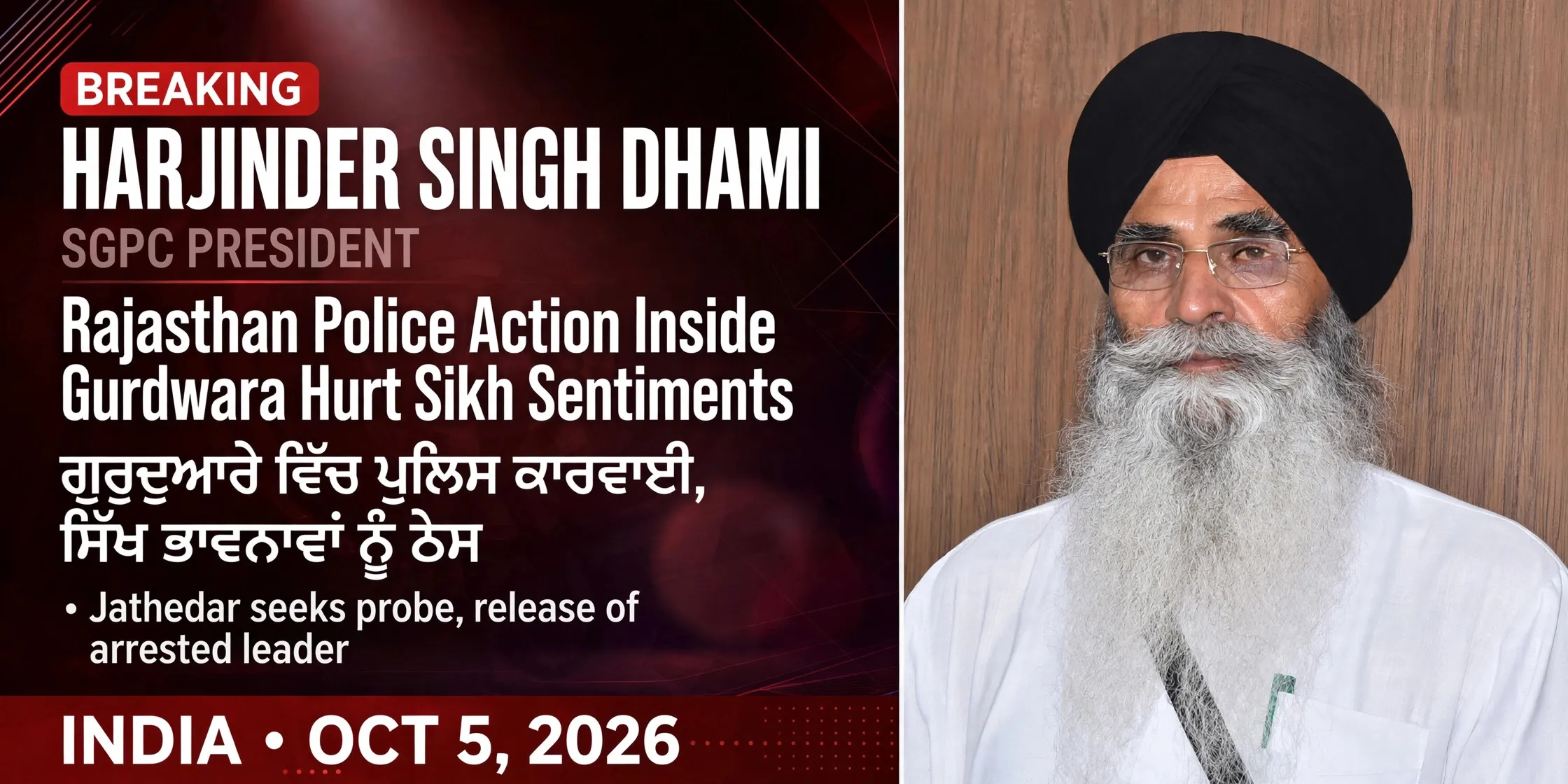 Akal Takht Jathedar Condemns Rajasthan Police Action Inside Ganganagar Gurdwaraਗੰਗਾਨਗਰ ਗੁਰਦੁਆਰੇ ਵਿੱਚ ਰਾਜਸਥਾਨ ਪੁਲਿਸ ਦੀ ਕਾਰਵਾਈ ਦੀ ਅਕਾਲ ਤਖ਼ਤ ਦੇ ਜਥੇਦਾਰ ਨੇ ਨਿੰਦਾ ਕੀਤੀ
More religion entries to explore
Sources (2)
- Baba Deep Singh, Wikipedia (birth on 26 January 1682 at Pahuwind and death on 13 November 1757; initiation at Anandpur on Vaisakhi 1700; study under Bhai Mani Singh; copies of the Guru Granth Sahib; Sadhaura, Chappar Chiri and Sirhind; the 1748 reorganisation into twelve misls; Durrani's fourth raid, the freeing of captives and the demolition of the Harmandir Sahib; the march from Damdama Sahib and the two accounts of his death; the khanda preserved at Akal Takht)
- Baba Deep Singh, SikhiWiki, including the Encyclopaedia of Sikhism entry by K. S. Thapar (Pahuwind, 40 km south west of Amritsar; in charge of Damdama Sahib from 1706; the four copies of 1726; the rescue of Ala Singh at Barnala in 1732; the Dal Khalsa of 1733; the line drawn with the khanda at Tarn Taran; the marble marker on the parkarma; Burj Baba Deep Singh Shahid at Talwandi Sabo)
Jugti is free and independent. Reader support keeps the Kosh growing.
Support