
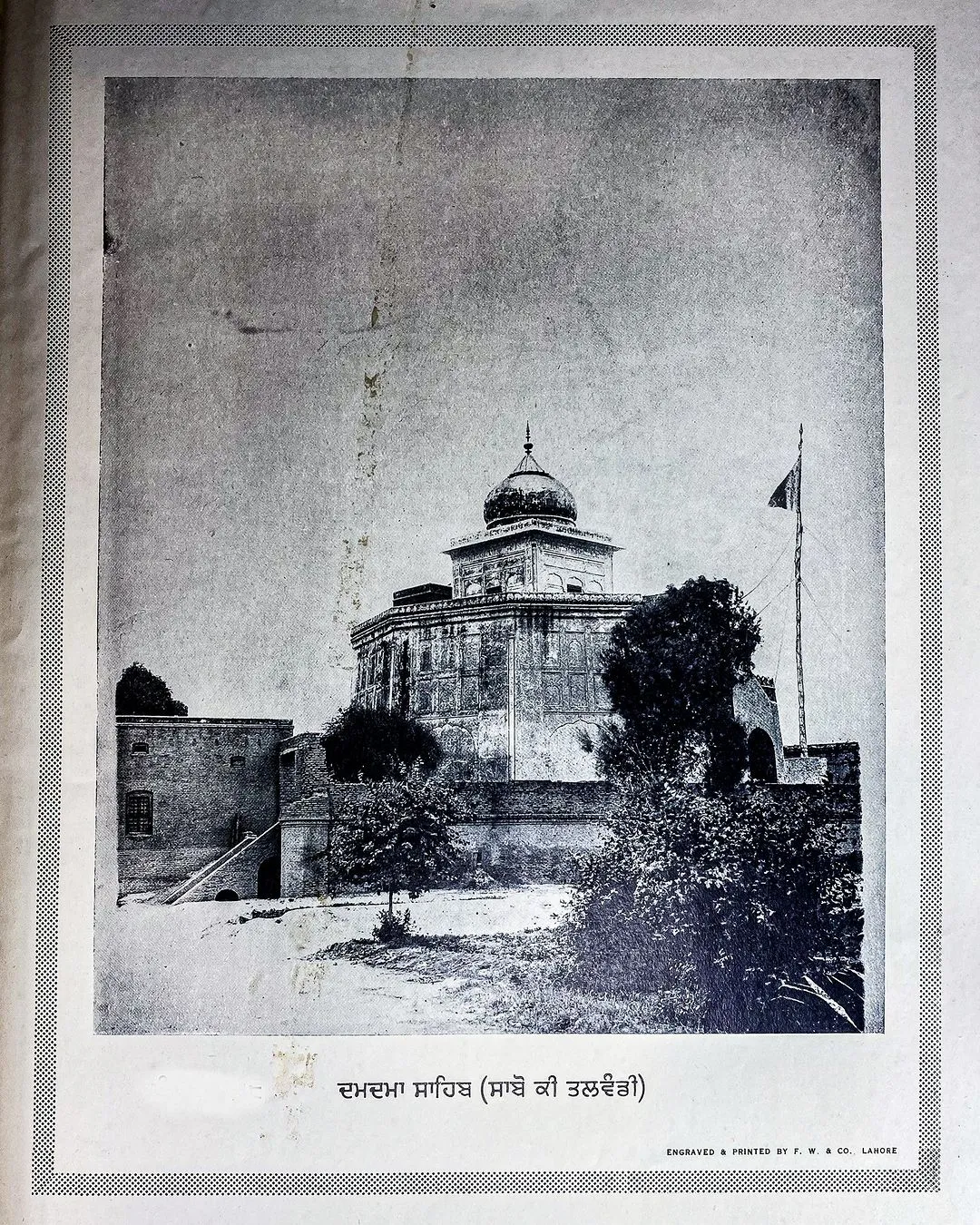
Talwandi Sabo is a town in Bathinda district, Malwa, home to Takht Sri Damdama Sahib, one of the five Takhts of Sikhism. Guru Gobind Singh Ji compiled the final version of the Guru Granth Sahib here in 1706.
- Facts
- Type
- Town
- Where
- Bathinda district
- Region
- Malwa
- District
- Bathinda
History
Talwandi Sabo, about 28 kilometres southeast of Bathinda, is a small town with an outsized place in Sikh history. In January 1706 Guru Gobind Singh Ji arrived here after the battles of Anandpur Sahib and Chamkaur Sahib, the siege at Machhiwara, and the victory at Muktsar. He loosened his waistband and rested on a high mound shaded by karir trees, and the place took its name from that rest: Damdama, the place of repose.
The Guru stayed for several months, and the town became a gathering point for the Khalsa. Tradition holds that he administered amrit to large numbers of new converts here, including on Vaisakhi, and that the community which had been scattered by war began to rebuild itself around him.
Before the Guru's arrival Talwandi Sabo was an unremarkable village in the Lakhi Jungle, the scrub forest of the Malwa. The Guru's choice of it was deliberate: it was far from the Mughal garrisons, close to the villages that had sheltered his Sikhs, and on the edge of the desert where an army could not easily follow. The jungle has long since been cleared, but the town still sits in open, sandy country.
The scripture
It was at Damdama Sahib that Guru Gobind Singh Ji prepared the final, complete version of the Sikh scripture. Working with the scribe Bhai Mani Singh, he took the Adi Granth compiled by Guru Arjan Dev Ji Dev in 1604 and added the hymns of his father, Guru Teg Bahadur. The result, known as the Damdami Bir, is the text honoured by Sikhs ever since as the Guru Granth Sahib.
Baba Deep Singh later made four handwritten copies of the Damdami Bir at this spot, which were sent to the other Takhts. Because the scripture itself was completed here, Talwandi Sabo is called Guru Ki Kashi, the Guru's Kashi, after the ancient Indian city of learning, and the Guru is said to have blessed it as a future seat of scholarship.
The town today
Takht Sri Damdama Sahib is one of the five Takhts, the seats of Sikh temporal authority, and was formally recognised as such by the Shiromani Gurdwara Parbandhak Committee in November 1966. The gurdwara complex draws pilgrims year-round, with the largest gatherings at Vaisakhi and at the Baisakhi fair.
The Baisakhi fair at Damdama Sahib is one of the great gatherings of the Malwa, when farmers celebrate the harvest and pilgrims fill the town's streets. The gurdwara's langar feeds tens of thousands, and the night sky over the Takht glows with the lights of the mela. It is the town's founding story replayed every spring: a scattered people gathering again around the Guru's rest.
True to the Guru's blessing, the town has grown into an educational centre, with universities and colleges rising around the old shrine. It remains what it has been for three centuries: a quiet Malwa town where the Sikh scripture took its final form.
ਇਤਿਹਾਸ
ਤਲਵੰਡੀ ਸਾਬੋ, ਬਠਿੰਡਾ ਤੋਂ ਲਗਭਗ 28 ਕਿਲੋਮੀਟਰ ਦੱਖਣ-ਪੂਰਬ, ਸਿੱਖ ਇਤਿਹਾਸ ਵਿੱਚ ਆਪਣੇ ਆਕਾਰ ਨਾਲੋਂ ਵੱਡਾ ਥਾਂ ਰੱਖਣ ਵਾਲਾ ਛੋਟਾ ਕਸਬਾ ਹੈ। ਜਨਵਰੀ 1706 ਵਿੱਚ ਗੁਰੂ ਗੋਬਿੰਦ ਸਿੰਘ ਅਨੰਦਪੁਰ ਸਾਹਿਬ ਅਤੇ ਚਮਕੌਰ ਸਾਹਿਬ ਦੀਆਂ ਲੜਾਈਆਂ, ਮਾਛੀਵਾੜੇ ਦੇ ਘੇਰੇ ਅਤੇ ਮੁਕਤਸਰ ਦੀ ਜਿੱਤ ਤੋਂ ਬਾਅਦ ਇੱਥੇ ਪੁੱਜੇ। ਉਨ੍ਹਾਂ ਨੇ ਆਪਣਾ ਕਮਰਕੱਸਾ ਖੋਲ੍ਹਿਆ ਅਤੇ ਕਰੀਰ ਦੇ ਰੁੱਖਾਂ ਦੀ ਛਾਂ ਵਾਲੇ ਇੱਕ ਉੱਚੇ ਟਿੱਬੇ ਉੱਤੇ ਆਰਾਮ ਕੀਤਾ, ਅਤੇ ਥਾਂ ਨੇ ਉਸ ਆਰਾਮ ਤੋਂ ਹੀ ਨਾਮ ਲਿਆ: ਦਮਦਮਾ, ਆਰਾਮ ਦੀ ਥਾਂ।
ਗੁਰੂ ਕਈ ਮਹੀਨੇ ਰਹੇ, ਅਤੇ ਕਸਬਾ ਖ਼ਾਲਸੇ ਦਾ ਇਕੱਠ-ਥਾਂ ਬਣ ਗਿਆ। ਪਰੰਪਰਾ ਹੈ ਕਿ ਉਨ੍ਹਾਂ ਨੇ ਇੱਥੇ ਵੱਡੀ ਗਿਣਤੀ ਵਿੱਚ ਨਵੇਂ ਸਿੱਖਾਂ ਨੂੰ ਅੰਮ੍ਰਿਤ ਛਕਾਇਆ, ਵਿਸਾਖੀ ਸਮੇਤ, ਅਤੇ ਜੰਗ ਵਿੱਚ ਖਿੱਲਰੀ ਹੋਈ ਸੰਗਤ ਉਨ੍ਹਾਂ ਦੇ ਆਲੇ-ਦੁਆਲੇ ਮੁੜ ਜੁੜਨ ਲੱਗੀ।
ਗੁਰੂ ਦੇ ਆਉਣ ਤੋਂ ਪਹਿਲਾਂ ਤਲਵੰਡੀ ਸਾਬੋ ਮਾਲਵੇ ਦੇ ਲੱਖੀ ਜੰਗਲ, ਝਾੜੀ-ਜੰਗਲ ਵਿੱਚ ਇੱਕ ਆਮ ਜਿਹਾ ਪਿੰਡ ਸੀ। ਗੁਰੂ ਦੀ ਇਸ ਦੀ ਚੋਣ ਸੋਚੀ-ਸਮਝੀ ਸੀ: ਇਹ ਮੁਗ਼ਲ ਛਾਉਣੀਆਂ ਤੋਂ ਦੂਰ ਸੀ, ਉਨ੍ਹਾਂ ਪਿੰਡਾਂ ਦੇ ਨੇੜੇ ਸੀ ਜਿਨ੍ਹਾਂ ਨੇ ਉਨ੍ਹਾਂ ਦੇ ਸਿੱਖਾਂ ਨੂੰ ਪਨਾਹ ਦਿੱਤੀ ਸੀ, ਅਤੇ ਰੇਗਿਸਤਾਨ ਦੇ ਕਿਨਾਰੇ ਉੱਤੇ ਸੀ ਜਿੱਥੇ ਫ਼ੌਜ ਅਸਾਨੀ ਨਾਲ ਪਿੱਛਾ ਨਹੀਂ ਕਰ ਸਕਦੀ ਸੀ। ਜੰਗਲ ਕਦੋਂ ਦਾ ਸਾਫ਼ ਹੋ ਚੁੱਕਾ ਹੈ, ਪਰ ਕਸਬਾ ਅੱਜ ਵੀ ਖੁੱਲ੍ਹੇ, ਰੇਤਲੇ ਇਲਾਕੇ ਵਿੱਚ ਬੈਠਾ ਹੈ।
ਗ੍ਰੰਥ
ਦਮਦਮਾ ਸਾਹਿਬ ਵਿਖੇ ਹੀ ਗੁਰੂ ਗੋਬਿੰਦ ਸਿੰਘ ਨੇ ਸਿੱਖ ਗ੍ਰੰਥ ਦਾ ਆਖ਼ਰੀ, ਸੰਪੂਰਨ ਸਰੂਪ ਤਿਆਰ ਕੀਤਾ। ਲਿਖਾਰੀ ਭਾਈ ਮਨੀ ਸਿੰਘ ਨਾਲ ਕੰਮ ਕਰਦਿਆਂ, ਉਨ੍ਹਾਂ ਨੇ 1604 ਵਿੱਚ ਗੁਰੂ ਅਰਜਨ ਦੇਵ ਵੱਲੋਂ ਸੰਕਲਿਤ ਆਦਿ ਗ੍ਰੰਥ ਵਿੱਚ ਆਪਣੇ ਪਿਤਾ ਗੁਰੂ ਤੇਗ਼ ਬਹਾਦਰ ਦੀ ਬਾਣੀ ਸ਼ਾਮਲ ਕੀਤੀ। ਨਤੀਜਾ, ਦਮਦਮੀ ਬੀੜ ਵਜੋਂ ਜਾਣਿਆ ਜਾਂਦਾ ਹੈ, ਉਹ ਪਾਠ ਹੈ ਜਿਸ ਦਾ ਸਿੱਖ ਉਦੋਂ ਤੋਂ ਗੁਰੂ ਗ੍ਰੰਥ ਸਾਹਿਬ ਵਜੋਂ ਸਤਿਕਾਰ ਕਰਦੇ ਆਏ ਹਨ।
ਬਾਬਾ ਦੀਪ ਸਿੰਘ ਨੇ ਬਾਅਦ ਵਿੱਚ ਇਸੇ ਥਾਂ ਉੱਤੇ ਦਮਦਮੀ ਬੀੜ ਦੀਆਂ ਚਾਰ ਹੱਥ-ਲਿਖਤ ਨਕਲਾਂ ਤਿਆਰ ਕੀਤੀਆਂ, ਜੋ ਦੂਜੇ ਤਖ਼ਤਾਂ ਨੂੰ ਭੇਜੀਆਂ ਗਈਆਂ। ਕਿਉਂਕਿ ਗ੍ਰੰਥ ਆਪ ਇੱਥੇ ਸੰਪੂਰਨ ਹੋਇਆ, ਤਲਵੰਡੀ ਸਾਬੋ ਨੂੰ ਗੁਰੂ ਕੀ ਕਾਸ਼ੀ ਕਿਹਾ ਜਾਂਦਾ ਹੈ, ਵਿਦਿਆ ਦੀ ਪ੍ਰਾਚੀਨ ਭਾਰਤੀ ਨਗਰੀ ਦੇ ਨਾਮ ਉੱਤੇ, ਅਤੇ ਕਿਹਾ ਜਾਂਦਾ ਹੈ ਕਿ ਗੁਰੂ ਨੇ ਇਸ ਨੂੰ ਵਿਦਵਤਾ ਦੀ ਭਵਿੱਖੀ ਗੱਦੀ ਵਜੋਂ ਅਸੀਸ ਦਿੱਤੀ ਸੀ।
ਅੱਜ ਦਾ ਕਸਬਾ
ਤਖ਼ਤ ਸ੍ਰੀ ਦਮਦਮਾ ਸਾਹਿਬ ਸਿੱਖ ਧਰਮ ਦੇ ਪੰਜ ਤਖ਼ਤਾਂ, ਸਿੱਖ ਅਸਥਾਈ ਅਧਿਕਾਰ ਦੀਆਂ ਗੱਦੀਆਂ ਵਿੱਚੋਂ ਇੱਕ ਹੈ, ਅਤੇ ਨਵੰਬਰ 1966 ਵਿੱਚ ਸ਼੍ਰੋਮਣੀ ਗੁਰਦੁਆਰਾ ਪ੍ਰਬੰਧਕ ਕਮੇਟੀ ਵੱਲੋਂ ਇਸ ਨੂੰ ਰਸਮੀ ਤੌਰ ਉੱਤੇ ਮਾਨਤਾ ਮਿਲੀ। ਗੁਰਦੁਆਰਾ ਕੰਪਲੈਕਸ ਸਾਰਾ ਸਾਲ ਯਾਤਰੀ ਖਿੱਚਦਾ ਹੈ, ਸਭ ਤੋਂ ਵੱਡੇ ਇਕੱਠ ਵਿਸਾਖੀ ਅਤੇ ਬੈਸਾਖੀ ਮੇਲੇ ਉੱਤੇ ਹੁੰਦੇ ਹਨ।
ਦਮਦਮਾ ਸਾਹਿਬ ਦਾ ਬੈਸਾਖੀ ਮੇਲਾ ਮਾਲਵੇ ਦੇ ਮਹਾਨ ਇਕੱਠਾਂ ਵਿੱਚੋਂ ਇੱਕ ਹੈ, ਜਦੋਂ ਕਿਸਾਨ ਵਾਢੀ ਮਨਾਉਂਦੇ ਹਨ ਅਤੇ ਯਾਤਰੀ ਕਸਬੇ ਦੀਆਂ ਗਲੀਆਂ ਭਰ ਦਿੰਦੇ ਹਨ। ਗੁਰਦੁਆਰੇ ਦਾ ਲੰਗਰ ਦਹਾਂ ਹਜ਼ਾਰਾਂ ਨੂੰ ਛਕਾਉਂਦਾ ਹੈ, ਅਤੇ ਤਖ਼ਤ ਉੱਤੇ ਰਾਤ ਦਾ ਅਸਮਾਨ ਮੇਲੇ ਦੀਆਂ ਰੌਸ਼ਨੀਆਂ ਨਾਲ ਜਗਮਗਾਉਂਦਾ ਹੈ। ਇਹ ਕਸਬੇ ਦੀ ਨੀਂਹ-ਕਹਾਣੀ ਦਾ ਹਰ ਬਸੰਤ ਮੁੜ-ਜੀਵਨ ਹੈ: ਖਿੱਲਰੀ ਹੋਈ ਸੰਗਤ ਦਾ ਗੁਰੂ ਦੇ ਆਰਾਮ ਦੇ ਆਲੇ-ਦੁਆਲੇ ਮੁੜ ਇਕੱਠ।
ਗੁਰੂ ਦੀ ਅਸੀਸ ਦੇ ਅਨੁਸਾਰ, ਕਸਬਾ ਵਿਦਿਅਕ ਕੇਂਦਰ ਵਜੋਂ ਵੱਡਾ ਹੋਇਆ ਹੈ, ਪੁਰਾਣੇ ਅਸਥਾਨ ਦੇ ਆਲੇ-ਦੁਆਲੇ ਯੂਨੀਵਰਸਿਟੀਆਂ ਅਤੇ ਕਾਲਜ ਉੱਠ ਰਹੇ ਹਨ। ਇਹ ਉਹੀ ਰਿਹਾ ਹੈ ਜੋ ਤਿੰਨ ਸਦੀਆਂ ਤੋਂ ਰਿਹਾ ਹੈ: ਇੱਕ ਸ਼ਾਂਤ ਮਾਲਵੀ ਕਸਬਾ ਜਿੱਥੇ ਸਿੱਖ ਗ੍ਰੰਥ ਨੇ ਆਪਣਾ ਆਖ਼ਰੀ ਰੂਪ ਲਿਆ।