
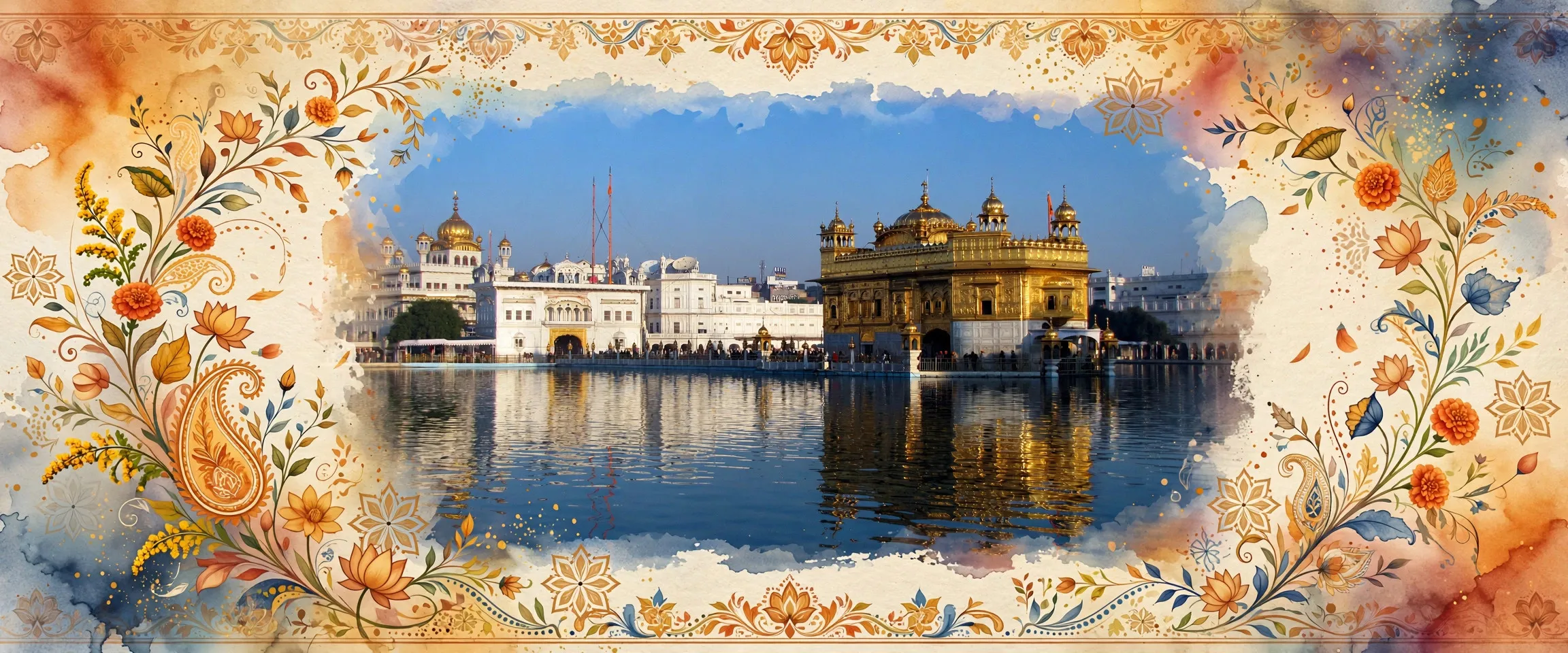
The Panj Takht are the five thrones, or seats of authority, in Sikhism: the Akal Takht at Amritsar, Takht Sri Kesgarh Sahib at Anandpur Sahib, Takht Sri Damdama Sahib at Talwandi Sabo, Takht Sri Patna Sahib at Patna, and Takht Sachkhand Sri Hazur Sahib at Nanded. Together they are the highest seats of collective Sikh authority: each can issue hukamnamas, edicts that guide Sikhs worldwide, and the Akal Takht is supreme among them.
- Punjabi name
- ਪੰਜ ਤਖ਼ਤ
- Term
- Panj Takht (Five Takhts)
- Meaning
- Five thrones; a takht is a throne or seat of authority
- Supreme seat
- Sri Akal Takht Sahib, Amritsar
- First takht
- Akal Takht, raised by Guru Hargobind (sources give 1606 or 1609)
- Fifth takht recognised
- Takht Sri Damdama Sahib, 18 November 1966
- Locations
- Amritsar, Anandpur Sahib and Talwandi Sabo in Punjab; Patna in Bihar; Nanded in Maharashtra
The Panj Takht, the Five Thrones, are the five highest seats of authority in Sikhism: Sri Akal Takht Sahib at Amritsar, Takht Sri Kesgarh Sahib at Anandpur Sahib, Takht Sri Damdama Sahib at Talwandi Sabo, Takht Sri Patna Sahib at Patna, and Takht Sachkhand Sri Hazur Sahib at Nanded. Their edicts guide Sikhs worldwide.
What is a Takht?
A takht literally means a throne or seat of authority. In Sikhism it is the point where the spiritual and the temporal meet, the idea Guru Hargobind expressed as miri and piri: the saint and the soldier, prayer and the sword against injustice. A Takht is not only a shrine to visit. It is a seat from which the Sikh community governs itself. Each Takht can issue a hukamnama, an edict on Sikh conduct and community affairs, and Sikhs across the world honour these edicts. In the 18th century, when the Khalsa fought as guerrilla bands, the Sarbat Khalsa, the assembly of the whole Sikh community, gathered at the Akal Takht on occasions like Vaisakhi to take collective decisions of war and peace and to settle disputes between Sikh groups.
The five Takhts
Three of the five Takhts stand in Punjab; the other two stand far outside it, a reminder that Sikh history was never confined to one region.
- Sri Akal Takht Sahib, Amritsar - the first and supreme Takht, facing the Harmandir Sahib
- Takht Sri Kesgarh Sahib, Anandpur Sahib - birthplace of the Khalsa, founded on Vaisakhi 1699
- Takht Sri Damdama Sahib, Talwandi Sabo - where the Guru Granth Sahib took its final form
- Takht Sri Patna Sahib, Patna - birthplace of Guru Gobind Singh
- Takht Sachkhand Sri Hazur Sahib, Nanded - the Guru's final court, 1708
How the five Takhts came about
The five Takhts were not raised together. They grew across more than a century of Sikh history, and each marks a turning point.
The first was the Akal Takht, the Throne of the Timeless God, raised by Guru Hargobind at Amritsar in the early 1600s (sources give 1606 or 1609), just opposite the gate of the Harmandir Sahib. The pairing was deliberate: while the Golden Temple stands for spiritual guidance, the Akal Takht stands for justice and temporal action. There the Guru held his court and decided matters of military strategy and policy, declaring that Sikhs must wield both prayer and the sword against tyranny.
The second Takht took shape at Anandpur Sahib. On Vaisakhi, 13 April 1699, Guru Gobind Singh founded the Khalsa there, initiating the first five Sikhs, the Panj Pyare, with Amrit. Takht Sri Kesgarh Sahib became the seat of that new Khalsa identity, and it still keeps relics of the Guru, including his weapons.
After the battles of Chamkaur and Muktsar, the Guru rested at Talwandi Sabo. During his stay in 1705-06 he gave the Guru Granth Sahib its final form, the Damdama Sahib Bir. The place, whose name means resting place, became a seat of learning known as Guru Ki Kashi. It was formally recognised as the fifth Takht on 18 November 1966.
Takht Sri Patna Sahib honours the Guru's beginnings: he was born in Patna on 22 December 1666 and spent his early childhood there. Guru Nanak and Guru Tegh Bahadur also visited Patna at different times.
The last of the five, Takht Sachkhand Sri Hazur Sahib at Nanded on the Godavari, marks the Guru's final days. He spent them there in 1708 and recognised the Guru Granth Sahib as the eternal Guru of the Sikhs. It was also at Nanded that he met Madho Das Bairagi, who became Banda Singh Bahadur. The present shrine was built in the early 19th century by Maharaja Ranjit Singh, and its inner chamber, Sachkhand, holds relics of the Guru.
What do the Takhts actually do?
The Takhts are living institutions, not museums. Each has a Jathedar, and the Akal Takht's Jathedar is the foremost voice of Sikh religious authority. When questions of Sikh conduct or community affairs arise, the Takhts answer them with hukamnamas, and those edicts are respected by Sikhs worldwide. In this the Takhts carry forward the work of the Sarbat Khalsa: the community deciding for itself, collectively, in the light of the Gurus' teachings.
Can you visit all five Takhts?
Yes, and many Sikhs make it the pilgrimage of a lifetime. A special train, the Panj Takht Special Train, began service on 16 February 2014 to carry pilgrims to all five Takhts in one journey. Earlier, in December 2010, the Deccan Odyssey luxury train ran a chartered pilgrimage across four Takhts, with pilgrims flying to the fifth, Takht Sri Patna Sahib. Most travellers combine the Takhts with the shrines around them: the Golden Temple complex at Amritsar, the forts of Anandpur Sahib, the quiet of Talwandi Sabo, and the distant courts of Patna and Nanded.
ਪੰਜ ਤਖ਼ਤ ਦਾ ਮਤਲਬ ਹੈ ਪੰਜ ਸਿੰਘਾਸਣ ਸਿੱਖ ਧਰਮ ਵਿੱਚ ਇਹ ਪੰਜ ਇਤਿਹਾਸਕ ਗੁਰਦੁਆਰੇ ਸਿੱਖ ਕੌਮ ਦੀ ਸਭ ਤੋਂ ਉੱਚੀ ਧਾਰਮਿਕ ਤੇ ਸਮਾਜਿਕ ਸੱਤਾ ਦੇ ਕੇਂਦਰ ਹਨ: ਅੰਮ੍ਰਿਤਸਰ ਦਾ ਸ੍ਰੀ ਅਕਾਲ ਤਖ਼ਤ, ਅਨੰਦਪੁਰ ਸਾਹਿਬ ਦਾ ਤਖ਼ਤ ਸ੍ਰੀ ਕੇਸਗੜ੍ਹ ਸਾਹਿਬ, ਤਲਵੰਡੀ ਸਾਬੋ ਦਾ ਤਖ਼ਤ ਸ੍ਰੀ ਦਮਦਮਾ ਸਾਹਿਬ, ਪਟਨਾ ਦਾ ਤਖ਼ਤ ਸ੍ਰੀ ਪਟਨਾ ਸਾਹਿਬ ਅਤੇ ਨਾਂਦੇੜ ਦਾ ਤਖ਼ਤ ਸੱਚਖੰਡ ਸ੍ਰੀ ਹਜ਼ੂਰ ਸਾਹਿਬ ਇਨ੍ਹਾਂ ਦੇ ਹੁਕਮਨਾਮੇ ਦੁਨੀਆ ਭਰ ਦੇ ਸਿੱਖਾਂ ਲਈ ਰਹਿਨੁਮਾਈ ਹਨ
ਤਖ਼ਤ ਕੀ ਹੁੰਦਾ ਹੈ?
ਤਖ਼ਤ ਦਾ ਸ਼ਾਬਦਿਕ ਅਰਥ ਹੈ ਸਿੰਘਾਸਣ ਜਾਂ ਸੱਤਾ ਦਾ ਆਸਣ ਸਿੱਖ ਧਰਮ ਵਿੱਚ ਤਖ਼ਤ ਉਹ ਥਾਂ ਹੈ ਜਿੱਥੇ ਰੂਹਾਨੀਅਤ ਅਤੇ ਦੁਨਿਆਵੀ ਜ਼ਿੰਮੇਵਾਰੀ ਮਿਲਦੀਆਂ ਹਨ ਇਸੇ ਵਿਚਾਰ ਨੂੰ ਗੁਰੂ ਹਰਿਗੋਬਿੰਦ ਸਾਹਿਬ ਨੇ ਮੀਰੀ-ਪੀਰੀ ਦਾ ਨਾਮ ਦਿੱਤਾ: ਭਗਤੀ ਵੀ, ਸ਼ਕਤੀ ਵੀ ਤਖ਼ਤ ਸਿਰਫ਼ ਦਰਸ਼ਨਾਂ ਵਾਲਾ ਅਸਥਾਨ ਨਹੀਂ ਇਹ ਉਹ ਆਸਣ ਹੈ ਜਿੱਥੋਂ ਸਿੱਖ ਕੌਮ ਆਪਣੇ ਫ਼ੈਸਲੇ ਆਪ ਕਰਦੀ ਹੈ ਹਰ ਤਖ਼ਤ ਹੁਕਮਨਾਮਾ ਜਾਰੀ ਕਰ ਸਕਦਾ ਹੈ, ਅਤੇ ਦੁਨੀਆ ਭਰ ਦੇ ਸਿੱਖ ਇਨ੍ਹਾਂ ਹੁਕਮਨਾਮਿਆਂ ਦਾ ਸਤਿਕਾਰ ਕਰਦੇ ਹਨ ਅਠਾਰਵੀਂ ਸਦੀ ਵਿੱਚ ਜਦੋਂ ਖ਼ਾਲਸਾ ਜੰਗਲਾਂ ਵਿੱਚ ਗੁਰੀਲਾ ਜੰਗ ਲੜ ਰਿਹਾ ਸੀ, ਸਰਬੱਤ ਖ਼ਾਲਸਾ ਵੈਸਾਖੀ ਵਰਗੇ ਮੌਕਿਆਂ ਉੱਤੇ ਅਕਾਲ ਤਖ਼ਤ ਵਿਖੇ ਇਕੱਠਾ ਹੁੰਦਾ ਸੀ ਅਤੇ ਜੰਗ-ਅਮਨ ਦੇ ਫ਼ੈਸਲੇ ਕਰਦਾ ਸੀ
ਪੰਜ ਤਖ਼ਤ
ਪੰਜਾਂ ਵਿੱਚੋਂ ਤਿੰਨ ਤਖ਼ਤ ਪੰਜਾਬ ਵਿੱਚ ਹਨ ਅਤੇ ਦੋ ਪੰਜਾਬ ਤੋਂ ਬਾਹਰ, ਜੋ ਦੱਸਦਾ ਹੈ ਕਿ ਸਿੱਖ ਇਤਿਹਾਸ ਕਦੇ ਇੱਕ ਇਲਾਕੇ ਤੱਕ ਸੀਮਤ ਨਹੀਂ ਰਿਹਾ
- ਸ੍ਰੀ ਅਕਾਲ ਤਖ਼ਤ ਸਾਹਿਬ, ਅੰਮ੍ਰਿਤਸਰ - ਸਭ ਤੋਂ ਪਹਿਲਾ ਅਤੇ ਸਭ ਤੋਂ ਉੱਚਾ ਤਖ਼ਤ, ਹਰਿਮੰਦਰ ਸਾਹਿਬ ਦੇ ਸਾਹਮਣੇ
- ਤਖ਼ਤ ਸ੍ਰੀ ਕੇਸਗੜ੍ਹ ਸਾਹਿਬ, ਅਨੰਦਪੁਰ ਸਾਹਿਬ - ਖ਼ਾਲਸੇ ਦਾ ਜਨਮ ਅਸਥਾਨ, ਵੈਸਾਖੀ 1699
- ਤਖ਼ਤ ਸ੍ਰੀ ਦਮਦਮਾ ਸਾਹਿਬ, ਤਲਵੰਡੀ ਸਾਬੋ - ਜਿੱਥੇ ਗੁਰੂ ਗ੍ਰੰਥ ਸਾਹਿਬ ਨੂੰ ਅੰਤਿਮ ਰੂਪ ਮਿਲਿਆ
- ਤਖ਼ਤ ਸ੍ਰੀ ਪਟਨਾ ਸਾਹਿਬ, ਪਟਨਾ - ਗੁਰੂ ਗੋਬਿੰਦ ਸਿੰਘ ਸਾਹਿਬ ਦਾ ਜਨਮ ਅਸਥਾਨ
- ਤਖ਼ਤ ਸੱਚਖੰਡ ਸ੍ਰੀ ਹਜ਼ੂਰ ਸਾਹਿਬ, ਨਾਂਦੇੜ - ਗੁਰੂ ਸਾਹਿਬ ਦਾ ਆਖ਼ਰੀ ਦਰਬਾਰ, 1708
ਪੰਜ ਤਖ਼ਤ ਕਿਵੇਂ ਬਣੇ
ਪੰਜ ਤਖ਼ਤ ਇਕੱਠੇ ਨਹੀਂ ਬਣੇ ਇਹ ਸਿੱਖ ਇਤਿਹਾਸ ਦੇ ਸੌ ਸਾਲ ਤੋਂ ਵੱਧ ਸਮੇਂ ਵਿੱਚ ਬਣੇ, ਅਤੇ ਹਰ ਤਖ਼ਤ ਇੱਕ ਮੋੜ ਦੀ ਨਿਸ਼ਾਨੀ ਹੈ
ਸਭ ਤੋਂ ਪਹਿਲਾ ਤਖ਼ਤ ਅਕਾਲ ਤਖ਼ਤ ਸੀ, ਜਿਸ ਨੂੰ ਗੁਰੂ ਹਰਿਗੋਬਿੰਦ ਸਾਹਿਬ ਨੇ ਸਤਾਰਵੀਂ ਸਦੀ ਦੇ ਸ਼ੁਰੂ ਵਿੱਚ (ਕੁਝ ਸਰੋਤ 1606 ਅਤੇ ਕੁਝ 1609 ਦੱਸਦੇ ਹਨ) ਹਰਿਮੰਦਰ ਸਾਹਿਬ ਦੇ ਬਿਲਕੁਲ ਸਾਹਮਣੇ ਸਥਾਪਤ ਕੀਤਾ ਇਹ ਜੋੜੀ ਸੋਚ ਕੇ ਬਣਾਈ ਗਈ ਸੀ: ਹਰਿਮੰਦਰ ਸਾਹਿਬ ਰੂਹਾਨੀ ਰਹਿਨੁਮਾਈ ਦਾ ਪ੍ਰਤੀਕ ਹੈ, ਅਕਾਲ ਤਖ਼ਤ ਇਨਸਾਫ਼ ਅਤੇ ਦੁਨਿਆਵੀ ਕਾਰਜ ਦਾ ਇੱਥੇ ਗੁਰੂ ਸਾਹਿਬ ਦਰਬਾਰ ਲਾਉਂਦੇ ਅਤੇ ਫ਼ੌਜੀ ਤੇ ਸਿਆਸੀ ਫ਼ੈਸਲੇ ਕਰਦੇ ਸਨ
ਦੂਜਾ ਤਖ਼ਤ ਅਨੰਦਪੁਰ ਸਾਹਿਬ ਵਿਖੇ ਬਣਿਆ 13 ਅਪ੍ਰੈਲ 1699 ਦੀ ਵੈਸਾਖੀ ਨੂੰ ਗੁਰੂ ਗੋਬਿੰਦ ਸਿੰਘ ਸਾਹਿਬ ਨੇ ਇੱਥੇ ਖ਼ਾਲਸਾ ਸਾਜਿਆ ਅਤੇ ਪੰਜ ਪਿਆਰਿਆਂ ਨੂੰ ਅੰਮ੍ਰਿਤ ਛਕਾਇਆ ਤਖ਼ਤ ਸ੍ਰੀ ਕੇਸਗੜ੍ਹ ਸਾਹਿਬ ਇਸ ਨਵੀਂ ਖ਼ਾਲਸਈ ਪਛਾਣ ਦਾ ਕੇਂਦਰ ਬਣਿਆ, ਅਤੇ ਇੱਥੇ ਅੱਜ ਵੀ ਗੁਰੂ ਸਾਹਿਬ ਦੇ ਸ਼ਸਤਰ ਸੰਭਾਲੇ ਹੋਏ ਹਨ
ਚਮਕੌਰ ਅਤੇ ਮੁਕਤਸਰ ਦੀਆਂ ਲੜਾਈਆਂ ਤੋਂ ਬਾਅਦ ਗੁਰੂ ਸਾਹਿਬ ਤਲਵੰਡੀ ਸਾਬੋ ਠਹਿਰੇ 1705-06 ਵਿੱਚ ਇੱਥੇ ਉਨ੍ਹਾਂ ਨੇ ਗੁਰੂ ਗ੍ਰੰਥ ਸਾਹਿਬ ਨੂੰ ਅੰਤਿਮ ਰੂਪ ਦਿੱਤਾ, ਜਿਸ ਨੂੰ ਦਮਦਮਾ ਸਾਹਿਬ ਦੀ ਬੀੜ ਕਿਹਾ ਜਾਂਦਾ ਹੈ ਦਮਦਮਾ ਦਾ ਅਰਥ ਹੈ ਆਰਾਮ ਦੀ ਥਾਂ ਇਹ ਥਾਂ ਵਿੱਦਿਆ ਦਾ ਕੇਂਦਰ ਬਣੀ ਅਤੇ ਗੁਰੂ ਕੀ ਕਾਸ਼ੀ ਅਖਵਾਈ 18 ਨਵੰਬਰ 1966 ਨੂੰ ਇਸ ਨੂੰ ਪੰਜਵੇਂ ਤਖ਼ਤ ਵਜੋਂ ਮਾਨਤਾ ਮਿਲੀ
ਤਖ਼ਤ ਸ੍ਰੀ ਪਟਨਾ ਸਾਹਿਬ ਗੁਰੂ ਸਾਹਿਬ ਦੇ ਜਨਮ ਦੀ ਯਾਦ ਦਿਵਾਉਂਦਾ ਹੈ: ਉਨ੍ਹਾਂ ਦਾ ਜਨਮ 22 ਦਸੰਬਰ 1666 ਨੂੰ ਪਟਨਾ ਵਿੱਚ ਹੋਇਆ ਅਤੇ ਬਚਪਨ ਇੱਥੇ ਹੀ ਬੀਤਿਆ ਗੁਰੂ ਨਾਨਕ ਦੇਵ ਜੀ ਅਤੇ ਗੁਰੂ ਤੇਗ਼ ਬਹਾਦਰ ਸਾਹਿਬ ਵੀ ਪਟਨਾ ਆਏ ਸਨ
ਪੰਜਾਂ ਵਿੱਚੋਂ ਆਖ਼ਰੀ, ਨਾਂਦੇੜ ਦਾ ਤਖ਼ਤ ਸੱਚਖੰਡ ਸ੍ਰੀ ਹਜ਼ੂਰ ਸਾਹਿਬ, ਗੋਦਾਵਰੀ ਦੇ ਕੰਢੇ ਗੁਰੂ ਸਾਹਿਬ ਦੇ ਆਖ਼ਰੀ ਦਿਨਾਂ ਦੀ ਨਿਸ਼ਾਨੀ ਹੈ 1708 ਵਿੱਚ ਇੱਥੇ ਉਨ੍ਹਾਂ ਨੇ ਗੁਰੂ ਗ੍ਰੰਥ ਸਾਹਿਬ ਨੂੰ ਸਿੱਖਾਂ ਦਾ ਸਦਾ ਲਈ ਗੁਰੂ ਥਾਪਿਆ ਇੱਥੇ ਹੀ ਉਨ੍ਹਾਂ ਦੀ ਮੁਲਾਕਾਤ ਮਾਧੋ ਦਾਸ ਬੈਰਾਗੀ ਨਾਲ ਹੋਈ, ਜੋ ਬਾਅਦ ਵਿੱਚ ਬੰਦਾ ਸਿੰਘ ਬਹਾਦਰ ਬਣਿਆ ਮੌਜੂਦਾ ਗੁਰਦੁਆਰਾ ਉਨ੍ਹੀਵੀਂ ਸਦੀ ਦੇ ਸ਼ੁਰੂ ਵਿੱਚ ਮਹਾਰਾਜਾ ਰਣਜੀਤ ਸਿੰਘ ਨੇ ਬਣਵਾਇਆ ਸੀ
ਤਖ਼ਤ ਅਸਲ ਵਿੱਚ ਕੀ ਕਰਦੇ ਹਨ?
ਤਖ਼ਤ ਅਜਾਇਬ-ਘਰ ਨਹੀਂ, ਜਿਉਂਦੇ ਅਦਾਰੇ ਹਨ ਹਰ ਤਖ਼ਤ ਦਾ ਇੱਕ ਜਥੇਦਾਰ ਹੁੰਦਾ ਹੈ, ਅਤੇ ਅਕਾਲ ਤਖ਼ਤ ਦੇ ਜਥੇਦਾਰ ਦੀ ਆਵਾਜ਼ ਸਭ ਤੋਂ ਵੱਡੀ ਮੰਨੀ ਜਾਂਦੀ ਹੈ ਜਦੋਂ ਸਿੱਖ ਰਹਿਤ-ਮਰਿਆਦਾ ਜਾਂ ਕੌਮੀ ਮਾਮਲਿਆਂ ਬਾਰੇ ਸਵਾਲ ਉੱਠਦੇ ਹਨ, ਤਖ਼ਤ ਹੁਕਮਨਾਮਿਆਂ ਰਾਹੀਂ ਜਵਾਬ ਦਿੰਦੇ ਹਨ, ਅਤੇ ਦੁਨੀਆ ਭਰ ਦੇ ਸਿੱਖ ਇਨ੍ਹਾਂ ਦਾ ਸਤਿਕਾਰ ਕਰਦੇ ਹਨ ਇਸ ਤਰ੍ਹਾਂ ਤਖ਼ਤ ਸਰਬੱਤ ਖ਼ਾਲਸਾ ਦੇ ਕੰਮ ਨੂੰ ਅੱਗੇ ਤੋਰਦੇ ਹਨ: ਕੌਮ ਆਪਣੇ ਫ਼ੈਸਲੇ ਆਪ ਕਰਦੀ ਹੈ
ਕੀ ਸਾਰੇ ਪੰਜ ਤਖ਼ਤਾਂ ਦੇ ਦਰਸ਼ਨ ਕੀਤੇ ਜਾ ਸਕਦੇ ਹਨ?
ਹਾਂ, ਅਤੇ ਬਹੁਤ ਸਾਰੇ ਸਿੱਖਾਂ ਲਈ ਇਹ ਜ਼ਿੰਦਗੀ ਦੀ ਯਾਤਰਾ ਹੁੰਦੀ ਹੈ 16 ਫ਼ਰਵਰੀ 2014 ਨੂੰ ਪੰਜ ਤਖ਼ਤ ਸਪੈਸ਼ਲ ਟਰੇਨ ਚਲਾਈ ਗਈ, ਜੋ ਸ਼ਰਧਾਲੂਆਂ ਨੂੰ ਇੱਕੋ ਯਾਤਰਾ ਵਿੱਚ ਸਾਰੇ ਪੰਜ ਤਖ਼ਤਾਂ ਦੇ ਦਰਸ਼ਨ ਕਰਵਾਉਂਦੀ ਹੈ ਇਸ ਤੋਂ ਪਹਿਲਾਂ ਦਸੰਬਰ 2010 ਵਿੱਚ ਡੈੱਕਨ ਓਡੀਸੀ ਟਰੇਨ ਚਾਰ ਤਖ਼ਤਾਂ ਦੀ ਯਾਤਰਾ ਕਰਵਾ ਚੁੱਕੀ ਸੀ ਜ਼ਿਆਦਾਤਰ ਯਾਤਰੀ ਤਖ਼ਤਾਂ ਦੇ ਨਾਲ-ਨਾਲ ਆਸ-ਪਾਸ ਦੇ ਗੁਰਦੁਆਰਿਆਂ ਦੇ ਦਰਸ਼ਨ ਵੀ ਕਰਦੇ ਹਨ: ਅੰਮ੍ਰਿਤਸਰ ਦਾ ਹਰਿਮੰਦਰ ਸਾਹਿਬ, ਅਨੰਦਪੁਰ ਸਾਹਿਬ ਦੇ ਕਿਲ੍ਹੇ, ਤਲਵੰਡੀ ਸਾਬੋ, ਪਟਨਾ ਅਤੇ ਨਾਂਦੇੜ