
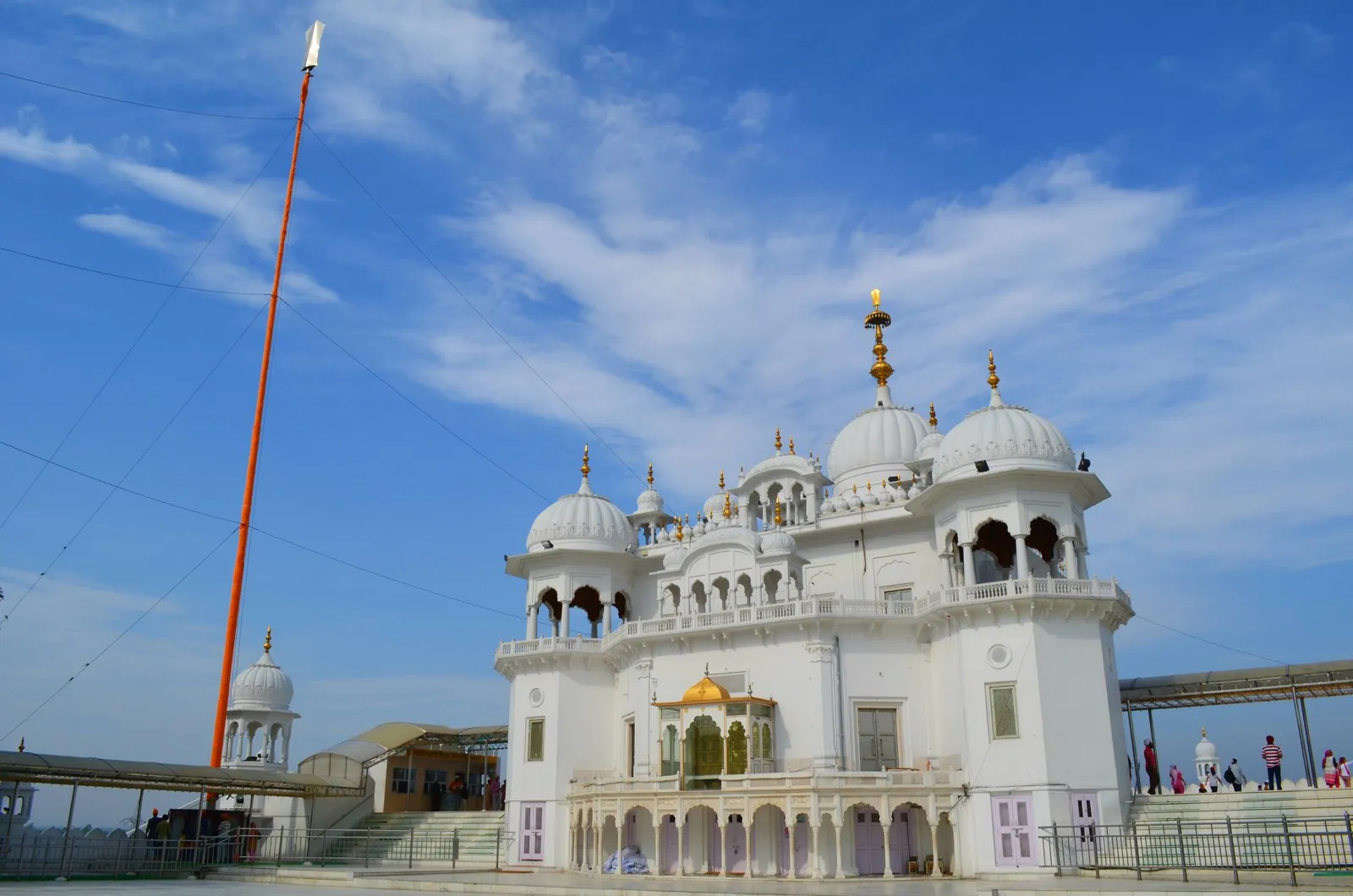
Takht Sri Keshgarh Sahib at Anandpur Sahib in Punjab is one of the five Takhts, the thrones of authority in Sikhism. It stands on the hill where Guru Gobind Singh Ji revealed the Khalsa on Vaisakhi 1699, administering the first amrit to the Panj Pyare, and it still preserves the Guru's historic weapons, including the khanda used in that first ceremony.
- Punjabi name
- ਤਖ਼ਤ ਸ੍ਰੀ ਕੇਸਗੜ੍ਹ ਸਾਹਿਬ
- Takht
- One of the Panj Takht, the five thrones of Sikh authority
- Place
- Anandpur Sahib, Rupnagar district, Punjab
- Founded as a Takht
- At the revealing of the Khalsa, Vaisakhi 1699
- The fort
- Keshgarh Qila, one of the five forts of Anandpur Sahib
- Present building
- Raised in the mid 1930s on the original site
All 8 facts
- Preserved here
- Historic weapons of Guru Gobind Singh Ji, including the khanda
- Great gatherings
- Vaisakhi and Hola Mohalla
Takht Sri Keshgarh Sahib is the great white gurdwara on the hill at Anandpur Sahib, and one of the Panj Takht, the five thrones from which the Sikh community orders its collective life. Every other Takht marks a seat of government, a birthplace or a final journey; Keshgarh marks a beginning. On this hill, on Vaisakhi 1699, Guru Gobind Singh Ji called for a head, and then another, and founded the Khalsa: the event from which the modern Sikh world dates itself.
The town of the last two Gurus
Anandpur Sahib was founded in June 1665 by Guru Tegh Bahadur Ji, who bought the land in the Shivalik foothills near the Sutlej and named the settlement Chakk Nanaki, after his mother. It was here that the news of his martyrdom at Delhi reached the town in 1675, and here that his nine year old son Gobind Rai was installed as the tenth Guru. Guru Gobind Singh Ji spent some twenty five years at Anandpur, the longest settled period of his life, building it into a fortified city of congregations, poets and soldiers. The Keshgarh hill was its citadel and its pulpit at once: the place from which the Guru addressed the sangat, and the last ground of Anandpur to be given up when the city was evacuated in 1704.
What is Takht Sri Keshgarh Sahib?
A takht is a throne, and a Takht is a seat of authority where the temporal and spiritual meet. Keshgarh takes its name from the kesh, the unshorn hair that is one of the five articles of the Khalsa's faith: the fort of the hair. The Takht's own Jathedar is appointed by the Shiromani Gurdwara Parbandhak Committee, and its hukamnamas, like those of the other Takhts, are received by Sikhs everywhere. But Keshgarh is visited less as a court than as a birthplace: of the five Takhts it is the one where something began. For most of its history the shrine was served simply by its granthi; a Jathedar of Keshgarh in the modern sense belongs to the era after the Gurdwara Reform Movement, and the line of SGPC appointed Jathedars is recorded from the 1940s.
The fort on the hill
The Takht stands on the site of Keshgarh Qila, one of the ring of forts Guru Gobind Singh Ji raised around Anandpur from the end of the 1680s: Anandgarh at the centre, and Lohgarh, Holgarh, Fatehgarh and Taragarh around it, joined by earthworks and tunnels. The Guru held his congregations on the Keshgarh hill, which then stood higher than it does today. Building the ring of forts took the better part of a decade from the end of the 1680s, and Keshgarh, at the centre, was never stormed: it was yielded only when the Guru decided to leave the city in 1704. The original fort structures did not survive the centuries of war and rebuilding; kar seva in the twentieth century replaced them with marble gurdwaras, and the present Takht building was raised in the mid 1930s over the old site, white domes above the town the ninth Guru founded in 1665.
Vaisakhi 1699: the birth of the Khalsa
On Vaisakhi 1699 the Guru summoned the congregations to Anandpur and, before the assembled thousands, asked who would give his head for the faith. Five men, the Panj Pyare, came forward one by one, and the Guru prepared the amrit, the sweetened water stirred with a double edged khanda in an iron bowl, and gave it to them to drink, receiving it from their hands in turn and taking the name Singh himself. A new people, casteless in its founding idea and bound to the discipline of the saint soldier, stood up on the Keshgarh hill that day. Vaisakhi at Anandpur Sahib is still kept as the birthday of the Khalsa, and the Takht is its shrine.
The relics of the Guru
In the sanctum the Takht preserves the historic weapons associated with Guru Gobind Singh Ji, shown to the congregation on great days: among them the khanda with which the first amrit was stirred, a long spear, a dagger and other arms of the Guru's court. Photographs from the 1930s, when the present building was new, already show these relics being carried out for display, and they remain the Takht's treasure: not gold, but the steel of 1699.
The Takht today
Anandpur Sahib draws its largest crowds at Hola Mohalla, the festival of martial display the Guru himself founded, when Nihang horsemen charge and fence below the Takht, and at Vaisakhi, when the birthday of the Khalsa fills the town. The Virasat-e-Khalsa museum, opened in 2011 below the hill, tells the five hundred year story the Takht stands at the centre of. Pilgrims combine the Takht with the town's other shrines: Sis Ganj Sahib, the forts, and Bhora Sahib, where the ninth Guru meditated.
How do I reach Takht Sri Keshgarh Sahib?
Anandpur Sahib lies in Rupnagar district, about 40 km from Rupnagar town and 78 km from Chandigarh, on the road toward Nangal and Una. The town has its own railway station, Anandpur Sahib, and regular buses from Chandigarh, Rupnagar and Hoshiarpur. The Takht is reached through the town on foot: a covered climb of steps from the market to the hilltop courtyard. Like every gurdwara it is open to all, with langar served through the day. The complex has its own sarovar, a large langar hall and sarai accommodation for the pilgrims who arrive in their lakhs for the great festivals.
ਤਖ਼ਤ ਸ੍ਰੀ ਕੇਸਗੜ੍ਹ ਸਾਹਿਬ ਅਨੰਦਪੁਰ ਸਾਹਿਬ ਦੀ ਪਹਾੜੀ ਉੱਤੇ ਖੜ੍ਹਾ ਮਹਾਨ ਚਿੱਟਾ ਗੁਰਦੁਆਰਾ ਹੈ, ਅਤੇ ਪੰਜ ਤਖ਼ਤਾਂ ਵਿੱਚੋਂ ਇੱਕ ਹੈ, ਉਹ ਪੰਜ ਤਖ਼ਤ ਜਿਨ੍ਹਾਂ ਤੋਂ ਸਿੱਖ ਪੰਥ ਆਪਣੀ ਸਮੂਹਿਕ ਜ਼ਿੰਦਗੀ ਚਲਾਉਂਦਾ ਹੈ ਹਰ ਦੂਜਾ ਤਖ਼ਤ ਕਿਸੇ ਰਾਜ-ਦਰਬਾਰ, ਜਨਮ ਅਸਥਾਨ ਜਾਂ ਆਖ਼ਰੀ ਯਾਤਰਾ ਨੂੰ ਦਰਸਾਉਂਦਾ ਹੈ; ਕੇਸਗੜ੍ਹ ਇੱਕ ਸ਼ੁਰੂਆਤ ਨੂੰ ਦਰਸਾਉਂਦਾ ਹੈ ਇਸੇ ਪਹਾੜੀ ਉੱਤੇ, ਵੈਸਾਖੀ 1699 ਨੂੰ, ਗੁਰੂ ਗੋਬਿੰਦ ਸਿੰਘ ਜੀ ਨੇ ਸੀਸ ਮੰਗਿਆ, ਅਤੇ ਫਿਰ ਇੱਕ ਹੋਰ, ਅਤੇ ਖ਼ਾਲਸੇ ਦੀ ਸਾਜਨਾ ਕੀਤੀ: ਉਹ ਘਟਨਾ ਜਿਸ ਤੋਂ ਆਧੁਨਿਕ ਸਿੱਖ ਸੰਸਾਰ ਆਪਣੀ ਗਿਣਤੀ ਸ਼ੁਰੂ ਕਰਦਾ ਹੈ
ਆਖ਼ਰੀ ਦੋ ਗੁਰੂਆਂ ਦਾ ਸ਼ਹਿਰ
ਅਨੰਦਪੁਰ ਸਾਹਿਬ ਜੂਨ 1665 ਵਿੱਚ ਗੁਰੂ ਤੇਗ਼ ਬਹਾਦਰ ਜੀ ਨੇ ਵਸਾਇਆ ਸੀ, ਜਿਨ੍ਹਾਂ ਨੇ ਸਤਲੁਜ ਨੇੜੇ ਸ਼ਿਵਾਲਿਕ ਦੀਆਂ ਘਾਟੀਆਂ ਵਿੱਚ ਜ਼ਮੀਨ ਖ਼ਰੀਦੀ ਅਤੇ ਬਸਤੀ ਦਾ ਨਾਮ ਆਪਣੀ ਮਾਤਾ ਜੀ ਦੇ ਨਾਮ ਉੱਤੇ ਚੱਕ ਨਾਨਕੀ ਰੱਖਿਆ ਇੱਥੇ ਹੀ 1675 ਵਿੱਚ ਦਿੱਲੀ ਵਿਖੇ ਉਨ੍ਹਾਂ ਦੀ ਸ਼ਹਾਦਤ ਦੀ ਖ਼ਬਰ ਸ਼ਹਿਰ ਪਹੁੰਚੀ, ਅਤੇ ਇੱਥੇ ਹੀ ਉਨ੍ਹਾਂ ਦੇ ਨੌਂ ਸਾਲ ਦੇ ਪੁੱਤਰ ਗੋਬਿੰਦ ਰਾਏ ਨੂੰ ਦਸਵੇਂ ਗੁਰੂ ਵਜੋਂ ਸਥਾਪਿਤ ਕੀਤਾ ਗਿਆ ਗੁਰੂ ਗੋਬਿੰਦ ਸਿੰਘ ਜੀ ਨੇ ਅਨੰਦਪੁਰ ਵਿਖੇ ਲਗਭਗ ਪੰਜੀ ਸਾਲ ਬਿਤਾਏ, ਆਪਣੇ ਜੀਵਨ ਦਾ ਸਭ ਤੋਂ ਲੰਮਾ ਟਿਕਿਆ ਸਮਾਂ, ਅਤੇ ਇਸ ਨੂੰ ਸੰਗਤਾਂ, ਕਵੀਆਂ ਅਤੇ ਸਿਪਾਹੀਆਂ ਦਾ ਕਿਲ੍ਹਾਬੰਦ ਸ਼ਹਿਰ ਬਣਾਇਆ ਕੇਸਗੜ੍ਹ ਦੀ ਪਹਾੜੀ ਇੱਕੋ ਵੇਲੇ ਇਸ ਦਾ ਕਿਲ੍ਹਾ ਅਤੇ ਇਸ ਦਾ ਮੰਚ ਸੀ: ਉਹ ਥਾਂ ਜਿੱਥੋਂ ਗੁਰੂ ਜੀ ਸੰਗਤ ਨੂੰ ਸੰਬੋਧਨ ਕਰਦੇ ਸਨ, ਅਤੇ ਅਨੰਦਪੁਰ ਦੀ ਉਹ ਆਖ਼ਰੀ ਜ਼ਮੀਨ ਜੋ 1704 ਵਿੱਚ ਸ਼ਹਿਰ ਖ਼ਾਲੀ ਕਰਨ ਵੇਲੇ ਛੱਡੀ ਗਈ
ਤਖ਼ਤ ਸ੍ਰੀ ਕੇਸਗੜ੍ਹ ਸਾਹਿਬ ਕੀ ਹੈ?
ਤਖ਼ਤ ਦਾ ਅਰਥ ਹੈ ਰਾਜ-ਗੱਦੀ, ਅਤੇ ਤਖ਼ਤ ਸਾਹਿਬ ਅਧਿਕਾਰ ਦਾ ਉਹ ਅਸਥਾਨ ਹੈ ਜਿੱਥੇ ਮੀਰੀ ਅਤੇ ਪੀਰੀ ਮਿਲਦੇ ਹਨ ਕੇਸਗੜ੍ਹ ਦਾ ਨਾਮ ਕੇਸ ਤੋਂ ਪਿਆ ਹੈ, ਉਹ ਨਾ ਕੱਟੇ ਵਾਲ ਜੋ ਖ਼ਾਲਸੇ ਦੇ ਪੰਜ ਕਕਾਰਾਂ ਵਿੱਚੋਂ ਇੱਕ ਹਨ: ਵਾਲਾਂ ਦਾ ਕਿਲ੍ਹਾ ਤਖ਼ਤ ਦੇ ਆਪਣੇ ਜਥੇਦਾਰ ਸ਼੍ਰੋਮਣੀ ਗੁਰਦੁਆਰਾ ਪ੍ਰਬੰਧਕ ਕਮੇਟੀ ਵੱਲੋਂ ਨਿਯੁਕਤ ਕੀਤੇ ਜਾਂਦੇ ਹਨ, ਅਤੇ ਇਸ ਦੇ ਹੁਕਮਨਾਮੇ, ਦੂਜੇ ਤਖ਼ਤਾਂ ਵਾਂਗ, ਹਰ ਥਾਂ ਸਿੱਖਾਂ ਵੱਲੋਂ ਪ੍ਰਵਾਨ ਕੀਤੇ ਜਾਂਦੇ ਹਨ ਪਰ ਕੇਸਗੜ੍ਹ ਦੇ ਦਰਸ਼ਨ ਦਰਬਾਰ ਵਜੋਂ ਘੱਟ, ਜਨਮ ਅਸਥਾਨ ਵਜੋਂ ਵੱਧ ਕੀਤੇ ਜਾਂਦੇ ਹਨ: ਪੰਜ ਤਖ਼ਤਾਂ ਵਿੱਚੋਂ ਇਹ ਉਹ ਹੈ, ਜਿੱਥੇ ਕੁਝ ਸ਼ੁਰੂ ਹੋਇਆ ਸੀ ਆਪਣੇ ਜ਼ਿਆਦਾਤਰ ਇਤਿਹਾਸ ਵਿੱਚ ਇਸ ਅਸਥਾਨ ਦੀ ਸੇਵਾ ਸਿਰਫ਼ ਇਸ ਦੇ ਗ੍ਰੰਥੀ ਕੋਲ ਸੀ; ਆਧੁਨਿਕ ਅਰਥਾਂ ਵਿੱਚ ਕੇਸਗੜ੍ਹ ਦਾ ਜਥੇਦਾਰ ਗੁਰਦੁਆਰਾ ਸੁਧਾਰ ਲਹਿਰ ਤੋਂ ਬਾਅਦ ਦੇ ਸਮੇਂ ਨਾਲ ਸਬੰਧਤ ਹੈ, ਅਤੇ ਐੱਸਜੀਪੀਸੀ ਵੱਲੋਂ ਨਿਯੁਕਤ ਜਥੇਦਾਰਾਂ ਦੀ ਲਾਈਨ 1940ਵਿਆਂ ਤੋਂ ਦਰਜ ਹੈ
ਪਹਾੜੀ ਉੱਤੇ ਕਿਲ੍ਹਾ
ਤਖ਼ਤ ਕੇਸਗੜ੍ਹ ਕਿਲ੍ਹੇ ਦੀ ਥਾਂ ਉੱਤੇ ਖੜ੍ਹਾ ਹੈ, ਜੋ ਉਨ੍ਹਾਂ ਕਿਲ੍ਹਿਆਂ ਵਿੱਚੋਂ ਇੱਕ ਸੀ ਜੋ ਗੁਰੂ ਗੋਬਿੰਦ ਸਿੰਘ ਜੀ ਨੇ 1680ਵਿਆਂ ਦੇ ਅੰਤ ਤੋਂ ਅਨੰਦਪੁਰ ਦੇ ਆਲੇ-ਦੁਆਲੇ ਬਣਾਏ: ਵਿਚਕਾਰ ਅਨੰਦਗੜ੍ਹ, ਅਤੇ ਉਸ ਦੇ ਆਲੇ-ਦੁਆਲੇ ਲੋਹਗੜ੍ਹ, ਹੋਲਗੜ੍ਹ, ਫ਼ਤਿਹਗੜ੍ਹ ਅਤੇ ਤਾਰਾਗੜ੍ਹ, ਮਿੱਟੀ ਦੀਆਂ ਮੋਰਚਾਬੰਦੀਆਂ ਅਤੇ ਸੁਰੰਗਾਂ ਨਾਲ ਜੁੜੇ ਹੋਏ ਗੁਰੂ ਜੀ ਕੇਸਗੜ੍ਹ ਦੀ ਪਹਾੜੀ ਉੱਤੇ ਆਪਣੇ ਦੀਵਾਨ ਲਾਉਂਦੇ ਸਨ, ਜੋ ਉਸ ਵੇਲੇ ਅੱਜ ਨਾਲੋਂ ਉੱਚੀ ਸੀ ਕਿਲ੍ਹਿਆਂ ਦੀ ਘੇਰਾਬੰਦੀ ਬਣਾਉਣ ਵਿੱਚ 1680ਵਿਆਂ ਦੇ ਅੰਤ ਤੋਂ ਲਗਭਗ ਇੱਕ ਦਹਾਕਾ ਲੱਗਾ, ਅਤੇ ਕੇਸਗੜ੍ਹ, ਜੋ ਵਿਚਕਾਰ ਸੀ, ਕਦੇ ਫਤਹਿ ਨਾ ਹੋਇਆ: ਇਹ ਸਿਰਫ਼ ਉਸ ਵੇਲੇ ਛੱਡਿਆ ਗਿਆ, ਜਦੋਂ ਗੁਰੂ ਜੀ ਨੇ 1704 ਵਿੱਚ ਸ਼ਹਿਰ ਛੱਡਣ ਦਾ ਫ਼ੈਸਲਾ ਕੀਤਾ ਮੂਲ ਕਿਲ੍ਹਿਆਂ ਦੀਆਂ ਇਮਾਰਤਾਂ ਜੰਗਾਂ ਅਤੇ ਮੁੜ-ਉਸਾਰੀ ਦੀਆਂ ਸਦੀਆਂ ਵਿੱਚ ਨਾ ਬਚੀਆਂ; ਵੀਹਵੀਂ ਸਦੀ ਦੀ ਕਾਰ ਸੇਵਾ ਨੇ ਉਨ੍ਹਾਂ ਦੀ ਥਾਂ ਸੰਗਮਰਮਰ ਦੇ ਗੁਰਦੁਆਰੇ ਬਣਾ ਦਿੱਤੇ, ਅਤੇ ਤਖ਼ਤ ਦੀ ਮੌਜੂਦਾ ਇਮਾਰਤ 1930ਵਿਆਂ ਦੇ ਵਿਚਕਾਰ ਪੁਰਾਣੀ ਥਾਂ ਉੱਤੇ ਉਸਾਰੀ ਗਈ, ਨੌਵੇਂ ਗੁਰੂ ਜੀ ਵੱਲੋਂ 1665 ਵਿੱਚ ਵਸਾਏ ਸ਼ਹਿਰ ਦੇ ਉੱਤੇ ਚਿੱਟੇ ਗੁੰਬਦ ਚੁੱਕੀ
ਵੈਸਾਖੀ 1699: ਖ਼ਾਲਸੇ ਦਾ ਜਨਮ
ਵੈਸਾਖੀ 1699 ਨੂੰ ਗੁਰੂ ਜੀ ਨੇ ਸੰਗਤਾਂ ਨੂੰ ਅਨੰਦਪੁਰ ਸੱਦਿਆ ਅਤੇ ਹਜ਼ਾਰਾਂ ਦੇ ਇਕੱਠ ਸਾਹਮਣੇ ਪੁੱਛਿਆ ਕਿ ਧਰਮ ਲਈ ਸੀਸ ਕੌਣ ਦੇਵੇਗਾ ਪੰਜ ਬੰਦੇ, ਪੰਜ ਪਿਆਰੇ, ਇੱਕ-ਇੱਕ ਕਰ ਕੇ ਅੱਗੇ ਆਏ, ਅਤੇ ਗੁਰੂ ਜੀ ਨੇ ਅੰਮ੍ਰਿਤ ਤਿਆਰ ਕੀਤਾ, ਲੋਹੇ ਦੇ ਬਾਟੇ ਵਿੱਚ ਖੰਡੇ ਨਾਲ ਘੁਲੀ ਮਿੱਠੀ ਧਾਰ, ਅਤੇ ਉਨ੍ਹਾਂ ਨੂੰ ਛਕਾਇਆ, ਵਾਰੋ-ਵਾਰੀ ਉਨ੍ਹਾਂ ਦੇ ਹੱਥੋਂ ਆਪ ਛਕਿਆ ਅਤੇ ਆਪ ਵੀ ਸਿੰਘ ਨਾਮ ਧਾਰਨ ਕੀਤਾ ਉਸ ਦਿਨ ਕੇਸਗੜ੍ਹ ਦੀ ਪਹਾੜੀ ਉੱਤੇ ਇੱਕ ਨਵਾਂ ਪੰਥ ਖੜ੍ਹਾ ਹੋਇਆ, ਆਪਣੇ ਸਾਜਨਾ ਦੇ ਵਿਚਾਰ ਵਿੱਚ ਜਾਤ-ਰਹਿਤ ਅਤੇ ਸੰਤ-ਸਿਪਾਹੀ ਦੇ ਅਨੁਸ਼ਾਸਨ ਨਾਲ ਬੱਝਾ ਹੋਇਆ ਅਨੰਦਪੁਰ ਸਾਹਿਬ ਵਿਖੇ ਵੈਸਾਖੀ ਅਜੇ ਵੀ ਖ਼ਾਲਸੇ ਦੇ ਜਨਮ ਦਿਨ ਵਜੋਂ ਮਨਾਈ ਜਾਂਦੀ ਹੈ, ਅਤੇ ਤਖ਼ਤ ਉਸ ਦਾ ਅਸਥਾਨ ਹੈ
ਗੁਰੂ ਜੀ ਦੇ ਸ਼ਸਤਰ
ਗਰਭ-ਗ੍ਰਹਿ ਵਿੱਚ ਤਖ਼ਤ ਗੁਰੂ ਗੋਬਿੰਦ ਸਿੰਘ ਜੀ ਨਾਲ ਜੁੜੇ ਇਤਿਹਾਸਕ ਸ਼ਸਤਰ ਸੰਭਾਲਦਾ ਹੈ, ਜੋ ਵੱਡੇ ਦਿਹਾੜਿਆਂ ਉੱਤੇ ਸੰਗਤ ਨੂੰ ਦਿਖਾਏ ਜਾਂਦੇ ਹਨ: ਉਨ੍ਹਾਂ ਵਿੱਚ ਉਹ ਖੰਡਾ ਵੀ ਹੈ ਜਿਸ ਨਾਲ ਪਹਿਲਾ ਅੰਮ੍ਰਿਤ ਘੁਲਿਆ ਸੀ, ਇੱਕ ਲੰਮਾ ਬਰਛਾ, ਇੱਕ ਕਟਾਰ ਅਤੇ ਗੁਰੂ ਜੀ ਦੇ ਦਰਬਾਰ ਦੇ ਹੋਰ ਸ਼ਸਤਰ 1930ਵਿਆਂ ਦੀਆਂ ਤਸਵੀਰਾਂ, ਜਦੋਂ ਮੌਜੂਦਾ ਇਮਾਰਤ ਨਵੀਂ ਸੀ, ਉਸ ਵੇਲੇ ਵੀ ਇਨ੍ਹਾਂ ਸ਼ਸਤਰਾਂ ਨੂੰ ਦਰਸ਼ਨਾਂ ਲਈ ਬਾਹਰ ਲਿਆਂਦਾ ਜਾਂਦਾ ਦਿਖਾਉਂਦੀਆਂ ਹਨ, ਅਤੇ ਉਹ ਅਜੇ ਵੀ ਤਖ਼ਤ ਦਾ ਖ਼ਜ਼ਾਨਾ ਹਨ: ਸੋਨਾ ਨਹੀਂ, 1699 ਦਾ ਲੋਹਾ
ਤਖ਼ਤ ਅੱਜ
ਅਨੰਦਪੁਰ ਸਾਹਿਬ ਵਿੱਚ ਸਭ ਤੋਂ ਵੱਧ ਭੀੜ ਹੋਲੇ ਮਹੱਲੇ ਉੱਤੇ ਹੁੰਦੀ ਹੈ, ਜੰਗੀ ਕਰਤਬਾਂ ਦਾ ਉਹ ਤਿਉਹਾਰ ਜਿਸ ਦੀ ਸ਼ੁਰੂਆਤ ਖ਼ੁਦ ਗੁਰੂ ਜੀ ਨੇ ਕੀਤੀ ਸੀ, ਜਦੋਂ ਨਿਹੰਗ ਘੋੜਸਵਾਰ ਤਖ਼ਤ ਦੇ ਹੇਠਾਂ ਛਾਲਾਂ ਮਾਰਦੇ ਅਤੇ ਗਤਕਾ ਖੇਡਦੇ ਹਨ, ਅਤੇ ਵੈਸਾਖੀ ਉੱਤੇ, ਜਦੋਂ ਖ਼ਾਲਸੇ ਦਾ ਜਨਮ ਦਿਨ ਸ਼ਹਿਰ ਨੂੰ ਭਰ ਦਿੰਦਾ ਹੈ ਪਹਾੜੀ ਦੇ ਹੇਠਾਂ 2011 ਵਿੱਚ ਖੁੱਲ੍ਹਿਆ ਵਿਰਾਸਤ-ਏ-ਖ਼ਾਲਸਾ ਅਜਾਇਬਘਰ ਉਹ ਪੰਜ ਸੌ ਸਾਲਾਂ ਦੀ ਕਥਾ ਸੁਣਾਉਂਦਾ ਹੈ ਜਿਸ ਦੇ ਕੇਂਦਰ ਵਿੱਚ ਤਖ਼ਤ ਖੜ੍ਹਾ ਹੈ ਸ਼ਰਧਾਲੂ ਤਖ਼ਤ ਦੇ ਨਾਲ ਸ਼ਹਿਰ ਦੇ ਹੋਰ ਅਸਥਾਨਾਂ ਦੇ ਵੀ ਦਰਸ਼ਨ ਕਰਦੇ ਹਨ: ਸੀਸ ਗੰਜ ਸਾਹਿਬ, ਕਿਲ੍ਹੇ, ਅਤੇ ਭੋਰਾ ਸਾਹਿਬ, ਜਿੱਥੇ ਨੌਵੇਂ ਗੁਰੂ ਜੀ ਨੇ ਭਗਤੀ ਕੀਤੀ ਸੀ
ਤਖ਼ਤ ਸ੍ਰੀ ਕੇਸਗੜ੍ਹ ਸਾਹਿਬ ਕਿਵੇਂ ਪਹੁੰਚੀਏ?
ਅਨੰਦਪੁਰ ਸਾਹਿਬ ਰੂਪਨਗਰ ਜ਼ਿਲ੍ਹੇ ਵਿੱਚ, ਰੂਪਨਗਰ ਸ਼ਹਿਰ ਤੋਂ ਲਗਭਗ 40 ਕਿਲੋਮੀਟਰ ਅਤੇ ਚੰਡੀਗੜ੍ਹ ਤੋਂ 78 ਕਿਲੋਮੀਟਰ ਦੂਰ, ਨੰਗਲ ਅਤੇ ਊਨਾ ਵੱਲ ਜਾਂਦੀ ਸੜਕ ਉੱਤੇ ਪੈਂਦਾ ਹੈ ਸ਼ਹਿਰ ਦਾ ਆਪਣਾ ਰੇਲਵੇ ਸਟੇਸ਼ਨ, ਅਨੰਦਪੁਰ ਸਾਹਿਬ, ਹੈ, ਅਤੇ ਚੰਡੀਗੜ੍ਹ, ਰੂਪਨਗਰ ਅਤੇ ਹੁਸ਼ਿਆਰਪੁਰ ਤੋਂ ਨਿਯਮਤ ਬੱਸਾਂ ਚੱਲਦੀਆਂ ਹਨ ਤਖ਼ਤ ਸ਼ਹਿਰ ਵਿੱਚੋਂ ਪੈਦਲ ਪਹੁੰਚਿਆ ਜਾਂਦਾ ਹੈ: ਬਾਜ਼ਾਰ ਤੋਂ ਪਹਾੜੀ ਉੱਤੇ ਵਿਹੜੇ ਤੱਕ ਢੱਕੀਆਂ ਪੌੜੀਆਂ ਚੜ੍ਹ ਕੇ ਹਰ ਗੁਰਦੁਆਰੇ ਵਾਂਗ ਇਹ ਸਭ ਲਈ ਖੁੱਲ੍ਹਾ ਹੈ, ਅਤੇ ਸਾਰਾ ਦਿਨ ਲੰਗਰ ਵਰਤਦਾ ਹੈ ਪਰਿਸਰ ਵਿੱਚ ਆਪਣਾ ਸਰੋਵਰ, ਇੱਕ ਵੱਡਾ ਲੰਗਰ ਹਾਲ ਅਤੇ ਸਰਾਏਂ ਦੀ ਰਿਹਾਇਸ਼ ਹੈ, ਉਨ੍ਹਾਂ ਸ਼ਰਧਾਲੂਆਂ ਲਈ ਜੋ ਵੱਡੇ ਤਿਉਹਾਰਾਂ ਉੱਤੇ ਲੱਖਾਂ ਦੀ ਗਿਣਤੀ ਵਿੱਚ ਪਹੁੰਚਦੇ ਹਨ